Daikoku PA Car Meet Tour Fast and Furious Tokyo Drift Experience
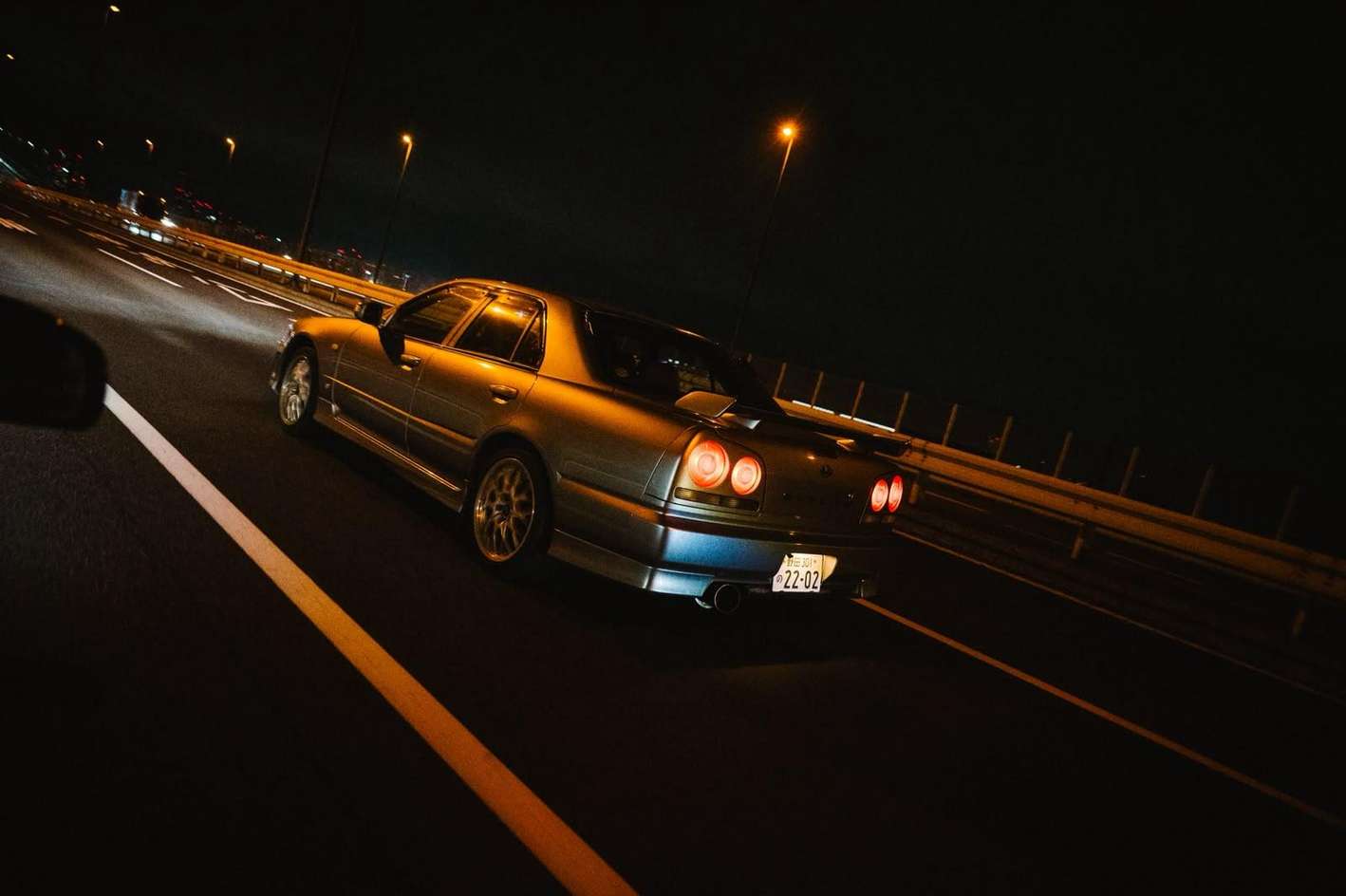
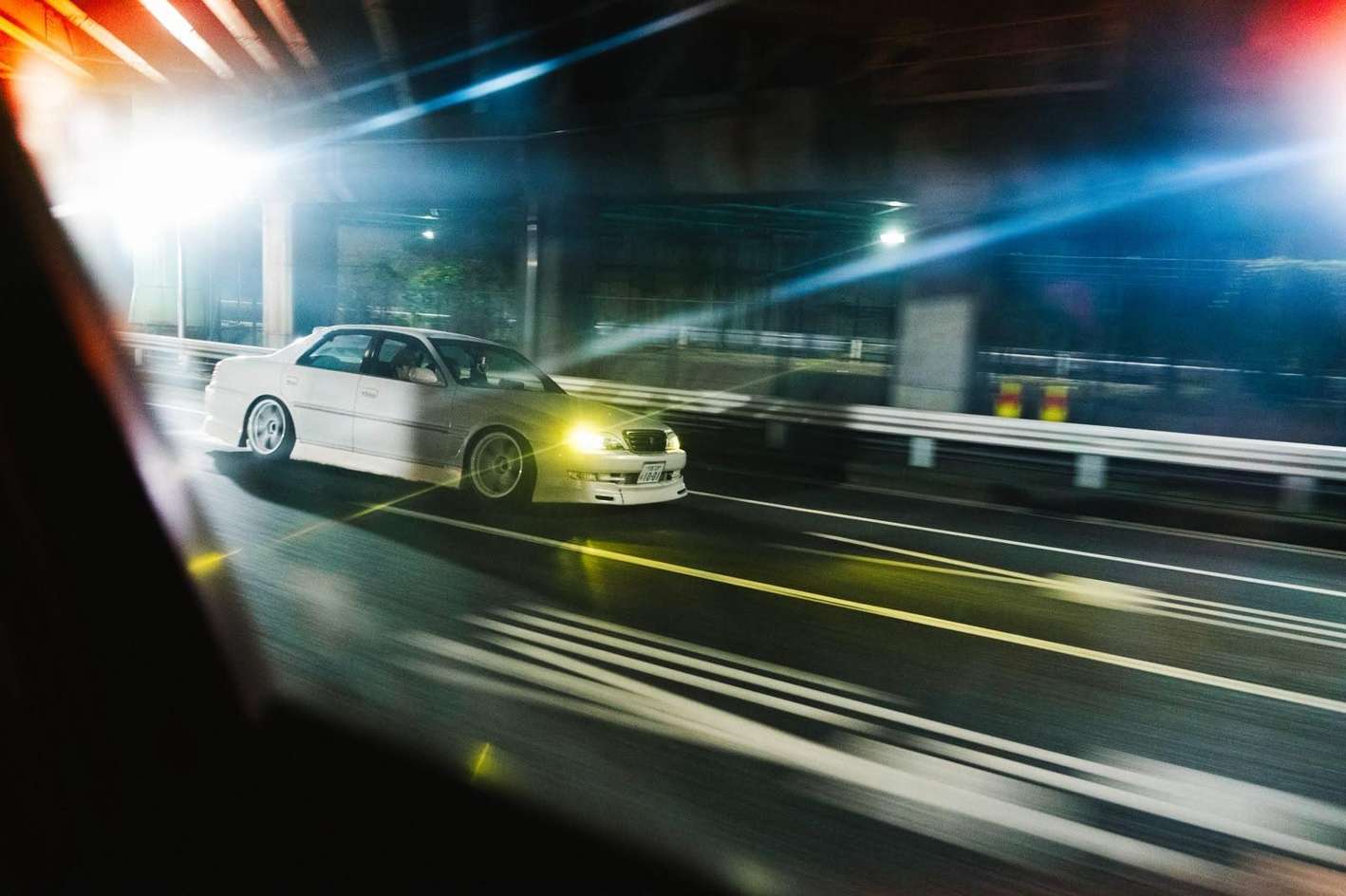
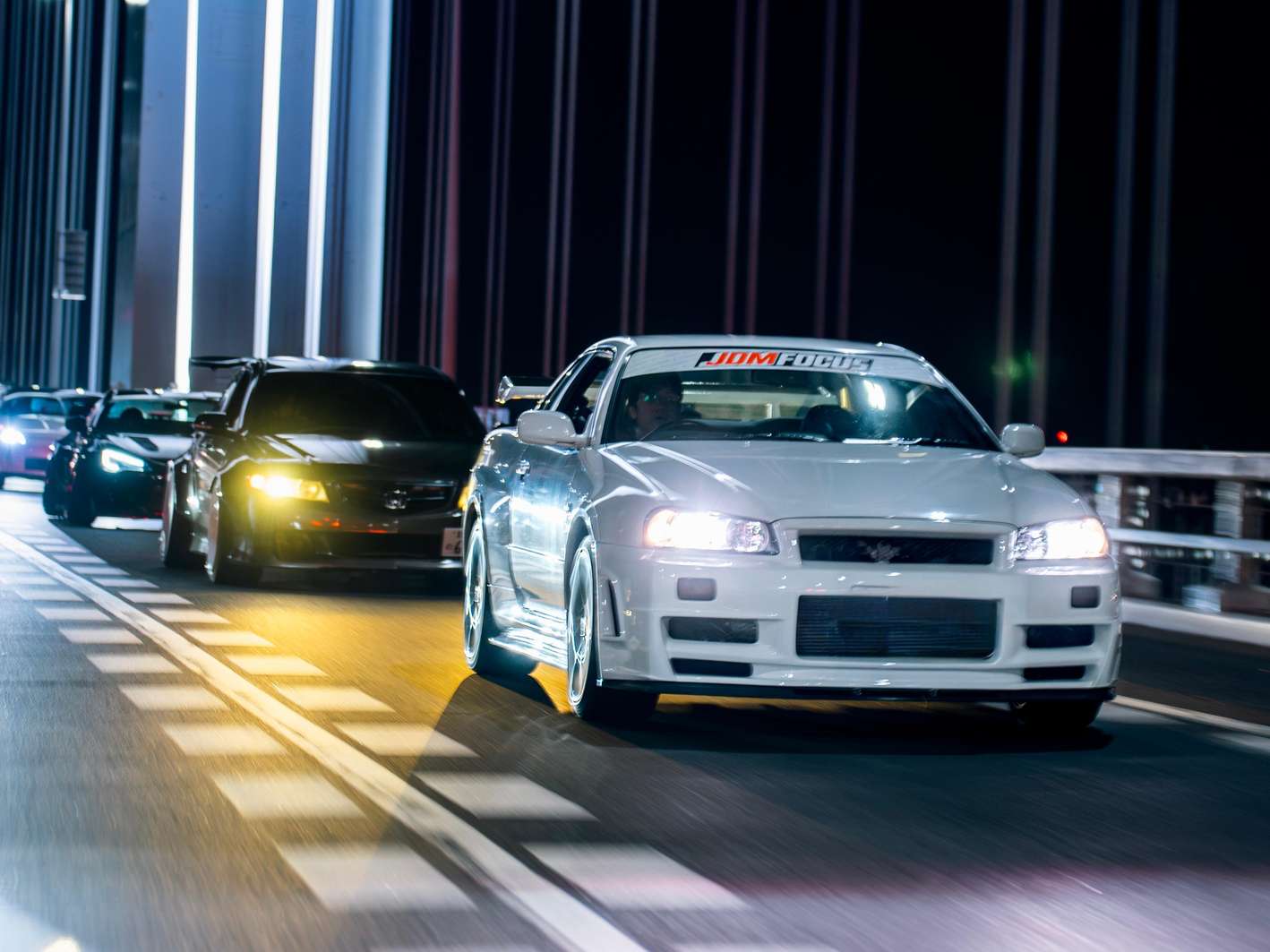
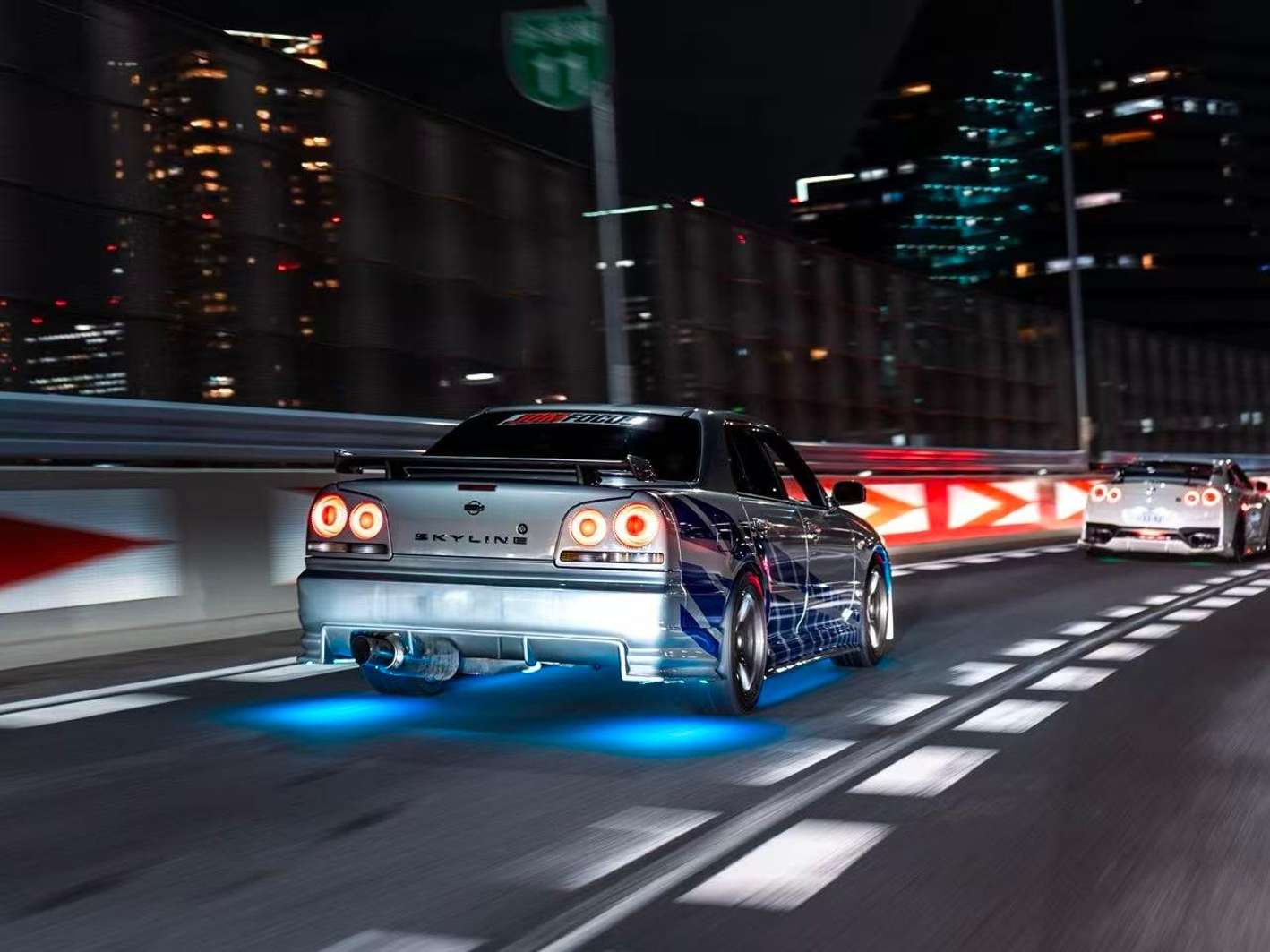
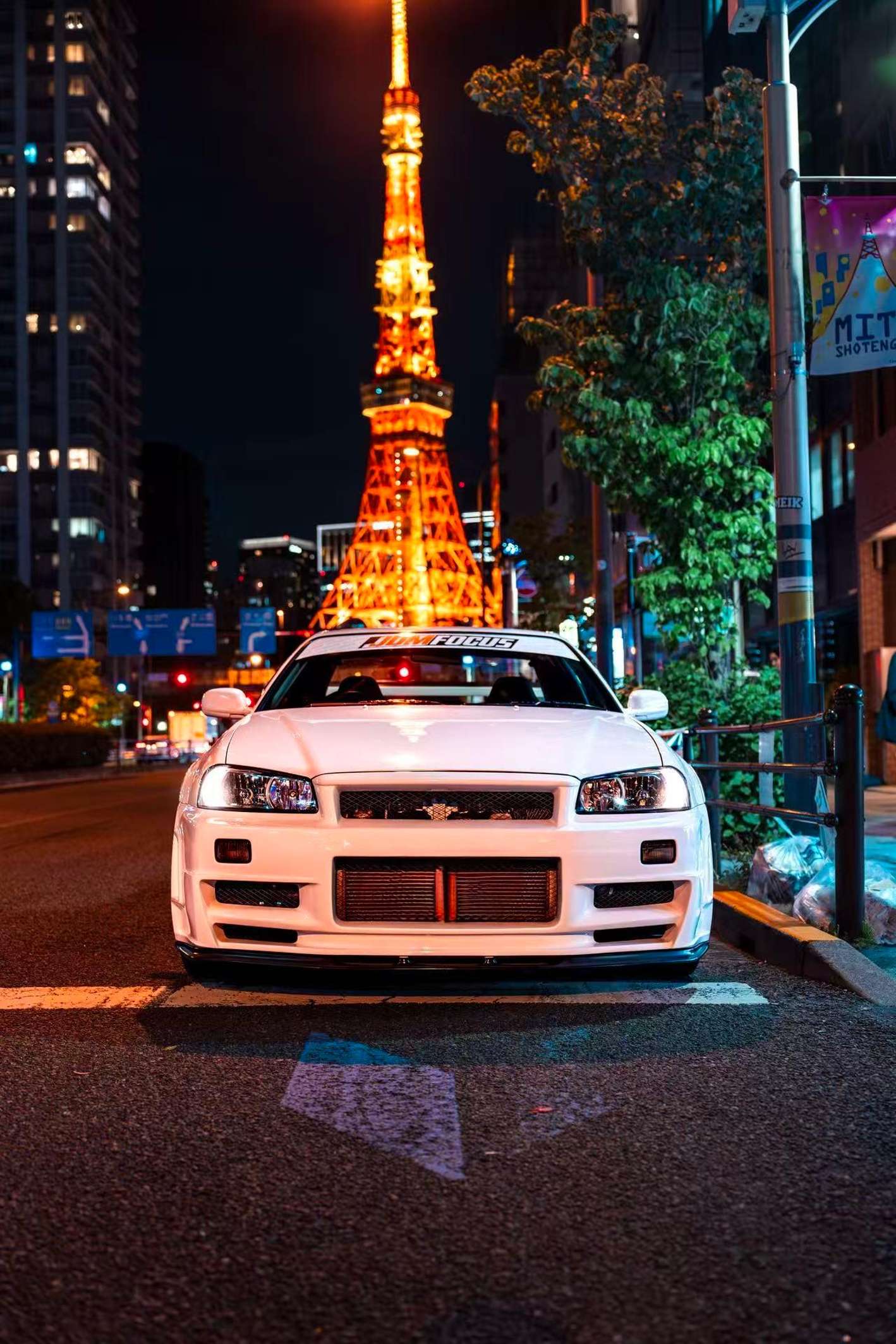
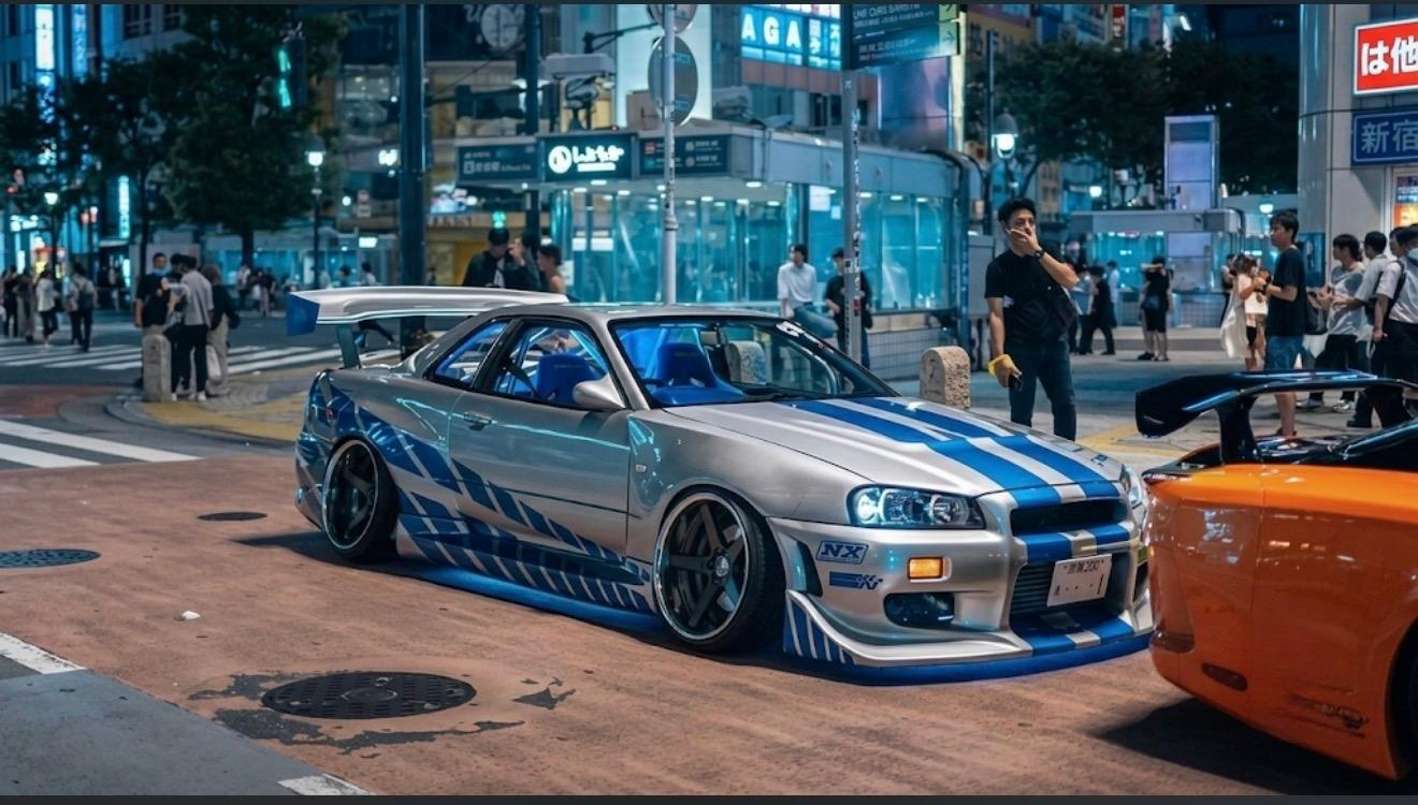
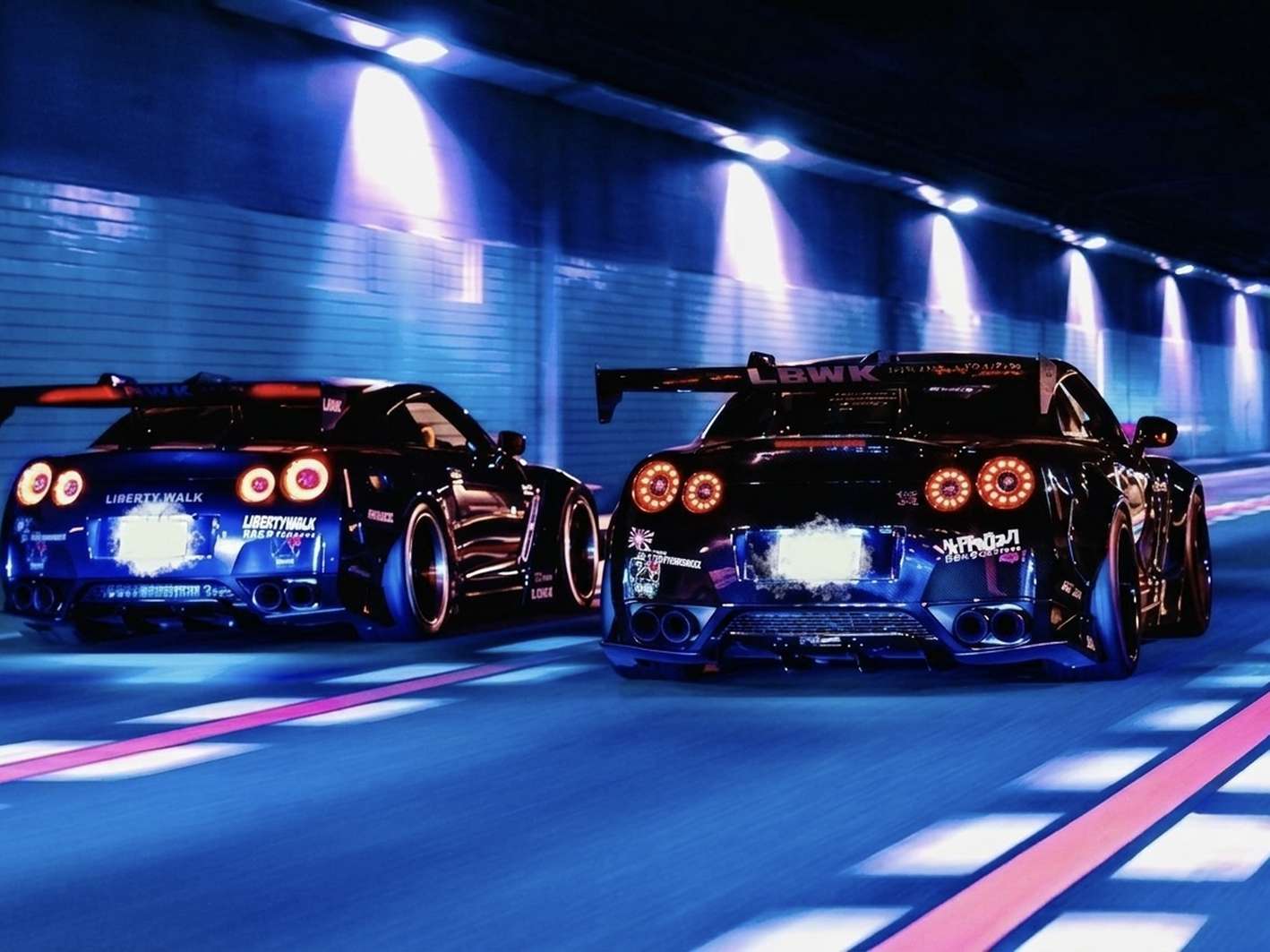
Book a night ride to Japan's most famous JDM car meet. Ride shotgun in a real Skyline, EVO or WRX with local enthusiast drivers, cruise the Wangan Route past Tokyo Tower and the Rainbow Bridge, and let your guide handle the highway, the tolls and the meet etiquette while you walk among the builds. Thousands of travelers have rolled with the convoy to Daikoku PA. Pick your night and take the ride.
4.9★average rating12,868traveler reviews100%free cancellation60countries travelers came from
Picking your Daikoku PA car meet experience
Every experience here takes you to the Daikoku PA car meet as a passenger in a JDM car, with a guide handling the driving. The choice comes down to flavor: a big movie-style convoy, an insider host who reads the scene night by night, or a small crew of enthusiast drivers.
AccessNo train, bus or foot path reaches Daikoku PA, and every tour here carries you there by car, so no documents beyond a passport or ID are needed to ride as a passenger.
Getting backTaxis and ride-hailing apps rarely pick up inside the parking area, which is why every guided tour includes the ride back to central Tokyo.
ClosuresPolice close the lot on busy weekend nights when crowds and noise build; guides then reroute to alternative spots like Umihotaru PA or Tatsumi PA, and one operator offers a full refund instead.
The carsThe meet is spontaneous, with no official schedule, so which cars show up on a given night can never be guaranteed.
WeatherTours run in normal rain, though fewer show cars appear; severe storms or highway closures lead operators to reschedule, reroute or refund.
BookingWeekend night slots fill and closures start early, so pick a date and book ahead; most tours let you cancel up to 24 hours in advance for a full refund.
EtiquetteNever touch, lean on or sit on the parked cars, and no revving or burnouts on site, since that behavior is what triggers police shutdowns.
LuggageLarge suitcases are not allowed in the cars, and sports coupes seat only three or four people, so travel light.
MobilityThe low sports cars do not suit wheelchair users; you need to get in, sit comfortably and get out without help.
Which car meet at Daikoku PA suits you best?
Answer a few quick questions and find the night run that fits you.
1Who's coming?
2What's your budget?
3What do you want to see?
4What kind of trip?
Your best match
match
Tokyo: Fast & Furious Tokyo Drift III Experience★ 4.8 (6,369) · 3 - 4 hours · Classic car meet
Popular with solo travelers; 96% of solo travelers gave it 4 or 5 stars.
Booked 31 times yesterday
A 40-car fleet with drop-off at your central Tokyo hotel.
The evening works like a loop through Tokyo's car scene, with the meet itself at the center.
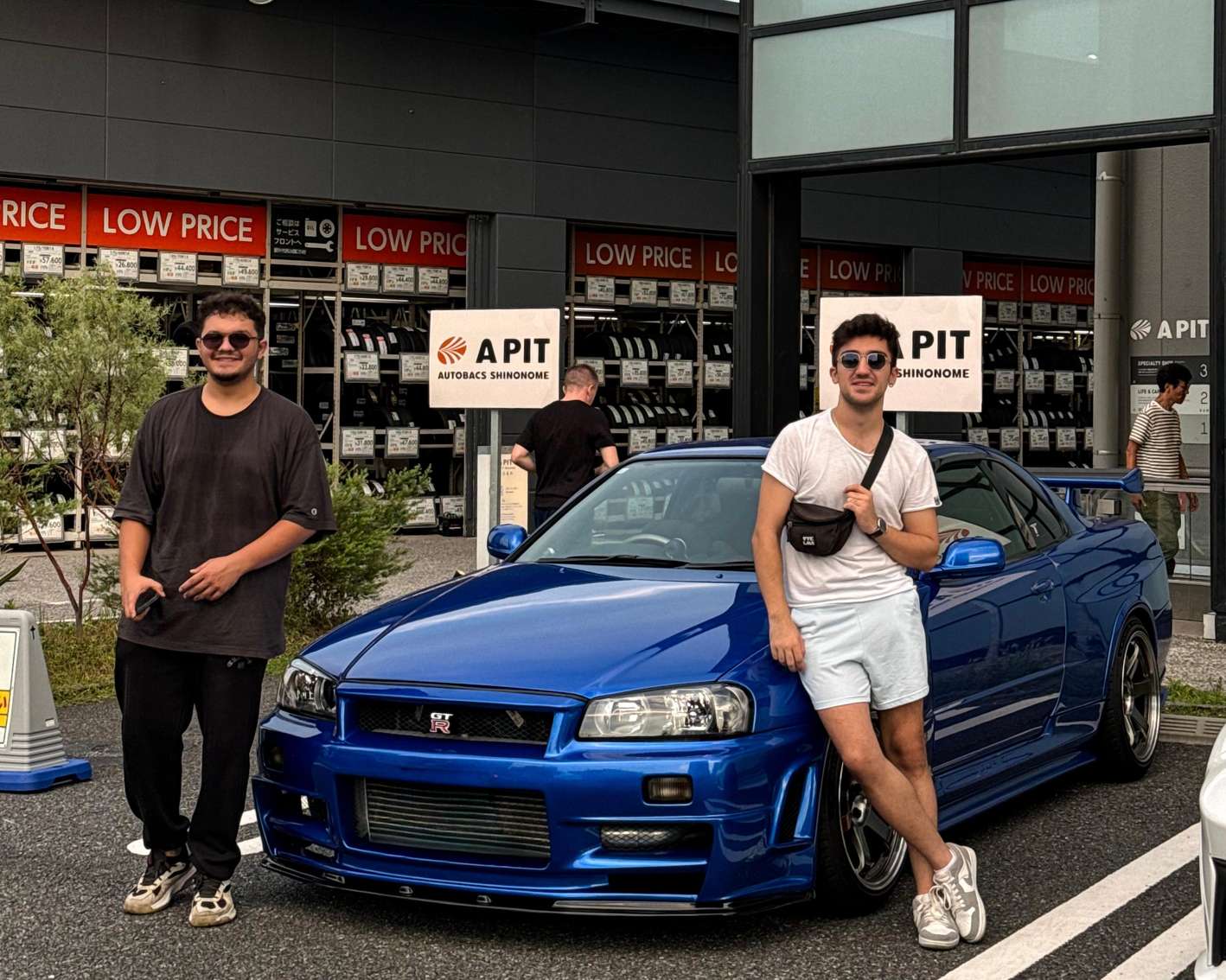
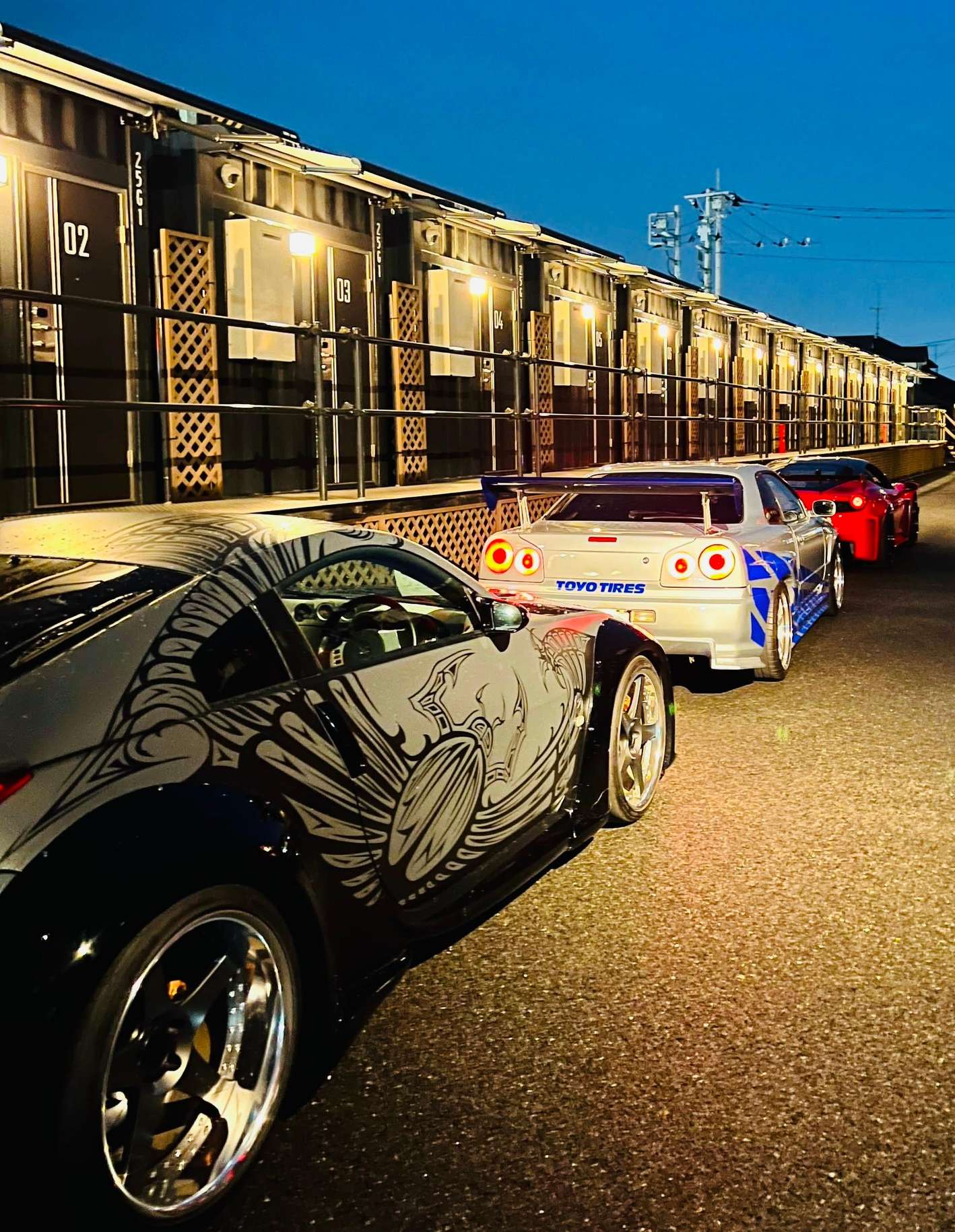
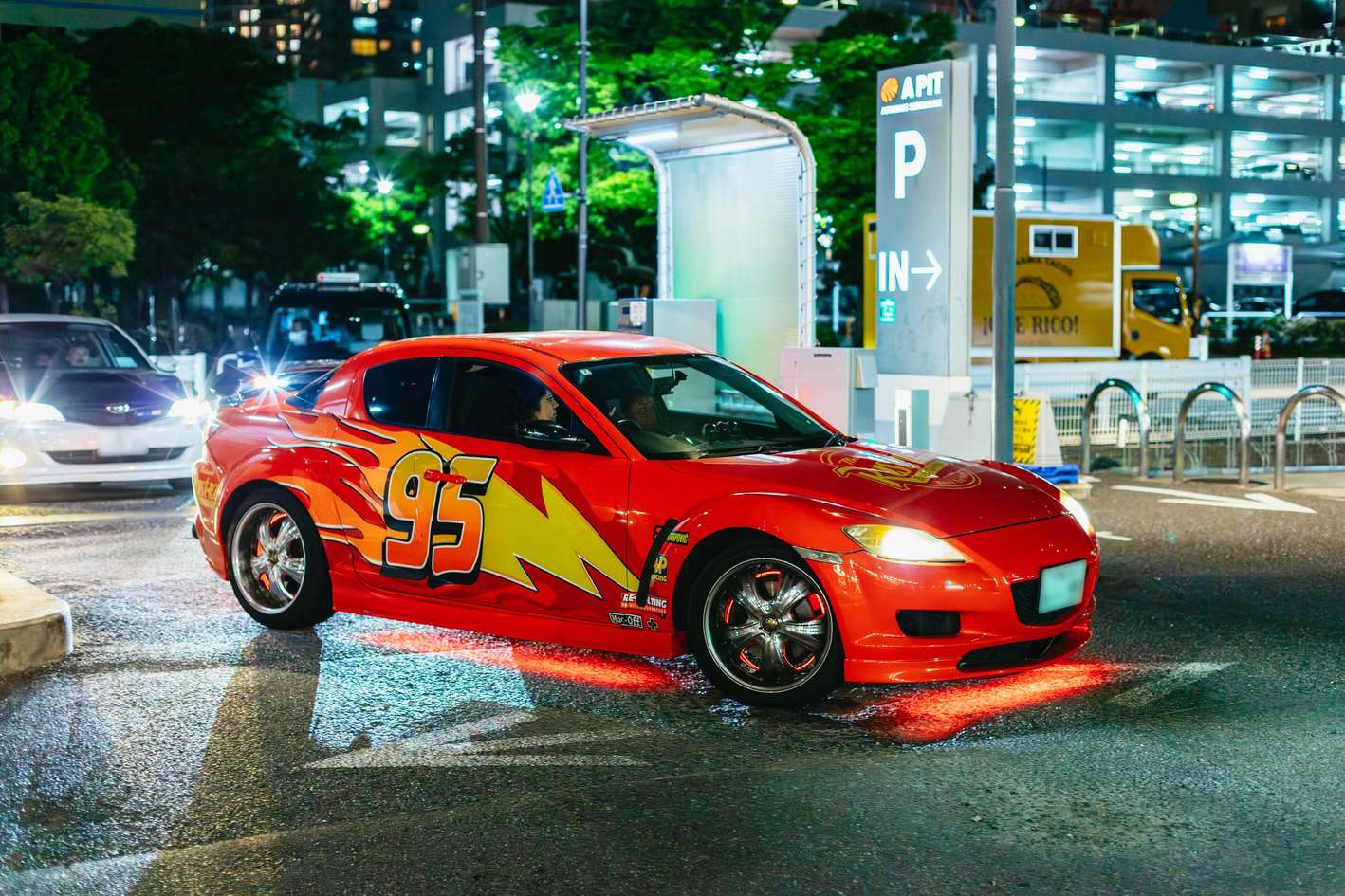
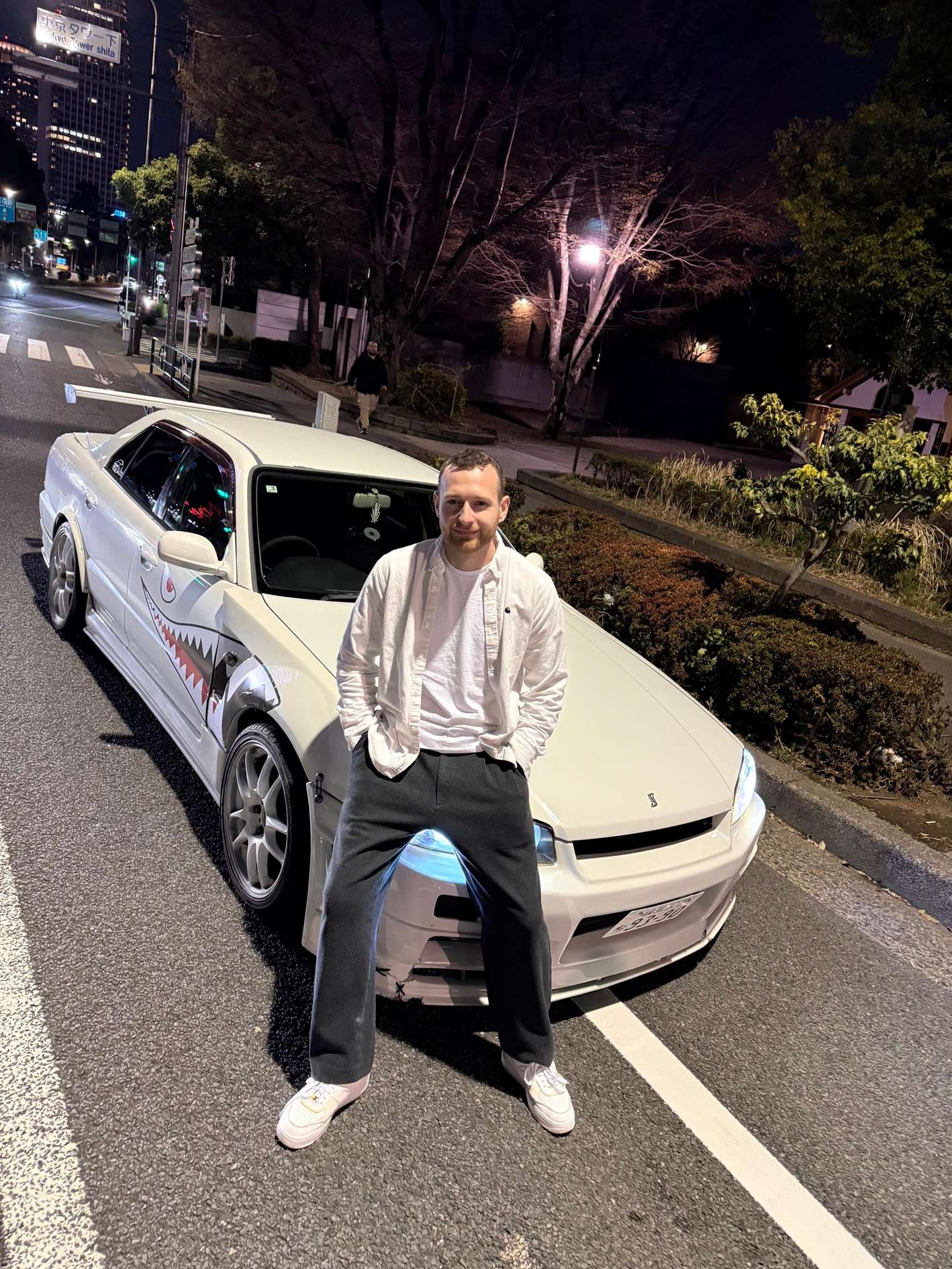
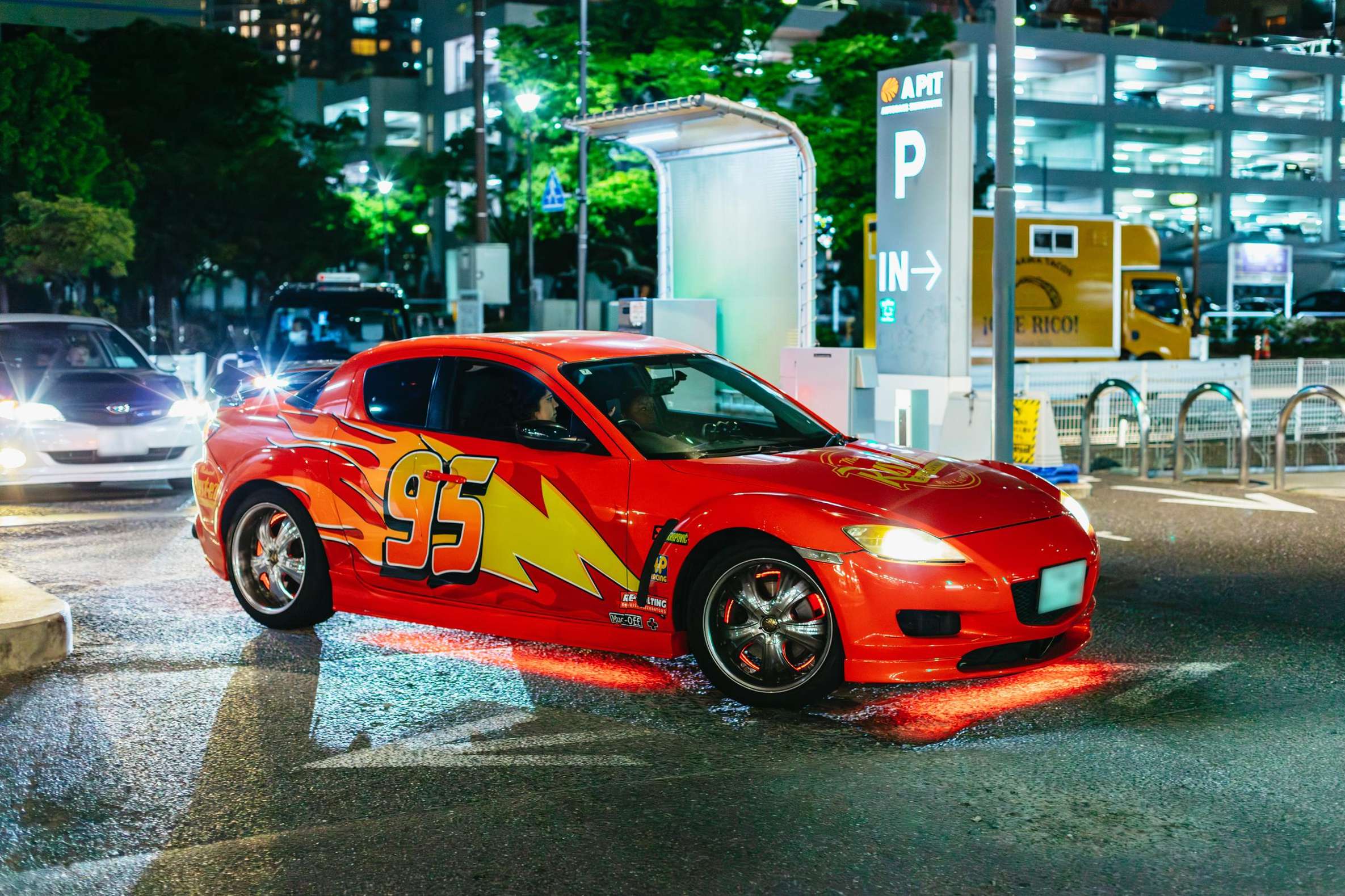
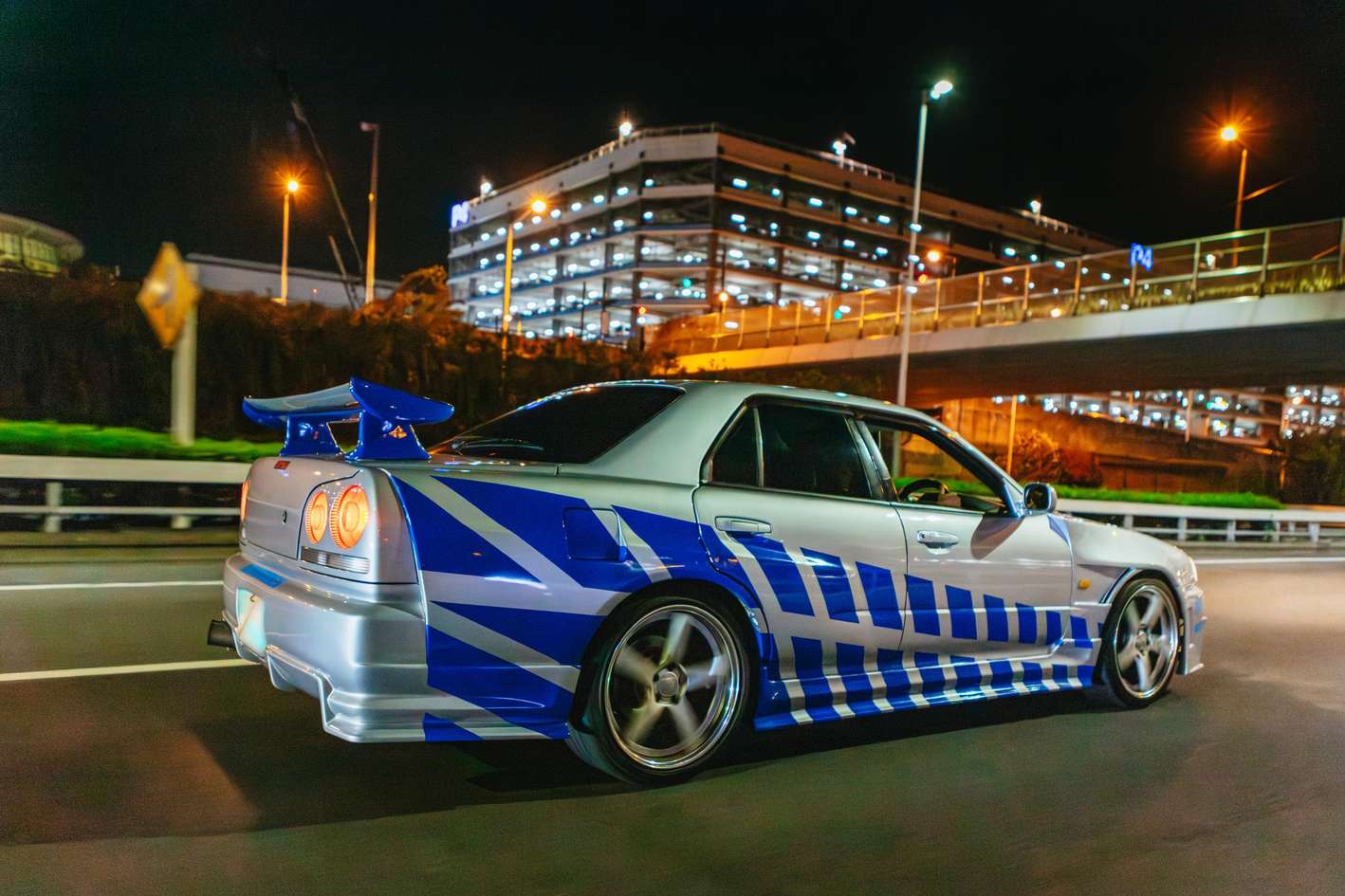
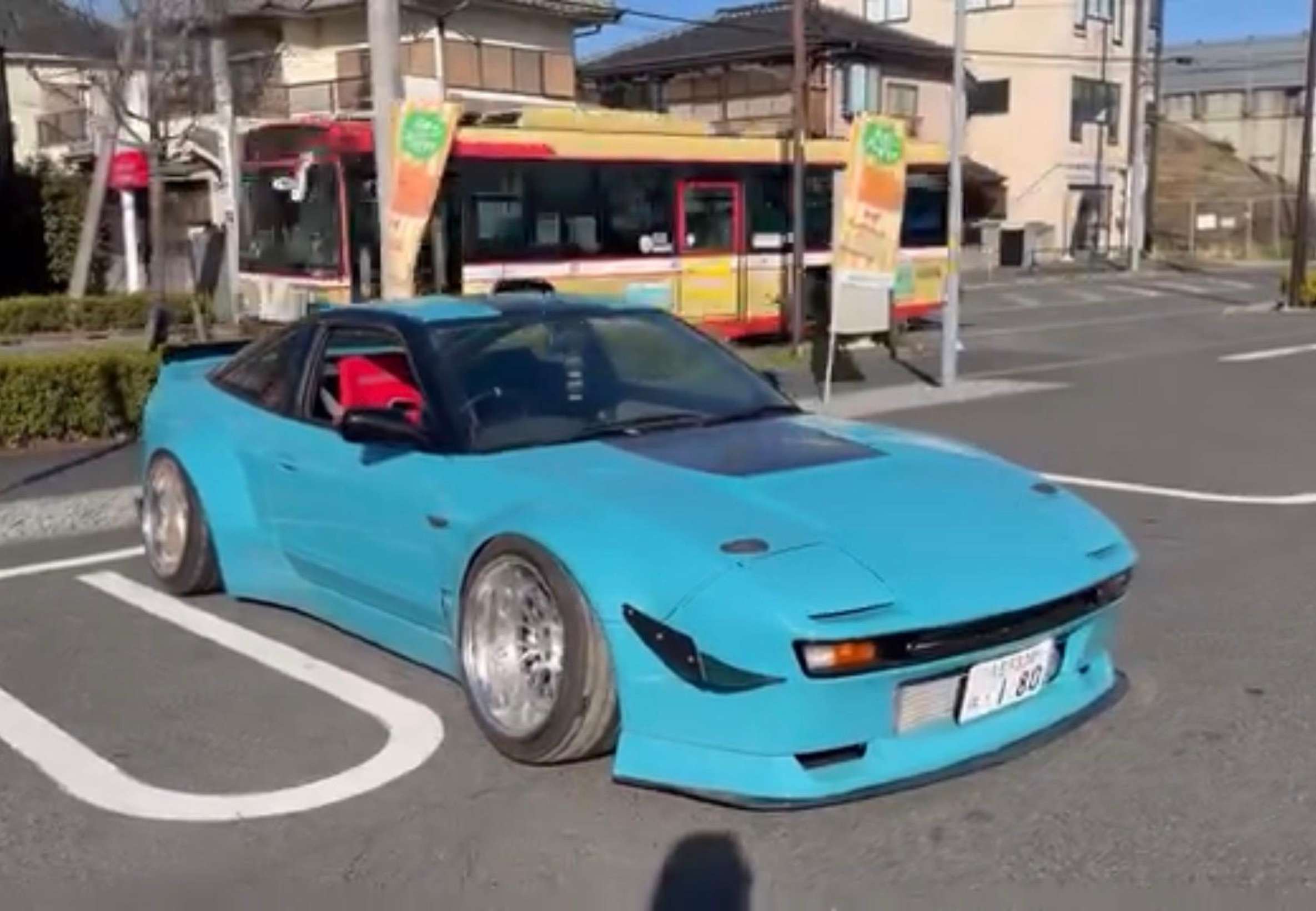
You ride in a modified Japanese sports car with a driver who knows the expressways, and the first stop is A-PIT Autobacs in Shinonome, a giant car-supply store where you get half an hour to browse parts and look at the customer cars parked outside.
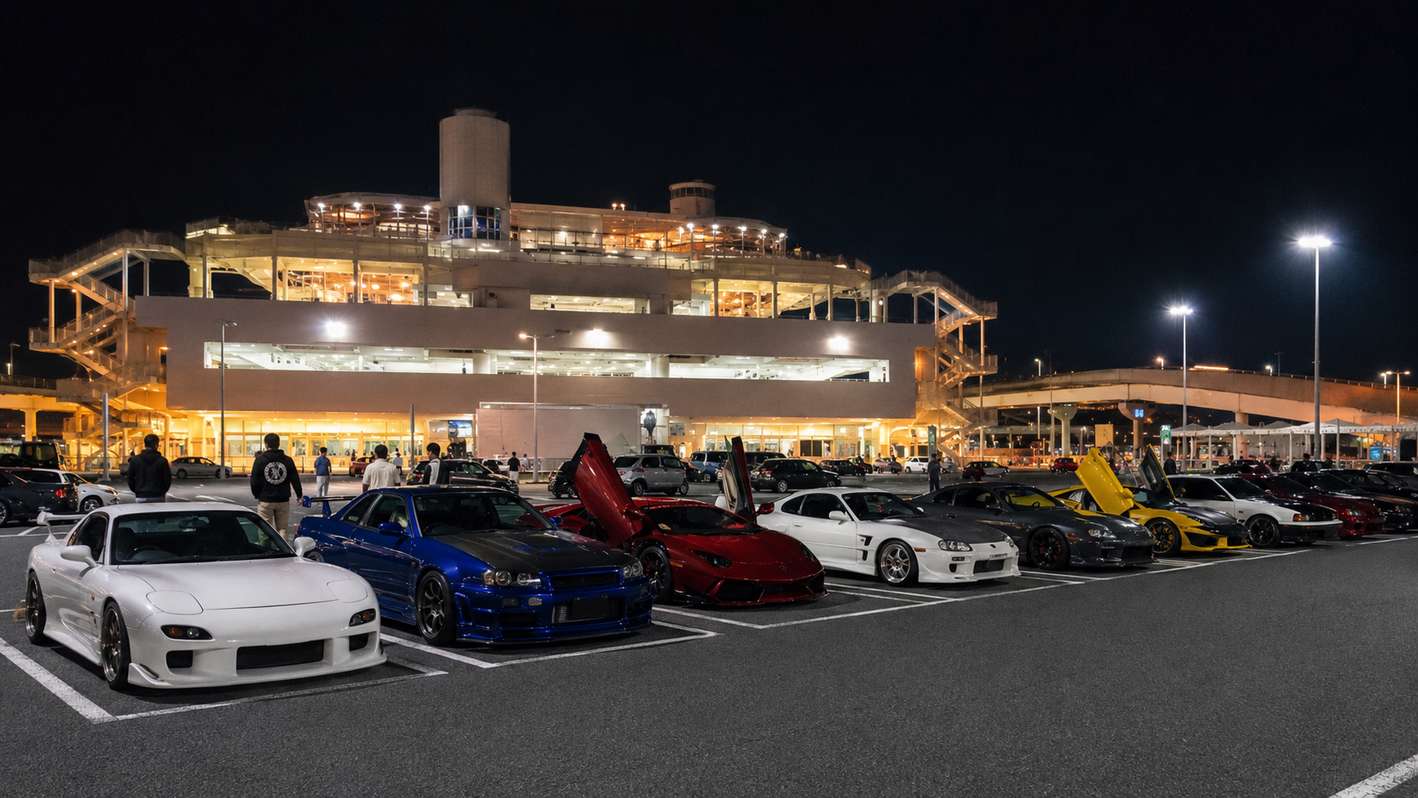
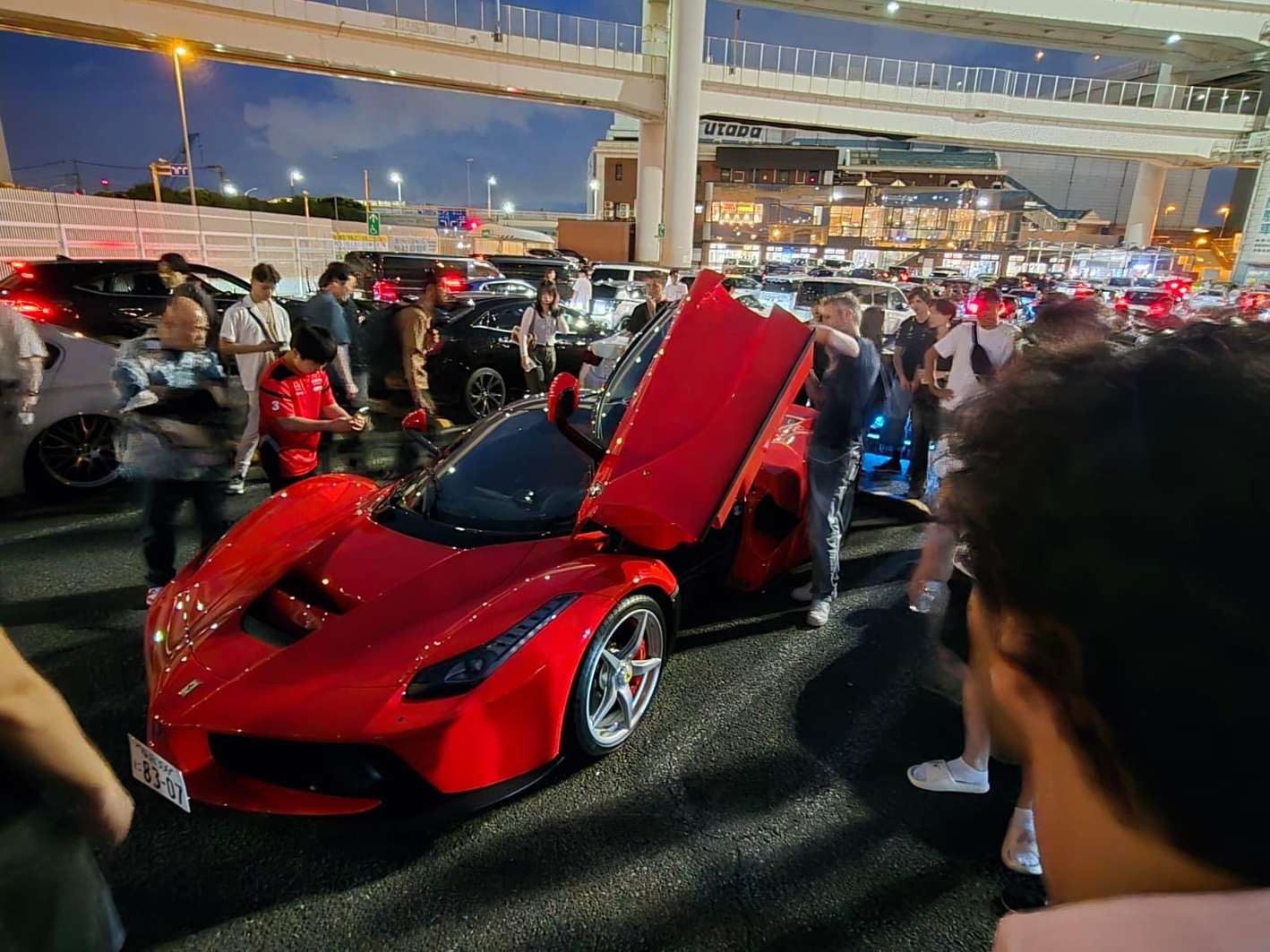
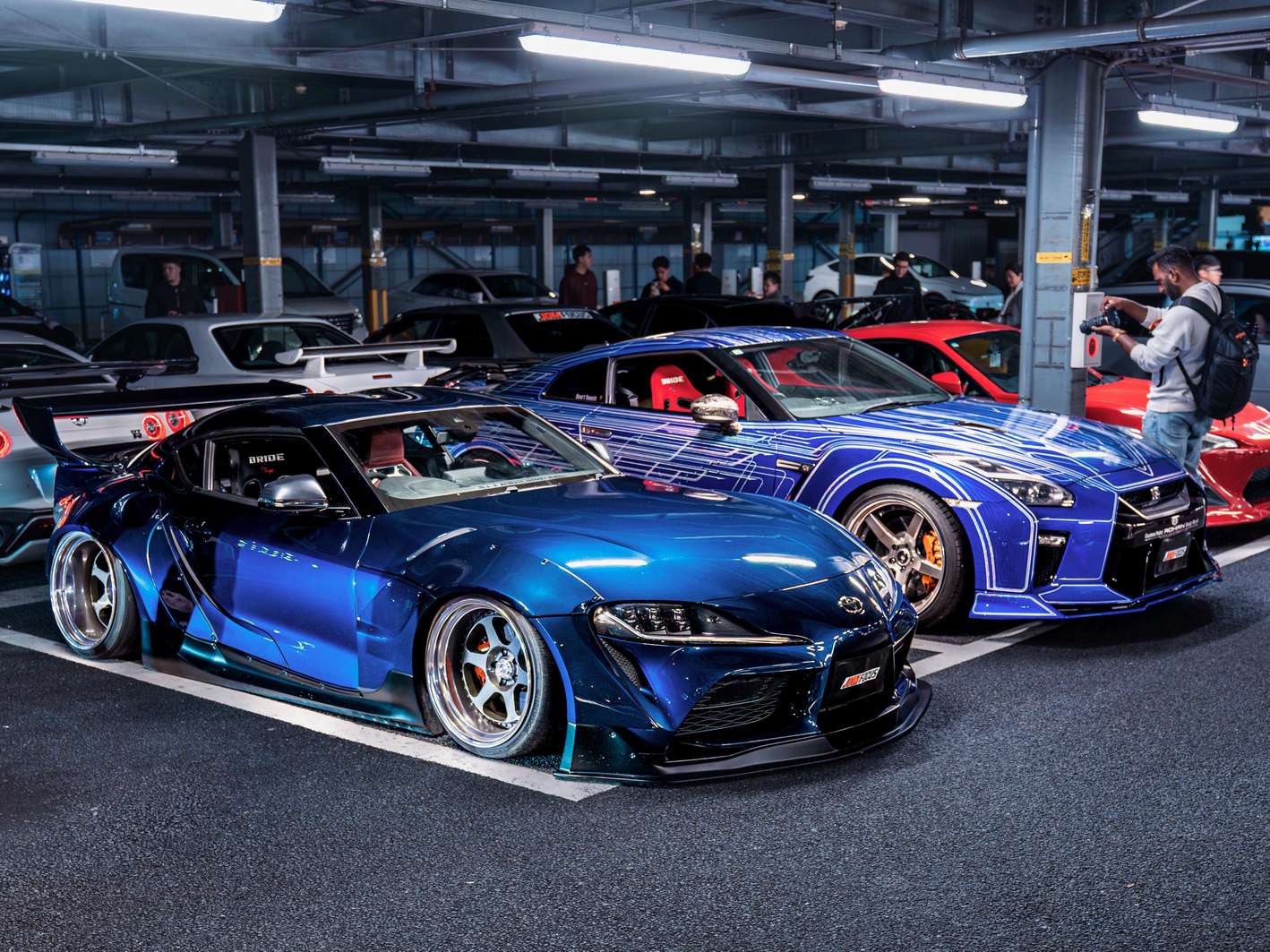
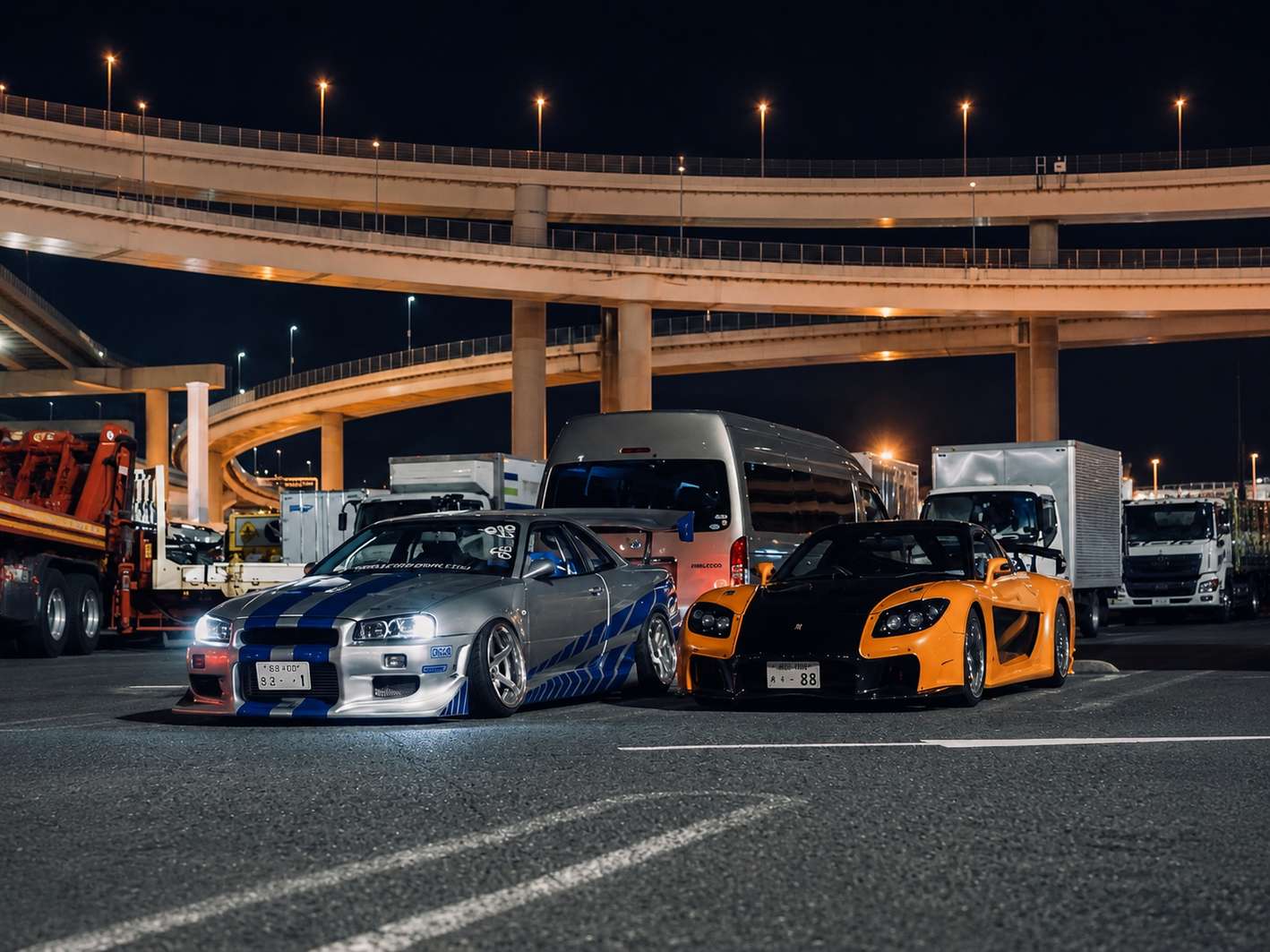
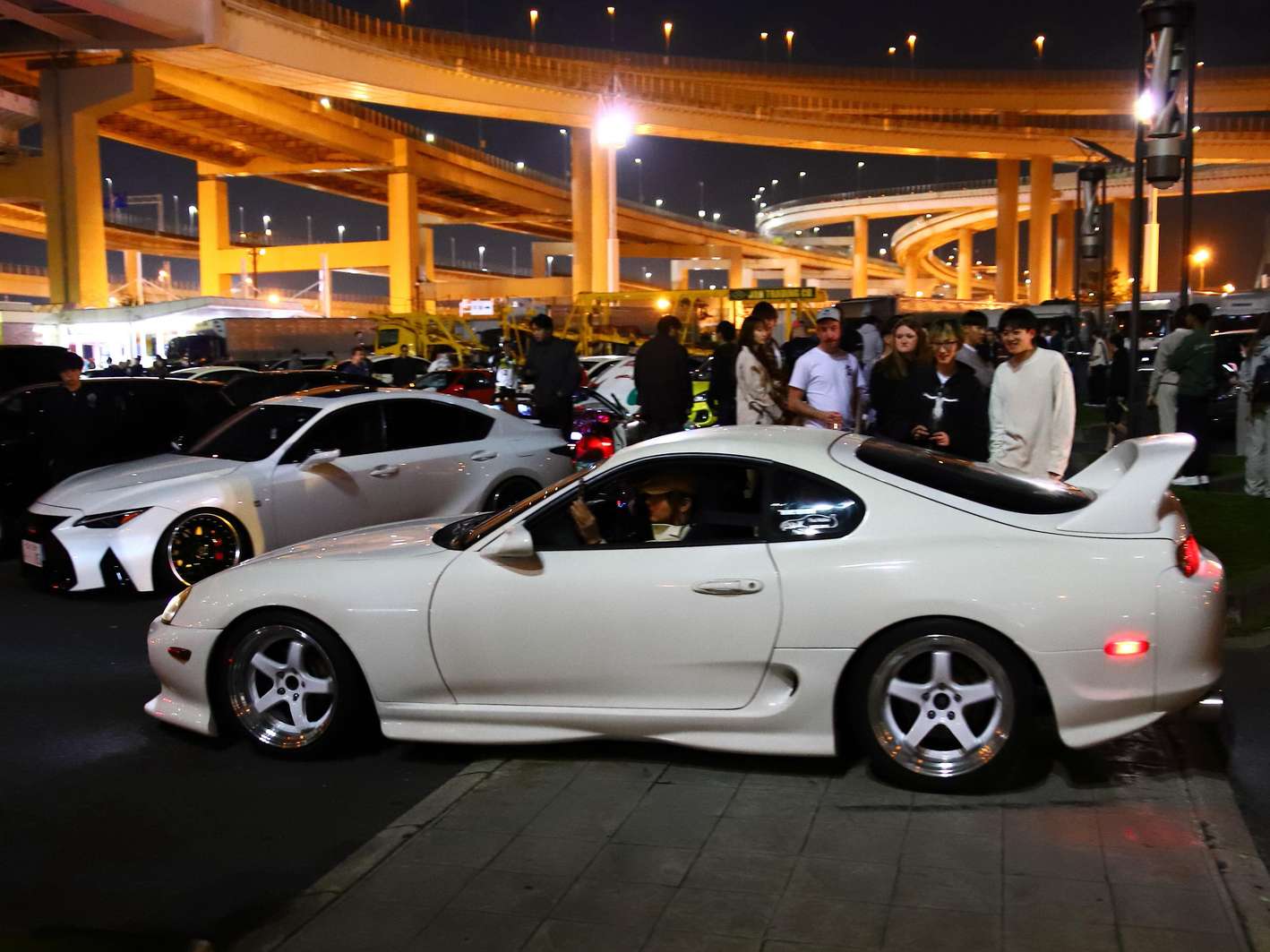
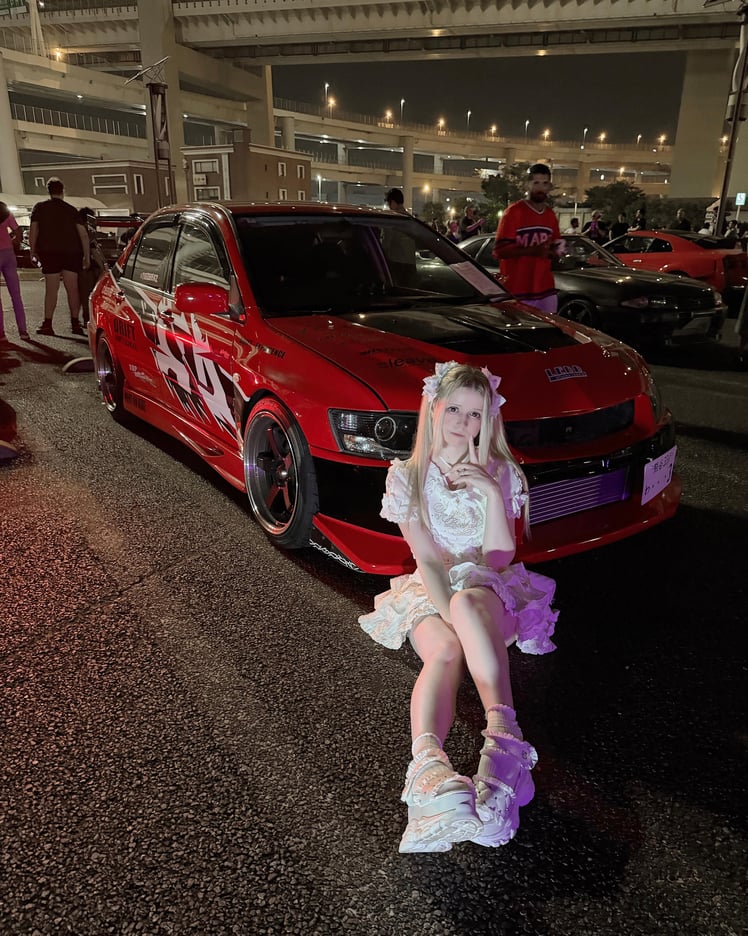
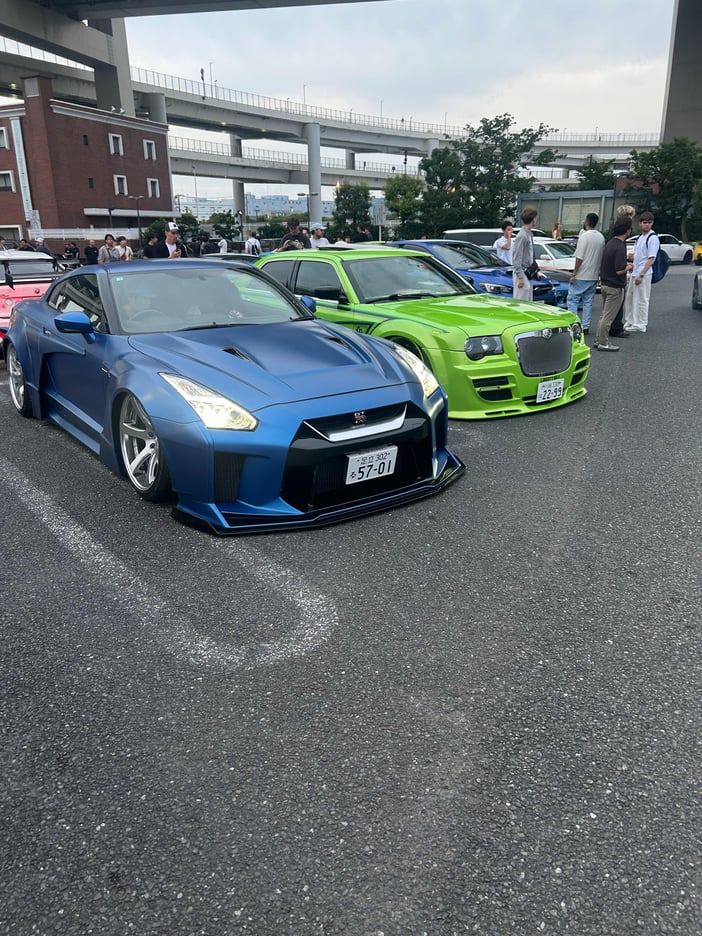
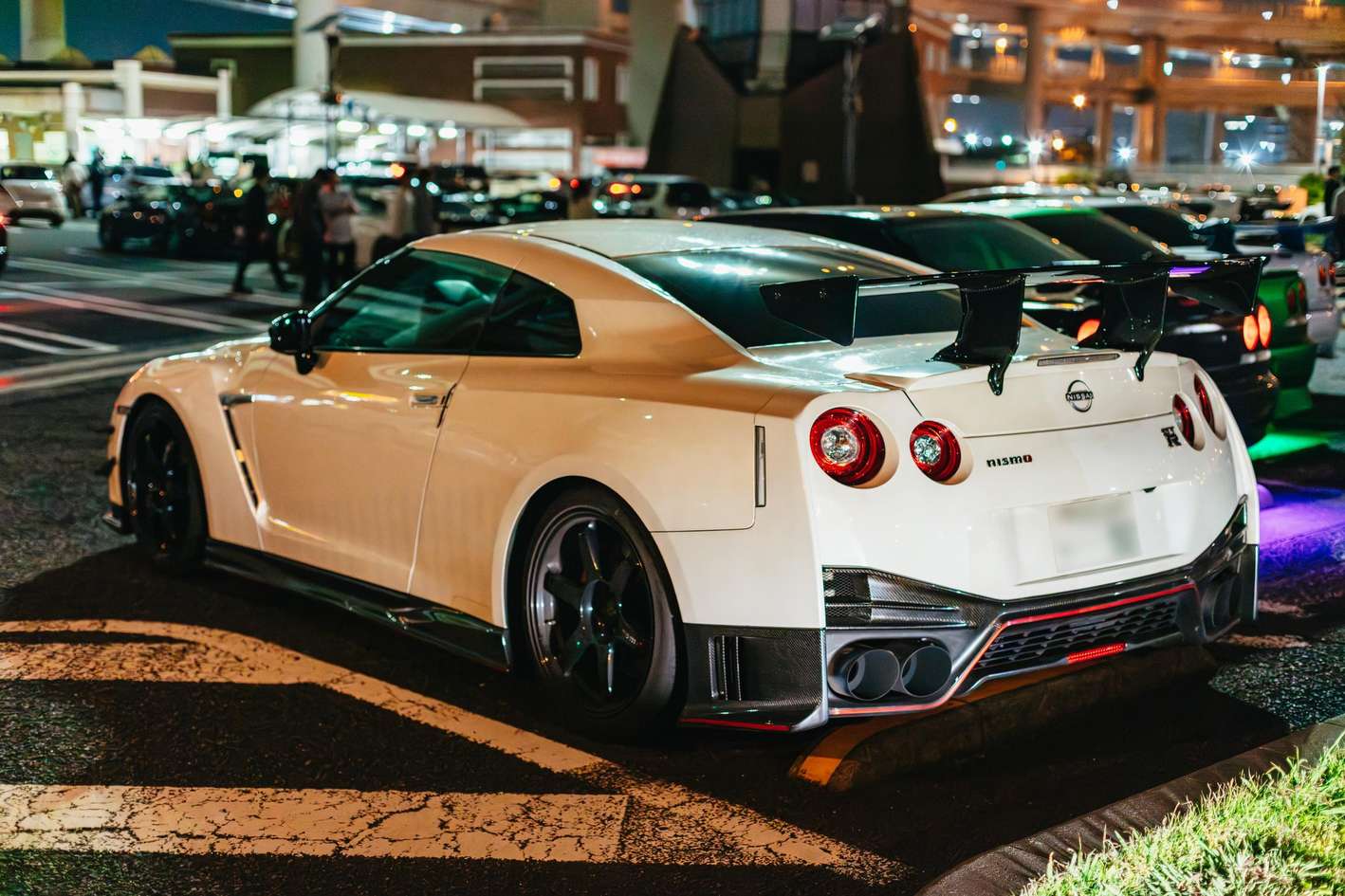
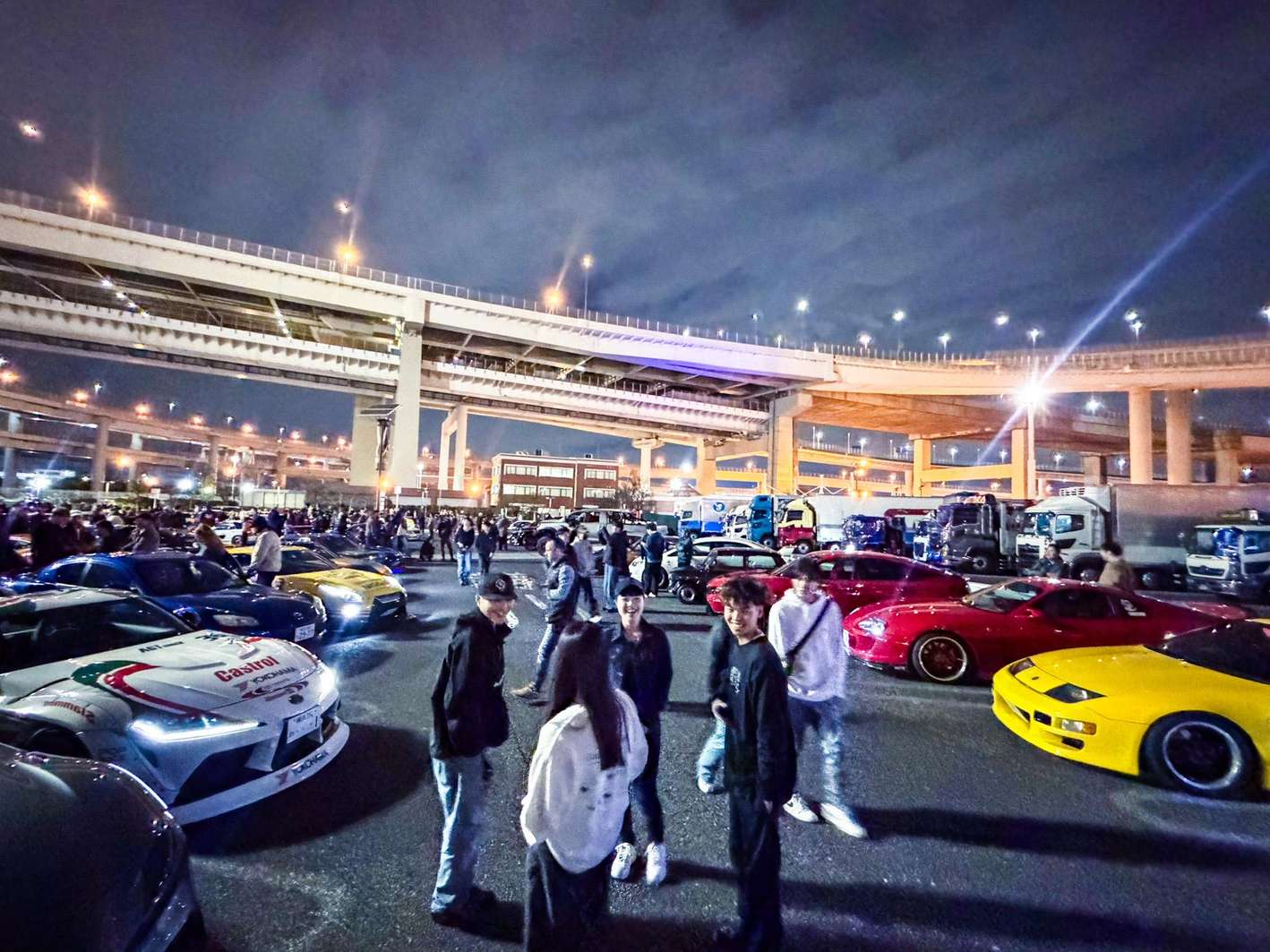
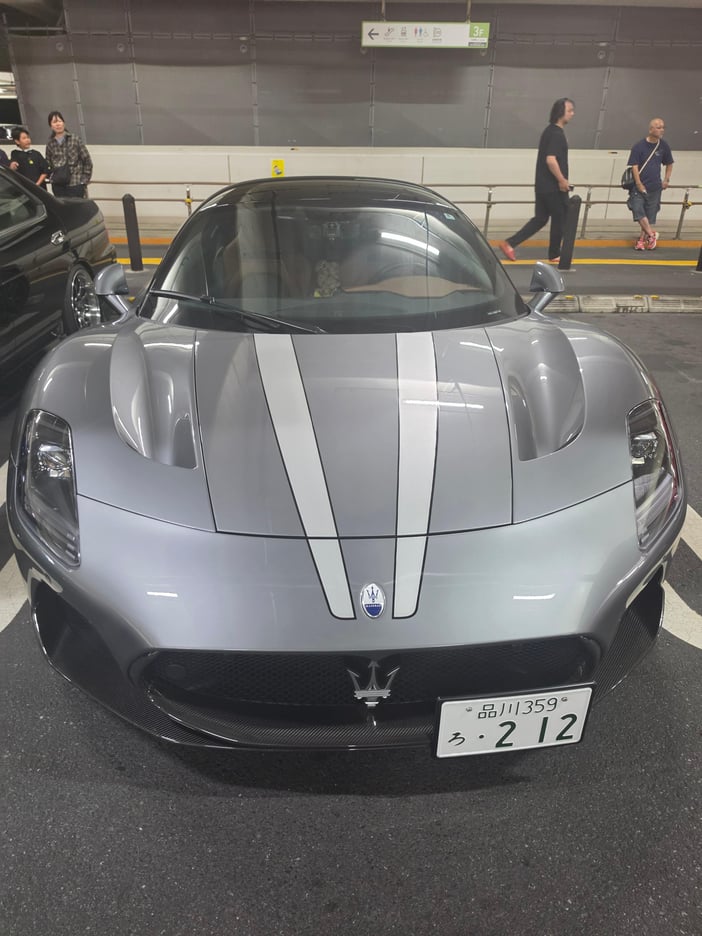
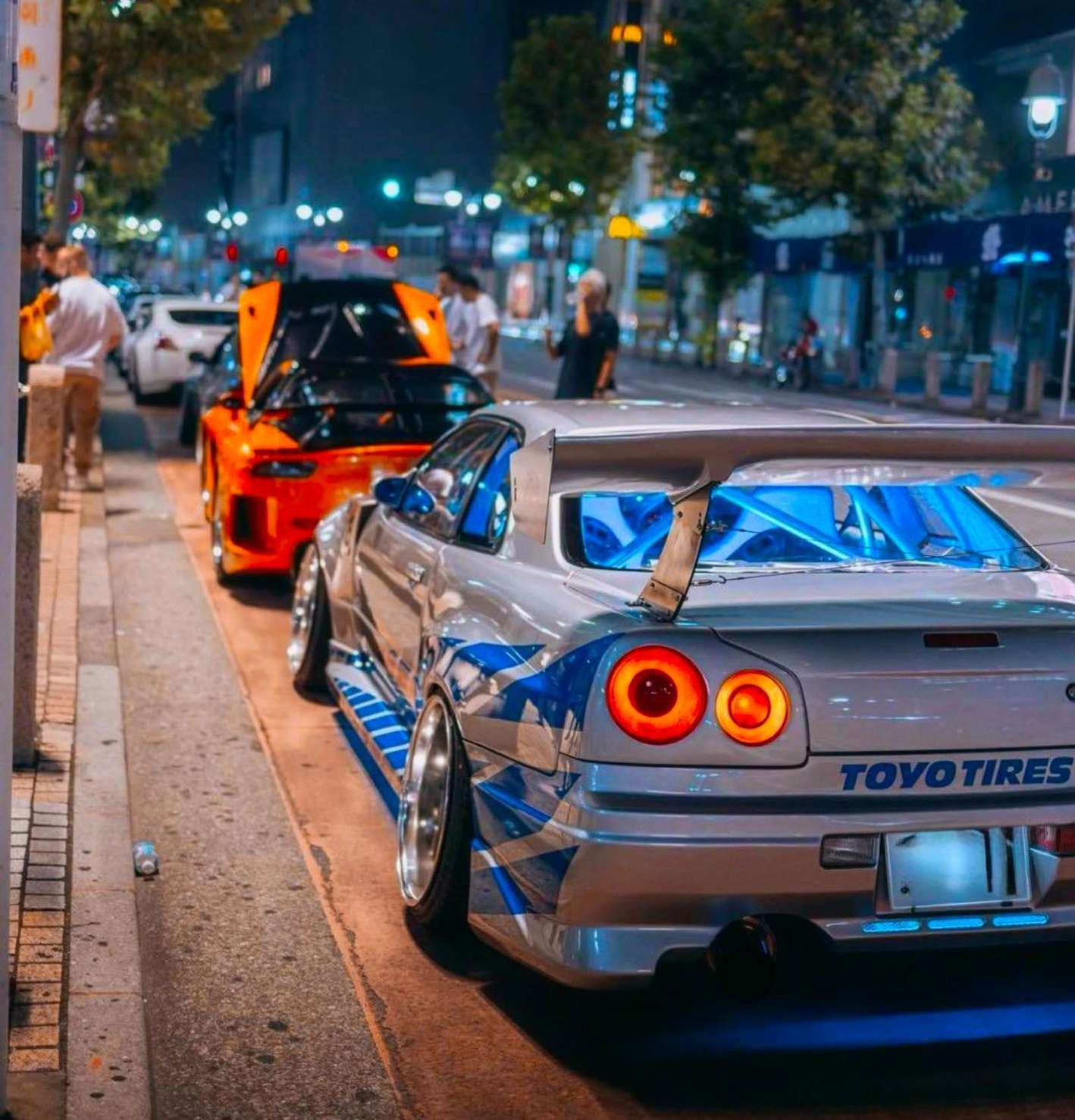
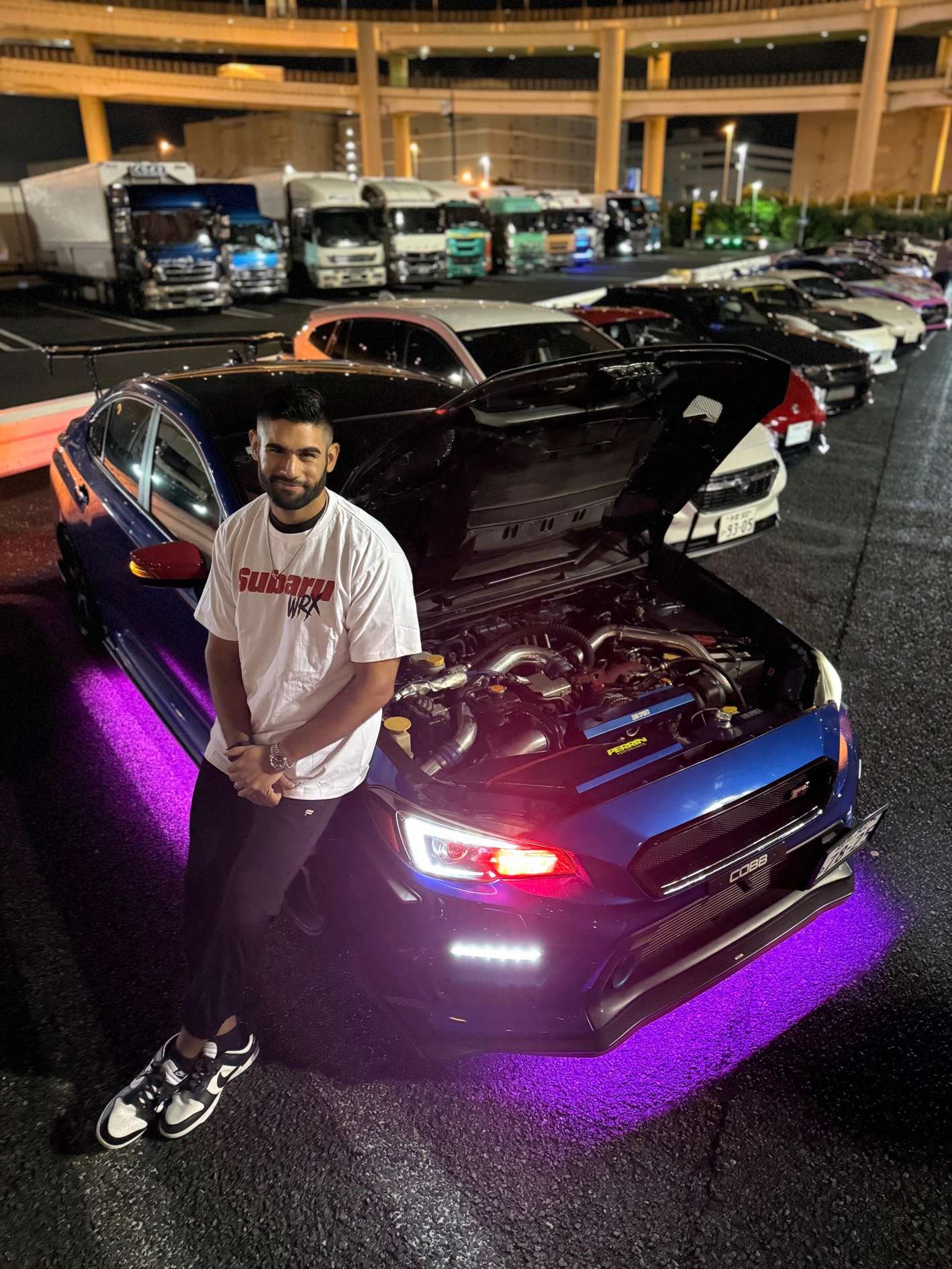
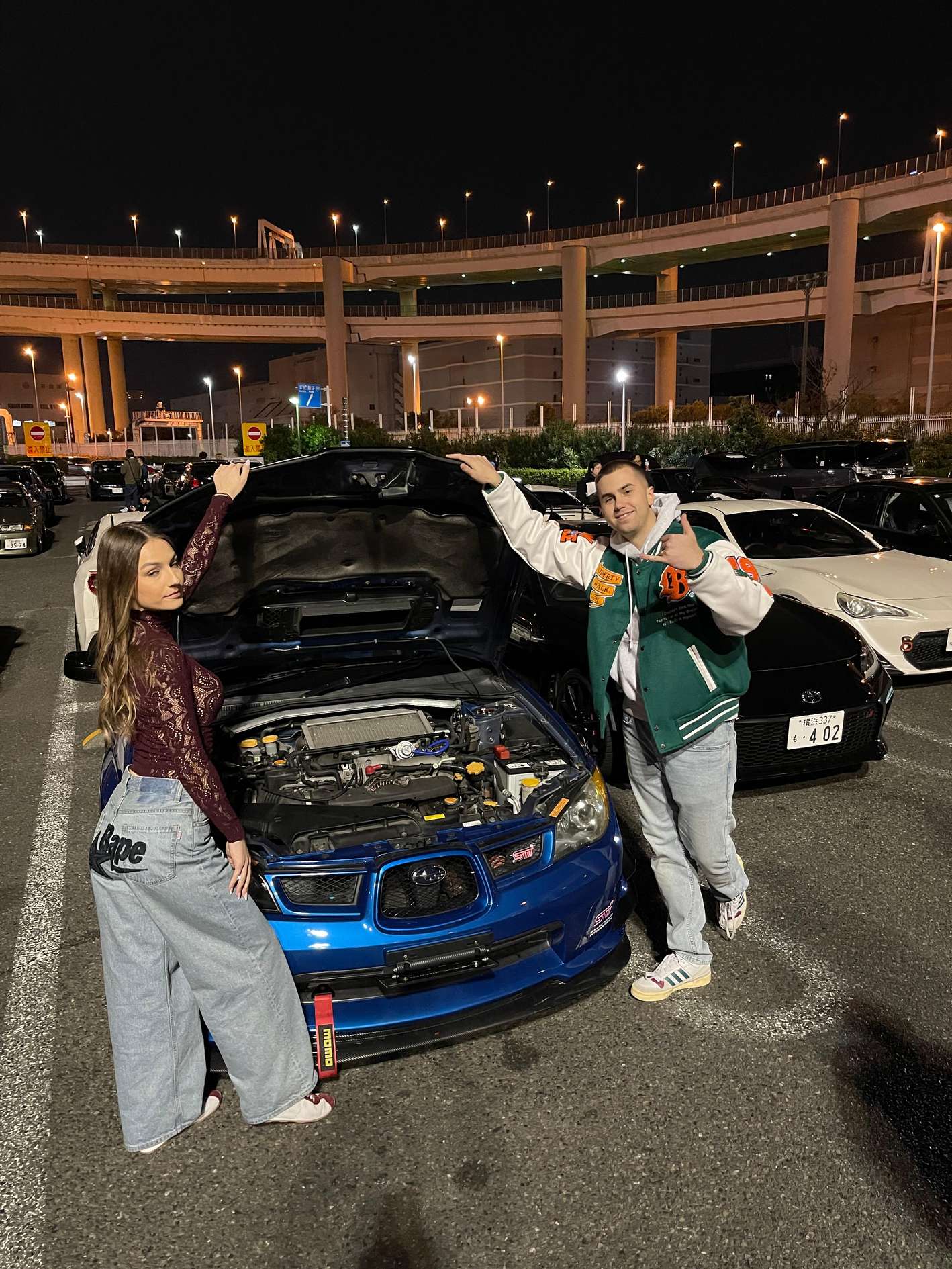
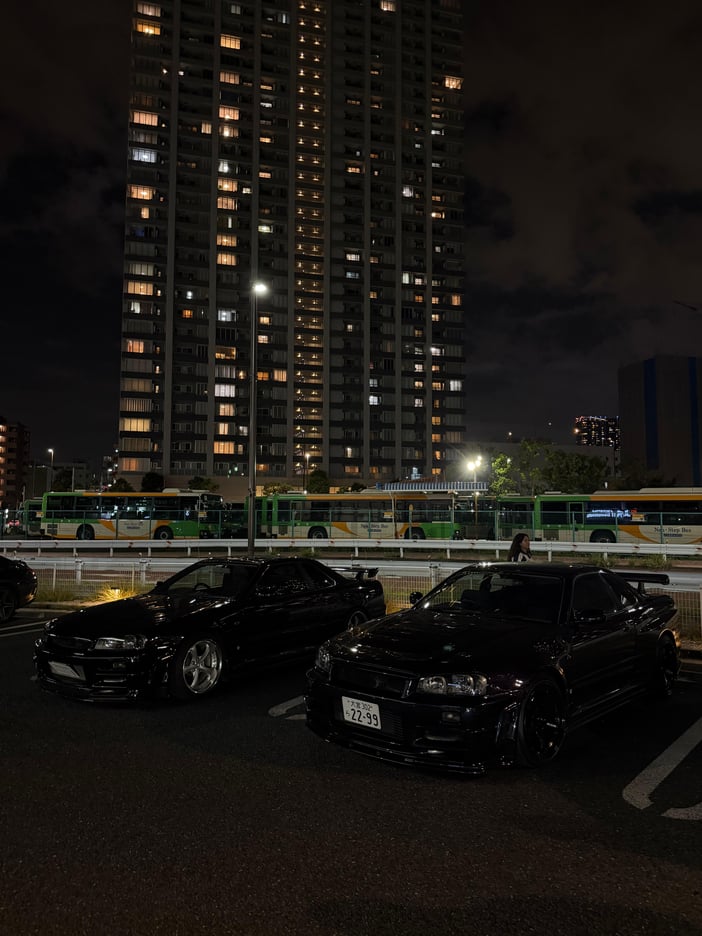
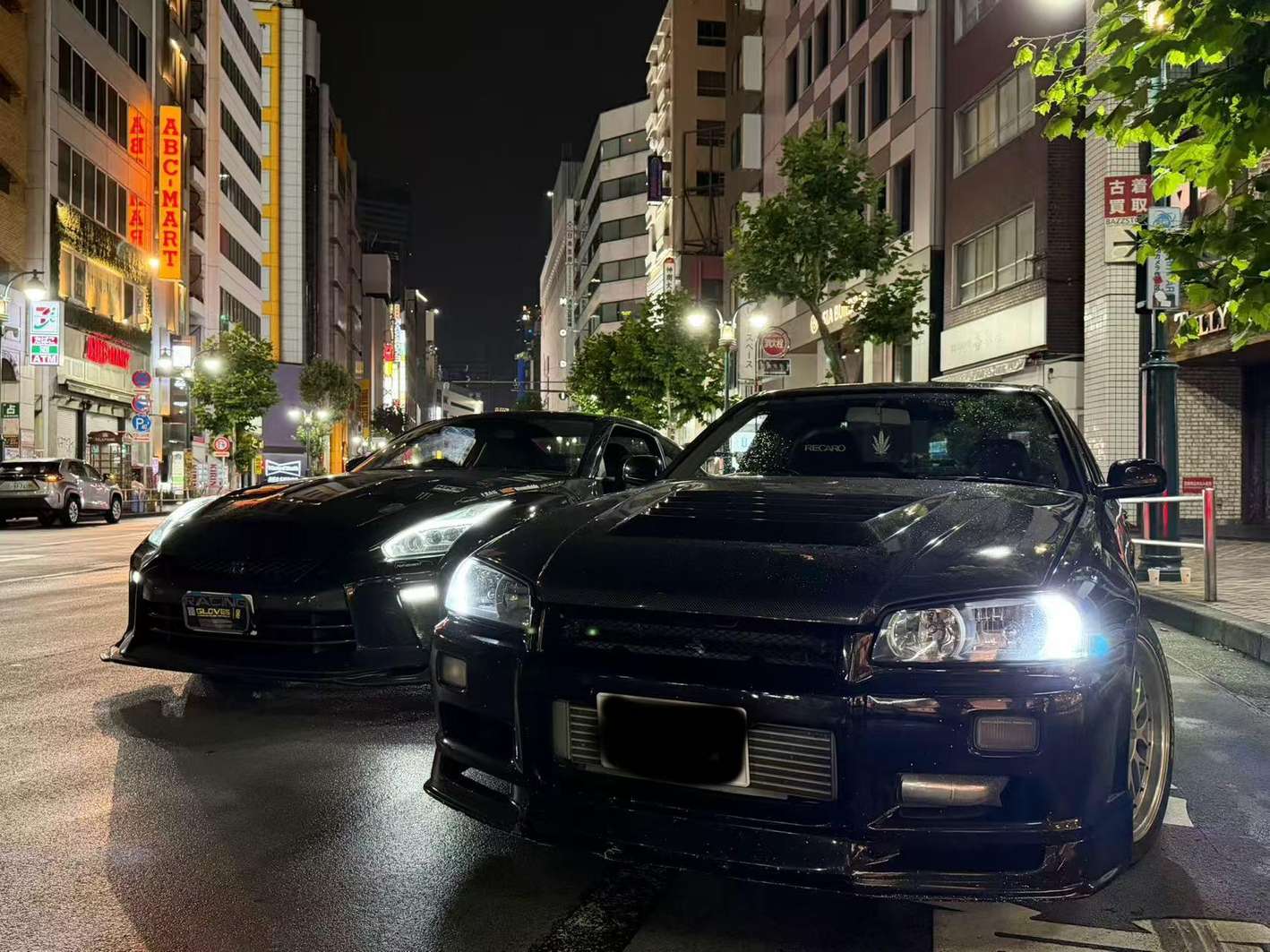
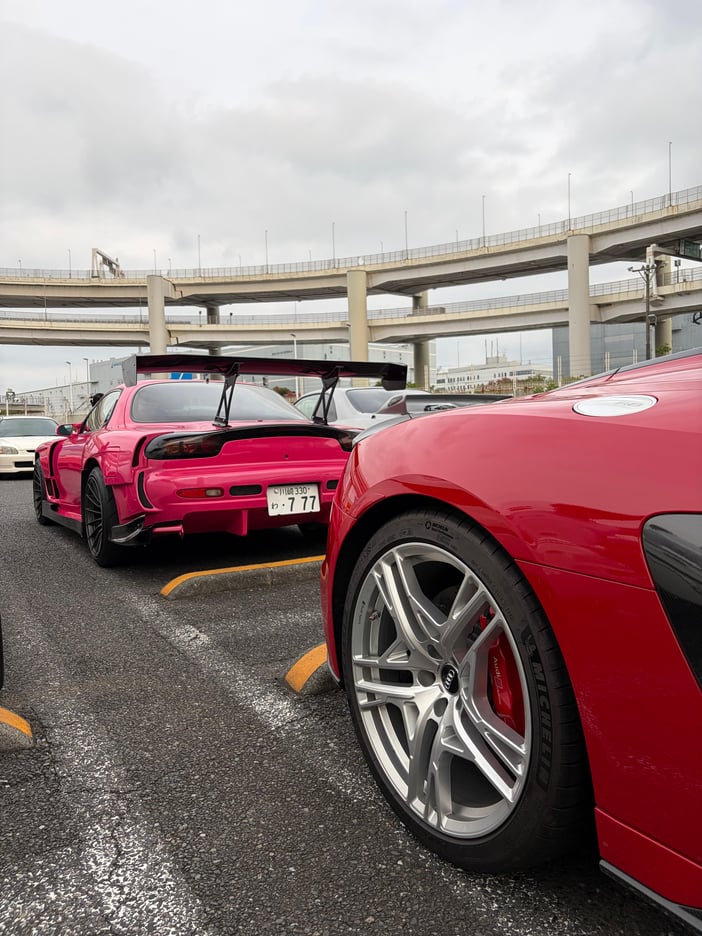
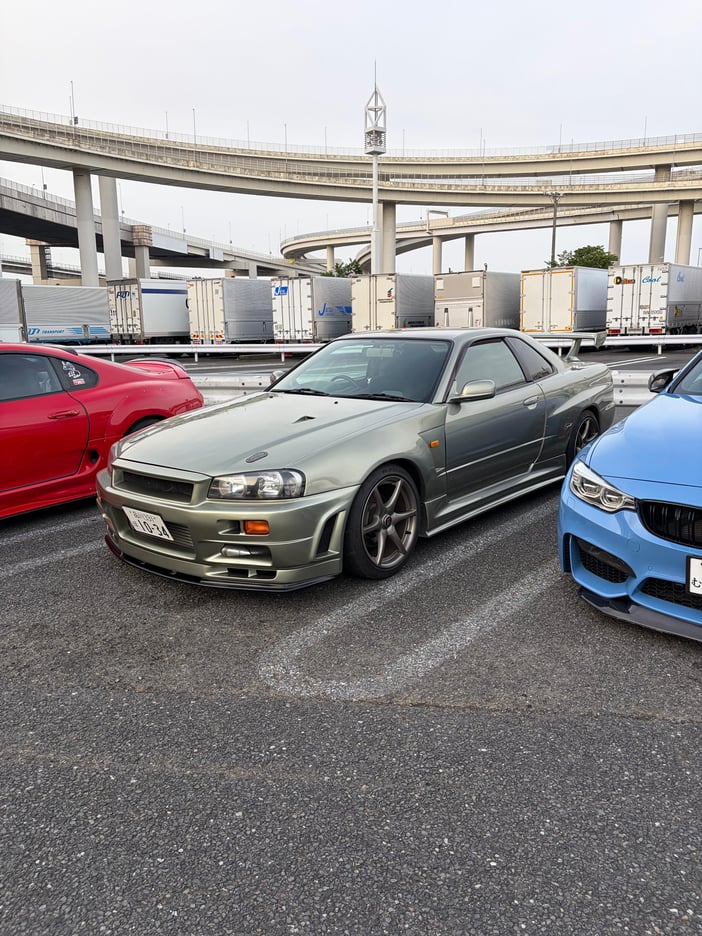
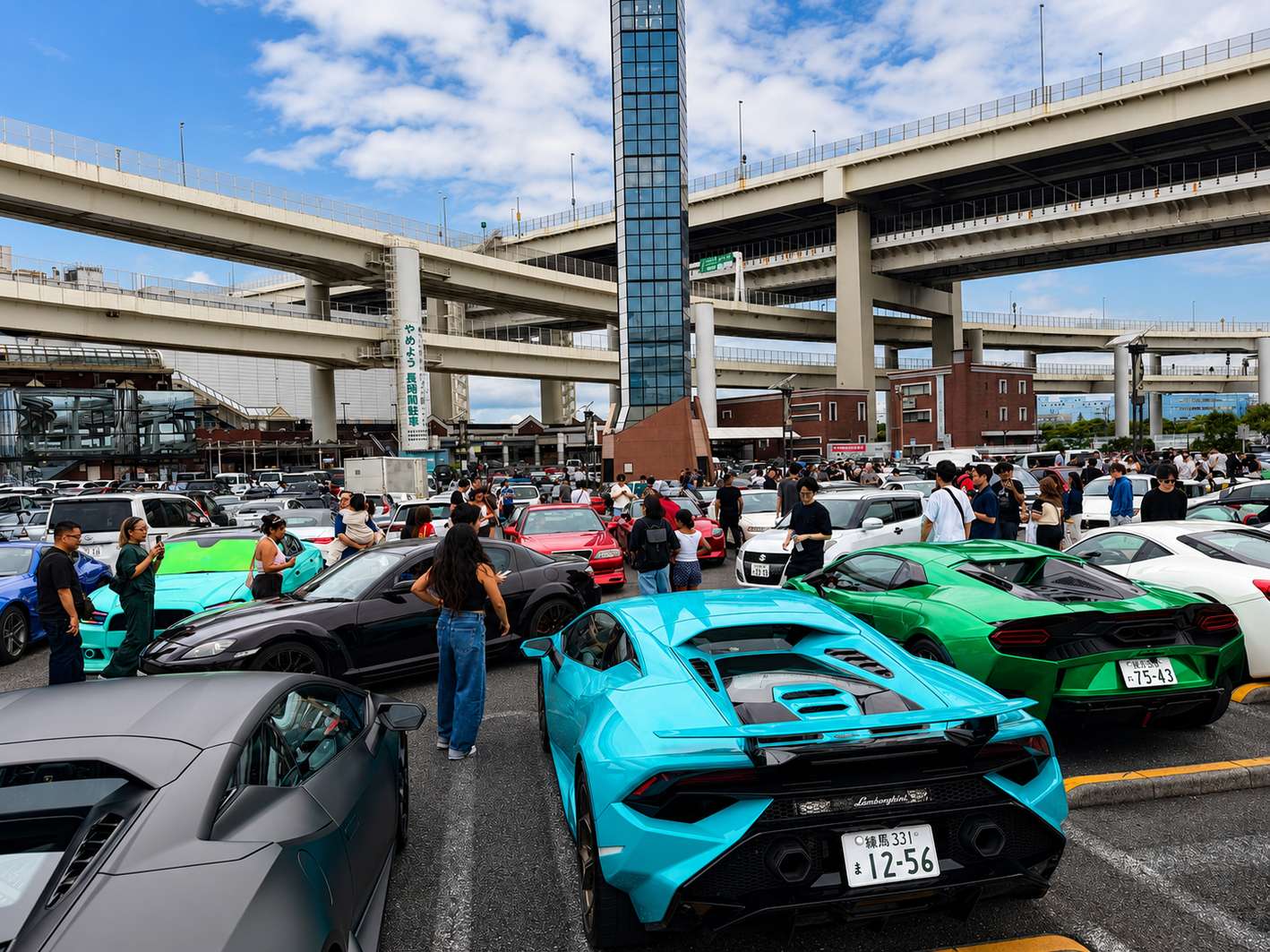
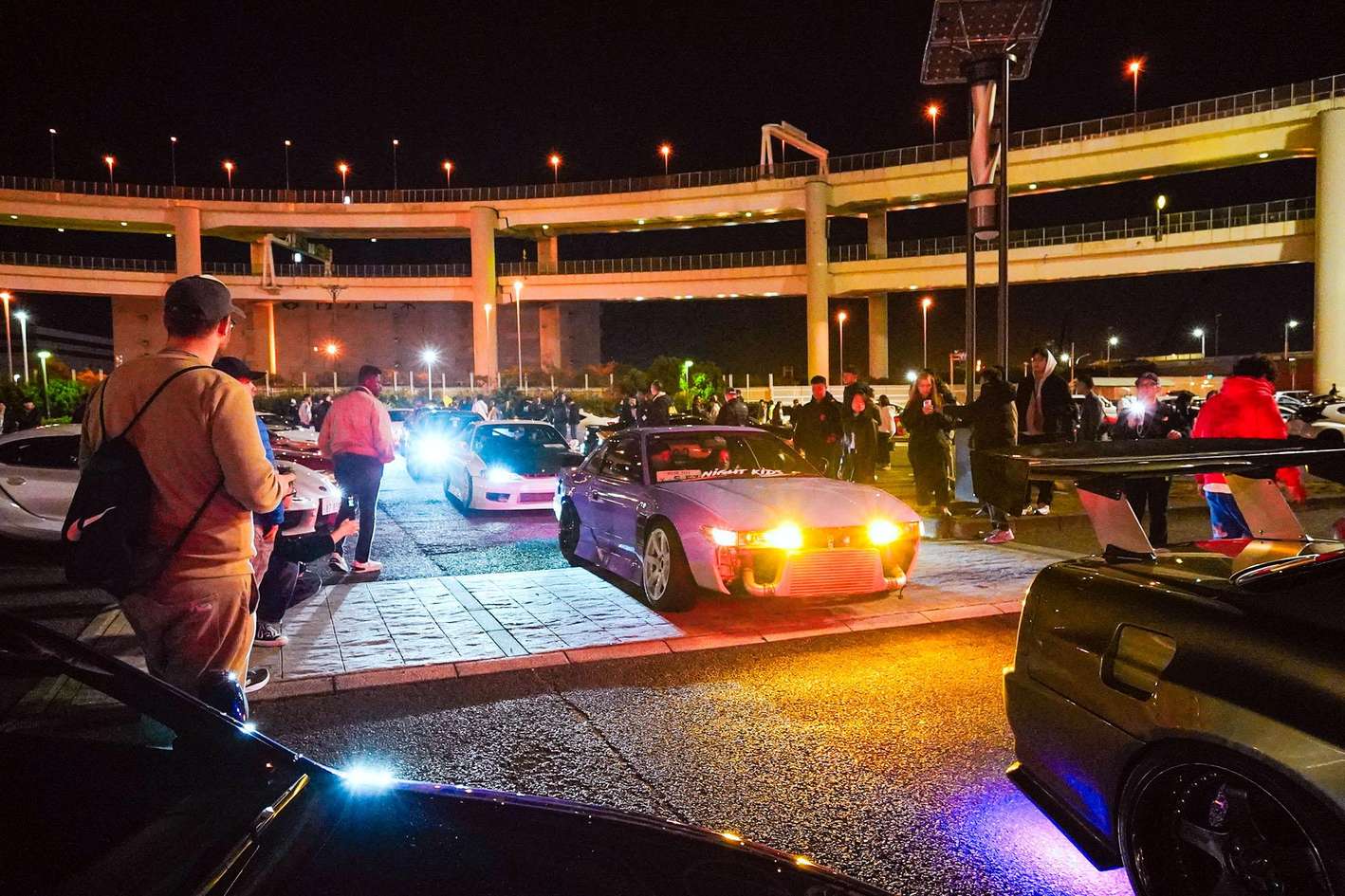
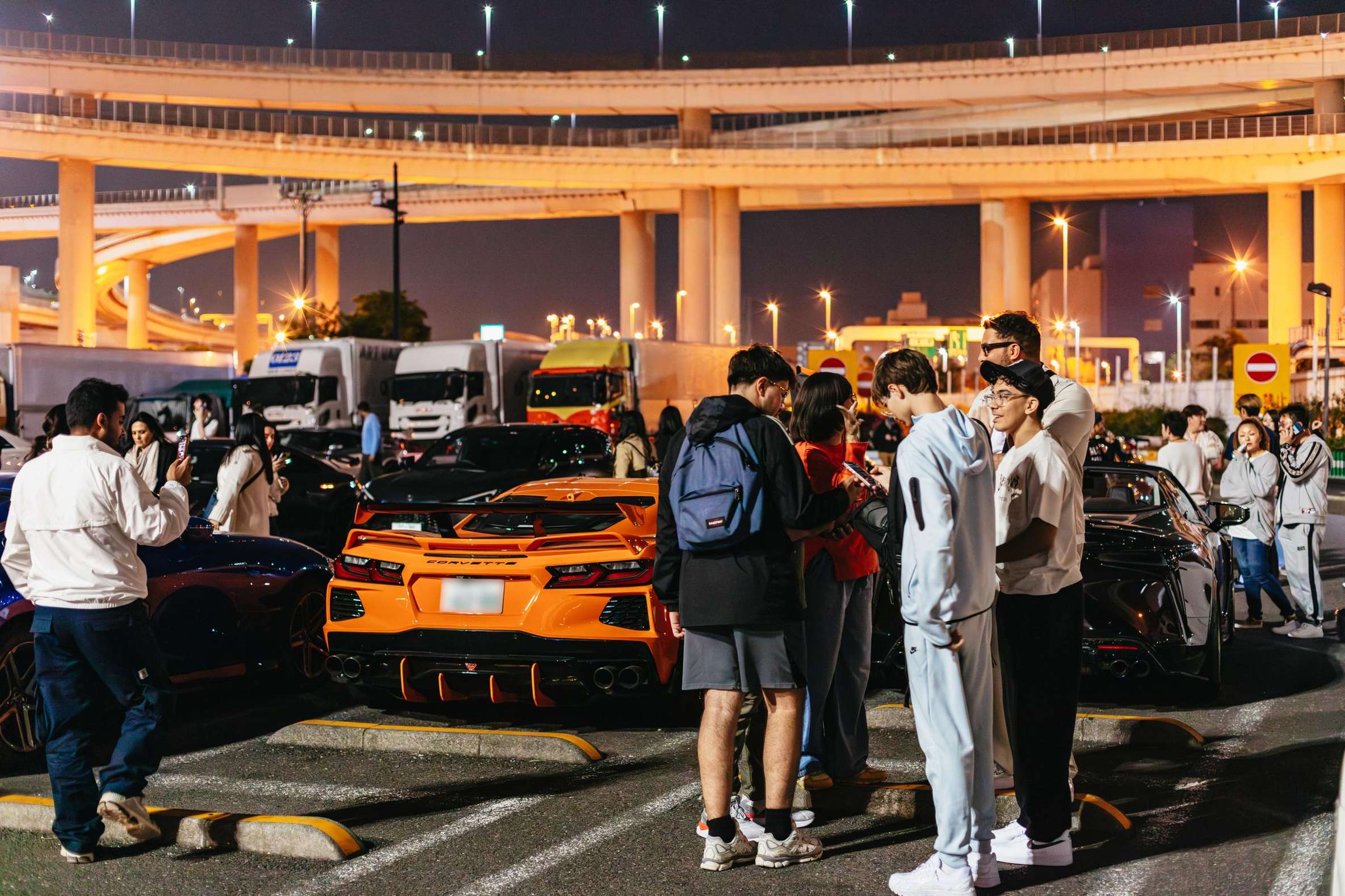
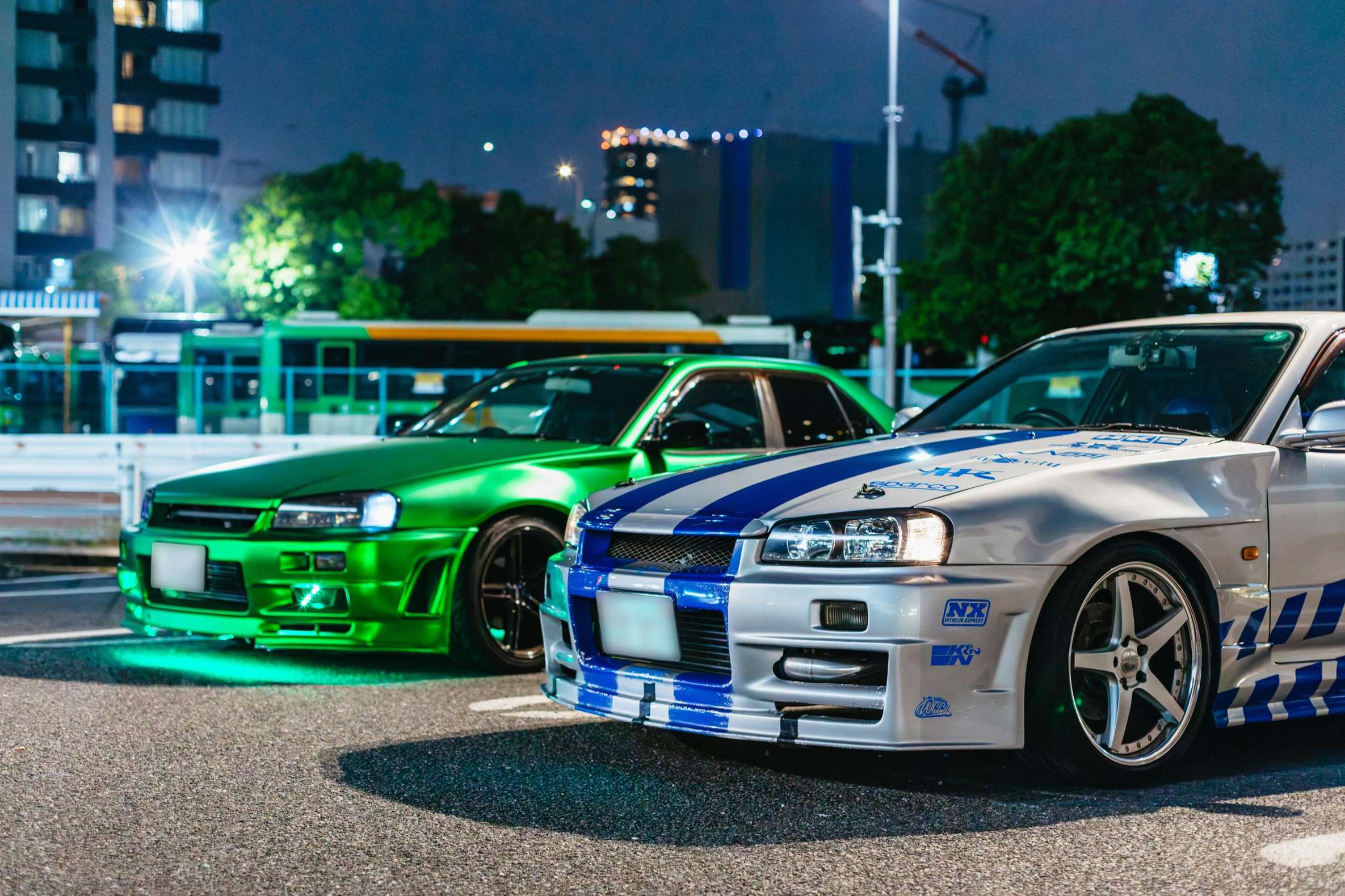
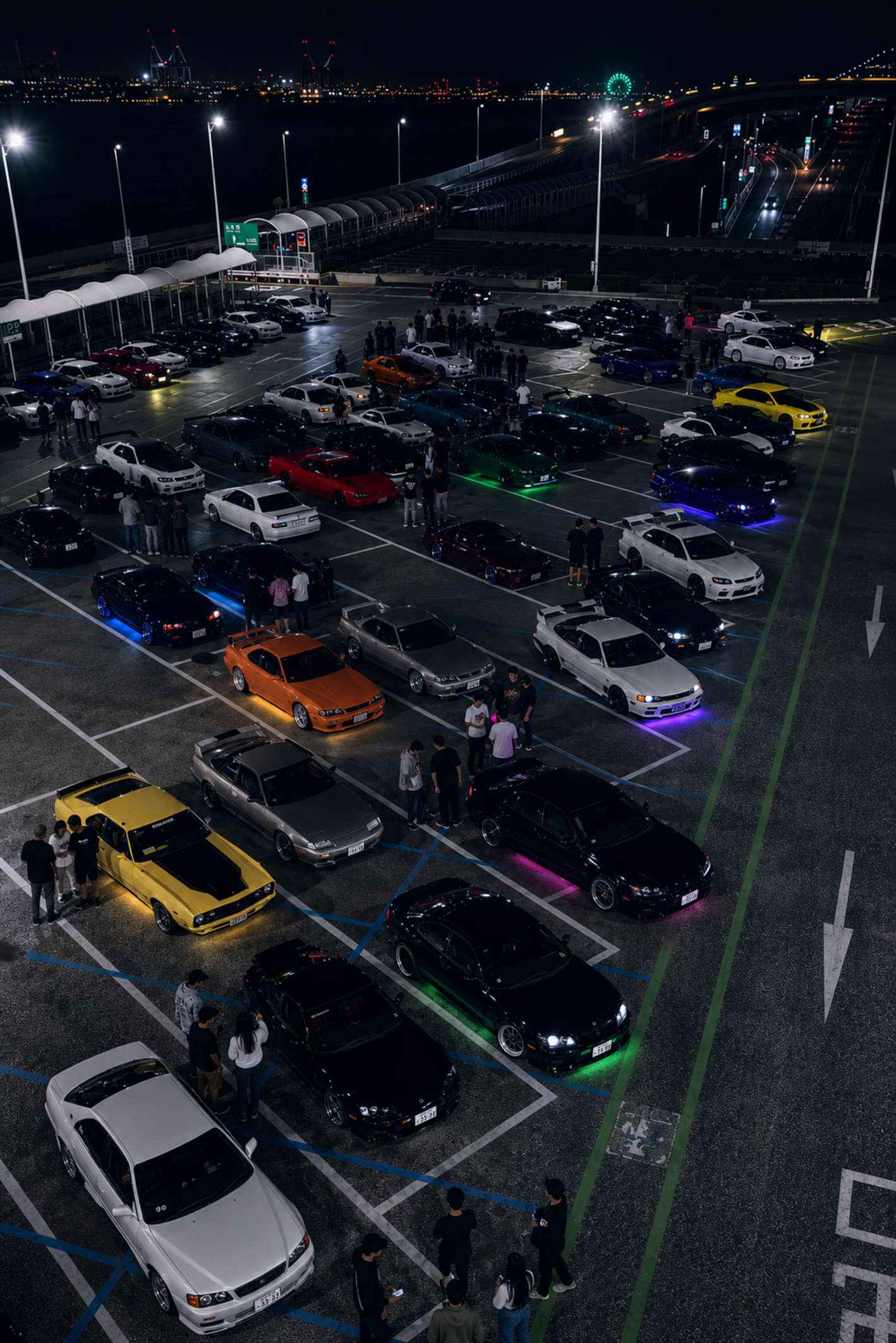
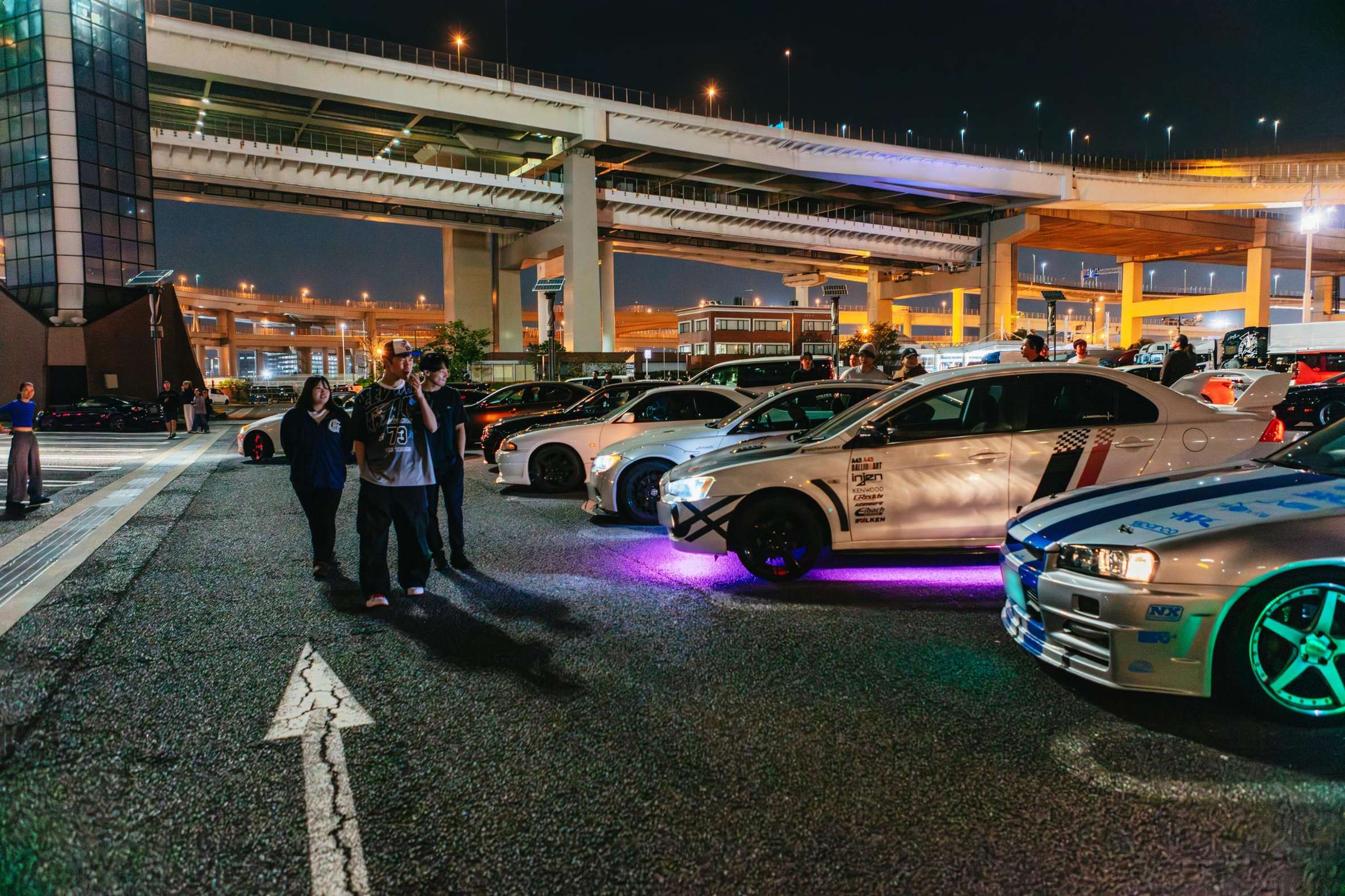
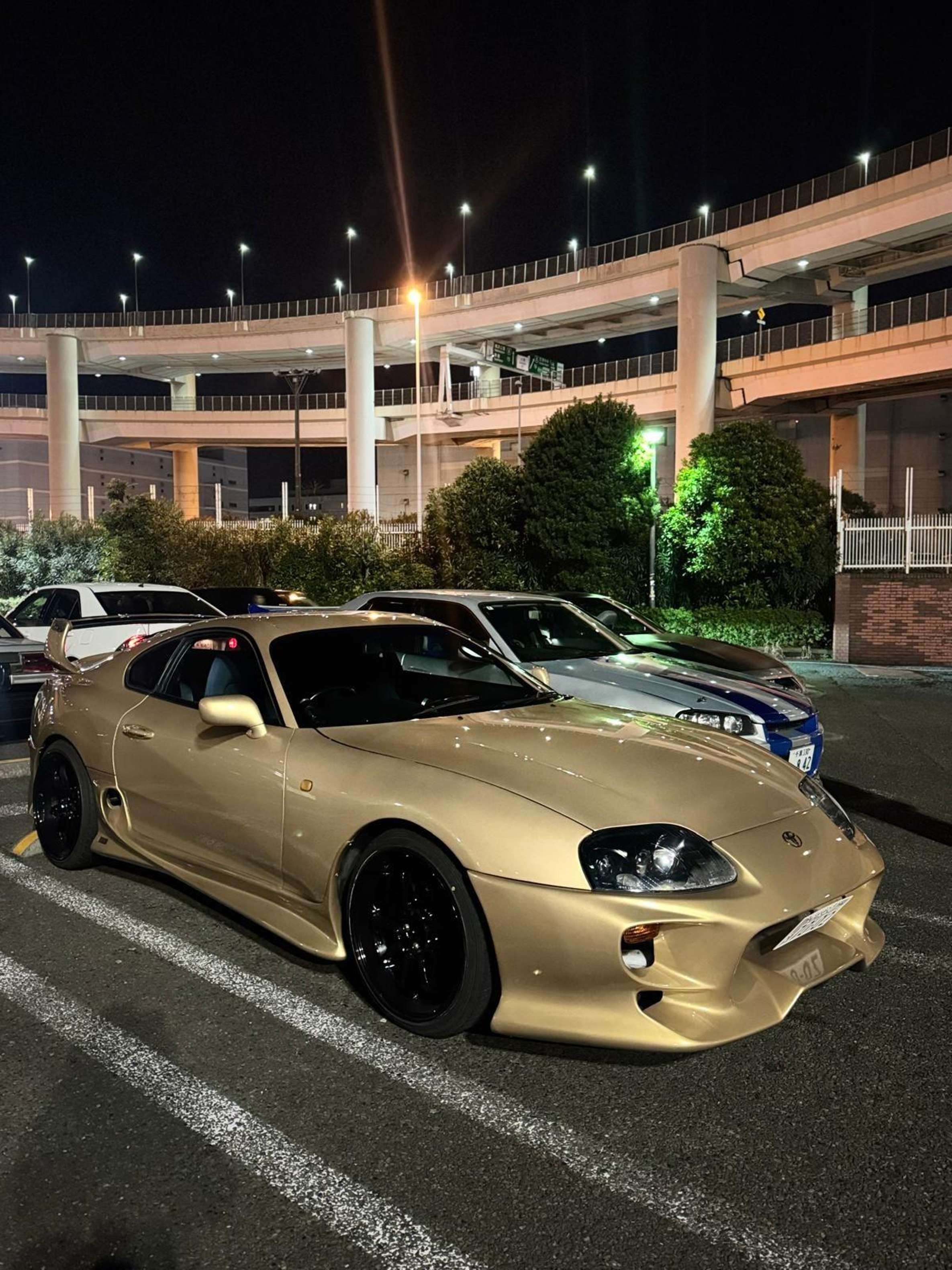
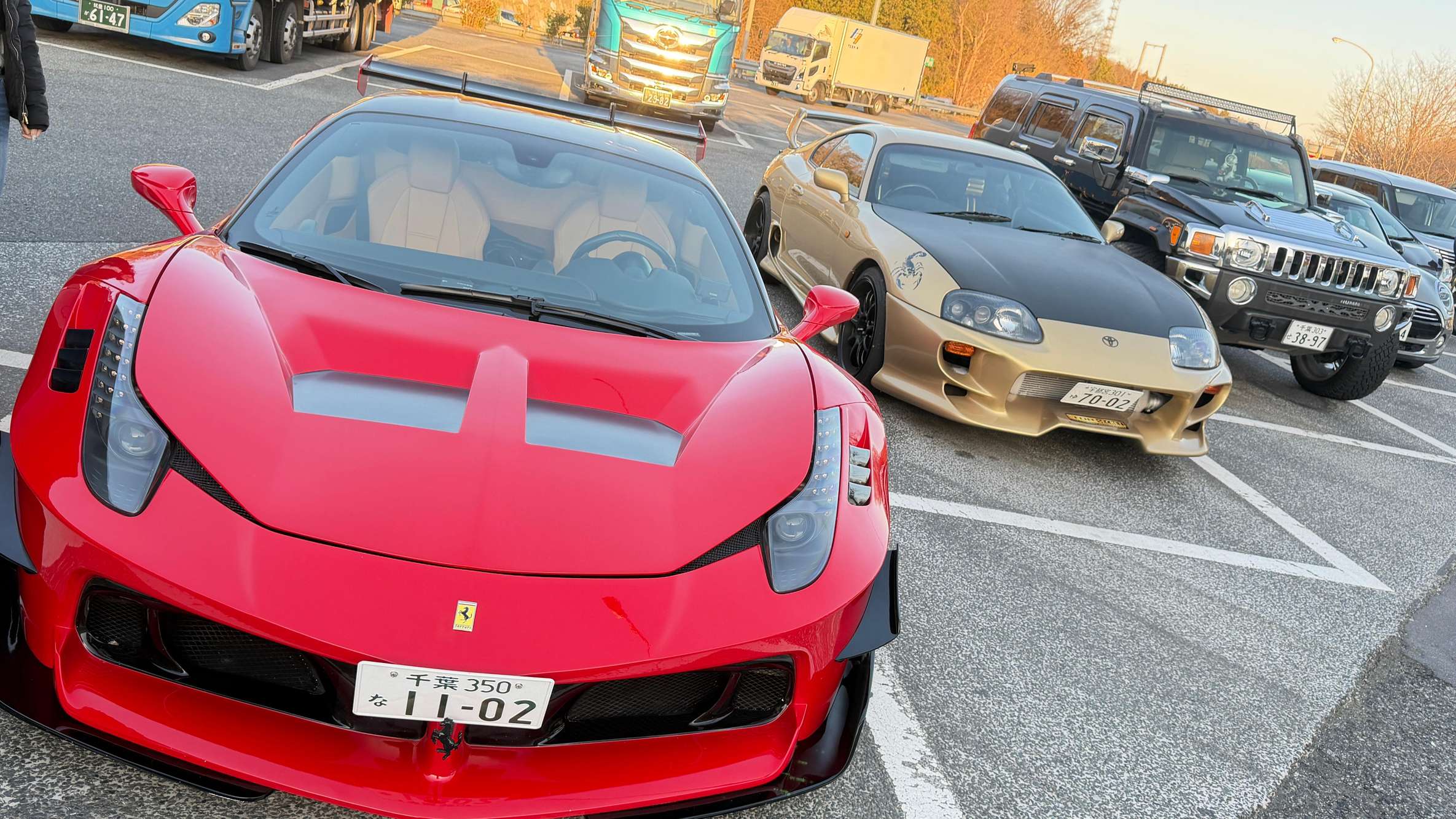
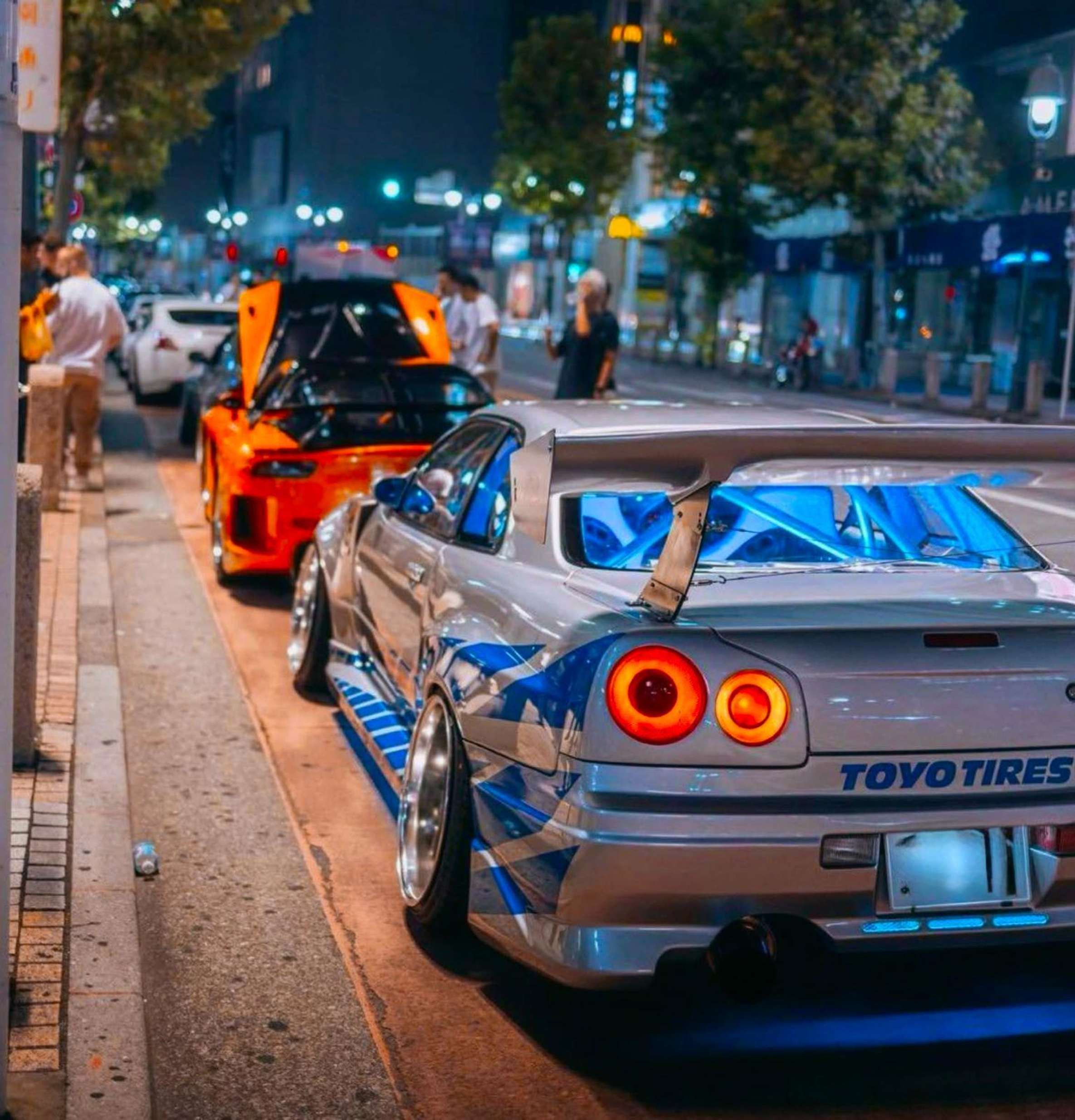
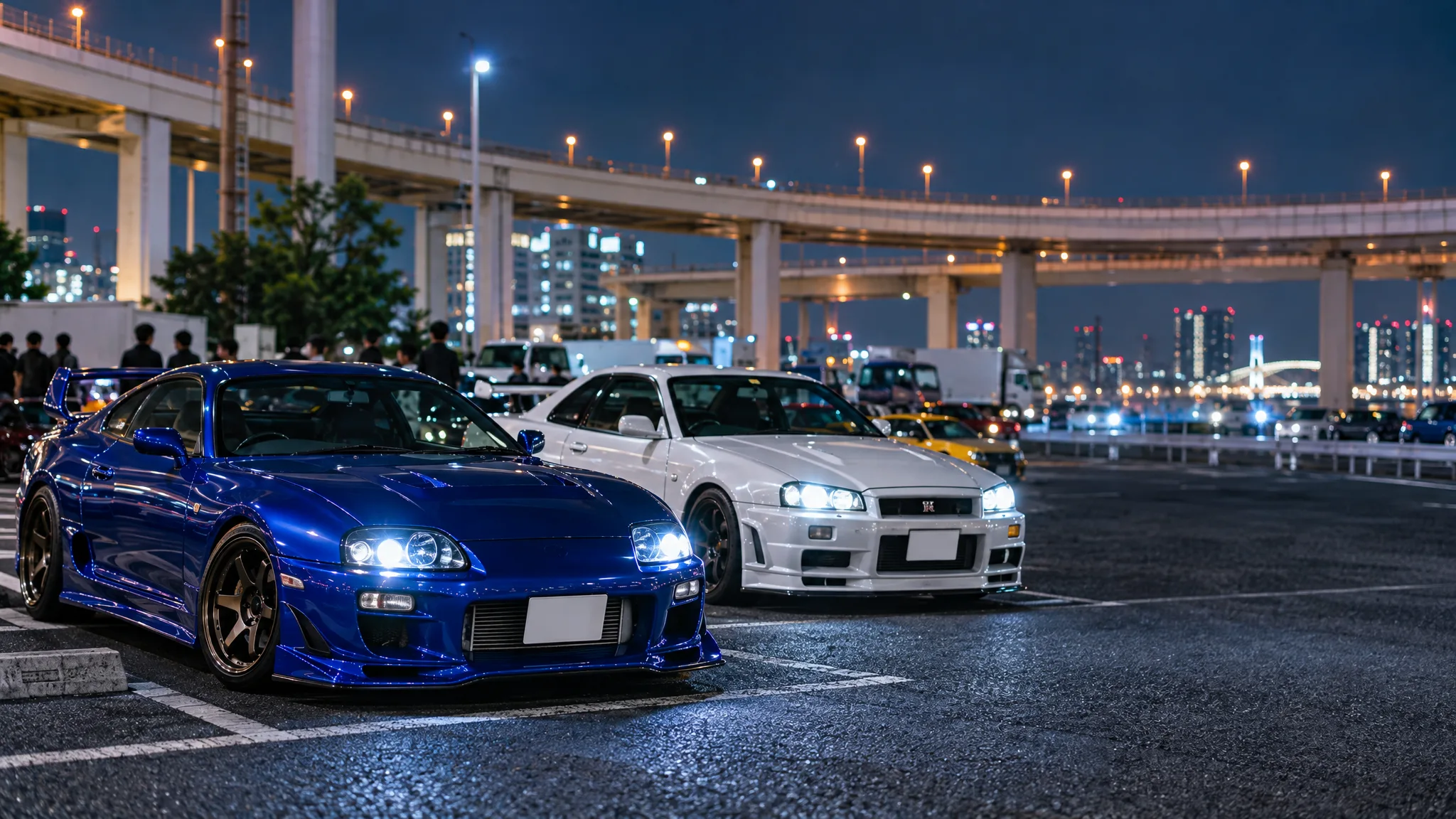
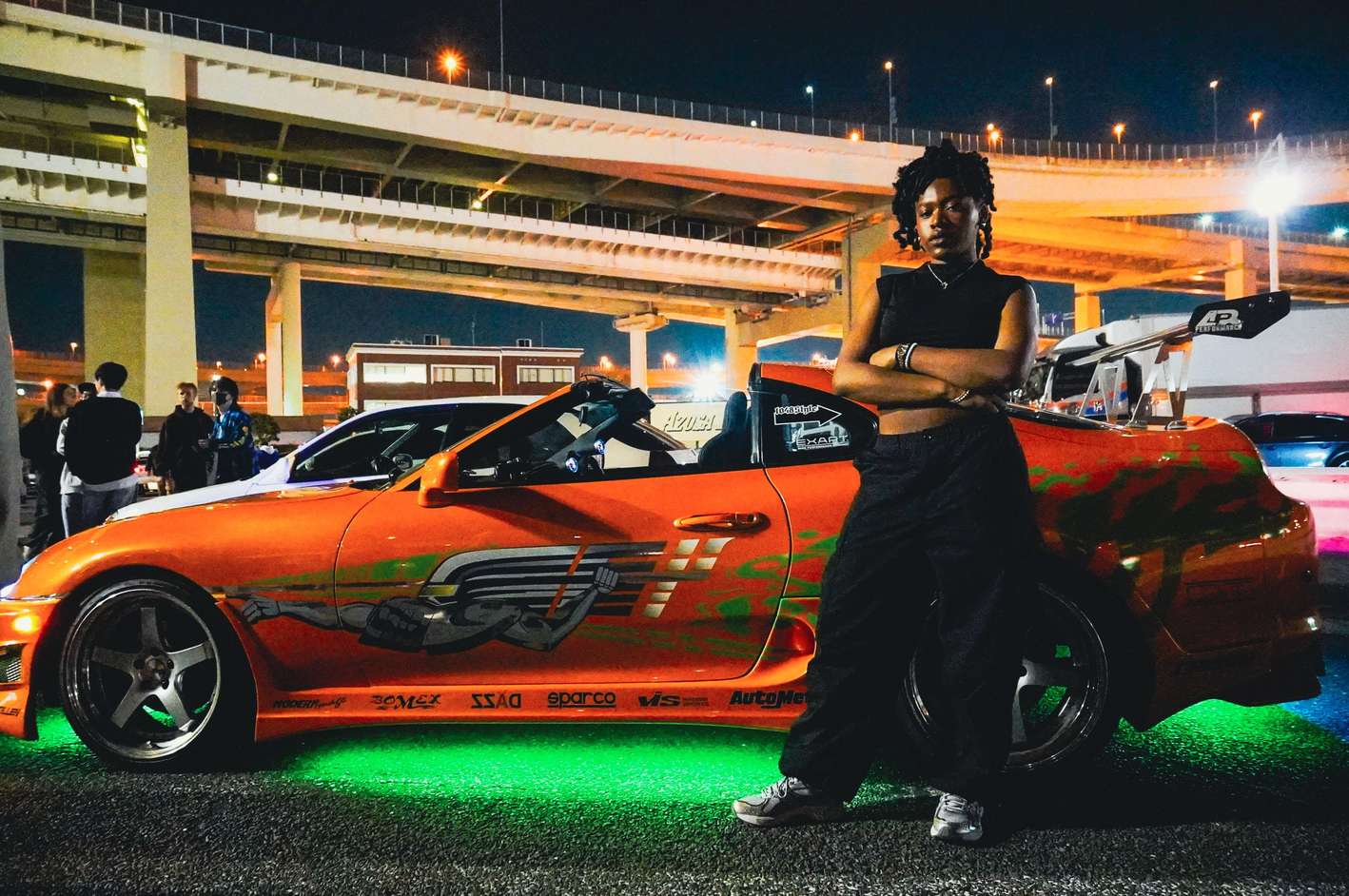
Then comes the main event: an hour at Daikoku Parking Area, the expressway rest stop where Skylines, EVOs, Supras and heavily modified street builds gather after dark.
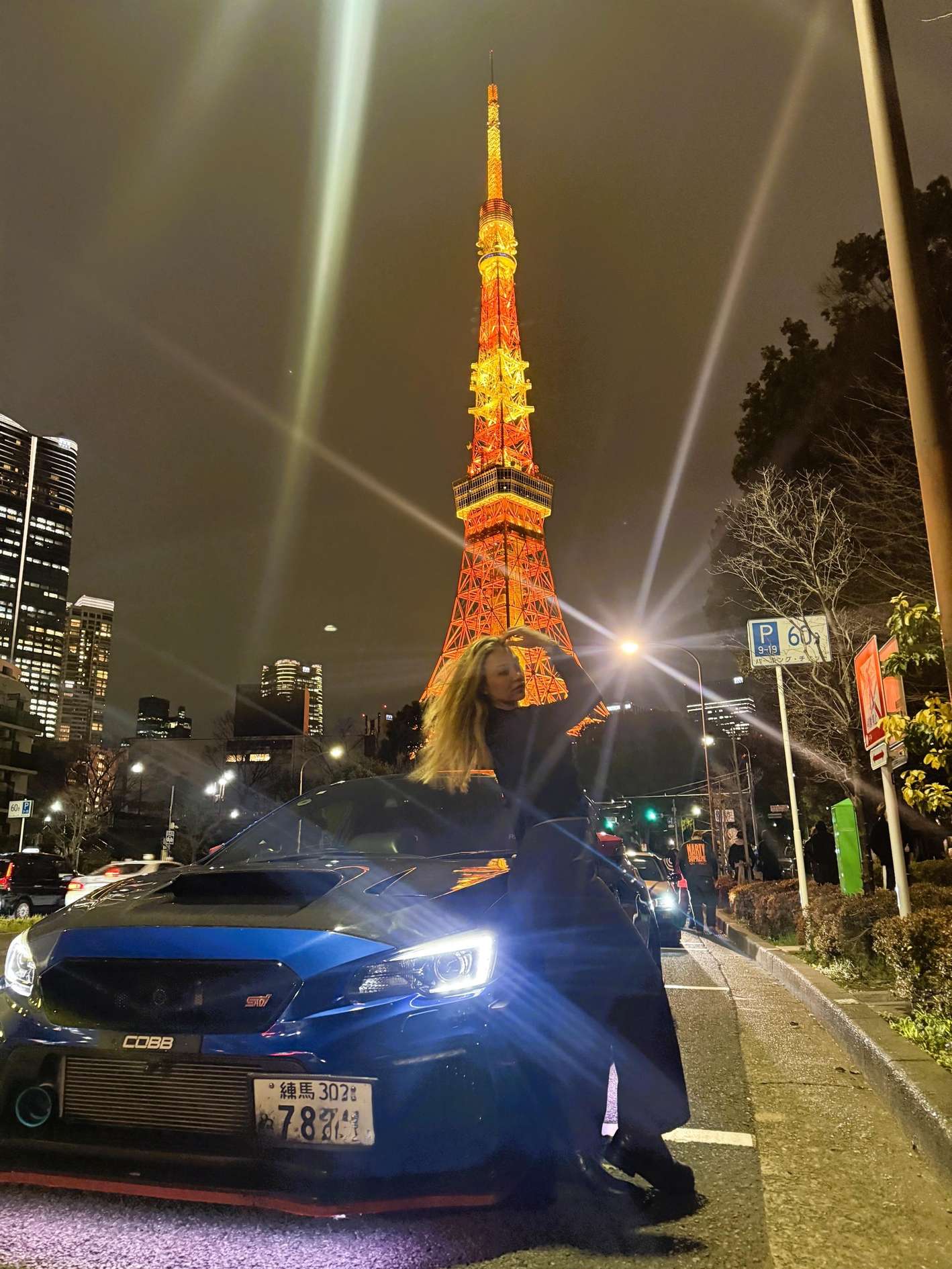
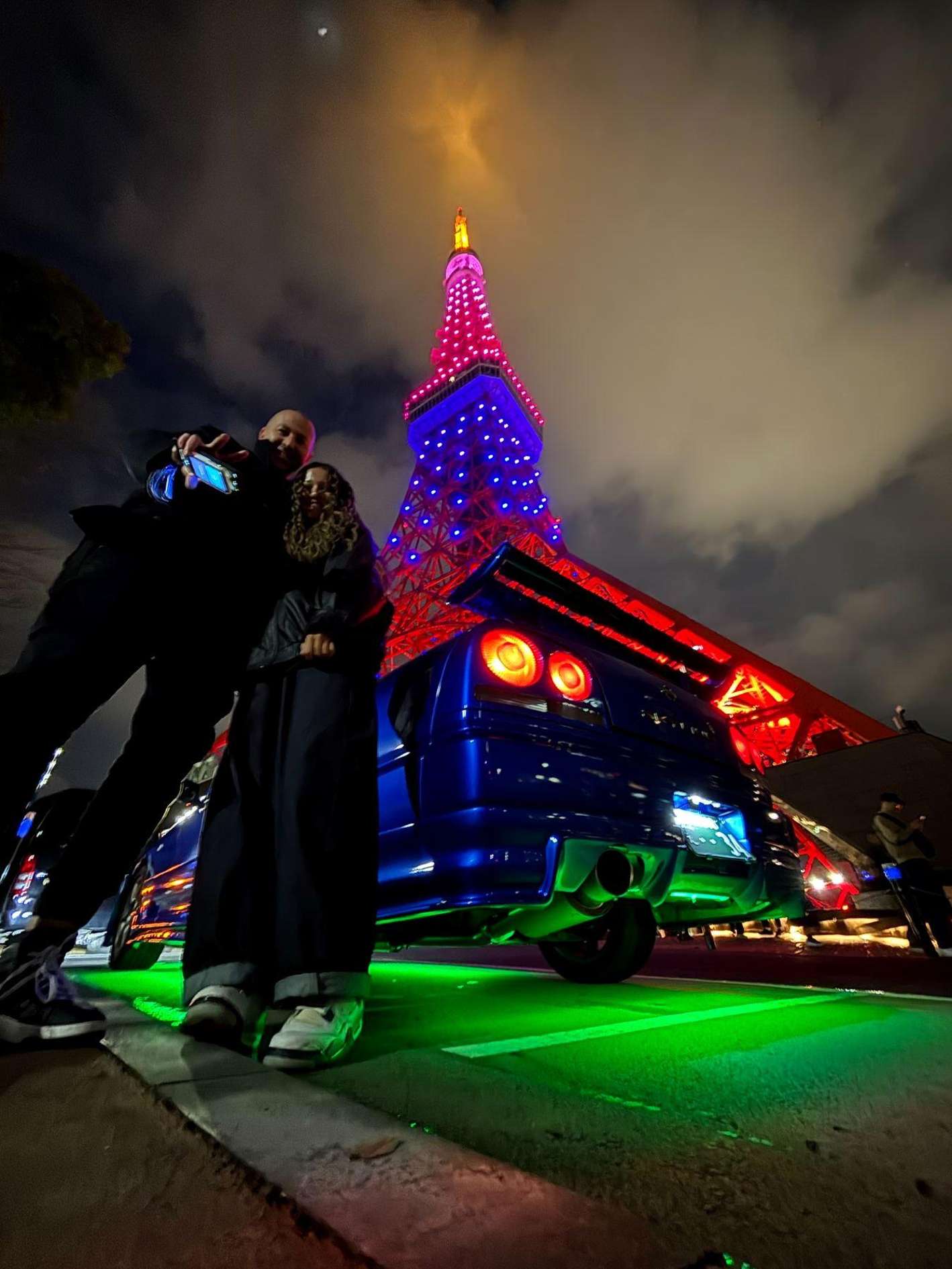
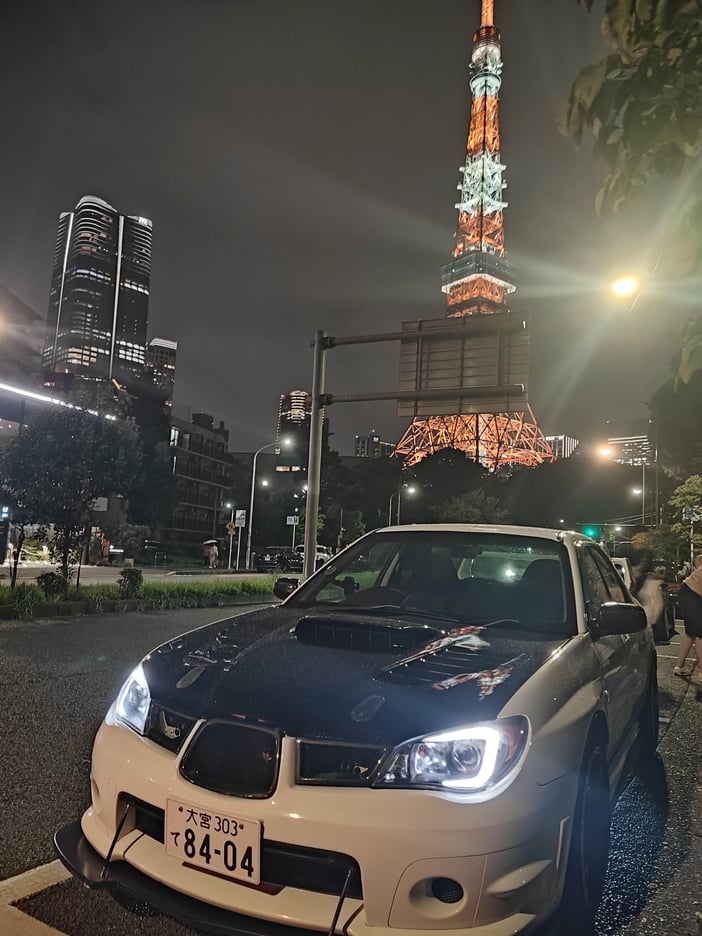
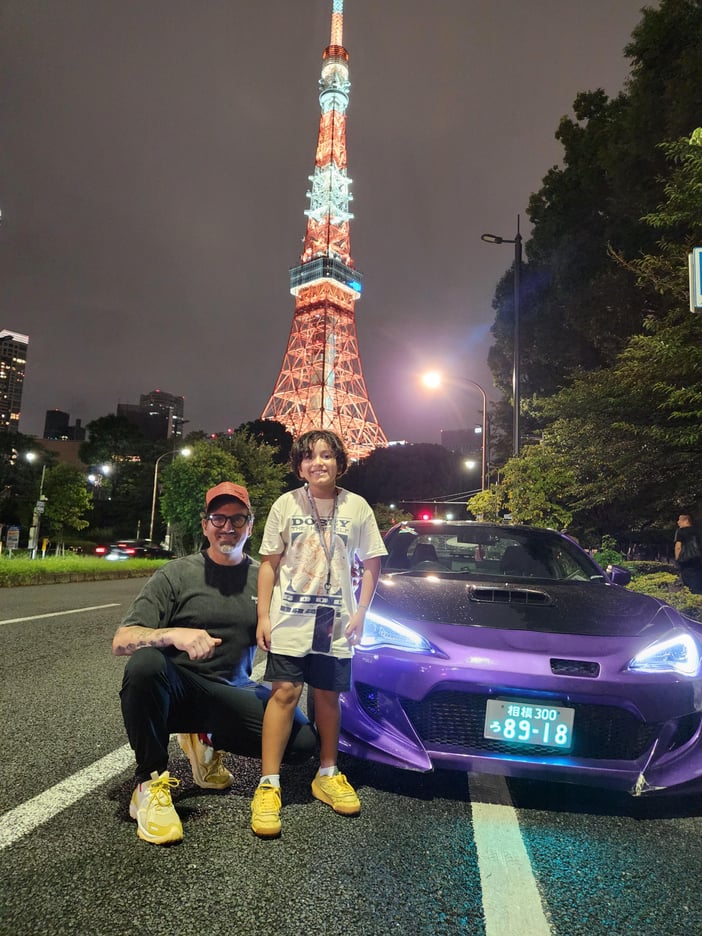
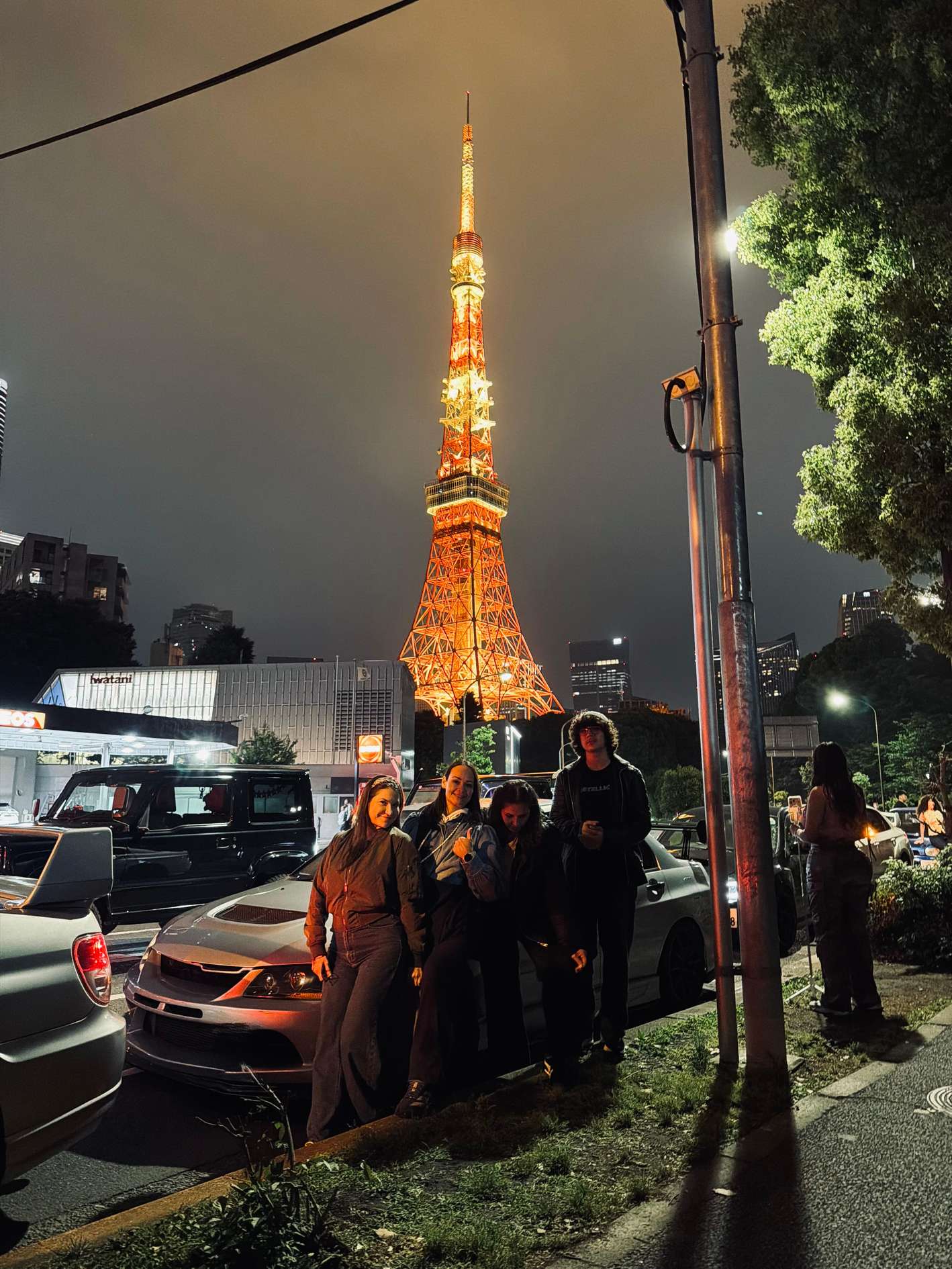
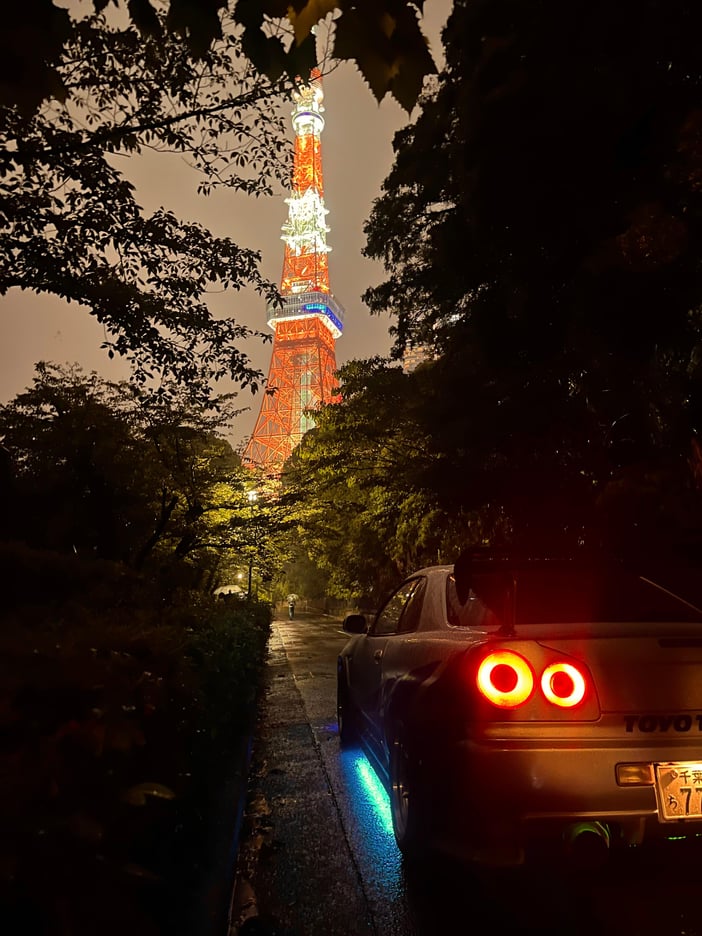
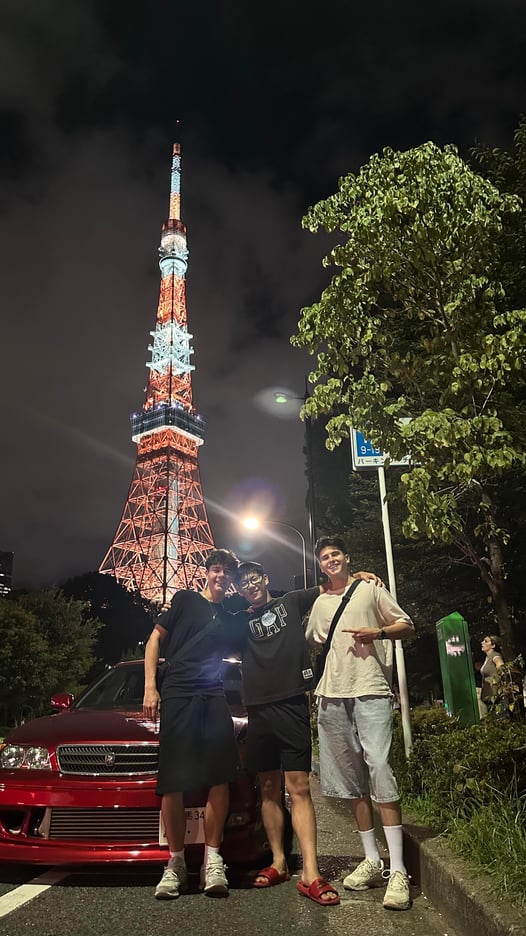
The meet is free to walk through, and your guide explains what you're looking at. On the way home there's a photo stop at Tokyo Tower and a slow pass through Shibuya before drop-off in central Tokyo.
Meeting point3 places, depending on your optionThe final drop-off returns you to the Shibuya café where the night began.Street View2autobacs Shinonome· 30 minA-PIT Autobacs is the largest car-supply shop in Tokyo. You get 30 minutes to shop for parts, JDM accessories and souvenirs.3Daikoku Parking Area· 60 minThe famous JDM car meet on the Shuto Expressway, reached by highway only. You spend an hour walking among modified Skylines, Supras and tuner builds.4Tokyo Tower· 20 minA 20-minute photo stop at the lit-up tower, with your car and the city lights as the backdrop.5Shibuya City· 10 minA short cruise through Shibuya's neon streets, past the famous crossing and the Hachiko statue.From this tourDrop-off4 places, depending on your optionOne of the drop-off points in central Shibuya at the end of the tour.Street View
Where the other tours go
Daikoku Parking AreaTokyo Tower
Daikoku:Experience Tokyo's Car Culture in Iconic JDM Cars
Drop-off at accommodation inside Tokyo central area.Exclusive selection of JDM sports carsProfessional drivers/guides available in English, Portuguese, Japanese, SpanishFuel and toll feesStops at iconic sightseeing spots
Not included
Personal expensesWe cannot guarantee that your driver/guide will be fluent in a foreign language such as German, Italian, French, or ArabicEach driver only takes three people, and there are many daily customers. Some Japanese speak basic English for the tour, not for a long conversation where personal topics or curiosities about random subjects come up
How to book your car meet night at Daikoku PA
01
Pick your night first
Choose your date around the scene, not just your itinerary. Weekends bring the biggest turnouts but the earliest police shutdowns, so operators run departures between 4:30 and 5 pm. On weeknights a 7:30 pm start catches the peak crowds.
Pro tipIf you want the raw late-night version, a midnight run departs between 10 and 11:30 pm and skips the weekend shutdown risk entirely
Common mistakeBooking a 9 pm slot on a Saturday and expecting a full car meet; the lot can be cleared by then
02
Choose the option that fits
Compare what each option actually changes. A shared night run puts up to three guests in a manual JDM car like an EVO, WRX or Skyline. Private options reserve one car for your group, often a GT-R, and add hotel pickup.
Pro tipSome convoys let you swap into a different car at each stop, so a shared booking still gets you several rides
ImportantPrivate and midnight options often include hotel pickup and drop-off, which matters because trains stop running between 12:30 pm and 1:05 am
03
Book and set up contact
Pay through the marketplace, then add a contact method like WhatsApp or Instagram when the operator asks. Cancellation up to 24 hours before the start brings a full refund on the tours featured here.
Pro tipLeave notifications on after booking; operators message you if traffic delays the start or a closure forces a route change
Common mistakeBooking the midnight run with no return plan in mind; use the included hotel drop-off instead of hunting for a taxi at 2 am
04
Sort your meeting point
Shared tours usually meet at a set spot near a major hub such as Akihabara, Shinjuku or Shibuya, while private and midnight bookings often pick you up at your hotel. Your voucher arrives as a QR code on your phone; no printing needed.
RecommendedArrive ten minutes early and keep your passport or ID card handy, since operators check it before departure
05
Prepare for the night itself
Wear layers and flat shoes, because Daikoku is an open-air coastal deck and winter nights there drop to 1 to 4 degrees. Rain does not cancel the run; guides hand out umbrellas and dedicated regulars still show up.
Common mistakeAssuming a storm means a lost booking; operators contact you in advance to reschedule or refund when weather truly closes the roads
What travelers loved from their car meet night at Daikoku's parking area
Most reviewers single out their guide by name, calling the drivers friendly, skilled and full of stories about the car scene.
Best surprise
Several reviewers who knew little about cars say the night still became a highlight of their whole Japan trip.
Most common wish
Many reviewers wished the night ran longer, and a few hoped the police had let the meet stay open past its early end.
Drive a real manual JDM car to the meet at Daikoku PA
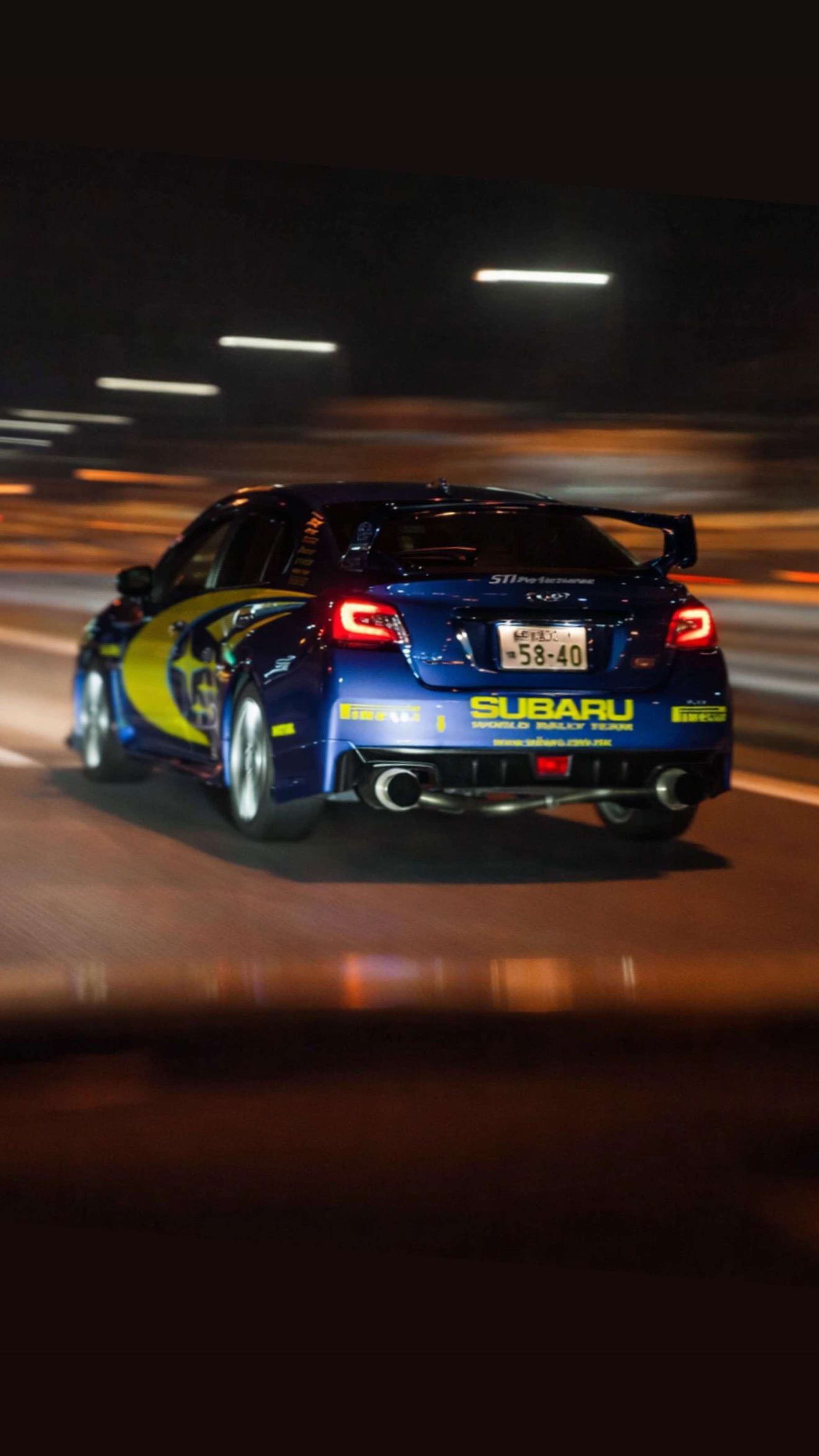
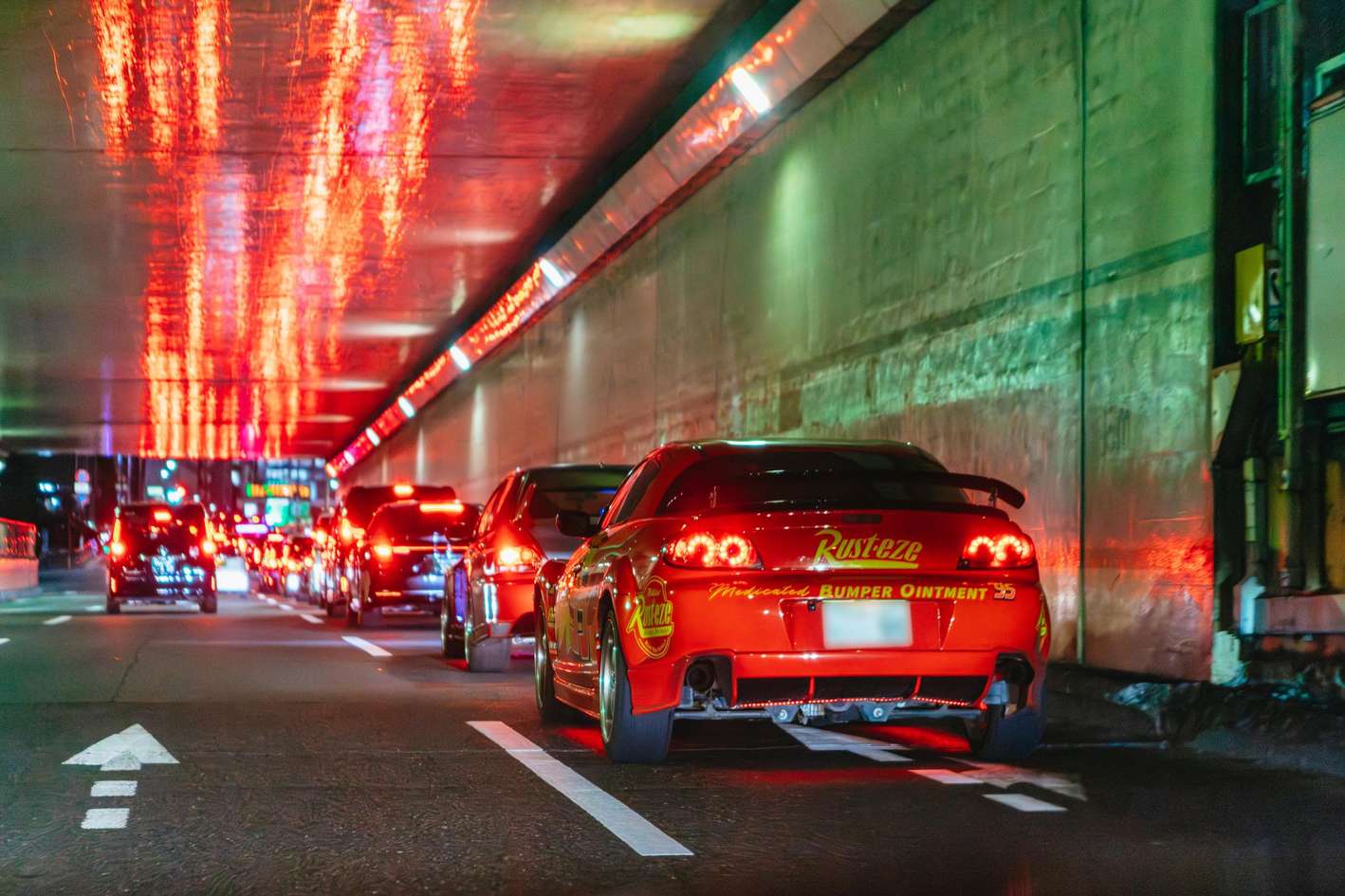
This run sticks to what car people came for: a shared night cruise in manual JDM cars only, an EVO, a WRX STI or a Skyline, driven by club members along the Wangan and C1 routes. After Tokyo Tower and the Rainbow Bridge, the convoy rolls into Daikoku PA for the meet itself.
If Daikoku is shut by police on your night, you choose between an alternative spot and a full refund, so the plan never holds you hostage. Prefer your own car and route? Private options put your group in a GT-R R35 or a 550 HP WRX STI with hotel pickup.
It suits travelers who want a proper night run with local club members, without sightseeing shops slowing the drive down.
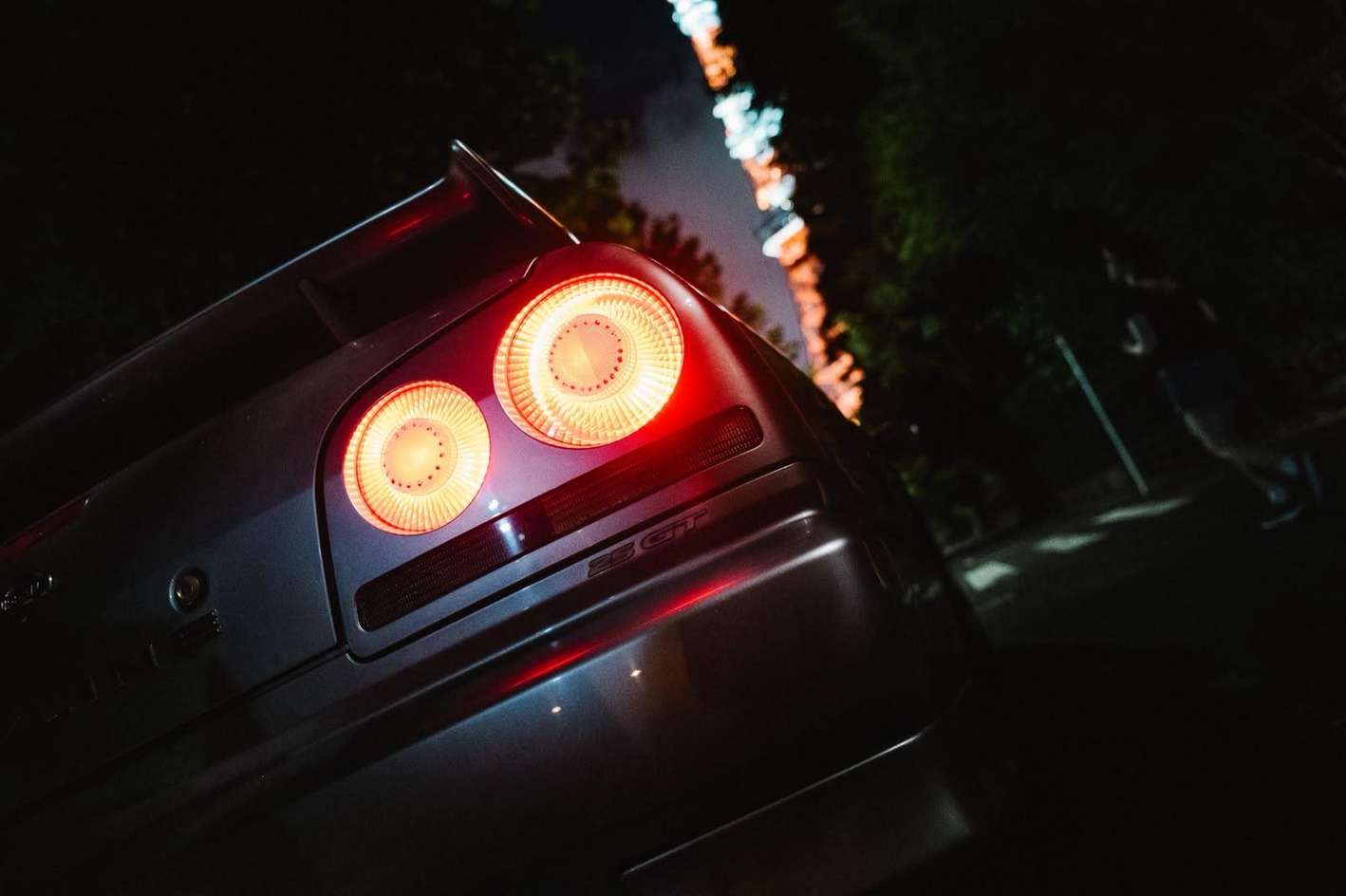
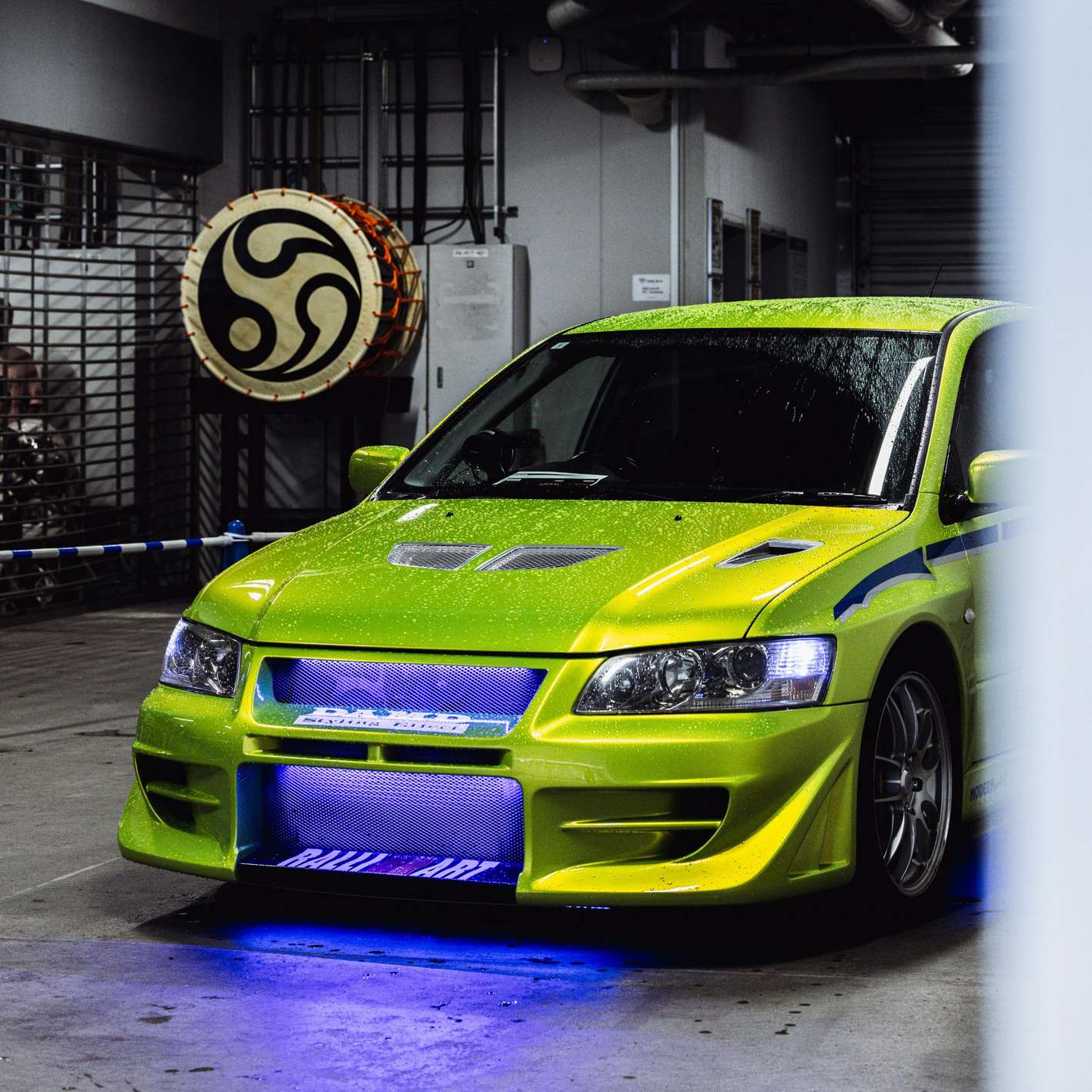
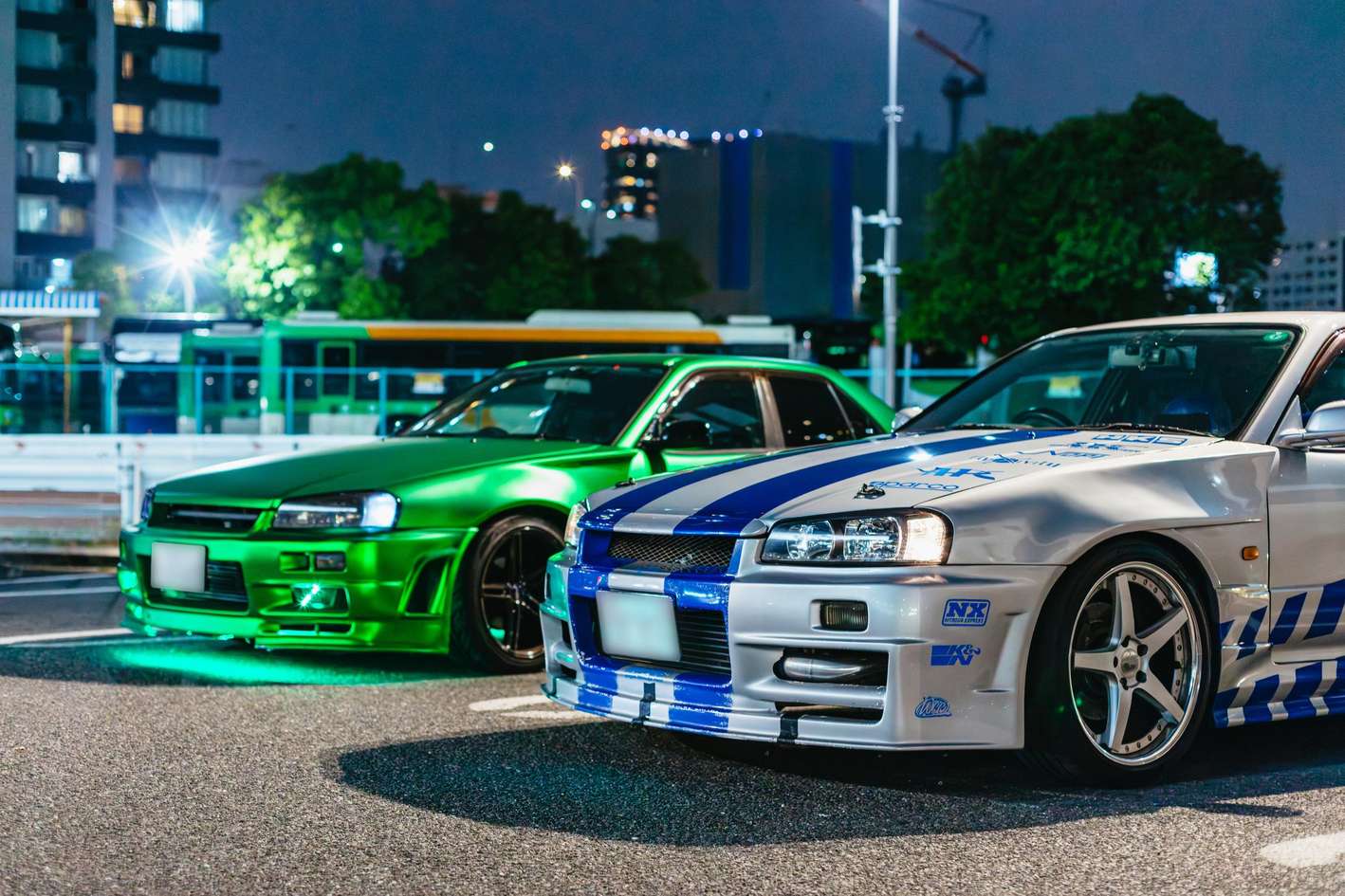
Manual JDM cars onlyEvery ride is a real Mitsubishi EVO, Subaru WRX STI or Nissan Skyline with a manual gearbox, never a van or ordinary car.
Rated by a thousand guestsThe night run holds a 4.9 rating from more than 1,000 reviews, with tolls, fuel and parking all covered in the price.
No risk of a wasted nightIf authorities close Daikoku PA on the day, you can take a full refund instead of the alternative stop.
Cancellation is free up to 24 hours ahead, so you can hold a seat tonight and change your mind later.
What to know before you book a car meet tour at Daikoku PA
Can stop the dayGood to knowGood news
01
ChoosingWhat it is, who it suits, when to go
6
Cars
You ride as a passenger in a modified JDM car driven by a local enthusiast, usually an EVO, WRX STI, or Skyline. Most operators assign the car on the day; some private options let you request a model, with availability the deciding factor.
Group size
Shared rides usually fit three guests per car, and some operators split larger groups across two vehicles that drive and stop together. Vintage coupes have tiny back seats, so tall or broad passengers do best up front or in a private booking.
Included
Your booking generally covers the driver, expressway tolls, fuel, and parking fees, and some tours include photo stops and hotel drop-off. Food, drinks, and souvenirs are extra, so keep a little cash or a card for the Lawson on site.
ClosuresCan stop the day
Police can shut Daikoku PA's entrances without warning on busy nights, sometimes as early as 7:30 pm on weekends. Guides handle it: tours reroute to Umihotaru PA, Tatsumi PA, or A-PIT Autobacs, so the night continues elsewhere.
Timing
Most runs last three to four hours, with about an hour parked at the meet. Weekend departures leave around 4:30 pm to 5 pm to beat both rush hour and the police, while weekday runs often leave closer to 7:30 pm.
Photos
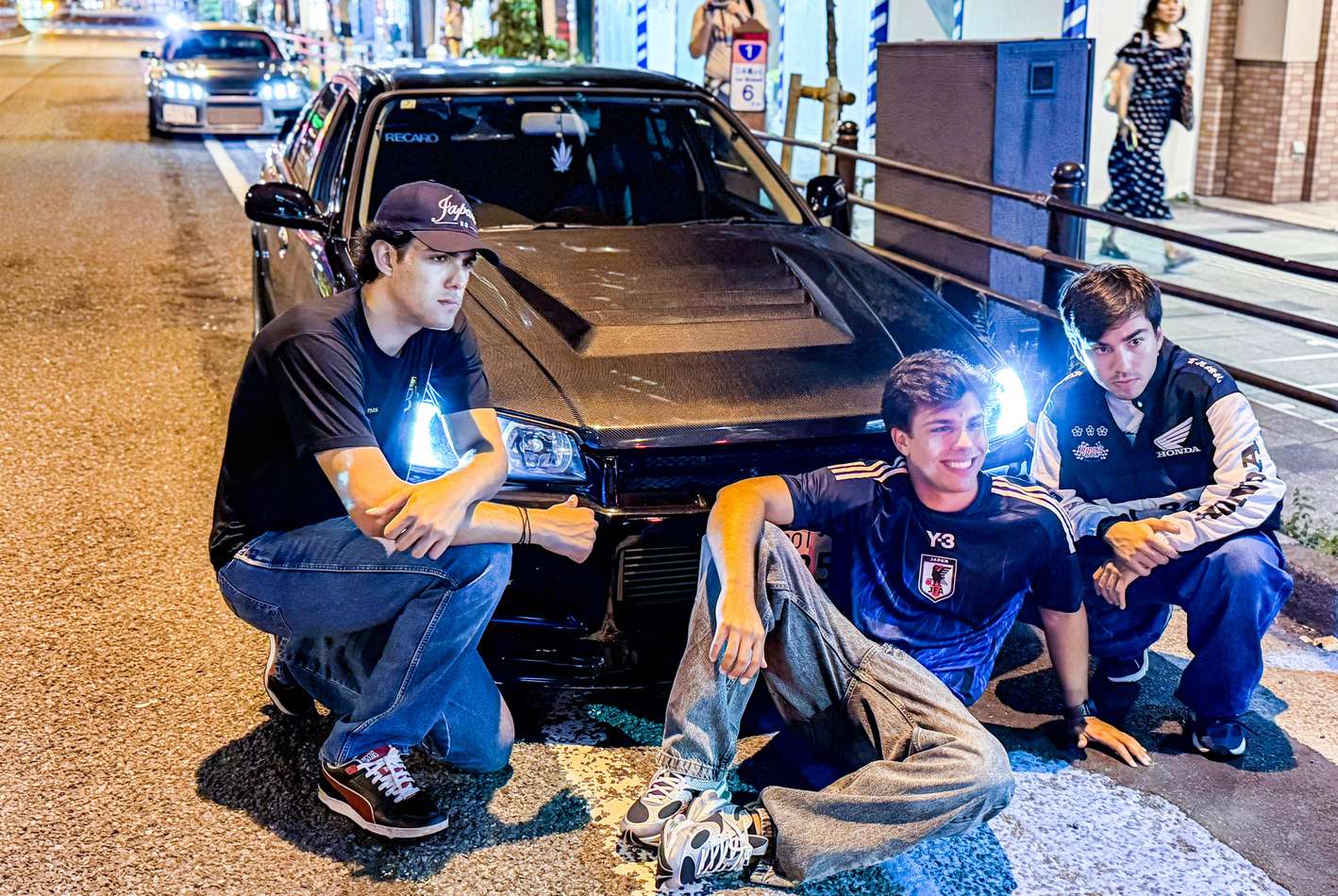
Guides shoot photos and video of you with the cars at each stop, and Tokyo Tower and Rainbow Bridge add lit-up night backdrops. Some private plans edit and share the files a few days after the tour.
02
BookingHow far ahead, and what happens if plans change
1
Cancellation
Every tour on this page lets you cancel up to 24 hours in advance for a full refund. If police close Daikoku PA on the night, one operator even offers the choice of an alternative stop or your money back.
03
Before you goPapers, health, what to bring
3
Documents
You need no driving license at all, since a professional driver is arranged for you. Bring your passport or ID card to the meeting point, and keep your booking voucher on your phone.
Age and healthCan stop the day
Several tours exclude pregnant travelers and people with heart problems or motion sickness, and some set minimum ages for children. If a child needs a booster seat, contact the operator before booking to confirm it fits the car.
Weather
Rain stays open and tours run as planned, though show cars stay home on wet nights. Real trouble comes from typhoons and highway closures, when operators reschedule, reroute, or refund. Pack layers; the deck sits open to the bay wind.
04
On the dayWhere to be, when, and how you get there
1
Pickup
Some tours pick you up at your hotel, others meet you at a station such as Akihabara, Shinjuku, or Shibuya. Private and midnight bookings more often include door-to-door pickup, so check the option before you choose.
05
During the tourWhat is expected of you
1
Rules
The meet is a public rest stop, and a few habits matter. Never touch, lean on, or sit on someone's car without asking, ask before photographing owners and their vehicles, and take your trash with you.
The Daikoku PA guide - how to see Tokyo's car meet right
A fenced highway rest stop in Yokohama Bay has become the most photographed parking lot in Japan. Getting there, picking the night and getting home are the three things that decide whether it earns a night of your trip.
Yokohama· 35.66° N, 139.70° E
If you only remember three things
1
Daikoku PA has no train, bus or walk-in access: the only way in and out is by vehicle, so book a tour that includes the return leg.
2
Weekend meets peak between 6:00 and 8:30 pm, but police can close the ramps from 7:30 pm, so an early departure wins.
3
The meet is free entry, informal and never guaranteed: the lineup of cars changes every single night.
Is a highway rest stop really Japan's most famous car meet?
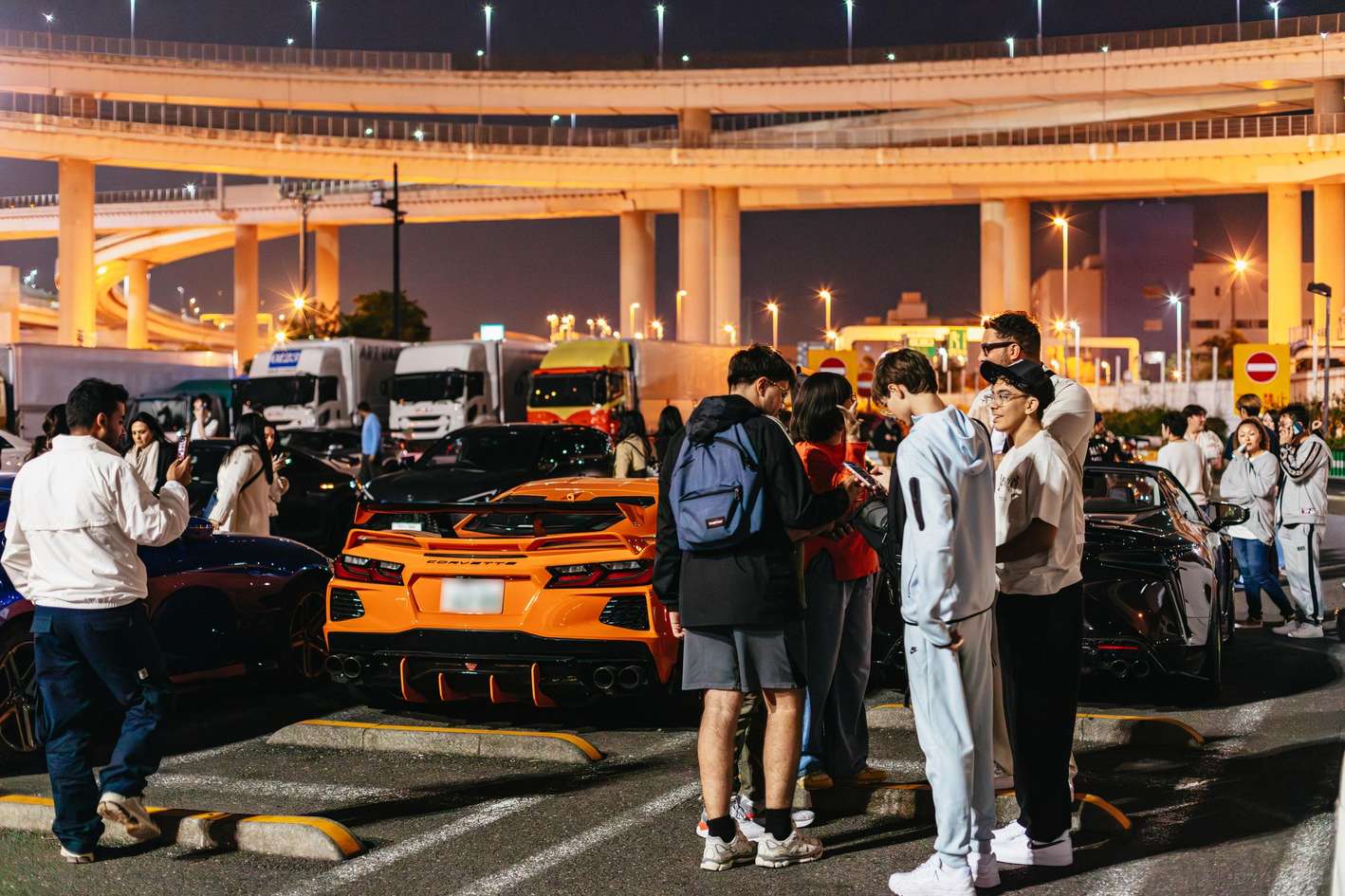
The idea sounds absurd until you see it. Daikoku PA opened in 1989 as a rest stop on the Shuto Expressway, built with a viewing terrace for the new Yokohama Bay Bridge.
A warehouse complex went up soon after and blocked the view, the sightseers left, and car people moved in. Its position between Tokyo and Yokohama lets drivers U-turn back where they came from without ever leaving the expressway, and its size, isolation and free entry made lingering easy.
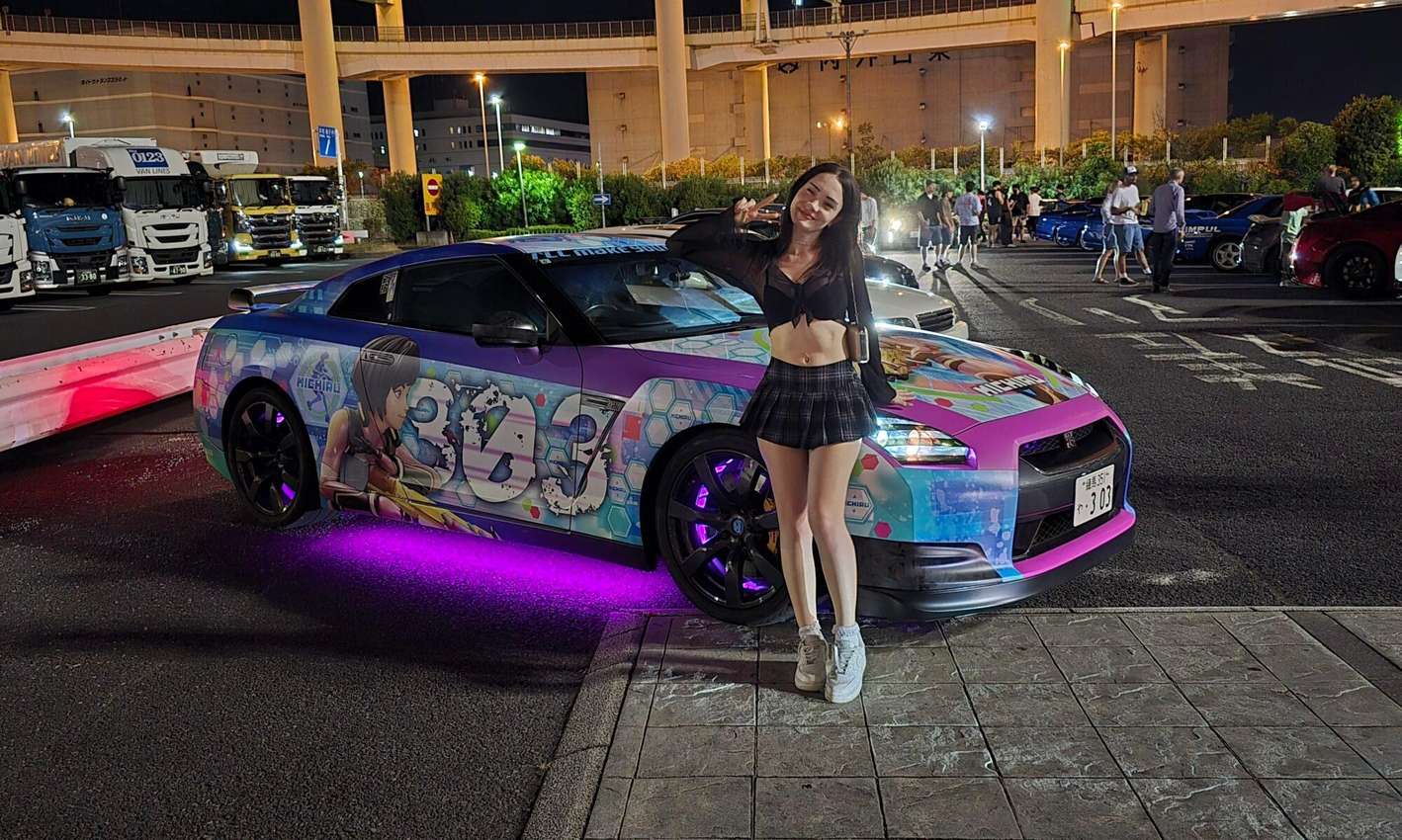
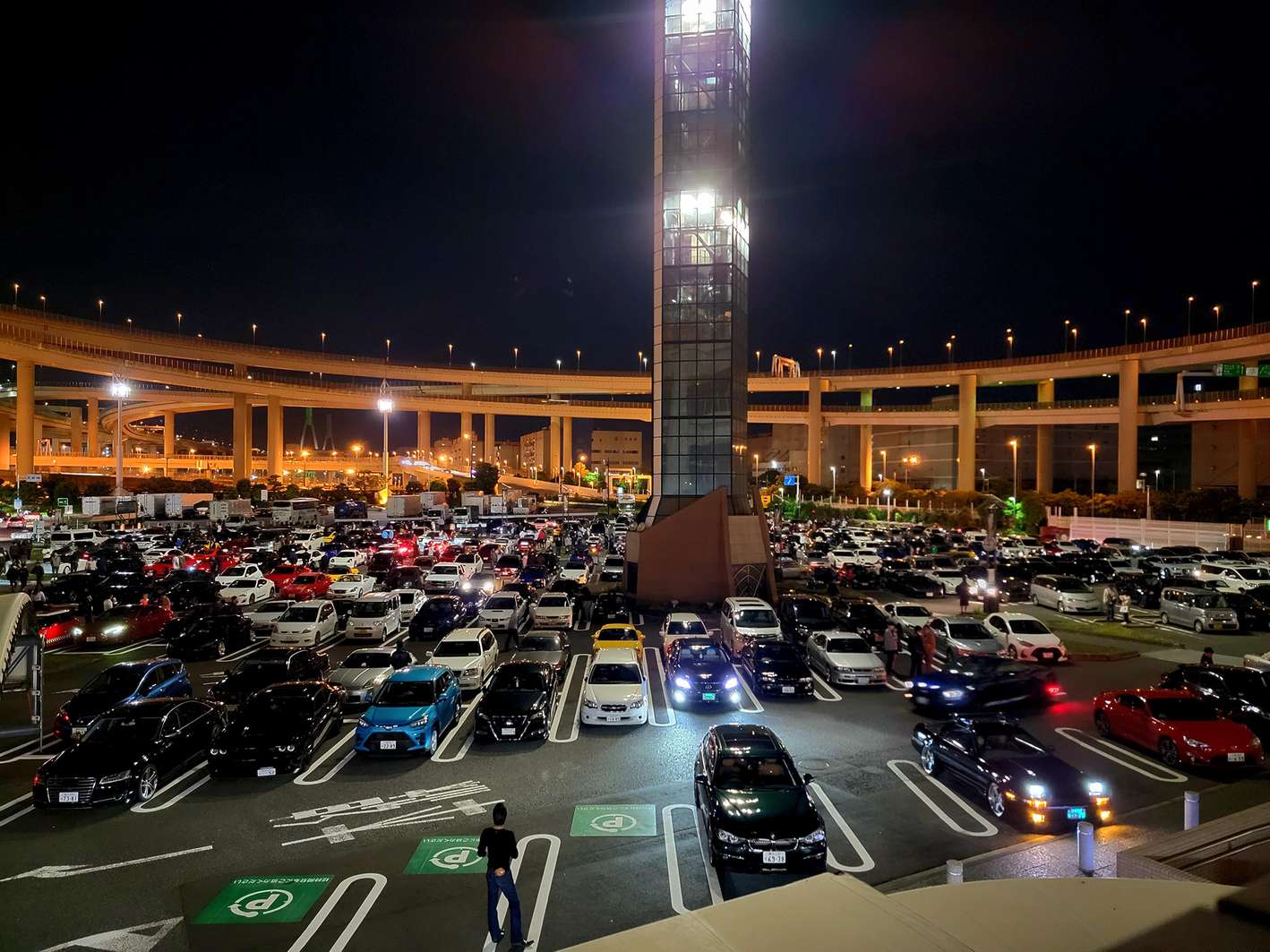
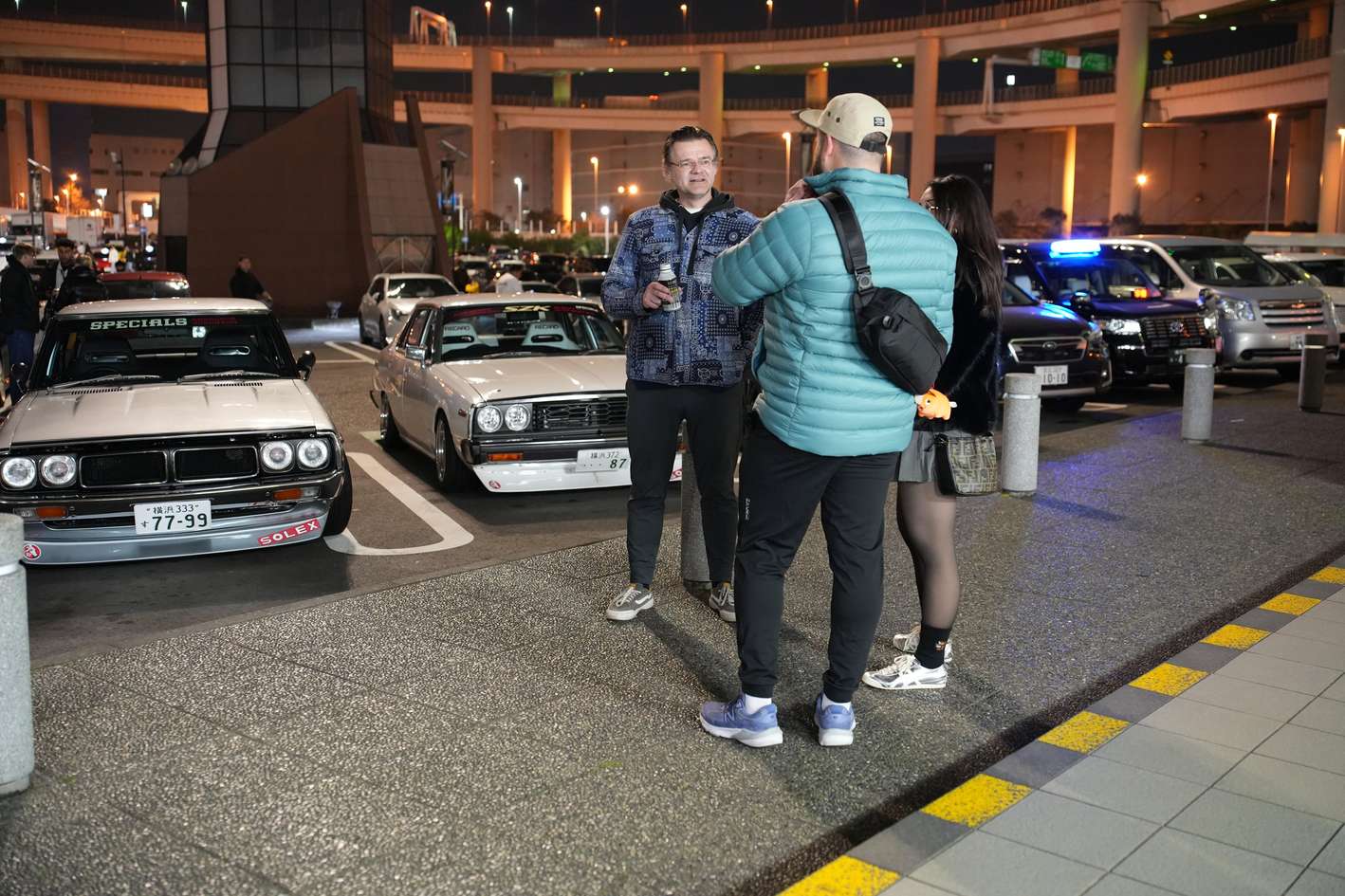
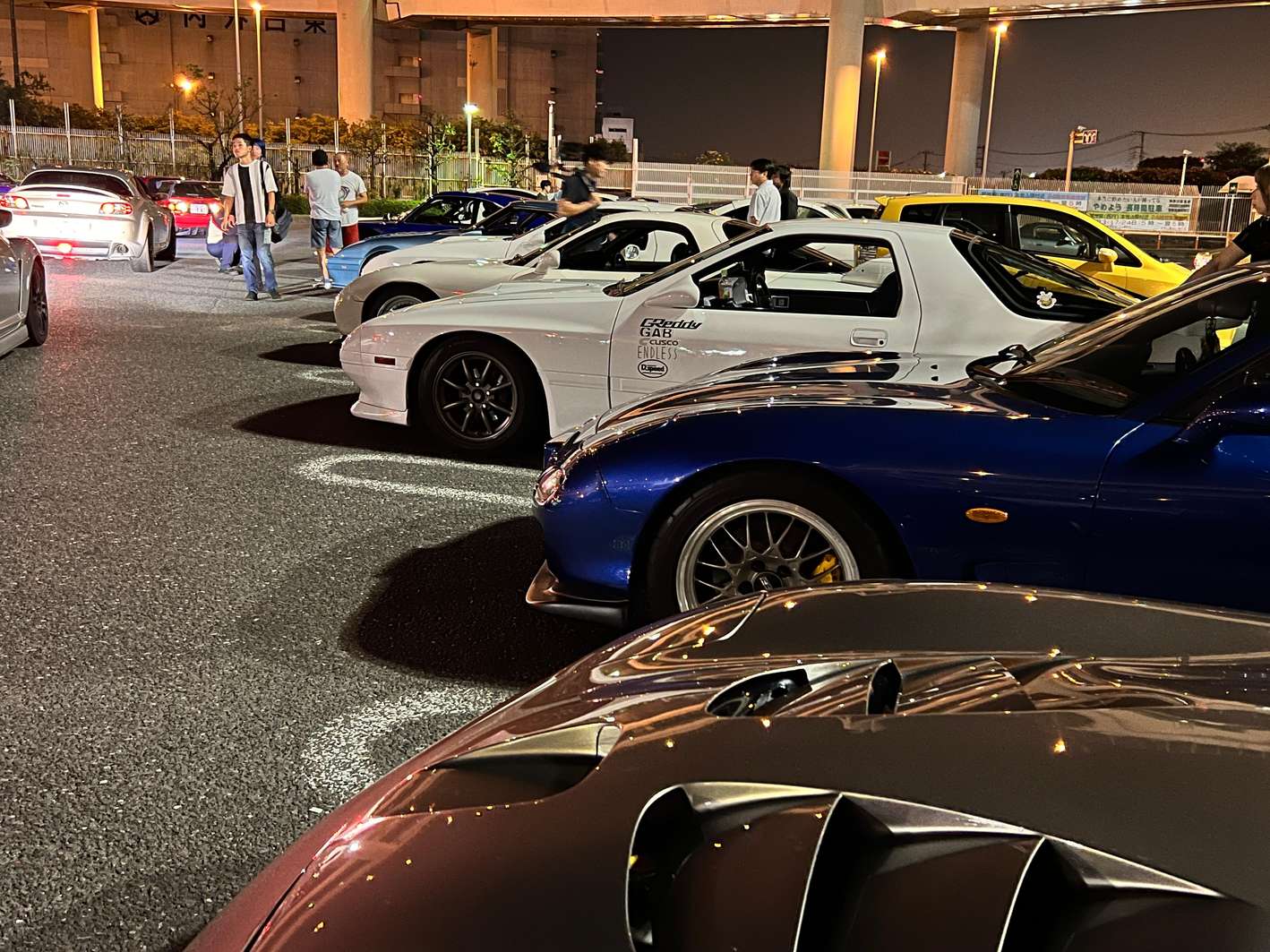
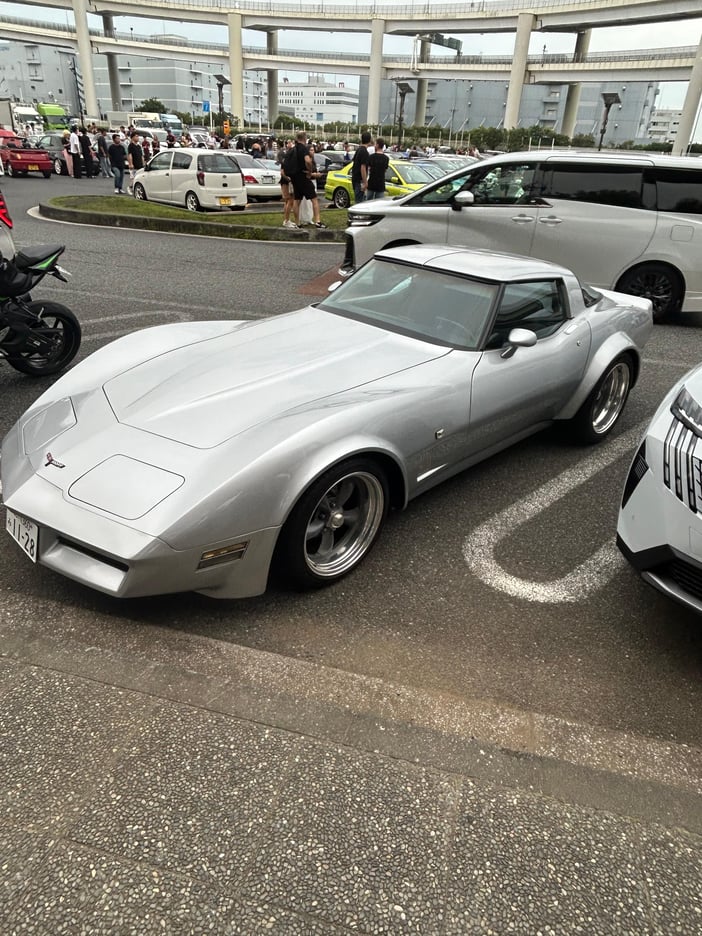
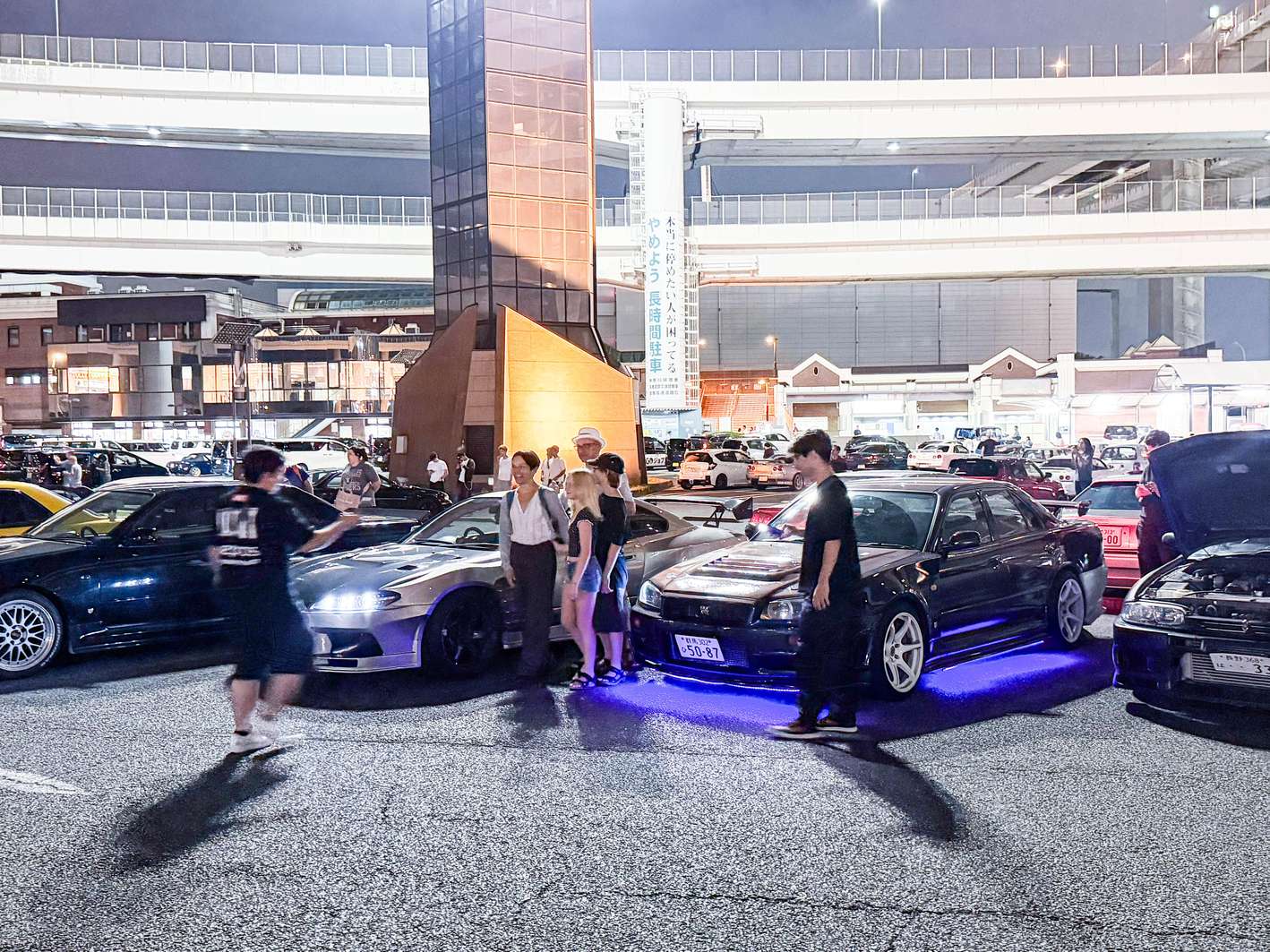
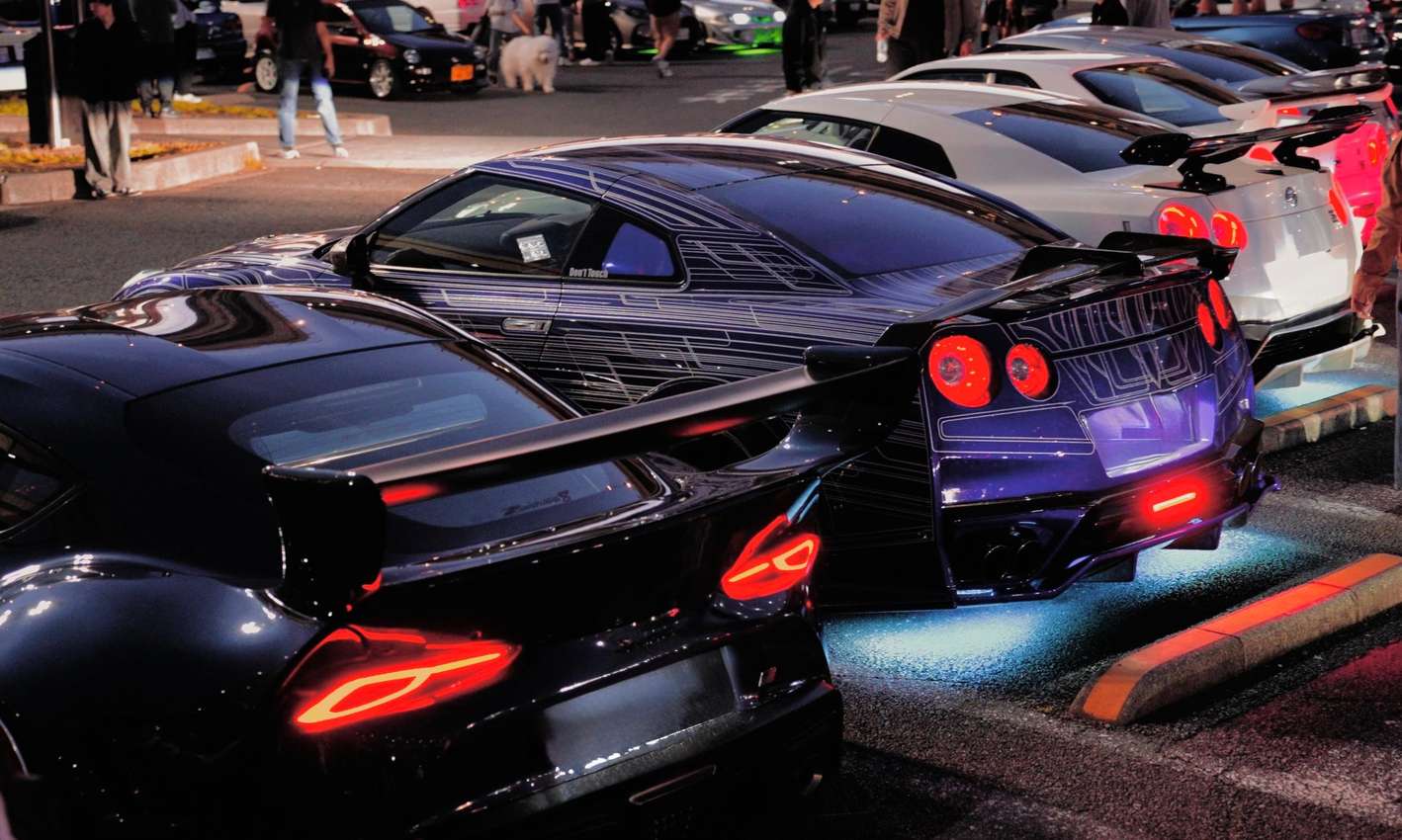
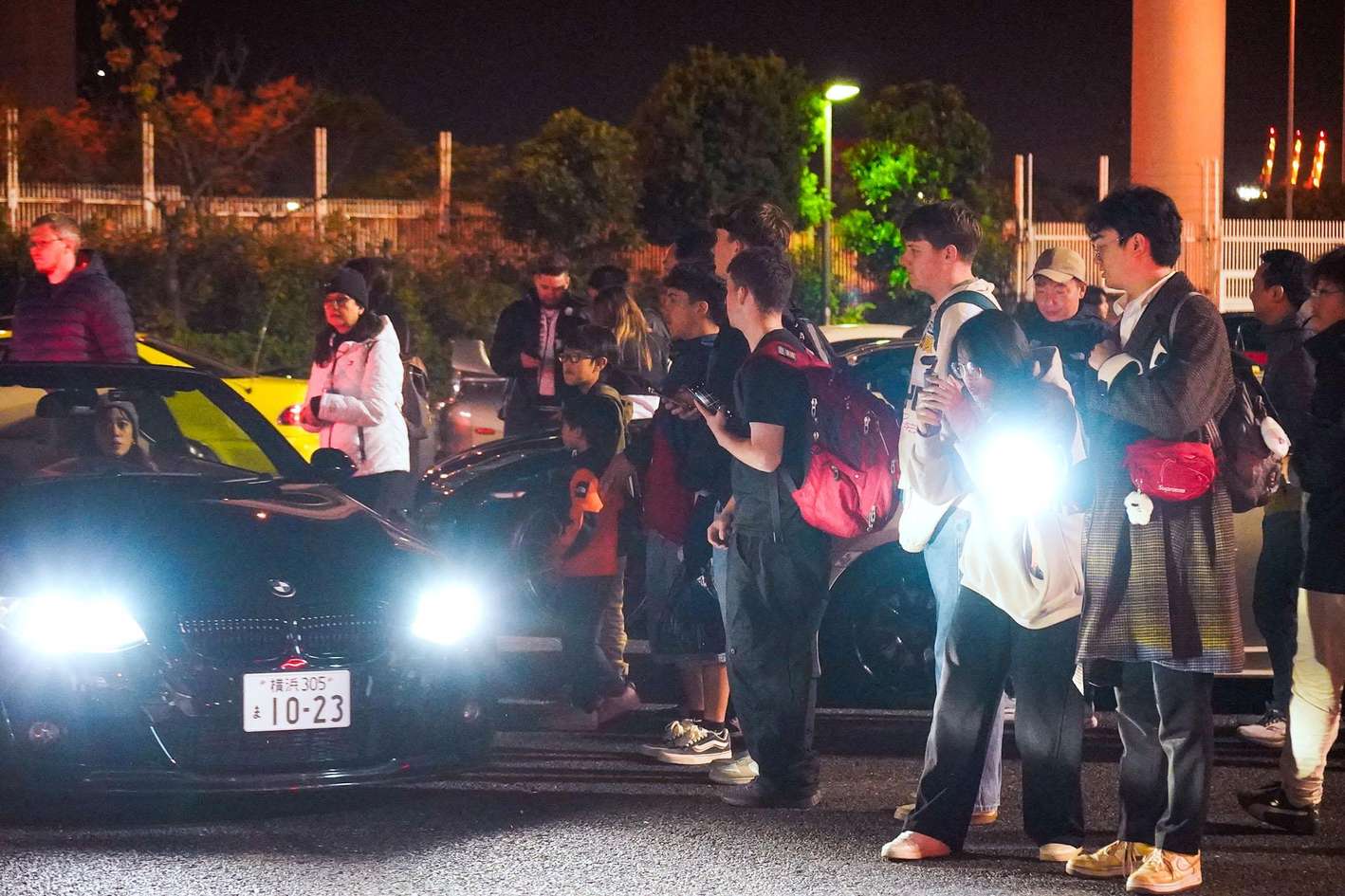
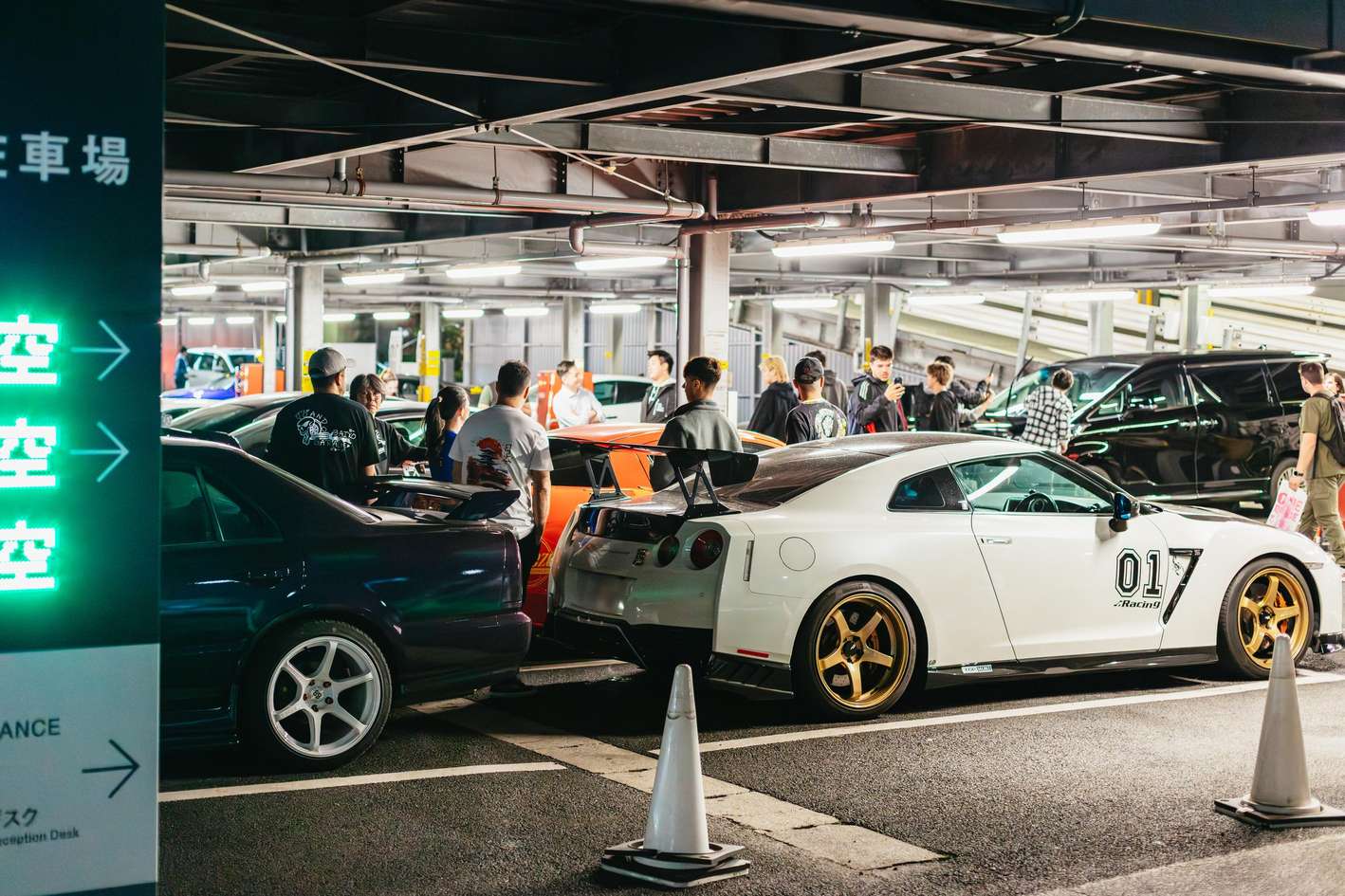
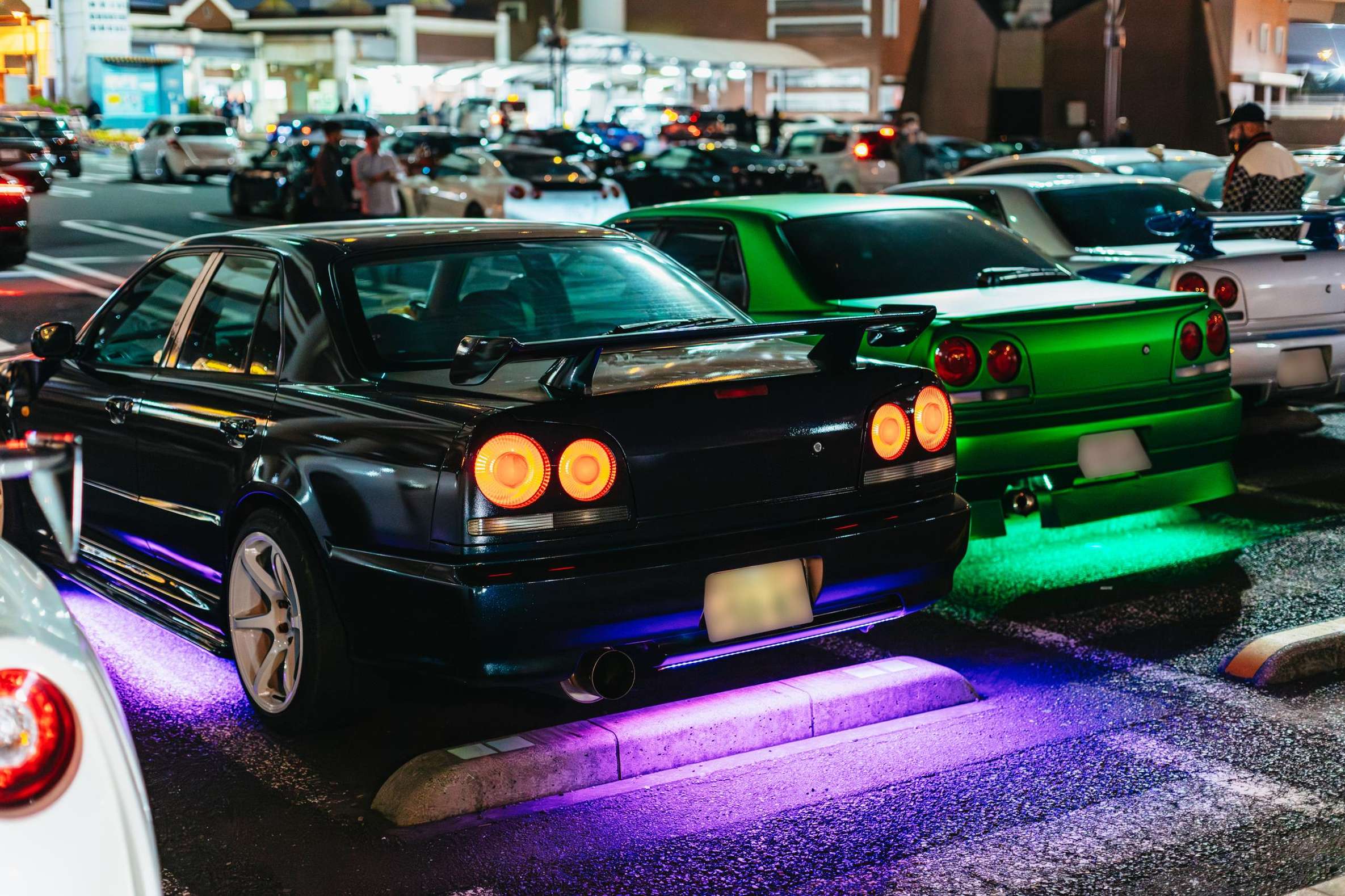
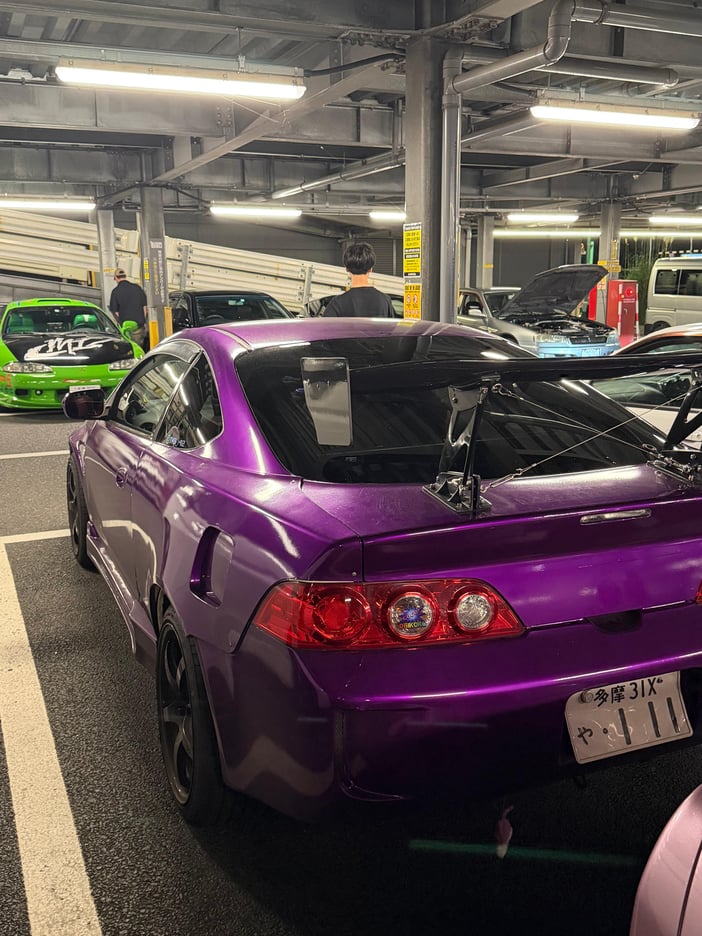
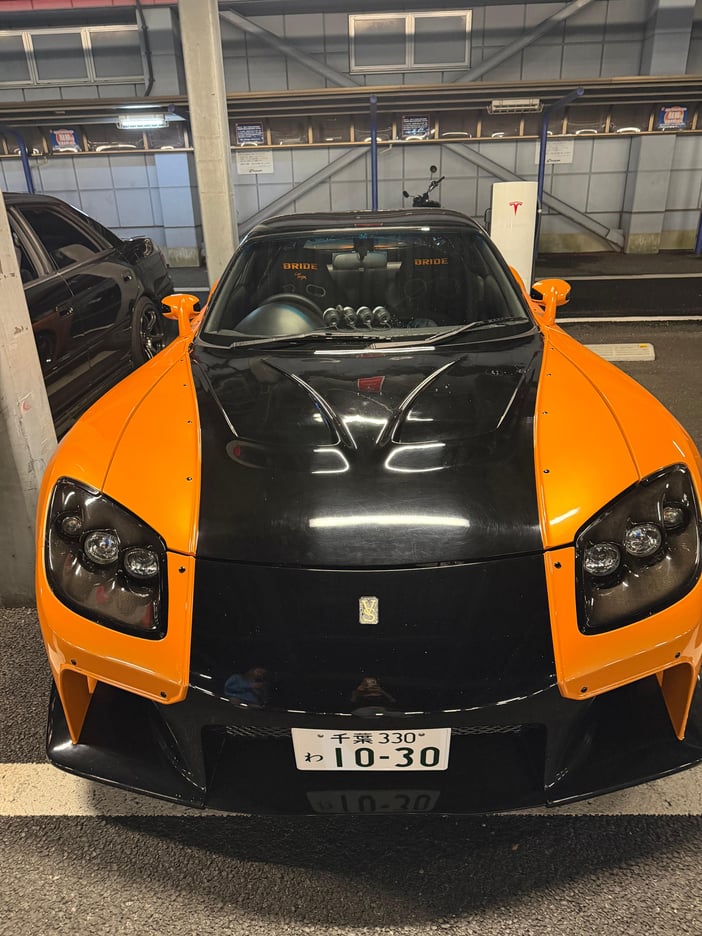
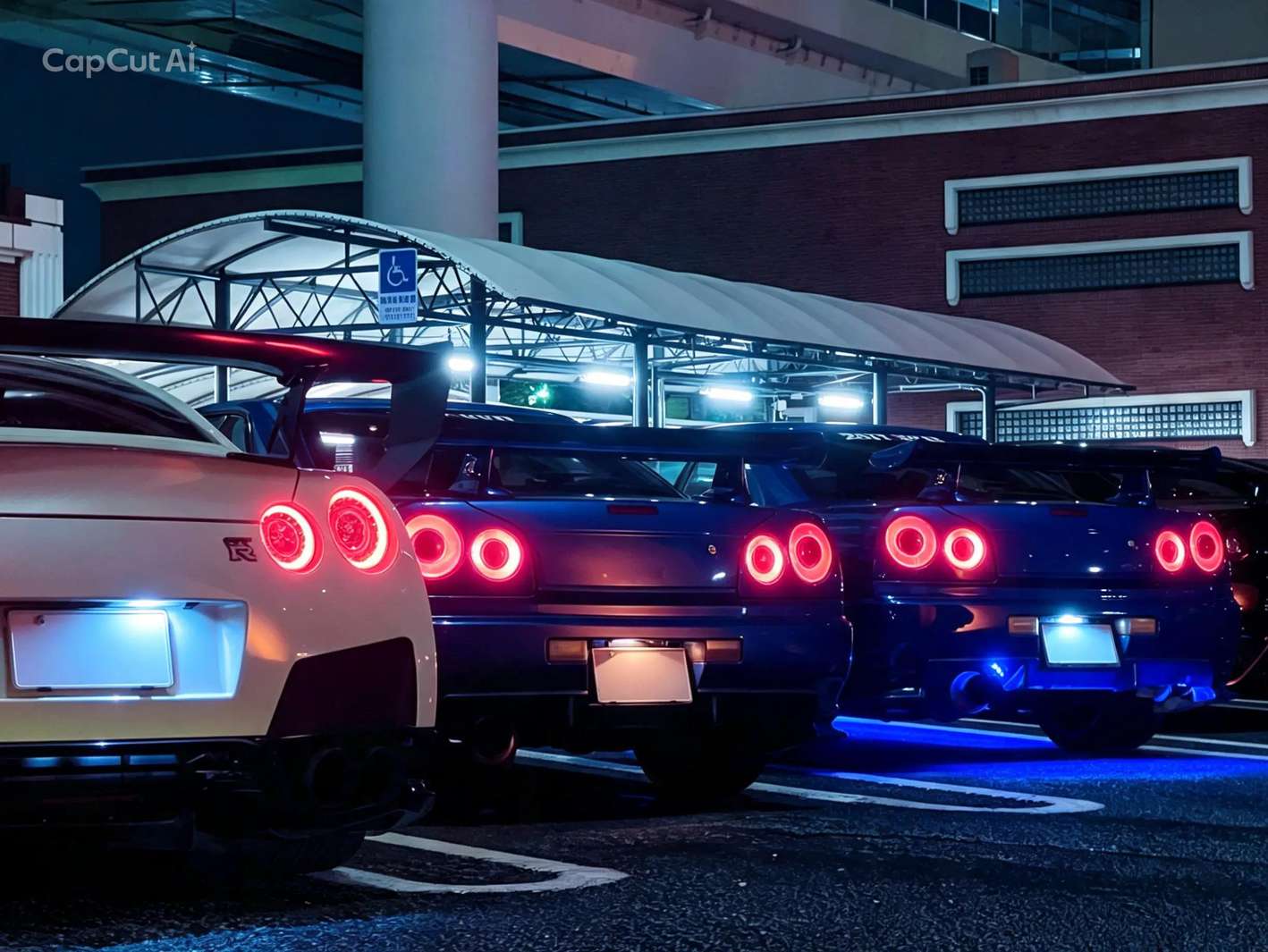
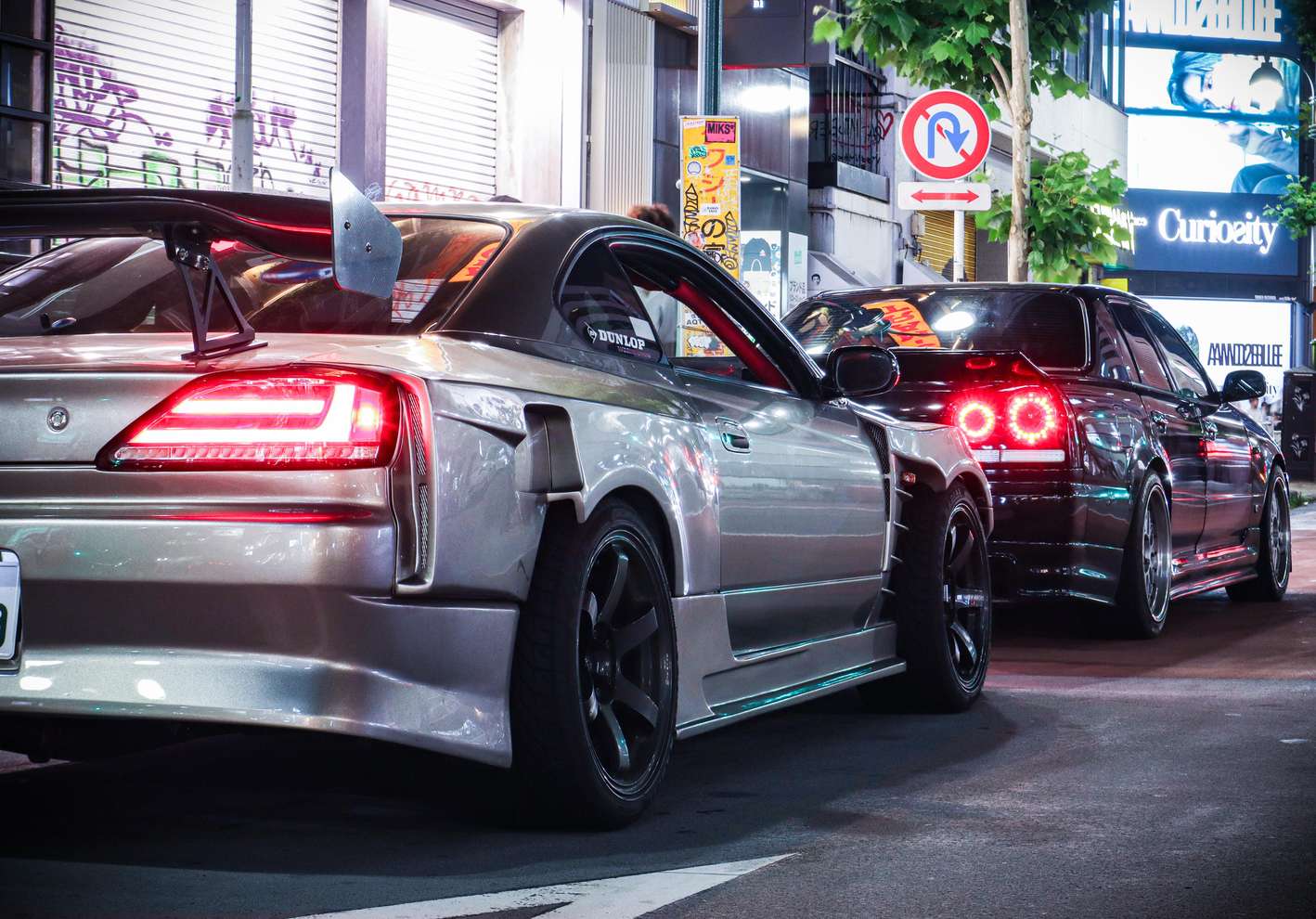
An open public rest stop is what you find today. Nobody organizes it, nobody sells tickets, and the cars change nightly. One evening brings a row of EVOs, the next a GT-R with underglow parked next to a family wagon.
That is also why the meet is free entry: it is a working rest area, open to anyone who arrives by motorized vehicle, with no schedule behind it.
A word on the drift fantasy before you build the whole trip around it. What happens here is a stationary display meet. The cars are parked, the engines are mostly off, and no legitimate tour includes street drifting.
What people wrongly assume
MythDrifting happens at Daikoku PA
Reality
It is a stationary display meet, and street drifting never appears on legitimate tours.
MythIt is a ticketed organized show
Reality
It is an open public rest stop with free entry and no schedule.
MythSpecific cars are guaranteed
Reality
The lineup changes every night; no car type or count is promised to anyone.
So judge it for what it is: a place where the streetscape does the filming and the owners do the programming. Nothing here is staged, and that is exactly the draw.
Walk in expecting a car show with a running order and you leave disappointed; walk in expecting a working rest stop with an extraordinary crowd and it delivers.
Tour for this
Tokyo: JDM Night Run in EVO, WRX & Skyline to Daikoku4.9★ (1,056) · 3 - 4 hours · Hotel pickup · Free cancellation
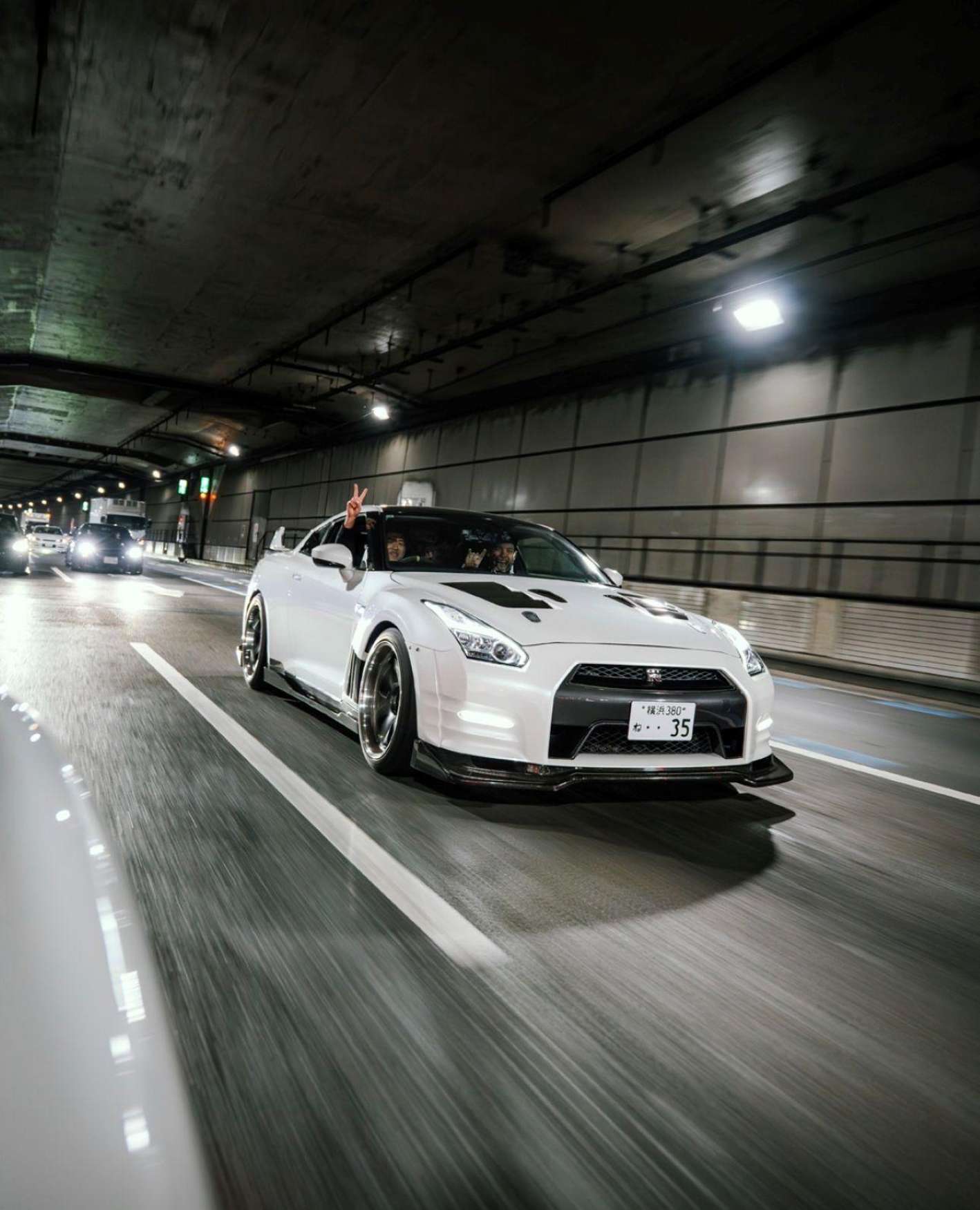
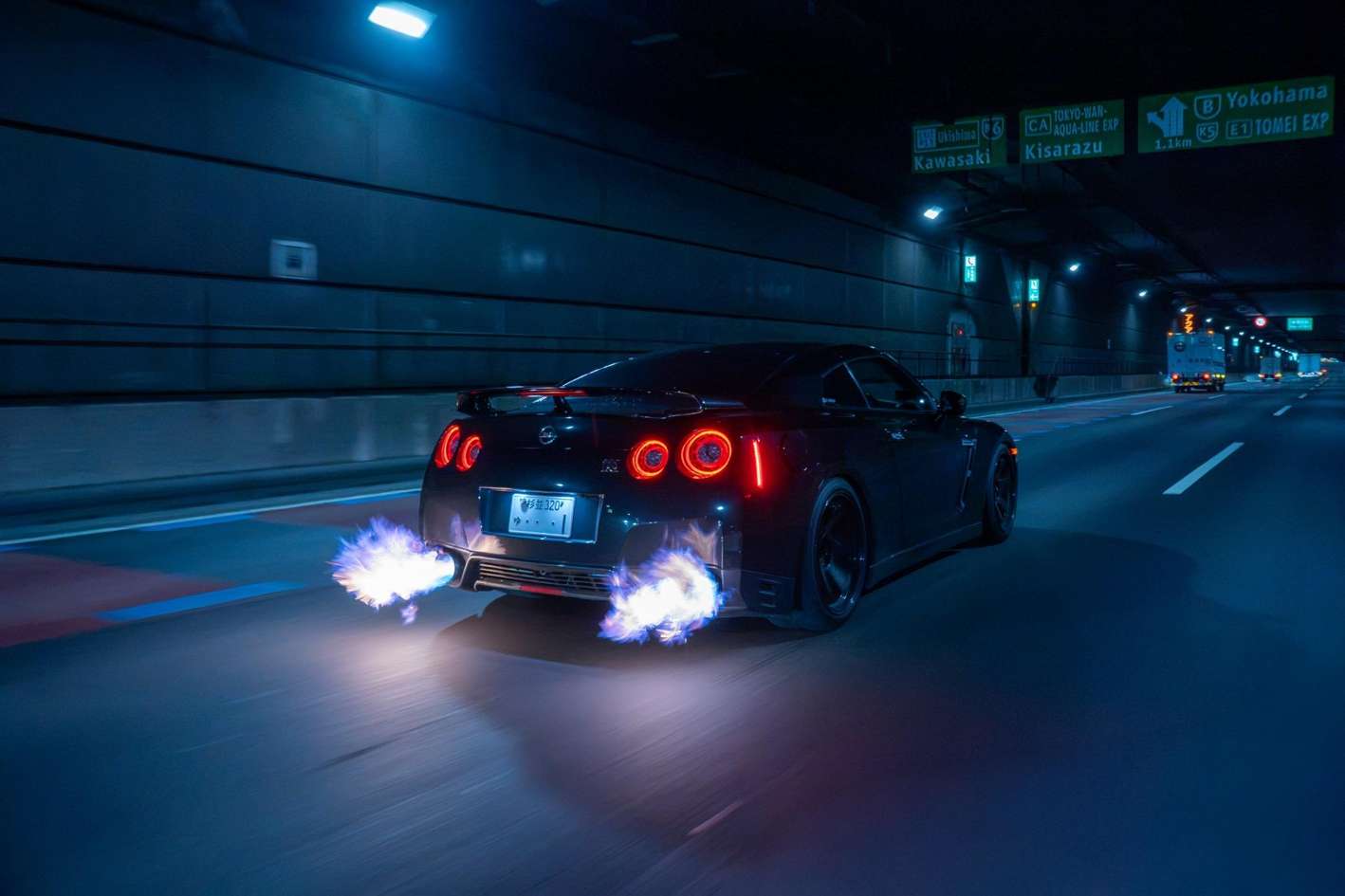
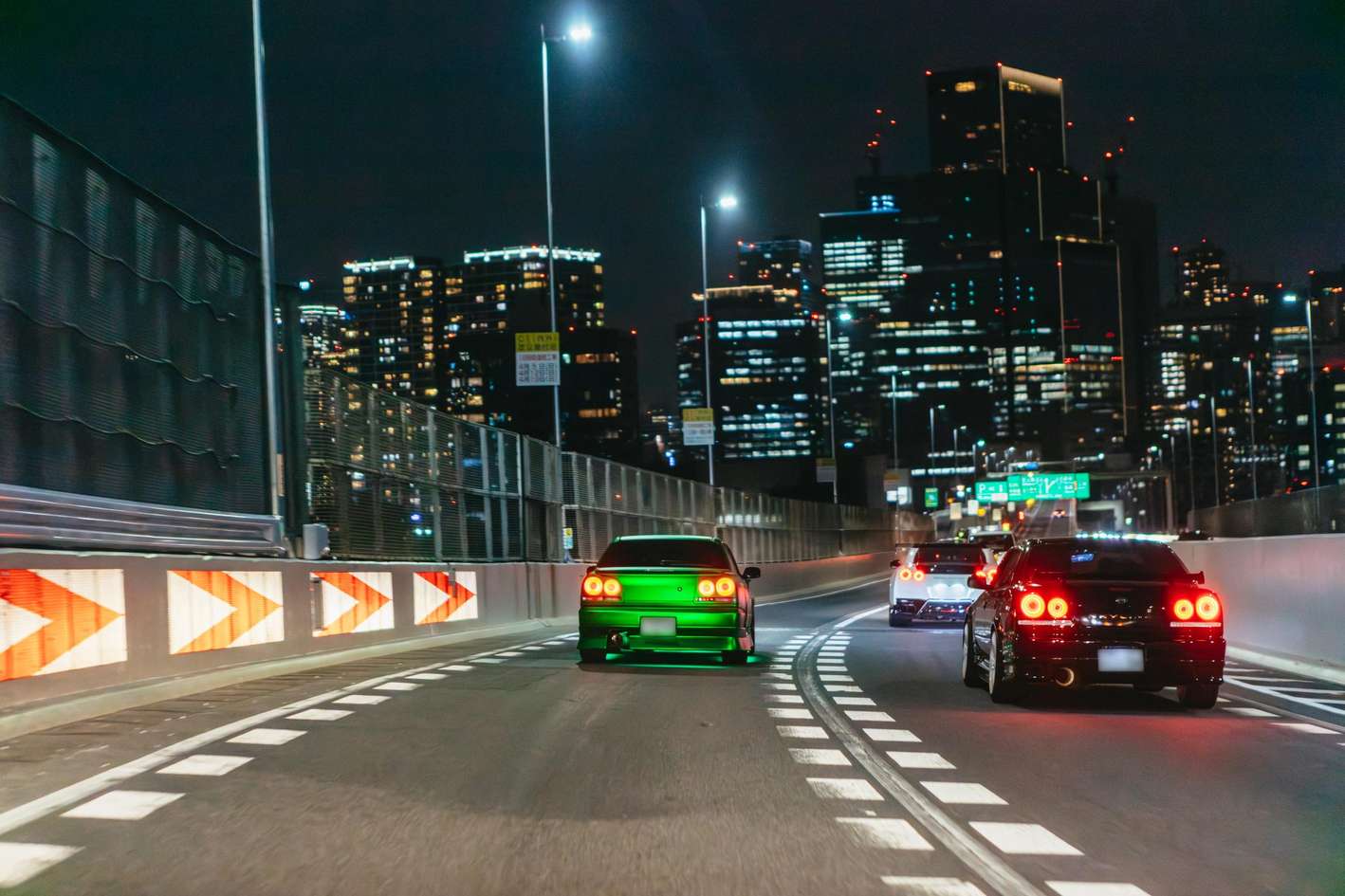
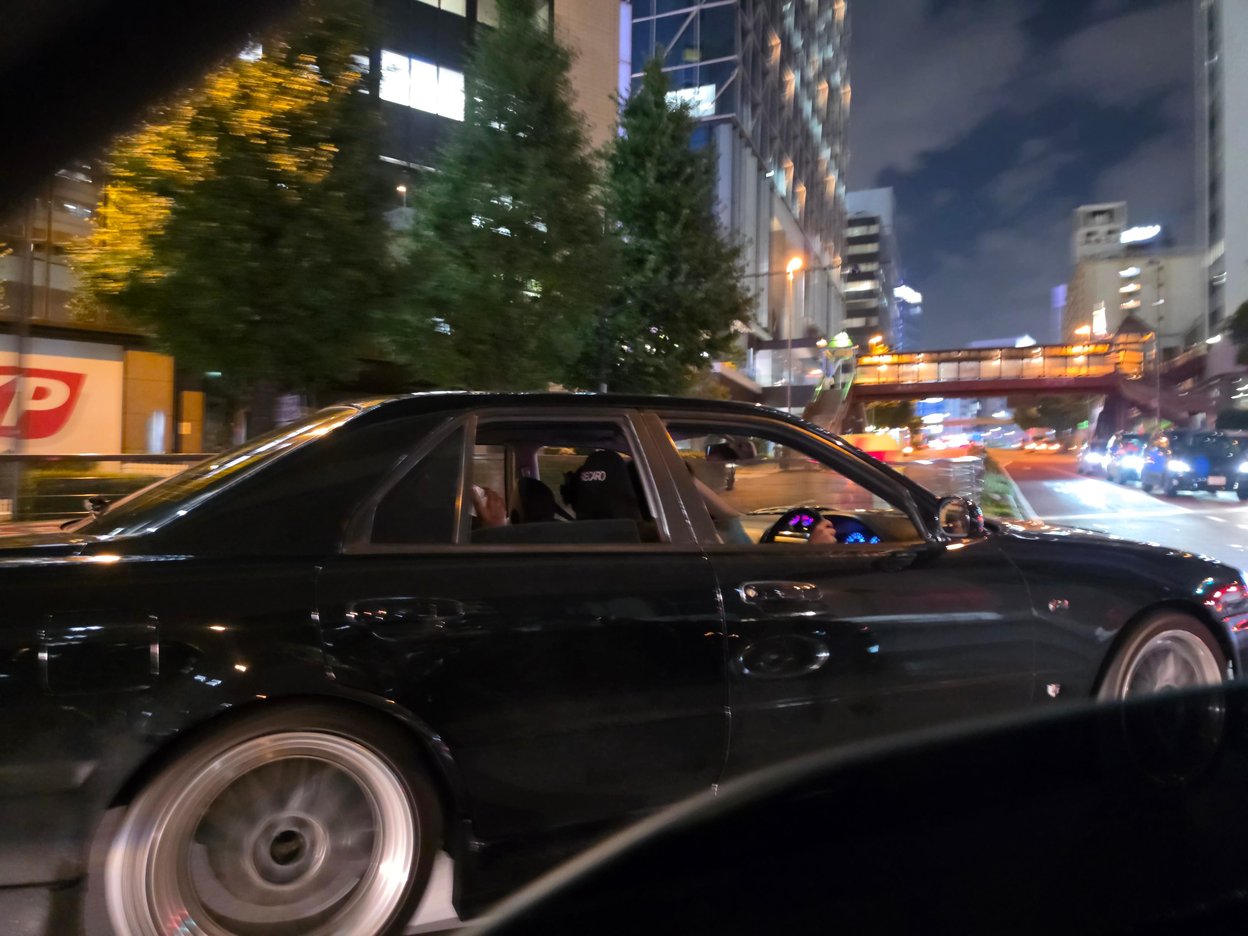
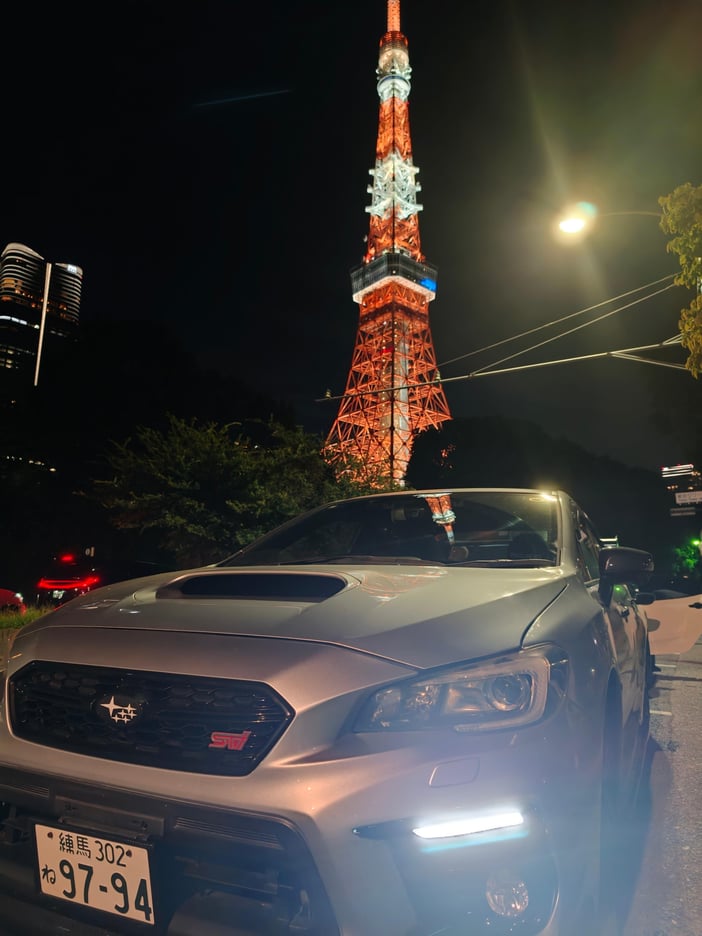
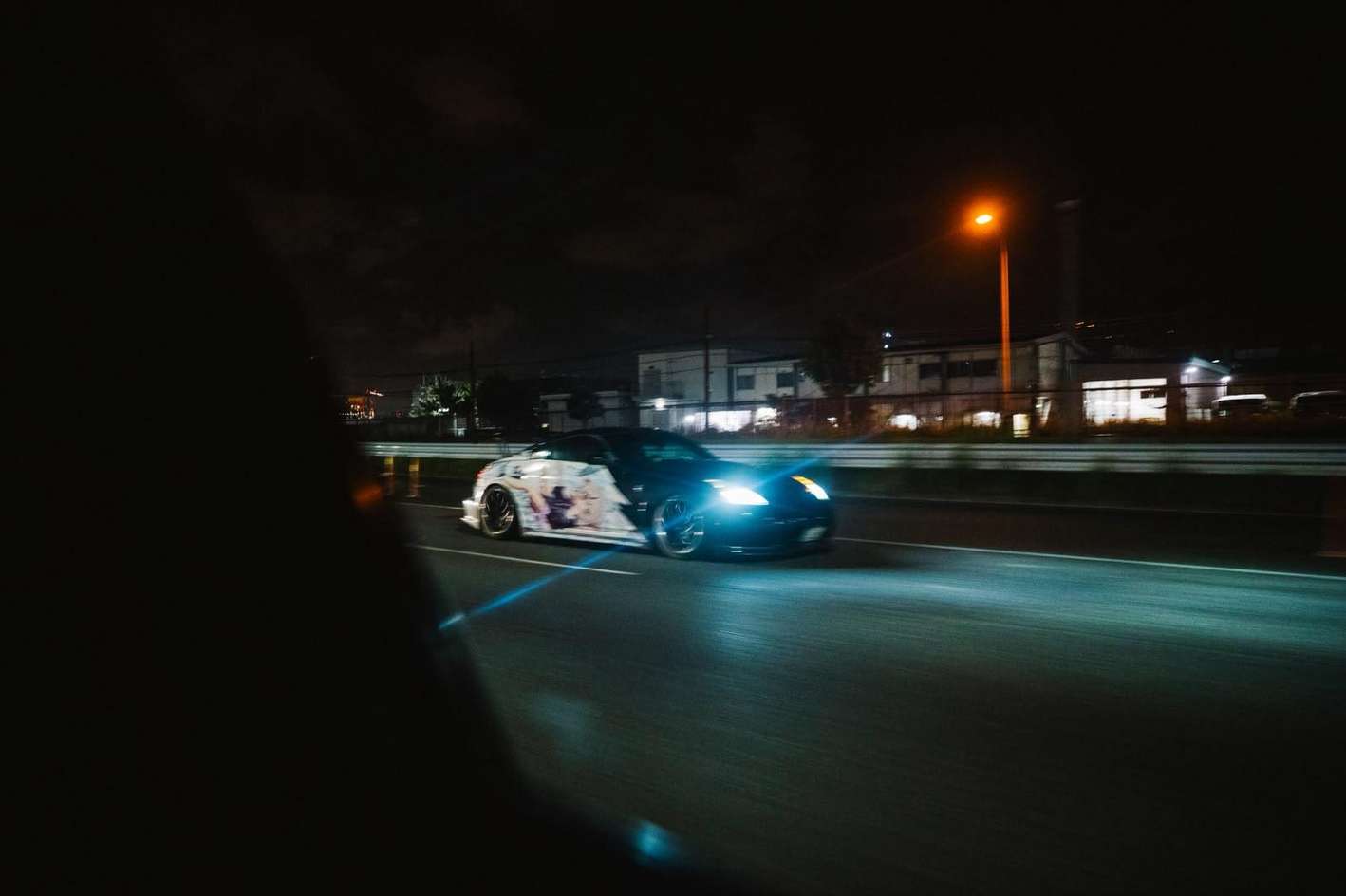
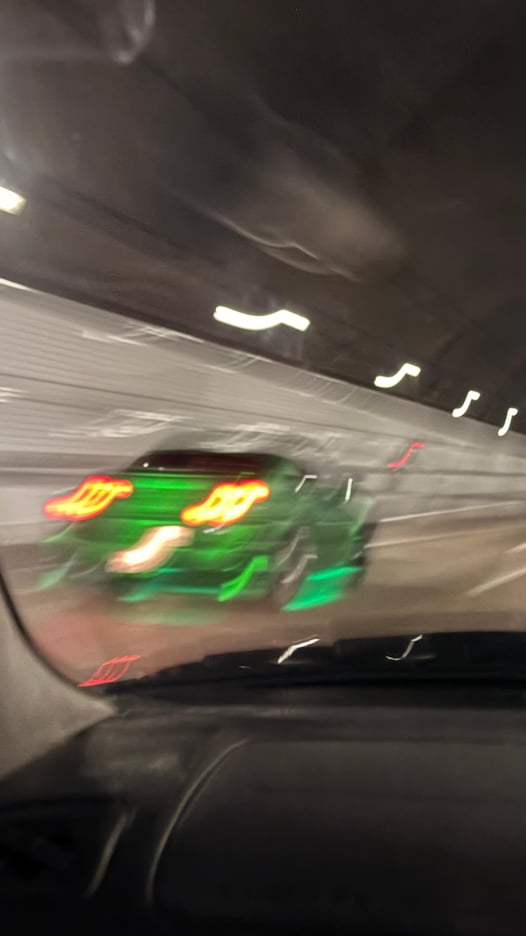
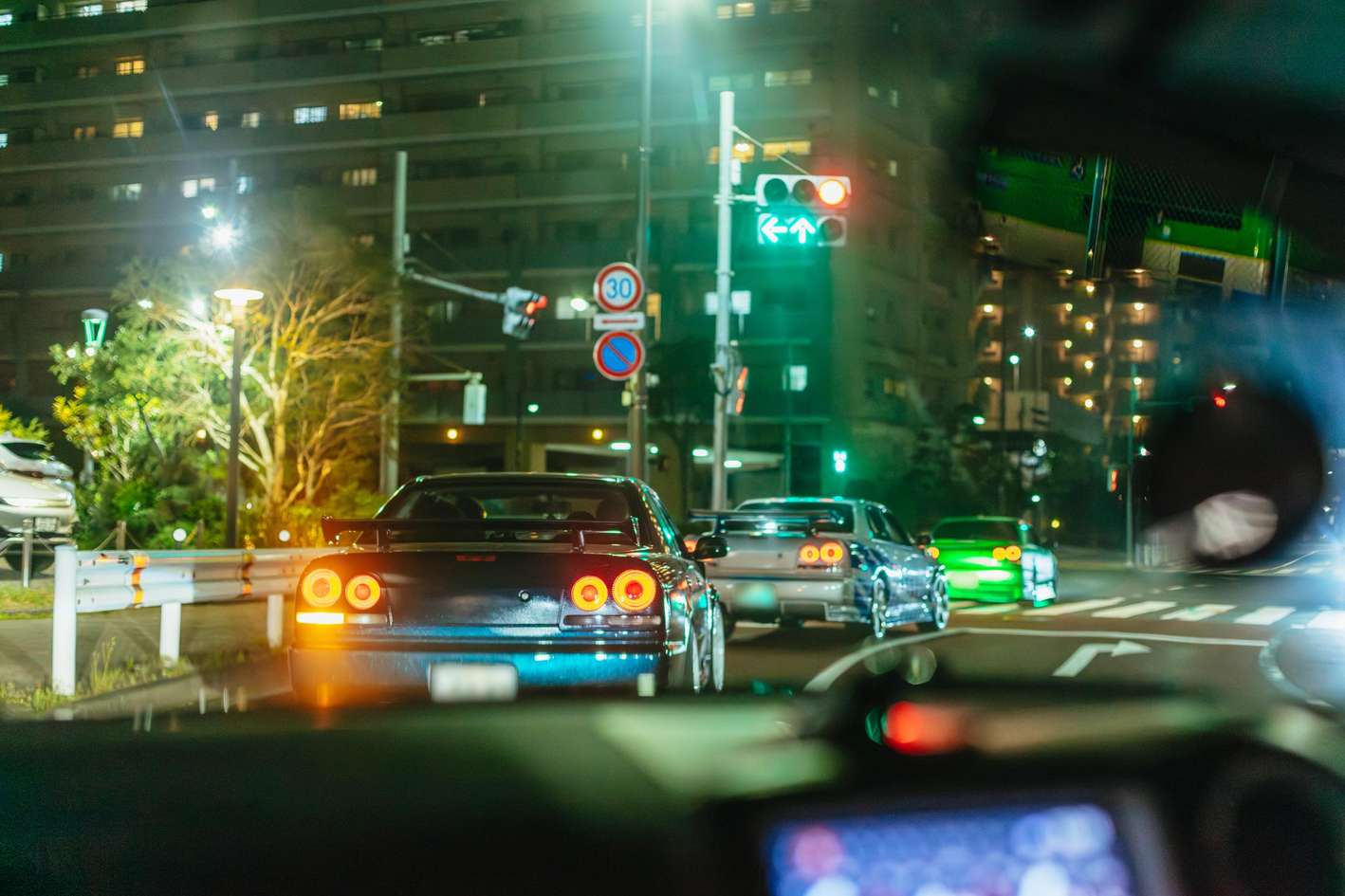
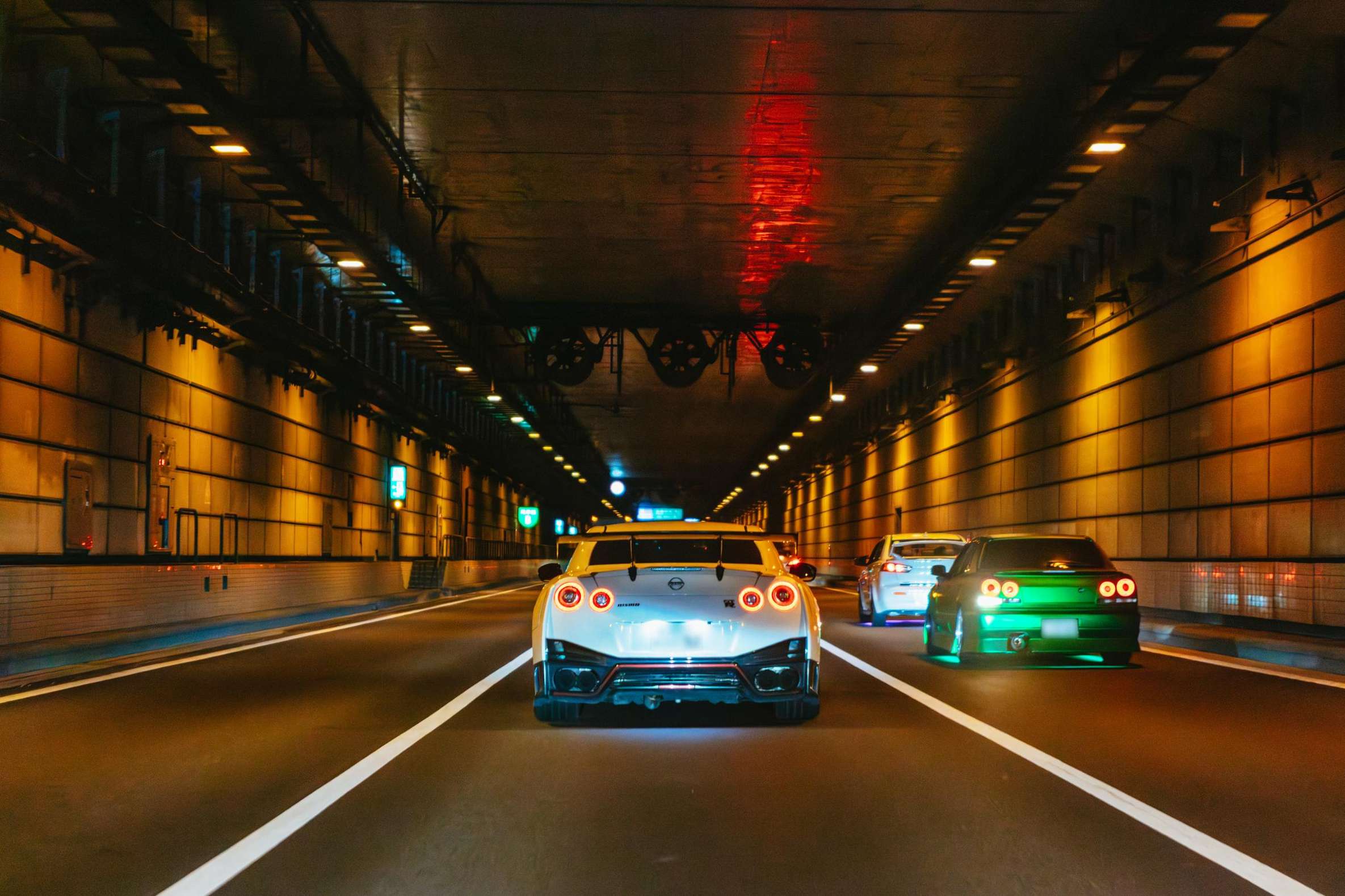
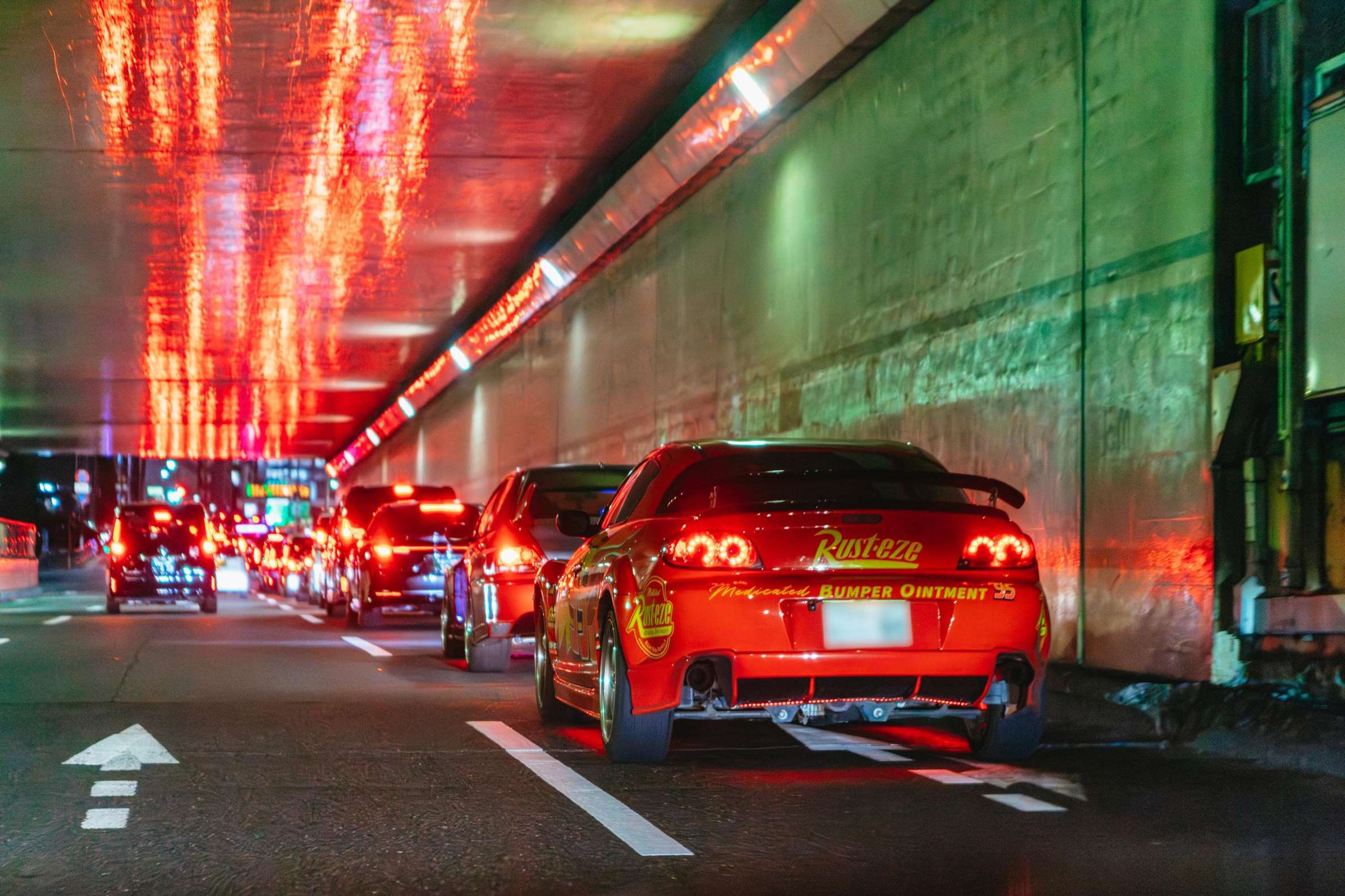
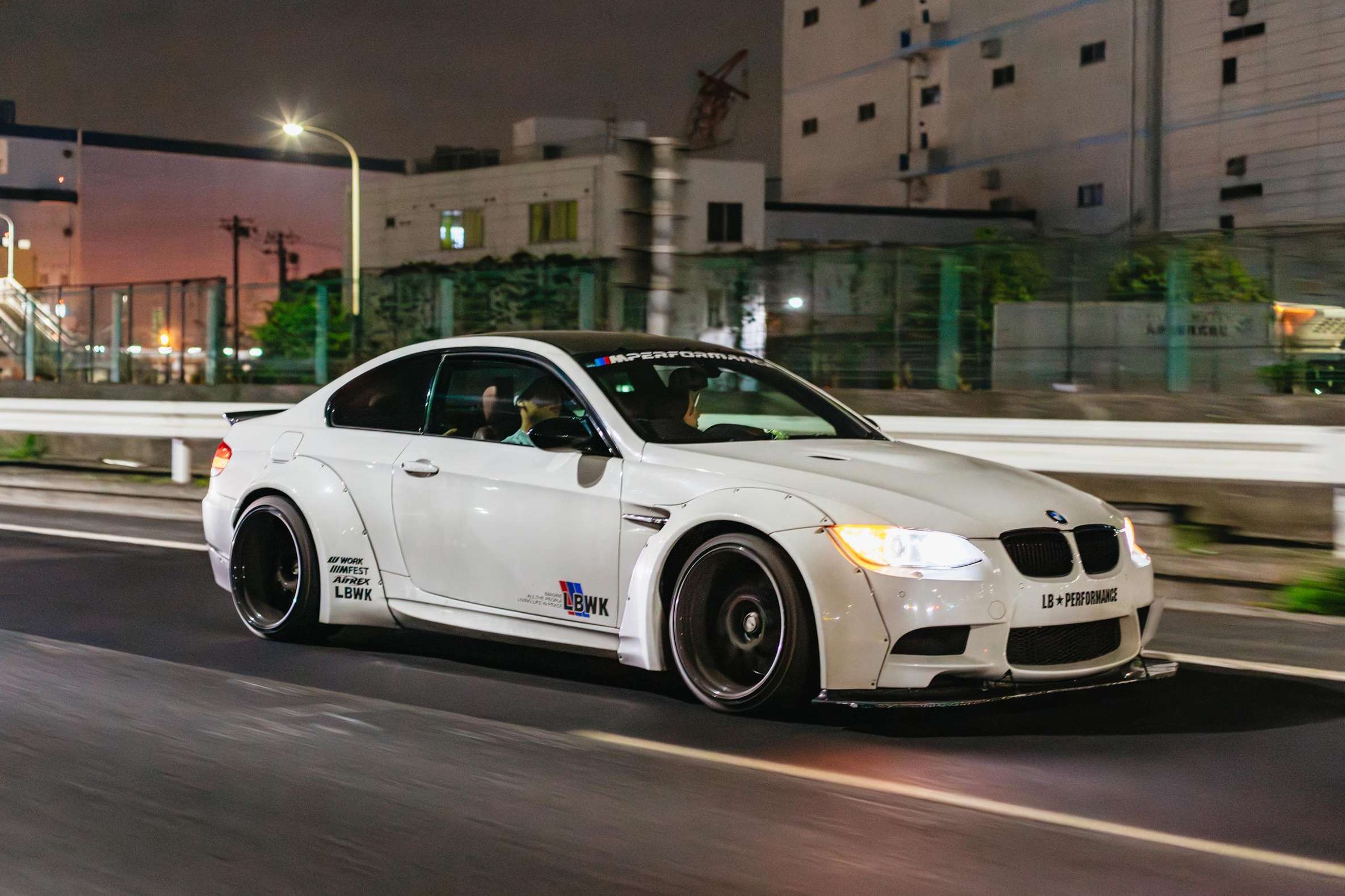
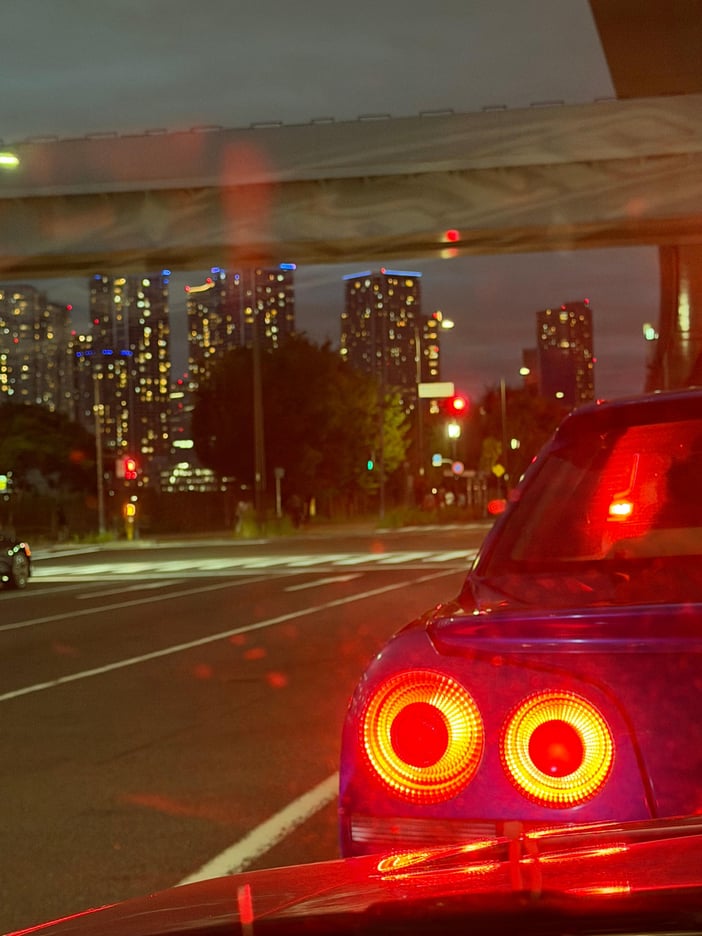
The drive there is half the experience. Tours roll out of central Tokyo in a convoy, drop onto the Wangan Route and cross the bay with the port lights sliding past, the city glow behind you.
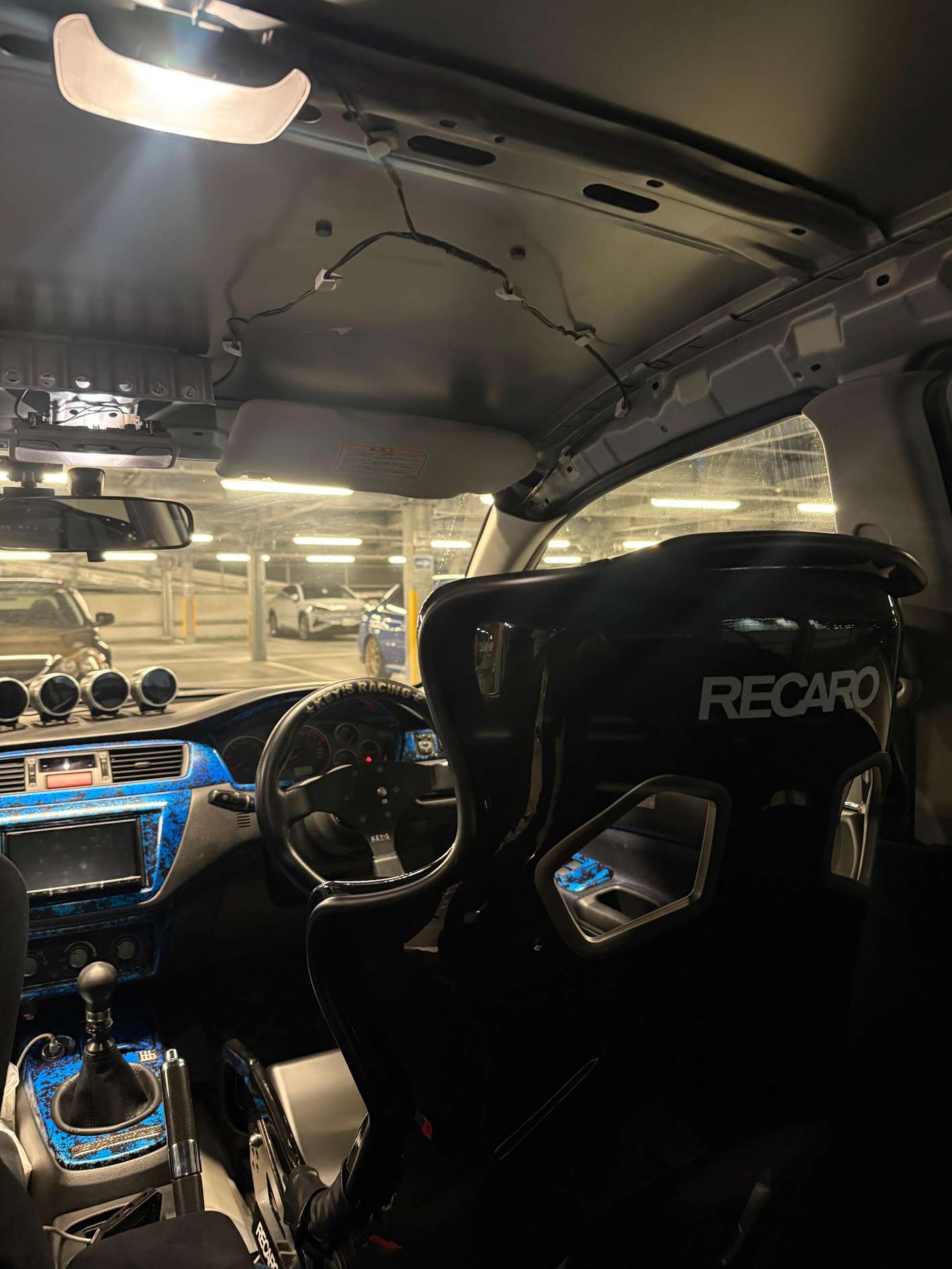
In a low sports car you feel every part of it: the engine note, the modified interior, the seat pressed close to the tarmac. Riders call it movie-like, and the comparison holds.
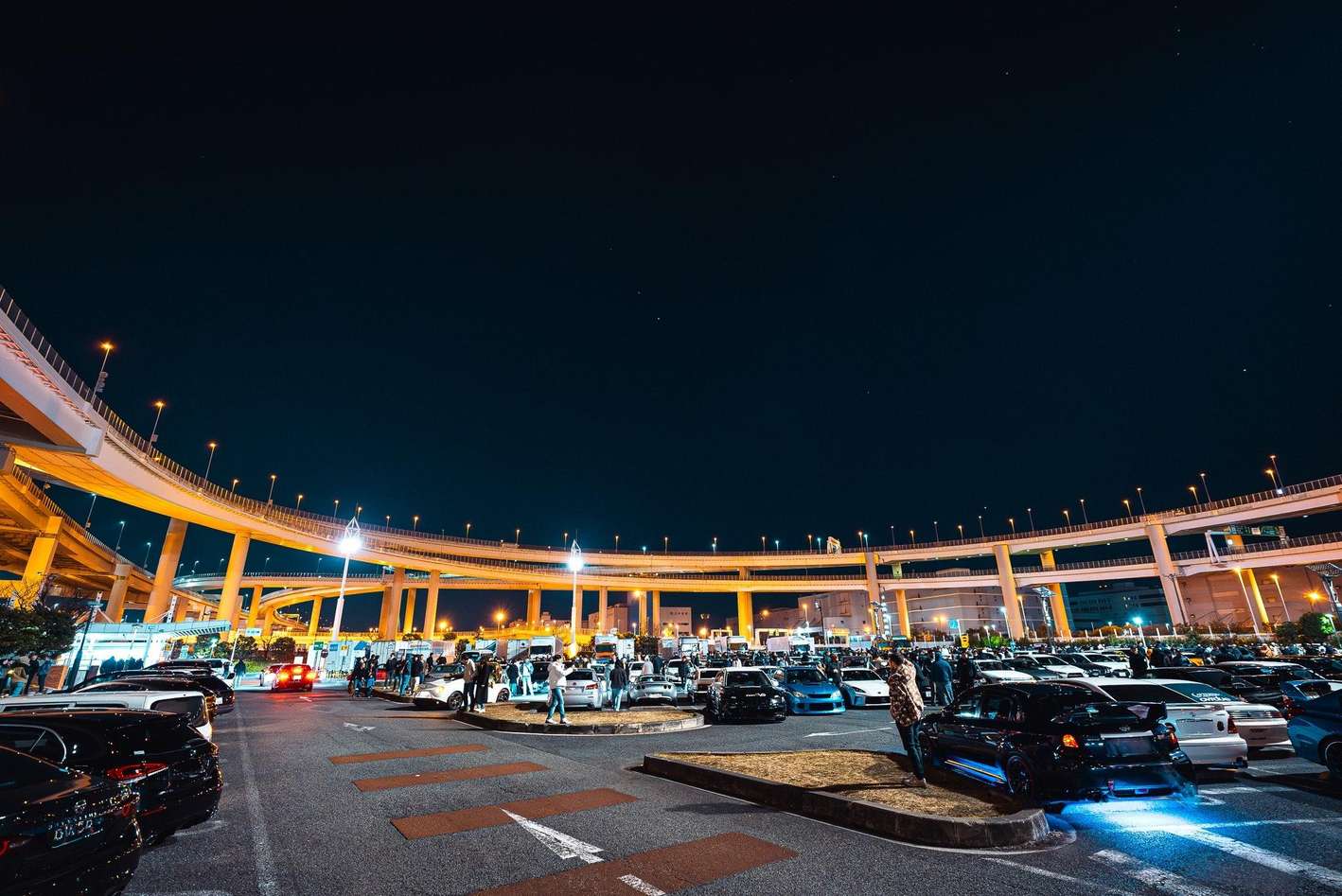
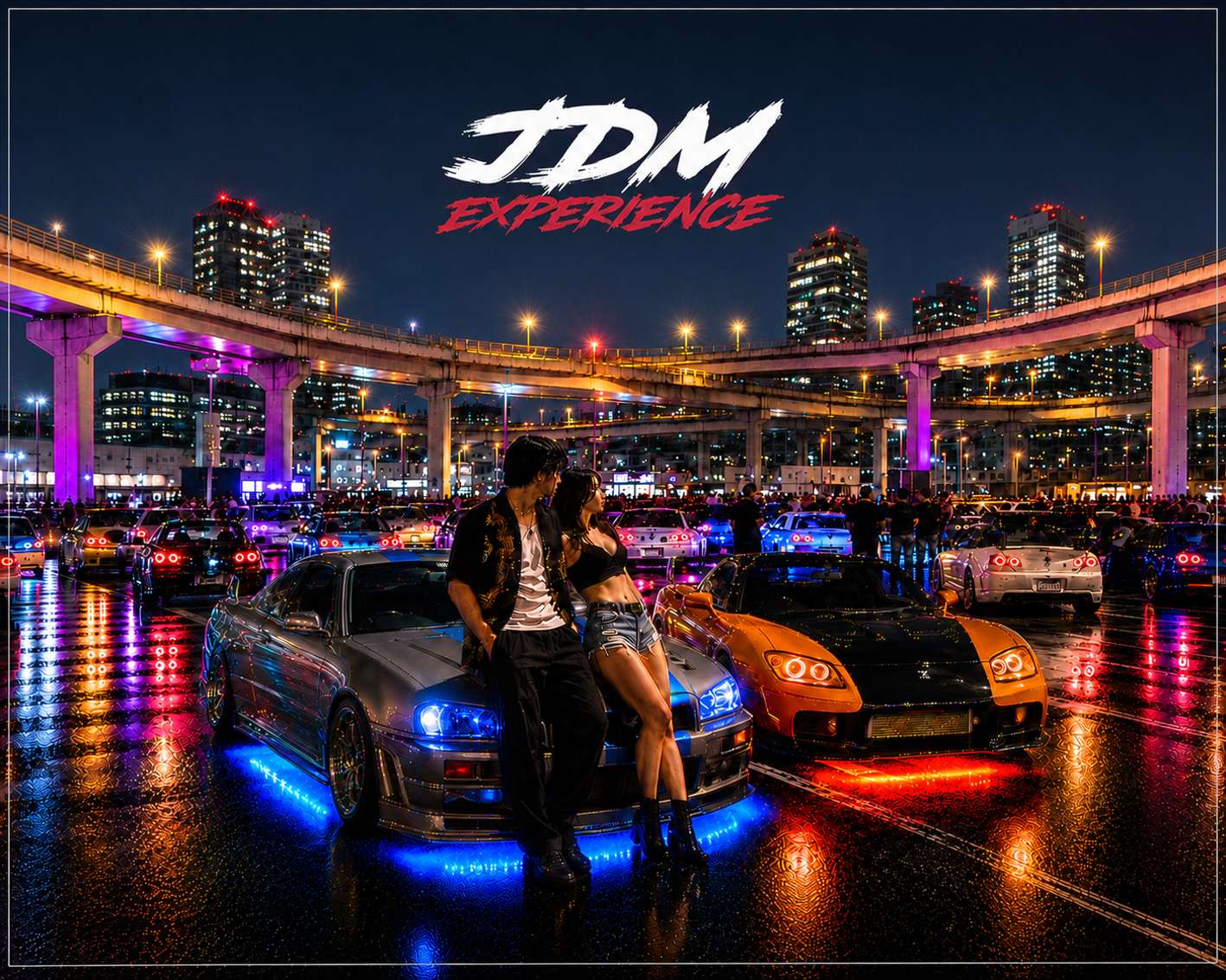
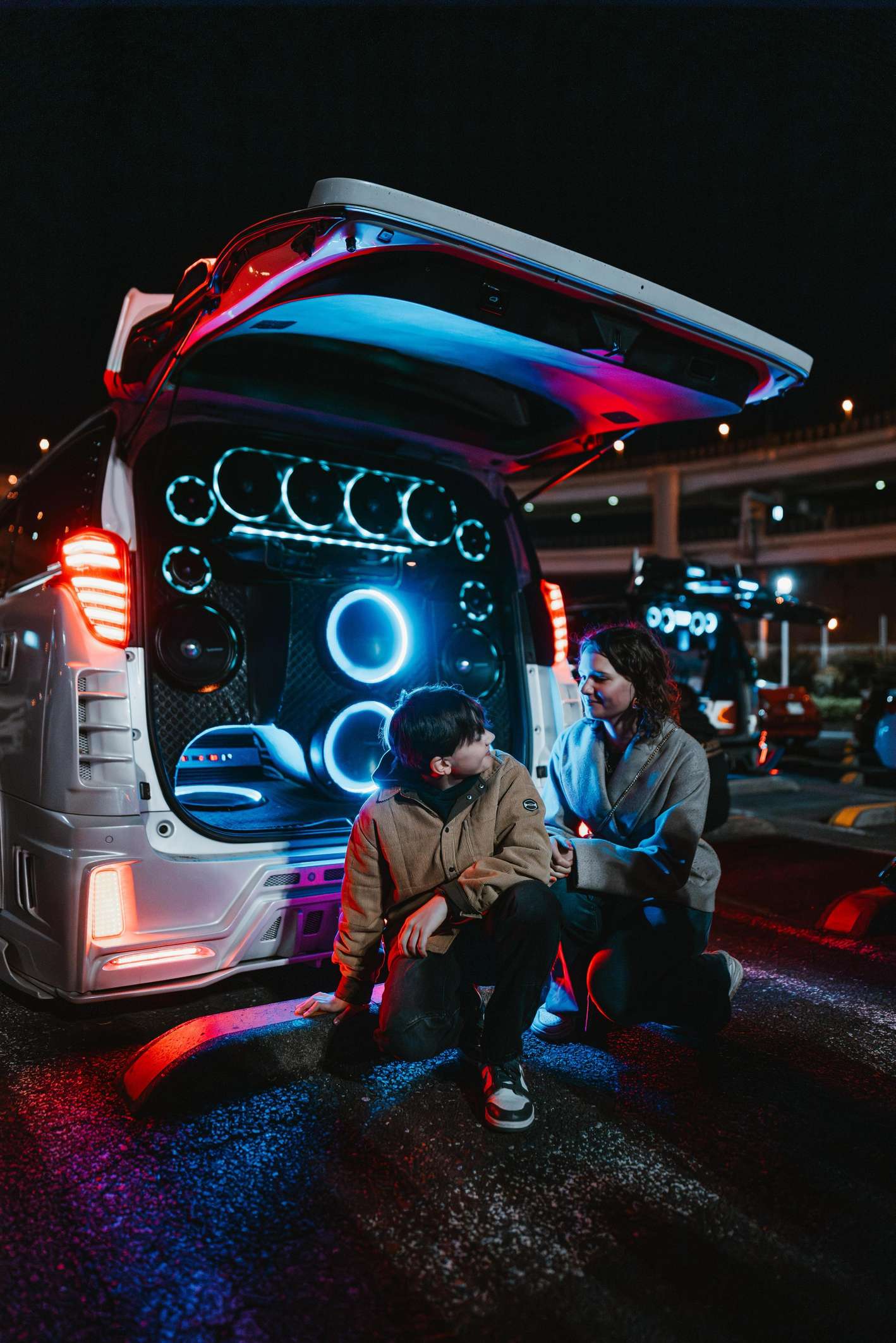
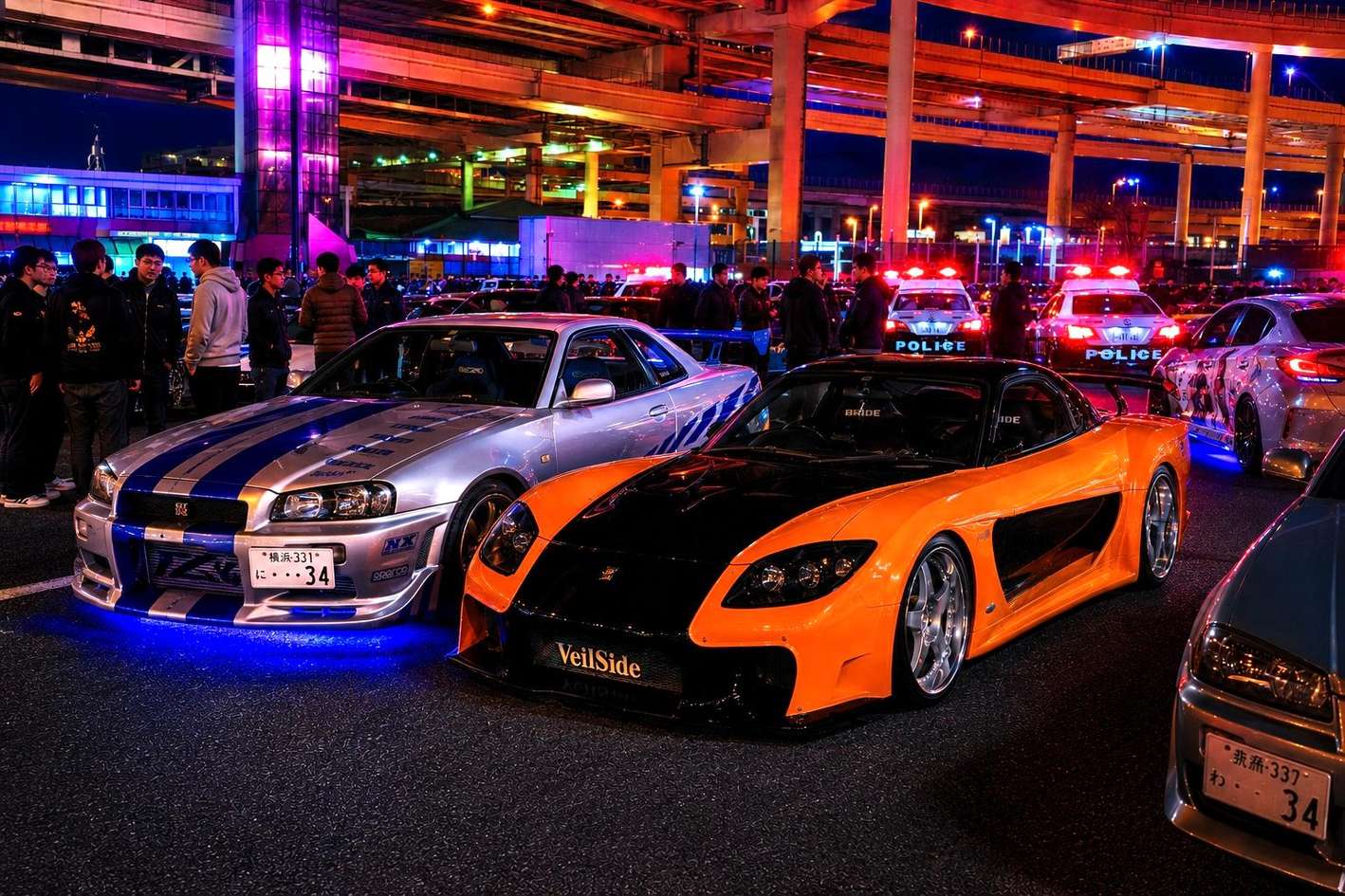
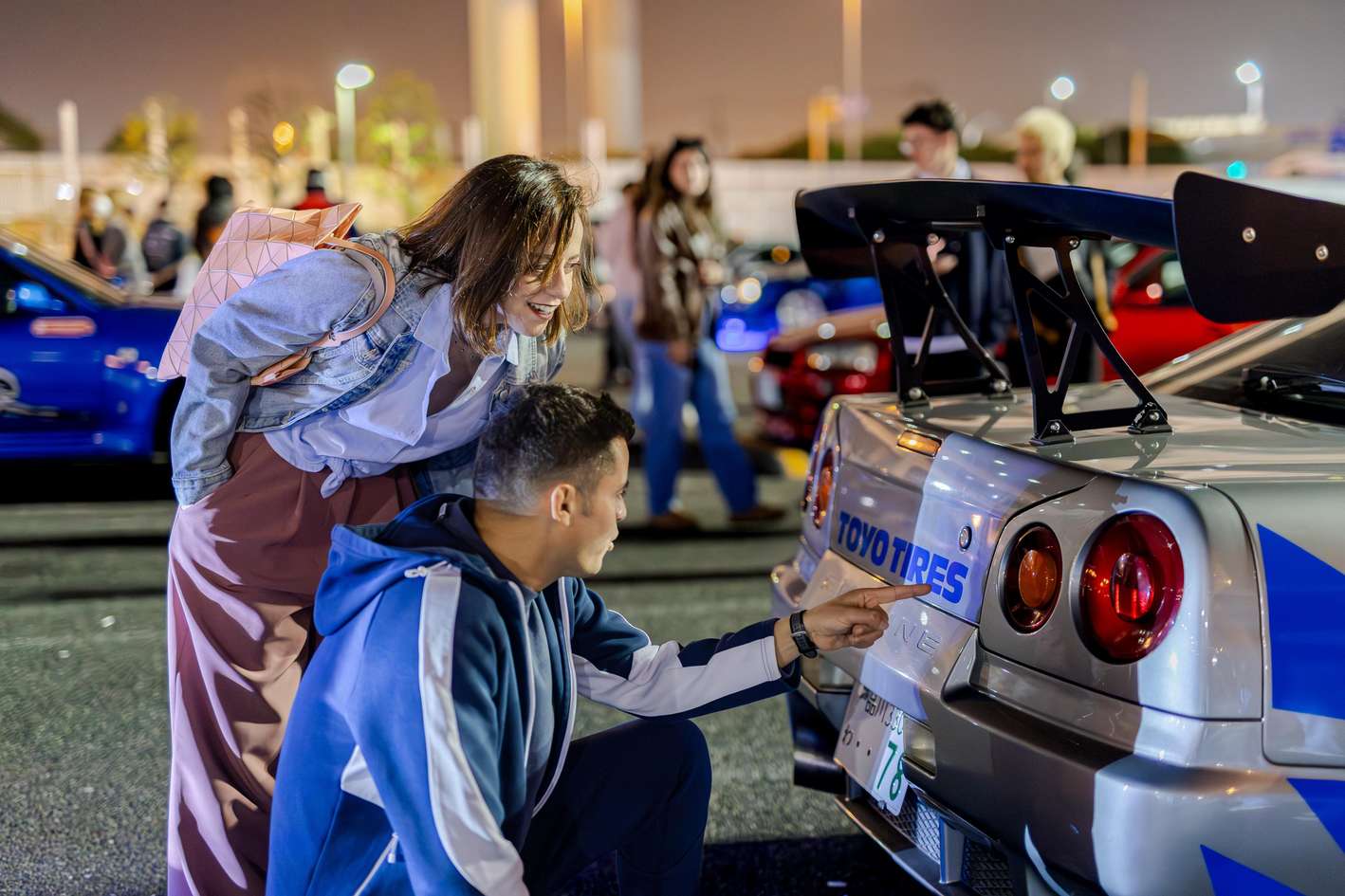
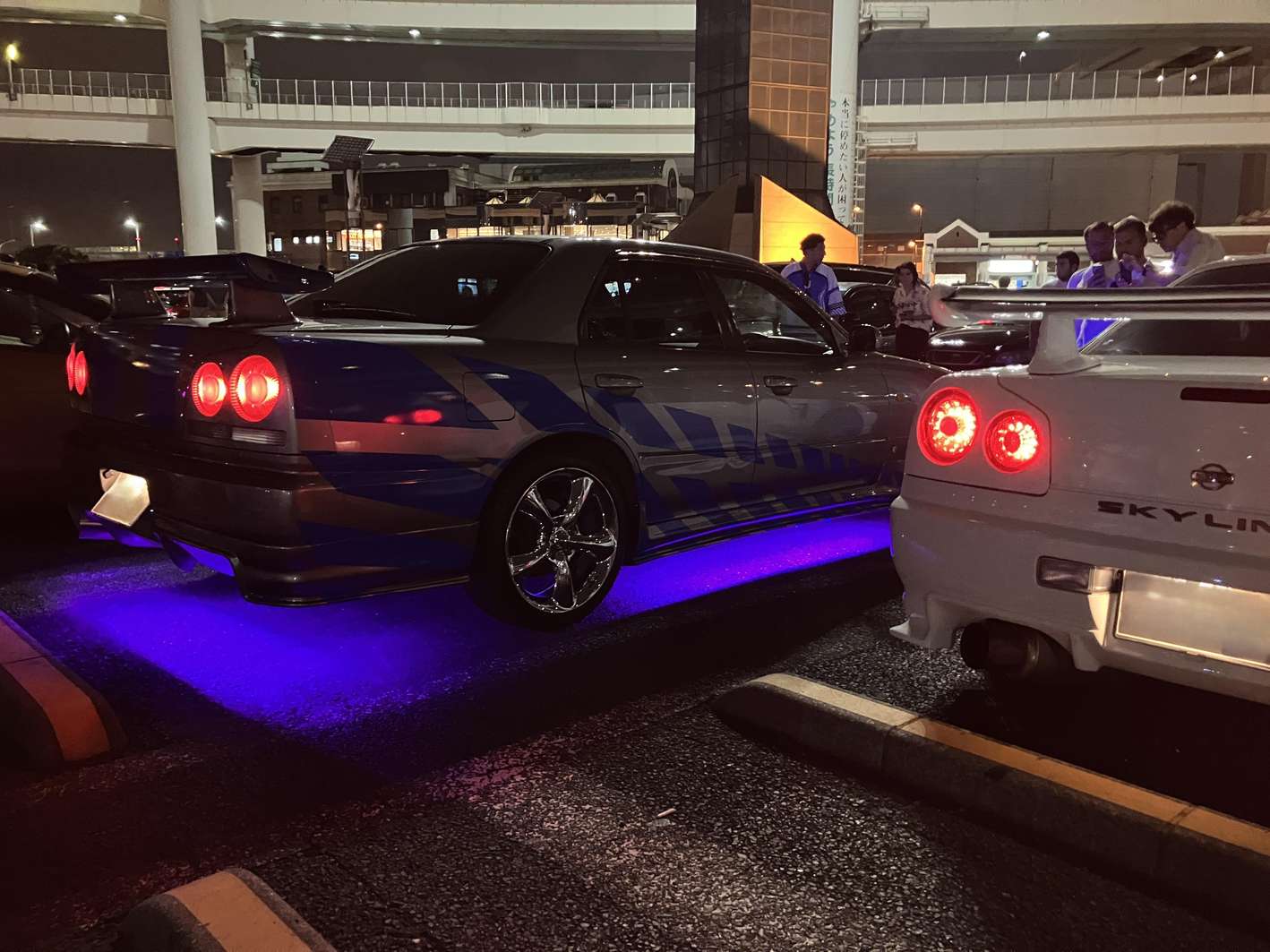
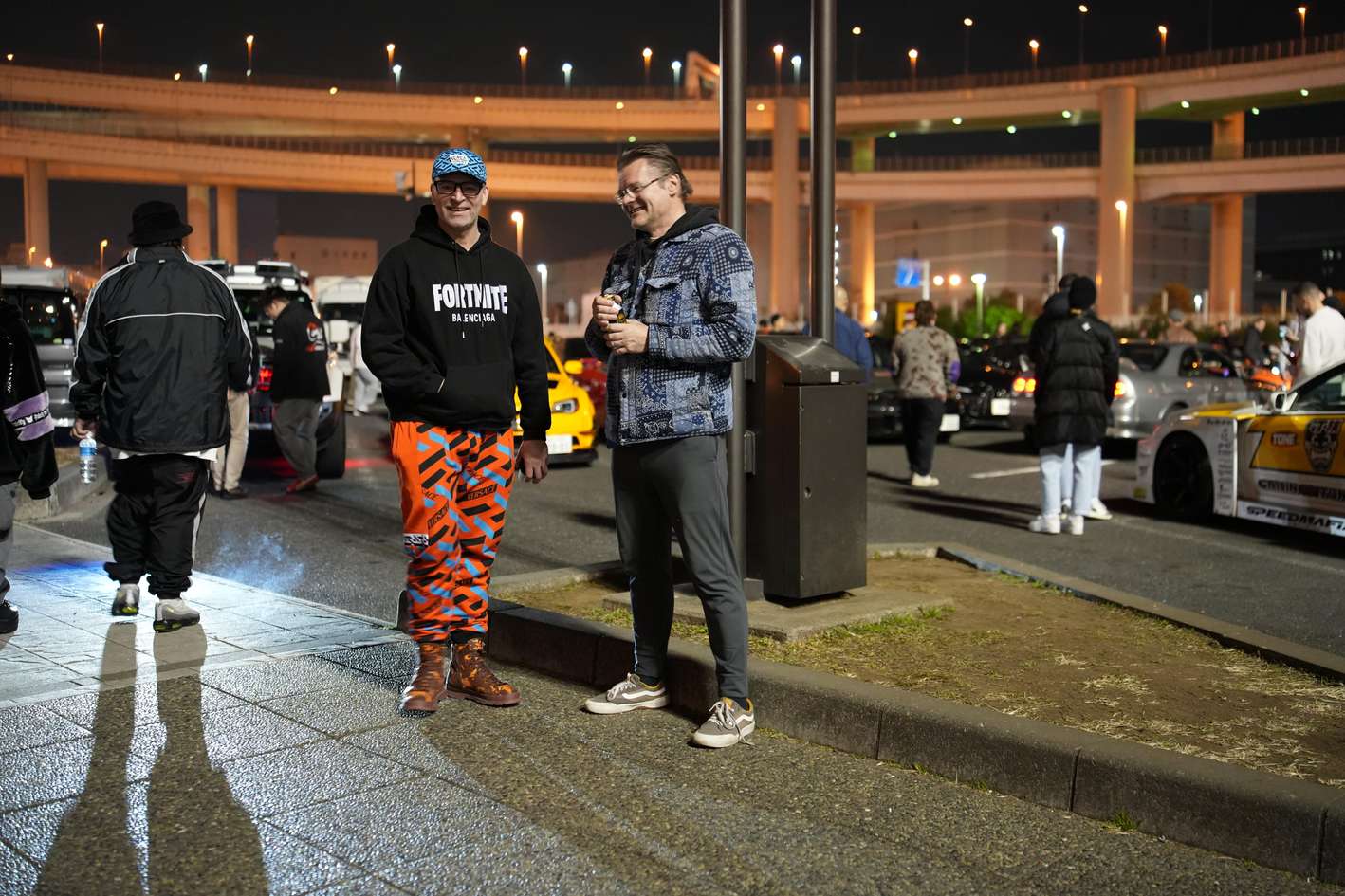
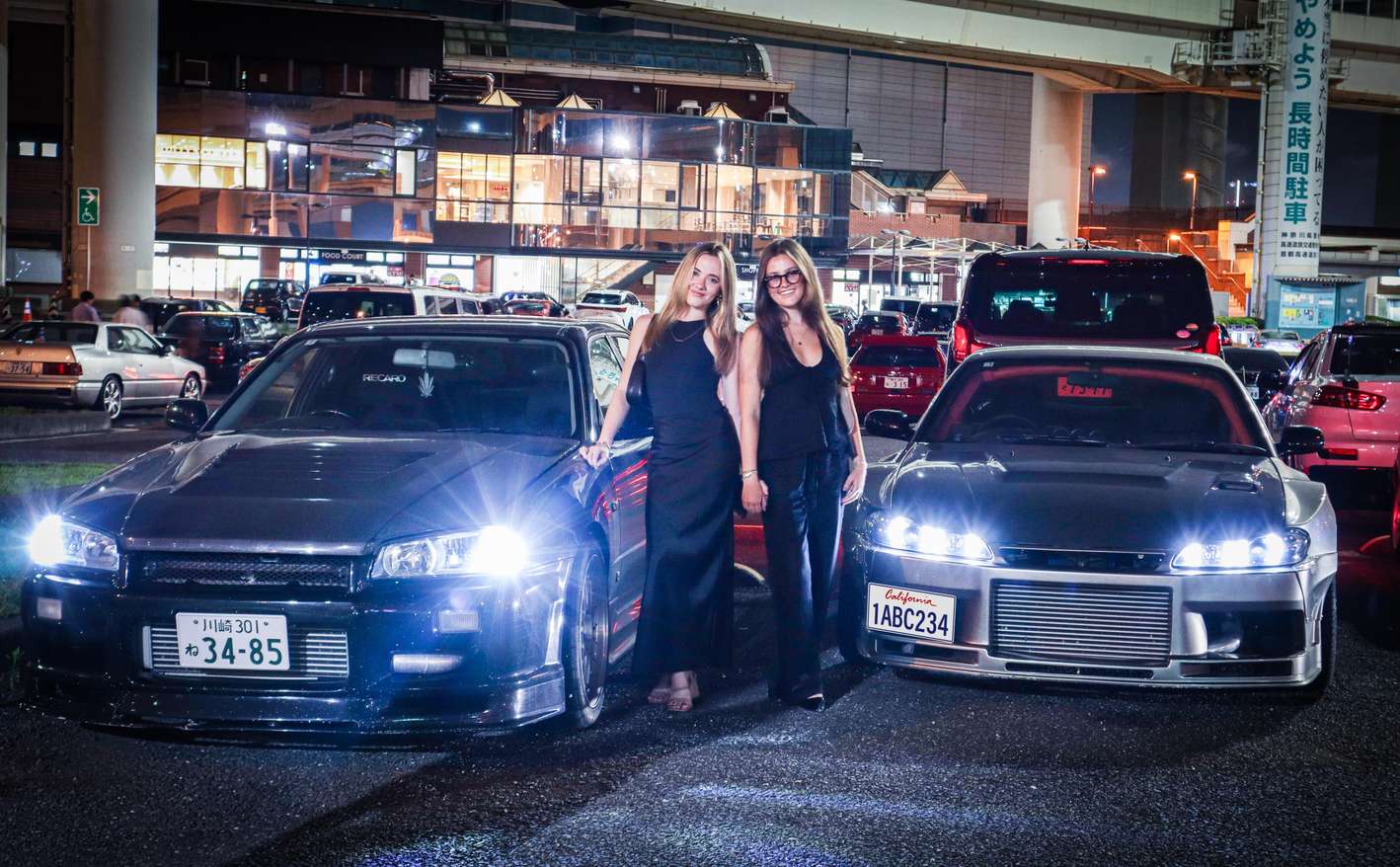
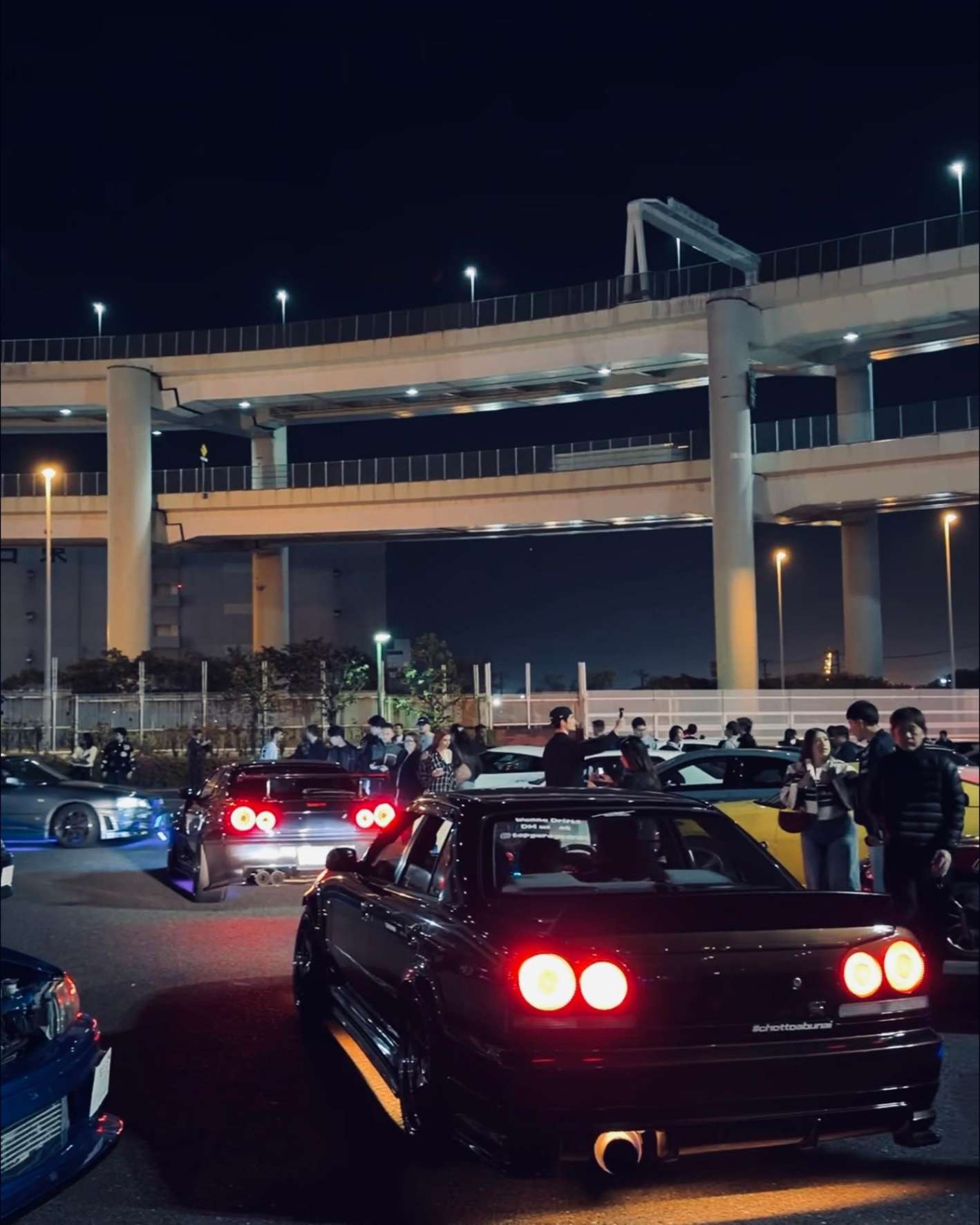
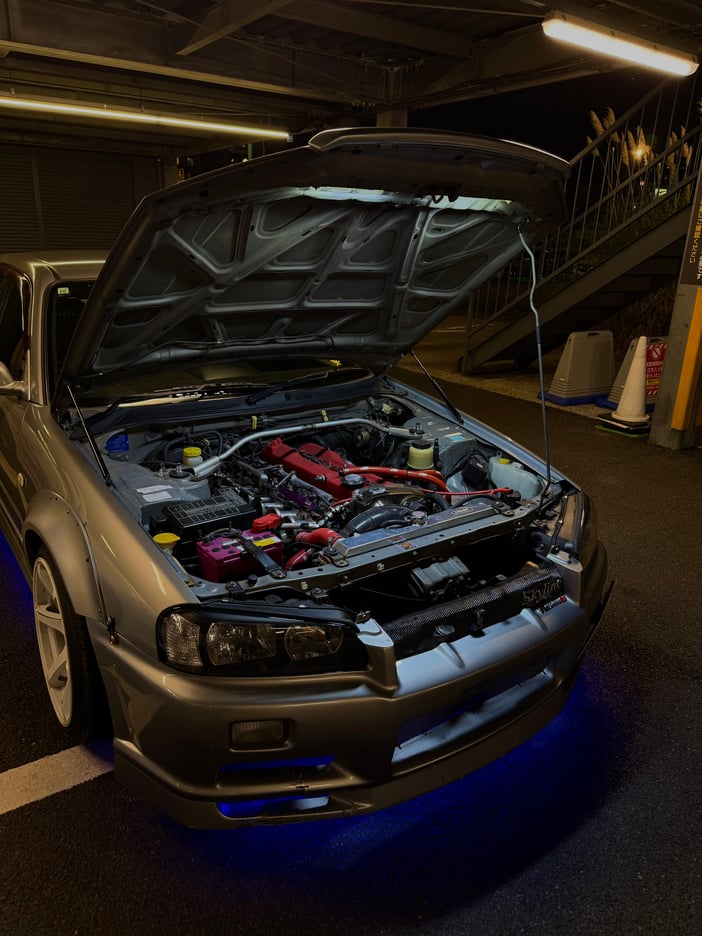
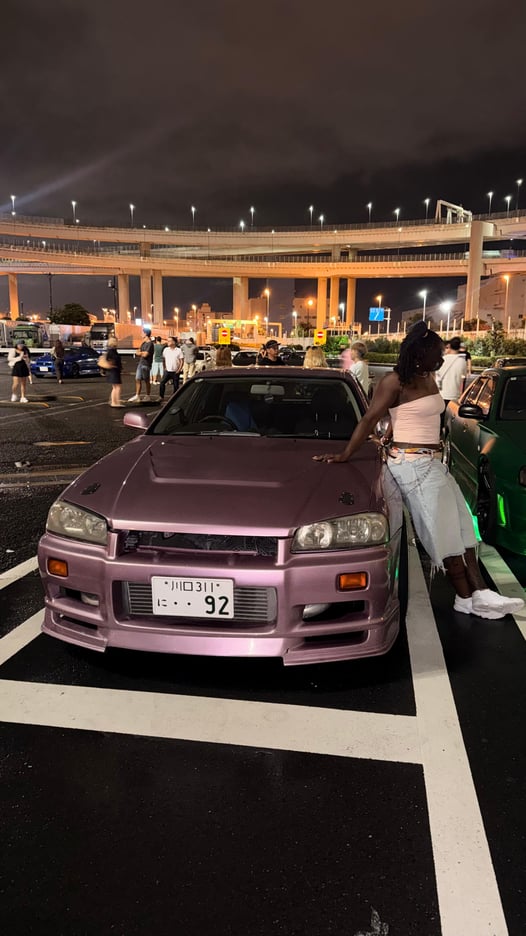
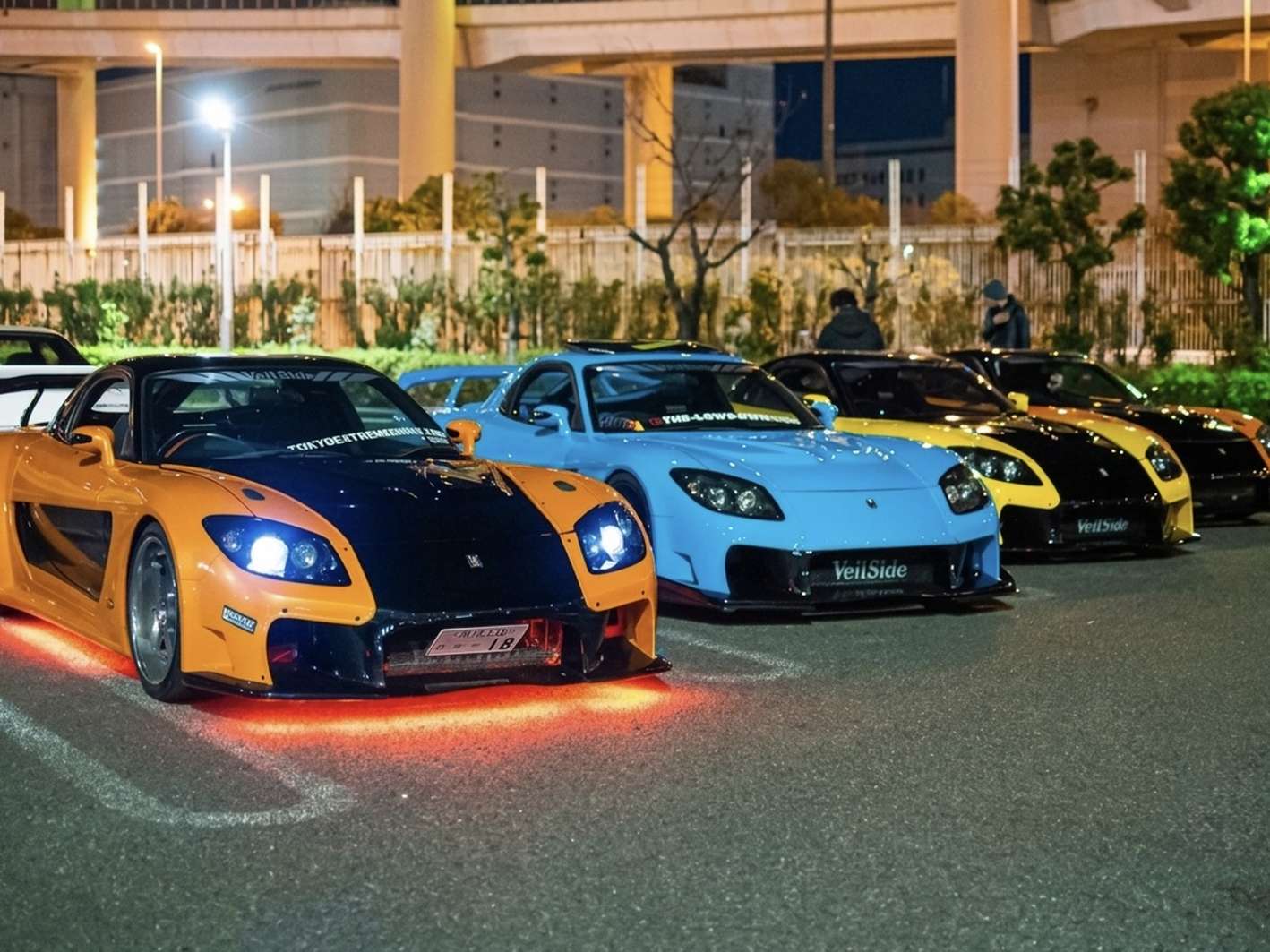
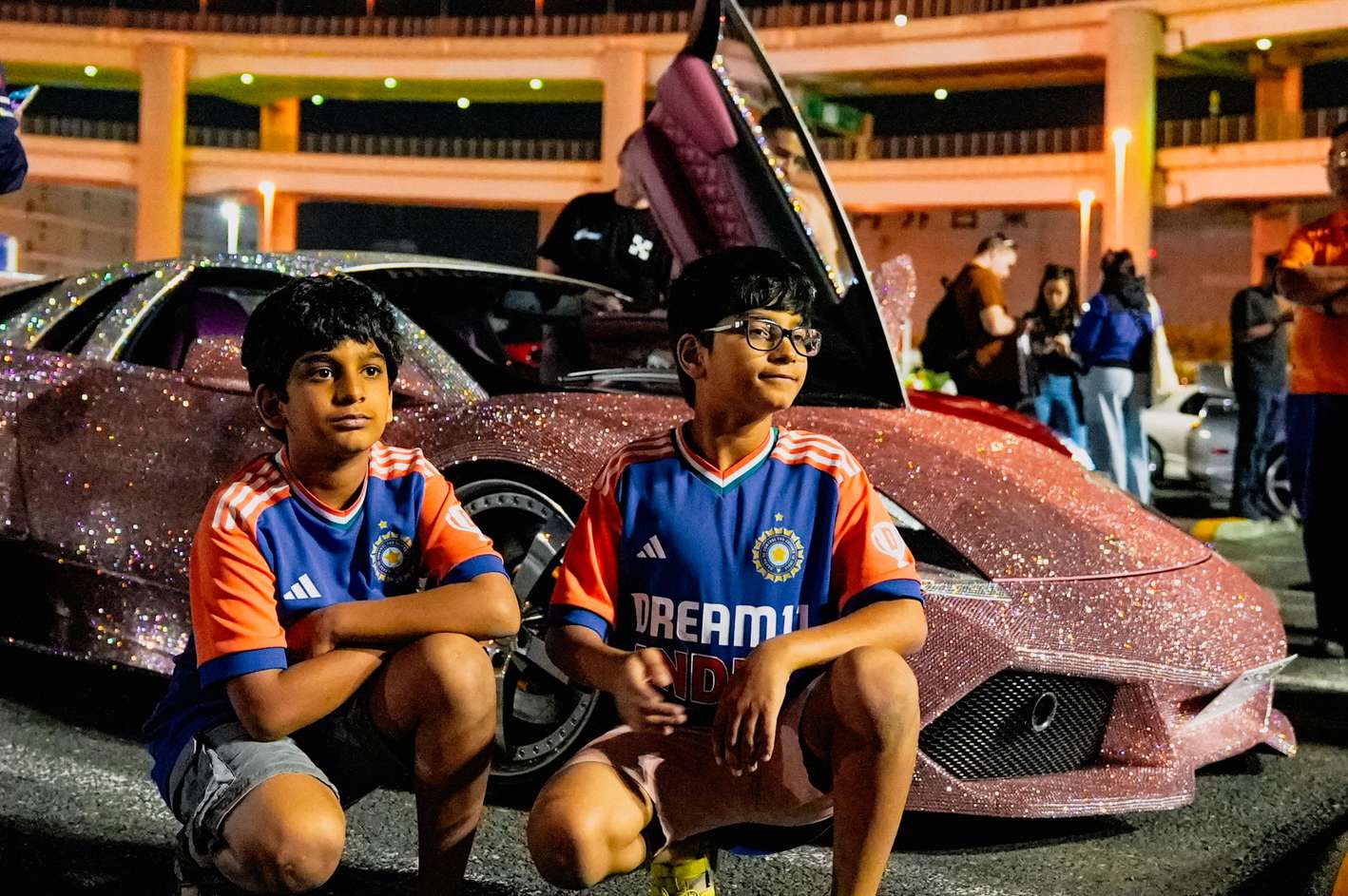
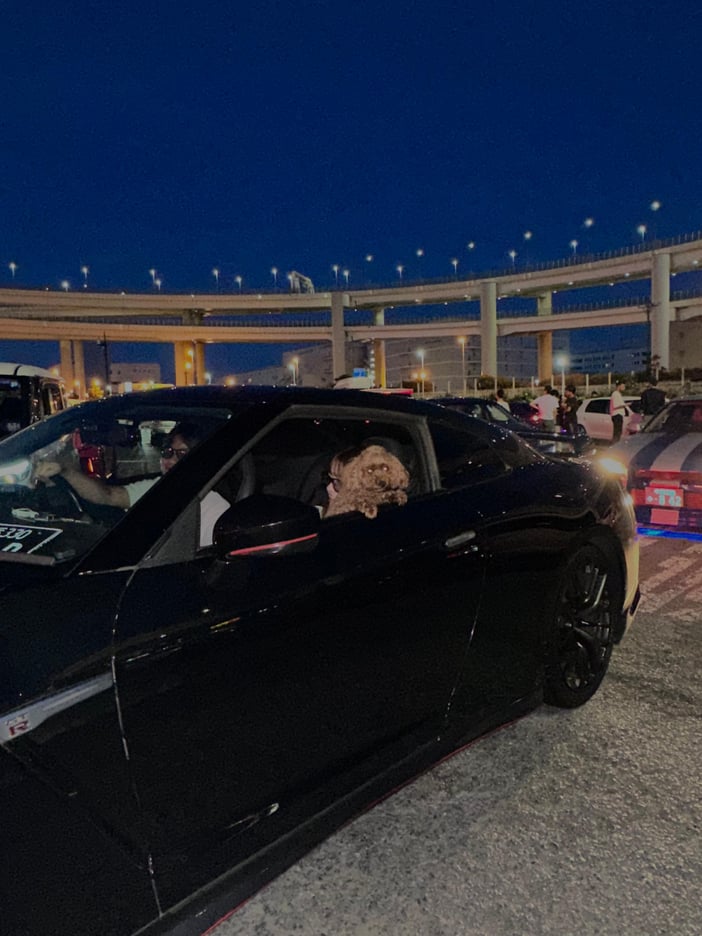
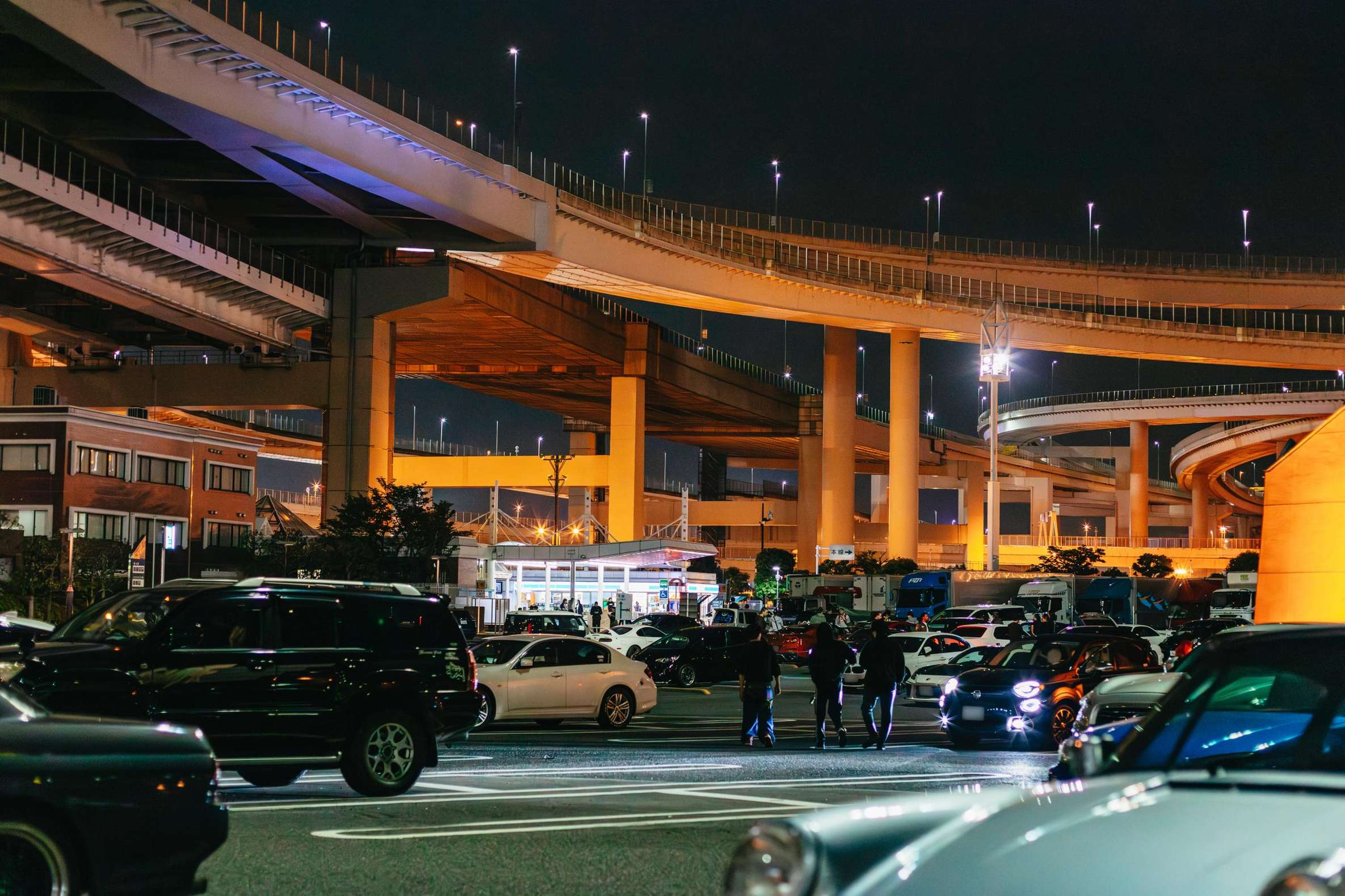
The parking deck itself sits in a stacked junction beside the Yokohama Bay Bridge, and after dark the elevated highways around it glow against the sky. Under the lights, the parked builds wear underglow and LED strips, and most groups spend about an hour on foot among them.
Late in the evening the food picture narrows. The restaurant closes at 9 pm, and after that the 24-hour Lawson is the only outlet open, stocked with rice balls, hot snacks and AE86-branded treats. Vending machines run around the clock with hot coffee and energy drinks.
How the night unfolds
1
Departure from central Tokyo
The tour meets you and loads up, often with hotel pickup on midnight runs.
Groups of up to three per car.
2
The Wangan and C1 cruise
Expressway run past industrial ports and bay bridges toward Yokohama.
Roughly 30 to 45 minutes each way.
3
Arrival at Daikoku PA
Park among the meets and walk the rows.
About one hour, on average.
4
Lawson and vending machines
Snacks, hot coffee, car-themed treats.
The Lawson never closes.
5
Return and drop-off
Standard runs end between 10:00 and 11:30 pm; midnight runs end later with hotel drop-off.
A full round trip runs 3 to 4 hours.
Read that timeline and the shape of the night becomes clear: 3 to 4 hours door to door, with the highway run, an hour among the cars and a snack stop built in.
It fits an evening with dinner before it, or slides in after a day of sightseeing, and even a full itinerary leaves you back in central Tokyo by late night at the latest.
Tour for this
Tokyo: Fast & Furious Daikoku JDM Night Tour - EVO,WRX&More4.9★ (543) · 4 hours · Hotel pickup · Free cancellation
No calendar governs this place. The meets are spontaneous, and enthusiasts track them through community accounts and apps; no official calendar exists. So the real question is which night matches what you want from the evening.
Saturday is the spectacle: the biggest and most varied crowd, JDM icons mixed with supercars and custom builds.
It also carries the highest closure risk, with police shutting the entrance between 7:30 and 9 pm on the busiest nights. Friday leans hard toward tuner builds and fills from 5:00 to 7:30 pm before the same crackdown.
Tuesday and Wednesday are the quiet counterweight. Cars gather every evening, the crowd is small enough that you can talk with owners, and shutdowns are almost unheard of. Tuesday nights mean empty rows and talkative owners. Sunday mornings run from 8 am to 11:30 am in daylight, built around vintage Japanese classics and European supercars.
Weekend owners start arriving as early as 4:30 pm; on weeknights the row fills closer to 8 pm. Plan your departure around that curve and you see the meet at its best.
Car meet activity and closure risk by day
Sat: the busiest. Peak crowds and diverse builds, carrying the highest risk of early closure.
Bar height: how busy each day is, from very quiet to the busiestThe busiest: Sat
Tap a day to read it.
The takeaway from that pattern: weekend nights buy variety and risk in the same ticket. If you want the widest mix of cars and can accept a possible reroute, book the weekend and depart by 5 pm. If you want conversations and a relaxed pace, pick a midweek evening and relax about the clock.
Tour for this
Daikoku:Experience Tokyo's Car Culture in Iconic JDM Cars4.9★ (977) · 3.5 hours · Hotel pickup · Free cancellation
Passenger ride, private driver or switching cars all night
Three ways to do the night, and the difference comes down to who holds the wheel and how long you stay in one car.
On a standard passenger ride a professional driver carries up to three guests per car through the night, and you never touch a license.
That is the deal on the Tokyo: JDM Night Run in EVO, WRX & Skyline to Daikoku, which runs only manual Japanese cars, never vans or automatics, and stops for photos at Tokyo Tower and Rainbow Bridge on the way. A private driver takes the same idea further: one car, your group, flexible stops.
The third style is the swap. Some club-run tours move guests between cars at each stop, so one night puts you in an EVO, then a WRX STI, then an R34. The swap suits anyone who wants the whole fleet in one night.
One practical check before booking: the back seats. A Skyline's rear bench is genuinely tight for adults on a multi-hour run, and a GT-R's 2+2 layout is worse. Sit up front if you can, or pick a tour with roomier cars.
Three ways to spend the night
Passenger ride
Private tour
Car-swap tour
Group size per car
Up to three guests, some cars seat four
Your group alone
Small groups, three per car
Ride or drive
Always a passenger, no license needed
Passenger, driver is an enthusiast
Passenger, but you change cars at stops
Seat comfort
Varies; coupes are tight in back
Varies by car, stops are flexible
You spread the hours across cars
Guide interaction
Shared guide across the group
Full attention, route you help shape
Club members eager to talk cars
Best for
First-timers who want the classic night
Couples and photographers
Fans who want to sample the fleet
Passenger ride
Group size per car
Up to three guests, some cars seat four
Ride or drive
Always a passenger, no license needed
Seat comfort
Varies; coupes are tight in back
Guide interaction
Shared guide across the group
Best for
First-timers who want the classic night
Private tour
Group size per car
Your group alone
Ride or drive
Passenger, driver is an enthusiast
Seat comfort
Varies by car, stops are flexible
Guide interaction
Full attention, route you help shape
Best for
Couples and photographers
Car-swap tour
Group size per car
Small groups, three per car
Ride or drive
Passenger, but you change cars at stops
Seat comfort
You spread the hours across cars
Guide interaction
Club members eager to talk cars
Best for
Fans who want to sample the fleet
Whichever style you pick, no license is needed as a passenger; the driver is arranged for you. If you plan to bring luggage or you are tall, message the operator about seating before you book, because the same fleet holds both the roomiest and the tightest seats on this page.
Tour for this
Tokyo: JDM Performance Car Tour with Planned Daikoku Stop5.0★ (659) · 3 hours · Free cancellation
The friction catches almost everyone planning this trip. Daikoku PA sits on an artificial wharf inside a stacked expressway junction, fenced off from every city street around it. No train line, no bus stop, no pedestrian gate exists.
Under Japanese highway law, walking in is illegal and can be punished by fines or imprisonment, and the expressway operator means it: pedestrians, bicycles and small motorcycles are barred from the entire network.
Even drivers face a puzzle. The parking area is reached only from the Bayshore Route or the Kanagawa Route 5 Daikoku Line, and getting there means following overhead signs for Daikoku Futo down a long circular off-ramp. From Shibuya the drive runs about 46 minutes without traffic, from Shinjuku about 52.
A guided tour closes that gap. Roughly 30 to 45 minutes each way, with the loop ramps, the junction choices and the toll gates handled by a driver who runs the route several nights a week. You step out of your hotel and into the meet.
The fact that decides everything
Daikoku PA has no train, bus or walk-in access, and pedestrian entry is illegal Arrive and leave by vehicle only; a guided tour with round-trip transport covers it.
Treat that alert as the trip's one hard rule. Every other detail can flex around weather, crowds and closures, but the vehicle-only access never changes, and a tour with round-trip transport is the simplest answer to it.
Tour for this
Tokyo: Fast and the Furious Tokyo Drift III JDM Car Tour4.8★ (880) · 3 hours - 1 day · Free cancellation
How you get back, and why booking beats gambling on a taxi
The part nobody warns you about is the exit. There is no taxi stand inside Daikoku PA, and city drivers rarely accept pickups from a highway rest area.
Ride-hailing apps struggle too: the GO app refuses requests inside service areas entirely, and during a police shutdown no app can reach inside the fence at all. Walking out is illegal and physically blocked.
Standard evening tours sidestep all of it by returning between 10:00 and 11:30 pm, early enough to catch the last Tokyo Metro and JR trains before service ends around midnight.
Dedicated midnight runs depart after 10 pm and finish between 12:30 pm and 2:30 am, well after the rails have stopped, which is why those runs include hotel drop-off.
Pro tipPin the 24-hour Lawson as your pickup point It is the one spot ride-hail apps can reliably reach inside the parking area, if you ever try one.
The practical read: book the return leg along with the outbound one.
A tour that drops you at your hotel or near a running train line costs nothing extra to arrange in advance and removes the single worst outcome of the night, standing inside a fenced expressway lot with no ride and no way home on foot.
Tour for this
Tokyo JDM Night Tour Daikoku PA Car Meet Speed Highway Run4.9★ (279) · 3.5 - 4 hours · Hotel pickup · Free cancellation
Weekend closures have no fixed schedule. They are discretionary calls by expressway traffic police, made when modified cars and noise stack up and regular travelers lose their parking spots and restrooms.
When the call comes, patrol cars broadcast a dispersal over loudspeakers, everyone packs up peacefully, and incoming traffic is turned back at the ramps. On the busiest Friday and Saturday nights it can happen between 7:30 and 9 pm, and holiday weekends like Christmas and New Year draw the heaviest crackdowns.
If you are already inside when it starts, the toilets and the Lawson generally stay open while the lot empties.
Tours treat a closure as a reroute. Guides divert to Umihotaru PA across the bay, Tatsumi PA along the Shuto Expressway, or A-PIT Autobacs Shinonome, and some operators offer a full refund if Daikoku could not be visited at all. One night's closure is another spot's meet.
If the night changes
If this happens
What happens then
Daikoku closes before your tour arrives
The guide diverts to Umihotaru PA, Tatsumi PA or A-PIT Autobacs Shinonome instead.
Daikoku is closed and you want out
Certain operators offer a full refund rather than the alternative stop.
Severe weather closes the expressway
Tours reroute, reschedule or refund when conditions turn unsafe.
So build the expectation in from the start: a closed ramp is a changed route, a canceled night. The meet scene moves across the bay or to a covered alternative, and the drive itself, the convoy and the photo stops continue as planned either way.
Tour for this
Tokyo: JDM Car Culture, Daikoku & Tokyo Drift Vibes4.8★ (725) · 4 hours · Free cancellation
The etiquette that gets you talked to, not shunned
The rules here are unwritten and absolute. Never touch, lean on or sit on a car without permission, and keep watches and metal away from the paint.
Ask before photographing someone's build, and never flash lights or strobe at a running car for a shot; owners read it as both dangerous and disrespectful. No revving, no peel-outs, no burnouts inside the lot. Take your rubbish with you.
Two questions will sink you faster than bad Japanese: what a car cost, and whether it is for sale. Ask about the build instead, and most owners light up.
Language works out better than you expect. Guides speak English and explain the models, and a translation app handles the rest at the parking area.
Some Japanese drivers keep to basic English suited to the tour itself, and ability varies across a fleet, so enthusiasm carries more weight than grammar. A few car-culture phrases in Japanese make a strong first impression.
What nobody tells you
Asking a car's price or if it is for sale is rude
Talk about the build and the modifications instead.
Flashing lights at running cars for photos is off-limits
It is read as dangerous and disrespectful.
Enthusiasm beats perfect English
Owners respond to genuine interest, non-verbal energy and a few Japanese phrases.
Follow those lines and you become the guest owners talk to at length, which is where the best stories of the night come from. Good manners earn the conversations a guide cannot script.
Tour for this
Tokyo: Night JDM Car Cruise to Daikoku PA or Alternate Stop4.8★ (805) · 3 hours - 4 days · Hotel pickup · Free cancellation
What to wear and bring for two hours on an open bay deck
Daikoku is an open-air deck over Yokohama Bay, and the wind decides your evening more than the temperature does. Winter nights sit near freezing with ocean gusts, which calls for a heavy coat, thermals and gloves.
Spring and autumn run cool enough that layers and a windbreaker earn their place. Summer stays warm and humid, so light clothes work, though flat walking shoes matter in every season once you spend an hour on foot among the cars.
Ears come next. Sound vans have measured up to 150 decibels here, loud enough to hurt, and foam earplugs are the cheap fix if you end up near one.
Pack light. Sports coupes have little room behind the seats, large suitcases are refused, and everyone buckles up in the back by law.
Two operators flag limits worth checking before booking: one does not suit guests over 200 cm or 100 kg, and another asks anyone over 1.90 m or 90 kg to confirm seating first. Reduced mobility matters too, since low bucket seats require getting in and out unaided.
What to bring and wear for Daikoku PA night tours
Dec to FebNight temperatures drop to 1-4°C on the open parking deck. Wear a heavy insulated winter coat, warm layers, and gloves.
Mar to MayNights range from 6°C to 15°C with ocean breezes across Yokohama Bay. Dress in comfortable layers and bring a medium jacket or fleece.
Jun to AugWarm and humid with nighttime lows of 20-25°C. Wear light, breathable clothes and comfortable walking shoes for the outdoor parking bays.
Sep to NovEvening temperatures drop from 22°C down to 10°C by late autumn. Bring a windbreaker or light jacket as the open bay lot gets breezy.
Cash in Japanese yen
PassportNo driver's license is needed for passenger ride-alongs, but foreign visitors in Japan must carry their original passport as photo ID.
Comfortable walking shoesTour operators require flat walking shoes as you spend 45 to 60 minutes on foot exploring the expansive tarmac lots and car meet rows.
Work through that checklist and the car door holds no surprises: seasoned layers, earplugs, a small bag and your passport. Everything on it fits in one light daypack, which is also the only kind of bag a two-door coupe can swallow.
Tour for this
Tokyo: Fast & Furious Tokyo Drift III Experience4.8★ (6,369) · 3 - 4 hours · Free cancellation
Rain never officially closes Daikoku. What it changes is the lineup: exotics and freshly polished show cars stay home, while Japanese tuner cars and committed regulars still roll in. Travelers who went on wet nights report the meet held up fine, just smaller. Bring patience and a jacket, and skip the cancellation worry.
Typhoons are the real variable. Severe storms between May and October can shut the bay bridges, the expressway authority closes the parking area entirely before heavy snow, and high winds force route restrictions. When that happens, operators contact you in advance to reroute to a covered alternative, reschedule, or refund in full.
Book with the season in mind. April and May draw the heaviest tour demand, November runs strong again, and the midsummer wet months see thinner meets and thinner crowds alike. Winter offers cold air, clear skies and dry roads, with the smallest crowds of the year.
How busy it gets, month by month
April: 5 out of 5 for how busy it gets.
HighestMar to May, Nov
In betweenDec to Jan
LowestFeb, Jun to Oct
Darker: a higher how busy it gets score, out of 5
Tap a month to read it.
Tour for this
Fast and Furious : Tokyo Drift Experience & Daikoku Car Meet4.9★ (575) · Hotel pickup · Free cancellation
Some readers will want their own hands on the wheel, and that is a legitimate plan, with real homework attached.
Start with the license. You need an International Driving Permit issued at home before departure under the 1949 Geneva Convention, and permits from Belgium, France, Germany, Monaco, Switzerland and Taiwan do not qualify.
Drivers from those places must carry an official Japanese translation of their license instead, obtainable through JAF or their embassy. The minimum age to drive on expressways is 18.
Then the road itself. Tolls need an ETC card or the general lanes, since cash goes nowhere at ETC-only gates.
Tokyo expressways run narrow, in left-hand traffic, with exits on both sides of the car, and the Daikoku approach is a long circular ramp descending to the deck. Most left-hand-drive drivers adapt within an hour; the classic slips are indicators for wipers and lane position.
The booking window is the part that surprises people. Specialist JDM rentals fill 2 to 6 months ahead for spring and autumn, and the R34 GT-Rs go first. Reserve early or ride shotgun instead.
Driving yourself
Rent a car in TokyoCompare cars from the rental companies in one search, then pick yours.
One evening at the meet is rarely the whole trip, and the daytime hours around it reward a car person well.
A-PIT Super Autobacs in Shinonome sits on the rail line: aftermarket parts, official JDM merch, and customer sports cars parked in the retail lot outside.
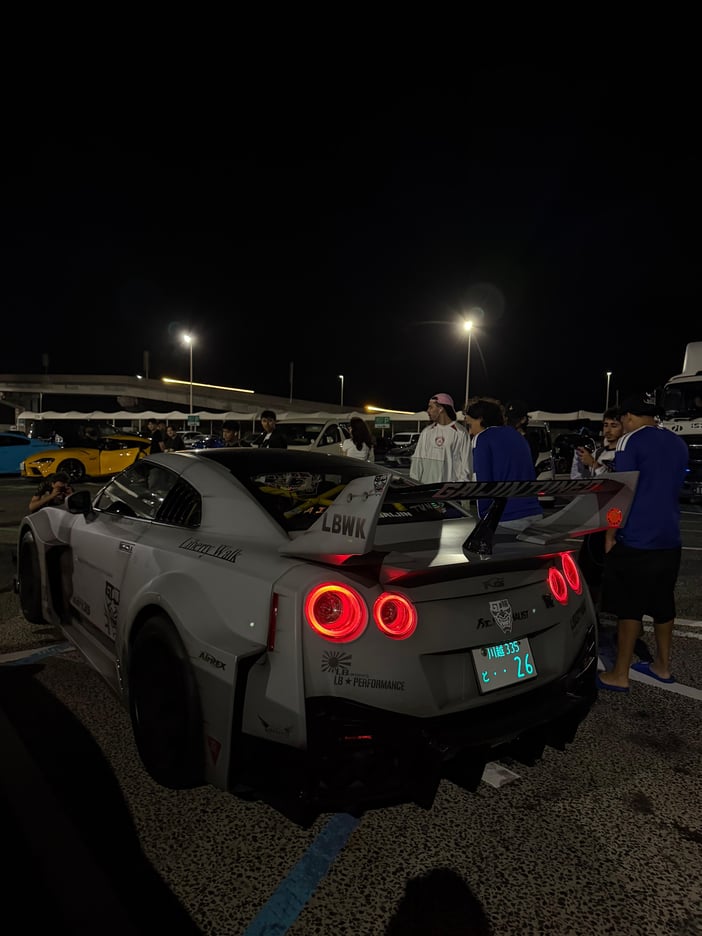
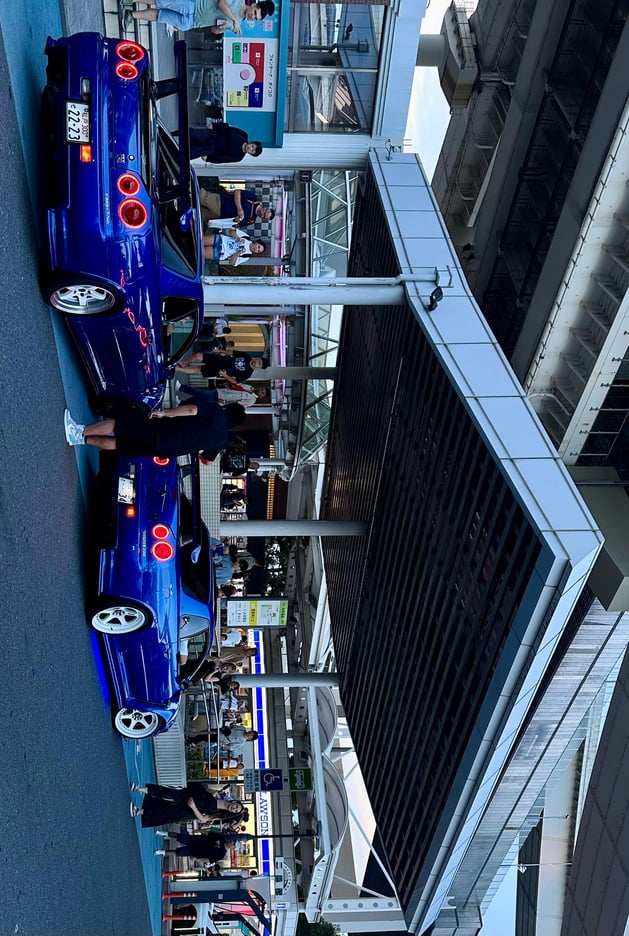
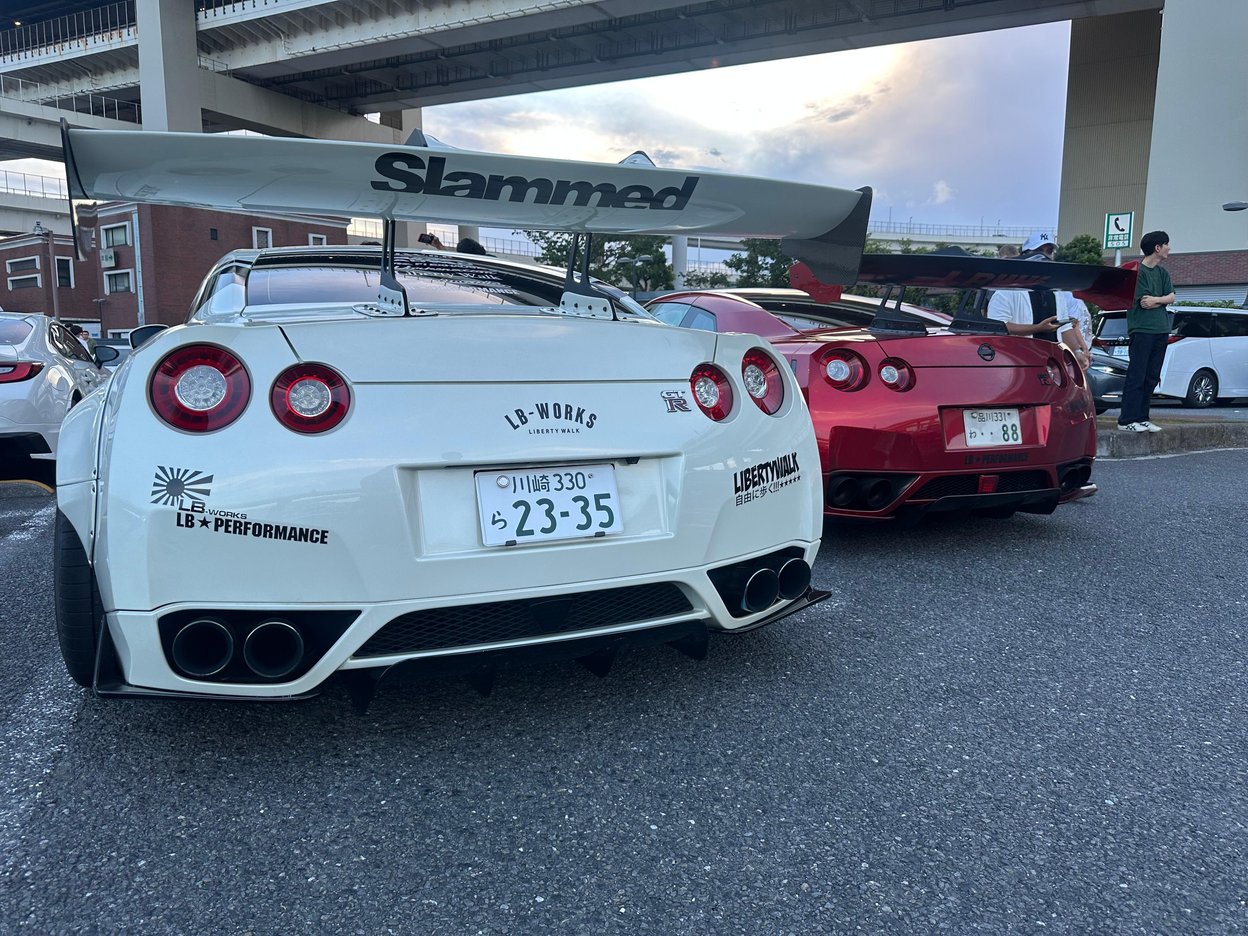
Several tours stop there on the way to Daikoku, and some run it as a backup stop when the parking areas close. Some operators also include Liberty Walk Tokyo, the widebody tuning house film fans know on sight.
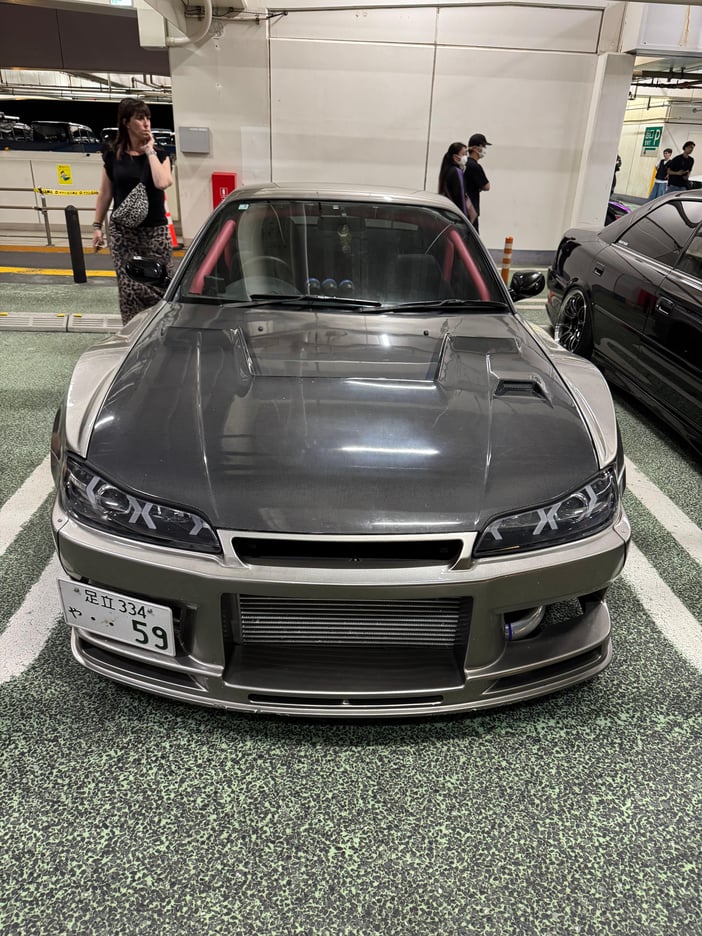
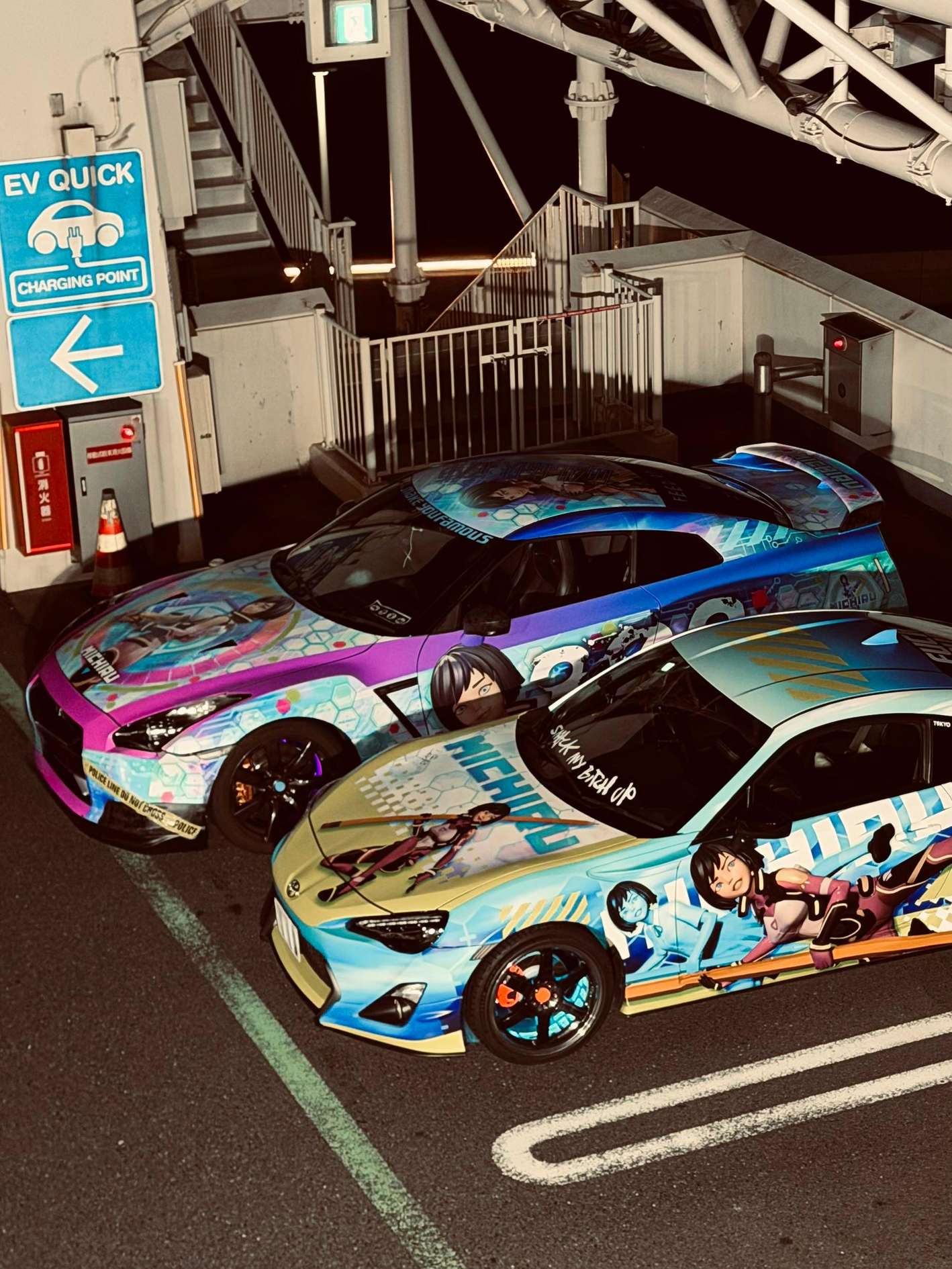
In Akihabara, the UDX underground garage welcomes walkers in for free, and on Friday and Saturday nights from 7 pm to midnight its B2F level fills with itasha and modified builds. It is also the best indoor fallback when rain thins the outdoor meets.
Weekend mornings suit Yokohama: the NISMO Omori Factory showroom opens Saturday and Sunday from 10 am to 5 pm, and the Nissan headquarters gallery and Engine Museum round out a full car-culture day before the night run begins.
Highly recommend this JDM tour! Driver arrived on time and drove thrillingly. Daikoku Futo had unique custom cars you'd never normally see, fun car shop stops, beautiful Tokyo Tower photos, and hotel drop-off.
The Daikoku PA car meet earns a night of any Tokyo trip, provided you treat it as what it is: a spontaneous, free gathering that changes nightly and can close early.
A guided passenger run solves the two problems that sink solo plans, access and the ride home, and puts you on the expressway in a real JDM car while it does. Go midweek for calm, or early on weekends for spectacle.
Go ifYou want to see real JDM builds in person, not through a screenYou are traveling without a car and want the meet handled end to endA night drive over the bay in a Skyline or EVO is the appeal itself
Skip ifYou expect a ticketed, organized show with a guaranteed car lineupYou need wheelchair access or cannot get into a low sports car unaidedYou want to be back at your hotel well before midnight without a late-night option
Our pick to book
Tokyo: Fast & Furious Tokyo Drift III Experience4.8★ (6,369) · 3 - 4 hours · Free cancellation
The questions travelers ask before booking their night at the meet.
Yokohama2026
Under the glowing expressway loops, engines idle while owners polish their builds. Bring earplugs for the sound vans and book a ride with a driver, since walking in is impossible.
What exactly is the Daikoku PA car meet?
It is a rest stop on the Shuto Expressway in Yokohama, south of Tokyo, where car enthusiasts gather with their modified builds. There is no organizer, no schedule and no entry ticket. Cars simply show up, and the mix changes every night.
Can I reach Daikoku PA by train, bus or on foot?
No. It sits inside a fenced expressway junction with no transit stops and no pedestrian entrances, and walking in is illegal. A guided tour with a driver, a taxi or your own car are the only ways in.
Can I just take an Uber or taxi back from the meet?
Getting a ride out is the hard part. Drivers rarely accept pickups from highway service areas, and ride-hailing apps cannot reach inside during a police shutdown. A tour that includes return transport takes that worry away.
What happens if police close Daikoku PA during my visit?
On busy weekend nights police sometimes close the entry ramps and clear the lot because of noise and overcrowding. Guided tours handle it: one operator offers a full refund if Daikoku is shut, and others divert to Umihotaru PA, Tatsumi PA or A-PIT Autobacs.
Which nights have the most cars at the Daikoku car meet?
Friday and Saturday evenings between 6 pm and 8:30 pm draw the biggest and most varied crowds, though police sometimes close access between 7:30 pm and 9 pm. Sunday evenings run from about 5:30 pm to 7:30 pm, and midweek nights stay calmer with almost no shutdown risk.
What time does Daikoku PA close?
Officially never. It is a 24-hour rest stop, with shops and food service running until 9 pm. The closures you hear about are police decisions on crowded nights, usually between 7:30 pm and 2 am.
Do I need a driver's license or an International Driving Permit to visit?
No, as long as you ride as a passenger. A professional driver comes with the tour. A license only matters if you want to drive the car yourself.
Is the Daikoku PA car meet safe for solo travelers and families?
Visitors report a welcoming atmosphere, and admiring the cars is expected. It is an informal public rest stop late at night, so if you bring young children, keep them close and away from moving traffic.
Will local drivers and owners speak English with me?
Guides speak English and explain the builds and the culture. With car owners, translation apps such as Google Translate work well, and enthusiasm for the cars crosses most of the gap on its own.
Can I sit on a car or lean on it for a photo?
No. Do not touch, lean on or sit on any car without the owner's permission, and keep watches and metal objects away from the paint. Ask before photographing people and vehicles, and skip engine revving while you are there.
Is there actual drifting at Daikoku PA?
The name can mislead. Daikoku is a stationary meet where owners park and display their builds. Drifting on public roads is illegal in Japan, and no legitimate tour includes it.
How do I actually plan a visit to the meet?
Pick your night first, since the crowd and the shutdown risk differ between weekend and midweek, then book a guided tour ahead of your date. Most run three to four hours round trip from central Tokyo, with about an hour parked at the meet itself.
Ride a real JDM convoy to the car meet at Daikoku PA
Join a convoy of Skylines, EVOs and Supras to the meet, with a full refund if you cancel up to 24 hours ahead.
 Your best match