Rent JDM Cars in Tokyo Daikoku PA Car Rental and Costs in Japan
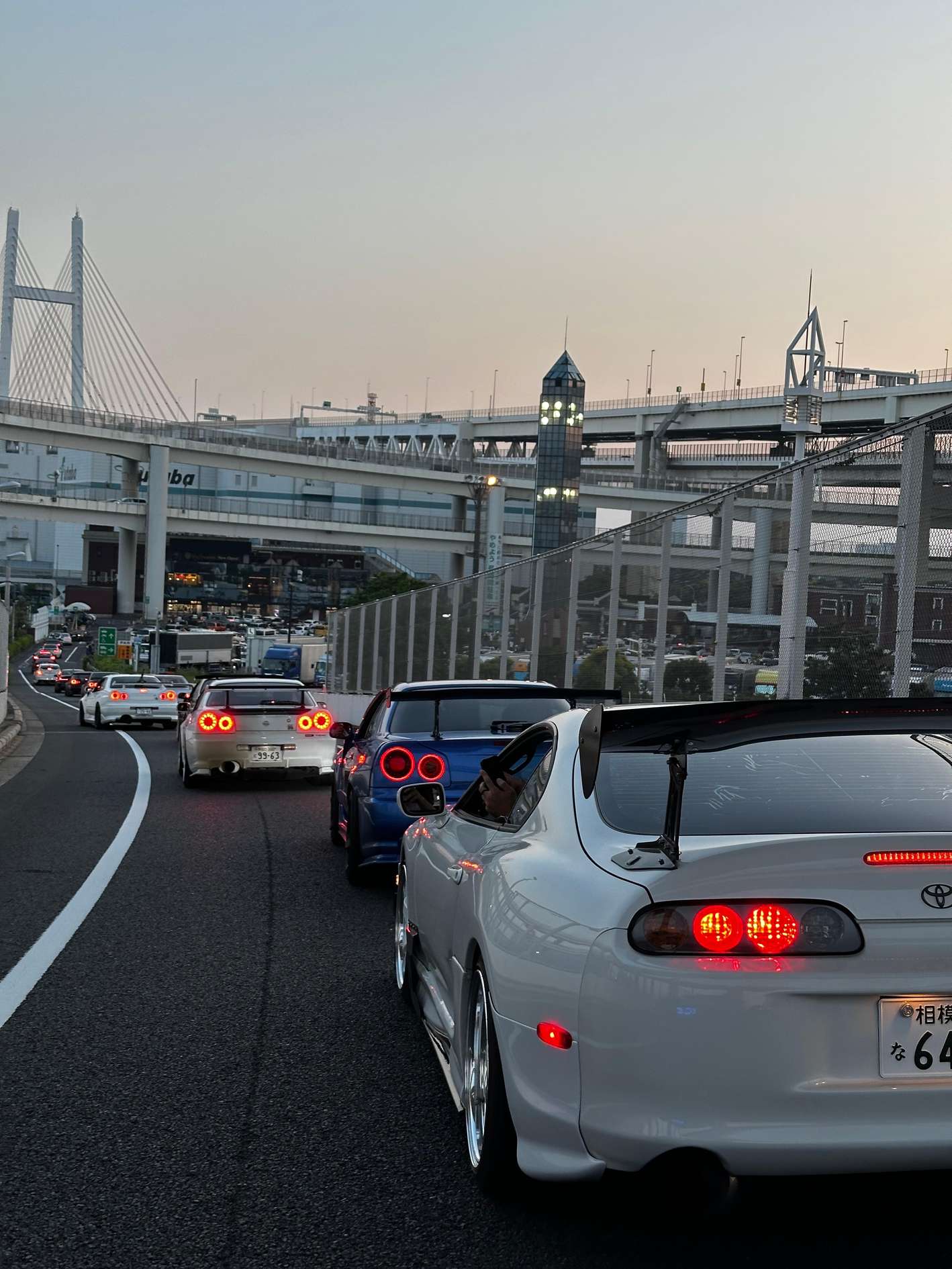
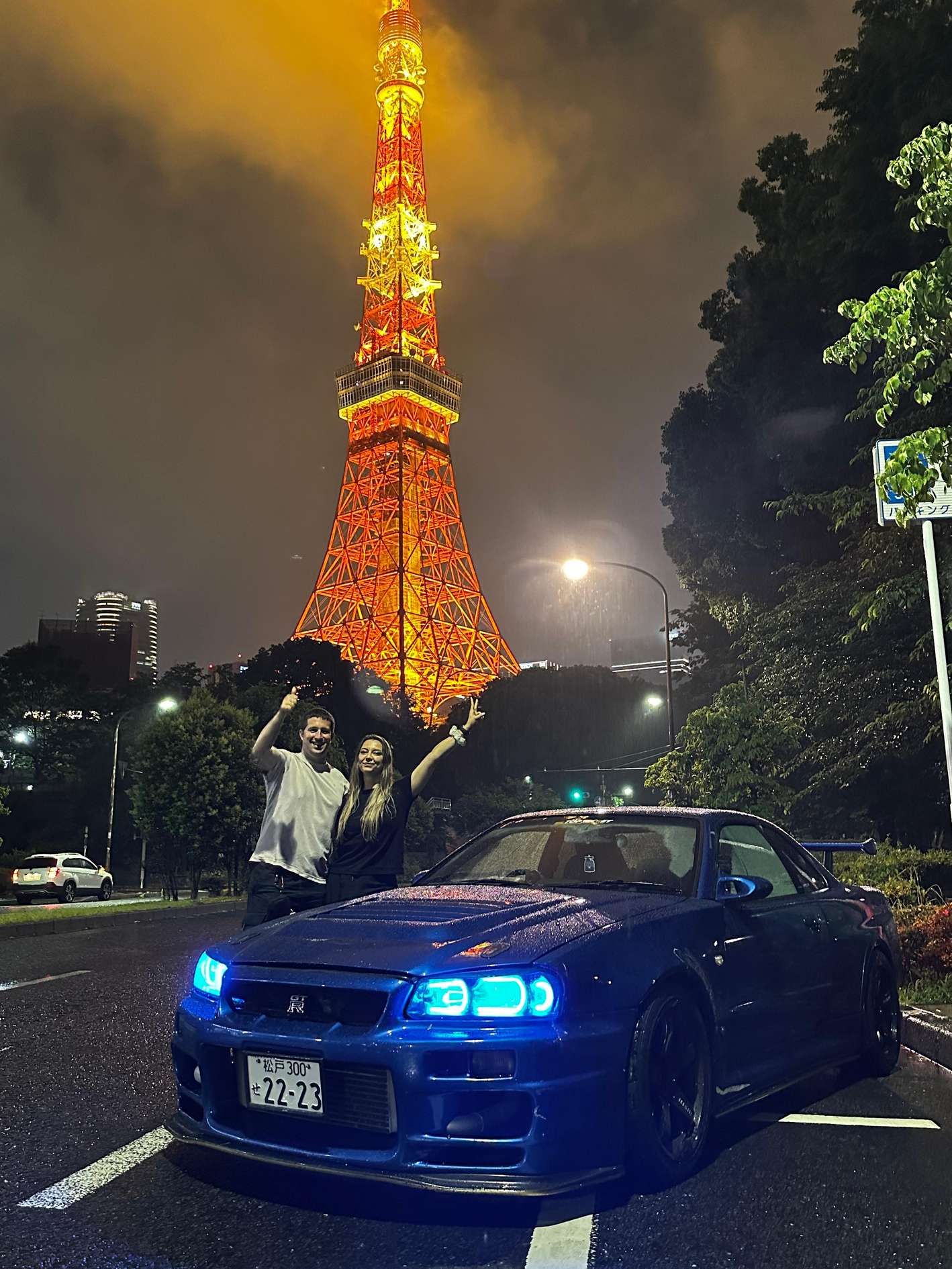
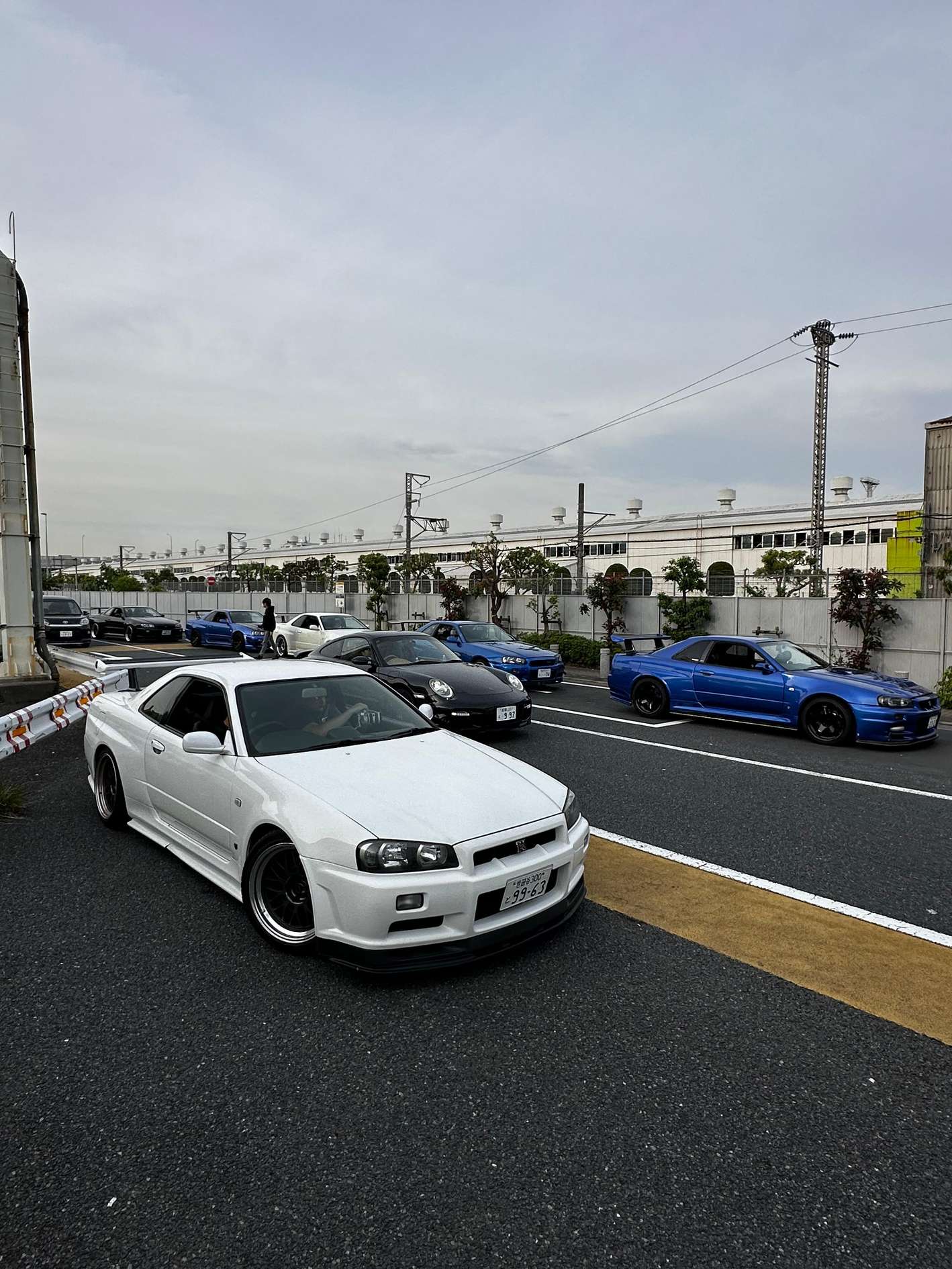
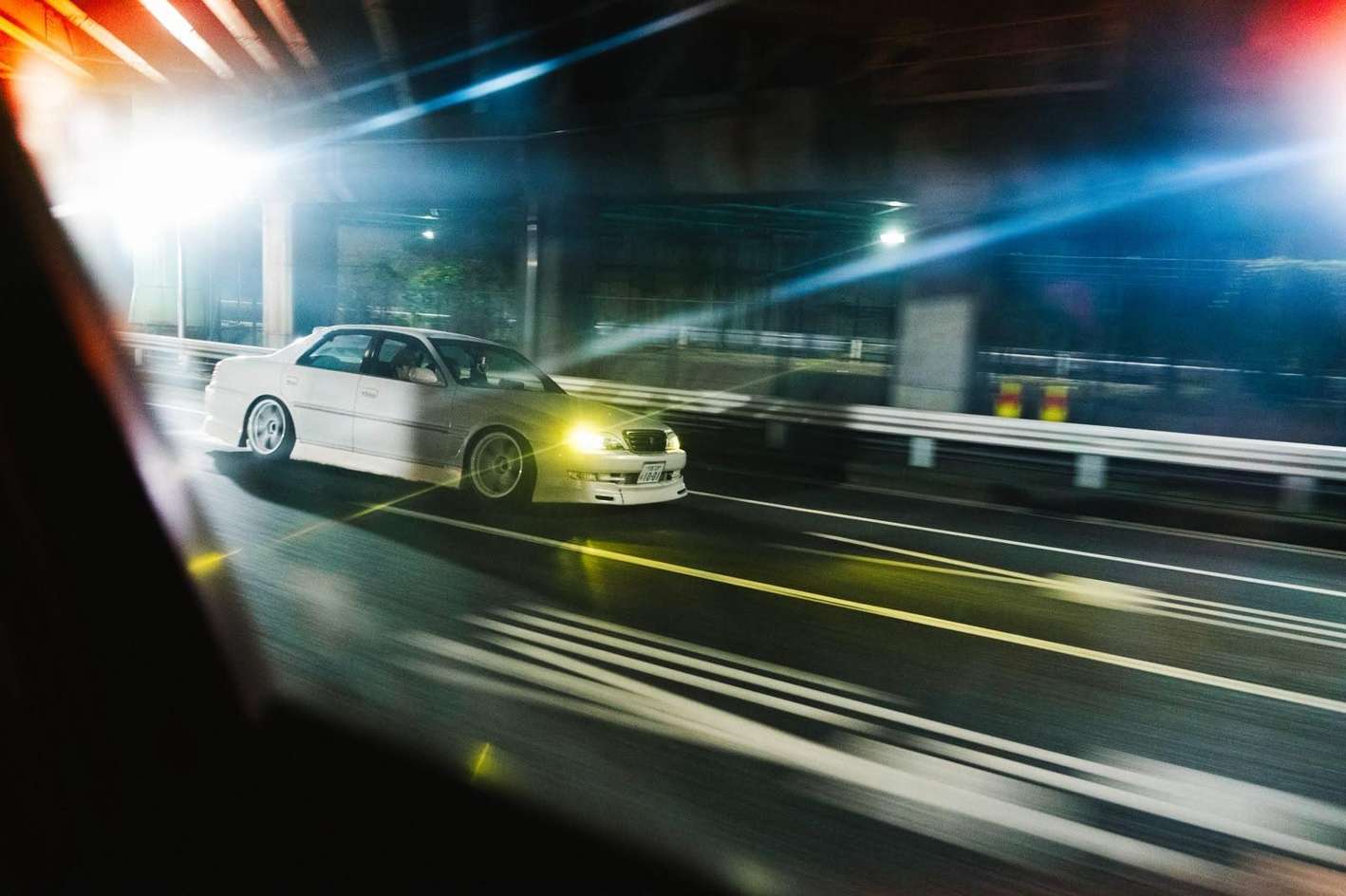
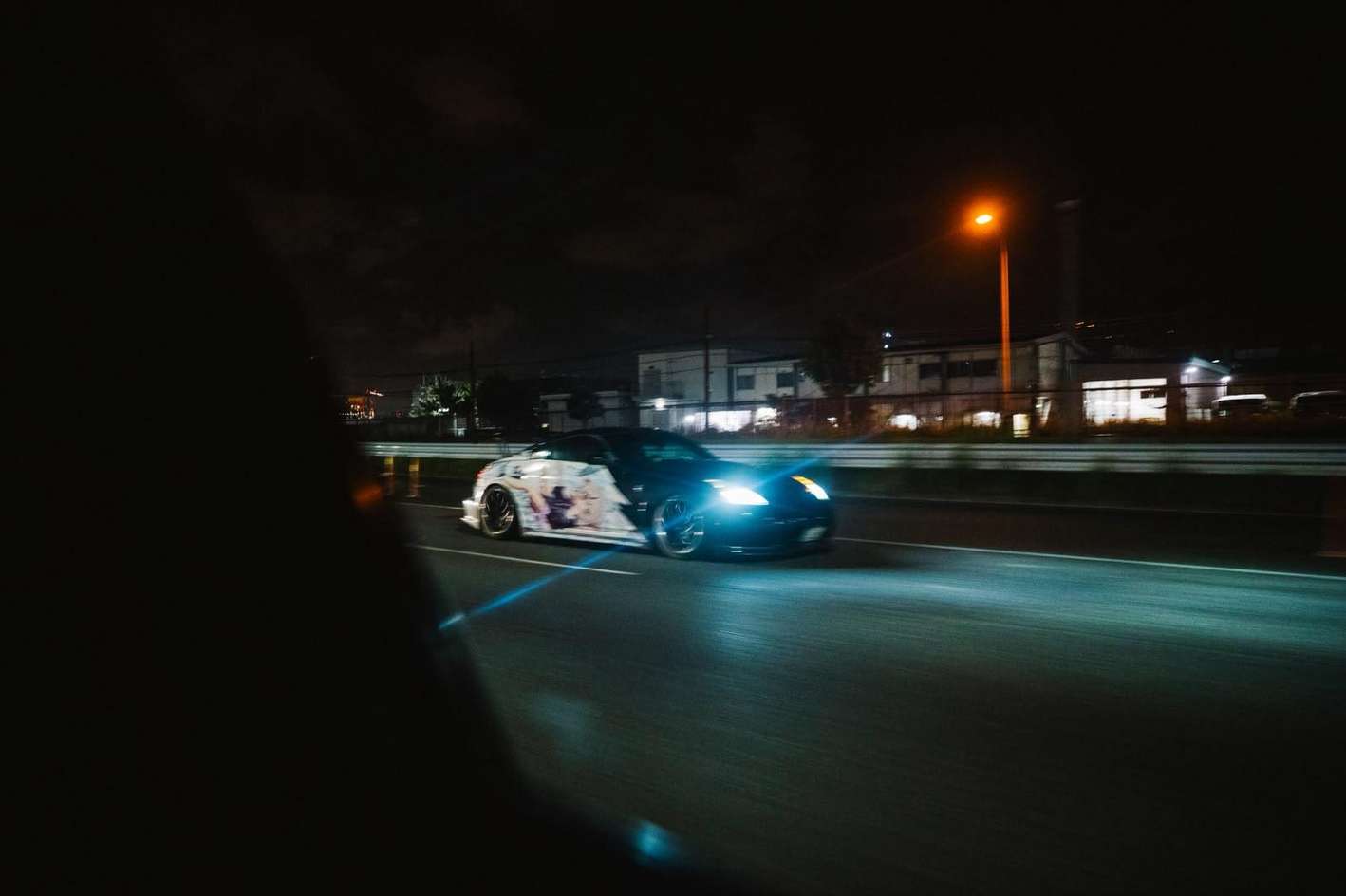
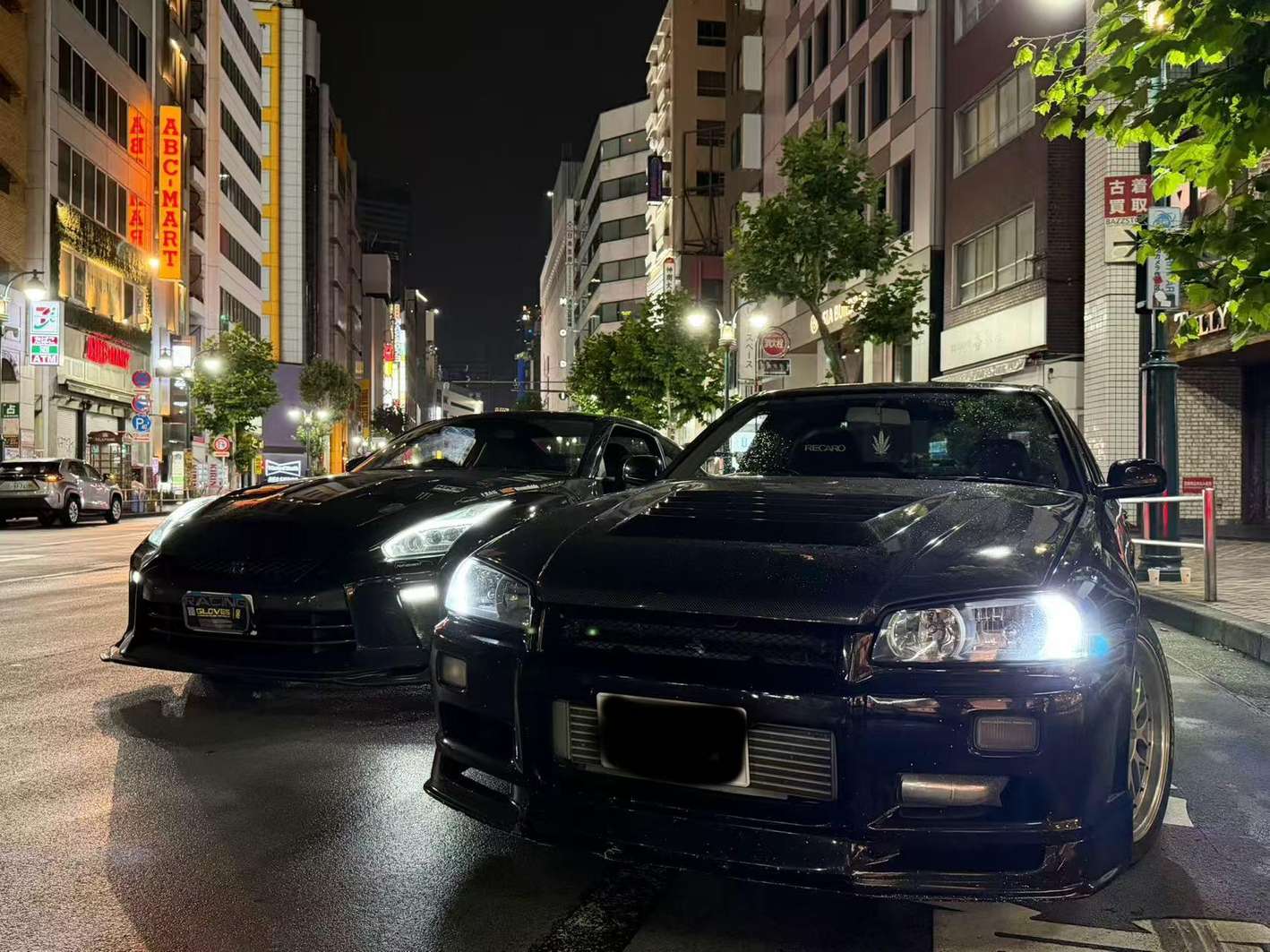
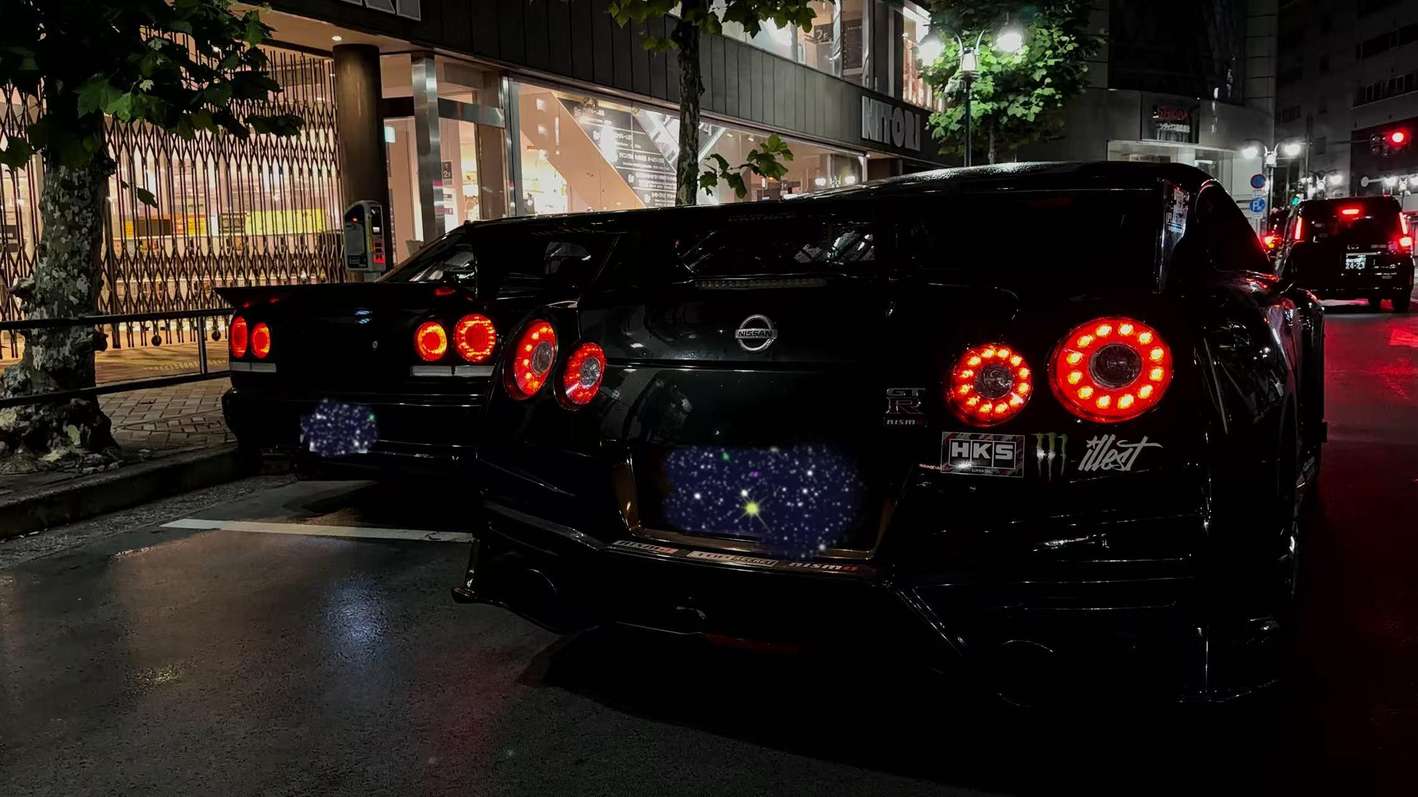
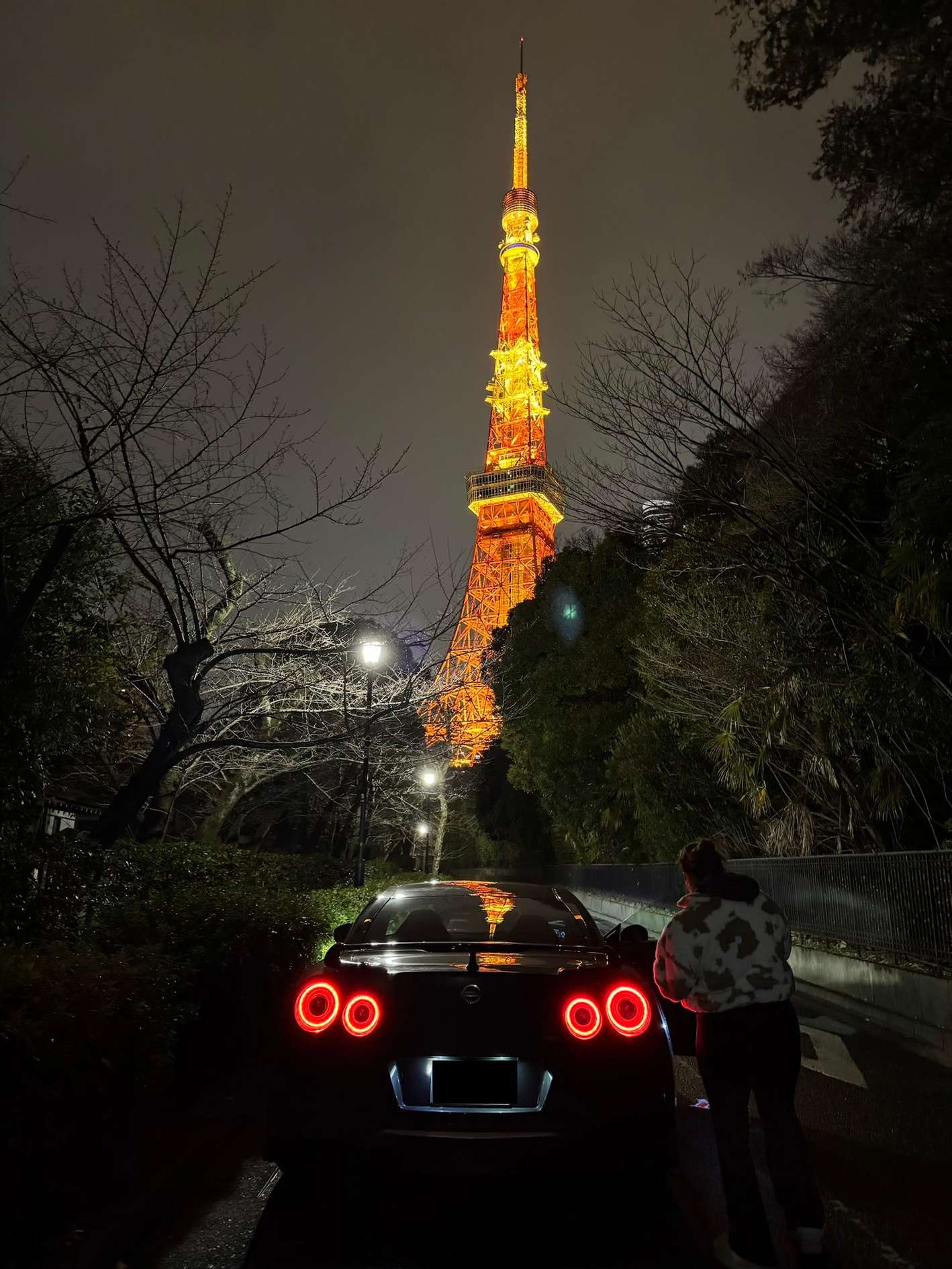
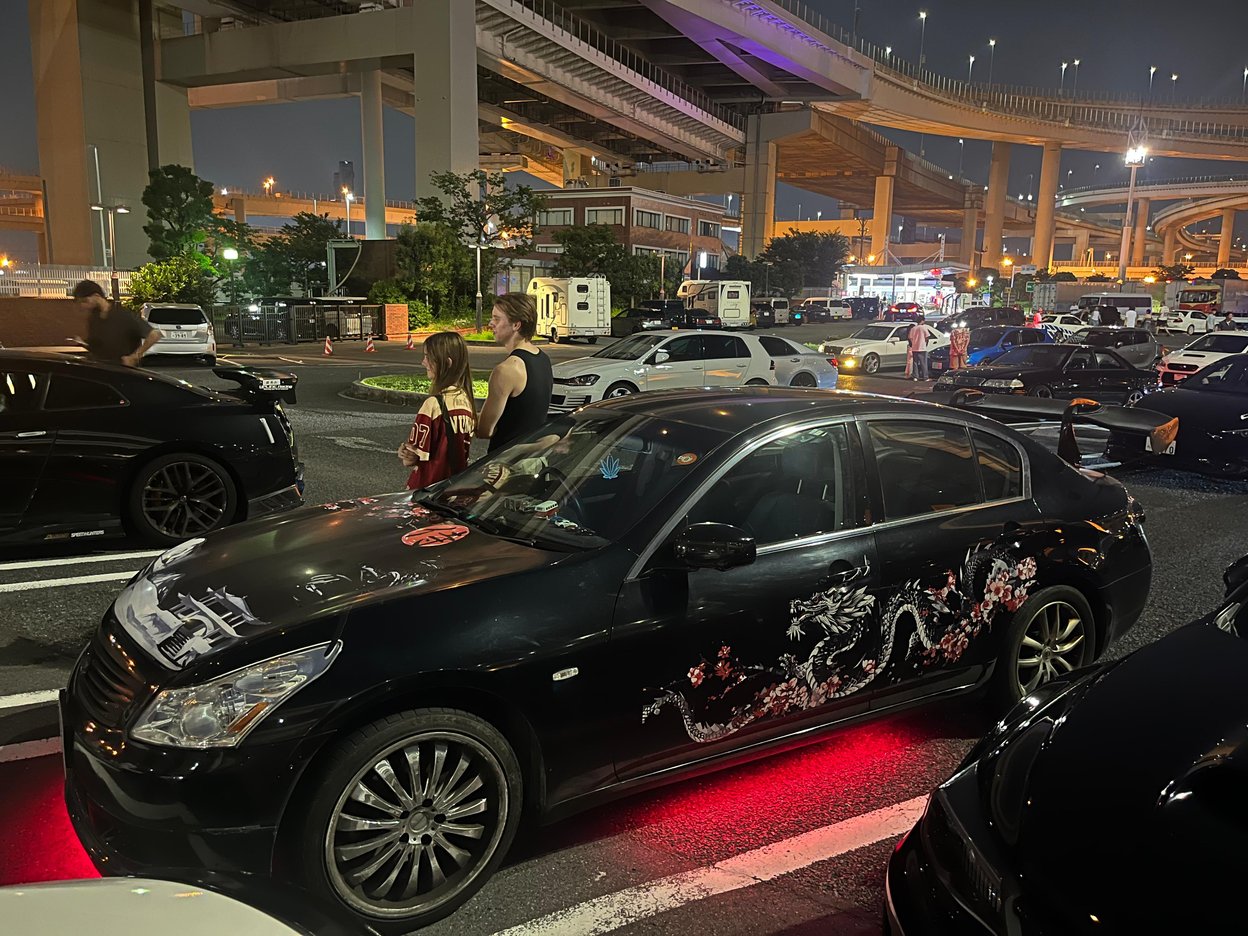
Take the wheel of a real Skyline, Supra or GT-R and run the Wangan to the Daikoku PA car meet. Local enthusiast drivers with track experience lead the convoy, handle the tolls and route, and shoot your photos at Tokyo Tower. No permit needed to ride. Book your night drive now.
"WOW! Honestly otherworldly. Went solo and everyone was so sweet and comforting. Plenty of time for drives, photos, and meet & greet. Do the pickup option, drop-off too, zero stress."
4.9★average rating10,968traveler reviews100%free cancellation57countries travelers came from
Rent JDM cars in Tokyo - pick your kind of drive
Two paths lead to the same Wangan Route. You ride along in an enthusiast's car with a pro driver, or you rent and drive yourself, which means a 1949 Geneva Convention permit, an ETC card and Tokyo's multi-level interchanges on your own plate. The ride-along suits anyone short on paperwork; the rental suits the committed.
Driving licenceJapan accepts only the original paper International Driving Permit issued under the 1949 Geneva Convention, carried with your home licence and passport; digital permits and Vienna Convention permits are invalid.
Licence exceptionsDrivers from Belgium, France, Germany, Monaco, Switzerland or Taiwan need an official Japanese translation of their domestic licence instead of an IDP.
No licence neededIf you book a ride-along tour, a professional driver is arranged, so no International Driving Permit or Japanese licence is required.
Age limitsYou must be 18 to drive on Japanese expressways, and rental companies hiring GT-R models in Tokyo commonly require drivers from 23 to 26 years old.
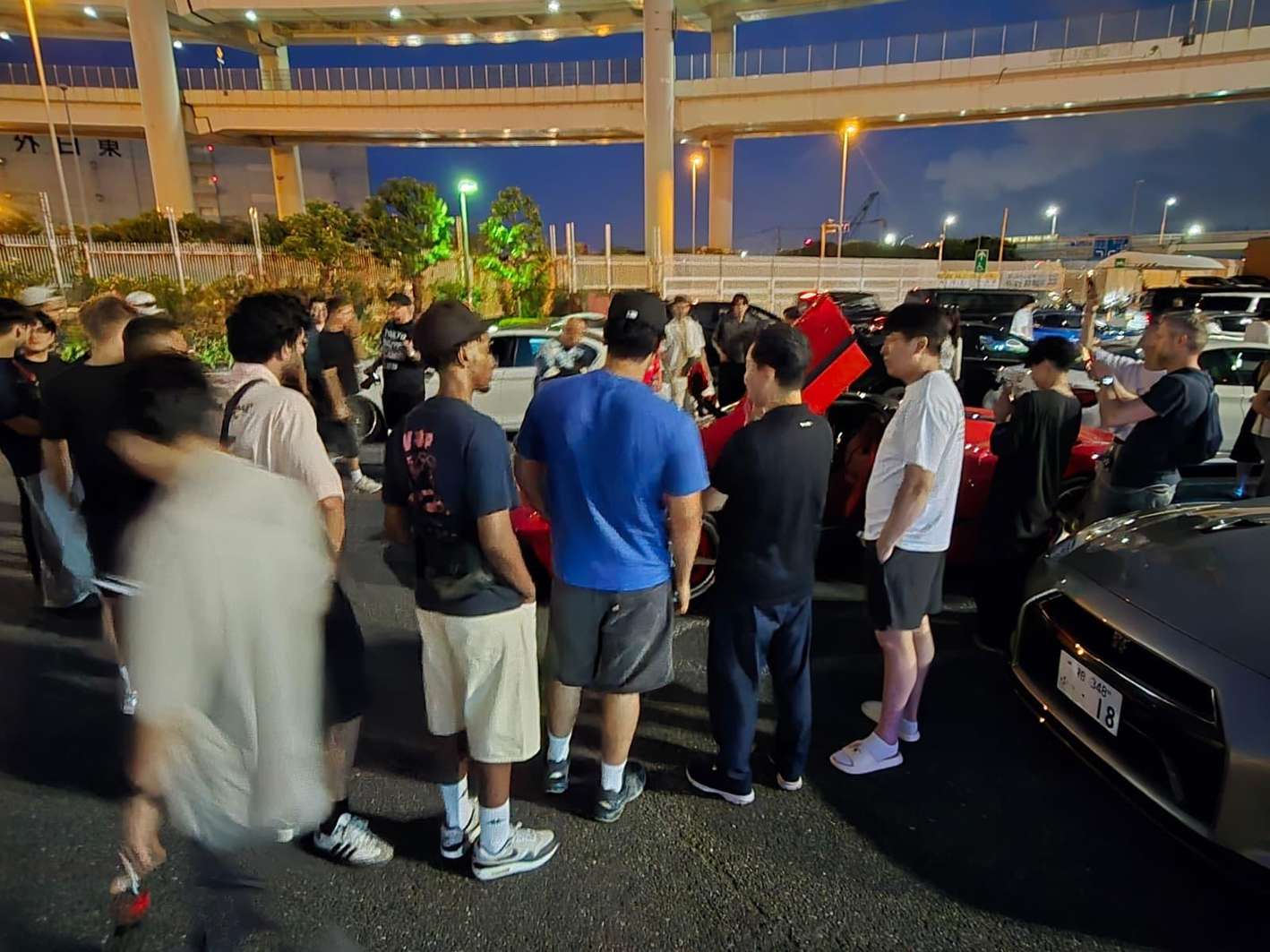
Police closuresPolice can shut Daikoku PA on weekend nights for noise and overcrowding, so tours divert to Umihotaru PA, Tatsumi PA or other car spots, and some offer a full refund instead.
No self-drive fallbackDaikoku PA cannot be entered on foot and has no taxi stand, so going independently means finding your own alternative spot if police close the ramps.
Tolls and routesRenting an ETC card is essential for the expressway gates, and missed exits on the Shuto Expressway mean continuing to the next exit rather than reversing.
AlcoholJapan's zero-tolerance law bars anyone with any alcohol in their system from driving, and drinks are not allowed inside tour vehicles either.
LuggageSpace inside sports coupes is limited, so large suitcases stay behind; comfortable clothes and a charged camera or phone are what to bring.
Booking aheadSpecialist JDM rentals in Tokyo book out 2 to 6 months in advance for spring and autumn, so reserve early for peak seasons.
documentTo rent jdm cars in Tokyo yourself, Japan only accepts an original paper International Driving Permit issued under the 1949 Geneva Convention, and permits from Belgium, France, Germany, Monaco, Switzerland, or Taiwan are not valid.
Order the 1949 Convention permit in your home country before departure, or if your license is from one of those countries, arrange an official Japanese translation of your license; if neither applies, book a tour where a driver is arranged for you.
Where to rent JDM in Tokyo - the four drives
Lowest entry price
3 hours·English, Japanese
5.0(659)
Tokyo: JDM Performance Car Tour with Planned Daikoku Stop
The most affordable of the four, and it holds a perfect 5.0 rating across 659 reviews.
Free cancellationHighway driving through TokyoPhoto stop at Tokyo Tower
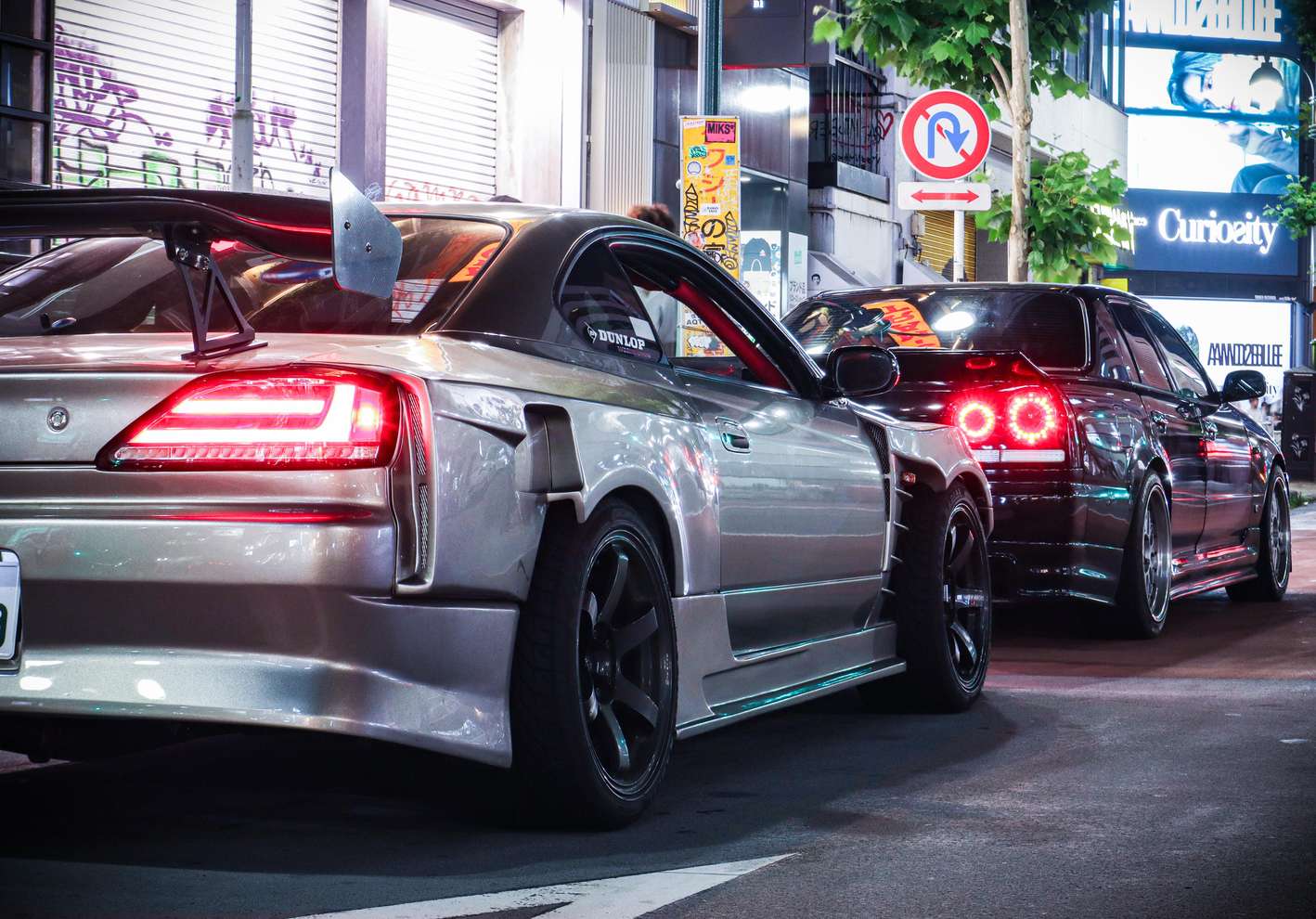
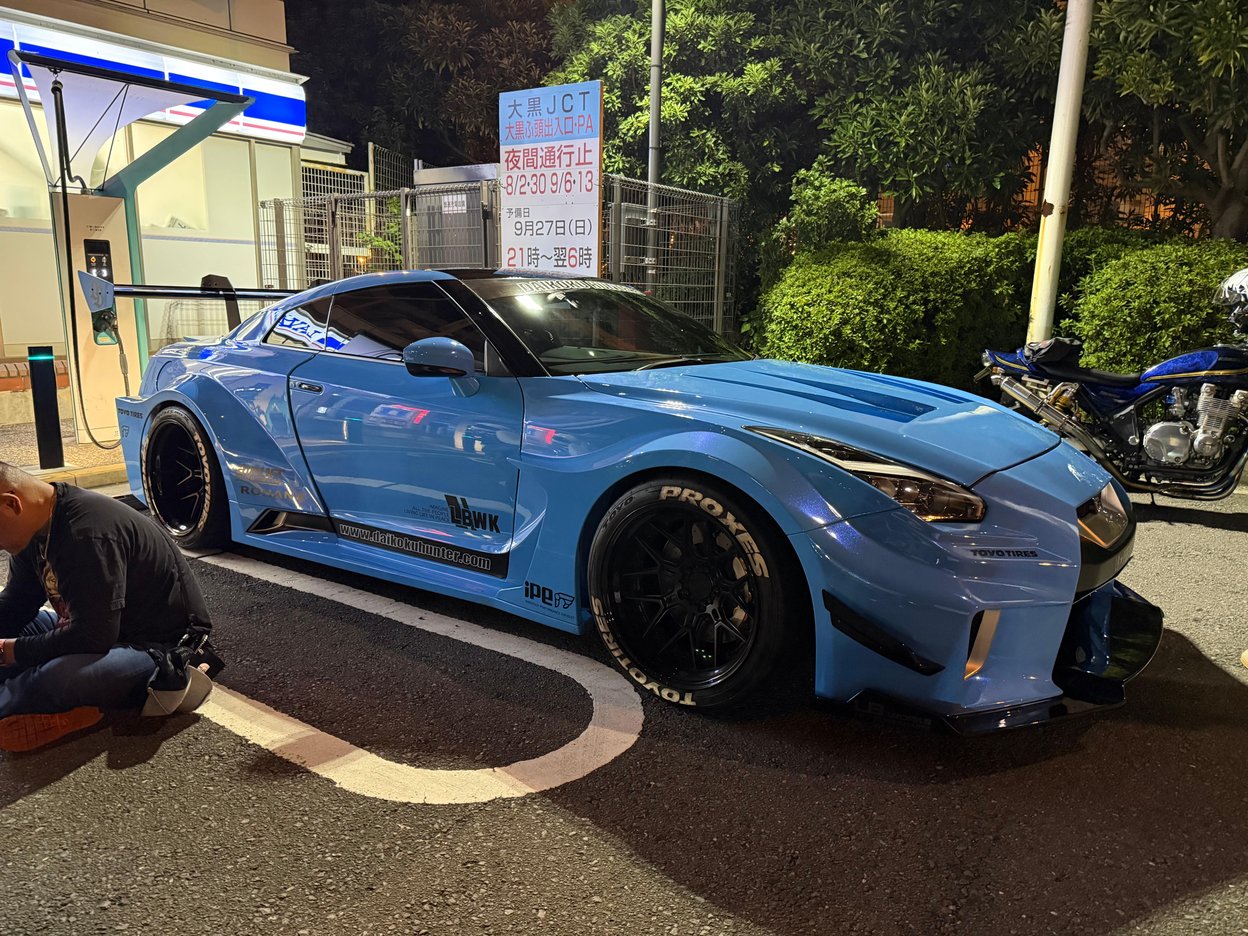
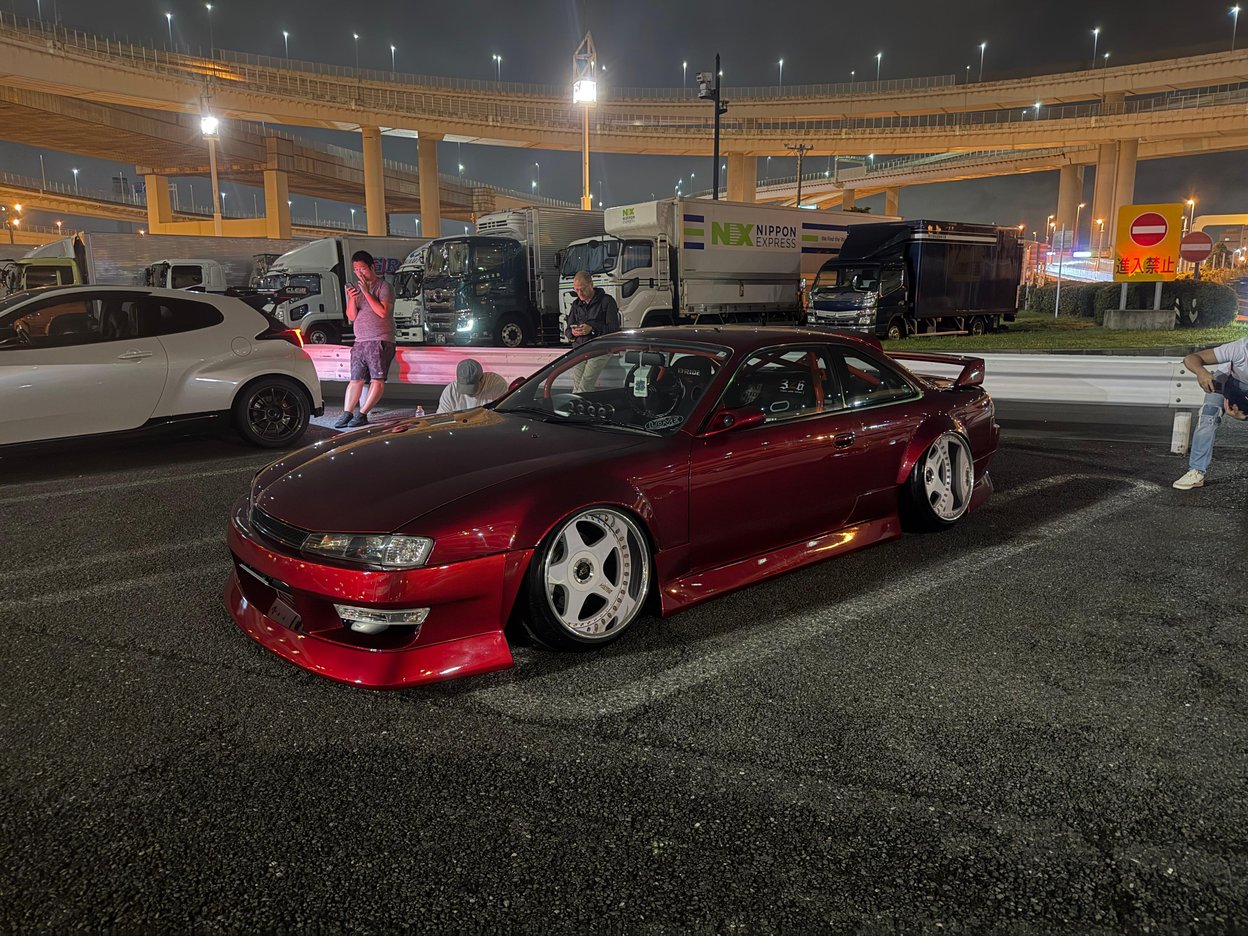
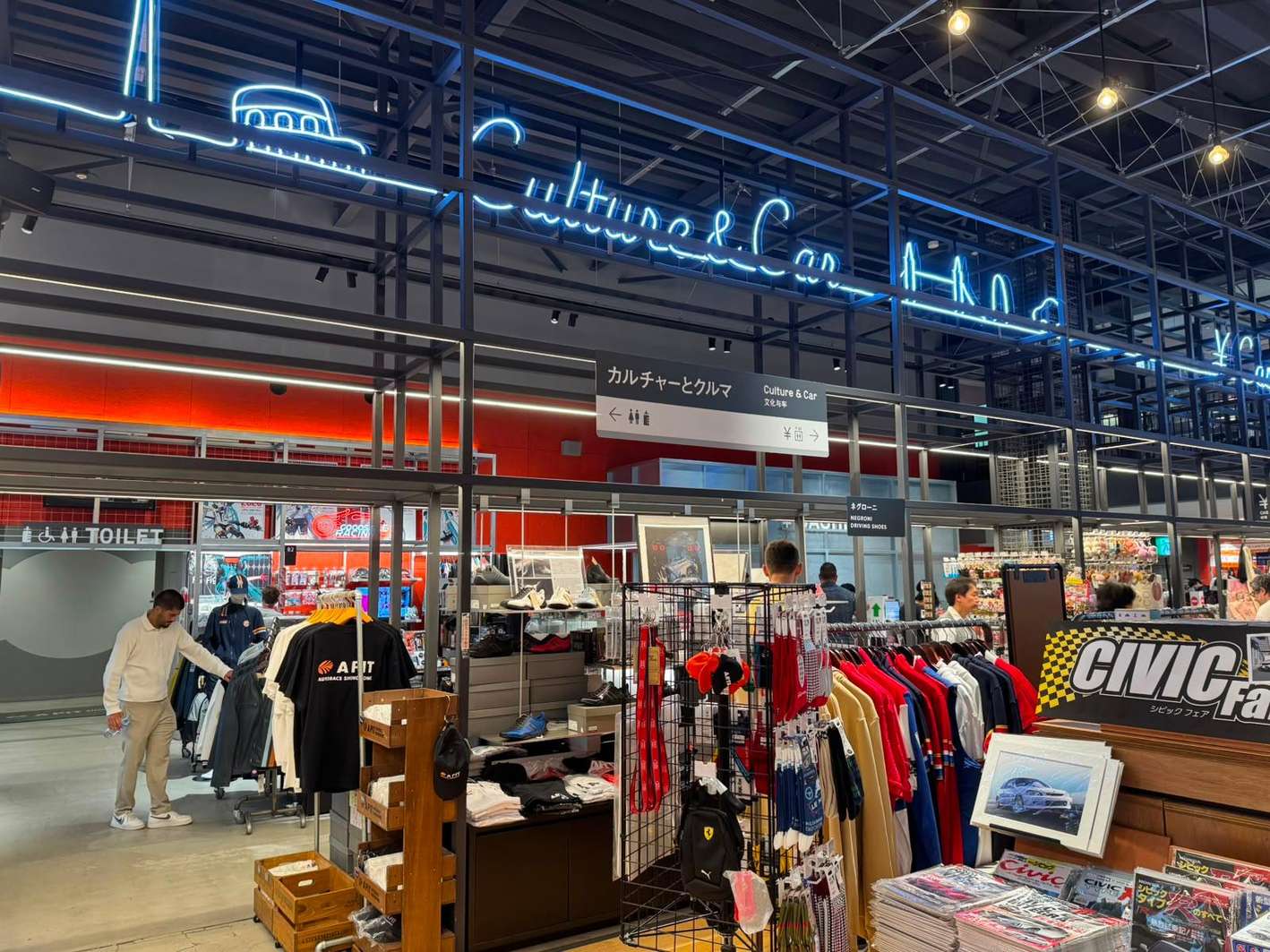
First stop is Liberty Walk Tokyo, the tuning house whose wide-body kits made it famous far beyond Japan. You get about 40 minutes to see the cars, shoot photos and browse before the drive moves on.
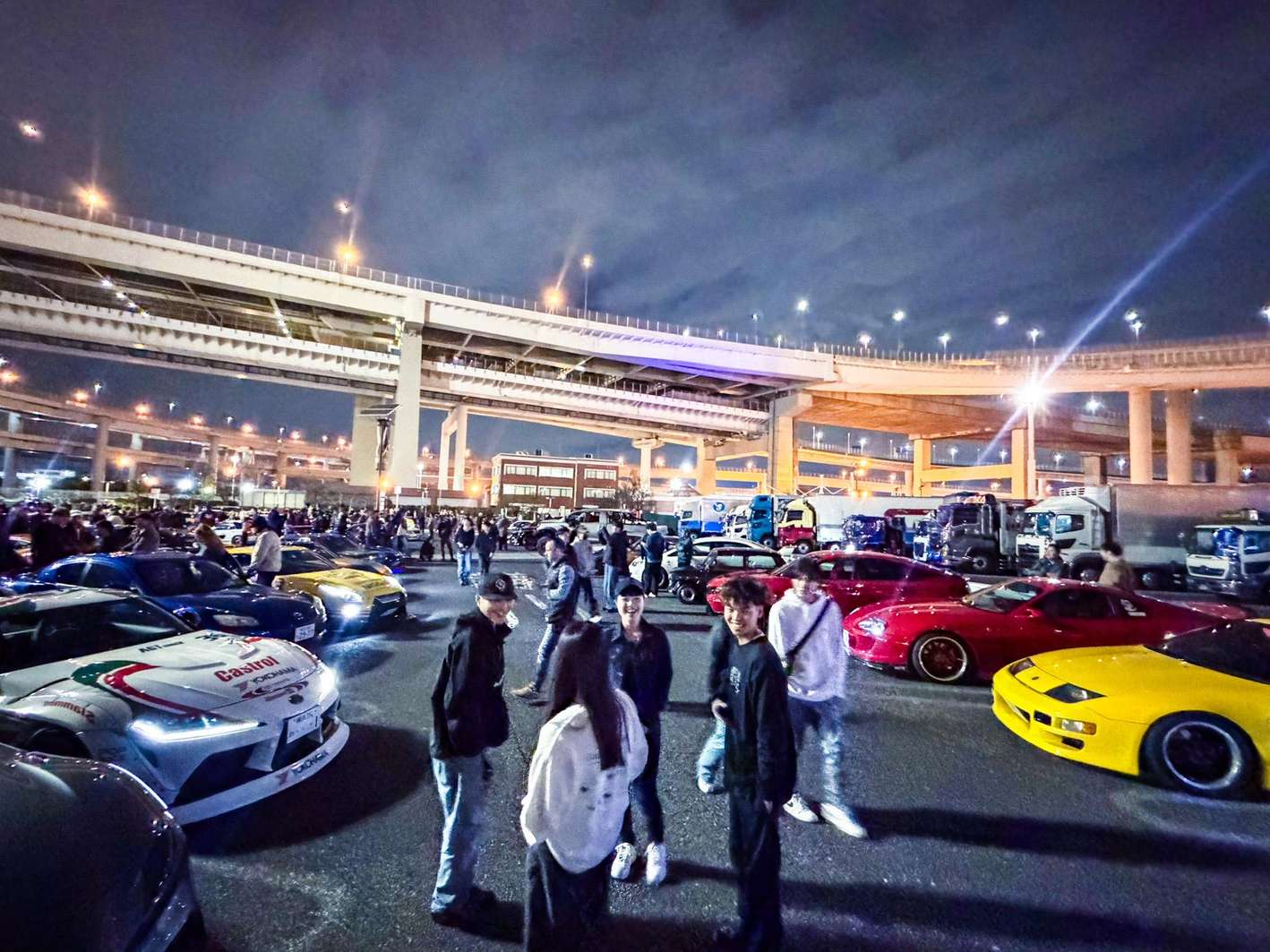
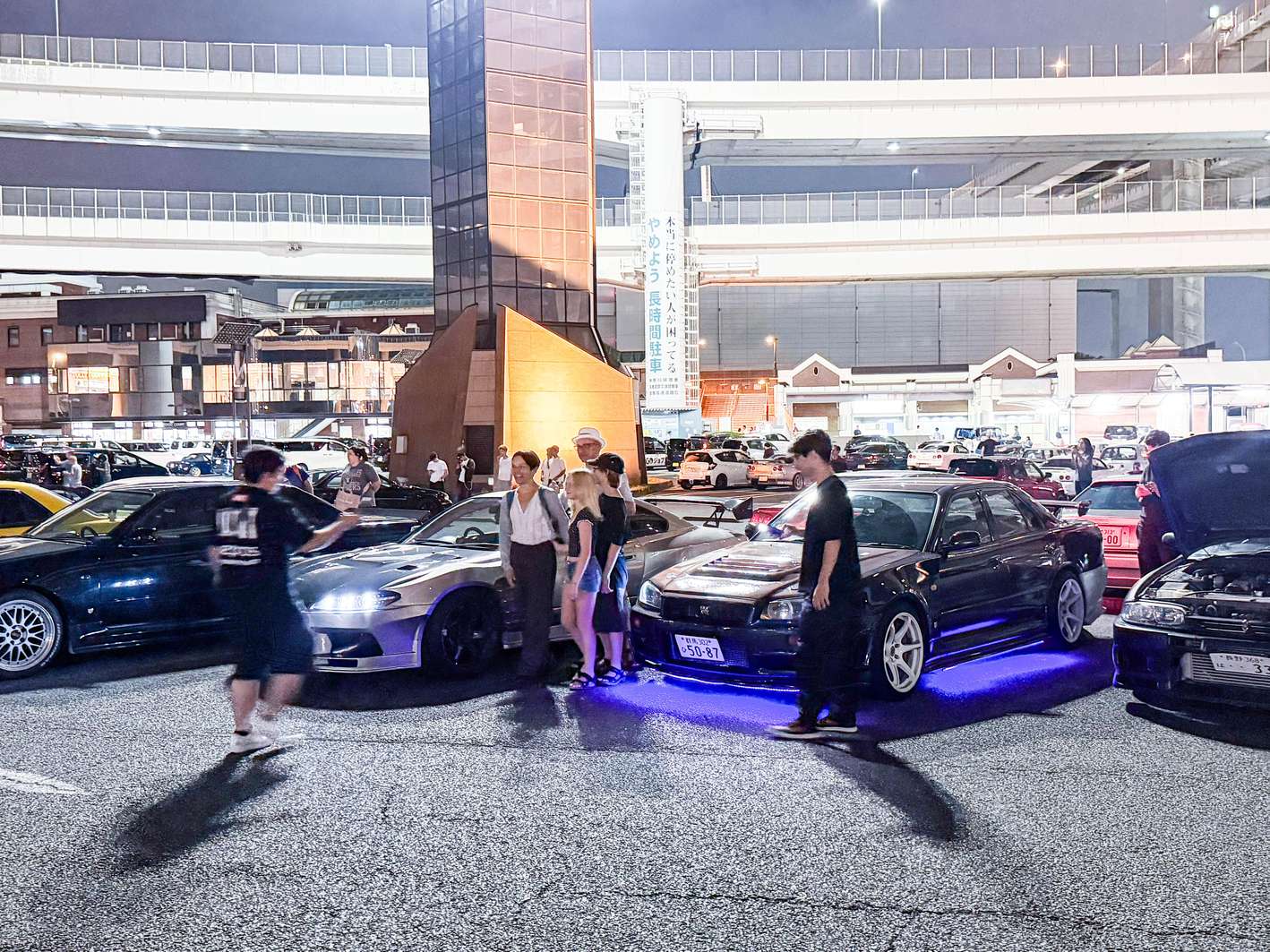
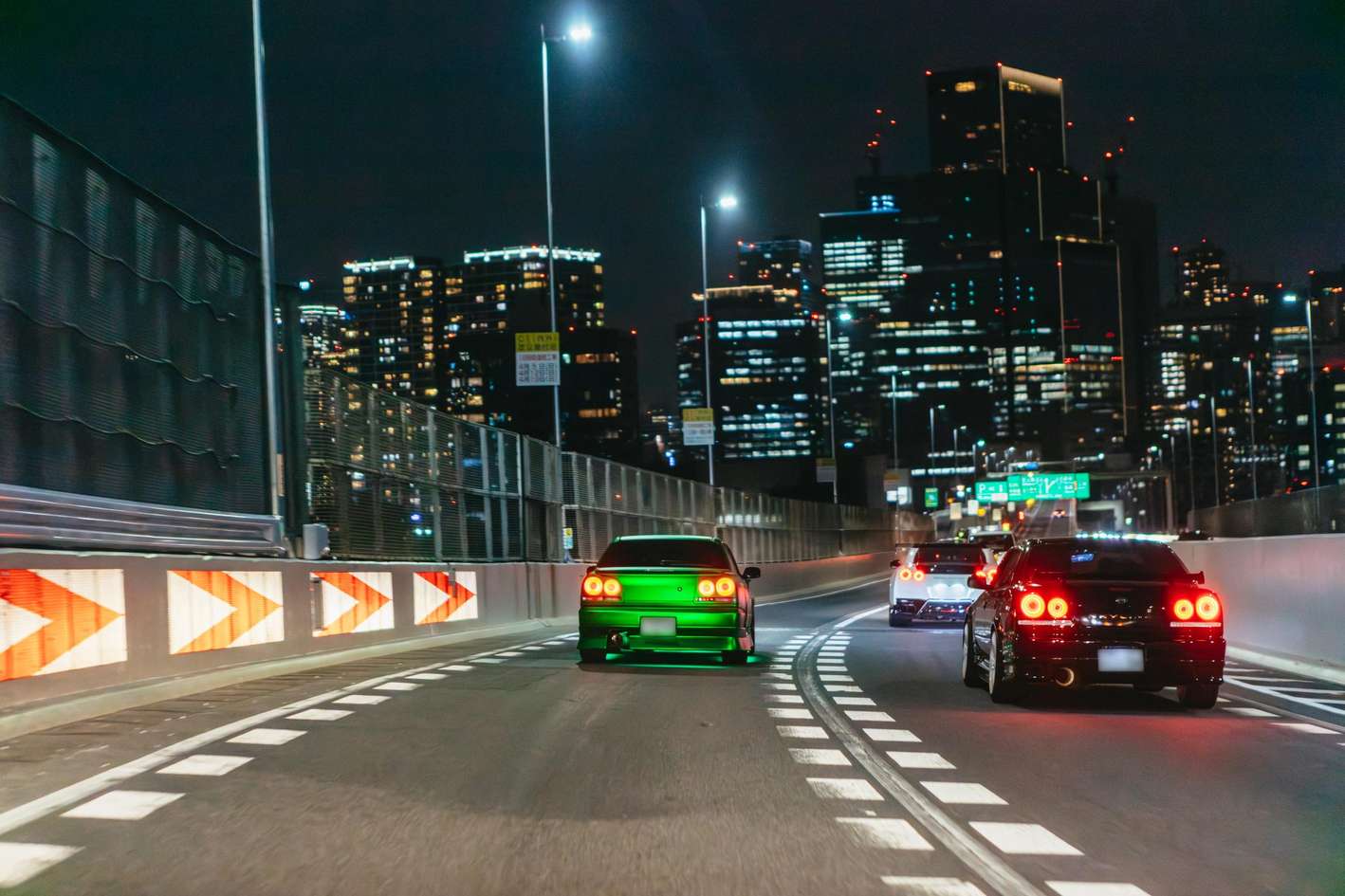
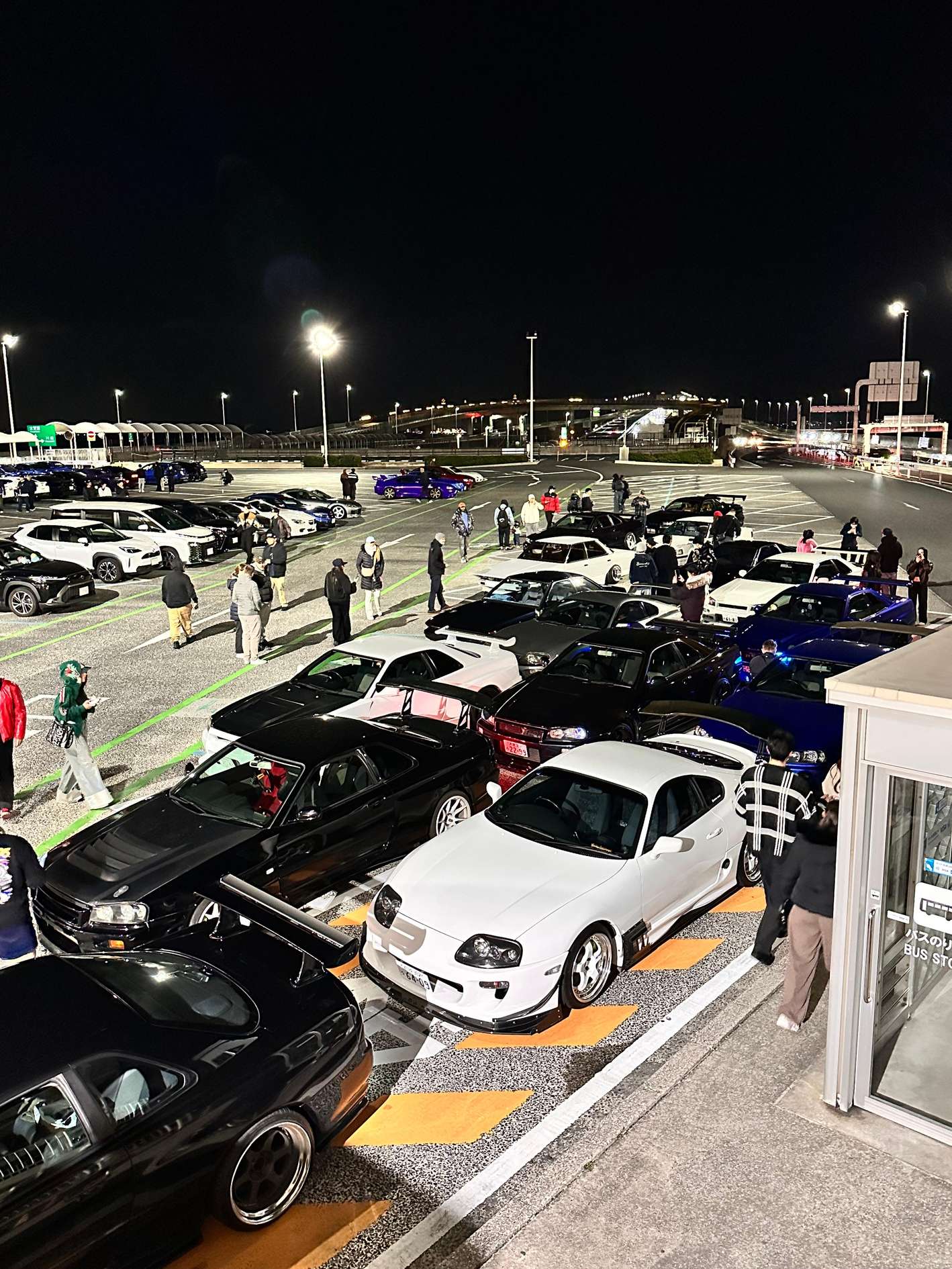
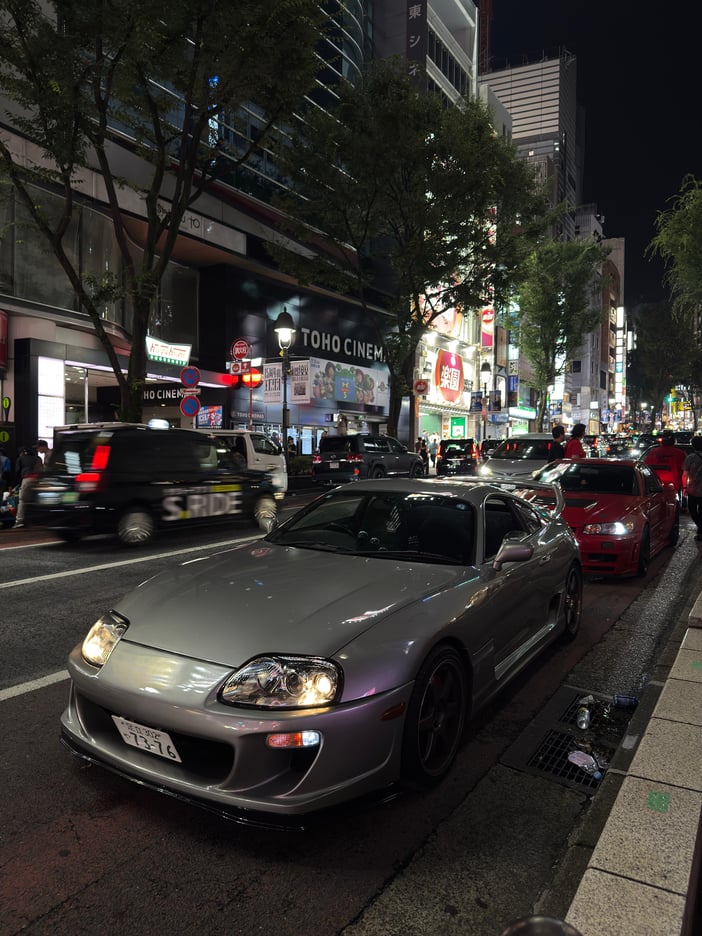
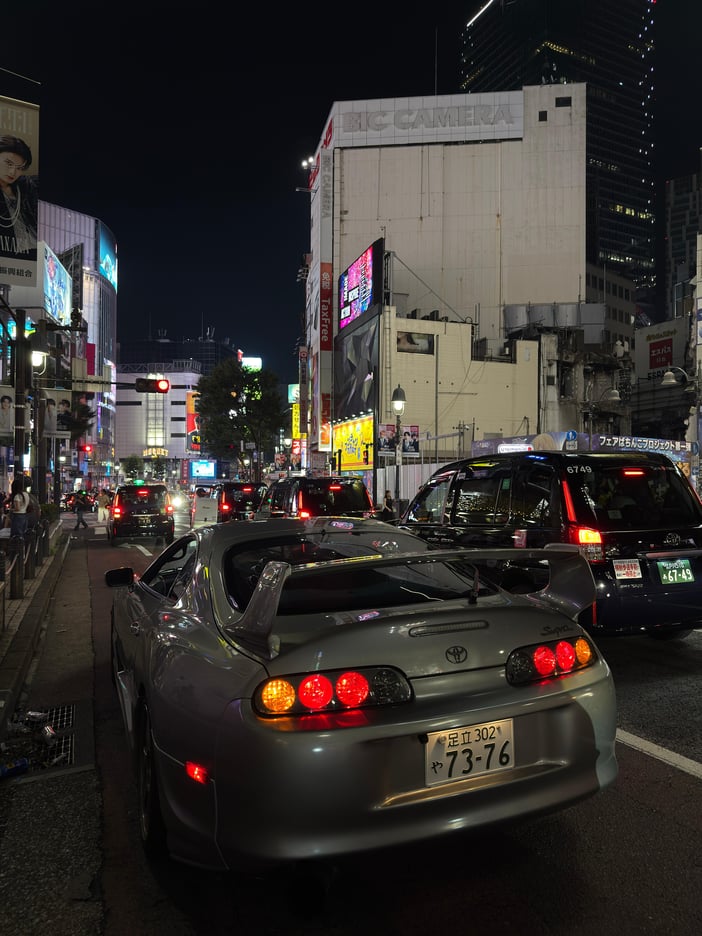
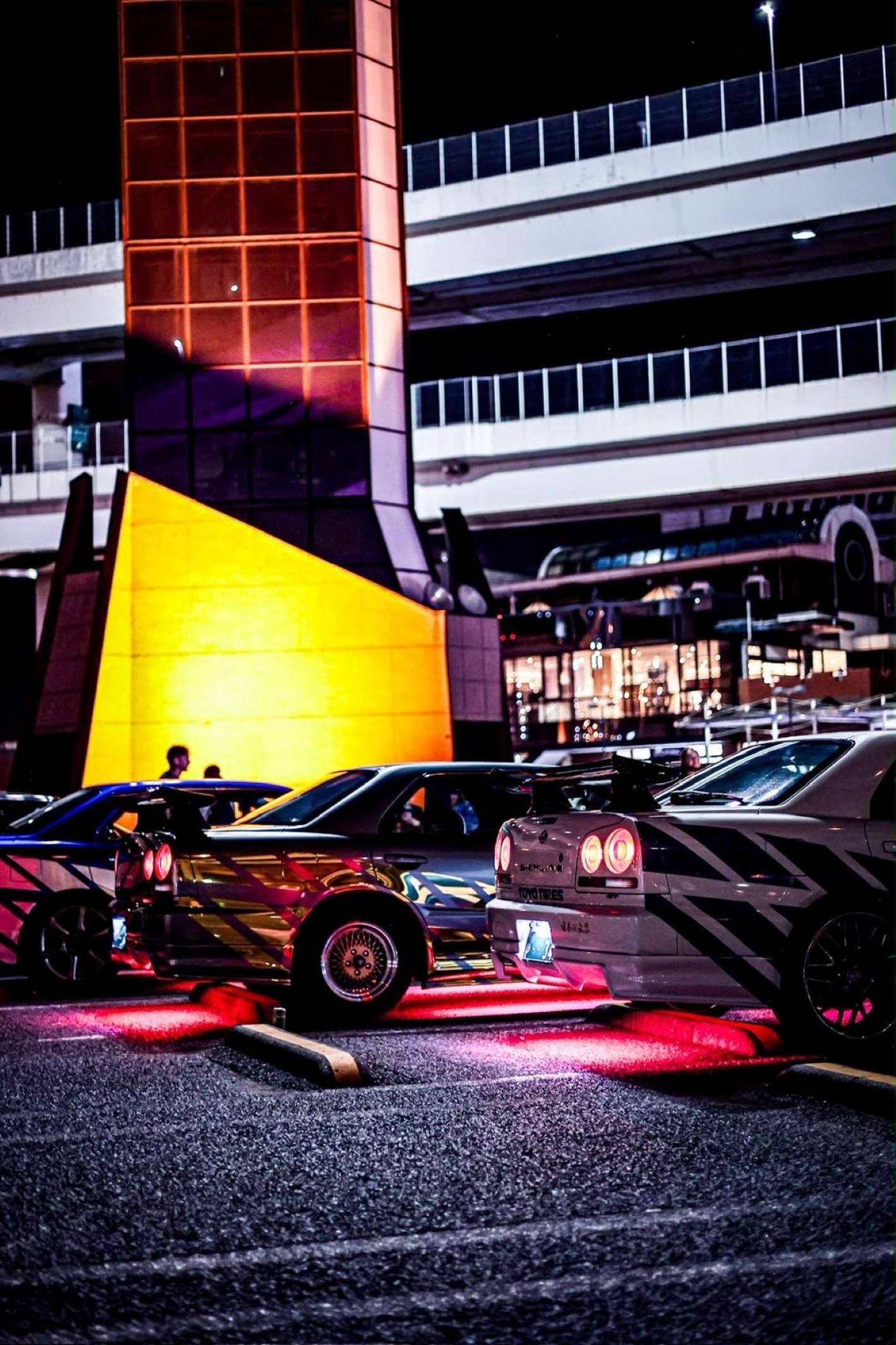
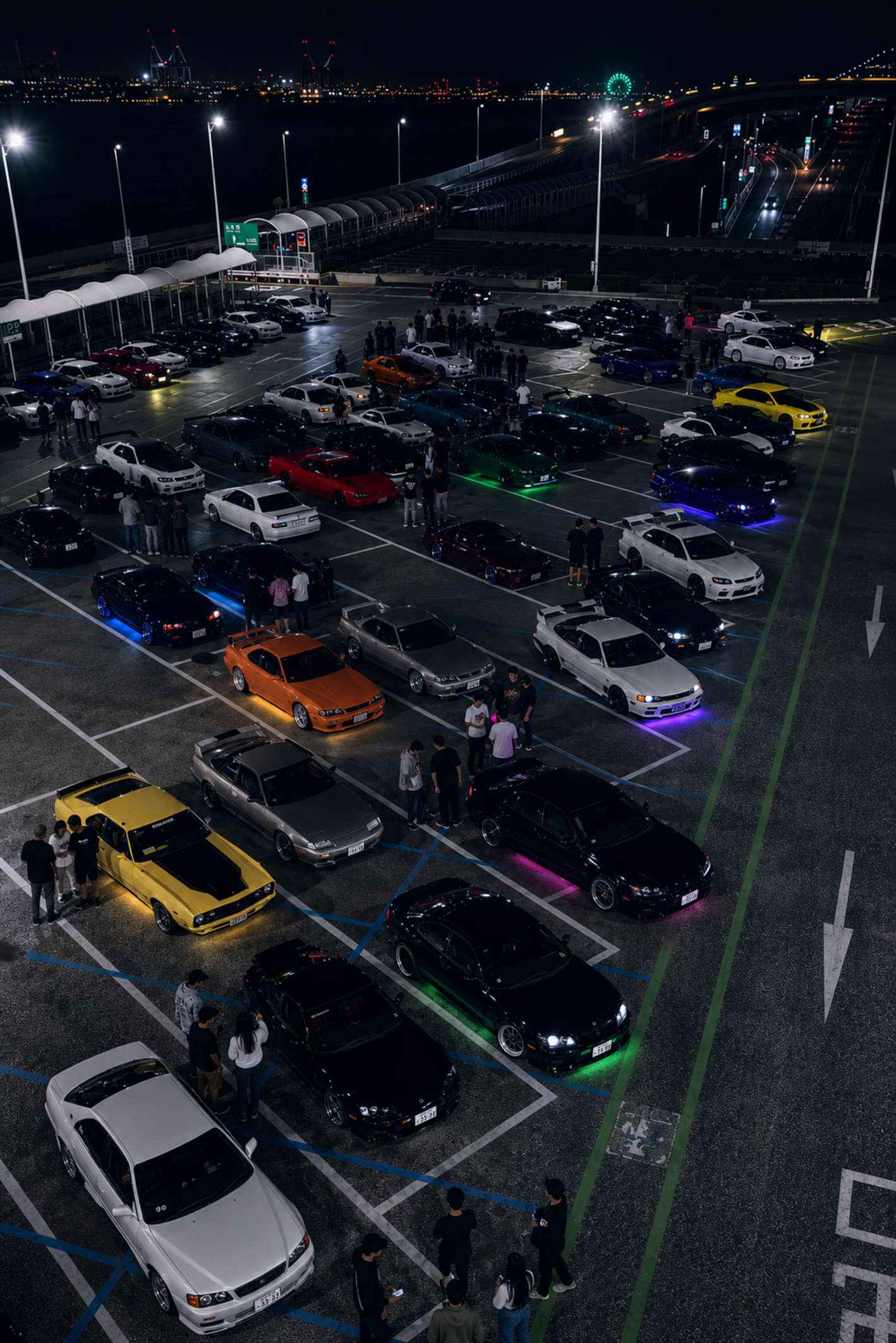
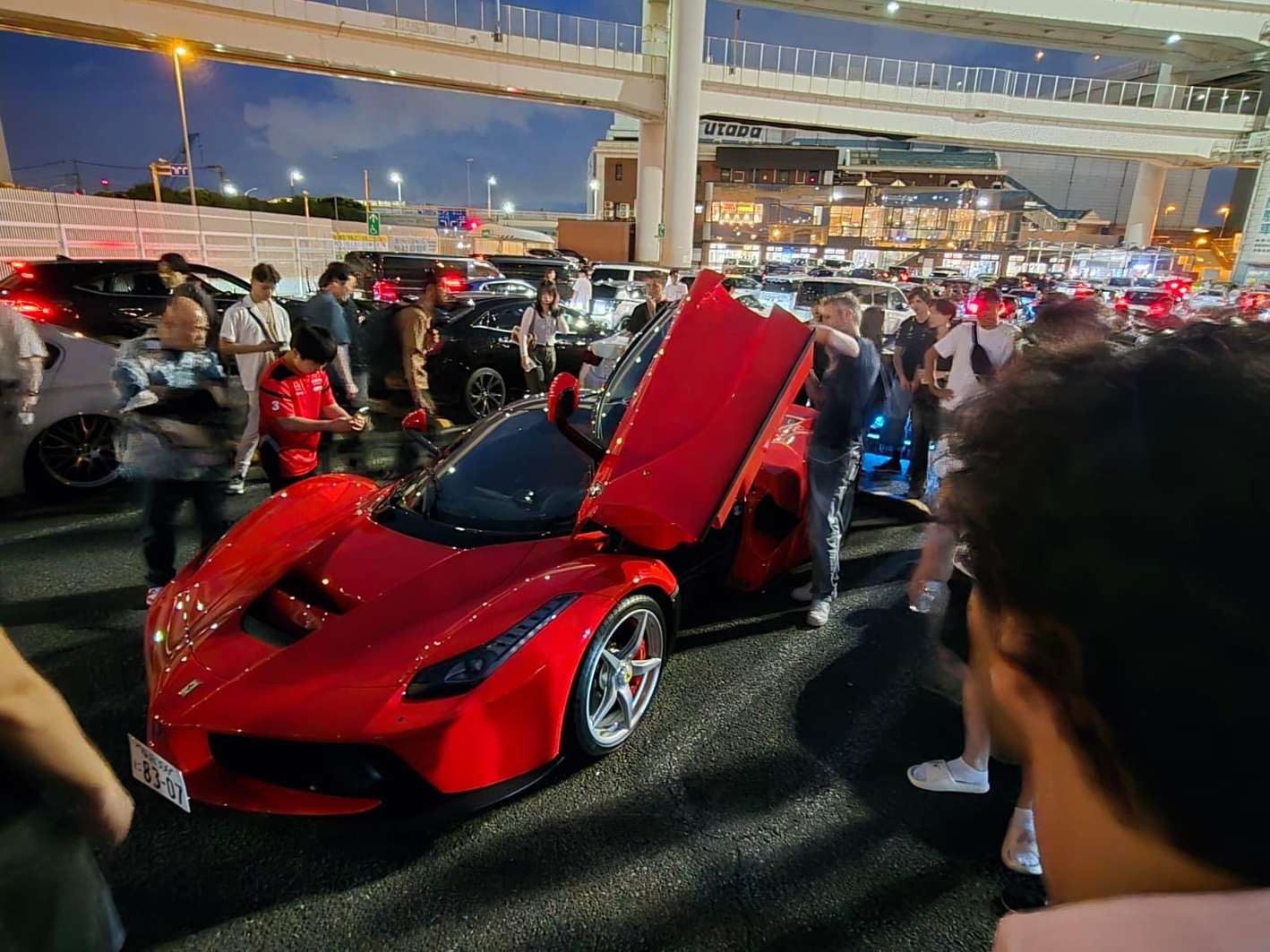
From there the route runs through Shibuya Crossing and past the Hachiko Statue, crosses Rainbow Bridge with Tokyo Bay lit up, then parks for 45 minutes among the modified builds at Daikoku PA.
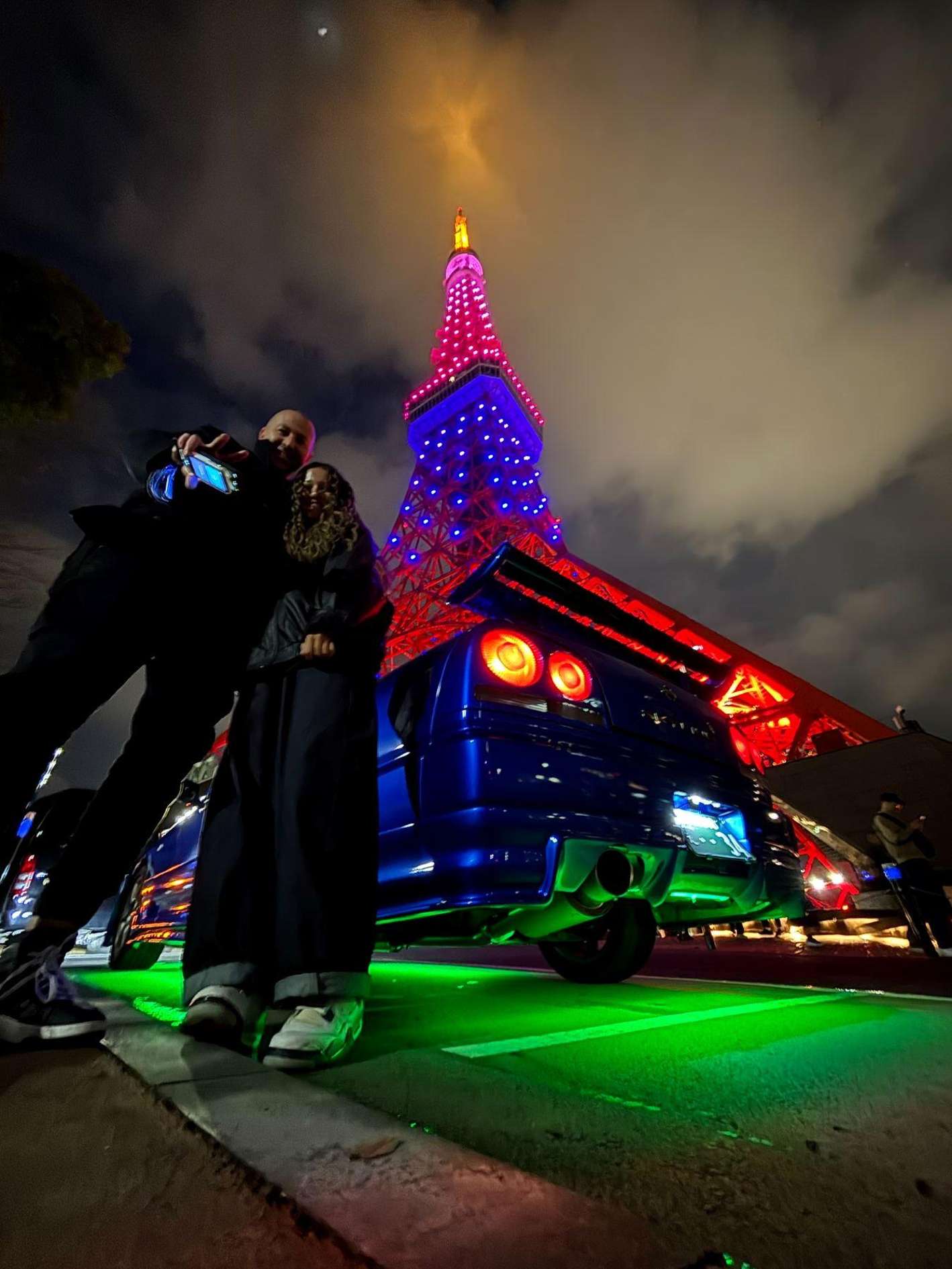
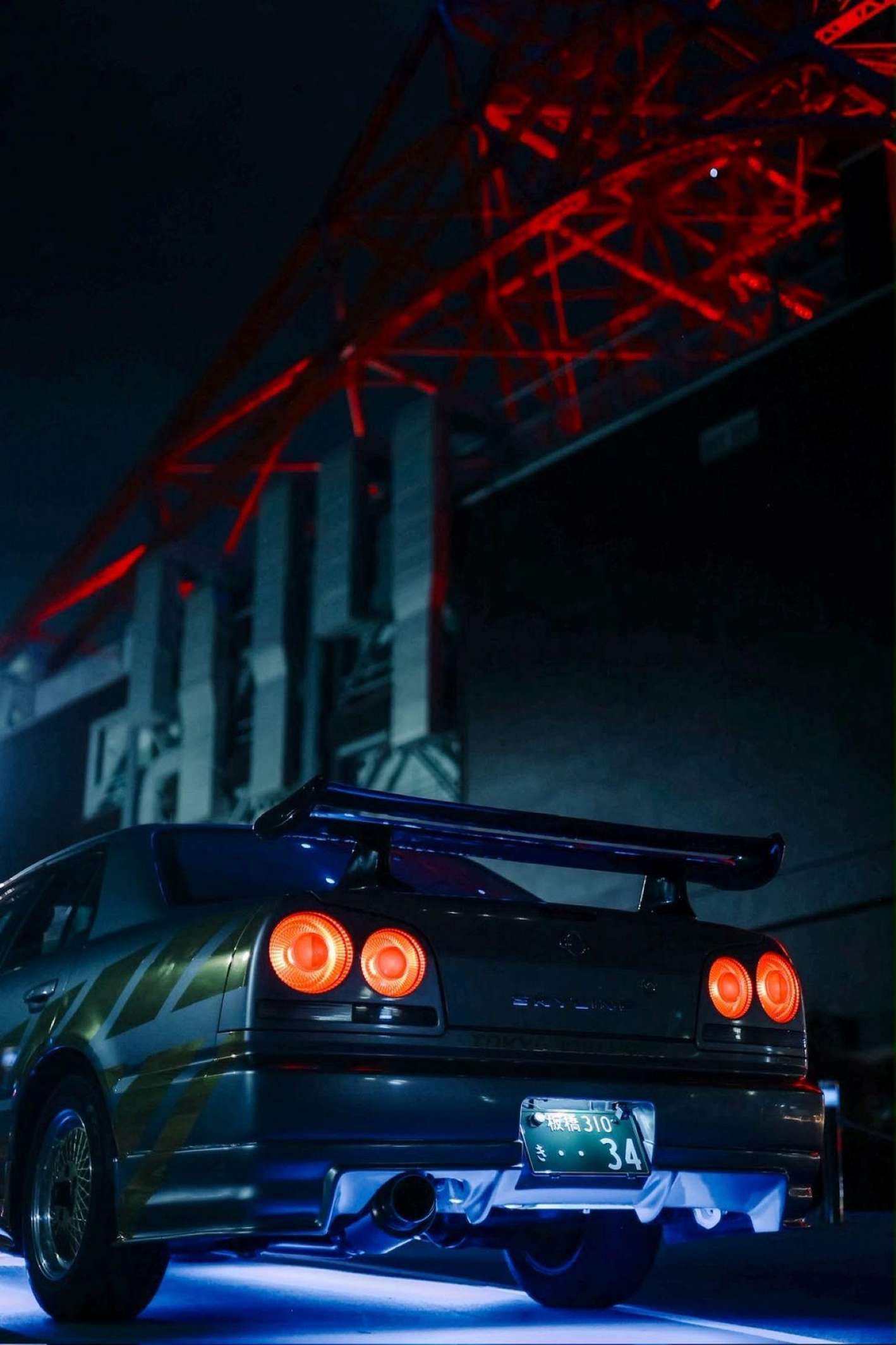
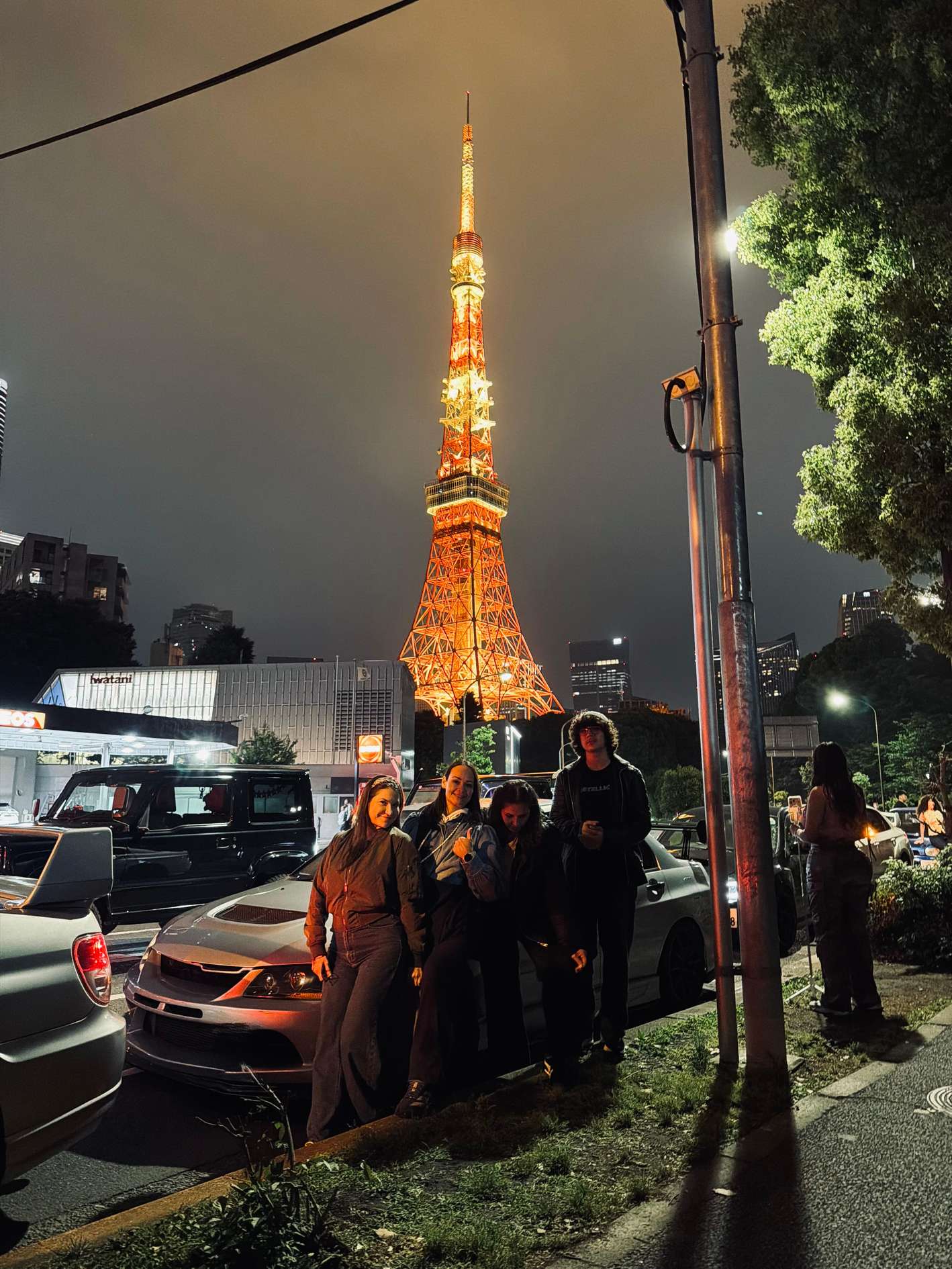
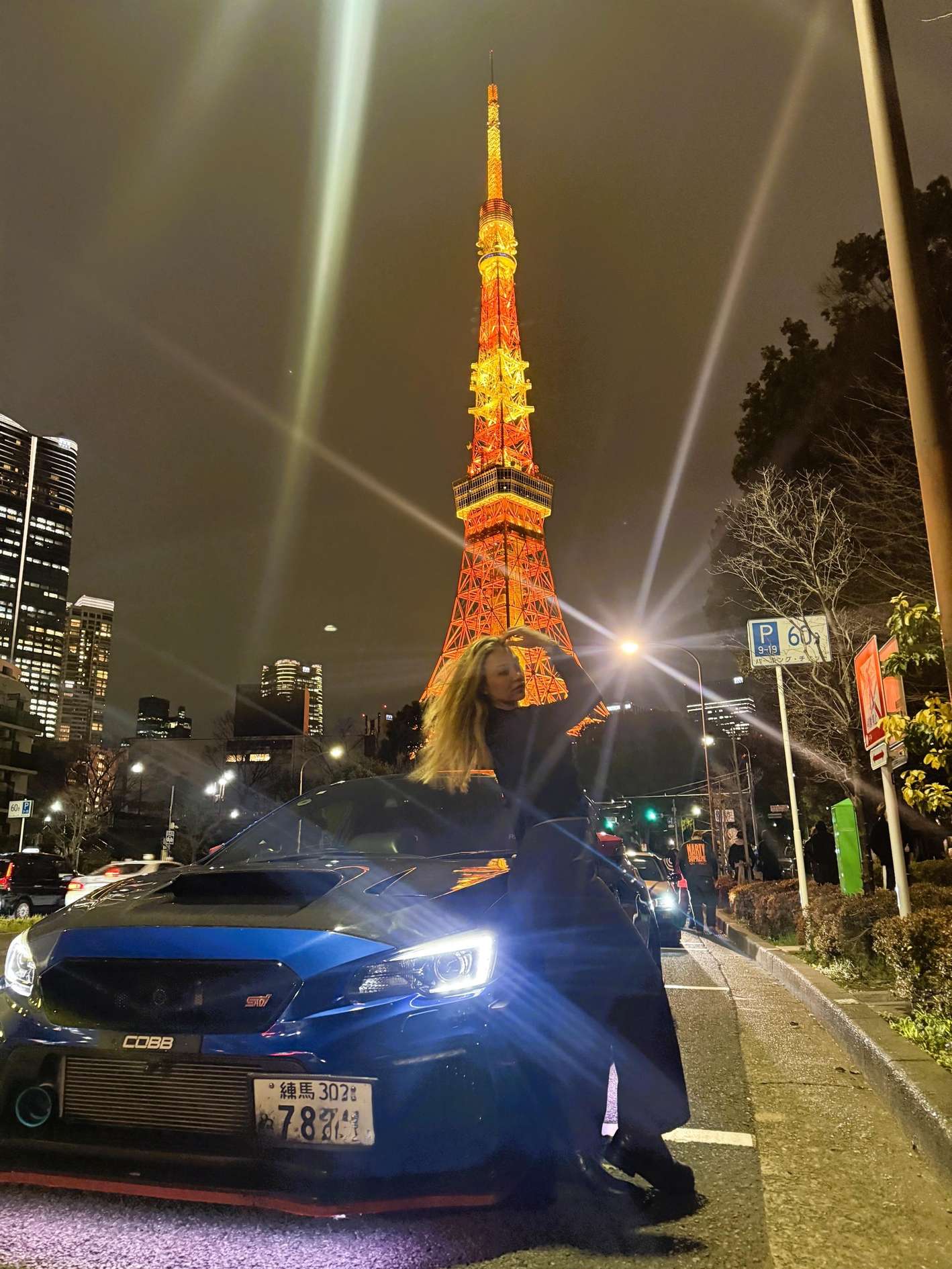
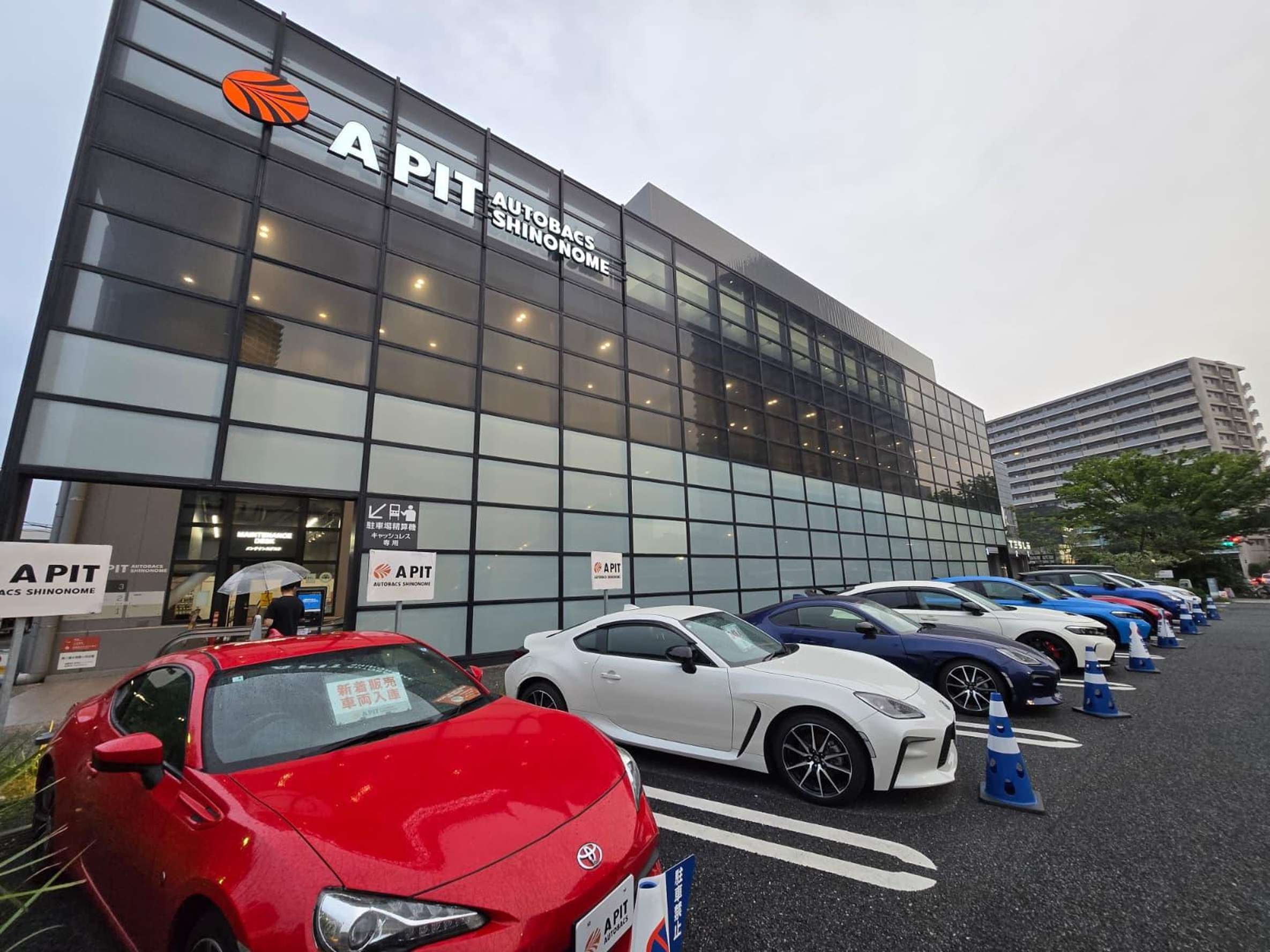
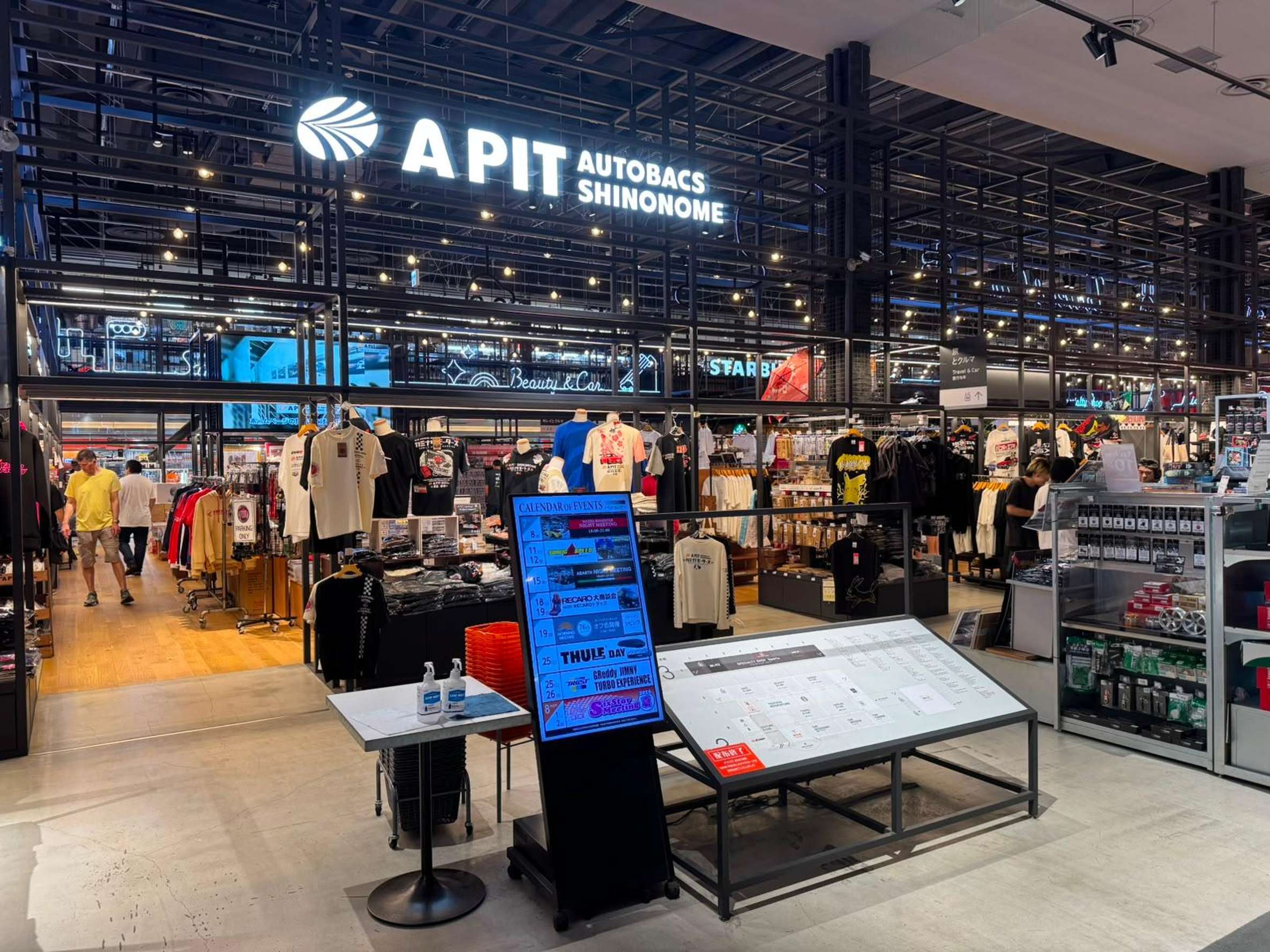
A 30-minute stop at Autobacs Shinonome follows, then a photo break at Shiba Park next to Tokyo Tower. Guides take photos and video of you with the cars along the way, and central Tokyo drop-off is included.
Meeting point2 places, depending on your optionThe tour ends back at the clock tower where it began, minutes from the Yamanote line.Street View2LIBERTY WALK TOKYO· 40 minJapan's most famous tuning brand and a symbol of modern JDM style. Browse the shop, photograph the cars and enjoy free time.Street View3Shibuya Crossing· 5 minThe scramble crossing where crowds cross on every light change, a famous setting in racing games and automotive films. A quick sightseeing pass.Street View4Hachiko Statue· 5 minA short walk to the bronze dog statue outside Shibuya Station, one of the city's best-known meeting spots.Street View5Rainbow Bridge· 0 minYou cross the illuminated span high above Tokyo Bay, with the skyline spread out on both sides.Street View6Daikoku Parking Area· 45 minThe legendary car meet on an expressway island in Yokohama Bay, wrapped by the spiral ramps of the interchange. About 45 minutes among the parked JDM builds.7autobacs Shinonome· 30 minA three-floor automotive store with tuning parts, racing gear and customer sports cars parked outside, plus an in-store coffee stop.Street View8Shiba Park· 10 minA photo stop in the park beside Tokyo Tower, which glows above the lawns and temple grounds.From this tourDrop-off2 places, depending on your optionCentral drop-off for guests who started here, inside the loop around Shibuya and Harajuku.Street View
Where the other tours go
Fast & Furious Experience: Skyline R34/Daikoku & Night Drive
Night city drive through Tokyo for unforgettable scenic viewsOpportunity to see Rainbow Bridge with Tokyo Bay night viewsPhoto and video support at recommended spotsInsurance and support for safe driving (driver or passenger included)Enjoy complimentary hotel drop-off or designated location drop-off within central areas of TokyoYou do not need an international driving permit, as we will arrange a driver for you
Not included
Food and drinksPersonal expensesSmoking and drinking
Which Tokyo JDM car to rent, compared
Green marks the lowest price. Each price says whether it is per person or per group.
Tour
Price
Duration
Pickup
Languages
Best for
Our pick
Tokyo: Fast and the Furious Tokyo Drift III JDM Car Tour
4.8★ (880)
from $105per person
3 hours - 1 day
no
Chinese, English, Japanese
first-timers who want the full movie-route night without planning a thing
Pro tipWeekday nights see smaller crowds and almost no police closures, so Tue or Wed gives the most relaxed Daikoku stop
RecommendedBook spring or autumn weekends several weeks ahead, as demand peaks then
02
Choose the right option
Compare options on the same listing: shared rides in a random JDM car, guaranteed R34 or GT-R plans, and private tours with hotel pickup. Private plans cost more but reserve the car for your group only.
Common mistakeBooking a shared ticket assuming you get the car in the photos; on shared options groups may be split across vehicles, so pick a private plan if the car matters
Pro tipSame-day bookings are usually possible, so you can decide once you see the weather
03
Pay and check the cancellation window
Pay through the marketplace and watch for a confirmation message. Most tours on this page let you cancel up to 24 hours in advance for a full refund, so book early and decide later if needed.
Pro tipOperators message via WhatsApp or Instagram for some tours, so leave a contact the operator can reach at night
Common mistakeBooking a midnight run and expecting a train home afterward; late sessions finish after the trains stop, so pick an option with hotel drop-off
04
Sort pickup and meeting point
Some tours pick you up at your hotel, others meet at a station like Higashi-Ginza or Shibuya. Check which applies when you book and agree the exact spot with the driver beforehand.
RecommendedFor station meeting points, arrive 10 minutes early; drivers wait briefly and the convoy leaves together
ImportantYou ride as a passenger with a pro driver, so no driving licence or International Driving Permit is needed for these tours
05
What to do on the day
Dress for an open-air coastal parking deck: warm layers in winter, a windbreaker in spring or autumn. Bring a charged phone for photos and keep your booking confirmation handy.
Common mistakeBringing a large suitcase; space inside sports coupes is tight and oversize luggage is not allowed
RecommendedEat before you go; food stands at the parking area close around 9 pm and the tour price covers the drive, not meals
What to know before you rent JDM cars in Tokyo
Can stop the dayGood to knowGood news
01
ChoosingWhat it is, who it suits, when to go
6
Age limitsCan stop the day
Japanese law lets anyone 18 or older drive a rental car, but specialist shops set their own bar for performance cars. Renting a GT-R in the Tokyo area can require drivers of 23, 25 or 26, depending on the company and the model. Check the limit for your specific car before you book flights around it.
Deposits
Expect a credit card pre-authorisation hold for a performance car, refunded when you return it undamaged. On a manual R34 Skyline the damage waiver is mandatory, and it does not cover tyres, wheels, underbody damage or lost keys. Burnouts, drifting or circuit driving void the waiver entirely.
Extra costs
The day rate is only the start. Expressway tolls, fuel and ETC card hire all add up, overnight hotel parking in central Tokyo is charged per night, and most performance rentals carry daily mileage limits with a per-kilometre charge once you pass them.
Navigation
You drive on the left, expressways are narrow, and exits sit on both sides of the road, unlike most highways you know. The overhead signs start about two kilometres before each junction, so read them early. Your phone can lose its position on elevated and tunnel sections.
Pickup time
Time the pickup so you reach the Shuto Expressway toward the Bayshore Route between 1 pm and 2 pm. That window stays relatively clear on weekdays, Saturdays and holidays, and it puts you at Daikoku with the evening still ahead of you.
Closures
Police can close Daikoku PA on weekend nights when crowds or noise build up, with little notice. Guided tours redirect to spots like Umihotaru PA; if you drive independently, have your own backup such as Tatsumi PA or Akihabara UDX mapped out.
02
BookingHow far ahead, and what happens if plans change
1
Cancellation
A booking cancelled up to 24 hours ahead comes back as a full refund, so you can lock in a car early and still change your mind. Guided tours also refund or reschedule when weather or road closures sink the drive.
03
Before you goPapers, health, what to bring
3
DocumentsCan stop the day
You need an original paper International Driving Permit from the 1949 Geneva Convention, your home licence, and your passport. Digital permits and Vienna Convention permits do not count. If your licence comes from Belgium, France, Germany, Monaco, Switzerland or Taiwan, you drive on an official Japanese translation of it instead.
Transmission
Many classic JDM cars are manual only, so specialty shops expect you to handle a stick. If your home licence carries an automatic-only restriction, that restriction follows you to Japan and you can legally drive automatics there.
Breakdowns
If the car fails on the expressway, pull onto the hard shoulder, switch on the hazard lights and place a warning triangle behind the car. Everyone should wait outside the guardrail. Call the rental company first so the insurance stays valid; JAF road service answers at #8139.
04
On the dayWhere to be, when, and how you get there
1
Tolls
Rent the ETC card when you pick up the car. Tolls are charged automatically at gates you pass through at 20 km/h or slower, and some Tokyo expressway entrances no longer accept cash at all. Keep the card inserted in the on-board unit the whole drive.
05
During the tourWhat is expected of you
1
On the meet
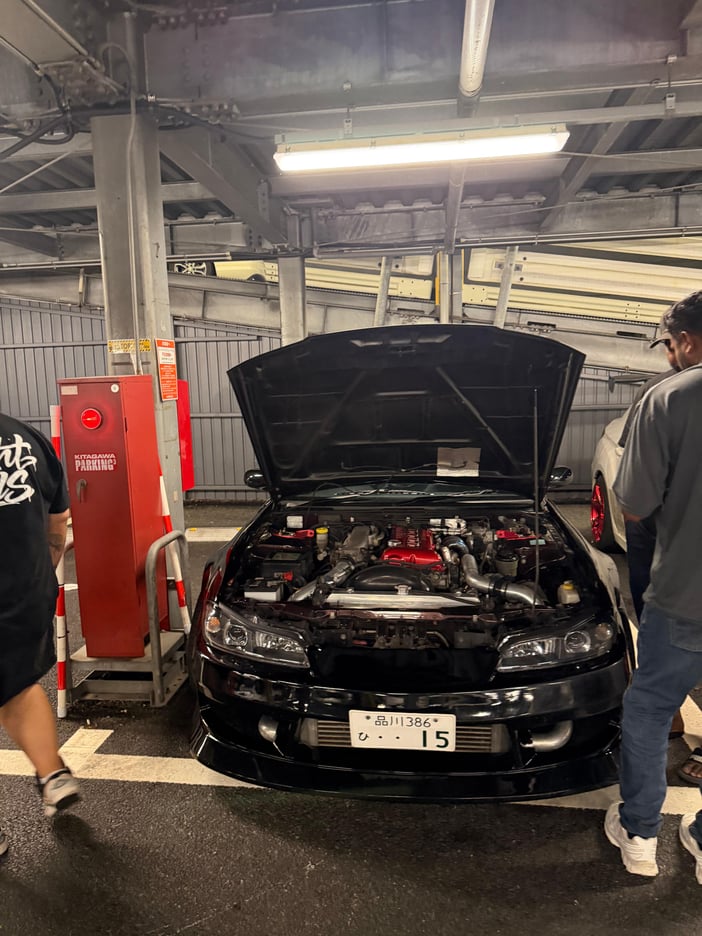
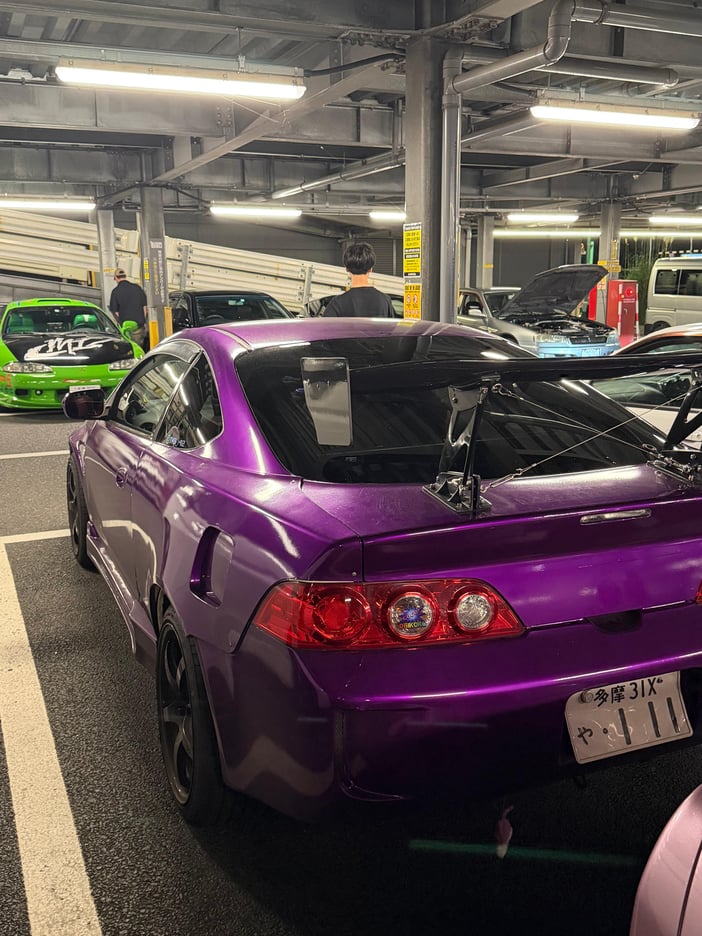
Daikoku is a working rest stop, so the same rules as any public place apply. Owners expect you to look without leaning, sitting on hoods or touching paint with watches or rings. Loud revving is what brings the police, so keep the engine idle in the lot.
Rent JDM in Tokyo - the drive-it-yourself guide to Daikoku
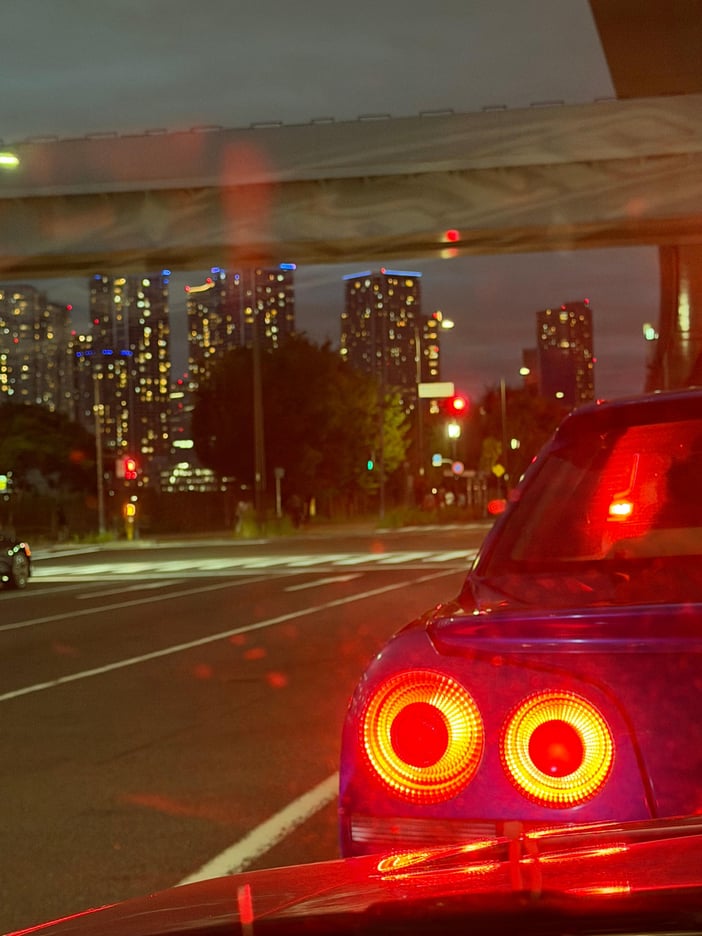
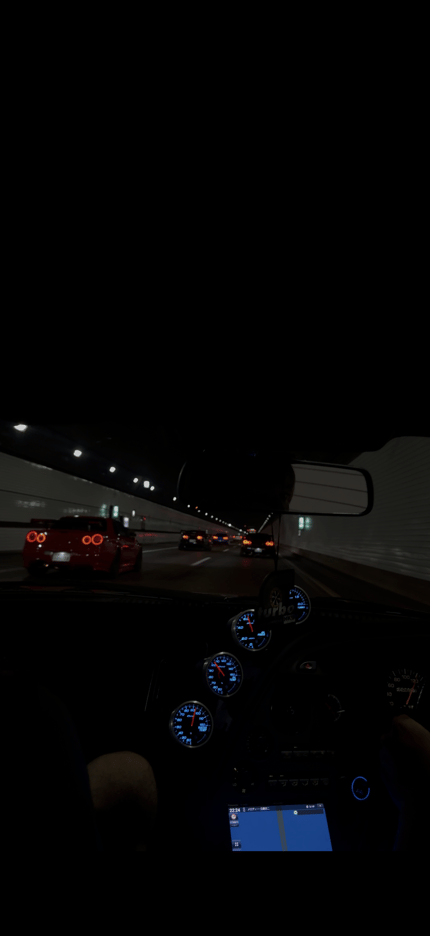
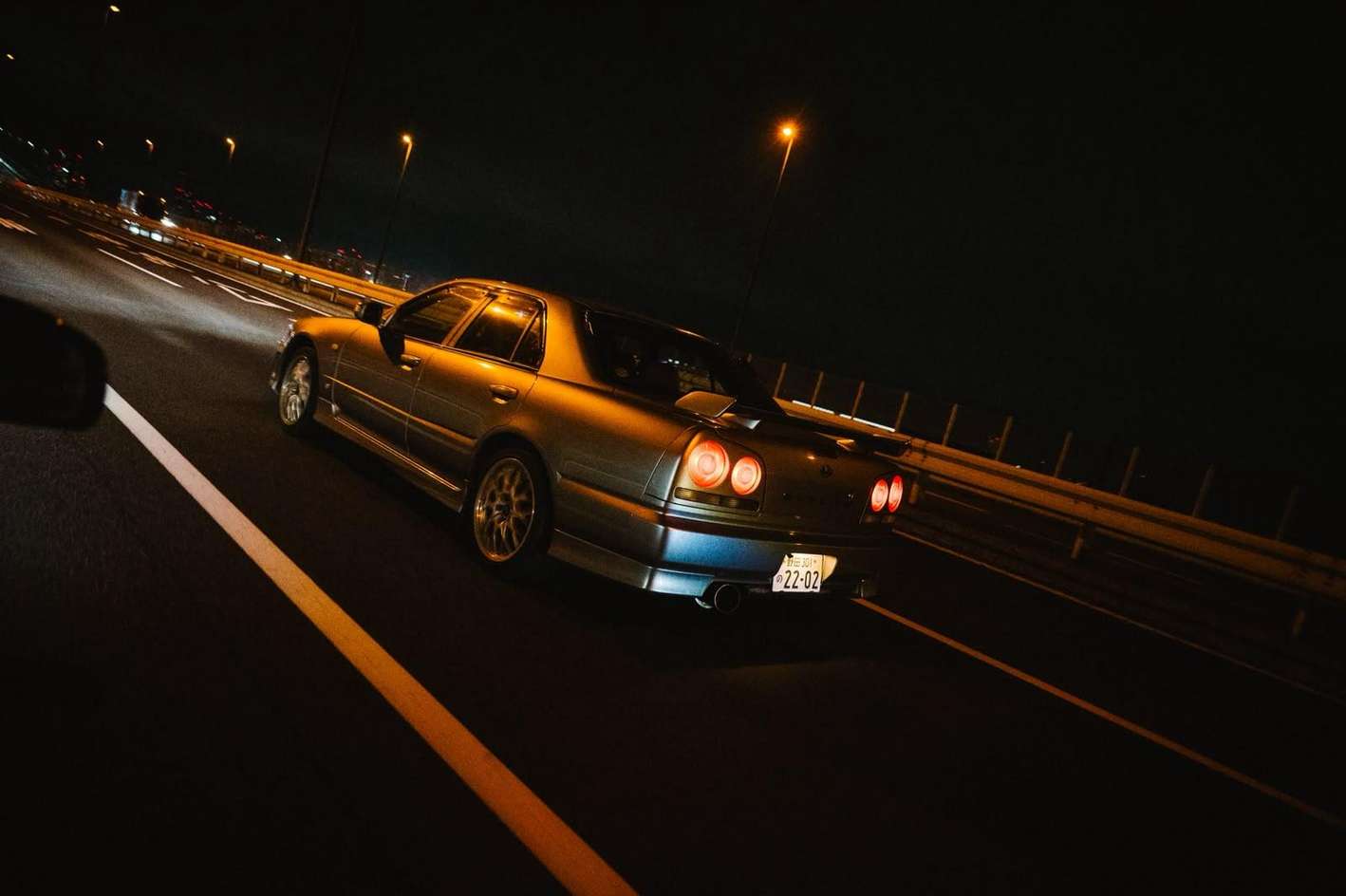
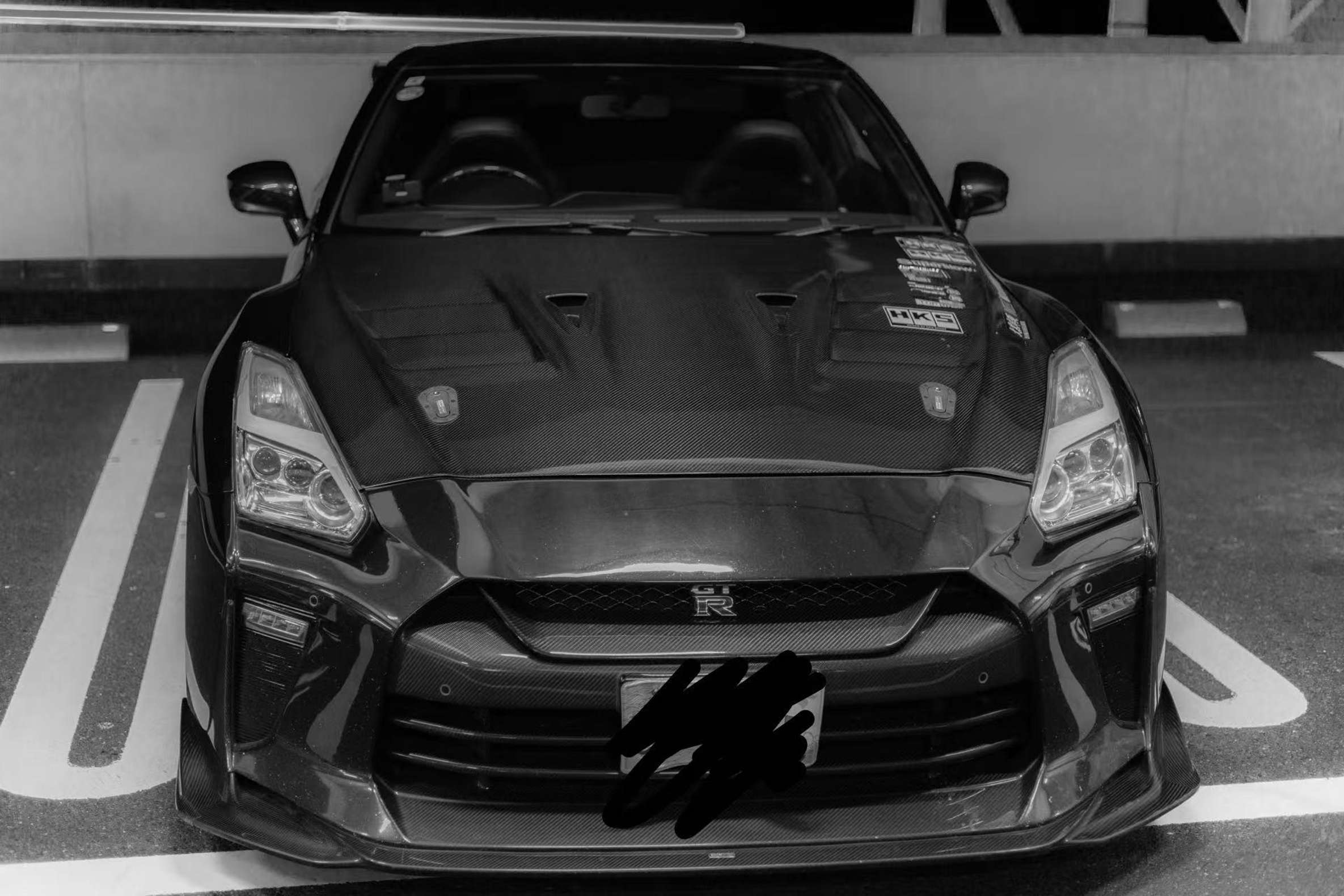
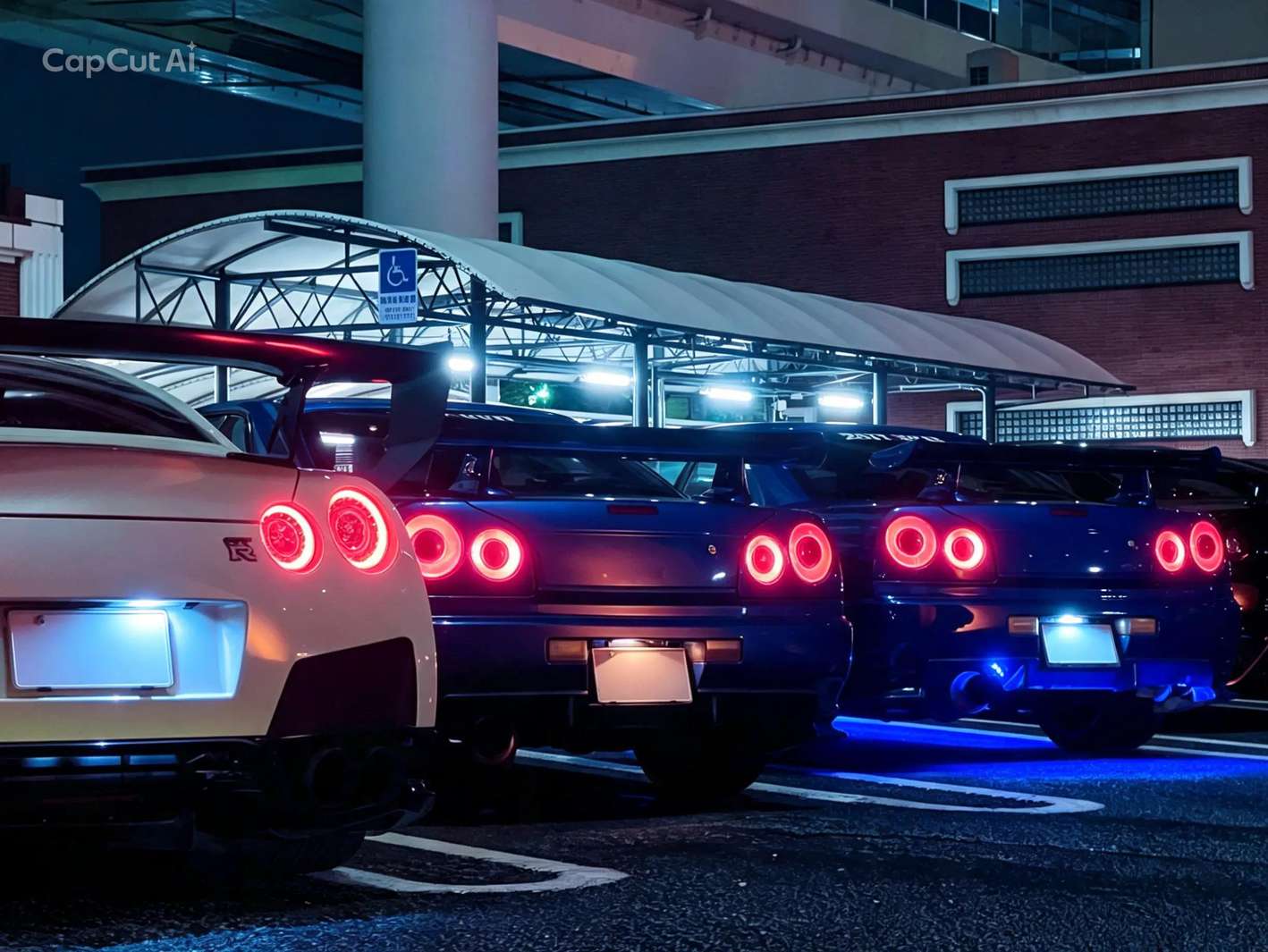
An R34 Skyline on the Wangan at night is a real, bookable thing, and Tokyo is the city where you can do it. Whether you hold the wheel yourself or ride shotgun decides the paperwork, the money and the whole shape of the night.
Yokohama· 35.67° N, 139.70° E
If you only remember three things
1
Order the paper 1949-Geneva International Driving Permit before you fly; digital and Vienna-convention permits are turned away.
2
Budget three hours door to door: 15 minutes of pickup paperwork, 1.5 hours on the expressway, one hour parked at Daikoku.
3
On weekend nights police can shut Daikoku's gates from 7:30 pm, so arrive early or go Sunday morning.
Is it worth renting a JDM car in Tokyo, or booking a guided drive?
Two ways exist to put an R34 Skyline into your Tokyo night, and the choice shapes everything after it.
Self-driving gives you the full seat time. It also hands you the paperwork, the tolls, the navigation, left-hand traffic and the parking, plus a licence question that starts at the rental counter. The expressways here run tight curves, layered junctions and sudden merges, and first-timers find them hard after dark.
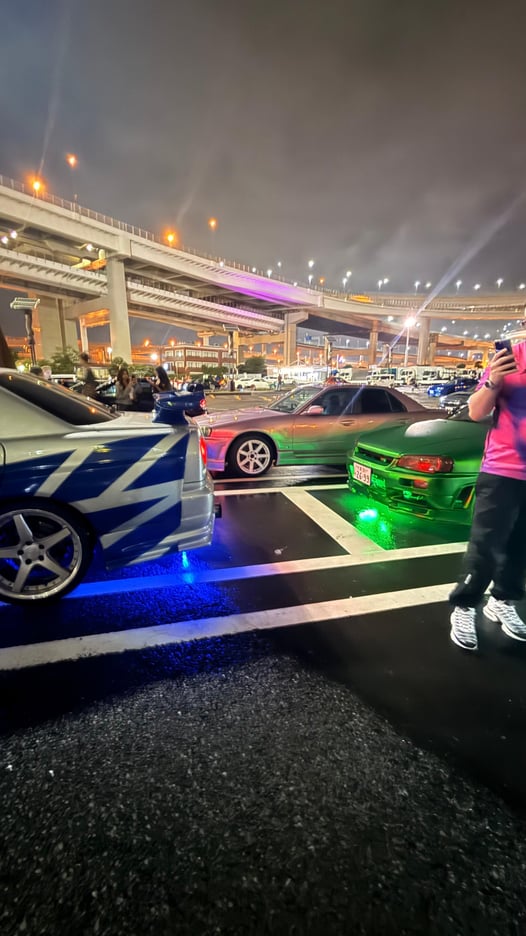
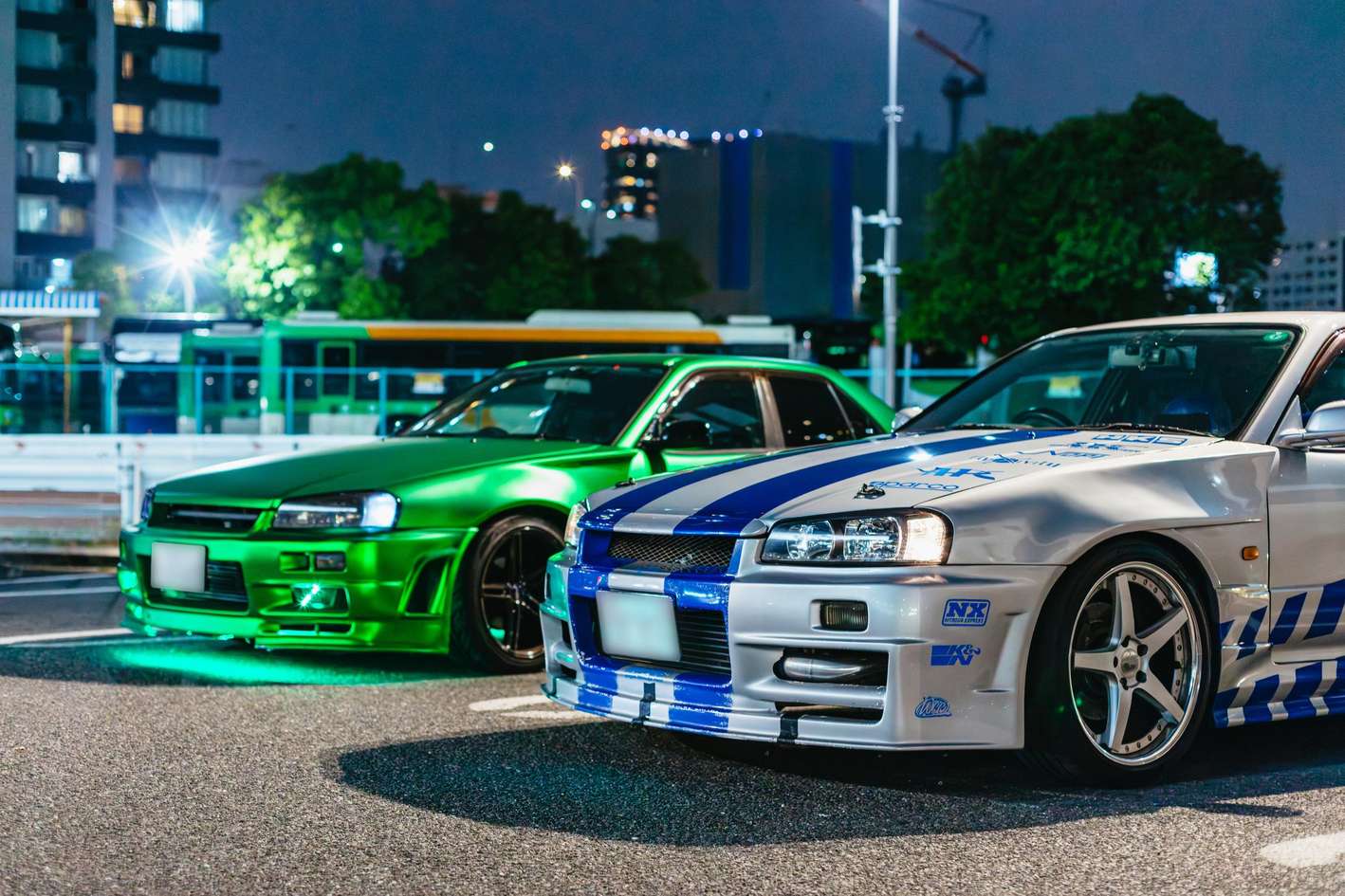
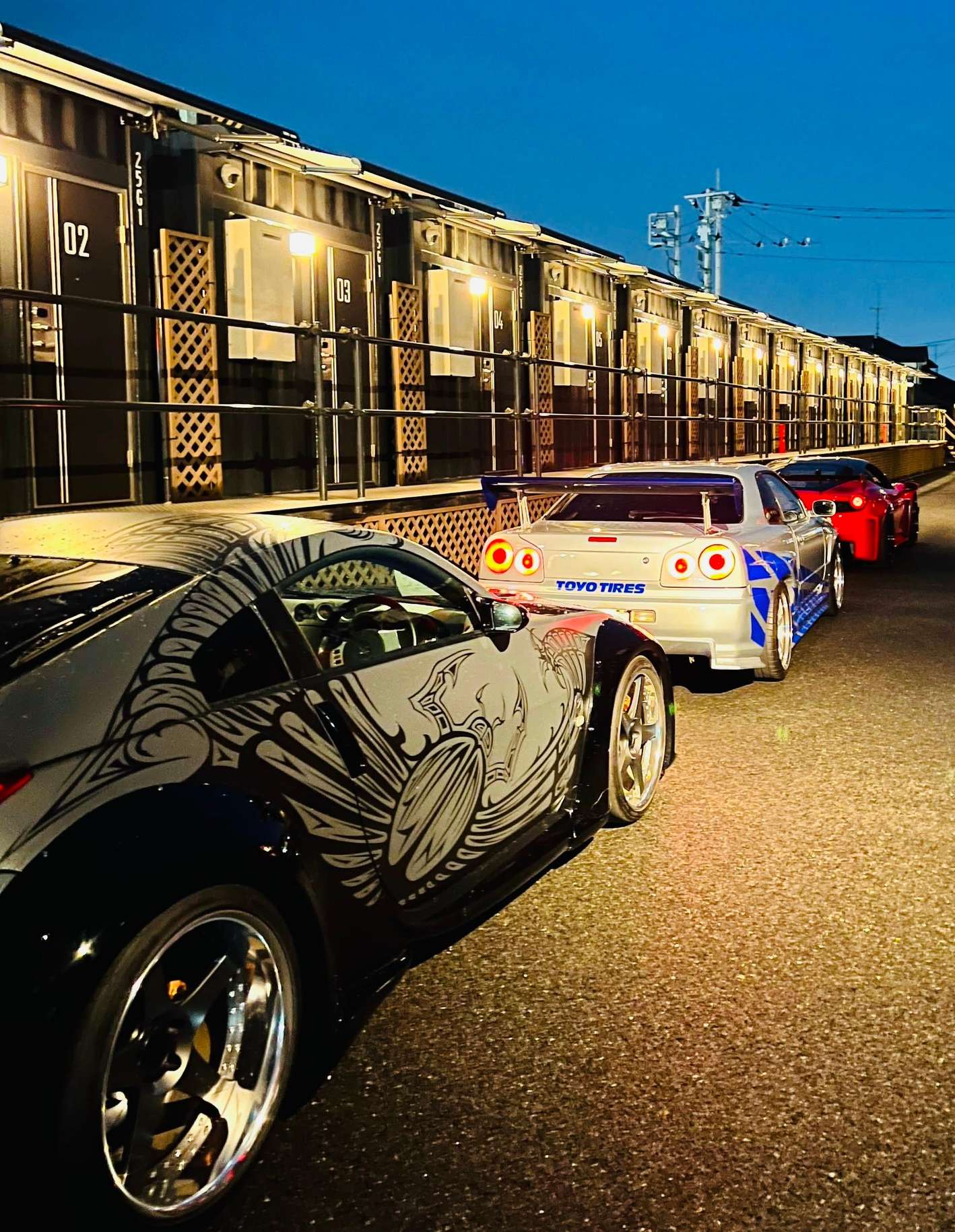
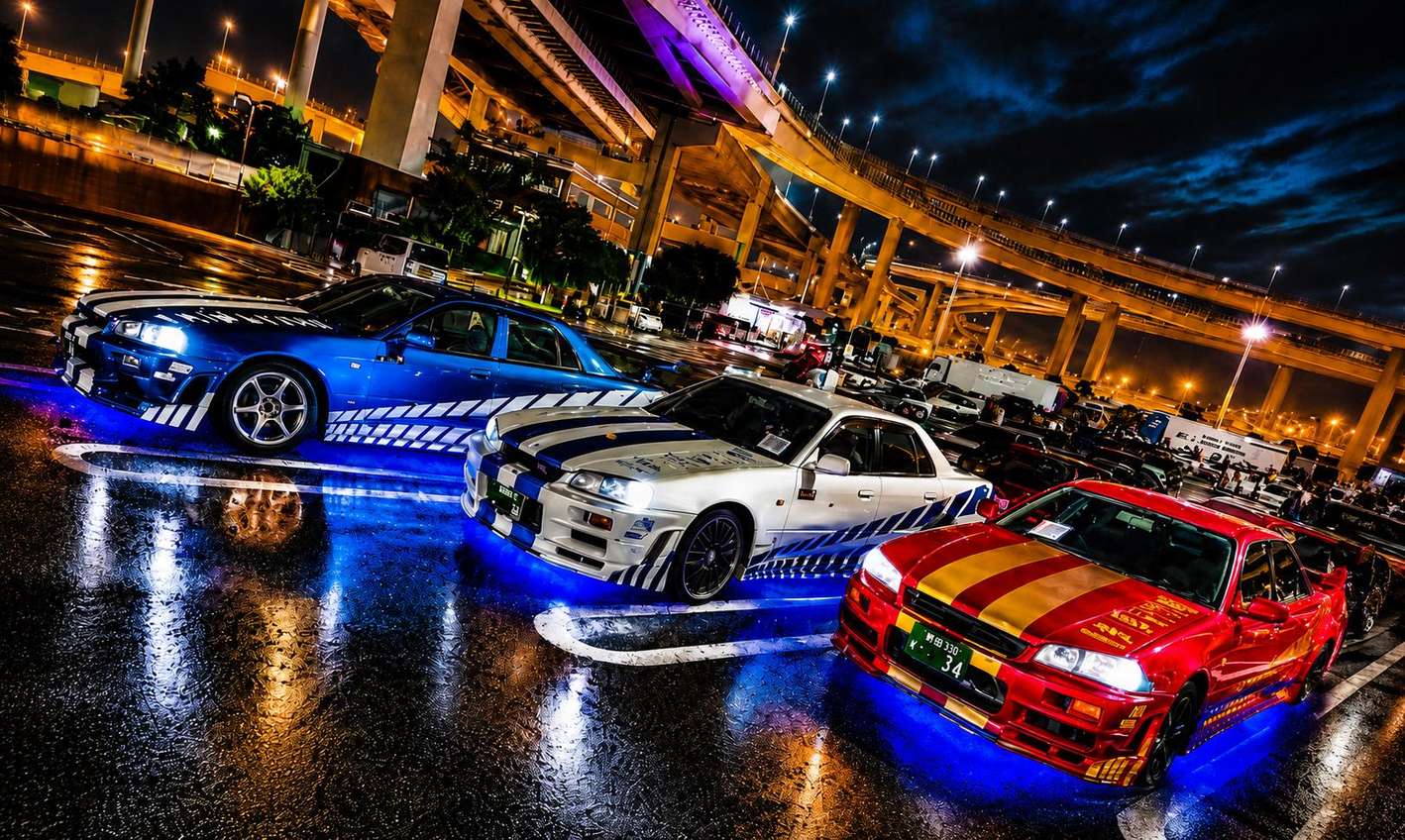
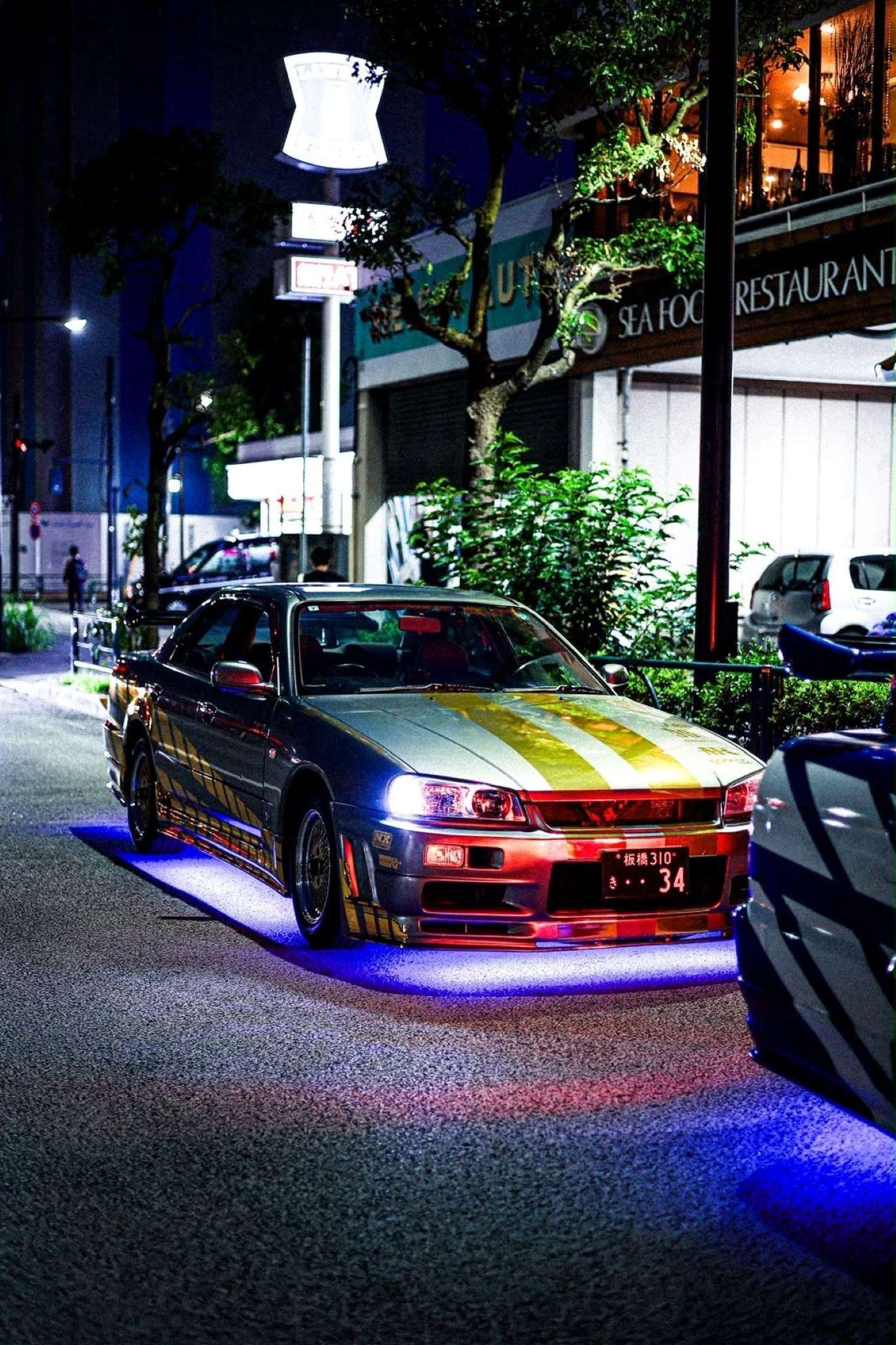
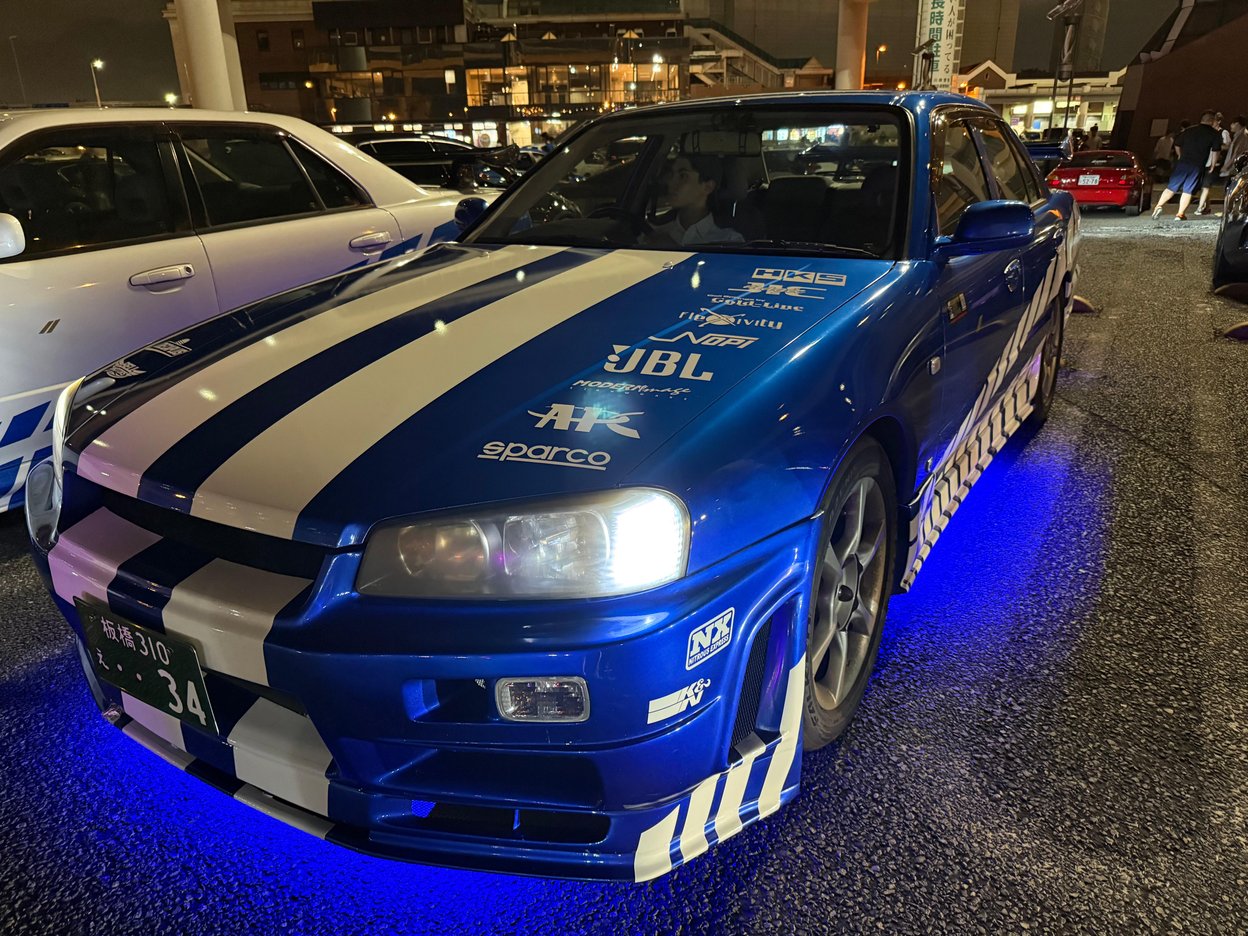
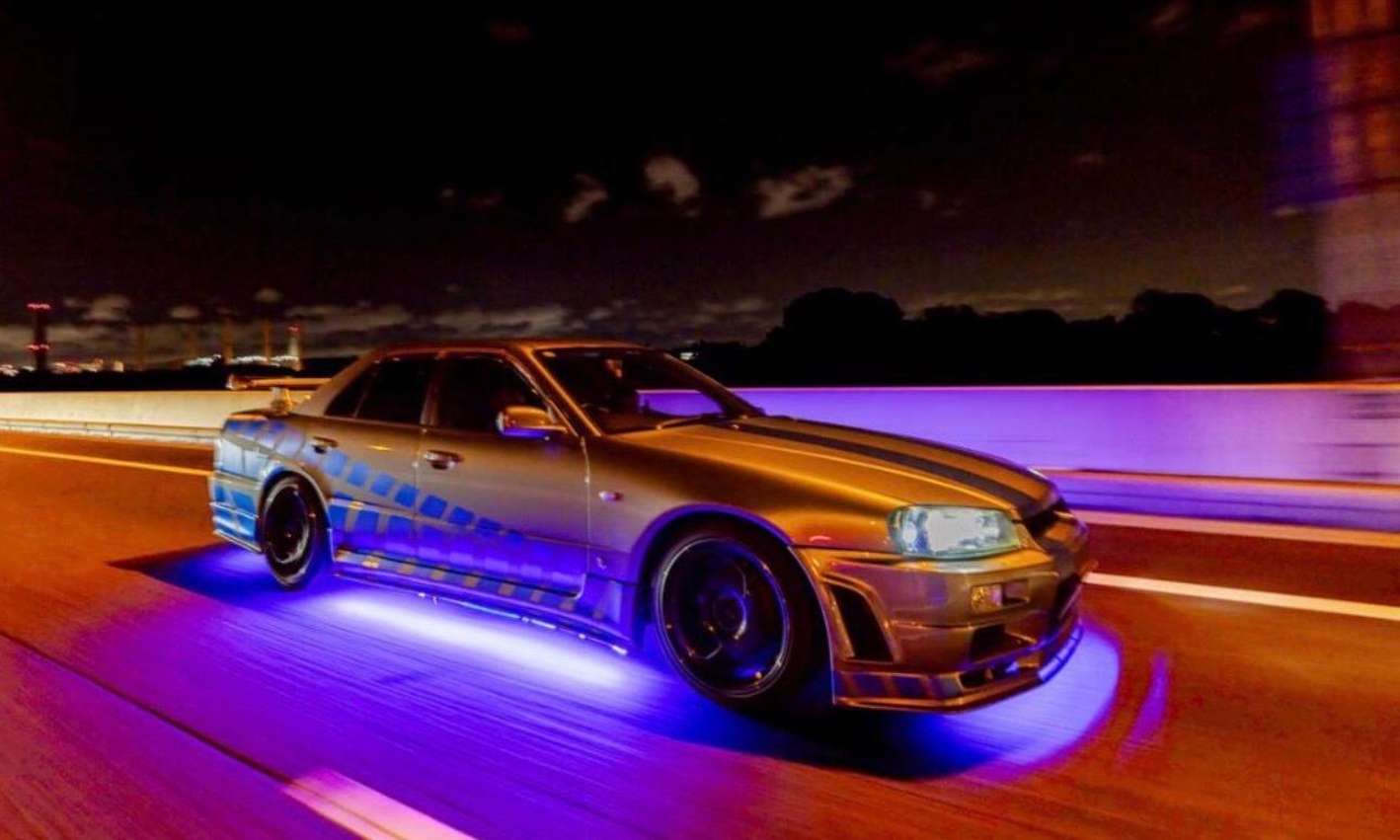
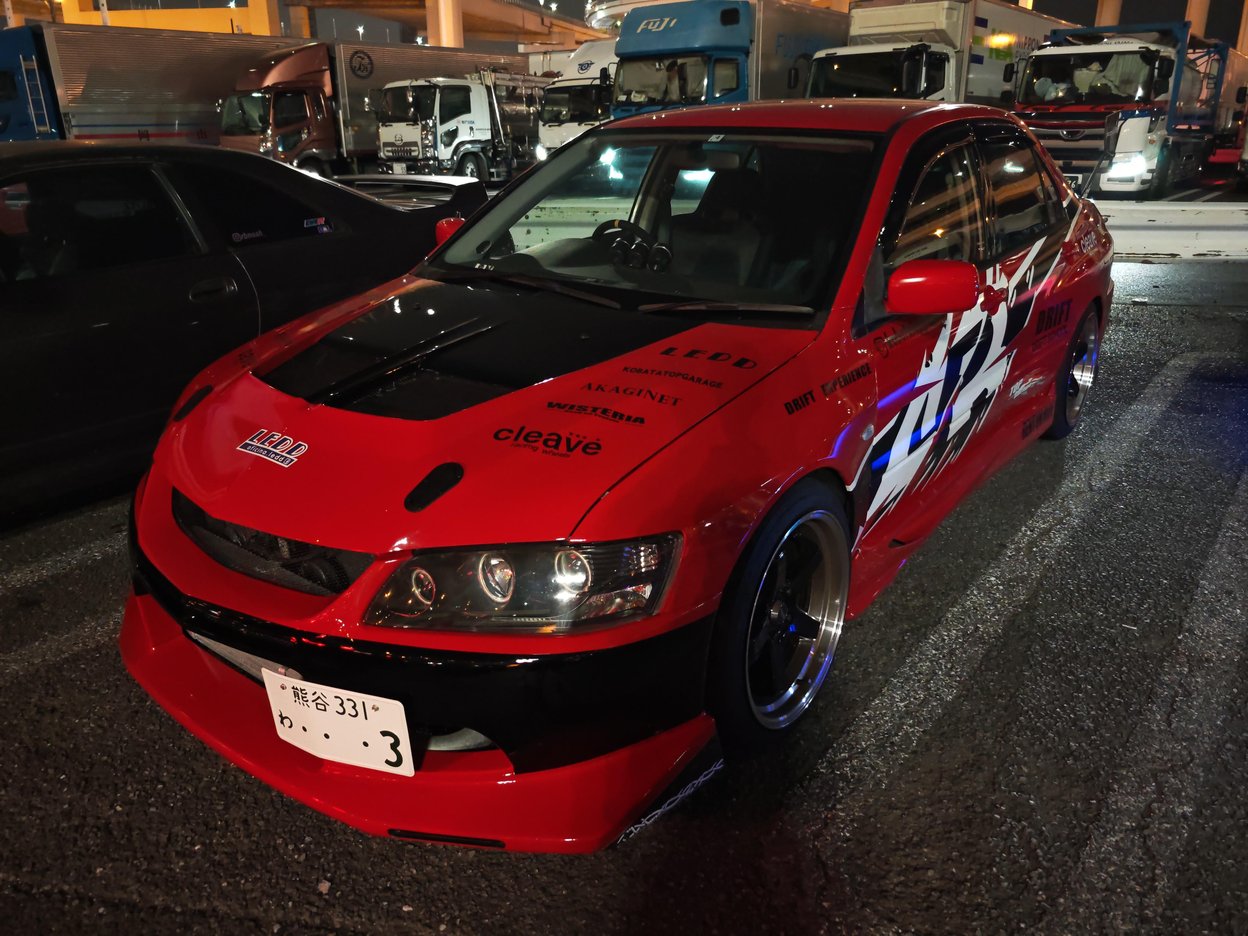
A guided ride swaps the wheel for certainty. The Tokyo: JDM R34 Skyline drive & Daikoku PA car meet puts you in a Brian O'Conner-liveried R34 with a professional driver, tolls and fuel paid, and if police close Daikoku the guide diverts to another meet. No licence needed, because you are a passenger.
How to live the Daikoku night
Self-drive rental
Guided self-drive convoy
Ride-along passenger tour
Vehicles
R34 Skyline, Supra, RX-7 and more
Enthusiast fleet cars with a lead car
Skylines, GT-Rs, Supras and EVOs
Driving
All of it, alone
Part of it, in convoy
None
Licence
1949-convention IDP and deposit
Same permit, briefing included
None at all
Extras you handle
Tolls, ETC, fuel, parking
Mostly included
Fully included
If Daikoku closes
Your plan B
The guide redirects
The guide redirects
Self-drive rental
Vehicles
R34 Skyline, Supra, RX-7 and more
Driving
All of it, alone
Licence
1949-convention IDP and deposit
Extras you handle
Tolls, ETC, fuel, parking
If Daikoku closes
Your plan B
Guided self-drive convoy
Vehicles
Enthusiast fleet cars with a lead car
Driving
Part of it, in convoy
Licence
Same permit, briefing included
Extras you handle
Mostly included
If Daikoku closes
The guide redirects
Ride-along passenger tour
Vehicles
Skylines, GT-Rs, Supras and EVOs
Driving
None
Licence
None at all
Extras you handle
Fully included
If Daikoku closes
The guide redirects
The honest trade: independent rentals let you take an icon across mountain passes for days, while a short convoy session can spend much of its two hours briefing and regrouping before the driving starts.
Tour for this
Tokyo: JDM R34 Skyline drive & Daikoku PA car meet4.9★ (267) · 3 - 6 hours · Hotel pickup · Free cancellation
Which JDM dream cars can you actually rent in Tokyo?
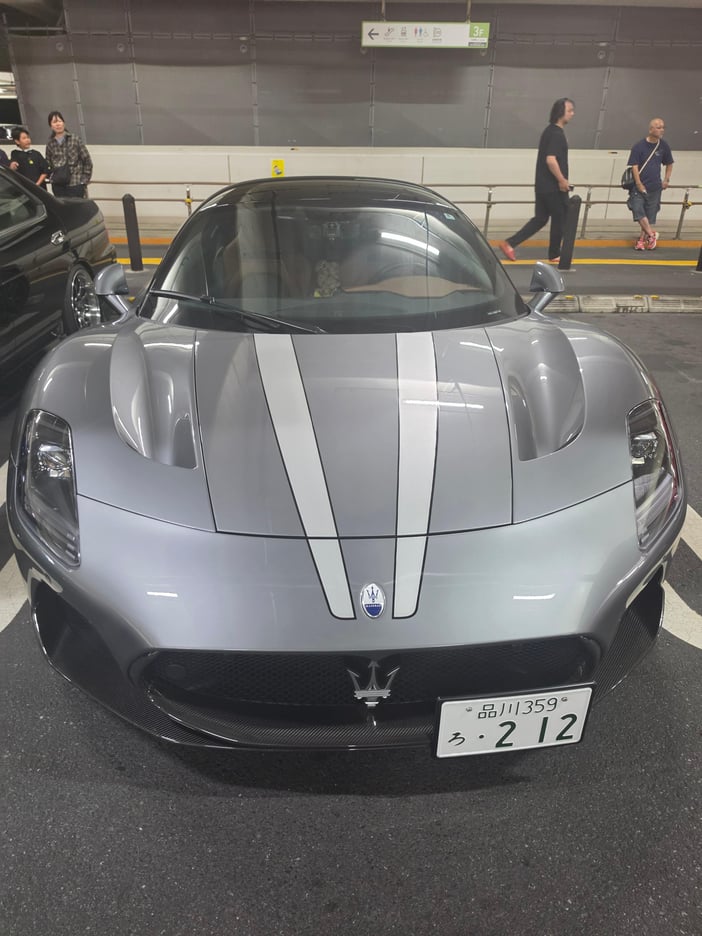
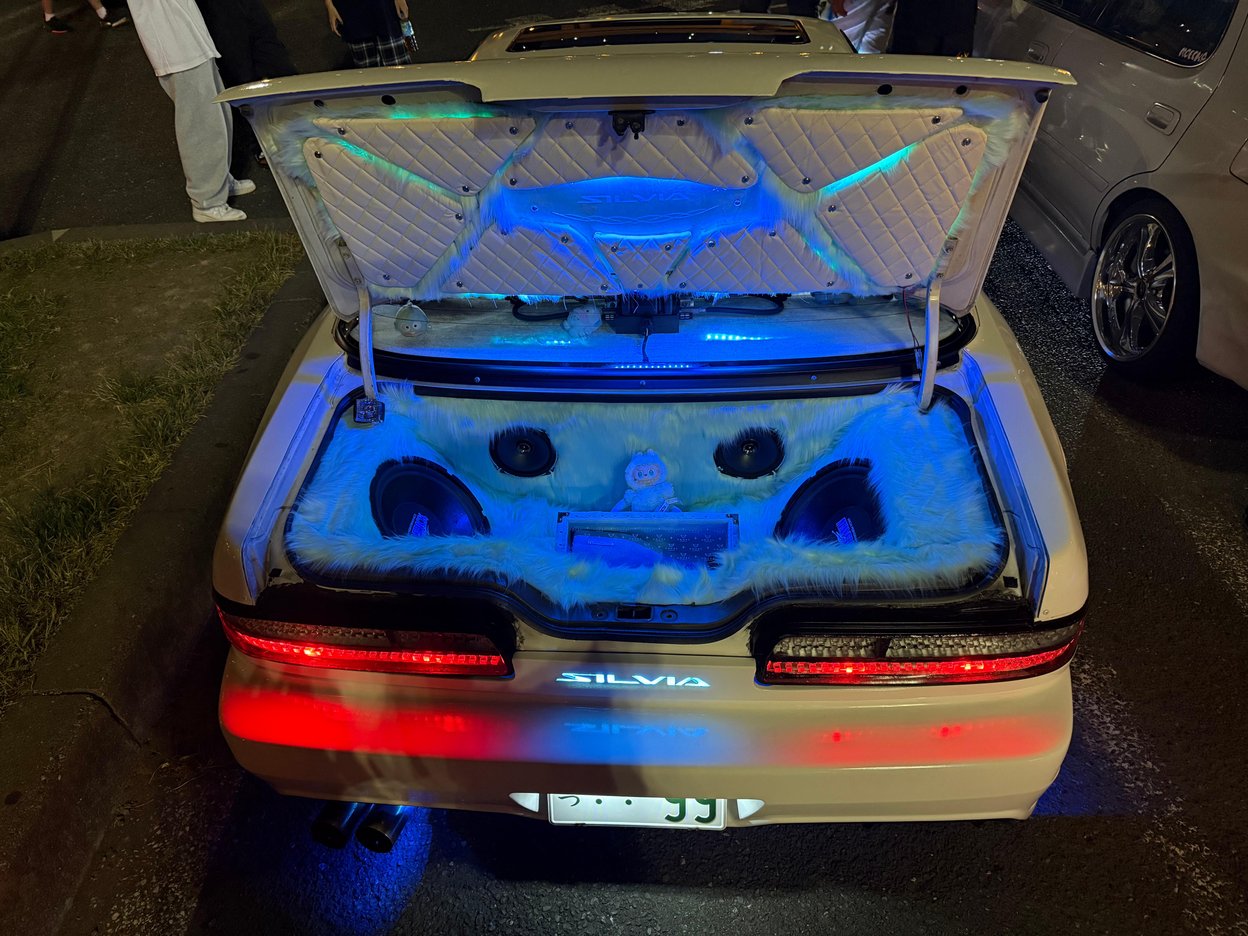
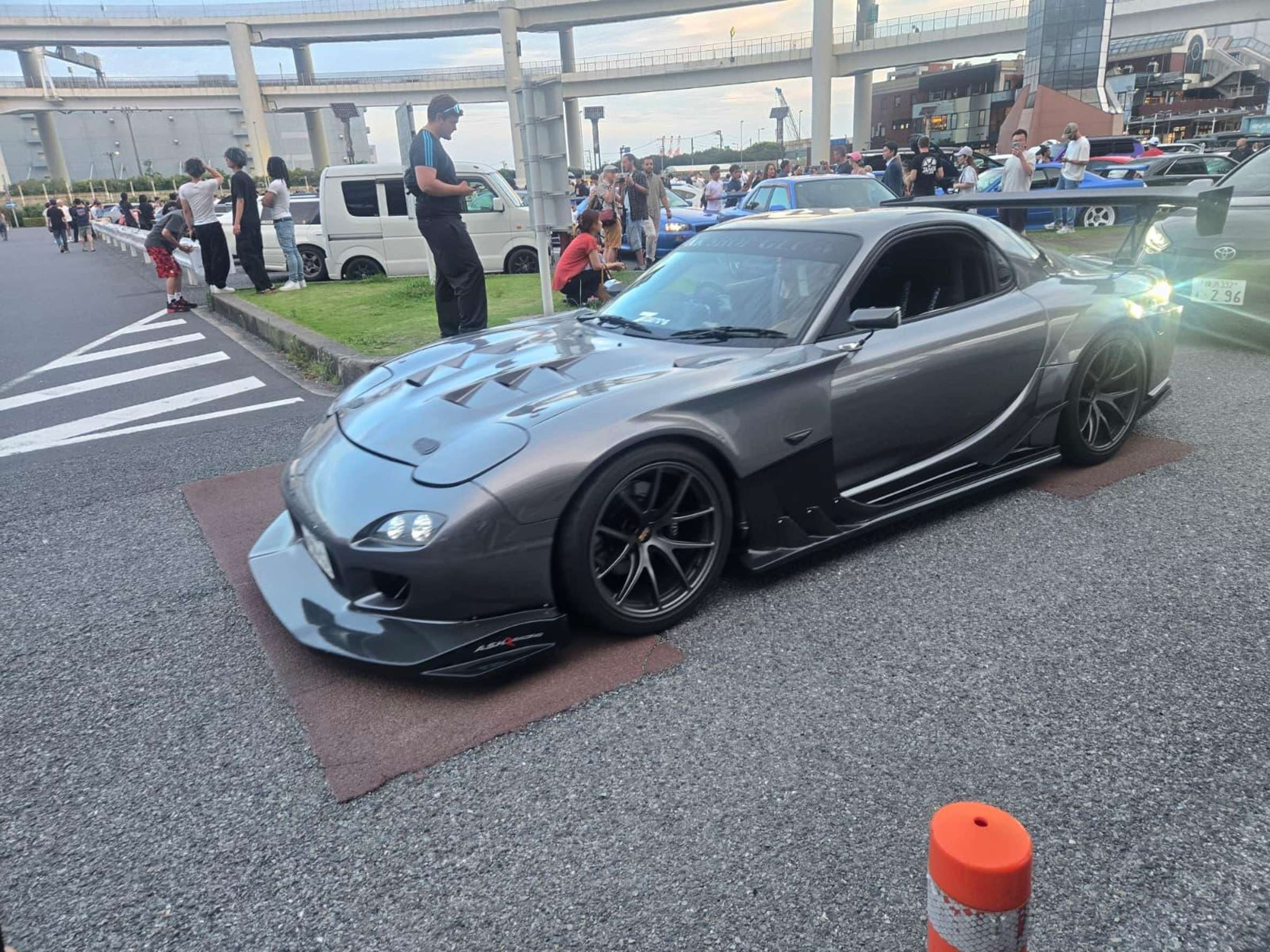
The specialist fleets read like a poster wall: Nissan Skylines, GT-Rs, Toyota Supras, Mazda RX-7s, Silvias, Evos, WRXs, S2000s, Type Rs and GR86s. Both the Mk4 Supra and the modern GR Supra appear, and the GT-Rs run from the R32 to the R35.
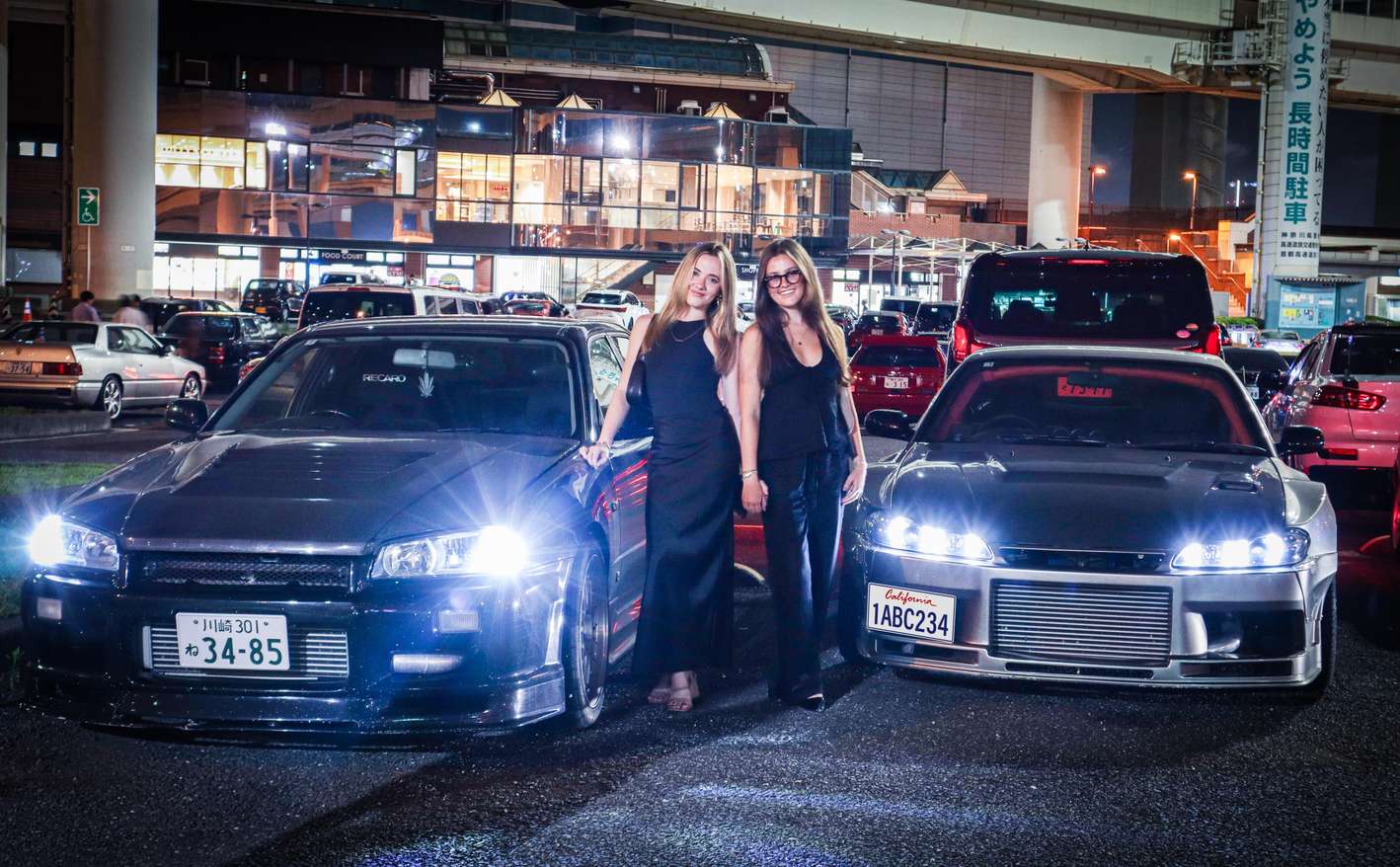
One truth matters before you get excited. Most fleets rent what they call an R34 as a regular R34 Skyline wearing a GT-R body kit; the genuine factory BNR34 GT-R is a different animal entirely. Ask which one it is, and set your expectations to match.
The classics are working cars that live hard lives. People who rent them often meet worn components, boost issues or the odd overheating engine, because these chassis rarely sit still.
Two restrictions decide the booking. Specialty shops often want drivers of 25 or 26 for the high-performance cars, and many classic JDM machines are manual only, so an automatic-only restriction on your home licence keeps you legally in automatics here.
When a fleet offers several model years of the same icon, take the newest. It is the cheapest insurance against a breakdown eating your night.
What people wrongly assume
Myth"The R34 for rent is a genuine factory GT-R"
Reality
Most fleets rent a regular R34 Skyline wearing a GT-R body kit; the BNR34 is rare
Myth"Classic JDM icons rent in show condition"
Reality
The fleets are heavily used, so expect worn components or boost issues on the older cars
Myth"Older is better for the classic feel"
Reality
Pick the newest model year in the fleet to cut the risk of a breakdown
Tour for this
Tokyo: JDM Night Run in EVO, WRX & Skyline to Daikoku4.9★ (1,056) · 3 - 4 hours · Hotel pickup · Free cancellation
Licence and paperwork rules for renting JDM in Tokyo
The rental counter is where dreams meet a hole punch. Japan wants three documents together: your valid home-country licence, a paper International Driving Permit issued under the 1949 Geneva Convention, and your original passport. Staff also check the landing stamp, because your licence rights last one year from entry.
The traps are quiet ones. A permit on your phone fails. A permit issued under the 1968 Vienna Convention fails, even when your country signed both treaties.
And if your licence comes from Belgium, France, Germany, Monaco, Switzerland or Taiwan, no International Driving Permit works at all; you need an official Japanese translation of your domestic licence instead.
That translation is recoverable. Certified versions can be ordered online within 24 hours and printed at a 7-Eleven once you land. The unrecoverable mistake is assuming your home permit is enough and discovering it at the counter, when the whole booking folds.
Required documents to rent and drive in Tokyo
1949 Geneva Convention IDP bookletJapan accepts only physical paper booklets issued under the 1949 Geneva Convention; 1968 Vienna IDPs and digital apps are invalid.
Original physical driver's licenseYou must show your valid home-country physical license alongside the IDP; digital copies, mobile apps, and photocopies are not accepted.
Physical passportYou must present your original passport in person to verify your identity against your driving permit and rental contract.
Passport entry stamp confirmationRental staff inspect the landing stamp or sticker in your passport to confirm your arrival date is within the one-year driving limit.
Run through this list while you are still at home. Drivers must also be at least 18, though the specialist shops set their own higher bars, which the choice of shop decides later.
Tour for this
Tokyo: Fast & Furious Tokyo Drift III Experience4.8★ (6,369) · 3 - 4 hours · Free cancellation
The day rate is the opening bid. Everything else stacks on top of it, and the extras are where trips wobble.
The biggest single number is the deposit. Enthusiast cars hold a heavy pre-authorisation on your credit card, refunded when you return the car undamaged. On top sit the mandatory damage waiver, which never covers tyres, wheels, underbody, interior damage or lost keys, and an ETC card hire for the toll gates.
Then the running costs. Expressway tolls mount fast on a multi-day trip, and fuel is yours. Central Tokyo hotel parking adds its own nightly fee. Daily mileage limits apply to performance cars, with excess distance billed per kilometre.
Two liabilities survive even a blameless accident. Insurance can still bill you a non-operation charge while the damaged car sits in the shop, and towing is charged separately, uncapped by the waiver. Burnouts, drifting or circuit driving void the waiver entirely.
Drive it like a loan from a friend, because financially it is.
Tour for this
Tokyo: JDM Performance Car Tour with Planned Daikoku Stop5.0★ (659) · 3 hours · Free cancellation
Daikoku has no official calendar. The meets are spontaneous, and the cars change nightly, so you choose your night by its character.
Friday belongs to tuner and sports car builds, filling from 5 pm before police often clear the lot between 7:30 and 8:30 pm. Saturday draws the biggest, most varied crowds of the week and the highest risk of an early gate closure.
Sunday morning, between 8 am and 11:30 am, is the calm one: vintage Japanese classics and European supercars in daylight, with almost no police risk.
How busy it gets, month by month
April: 5 out of 5 for how busy it gets.
HighestMar to May, Nov
In betweenJan
LowestFeb, Jun to Oct, Dec
Darker: a higher how busy it gets score, out of 5
Tap a month to read it.
Spring and autumn fill the specialist fleets first, which is why the car you want may need booking long before the month itself.
The day itself runs on a simple clock. Aim to be on the Bayshore Route between 1 pm and 2 pm, the low-congestion window on weekdays, Saturdays and holidays.
Time budgeted for a JDM self-drive rental to Daikoku
3 hourstotal self-drive tour session
15 minpickup arrival and briefing
1.5 hoursround-trip expressway drive time
1 hourtime spent at Daikoku meet
Three hours covers the whole run: a quarter hour of pickup paperwork, an hour and a half of expressway each way, an hour among the cars. Independent rentals without a late return desk mean taking the car overnight.
Tour for this
Fast & Furious Experience: Skyline R34/Daikoku & Night Drive4.9★ (143) · 3.5 hours · Free cancellation
Not all rental shops sit where you want them. Some specialist JDM fleets operate from suburban towns like Noda in Chiba, a good two hours from central Tokyo, which pushes your paperwork into late morning before you ever reach an on-ramp.
Plan your route around which side of the city the shop sits on, so you never cut through central traffic twice.
Age checks come next, because they quietly disqualify people. Renting a GT-R in the Tokyo area takes drivers from 23 to 26 years old depending on the shop and car, so confirm your bracket before you fall in love with a vehicle.
Language matters more than brochures admit. Rental forms, navigation systems and petrol stations often run Japanese only, though some counters offer video interpretation, subtitle displays or a 24-hour phone line. The major corporate agencies rent modern performance cars, but English is not guaranteed when you book by phone.
What nobody tells you
Plan your routes around which side of Tokyo the rental shop sits on
You avoid cutting through central city traffic twice in one day
Few visitors think of the flagship luxury models
A Toyota Century, Crown or Nissan Cima gives a uniquely Japanese highway cruise
Book early above all. In spring and autumn the wanted cars sell out two to six months ahead, and the R34s go first.
Tour for this
Daikoku:Experience Tokyo's Car Culture in Iconic JDM Cars4.9★ (977) · 3.5 hours · Hotel pickup · Free cancellation
The Tokyo expressway run to Daikoku in your JDM rental
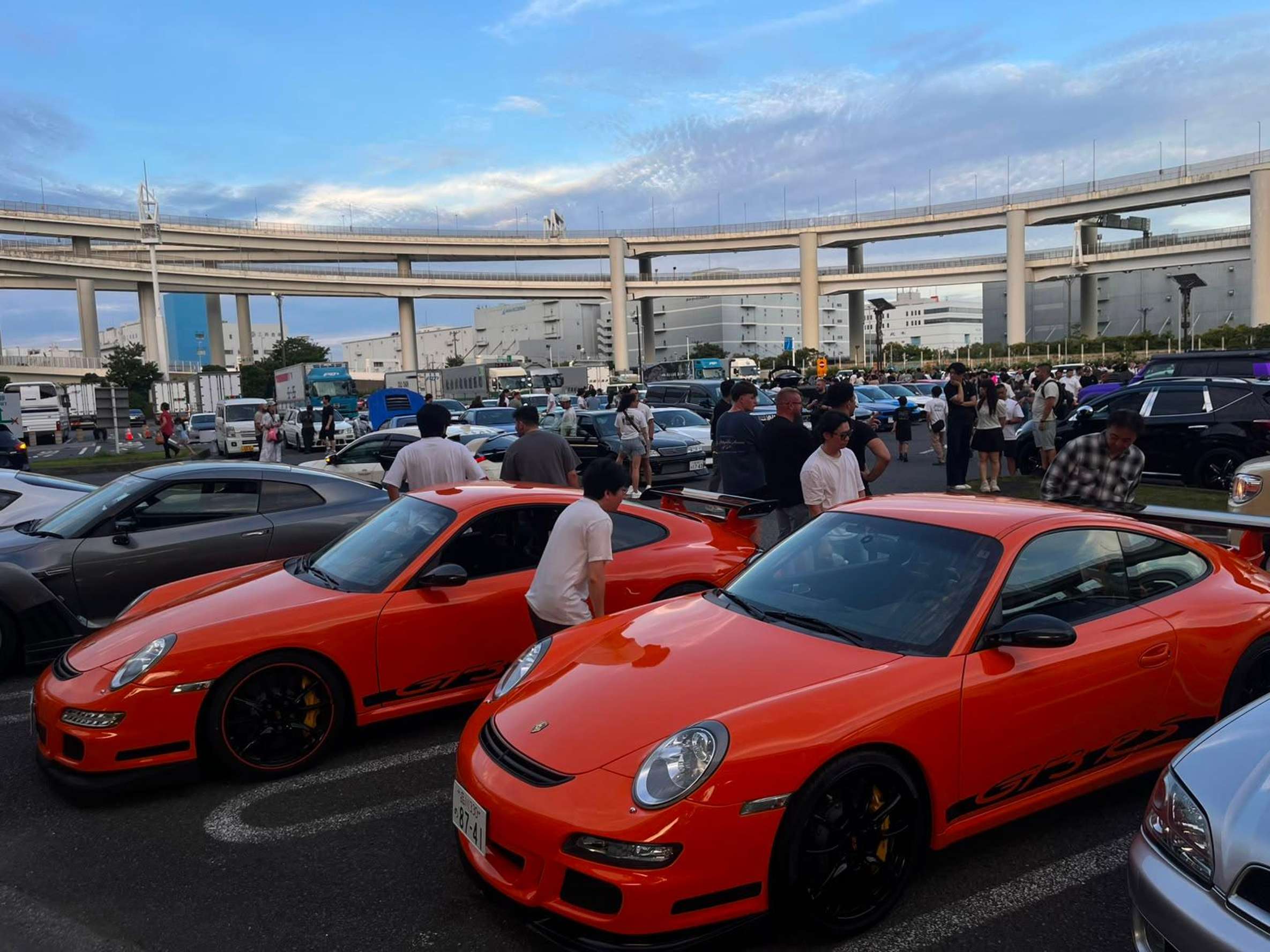
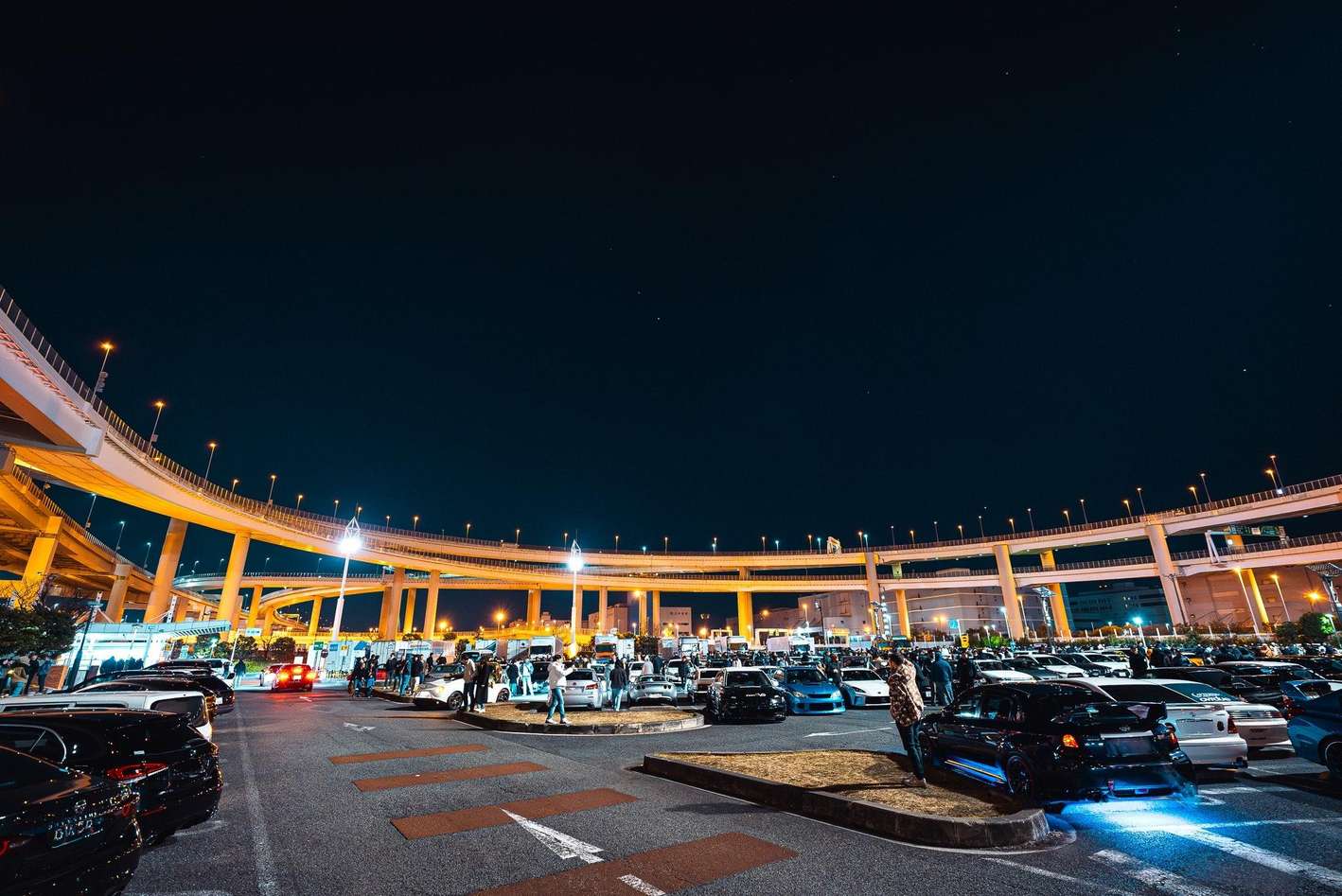
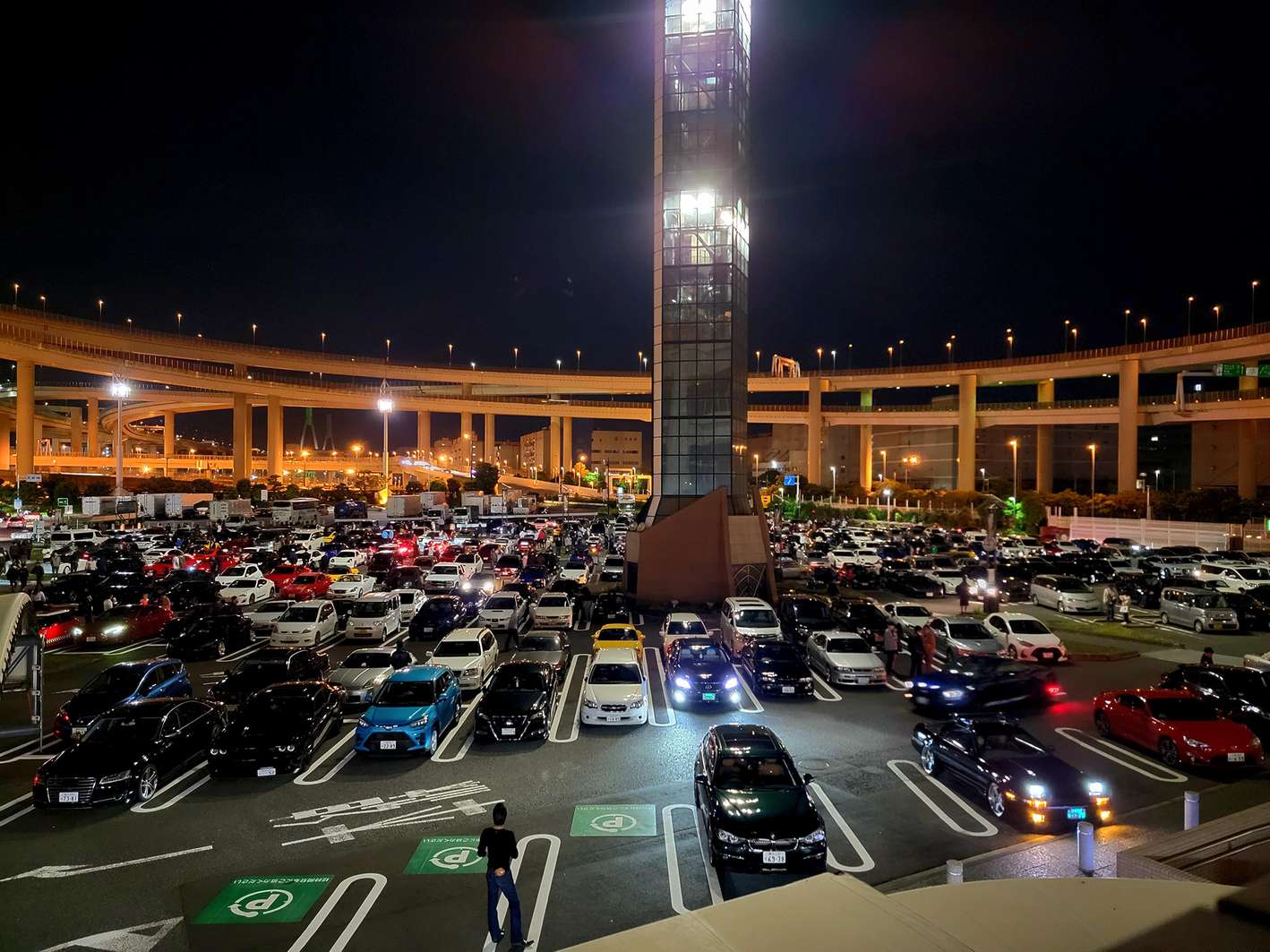
Daikoku Parking Area sits in Yokohama, south of Tokyo, about 45 minutes from Shibuya without traffic, and you reach it only by expressway: the Bayshore Route or the Kanagawa Route 5 Daikoku Line.
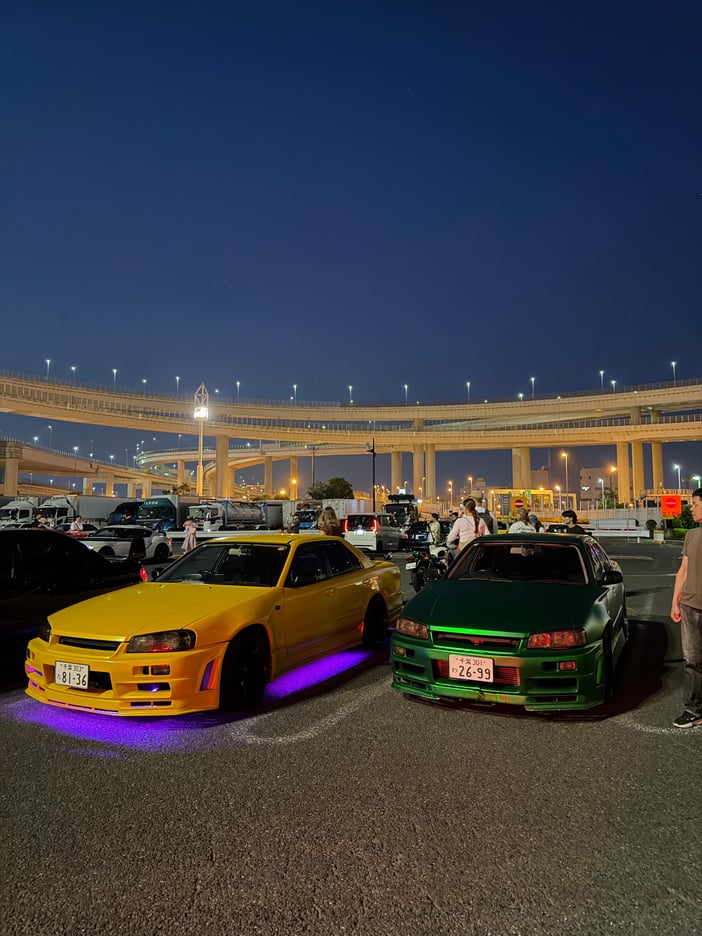
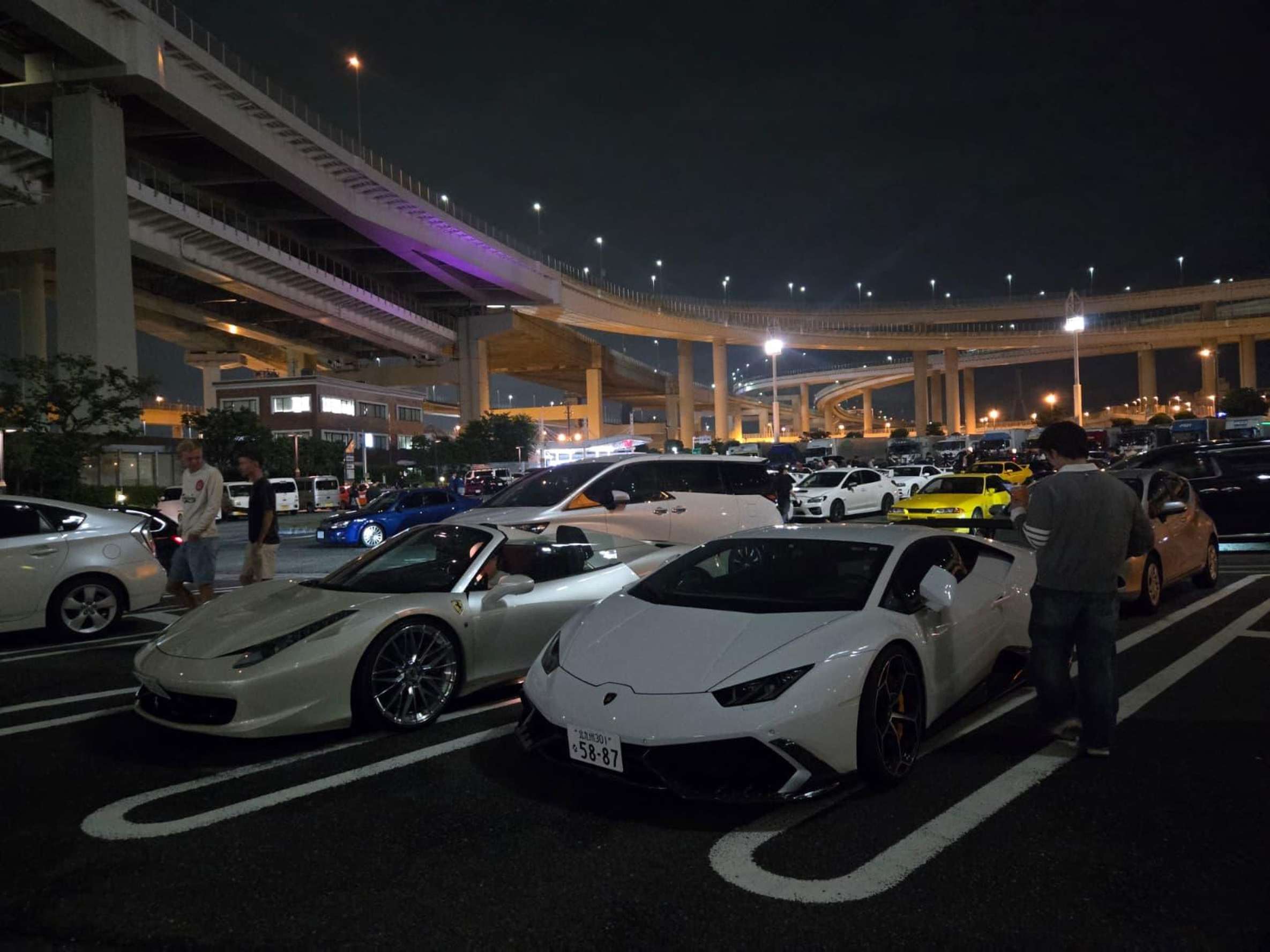
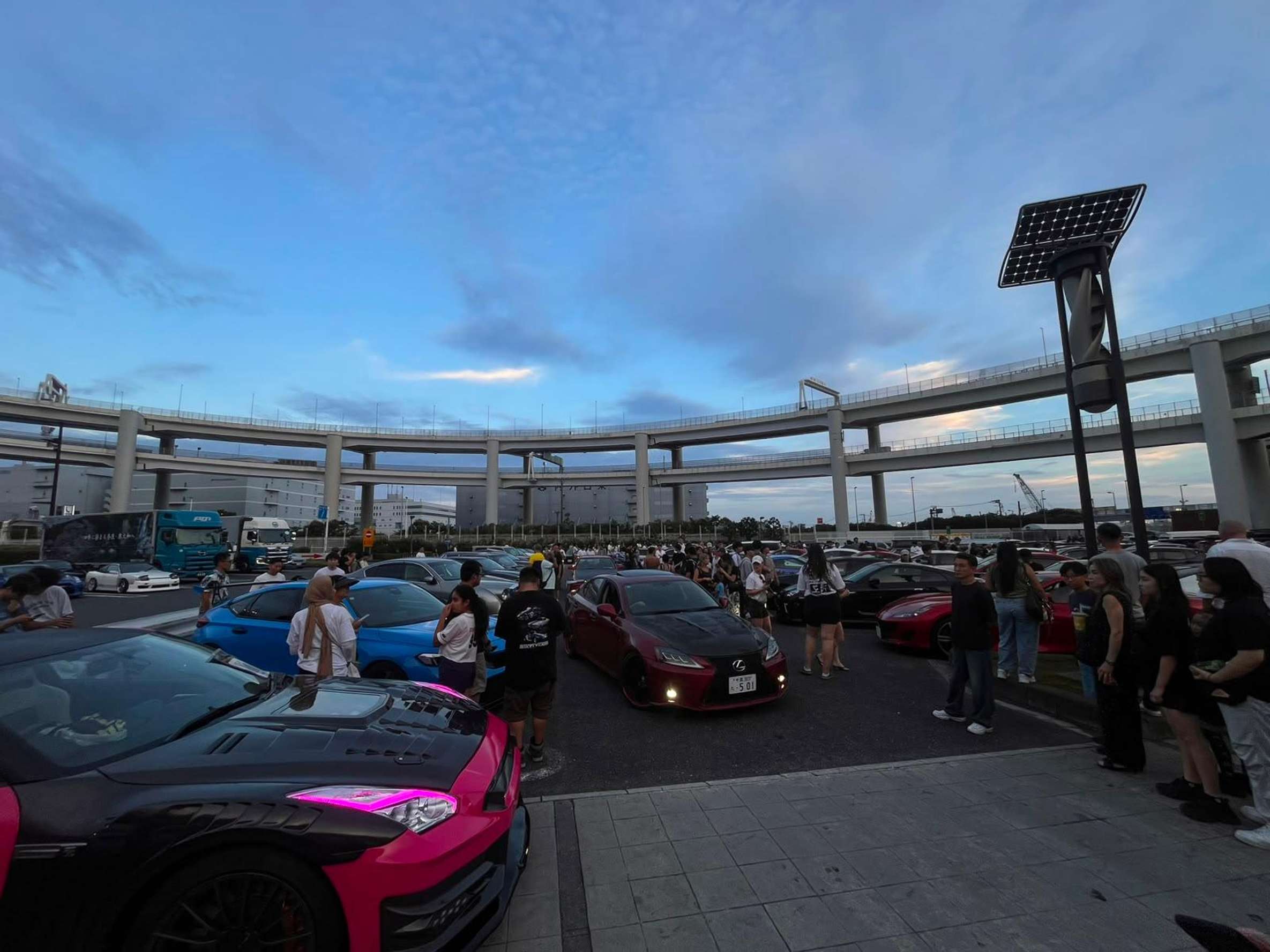
The last approach is a long, circular off-ramp spiralling down into the junction, past the concrete pillars that make the whole place so photogenic from below.
Three things catch first-timers. Traffic runs on the left, so exits usually sit on the far left, but the Shuto Expressway puts junctions on both sides, unlike most highways you know.
Speed limits vary by road: the Shuto holds 60 km/h with 80 on faster sections, while the national expressways beyond town allow up to 100, so nobody drives fast on the transit legs anywhere.
And phone navigation loses its bearings where the expressway runs over streets or through tunnels, so read the green overhead signs, which flag junctions from two kilometres out.
How hard each way of getting there is
Self-driving the expresswaysTight curves, layered junctions, ETC gates and phone GPS that loses signal in tunnels
Difficult
Guided self-drive convoyA lead car sets the route and pace, so the navigation stress drops away
Moderate
Ride-along passenger tourA professional driver handles everything while you watch the city go by
Easy
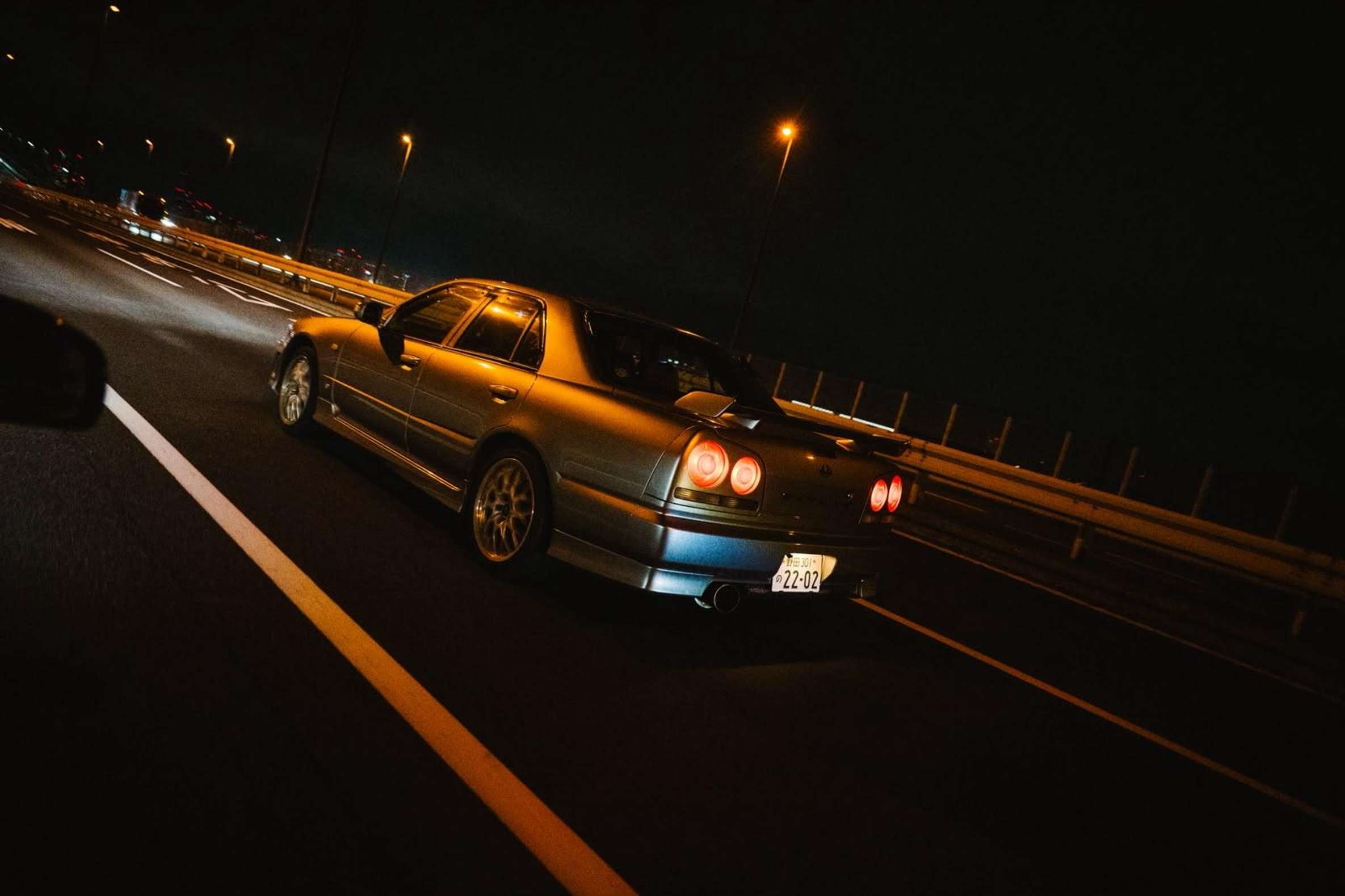
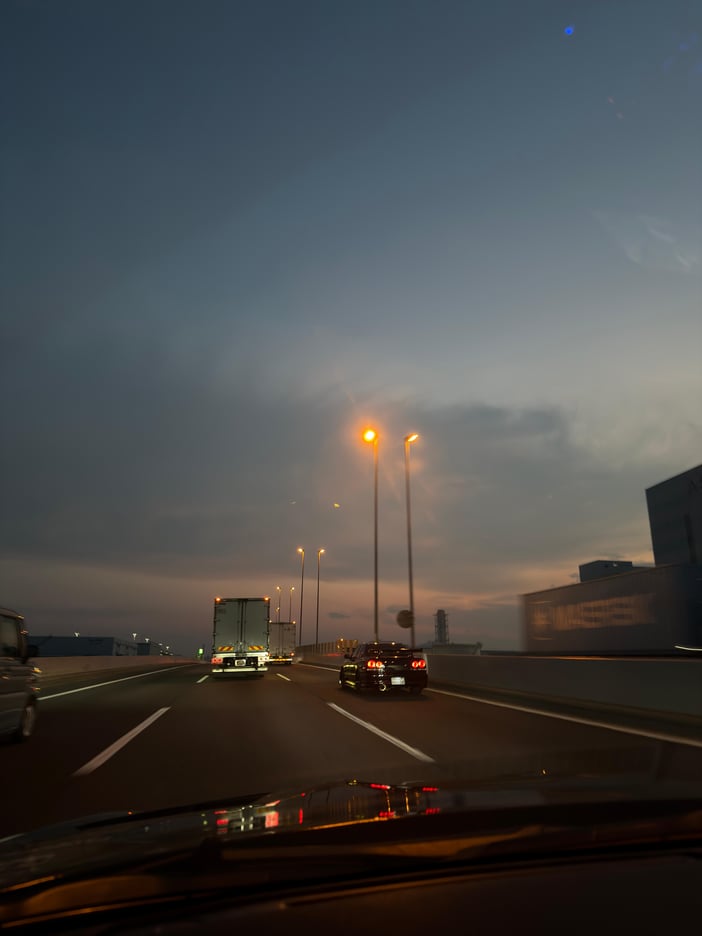
The Wangan itself carries the history. Miles of smooth, near-empty straight tarmac made it the proving ground of the 1990s top-speed clubs. You cruise it at the limit now. The sound of the road is the same.
Driving yourself
Rent a car in TokyoCompare cars from the rental companies in one search, then pick yours.
The ETC card is the least romantic item on your list and the one that saves the night. Toll charges post automatically as the gate antenna talks to the onboard unit, no stopping, no fumbling for coins.
Some Tokyo expressway entrances no longer take cash at all, which makes renting the ETC card non-negotiable for a Daikoku run.
The card does nothing sitting in the glovebox. It slots into the onboard device before you reach the gate, and you check its expiry date before the trip, because an expired card reads the same as no card at all. Through the lane, slow to 20 km/h or less and let the barrier read you.
The one thing that strands a car at the gate
Enter an ETC-only toll lane without a working, unexpired ETC card and the barrier will not open Do not reverse. Move to the support lane and follow the intercom, and check the card's expiry before the trip
Without ETC you use the general lanes or shared lanes, paying yen cash or by card, following the machine's screen, or pressing the staff call button when paying by card. And if you drift into an ETC-only lane by mistake, the drill is fixed: move to the support lane and follow the intercom.
Tour for this
Tokyo: Fast and the Furious Tokyo Drift III JDM Car Tour4.8★ (880) · 3 hours - 1 day · Free cancellation
Your first drive on the left in a rented JDM, Tokyo prep
Left-hand traffic frightens people for about an hour. Most drivers from left-hand-drive countries settle within minutes to an hour, and the two classic stumbles are reaching for the turn signal and finding the wipers, and drifting toward the wrong side of the lane. Choosing an automatic removes the left-hand gearshift from the equation entirely.
Before you leave the forecourt, check the car itself. Tyres and boost pressures matter on a turbocharged classic, and a soft tyre or a boost leak can end a driving day before it starts.
Fuel comes from self-service stations, where the touchscreen asks for payment before fuel, and some stations are cash only, so carry yen. Insert the card, it reads and returns, or take the cash receipt to the separate checkout scanner for change.
Pack for the destination too, because Daikoku is an open-air deck over Yokohama Bay. Winter nights run near freezing with ocean wind, so take a heavy coat and gloves, and spring and autumn want layers and a windbreaker. Summer stays warm and humid; flat shoes work year-round.
Tour for this
Daikoku & Tokyo Private JDM Tour in 700HP R34 GT-R4.9★ (195) · 3 - 4 hours · Hotel pickup · Free cancellation
When Tokyo police close Daikoku to your JDM rental
Daikoku has no fixed closing time, but it has police, and on loud or overcrowded weekend nights the expressway force closes the entry ramps, usually between 7:30 and 9 pm, sometimes holding the lot shut until around 2 am.
Patrol loudspeakers ask everyone, modified cars and family rest-stoppers alike, to pack up and leave onto the expressway.
Where the crowd goes tells you where to follow: Umihotaru first, across Tokyo Bay, then Tatsumi, occasionally Shibaura, with A-PIT Autobacs in Shinonome as the dry-weather fallback.
Weather runs on its own rules. Rain never closes the meet; it thins it, as the show cars stay home. Typhoon winds and heavy snow are different, closing bay bridges and evicting everyone.
What happens if the day changes
If this happens
What happens then
Heavy rain on the night
Tours and meets run on; turnout thins as the show cars stay home
Typhoon or expressway closure
Operators reroute to Umihotaru, reschedule the booking, or cancel with a full refund
Police close Daikoku early
Guided tours divert to Tatsumi PA, Umihotaru or A-PIT Autobacs, and some offer a full refund
You are driving yourself
The next move is yours: Umihotaru first, then Tatsumi, occasionally Shibaura
A breakdown has its own playbook. Pull onto the shoulder, hazards on, warning triangle behind the car, everyone out beyond the guardrail. If the engine overheats, stop safely and leave the engine running with the hood open, then call the rental company before anything else, because their instructions keep your coverage intact.
Tour for this
Tokyo Private JDM Tour: R34, R35, Supra, Silvia & RX-75.0★ (76) · 3 hours · Hotel pickup · Free cancellation
Nothing drifts at Daikoku. It is a stationary meet, parked cars on a highway rest deck, and no burning out, peeling out or revving matches, because that noise is exactly what brings the police in to close the gates early.
The owners' rules are physical. Nobody sits on hoods, leans on panels or touches paint with a watch or a ring. Photograph other people's cars and guests respectfully, and ask before touching anything. Do that and the meet is genuinely welcoming to foreign visitors.
Bring earplugs. Sound vans running audio battles here have hit 150 decibels, loud enough to hurt, and foam earplugs cost nothing.
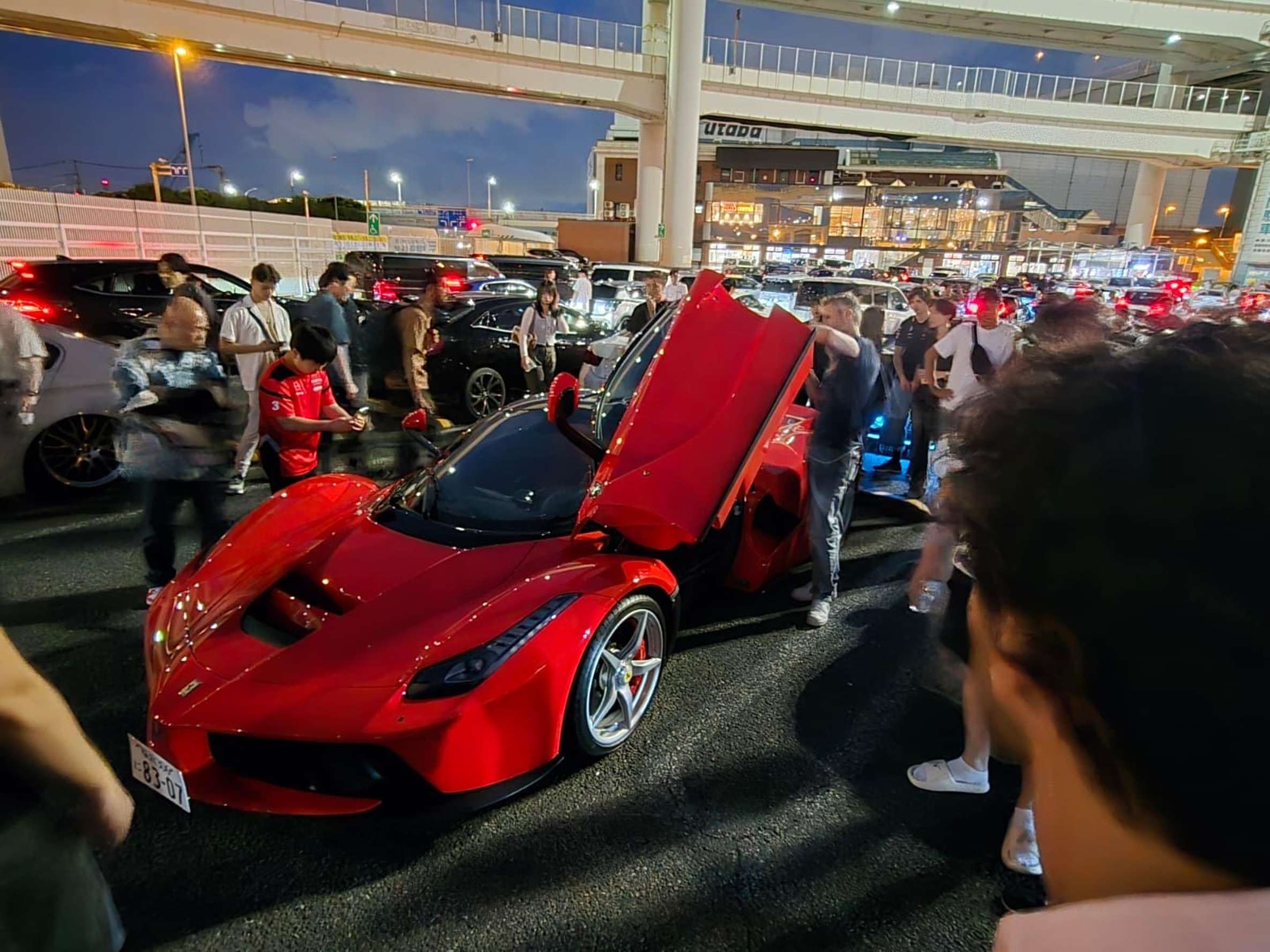
One thing to understand before you go: this is a place you leave by driving. Fences with closed gates ring the whole parking area, walking in or out is illegal and watched, and there is no taxi stand inside.
Ride apps rarely take pickups from a highway rest area and cannot reach in during a shutdown. If your car fails to start, you are not walking to a station. Which is one more reason the guided option exists.
The meets happen after dark, which leaves Tokyo's daylight hours free for the rest of the car scene, most of it reachable by train while the rental sleeps in a garage.
In Yokohama, the Nissan Engine Museum in Kanagawa-ku and the NISMO showroom in Daikokucho, open weekends from 10 am to 5 pm, sit minutes from where you will drive at night.
The Nissan Global Headquarters Gallery takes the train. Deeper cuts include Crystal Body Yokohama, an AE86-focused tuning shop in a residential district, and Mine's Motor Sports out in Yokosuka.
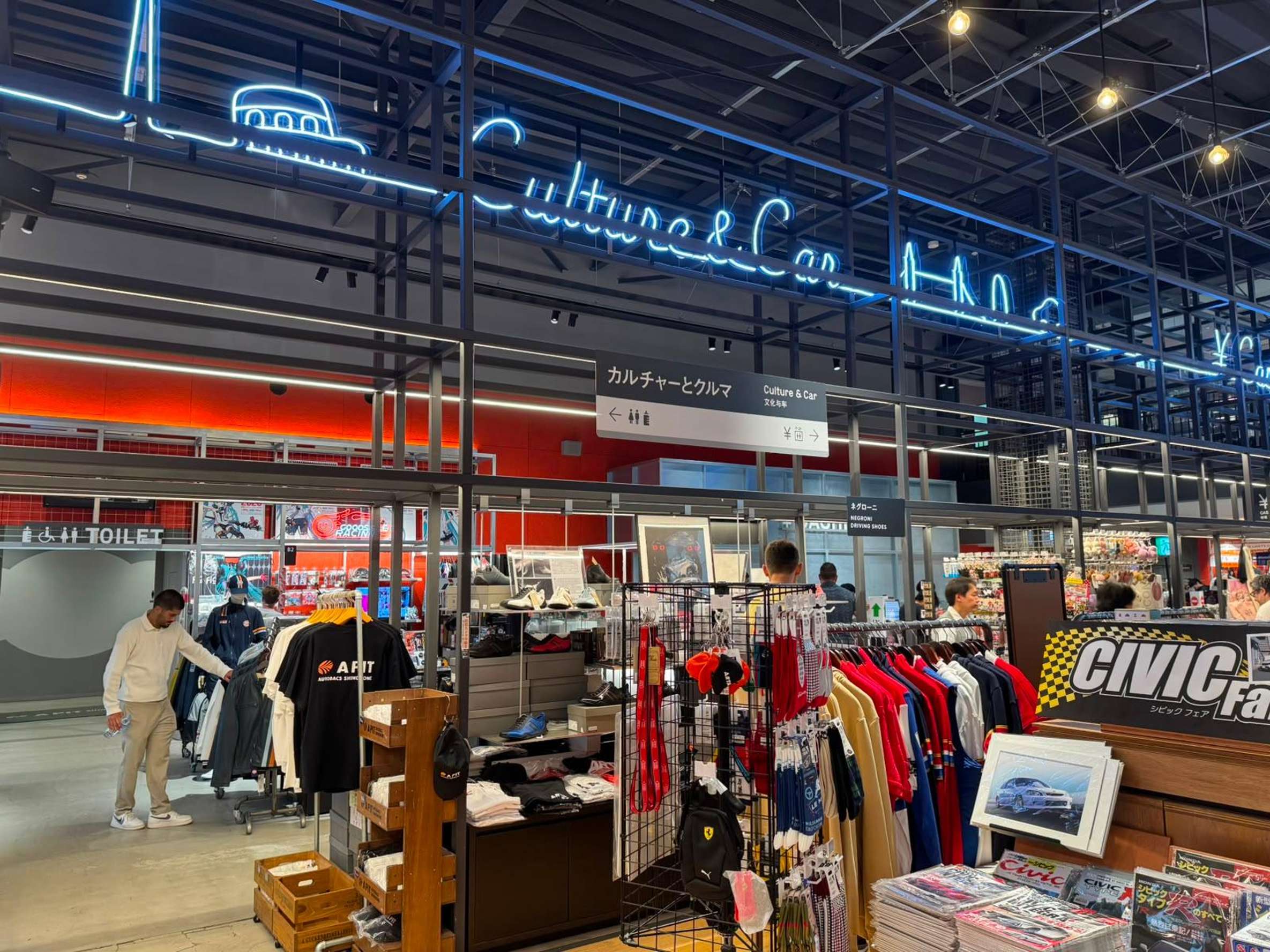
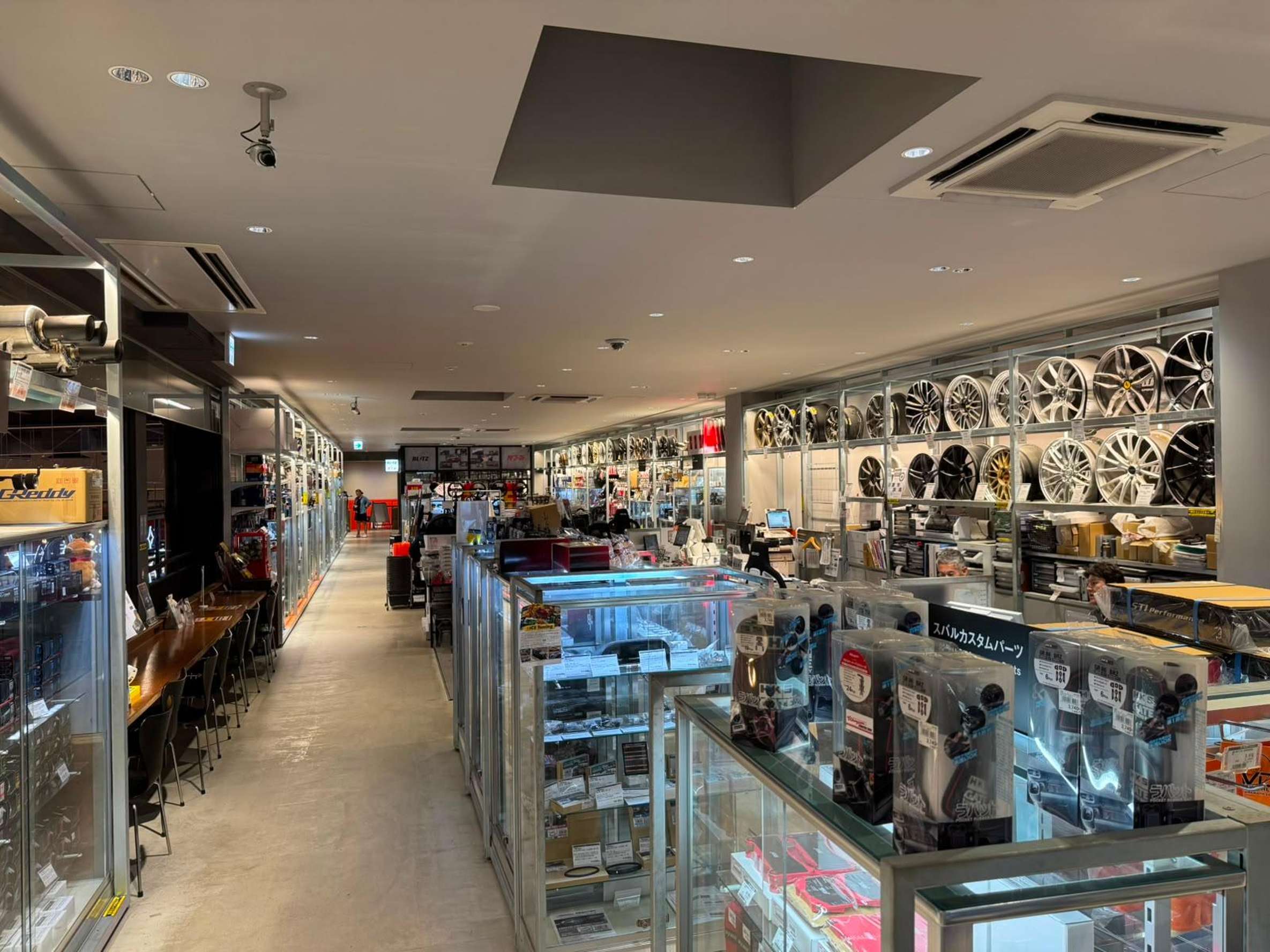
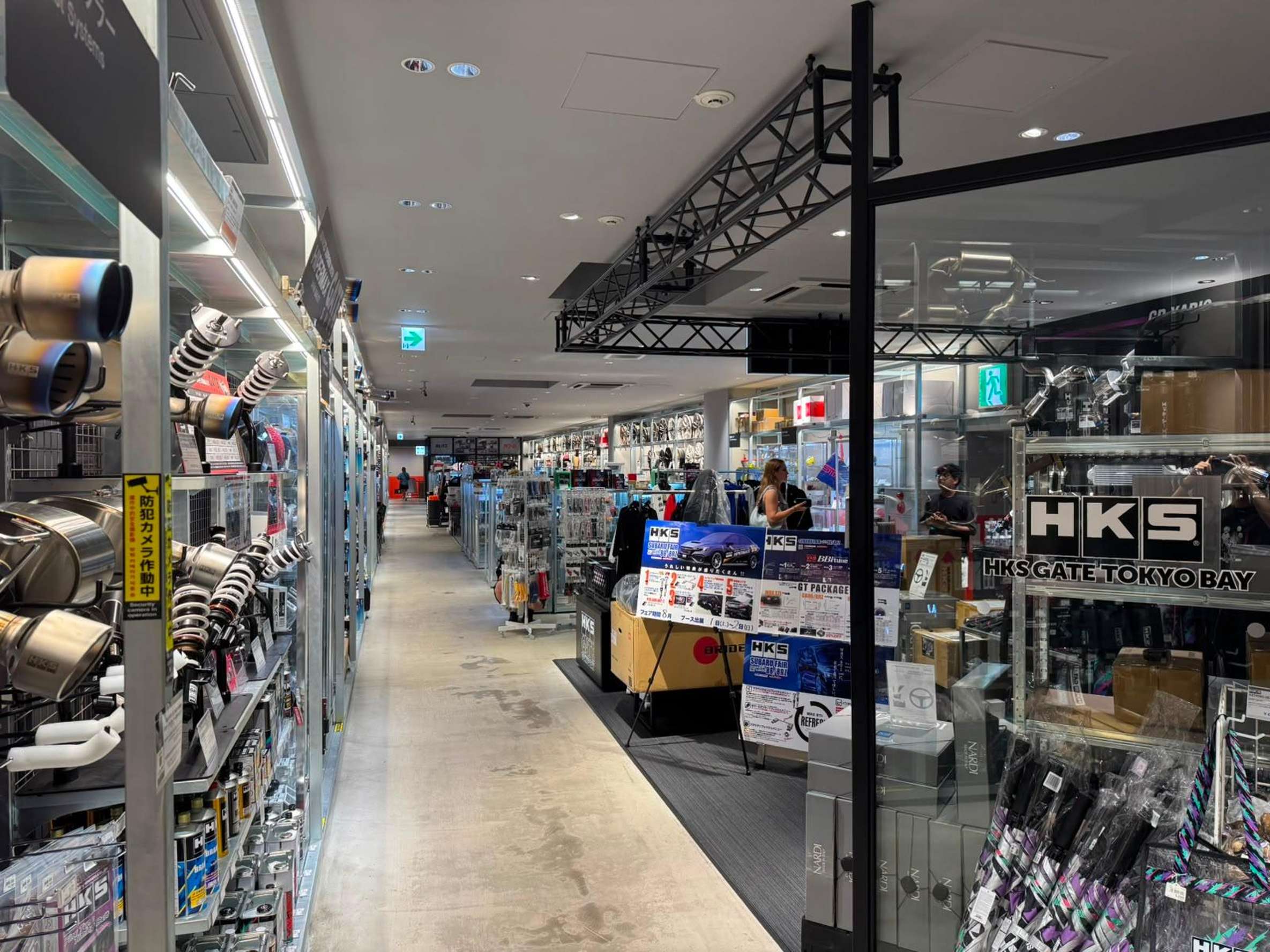
In Tokyo, A-PIT Autobacs in Shinonome stacks three floors of parts, racing gear and a tuning workshop under one roof, with customer sports cars parked outside and tuner meets on weekend mornings. Liberty Walk's Tokyo showroom draws tours of its own. Nissan Crossing in Ginza is free, straight from the station.
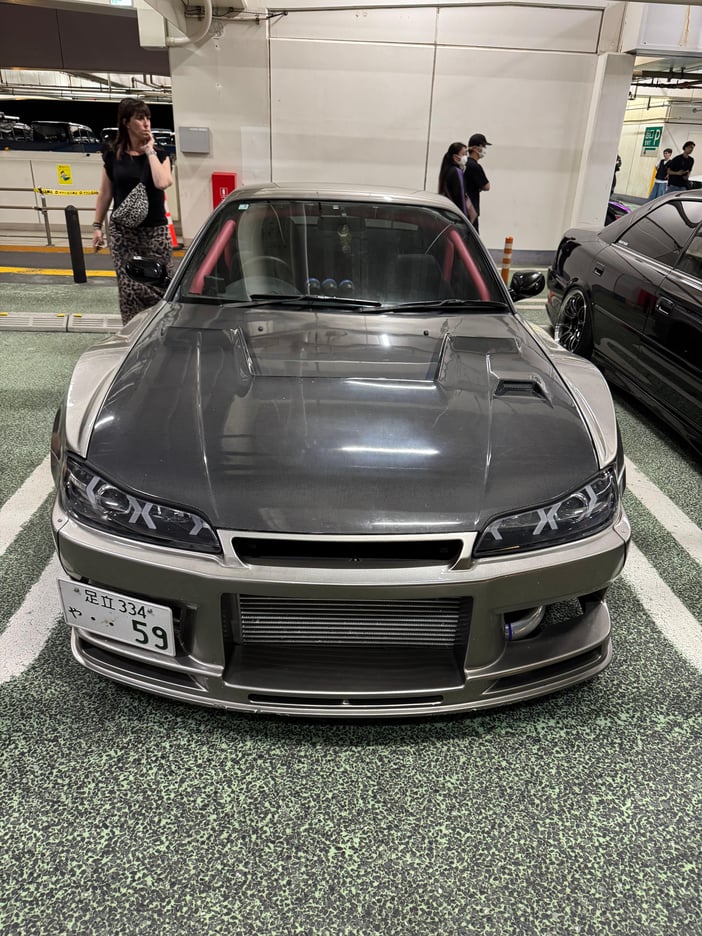
For a rainy hour, Akihabara UDX is the answer: a covered 24-hour underground garage a two-minute walk from the station, free to enter on foot, where modified builds and anime-wrapped cars gather on weekend nights.
A 10 out of 10 experience. Ery was kind, professional, and knowledgeable, sharing great insights on Tokyo's car tuning culture and taking us to popular JDM spots.
Renting and driving a JDM car in Tokyo delivers exactly the night you imagine, provided the licence documents are right before you fly and you accept the deposits, tolls and expressway learning curve. Book the icon months ahead for spring or autumn.
Go ifYou hold a paper 1949-Geneva International Driving Permit alongside your home licenceYou can book two to six months out for the car you actually wantYou want full seat time and will handle tolls, deposits and left-hand traffic
Skip ifYour licence is automatic-only and the manual icon you wanted has no automatic twinYou arrive inside peak season without a reservationYou would rather spend the night at the meet than briefing at a counter
Our pick to book
Tokyo: Fast and the Furious Tokyo Drift III JDM Car Tour4.8★ (880) · 3 hours - 1 day · Free cancellation
Tokyo JDM rental FAQ - what travelers ask before they rent
Straight answers on licenses, deposits, tolls and the drive itself, before you commit to a rental desk or a booking.
Yokohama2026
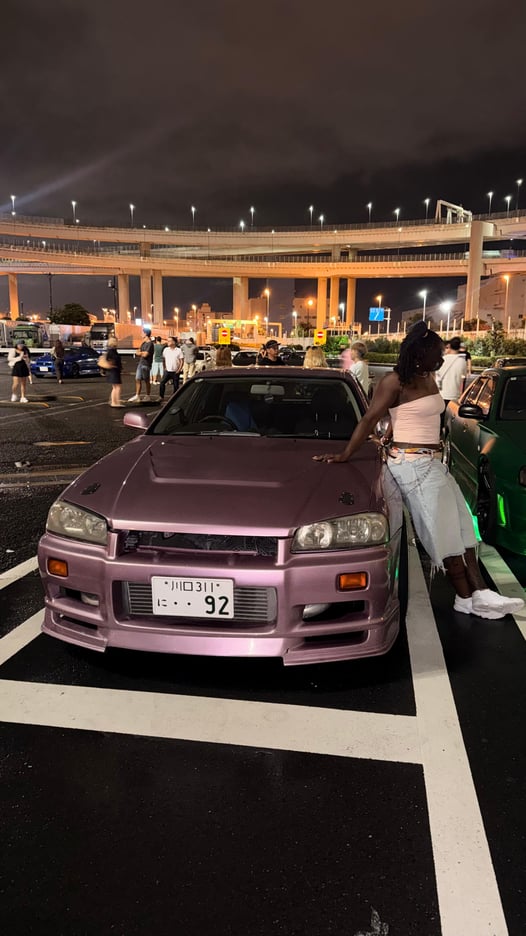
The spiral ramps of the Daikoku interchange glow behind every parked GT-R. Order your IDP at home, and reserve the R34 months ahead.
What license do I need to rent a car in Tokyo?
You must be at least 18 and carry an original paper International Driving Permit issued under the 1949 Geneva Convention, together with your home license and passport. Digital permits and permits issued under the 1968 Vienna Convention are invalid. IDPs cannot be issued inside Japan, so arrange yours before you fly.
My license is from Germany, France, Switzerland, Belgium, Monaco or Taiwan. Can I drive?
Those countries do not issue 1949 Geneva Convention permits, so an IDP from them will fail at the counter. You can still drive using your original domestic license with an official Japanese translation, which you can order online and print at a 7-Eleven in Japan.
How much does it cost to rent a car in Tokyo for a Daikoku run?
Specialist JDM rentals sit well above ordinary daily rates, and the day rate is only the start. Add expressway tolls, fuel, an ETC card, and overnight hotel parking in central Tokyo. Ask each shop for the deposit and mileage terms before you book, because they vary a lot.
What deposits and insurance should I expect?
Performance shops hold a security deposit as a pre-authorisation on your credit card and release it when the car comes back undamaged. On a manual R34 Skyline the collision damage waiver is mandatory, and it excludes wheels, tyres, underbody damage and lost keys. Burnouts, drifting or circuit driving void the cover entirely.
Which JDM cars can tourists actually rent and drive?
Tokyo fleets include Nissan Skylines and GT-Rs, the Mk4 and modern Supras, Mazda RX-7s, Silvias, Evos, WRXs, S2000s, Type Rs and the GR86.
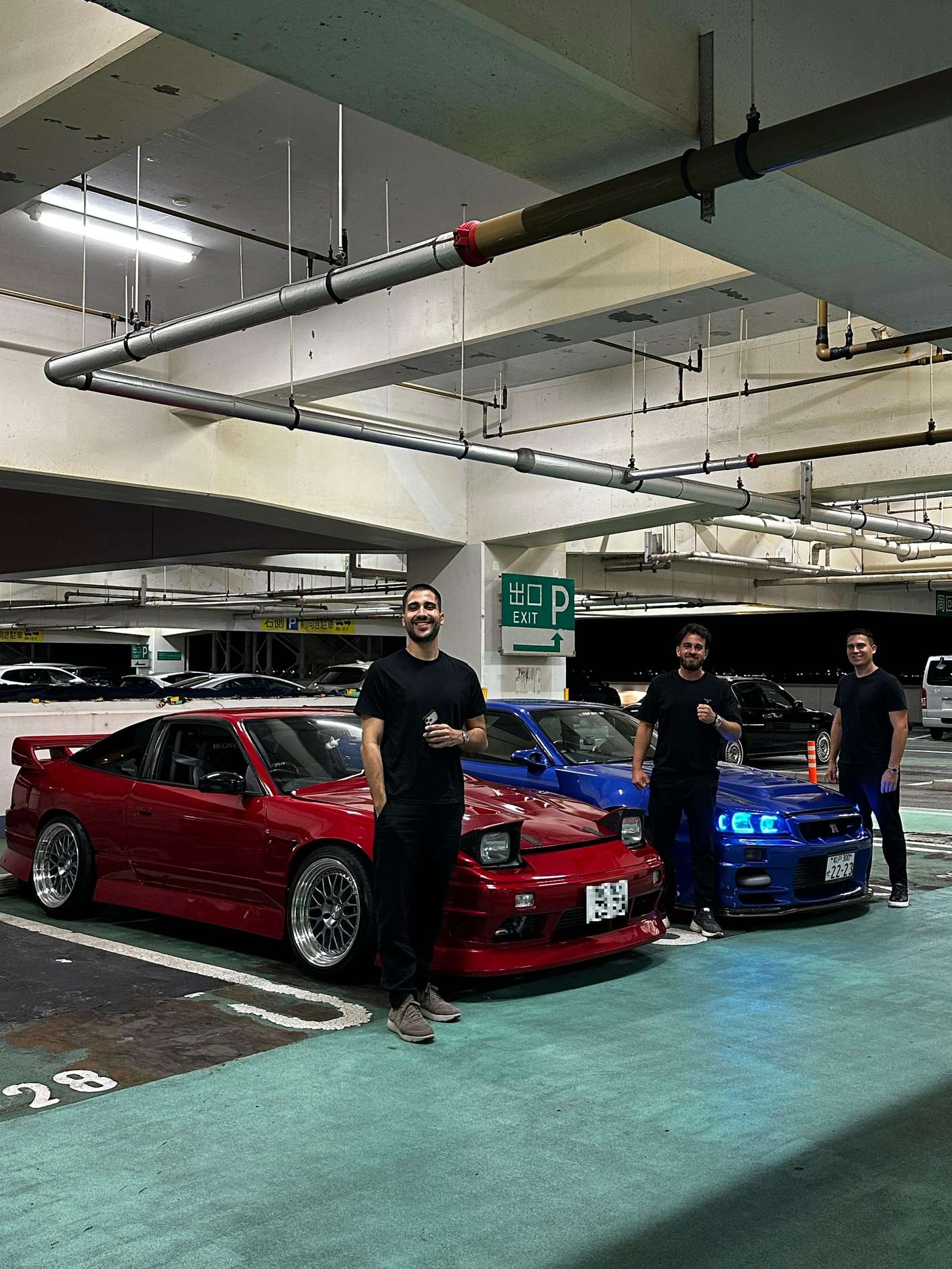
Be aware that many listings for an R34 advertise a regular Skyline wearing a GT-R body kit, and a genuine factory R34 GT-R is far harder to secure. High-performance models often carry a minimum driver age of 25 or 26.
Do I need to drive a manual?
Many classic JDM cars come only with a manual gearbox, and shops require you to show you can handle one. If your home license carries an automatic-only restriction, Japanese law holds you to automatics here too, so check which cars in the fleet match your license before booking.
How do expressway tolls work on the Shuto Expressway?
Rent an ETC card with the car, since it slots into the onboard unit and pays tolls without stopping. Slow to 20 km/h through each ETC lane and check the card's expiry date before you set off. Some entrances no longer accept cash at all, so the card matters.
How hard is the drive to Daikoku PA for a first-timer?
You adapt to right-hand drive and left-side traffic within about an hour; the usual stumbles are mixing up turn signals with wipers and lane positioning.
The junctions demand more respect: exits sit on both sides of the road, and phone GPS often loses track where the expressway runs over streets or through tunnels. Give yourself extra time and read the green overhead signs early.
Can I rent a JDM car for just the evening run?
Standard rental desks without late-night returns usually book by the 24 hours or overnight.
A dedicated self-drive package to Daikoku compresses the whole thing into about three hours, with a short pickup briefing, roughly ninety minutes of expressway driving each way, and an hour parked at the meet. Some operators also run a condensed two-hour midnight session.
Should I rent a car or book a guided tour instead?
Renting gives you the wheel and the paperwork, tolls, navigation and parking that come with it.
A guided tour removes the license requirement altogether, sends a lead car along a preset route, and redirects you to another spot such as Umihotaru PA if police close Daikoku. On your own, a closure leaves you to find a plan B by yourself.
What happens if police shut Daikoku PA while I am driving to it?
Police close the entrances on crowded weekend nights when the lot fills up, and everyone gets waved back onto the expressway. Independent drivers should have backups ready, such as Tatsumi PA or the Akihabara UDX underground garage. Guided tours handle the redirect for you.