3 hours·English, German
5.0(76)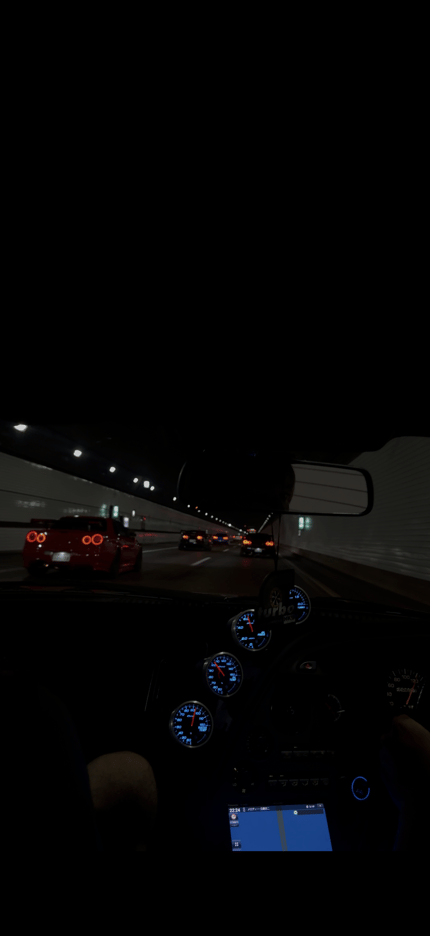
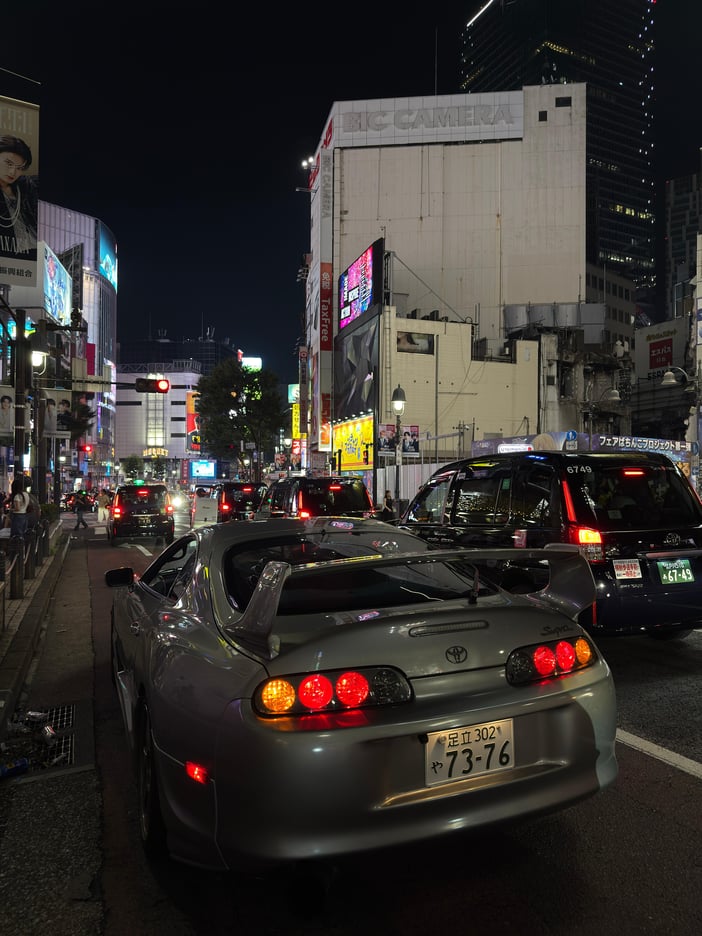
Tokyo Private JDM Tour: R34, R35, Supra, Silvia & RX-7
Free cancellationHotel pickup includedPrivate tour participation fee with guide
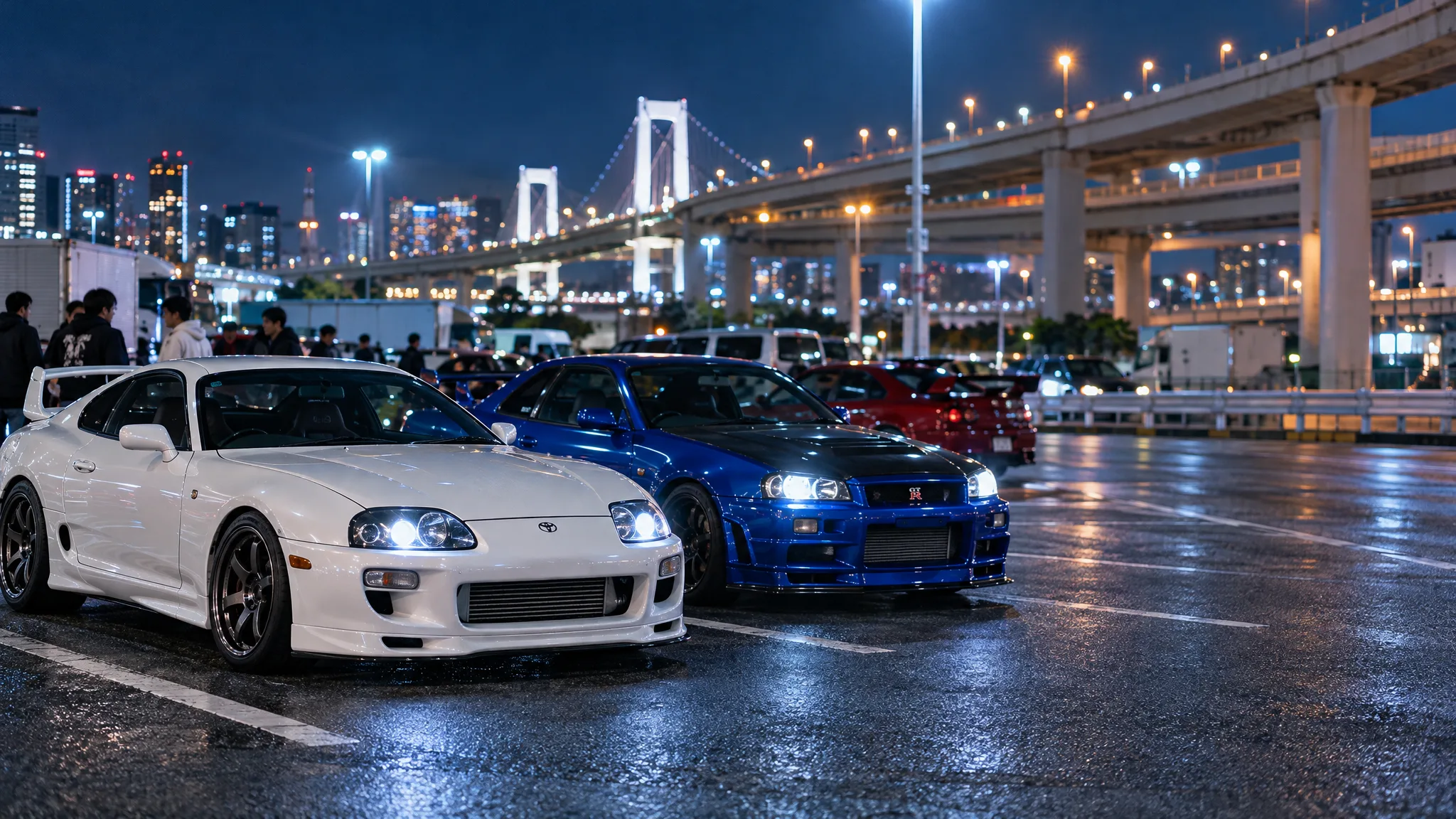
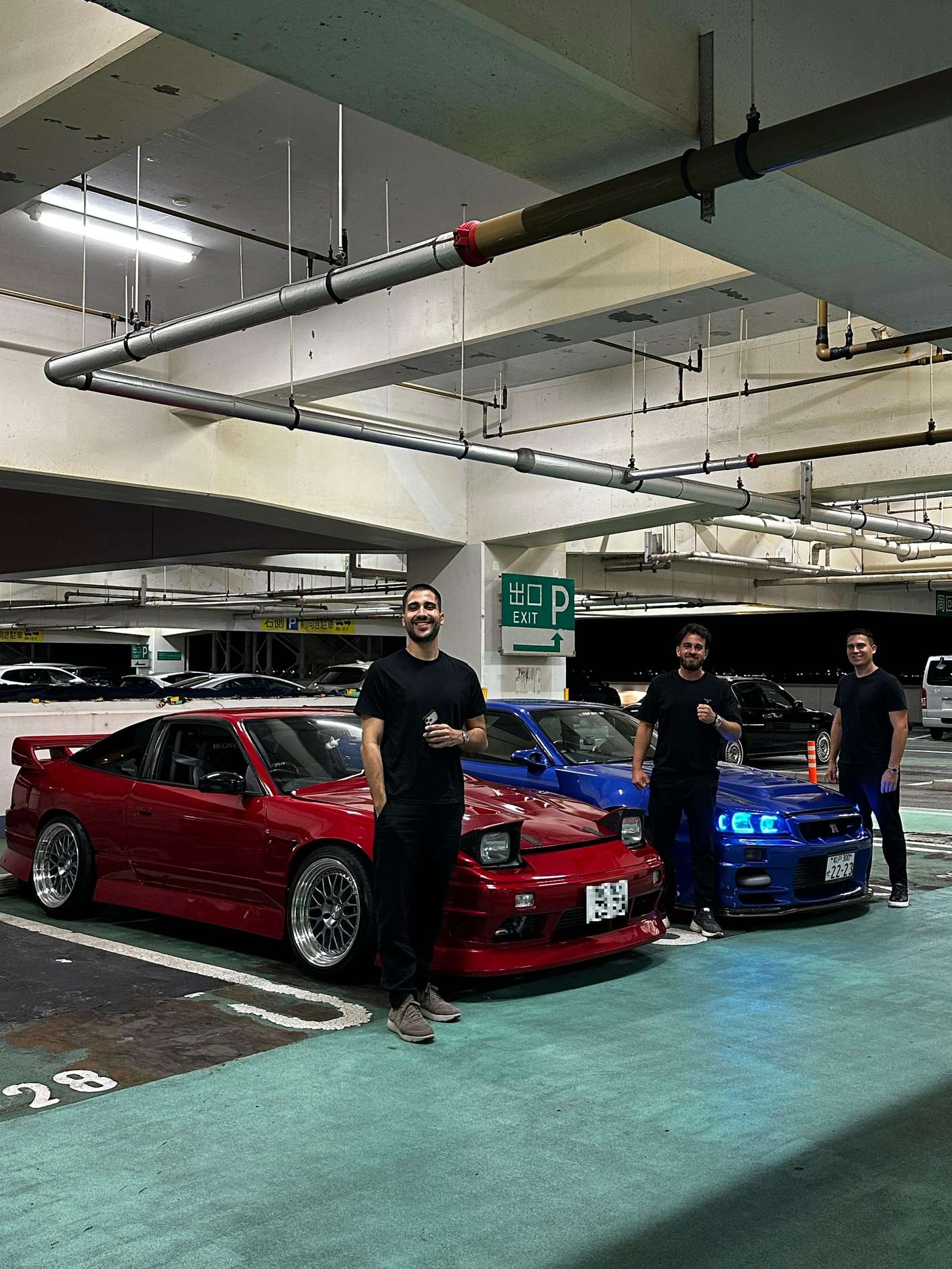
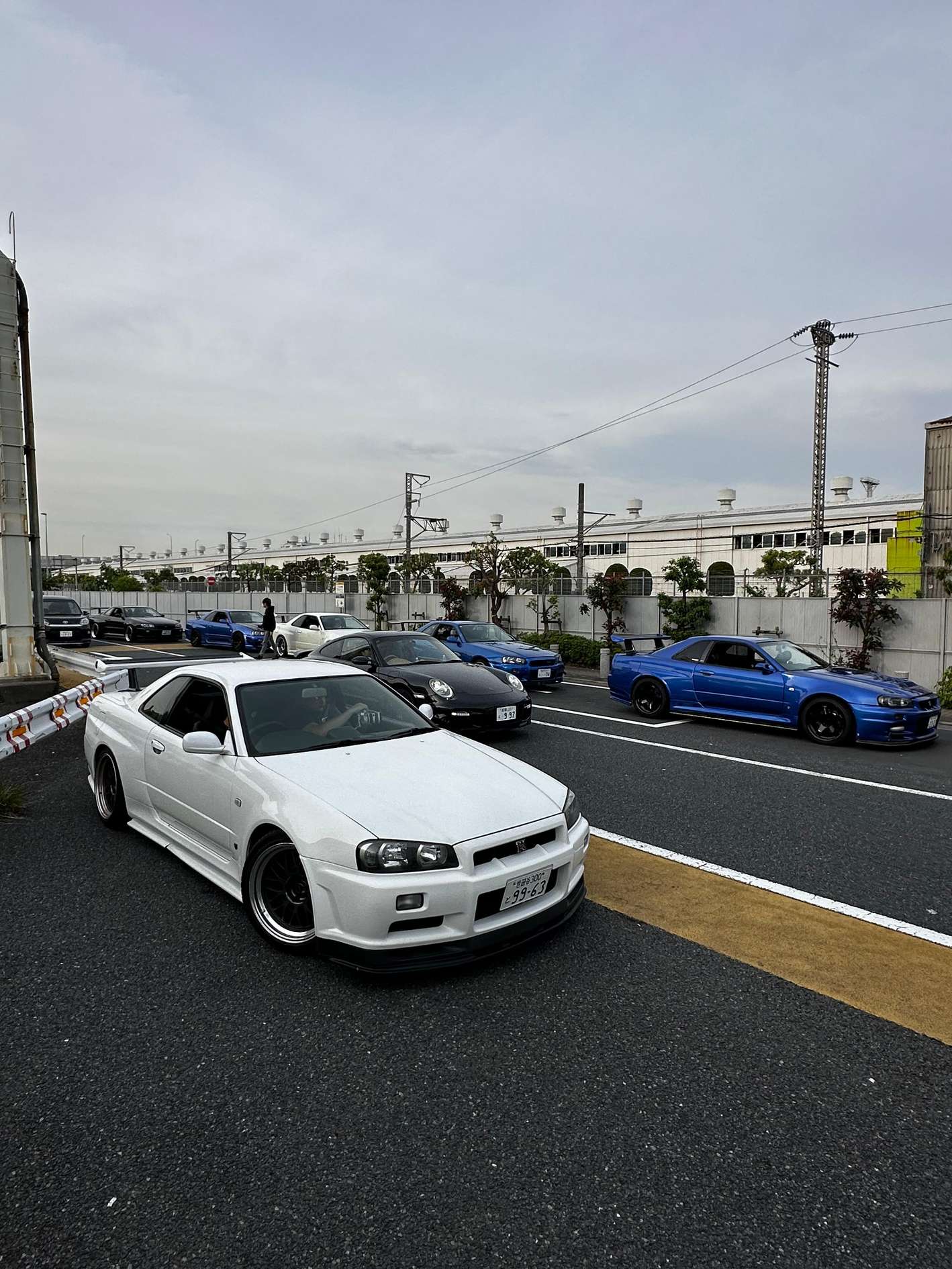
Book a night ride to the real Tokyo car scene. Join thousands of travelers who cruise the Wangan in a genuine R34 Skyline or EVO and walk Daikoku PA with a local guide, and you never have to worry about trains, taxis, or arriving to a closed lot. Every tour includes round-trip transport from central Tokyo, so all you bring is your passport.
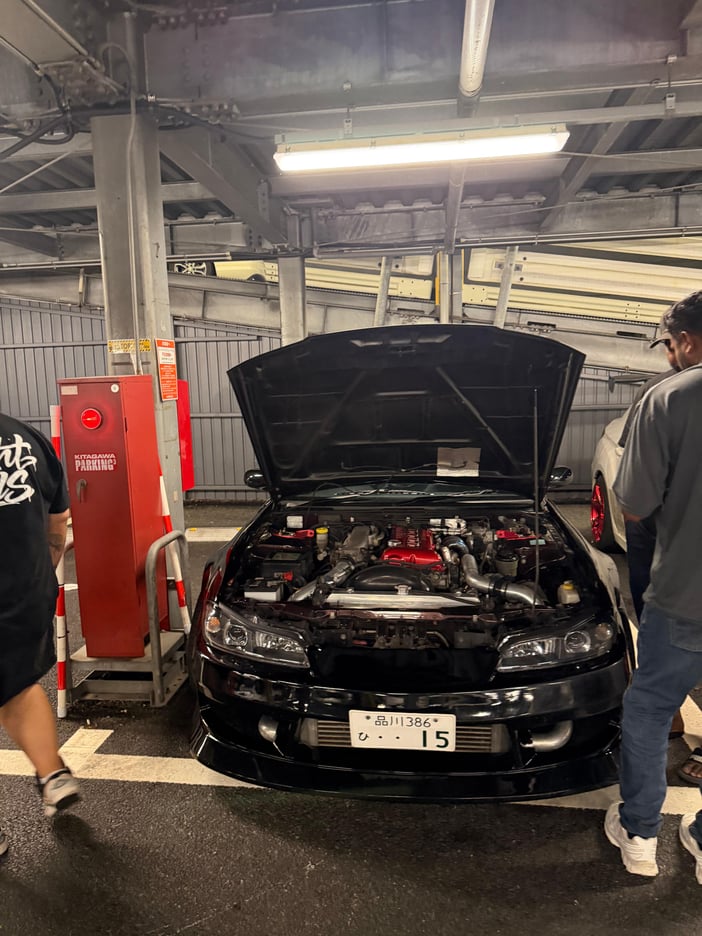
"Seeing Tokyo's streets at night and getting into the car culture was incredible. Our driver Yuto was great, super skilled behind the wheel and genuinely a nice guy."
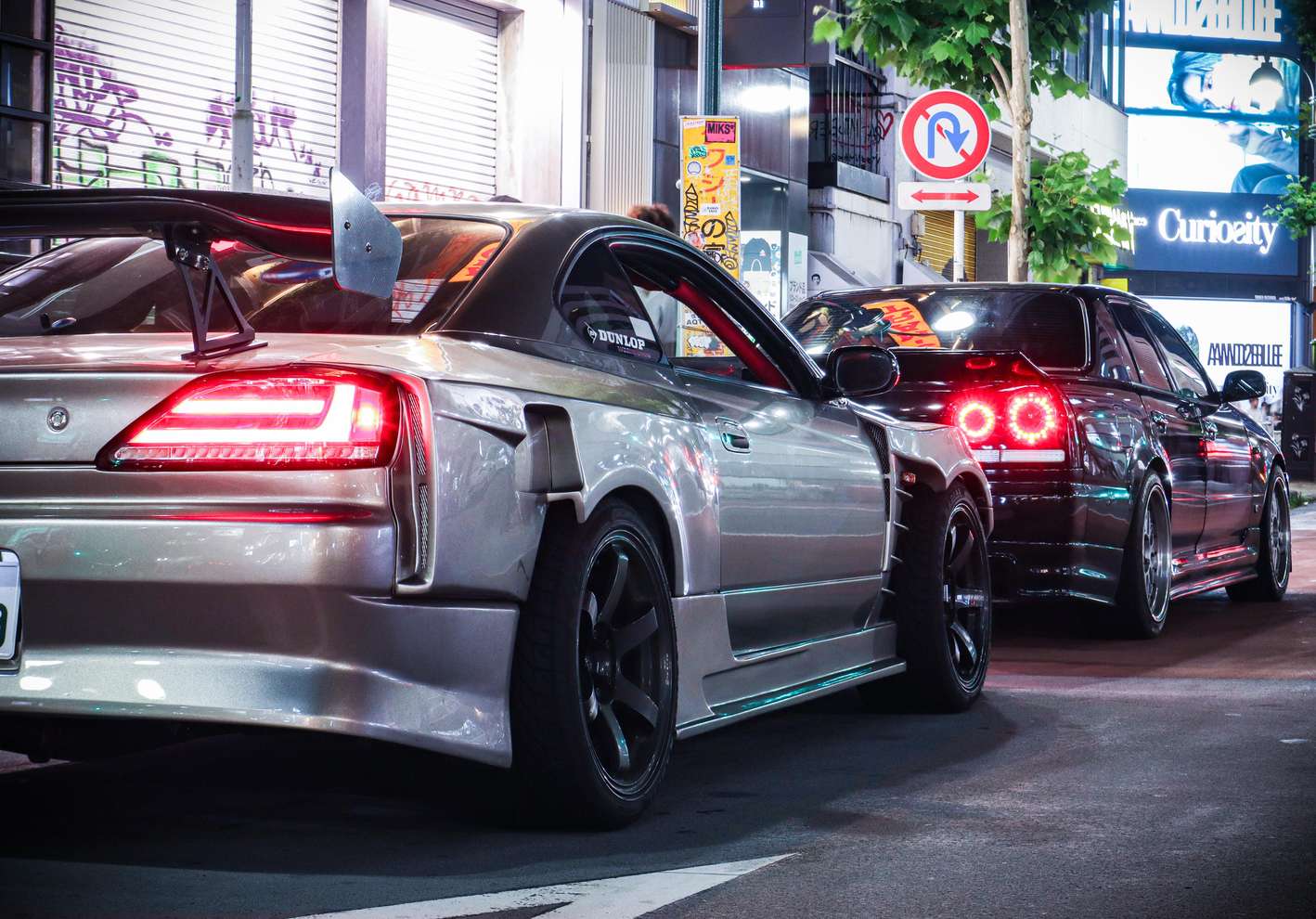
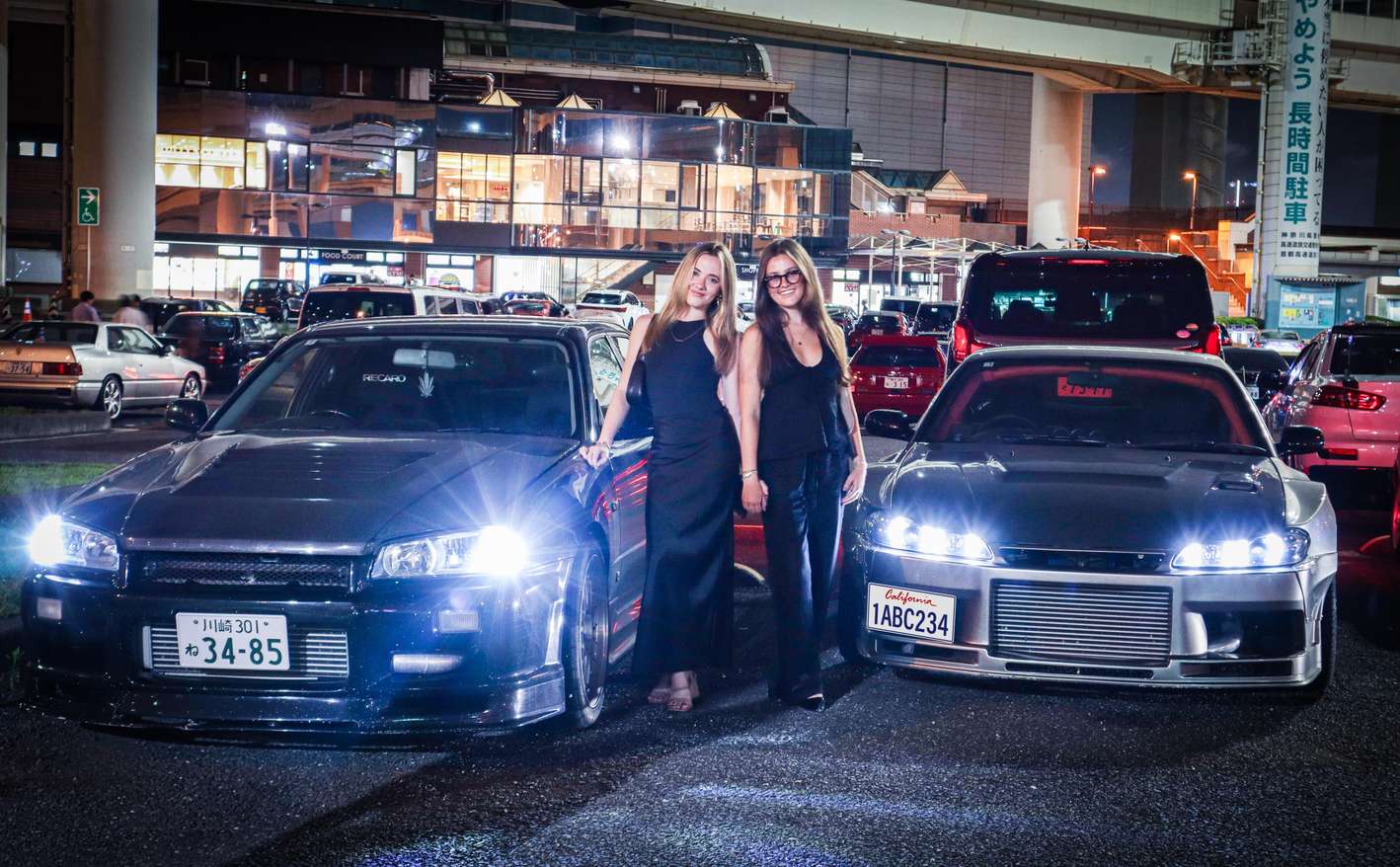
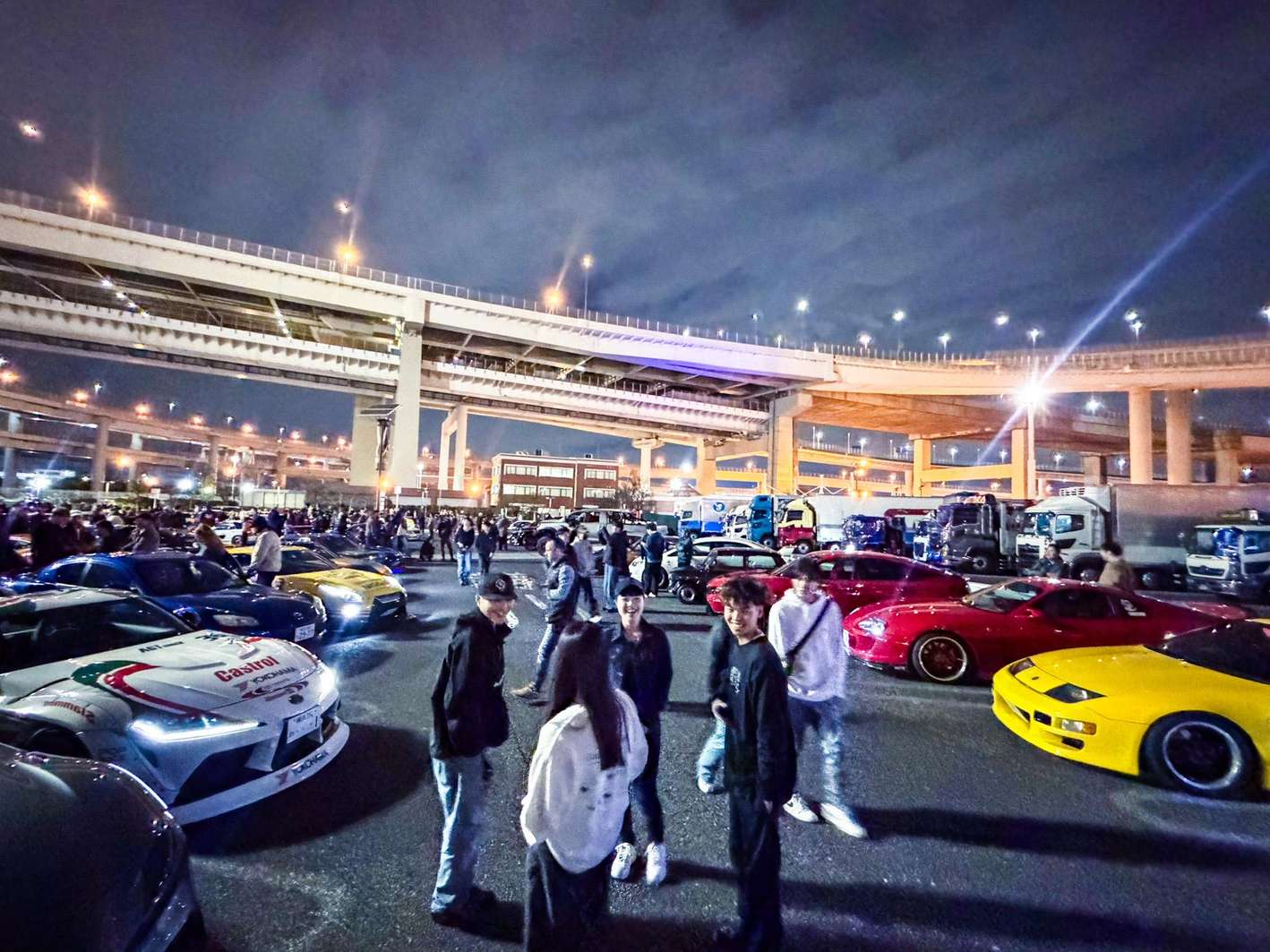
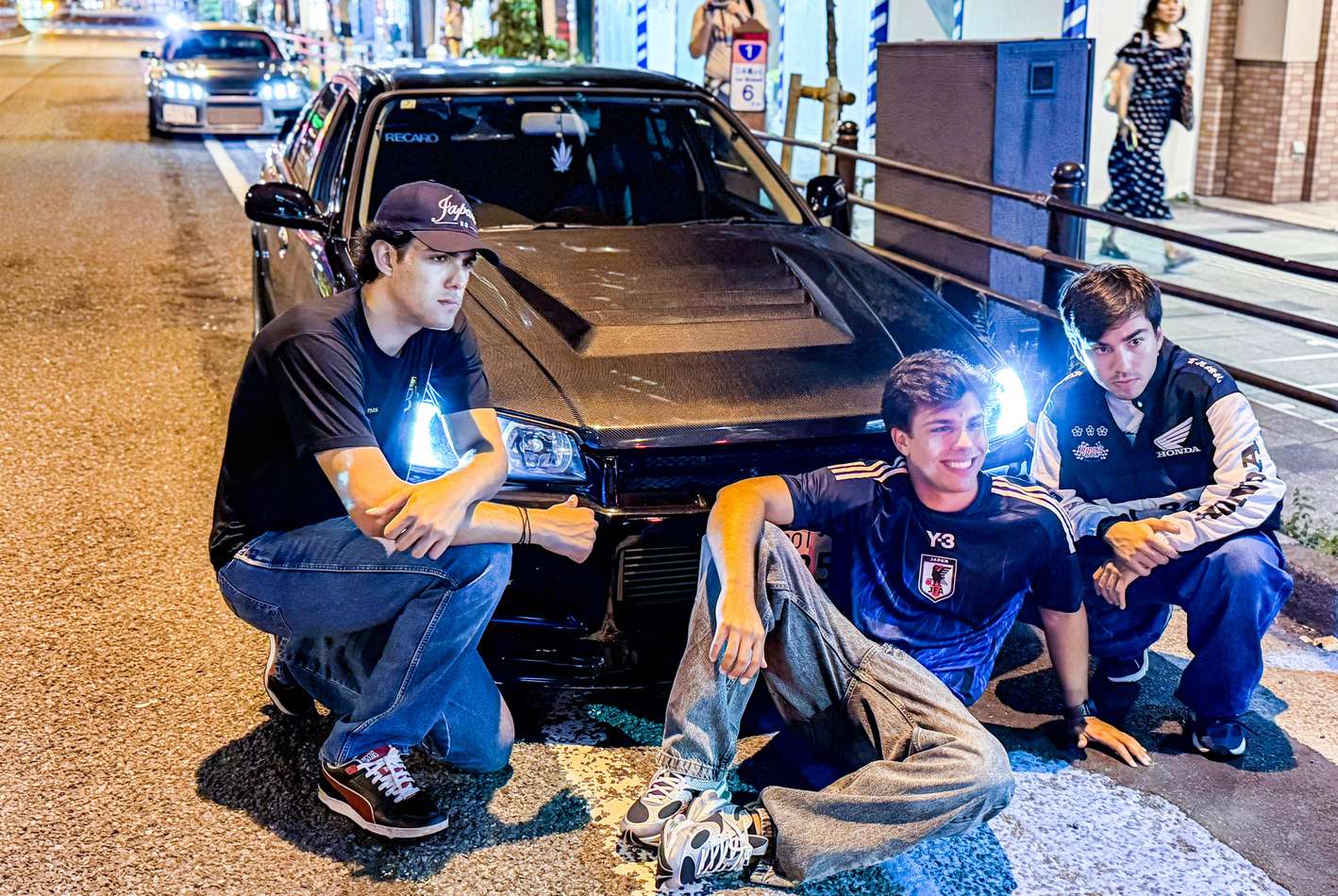
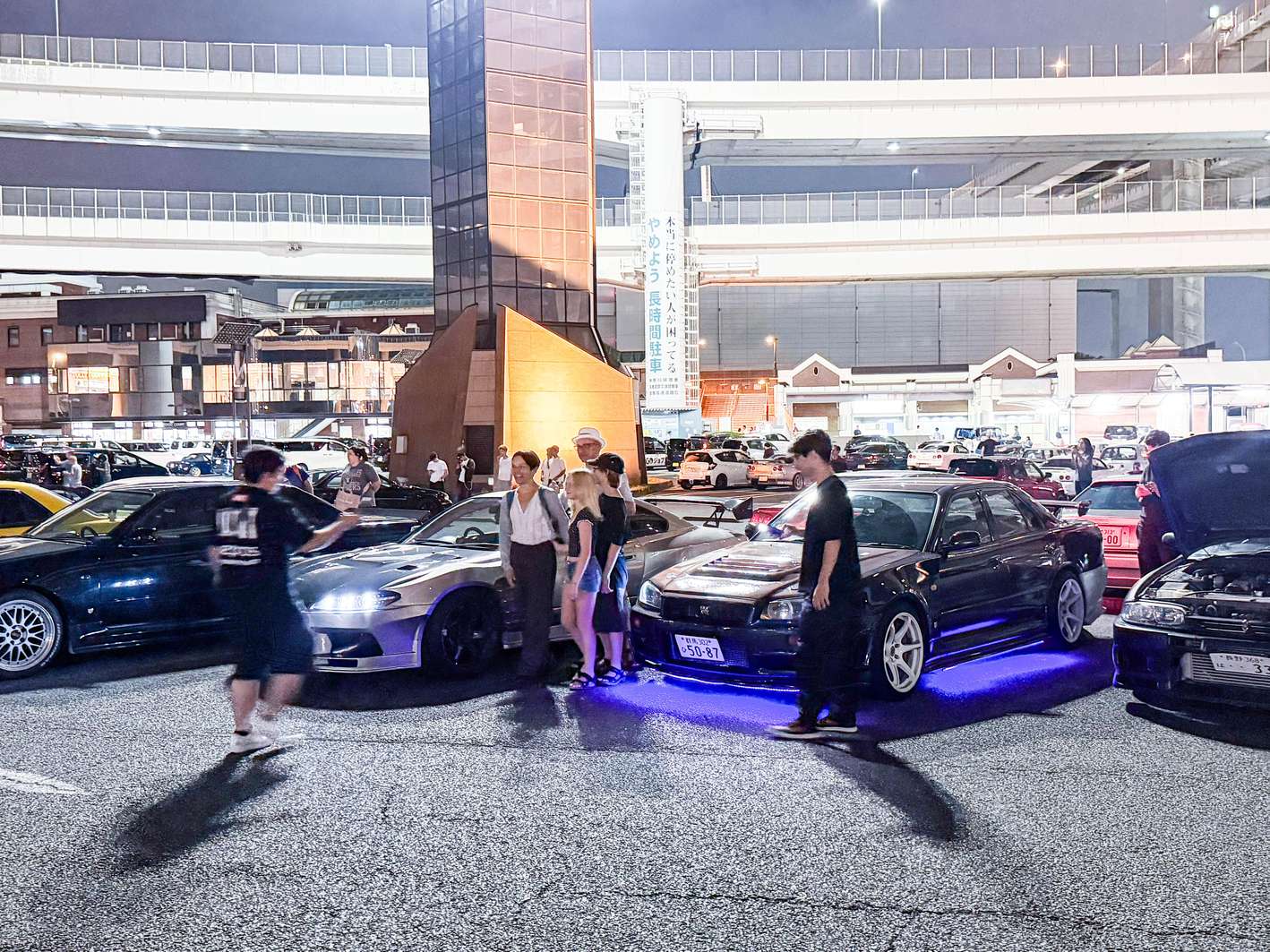
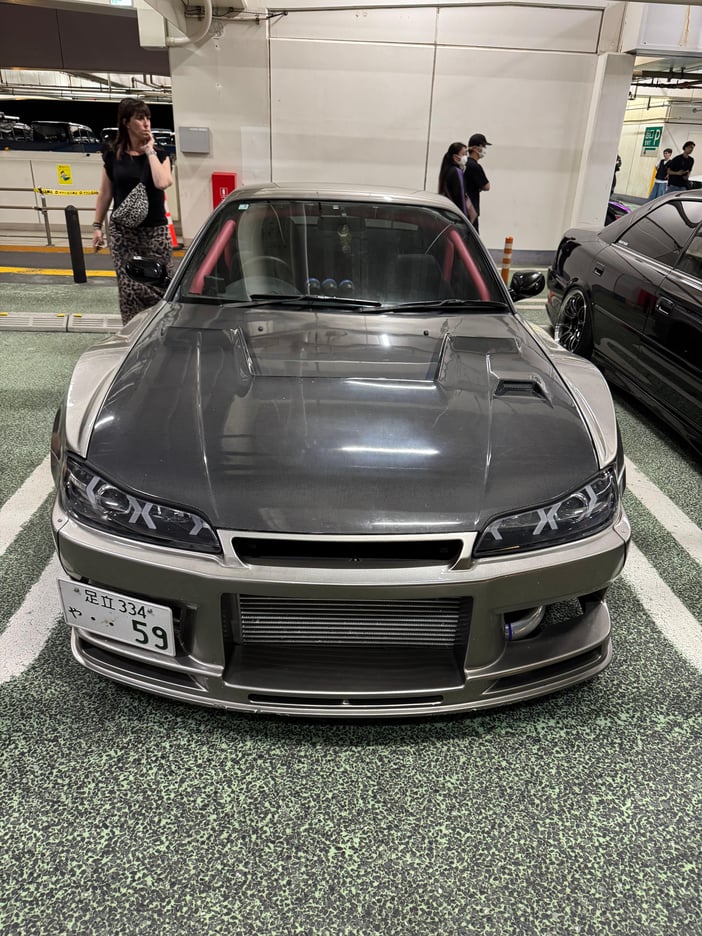
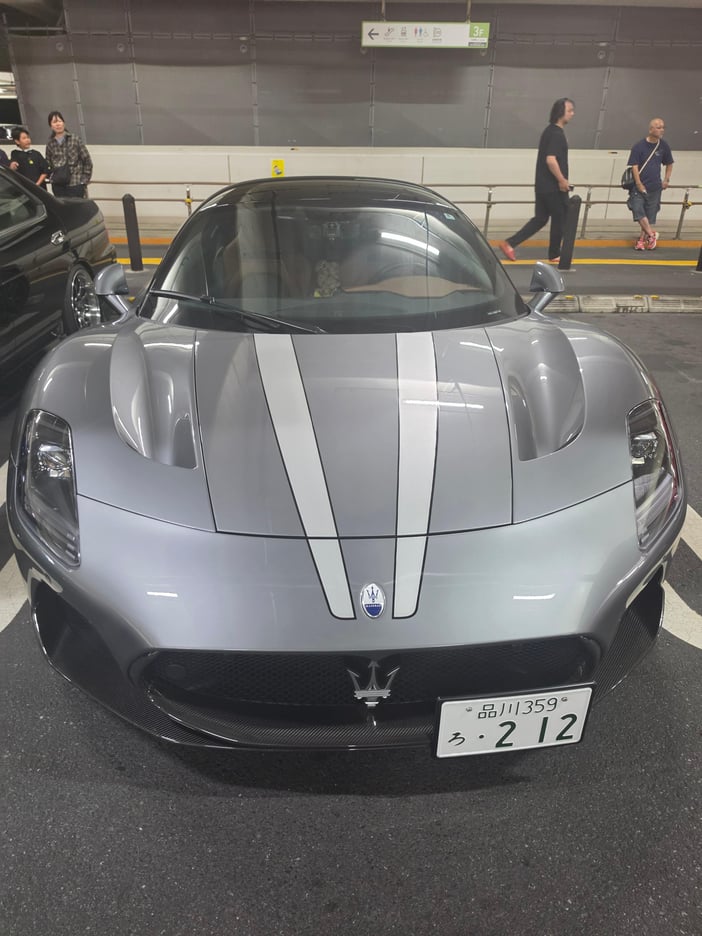
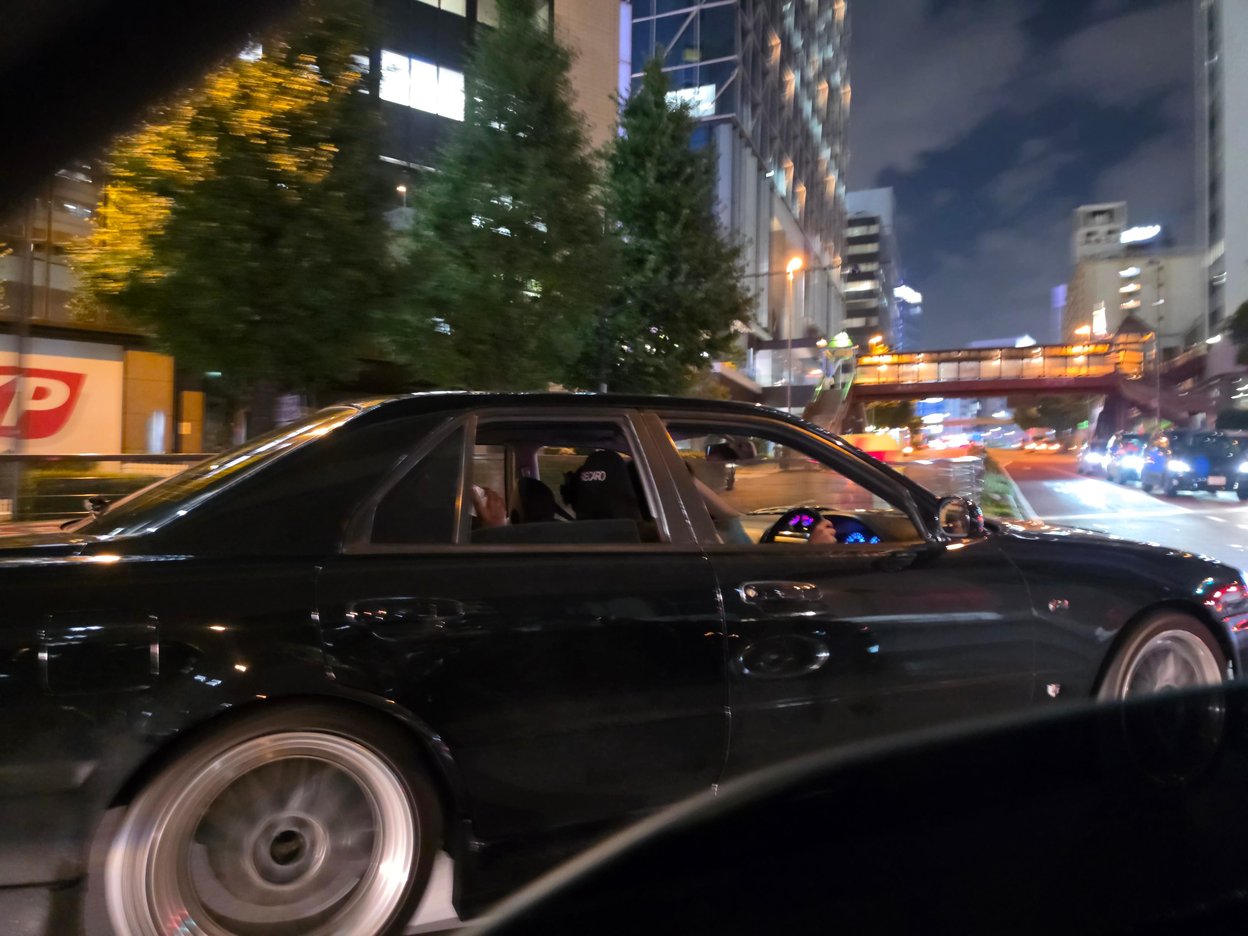
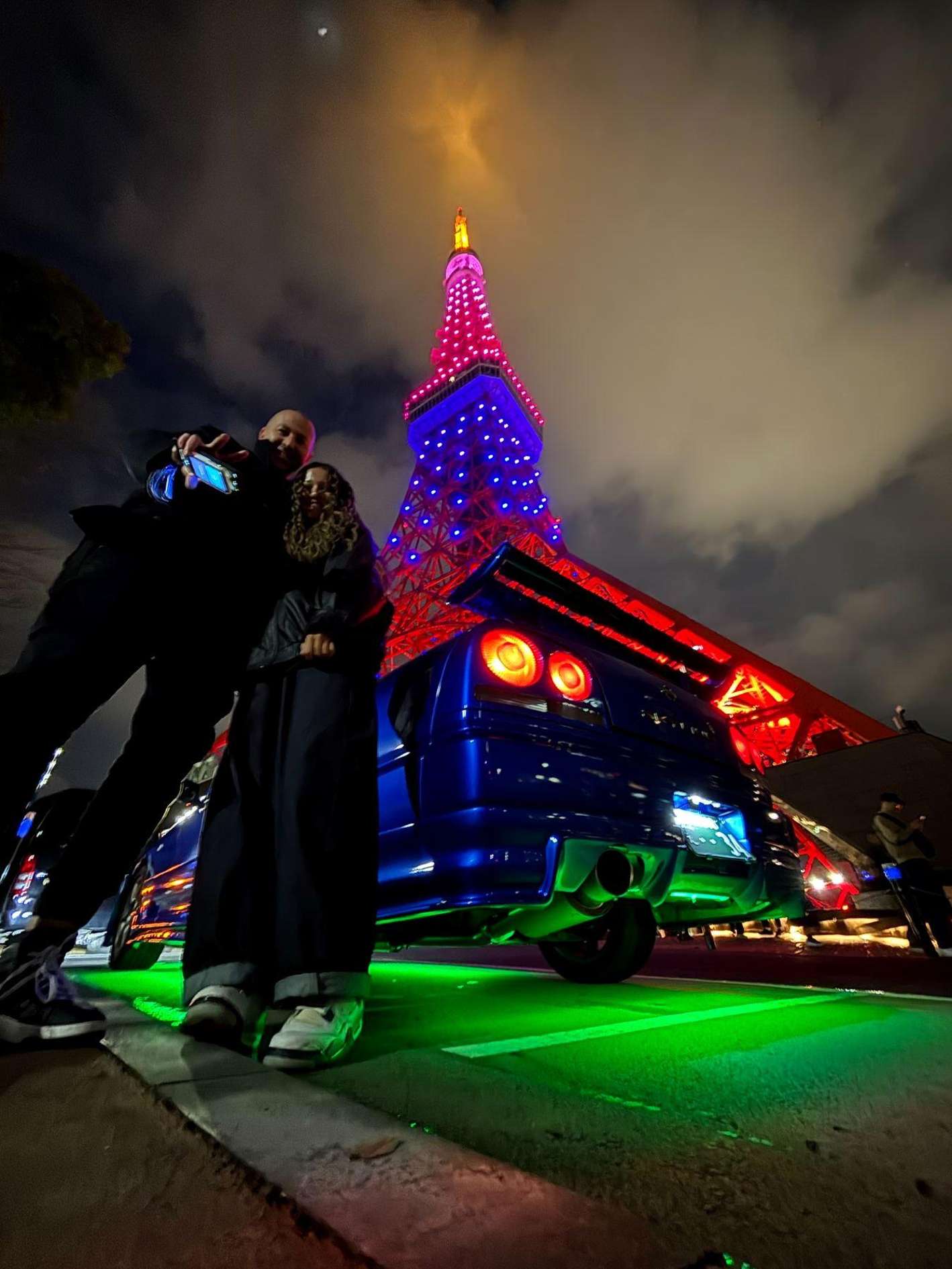
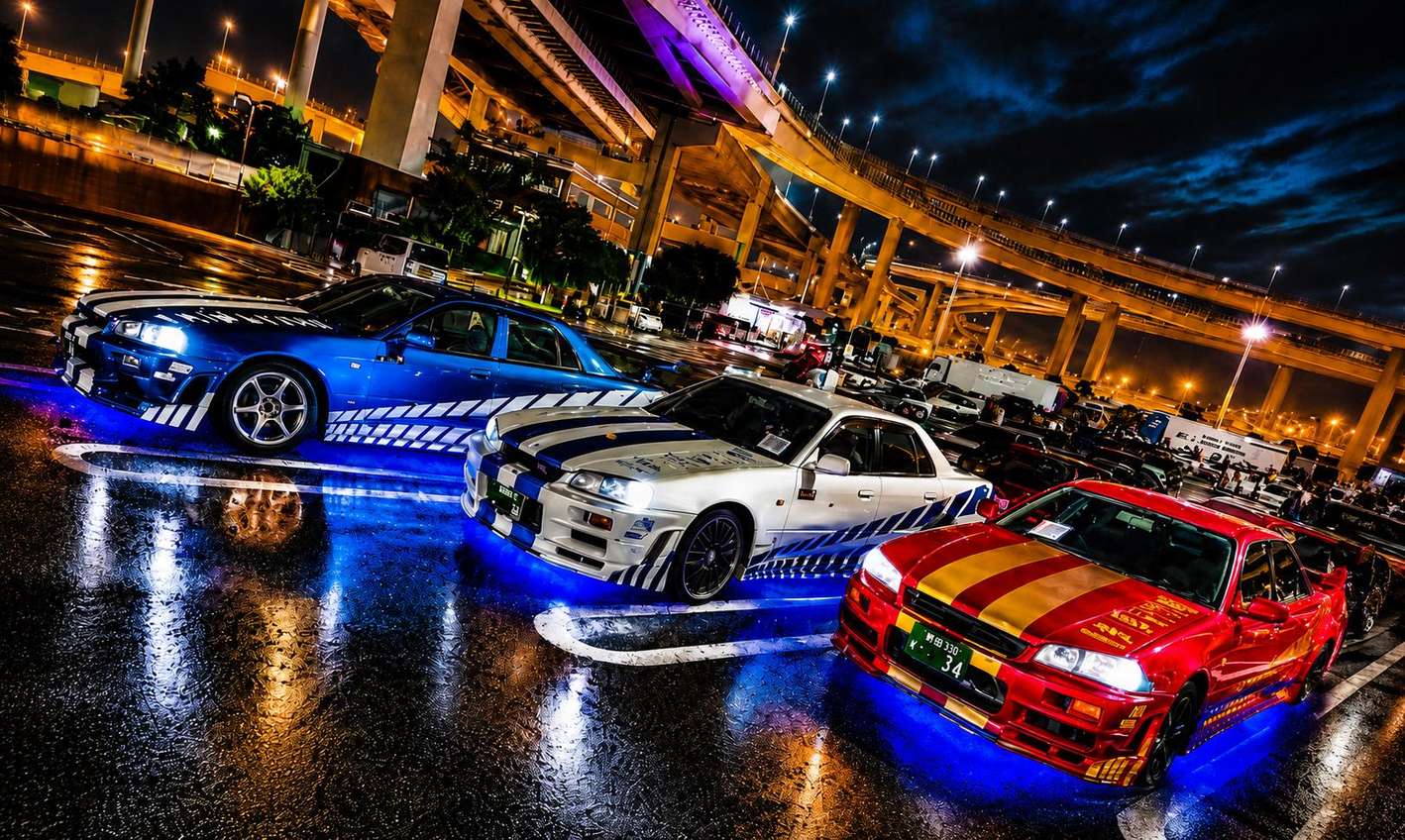
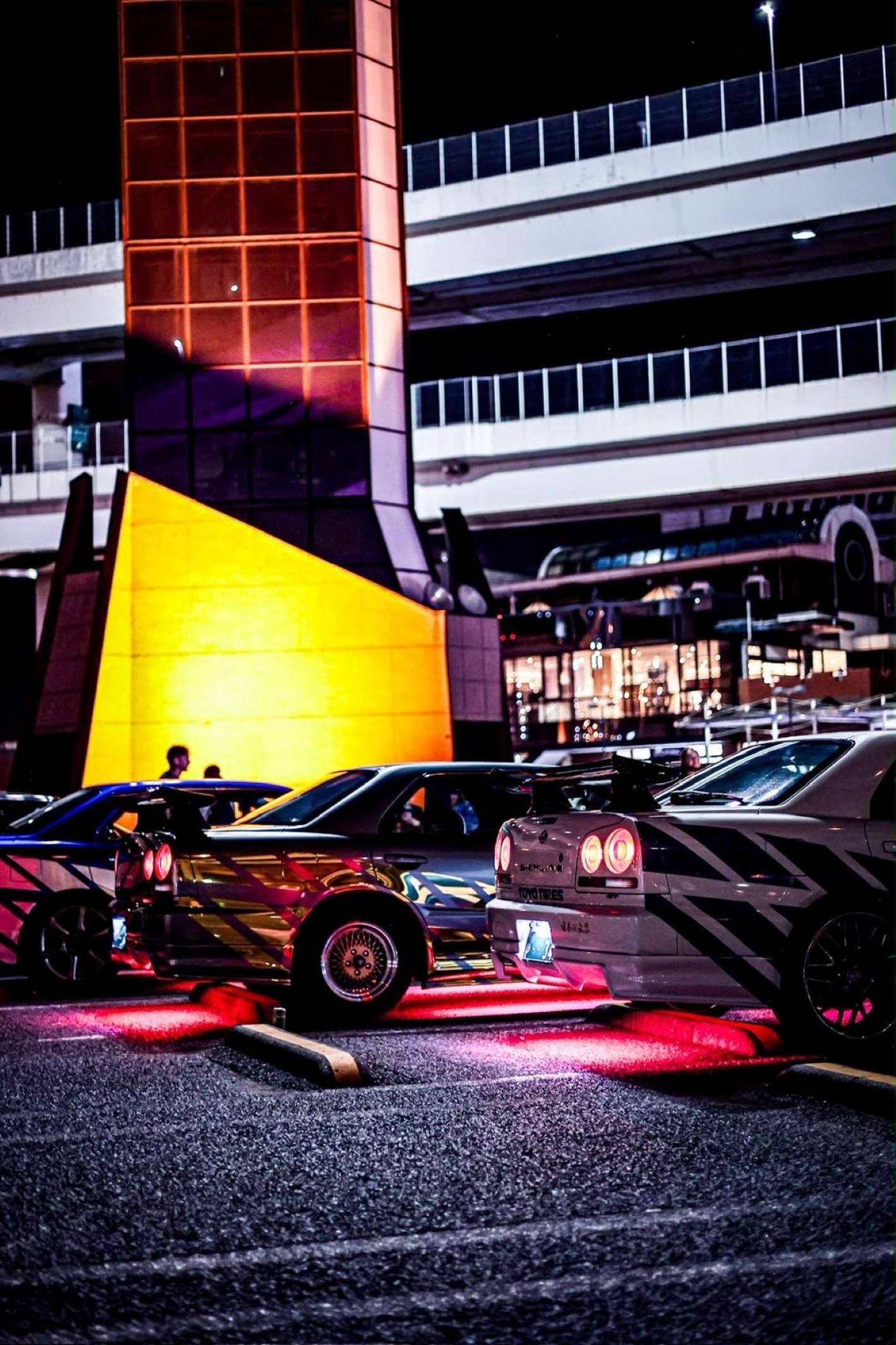
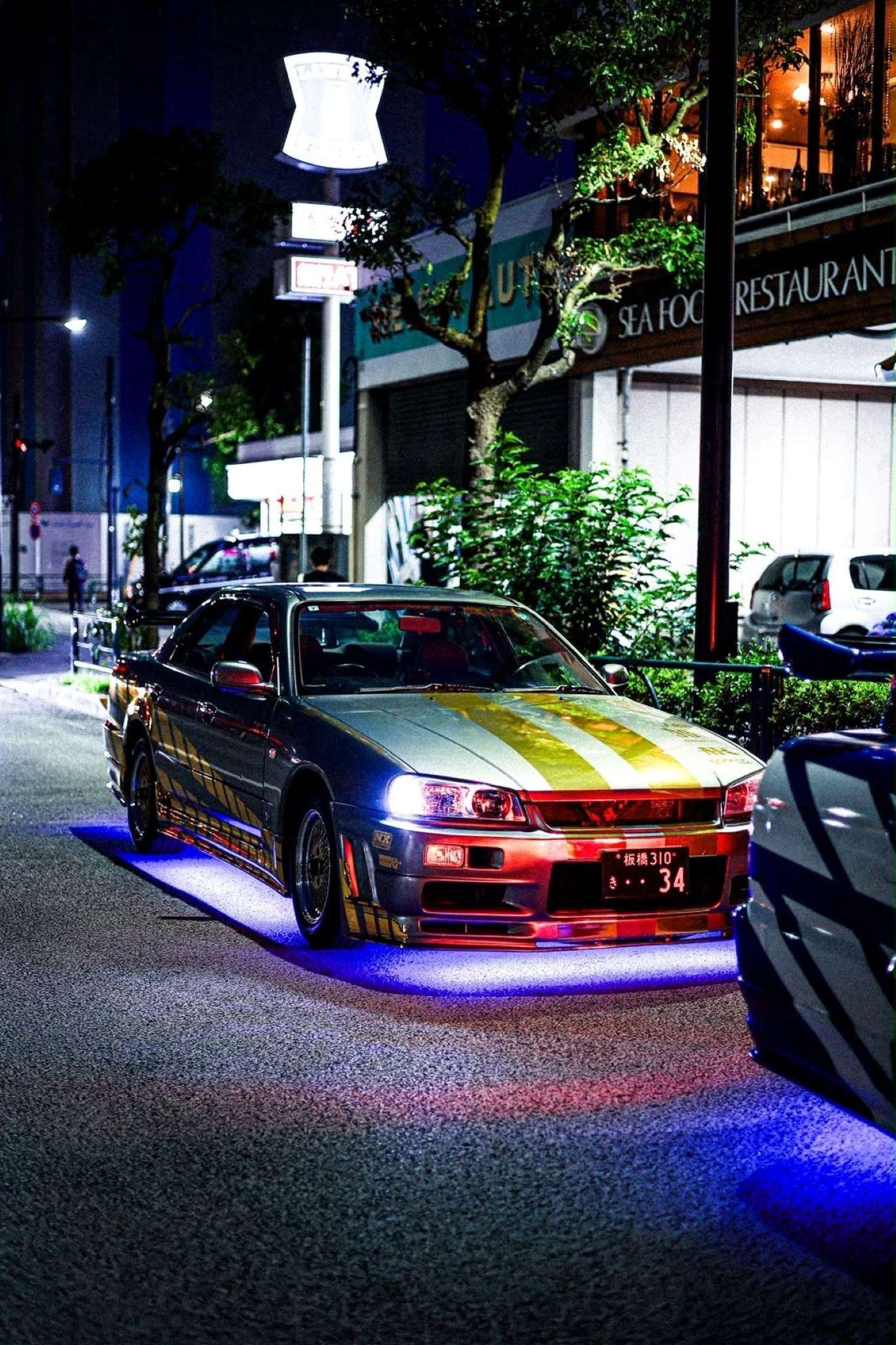
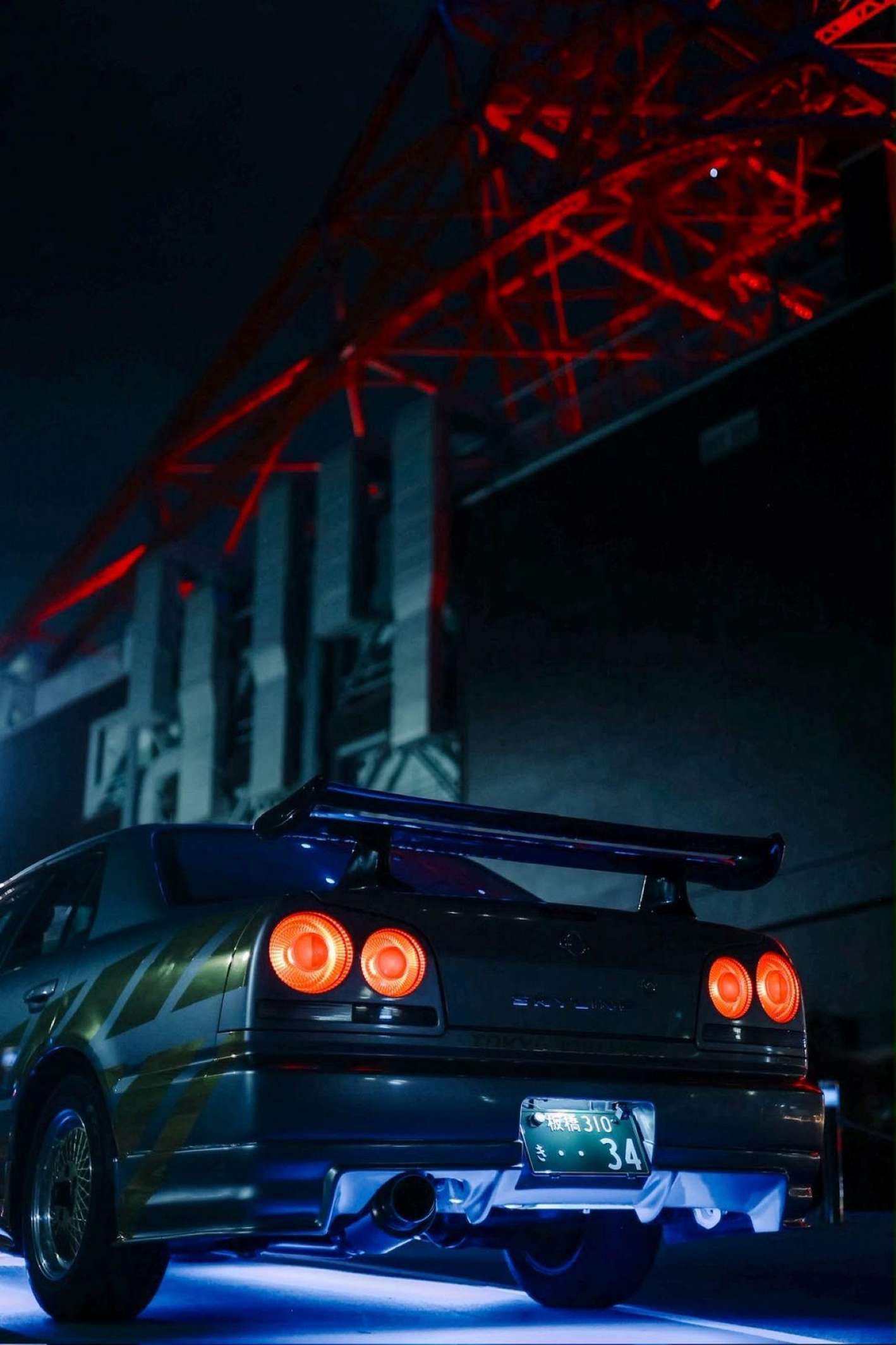
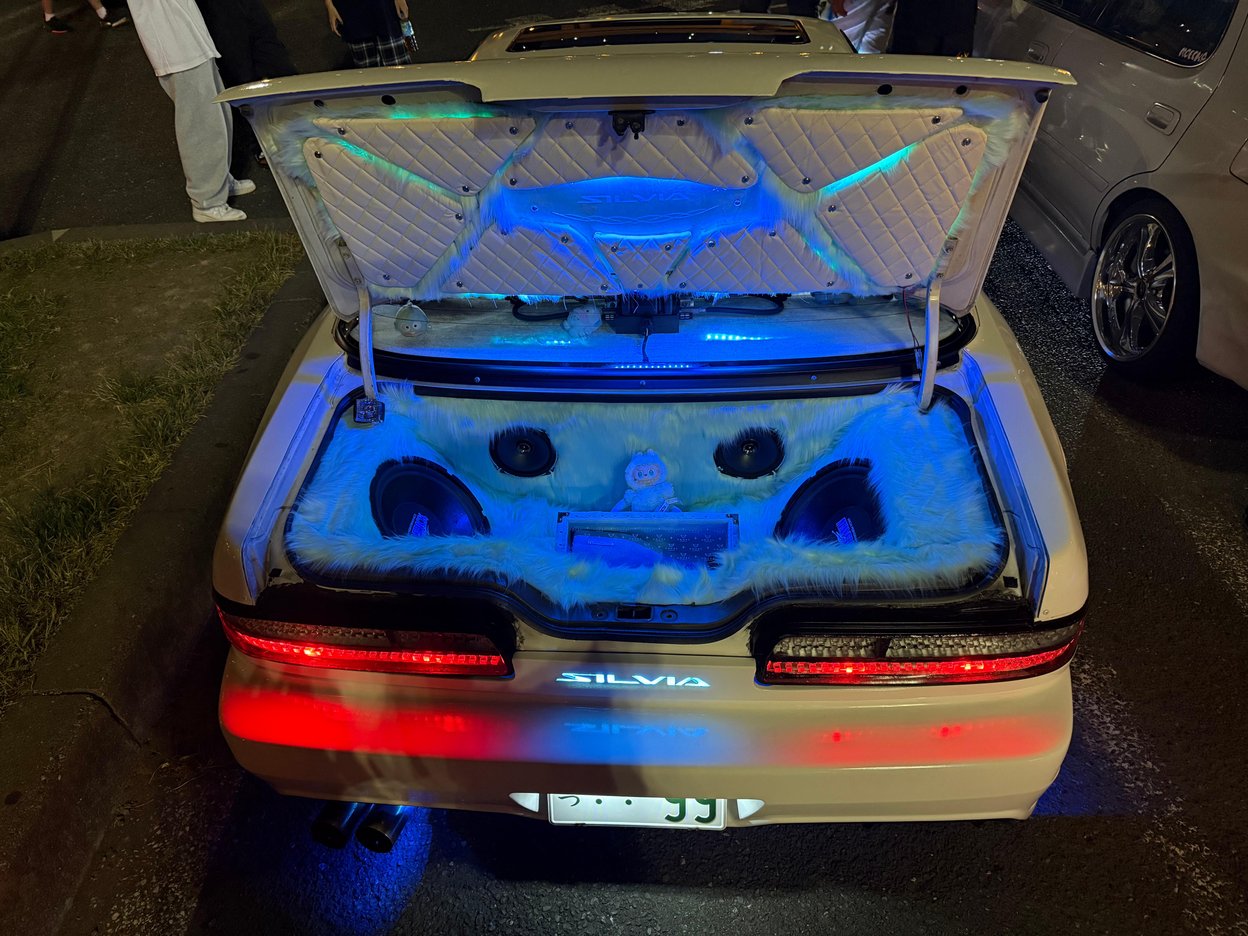
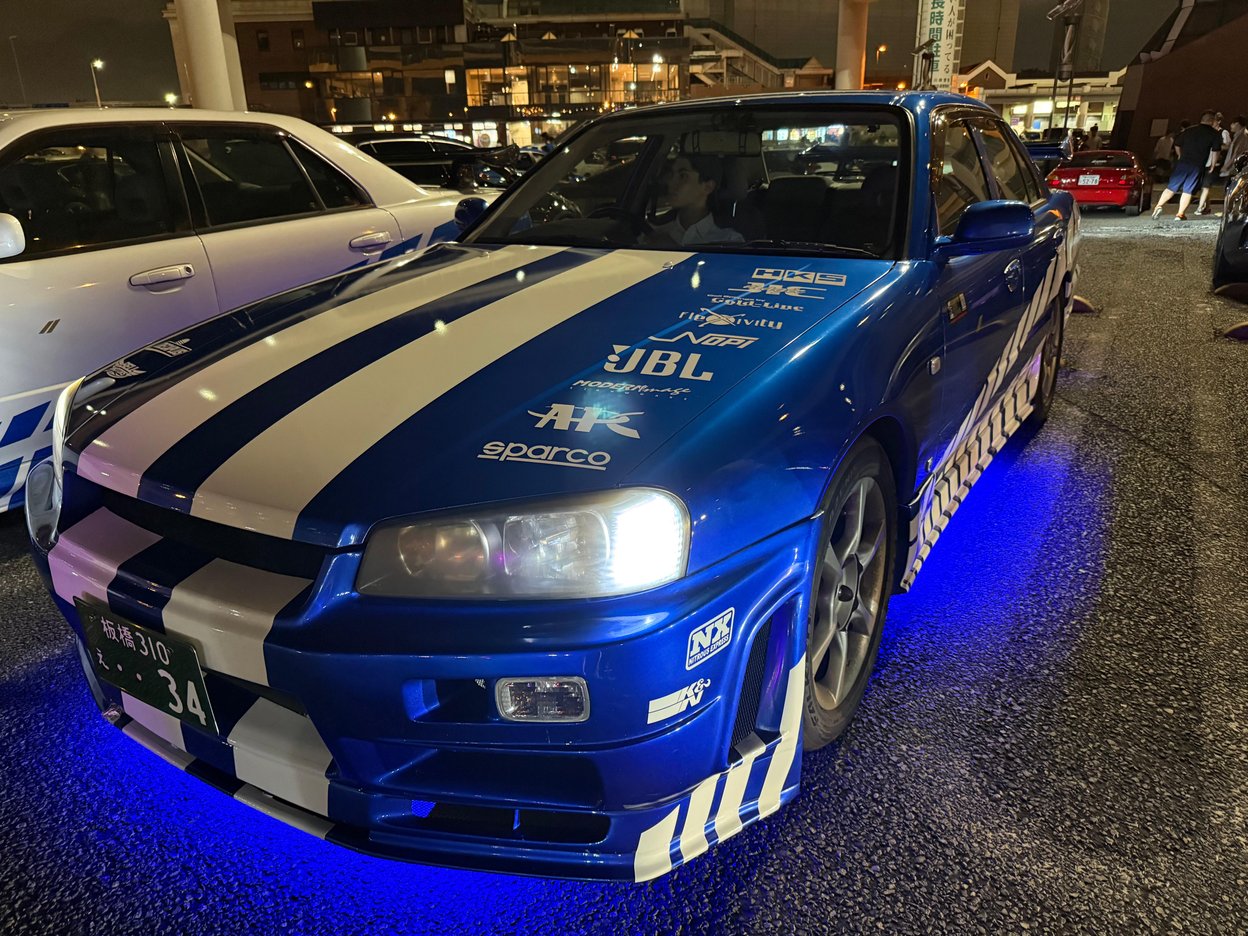
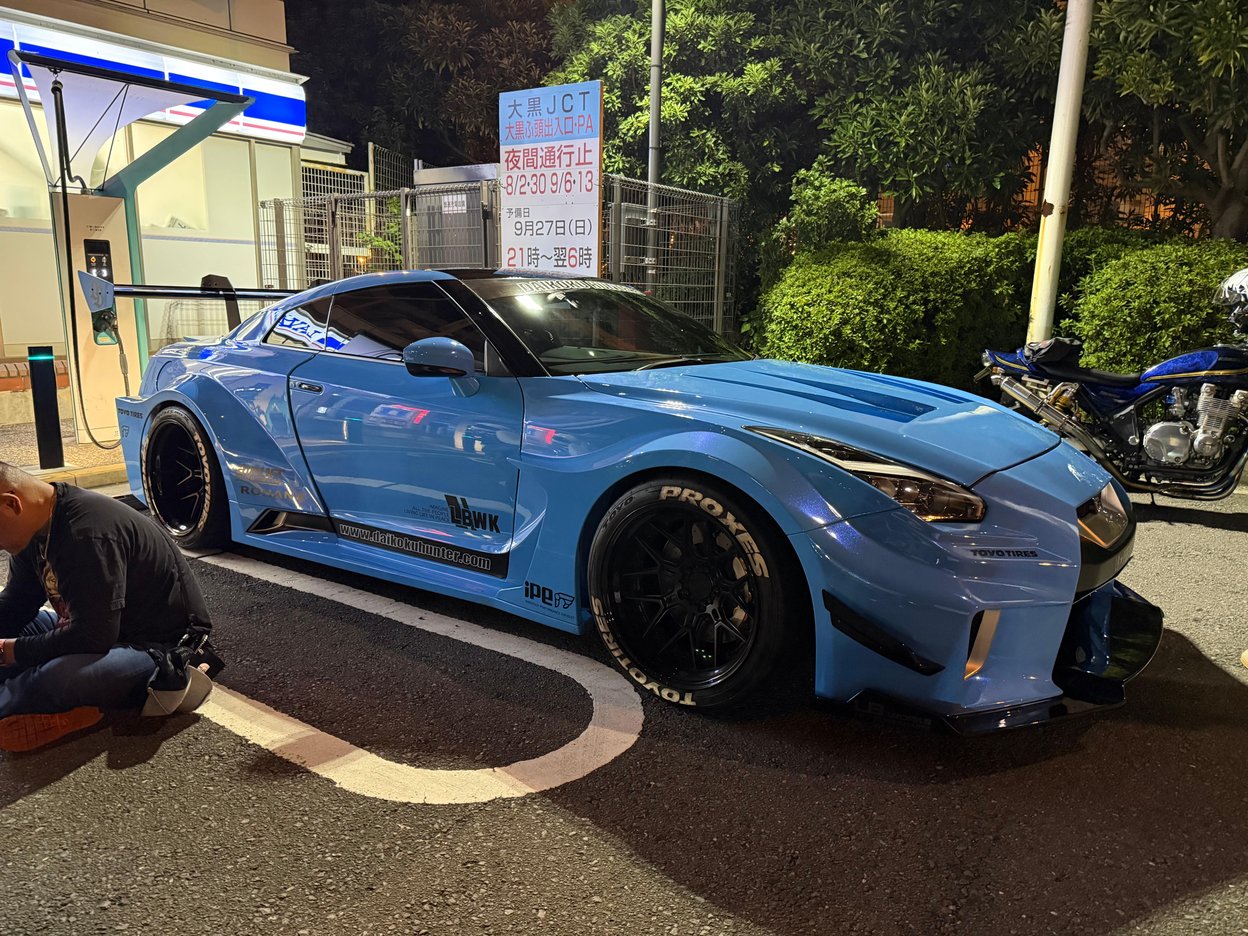
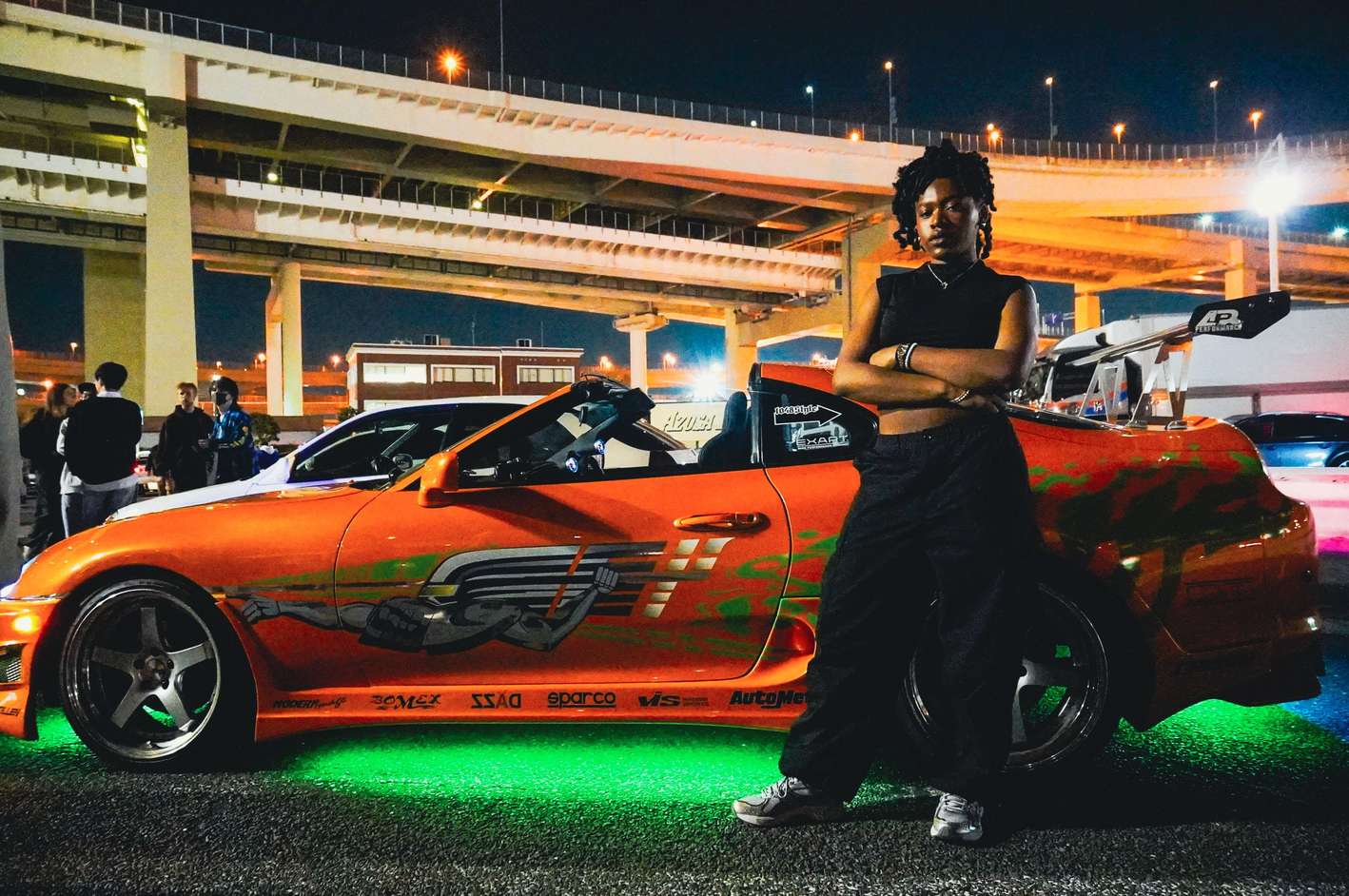
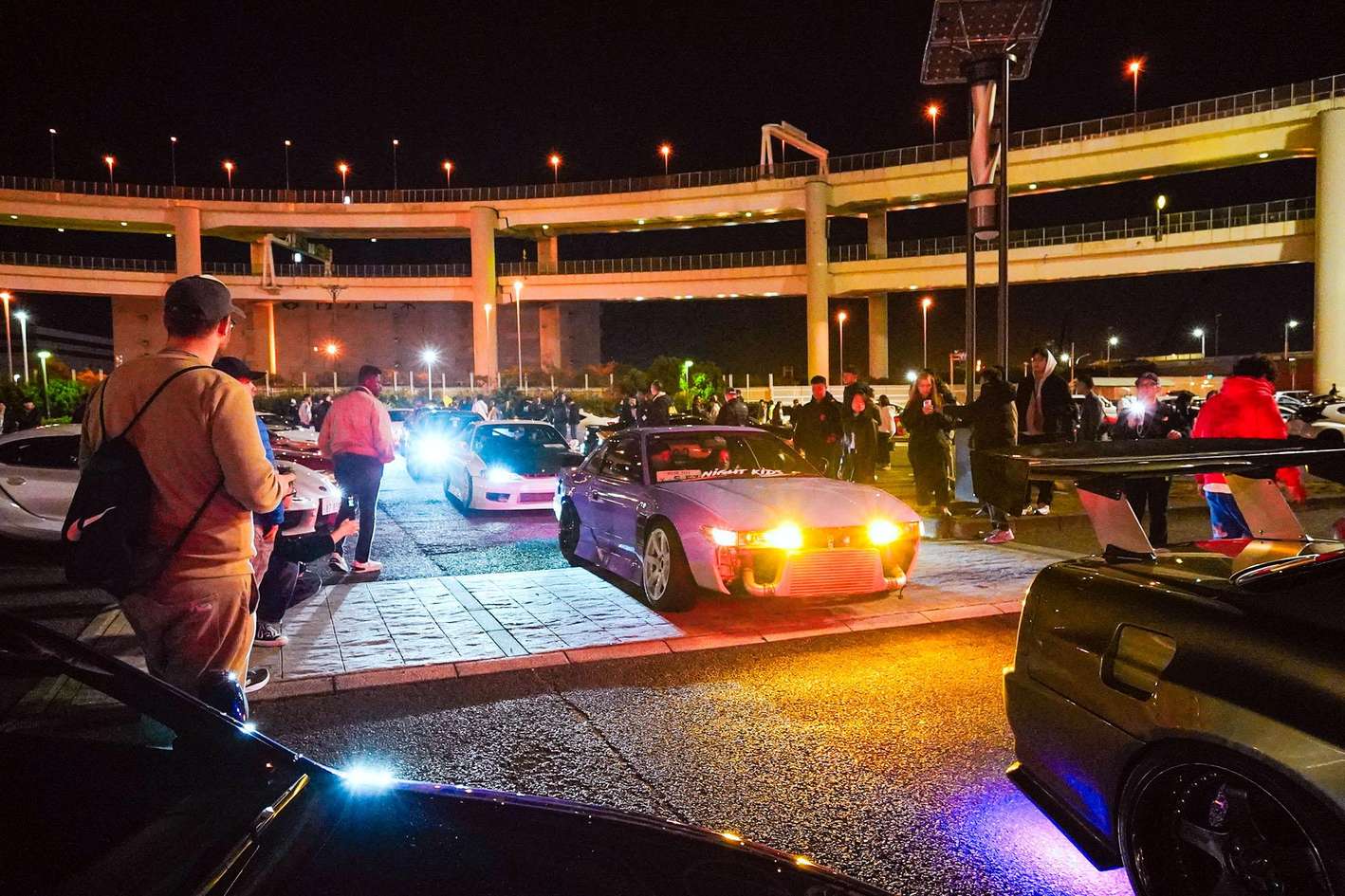
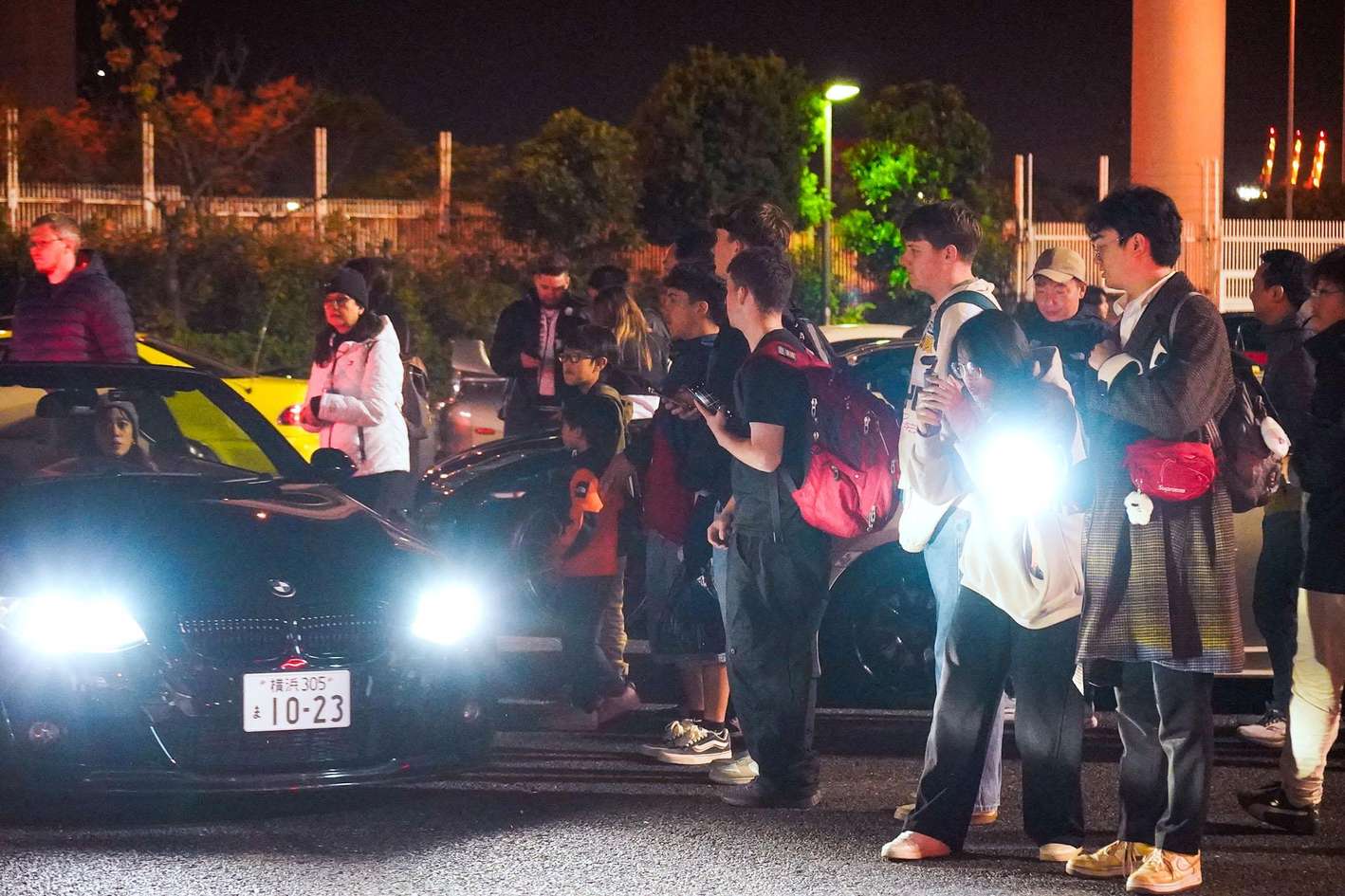
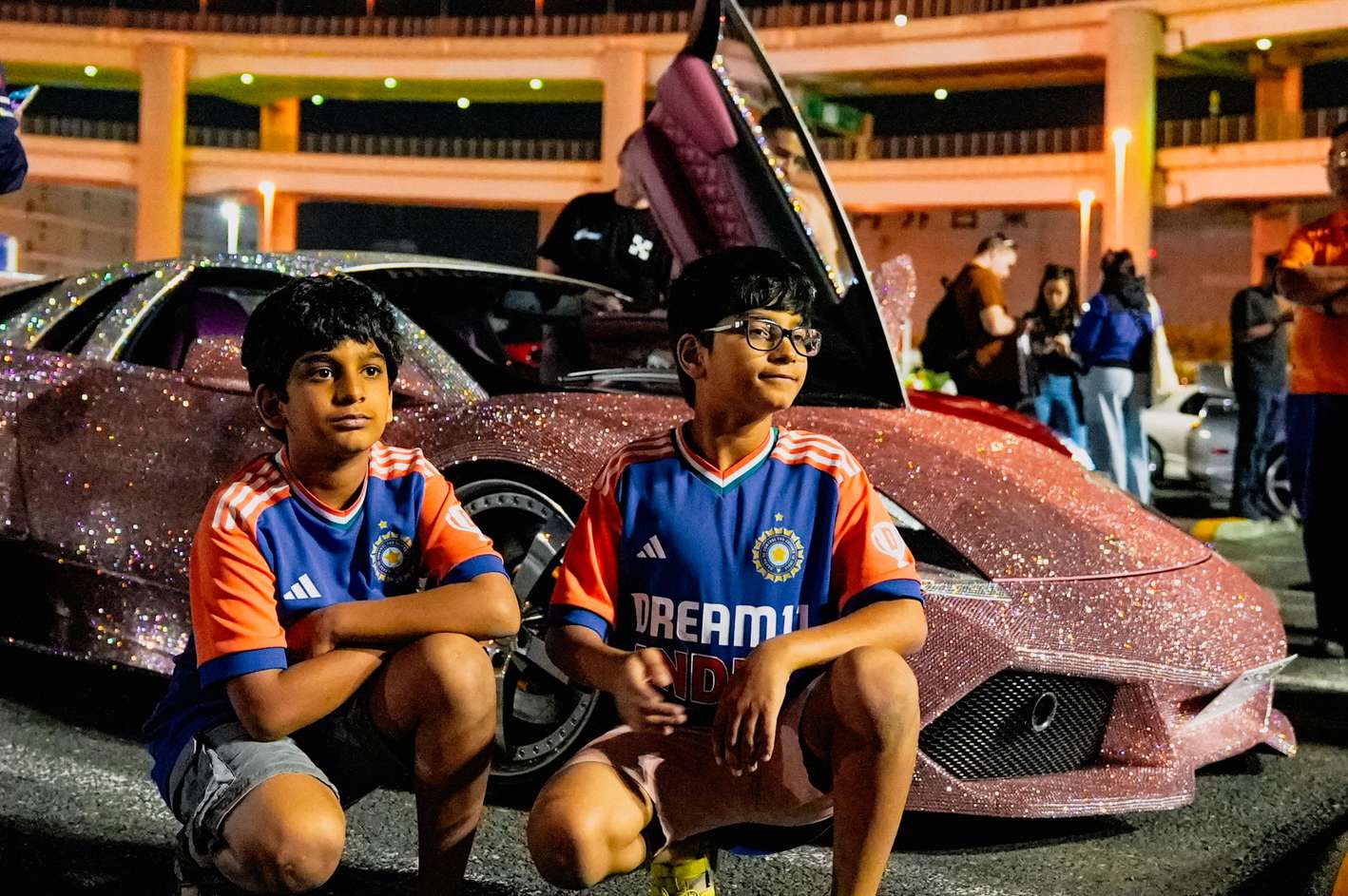
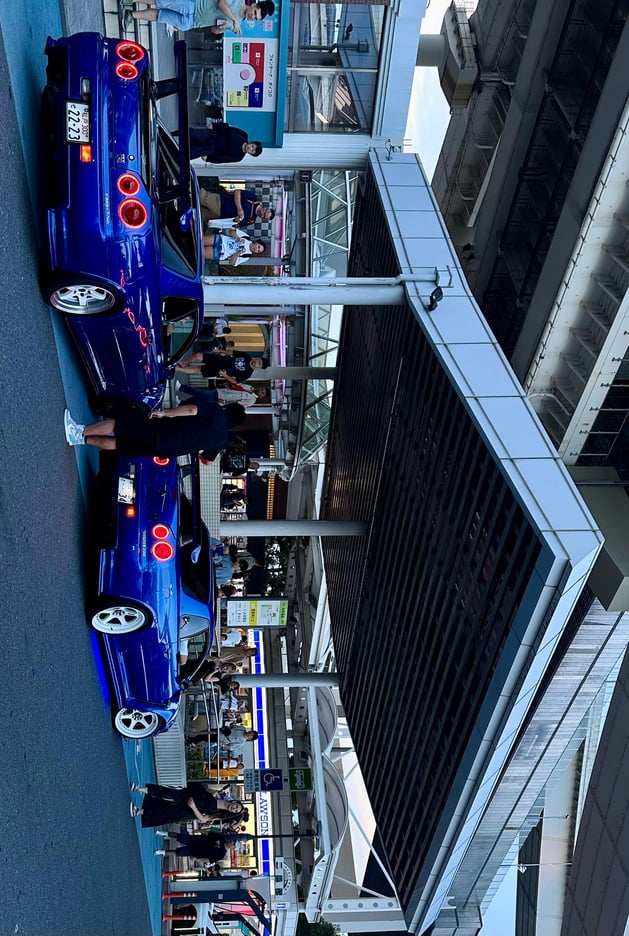
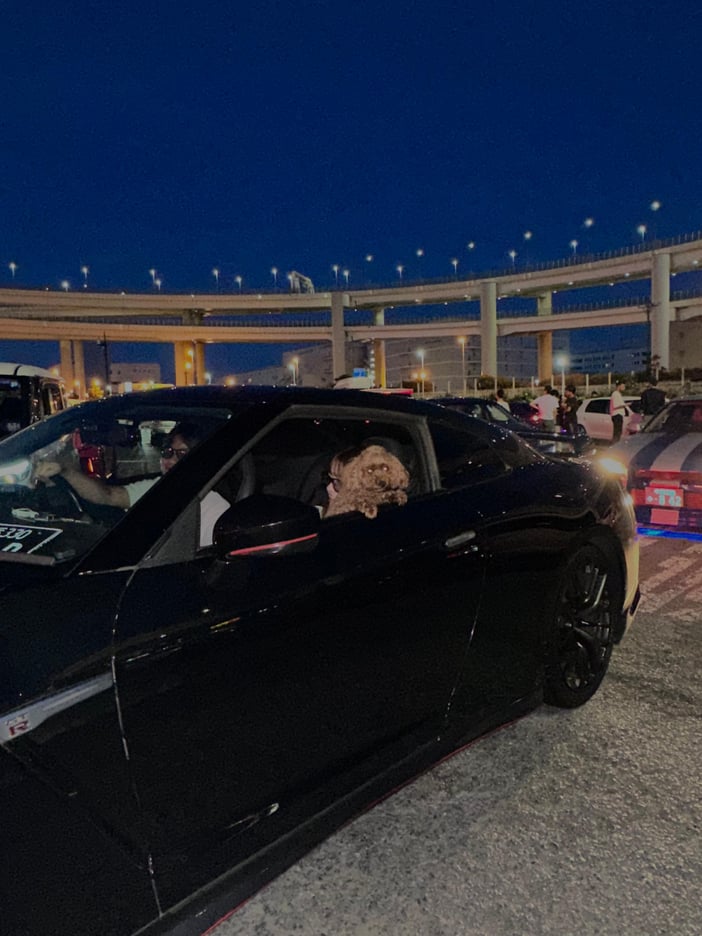
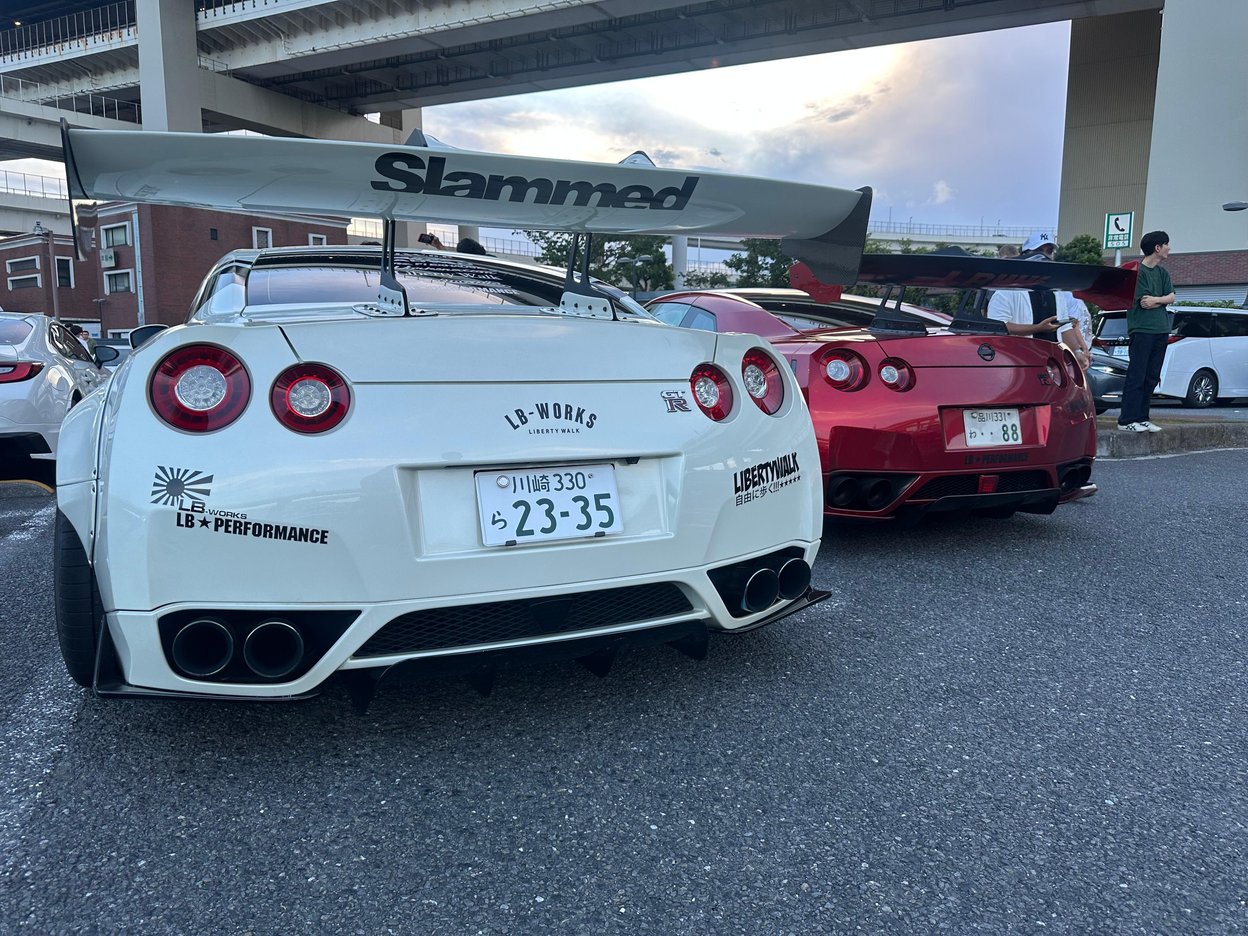
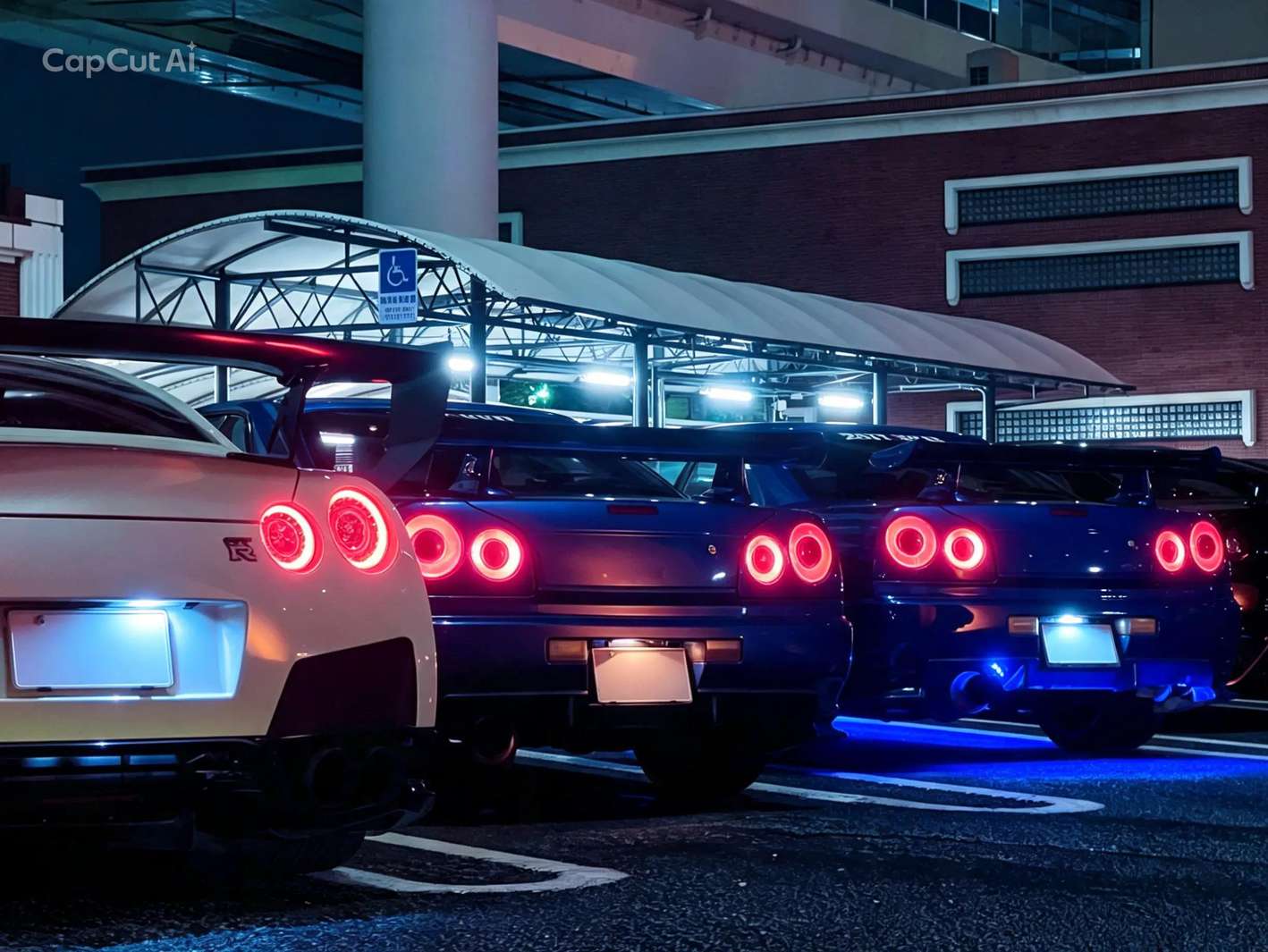
Daikoku is the name everyone drops, but Tatsumi PA, Umihotaru and Akihabara UDX each hold their own scene.
Read the guide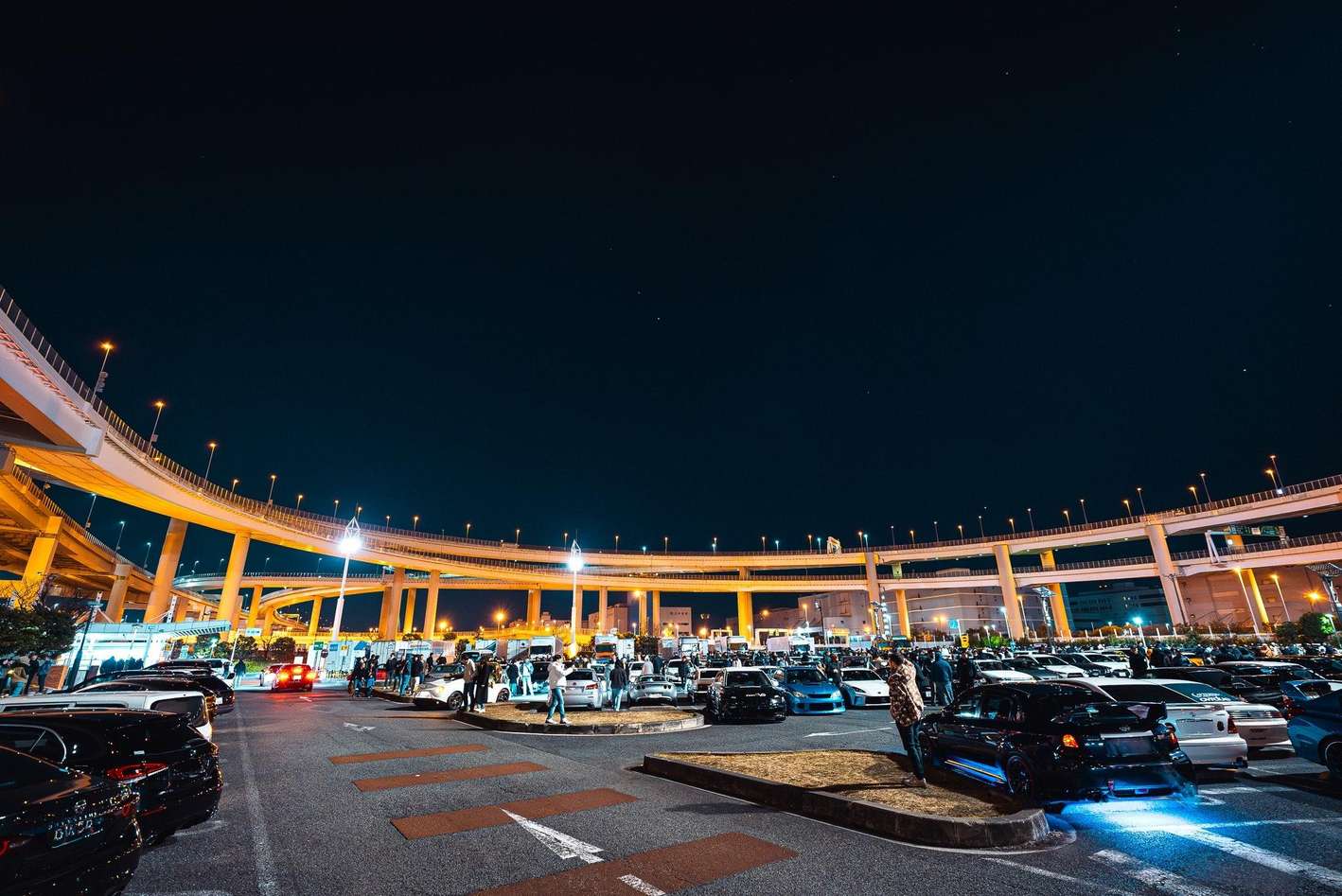
Tokyo Auto Salon in January, the Japan Mobility Show in autumn, and daytime stops like Nissan's Yokohama gallery.
Read the guideBoth pages map Tokyo's car scene beyond the famous highway decks. One shows where the meets happen, the other what happens on a set date. Pick by whether you build the night yourself or want a fixed plan.
Tokyo's car scene splits between spontaneous rest stop gatherings and organized shows, and these two guides take one side each.
Every famous gathering spot, from highway decks to underground garages
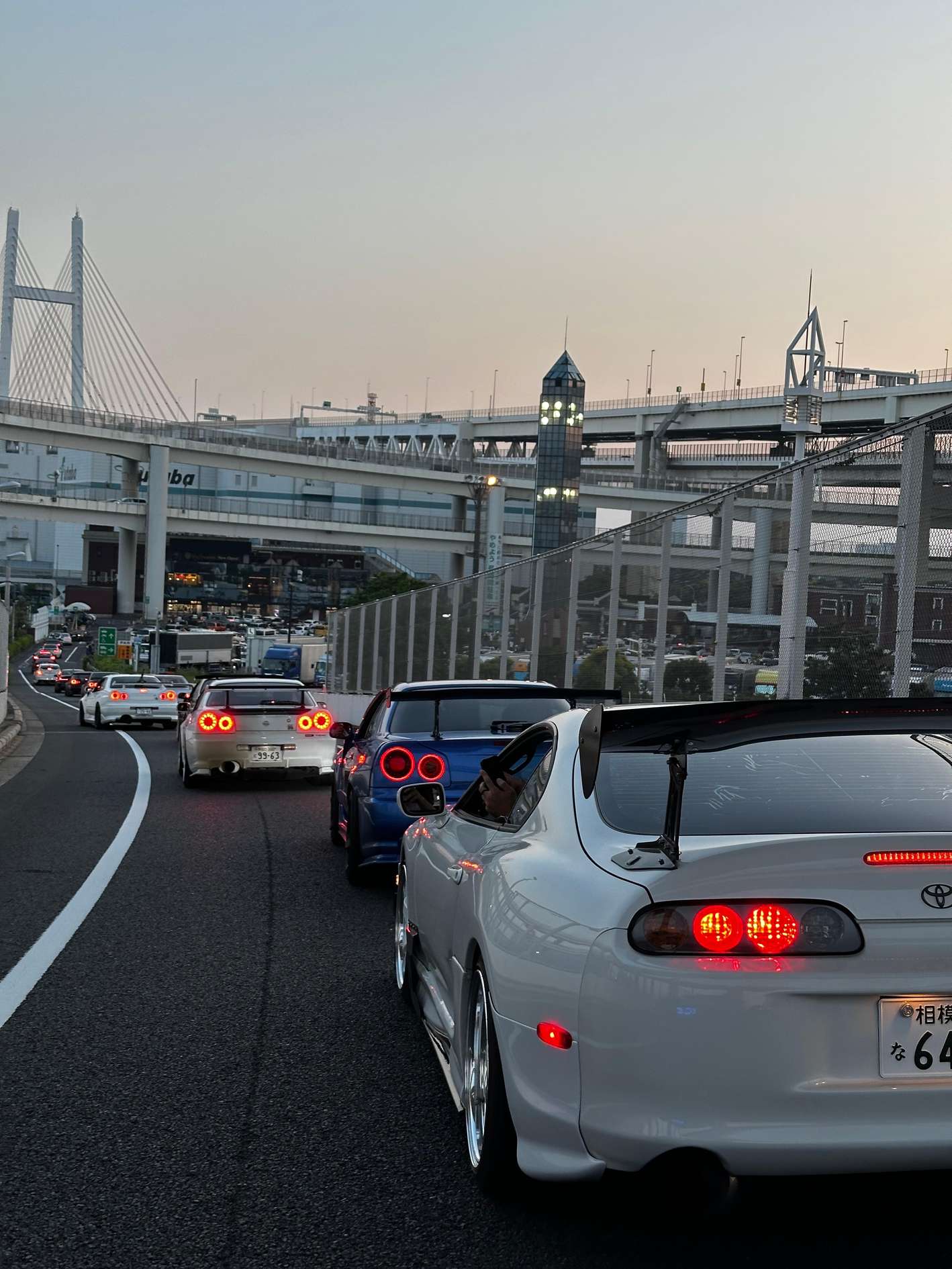
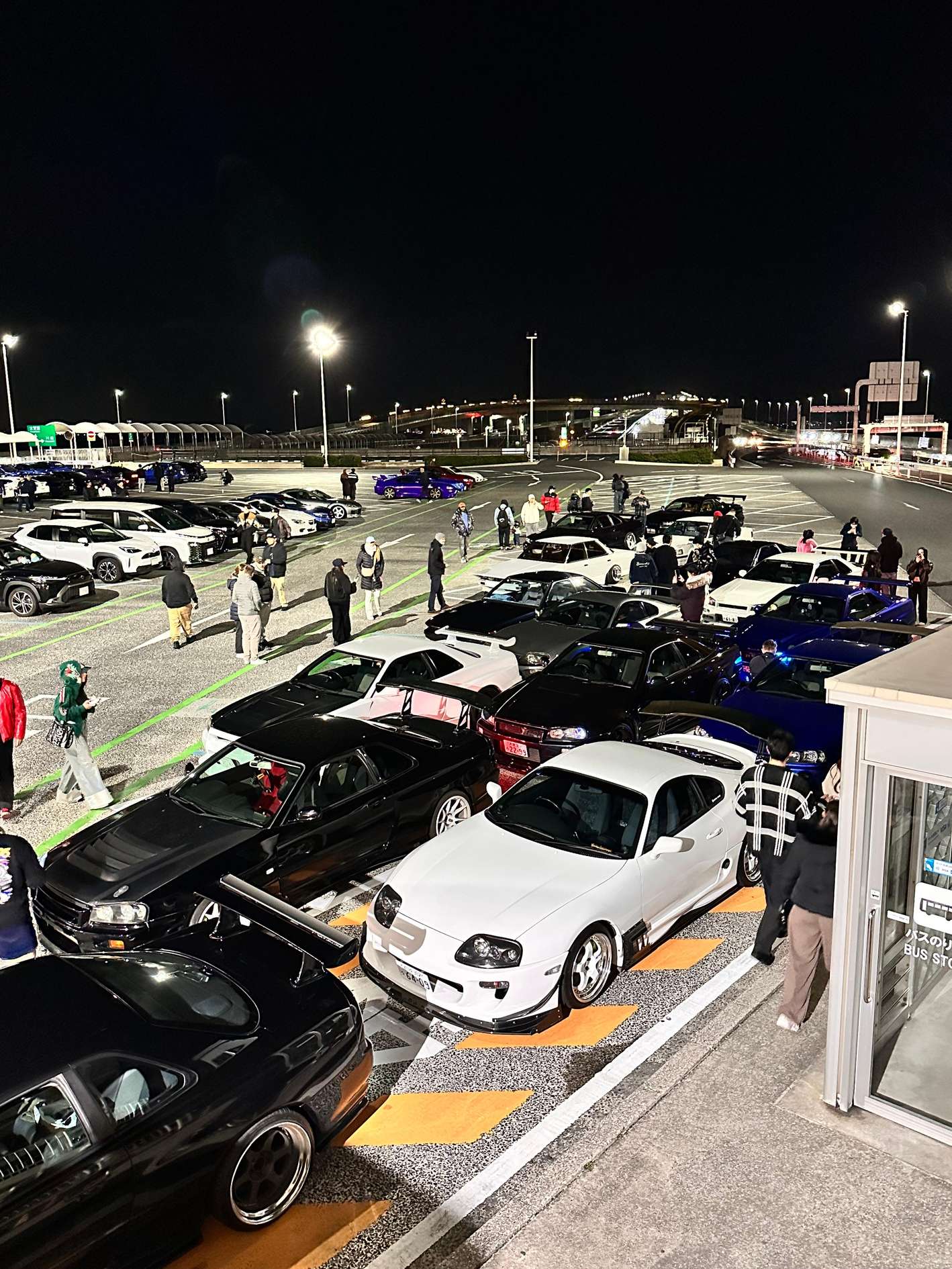
The big one sits on an artificial island in Yokohama Bay, wrapped in spiraling expressway ramps that photographers love. Weekend nights fill it with Skylines, Supras and RX-7s, while Sunday mornings bring classics and European supercars.
Tatsumi PA, five storeys above the Wangan, draws grassroots builds, and the underground garage at Akihabara UDX keeps modified cars parked indoors whatever the weather.
Here's the practical part: the expressway decks sit behind fences with no train, bus or footpath, so walking in is illegal and hailing a taxi out is close to impossible. This guide sorts every location by what reaches it and when the cars actually show.
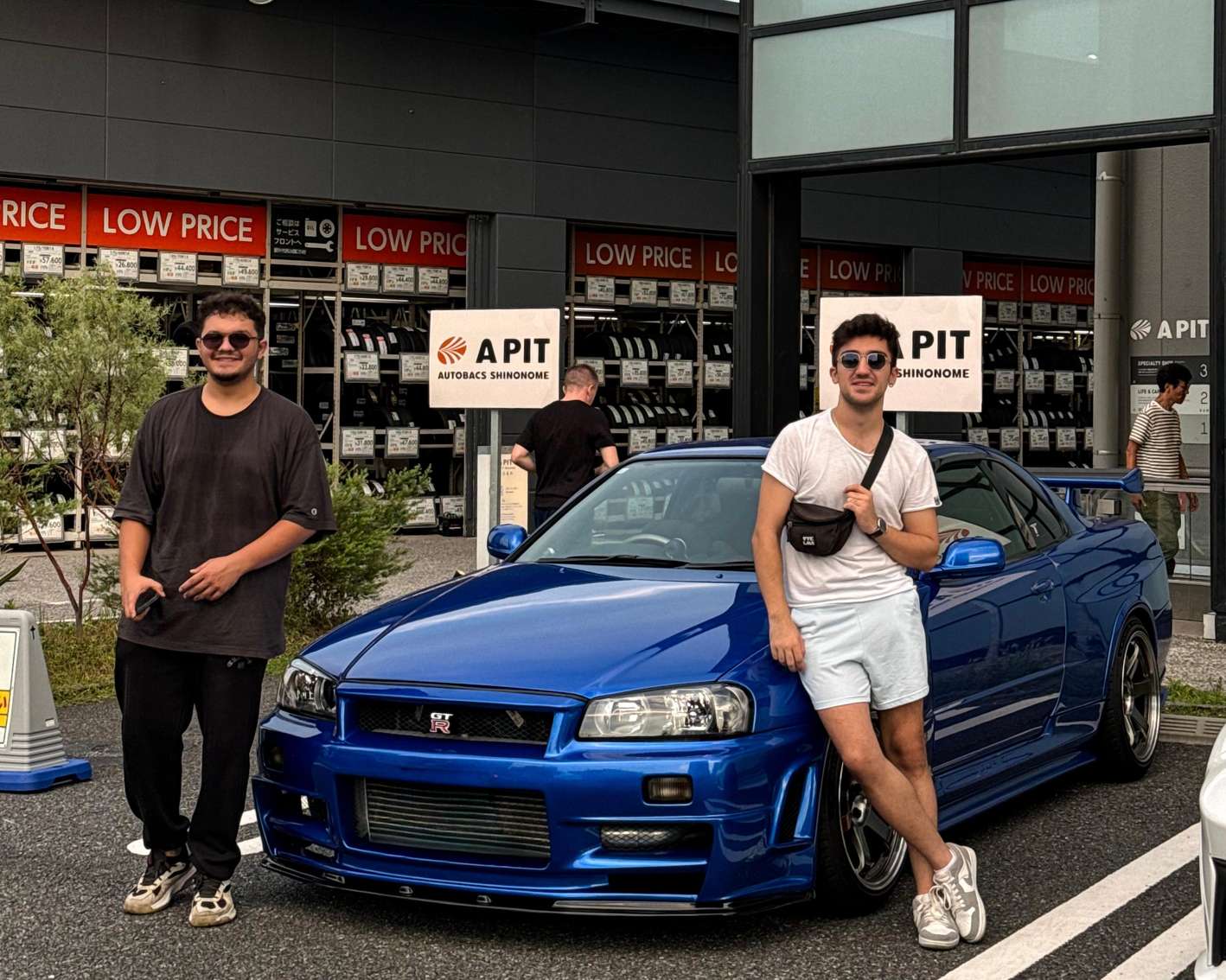
3 hours · ★ 4.9 (189)【R34】Daikoku PA Private Tour, Tokyo JDM Night ExperienceFrom $443 /group 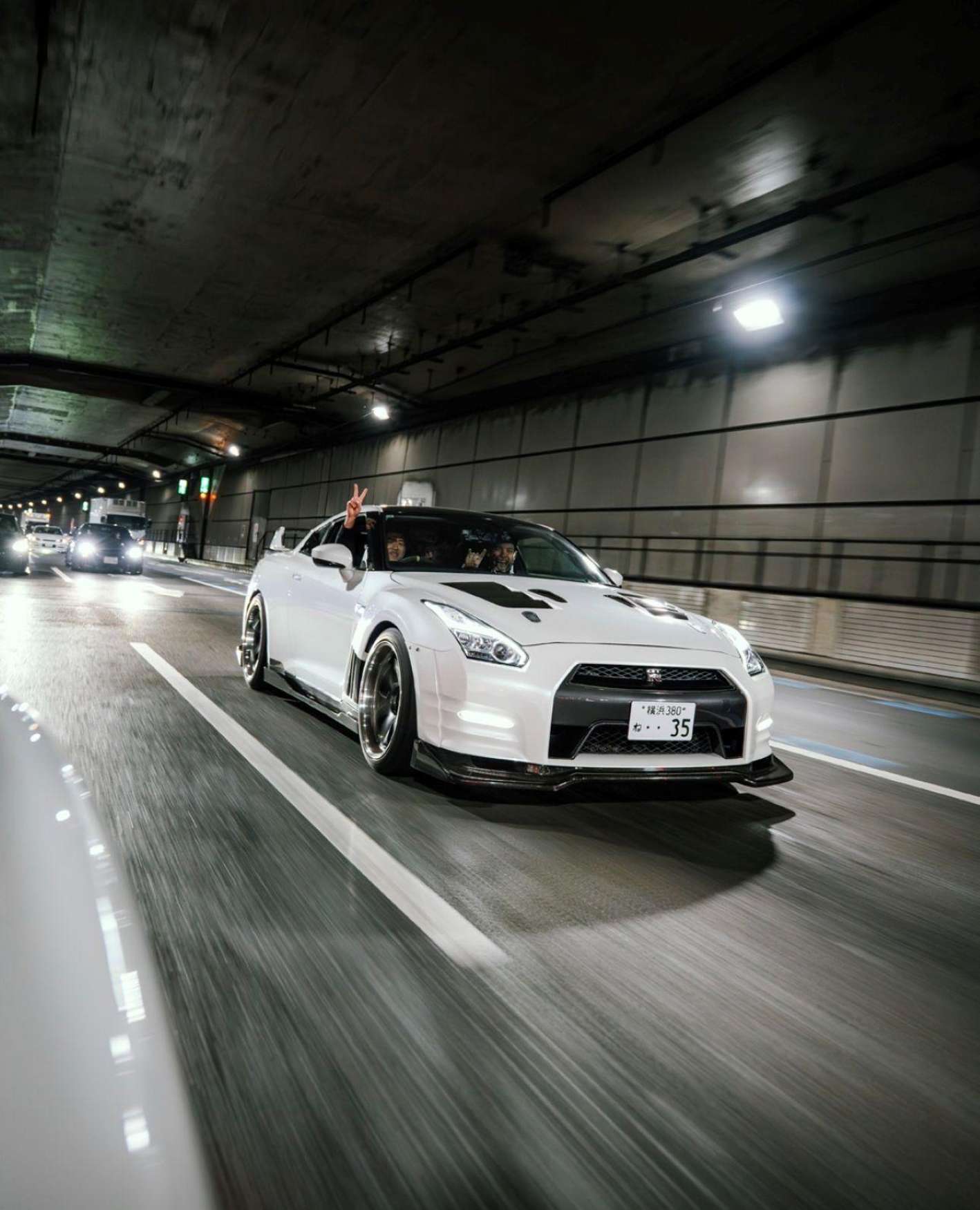 3 - 4 hours · ★ 4.9 (195)Daikoku & Tokyo Private JDM Tour in 700HP R34 GT-RFrom $596 /group
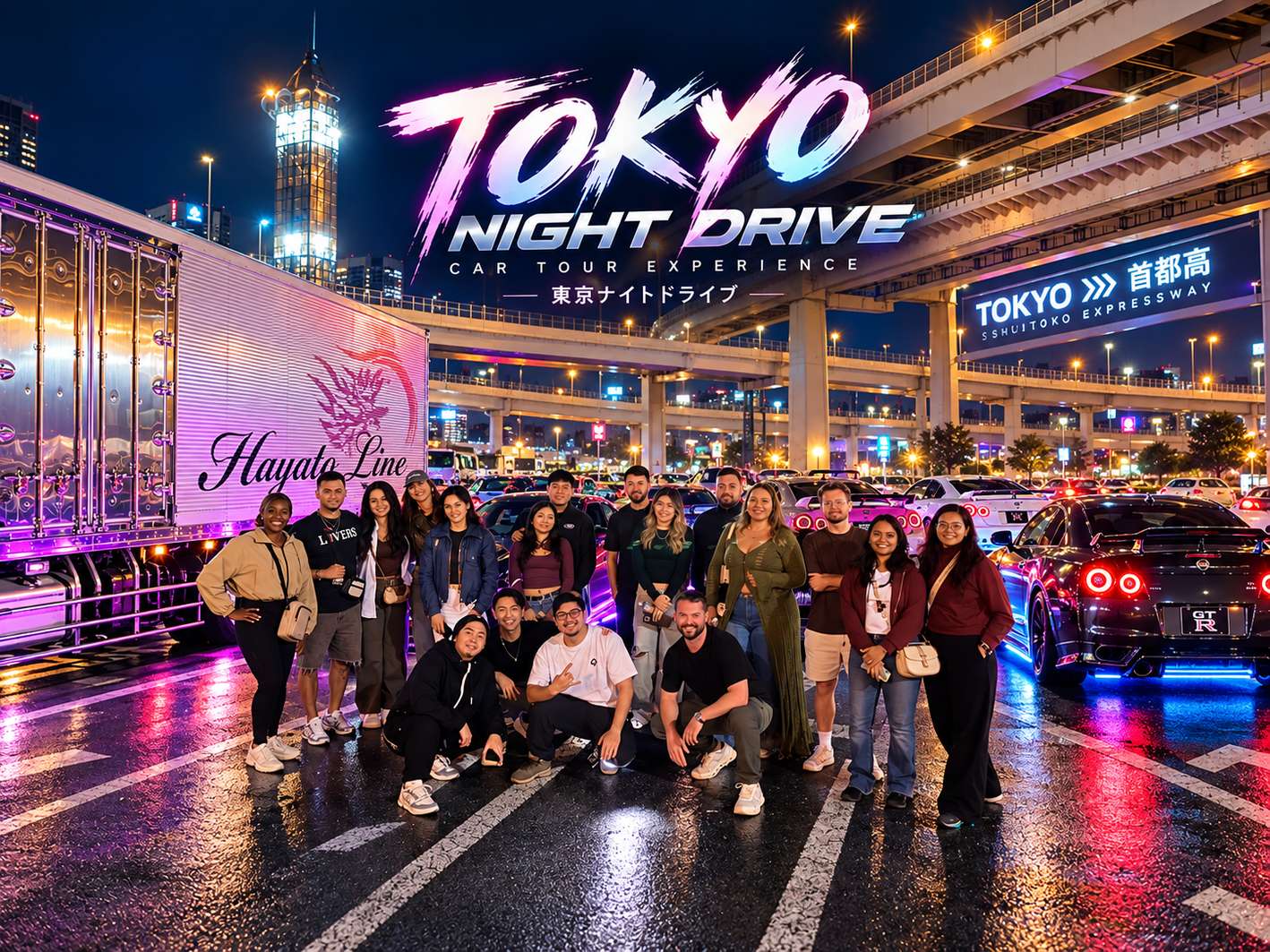 4 hours · ★ 4.9 (93)Tokyo JDM Legends: Daikoku PA & Modified Car ExperienceFrom $115
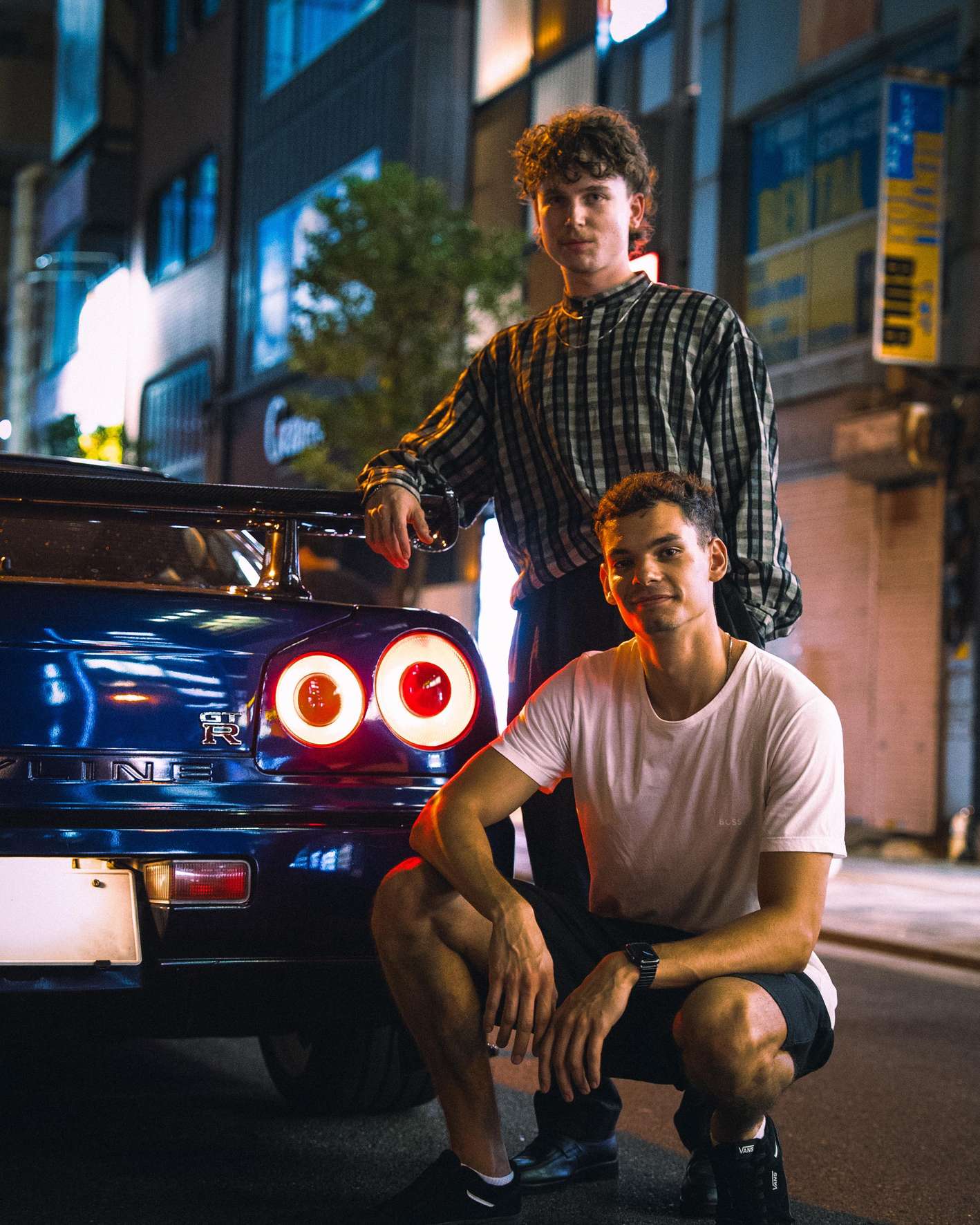 4 hours · ★ 4.8 (99)Daikoku: Private Night JDM Tour with R34 Skyline RideFrom $304 /group
Car shows, manufacturer facilities and dates you can put in a calendar
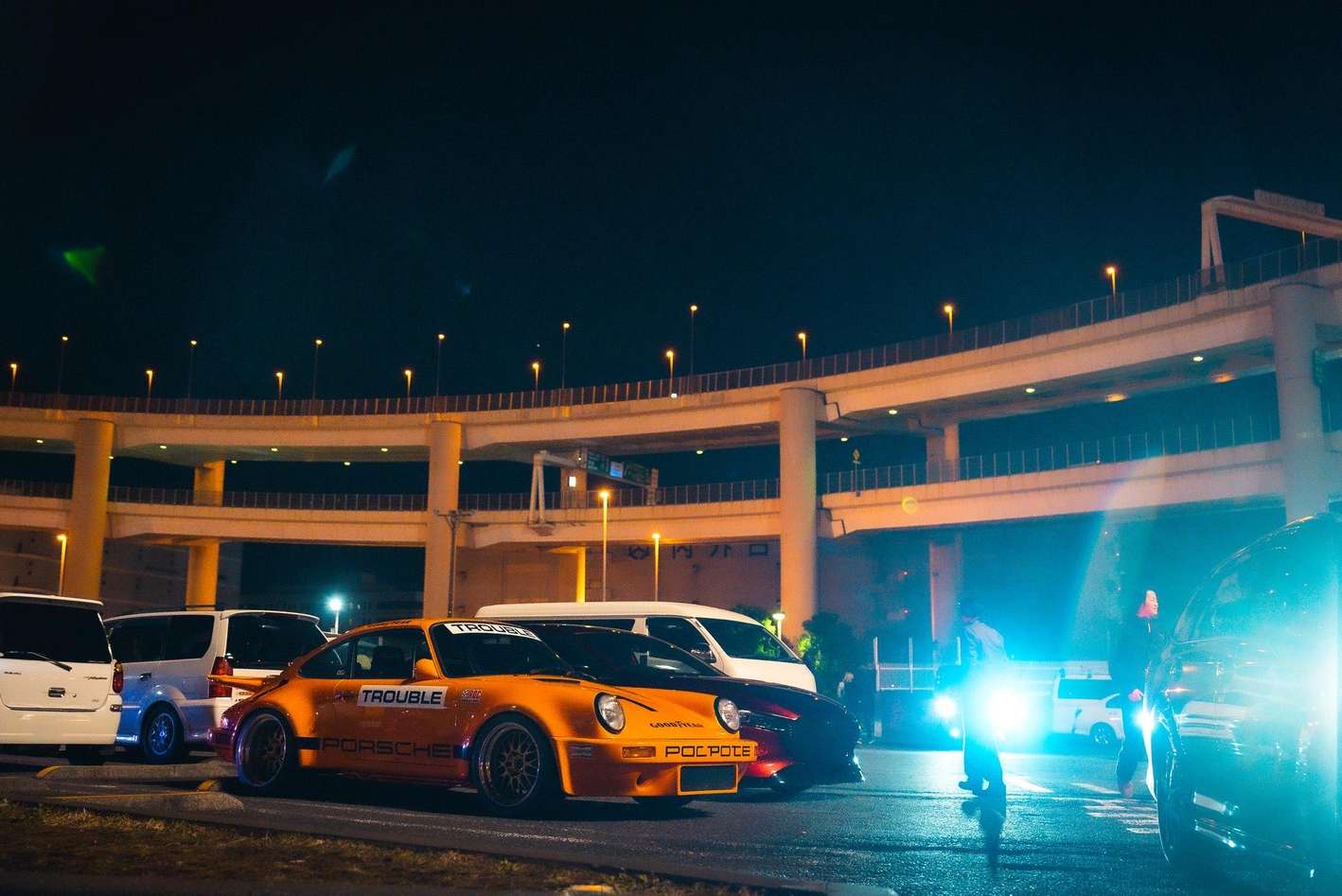
Not everything in Japanese car culture runs on luck. Tokyo Auto Salon fills Makuhari Messe every January, the Japan Mobility Show takes over Tokyo Big Sight in autumn of odd-numbered years, and Nissan's Yokohama gallery and engine museum welcome visitors in regular daytime hours.
A tour can even pair Daikoku PA with Nissan headquarters and the NISMO showroom in one afternoon.
If your trip dates fall on a weeknight or the weather turns, a fixed exhibition takes the uncertainty out of the plan. This guide lines up the annual calendar, what each venue costs to reach and how they sit alongside the spontaneous meets.
2.5 hours · ★ 4.9 (90)【Tokyo】JDM Daikoku Parking & Nissan Facility TourFrom $49 4 hours · ★ 4.9 (93)Tokyo JDM Legends: Daikoku PA & Modified Car ExperienceFrom $115 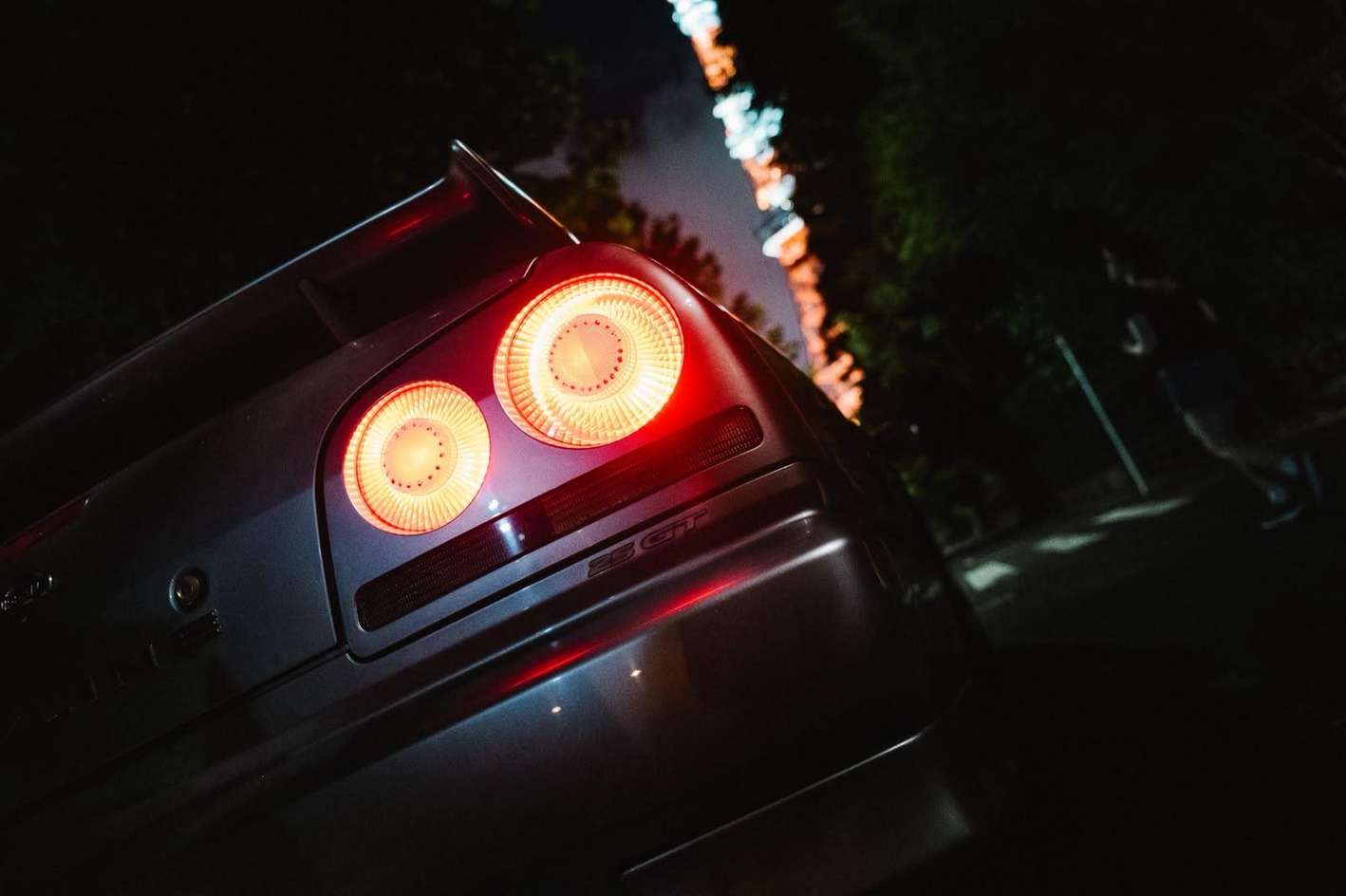 3 - 4 hours · ★ 4.8 (346)Fast and the Furious III/Tokyo Tower/Daikoku PA/JDM Car MeetFrom $105
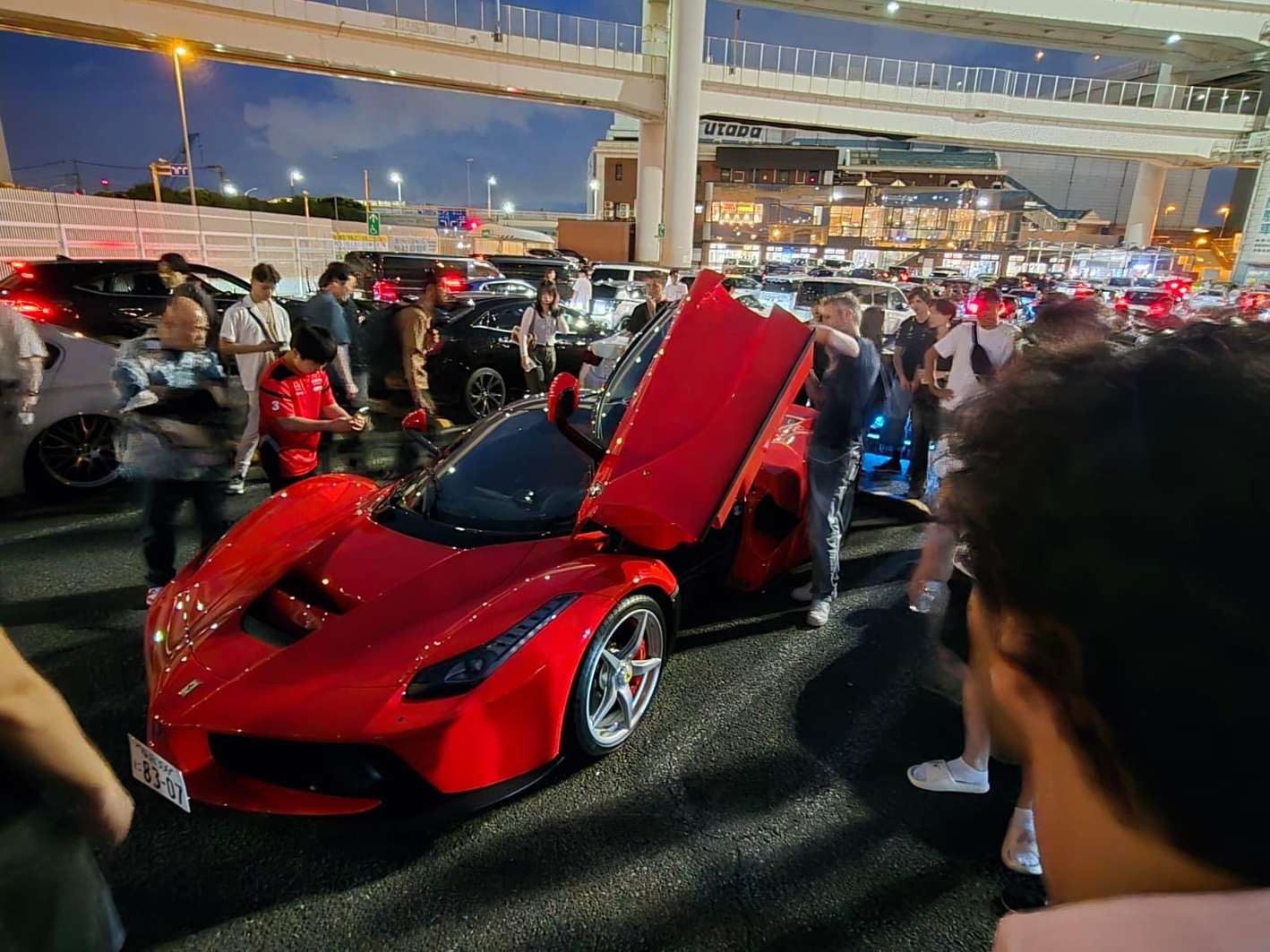 3 hours - 1 day · ★ 4.8 (880)Tokyo: Fast and the Furious Tokyo Drift III JDM Car TourFrom $105
The famous night gatherings happen on highway decks with no train, no footpath and no ticket booth. Getting there alone nearly fails; a guided ride solves access, timing and the ride home.
The main gatherings happen at Daikoku PA in Yokohama, with Tatsumi PA and Umihotaru PA as backups.
Meets are free, spontaneous and unscheduled; the cars change every night and nothing is guaranteed.
Daikoku sits fenced inside a toll expressway: walking in is illegal and taxis rarely pick up there.
Friday and Saturday nights pack the lot from 6 pm, but police can close the entrance between 7:30 and 9 pm.
A guided passenger tour solves access, timing and the ride home in one booking; no driving permit needed.
Book a tour that departs central Tokyo between 4:30 pm and 5 pm on Friday through Sunday, so you arrive before the lot fills, and pick an operator that diverts to Umihotaru PA or offers a refund if the gates shut.
The famous lot everyone films sits in northern Yokohama, across the bay from central Tokyo. Daikoku Parking Area has been the historic center of Japanese tuning for decades, wrapped in spiraling expressway ramps that look like abstract sculpture from above and give every parked GT-R a photographic backdrop.
Two more decks carry the scene. Tatsumi PA sits five storeys above the Wangan expressway overlooking Ariake, drawing grassroots builds, with sports cars peaking from 9:30 pm on Fridays and Saturdays.
Umihotaru PA, an island rest stop across Tokyo Bay, comes alive from about 8 pm on weekend nights as drivers migrate over once Daikoku closes. Shibaura and Heiwajima handle the overflow.
Every highway spot shares one catch: fences, ramps and highway law. Tatsumi No. 1 only admits vehicles traveling inbound on the Shuto, and pedestrians cannot walk in at all. Akihabara UDX is the exception.
This underground garage welcomes walkers for free, and its B2F level holds the densest stack of JDM builds and anime-wrapped itasha on Friday and Saturday nights from 7 pm to midnight.
| Highway vehicles only, fenced in | Highway vehicles only | Walk in free from Akihabara Station | |
|---|---|---|---|
| Crowd size | Largest and most famous | Smaller, grassroots builds | Steady indoor gathering |
| Police-closure risk | High on weekend nights | Around 8 pm on heavy weekends | None |
| Suits | First-timers who want the legend | Late-night purists | Rainy nights and walkable plans |
The full rundown of each spot, with its best hours, sits in the Tokyo car meet locations guide.
Some trips need a plan that holds regardless of the night. Tokyo Auto Salon packs Makuhari Messe every January, and the Japan Mobility Show takes over Tokyo Big Sight in autumn of odd-numbered years. Both are dated, ticketed and indoors, which takes the guesswork out entirely.
Daylight options run year-round. The NISMO Omori Factory showroom in Yokohama opens Saturdays and Sundays from 10 am to 5 pm, closed on weekdays and through Golden Week and the New Year holidays, so time it to a weekend.
Super Autobacs Tokyo Bay in Shinonome is reachable by rail, stocks aftermarket parts and JDM merchandise, and parks customer sports cars outside; its A-PIT hall also hosts tuner fairs on weekend mornings.
Two more options reward the committed. The Nissan Zama Heritage Collection asks for advance online reservations up to two months ahead through a Japanese-language booking system, so sort it before departure. And if the budget stretches, the Fuji Speedway Hotel puts you beside the circuit itself, with paddock access, track sessions and an on-site museum.
The full calendar of shows, galleries and dated events lives in the Tokyo car events guide.
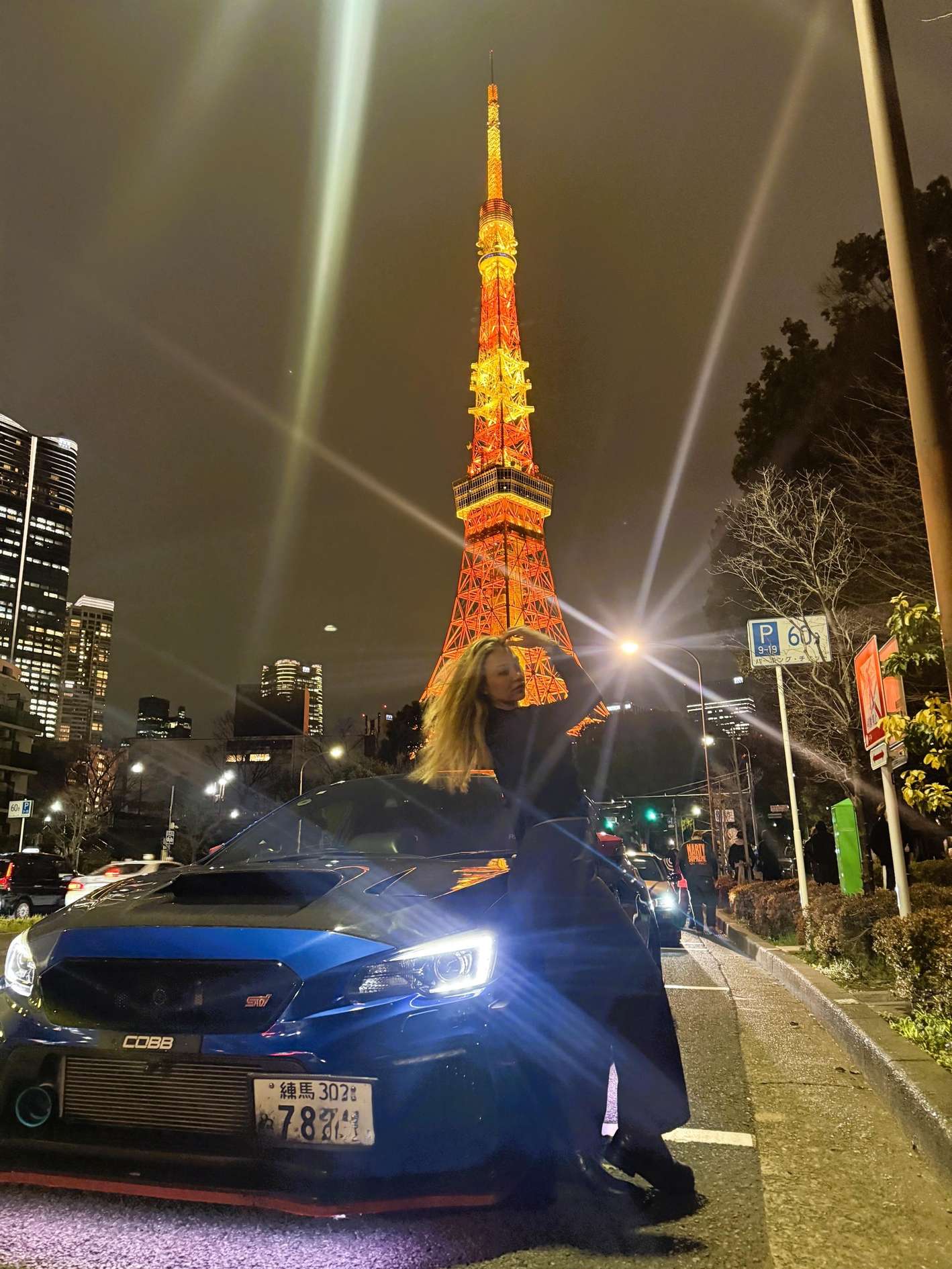
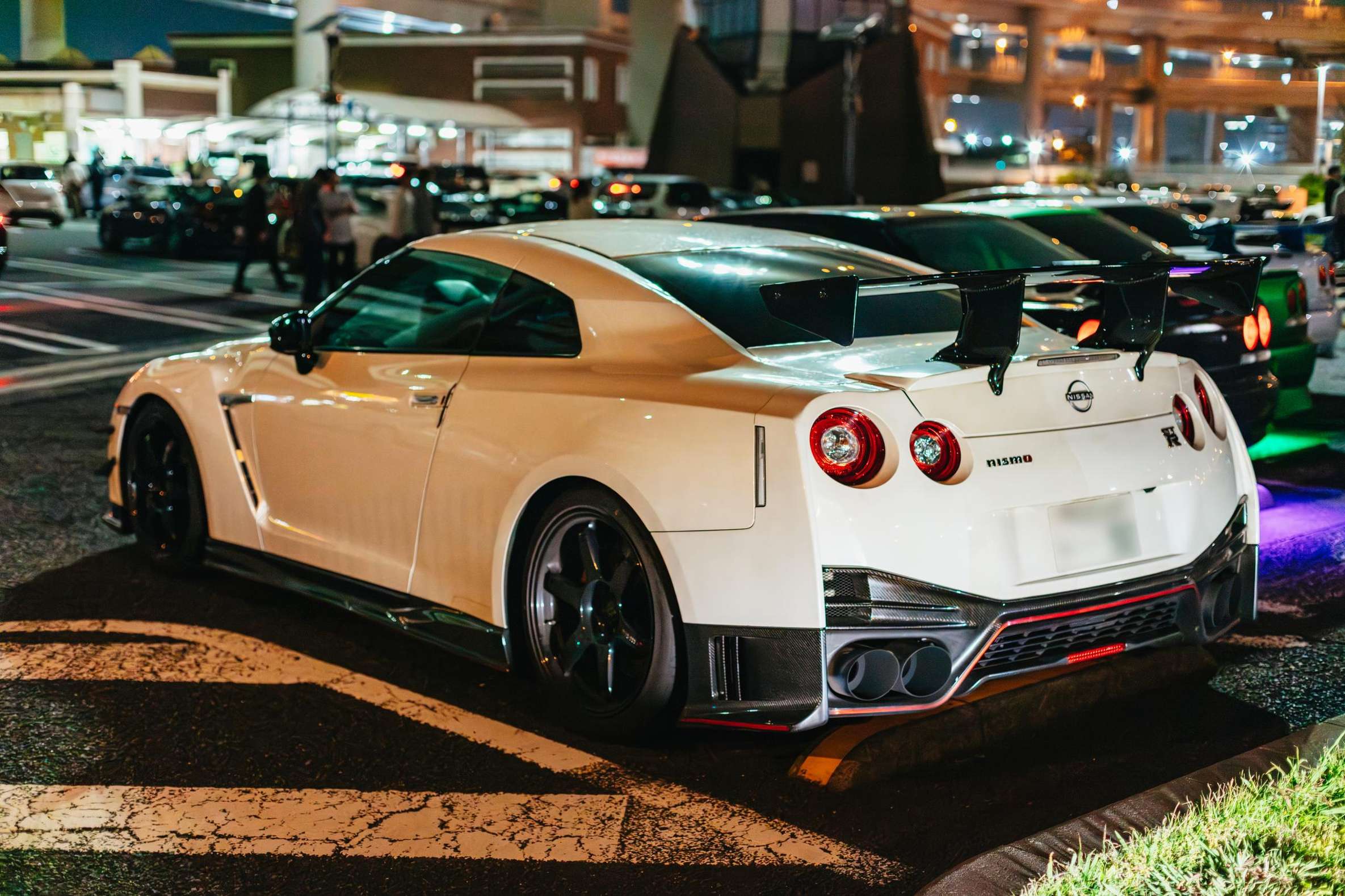
Daikoku PA is a working 24-hour highway rest stop, and the meet is whatever rolls in. Nobody sells tickets and the cars change every night. You pay for parking nothing; the gathering costs nothing to watch.
What keeps it alive is etiquette. Owners park, open their hoods and let strangers photograph their work. In return, nobody sits on a hood, leans on paint, touches bodywork with a watch bracelet, or revs engines and does burnouts in the lot.
Follow that and the scene stays open to everyone, including foreign visitors, who regulars generally welcome. A phrasebook app bridges most conversations with owners.
Certain dates pull special cars out of garages: July 7 brings RX-7s and rotaries, August 6 celebrates the AE86 and its modern GR86 descendants, and early March belongs to the R32, R33 and R34 Skylines.
Even then, no specific car is promised. Drifting never happens in the lot either; the parked cars are the whole show.
It's a free, spontaneous gathering at a public rest stop, with no organizer
The lot is parked cars only; drifting lives on sanctioned tracks
Turnout changes nightly and no model is promised
Local meets announce on Japanese networks, often at the last minute
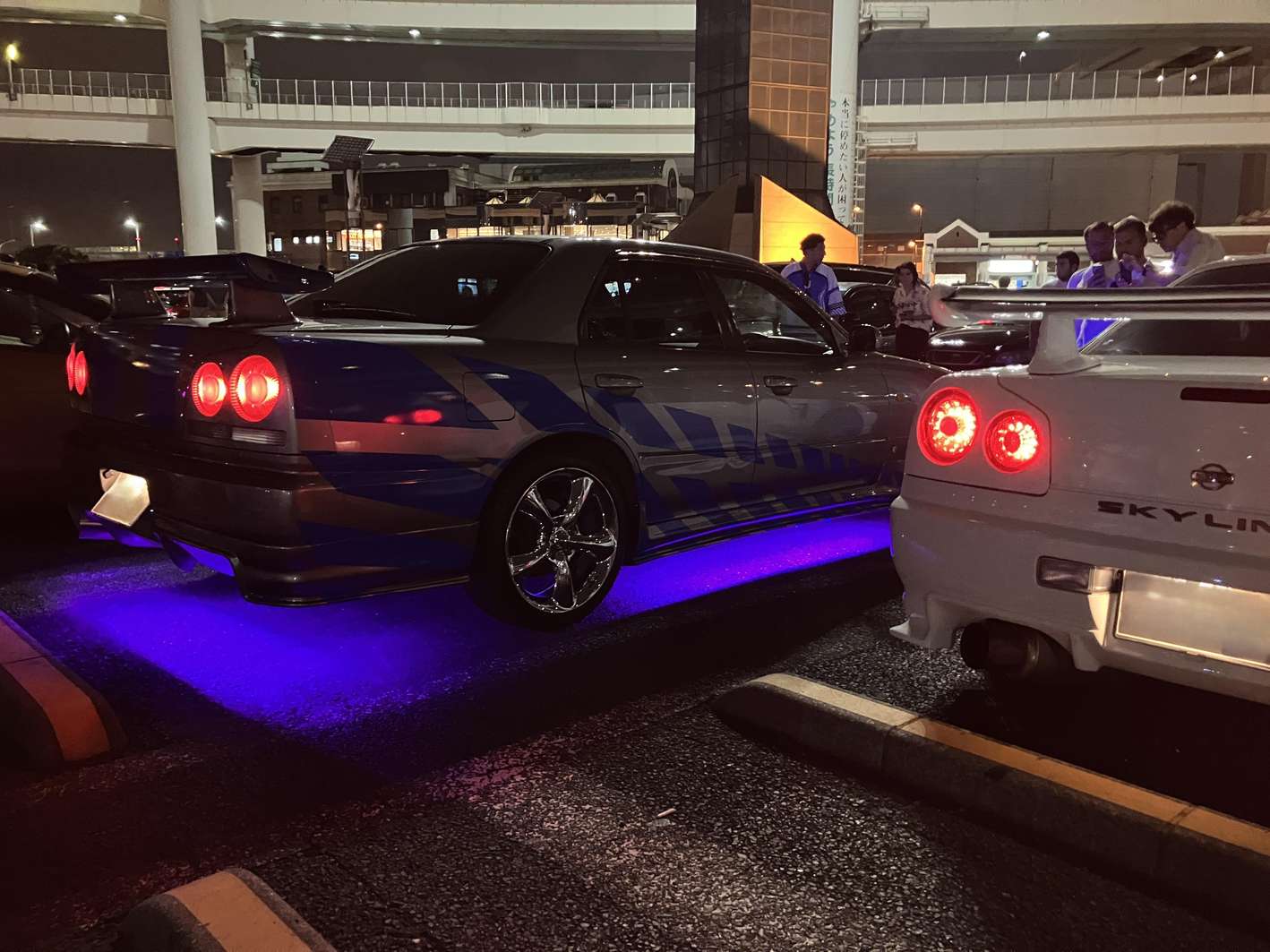
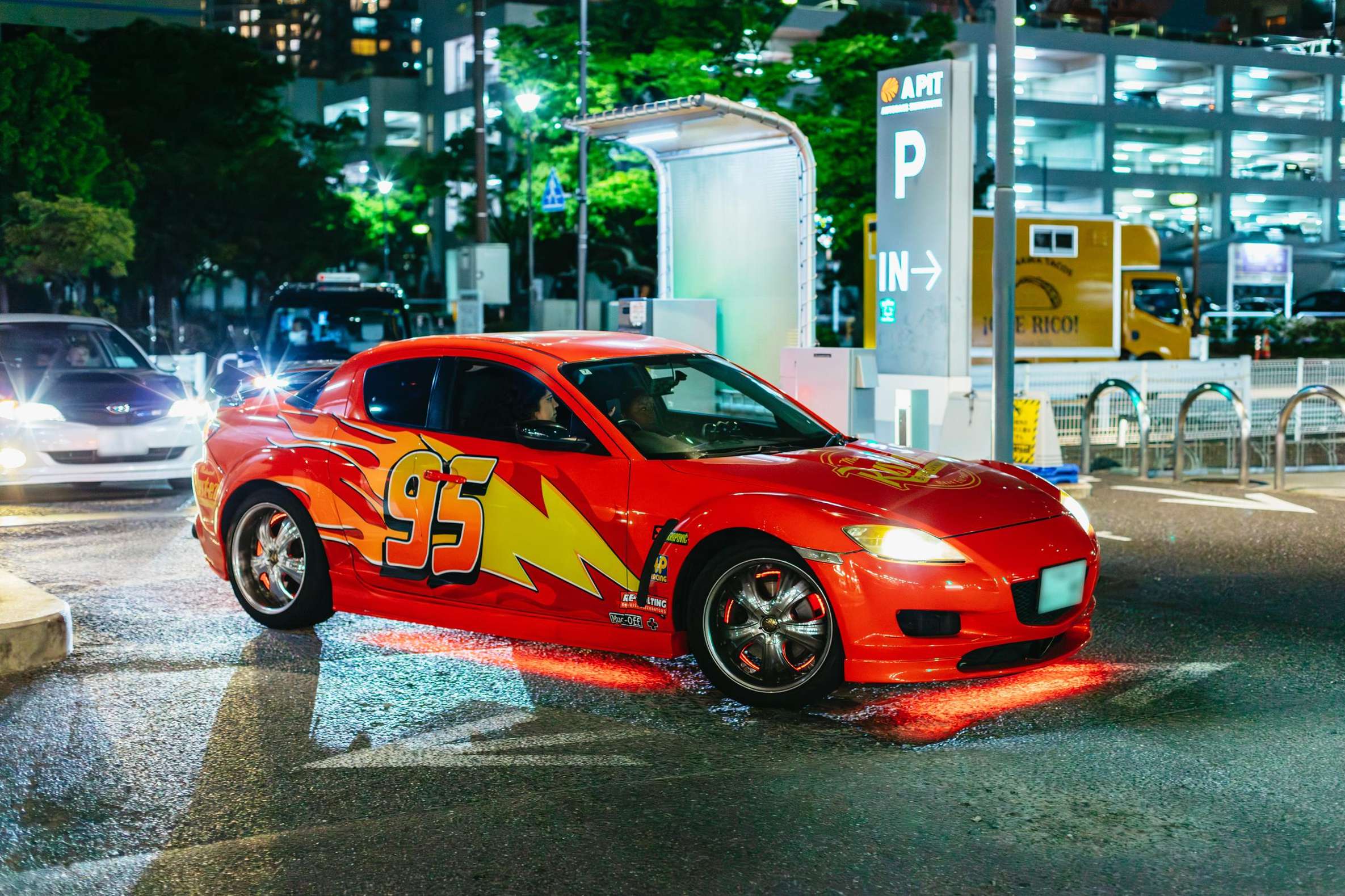
Daikoku sits on an artificial wharf in Yokohama Bay, fenced inside the toll expressway network, reachable only by the Bayshore Route or the Kanagawa Route 5 Daikoku Line. No train, no bus, no pedestrian gate. Walking onto the Shuto Expressway is illegal under highway law and can bring fines, or worse.
The exit problem is the one that ruins nights. There is no taxi stand inside. Ride-hailing apps rarely accept pickups from highway service areas, and the GO app will not book from inside a parking area at all.
If police shut the lot while you are there, your ride home has to come from the vehicle that brought you. Leaving means leaving with what you arrived in.
A one-way taxi from Tokyo Station covers about 36 kilometers in 48 minutes without traffic, and that works only if the driver waits for the return leg, which stacks meter time and a 20 percent late-night surcharge onto the fare. The distance from Shinjuku is similar, roughly 36 kilometers and 52 minutes in clear traffic.
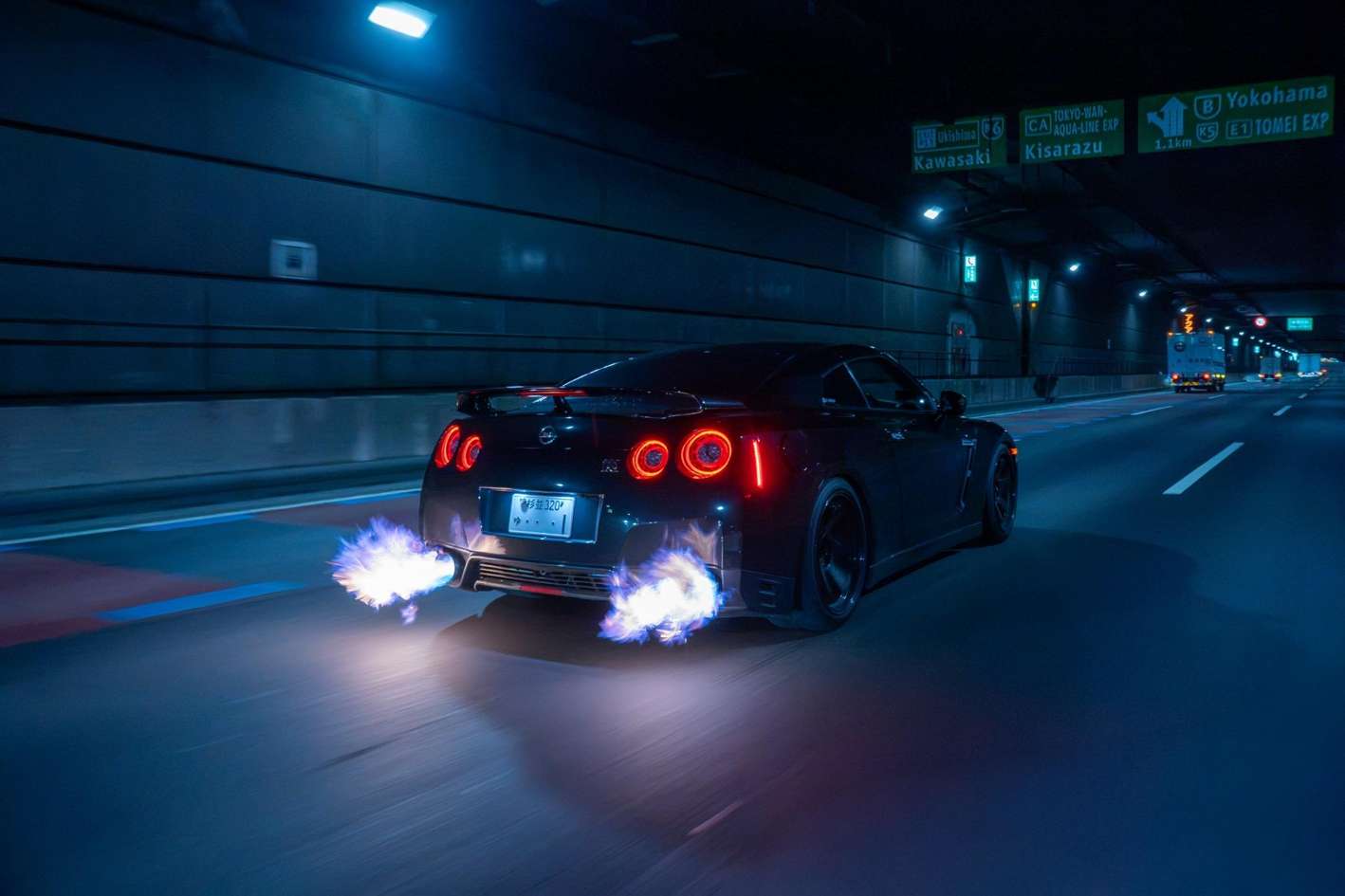
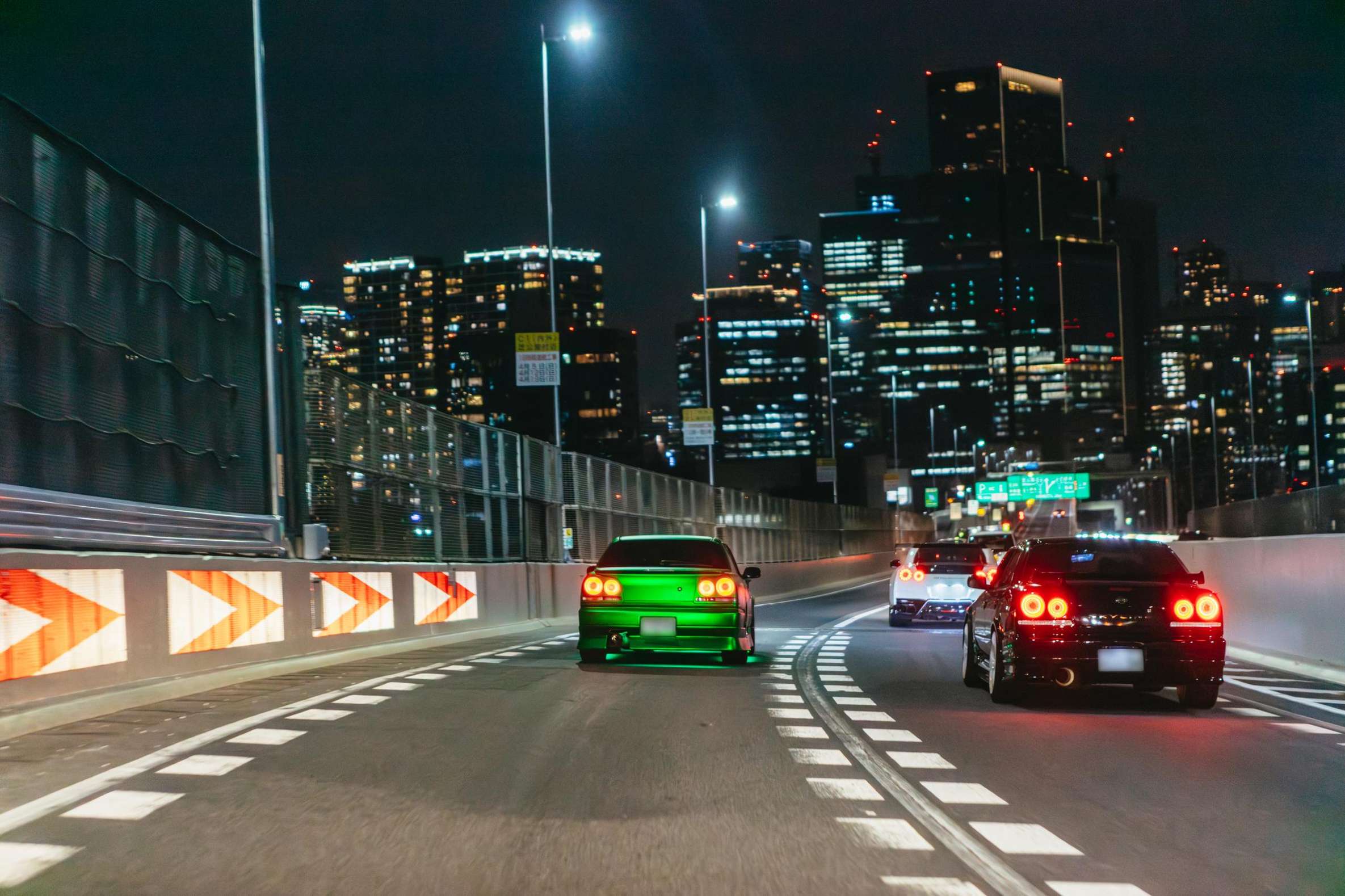
The meet is half of it. The other half is the drive, and that is where riding shotgun beats any display.
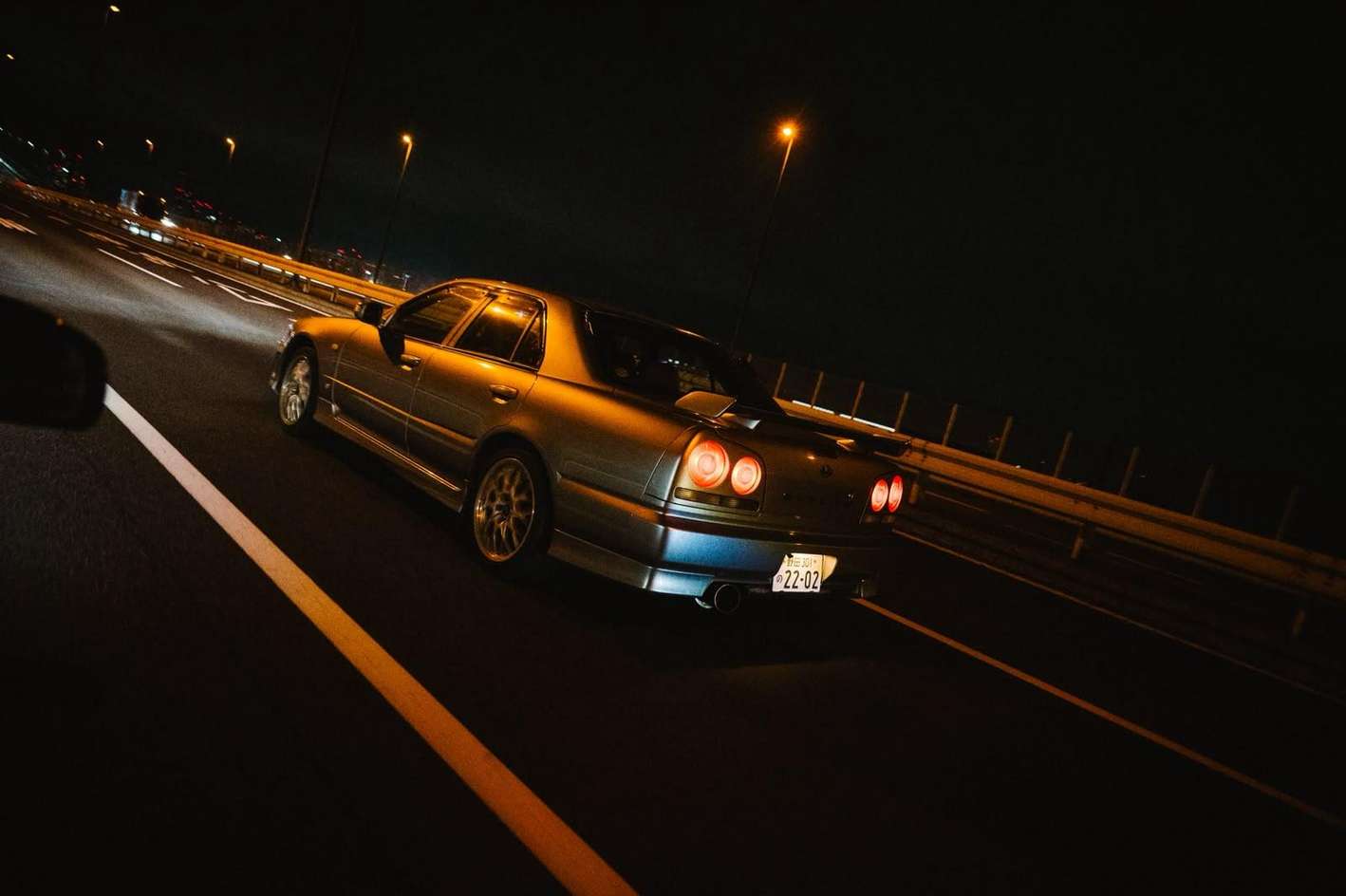
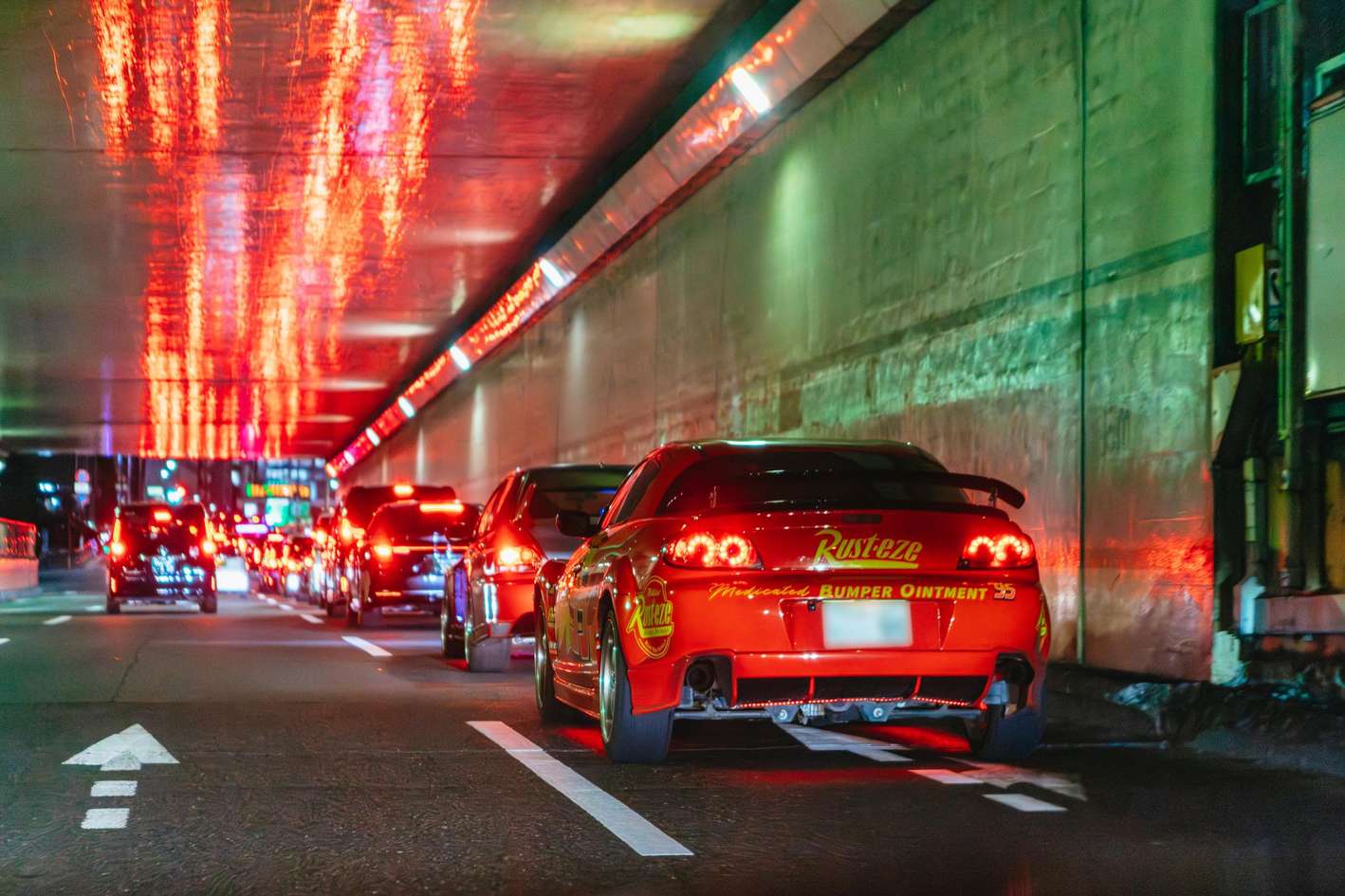
A convoy of tuned cars runs the Wangan Route and the C1 Loop together, tunnels swallowing the exhaust note and spitting it back out over Rainbow Bridge, with the Tokyo skyline and the bay spread out below.
Book the Tokyo: Fast & Furious Daikoku JDM Night Tour - EVO, WRX & More and you ride shotgun in a real Lancer EVO X or Subaru WRX STI, feeling the all-wheel-drive turbo pull on the expressway while your guide narrates the culture.
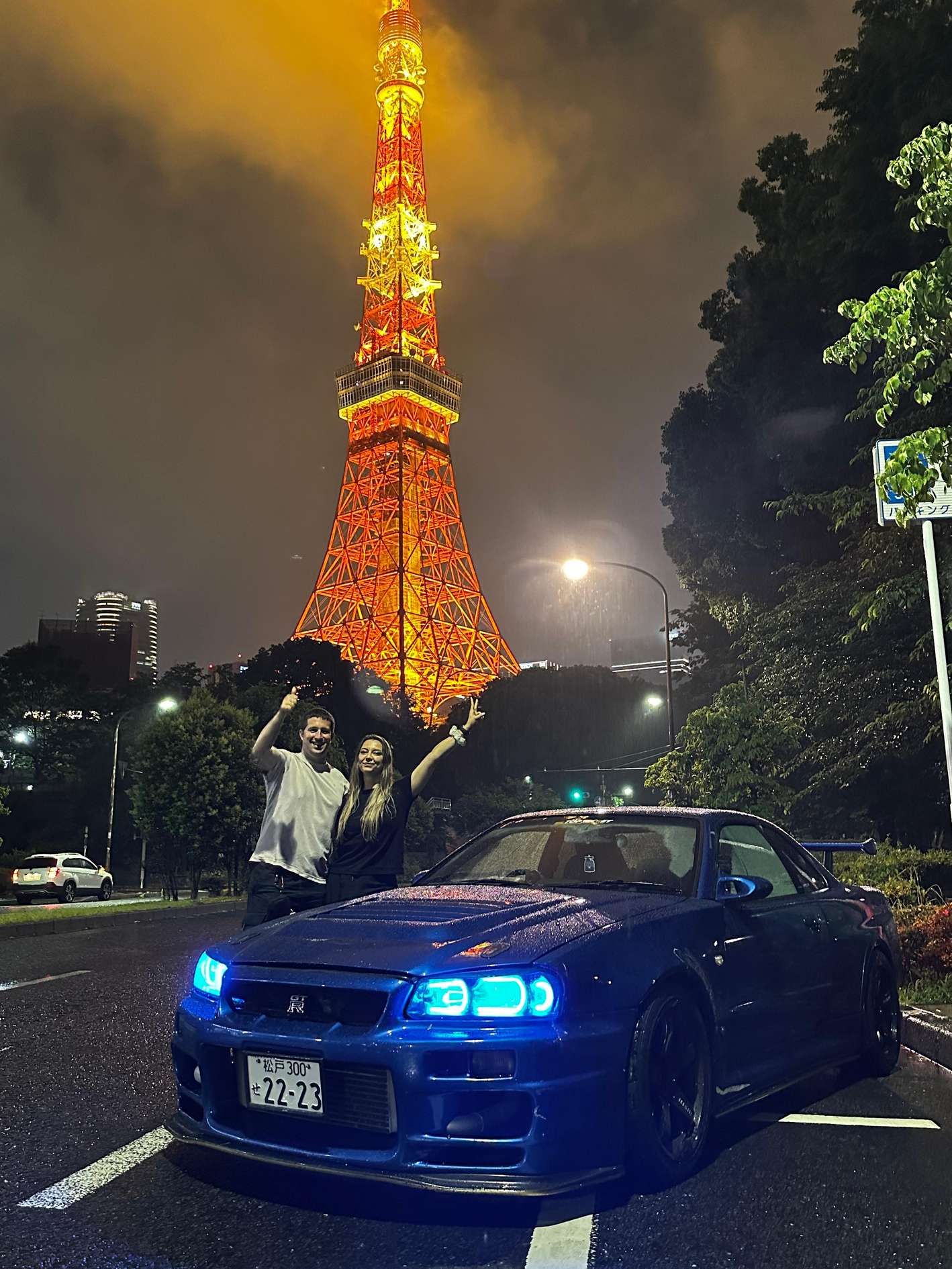
Photo stops at Tokyo Tower and Rainbow Bridge turn the night into a proper city tour too, and plenty of guests book it without caring much about cars at all.
You need no driving permit, because a professional driver is arranged for you. Language rarely blocks the fun; some drivers speak basic English good enough for the tour, and guides bridge the rest with translation devices and pure enthusiasm.
Most groups spend about an hour parked at Daikoku itself before heading back, and standard evening tours return between 10 pm and 11:30 pm, in time for the last trains. Midnight runs finish later and drop you at your hotel instead.
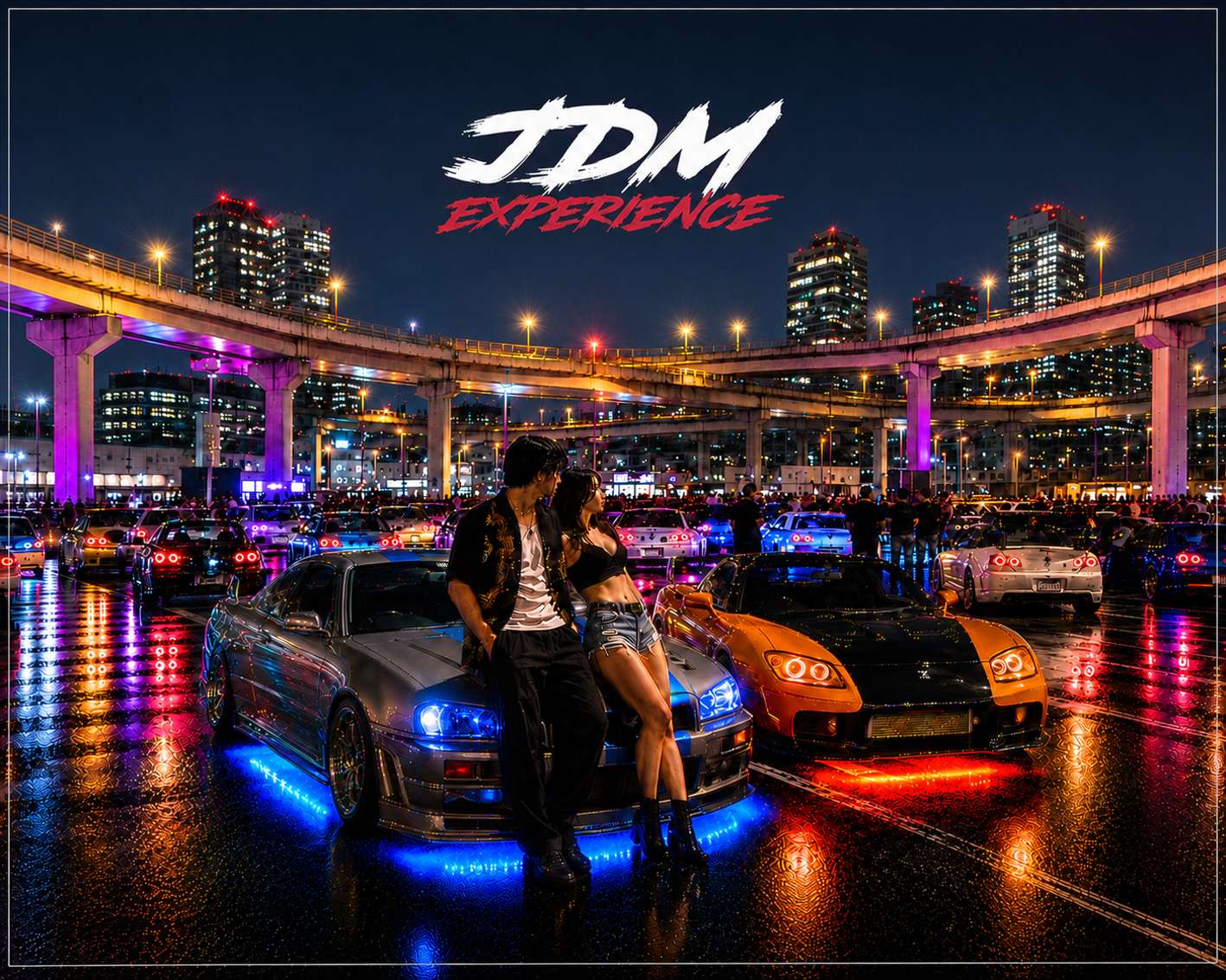
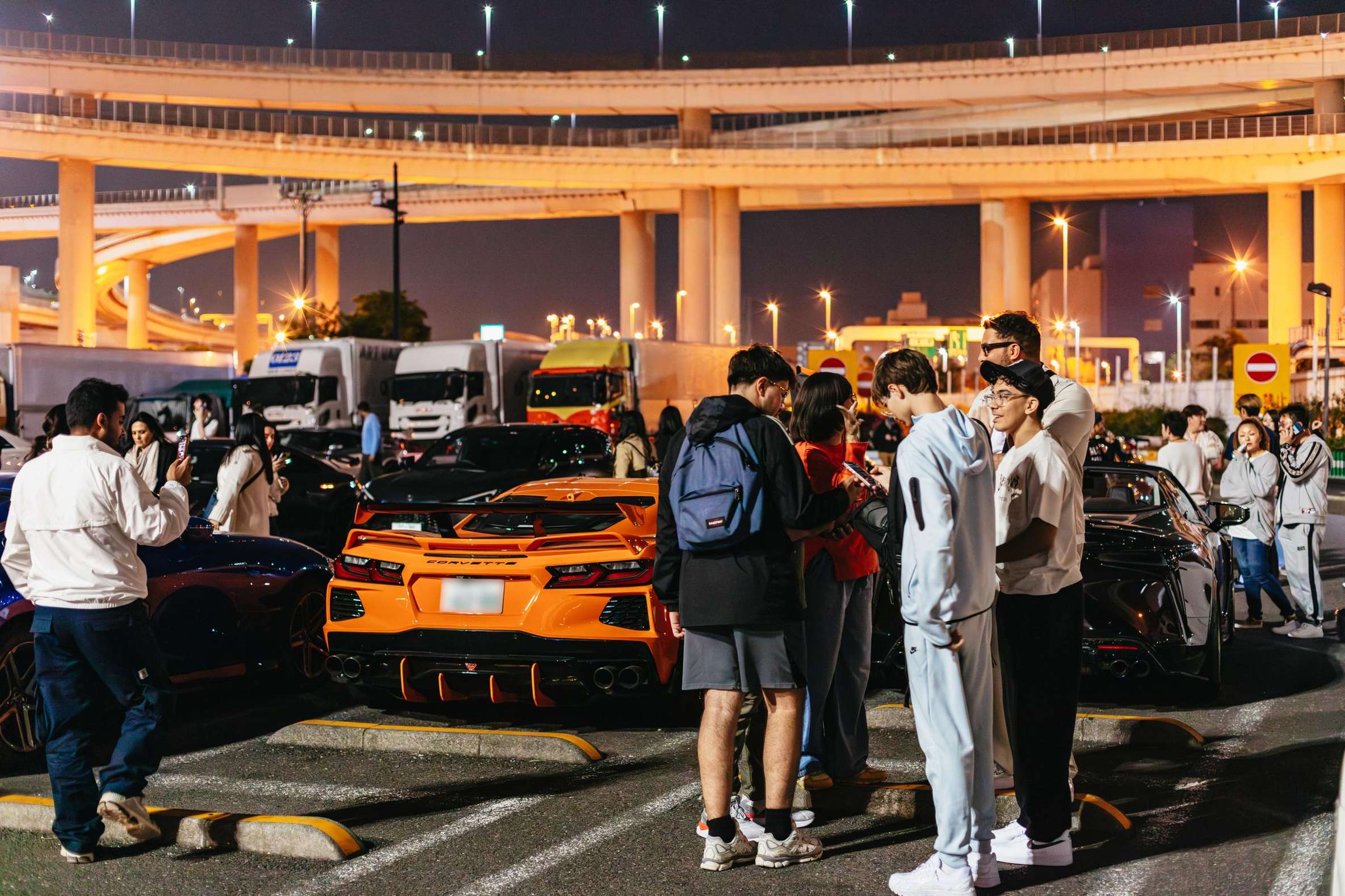
Any car gets you legal access to the lot; the legend of Daikoku does not require an R34. A standard rental or even a Kei van parks in the same rows as the exotics. What you do need is paperwork sorted before you fly.
Japan accepts International Driving Permits only under the 1949 Geneva Convention, and the permit must be issued in your home country before arrival; you cannot get one inside Japan.
Licenses from Belgium, France, Germany, Monaco, Switzerland and Taiwan do not qualify for an IDP; drivers from those places carry an official Japanese translation issued by JAF or their embassy, kept alongside the original license. The minimum driving age on expressways is 18.
The Shuto Expressway itself is the trickier part. Exits appear on both the left and the right, the Daikoku off-ramp is a long circular loop dropping to ground level, and navigation apps lose position where the highway runs over streets or through tunnels.
Leave the ETC-only lanes alone: without a card, use the general or shared lanes and pay in yen cash or by card, pressing the staff call button at the machines if the card reader balks.
Drivers used to the other side of the road adapt within the hour, mostly fumbling the turn signal for the wipers once or twice. An automatic removes the gear-hand awkwardness completely.
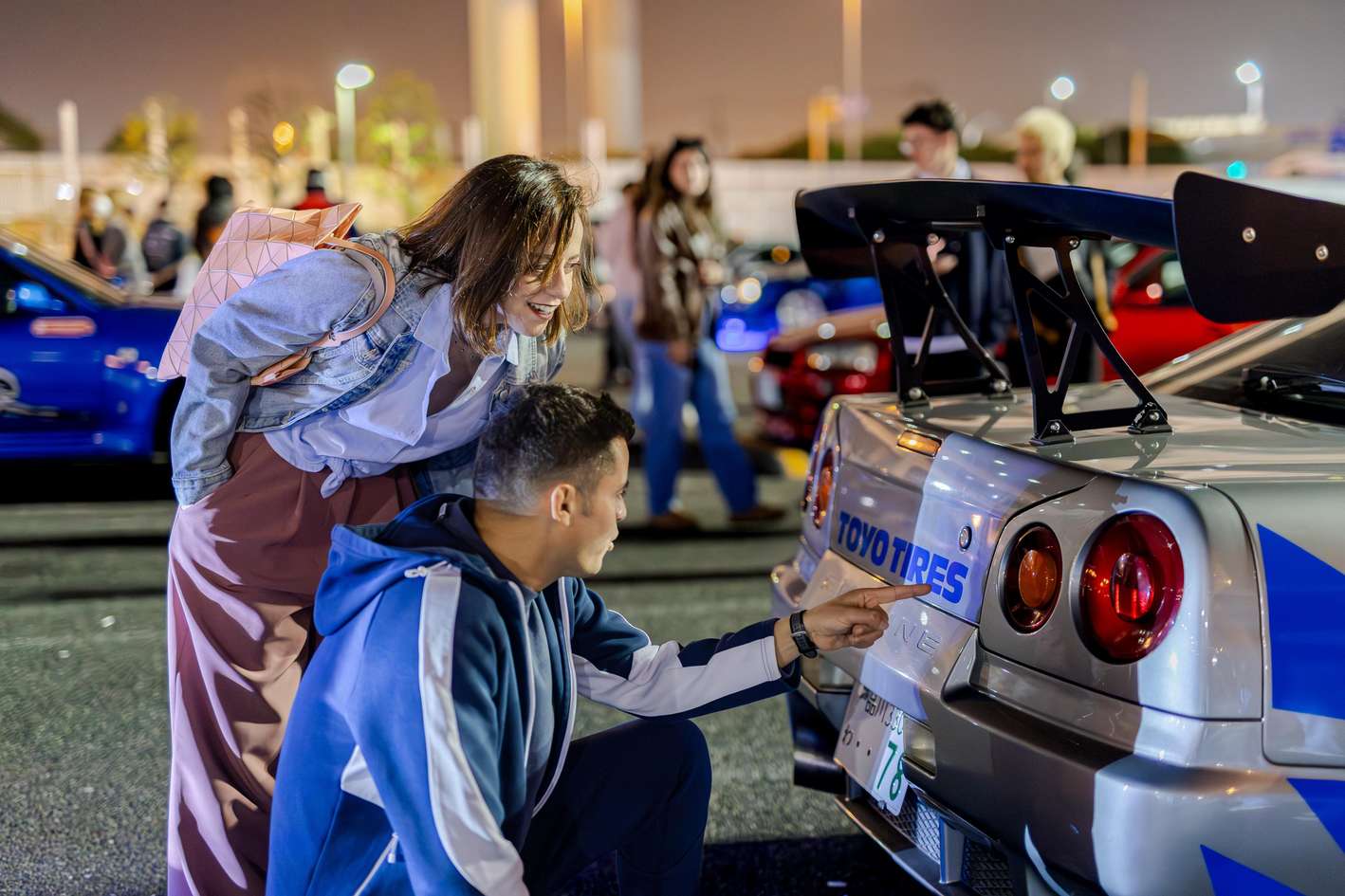
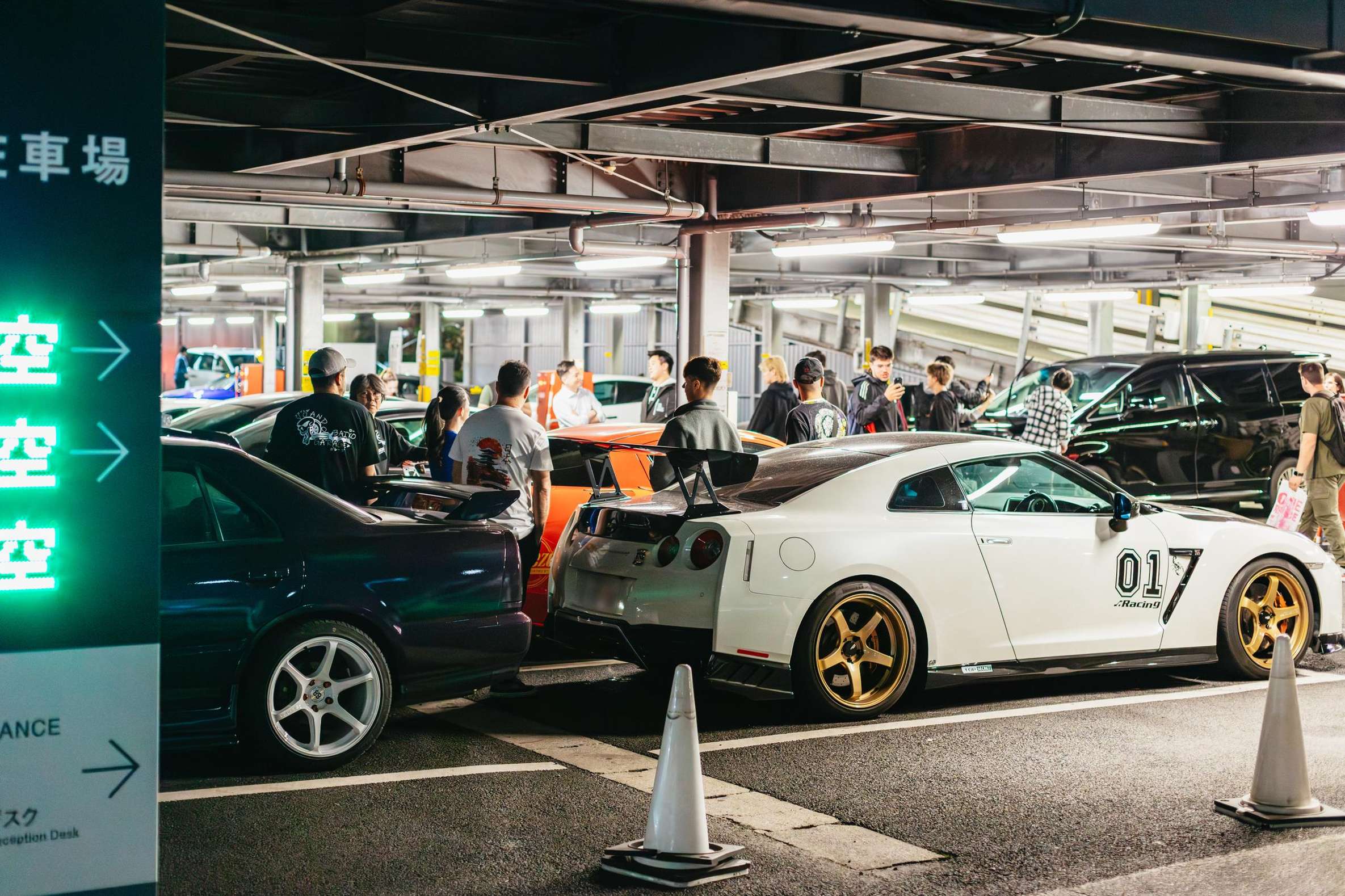
Friday and Saturday are the nights people mean when they say Daikoku. Tuner builds start rolling in from around 5 pm, the lot barely a fifth full at first, and the peak crowds form between 7 and 9 pm.
Saturday mixes JDM icons with supercars and draws the widest variety of the week. Both nights carry the same trade-off: police frequently close the entrance between 7:30 and 8:30 or 9 pm once the lot overflows.
Midweek flips that equation. Monday through Thursday, cars gather from around 7:30 to 8 pm and turnout stays smaller but consistent, with almost no risk of a shutdown. Tuesday and Wednesday nights are the connoisseur's pick: enough room to study each build and talk to owners without the press of a crowd.
So the choice for your booking: a weekend night buys spectacle at the risk of an early dispersal, a weeknight buys reliability and conversation. Sunday splits the difference, with a daylight gathering of classics and European supercars from 8:00 to 11:30 in the morning and quieter evenings around 5:30 to 7:30 pm.
This timing explains why tours depart central Tokyo between 4:30 and 5 pm on weekends, arriving around 5:30 or 6:00 for one to two hours of viewing before any closure. A full round trip runs 3 to 4 hours, with roughly an hour parked at the lot itself.
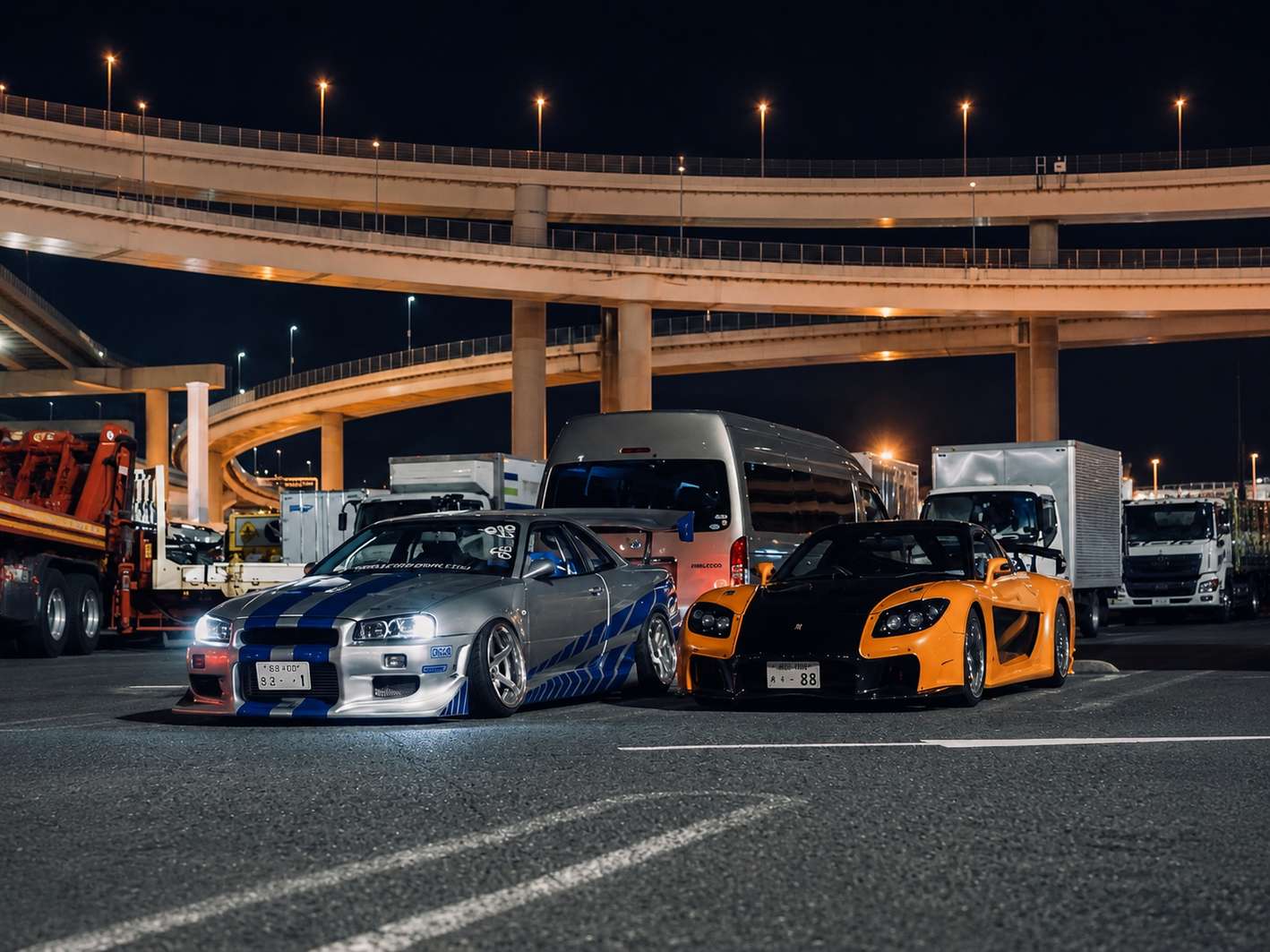
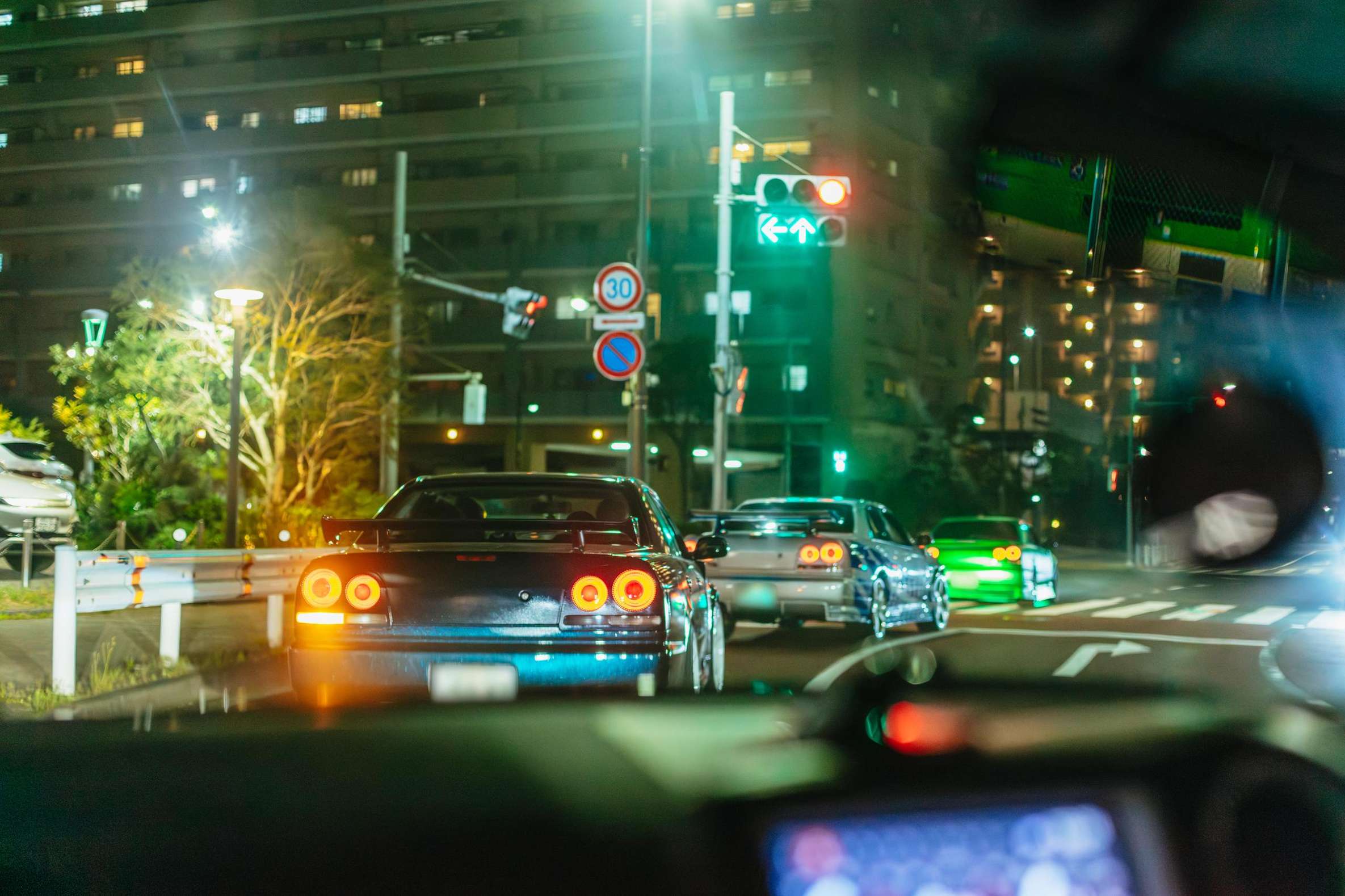
The closure nobody plans for is routine. Kanagawa expressway police, working from their Daikoku substation, close the parking area on their own judgment whenever noise, loitering or overcrowding gets out of hand, with weekends, Christmas and the New Year holidays drawing the heaviest hand. There is no fixed schedule to predict.
When it happens, patrol cars broadcast a dispersal over loudspeakers and the ramps close. Everyone packs up, modified cars and ordinary travelers alike, and files back onto the expressway.
Officers cannot legally force anyone out, but the message is unambiguous. The Lawson and the toilets generally stay open through it all, so your evening carries on even when the meet ends.
Tours plan for these closures in advance. If the lot shuts before arrival, guides divert to Umihotaru PA across the bay, Tatsumi PA, or A-PIT Autobacs in Shinonome, where the cars often regather anyway.
Some operators offer the choice of a full refund instead. Guests who have been through it describe the pivot as smooth; the alternative spots deliver real gatherings of their own.
Police can close Daikoku's entrance between 7:30 and 9 pm on weekend and holiday nights without notice Arrive before 7 pm, or book an operator with backup spots and a refund option
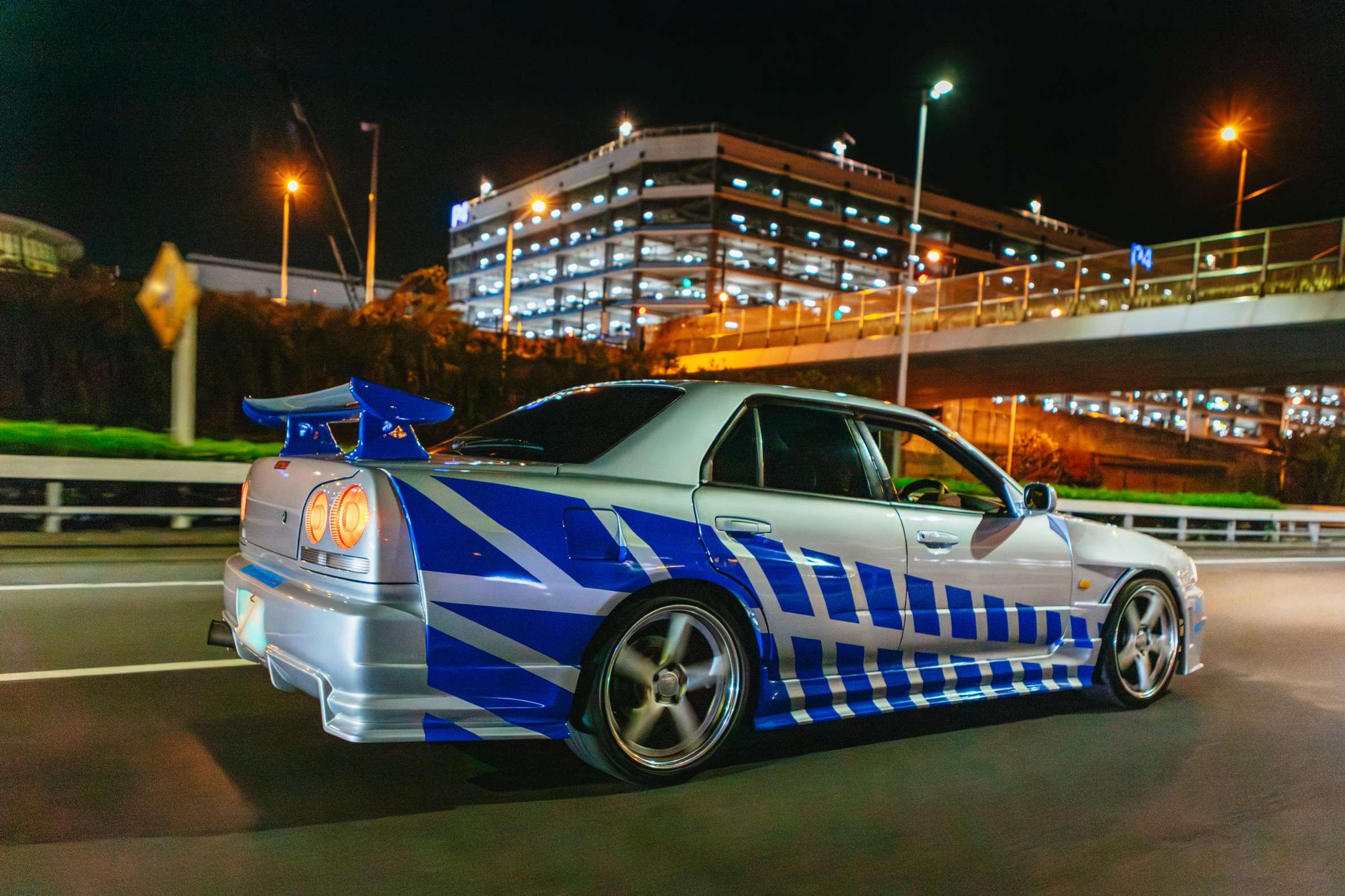
Rain leaves the lot open and empties the spaces you came to photograph. The polished exotics and show cars stay home on wet nights, while dedicated regulars and Japanese tuner cars still show up in smaller numbers, so a rainy visit quiets down without going dead. Tours run as scheduled and guides carry umbrellas.
Typhoons are the real stopper. From May through October, when Tokyo logs 12 to 15 wet days a month, severe storms and high winds can close the Yokohama Bay Bridge and other exposed coastal links outright, and heavy snow triggers full closures with vehicle evictions.
Operators contact travelers in advance to adjust routes, reschedule, or refund in full when conditions turn unsafe.
April is the busiest month of the year for tours, pairing peak travel interest with around 18 dry days.
Tap a month to read it.
September is one of the quietest months and the rainiest of the year with over 200 mm of precipitation, making typhoon disruptions most likely.
Tap a month to read it.
January brings crisp, dry conditions with around 26 dry days and steady tour demand, though cold nights mean owners bundle up.
Tap a month to read it.
March sees tour bookings surge as spring begins, bringing milder nights alongside about 12 wet days.
Tap a month to read it.
Spring and autumn pair the driest odds with peak demand, while the wettest stretch runs May through September, when typhoon risk peaks.
A wet-weather backup exists in the city itself: the underground Akihabara UDX garage, three basement levels holding up to 800 cars, sheltered from rain and free to enter on foot, two minutes from Akihabara Station.
If your booked night turns foul, the Tokyo: Night JDM Car Cruise to Daikoku PA or Alternate Stop is built for exactly that, planning its route on the day to wherever the cars are actually gathering, Daikoku or Umihotaru, with all tolls and fuel covered.
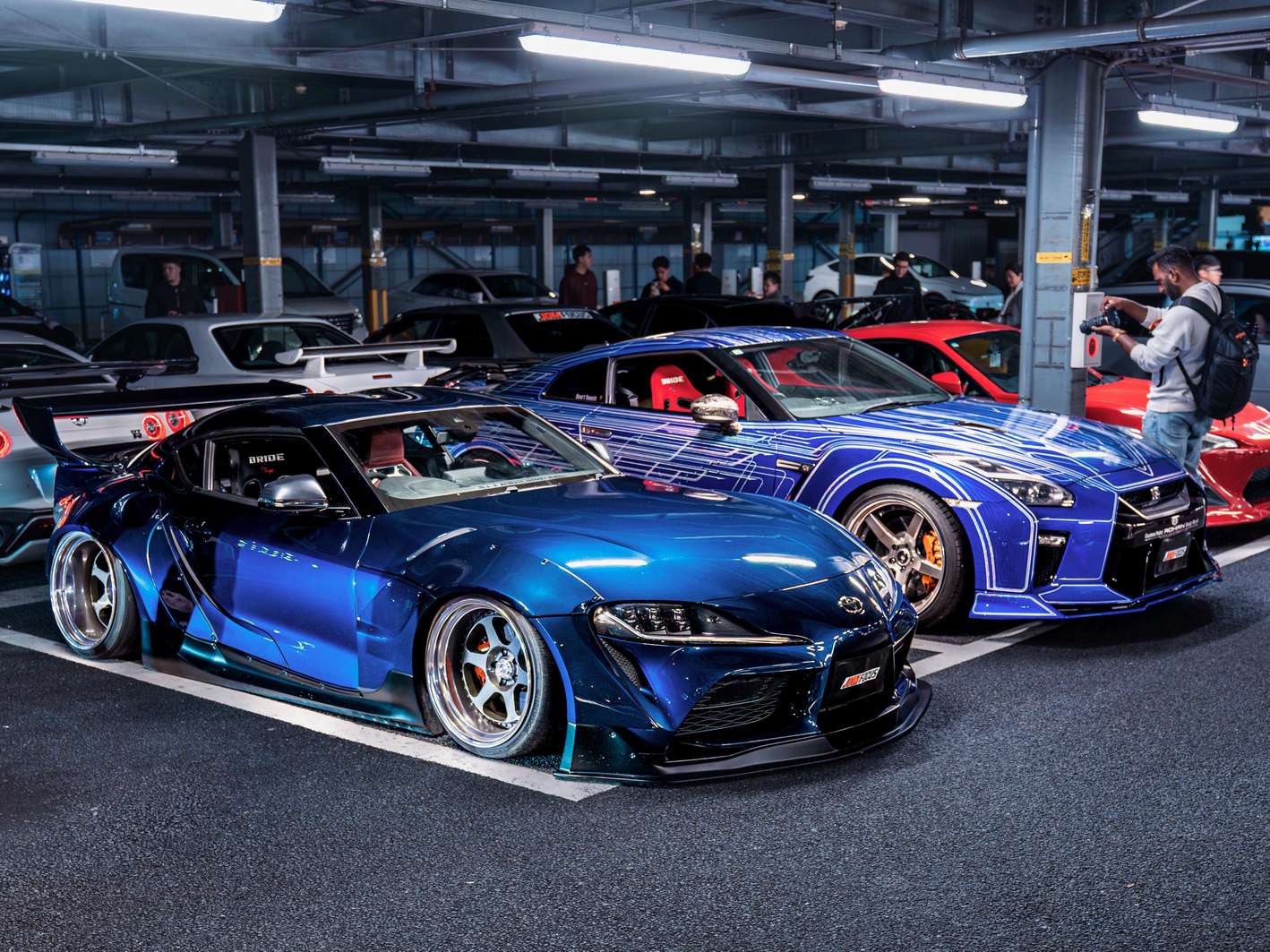
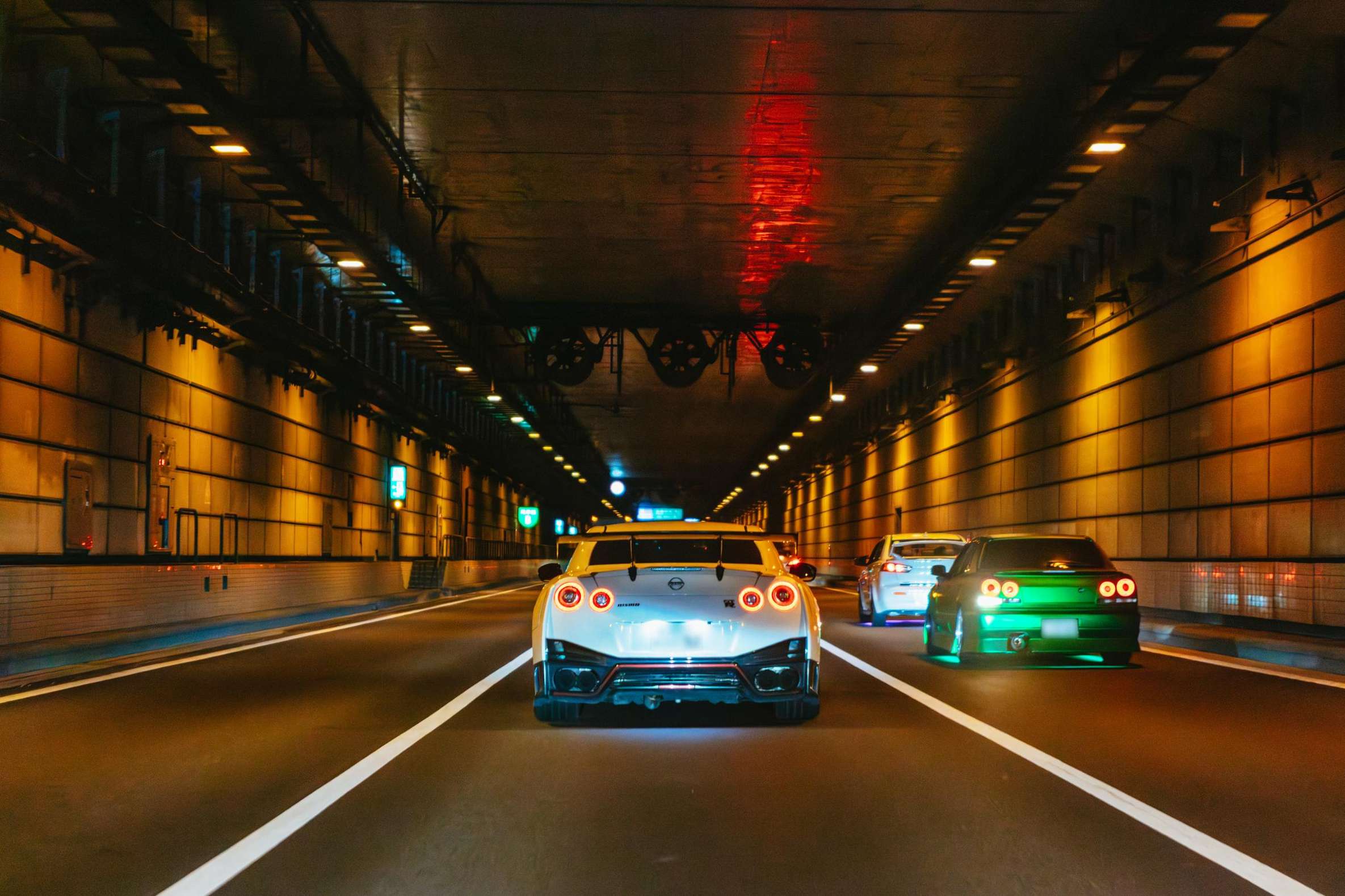
Two-door Japanese coupes are honest about their dimensions. Skylines carry tiny rear benches, the GT-R is officially a 2+2 with rear legroom suited to children, and the GT86's back seats are effectively storage.
Sit up front if you are tall; one tour refuses passengers over 200 centimeters or 100 kilograms, and another asks anyone over 1.90 meters or 90 kilograms to confirm seating before booking. Multiple operators state plainly that their cars do not suit wheelchair users; passengers must get in, sit and get out unaided.
Children follow hard rules. Japanese law requires an appropriate child seat for anyone under six, and several tours set minimum ages from under 3 up to under 12.
One operator takes children of 5 to 7 needing a booster if parents arrange it beforehand, and under-18s ride with a legal guardian. Seatbelts are compulsory in every seat, rear included, and large suitcases stay behind; coupe space is tight.
Alcohol is zero-tolerance. Any alcohol in a driver's system is illegal in Japan, and guests under the influence are turned away.
| Check | Why it matters | Our pick |
|---|---|---|
| Height and weight limits | Bucket seats and low roofs exclude some bodies; over 2 m or 100 kg rules one tour out | The lead tour's JDM sports cars seat 3 to 4 guests in standard positions |
| Child policy | Under-six child seats are law and minimum ages vary by operator | Contact ahead for ages 5 to 7 needing a booster |
| Hotel pickup | Late returns strand you past the last trains | Central Tokyo drop-off to your hotel is included |
| Closure plan | A shut lot should not end the night | Guides redirect to alternate meets; refund option exists |
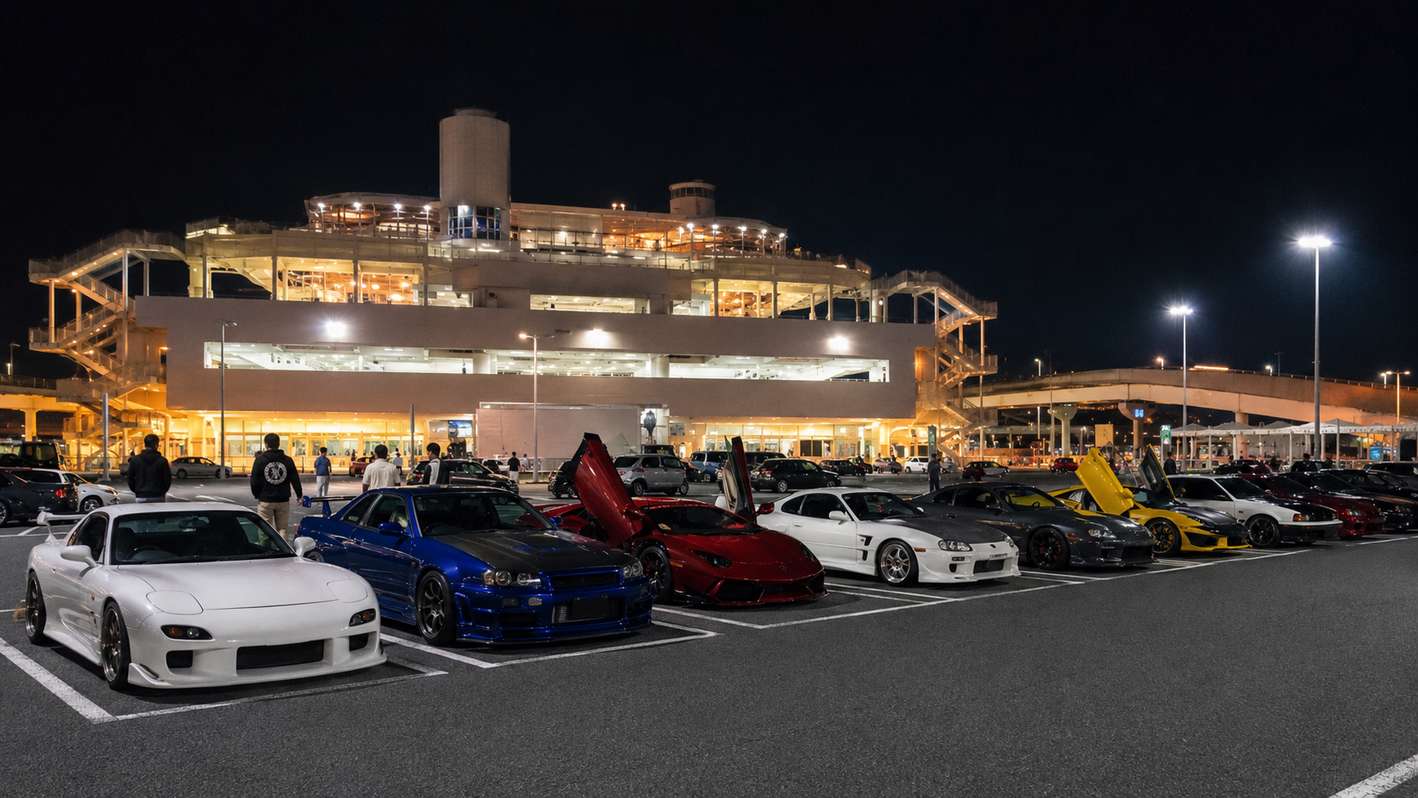
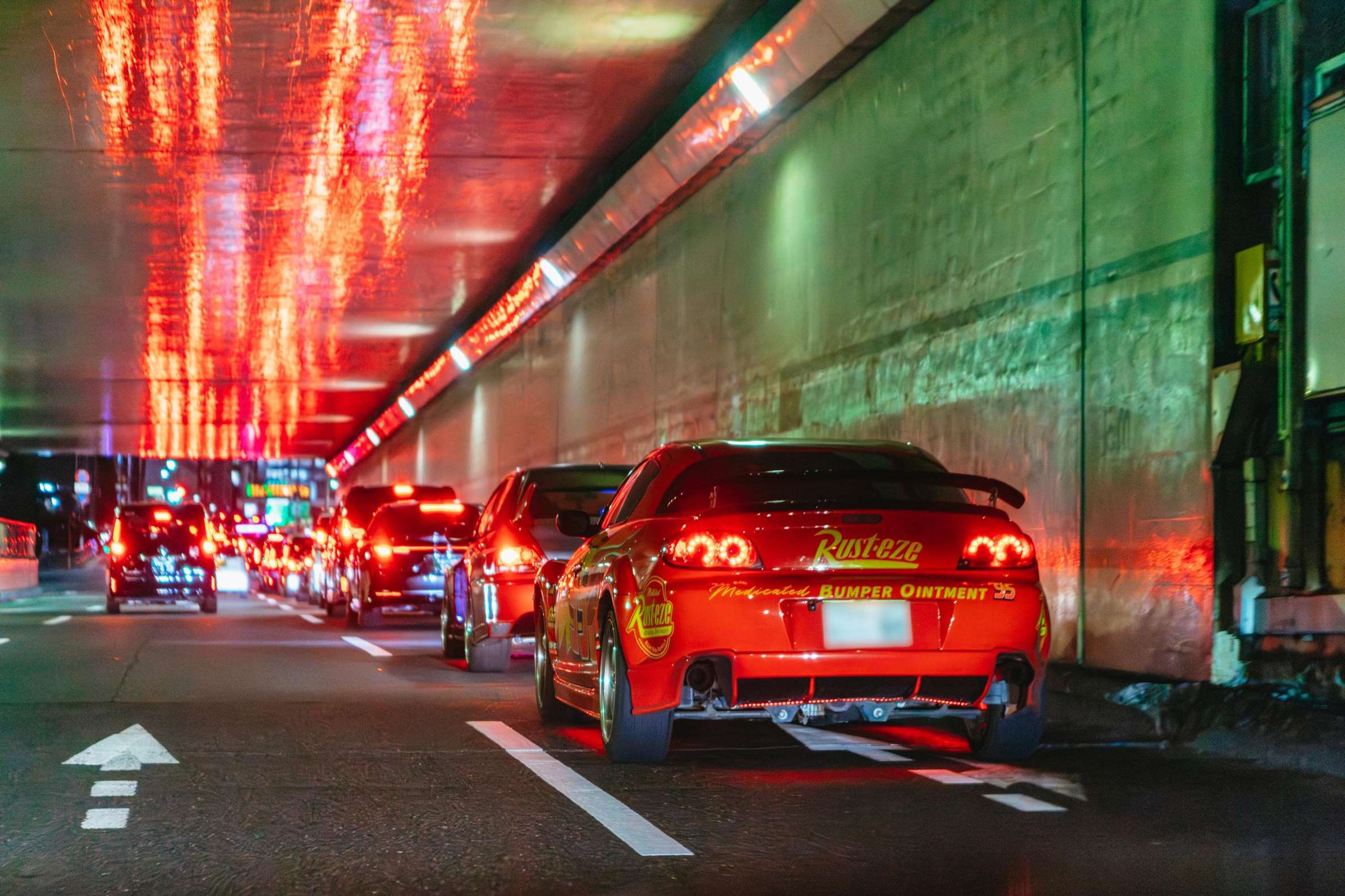
A quiet meet night stops being a wasted night if the day carried its weight. Start at A-PIT Super Autobacs in Shinonome, reachable by rail, where customer sports cars park outside and the shelves hold aftermarket parts and official JDM merchandise.
Car clubs stage out of its lot before running to Daikoku, so you may pick your night's convoy before it forms. Several tours add Liberty Walk Tokyo, the wide-body tuning house whose kits you will recognize in the lot hours later.
Yokohama balances the day's ledger. The Nissan Global Headquarters Gallery and the historic Nissan Engine Museum sit in regular daytime reach, and further afield, the Honda Collection Hall guarantees legendary engineering indoors even when the decks run empty.
Around the tours' Yokohama start point, Daikoku Pier Central Park lies five minutes on foot, with the Nissan Engine Museum, Yokohama Marine Tower and Harbor View Park all inside a short drive.
Back at the lot itself, food stands serve from 7 am to 9 pm, the restaurant runs 11 am to 9 pm, and the Lawson never closes, which covers dinner on a long evening.
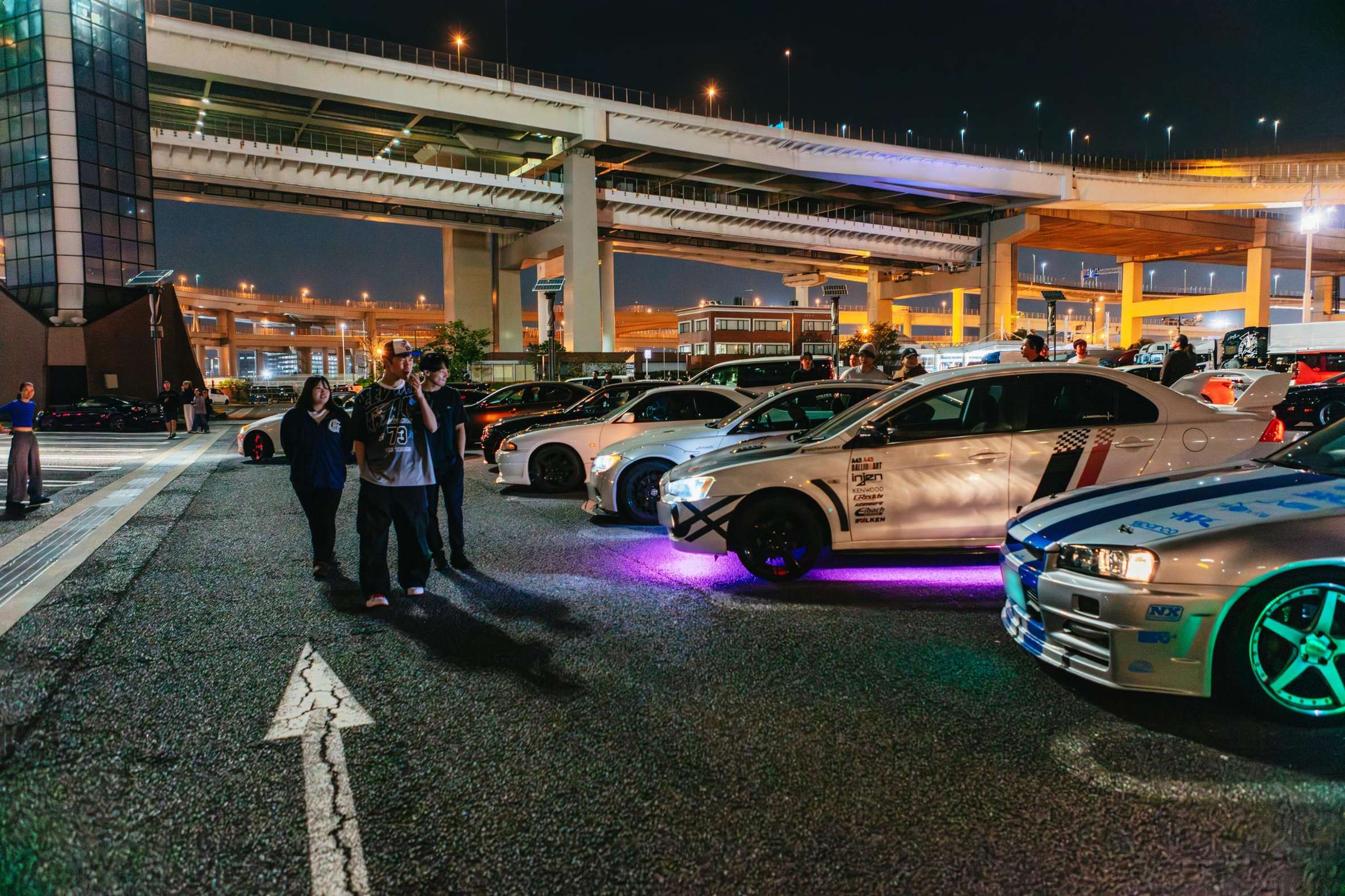
The Tokyo car meet scene delivers exactly what the clips promise, but only for people who solve access and timing first. A guided passenger seat in an EVO, WRX or Skyline fixes transport, timing and the ride home in one booking, and requires no driving permit.
Weekend nights bring the spectacle and the closure risk together; weeknights bring reliability. Bring a jacket, a charged phone and no luggage.
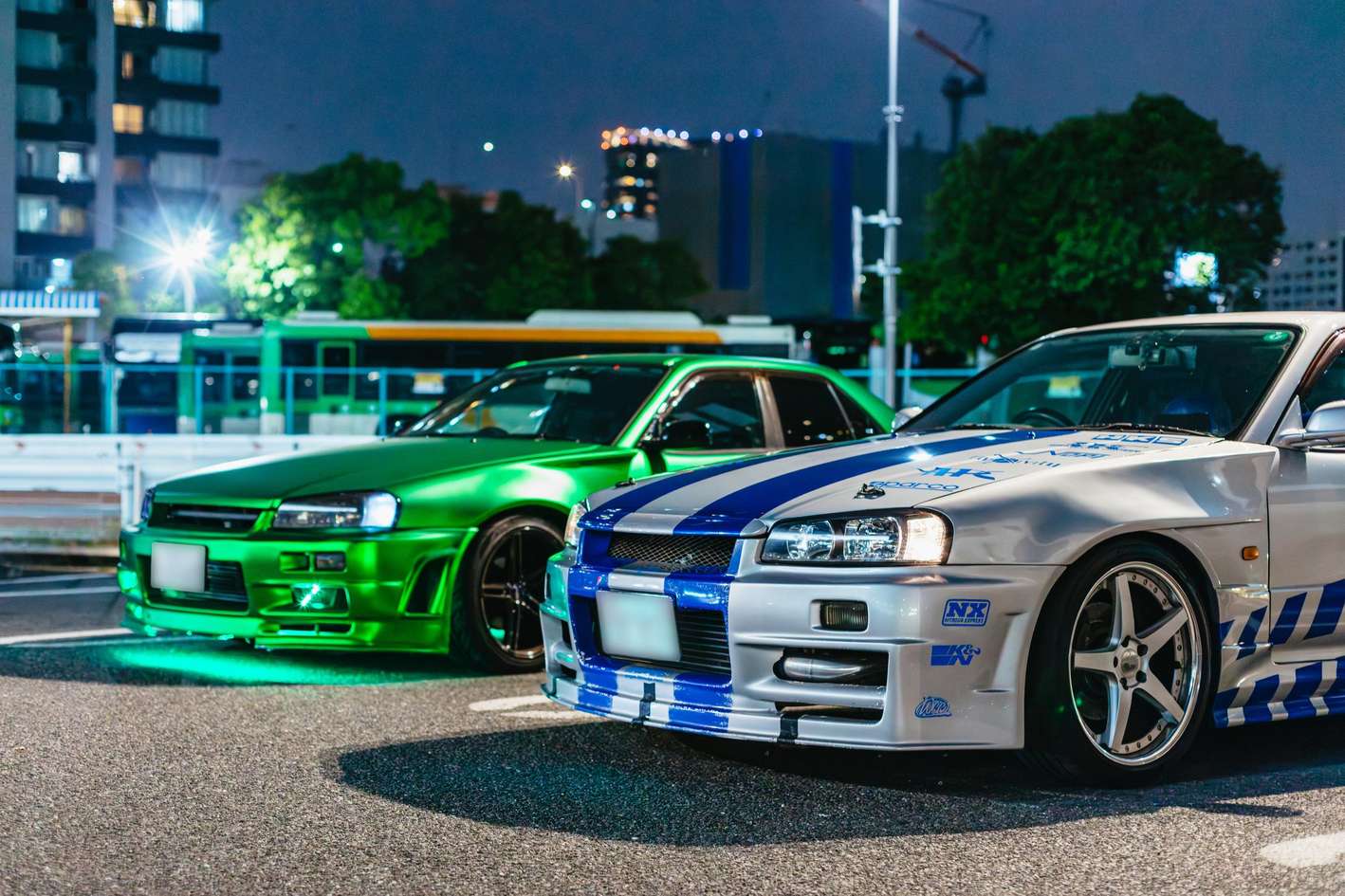
Compare every Daikoku tour side by side, from budget group night runs to private GT-R drives, before you pick one.
If sharing a ride with strangers is not your style, see what a private car, dedicated guide and hotel pickup add to the night.
Prefer to hold the wheel yourself? Learn how guided self-drive convoys let you drive your own JDM car to the meet.
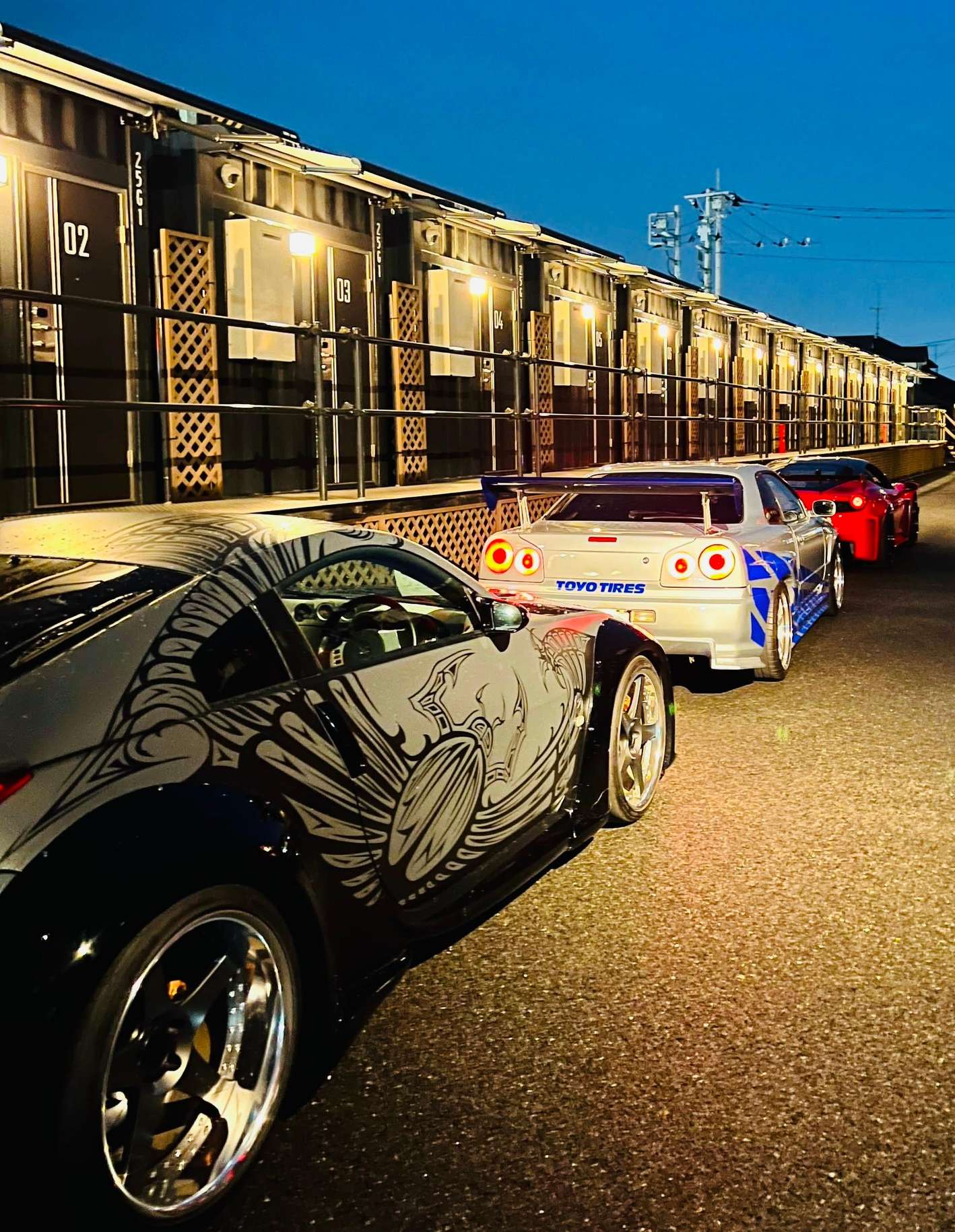
Chasing the Tokyo Drift movie scenes? This page shows which tours follow the film's route and filming locations.
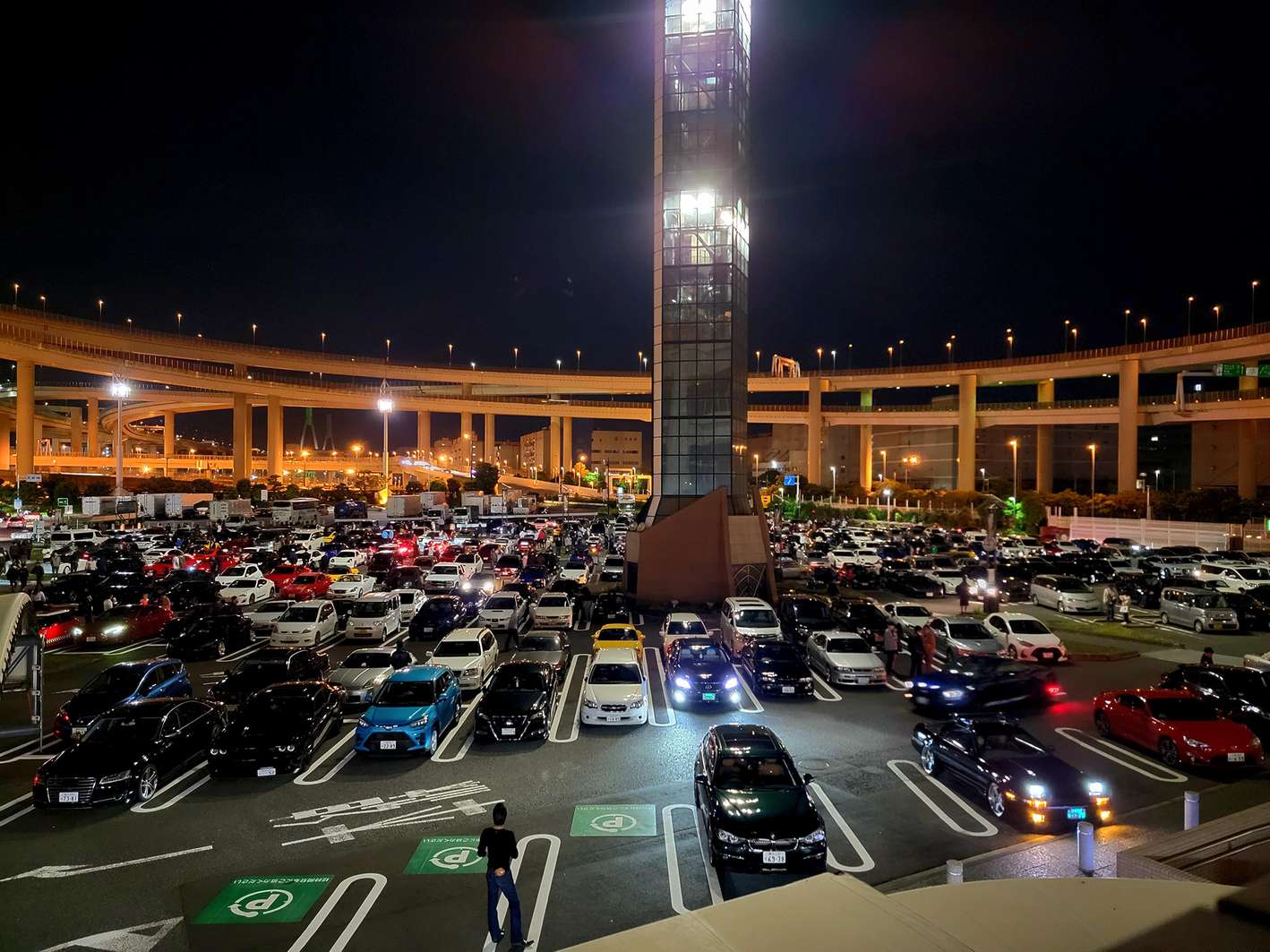
Daikoku PA sits on an expressway island with no trains or foot access, so see every way to actually get there.
The meets run on no official calendar, so check which nights and hours pack the lot with the best cars.
Want to rent and drive an R34 or Supra on public roads instead? See what rentals in Tokyo cost and require.
The practical questions travelers ask before booking a night in Tokyo's car scene.
 Yokohama2026
Tokyo has car meets, but they are not scheduled shows. Drivers gather spontaneously at public highway rest stops, with no calendar, tickets or admission. The scene is real and runs almost every night; it just never announces itself.
Daikoku Parking Area in northern Yokohama is the historic center of Japan's tuning scene and still draws the largest gatherings. Tatsumi PA on the Shuto Expressway and Umihotaru PA across Tokyo Bay host meets too, and tours use them as backups when Daikoku is closed.
No. Daikoku PA is fenced off inside the expressway network, so pedestrian entry is illegal and physically impossible, and there are no taxi stands. You leave in the same vehicle that brought you in, which is why a tour with round-trip transport is the reliable way to go.
It is very difficult. Drivers rarely accept pickups from highway rest areas, and ride-hailing apps cannot reach inside the lot during police shutdowns. Some visitors eventually catch a cab by waiting at the on-site Lawson, but you should not count on it.
Friday and Saturday nights draw the densest crowds, with cars arriving from 5 pm and peaking between 7:00 and 9 pm. Arrive before 7 pm, because police often close the entrance between 7:30 and 8:30 pm once the lot fills.
When crowds grow too big or noise builds up, expressway police close the entrance ramps and announce a dispersal over loudspeakers. Everyone packs up and drives off peacefully. Tours respond by diverting to Umihotaru PA, Tatsumi PA or other spots, and some offer a full refund if Daikoku cannot be visited at all.
No. On a guided passenger tour a professional driver handles the wheel, so no International Driving Permit is needed. You ride shotgun in a modified JDM car along the Wangan Route and arrive at the meet with the locals.
Yes. Daikoku PA is an operational public rest stop open to anyone arriving by vehicle, and legitimate tours drive in full compliance with traffic laws. Street racing and drifting are not part of these visits.
Rain does not close the parking areas, but turnout thins as polished show cars stay home. Dedicated regulars and tuner cars still arrive, so most tours run as planned. Typhoons and severe storms are the exception: operators reschedule, reroute or cancel with a full refund.
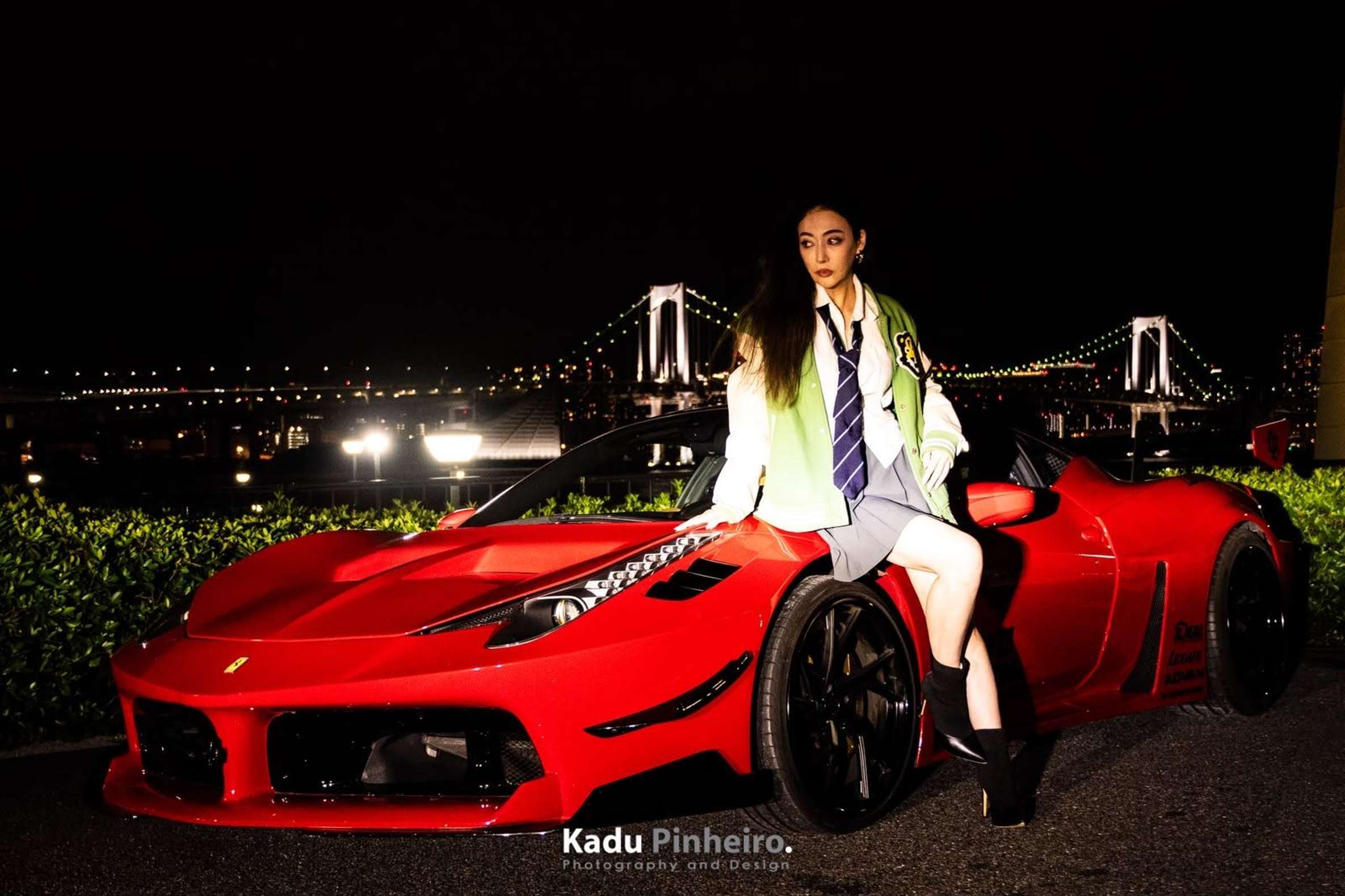
Ride a modified Skyline or EVO down the Wangan Route to the Daikoku PA meet, with a drop-off at your hotel in central Tokyo at the end. Cancel up to 24 hours ahead for a full refund.