
Likely to sell out
3 hours·English, Japanese
4.9(189)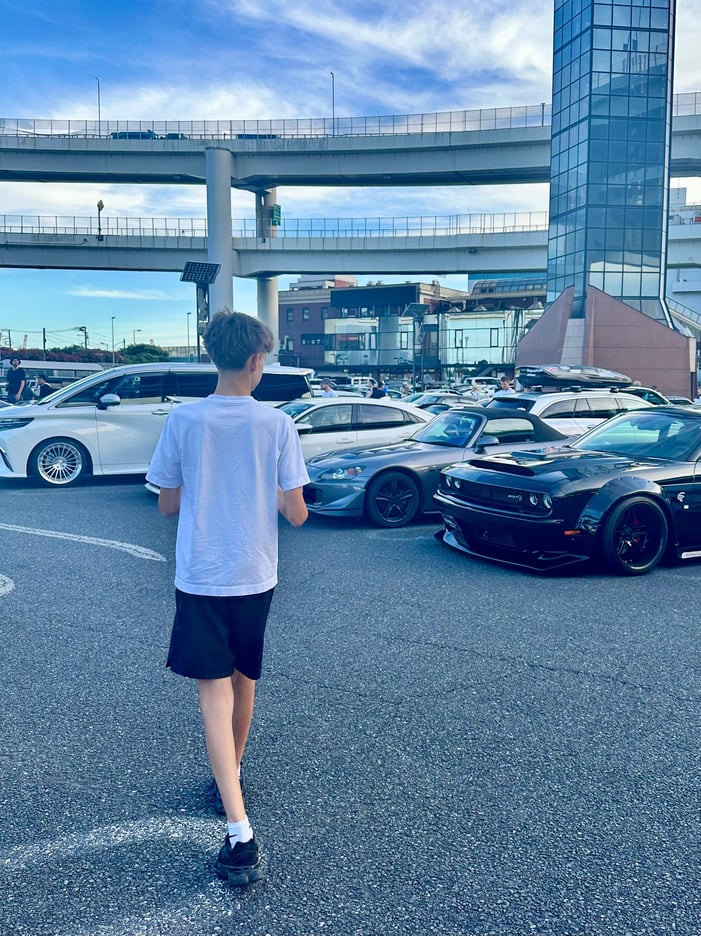
【R34】Daikoku PA Private Tour, Tokyo JDM Night Experience
Free cancellationHotel pickup includedHotel pickup and drop-off in the Tokyo area
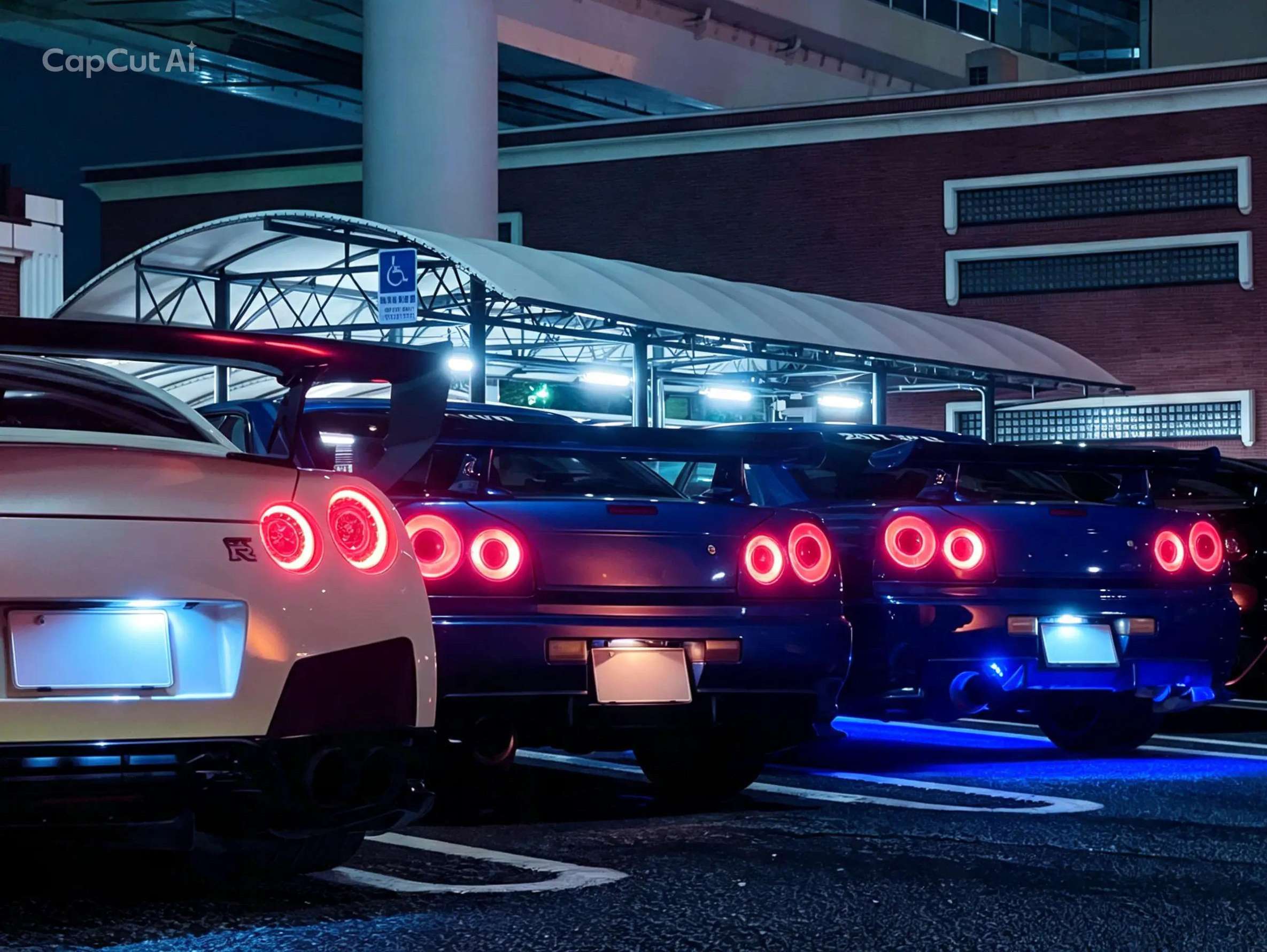
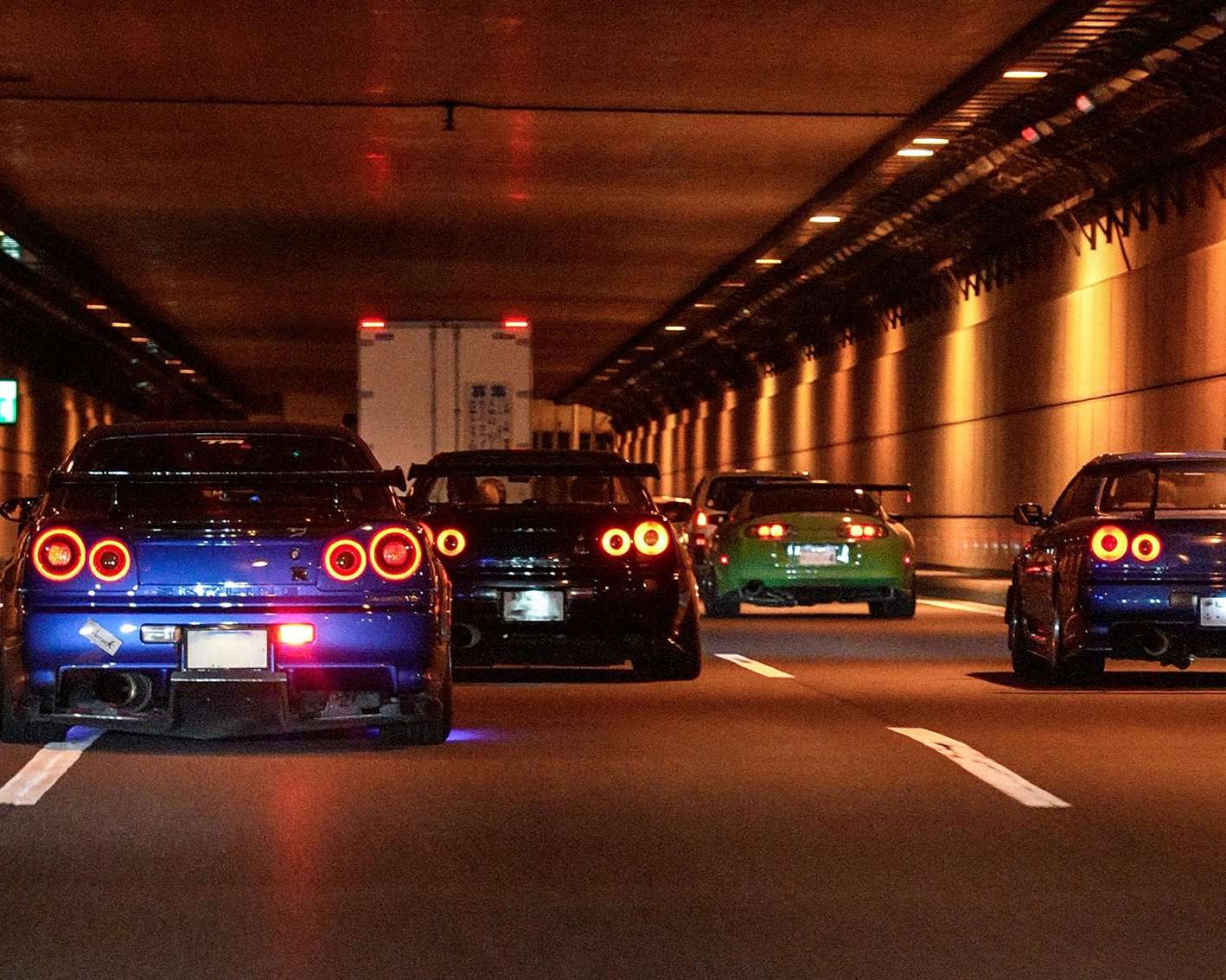
Find every famous car meet spot in Tokyo in one night. Local enthusiasts drive you from Daikoku PA to Umihotaru and Tatsumi in real JDM cars, adapt the route when police close a lot, and handle the expressway tolls. No pedestrian access, no stranded guests, no wasted trip. Book your night run now.
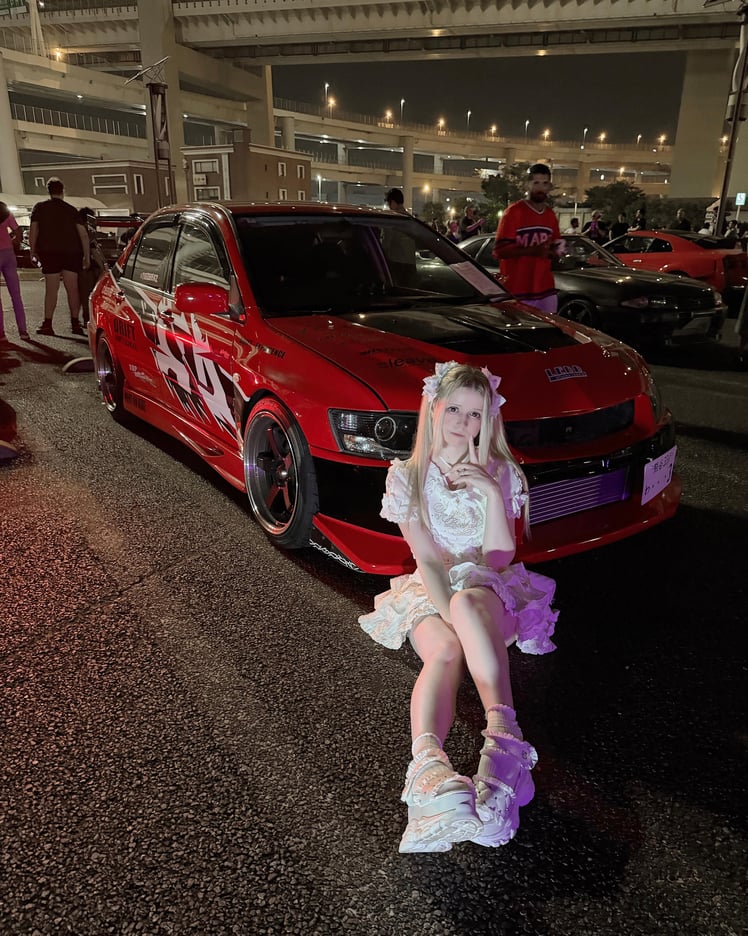
"What a blast! Michael knows cars and the neighborhoods, listens to your wishes. We lived our Fast & Furious Tokyo dream, plus a surprise Tokyo Tower visit! 10/10, booking again :-)"
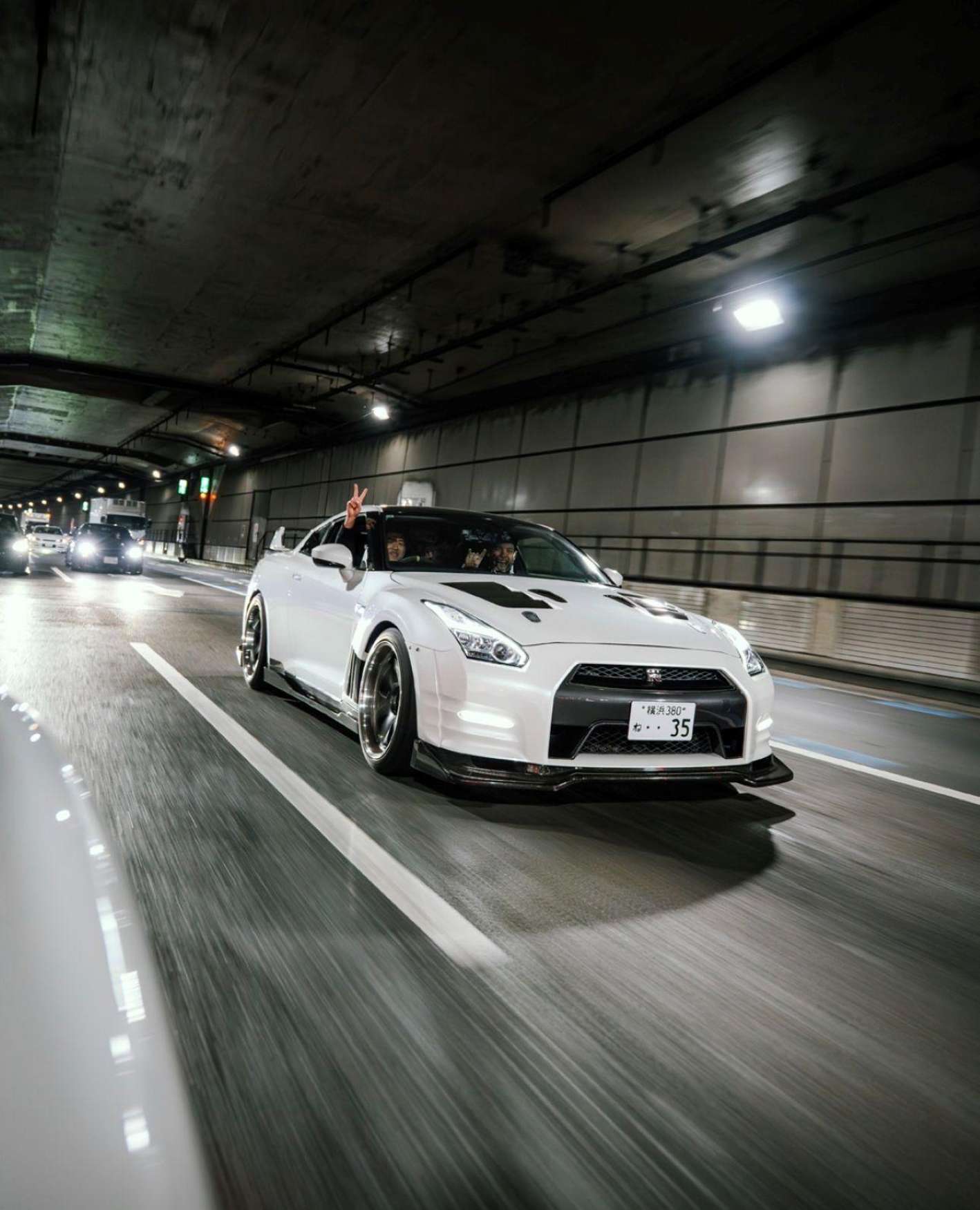
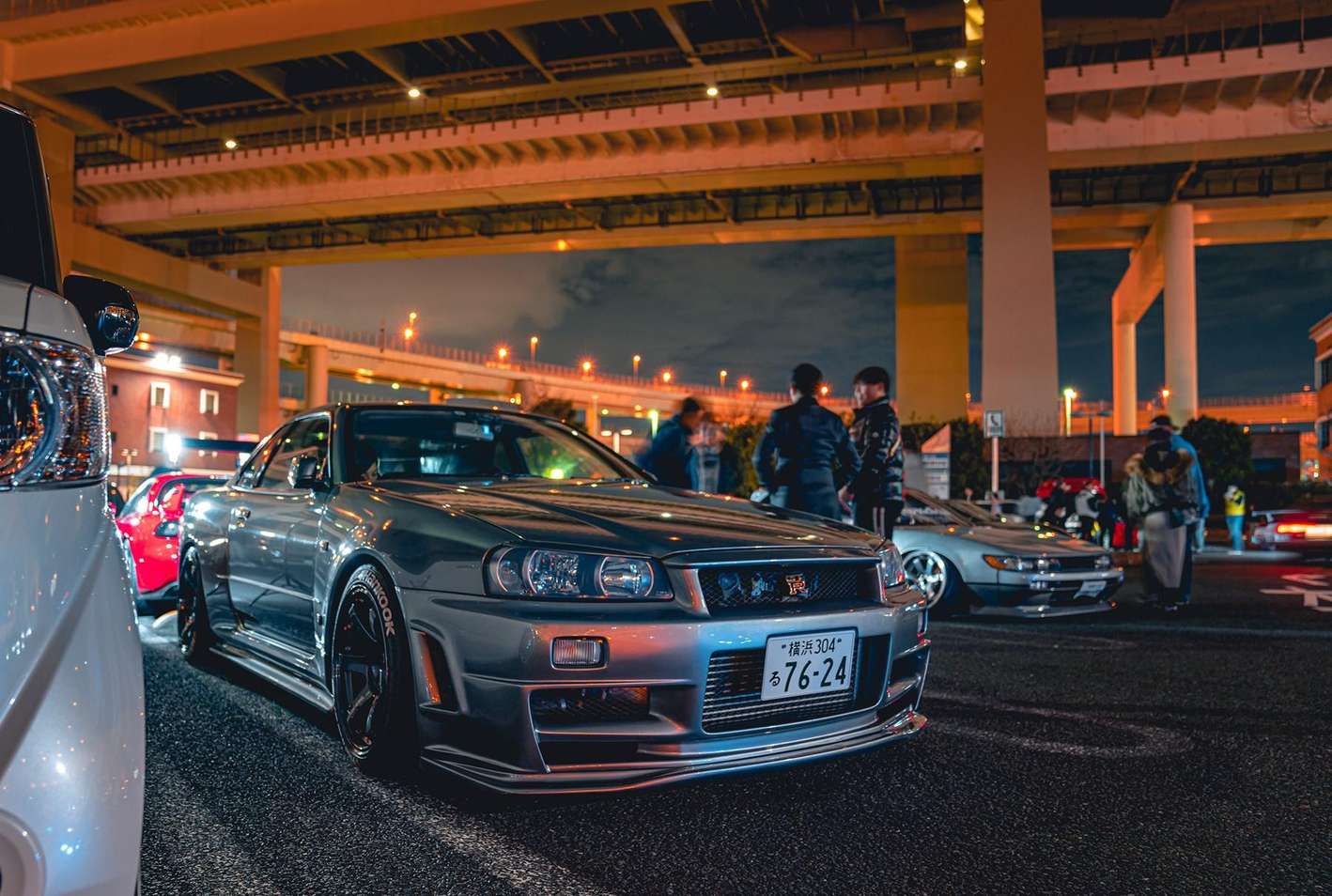
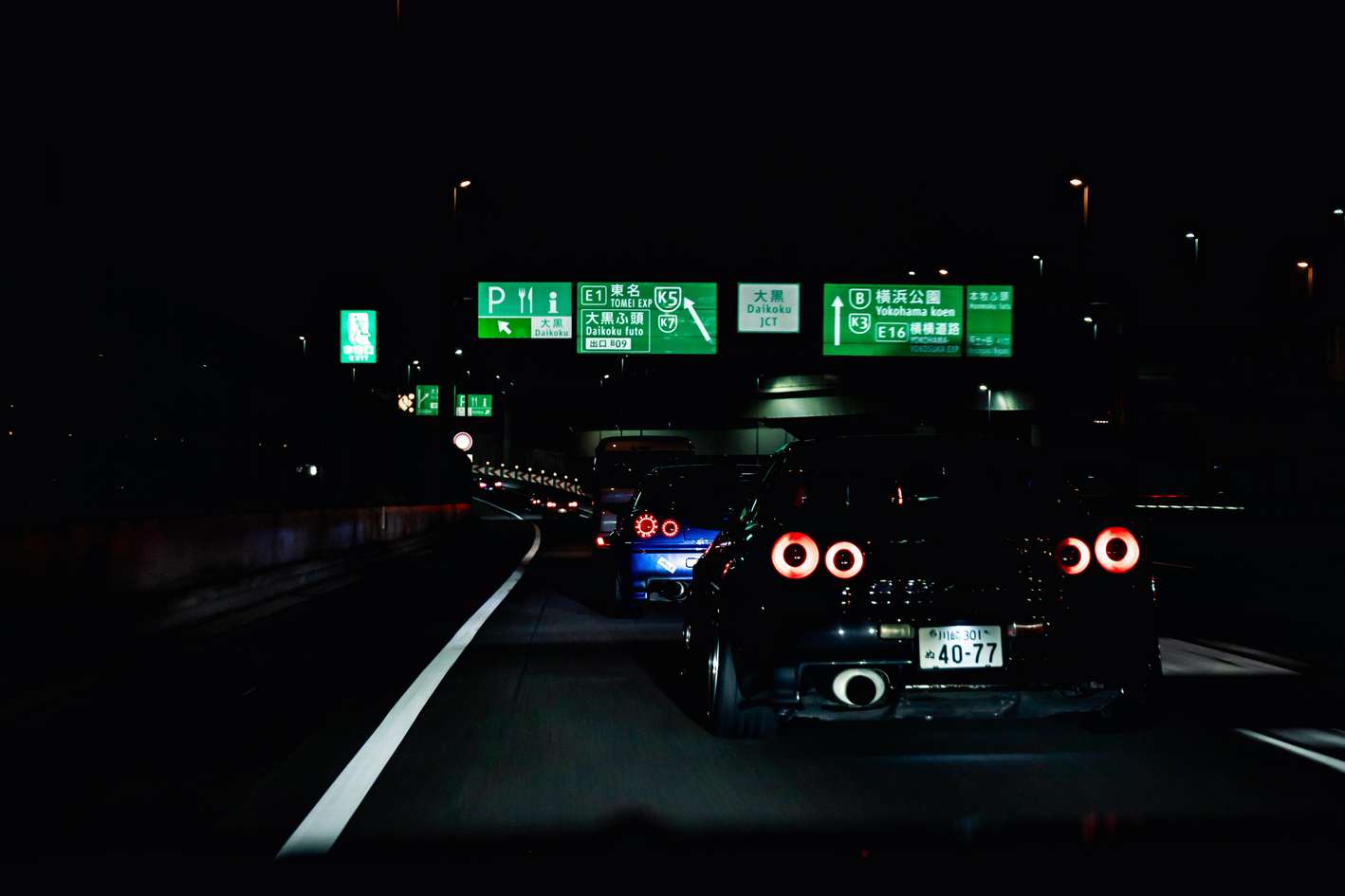
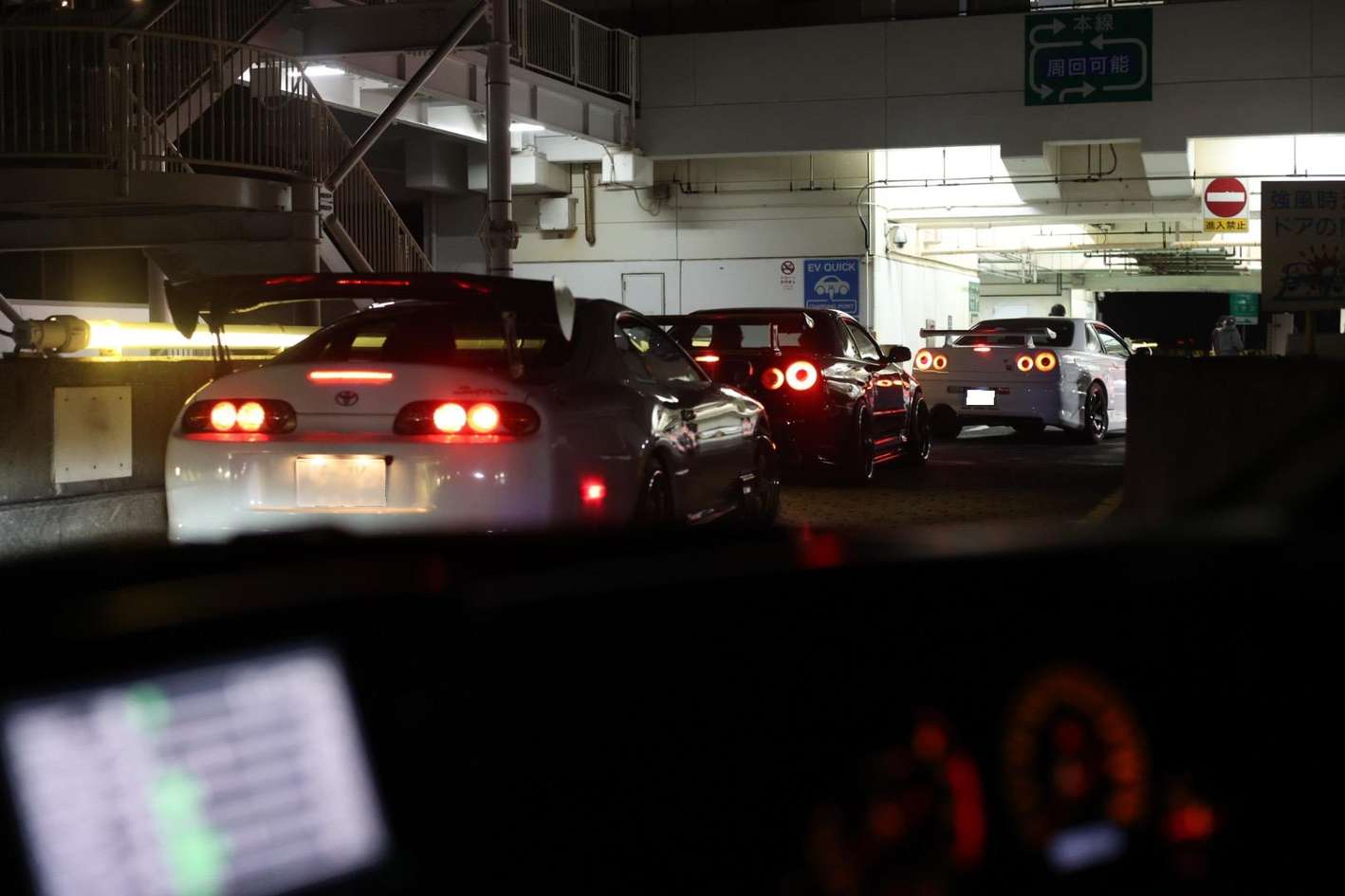
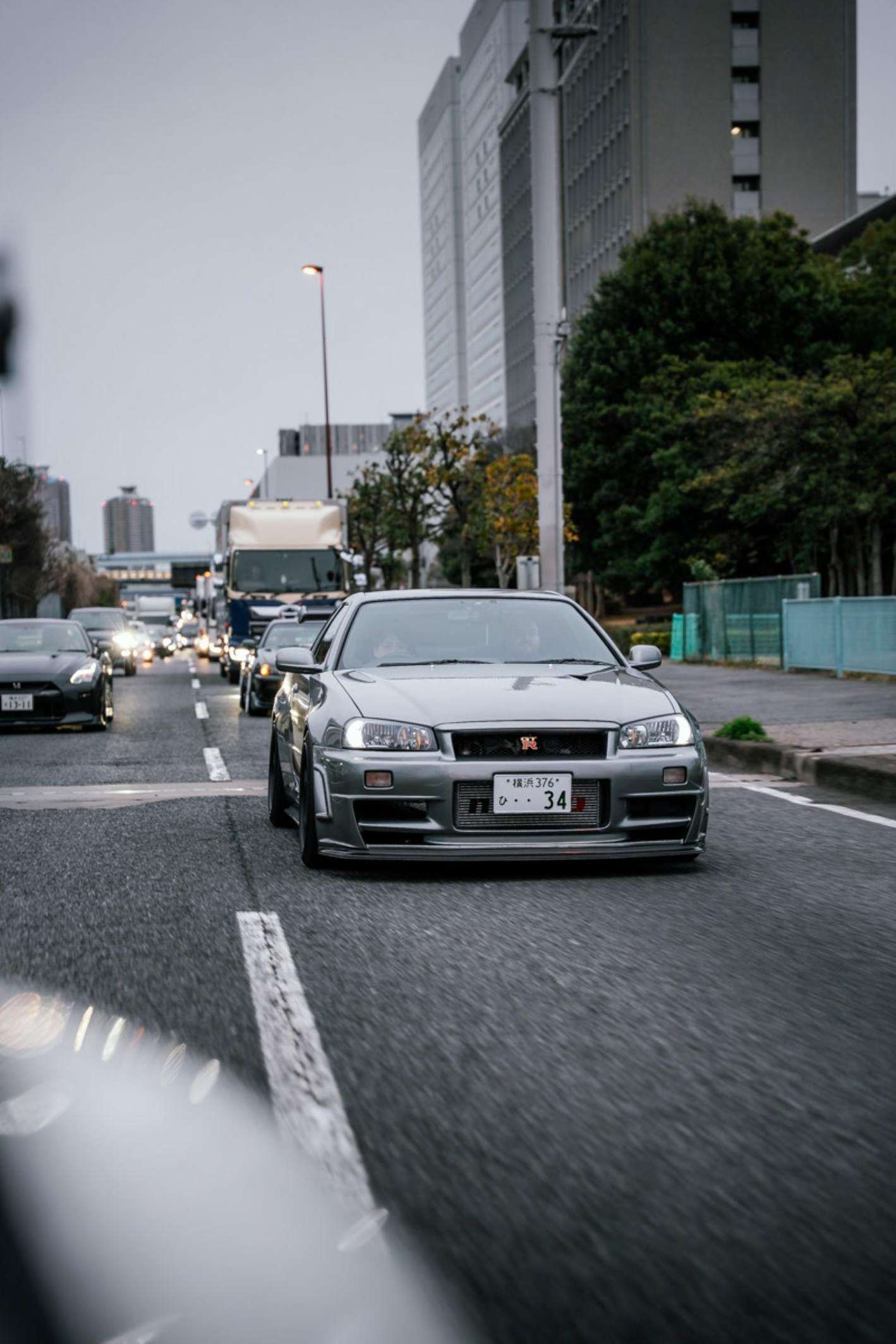
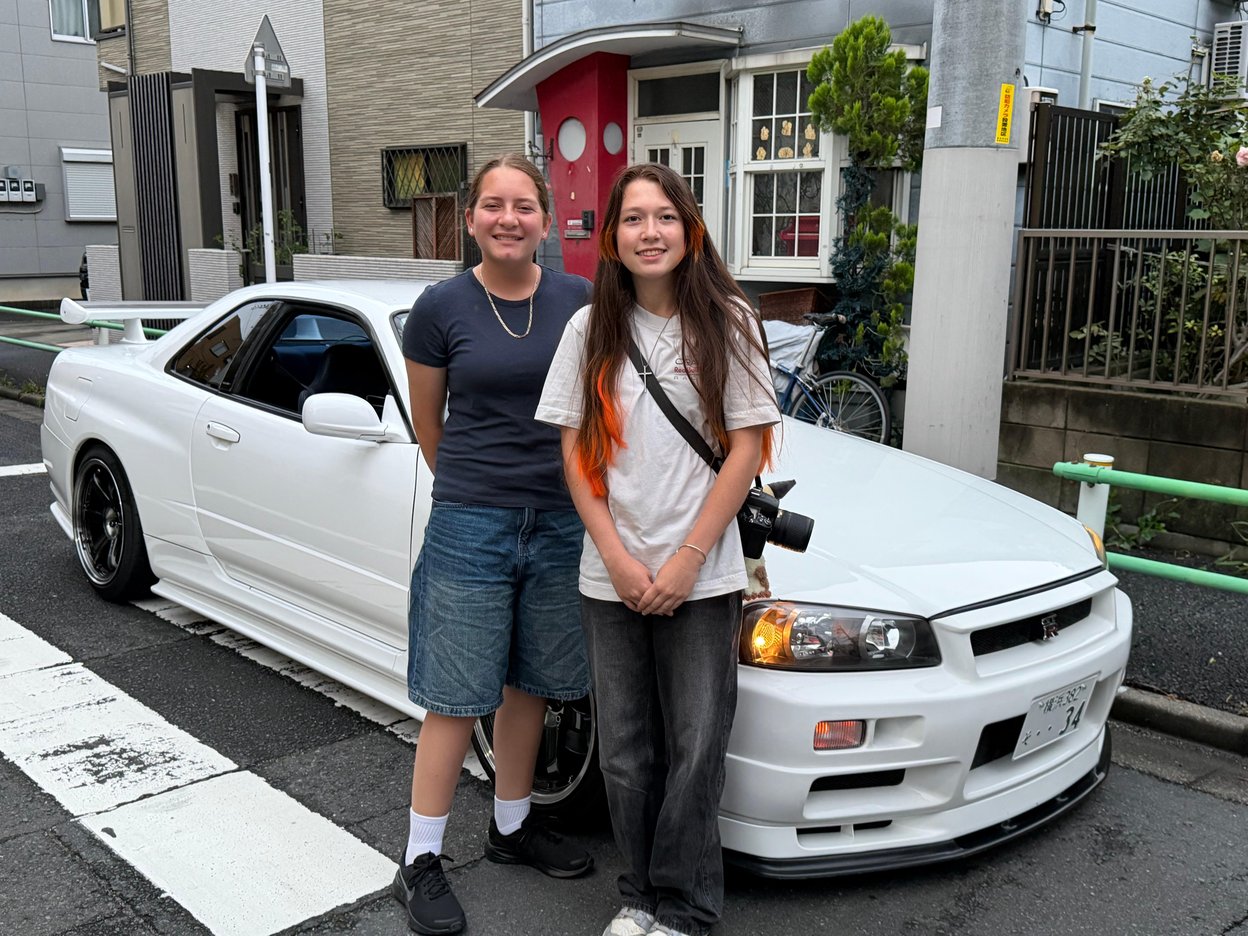
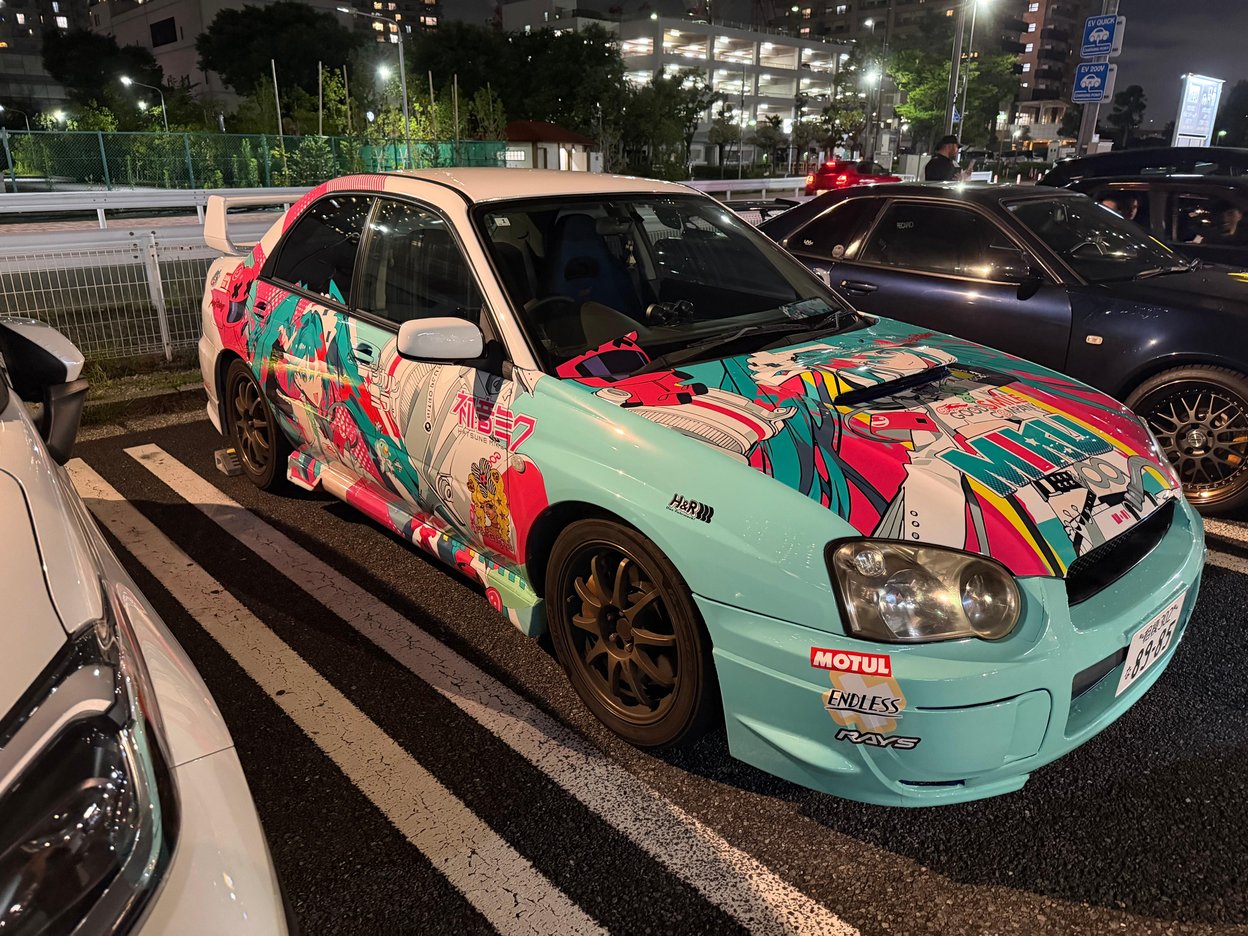
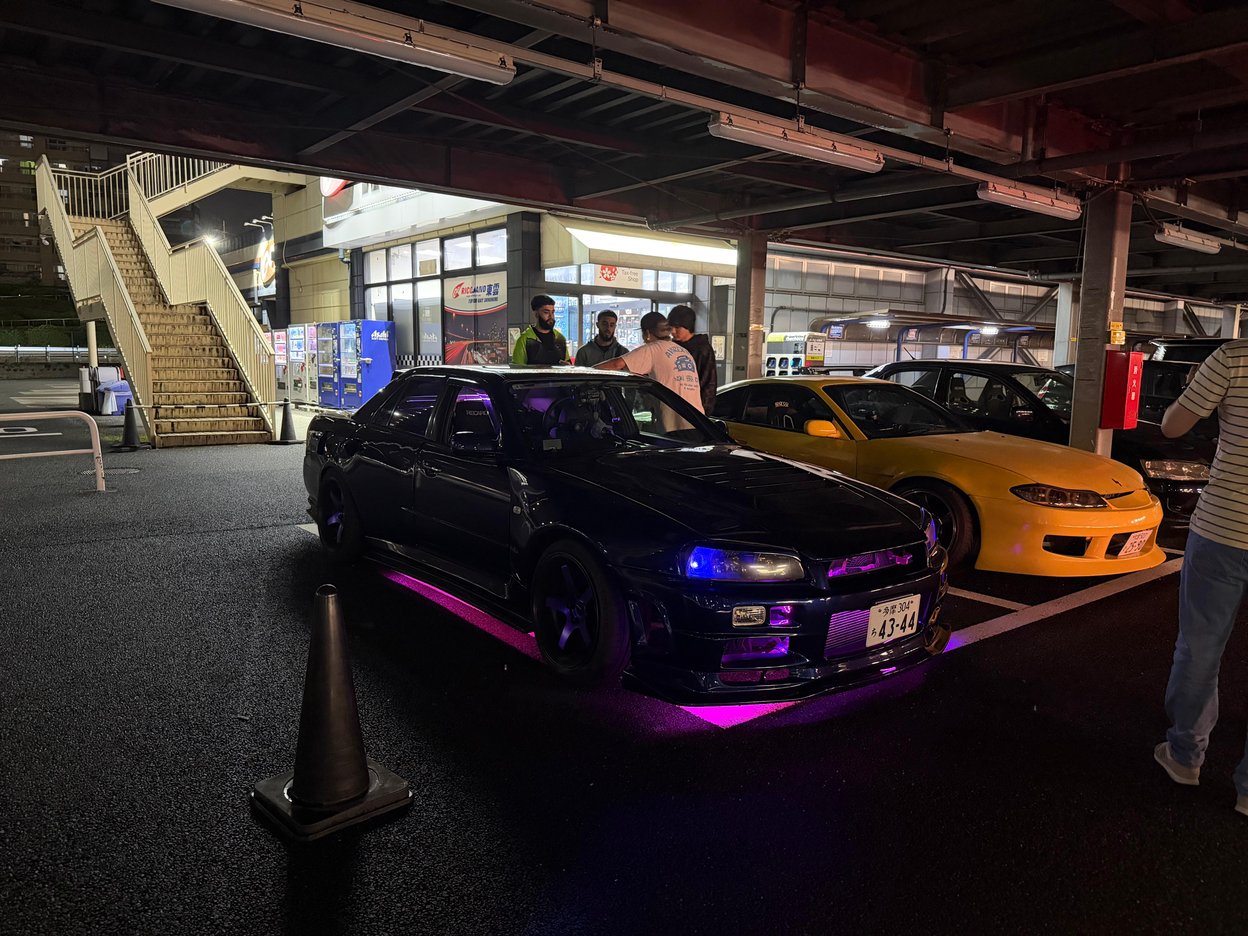
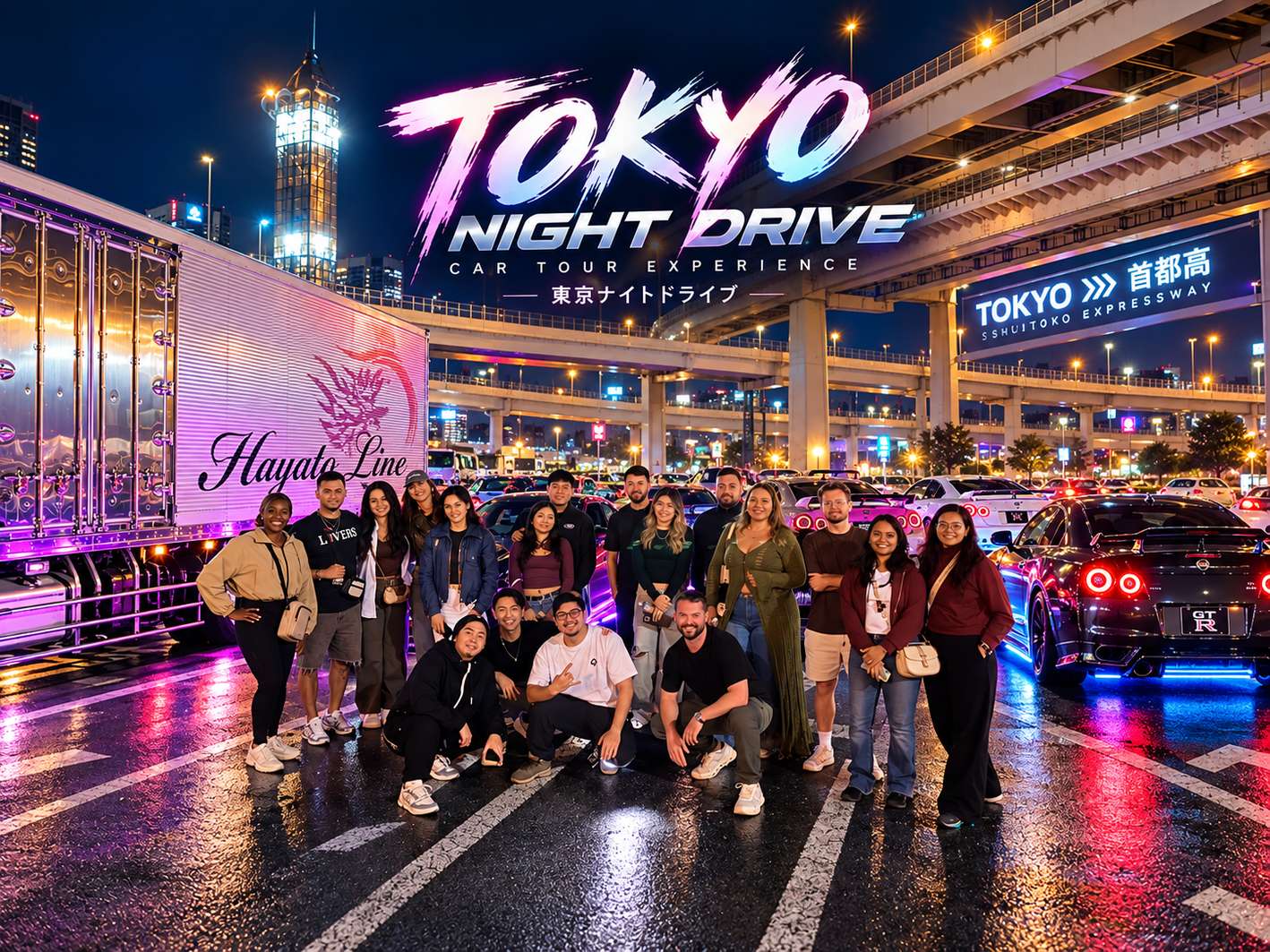
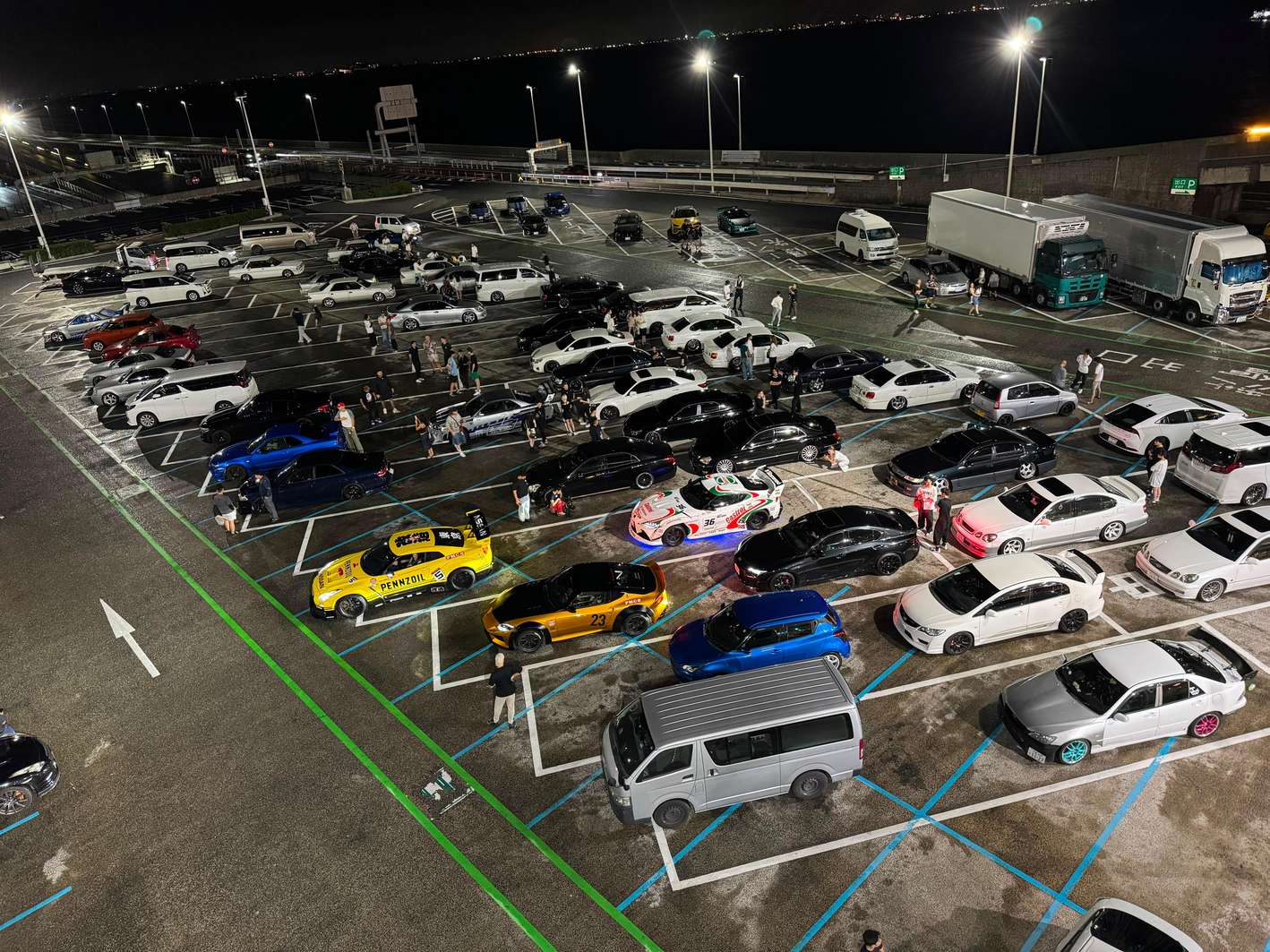
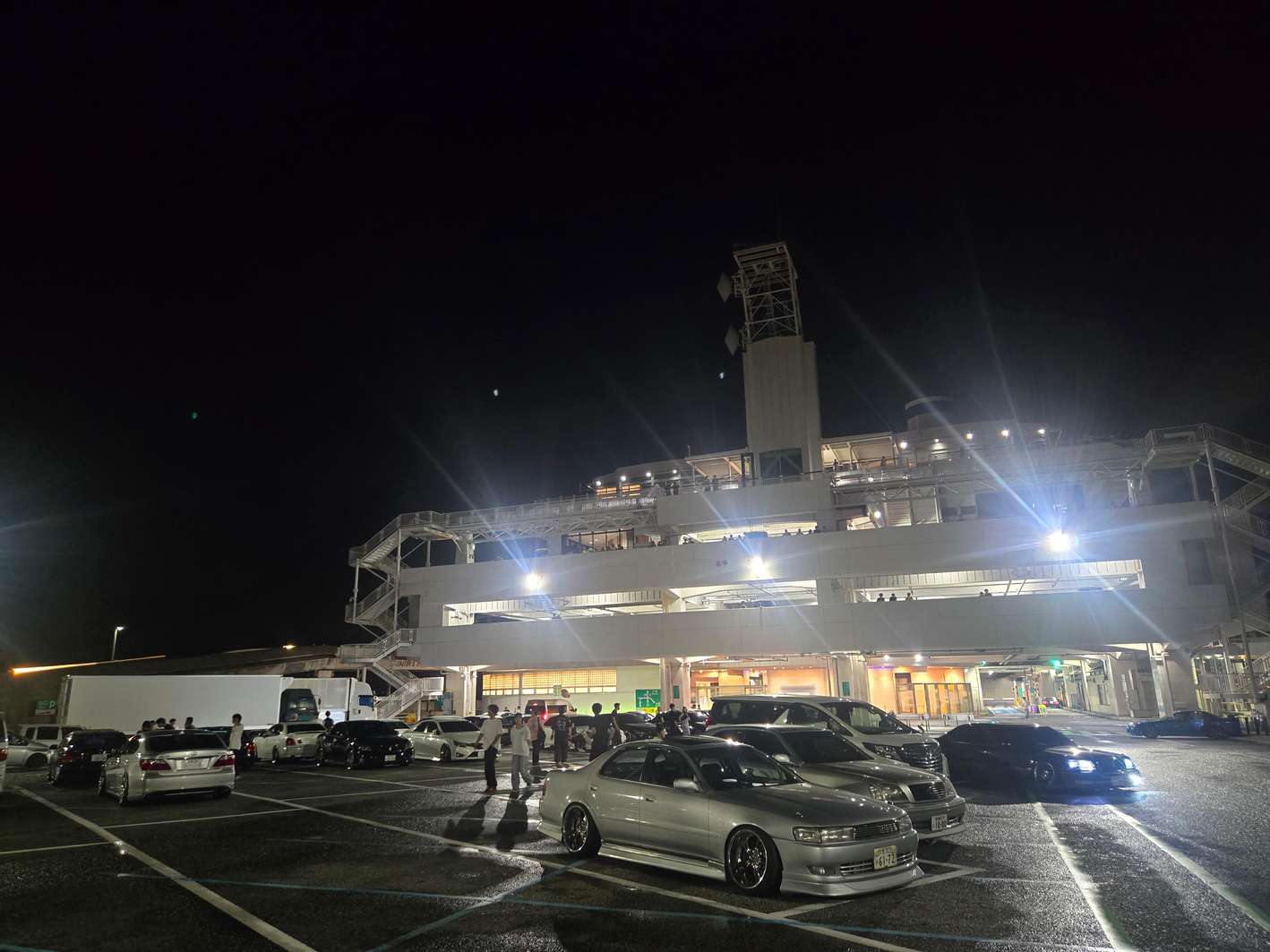
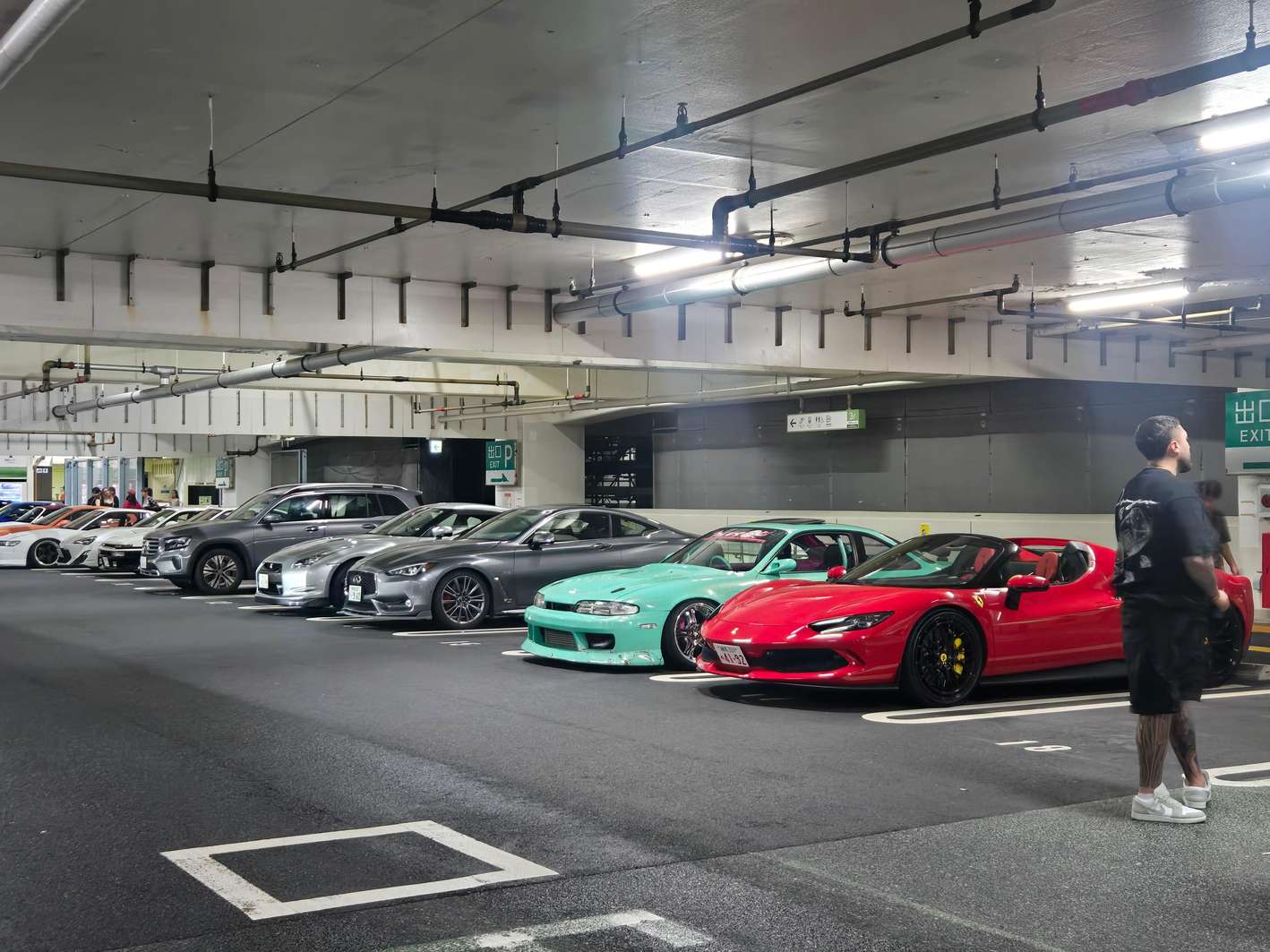
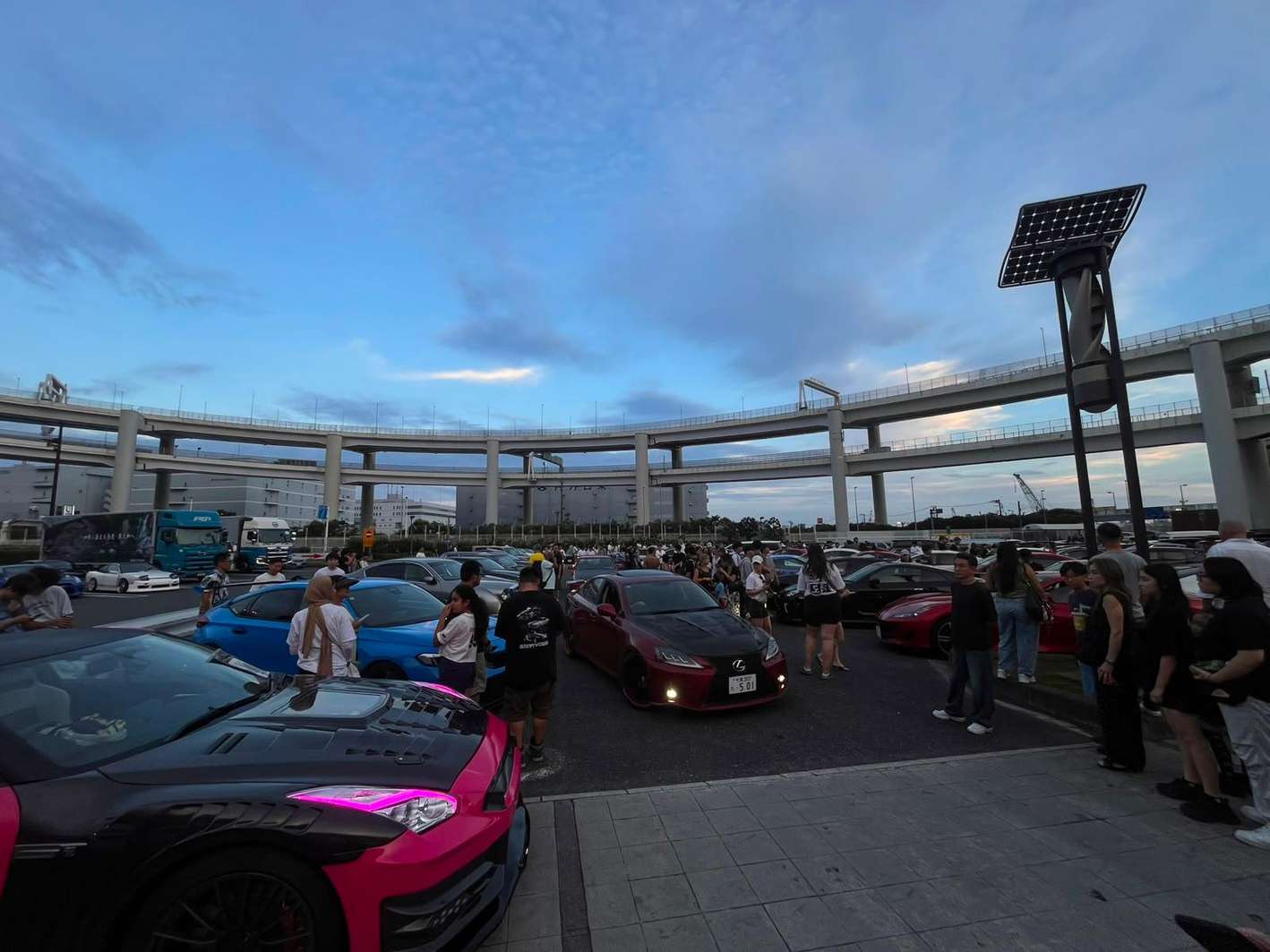
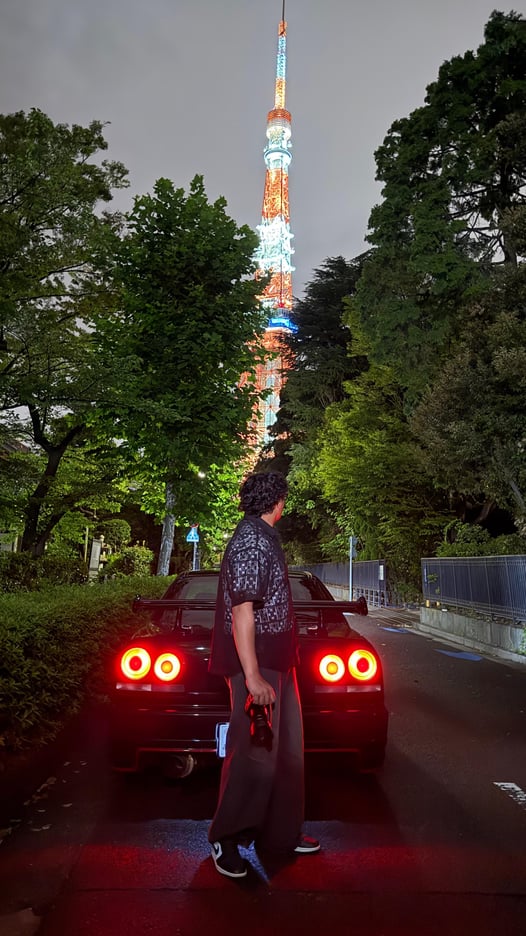
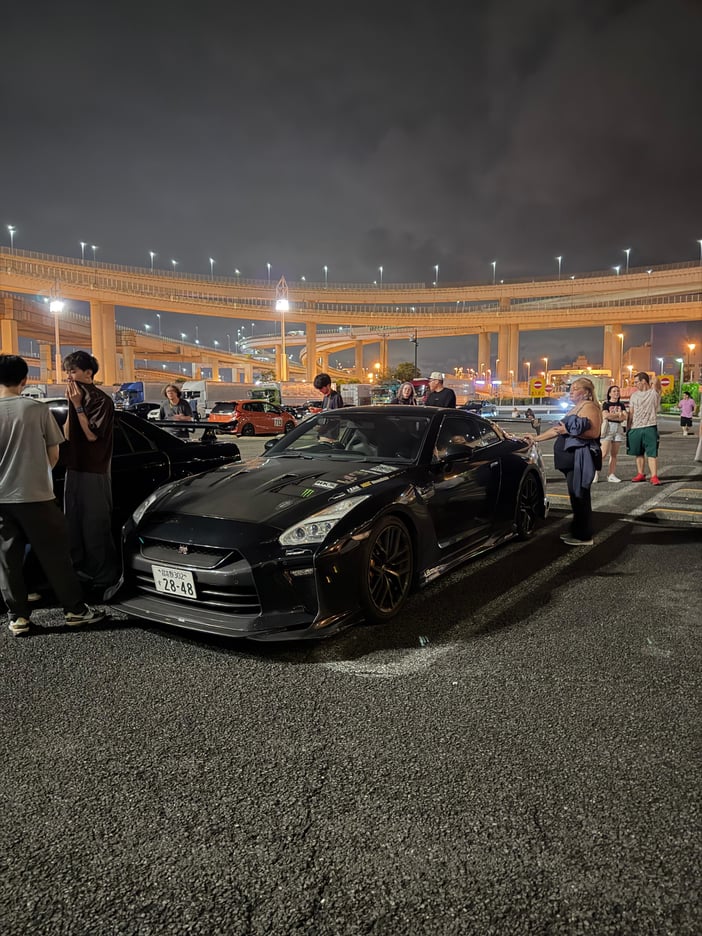
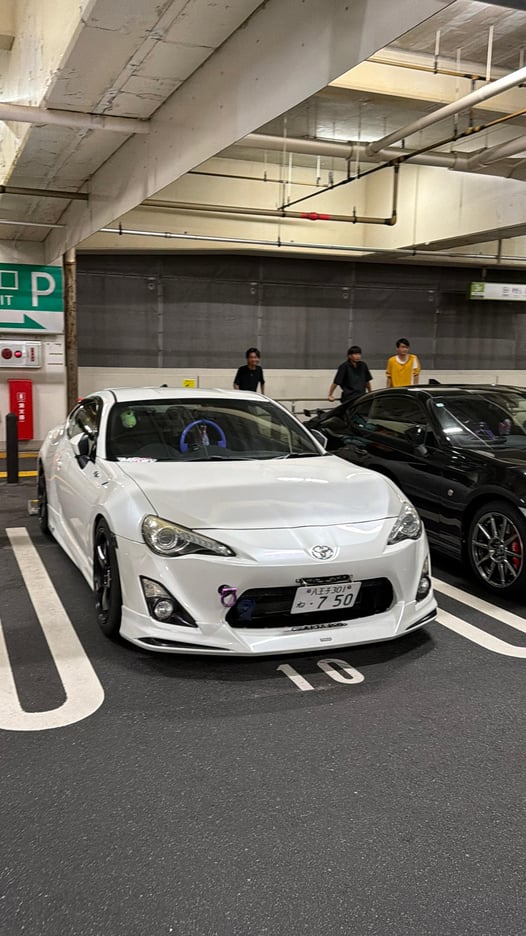
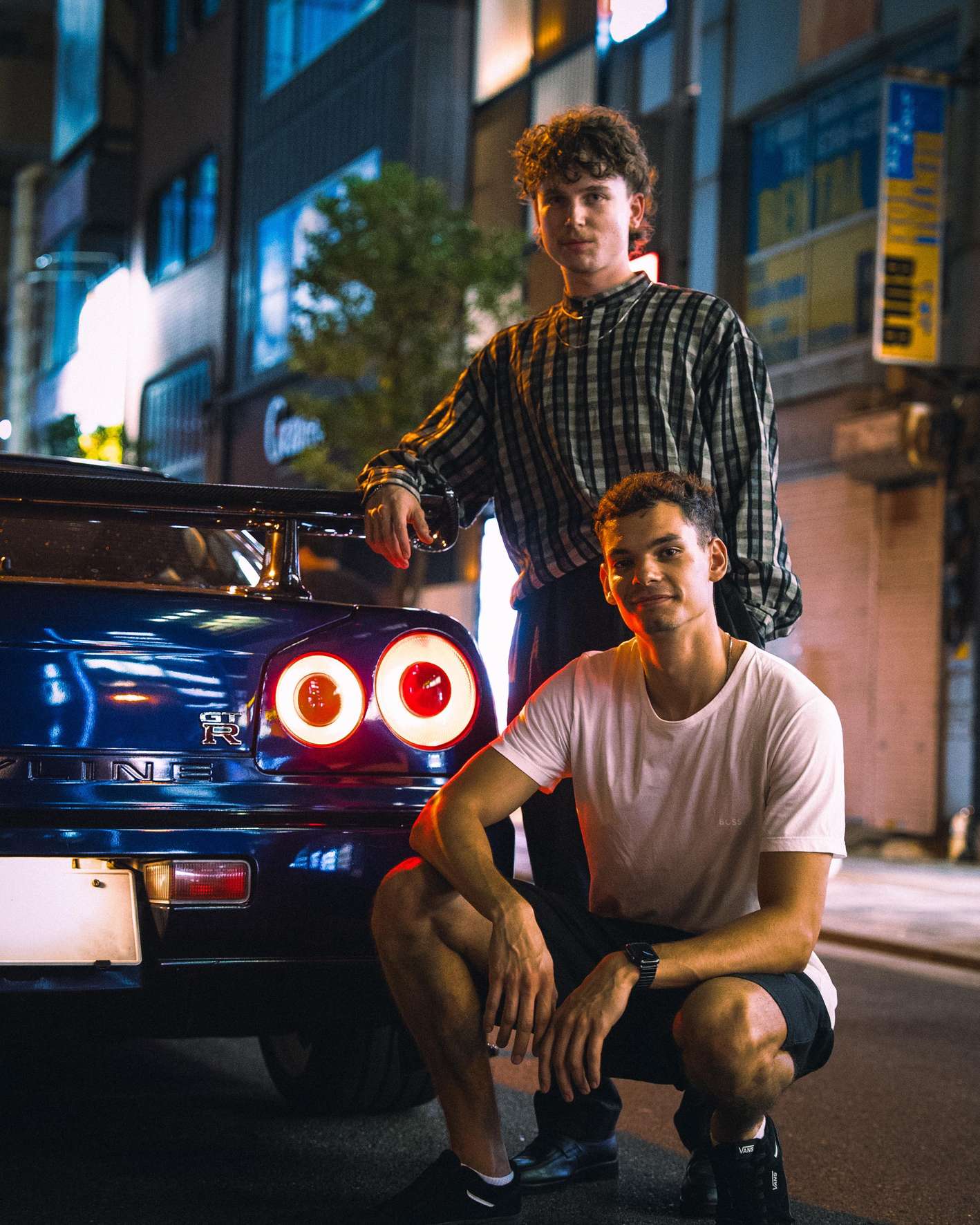
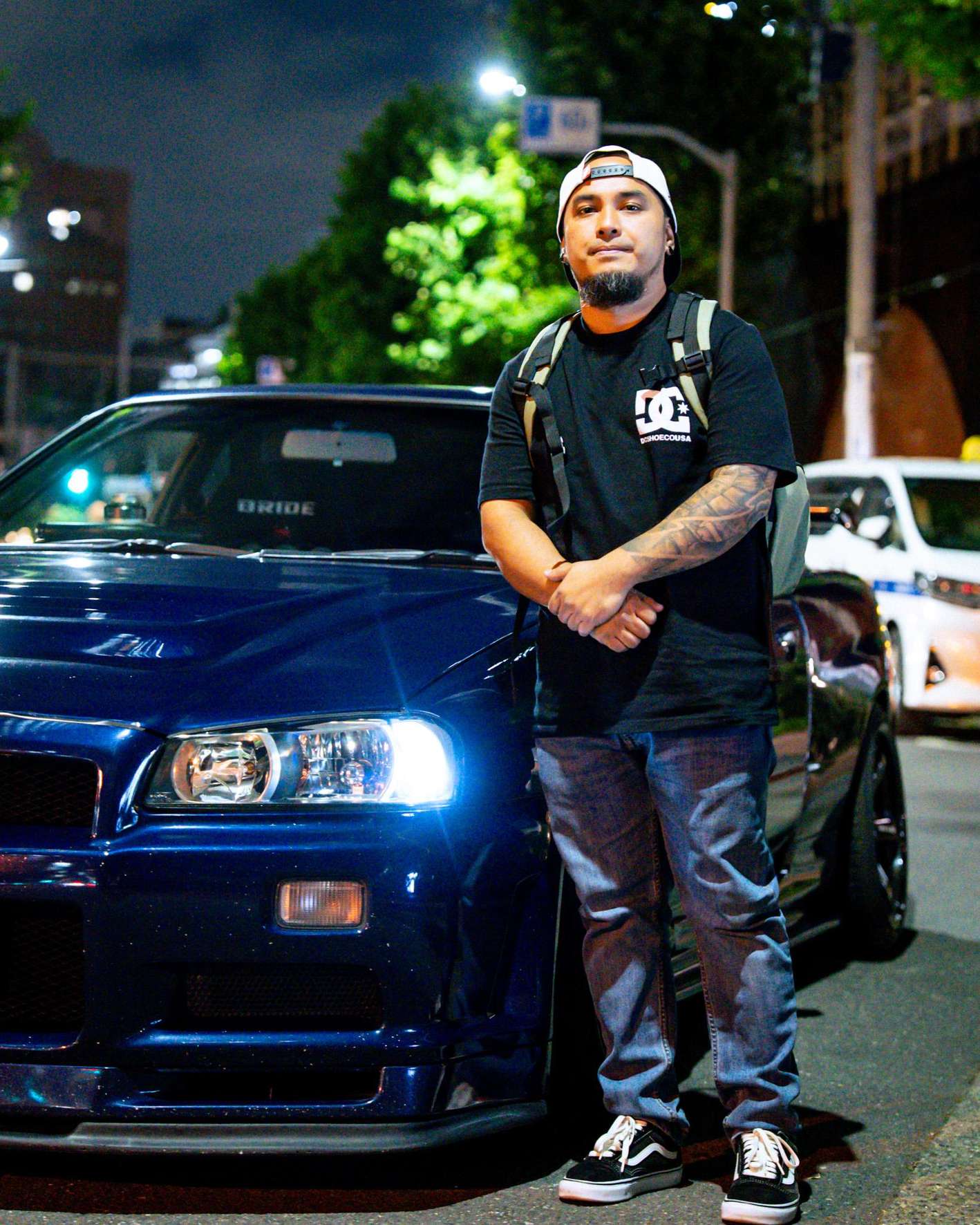
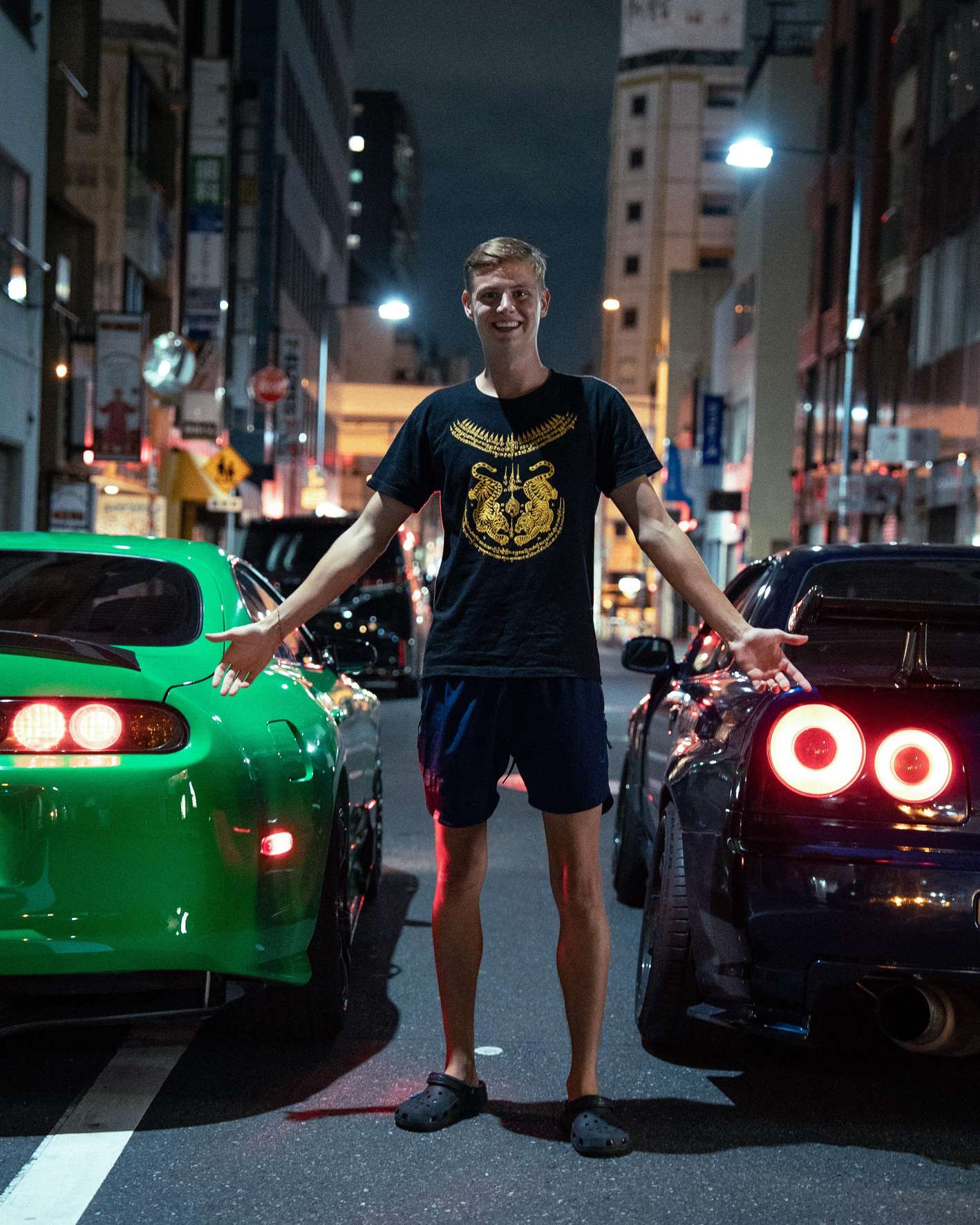
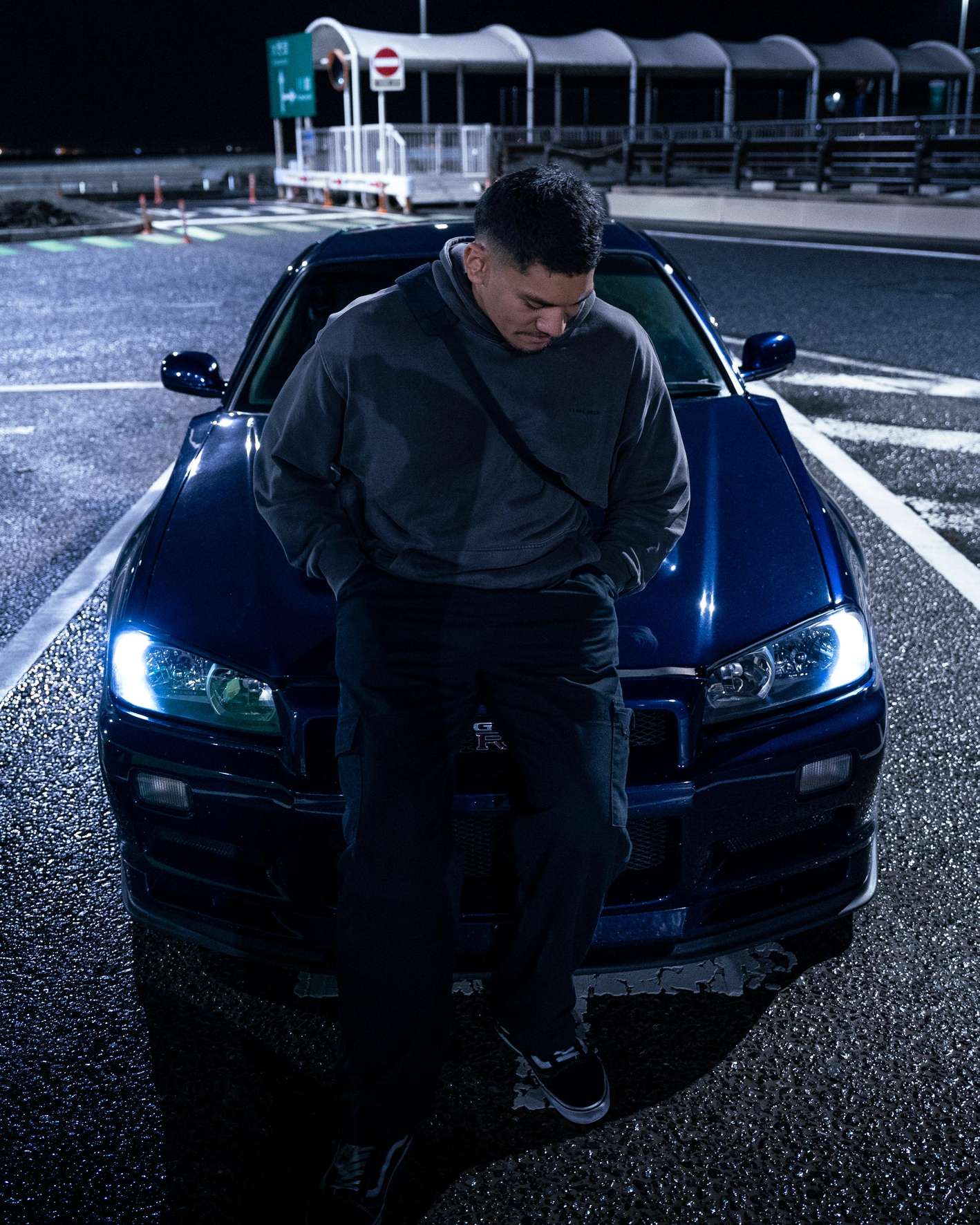
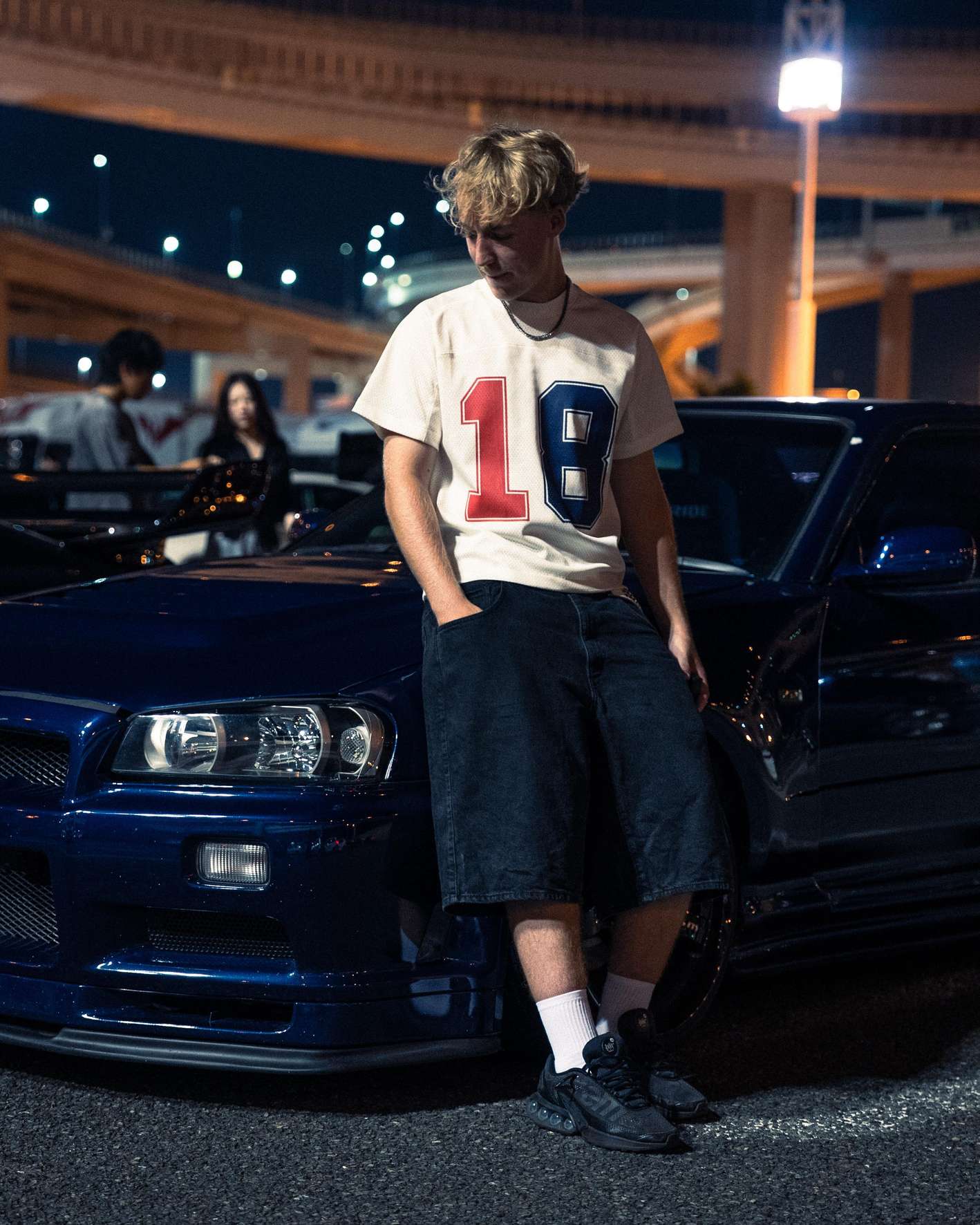
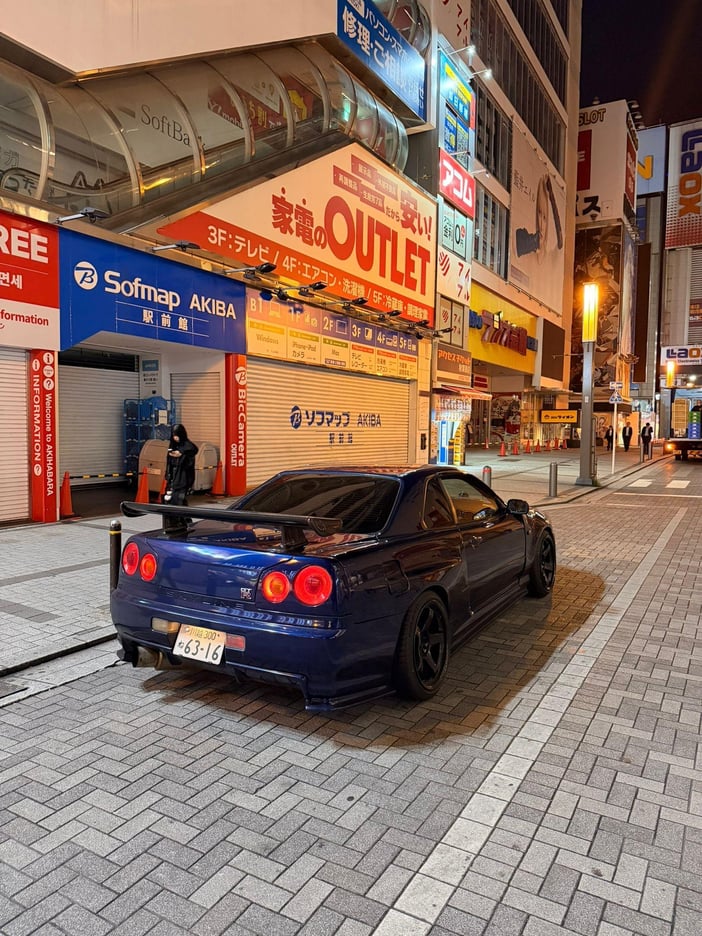
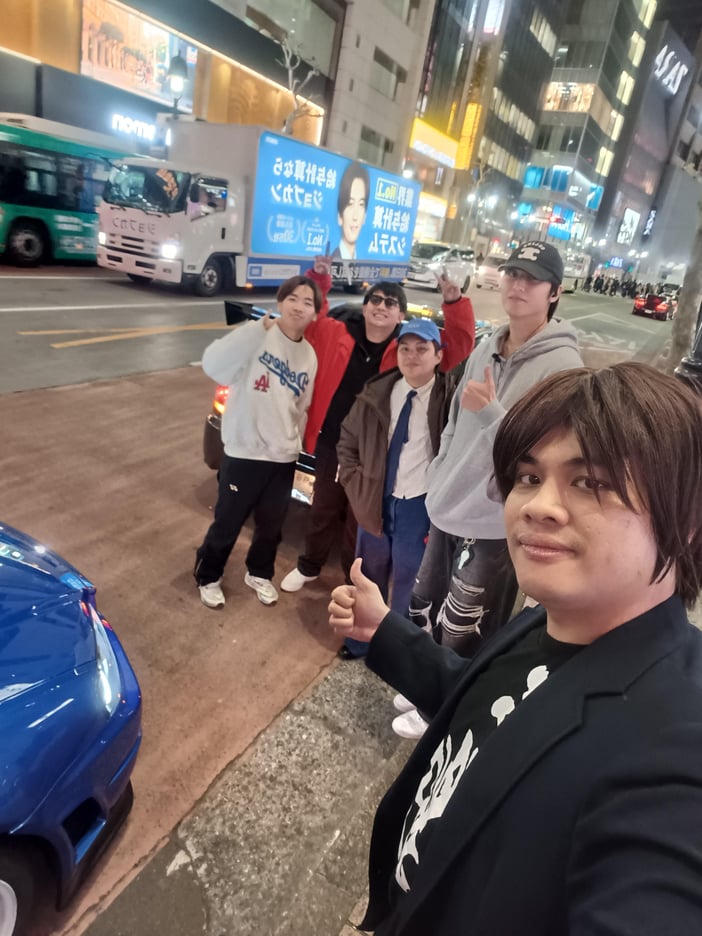
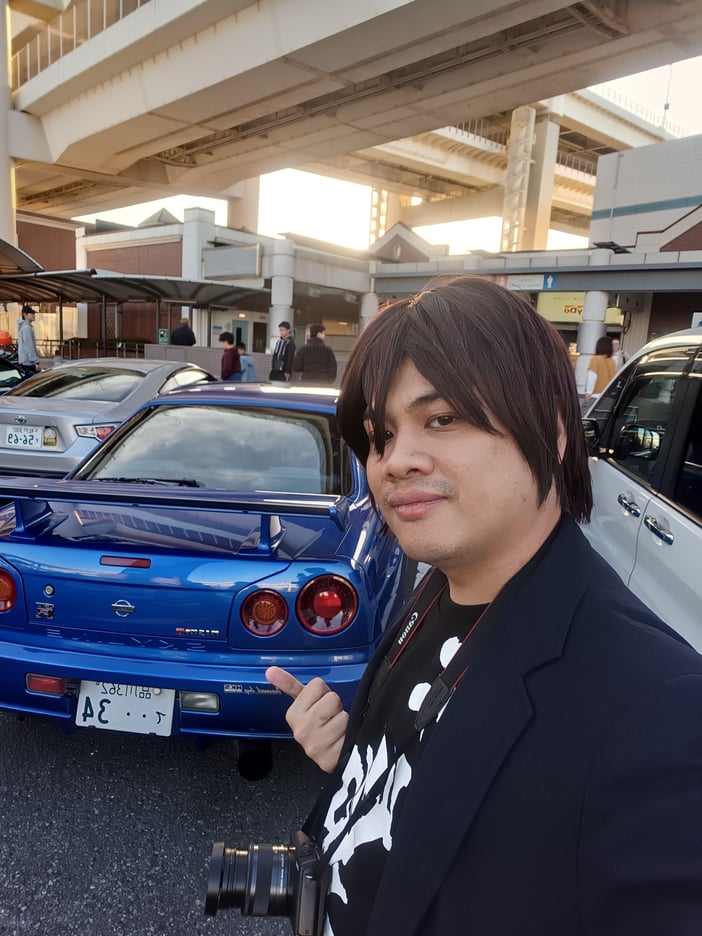
Daikoku fills early and shuts without warning. One evening can still chain Daikoku, Tatsumi and Umihotaru if you know the order, and self-drivers can run it too.
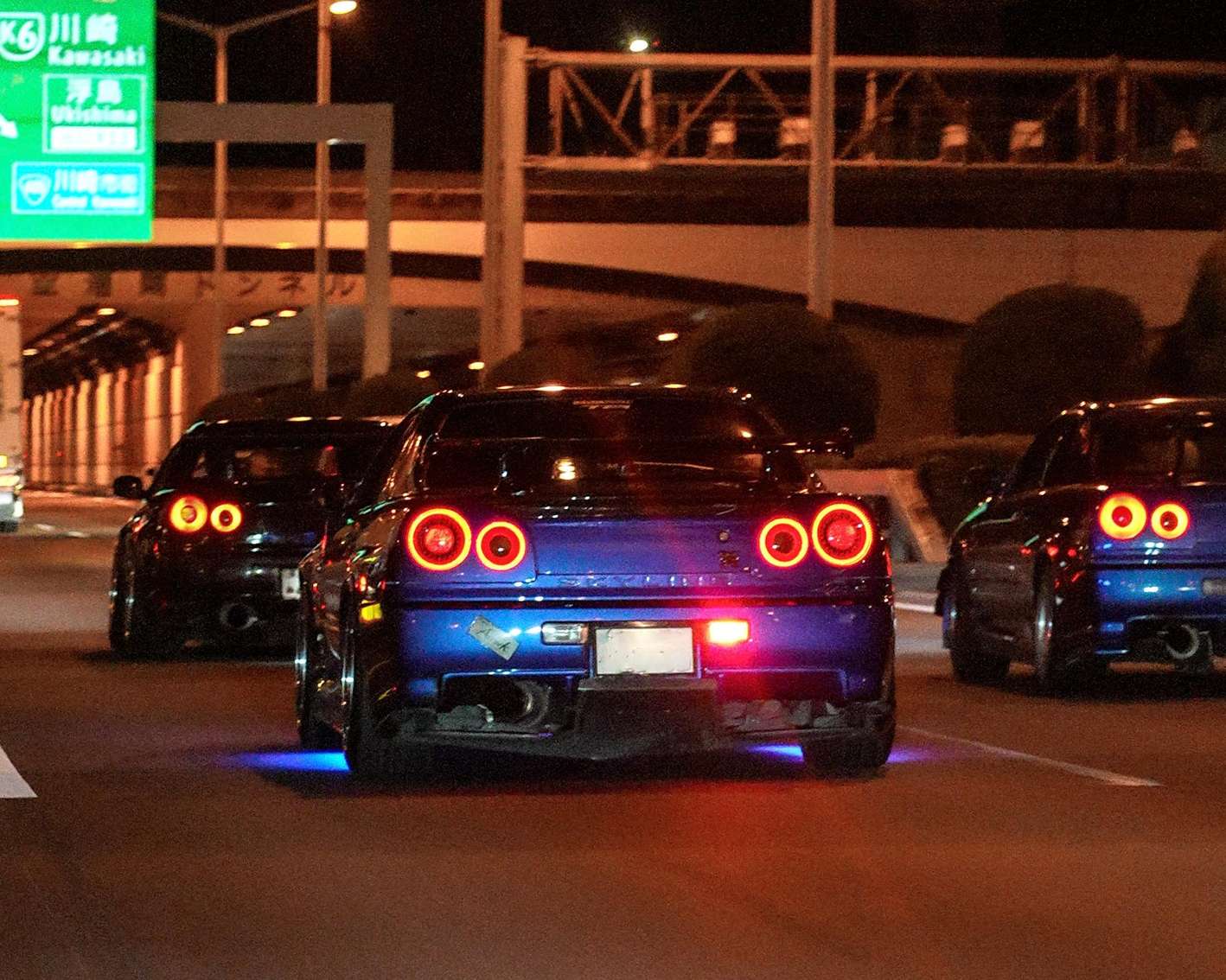
Chain the meets along the Shuto Expressway: C1 Loop, Wangan Route, the K5 spur and the Aqua-Line.
Treat Daikoku as the early anchor; once the lot fills it stays closed for the night.
When Daikoku's ramps close, cars and tours move on to Umihotaru or Tatsumi.
Passengers need no driving permit. Self-drivers need an IDP at home, or a JAF translation for some countries.
Ask before photographing, never touch or lean on cars, and pack foam earplugs.
Book a tour that departs early enough to arrive before the crowds, and pick one that reroutes to Umihotaru PA or Tatsumi PA when Daikoku is shut, so a closure changes the stop instead of ending the night.
Every car meet parking area on the route sits inside the expressway or toll road system, reachable only by vehicle. There is no train or pedestrian way in, anywhere. So the run works as a chain, and the Shuto Expressway is the thread.
The C1 Inner Circular Route connects straight onto the Wangan Route for Tatsumi, the K5 spur feeds Daikoku PA, and the Aqua-Line entrance takes you across Tokyo Bay to Umihotaru.
Guided tours string these together in one evening. A typical package from central Tokyo runs 3 to 4 hours, with about an hour parked at Daikoku itself, and extended multi-stop versions reach up to 5 hours.
Daikoku works best early in the evening; after midnight the lot is often shut for the night. The lot closes once full and does not reopen later, which is why visitors often cross the bay to Umihotaru afterward.
Tatsumi needs direction too: No. 1 and No. 2 are separate facilities with no connection, and No. 1 only serves traffic heading inbound on the expressway. Drivers moving between stops pay tolls with an ETC card or cash.
Standard evening tours return between 10 pm and 11:30 pm, which leaves you time for the last Tokyo Metro and JR trains before service stops around midnight.
Midnight runs depart later and end between 12:30 am and 2:30 am, inside the rail shutdown, so they finish with a hotel drop-off instead. Here is how the evening shapes up on a guided run.
pickup before rush hour the highway cruise the Daikoku stop while the lot is open the diversion onward if ramps close the return before or after the last trains
The order matters more than the clock. Daikoku is the stop you do while it still admits cars; the C1 tunnels and the bay crossing come after, when the crowd has shifted.
One tour operator builds its plan exactly this way, checking on the day where the cars are gathering that night and routing to Daikoku or Umihotaru depending on closures. That flexibility is what keeps the evening from falling apart.
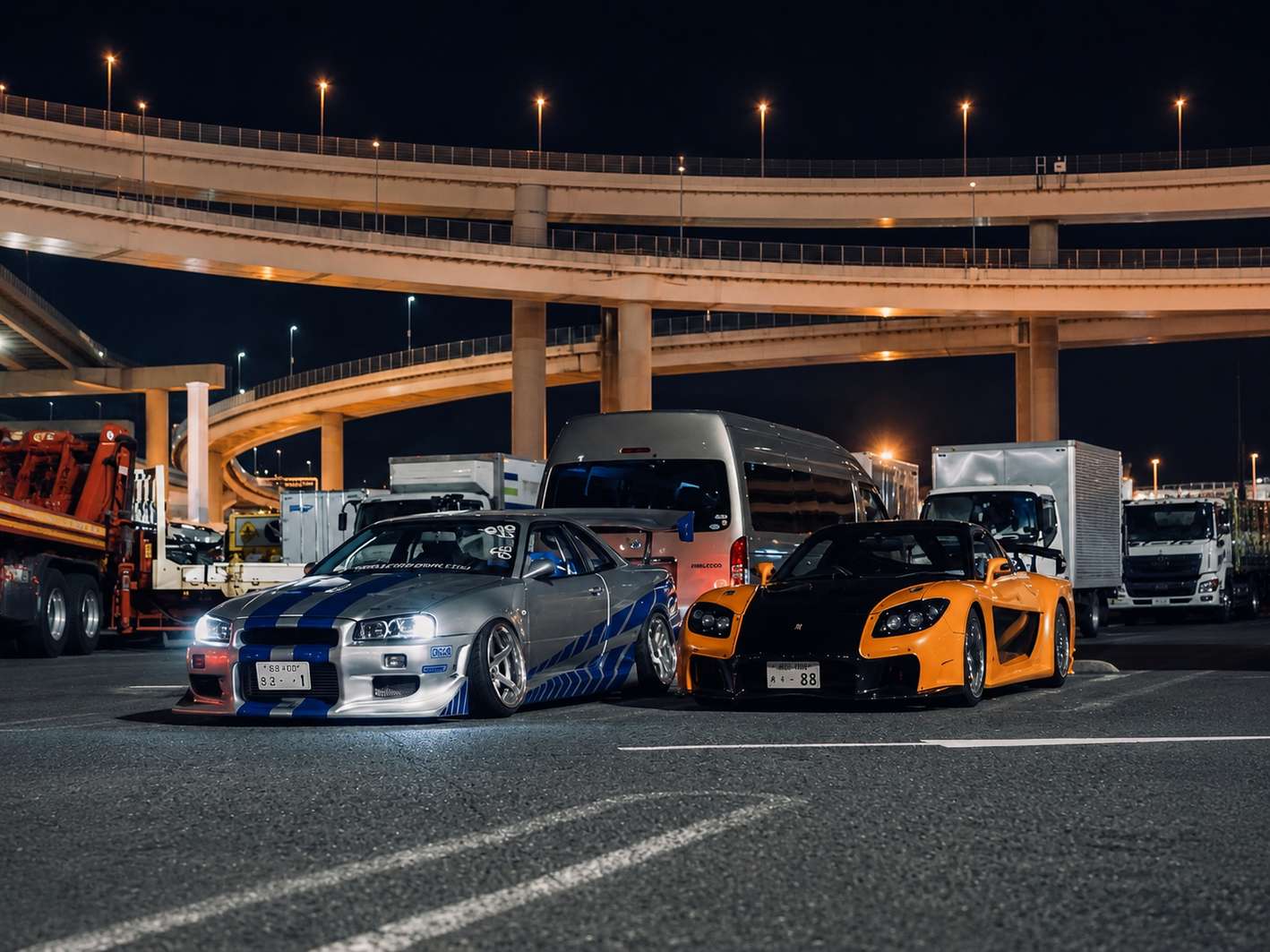
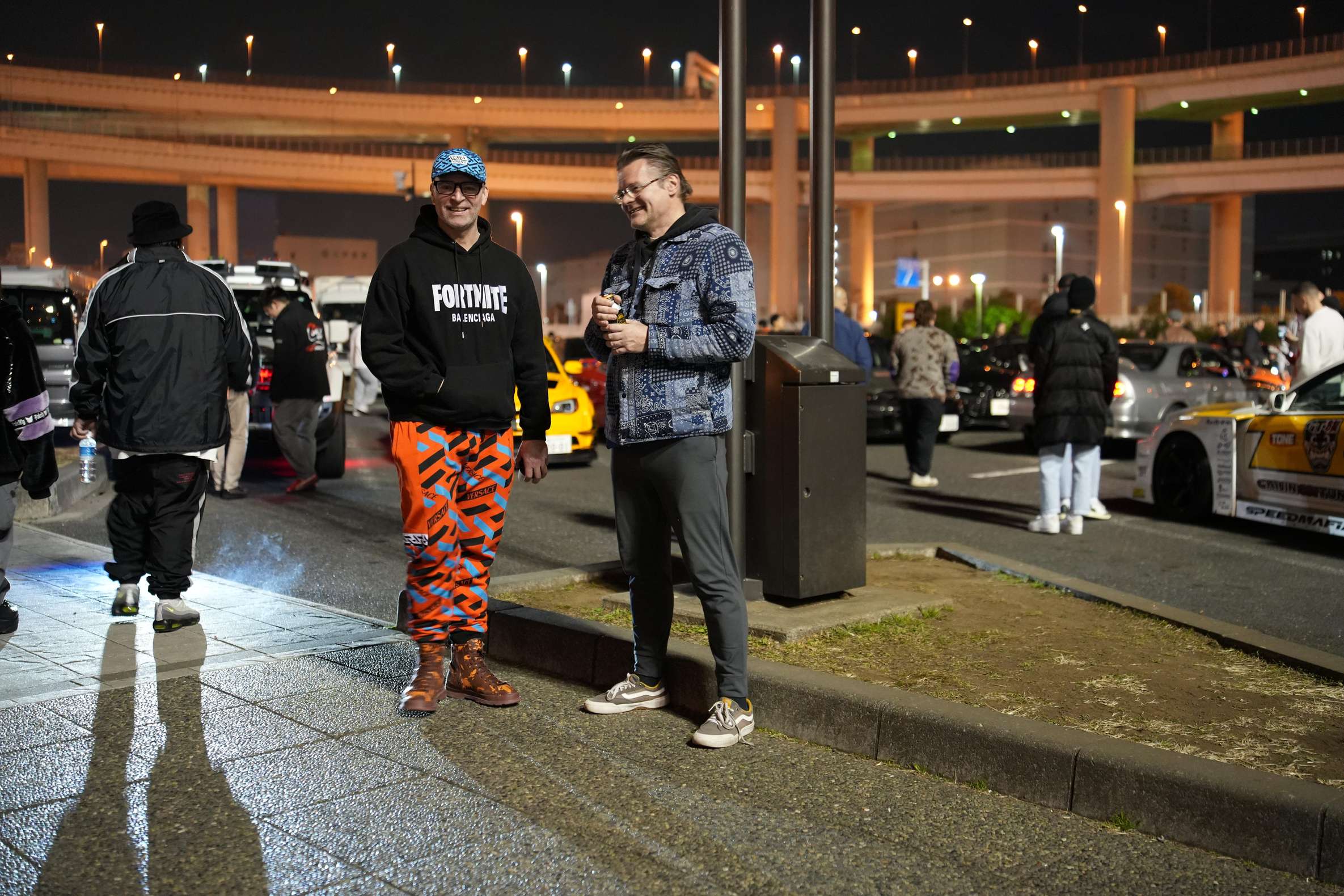
Daikoku PA closes when expressway police decide, and the decision varies night to night. Closures come when large crowds of modified and loud cars occupy parking spaces for long stretches and squeeze out regular drivers. Police also close the area at night during Christmas and the New Year's holidays, when crowds peak.
When a closure is ordered, announcements go out over loudspeakers and patrol cars move vehicles on. Incoming traffic gets turned back onto the expressway at the ramps. The dispersal is expected to be peaceful, and during an unannounced closure the toilets and the 24-hour Lawson usually stay open.
Regular visitors depart as modified cars arrive.
Peak car turnout after Daikoku PA closes.
Midnight cruises and enthusiast groups linger late.
Plan the meet for earlier in the evening and know the fallback. Cars and tours relocate to Umihotaru PA across the bay, to Tatsumi PA on the Shuto Expressway, or to A-PIT Autobacs in Shinonome.
Some tour operators reroute on the spot; a few offer a full refund if authorities shut Daikoku before the tour arrives. If you book a guided ride, the reroute is handled for you.
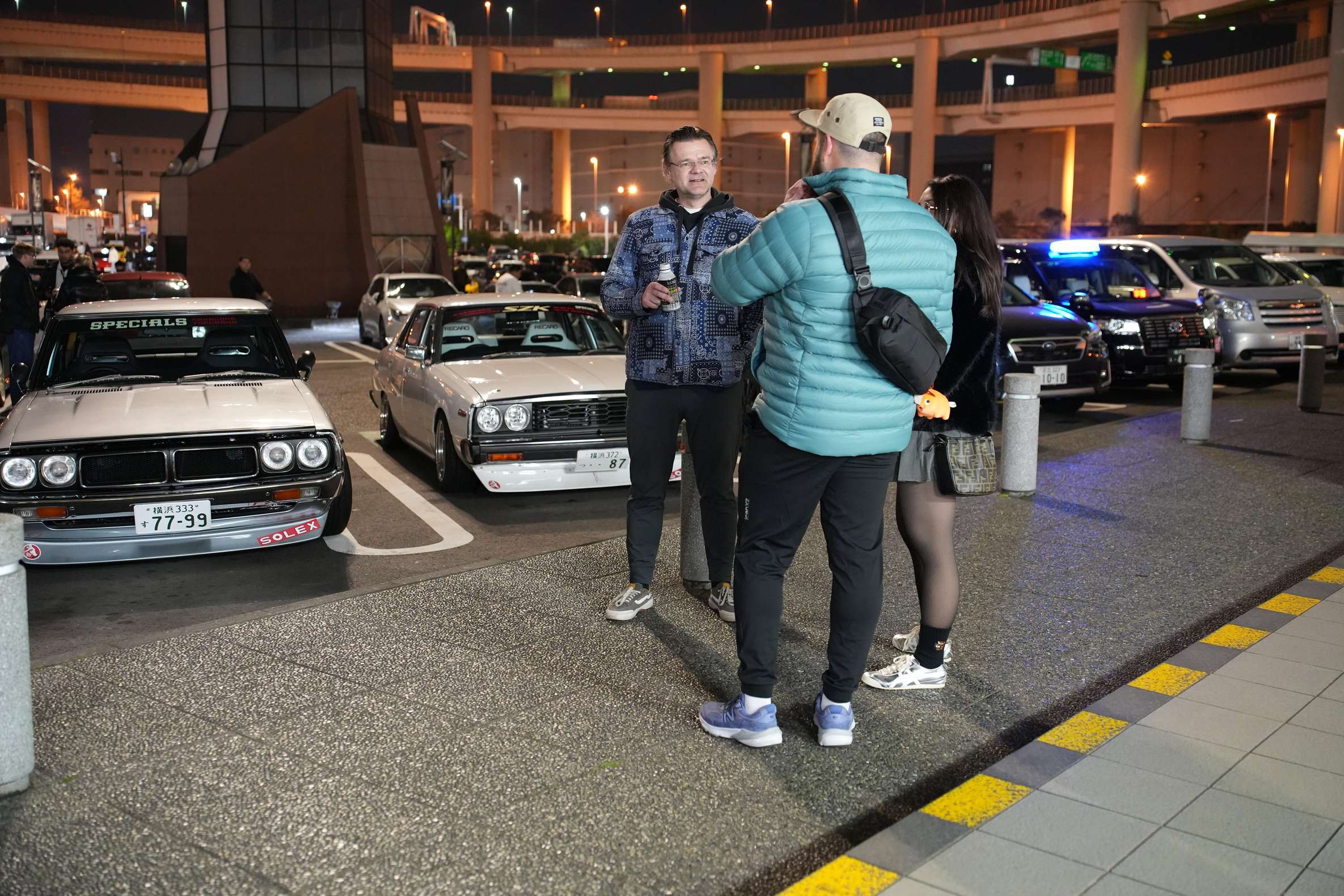
Daikoku PA is in Yokohama, south of the city, reached only through the Shuto Expressway. You enter from the Bayshore Route (Route B, the Wangan) or the Kanagawa Route 5 Daikoku Line, following overhead signs for Daikoku Futo and taking the dedicated ramp through Daikoku Junction.
A long circular off-ramp drops you to the parking deck. The whole site is fenced off from city streets; the surface entrance on Daikoku Pier leads nowhere for visitors.
The numbers settle the choice: guided tours run direct from central pickup points in around 40 minutes, a rental car from Shibuya takes about 46 minutes by the Bayshore Route, and public transit does not exist at all.
From Yokohama Station you are 15 minutes away by car through Daikoku Junction. On foot, every option is ruled out, by law and by fence, so a car or a booked seat is the only way in.
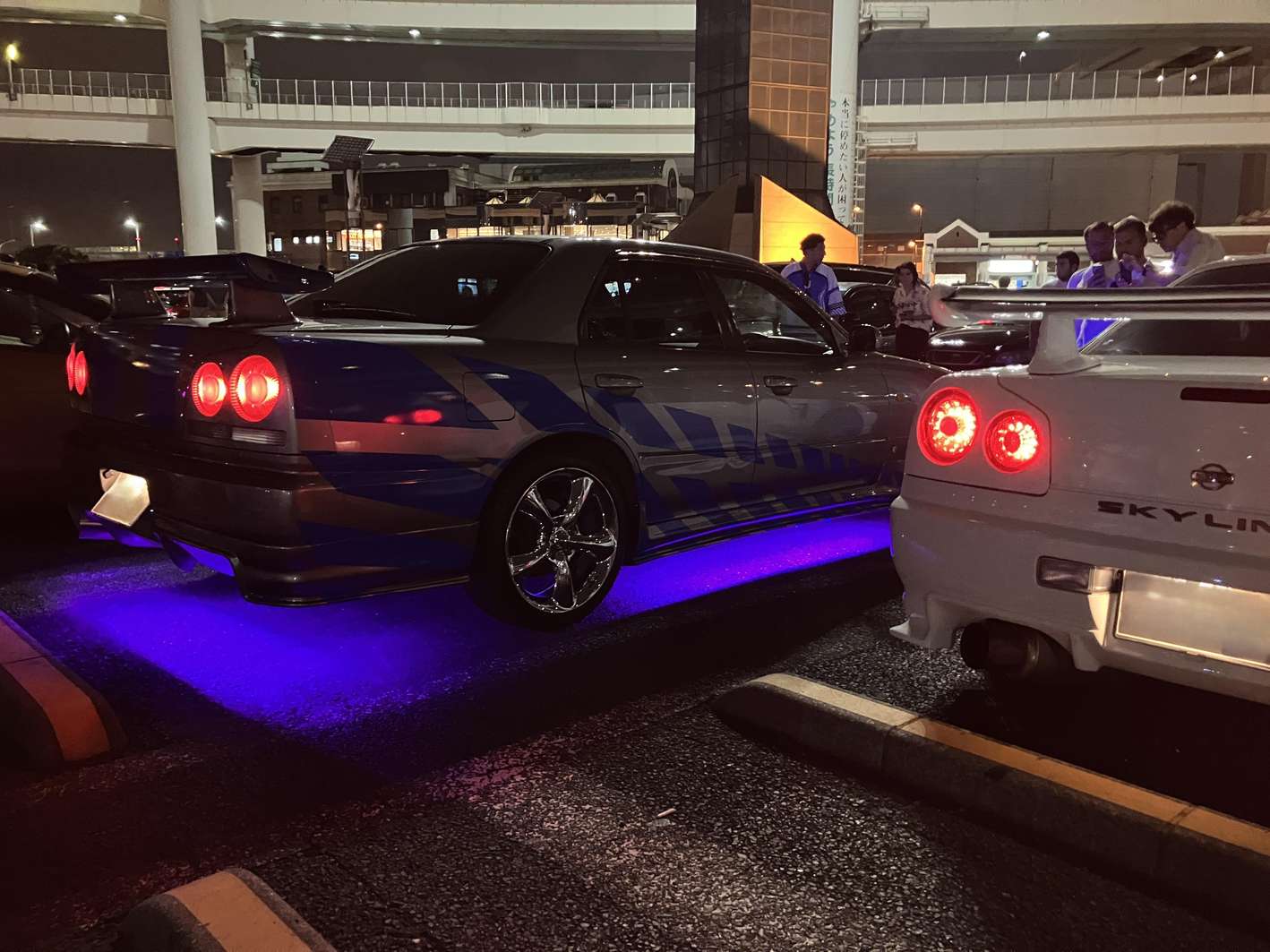
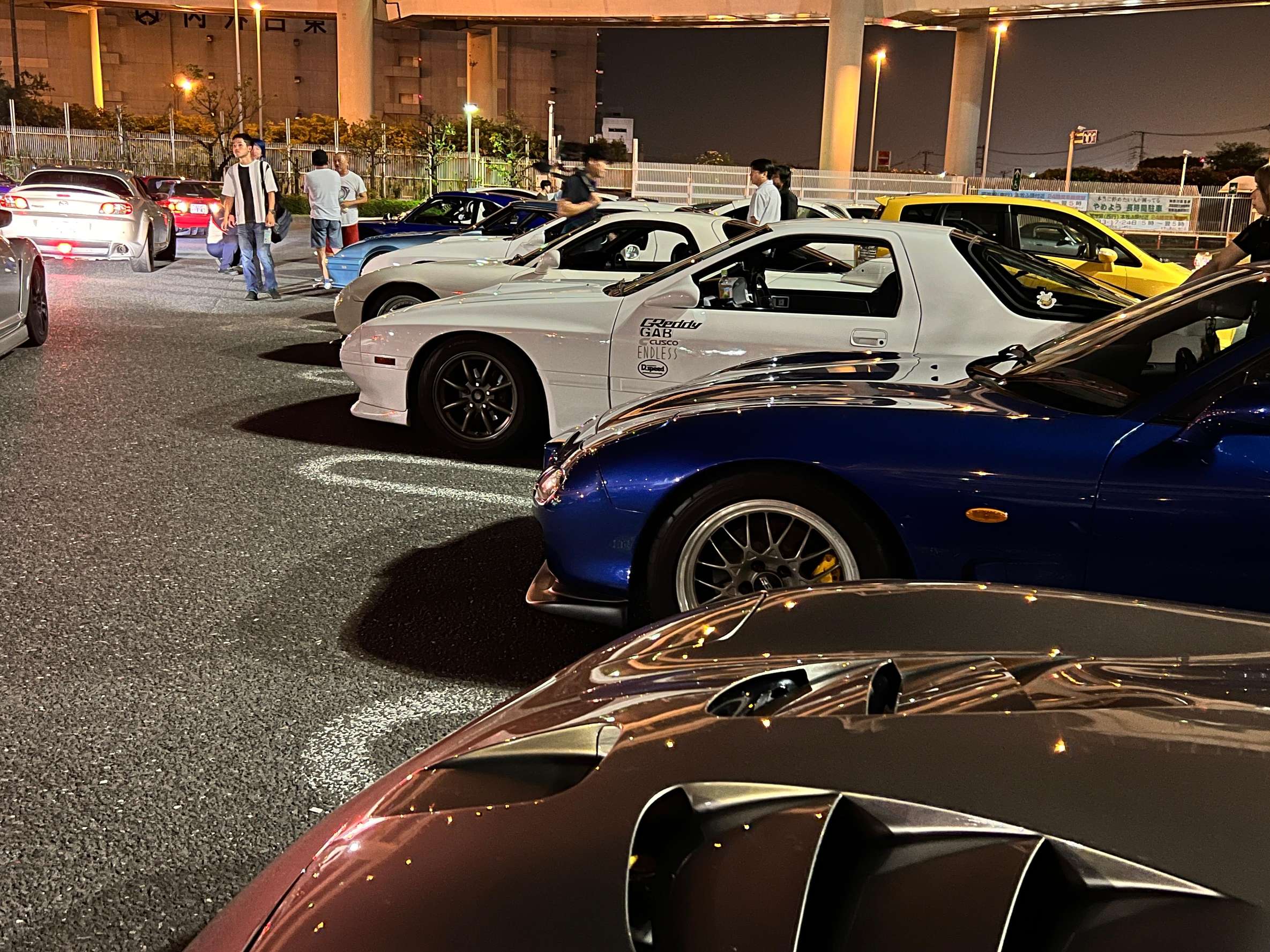
To rent a car in Japan you must be 18 and hold a valid license with the right paperwork, arranged before you leave home.
An International Driving Permit must be issued abroad; Japan only accepts permits from countries that signed the 1949 Geneva Convention. Permits issued under the 1968 Vienna Convention are not valid, even when the country is a Geneva signatory.
Belgium, France, Germany, Monaco, Slovenia, Switzerland and Taiwan do not issue 1949 Convention permits. Drivers licensed in those places instead use an official Japanese translation of their domestic license, which can be ordered online and printed at a convenience store in Japan.
Renters show a passport at pickup, staff and customer walk the car for existing scratches, and the car goes back with a full tank. Reserve ahead: specialist JDM rental shops in Tokyo book out 2 to 6 months for peak spring and autumn, and the R34 GT-R fills fastest.
Left-hand-drive drivers usually settle into right-hand traffic within an hour; the classic mix-up is the turn signal and the wipers. Choosing an automatic takes the left-hand shifting out of the equation.
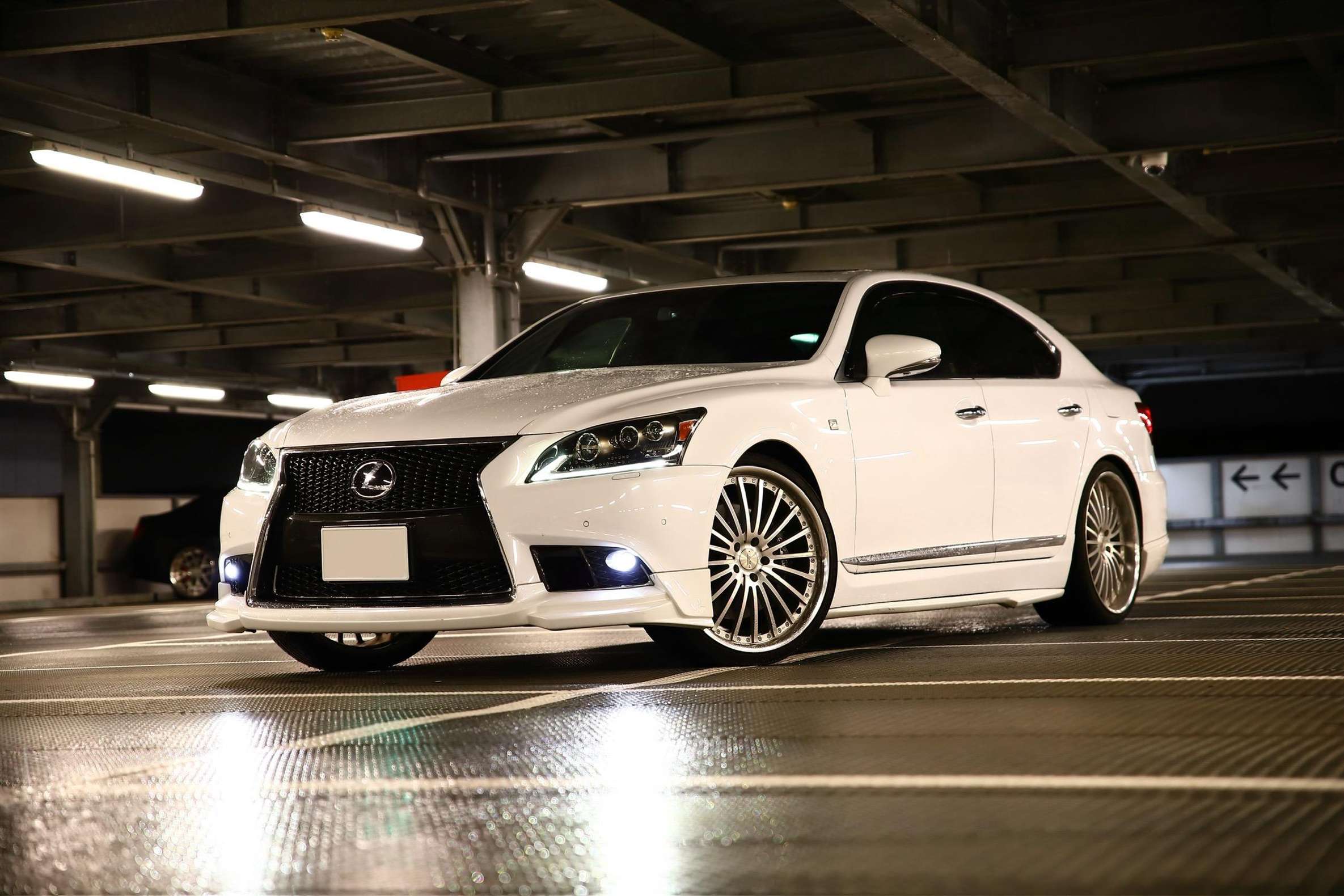
Tolls between the meet parking areas are part of the drive, and the payment system rewards preparation. The ETC device in the windshield talks to gate antennas and clears tolls without stopping. Rental cars carry the device; you insert your own rented ETC card, and charges bill to that card based on the vehicle class.
Without an ETC card you use general lanes or shared ETC/general lanes, never the ETC-only gates, where the barrier stays down and you must wait for staff instructions without reversing.
At general lanes you pay cash in yen or by credit card. Some toll stations have automated settlement machines: cash users follow the screen and voice prompts, credit card users press the staff call button for help.
Renting an ETC card is the simpler route if you plan more than one expressway evening. Whichever you choose, figure the tolls into the night's plan, because every hop between Daikoku, Tatsumi and Umihotaru crosses a toll gate.
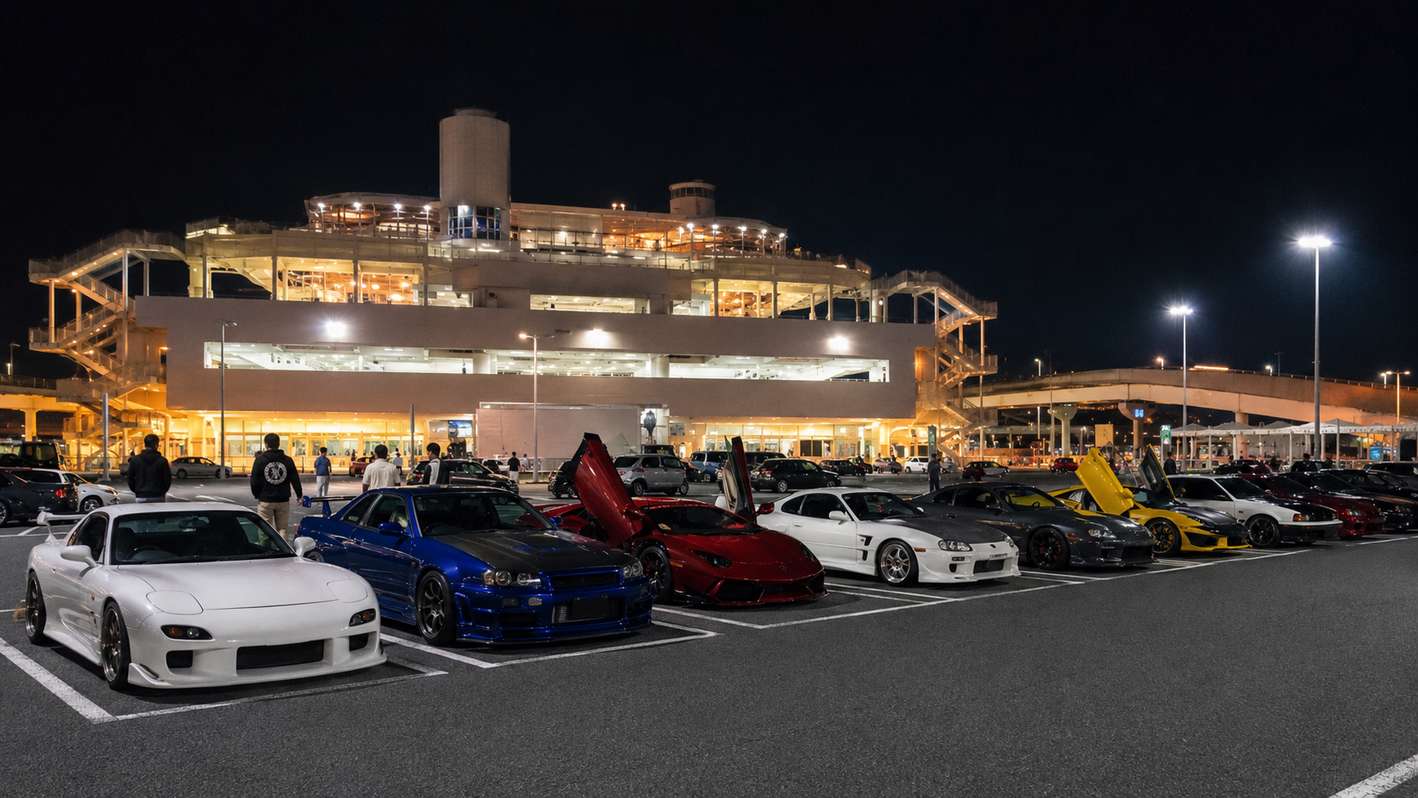
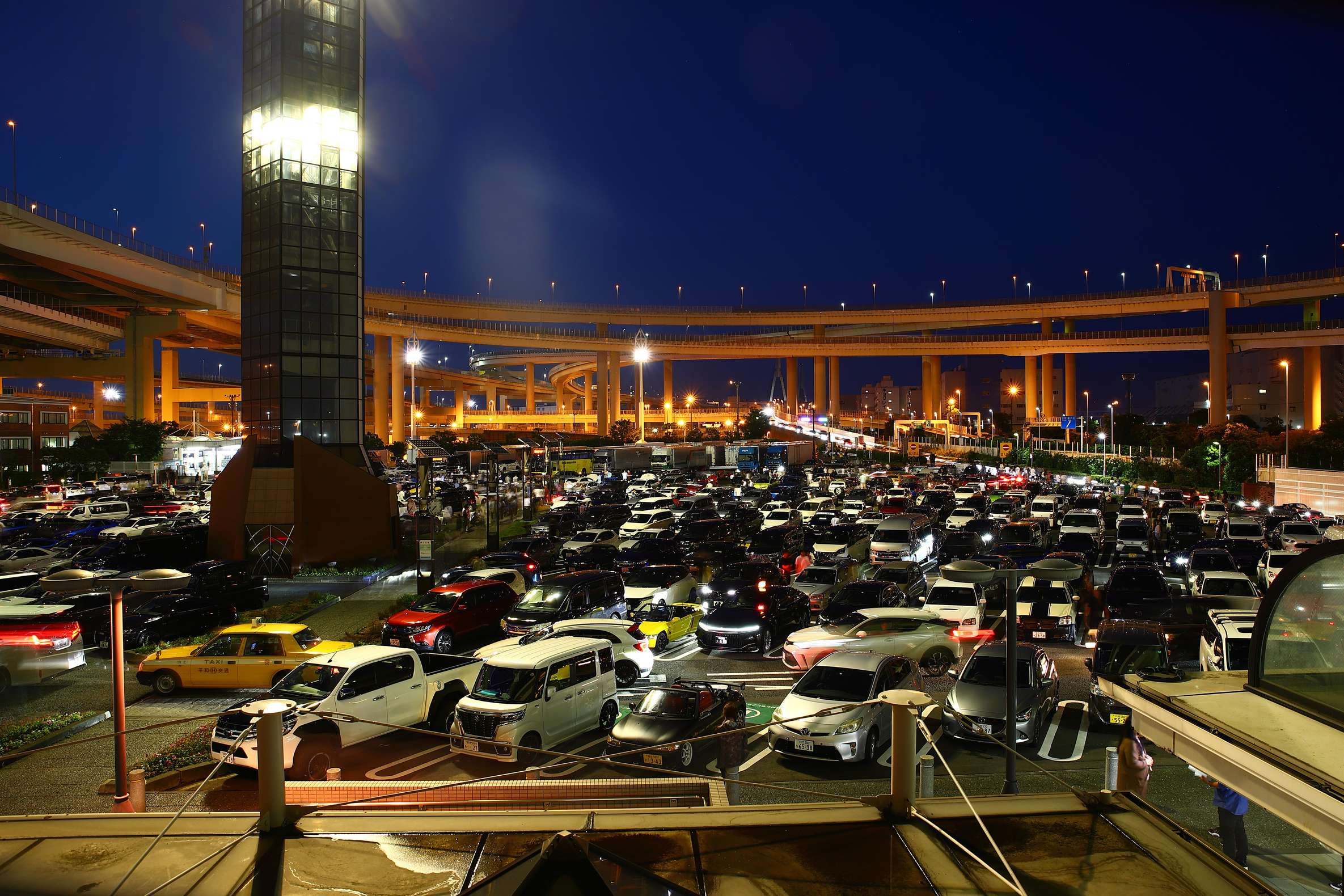
The rules at Daikoku are unwritten, but the owners enforce them with a look. Ask before photographing any vehicle. Never touch, lean on or sit on a car; watches and other metal objects mark paint. Asking an owner what the car cost, or whether it is for sale, reads as rude.
Noise is the other fault line. Revving engines, peeling out and burnouts are off-limits inside the lot, and they are exactly what draws police shutdowns when crowds grow. Flashing lights or strobing photos at running cars is considered disrespectful and dangerous. Take your trash with you when you leave.
First-timers miss two things in particular. Asking owners about prices counts as rude, and flashing lights at running cars reads as disrespectful and unsafe. Sound is the third surprise: audio vans at Daikoku have been recorded at up to 150 decibels, which is why regulars carry foam earplugs.
One more thing to know: standing near the entrance ramp puts you next to expressway traffic moving at speed, so watch the cars from inside the lot instead.
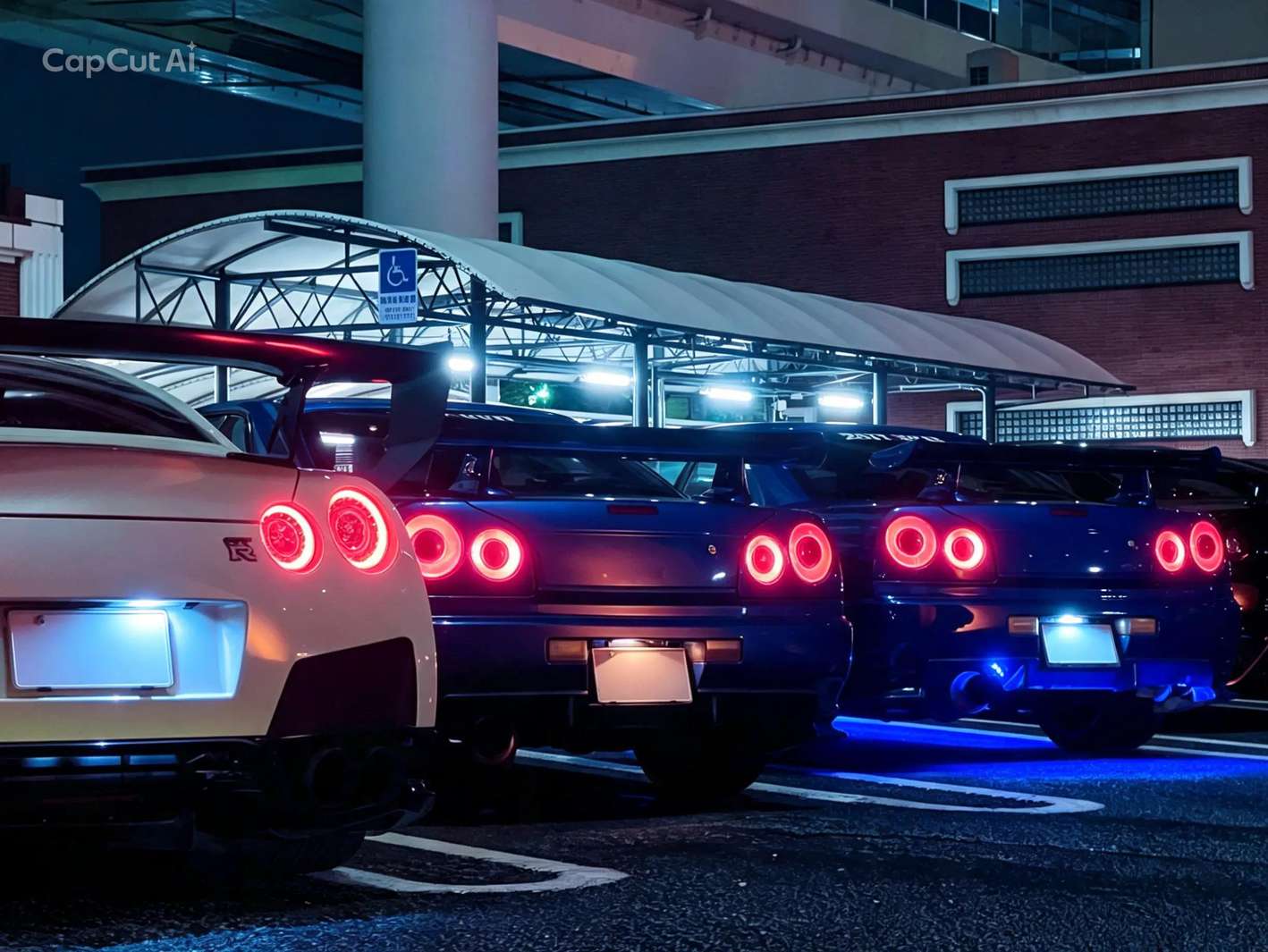
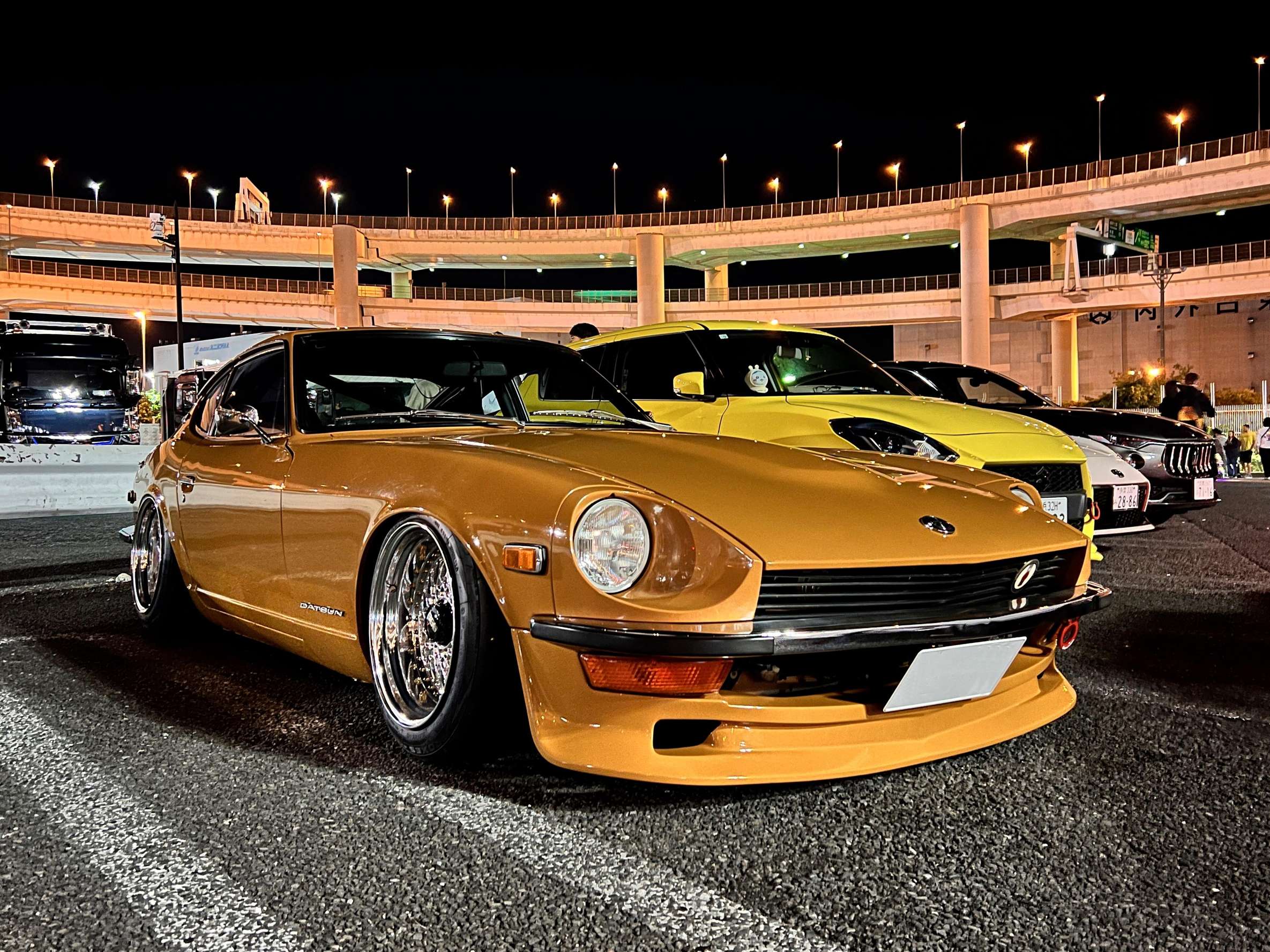
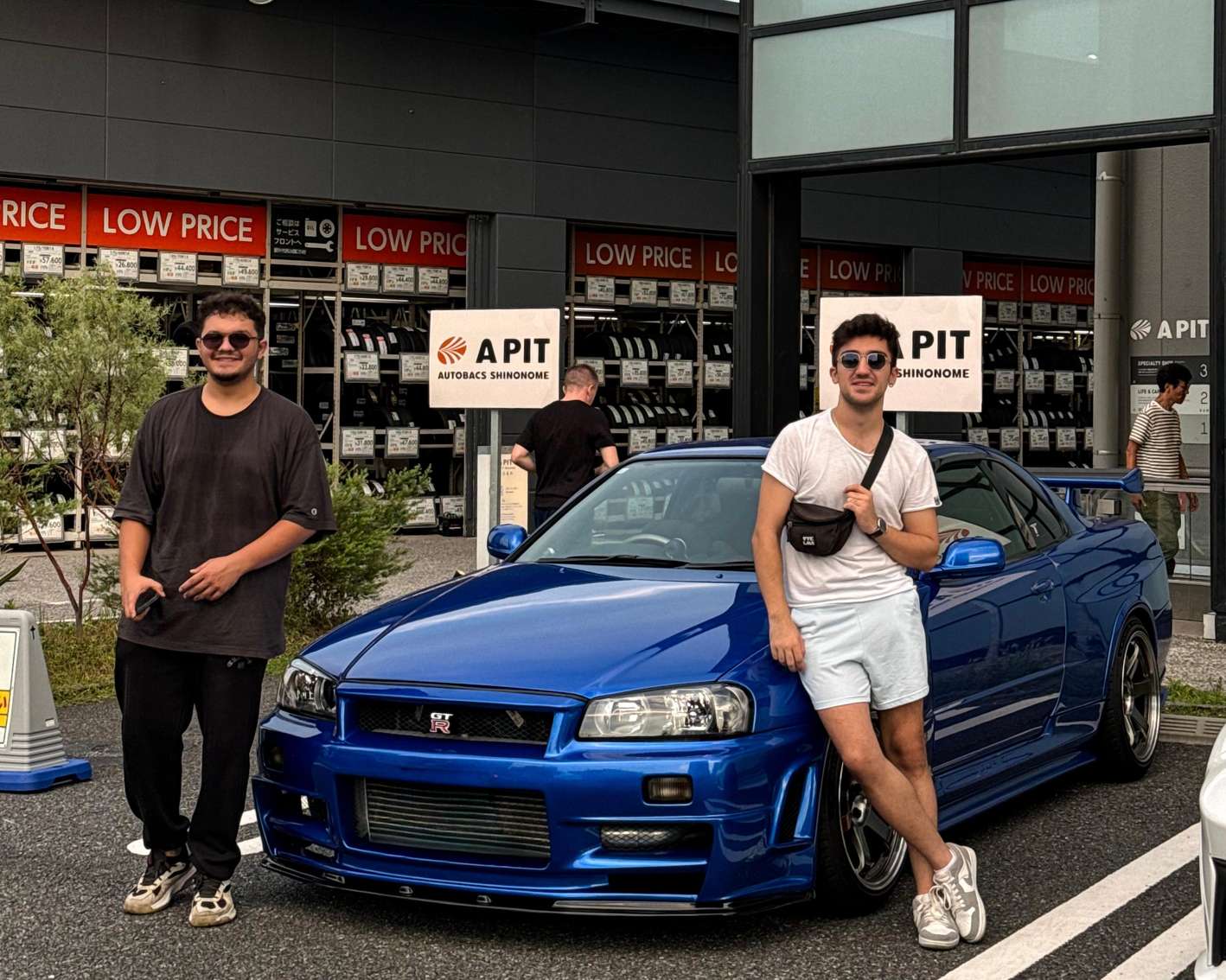
Night meets are only half the scene. Autobacs A-PIT in Shinonome, reachable by rail, is a full daytime destination: aftermarket parts, official JDM apparel, customer sports cars parked outside in the retail lot, and a third floor where you can try sports seats from makers like Recaro almost all of them.
The store hosts morning tuner fairs and community meets on weekends, an off-line morning meeting every third Sunday of the month, and demo cars and parts displays from tuners such as HKS.
It is also a staging point. Car clubs and touring groups pit stop at A-PIT before heading out to Daikoku, and private tours can add it to the route.
Farther out, Tsukuba Circuit hosts major heritage runs and historic sports car meets. For morning gatherings inside the city, Daikanyama T-SITE holds regular cruise meets, and shrine meets and shop parking lots offer daytime conversations in English with owners, which the night lots rarely do.
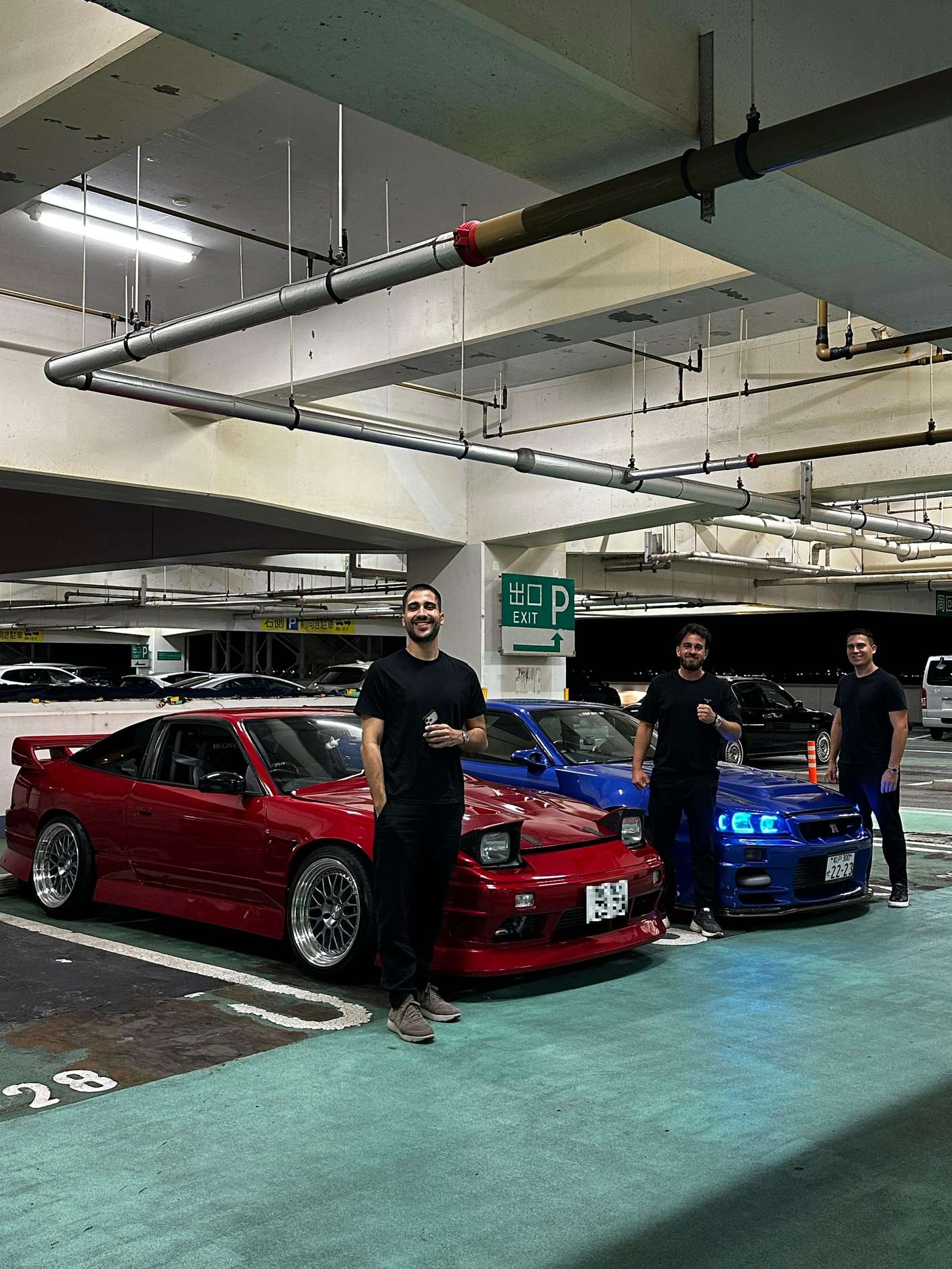
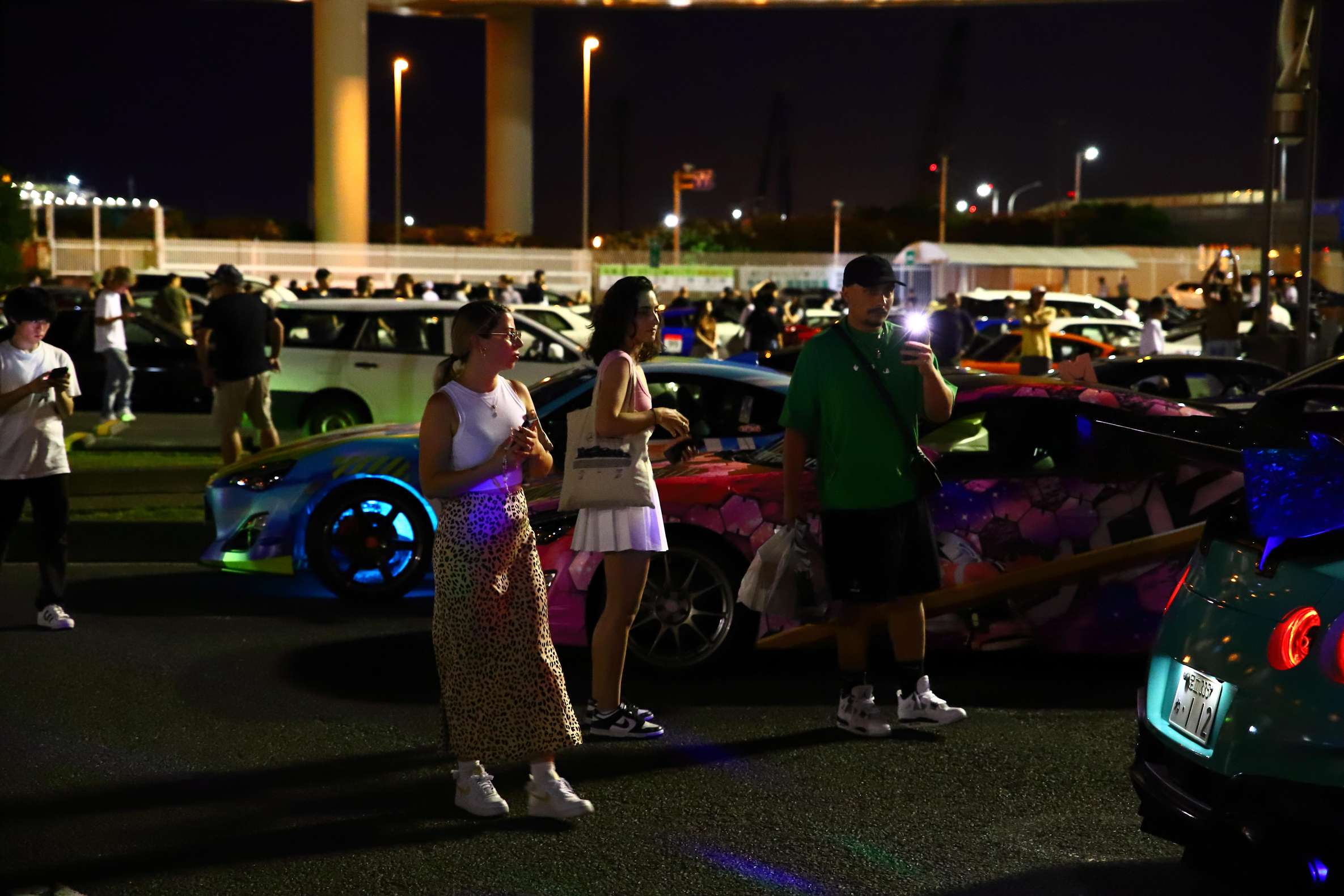
Weekend mornings change the lineup. Hundreds of luxury cars, classics and supercars gather at the most famous parking lot in the country every Sunday morning, and one operator runs a 4-hour morning option built around it.
People who go often note the difference: at Daikoku in the morning you see more supercars than JDM metal, Ferrari and Porsche territory, while the night hours belong to tuned Skylines and drift builds.
Daytime gatherings have another advantage. At shrine meets and shop parking lots, owners stand by their cars and talk, and conversations in English happen far more easily than at a loud midnight lot. A few basic Japanese phrases make a strong impression if your language skills are limited.
Weather shapes turnout more than the clock. Rain does not close the outdoor parking areas, but it thins the crowd sharply, with polished exotics staying home while dedicated regulars still arrive. In typhoon season, turnout collapses and high winds can close bridges and expressways, at which point tour operators reroute, reschedule or cancel with refunds.
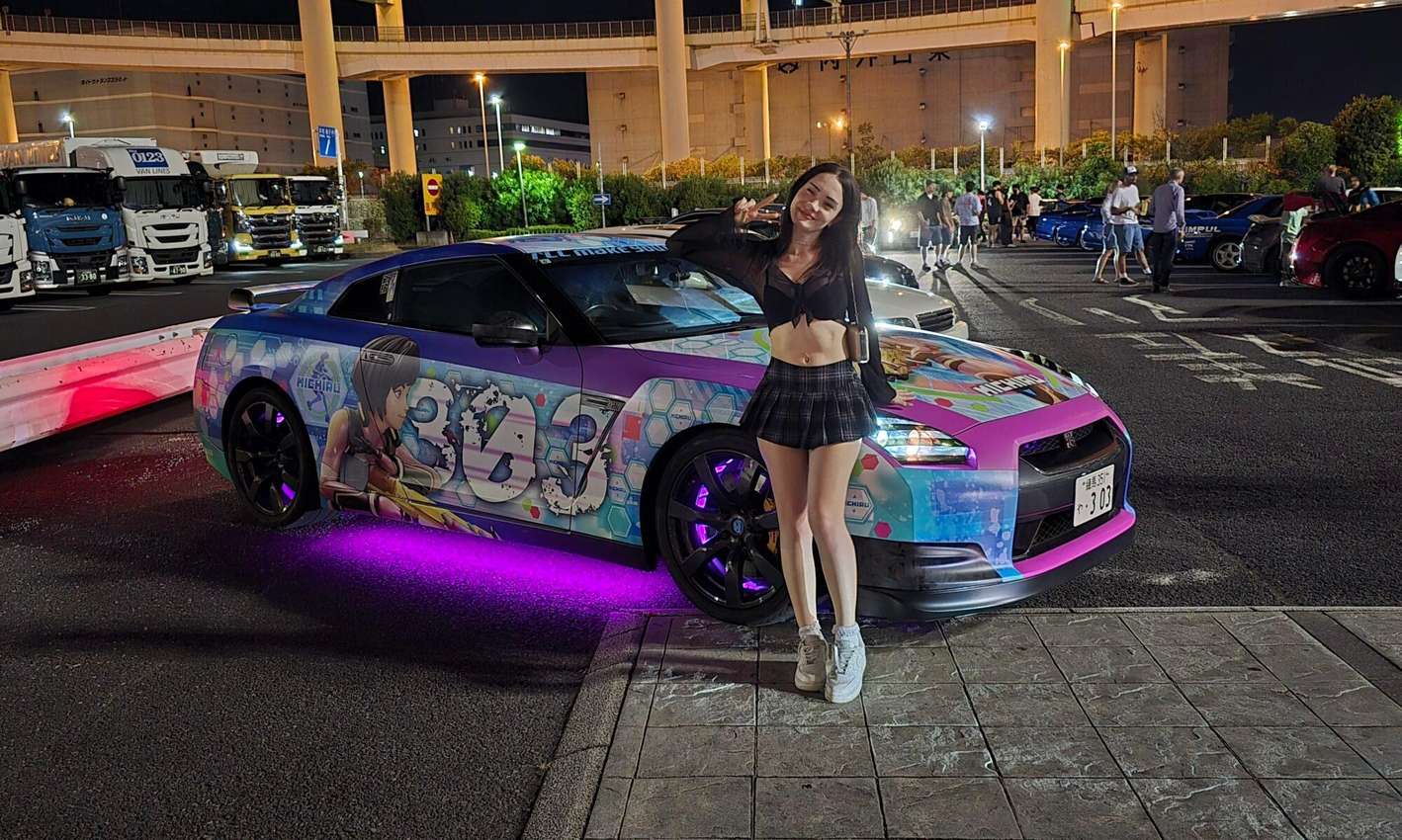
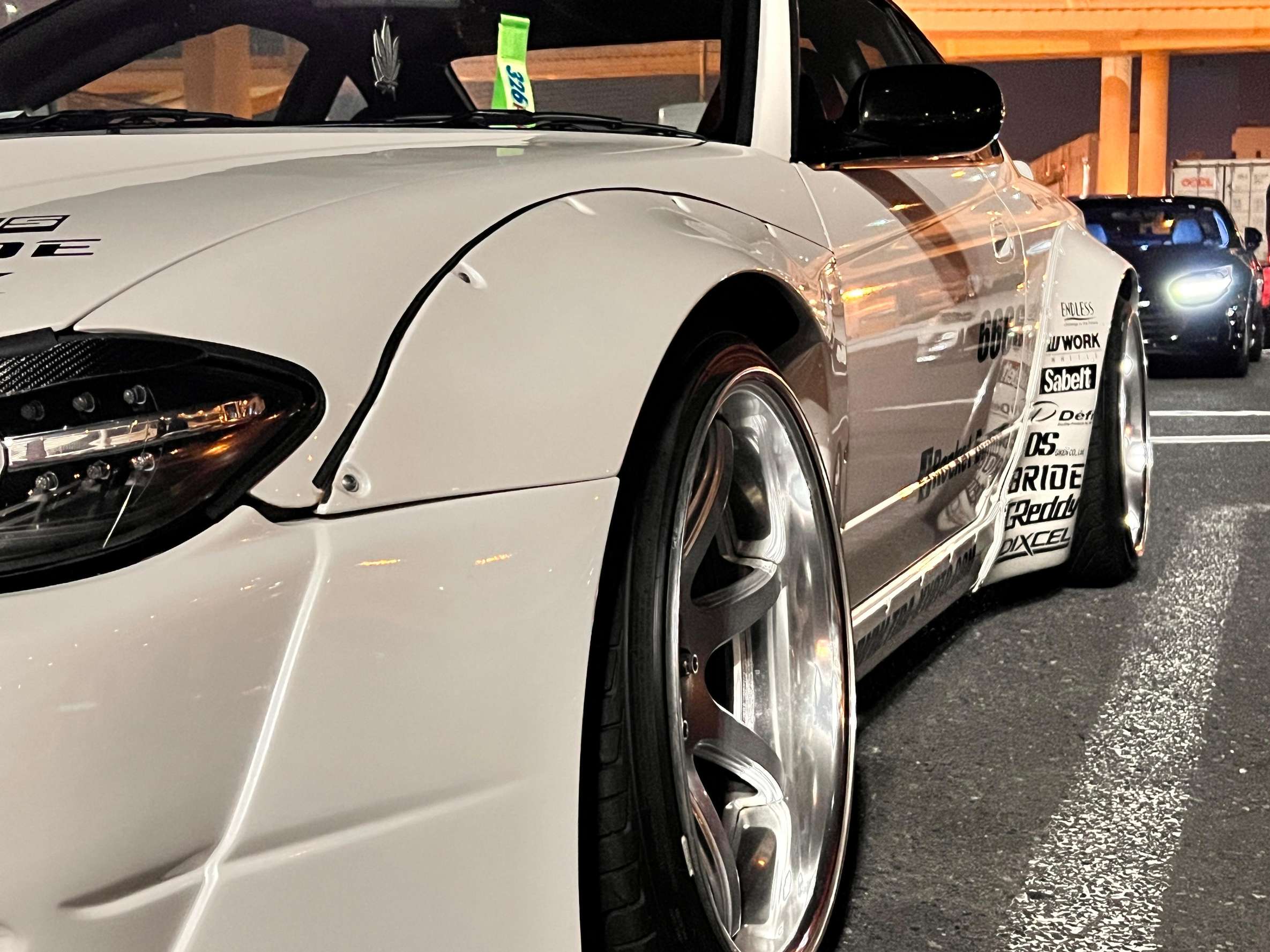
A guided ride solves the transport problem in one booking: a professional driver, the expressway tolls, the return trip, and a guide who handles etiquette and translation. You need no driving permit and no license to ride along. The checks below separate a good booking from a frustrating one.
licensed passenger transport with green plates English-speaking guide and translation support return transport or hotel drop-off seat, size and mobility limits
On the legal side, commercial passenger vehicles in Japan carry green plates, which signal the proper insurance for paying riders. On comfort, rear seats in vintage coupes are tight: the GT-R is a 2+2 with little adult legroom, and the GT86's back seats are barely usable past junior school age.
Several tours exclude young children, and one takes children aged 5 to 7 who need a booster seat if parents contact the operator first.
On mobility, multiple operators state their cars are not suitable for wheelchair users; passengers must get in, sit and get out unaided, and one tour caps passengers at 200 cm and 100 kg.
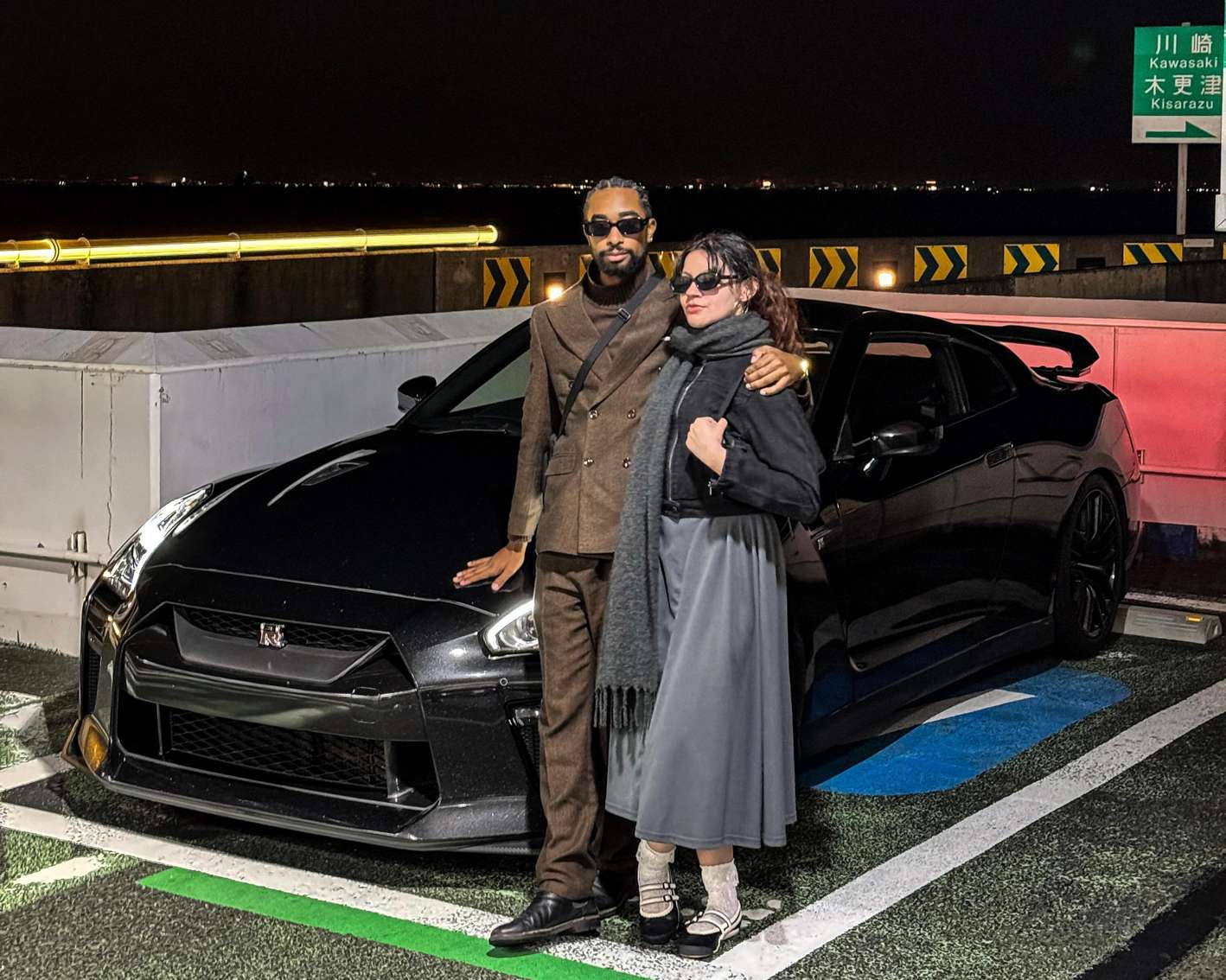
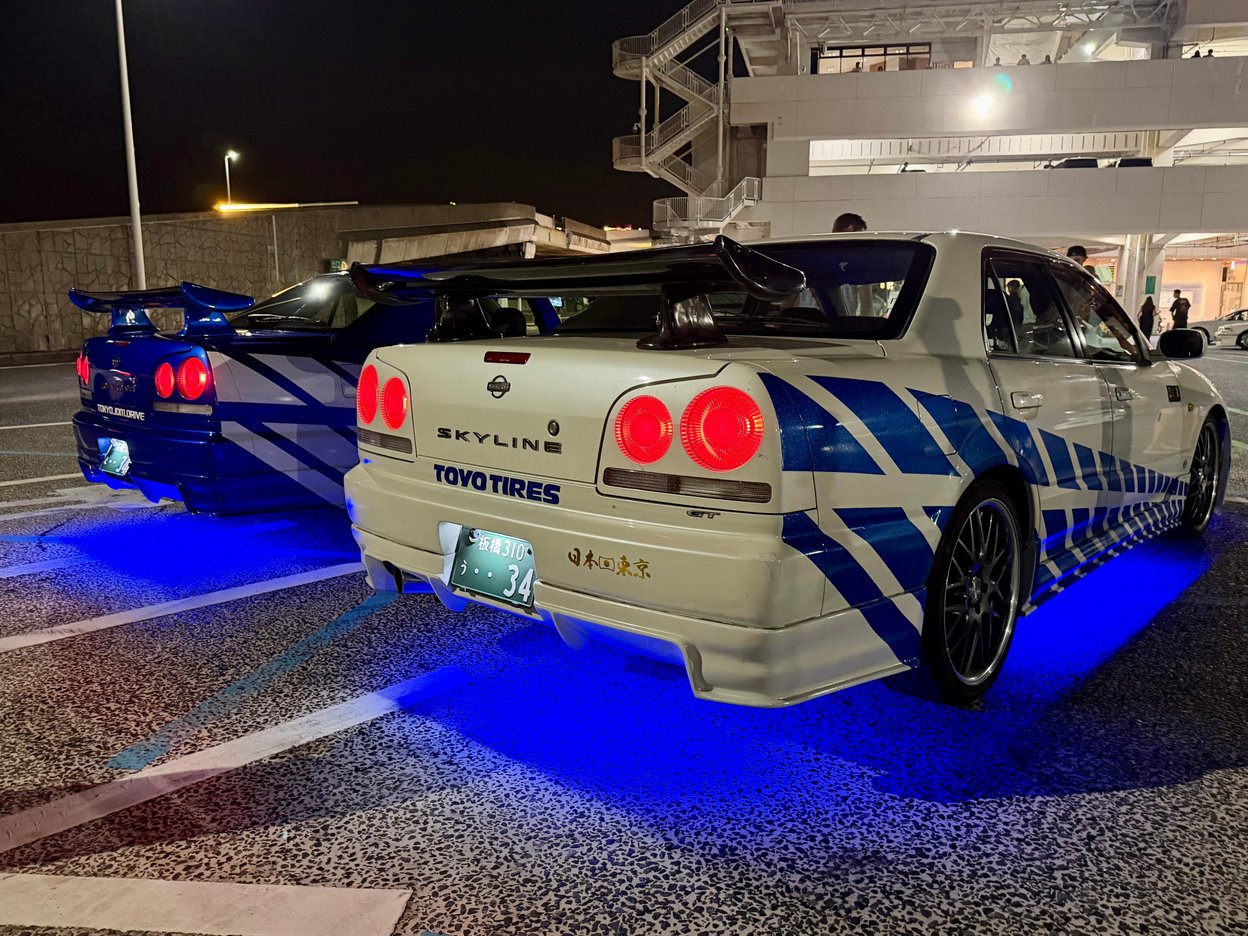
A private tour in an R34 or R35 GT-R with hotel pickup answers all four checks, and one such tour runs 3 hours with a convoy cruise through the expressways and night city lights.
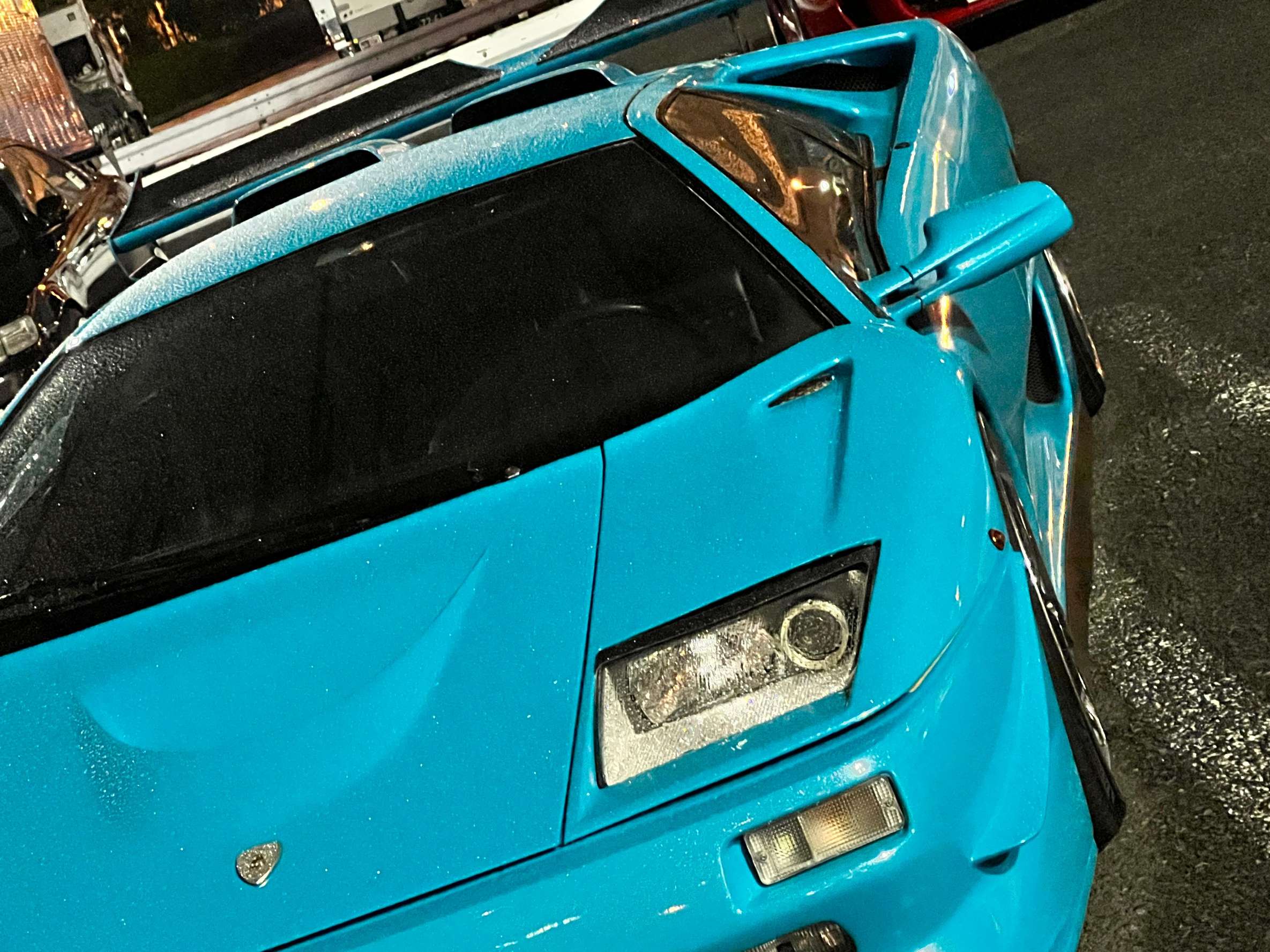
Daikoku is an open-air coastal parking deck, and the wind off the bay decides what you wear. Winter nights from December to February run 1 to 4 degrees, and a heavy coat, thermal layers and gloves earn their space.
Spring and autumn nights sit between 6 and 15 degrees, so comfortable layers with a windbreaker cover it. Summer nights stay warm and humid at 20 to 25 degrees, where light breathable clothing works.
Flat walking shoes work in every season, since your hour is spent standing on a parking deck.
The busy season for the bay-side lots peaks in April and May and again in September, when monthly wet days run 14 or more, while December through February brings 22 to 26 dry days. Bookings peak in spring regardless.
May: 5 out of 5 for how busy it gets. The busiest month of the year brings pleasant 23°C temperatures alongside 15 wet days across the bay.
Tap a month to read it.
August: highs around 32.6°C. Midsummer brings 33°C heat and 17 dry days, with steady tour traffic and generally light bay winds.
Tap a month to read it.
March: 5.6 windy days. Tours remain quiet as spring winds peak with nearly 6 windy days and rainfall doubles to 12 wet days.
Tap a month to read it.
May: rain on 14.8 days. The busiest month of the year brings pleasant 23°C temperatures alongside 15 wet days across the bay.
Tap a month to read it.
January: 26.4 dry days. Tour demand is at its lowest with cold highs around 9°C, but crisp winter air offers 26 dry days and clear bay views.
Tap a month to read it.
Bring cash in yen if you drive, for toll gates without ETC. If a guide leads, umbrellas come from them. And keep the calendar in mind: holiday weekends such as Christmas and New Year draw the biggest crowds and the earliest closures.
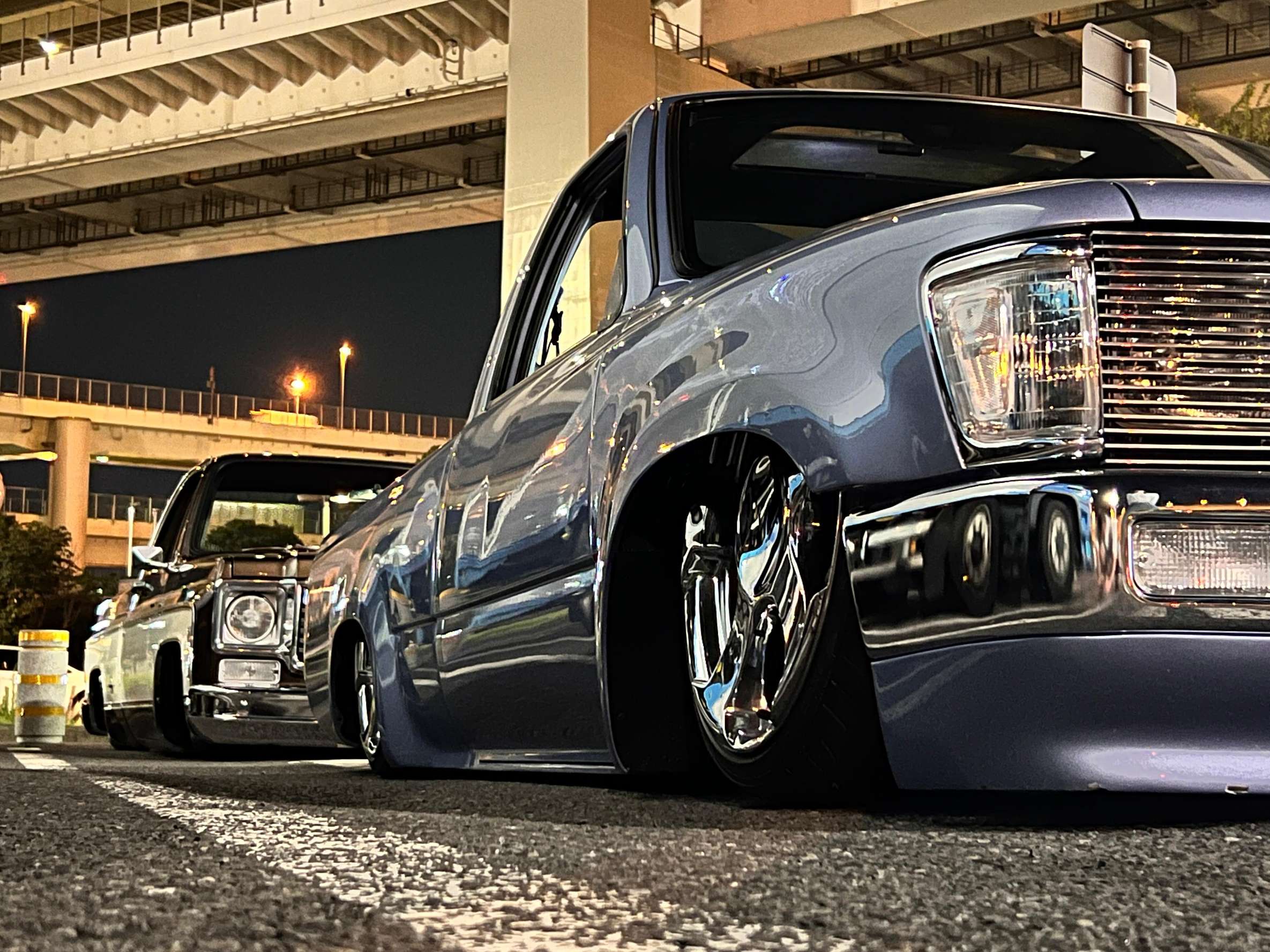
A guided ride-along suits anyone who wants the meets without the paperwork: no permit, no tolls, no navigation on expressways where exits sit on both sides and phone tracking drops in the tunnels.
It also suits first-timers who want the etiquette handled. A private enthusiast ride in an R34 or R35 gives you hours on the expressway itself and pickup from your hotel.
Self-driving suits the second and third visit. You need the IDP or JAF translation, a reservation made 2 to 6 months ahead for a car like an R34 GT-R, and tolerance for narrow lanes and a circular off-ramp. What it buys is freedom to linger.
Some travelers should wait, and the reasons are practical. Modified sports cars have low sills and bucket seats that demand unassisted entry. Tour age limits exclude infants and, on several tours, children under a set age, because the cars have no room for child seats.
Oversize luggage does not fit a sports coupe; one operator may decline any passenger who cannot be seated safely with a seatbelt on.
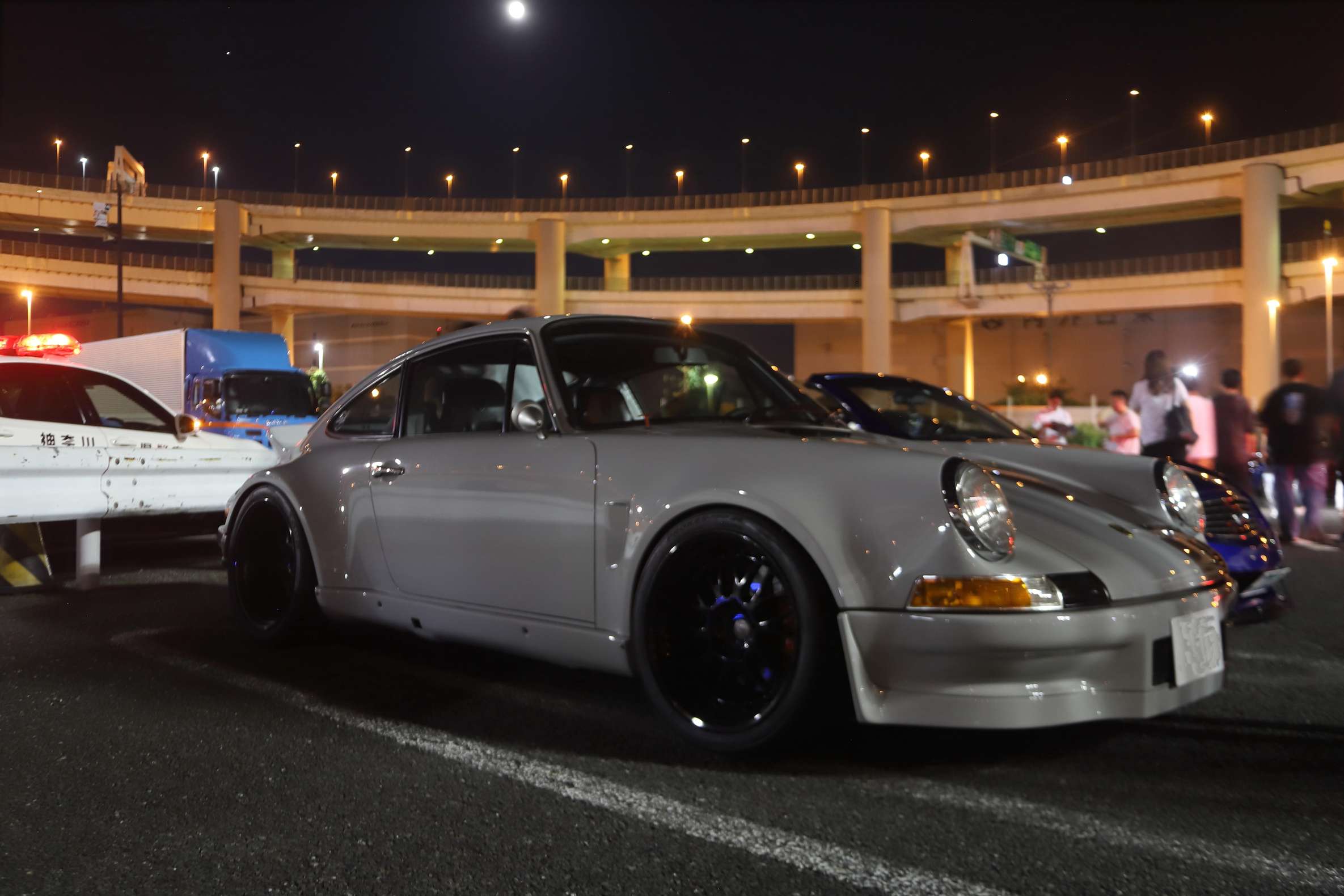
The chain of Daikoku, Tatsumi and Umihotaru in one evening is the best single night of car culture the region offers, and a guided ride makes it nearly foolproof.
Go early in the evening, expect a possible reroute to Umihotaru, and pack for a cold coastal deck in winter. First time out, ride along. Second visit, drive yourself, if you can book a car months ahead.
Each meet spot draws a different crowd at a different hour, so the one you pick shapes your whole night.
Fixed-date shows, factory showrooms and exhibitions, planned months ahead
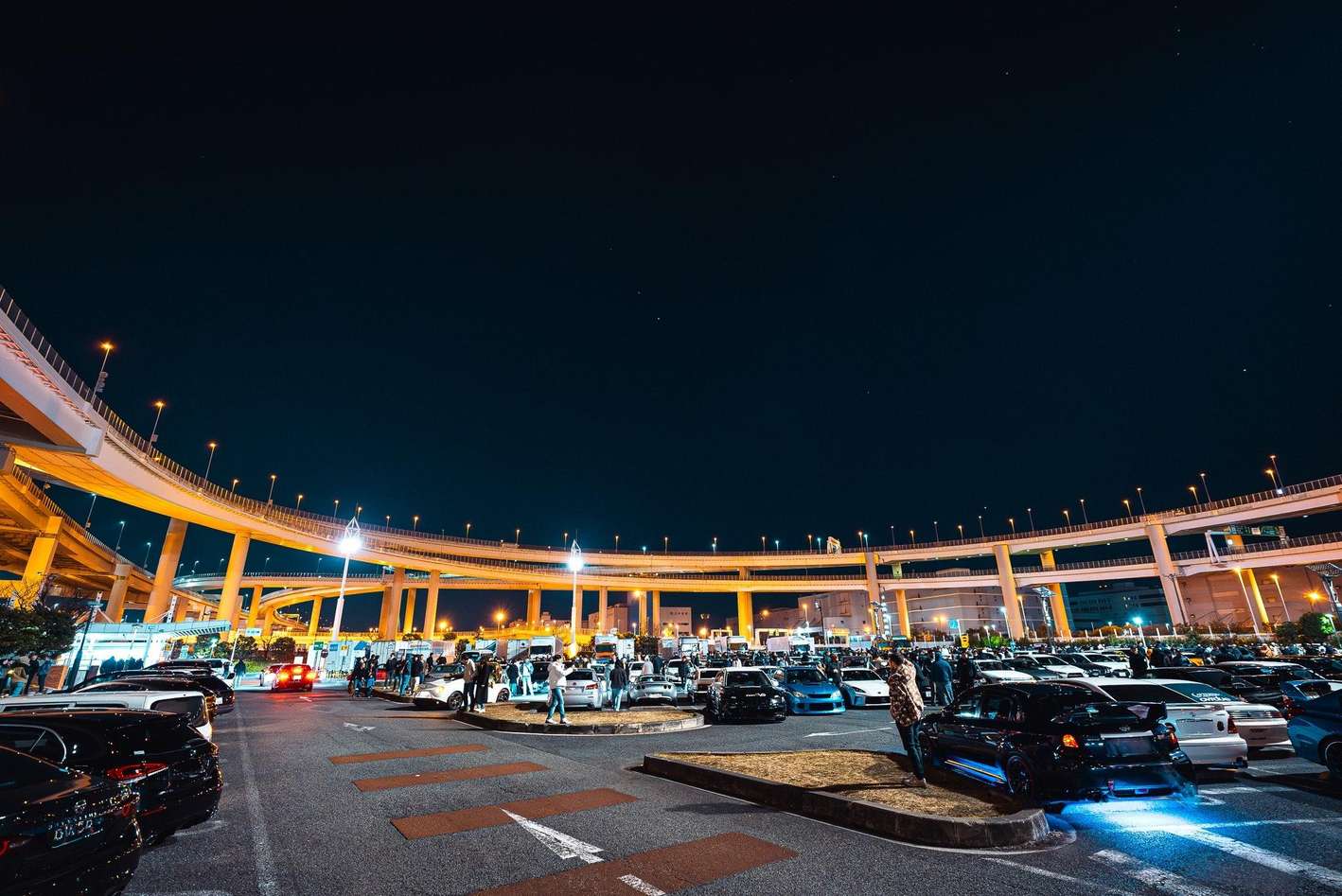
A meet on a parking deck shows up on its own schedule. A car event gives you a date on a ticket.
Tokyo Auto Salon runs three days in mid-January at Makuhari Messe, and the Japan Mobility Show takes over Tokyo Big Sight in late autumn of odd years, so a January or October trip can pair a show with a night run.
The quieter wins sit in Yokohama. The NISMO showroom opens weekends from 10 am to 5 pm, and Nissan's headquarters gallery is free to walk into. Book the Zama Heritage Collection up to two months ahead. Daytime hours, roofs over your head, and no police dispersals.
2.5 hours · ★ 4.9 (90)【Tokyo】JDM Daikoku Parking & Nissan Facility TourFrom $49 4 hours · ★ 4.9 (93)Tokyo JDM Legends: Daikoku PA & Modified Car ExperienceFrom $115 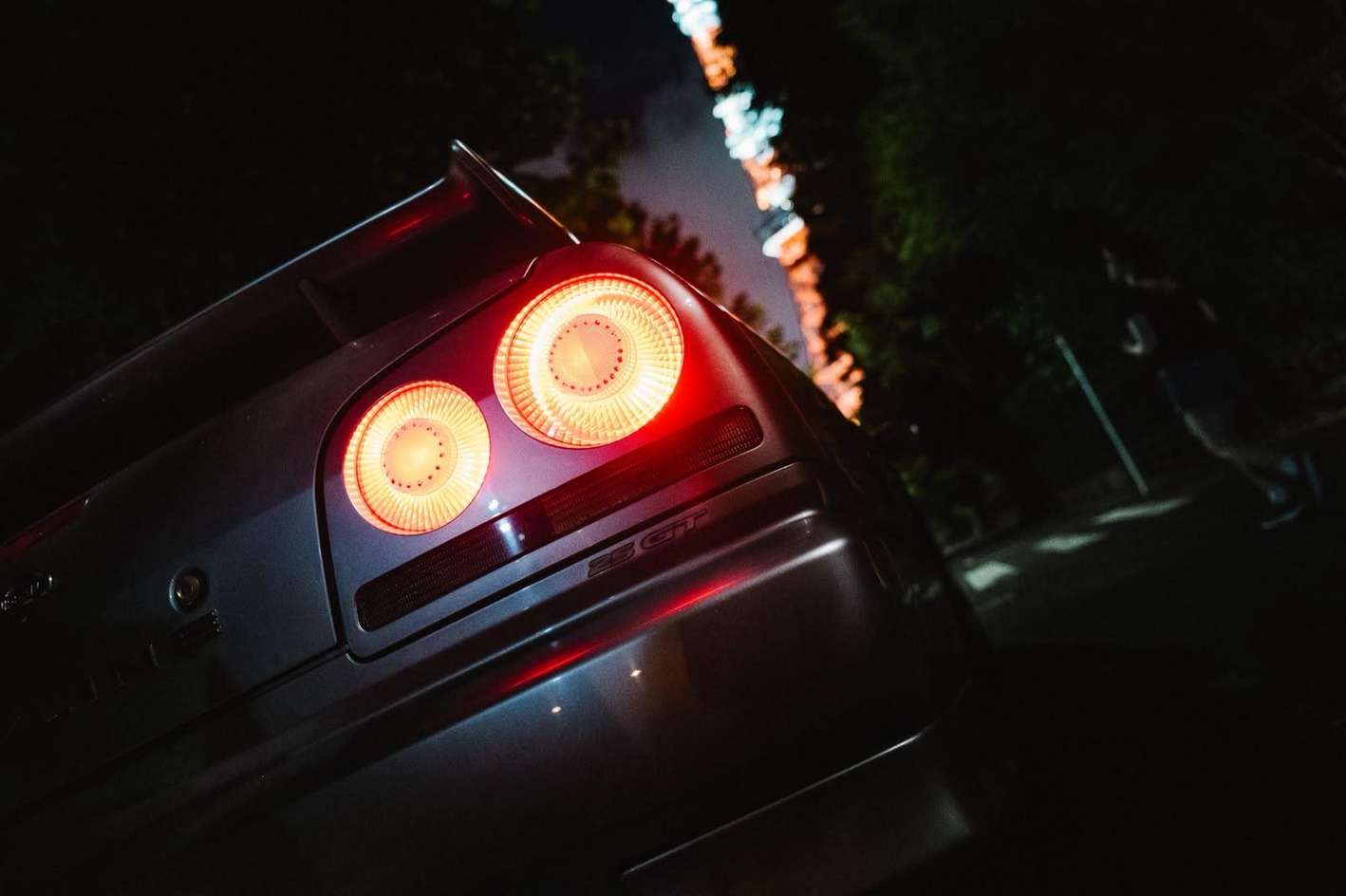 3 - 4 hours · ★ 4.8 (346)Fast and the Furious III/Tokyo Tower/Daikoku PA/JDM Car MeetFrom $105
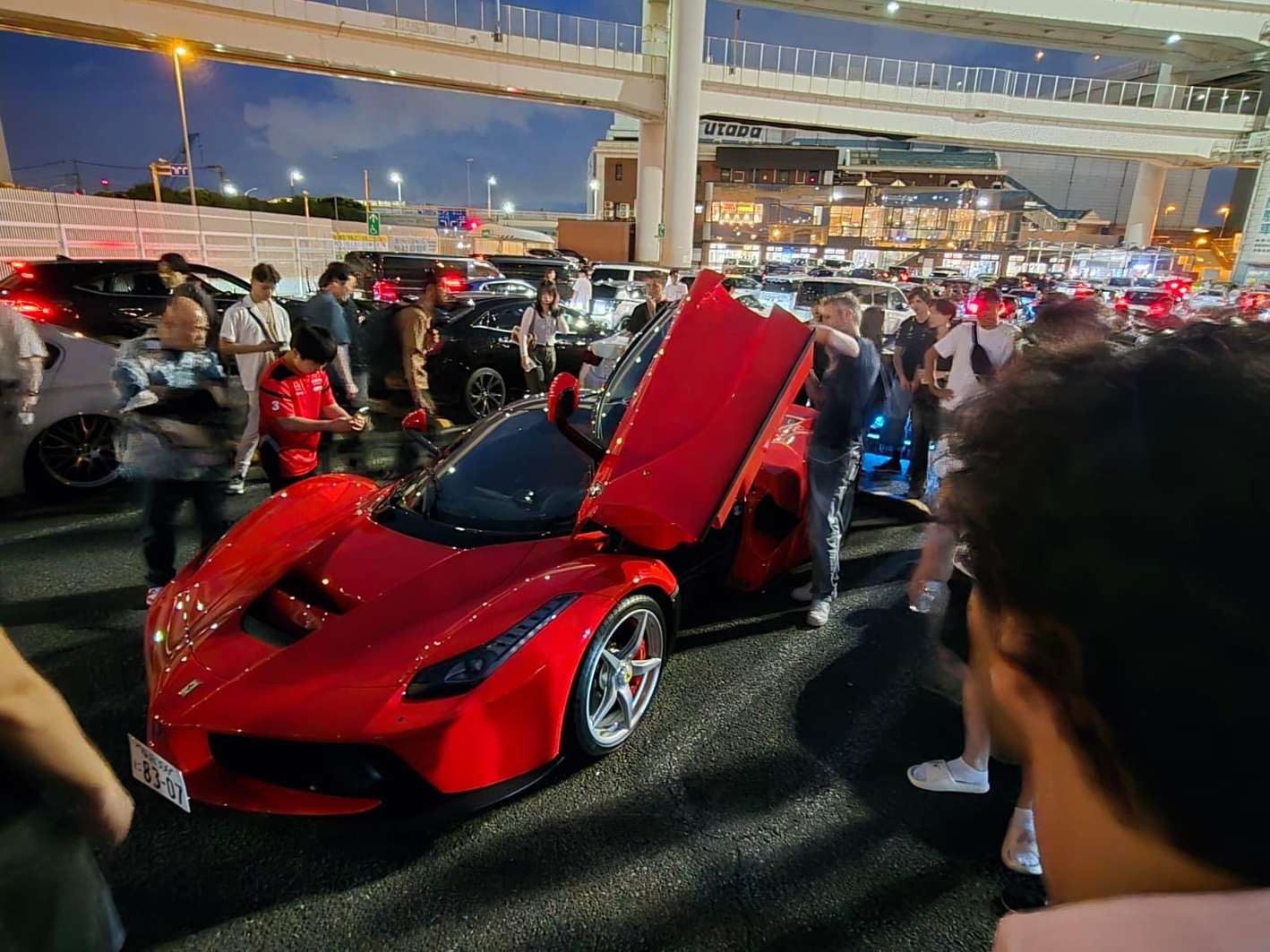 3 hours - 1 day · ★ 4.8 (880)Tokyo: Fast and the Furious Tokyo Drift III JDM Car TourFrom $105
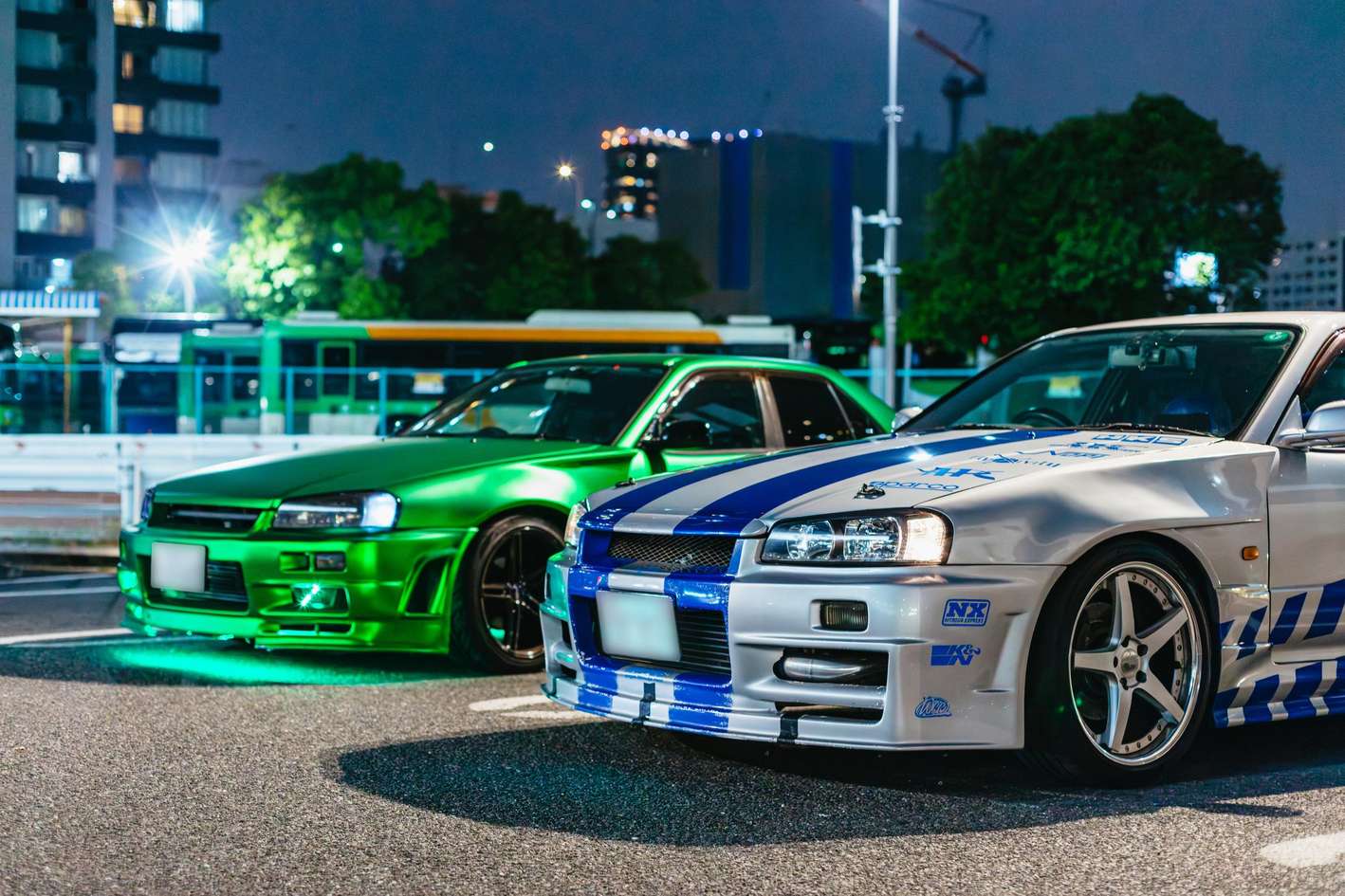
A plain map of where Tokyo's car scene actually gathers, so you stop piecing it together from forum posts.
Organized shows and big event days across Tokyo, with dates and how to plan around them.
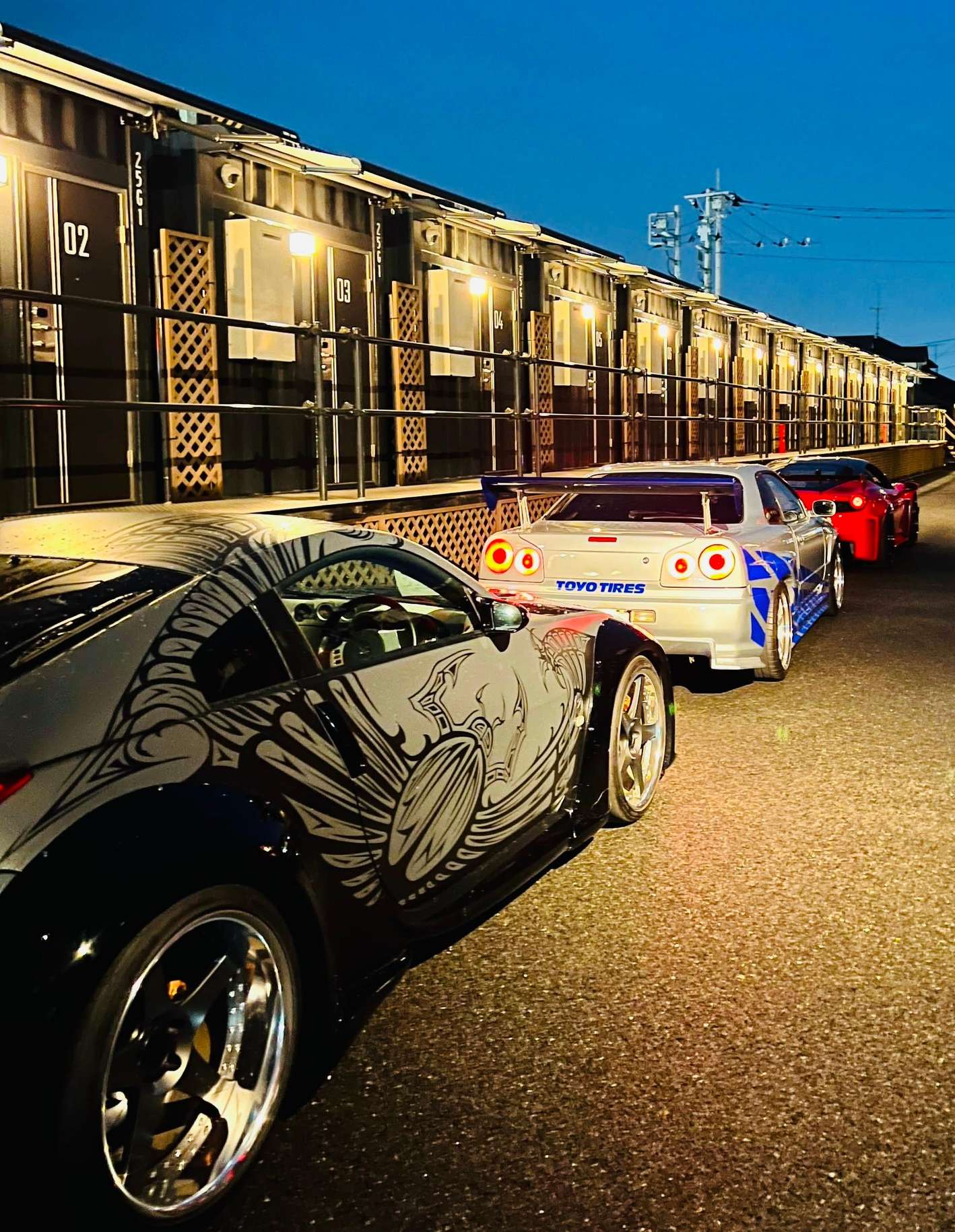
Every guided Daikoku ride side by side, so you can compare cars, lengths and stops before booking.
A private guide, your own JDM car and hotel pickup, for a night with no strangers in the back seat.
Sit behind the wheel yourself on a guided convoy run to Daikoku, even without a racing license.
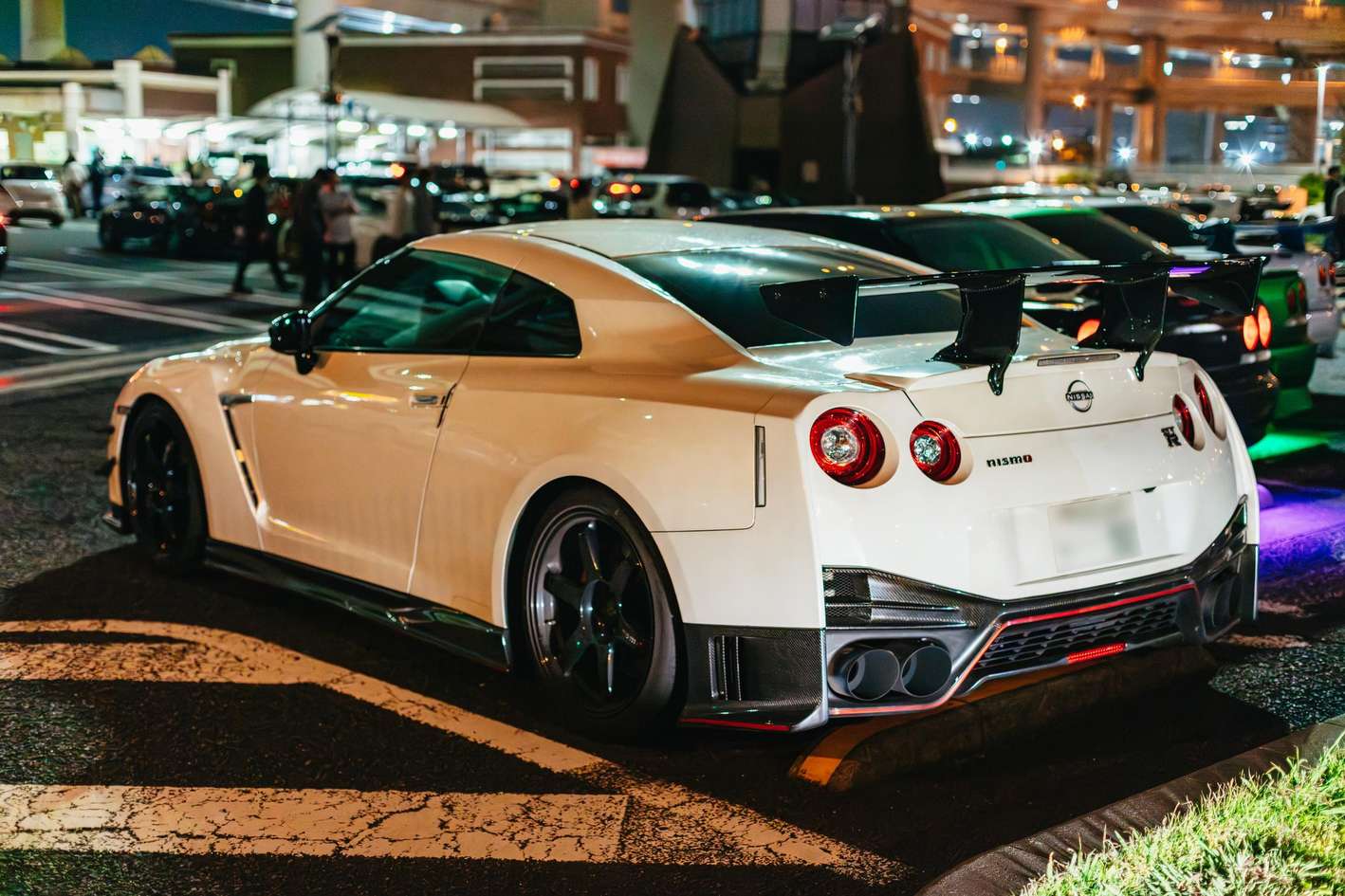
Tokyo Drift themed night rides that recreate the movie vibe, from Shibuya Crossing to the Bayshore Route.
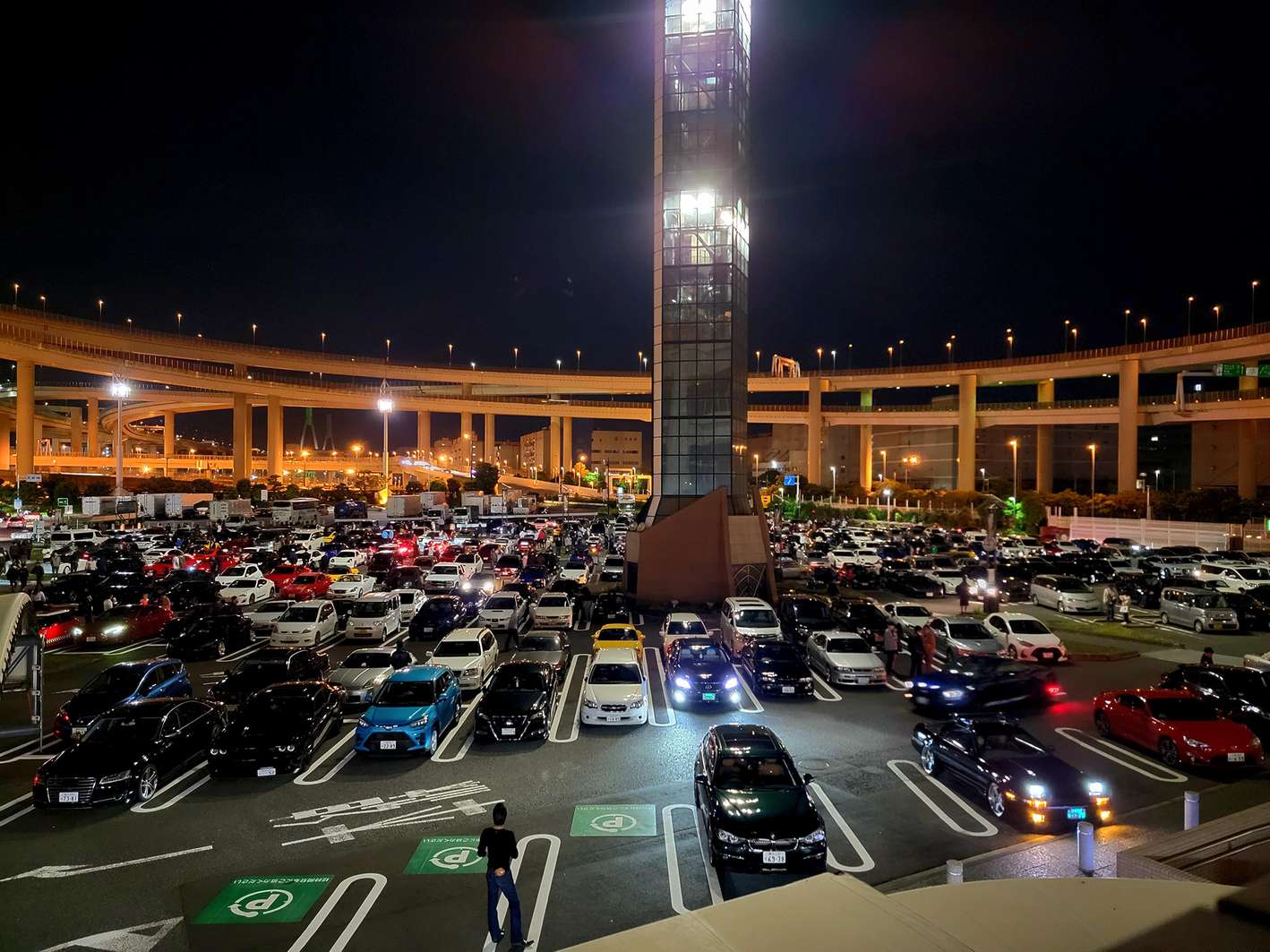
How to reach Daikoku PA from Tokyo or Yokohama, and why walking or a taxi there never works.
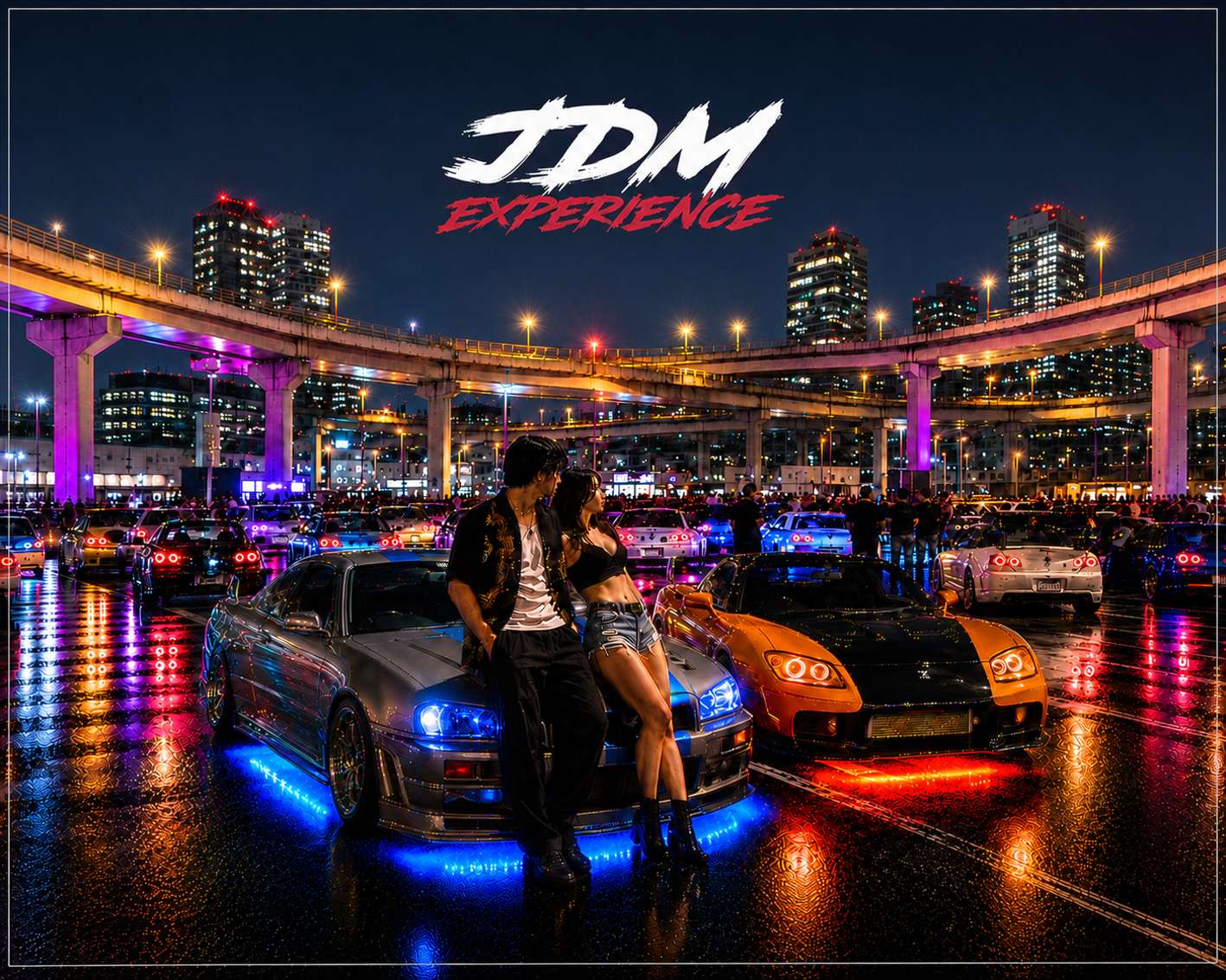
Which nights and hours bring the biggest turnouts at Daikoku, plus when police tend to close it.
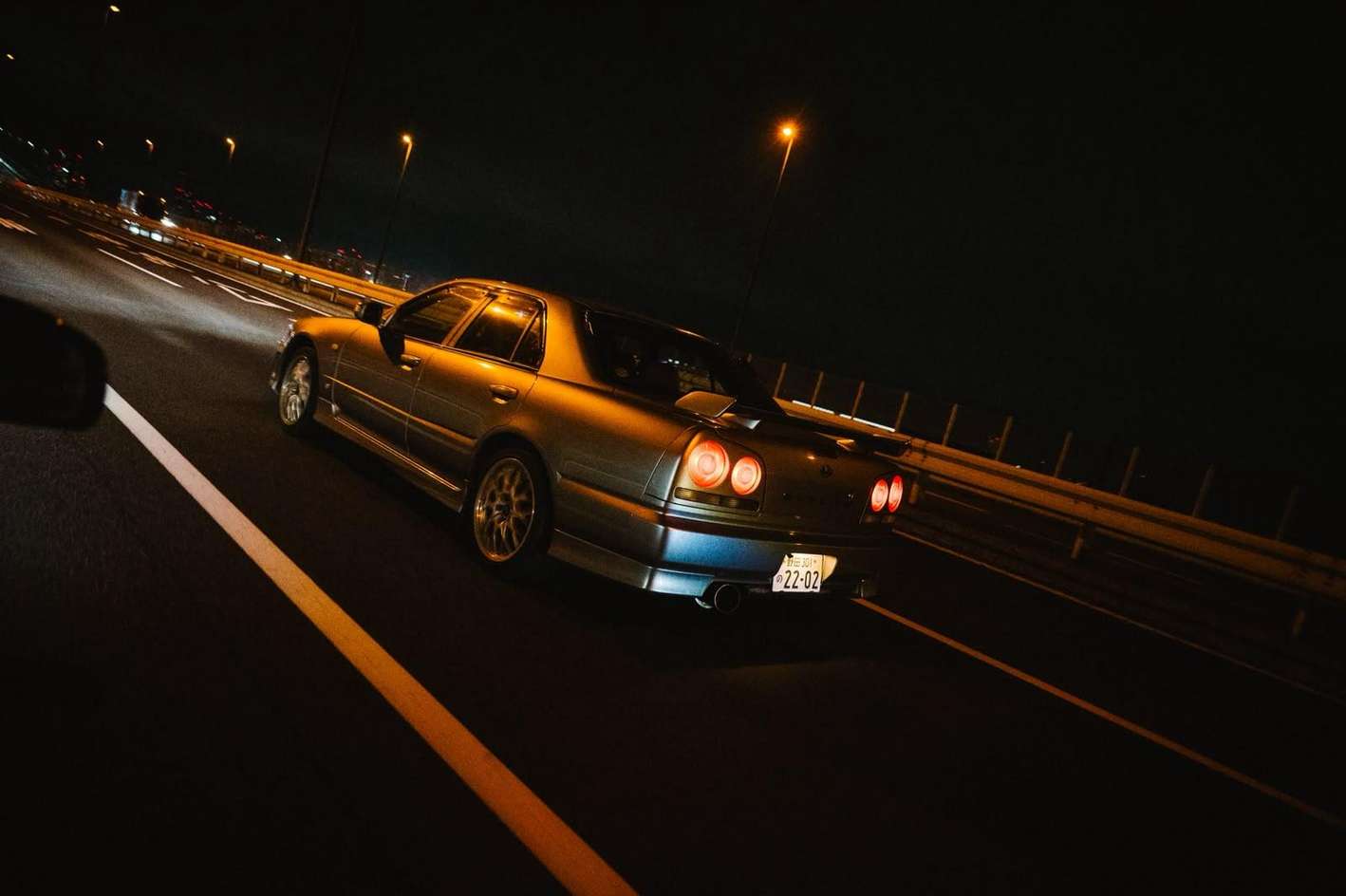
Where to rent an R34, Supra or RX-7 in Tokyo, what it costs and what the rental rules demand.
Quick answers to what visitors ask most about Tokyo car meet locations, from getting in to getting home.
 Yokohama2026
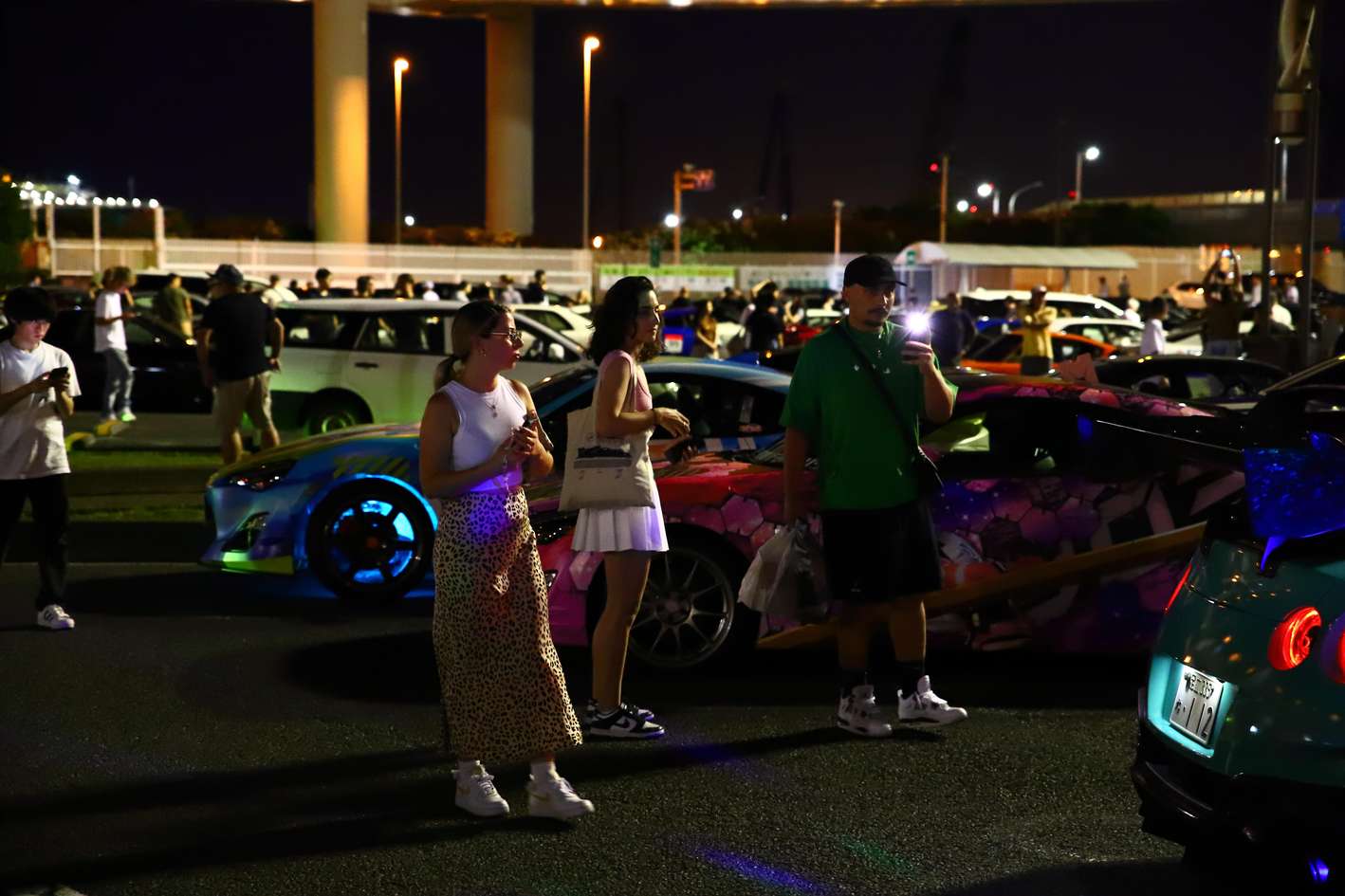
Daikoku PA in Yokohama is the big one, drawing hundreds of modified cars on Friday and Saturday nights and classics plus supercars on Sunday mornings. Tatsumi PA, Umihotaru PA on Tokyo Bay, the Akihabara UDX underground garage, Autobacs A-PIT in Shinonome, and Daikanyama T-SITE all host their own scenes.
Yes. Book an organized passenger tour with a driver arranged for you, and no permit or rental is needed. That is the practical route anyway, because parking areas like Daikoku PA have no footpaths or train access and you can only enter by vehicle on the expressway.
No. These are spontaneous, informal gatherings, so no official calendar exists. The reliable windows are Friday and Saturday nights and Sunday mornings. Enthusiasts track where cars will gather using community accounts on Instagram and tracking apps.
Police close the ramps when noise, overcrowding, or recklessly driven modified cars build up, often on weekend nights and during Christmas or New Year holidays.
They announce a dispersal over loudspeakers, and drivers pack up and leave onto the expressway. Tours handle it: guides redirect to spots like Umihotaru or Tatsumi, and some operators offer a refund if Daikoku stays shut.
It sits in Yokohama, south of Tokyo. Without traffic, it is about 52 minutes and roughly 36 kilometers from Shinjuku, and about 46 minutes from Shibuya. Late at night the expressways run fast, which is part of the appeal.
Rain thins turnout at open-air lots like Daikoku PA, where rare exotics mostly stay home, but dedicated regulars and local tuner cars still show up in reduced numbers. The Akihabara UDX underground garage is fully covered, so itasha displays and street builds gather there regardless of weather.
Do not touch, lean on, or sit on cars without permission, and ask before photographing a vehicle. No revving engines or burnouts, since that draws police attention. Take your trash with you, and skip asking owners about prices or whether a car is for sale, which is considered rude.
Yes. Organized night tours chain stops along the Shuto Expressway using the Wangan Route and C1 Loop, linking Tatsumi, Daikoku, and, across the Aqua-Line, Umihotaru. Plan Daikoku early in the evening, because access can close once the lot fills and it does not reopen later. Tolls need an ETC card or cash.
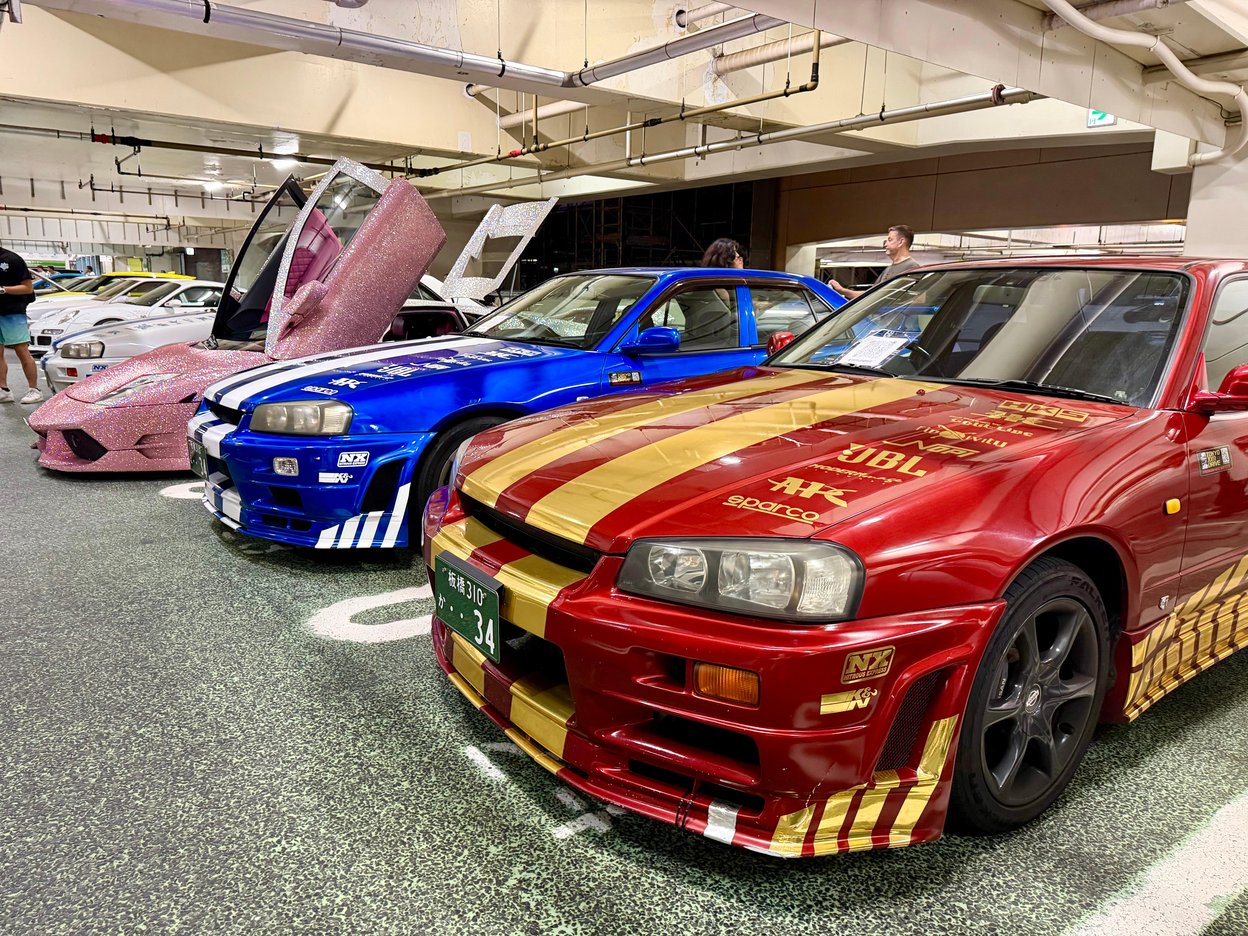
On open Friday and Saturday nights you can find classic JDM performance models, VIP-style sedans, kaido racers, itasha, kei cars, widebody builds, and supercars side by side. Sunday mornings skew toward classic cars and supercars. Every night is different, which is part of the draw.
No. The parking area is fenced with closed gates, pedestrians are barred from the expressway, and there is no taxi stand inside. This is why booking a tour with return transportation, drop-off, or a hotel transfer matters so much.
Umihotaru PA sits on an artificial island in Tokyo Bay, reached through the Aqua-Line's undersea tunnel, and it often becomes the backup gathering spot when police shut Daikoku down. Meets there are less consistent, but cars park by type on the third level and the bay views run 360 degrees.
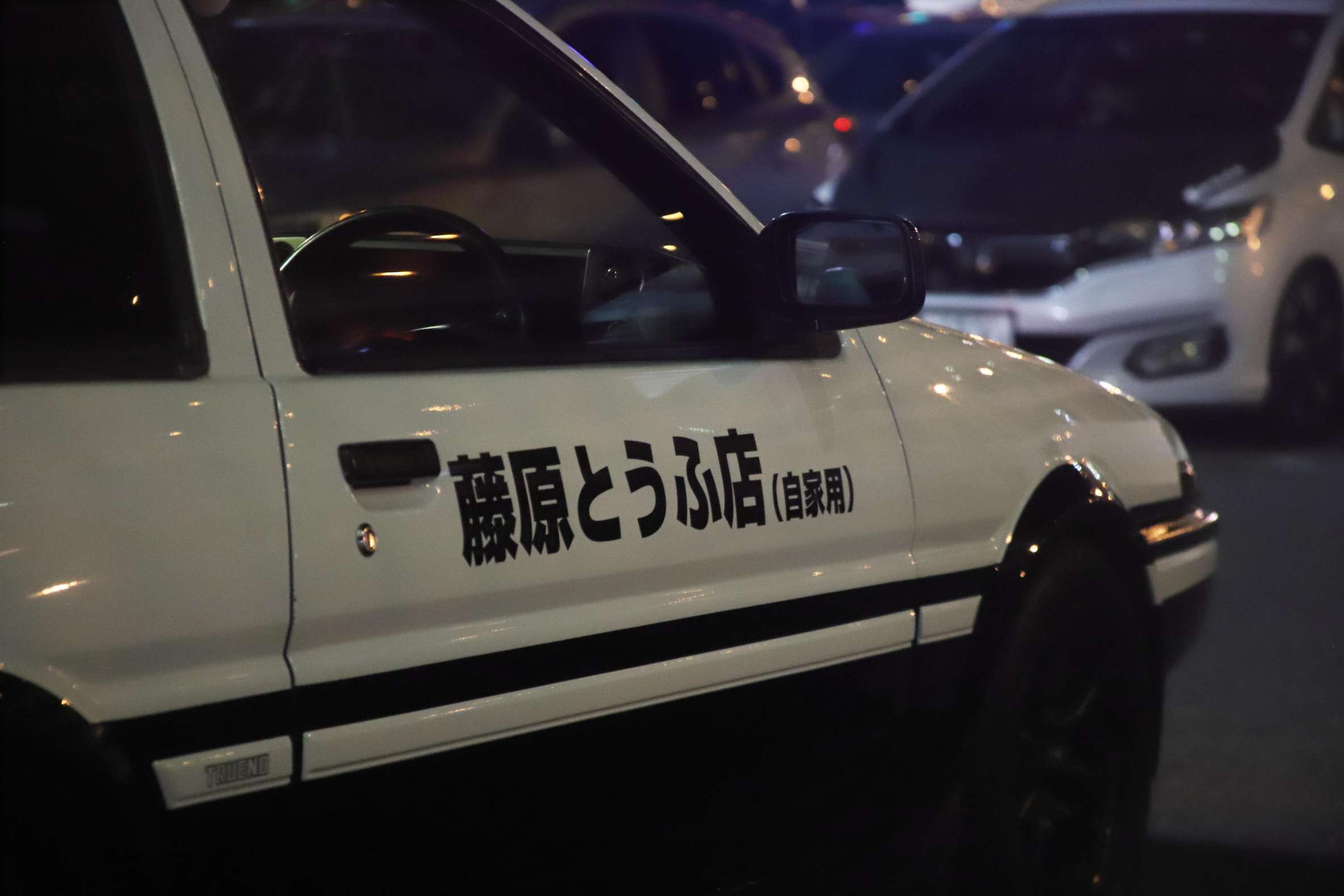
A local host drives you to the spots where cars gather, picks the route on the day, and you can cancel free up to 24 hours before.