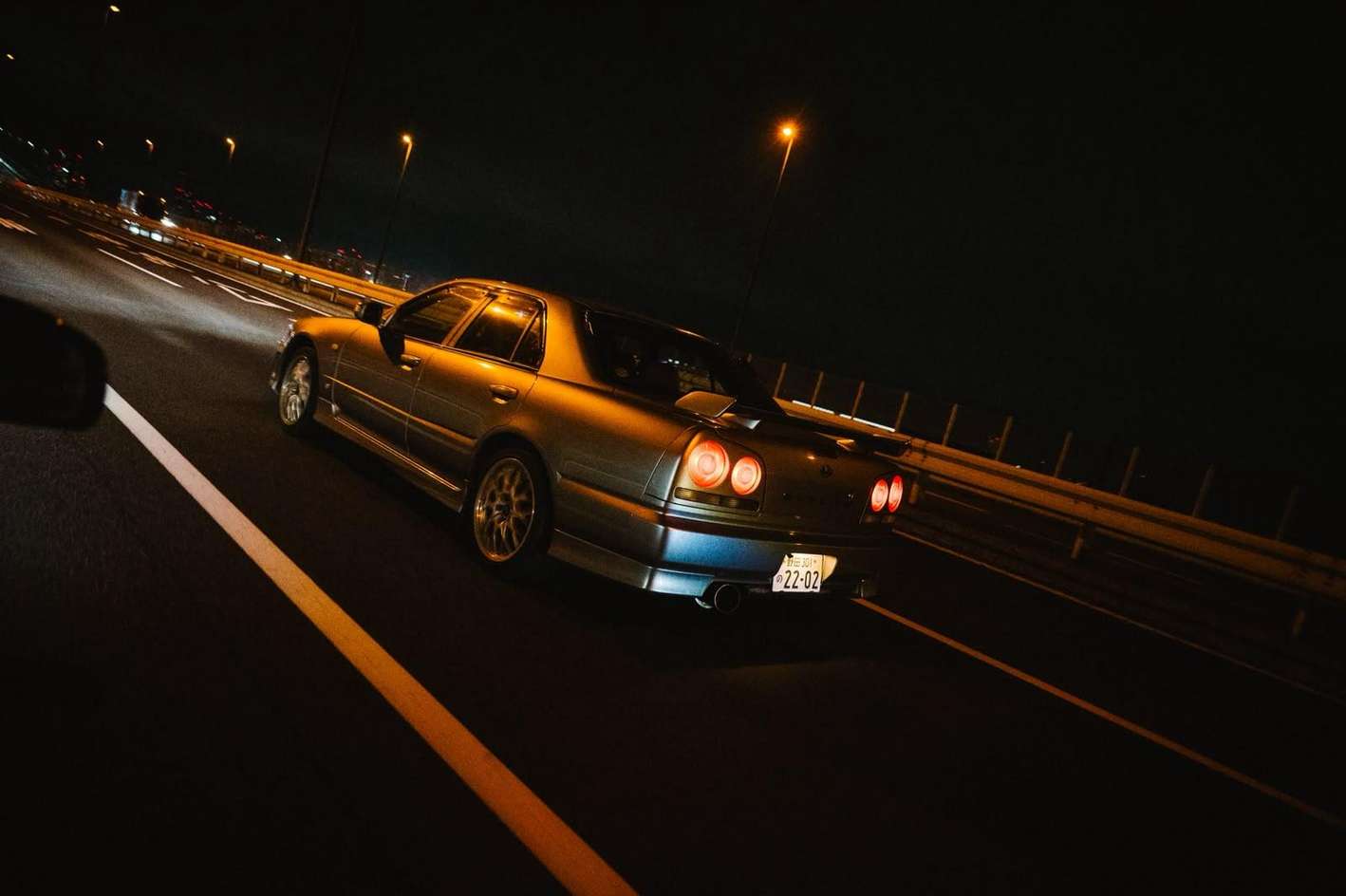
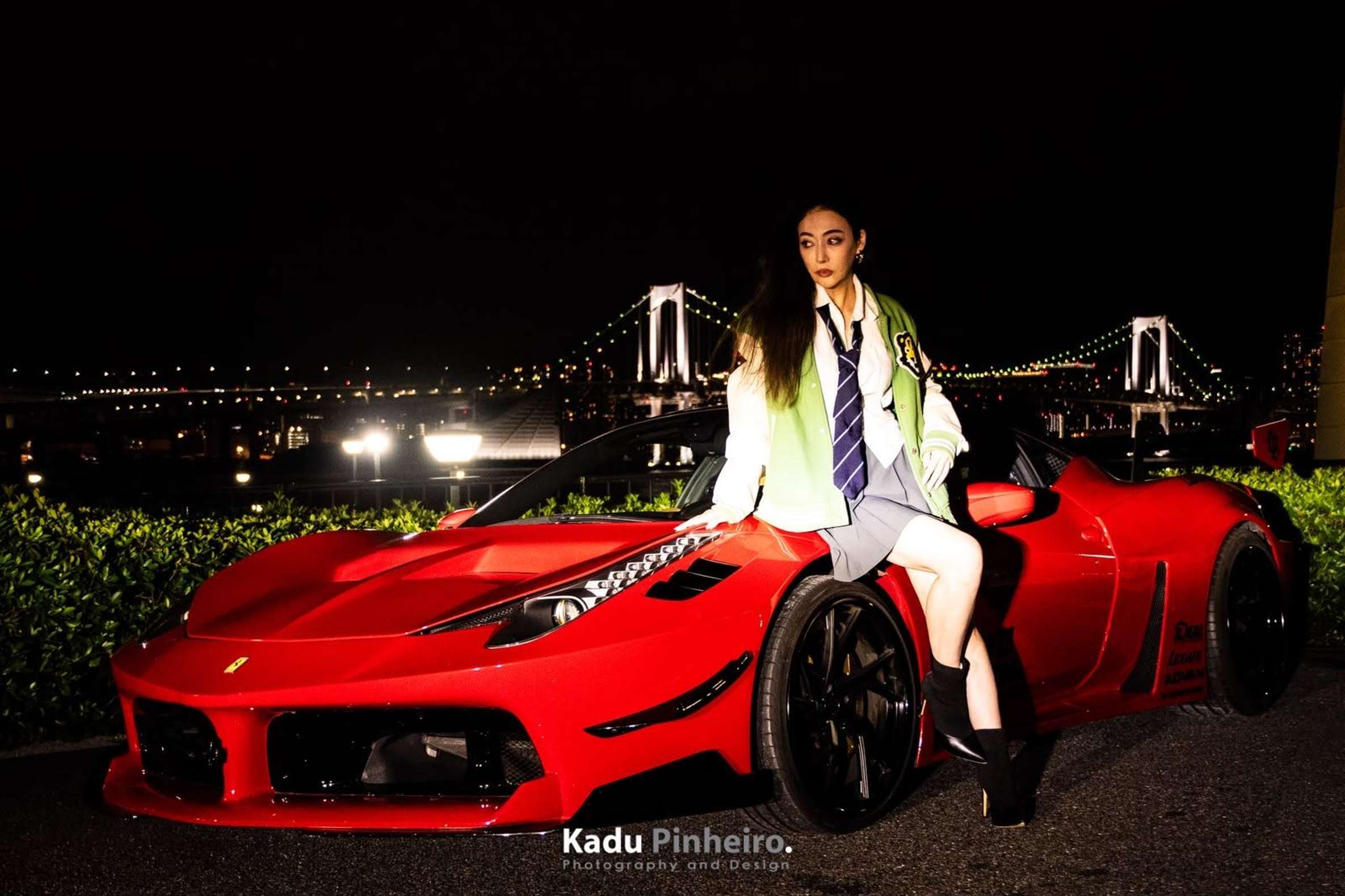
Tokyo Drift Car Meet Experience - Fast and Furious Tours
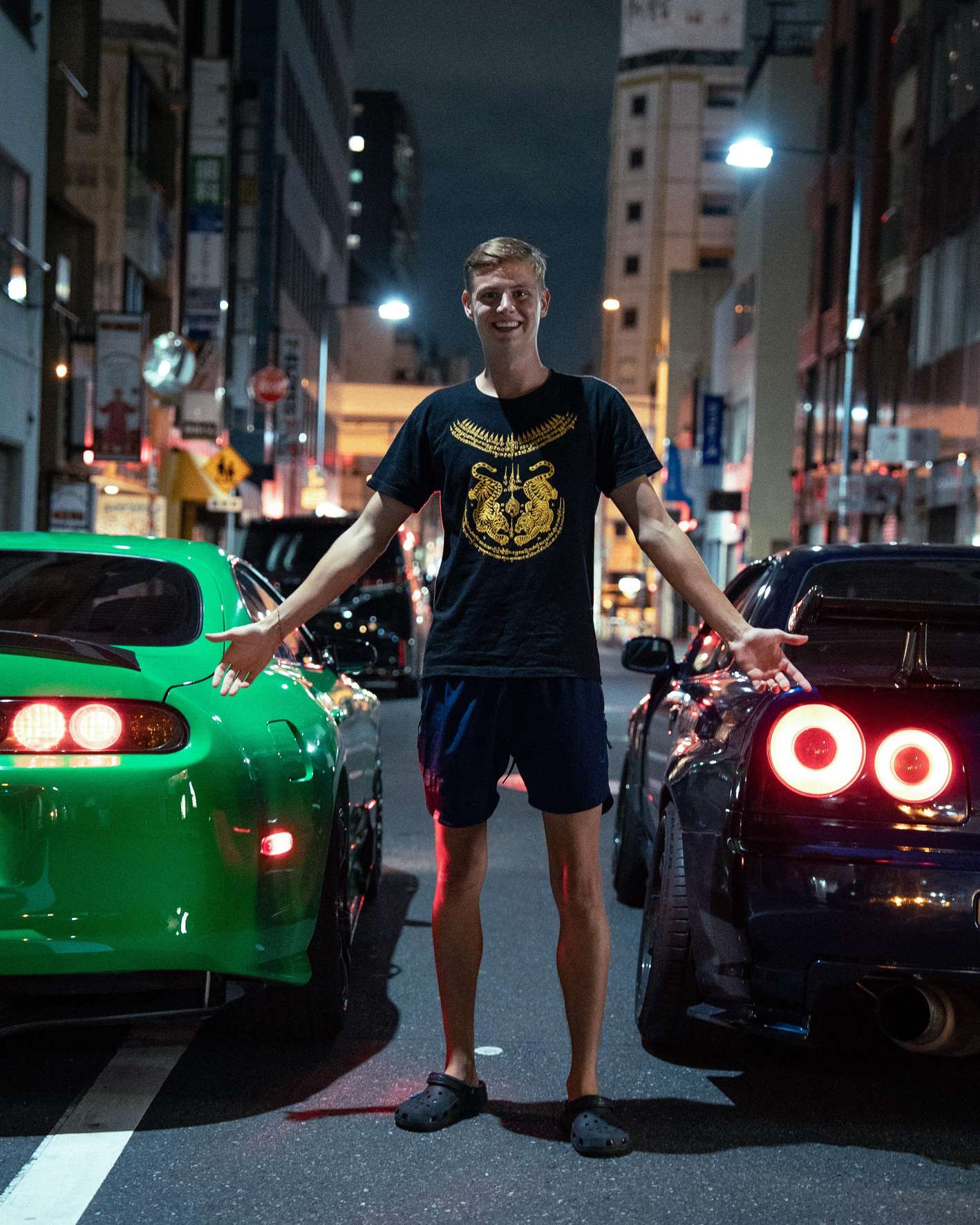
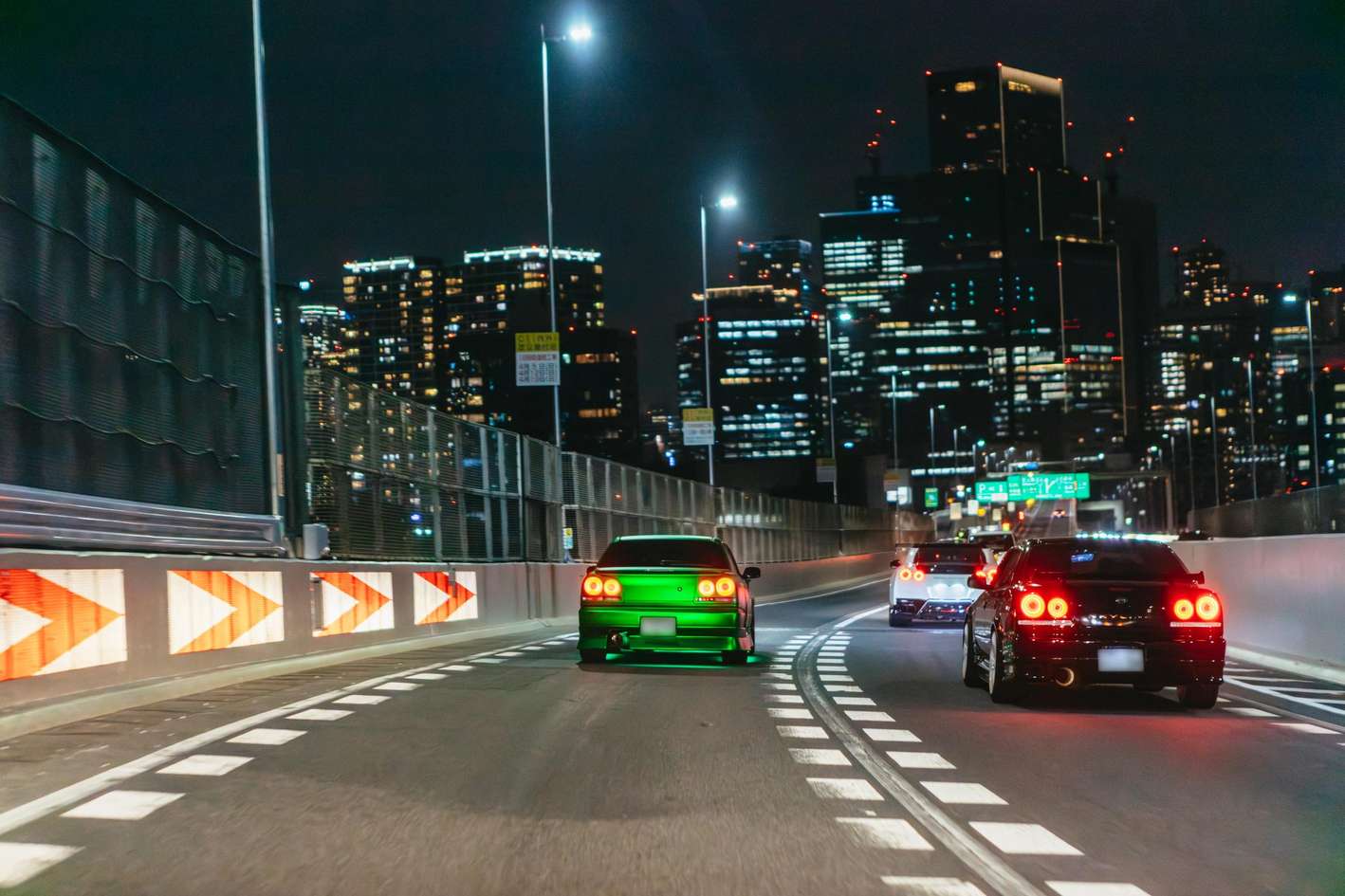
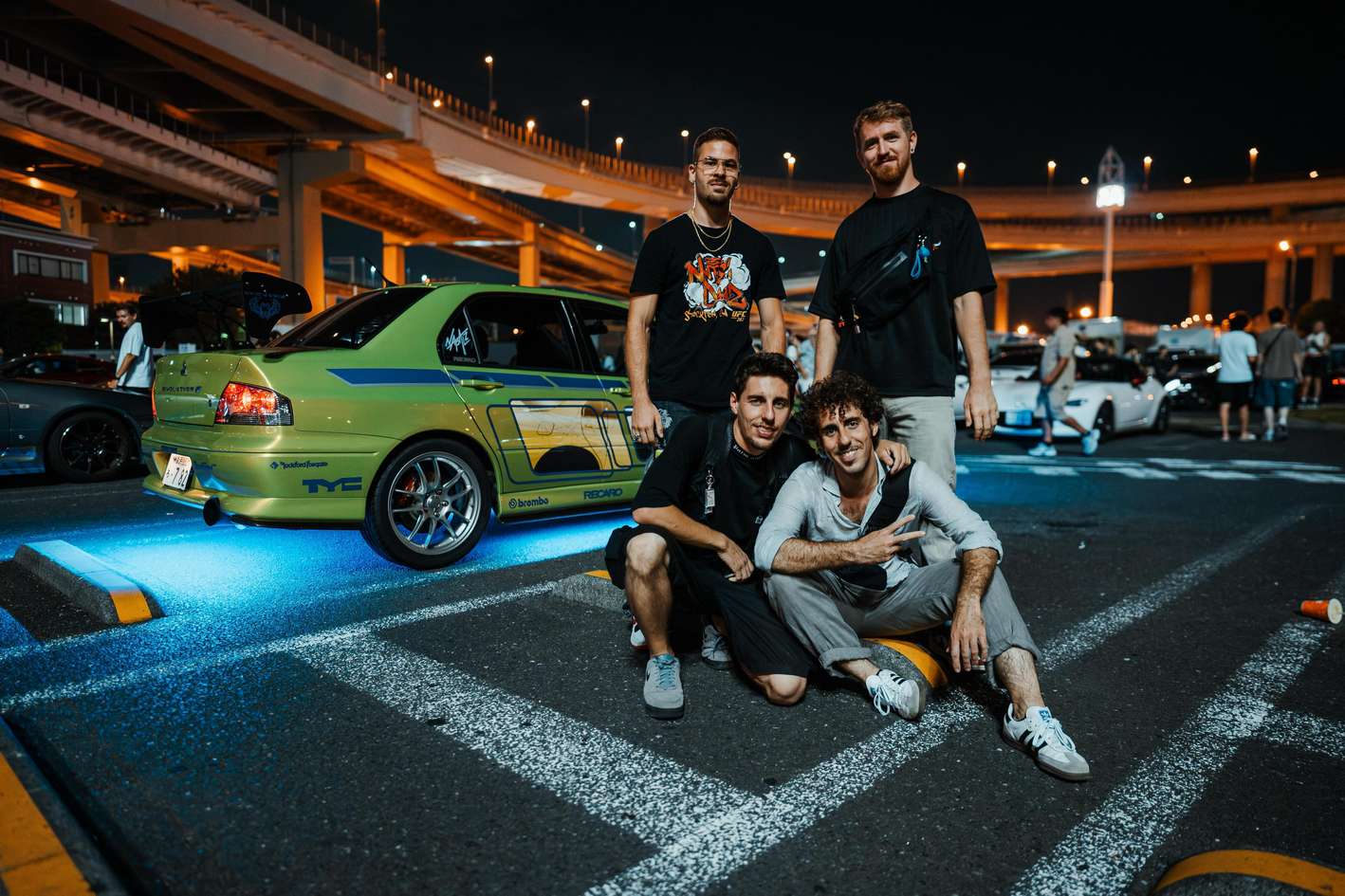
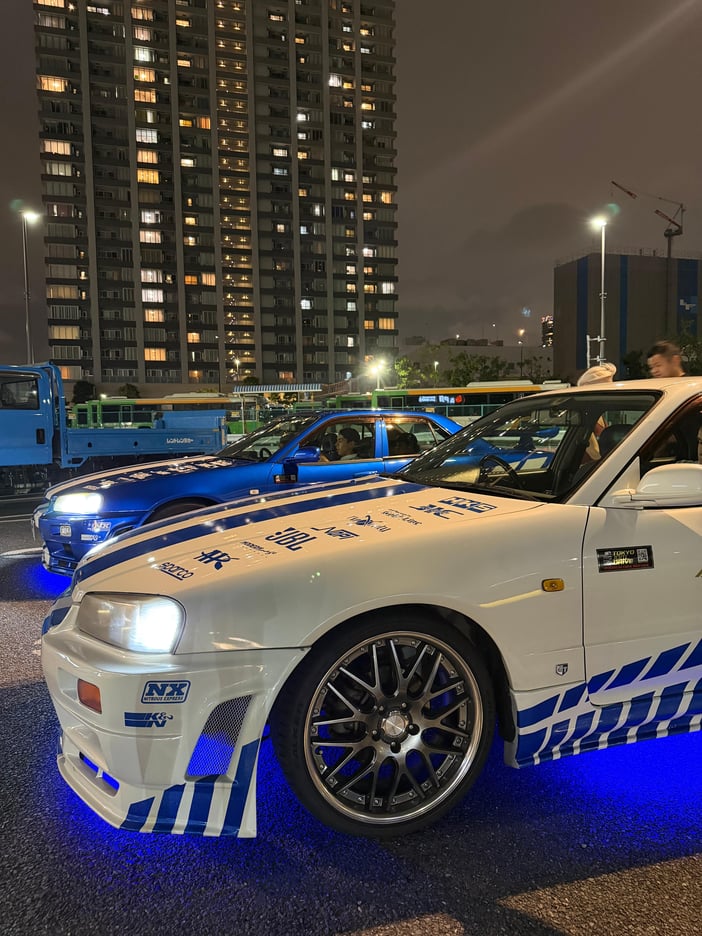
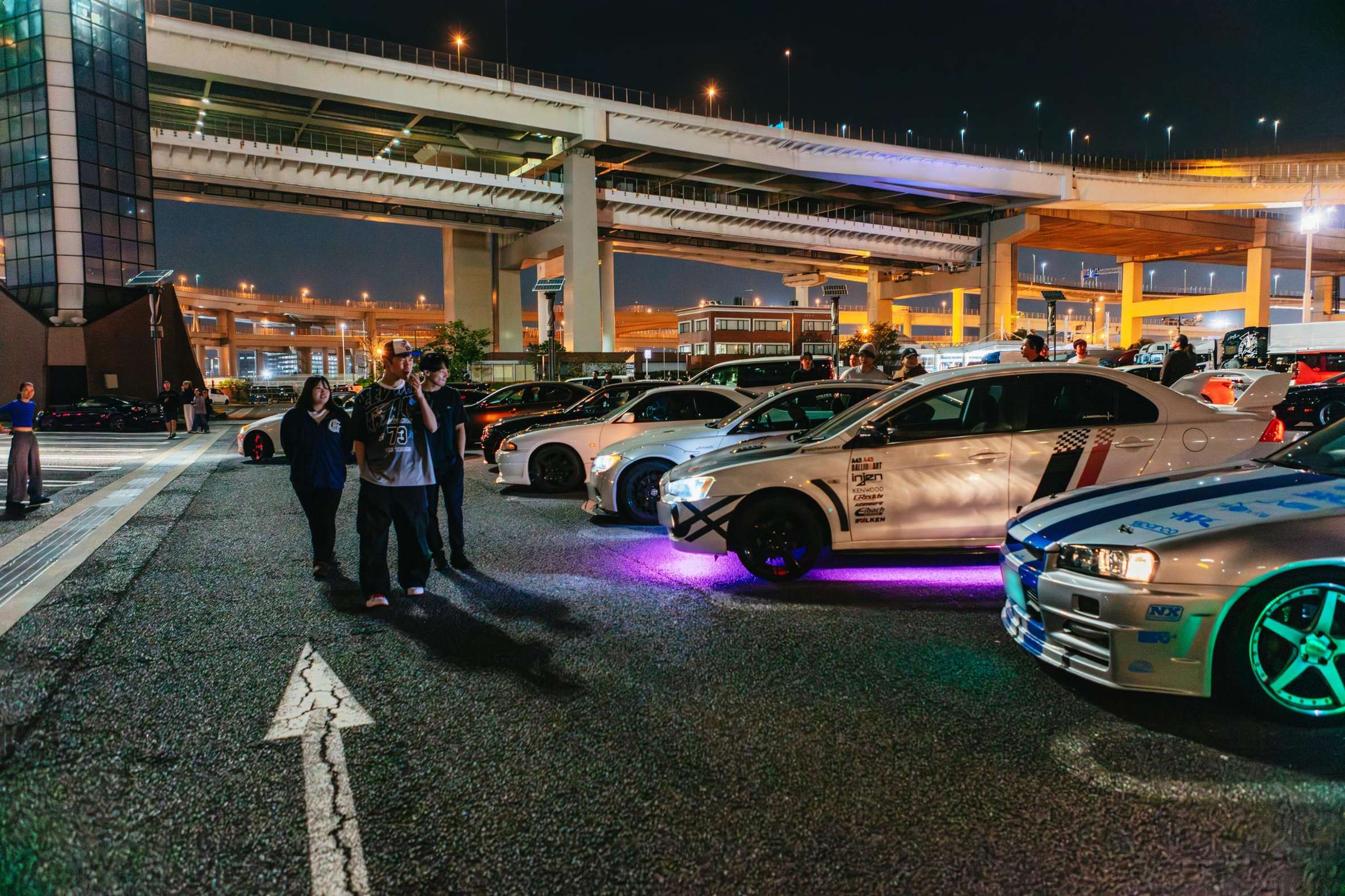
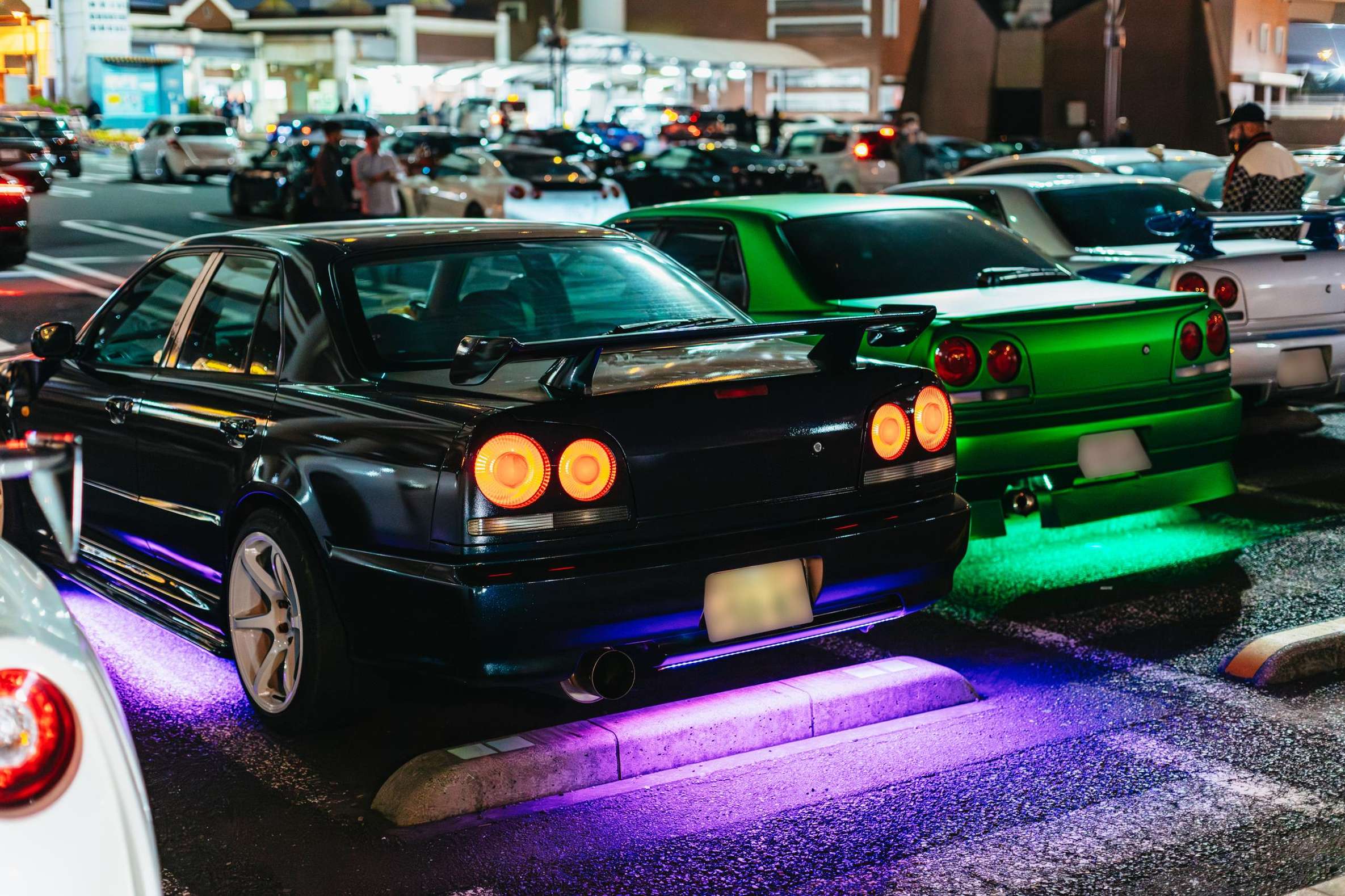
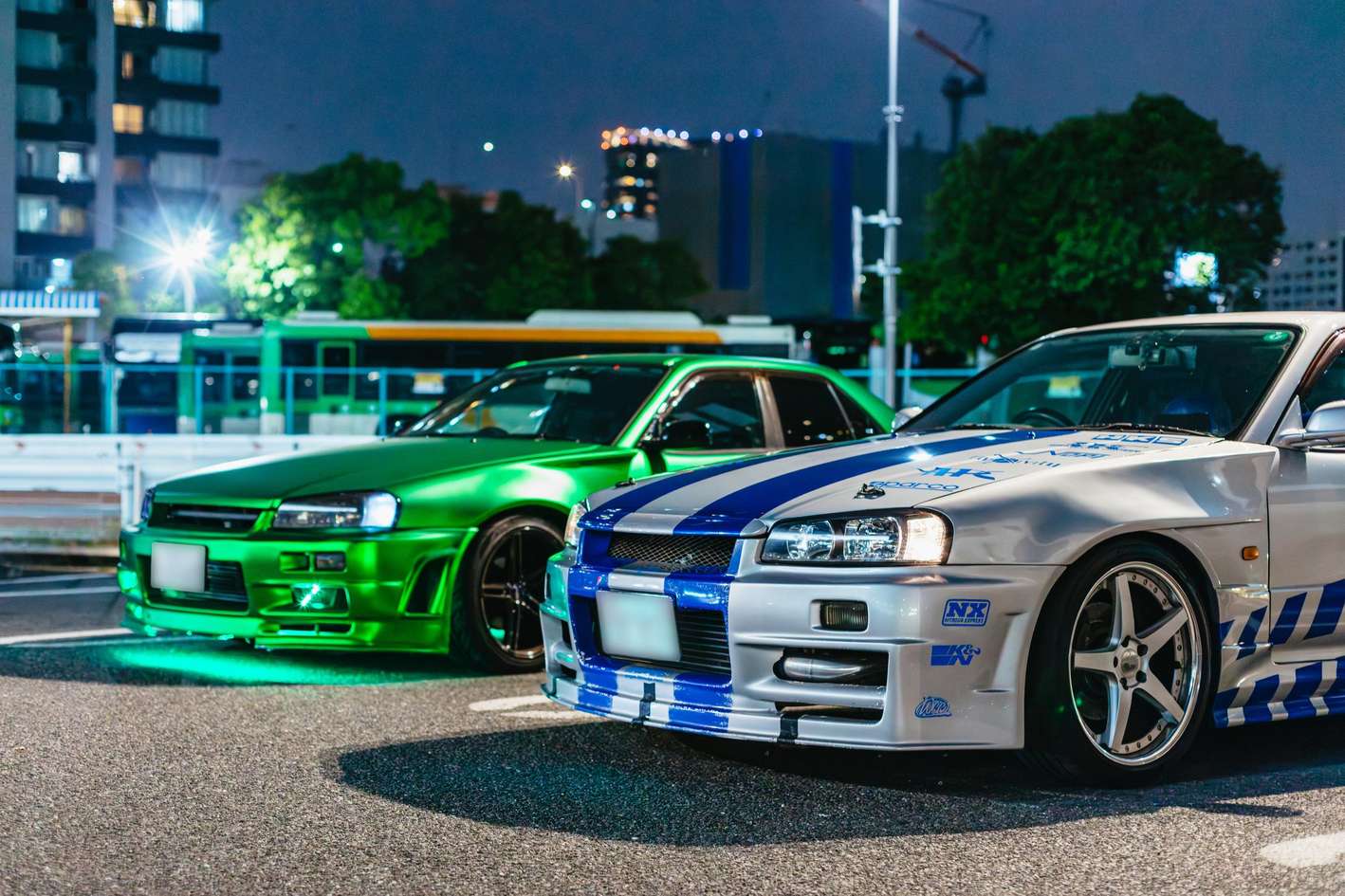
Ride shotgun in an R34 Skyline or EVO through Tokyo's neon expressways and pull straight into the Daikoku PA car meet, with no driving permit or rental needed. Choose a date and book ahead to join the guided Tokyo Drift night run travelers call the closest thing to the movie.
4.8★average rating9,905traveler reviews100%free cancellation58countries travelers came from
Finding your Tokyo Drift car meet experience
Every tour here gets you to the Daikoku PA meet in a genuine JDM car with a driver, so nobody needs a permit or a rental. The one difference that decides it is the ride itself: which cars you ride in, and whether the night centers on the meet or on the cruise between neon landmarks.
PermitsPassengers need no international driving permit or license, because every tour arranges a professional driver.
Getting thereDaikoku PA has no train, bus or pedestrian access, so a prebooked tour car is the way in, and taxis or ride-hailing apps rarely pick up from inside.
Police closuresOn weekend nights police sometimes close the entrance when the lot gets too full or too loud; guides then divert to Umihotaru PA, Tatsumi PA or A-PIT Autobacs instead.
TimingCars begin filling the lot from about 4:30 pm on weekends, and departures between 4:30 and 5 pm aim to arrive before early closures.
EtiquetteDon't sit on cars, touch the paint with watches or rings, or rev engines at the meet.
On boardSeatbelts stay on for the whole ride, and smoking or vaping in the cars is banned.
WeatherOrdinary rain thins the turnout but tours still run with umbrellas; typhoons or highway closures mean a reschedule or a full refund.
SeatingSports coupes have tight back seats, and one tour sets limits of 200 cm in height and 100 kg in weight.
KidsJapanese law requires child seats for children under six, and several tours exclude young children, so check the age rule before booking.
BookingAll tours let you cancel up to 24 hours ahead for a full refund, and one shuttle option takes same-day bookings.
Which Tokyo Drift meetup fits your crew?
Answer a few quick questions and the finder points you to the ride that fits your night.
1Who's coming?
2What's your budget?
Your best match
match
Tokyo: Fast & Furious Tokyo Drift III Experience★ 4.8 (6,369) · 3 - 4 hours
Popular with solo travelers; 96% of solo travelers gave it 4 or 5 stars.
Booked 217 times this week
A huge fleet of 40 sports cars with drop-off at your central Tokyo hotel.
closureOn busy weekend nights police sometimes close the Daikoku PA entrance to the Tokyo Drift car meet crowds, and nobody can walk out or hail a taxi from inside the expressway.
Book a tour with round-trip transport so you always leave with the car you arrived in; if a closure hits, guides divert to Umihotaru PA or another meet the same night.
Tokyo Drift car meet experiences worth booking
Most popular
3 - 4 hours·English, Portuguese
4.8(6,369)
Tokyo: Fast & Furious Tokyo Drift III Experience
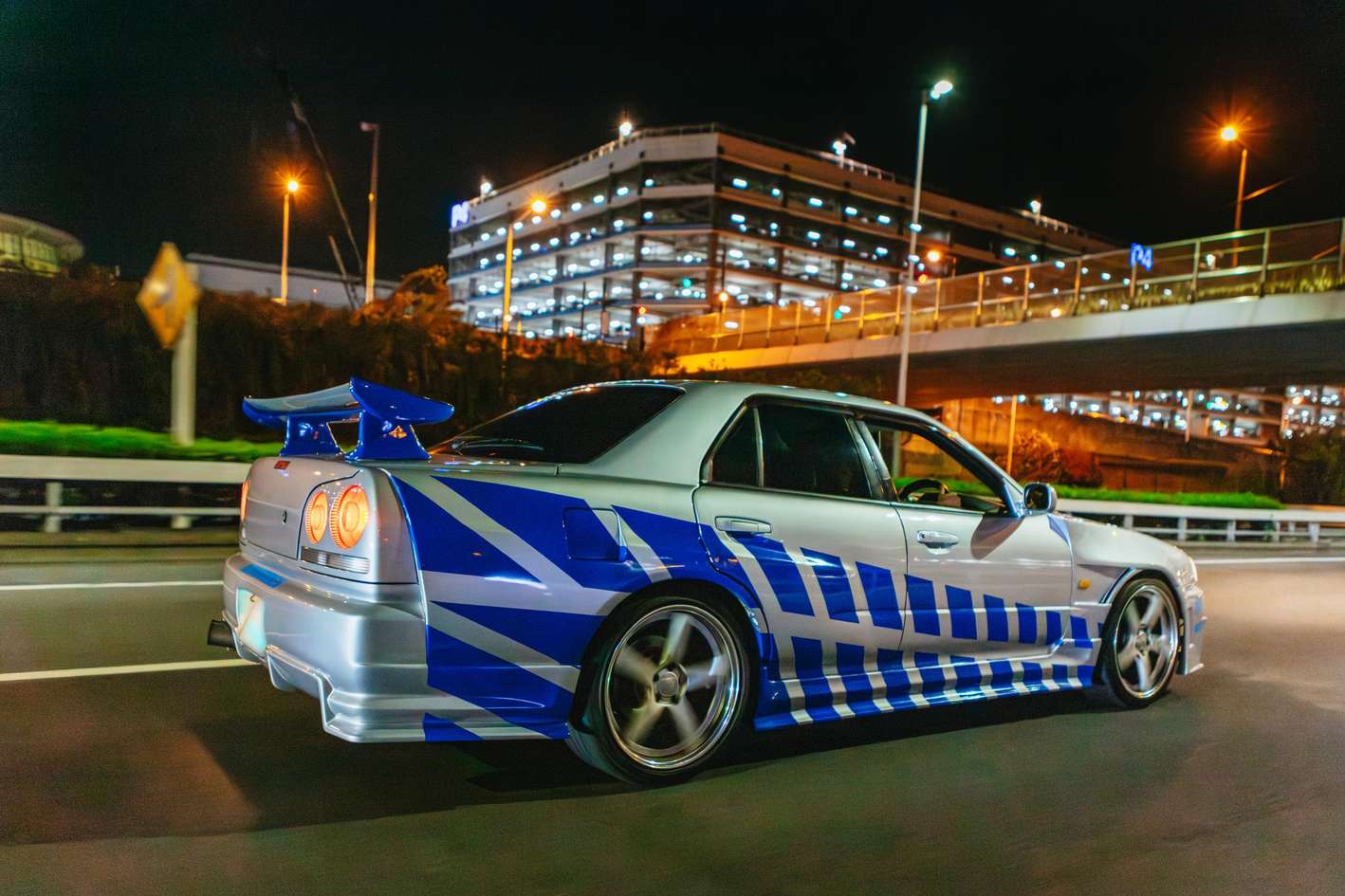
The crowd favorite: 4.8 stars from over 6,300 reviews, with a fleet of 40 sports cars from Brian O'Conner Skylines to Evo 10s.
Free cancellationExclusive selection of JDM sports carsFuel and toll fees
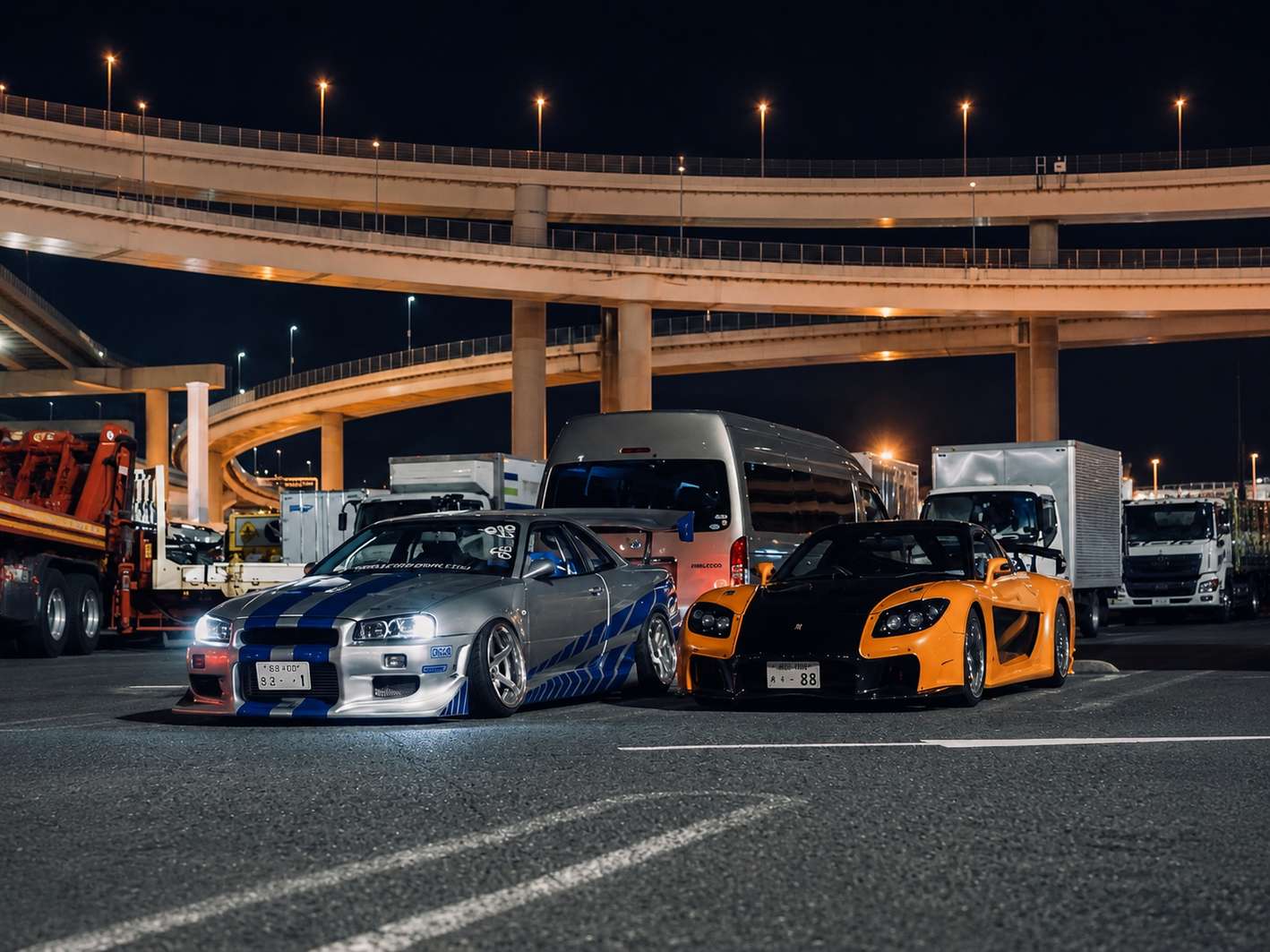
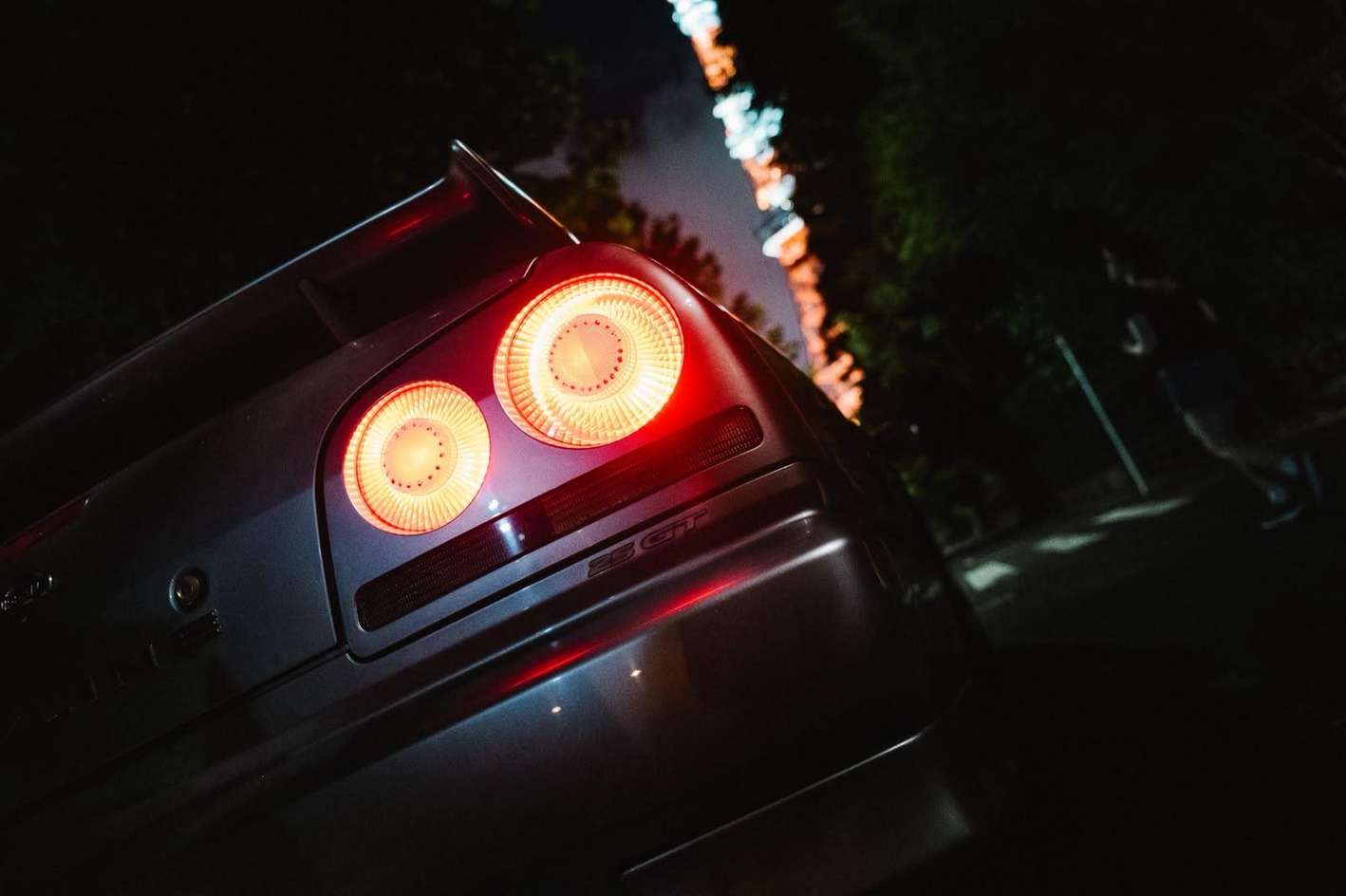
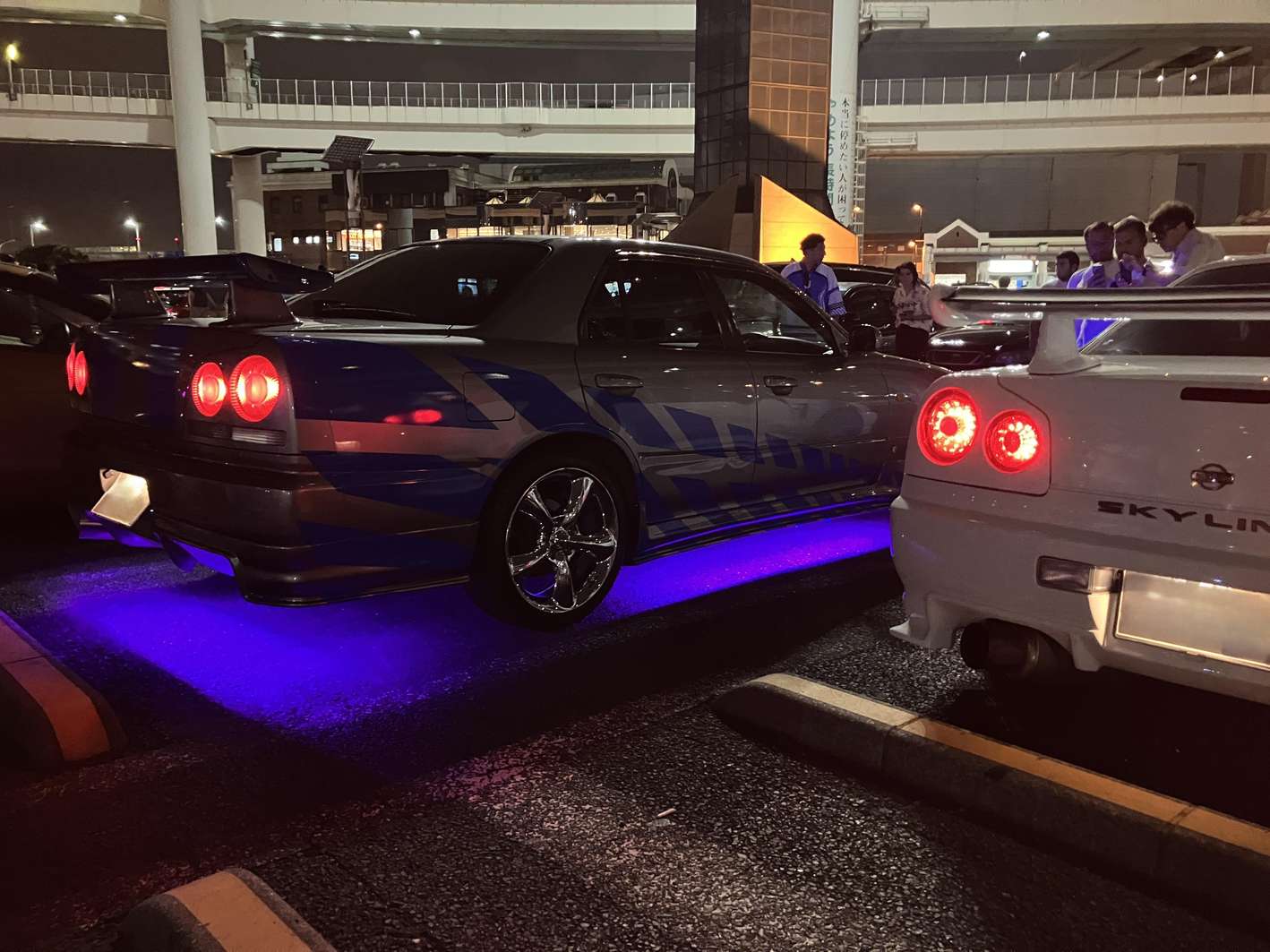
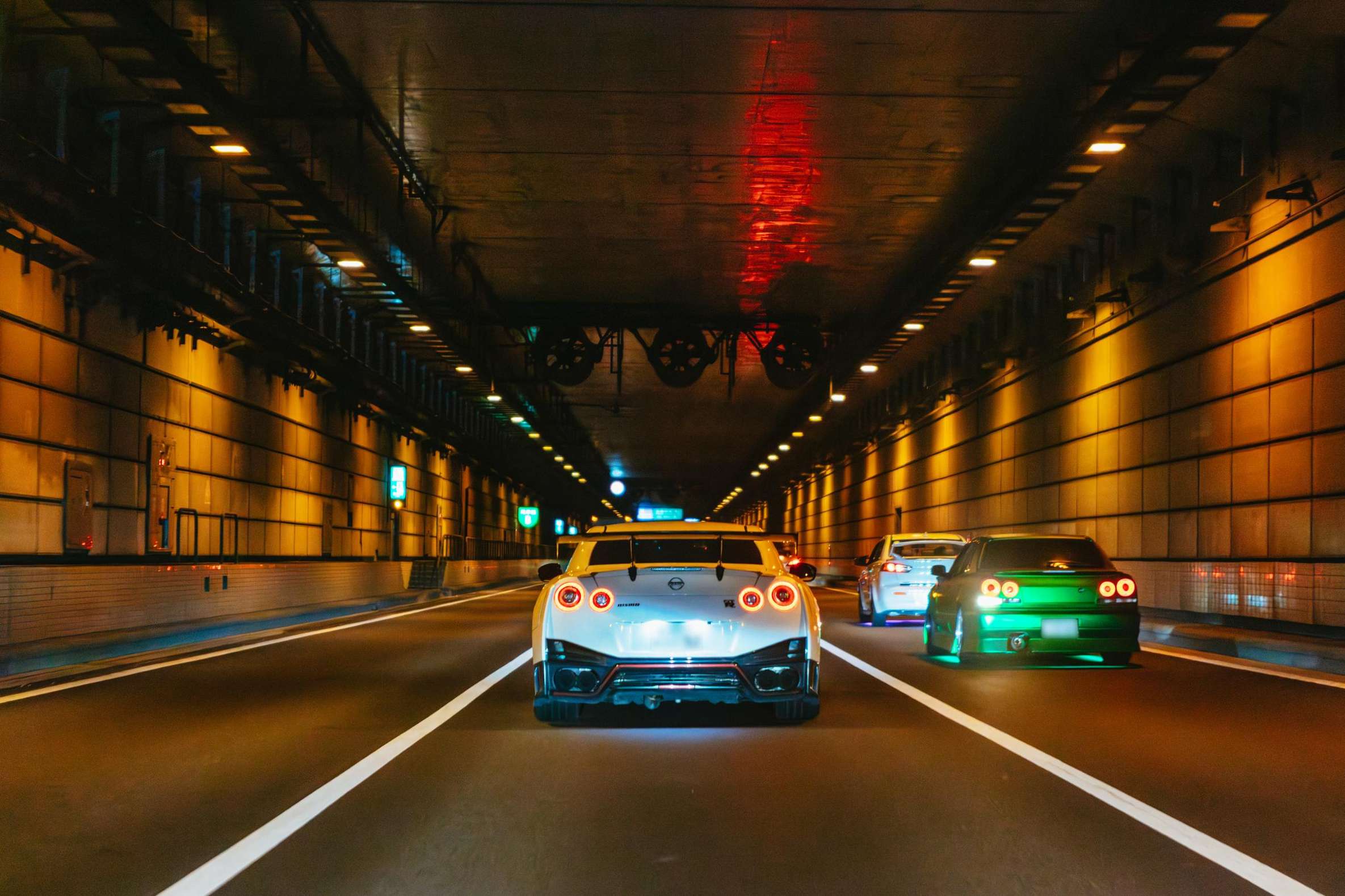
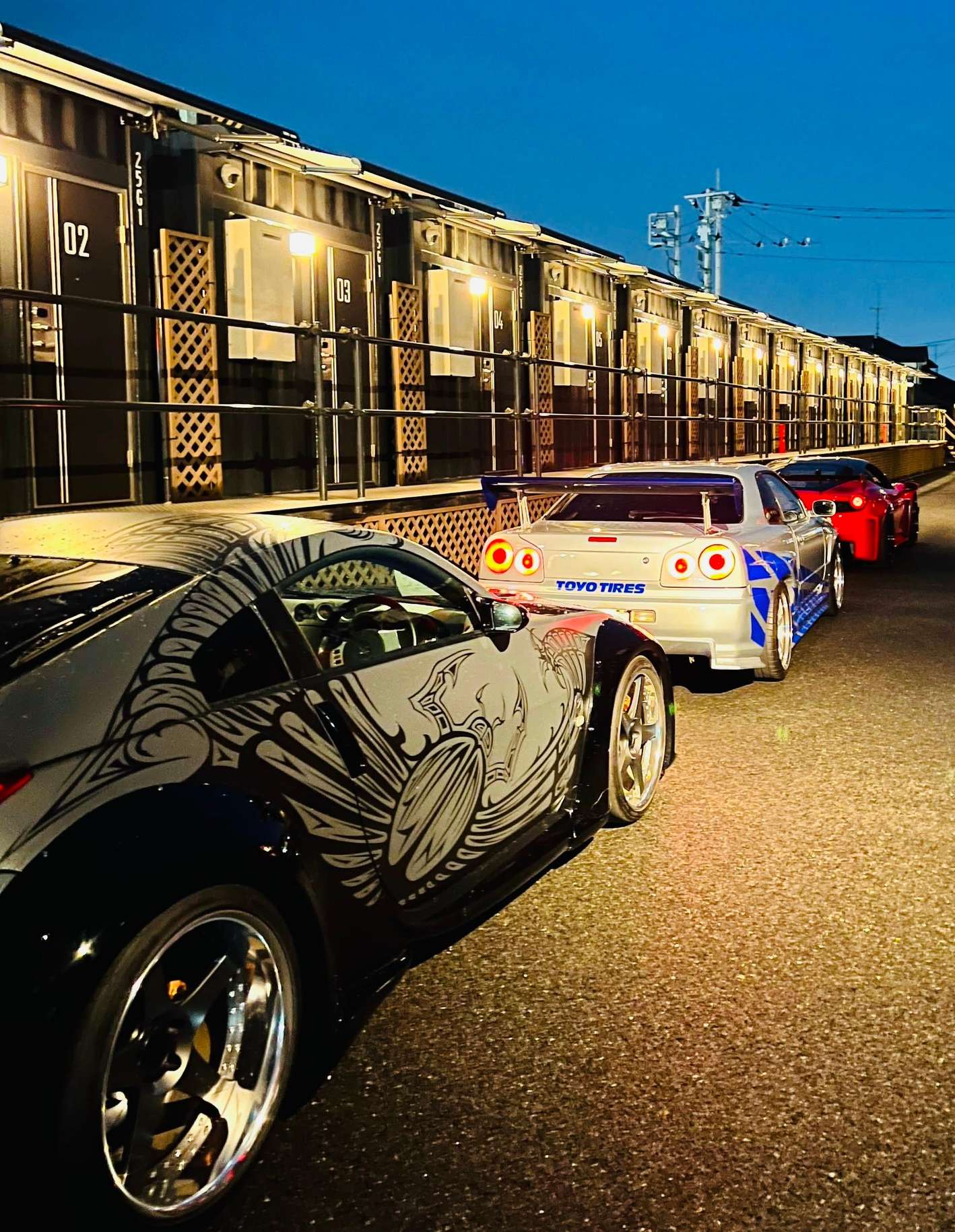
The evening starts on Shibuya's neon streets and ends, hours later, on an expressway deck in the middle of Tokyo Bay. In between you ride as a passenger in modified Japanese sports cars: Skylines, Evolutions, Silvias and Supras, driven by local enthusiasts who know the Wangan Route bend for bend.
The route runs through A-PIT Autobacs, the largest car-supply shop in the city, then straight down the Bayshore Route to Daikoku Parking Area, where the famous meet gathers most nights.
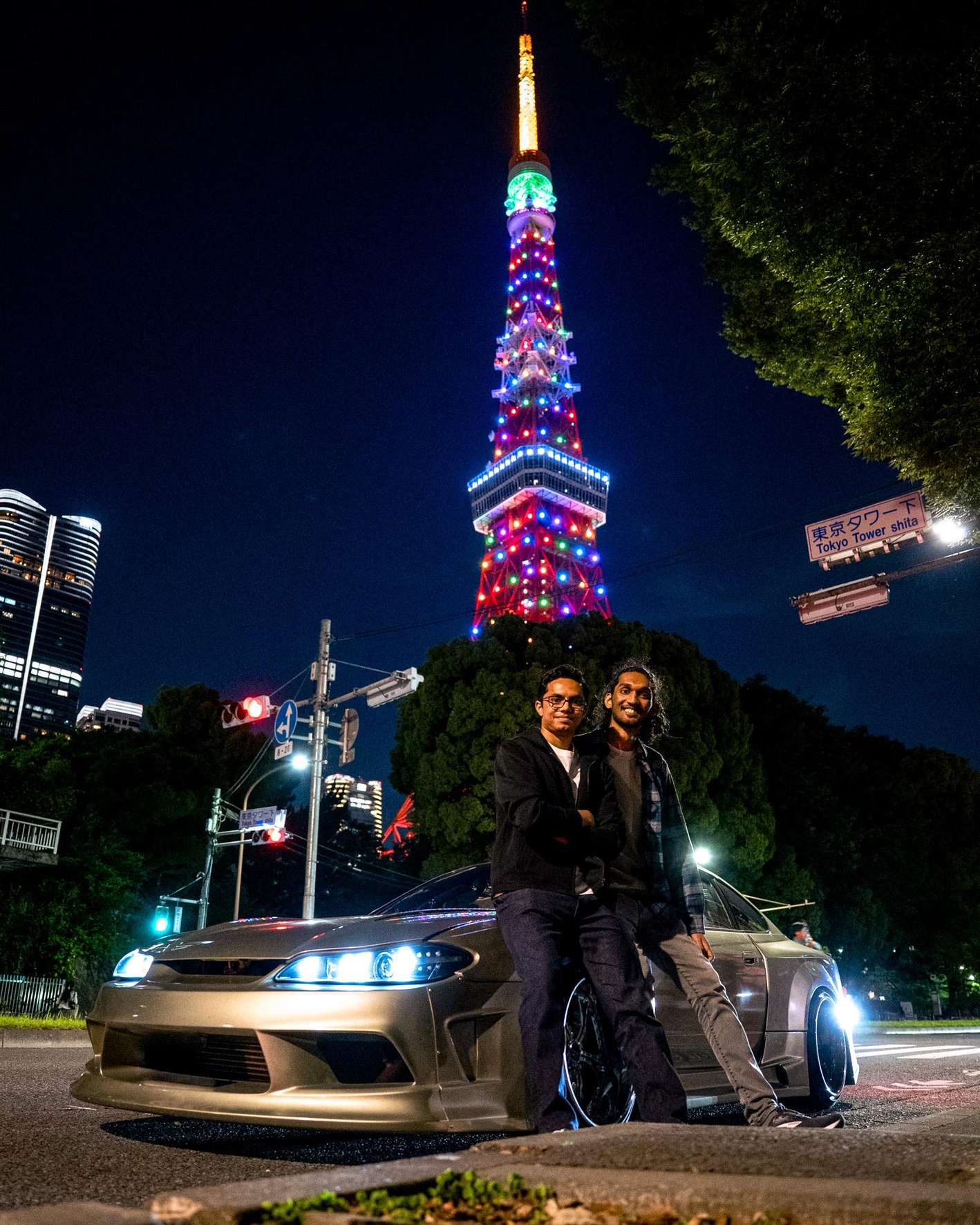
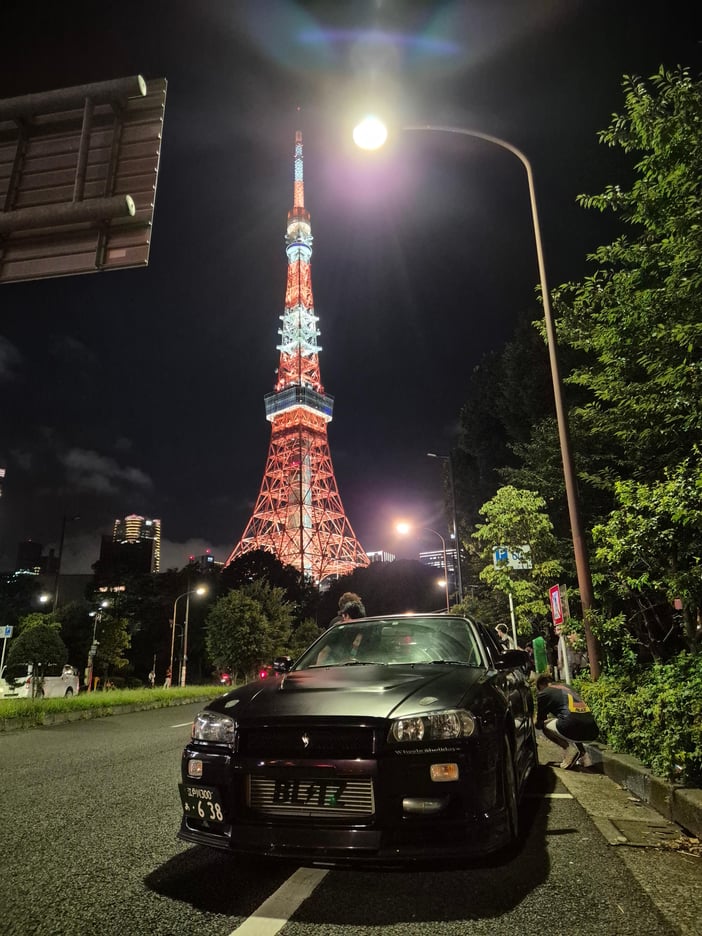
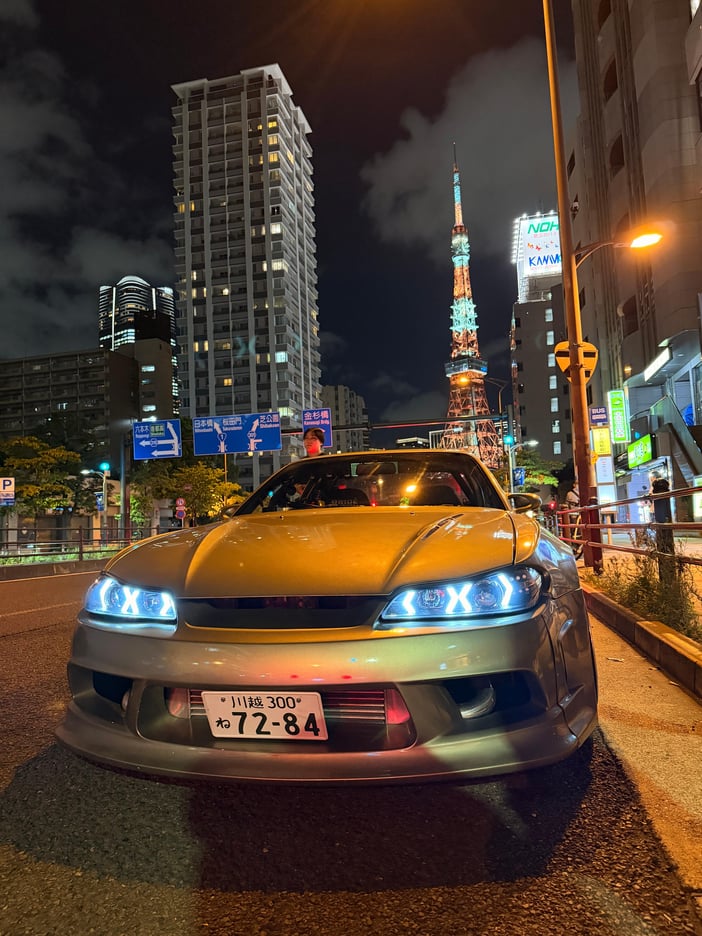
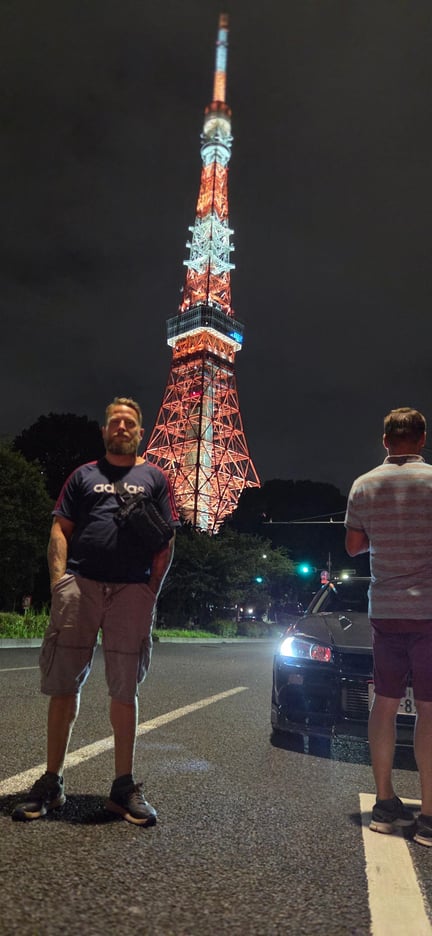
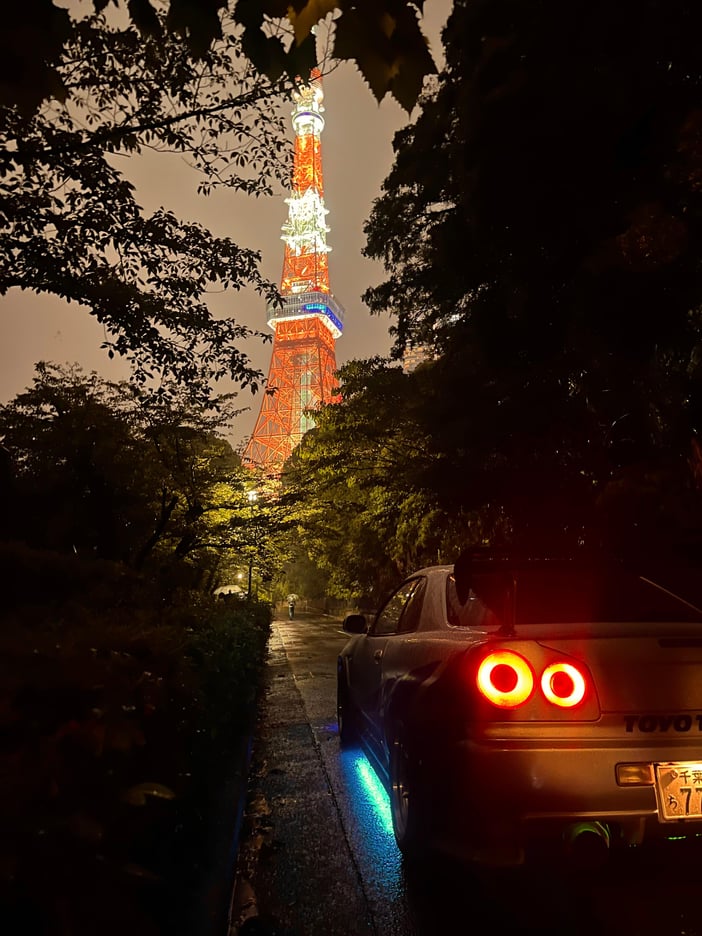
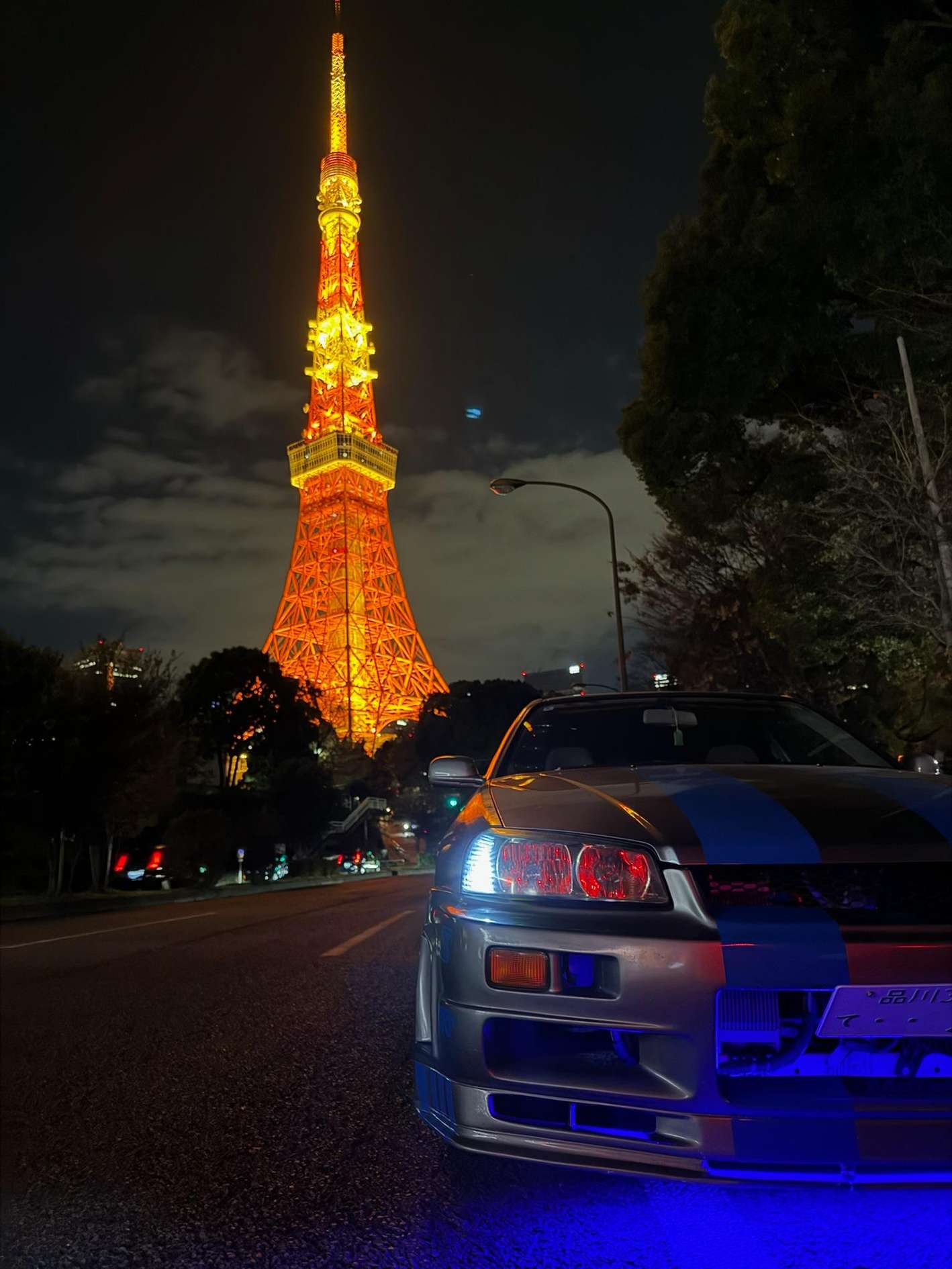
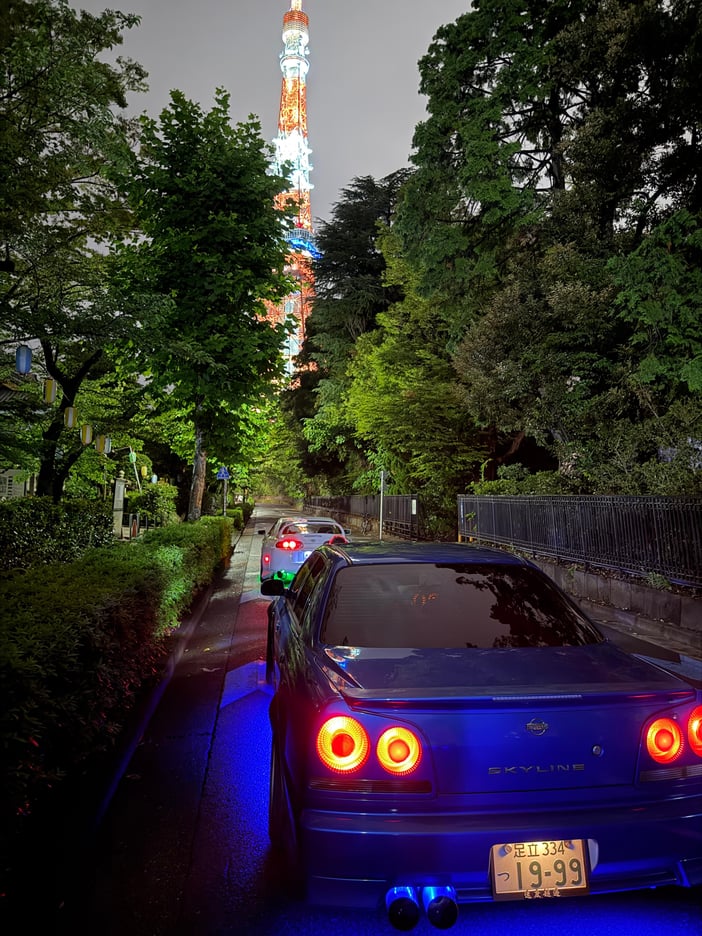
On the way back you stop for photos at Tokyo Tower and roll through Shibuya Crossing. Everything is arranged for you: tolls, fuel, a driver, and a drop-off at your hotel or Airbnb in central Tokyo.
Meeting point3 places, depending on your optionThe loop closes where it began. Guests who started at the Shibuya simulator cafe are dropped back there at the end.Street View2autobacs Shinonome· 30 minThe largest car-supply shop in Tokyo, stocked with tuning parts and JDM merchandise. The tour stops here for 30 minutes of browsing and shopping.3Daikoku Parking Area· 60 minThe legendary meet itself, wrapped in the curved spiral ramps of the Daikoku interchange. You get about an hour among modified street builds and their owners.4Tokyo Tower· 20 minA photo stop beneath the illuminated tower. It appears throughout the Tokyo Drift films and the guide points out the best vantage spots.5Shibuya City· 10 minA short night cruise through Shibuya's neon streets, passing the crossing made famous in Tokyo Drift and racing games.From this tourDrop-off4 places, depending on your optionThe tour drops you in Shibuya if this is where you want to end the night, close to the station and late-night food.Street View
Where the other tours go
Daikoku Parking Area
Tokyo: Fast and the Furious Tokyo Drift III JDM Car Tour
Drop-off at accommodation inside Tokyo central area.Exclusive selection of JDM sports carsProfessional drivers/guides available in English, Portuguese, Japanese, SpanishFuel and toll feesStops at iconic sightseeing spots
Not included
Personal expensesWe cannot guarantee that your driver/guide will be fluent in a foreign language such as German, Italian, French, or ArabicEach driver only takes three people, and there are many daily customers. Some Japanese speak basic English for the tour, not for a long conversation where personal topics or curiosities about random subjects come up
Comparing the Tokyo Drift car meets for your night
Green marks the lowest price. Prices per person.
Tour
Price
Duration
Pickup
Languages
Best for
Our pick
Tokyo: Fast & Furious Tokyo Drift III Experience
4.8★ (6,369)
from $135per person
3 - 4 hours
no
English, Portuguese, Spanish
movie fans who want a huge fleet and a hotel drop-off after
Most reviewers praise their driver or guide, calling them friendly, knowledgeable and easy to talk to all night.
Best surprise
Many reviewers did not expect the guides to take so many great photos of them with the cars.
Most common wish
Several reviewers wished the night ran longer when police ended the car meet early.
How to book your Tokyo Drift night with us
01
Pick your date and night
Choose a date, then think about the night you want. Friday and Saturday draws the biggest crowds and the highest chance of an early police shutdown, Sunday mornings bring classic and exotic cars in daylight, and midweek evenings stay calm and reliable.
RecommendedMidweek evenings give you the meet with almost no risk of closures
Pro tipWeekend start times run earlier, some tours leave central Tokyo between 4:30 and 5 pm to beat the 7:30 pm closures
02
Choose the right option
Read what changes between the options: shared rides in a fleet car, private bookings with hotel pickup, midnight runs that skip the sightseeing stops, and Sunday morning sessions. Non-private tickets can split your group across two cars that travel together.
Common mistakeBooking a midnight run expecting Shibuya and Tokyo Tower stops, the later slots trade sightseeing for pure highway time
Pro tipIf a specific car matters, pick an option that lets you request a model, then ask when you book
03
Pay and watch for messages
Book and pay through the marketplace, then keep your phone on. Cancellation up to 24 hours ahead brings a full refund, and several operators send updates over WhatsApp before the start time if anything changes.
ImportantFree cancellation ends 24 hours before the tour, so lock in your final plans before then
Pro tipActivate WhatsApp notifications on booking, that is where the meeting point and last-minute updates arrive
04
Sort your documents and pickup
Have your passport or ID ready, the operator checks it. Confirm whether your option includes hotel pickup or meets outside a hub like Akihabara, Shinjuku or Shibuya Station, and plan to arrive ten minutes early.
ImportantYou need no driving licence or international permit as a passenger, a professional driver is arranged for you
Common mistakeLeaving your passport at the hotel, some operators ask for it at pickup
05
Plan the ride home
Standard evening tours return between 10 pm and 11:30 pm, in time for the last Metro and JR trains. Midnight runs finish between 12:30 pm and 2:30 am, after the trains stop, so pick one with hotel drop-off.
Pro tipBook hotel drop-off for any tour ending near midnight, Tokyo trains resume only around 4:30 am
RecommendedPack layers and flat shoes, Daikoku is an open-air coastal deck and winter nights drop to 1 to 4 degrees with sea wind
What to know before you book a Tokyo Drift car meet night
Can stop the dayGood to knowGood news
01
ChoosingWhat it is, who it suits, when to go
4
The car
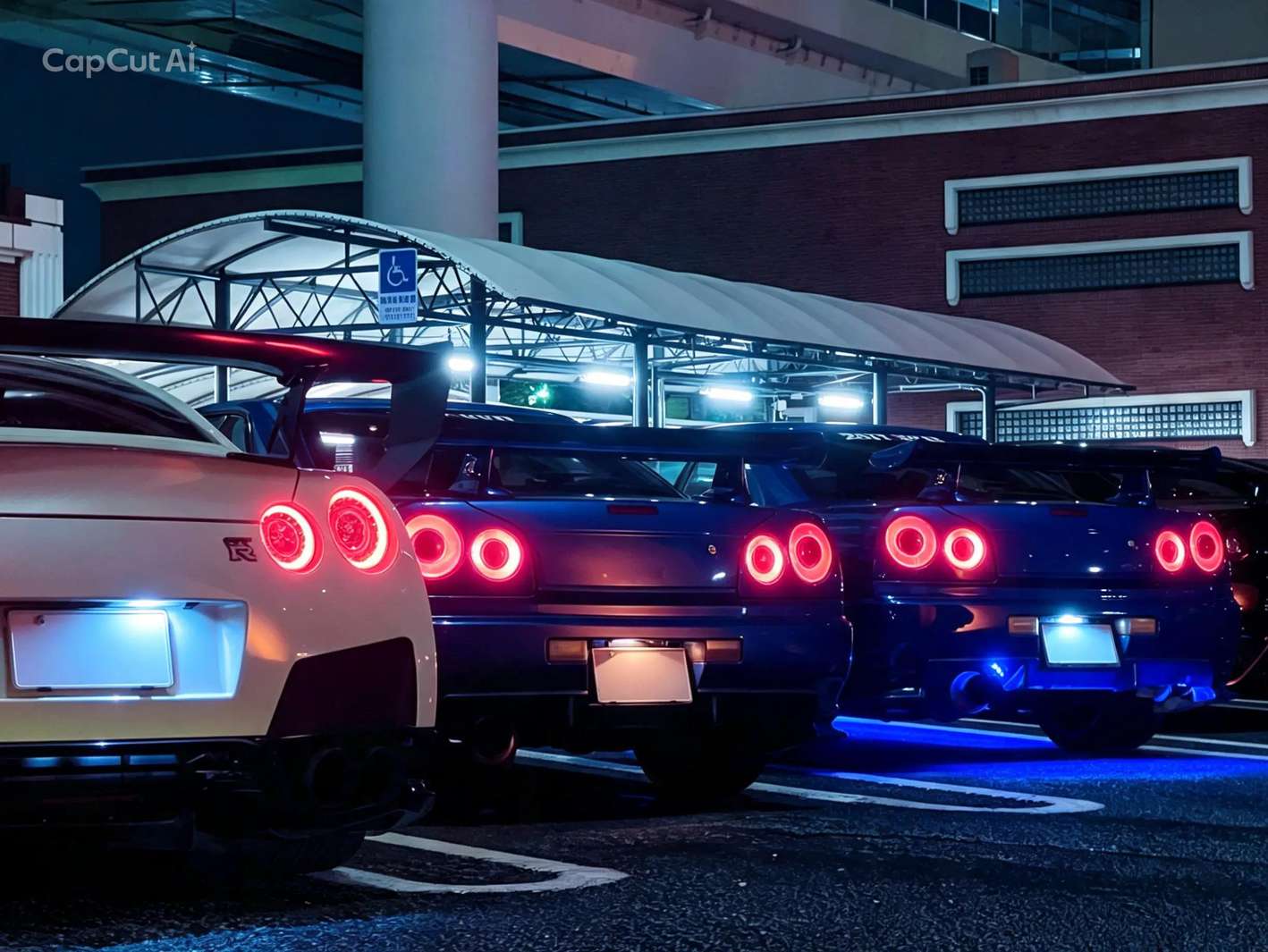
Fleets cover the R34 Skyline, Supra, Lancer Evolution, Silvia, Chaser, WRX and more, and some tours let you request a favorite model. Few guarantee a specific car: availability decides on the night. On shared rides your driver usually takes three passengers.
Sharing
On non-private tickets, seat capacity can split your group across two cars. Both cars drive and park together the whole evening. Booking a private option keeps your group in one vehicle.
ClosuresCan stop the day
Police sometimes close Daikoku PA at short notice on busy weekend nights, often between 7:30 pm and 9 pm. Guides reroute to alternatives such as Umihotaru or Tatsumi parking areas, and one operator offers a full refund when the lot stays shut.
Timing
Tours run three to four hours, and weekend departures leave between 4:30 pm and 5 pm to beat both the rush hour and the police. Standard evening runs get you back between 10 pm and 11:30 pm, in time for the last trains.
02
BookingHow far ahead, and what happens if plans change
1
Cancellation
Cancel up to 24 hours before departure for a full refund on most tours, and some take same-day bookings if your plans are loose.
03
Before you goPapers, health, what to bring
3
Driving licenseCan stop the day
You ride as a passenger with a professional driver at the wheel, so you need no International Driving Permit and no Japanese license. You do need to bring a passport or ID card on the night.
Weather
Rain does not stop the tours, though fewer show cars turn up on wet nights. Typhoons and severe storms are the exception: operators reschedule, reroute, or refund when highways close, mostly between May and October.
Health limits
Pregnant travelers and people with heart problems are also excluded on some tours.
04
On the dayWhere to be, when, and how you get there
2
Pickup
Many of these Tokyo Drift tours pick you up from your hotel in central Tokyo and drop you back there afterwards, so you never have to find Daikoku PA on your own. Others set a fixed meeting point near a major station, which you get by email after booking.
No drifting
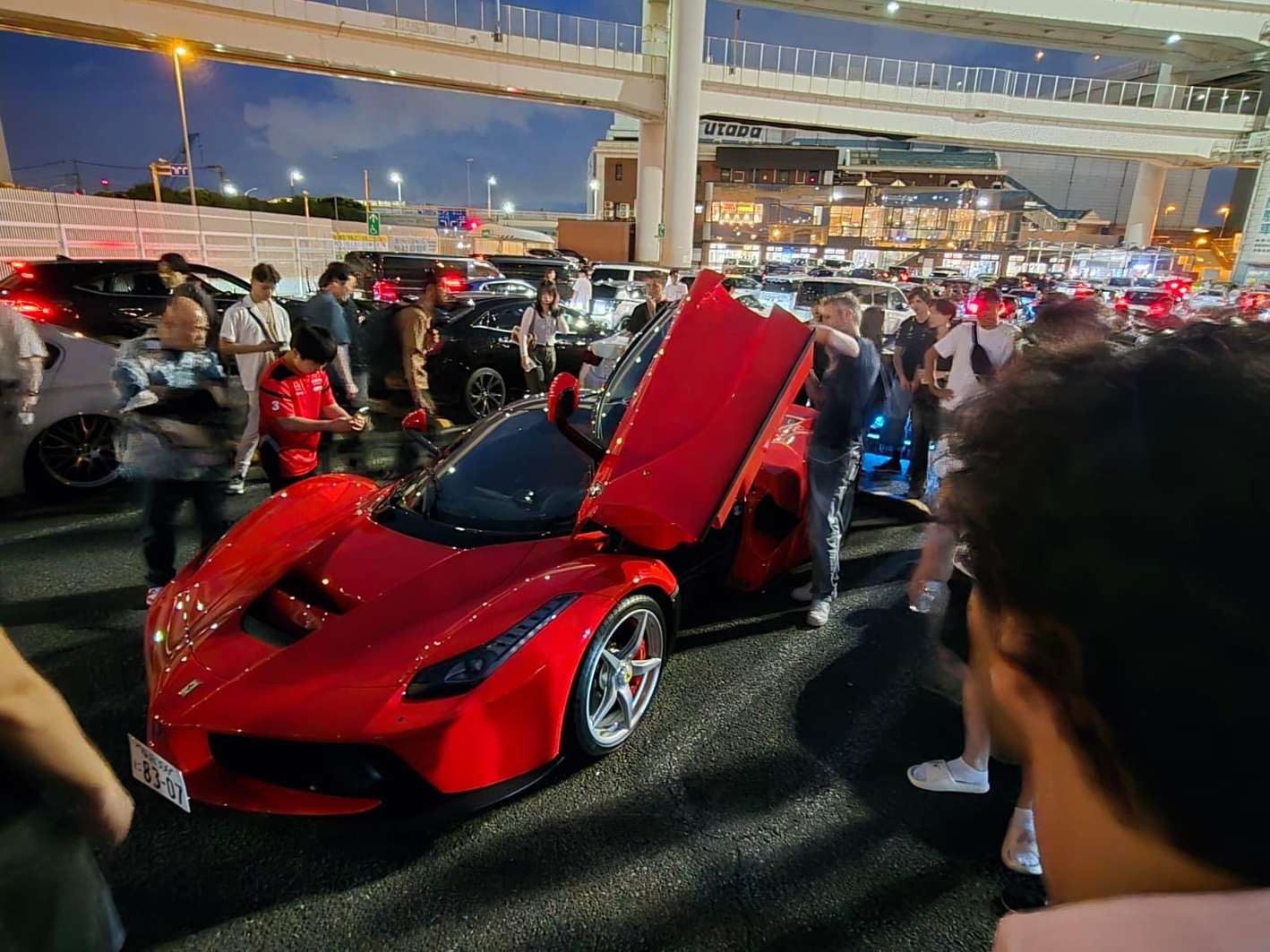
The real Daikoku PA meet is a stationary display of parked cars, and nobody drifts there because it is illegal and brings police down on the lot. The movie's parking-garage drift scenes were shot in Los Angeles. Drivers on these tours follow traffic law the whole way.
05
During the tourWhat is expected of you
1
Etiquette
At the meet, never sit on a hood, lean on a car, or touch paint with a watch or other metal. Ask before photographing owners up close. Keep your seatbelt on in the car, as Japanese law requires it in every seat.
Tokyo Drift car meet guide - what the night is really like
The real Tokyo Drift car meet sits on a highway rest deck in Yokohama Bay, and no train, bus or taxi can take you there. What you wear, drive and book decides whether the night delivers.
Yokohama· 35.66° N, 139.70° E
If you only remember three things
1
Book a passenger ride, no driving permit needed: a professional driver is arranged for you.
2
On weekends, depart by 4:30 pm to 5 pm so you arrive before police can close the gates.
3
Rain thins the turnout but never cancels the night; typhoons and closures trigger reroutes or refunds.
Is a Tokyo Drift passenger seat worth it without driving?
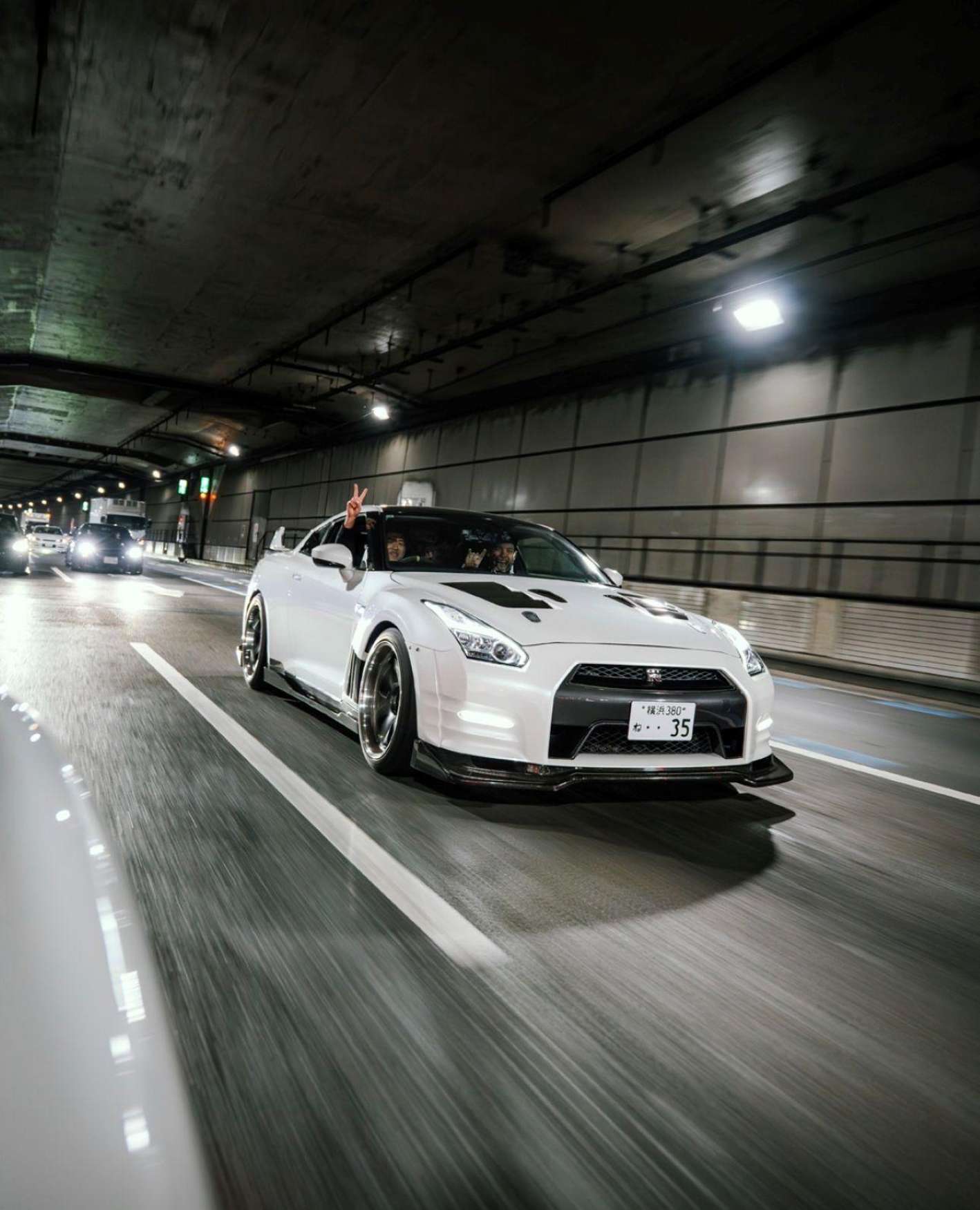
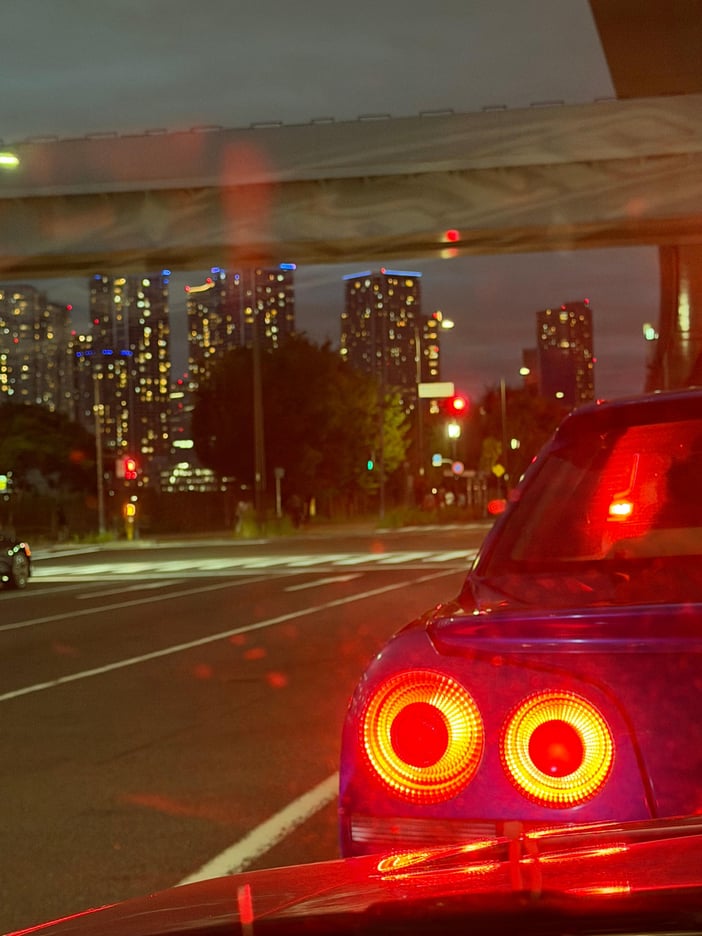
The turbo spools on the C1 loop, the city lights run past, and the driver you cannot see over is holding a tidy, legal line through Tokyo traffic.
Passenger rides deliver the movie feeling without a license, a rental or an International Driving Permit, because every Tokyo Drift tour here arranges a professional driver for you.
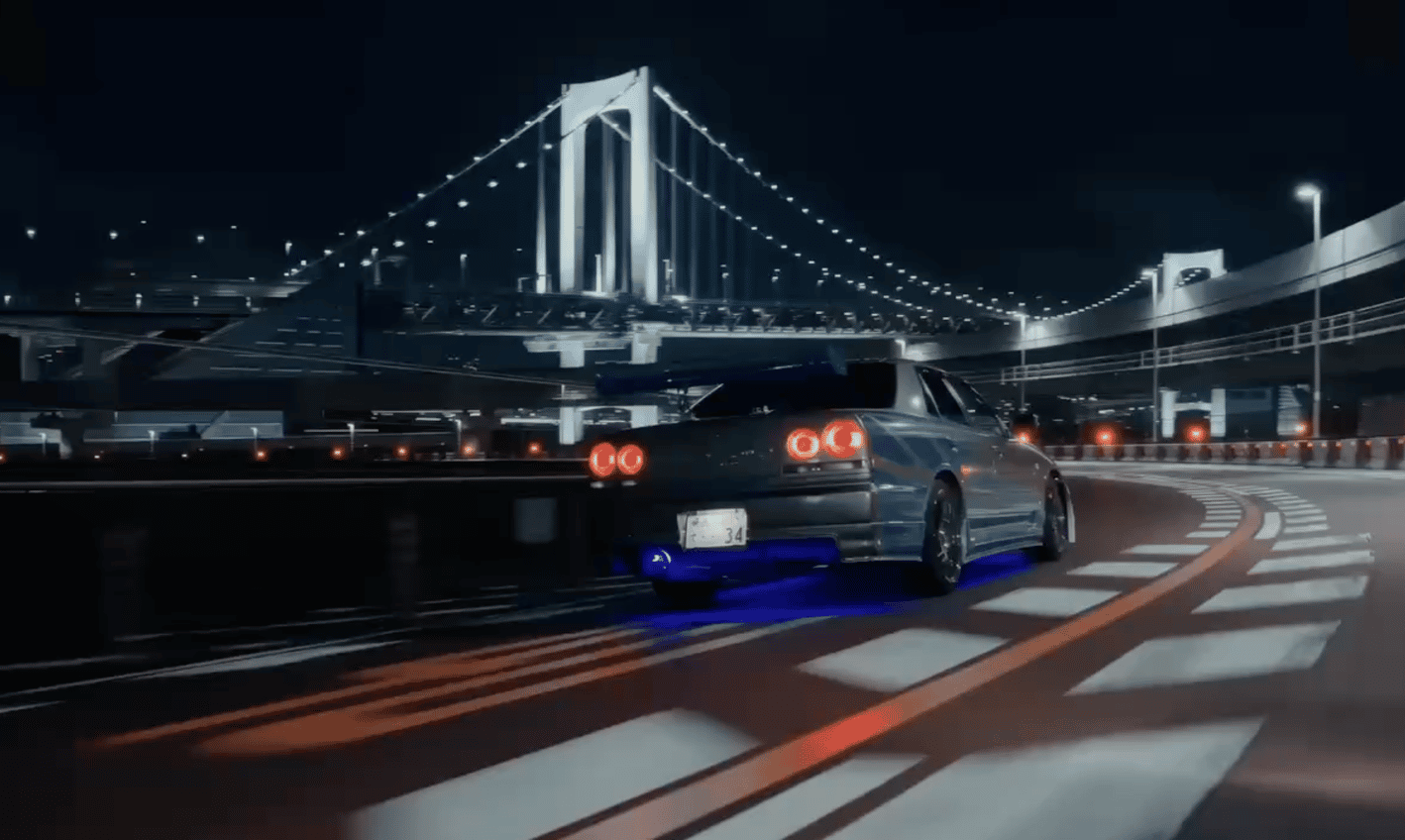
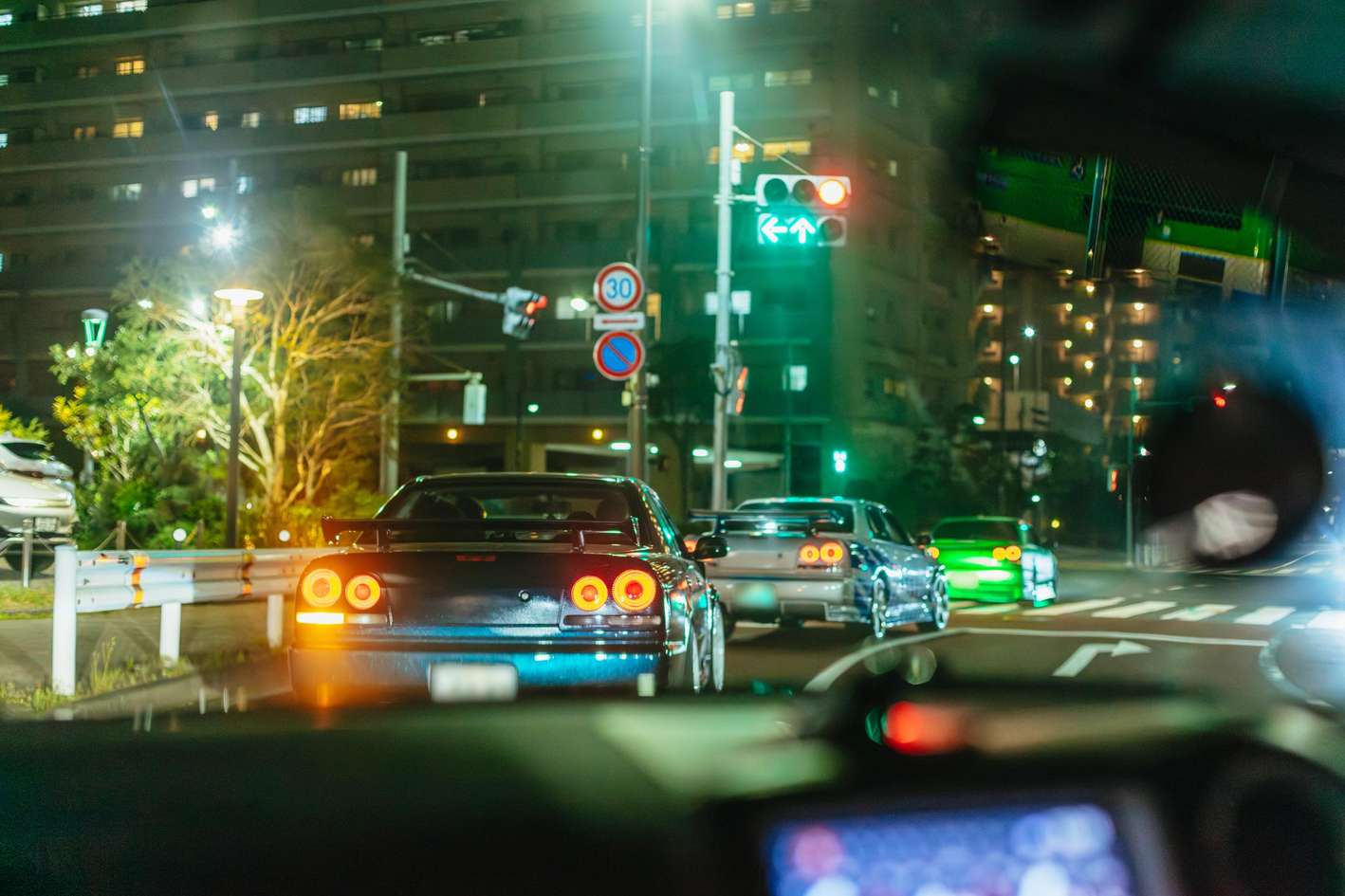
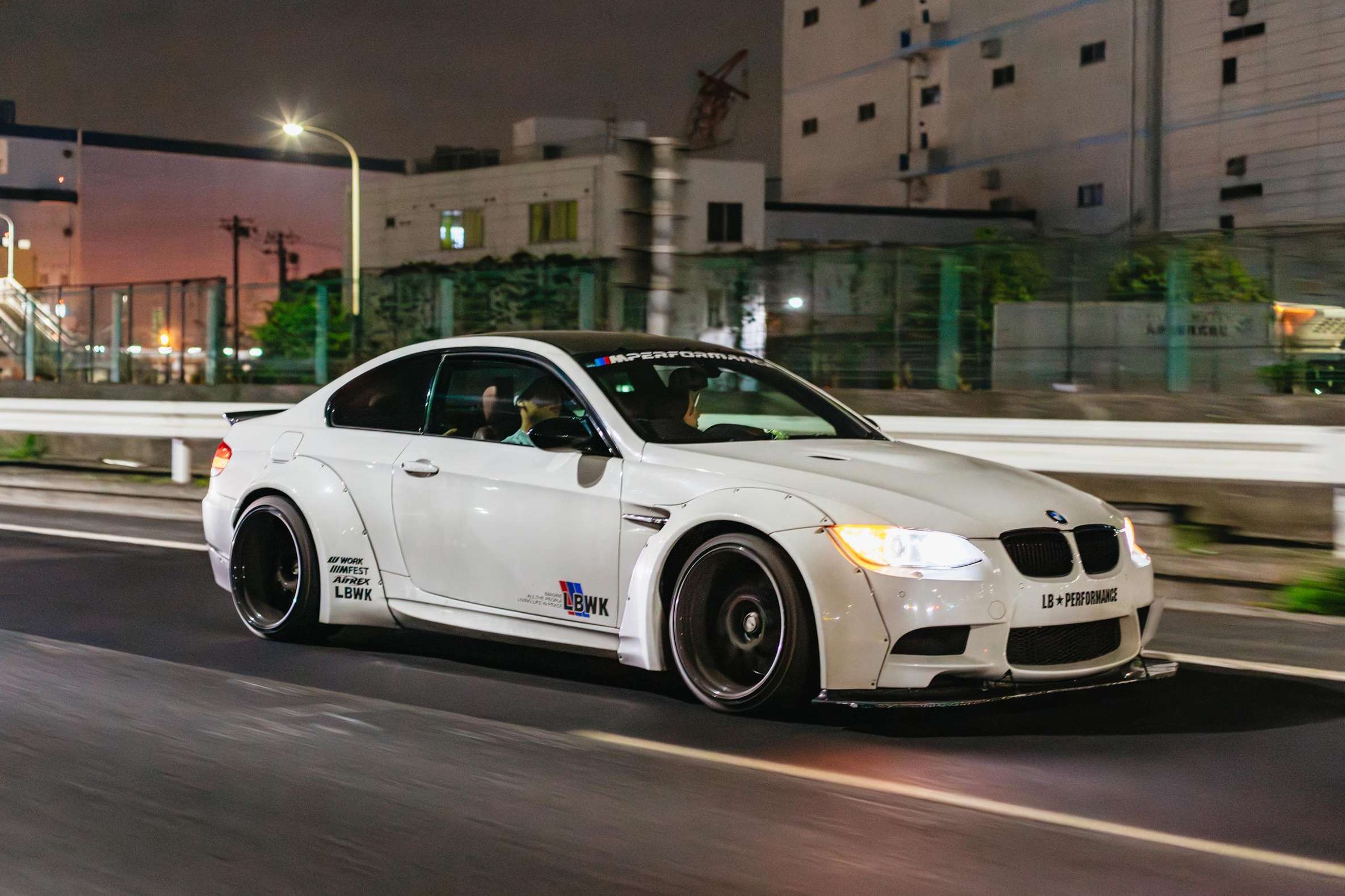
The night works as sightseeing too. Guides stop at Tokyo Tower and Rainbow Bridge lit up for the evening, so the drive doubles as a neon photo run. Convoy rides add the part people remember: several icons pulling off together, which reads exactly like the film.
A traveler's note
Night drive past Shibuya, Odaiba, Rainbow Bridge and Tokyo Tower was spectacular, but the hour at Daikoku PA surrounded by incredible cars was the highlight. Three hours flew by.
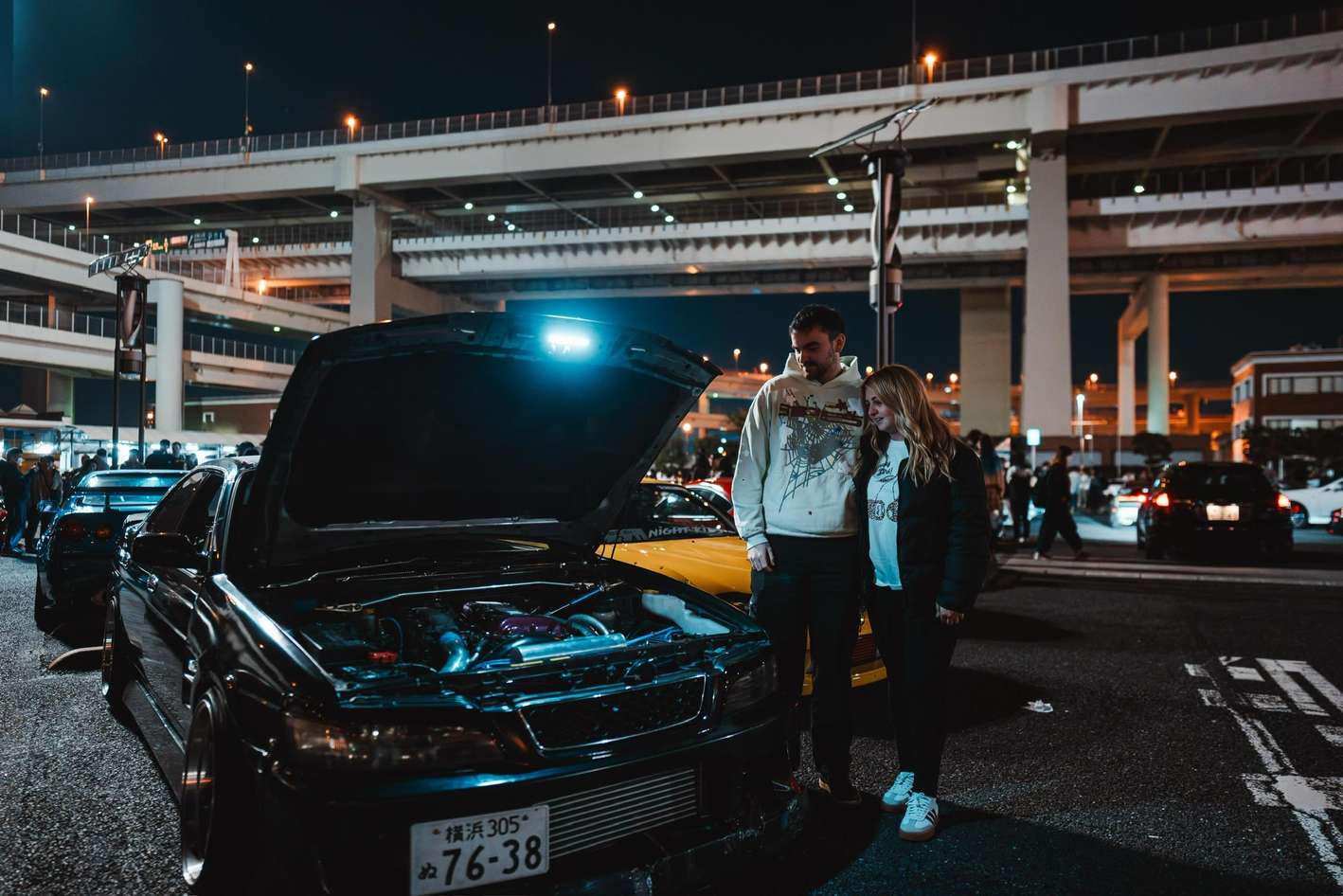
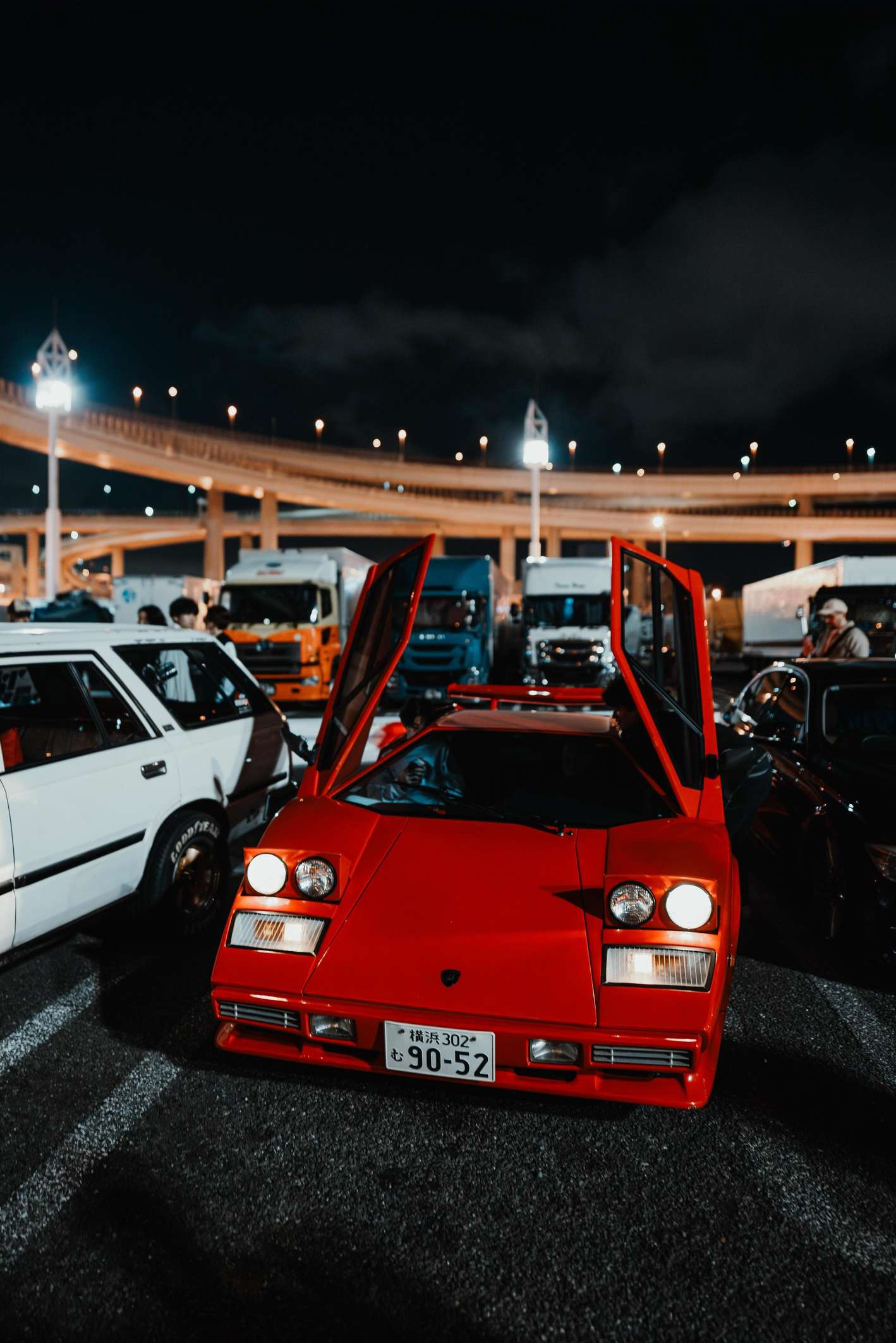
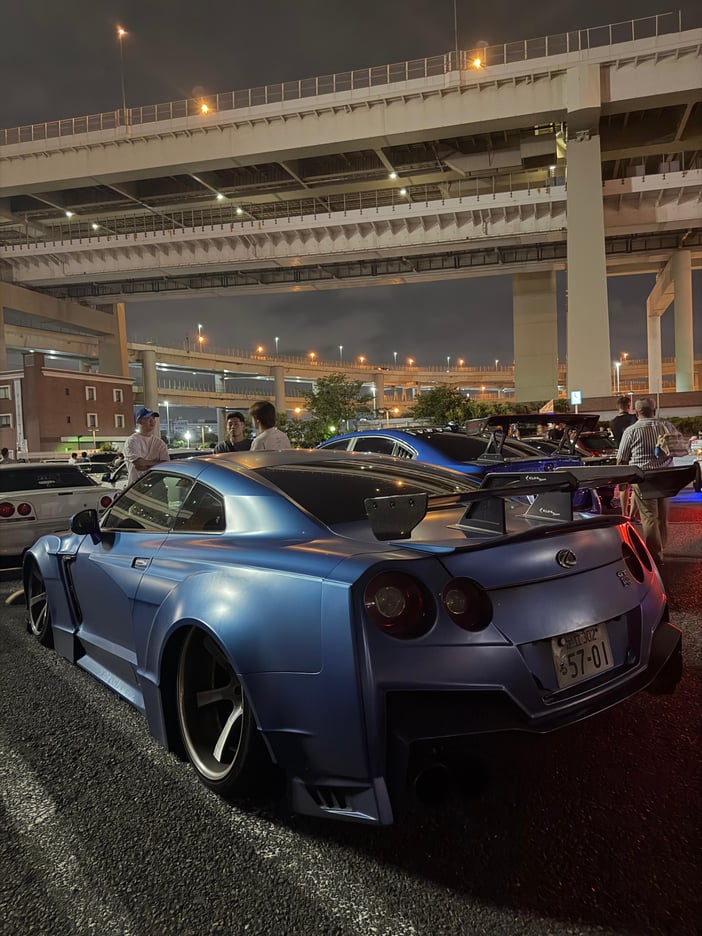
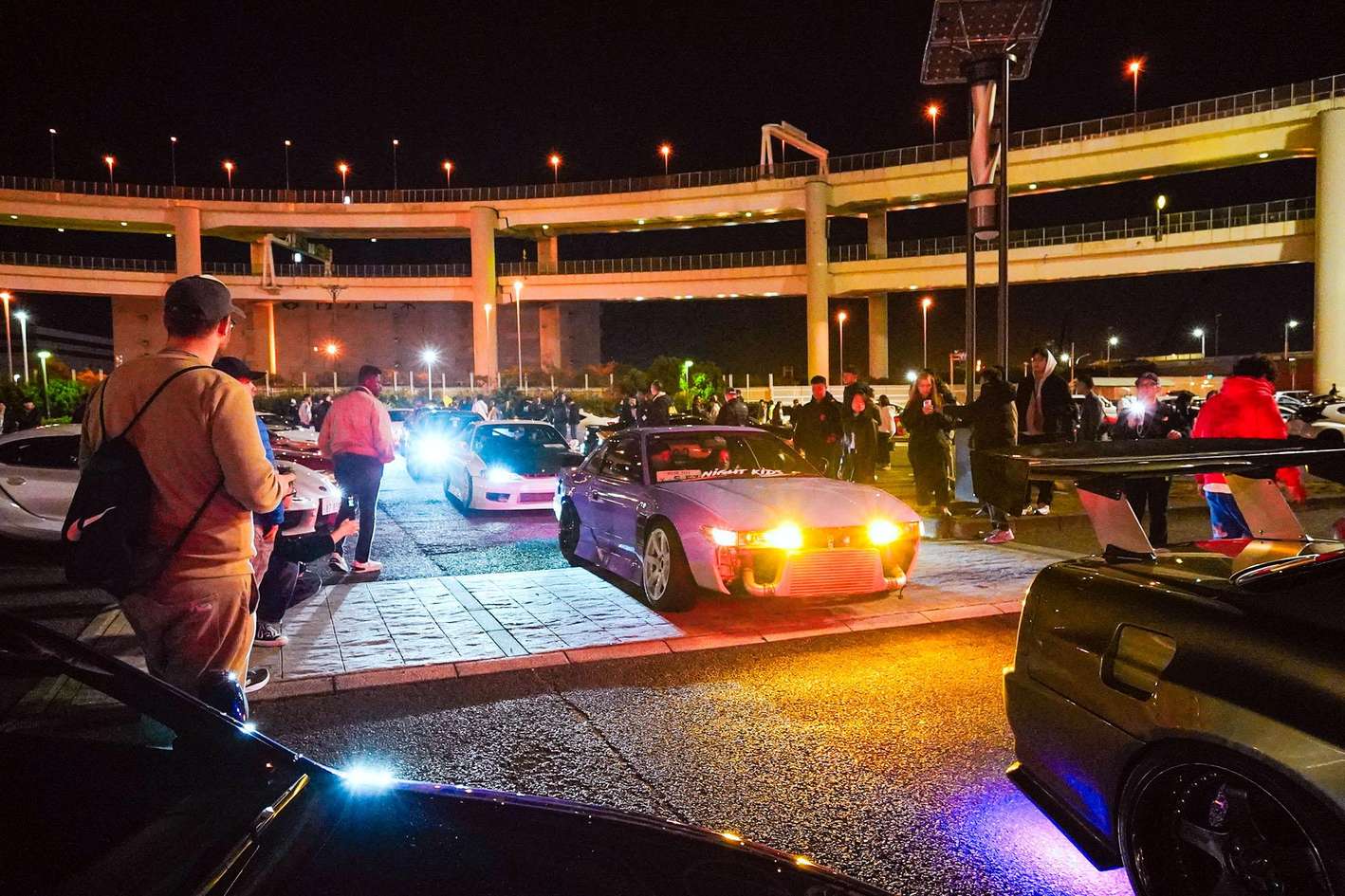
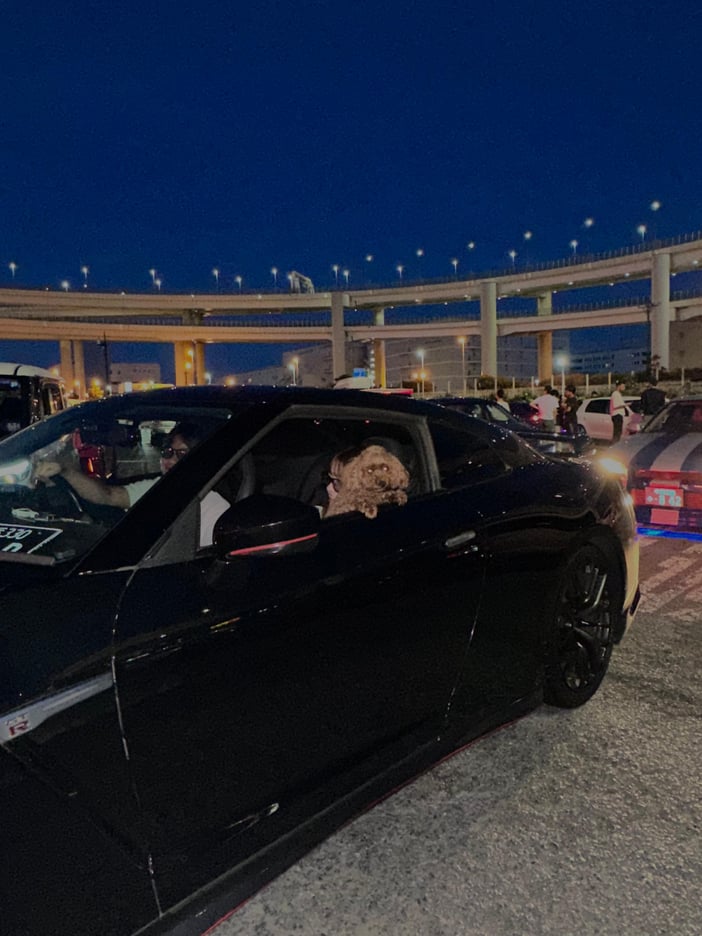
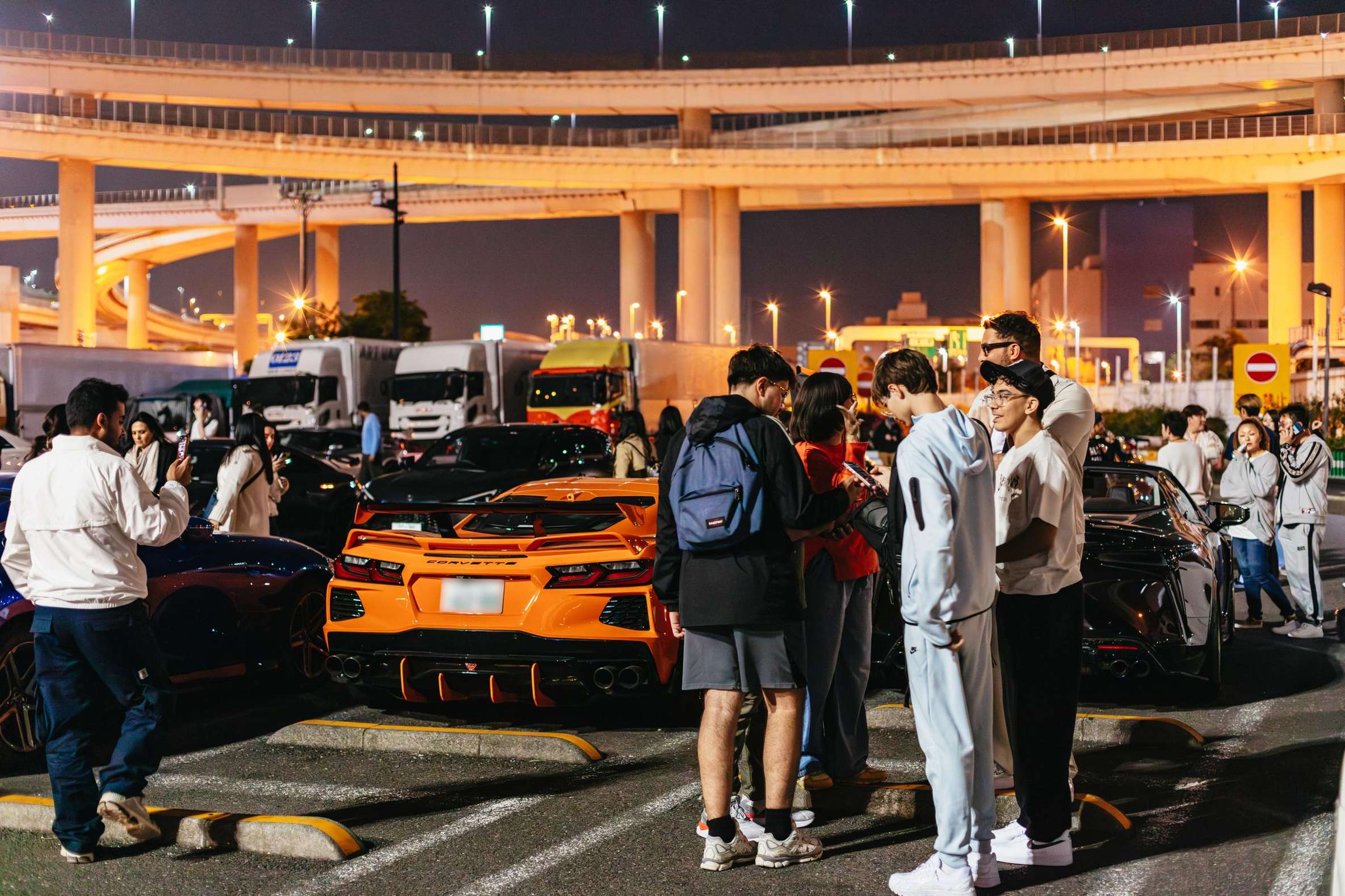
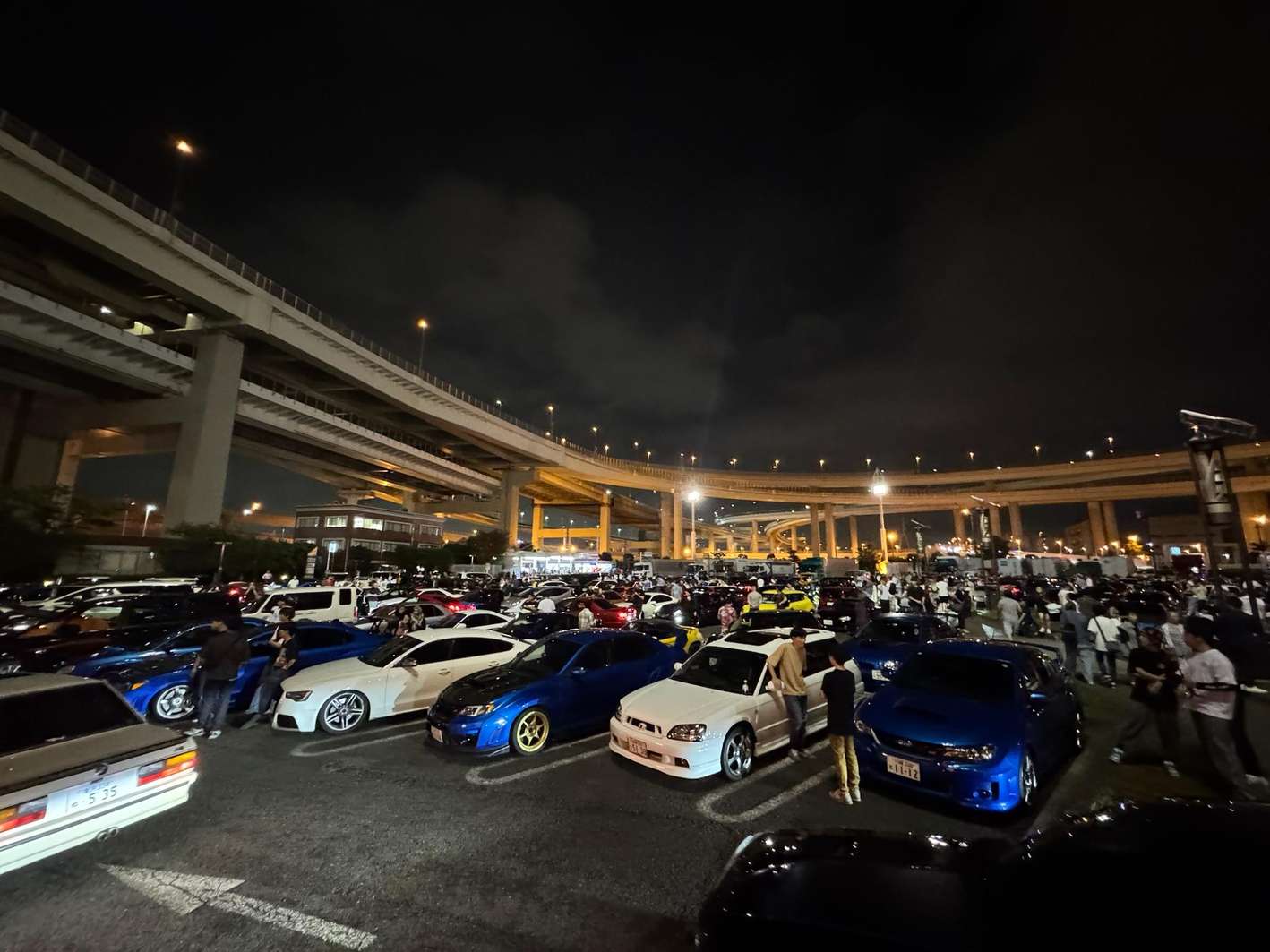
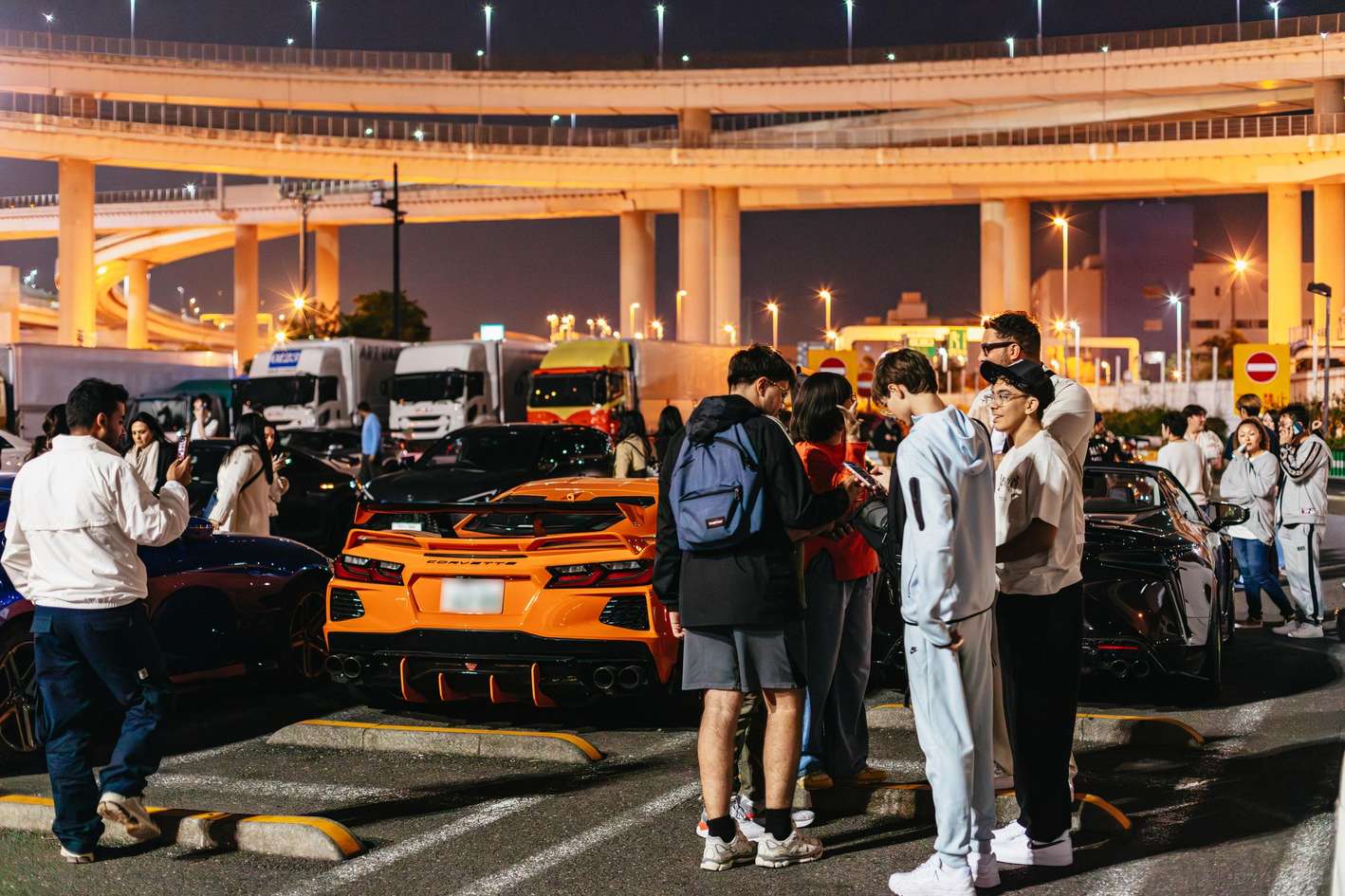
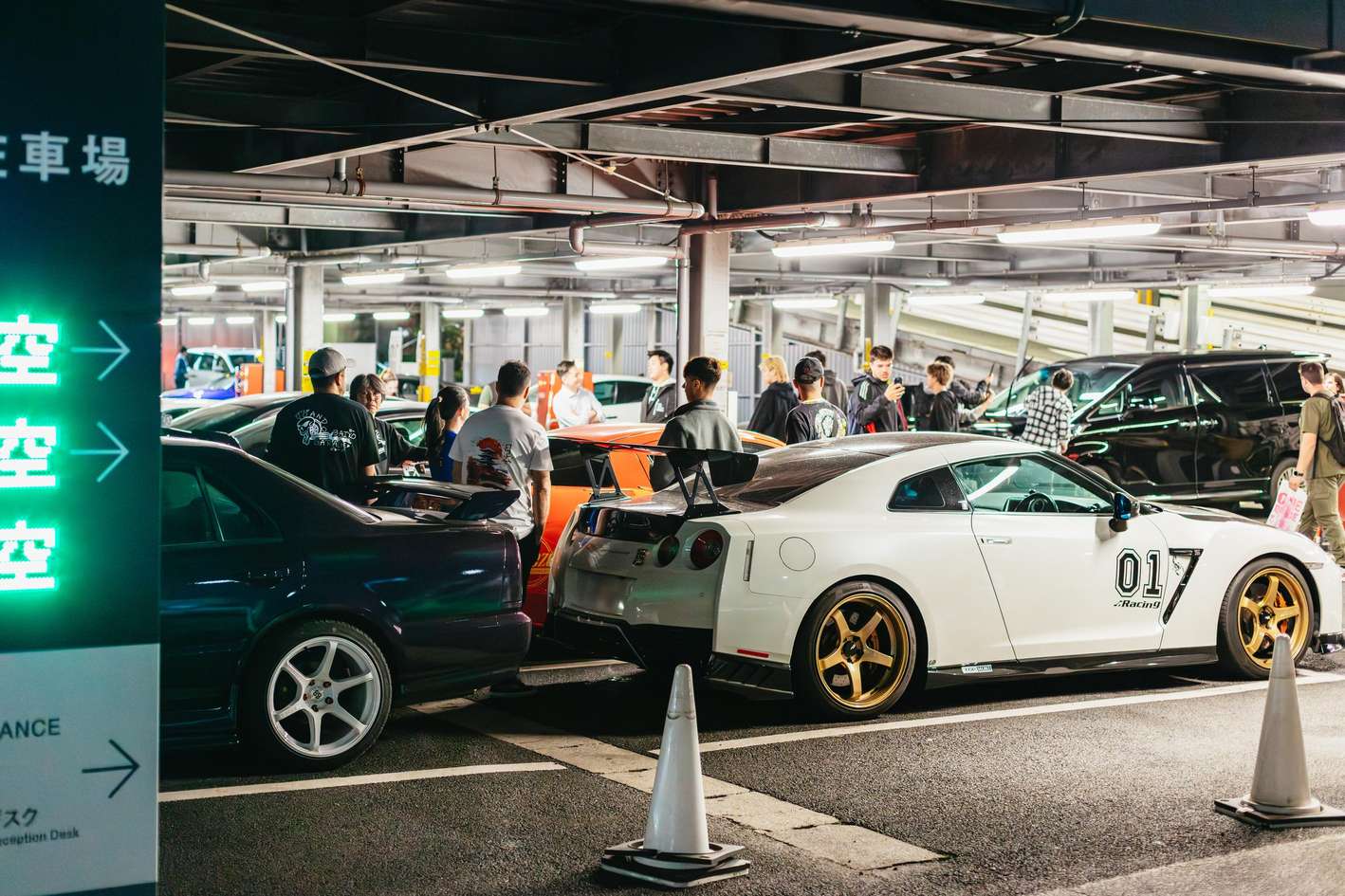
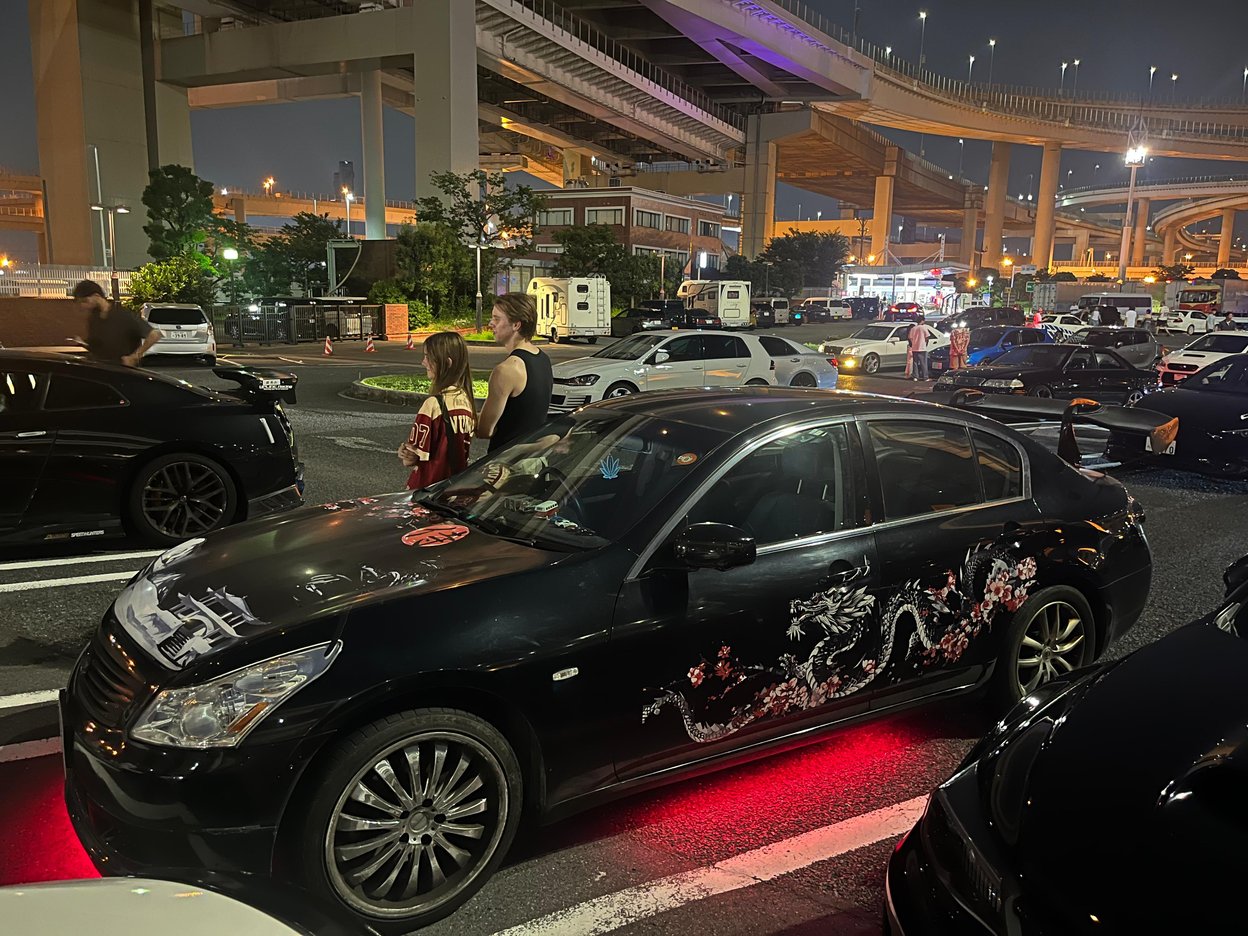
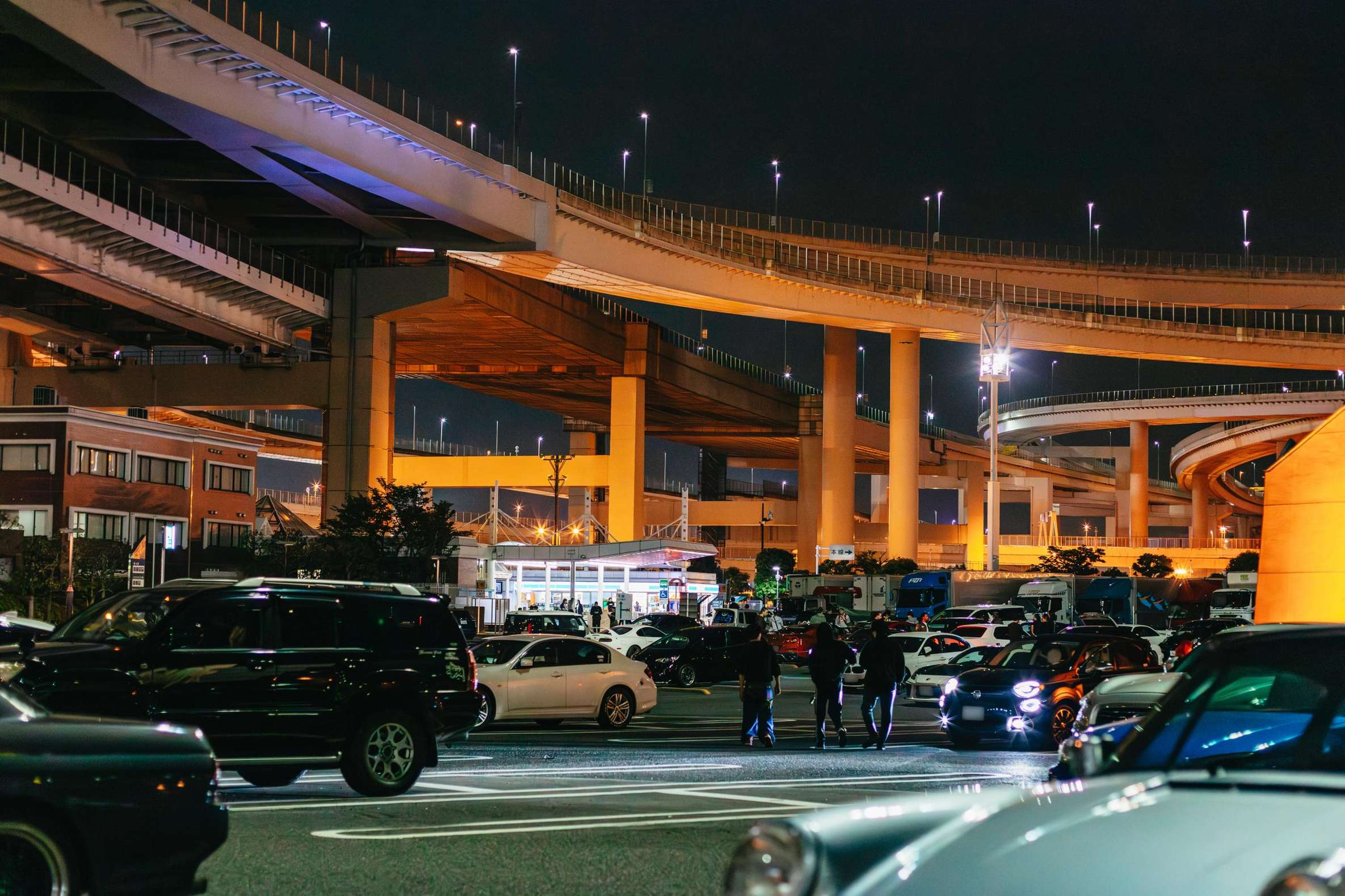
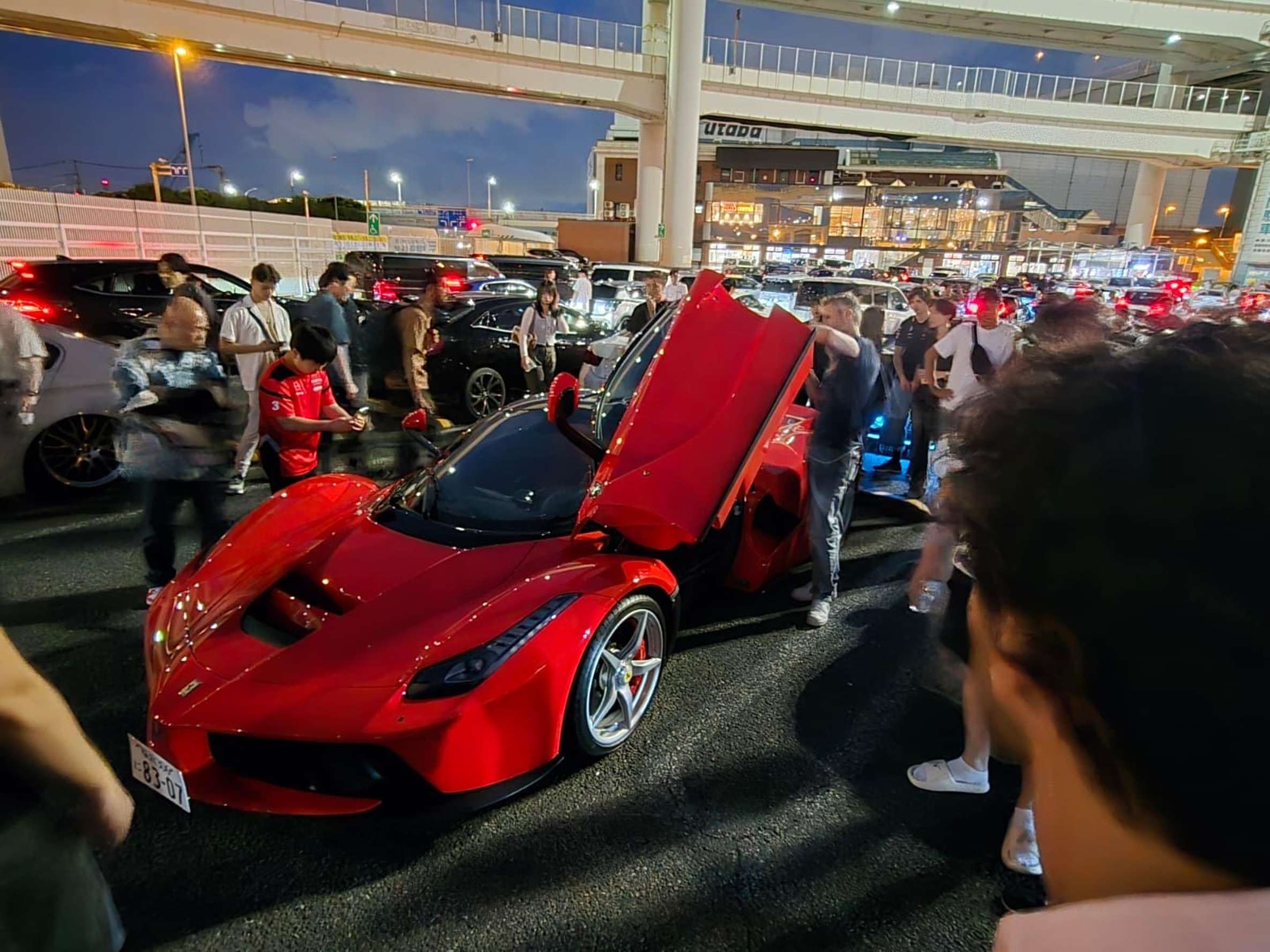
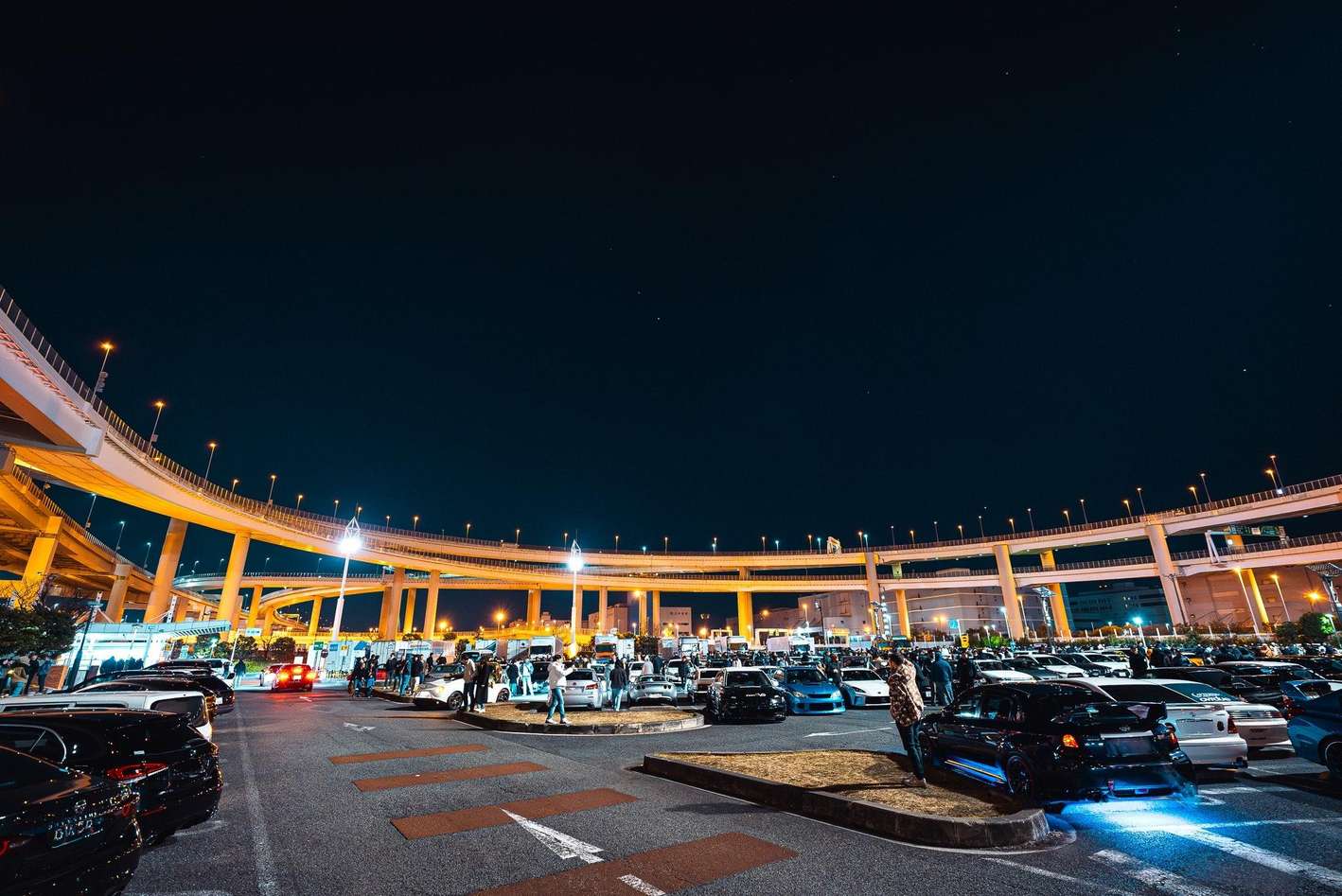
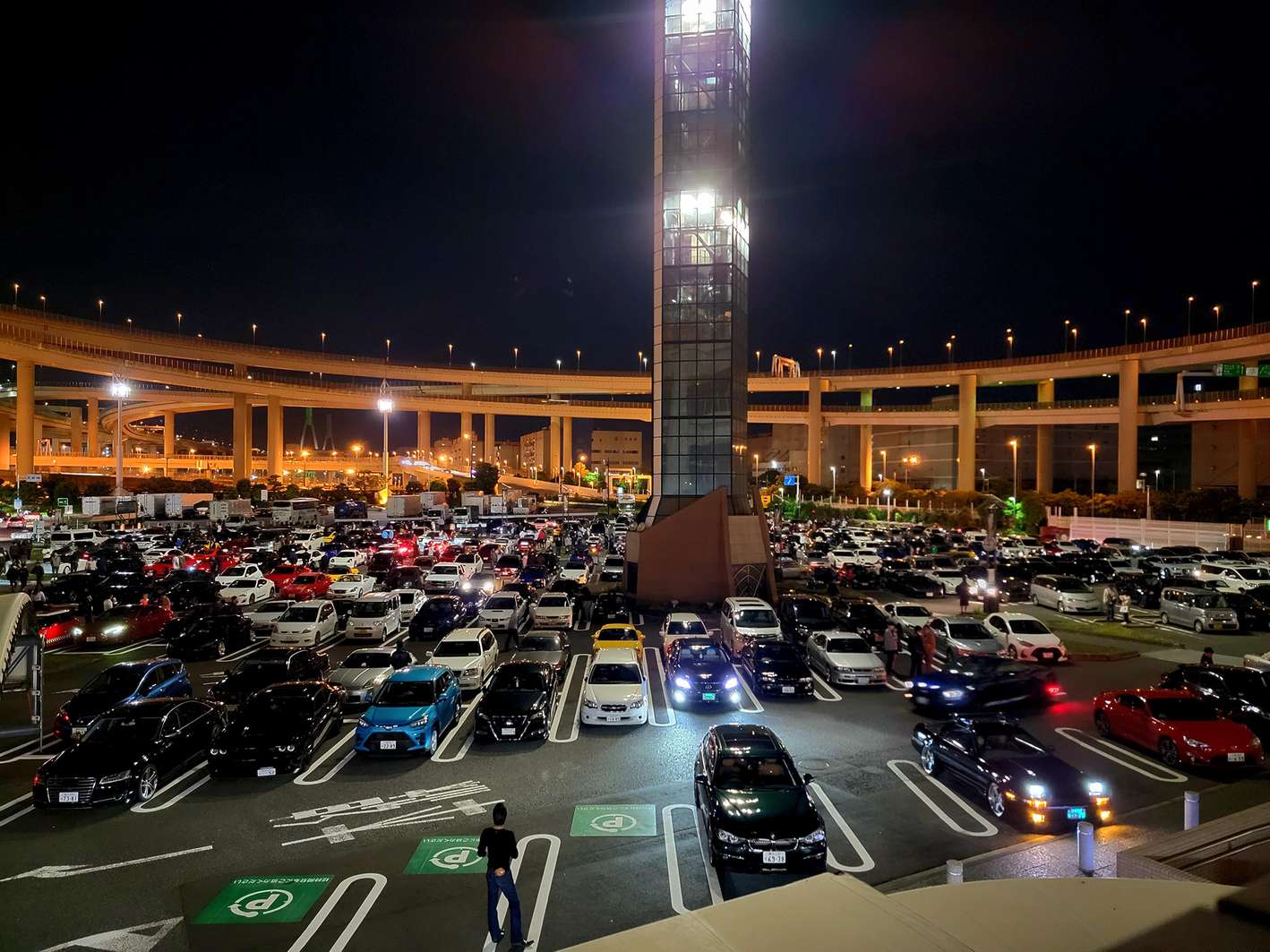
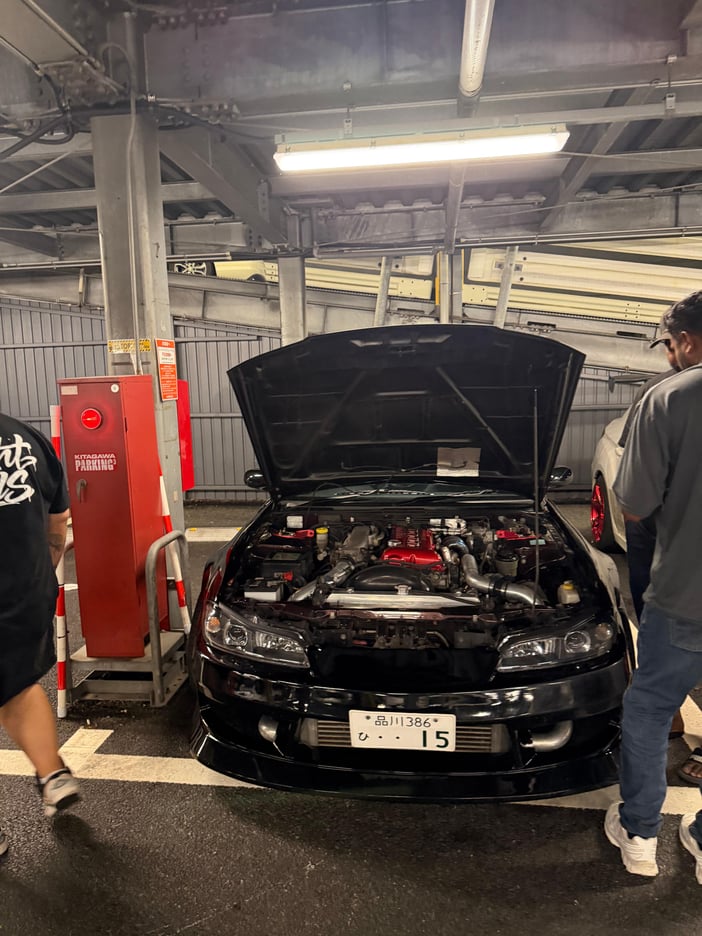
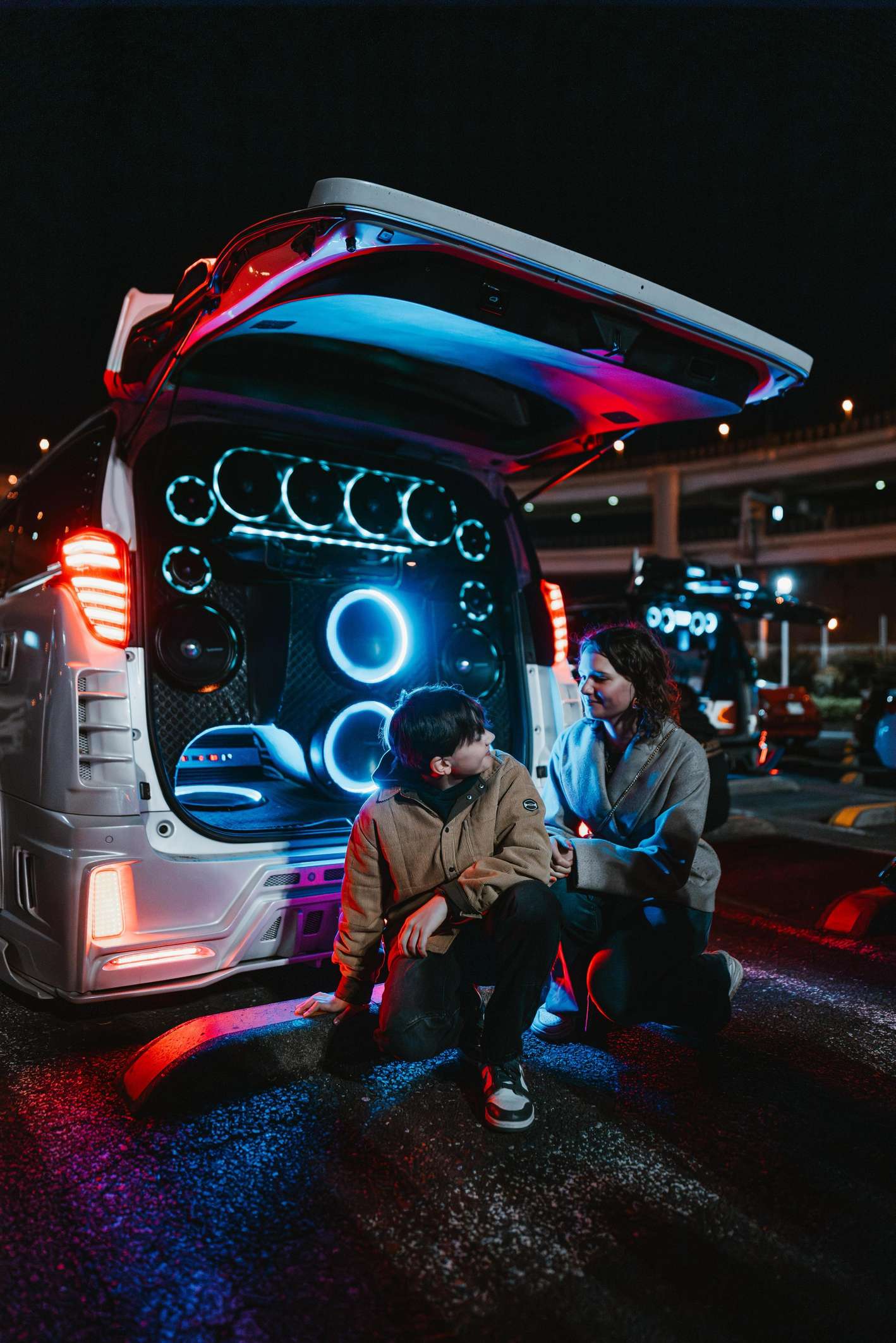
Daikoku Parking Area is a working highway rest stop on an artificial wharf in Yokohama Bay, where enthusiasts park, open their hoods and talk until the small hours. Nobody drifts at the real meet. Drifting there is illegal, and it is exactly what gets the entrance shut down.
The movie knew this. Tokyo Drift set its car-meet scene at Daikoku, but the drifting itself was filmed in a Los Angeles car park because Japanese authorities refused stunt-driving permits.
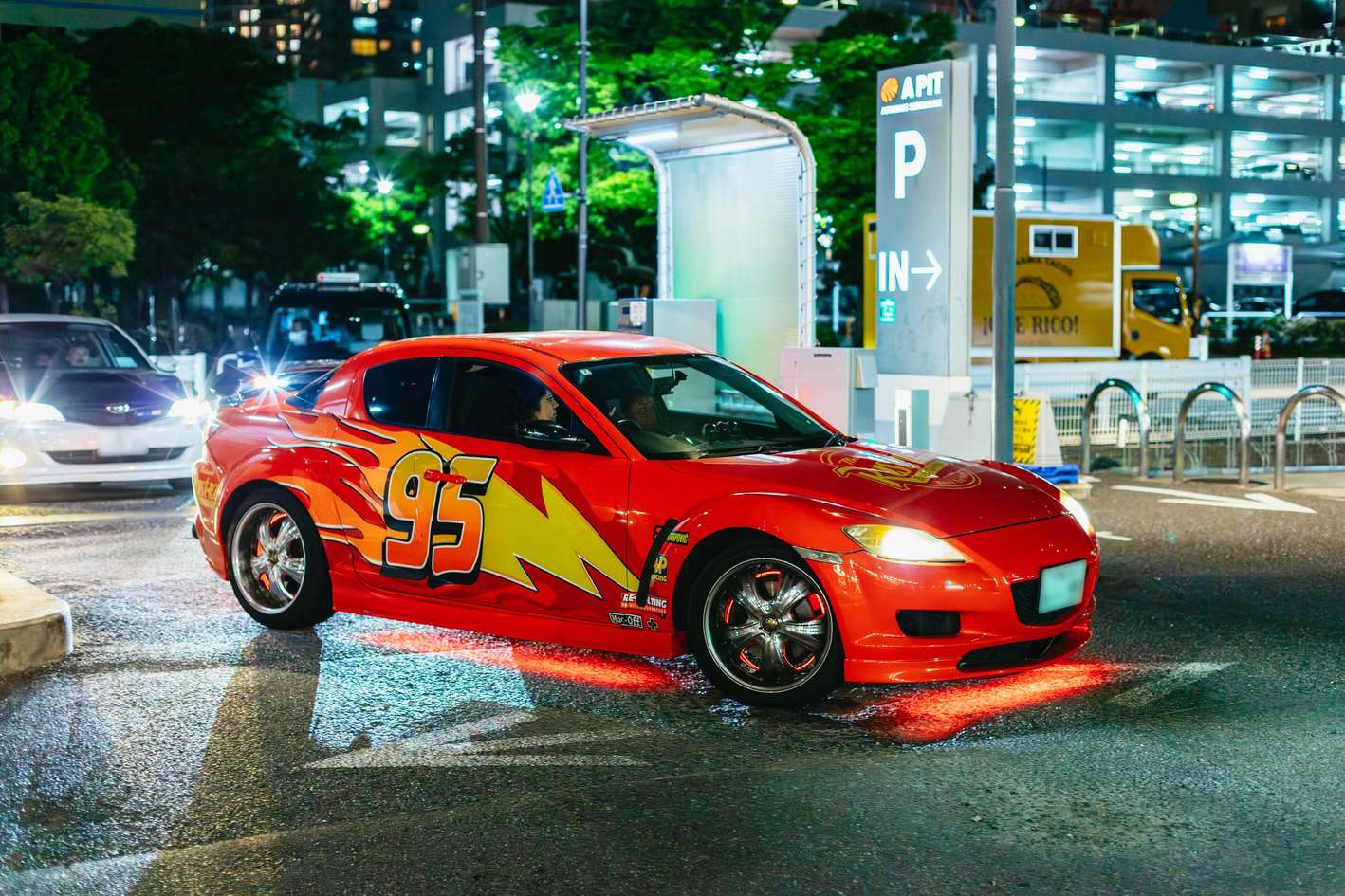
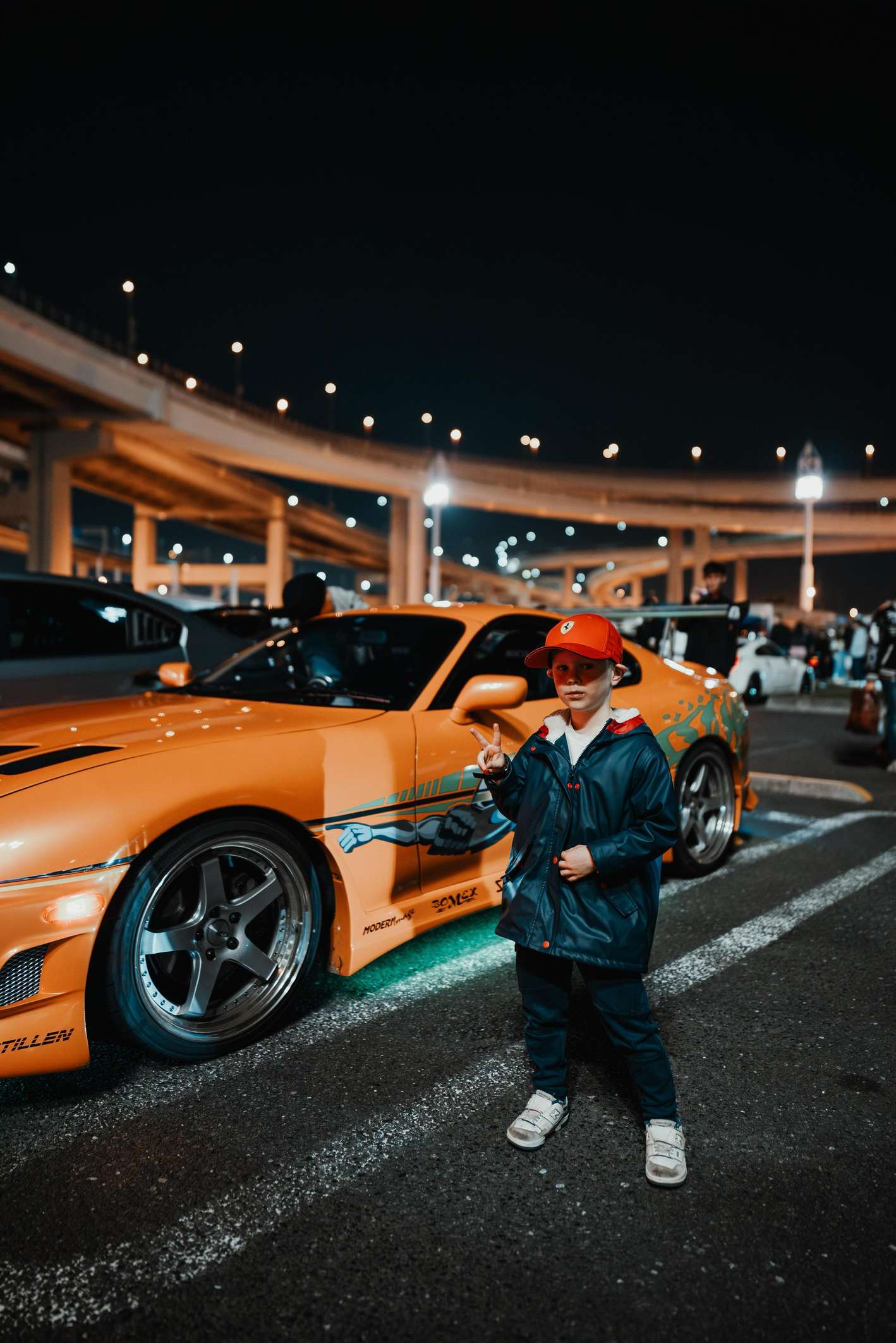
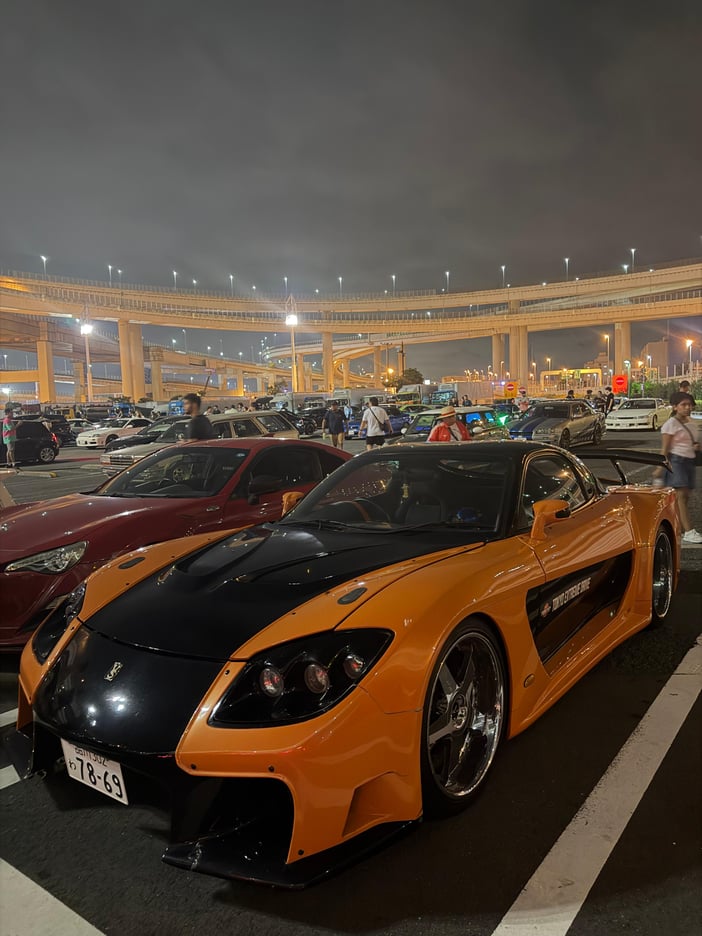
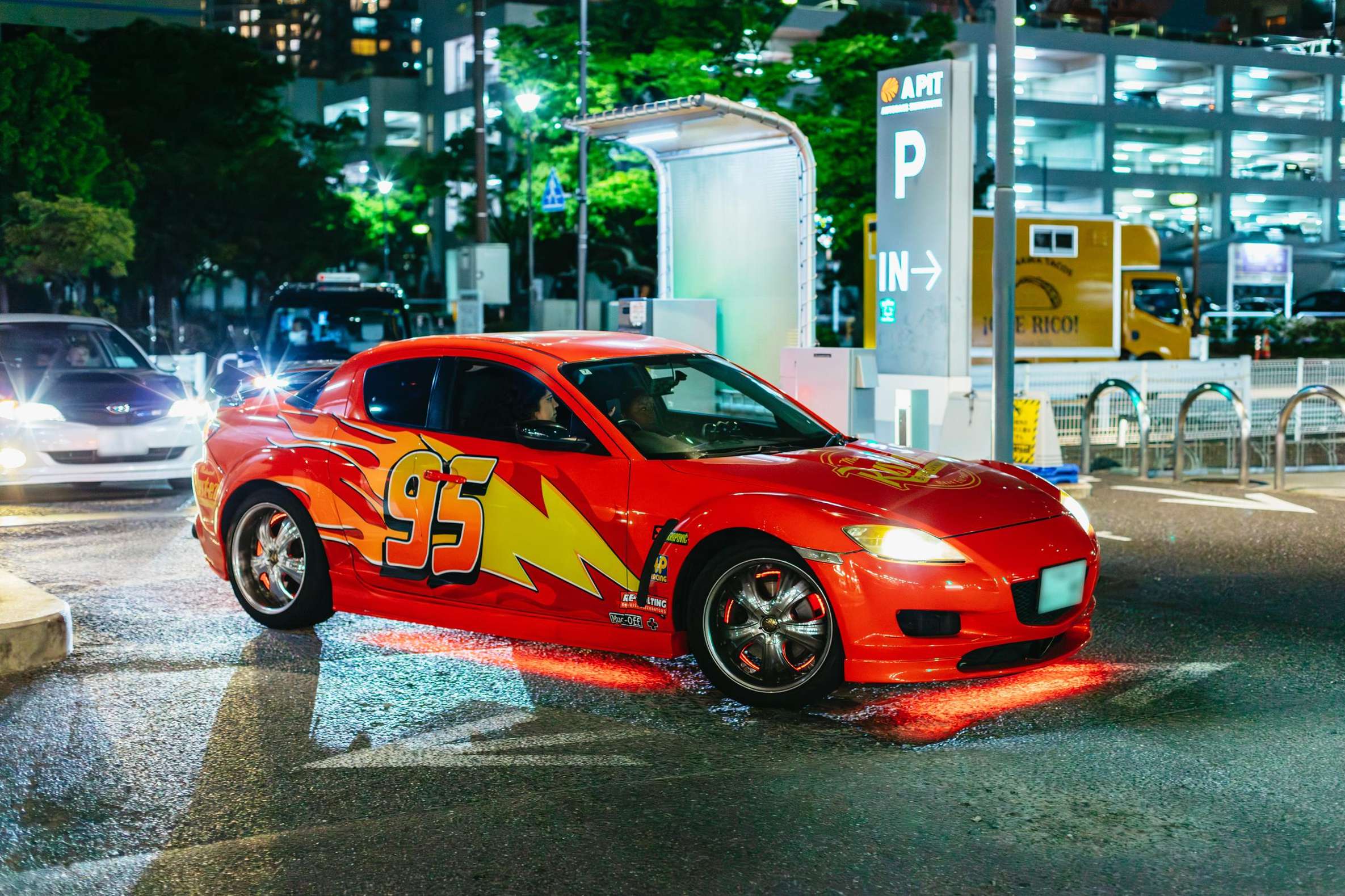
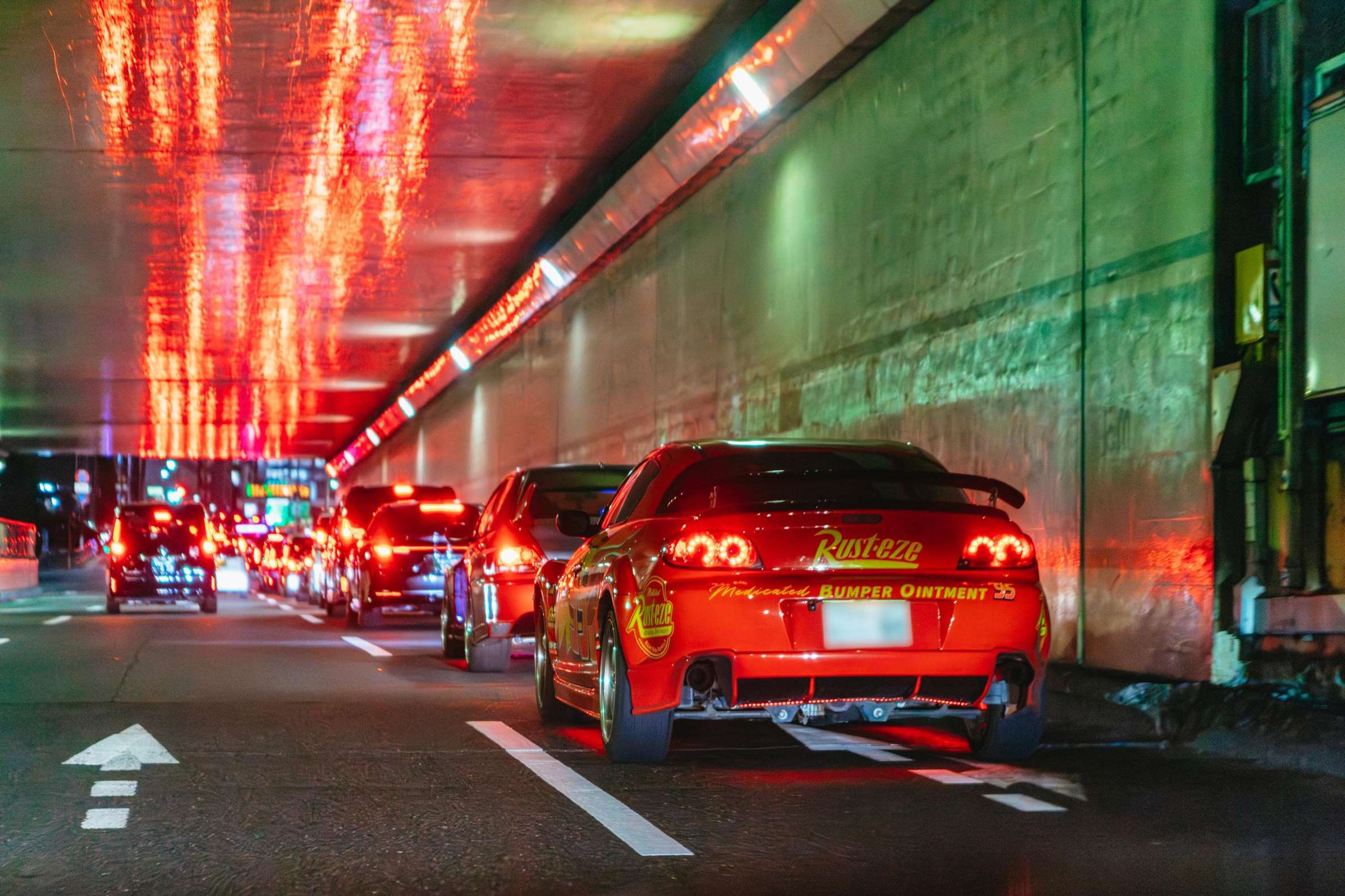
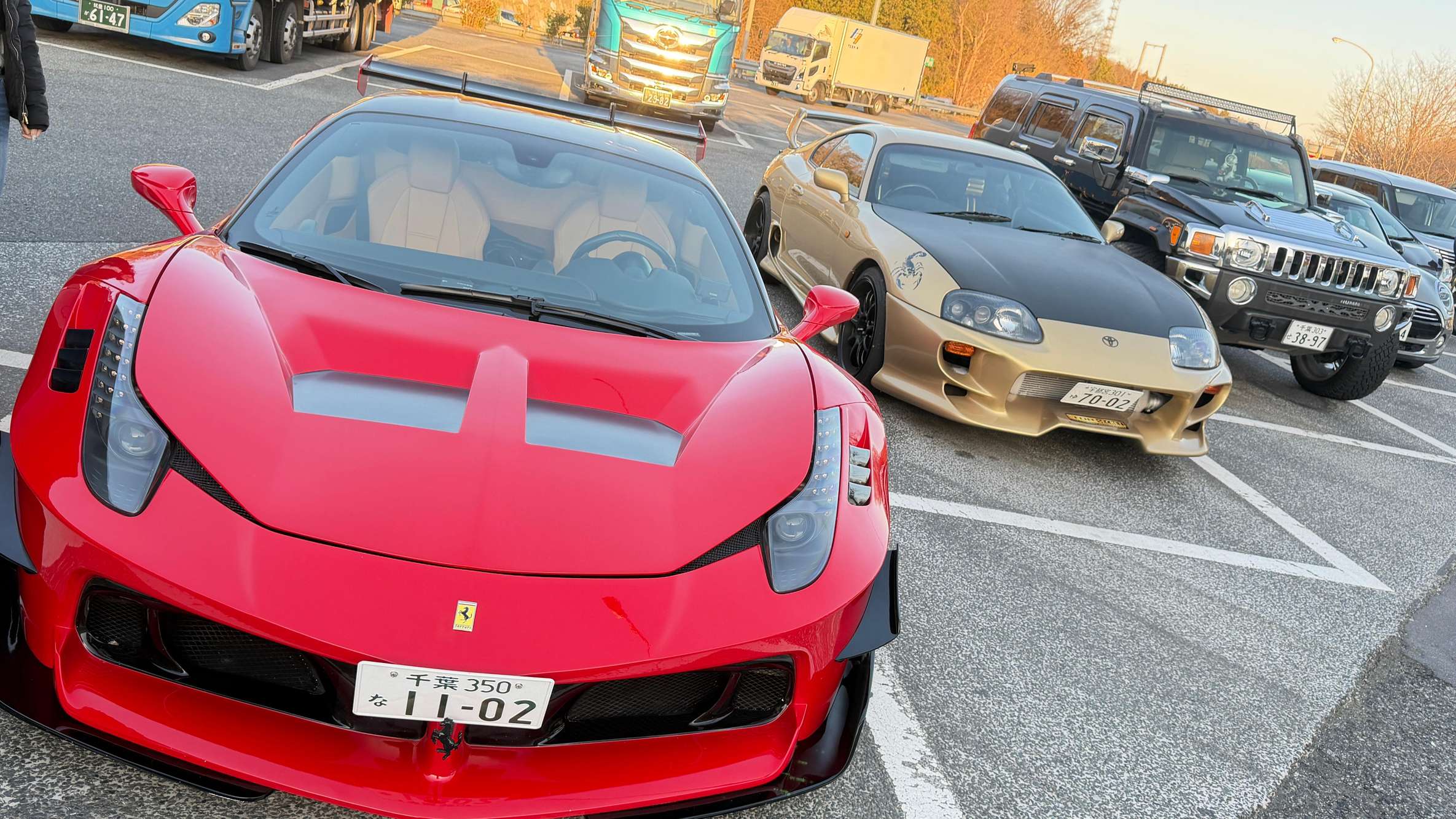
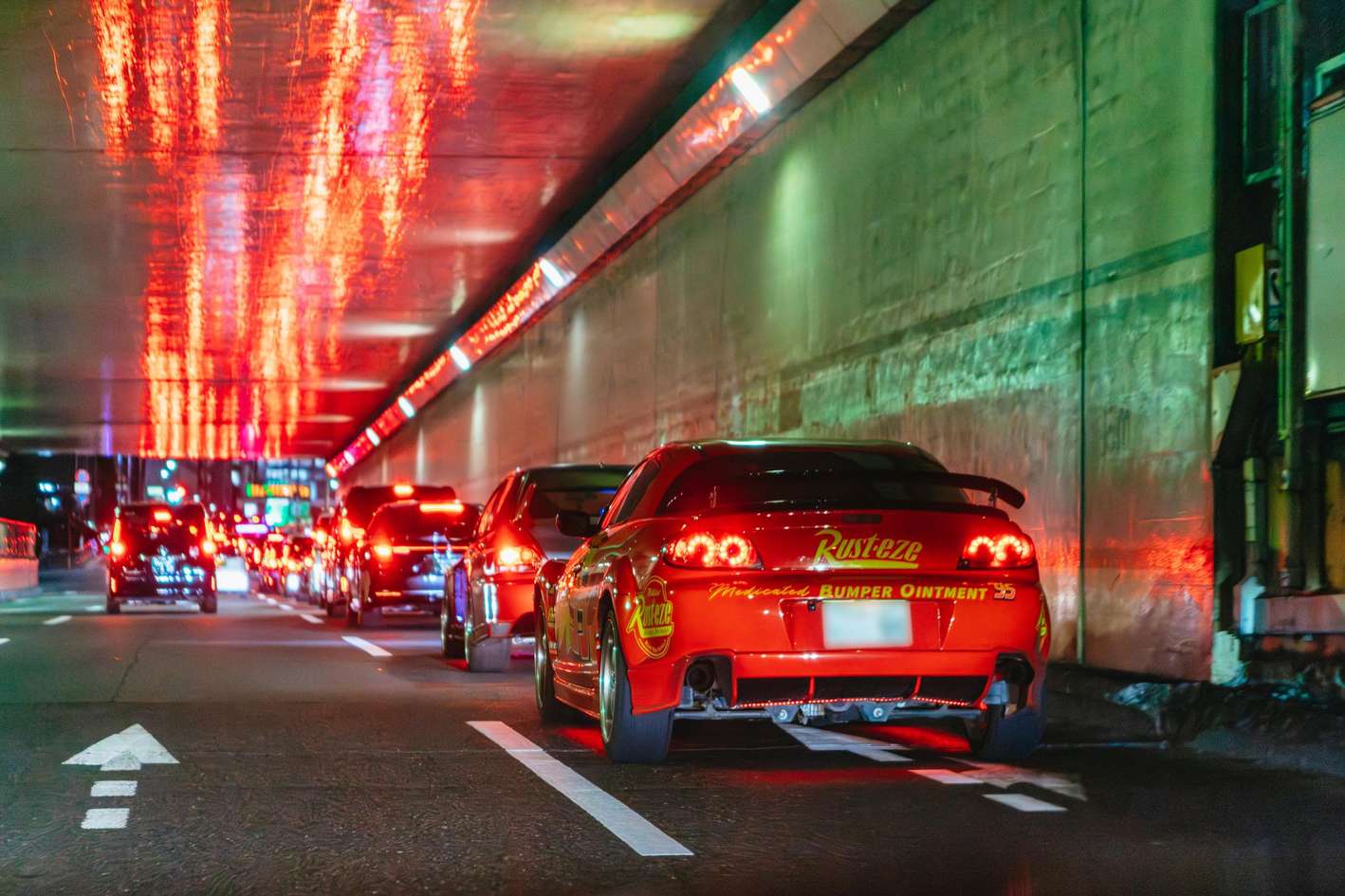
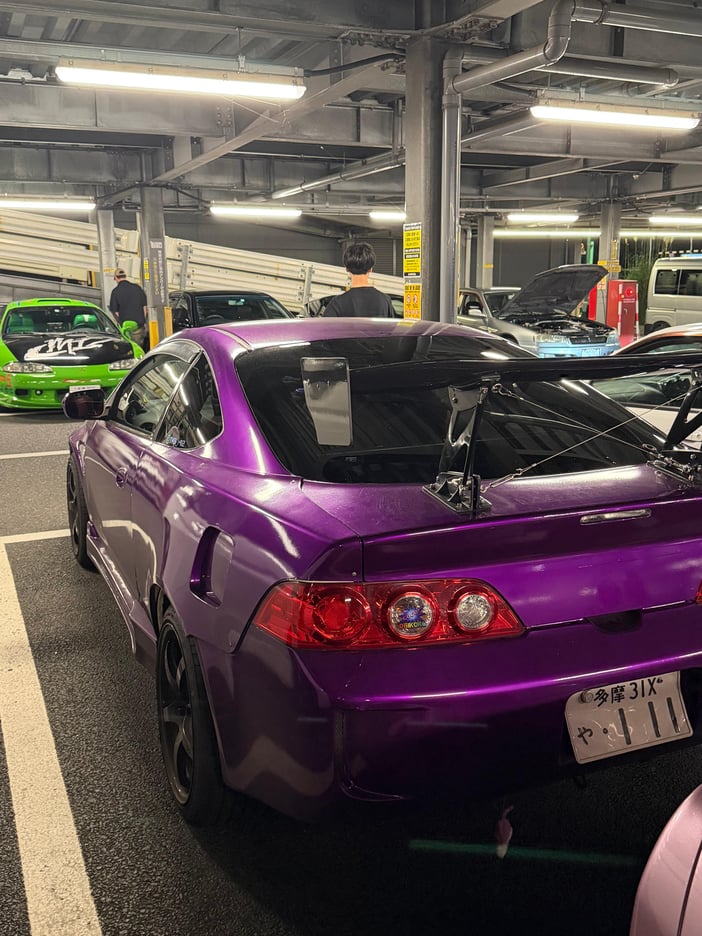
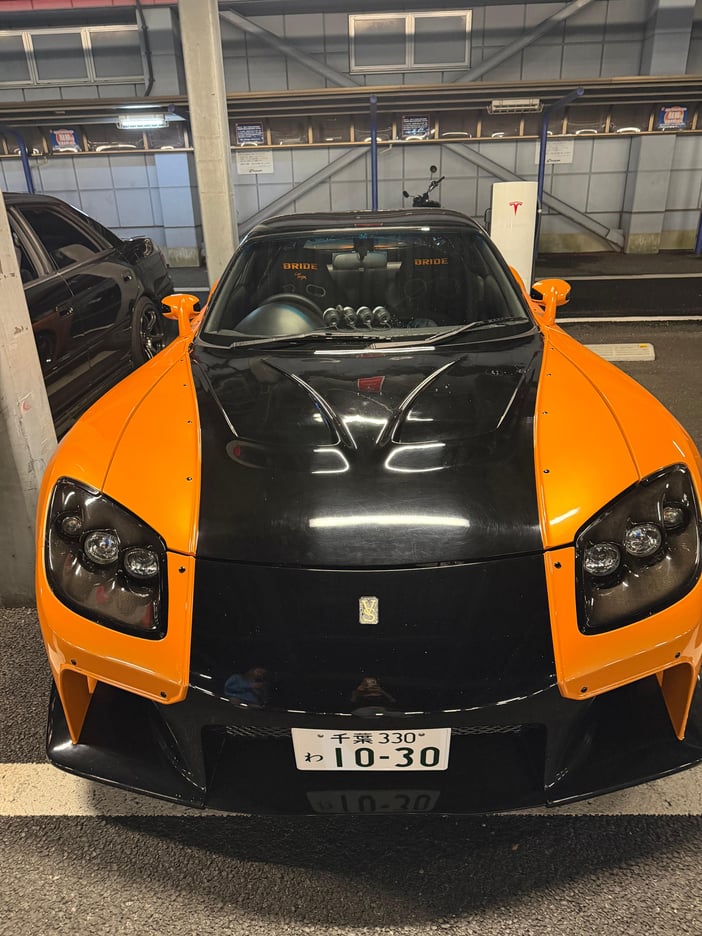
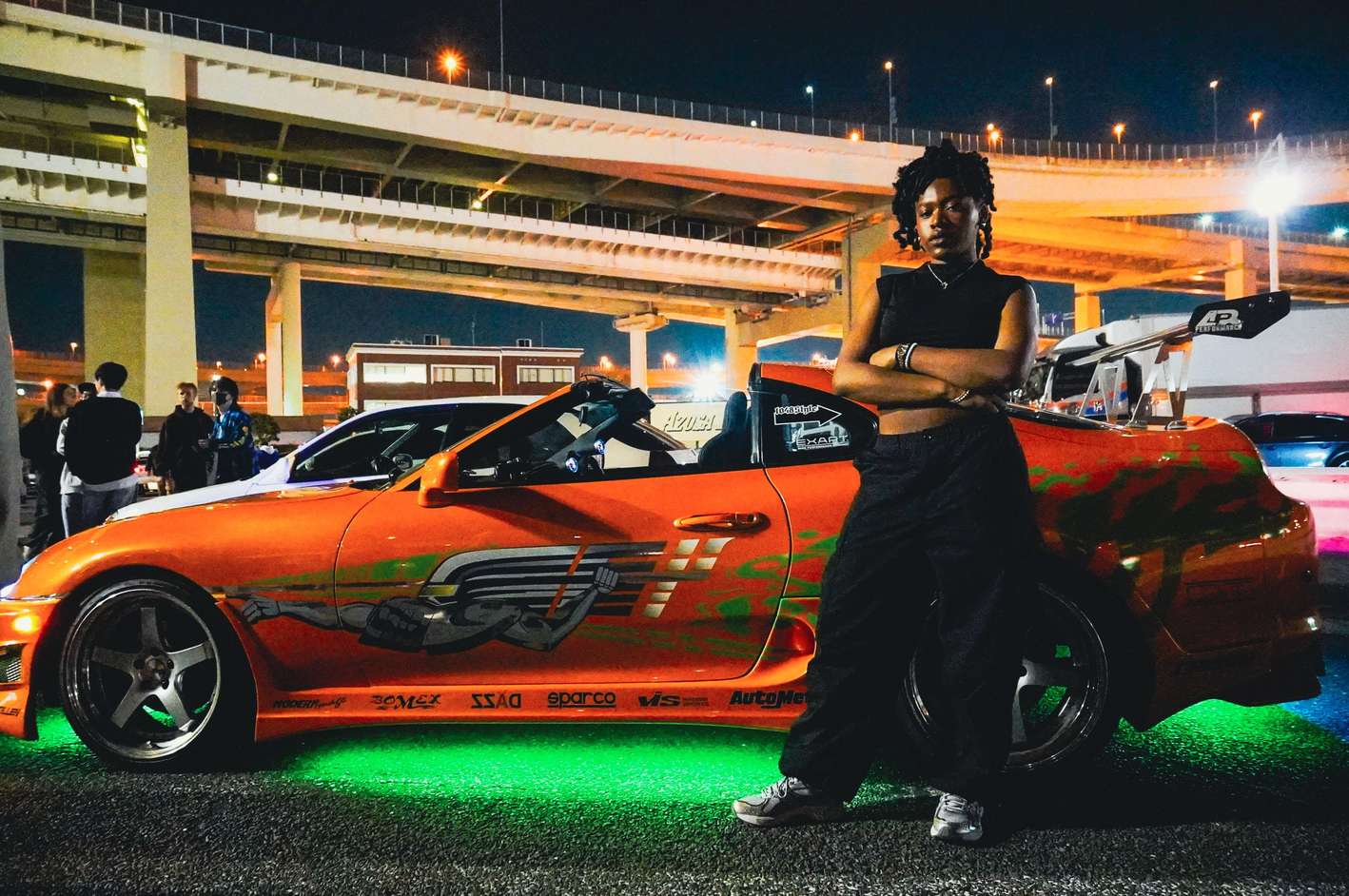
What the real deck gives you instead is close-ups: builds idling under concrete spiral ramps, and on some nights an orange VeilSide Mazda RX-7 straight out of the film.
There is no organizer and no schedule. The cars change every night, and no tour can promise which ones show. Three beliefs worth dropping before you book:
What people get wrong about the Daikoku meet
MythCars drift around the deck
Reality
The meet is parked display cars and idling engines only; driving stays legal on every tour.
MythThe meet runs on a published schedule with guaranteed cars
Reality
It is spontaneous, and the lineup changes nightly with no guarantees.
MythUnderground crews welcome tourists to watch street runs
Reality
They do not, and spectators at illegal street races can be penalized under local law.
Tours like the Fast and Furious Daikoku night run state plainly that no drifting or racing is part of the drive. The scene exists because it stays that way.
Tour for this
Tokyo: Fast & Furious Daikoku JDM Night Tour - EVO,WRX&More4.9★ (543) · 4 hours · Hotel pickup · Free cancellation
Which Tokyo Drift car do you ask for - R34, Supra or EVO?
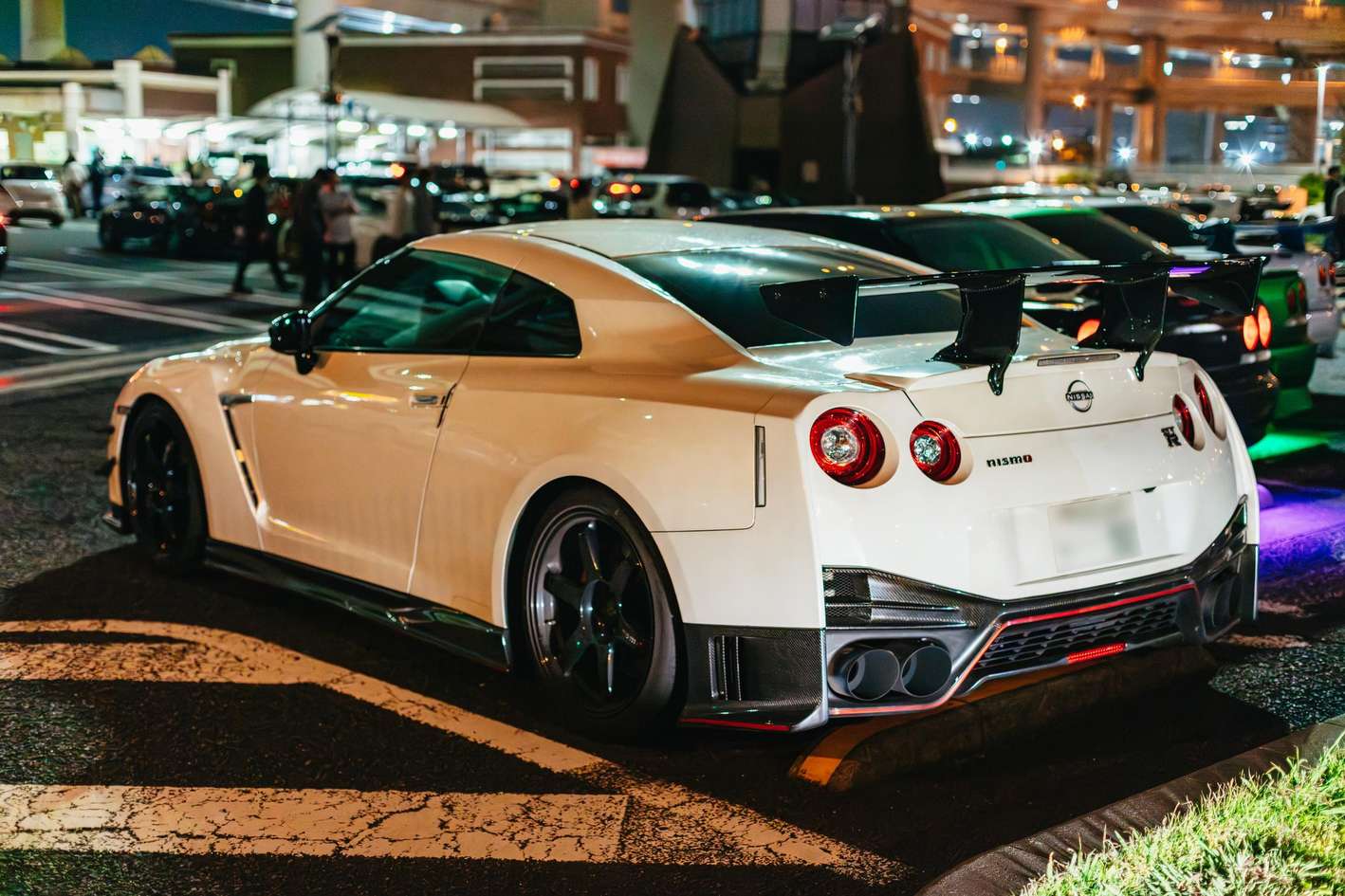
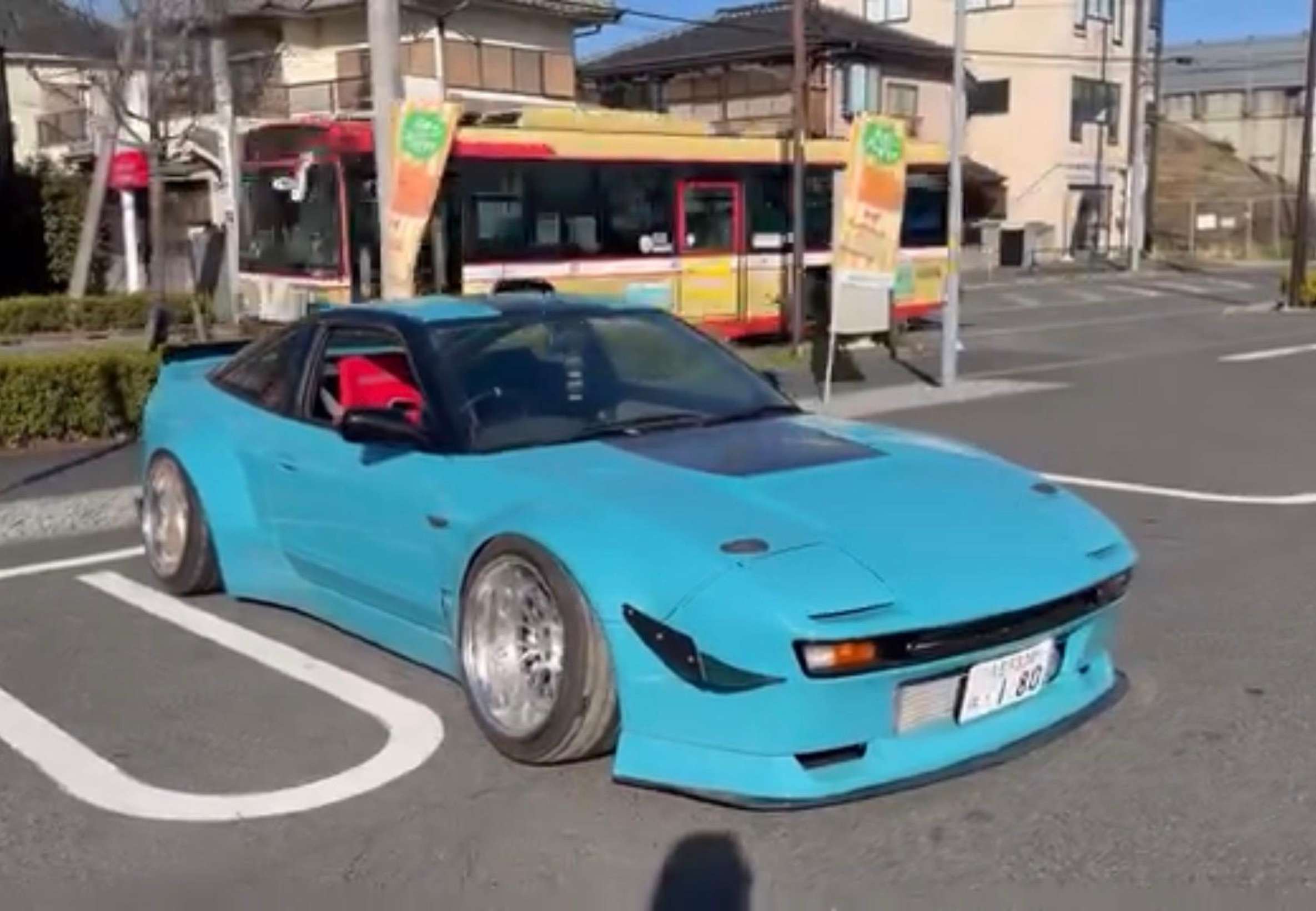
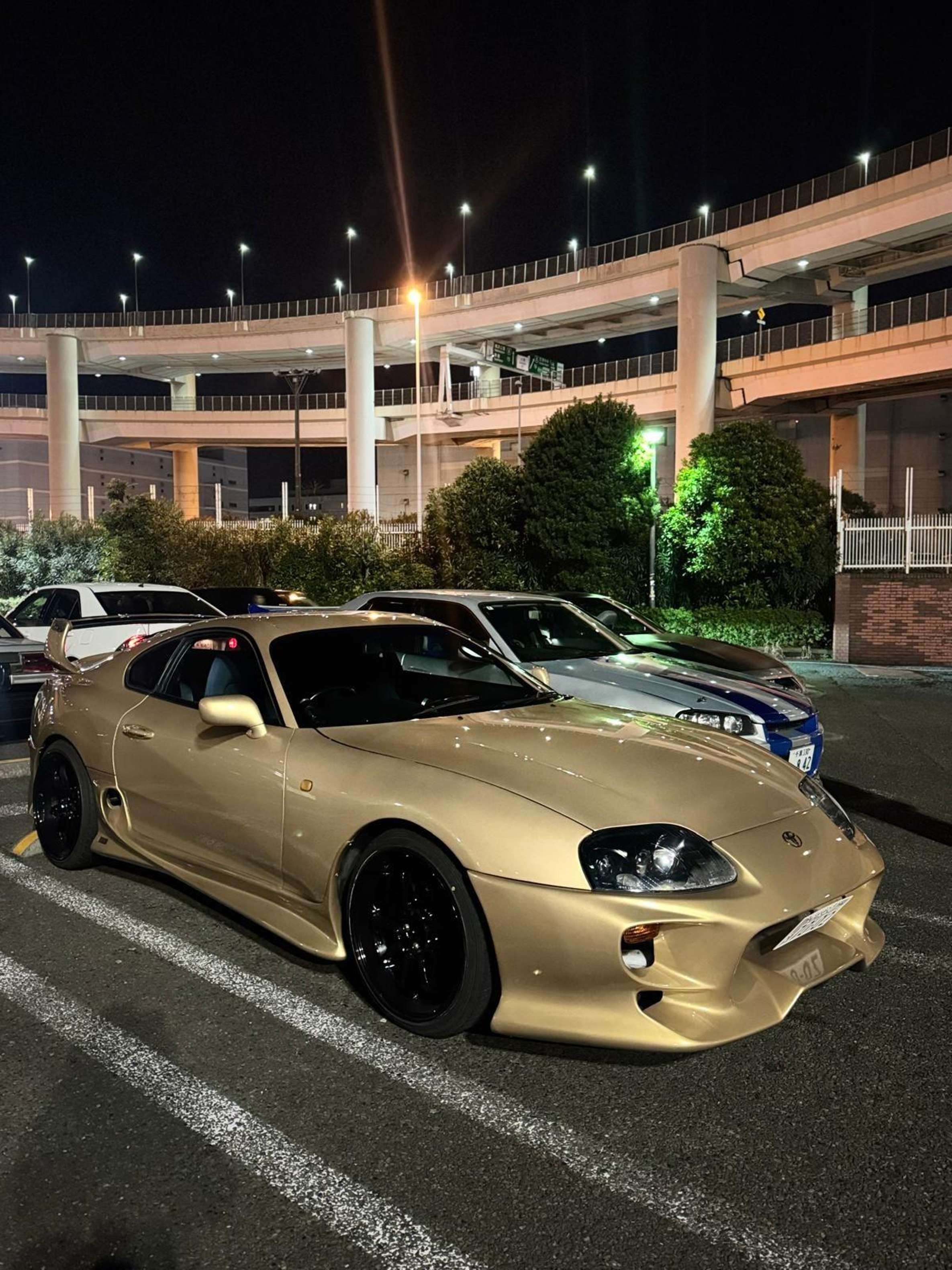
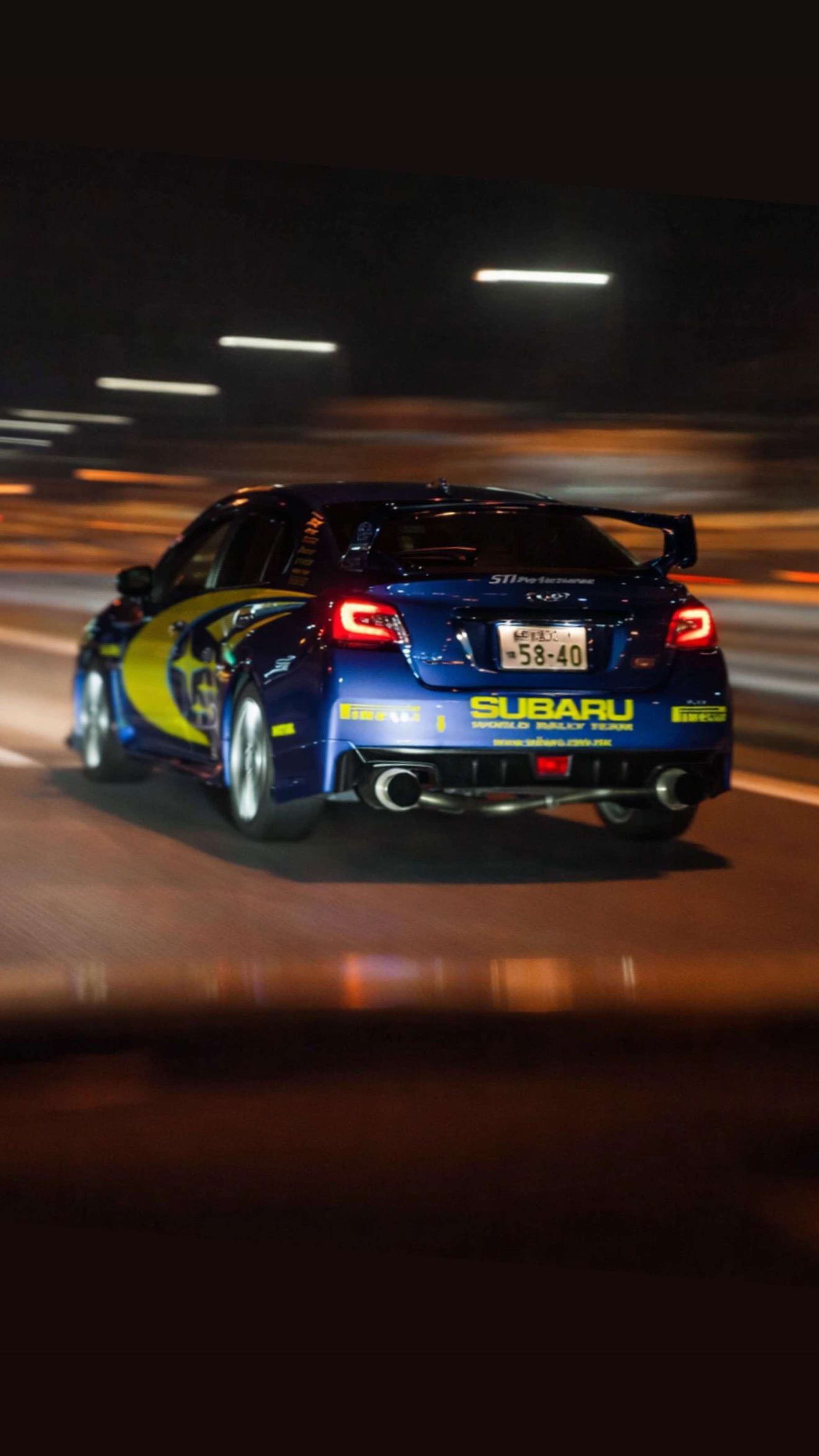
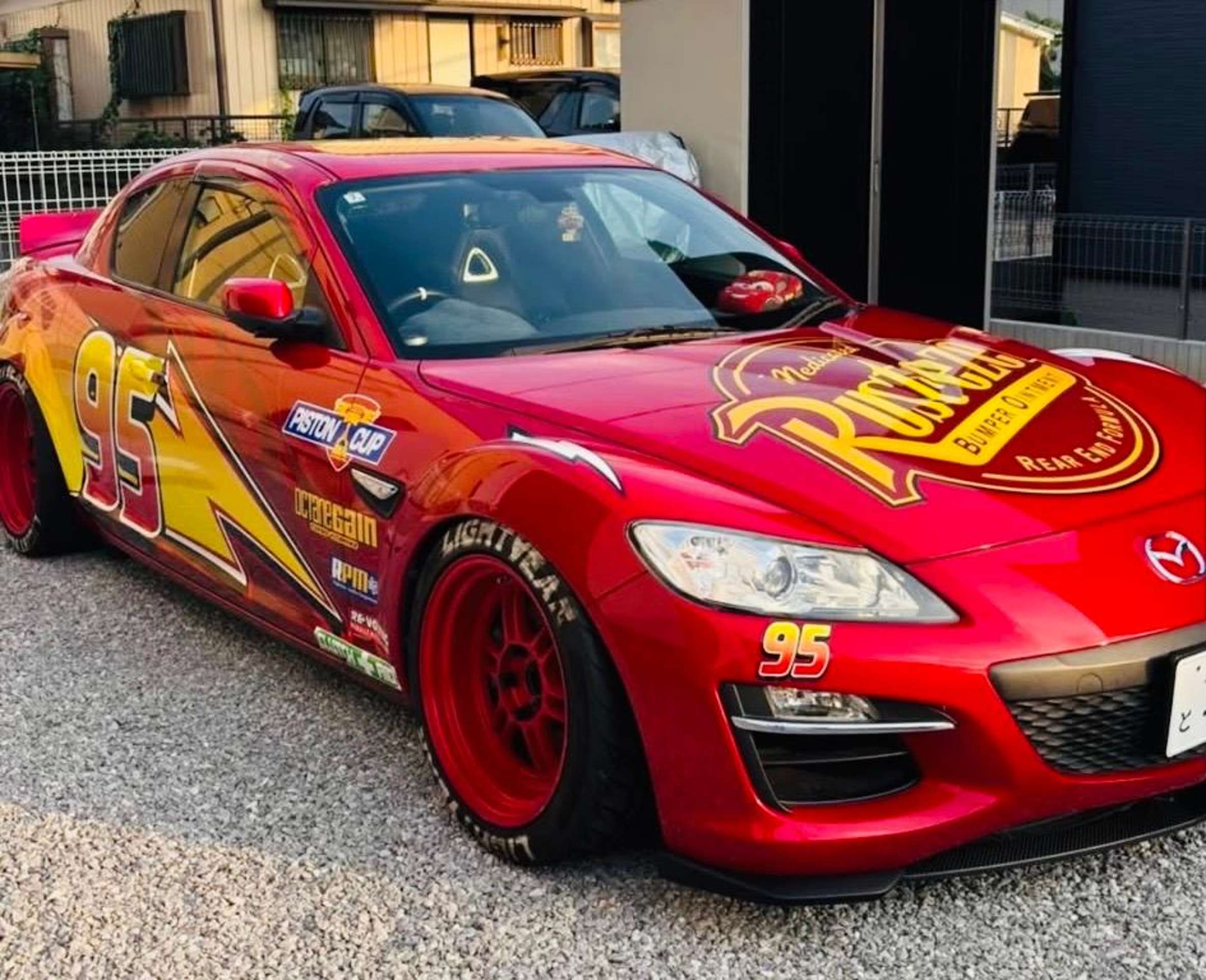
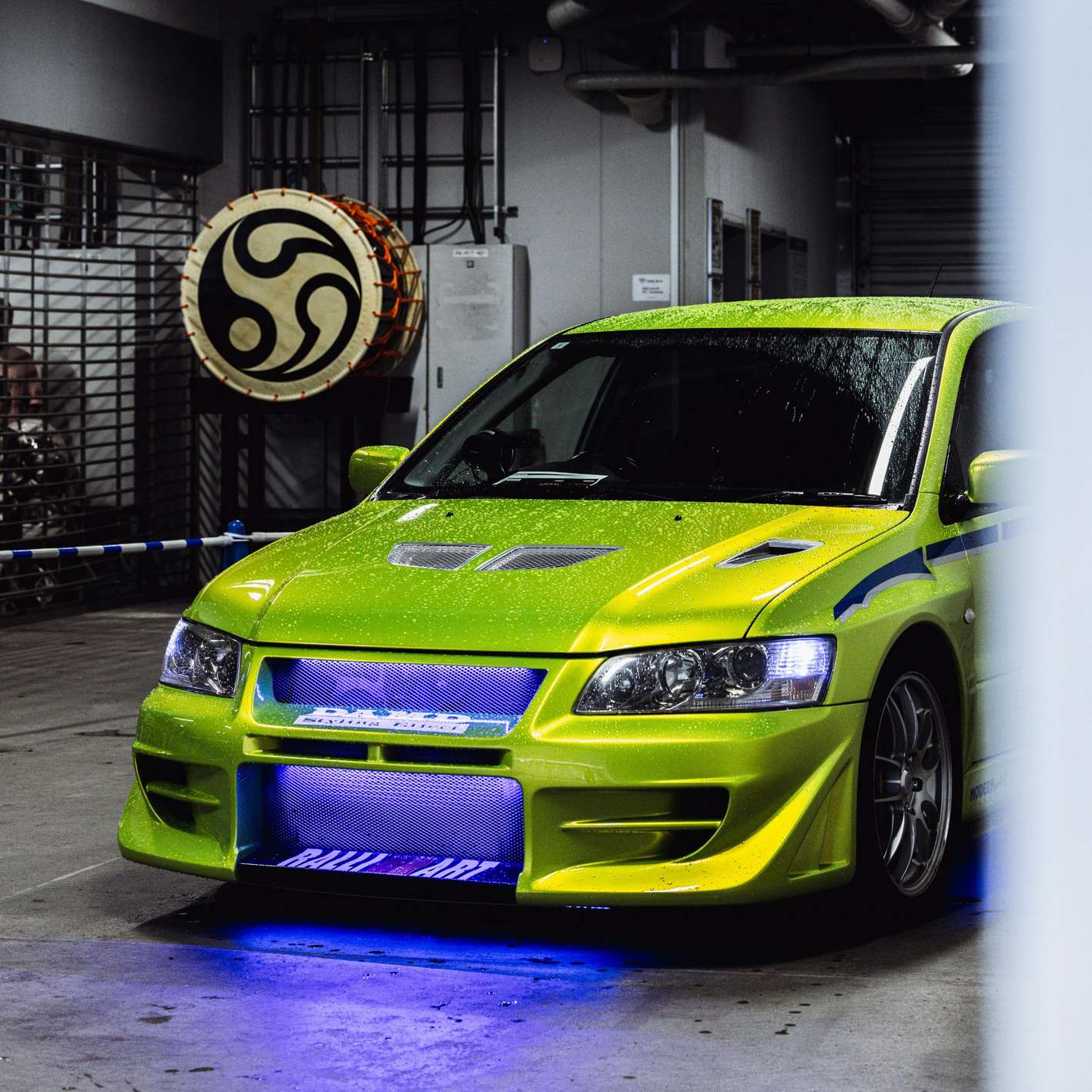
The fleets carry the legends: Skyline R34, Supra 80, Lancer Evolution, Silvia, Chaser, WRX, GR86, 370Z, plus convertibles and movie replicas. How you get one differs by tour. Some tours let you pick your model, others deal you whatever the night brings.
On one, the lineup is listed and you cannot choose, though you can say which you love. On another, a specific model request cannot be guaranteed at all.
The seat matters as much as the model. Rear seats in vintage coupes are famously tight: the GT-R is a 2+2 whose back legroom suits children, and an AE86's rear is reached through the front door. Shared rides rotate the coveted front seat among strangers.
So decide what you actually want. If a guaranteed model or the front seat is the point, book private. If you want to sample a car culture convoy and let the night deal your car, shared is cheaper and livelier.
The tour Tokyo: Daikoku JDM Ride, Request the R34, Supra or GT-R R35 runs three hours with a one-hour stop at the meet, and you request the platform before you arrive.
Tour for this
JDM Tokyo:The Fast and the Furious Tokyo Drift Experience4.9★ (205) · 3 hours · Free cancellation
Picking your Tokyo Drift night - Friday chaos or Tuesday calm
The deck has two personalities. Friday and Saturday evenings from 6 pm to 8:30 pm bring the biggest turnout of modified sports cars, and Saturday mixes JDM icons with supercars and wild custom builds. They also bring police, who frequently close the ramps between 7:30 pm and 9 pm when the crowd peaks.
Weeknights flip the trade. From Tuesday to Thursday, turnout drops to a few committed regulars, but you can walk up to builds, talk to owners, and the risk of a shutdown almost disappears. Sunday mornings from 8 am to 11:30 am belong to vintage classics and European exotics in daylight.
Modified sports car turnout by day
Sat: the busiest. Peak turnout from 6 pm, with frequent closures by 8:30 pm.
Bar height: how busy each day is, from very quiet to the busiestThe busiest: Sat
Tap a day to read it.
The numbers explain the departure times you will see. Weekend tours leave at 4:30 pm or 5 pm because cars start arriving that early and the lot is barely a fifth full, buying you one to two hours before any dispersal.
Weekday tours leave around 7:30 pm, past the highway rush and into the evening gathering. Operators skip late Saturday slots during Golden Week and Obon for the same reason: the year's biggest crowds trigger the earliest closures.
Tour for this
Fast and Furious : Tokyo Drift Experience & Daikoku Car Meet4.9★ (575) · Hotel pickup · Free cancellation
Why no train or taxi reaches this Tokyo Drift car meet
The first-timer disaster is simple: Daikoku has no station, no bus stop and no pedestrian gate. The parking area sits fenced inside the expressway network, and walking in or out is illegal and physically impossible. Pedestrians, bicycles and mopeds are barred from the whole Metropolitan Expressway.
Getting out is the trap. There is no taxi stand, ride-hailing drivers rarely accept a highway pickup, and the GO app cannot be used inside service areas.
During a police shutdown, apps cannot reach the deck at all. Visitors without prearranged transport wait by the on-site Lawson for cabs dropping other people off, or stay stranded.
A car is the only way, and the drive is short: about 46 minutes from Shibuya, 52 from Shinjuku without traffic. For a non-driver, a prearranged round trip is the sane route.
The Tokyo Drift: Daikoku PA Supreme Car Experience 大黒PA runs three hours with round-trip pickup from Tokyo and free time to walk the meet and talk to owners, Japanese translation available if you need it. Same-day bookings work on it, so a spontaneous night is still possible.
Tour for this
Tokyo Drift: Daikoku PA Supreme Car Experience 大黒PA4.7★ (484) · 3 hours · Free cancellation
The Akihabara street offer to refuse on a Tokyo Drift night
The car is usually a private vehicle, and private cars cannot legally carry paying passengers in Japan. Legally operated commercial vehicles wear green plates and carry proper passenger insurance.
No business license means no proper insurance, and no platform booking means no refund and no dispute process if the driver leaves you at a rest stop that has no way home.
Paying friends-and-family through a social media chat gives up every buyer protection the platform would hold for you. ::insider What nobody tells you Check the plates | Green license plates mean a commercially licensed, insured passenger vehicle; white plates mean the ride is illegal.
Book on a real platform | Established tours through major booking platforms give verified vehicles and dispute protection that a direct chat never does.
Stranding is the real cost | If an unlicensed driver drops you at Daikoku, taxis cannot legally pick you up there and walk-out is impossible. A legit guided night tour usually costs less per person than the street touts' cash rate.
Tour for this
Tokyo: Daikoku JDM Ride, Request the R34, Supra or GT-R R354.8★ (170) · 3 hours · Free cancellation
Shared convoy, private car or midnight Tokyo Drift run
Formats split three ways. Shared convoy tours run 2.5 to 5 hours, put you in a car with strangers, and rotate who gets the front seat. Private bookings keep the vehicle for your group. Midnight runs skip Tokyo Tower and the Autobacs stop entirely and chase pure highway time.
Driver language varies too. Some Japanese drivers speak basic English that covers the tour but lacks the words for long conversations, and commentary can differ noticeably between cars in one fleet. Good operators bridge the gap with translation devices and sheer enthusiasm, and guides explain the builds and the meet's etiquette as you go.
How to choose a Tokyo Drift night tour
Check
Why it matters
Our pick
Group size
Fewer guests means the front seat and the conversation stay yours.
The lead convoy tour runs full multi-car fleets with a Japanese guide per car.
Car choice
A guaranteed model is the difference between a wish and a booking.
You choose from Supra 80, Skyline R34, Lancer Evolution or a convertible.
Pickup
Hotel collection removes the midnight train problem entirely.
The convoy tour includes an English-speaking local guide and a full night city route.
Duration
Three to four hours is standard; about one hour of it parked at the meet.
The lead convoy tour runs roughly three hours door to door.
The tour JDM Tokyo:The Fast and the Furious Tokyo Drift Experience covers the checklist: a full convoy from Japan's largest JDM night fleet, Supra 80 and R34 in the lineup, and photo stops at Daikoku PA, Tokyo Tower and Shibuya.
Tour for this
Fast and the Furious III/Tokyo Tower/Daikoku PA/JDM Car Meet4.8★ (346) · 3 - 4 hours · Free cancellation
The Tokyo Drift route - C1, Rainbow Bridge and the Wangan
The drive is half the night, and it has a shape. Tours thread the C1 Inner Circular Loop, about 25 minutes a lap, then cross Tokyo Bay on the 798-meter Rainbow Bridge, five minutes of open water and cable steel.
Southbound comes the Wangan, the Bayshore Route the old Mid Night Club made famous, roughly 30 minutes at cruising speed.
The last stretch is the payoff: two to three minutes over the 860-meter Yokohama Bay Bridge, then the sweep down the circular ramp onto Daikoku Futo itself. The spiral ramps wrapped around the parking deck were engineered with compound curves, and they give every photo the meet's unmistakable backdrop.
Budget the whole evening in hours, not minutes: three to four hours door to door for most tours, about one hour of that parked among the cars at Daikoku. Entry to the deck costs nothing. What your booking covers is the tolls, fuel and parking, and there is no admission ticket.
Tour for this
Tokyo: Fast and the Furious Tokyo Drift III JDM Car Tour4.8★ (880) · 3 hours - 1 day · Free cancellation
What to wear and bring for a Tokyo Drift night tour
The meet is an open-air coastal deck in Yokohama Bay, and the wind decides your wardrobe. Winter nights drop to 1 to 4 degrees with ocean wind, so a heavy coat, thermal layers and gloves earn their place.
Spring and autumn sit between 6 and 15 degrees, which a windbreaker handles. Summer stays warm and humid; light clothes and flat walking shoes cover it, and the shoes matter year-round.
Coupe physics are less negotiable than weather. One tour caps passengers at 200 cm tall or 100 kg, and others ask anyone over 1.90 m or 90 kg to confirm seating first. Wheelchair users cannot join most of these rides, because passengers must get into the low bucket seats unaided.
Children face the law: everyone wears a seatbelt, and kids under six need a child seat, which not every coupe accepts. Bring:
The limits that can stop your visit
One tour refuses passengers over 200 cm or 100 kg, and most rides cannot take wheelchair users; an operator may deny boarding if a passenger cannot be seated safely Measure yourself against the limits, message the operator about children or tall passengers before booking, and pick a van-based option instead if a coupe will not seat you.
Carry your passport or ID; every tour here asks for it at boarding. Dress for the deck, because the ocean wind reaches you long before the cabin heat does.
Tour for this
Daikoku: Tokyo drift car meet with Supra/R34/Silvia/R35/Evo4.9★ (158) · 2.5 - 3 hours · Free cancellation
Rain, typhoons and police - when a Tokyo Drift night changes
Rain almost never kills the night. The lot stays open, tours run, guides hand out umbrellas, and turnout thins because the polished exotics stay home. Committed regulars and Japanese tuner cars still arrive, so people who go often say wet nights still deliver.
The real risks come with weather warnings and crowds. Typhoon winds can close the Yokohama Bay Bridge and the Aqua-Line entirely, and heavy snow forecasts trigger full closures with evictions.
Those spikes cluster from May to October, when Tokyo sees 12 to 15 wet days a month, while April and May draw the year's biggest bookings anyway on mild evenings.
Police closures are the other wildcard. Noise and overcrowding bring loudspeaker dispersals, mostly on weekend nights. Every operator has a plan B: Umihotaru PA across the bay, Tatsumi PA, A-PIT Autobacs or a night viewpoint, and some offer a full refund if Daikoku stays closed.
Plan around that: pick the shoulder months for mild air and decent turnout, keep Friday for spectacle and a weeknight for dependability, and treat any shutdown as a reroute to another deck where the cars went instead.
Tour for this
Tokyo: Fast & Furious Tokyo Drift III Experience4.8★ (6,369) · 3 - 4 hours · Free cancellation
Manners at the Tokyo Drift meet - the unwritten rules
The owners own their cars, and the rules follow from that. Never sit on a hood, lean on paint or step on a car for a photo, and keep watches and metal away from the bodywork.
Ask before touching anything. Photograph other guests and their vehicles respectfully, the way you would want your own car treated.
Noise rules protect the whole scene. Excessive revving, peeling out and burnouts inside Daikoku PA are exactly what draw police and shut the gates for everyone. On the road, the tours drive legally and the expressway is tightly policed; there is nothing to prove.
Two practical points. Stay clear of the entrance ramp, where spectators stand beside full-speed expressway traffic. And mind your ears: sound vans at the meet have measured up to 150 decibels, loud enough to hurt. Foam earplugs fit in a pocket and earn their space on sound-battle nights.
Language is the easy part. The meet is famously welcoming to foreign visitors, owners chat through Google Translate, and guides explain the builds as you walk. Good manners are the only ticket you need.
Around the Tokyo Drift meet - filling your car-culture day
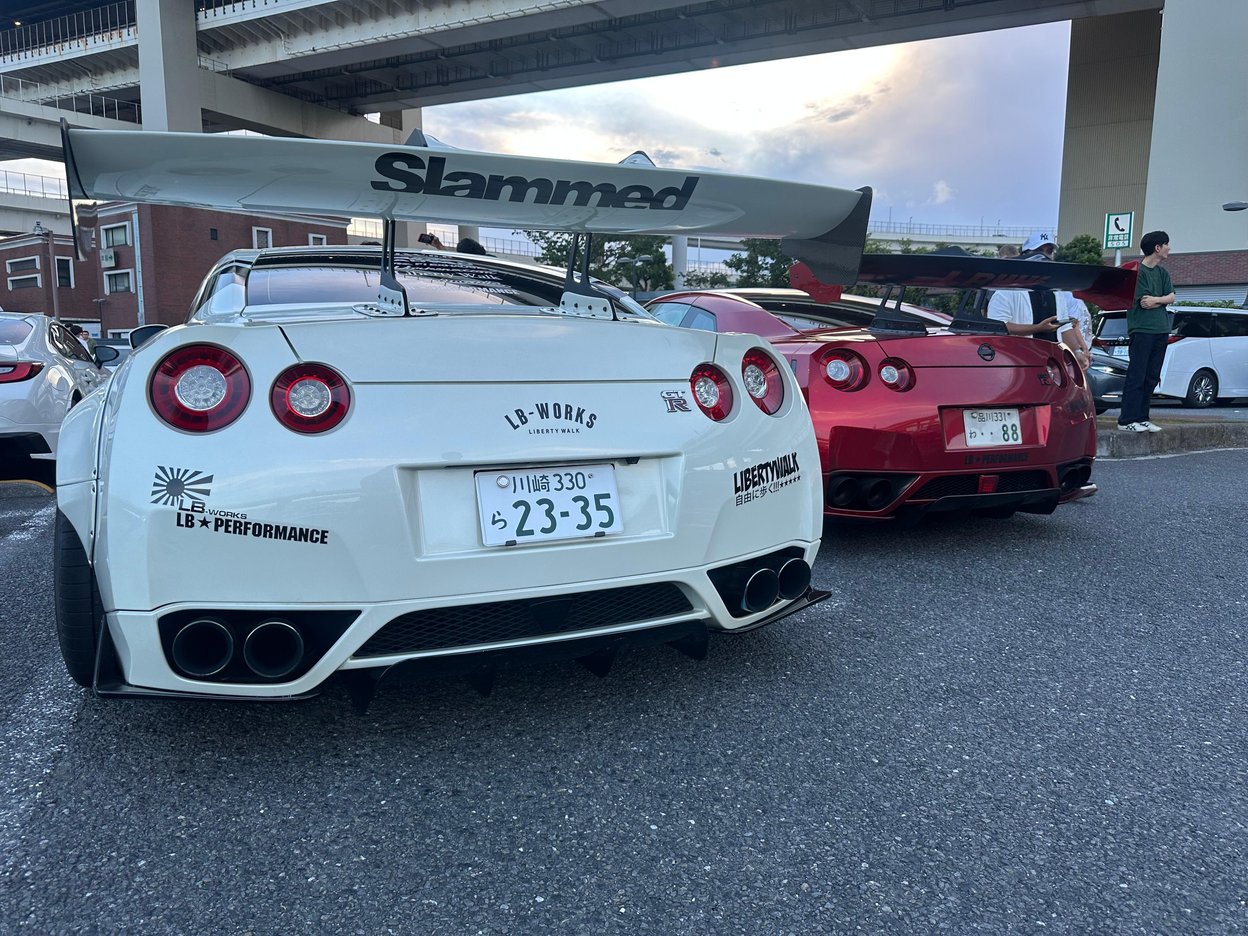
The meet anchors the night; the day can hold a full pilgrimage. A-PIT Super Autobacs in Shinonome doubles as a shop and a staging ground, with customer sports cars parked outside and tuner fairs on weekend mornings. Tours on this page stop there or at Liberty Walk Tokyo, the tuning house behind the widebody kits.
In Yokohama, the Nissan Global Headquarters Gallery and the historic Nissan Engine Museum sit near the NISMO Omori Factory showroom, which opens Saturday and Sunday only, 10 am to 5 pm. Collector showrooms like Garage Current and Bingo Sports fill a Tokyo afternoon.
Weather backup exists too. Akihabara UDX is an underground garage you walk into for free, two minutes from the station, with its densest modified-car turnout on basement level B2F on Friday and Saturday nights from 7 pm to midnight.
Umihotaru's meets peak near 10 pm on weekends and run well past midnight, later than Daikoku ever survives.
Tokyo car meets run on no official calendar, so leave slack in the plan and follow the community accounts. The night's convoy covers the rest.
A Tokyo Drift car meet night delivers exactly what the film promised, minus the drifting: icons under the spiral ramps, a legal convoy run down the Wangan, and an hour among parked builds that change every night.
Book a passenger ride with a guaranteed car, depart by 5 pm on weekends, and dress for a windy deck. That is the whole formula.
Go ifYou want the movie's cars and routes without a driving permitYou can depart central Tokyo by 5 pm on a weekend, or tour midweek for calmYou want a night sightseeing run and a car meet in one booking
Skip ifYou expect live drifting on public roads; nobody drifts at the real meetYou want a scheduled car show with a guaranteed car list; the meet is spontaneousYou need a ride you can enter from a wheelchair or carry big luggage into
Our pick to book
Tokyo: Fast & Furious Tokyo Drift III Experience4.8★ (6,369) · 3 - 4 hours · Free cancellation
The questions people ask before booking a Tokyo Drift car meet tour, answered straight.
Yokohama2026
Movie-tribute builds roll in under those giant spiral ramps, sometimes even the orange VeilSide RX-7. Pick a weekend date early and book ahead.
Do I need an International Driving Permit for a Tokyo Drift car meet tour?
No. You ride as a passenger with a professional driver at the wheel, so no permit and no license are needed. Your job is to sit back, take photos and enjoy the expressway run to Daikoku PA.
Do people actually drift at Daikoku PA like in the movie?
The movie set its car meet scene at Daikoku, but the drifting scenes were filmed in a Los Angeles car park because Japan would not permit stunt driving. On a real tour, nobody drifts. It is illegal, and one burnout can get police to shut the whole parking area down.
Can I choose which JDM car I ride in?
It depends on the tour. Some let you pick from a lineup, say the Supra 80, Skyline R34 or Lancer Evolution, based on availability. Others assign a car for the night, though you can say which model you like most and they will try. Specific requests are rarely guaranteed.
How do I get to Daikoku PA without a car?
You cannot. No train or bus reaches it, fences seal it off from the streets, and walking in is illegal. Taxis cannot be hailed there and will not wait, so a prebooked passenger tour is the practical way in and out.
What happens if police close Daikoku PA on the night of my tour?
Guides keep the evening going. Regulars say operators smoothly reroute to Umihotaru PA across the bay, Tatsumi PA, or the A-PIT Autobacs store in Shinonome, depending on where the cars have gathered. Some operators offer a refund if Daikoku stays closed all night.
Which nights have the most cars at Daikoku PA?
Friday and Saturday evenings between 6 pm and 8:30 pm draw the biggest crowds, though police sometimes shut the gates between 7:30 pm and 9 pm when it gets too full. Weeknights bring smaller turnouts and almost no closures. Sunday mornings run on classics and supercars.
Is it worth booking if I only ride as a passenger?
Yes. You get the convoy feel on the highway, tuned engine noise, and photo stops at Tokyo Tower and Rainbow Bridge. You do not need to be a car enthusiast to enjoy the night, and many guests treat it as night sightseeing with car culture on the side.
What if it rains the night of my Tokyo Drift car meet tour?
Rain does not close Daikoku PA and tours run as scheduled. Fewer polished show cars turn up, but dedicated regulars and Japanese tuner builds still arrive. Severe storms and typhoons are the exception: operators reschedule or refund when expressway bridges close.
Can I grab an Uber or taxi from Daikoku PA back to Tokyo?
Plan on no. Ride-hailing apps rarely accept pickups from highway rest areas, and the GO app cannot be used inside them at all. Some visitors score a cab by the Lawson store using it as a pickup pin, but a round-trip tour with drop-off is the reliable option.
Will I get back before the Tokyo trains stop running?
Standard evening tours wrap up between 10 pm and 11:30 pm, in time for the last Metro and JR trains. Midnight runs return between 12:30 am and 2:30 am, when trains have stopped, so those come with hotel drop-off instead.
Are the back seats of a Skyline or GT-R comfortable for adults?
They are tight. Vintage Skylines and the GT-R are 2+2s with cramped rear legroom, and the GT86's back seats are nearly unusable for anyone past junior school age. If you are tall or traveling with adults, ask for the front seat when you book.
Ride a Brian O'Conner R34 Skyline to the Daikoku Drift car meet - your Tokyo Drift experience
Pass over Rainbow Bridge and pull into the Daikoku PA meet in a real JDM Skyline, with central Tokyo drop-off and free cancellation up to 24 hours before the tour.
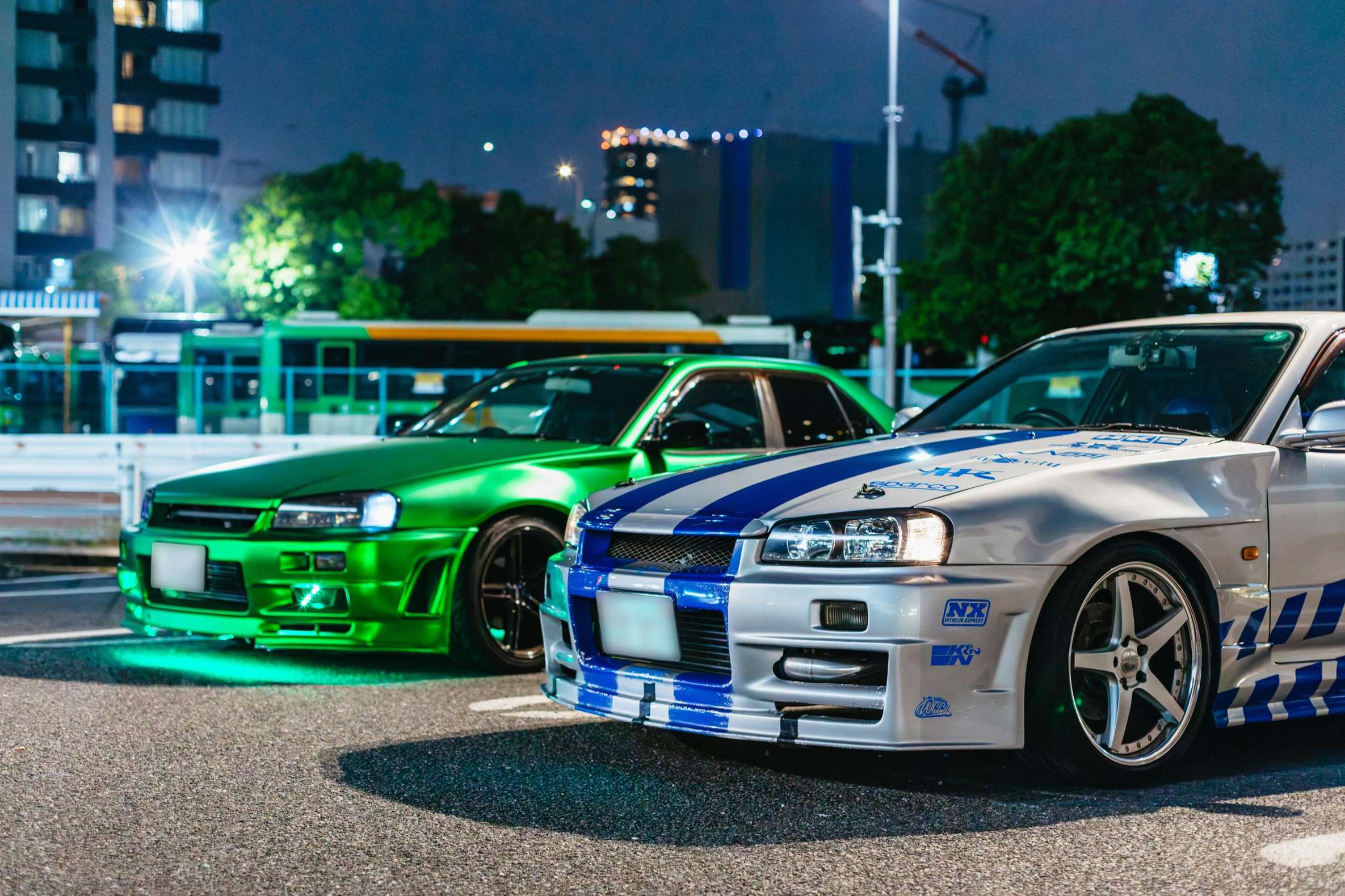
 Your best match