
3.5 hours·English, Japanese
4.9(977)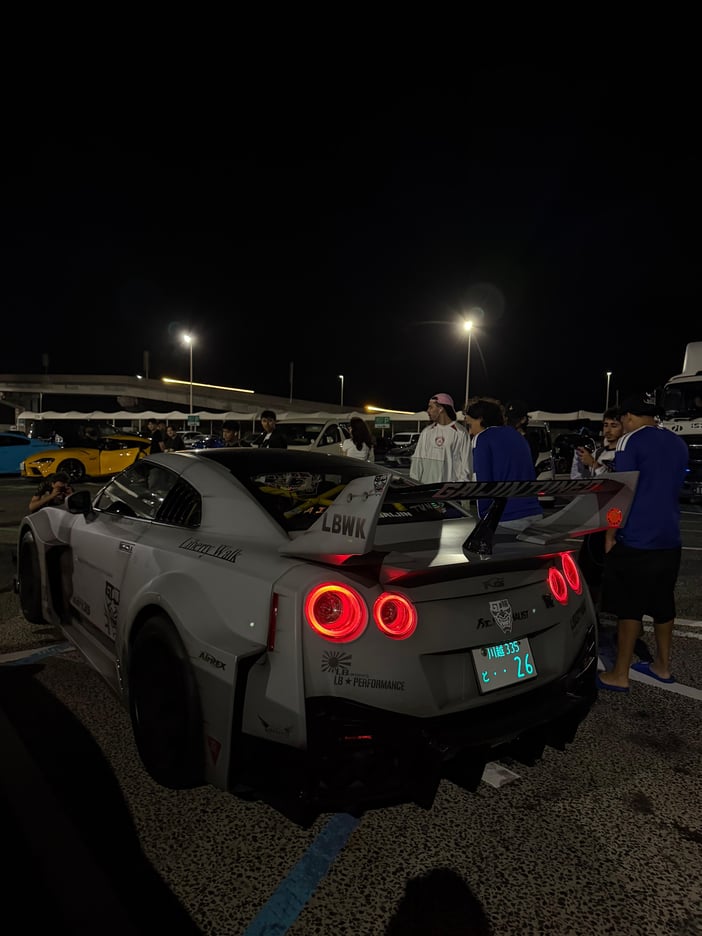
Daikoku:Experience Tokyo's Car Culture in Iconic JDM Cars
Free cancellationHotel pickup includedSnap unlimited photos with our cars

Plan your night at Japan's biggest car meet and arrive before the ramps close. Local drivers who know Daikoku's rhythm handle the timing, the expressways and the backup spots, so you walk into a packed lot, not an empty one.
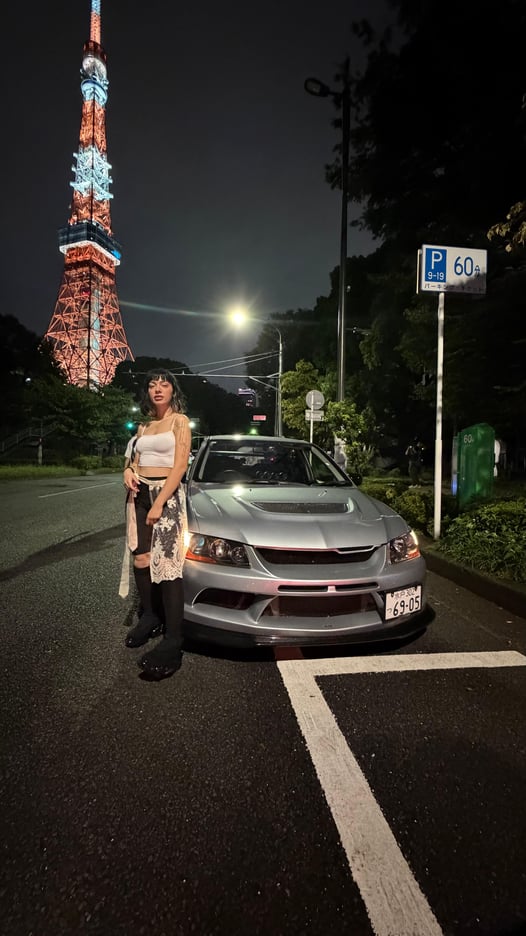
"Amazing experience! Real pros driving, actual adrenaline in their cars. Crazy runs through the tunnels. Drove the famous road from Tokyo Drift too. Great hosts, perfect English, made us feel welcome. Thanks!!!"
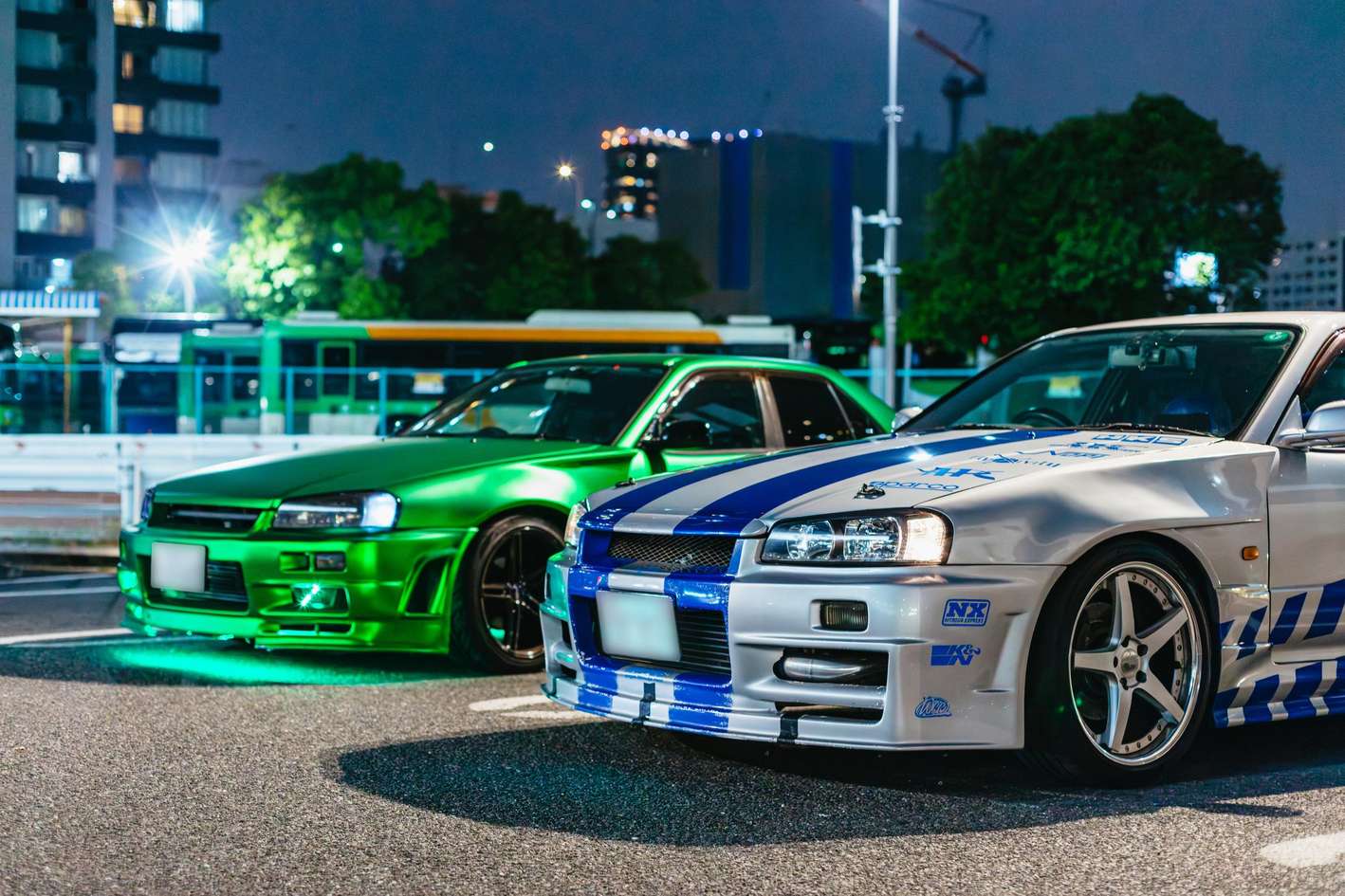
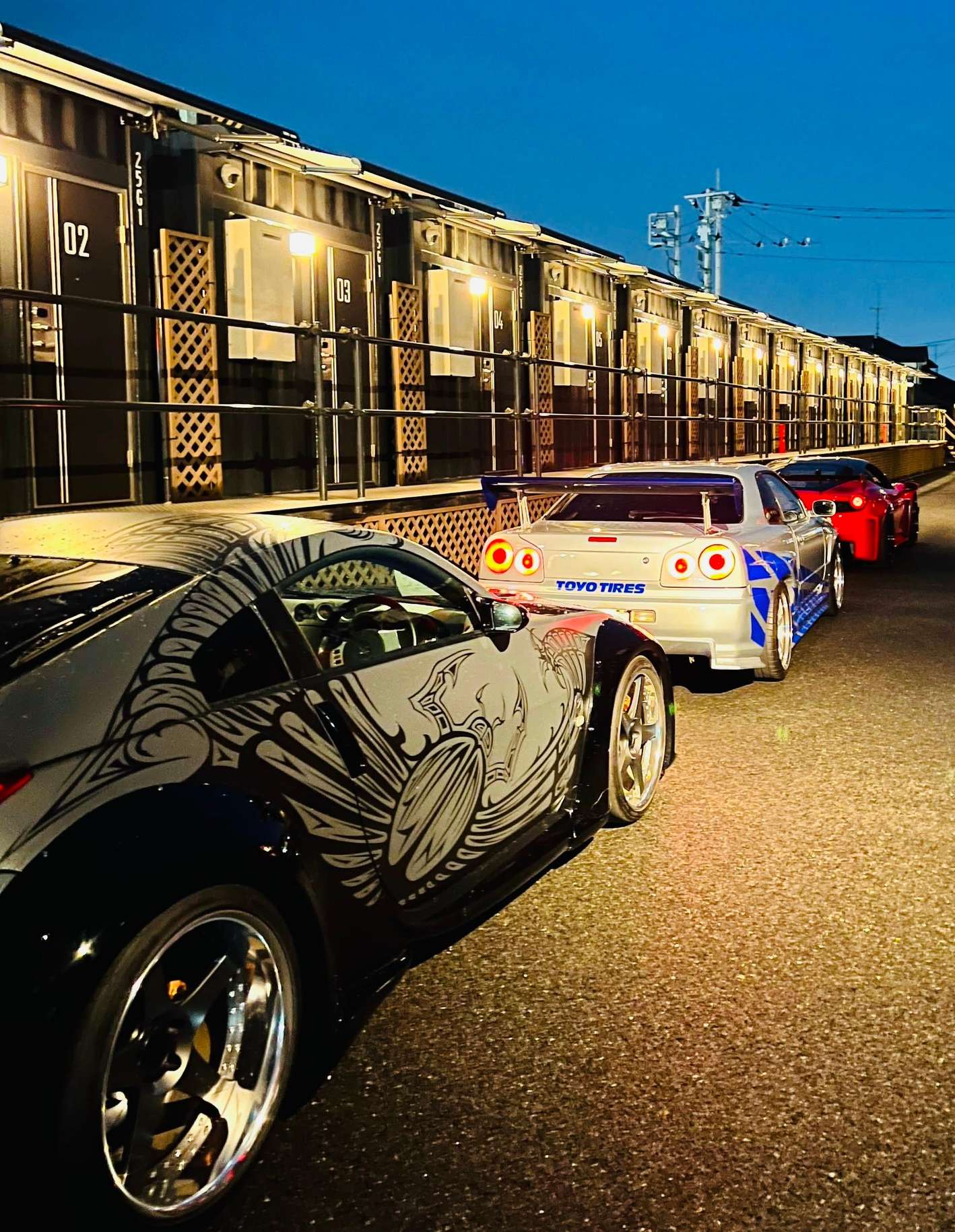
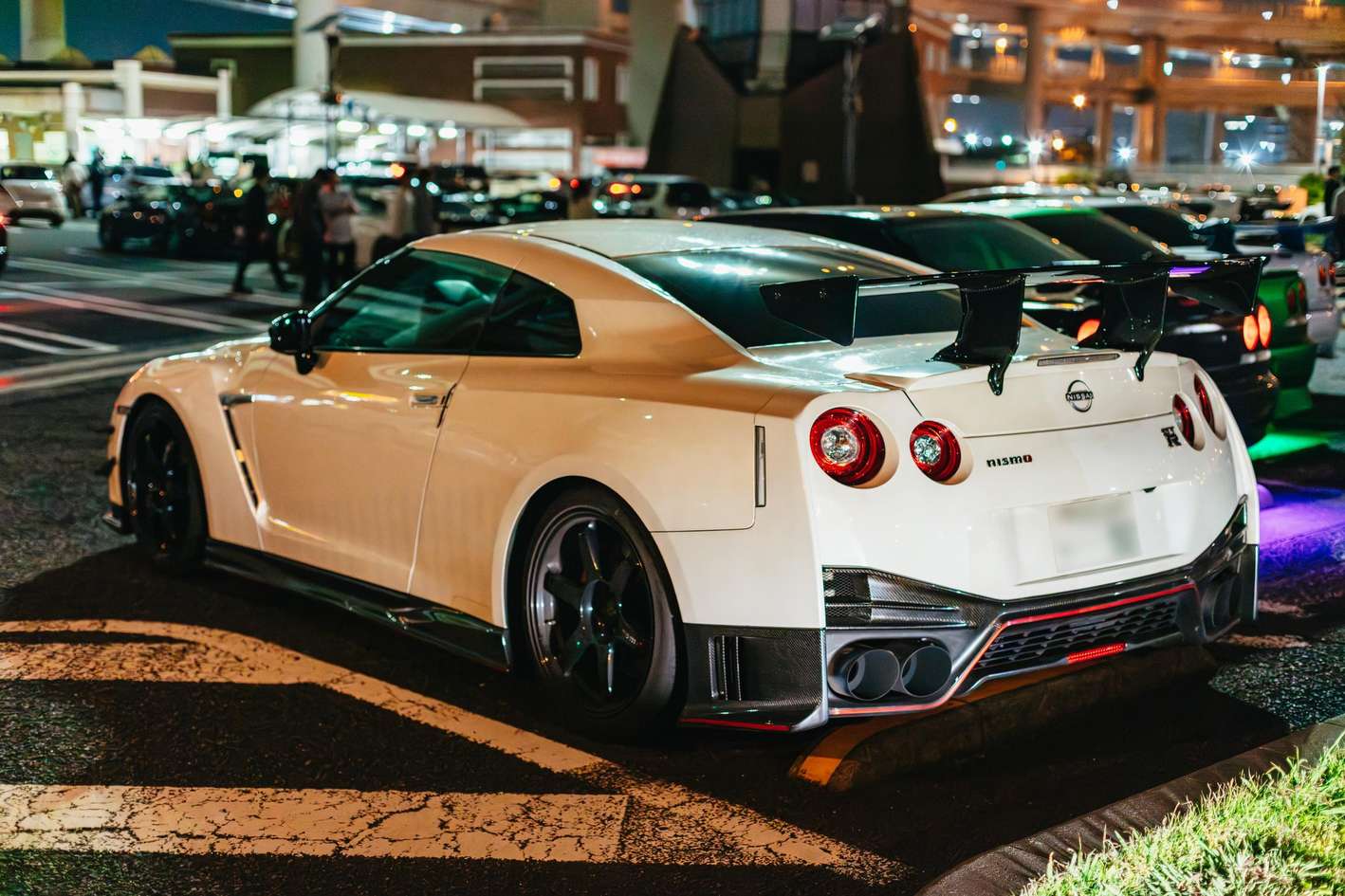
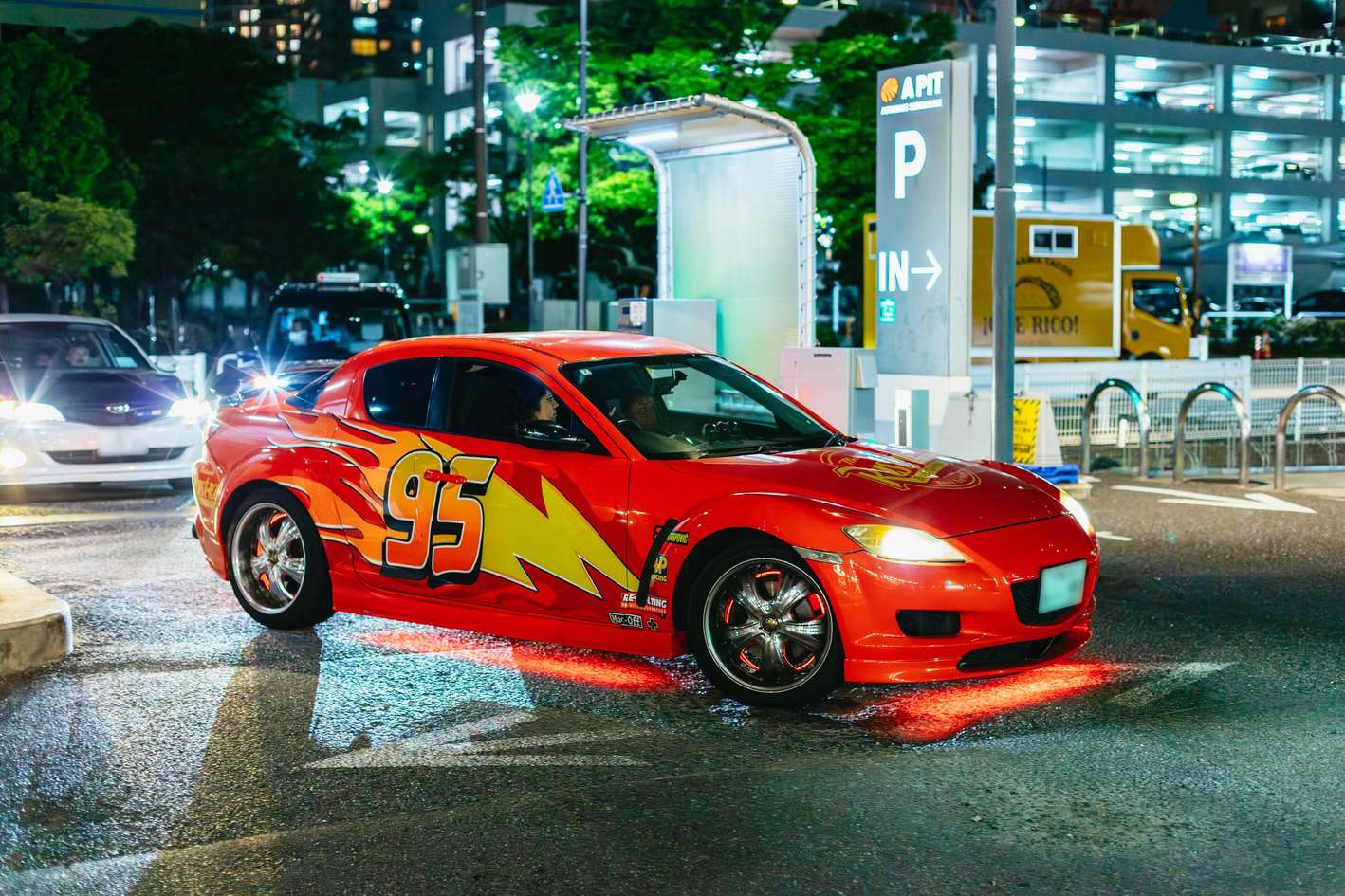
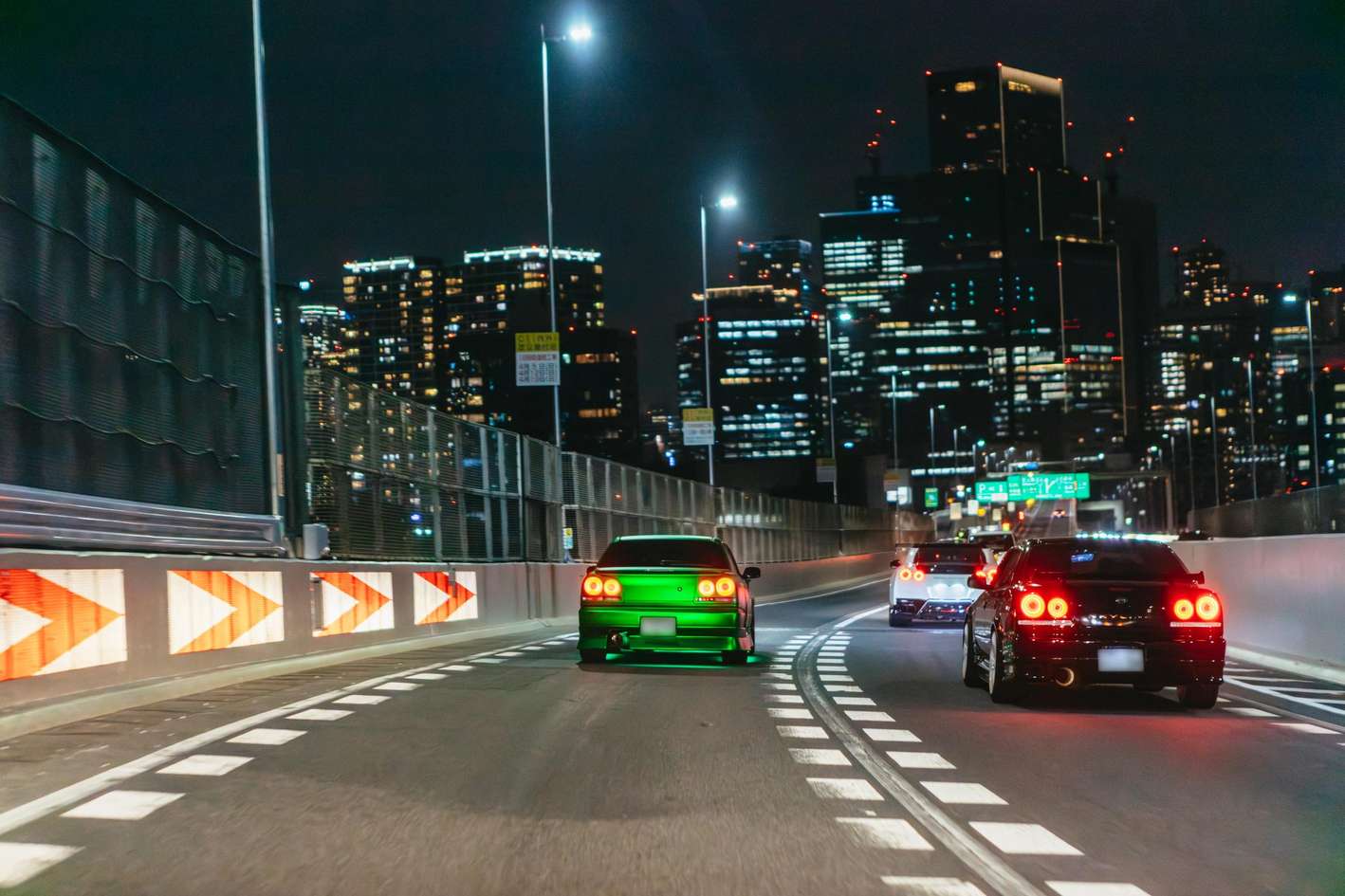
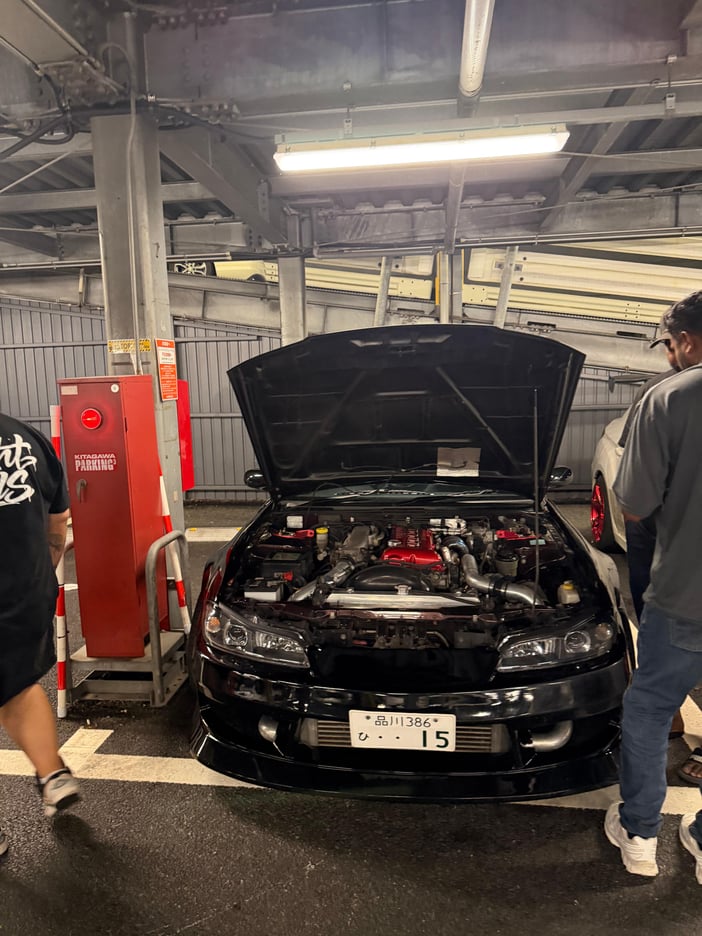
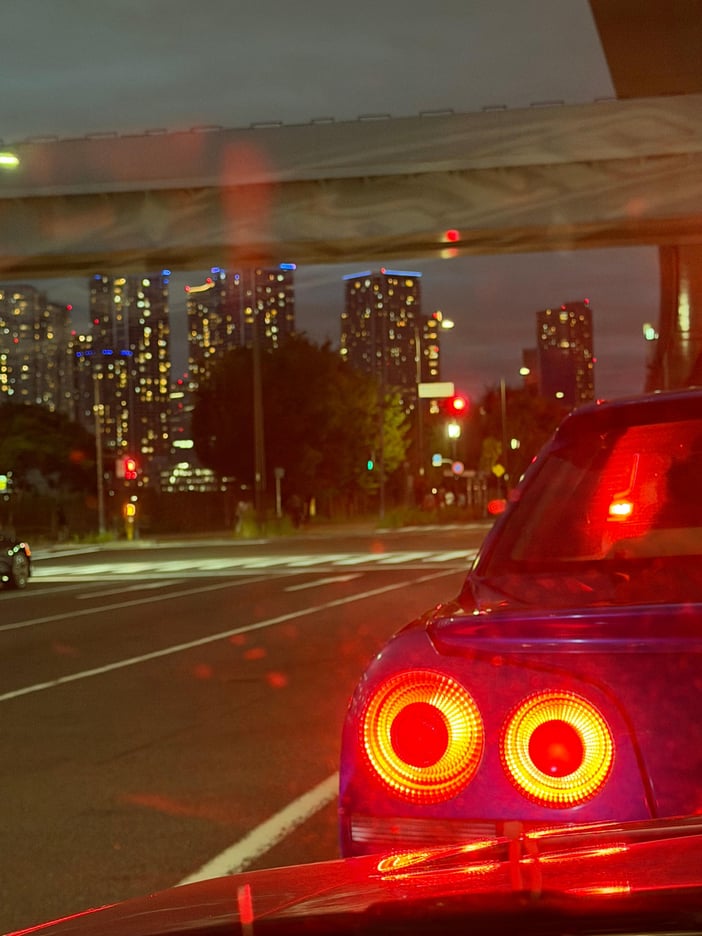
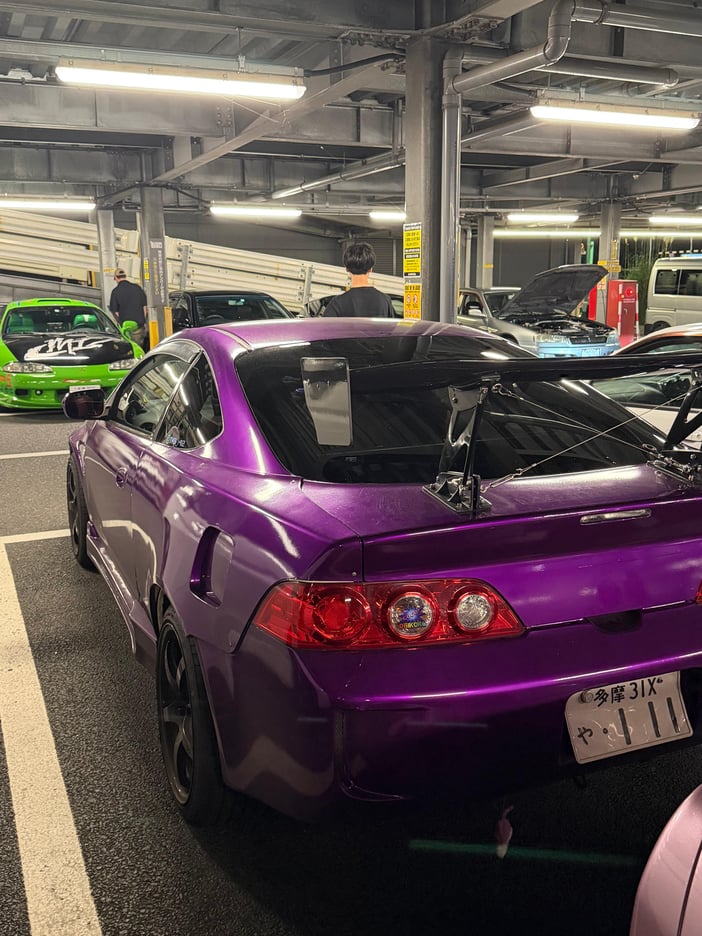
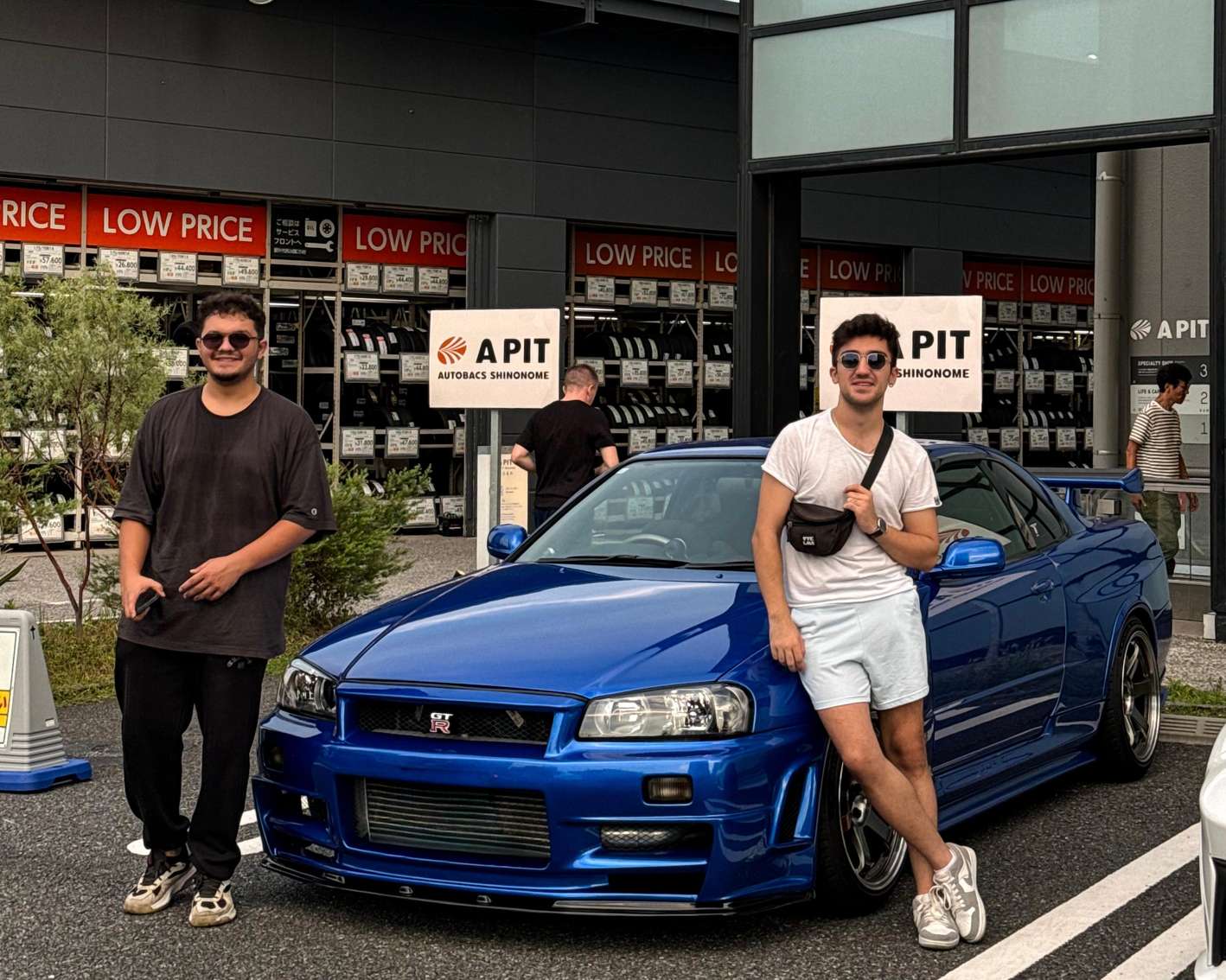
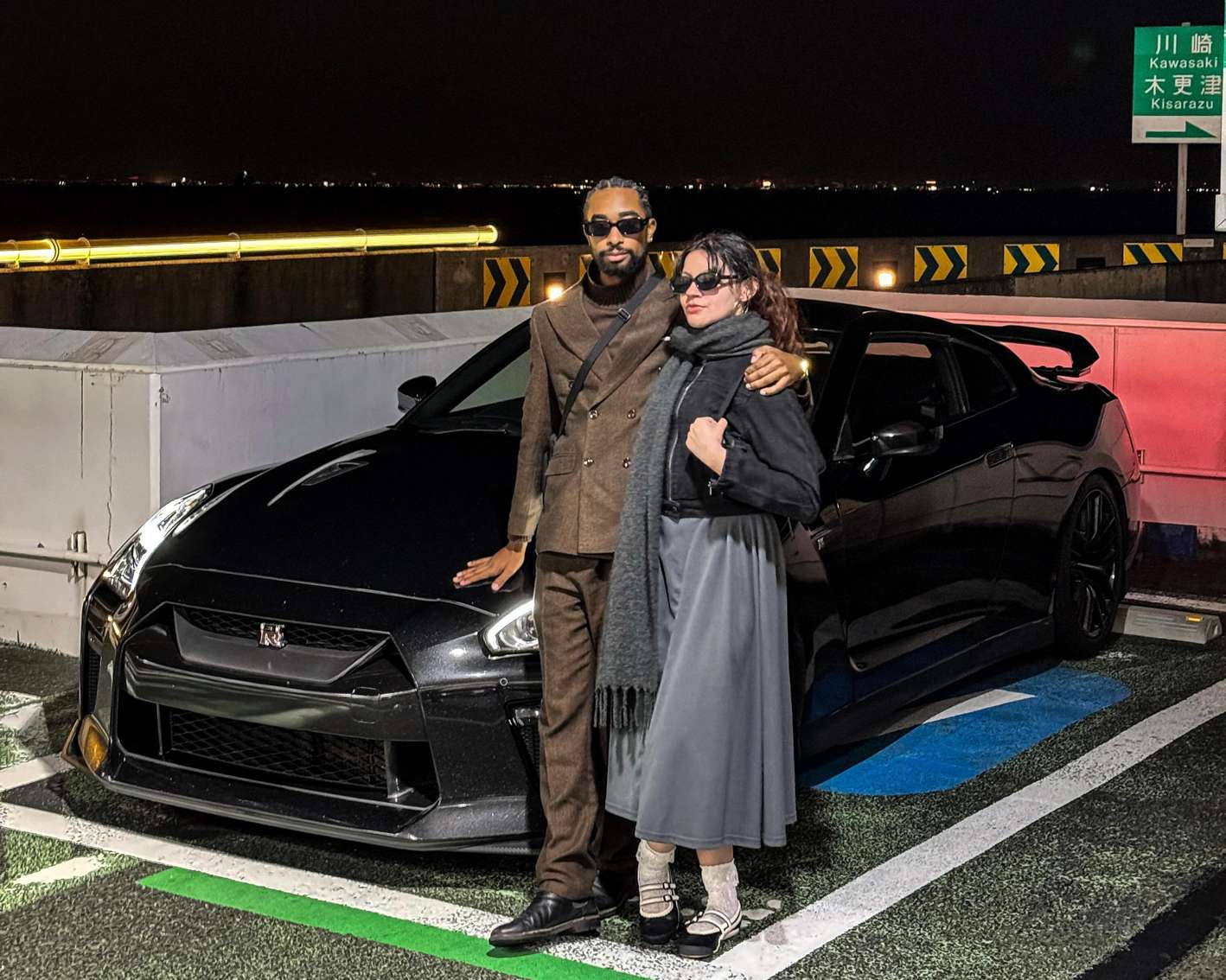
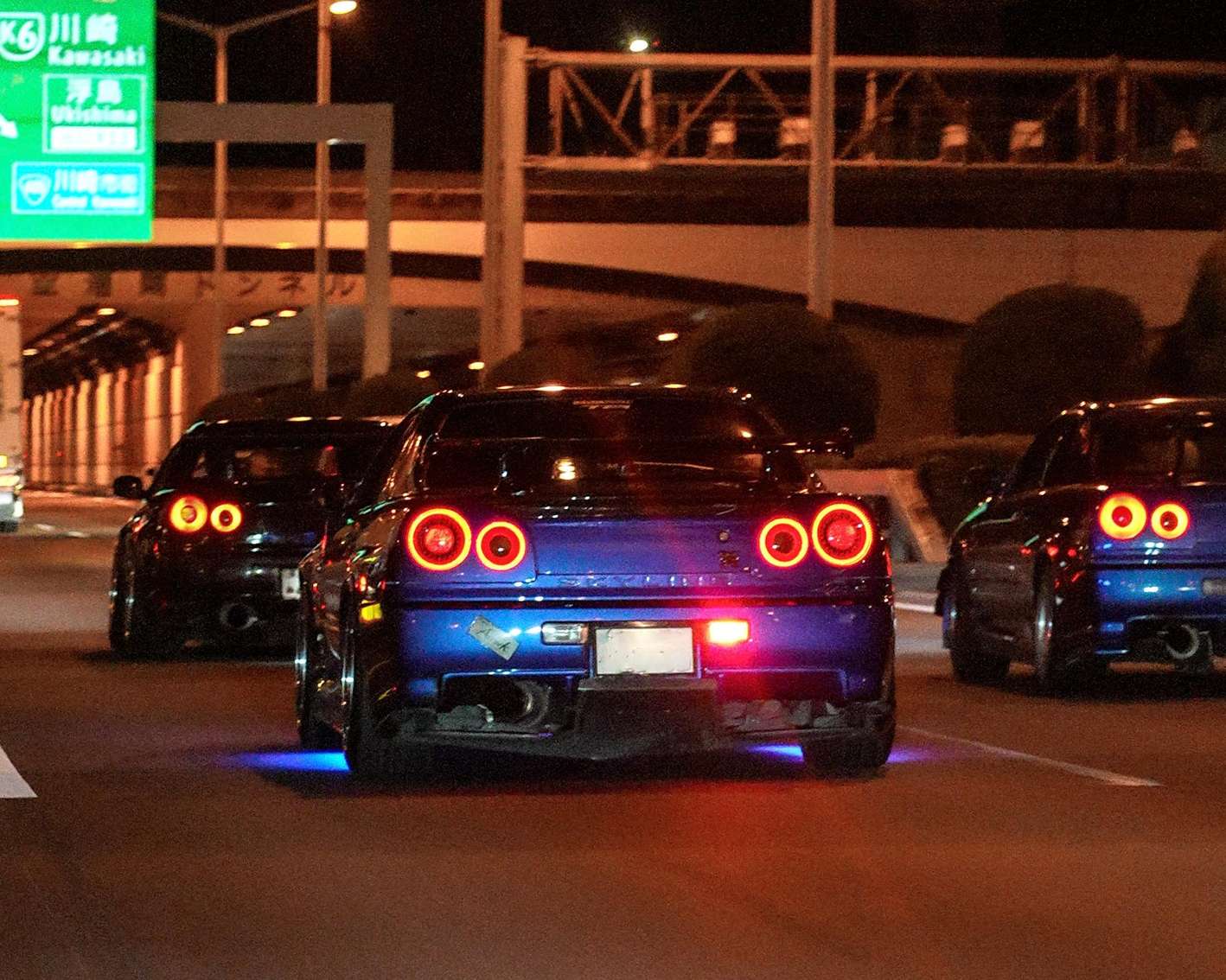
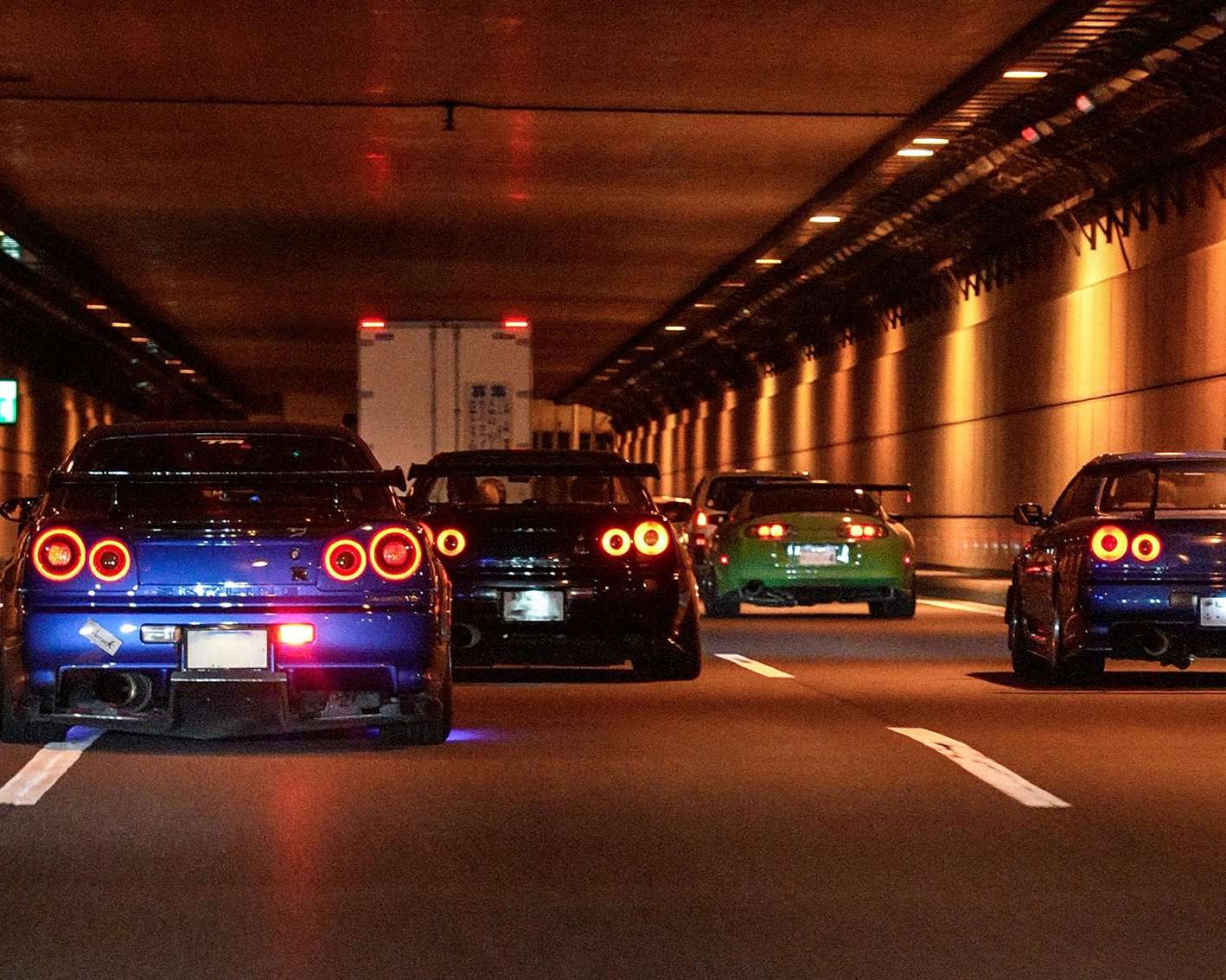

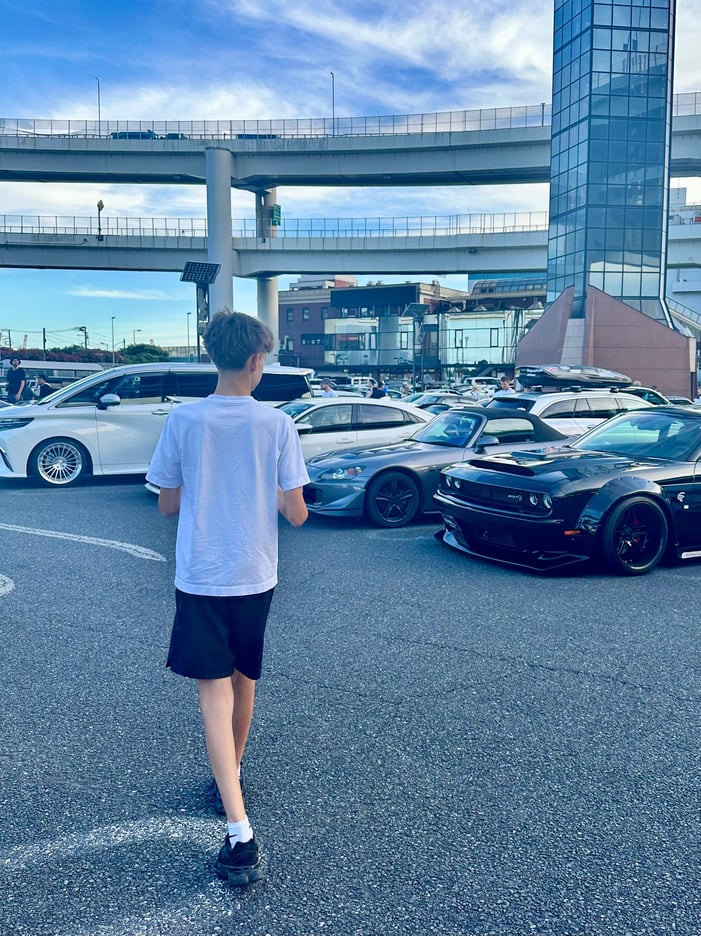
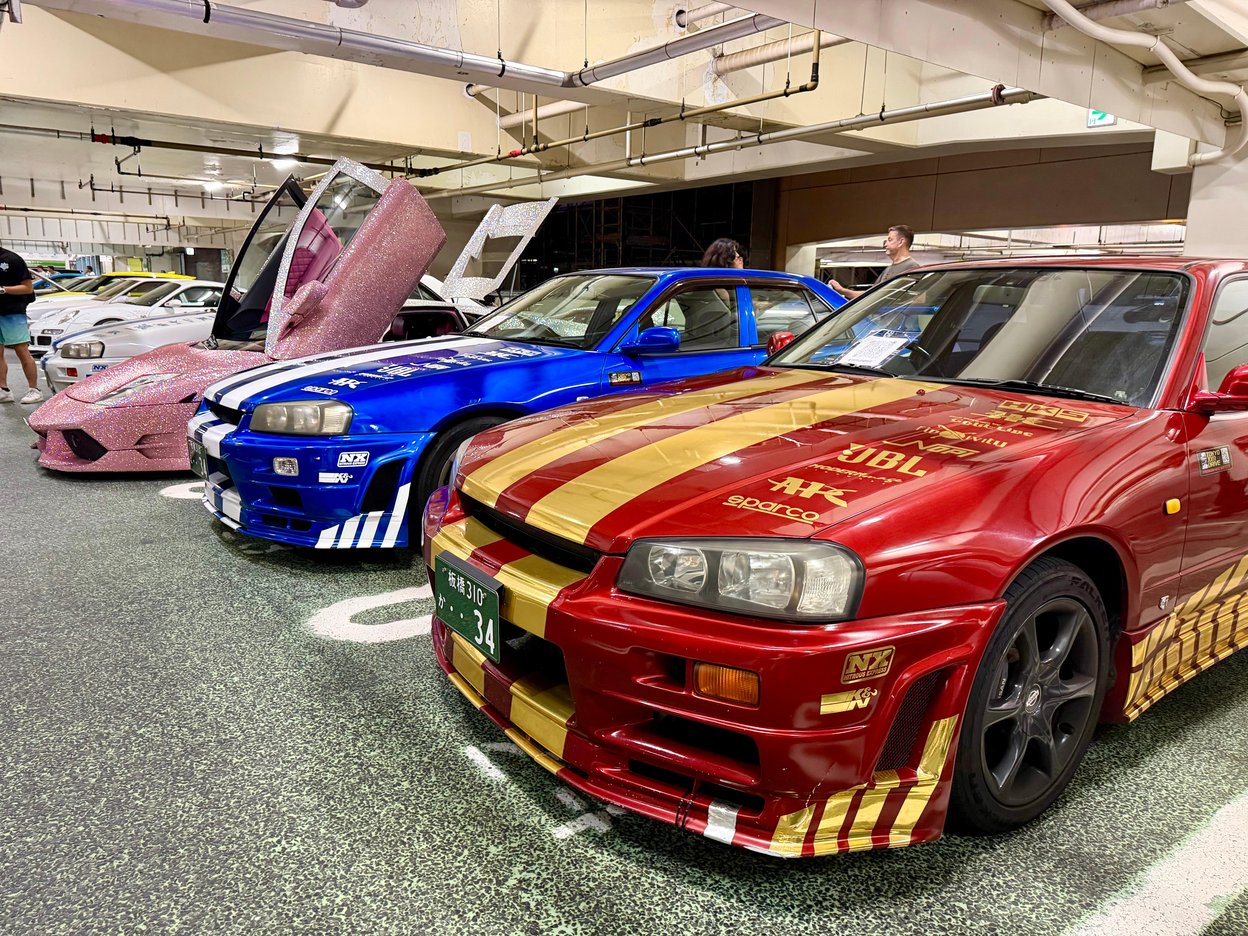
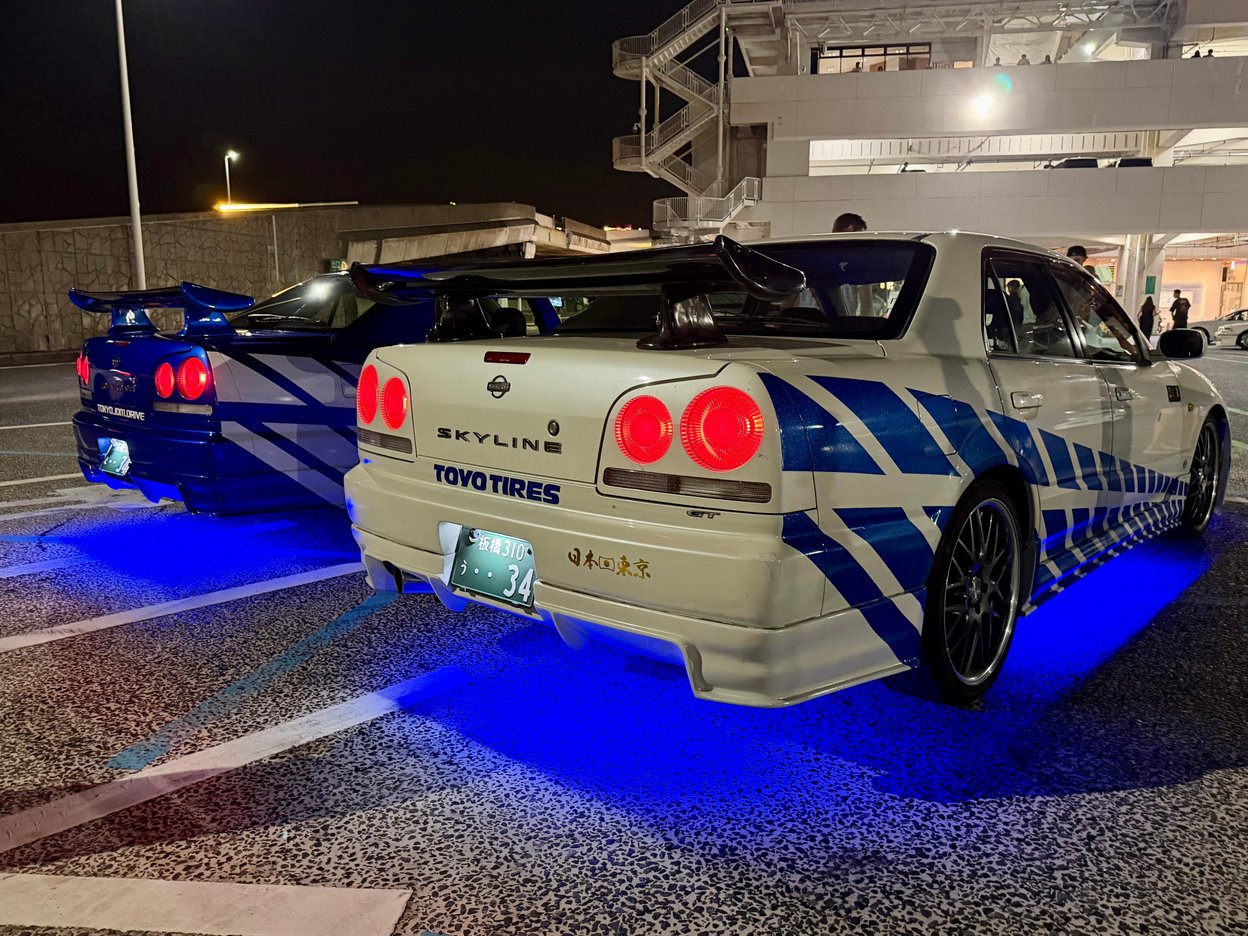
Daikoku has no calendar, no tickets and no closing time, yet the lot fills like clockwork most nights. The trick is knowing which night matches what you want to see, and arriving before the ramps shut.
Saturday draws the biggest and most varied crowd of the week, and police can close the ramps from 7:30 pm.
Cars start arriving around 5 pm on weekends; being inside by 7 pm is the safe target.
Every night has cars: weeknights are smaller and calmer, with almost no risk of shutdowns.
Sunday morning is the daylight version, peaking 8:00 to 10 am with classics and supercars.
Daikoku is reachable only by vehicle, so book a guided ride or drive yourself with the right permit.
Plan to arrive before 7 pm on weekends, or book a guided tour whose driver tracks closures and diverts to backup spots like Umihotaru PA if the ramps close.
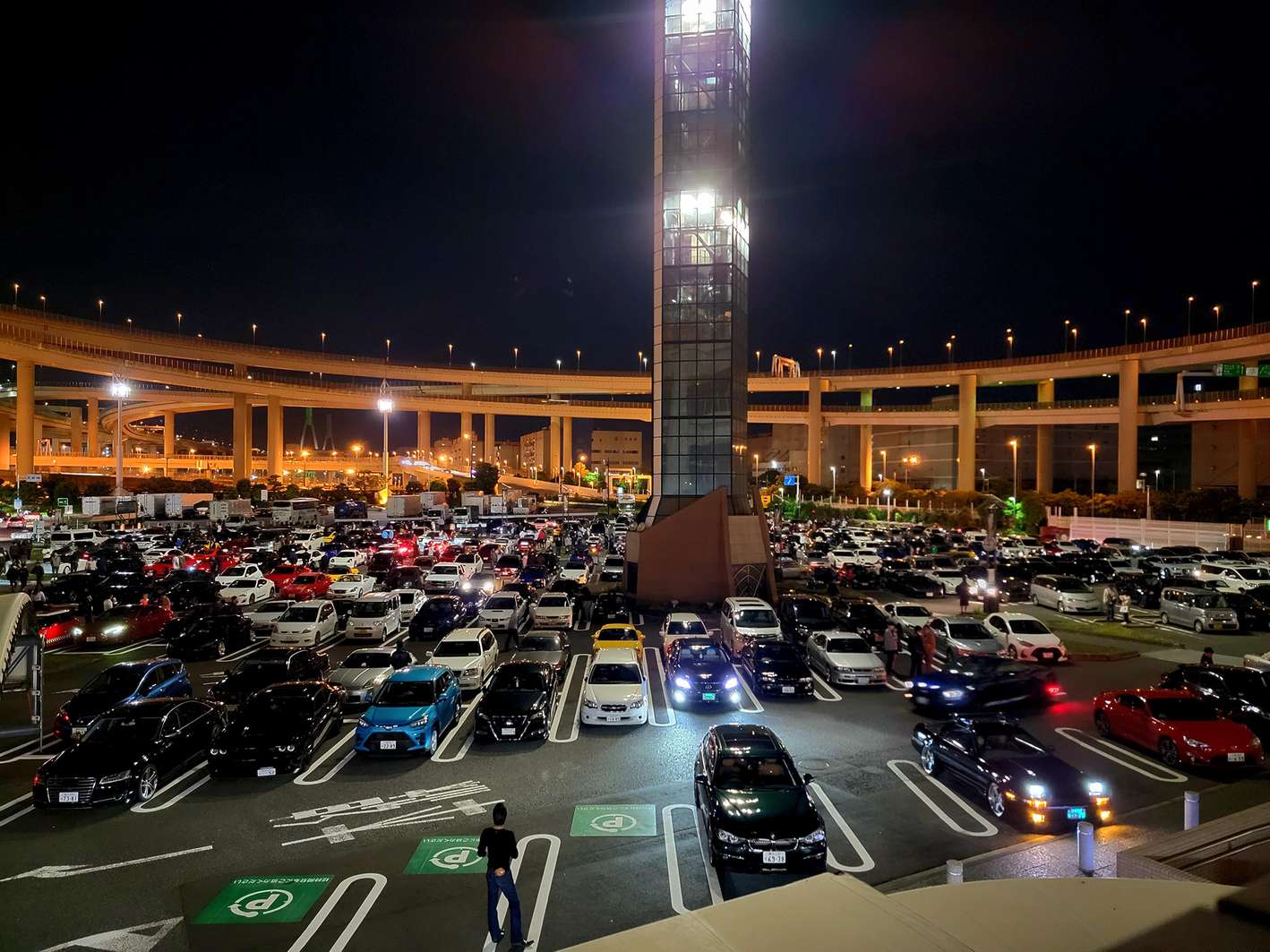
The first thing to know is that Daikoku PA is a working highway rest stop in Yokohama Bay, and the meet that forms on its deck is entirely spontaneous.
There is no organizer and no entry ticket. What there is, most nights, is a wave of tuned machines rolling off the Bayshore Route and parking up until the small hours.
Saturday is the night people picture when they picture Daikoku. Saturday brings the fullest lot of the week, mixing JDM icons with exotic supercars, luxury imports and whole car clubs arriving together. Friday leans closer to the scene's roots: local Japanese tuner builds, slightly lighter traffic, still busy enough to jam by early evening.
The weekend dominance is real but often overstated. Enthusiast cars gather every single night of the week, and weeknights reward you differently: room to walk the rows, owners happy to talk, and virtually no risk of the lot being cleared.
Each row is a night of the week and how hard the deck runs. Read it as a scale: if your dates put you in Tokyo on a Tuesday, you have traded spectacle for access. Many travelers who go often say the quieter nights are where they learned the most.
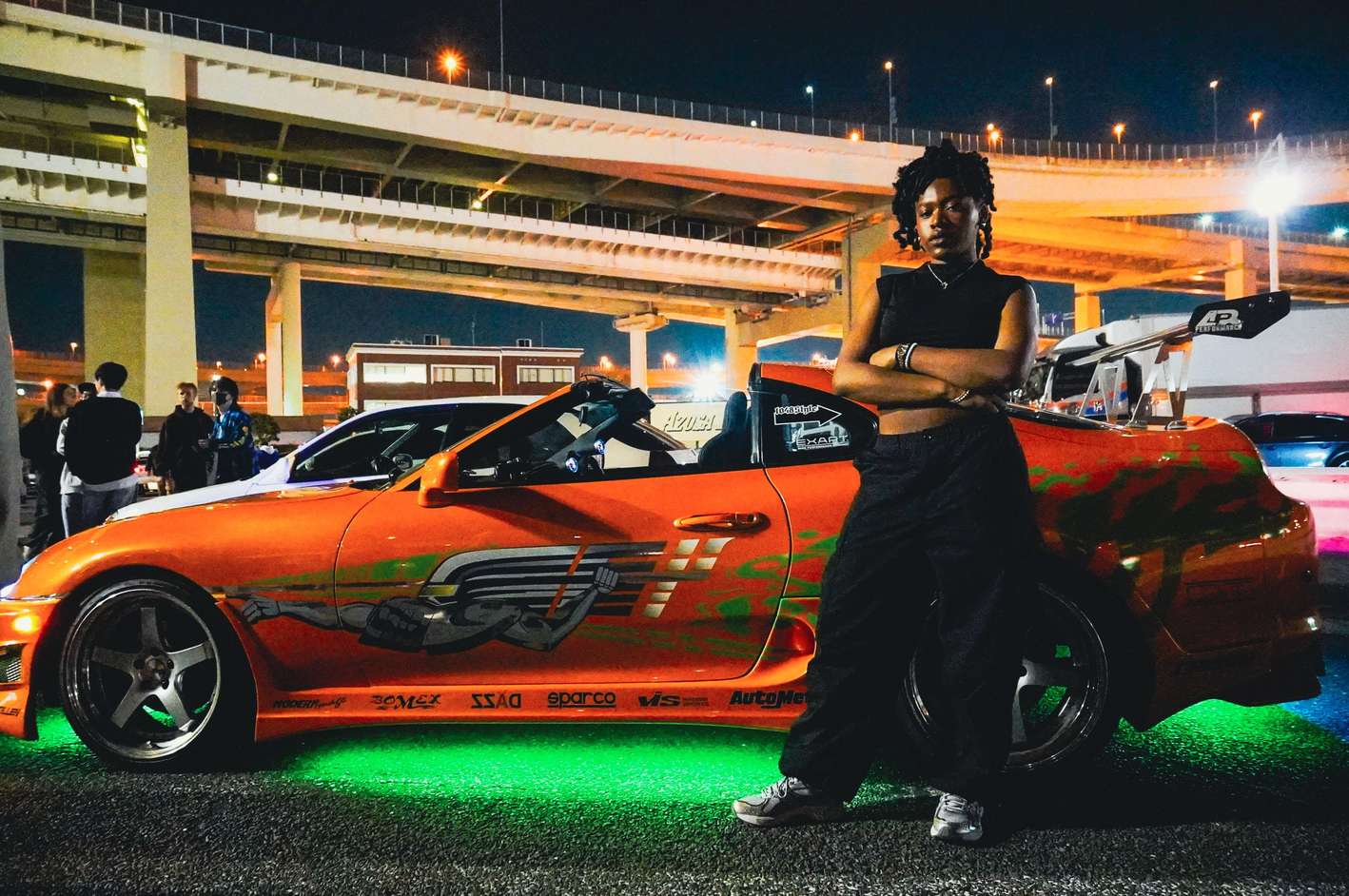
A weekend evening at Daikoku unfolds on its own clock. Around 5 pm the first cars appear, and the lot is still only about a fifth full, which is the moment owners chat with hoods open and nothing blocks your sightlines.
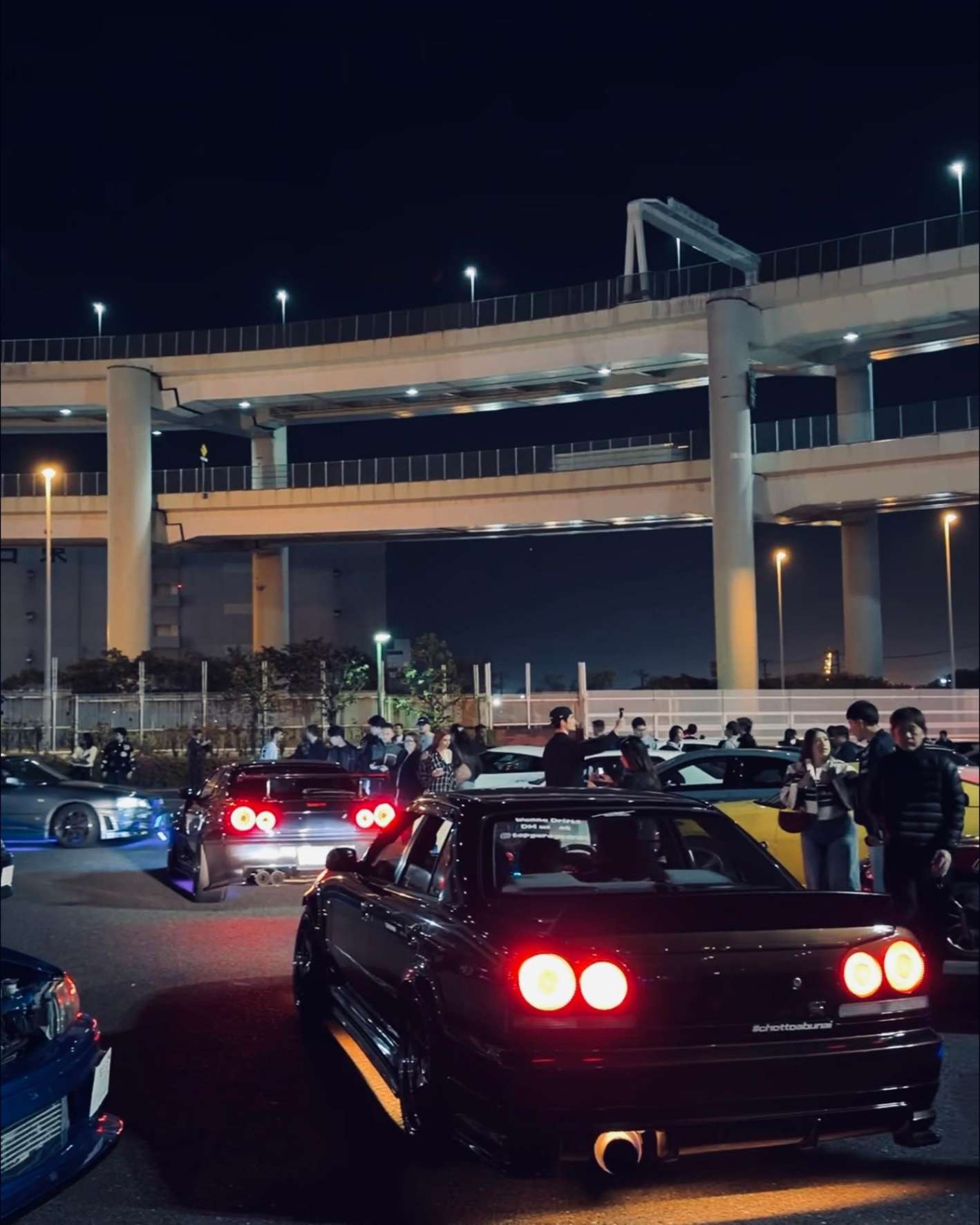
From 7 pm the arrivals surge, and between 7:00 and 8:30 pm the deck is at full voice: engines staging, exhaust noise stacking up under the bay bridges.
The lot sits about a fifth full and owners talk freely
The deck fills and the noise peaks
Patrol cars announce dispersals by loudspeaker
Incoming access resumes after the overnight closure
That timeline works backward to a departure time. Tokyo Station or Shibuya to Daikoku runs 40 to 43 minutes without traffic, but weekend highway congestion makes that figure fiction after dark.
Departing central Tokyo between 4:30 and 5 pm puts you at the lot around 5:30 or 6 pm, with an hour or two of viewing before police restrict access.
On Monday through Thursday, a 7:30 pm departure is the working window: it skips the worst of the highway rush and arrives as the weeknight crowd gathers. Anything after 10:00 or 11 pm sails down empty expressways, but on weekend nights it can deliver you to a lot the police have already emptied.
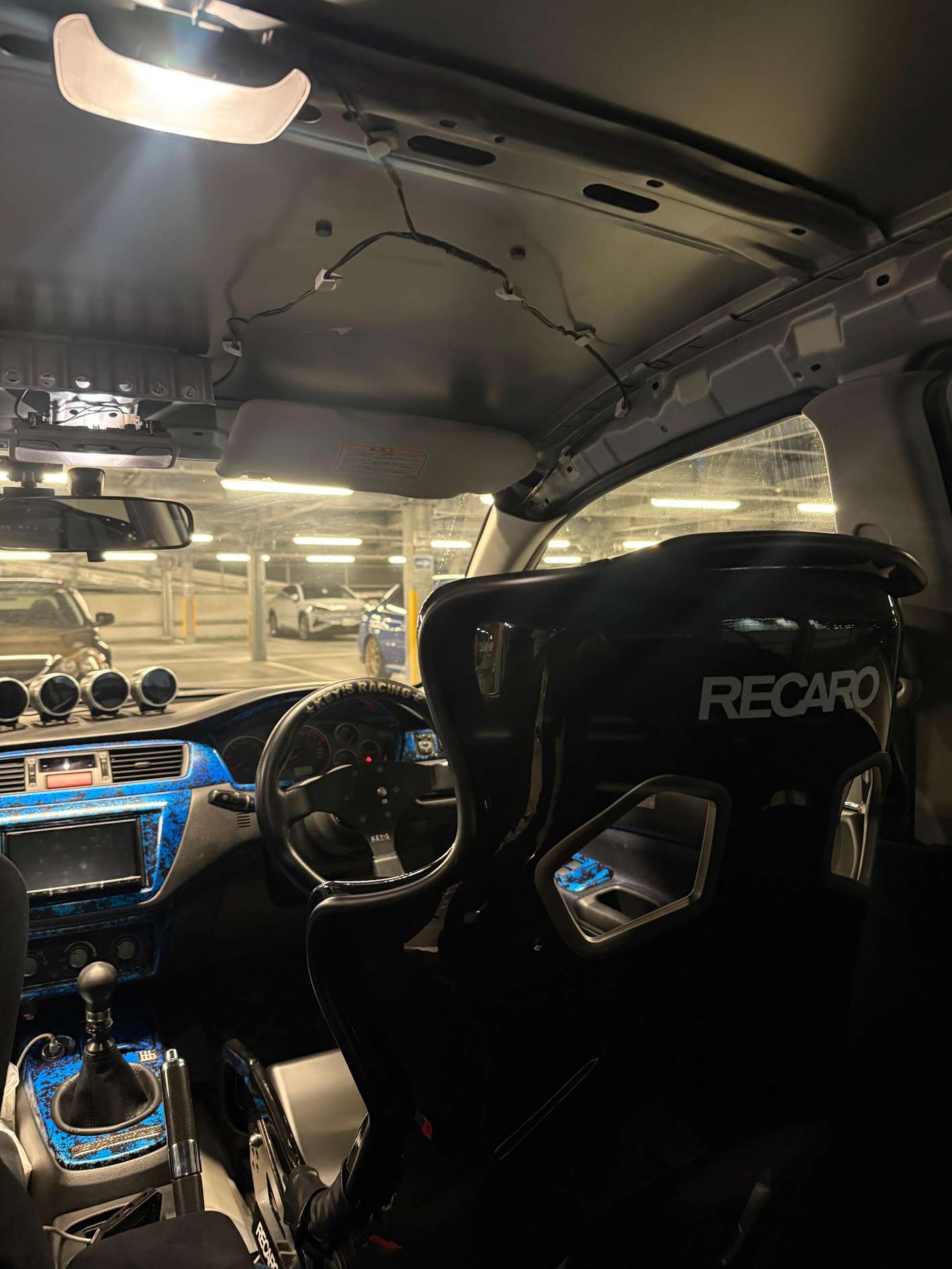
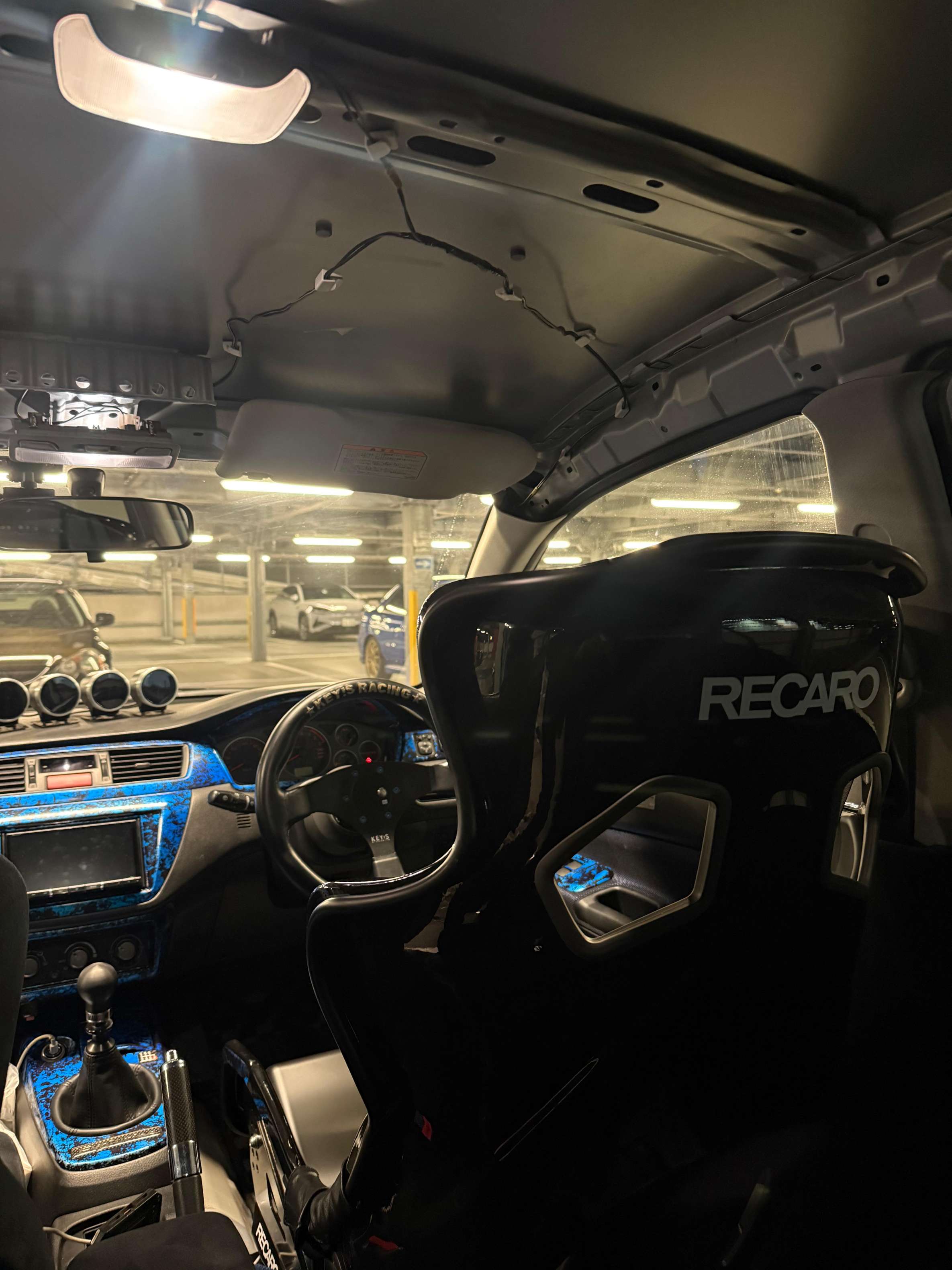
One guided option built around exactly this window is the Tokyo: Fast & Furious Daikoku JDM Night Tour - EVO,WRX&More, a 4-hour ride-along in a Lancer Evolution X or Subaru WRX STI with an English-speaking guide who narrates the culture and the meet etiquette while the wheels handle the timing.
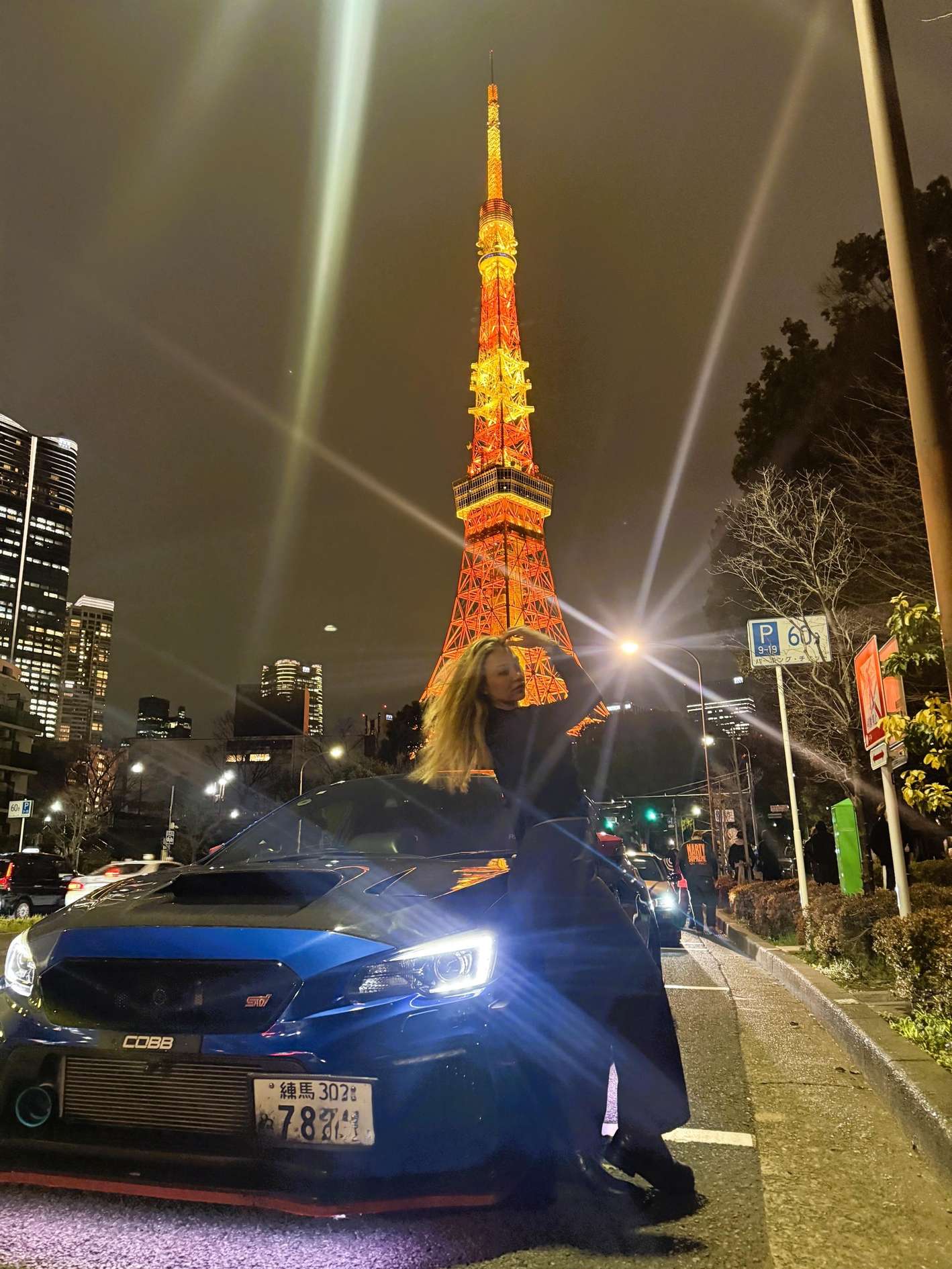
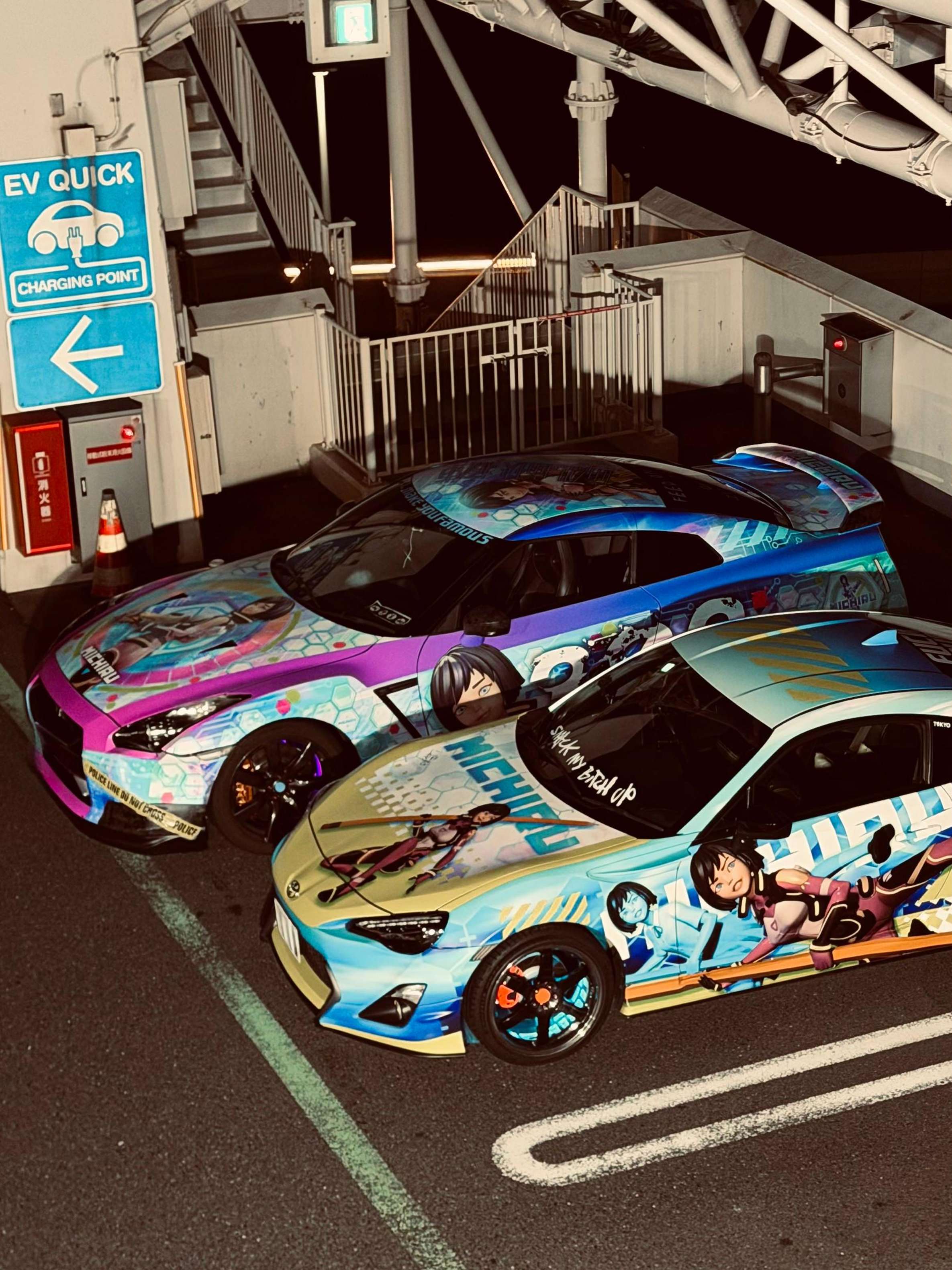
There is no published closing time at Daikoku, because it is a 24-hour public rest area. What ends the meet is human: expressway police from the Daikoku substation make a judgment call on the night, and when they make it, the loudspeakers go on.
It works like this. As crowds and exhaust noise peak, clear-out announcements begin, typically between 7:30 and 8 pm, asking parked cars to pack up. By 8:30 pm on weekend nights the entrance ramps are usually shut, and incoming traffic is redirected back onto the expressway.
The closure generally holds until somewhere between 2:00 and 5 am. Nobody legally forces your car to move, but a deck of enthusiasts has always packed up and driven off when asked.
The triggers are noise, loitering and overcrowding. Owners revving engines, peeling out or running burnouts are what bring the patrols in, and they are also what gets spectators blamed alongside them. Heavy holiday periods such as Christmas and the New Year draw the biggest crowds and the firmest crackdowns.
Cars assemble freely before police intervention begins.
Patrol cruisers announce closures and disperse parked cars.
Entry ramps blocked; traffic diverts to alternative stops.
Barricades clear after enthusiast crowds have dispersed.
The chart splits a weekend night into its four phases, and it explains why timing advice can sound inconsistent: cars peak between 7:00 and 8:30 pm, yet announcements can start at 7:30.
Being inside before 7 pm is the safe reading of both figures, because a car that arrives at 8 pm may already find the ramps closed. The rest area toilets and the 24-hour Lawson usually stay open even during a closure, but no cars means no meet.
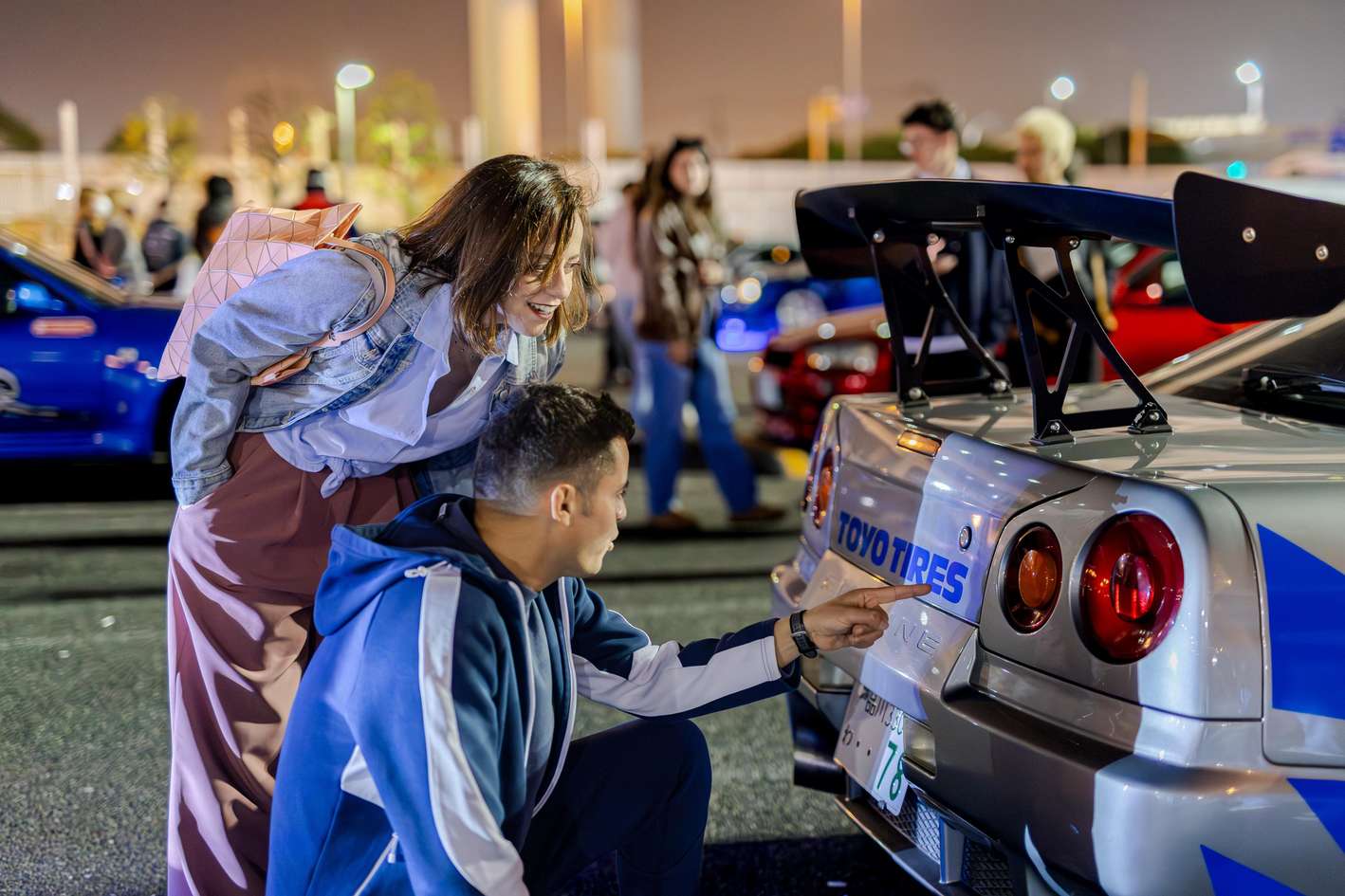
A shut gate at Daikoku sends the night somewhere else. When the ramps close, the scene disperses across the bay and the guides follow it.
Umihotaru PA, the parking area on an artificial island midway along the Aqua-Line, is the most common landing spot: its meets run mainly Friday and Saturday nights from about 8 pm, peaking between 9:45 and 10 pm as drivers migrate over from Daikoku, and it stays active well past midnight.
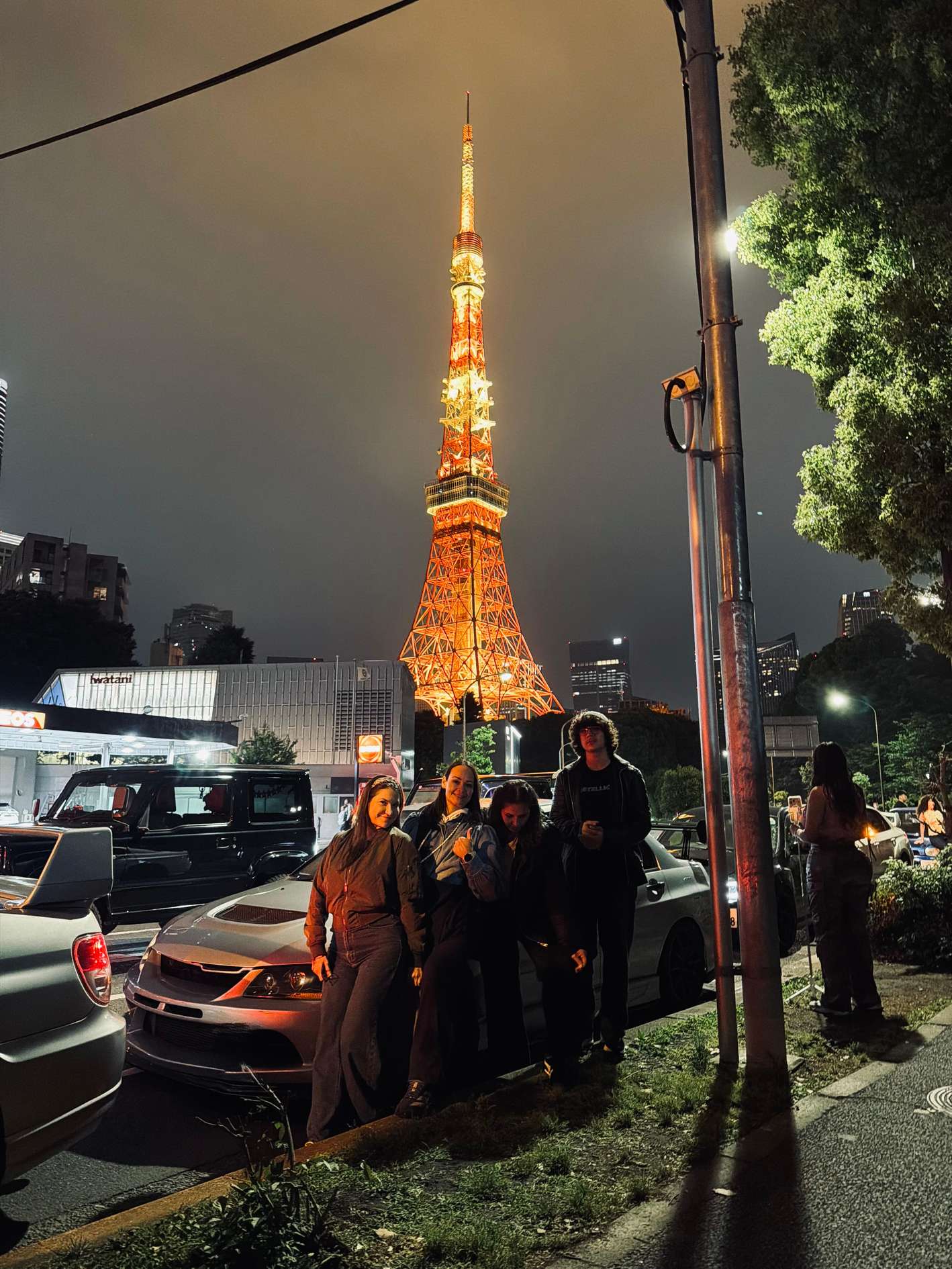
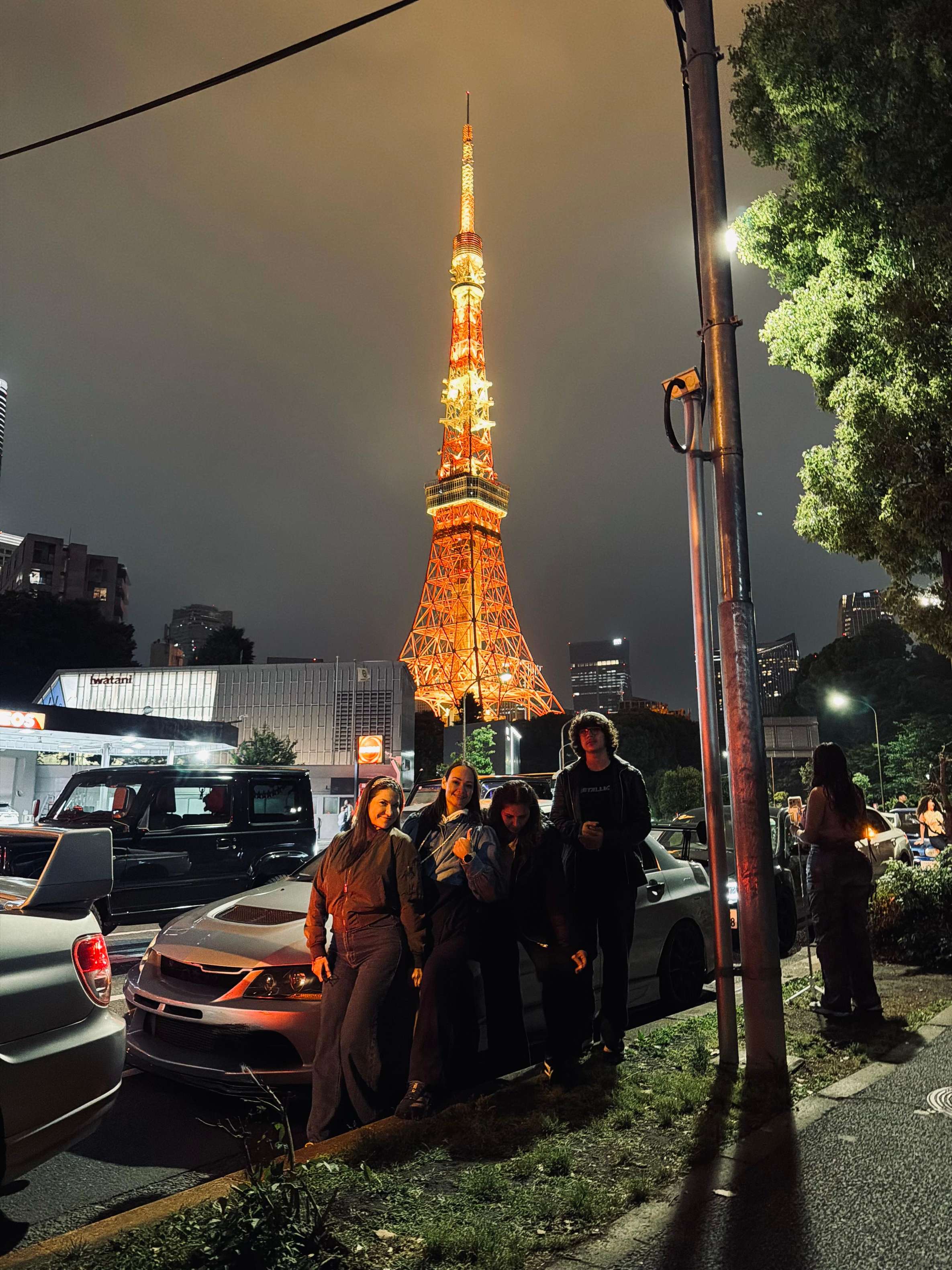
Tatsumi PA No. 1 is the other regular fallback, strongest on Friday and Saturday late evenings from 9:30 pm onward. If both Daikoku and Umihotaru are closed, tours fall back on A-PIT Autobacs Shinonome, the huge car parts store in Shinonome, or pivot to night photo stops at Tokyo Tower and the Rainbow Bridge.
The Tokyo: Daikoku or Umihotaru Tour (Silvia S15, GR86, 370Z) is built around this reality. The route is decided on the day based on closures and where cars are gathering that evening, with an English-speaking local guide and all expressway tolls, fuel and parking covered.
If both big parking areas close, you may end up at Autobacs and miss a meet entirely, but on most nights you are simply taken to whichever deck is buzzing.
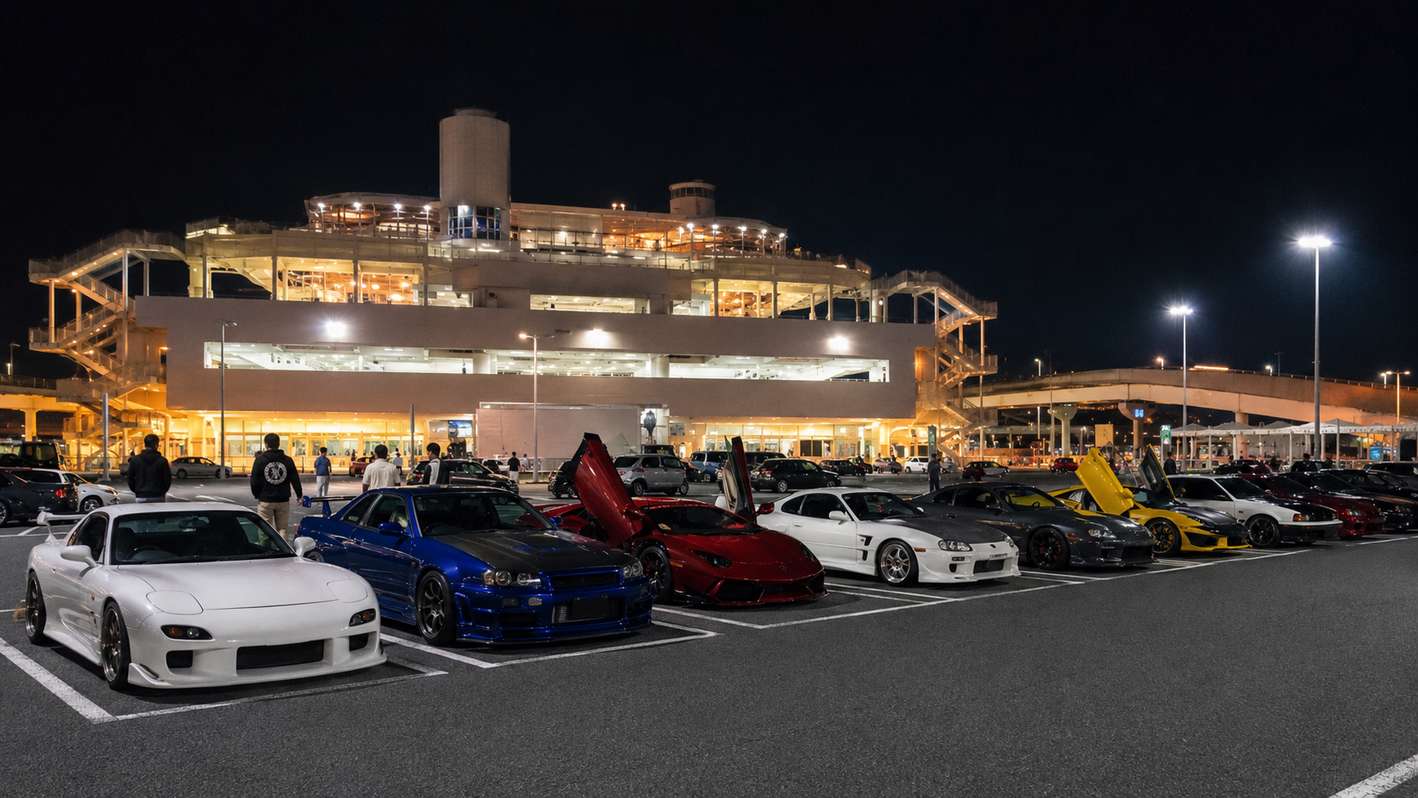
If midnight logistics put you off, Daikoku has a second shift. Sunday mornings belong to the classics: owners of vintage Japanese models, historic cars and European supercars start rolling in between 7:00 and 8 am, and the gathering peaks from 8:00 to 10 am before winding down through late morning into the early afternoon.
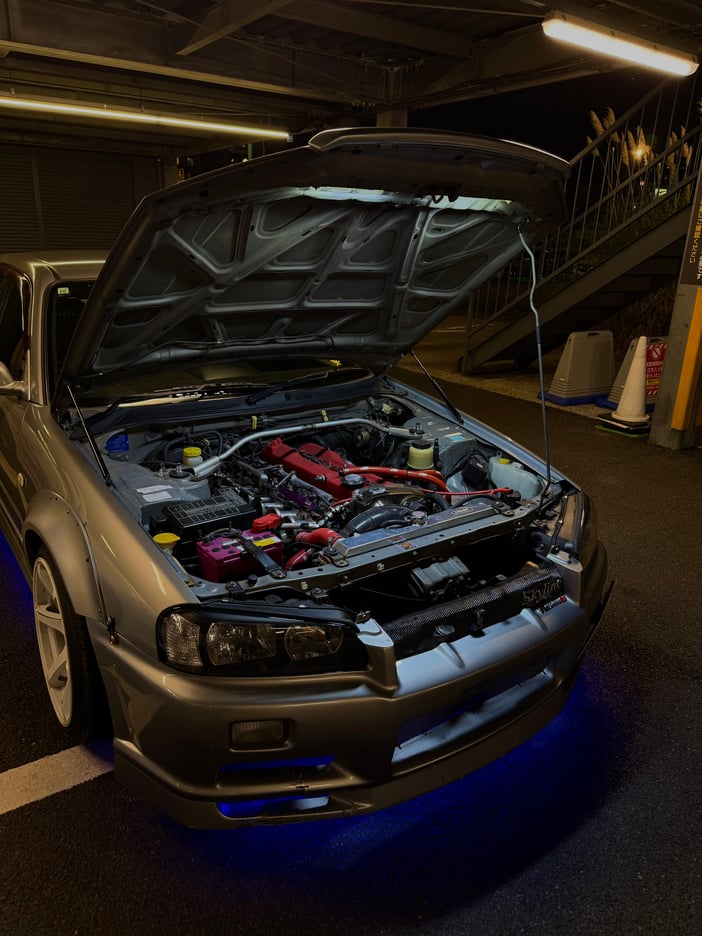
The daylight changes what you see and how you see it. Polished paint, engine bays you can actually study, and photos taken without fighting flash reflections. Police intervention is minimal, because a Sunday morning crowd of collectors browsing classics is exactly what a highway rest stop is for.
It suits a different kind of traveler too. Anyone with young children, anyone jetlagged awake at dawn anyway, and anyone who wants the meet done before lunch all get a cleaner version of the scene. Saturday and Sunday afternoons also carry gatherings at Daikoku, a further fallback when an evening visit is impossible.
One guided way in is the Sunday Mornings Vibes option, a 4-hour morning run that brings you into the weekly daylight meetup with hundreds of luxury and exotic cars. Morning crowds lean toward supercars, so purists chasing modified JDM machinery may still want a weekend night.
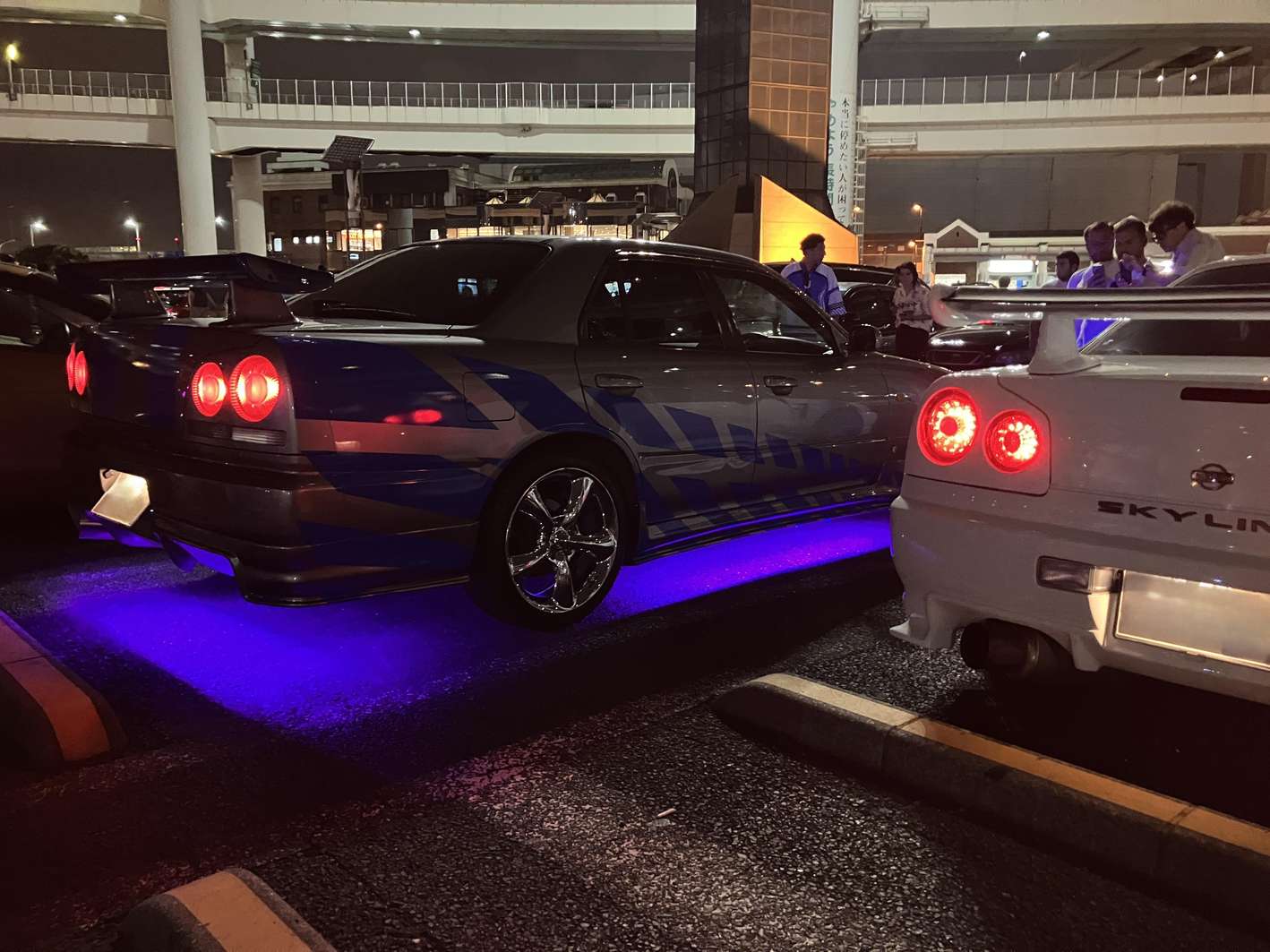
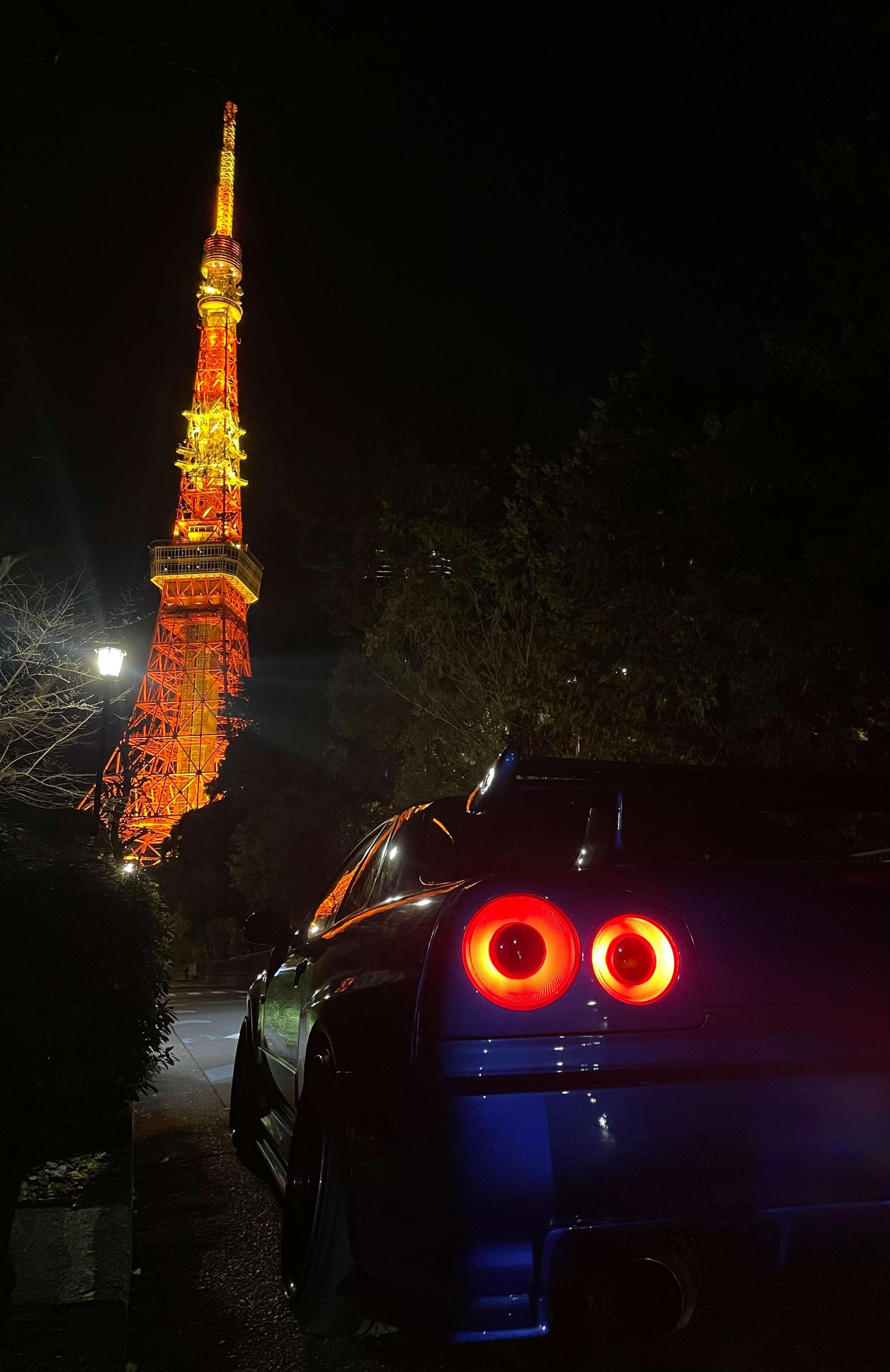
Weeknights answer a different question from the weekend crowd scene. On Tuesday and Wednesday, local sports cars and modified builds gather every evening, and the smaller turnout works in your favor: you can walk the rows, inspect cars properly and speak with owners without a hundred phones between you and the paint.
Shutdown risk on weeknights is close to zero, and closures are far less frequent than on Fridays and Saturdays. What you give up is scale. There is no wall of GT-Rs, no club convoys arriving ten cars deep, and the variety is a fraction of a Saturday's.
It helps to hold both truths at once. Daikoku is an informal, spontaneous gathering with no organized show behind it, so no night carries a guarantee of specific cars or numbers.
The weekend maximizes what you might see; the weeknight maximizes what you can do with what you do see. Travelers who want to talk builds, or who are photographing one particular car, often prefer a Tuesday.
Enthusiast cars show up every single week, all year
The lot is closed occasionally and temporarily, and reopens the same night
No official schedule exists; the gatherings are entirely spontaneous
Those three beliefs each stop someone from going, or send them on the wrong night. Once you know the lot runs on rhythm rather than a calendar, the only real decision is which kind of evening you want.
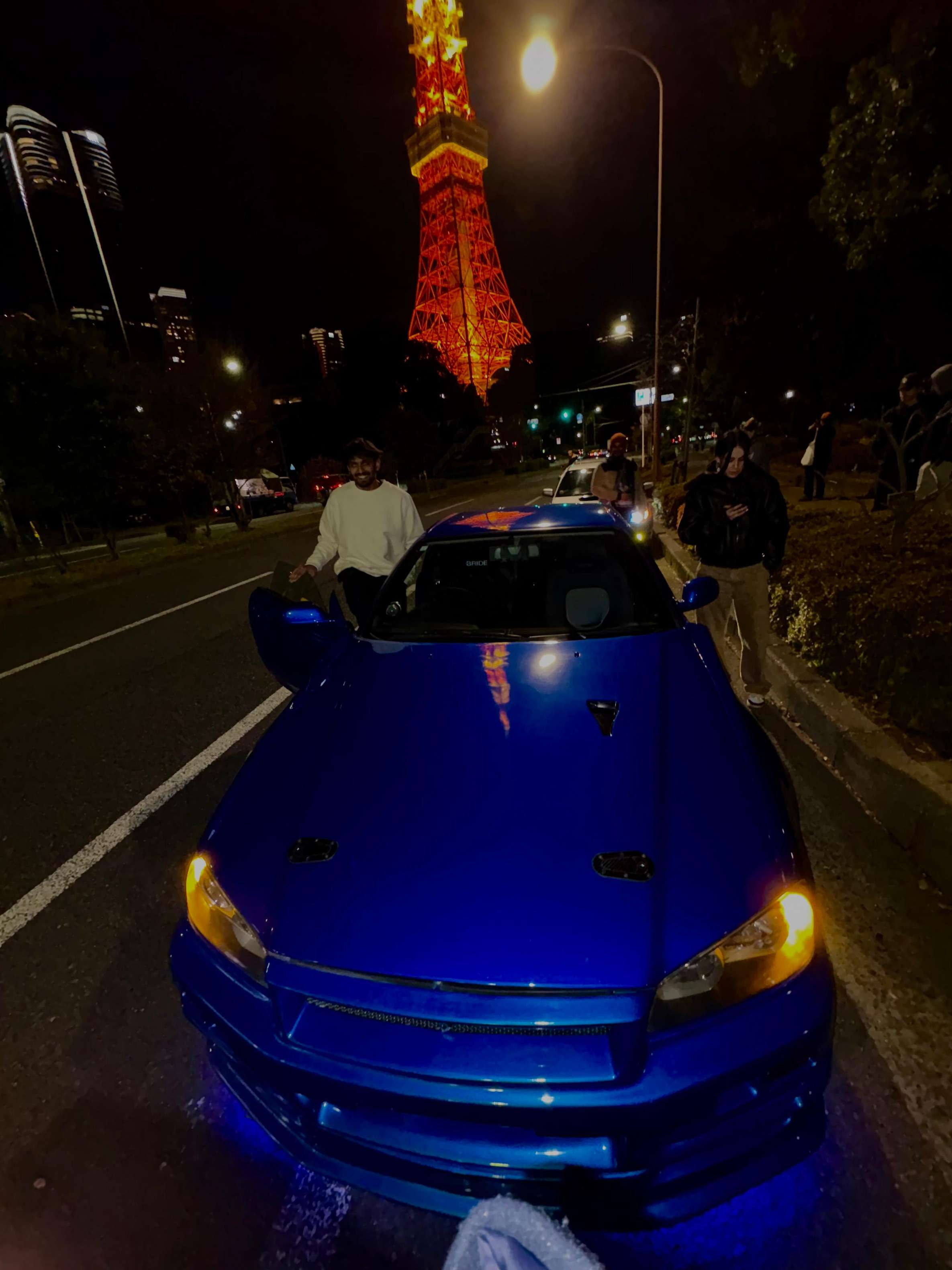
Rain never formally cancels anything at Daikoku, because there is nothing to cancel. The rest stop stays open and the regulars keep coming.
What rain does is thin the field: exotics and polished show cars stay home while Japanese tuner cars and committed regulars still roll in. A wet Saturday delivers fewer cars, and guides hand out umbrellas and run the route as planned.
Typhoons are the real calendar risk, most common between May and October, when high winds can close bridges and expressway links outright. Tour operators then reschedule the drive, reroute to covered stops like Umihotaru, or cancel with a full refund.
April is the peak tour month of the year, bringing high crowds alongside mild evenings and occasional rain.
Tap a month to read it.
January brings moderate crowds alongside mostly clear, dry skies and cold winter nights.
Tap a month to read it.
May sees brisk tour demand and warming weather, accompanied by frequent rainfall across roughly half the month.
Tap a month to read it.
March gets busier as spring begins, though rainfall increases to around thirteen wet days across the month.
Tap a month to read it.
The wet-season dip in June through September is the line to watch: dry-day counts hold up in winter while the month's crowd level tracks holiday travel. A few dates supercharge the lot regardless of month, none of them announced and none of them guaranteed.
July 7th is 7's Day, when Mazda RX-7 and rotary owners take their cars out. August 6th is 86 Day for the Toyota AE86 and its modern GT86 and GR86 descendants.
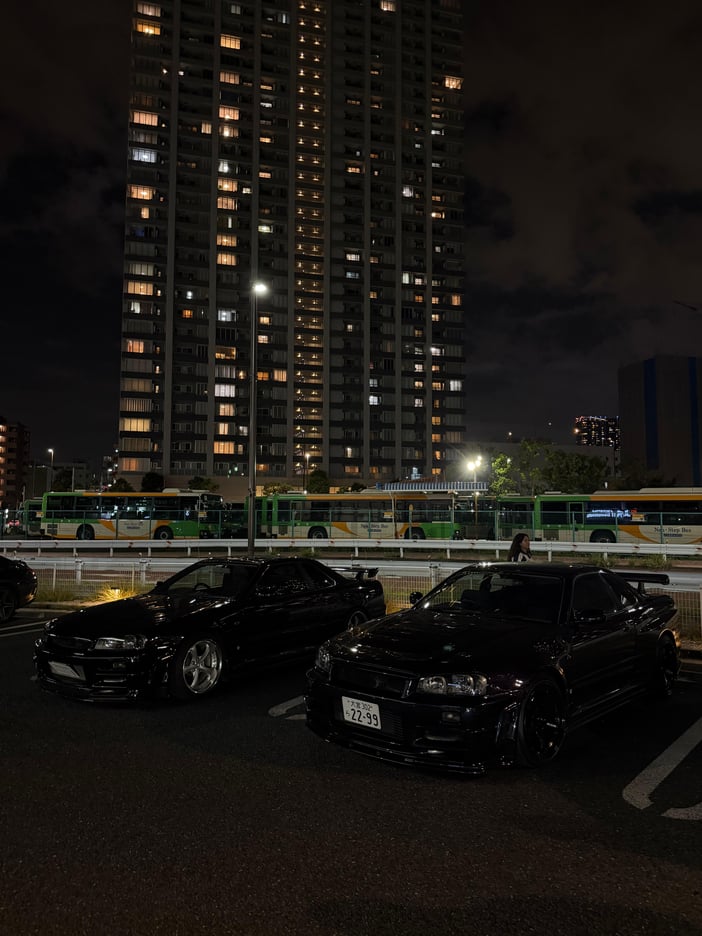
March 2nd, 3rd and 4th are the informal GT-R days for the R32, R33 and R34. Time a trip around one of these and you may see a whole model line parked in one lot.
One caution on holiday weeks: Saturday nights during Golden Week and Obon draw the biggest crowds of the year, and police clear-outs by 7:30 pm are common. Experienced operators schedule late-afternoon departures on those dates.
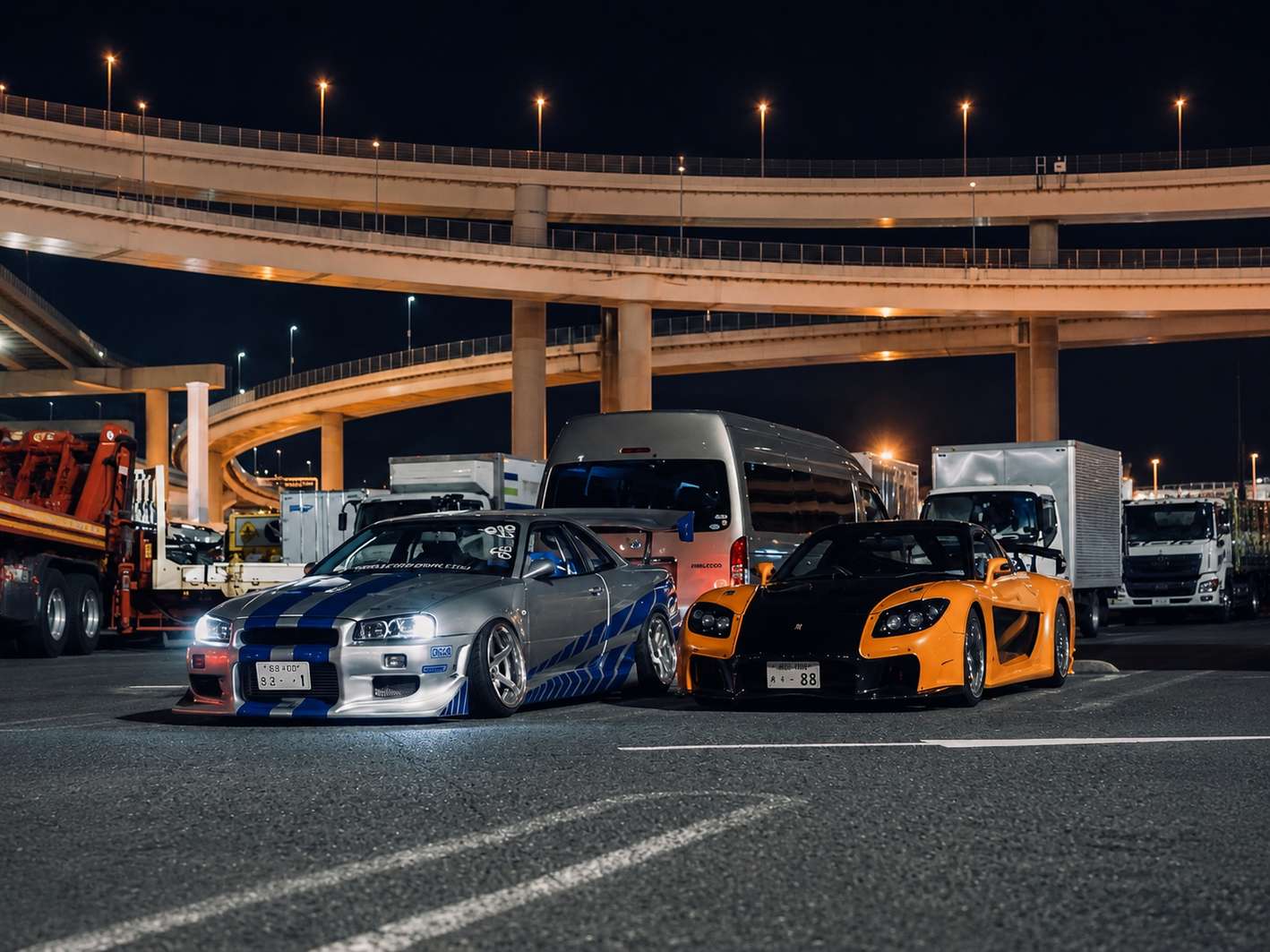
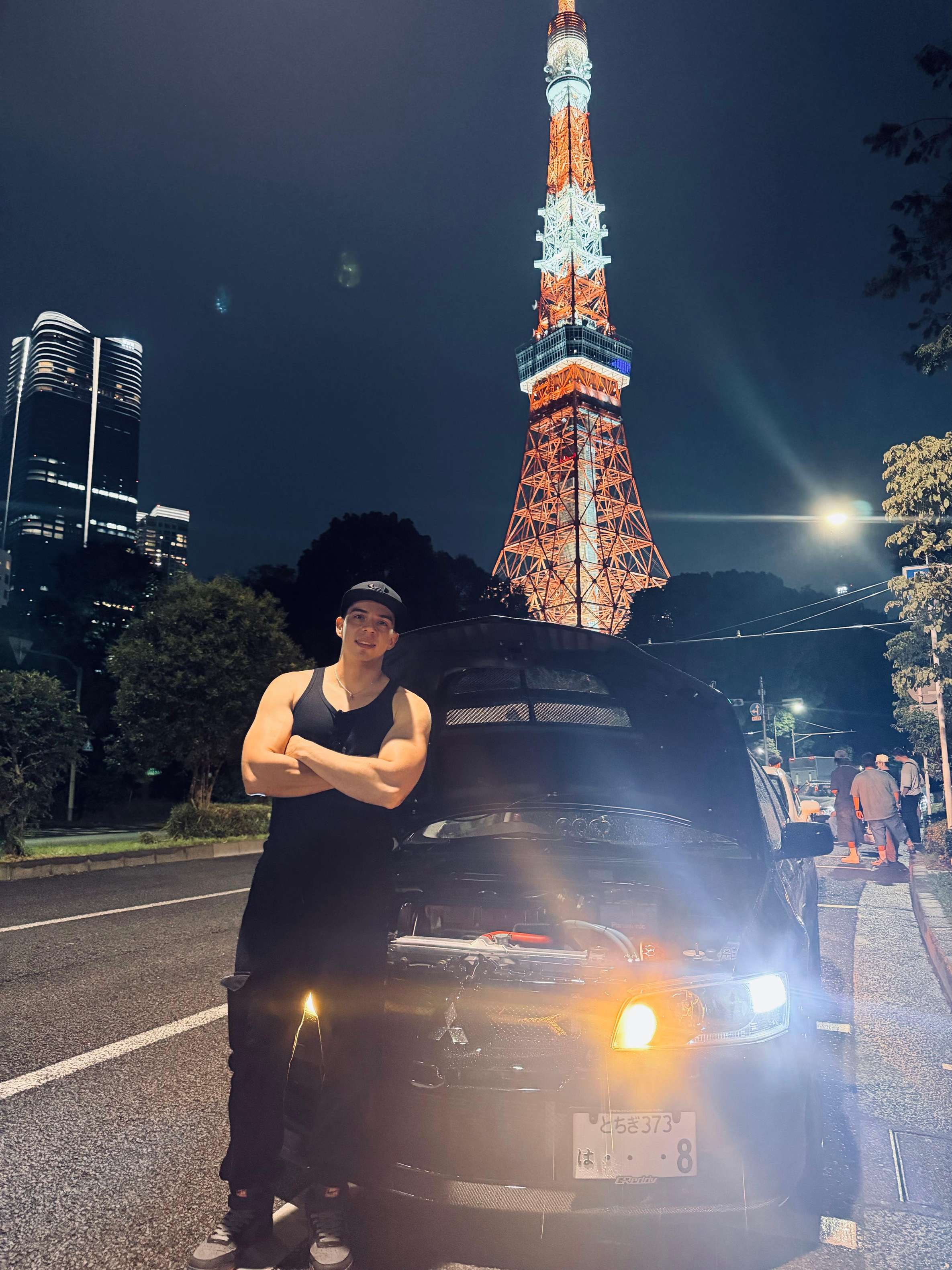
Daikoku PA sits inside a fenced expressway junction on an artificial wharf, and no train, bus or pedestrian route reaches it. Walking in is illegal as well as impossible, with closed gates and police monitoring. The Metropolitan Expressway bans pedestrians, bicycles and small motorcycles across its whole network.
The taxi plan falls apart at the return leg. There is no taxi stand inside the parking area, ride-hailing apps rarely accept pickups from highway service areas, and during a police shutdown no cab can reach inside at all.
A one-way metered ride from Tokyo Station runs close to an hour and, once tolls are added, becomes an expensive trip that still leaves you stranded on a highway island with no ride home.
That friction is exactly what a guided passenger ride removes. The Fast and Furious: Tokyo Drift Experience & Daikoku Car Meet includes hotel pickup and drop-off in a small group, so the highway route, the tolls and the timing are somebody else's problem, and you get driven back when the night ends.
No driving license or international permit is needed as a passenger; the tour arranges the driver.
If you want the one-way taxi anyway, know the arithmetic: from Yokohama Station it is about 15 minutes without traffic, but budget for the meter, the tolls and the wait, and have a plan for the trip back.
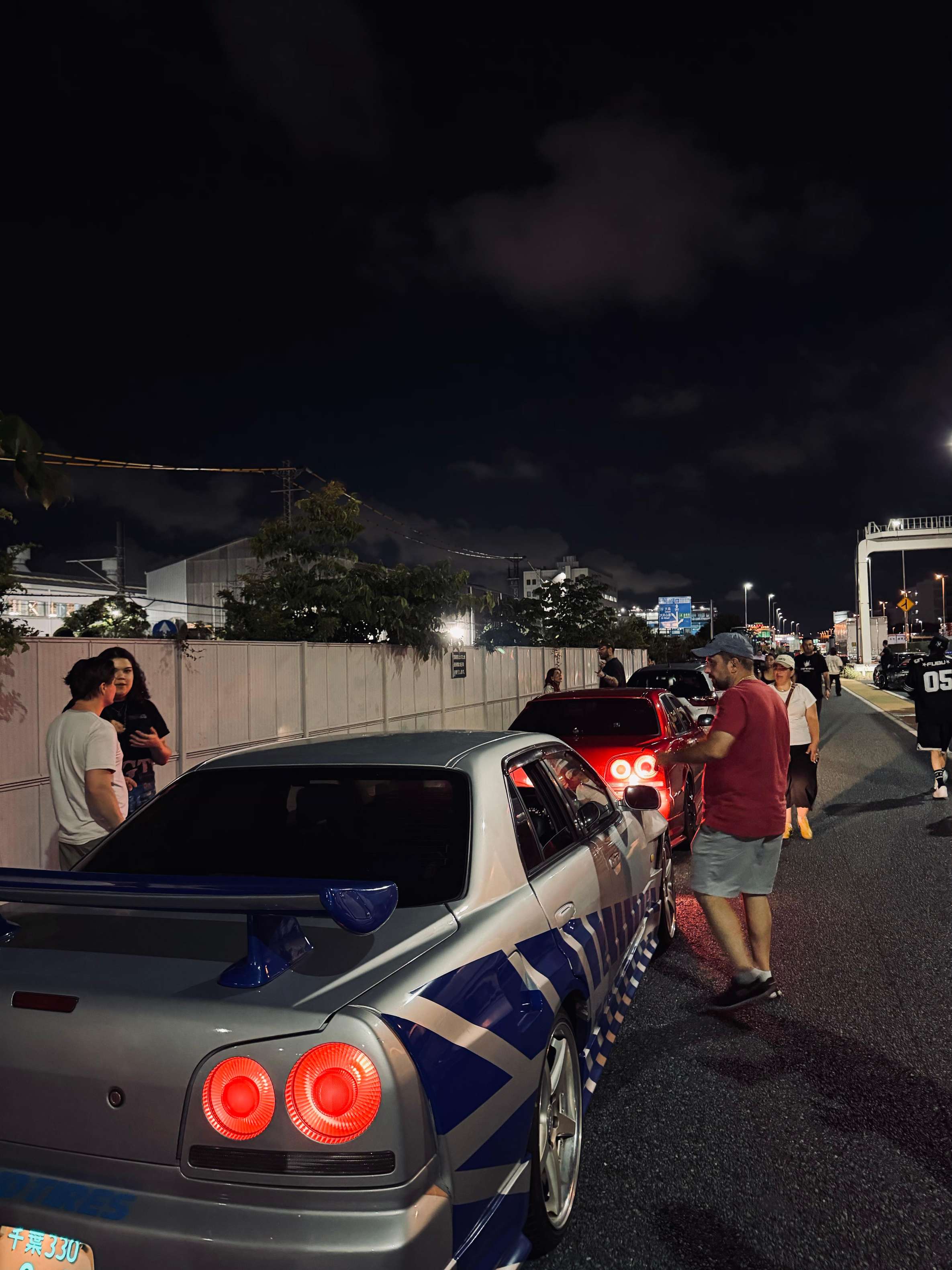
Being behind your own wheel changes the schedule entirely, because you carry the timing risk. The paperwork comes first: an International Driving Permit must be arranged in your home country before departure, since it cannot be issued inside Japan.
Drivers from Belgium, France, Germany, Monaco, Slovenia, Switzerland and Taiwan instead need an official Japanese translation of their license, obtainable through JAF. The legal minimum age to drive on expressways is 18.
Tolls are the next hurdle. The Shuto Expressway runs on ETC wireless gates, and a rental without a card means sticking to general or shared lanes, paying in yen cash or by card, and never entering an ETC-only plaza, where the barrier stays down and reversing is not allowed.
Rent an ETC card if you can.
The drive itself is the part that catches people. The exit to Daikoku is a long, circular off-ramp off the Kanagawa Route 5 Daikoku Line, and Shuto Expressway junctions put exits on both sides of the road, with lanes narrower than most visitors expect.
Navigation apps frequently lose tracking where the expressway runs above surface streets or through tunnels. Budget for the tolls, and know that hotel overnight parking adds its own nightly charge on top.
The compensation is freedom: your own schedule, and the flexibility to chase the crowd if Daikoku closes and the scene moves to Tatsumi, Akiba UDX or the Shibuya government garage.
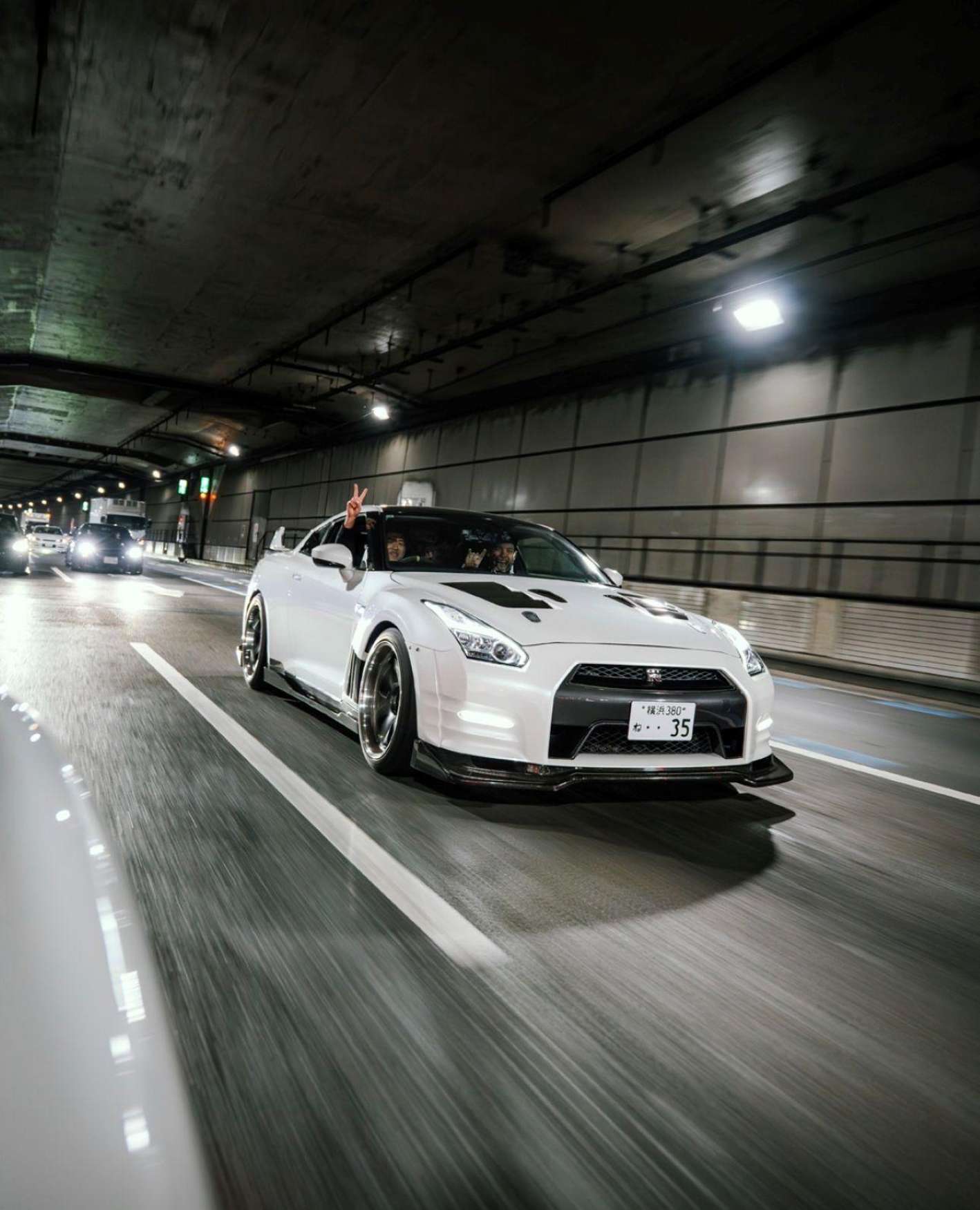
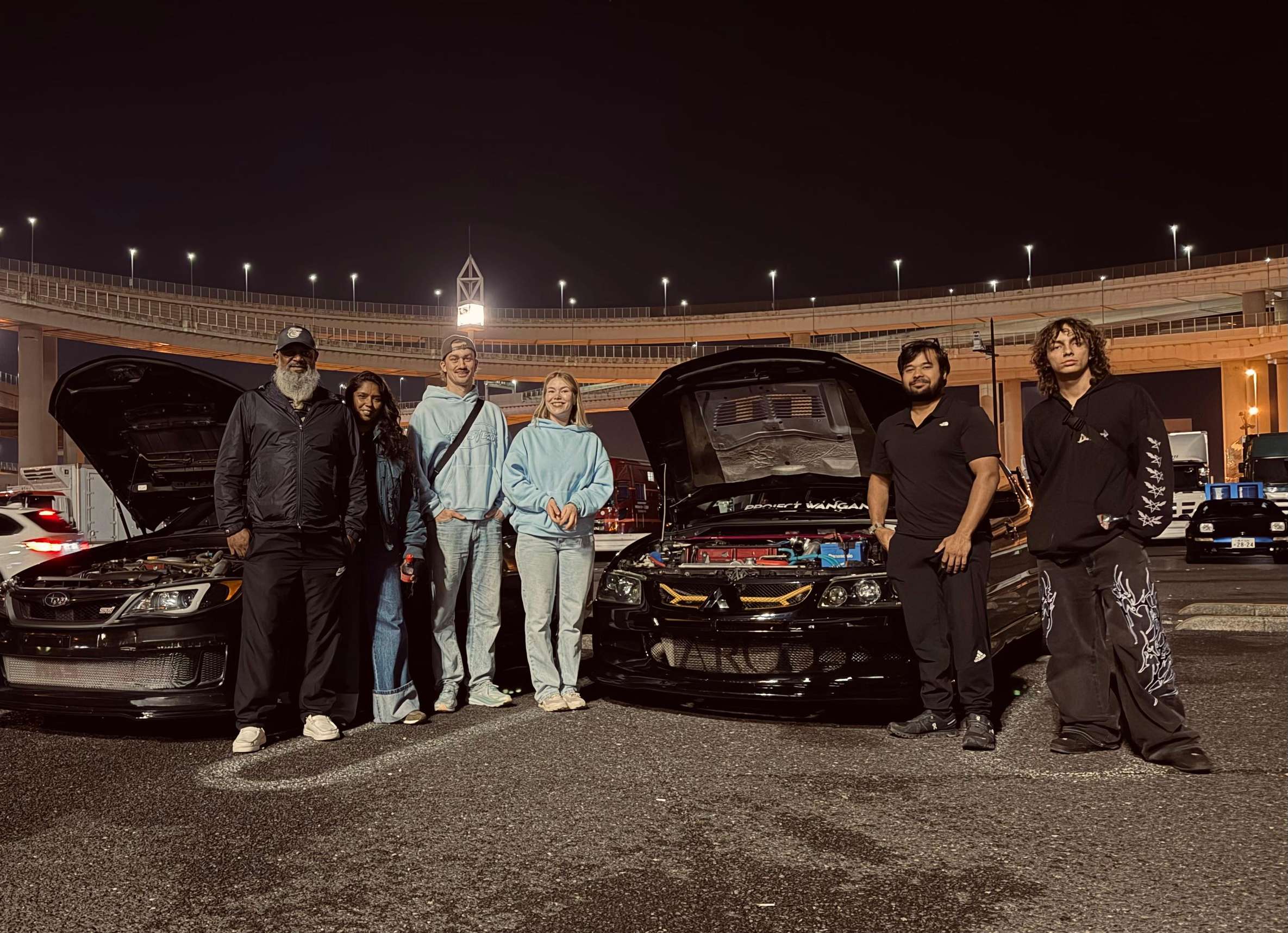
Entry is free, because Daikoku is a public highway rest stop, and the only money involved is tolls and parking, which guided tours fold into their fare. That open-door setup is why the etiquette matters: the owners whose cars make the night are private individuals in a public lot.
Never touch, lean on or sit on a car without asking. A watch strap or a zipper can mark paint, so keep metal away from bodywork, and never step on a hood or bumper.
Be respectful when photographing other guests and their vehicles. And resist the urge to rev anything: engine revving, peeling out and burnouts inside the parking area are exactly what brings the police in and ends the meet for everyone.
Two physical cautions. Standing by the entrance ramp to watch cars pull in puts you a step from expressway-speed traffic, so watch the arrivals from inside the lot. And the sound vans running audio battles have been measured at up to 150 decibels, loud enough to hurt, so foam earplugs are worth packing.
This is a public rest stop, so the lot is open to anyone arriving by vehicle
Keep bracelets, zippers and camera hardware away from bodywork
Watch incoming cars from inside the lot, never beside the ramp
The atmosphere itself is friendly. Open-format meets in Japan are generally welcoming to foreign visitors admiring the cars, and the deck is a public place, so solo travelers are fine. With young children, keep in mind this is an informal late-night gathering and hold hands near the moving traffic.
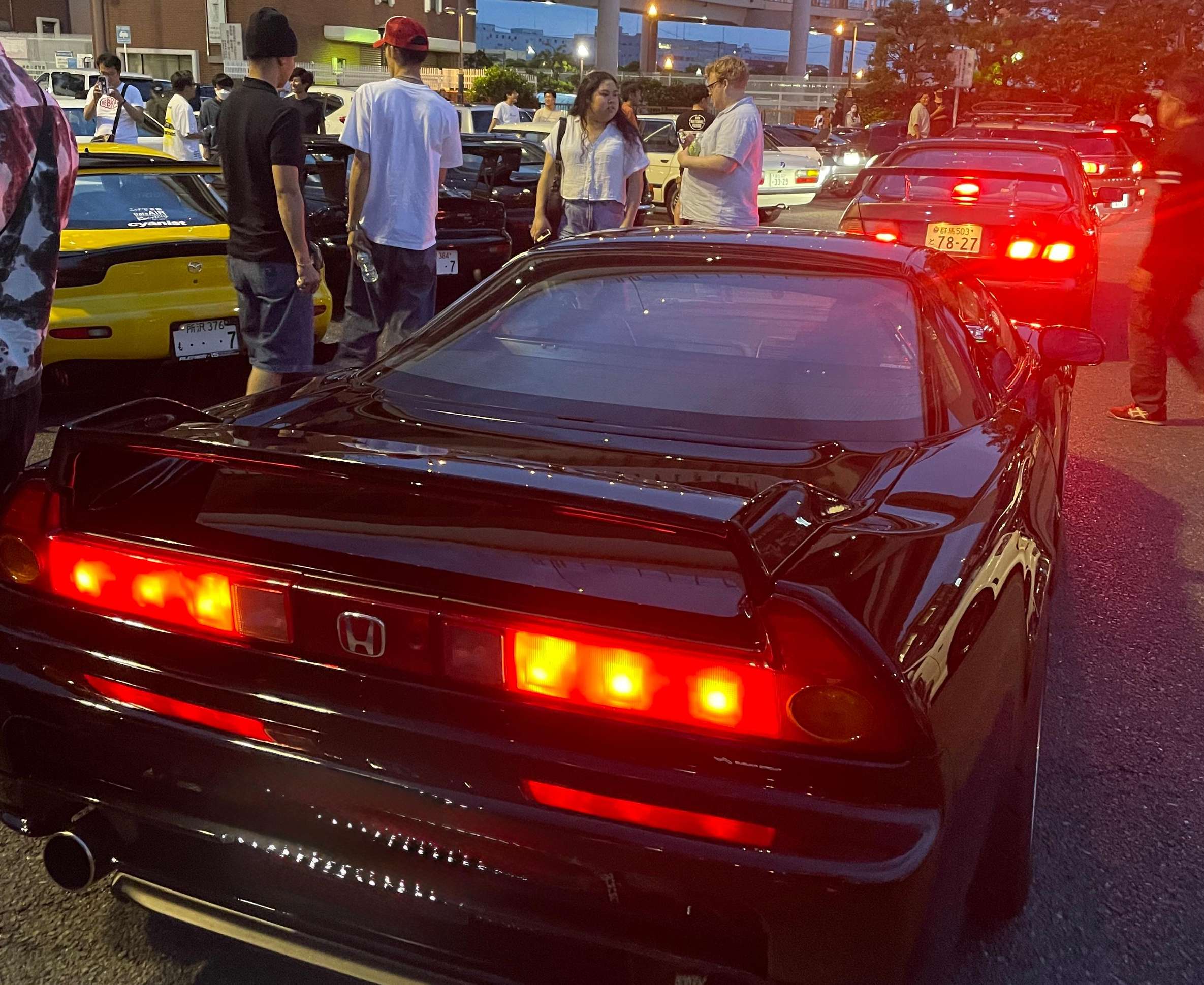
The meet ignites in the evening, which leaves a full day in Tokyo to spend on the same hobby. Start in Shinonome, where Super Autobacs Tokyo Bay is a car shop you can reach by rail: aftermarket parts, official JDM apparel and merchandise, and customer sports cars parked in its active lot.
The A-PIT side hosts community meets and tuner fairs on weekend mornings, so it doubles as a staging point for the night.
In Yokohama, the Nissan Global Headquarters Gallery and the historic Nissan Engine Museum cover the manufacturer's side, and the NISMO Omori Factory showroom opens weekends only from 10 am to 5 pm, closed on weekdays and through Golden Week and the year-end holidays, which matters if you are timing a visit.
Collector showrooms such as Garage Current, L'Operaio and Bingo Sports display hypercars in Tokyo, and Liberty Walk Tokyo appears on several tour routes.
A few of these sit close enough to walk between, and the rest slot neatly into a morning before an evening meet.
Rain changes the evening plan more than the daytime one.
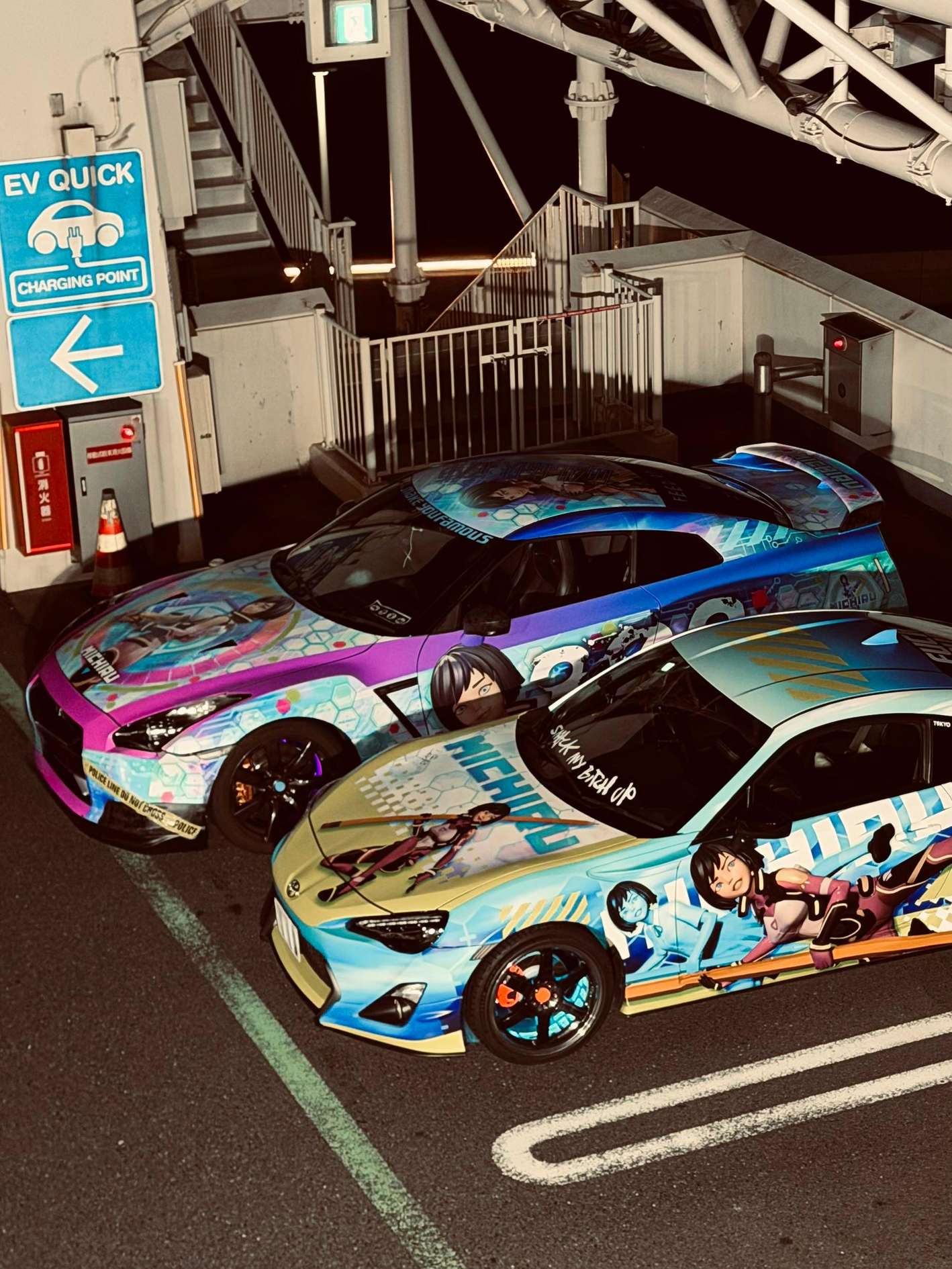
When outdoor decks are washed out, the Akihabara UDX underground parking garage keeps the scene going: enclosed across three basement levels, free to enter on foot, two minutes from Akihabara Station, and at its densest on Friday and Saturday nights from 7 pm to midnight, with the anime-wrapped itasha concentrated on level B2F.
A day of showrooms followed by a garage walk on a wet night is a perfectly good Tokyo car-culture itinerary on its own.
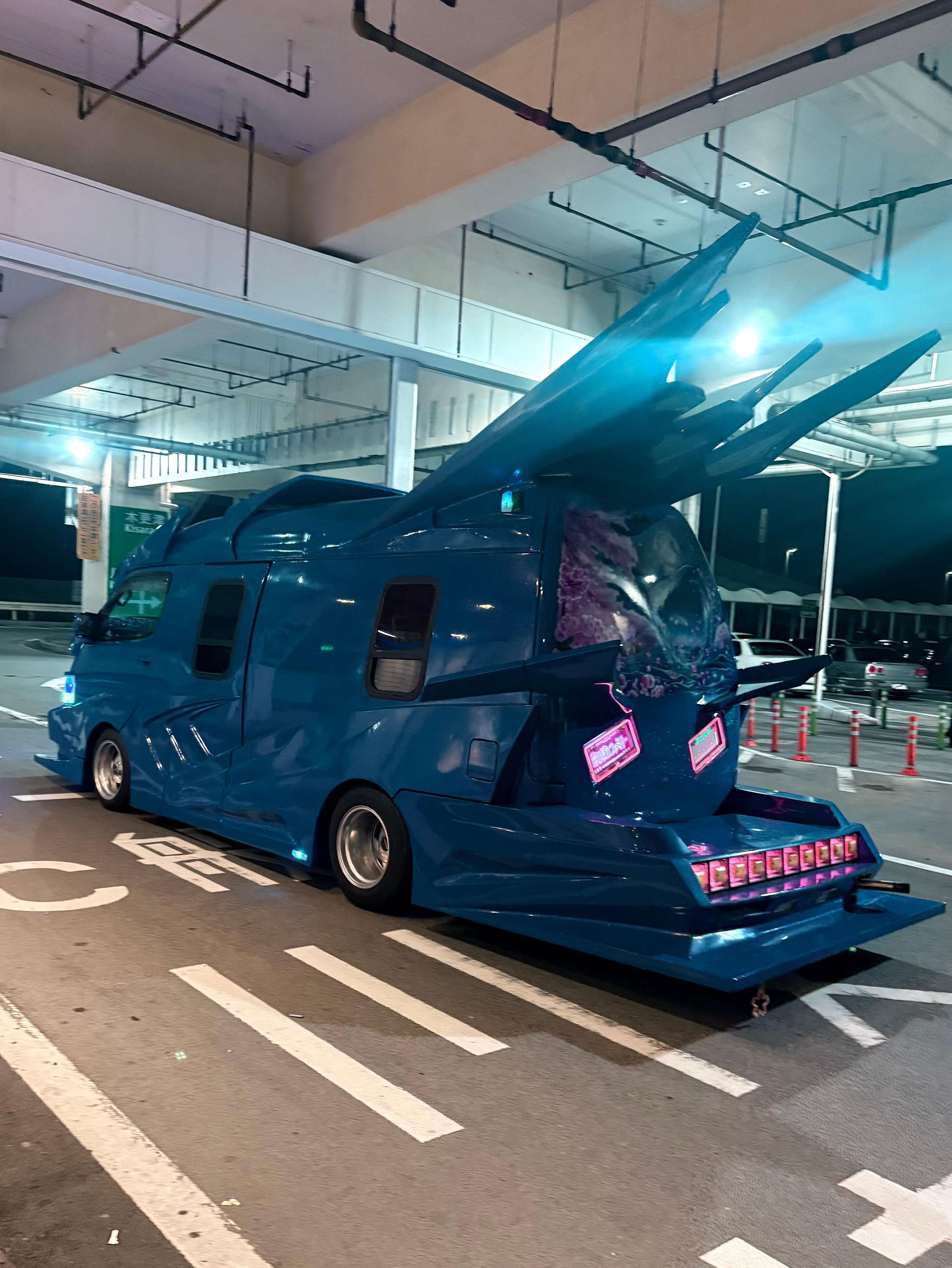
Daikoku rewards the planner more than any other Tokyo attraction, because the difference between a packed deck and an empty one is ninety minutes of timing.
Go on a Saturday, arrive before 7 pm, and let a guided ride handle the highway. If your dates only allow a weeknight, go anyway: the cars show up every night of the week.
Zoom out from one parking area to where Tokyo's car scene lives across the whole city.
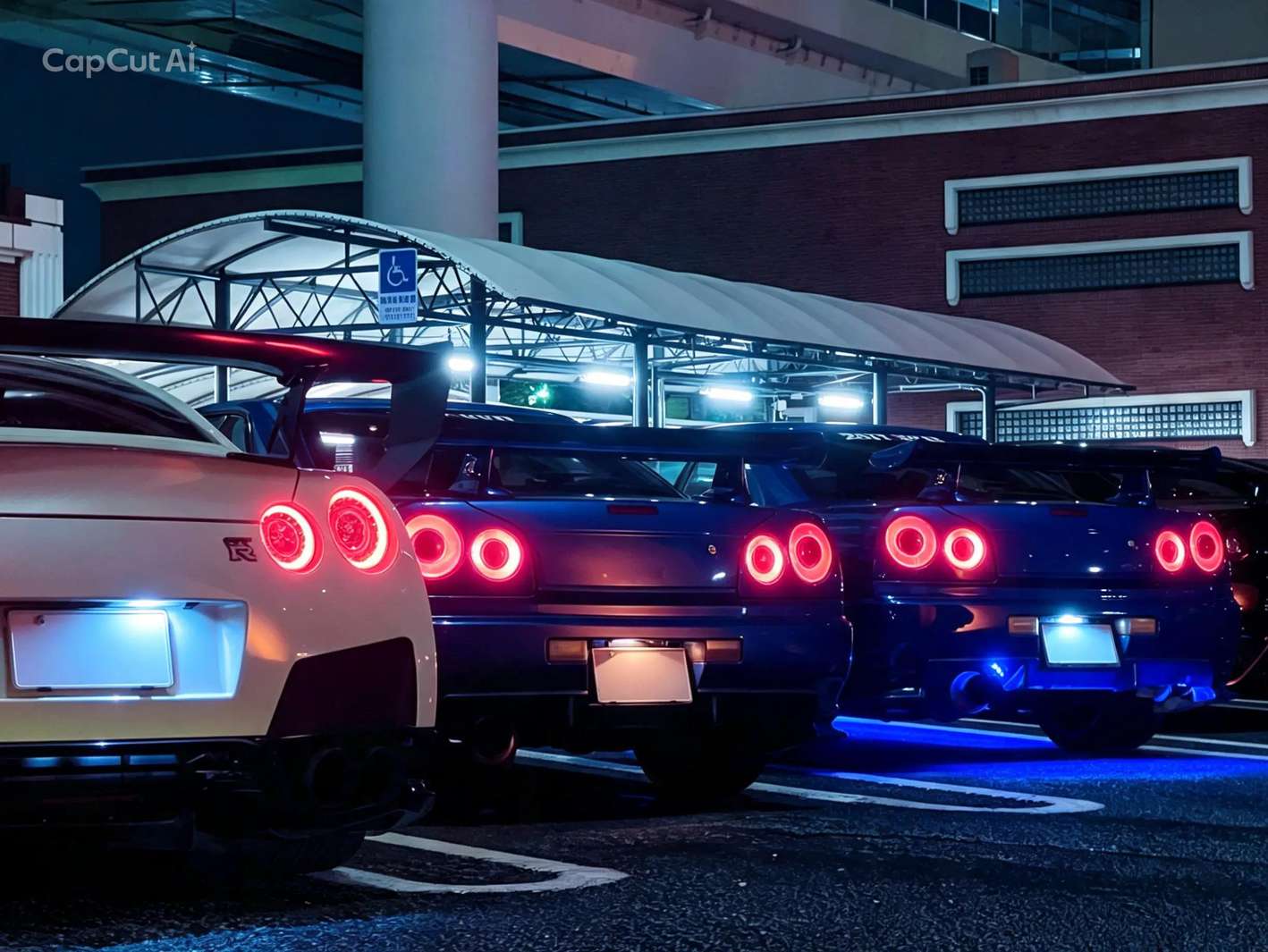
When Daikoku closes early, this page maps the other garages and decks where the cars gather instead.
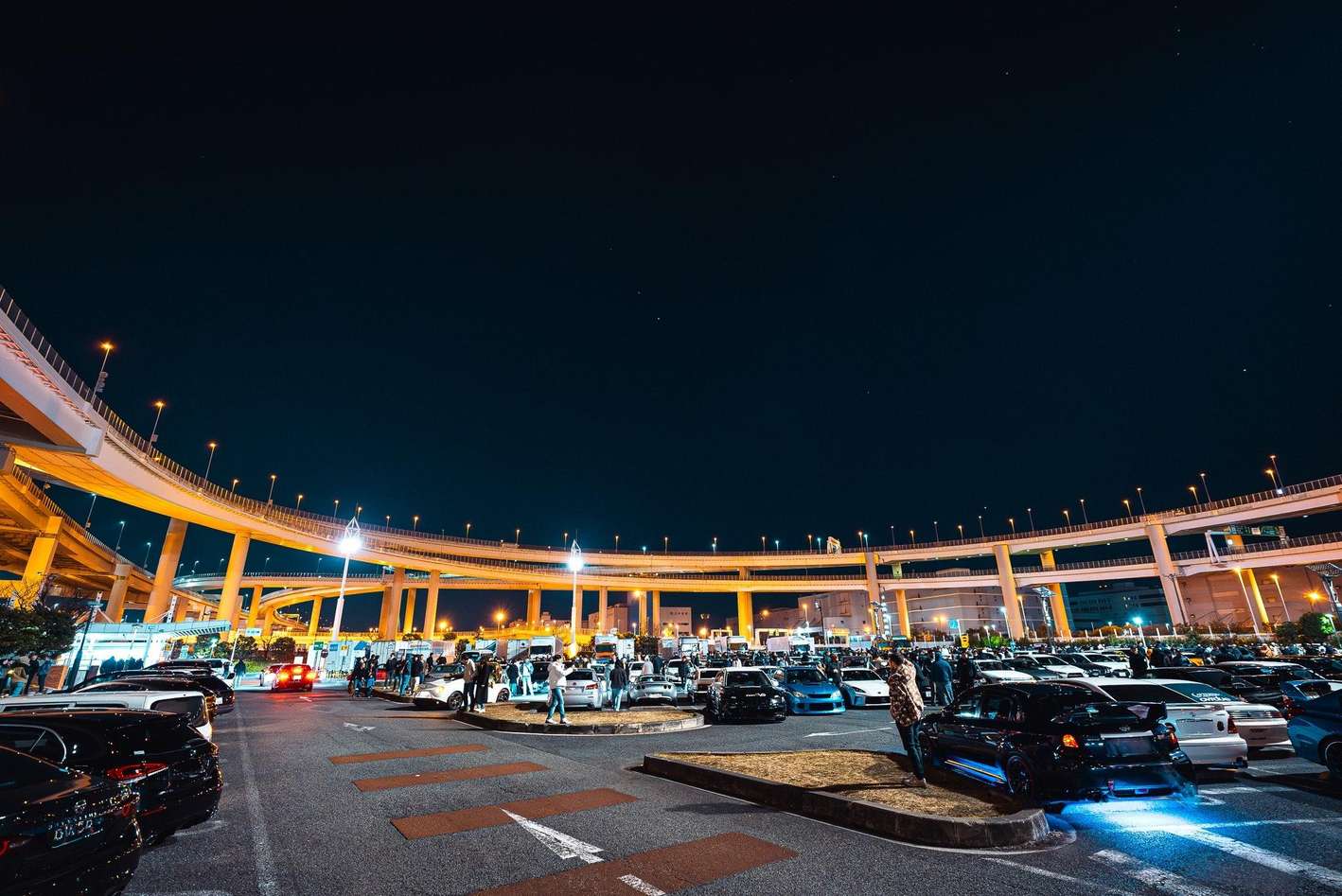
See the one-off calendar days, from enthusiast holidays to big shows, that sit outside the weekly rhythm.
Once you know which night to go, compare guided tours and find the departure time that fits it.
Prefer the meet with no strangers in the back seat? A private R34 ride with hotel pickup is covered here.
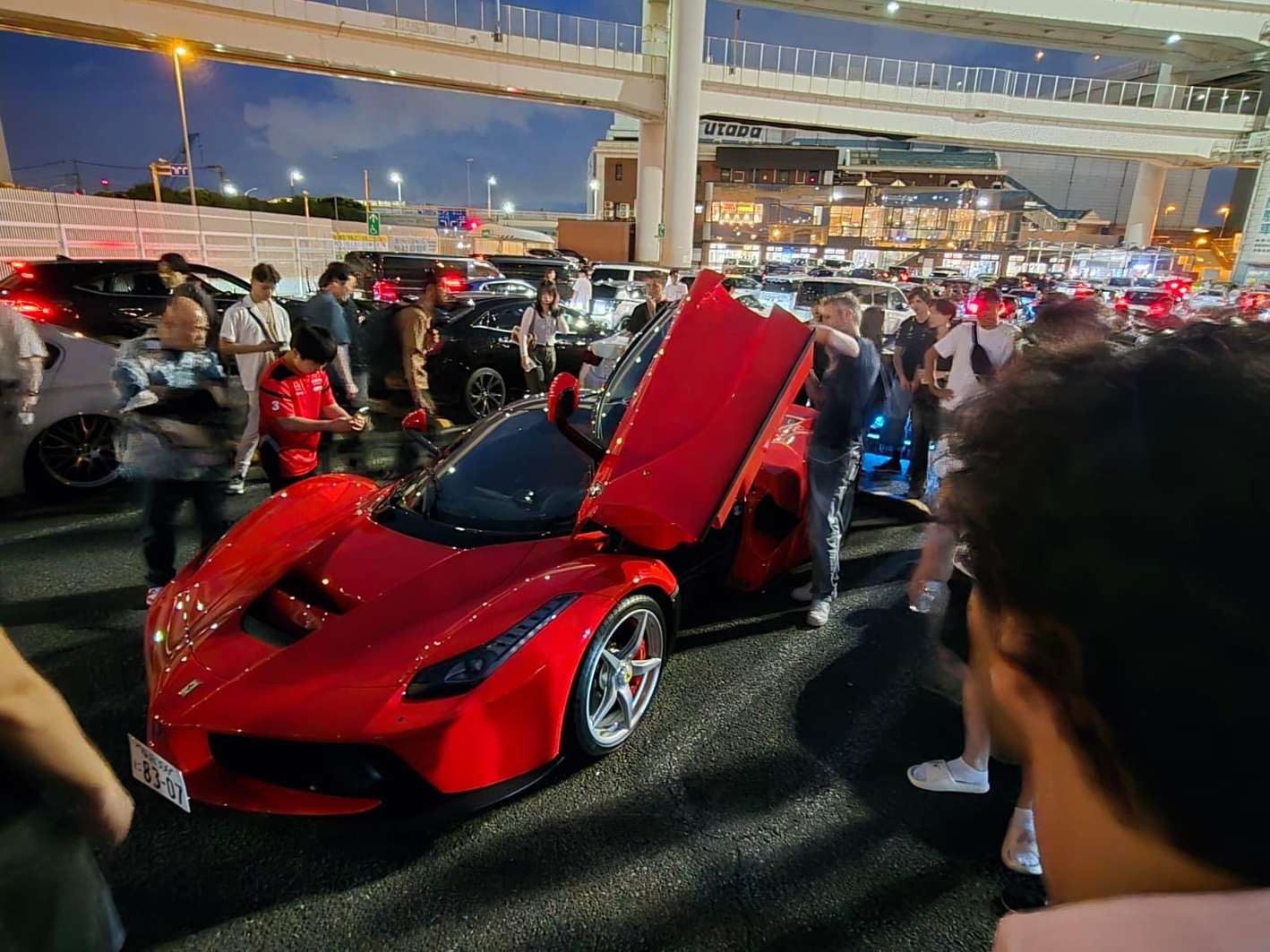
Want to be behind the wheel instead of riding shotgun? These guided convoys put you in the driver's seat.
Chasing the movie version of Tokyo's night drives? These Fast and Furious tours end right at the meet.
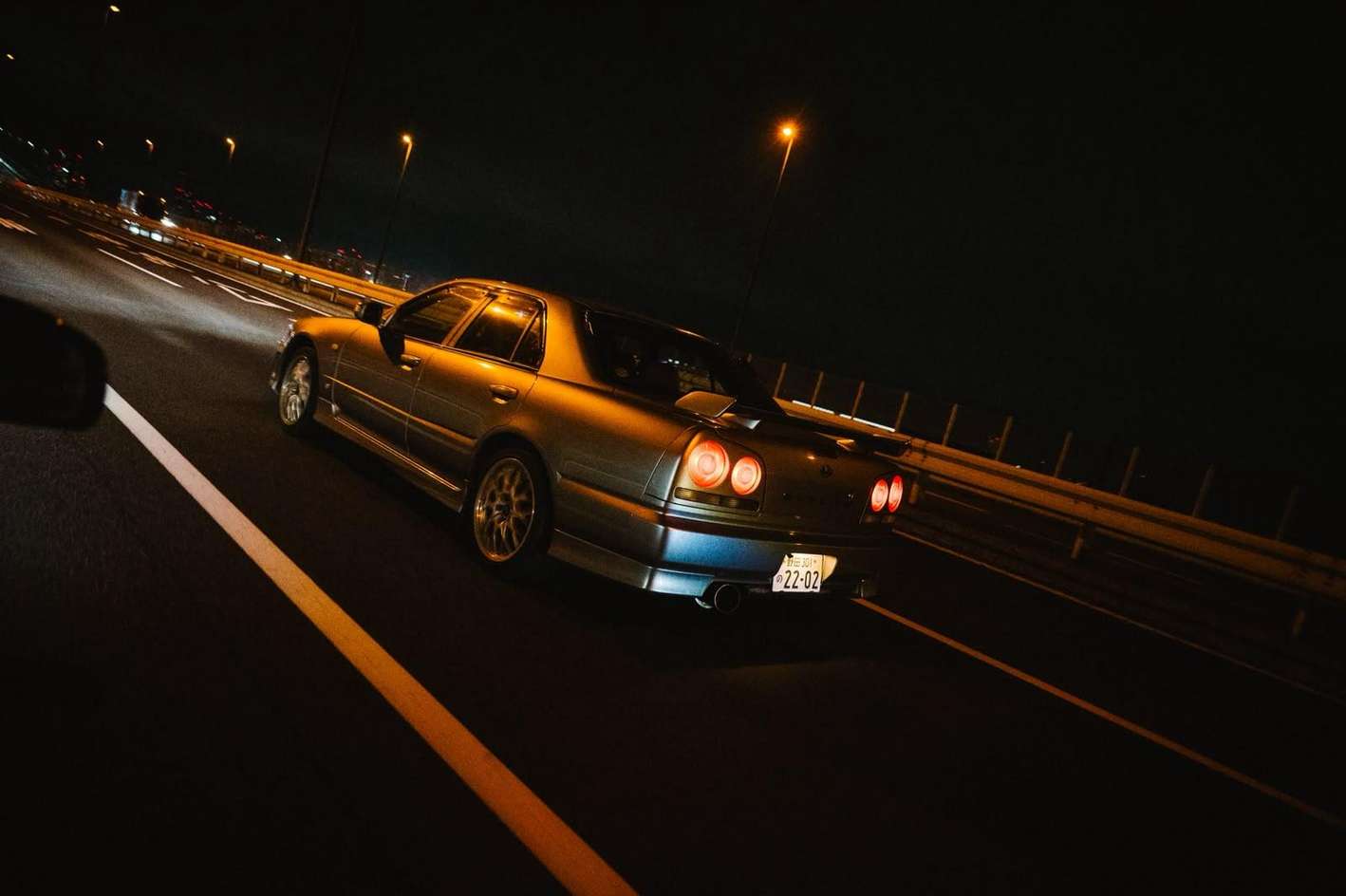
Daikoku has no train stop, so this page sorts out the one legal way in: four wheels on the expressway.
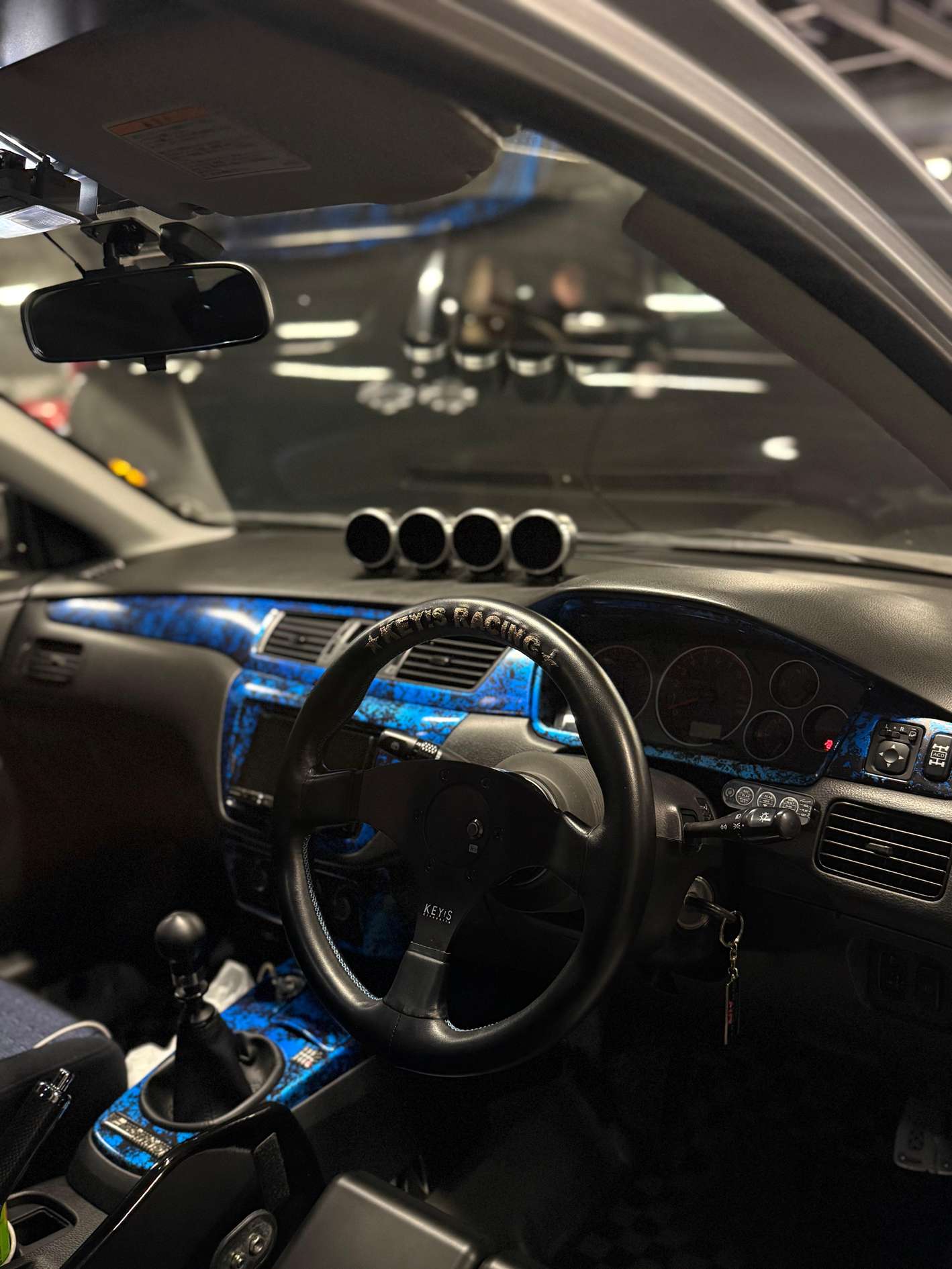
Dreaming of driving your own JDM rental to the meet? Costs, permits and booking windows explained.
The questions travelers ask before picking their night, answered plainly.
 Tokyo2026
No. Daikoku Parking Area is a public highway rest stop, and the meets are spontaneous gatherings with no organizer or calendar. The cars change every night, so nothing is guaranteed, but the weekly rhythm is very predictable.
Friday and Saturday nights fill the lot the fullest, with Saturday bringing the largest crowds and the widest mix of cars. Monday through Thursday stay active too, with smaller, steadier turnouts and almost no police involvement.
Cars start arriving around 4:30 pm to 5 pm, and attendance peaks between 7 pm and 8:30 pm. Police often close the entrance ramps between 7:30 pm and 8:30 pm, so arriving before 7 pm is the safest bet.
On busy weekend nights, patrol usually blocks the entrance around 8:30 pm, and the lot can stay closed to new arrivals until 2 am or later. Weekdays rarely see closures at all, which makes them the dependable choice.
Classics and supercars gather from around 7 am, peaking between 8 am and 10 am, then winding down through the early afternoon. It is the daylight option with minimal risk of police intervention.
Patrol cars announce a dispersal over loudspeakers, and everyone packs up and drives off peacefully. Guided tours respond by rerouting to alternatives like Umihotaru PA, Tatsumi PA, or A-PIT Autobacs Shinonome.
Noise and overcrowding. When revving engines and packed lots stop regular drivers from using the restrooms, restaurants, and parking bays, expressway police close the ramps in cooperation with the highway operator.
Yes, if you want a relaxed visit. Sports cars and modified builds show up every evening, and the smaller turnout lets you inspect cars and talk with owners without crowds, with almost no chance of a shutdown.
Saturday brings peak volume, exotic supercars, and car clubs, but also the heaviest traffic and the highest closure risk. Friday runs slightly lighter and leans toward local Japanese enthusiast builds, though it can still close by 7:30 pm.
Later than on weekends. From Monday through Thursday, drivers begin gathering around 7:30 pm to 8 pm, and the evening stays steady with minimal police presence.
Food stands run from 7 am to 9 pm, the restaurant from 11 am to 9 pm, and the Lawson convenience store stays open around the clock. The facilities operate year-round with no scheduled closed days.
Booking ahead for a specific date is the reliable way to arrive before the ramps close. Local guides time the departure to the meet's peak window and handle the highway access, so you can pick a night and let the driving sort itself out.
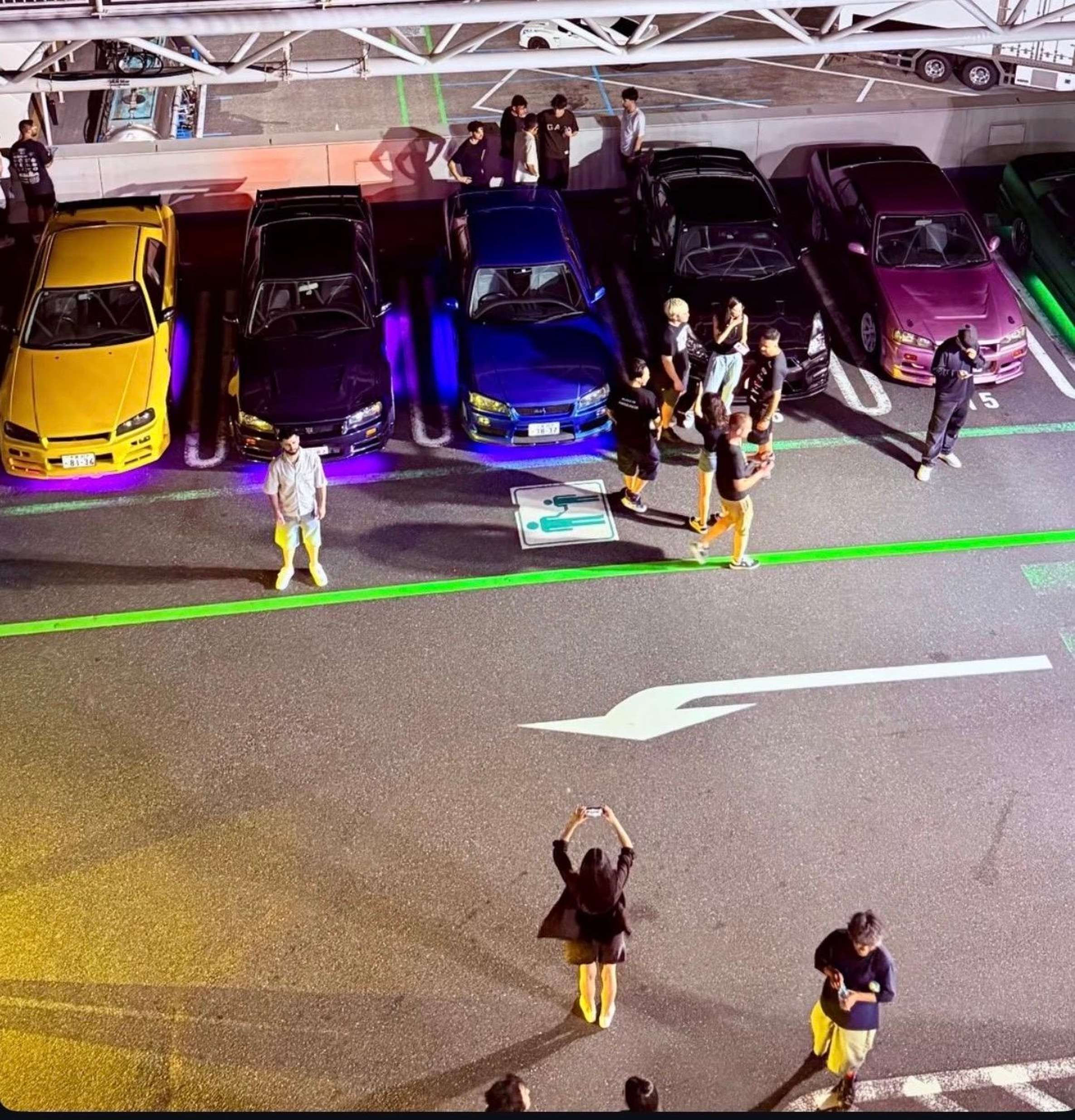
Join the Midnight Cruise in an R34 Skyline or Evo, with pickup and free cancellation up to 24 hours before you go.