 Our top pick
Tokyo: Go Daikoku PA Fast & Furious 3 Sports Car Meetup
Great music inside the carFree access to Daikoku PA car meeting pointsMeet people from all over the world
From$47 /person
See dates and book Free cancellation
Reach the meet you came for and get back to your hotel. Skip the taxi gamble - local enthusiast drivers take you round trip from central Tokyo, expressway tolls and parking sorted, straight into Japan's most famous car meet at Daikoku PA. Book your seat and the island is one drive away.
“Unforgettable. Our driver was fantastic and made it feel like a movie scene. No one may read this, but I can't describe it, I felt like I was living inside a video game.”
Every tour here runs a round trip: you board in central Tokyo, ride the expressway to the meet with a local driver, and come back the same night without hunting for a ride home.
Our top pick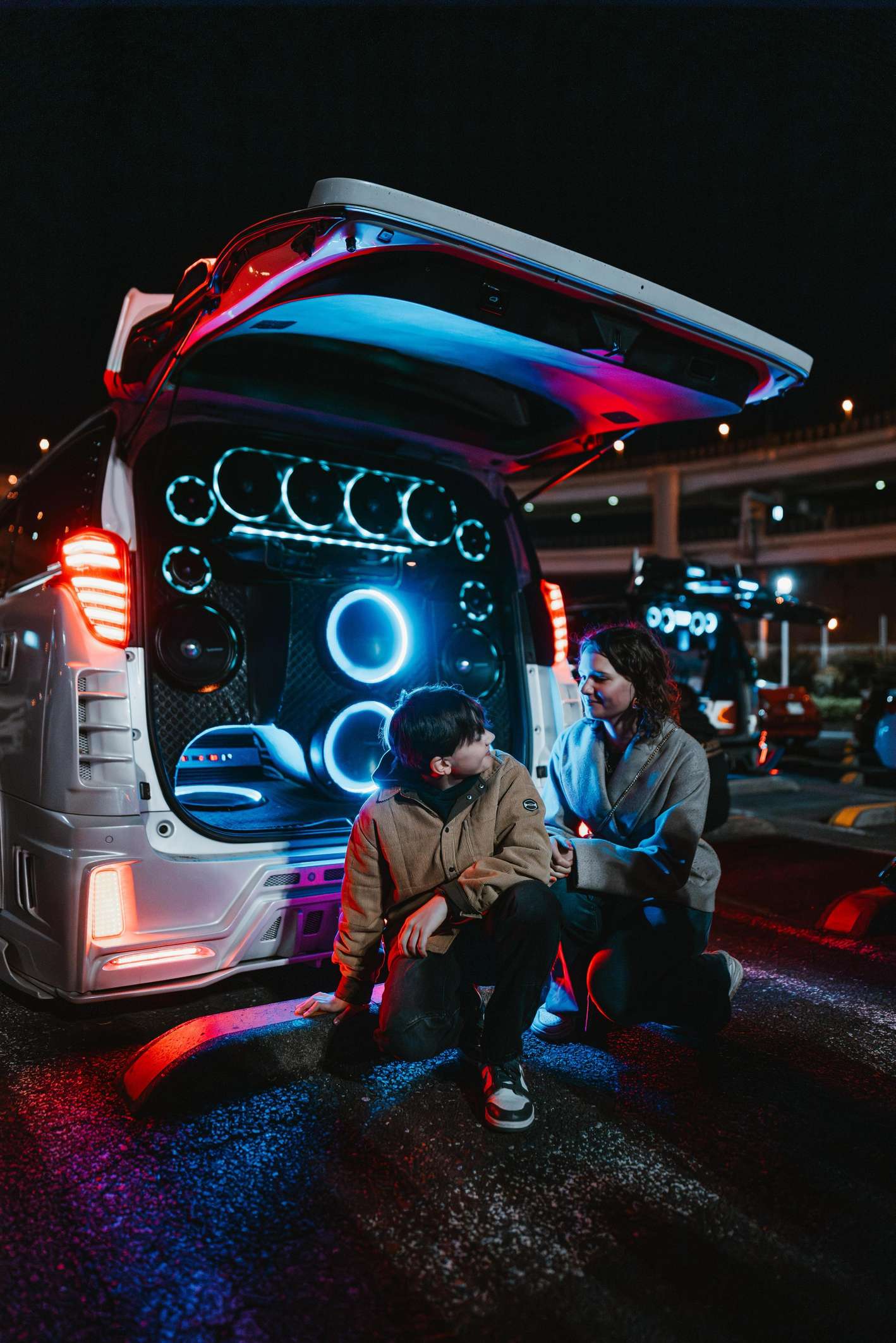
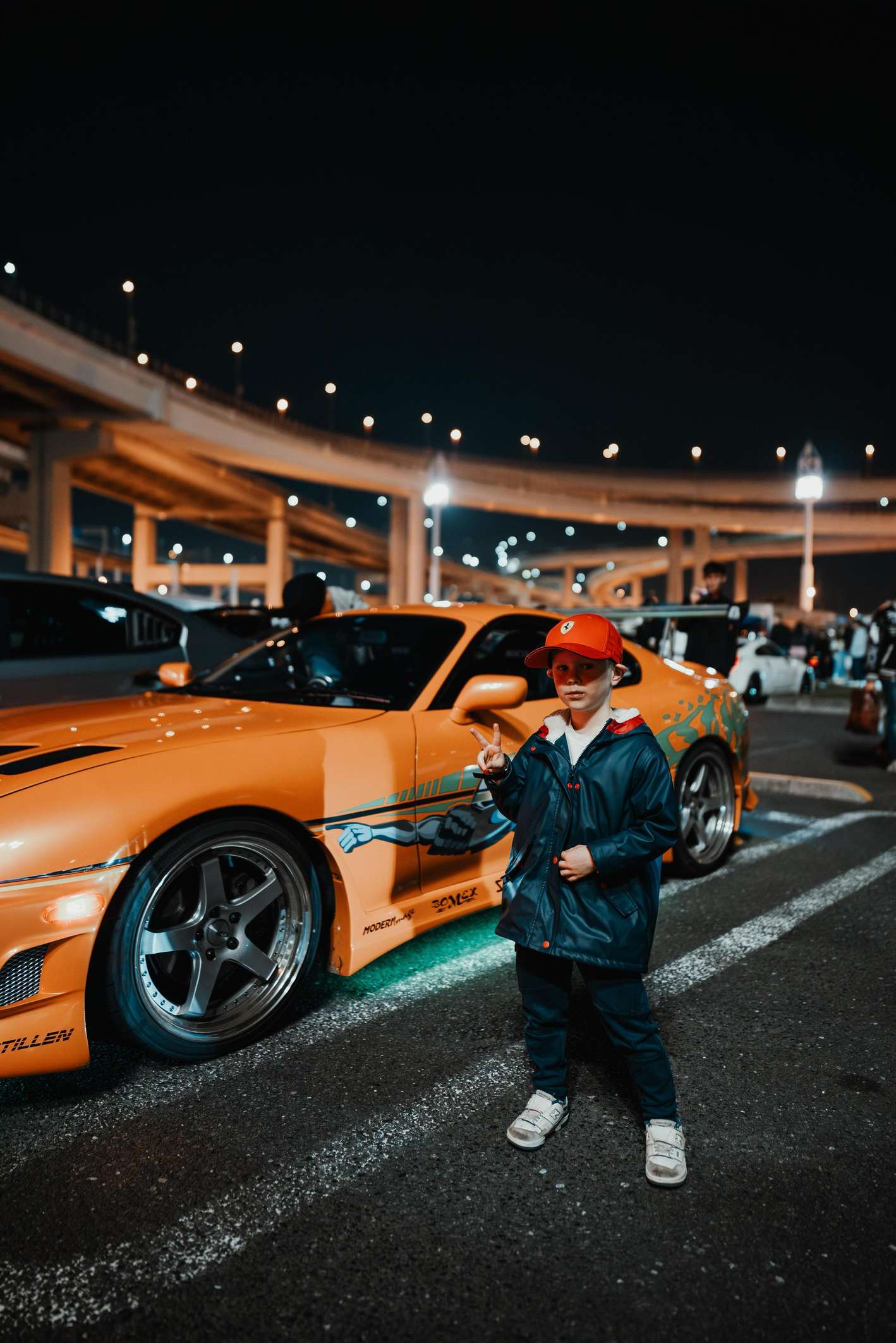
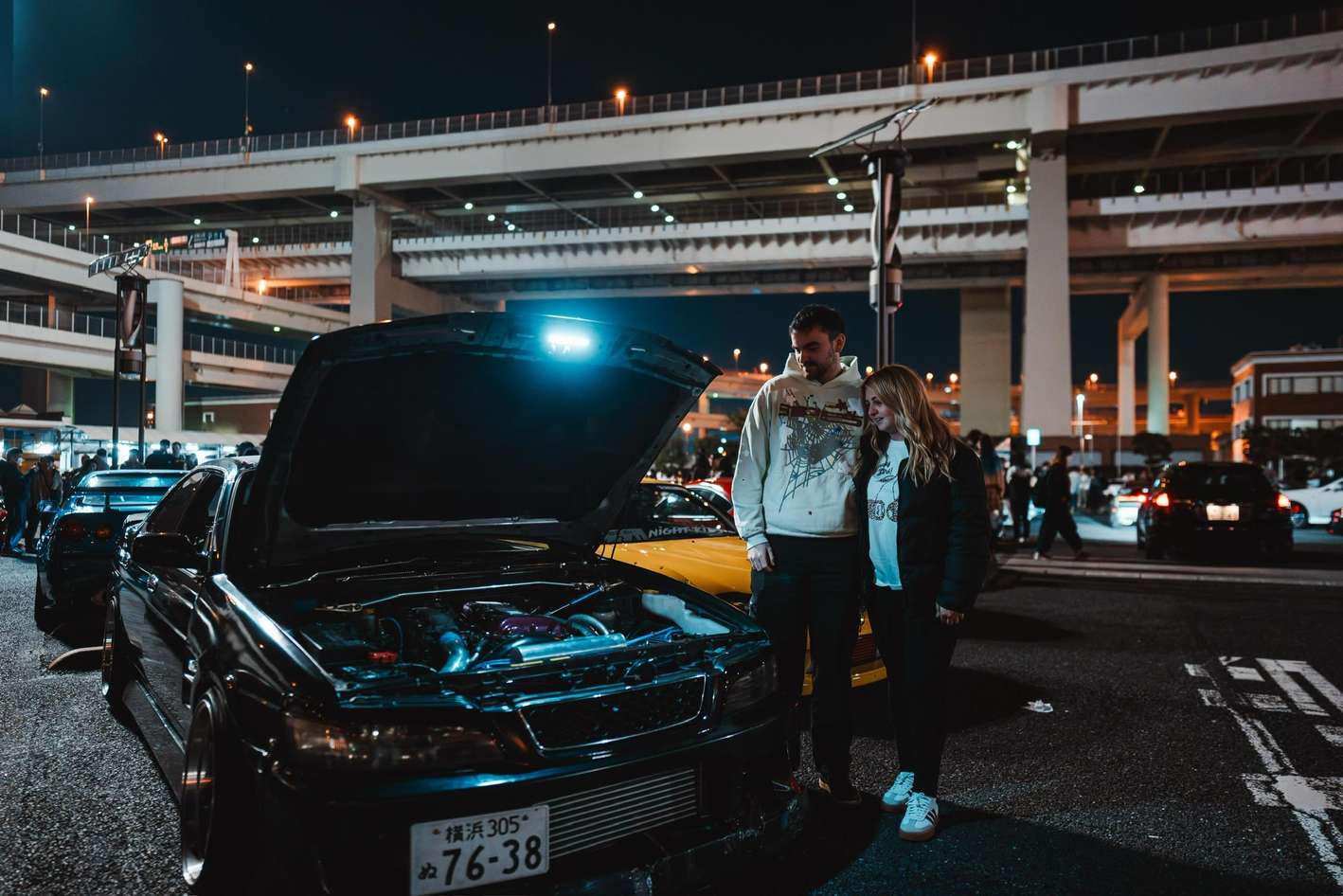
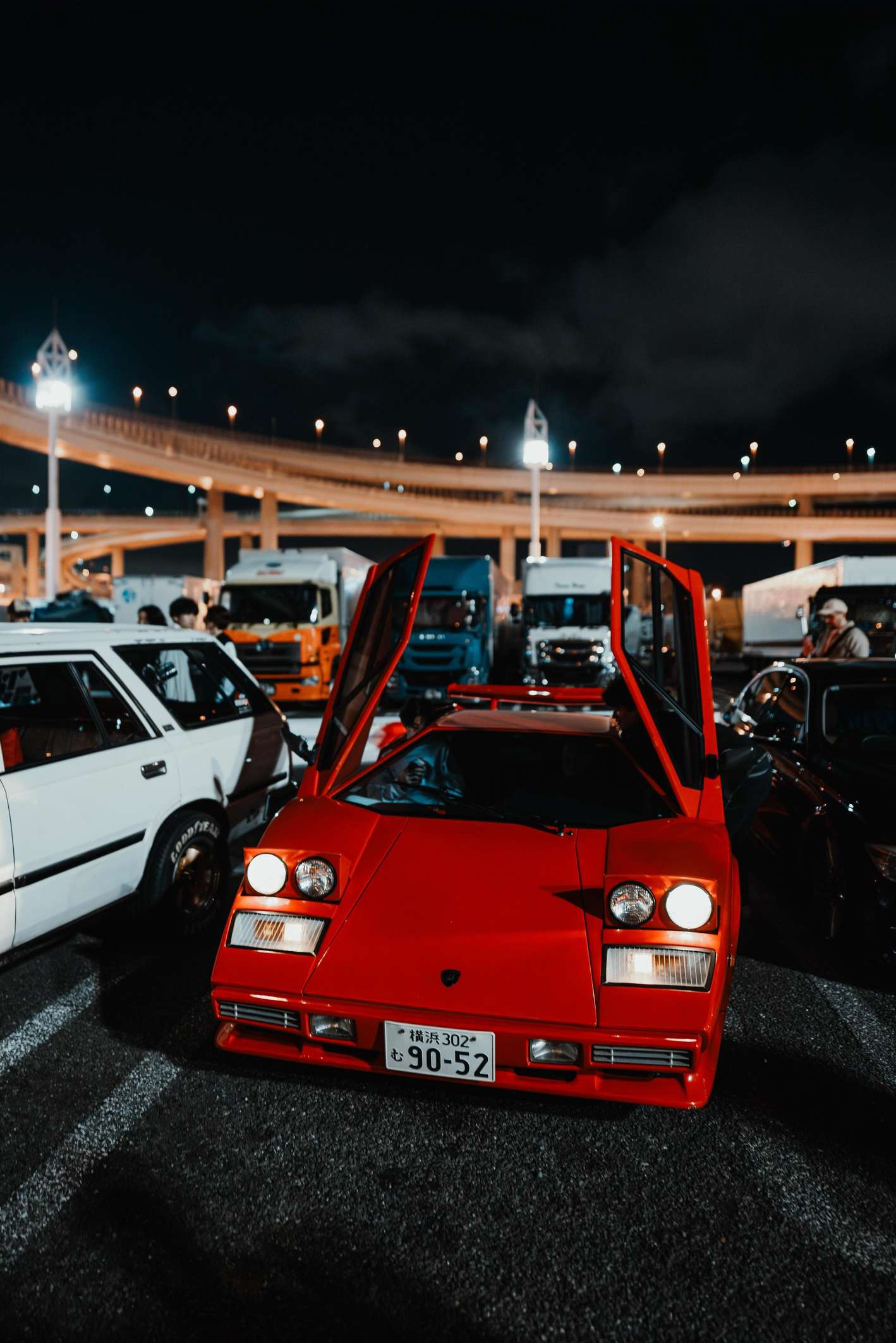
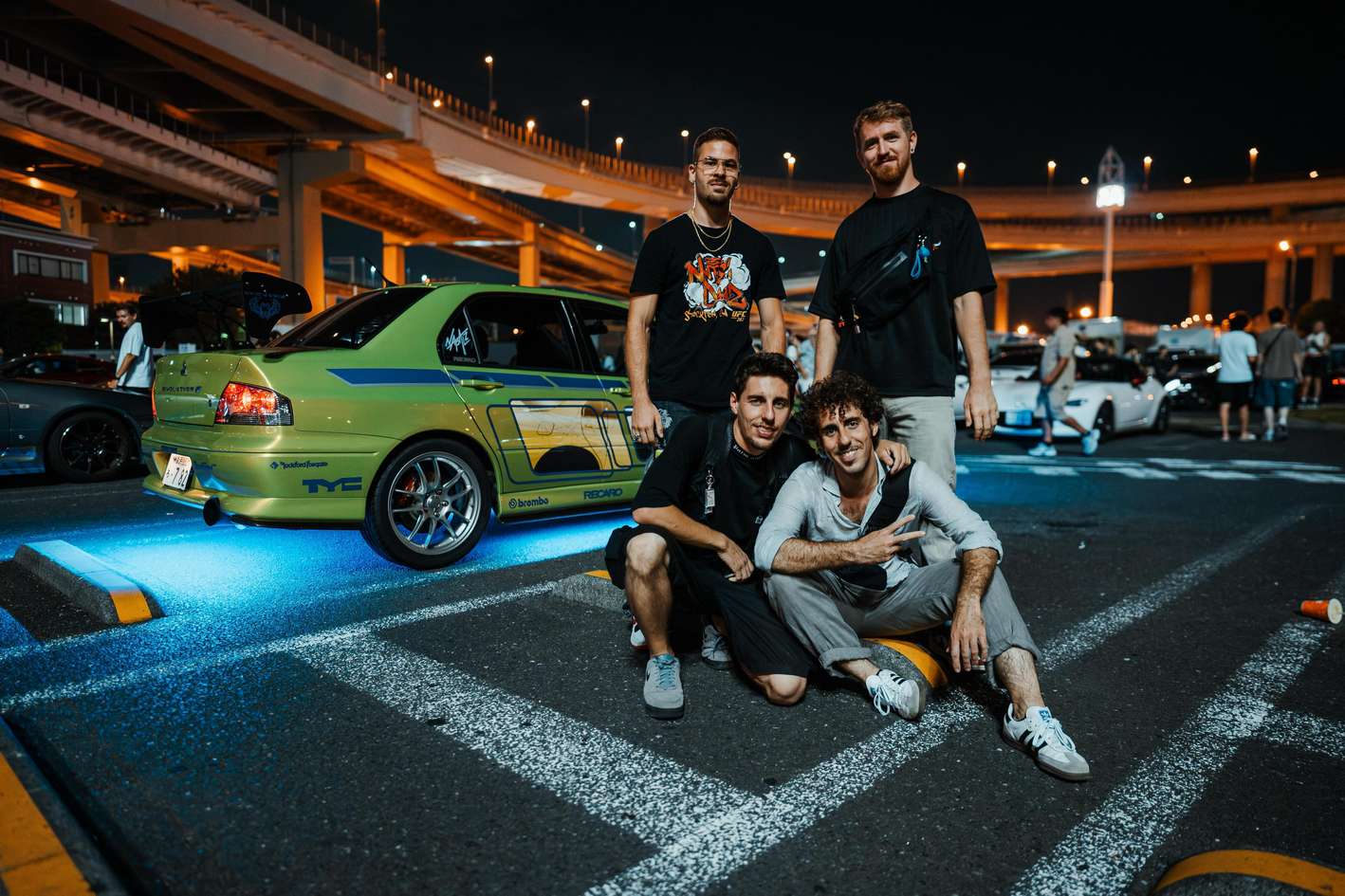
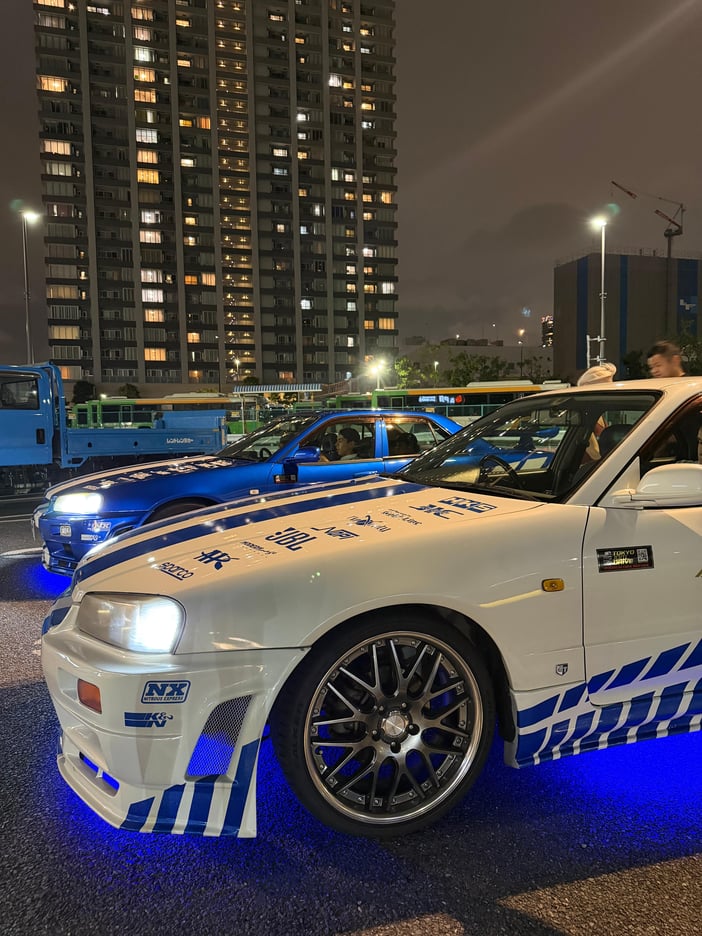
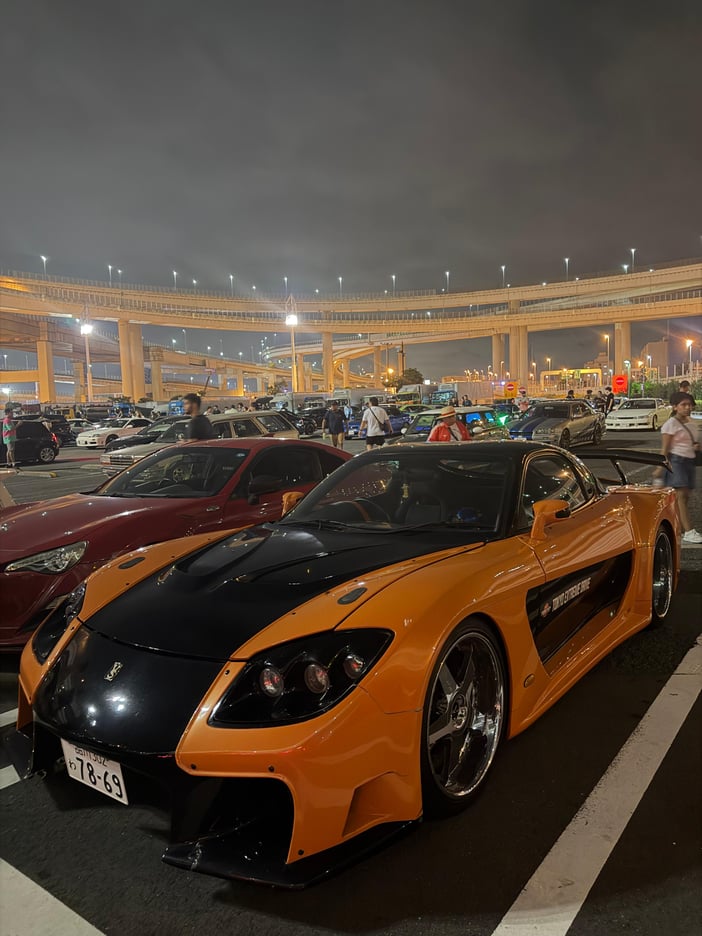
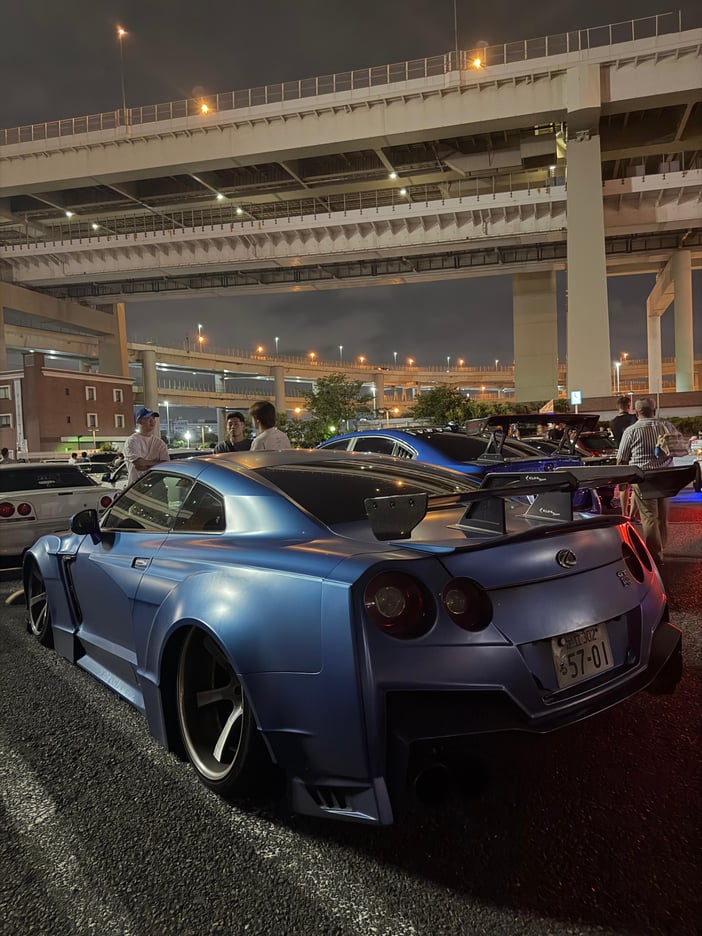
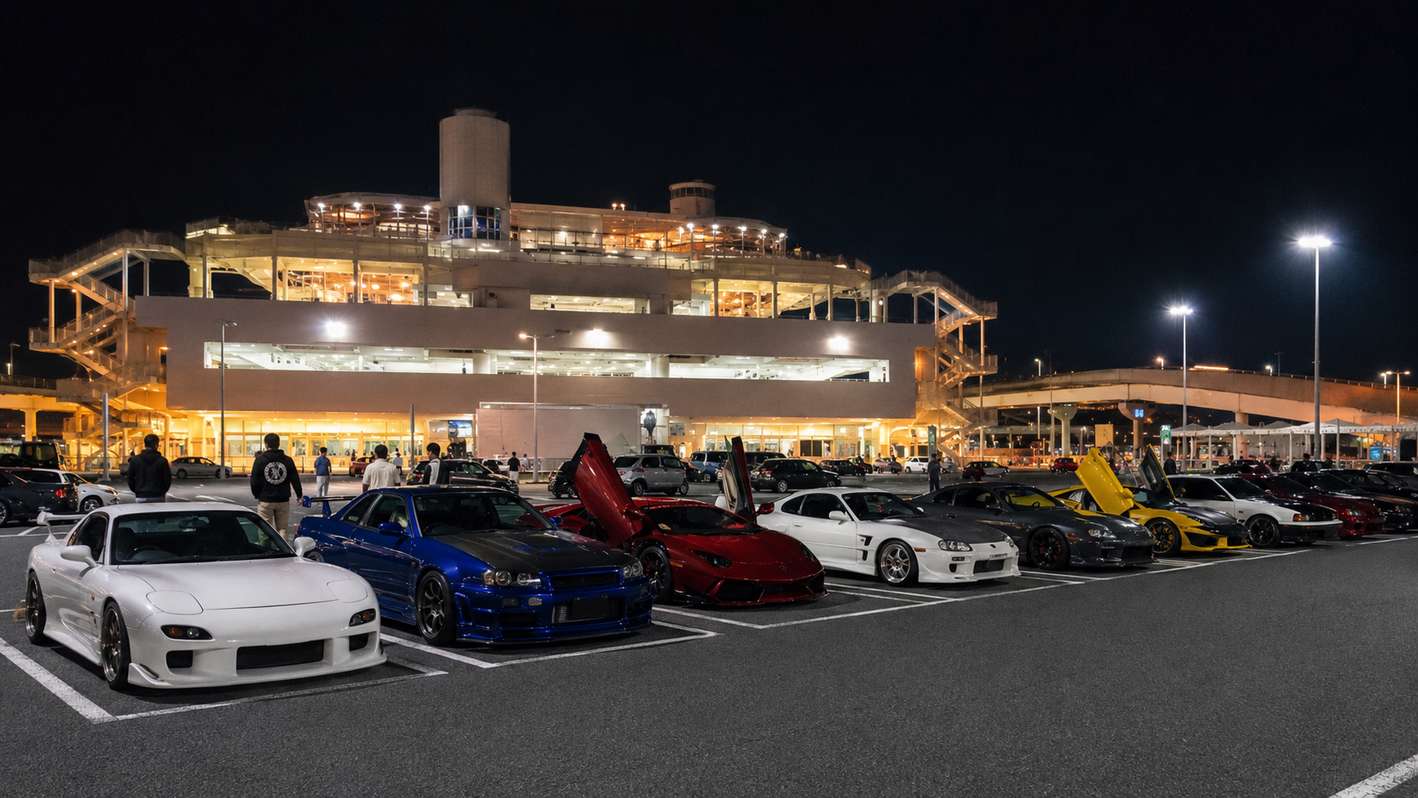
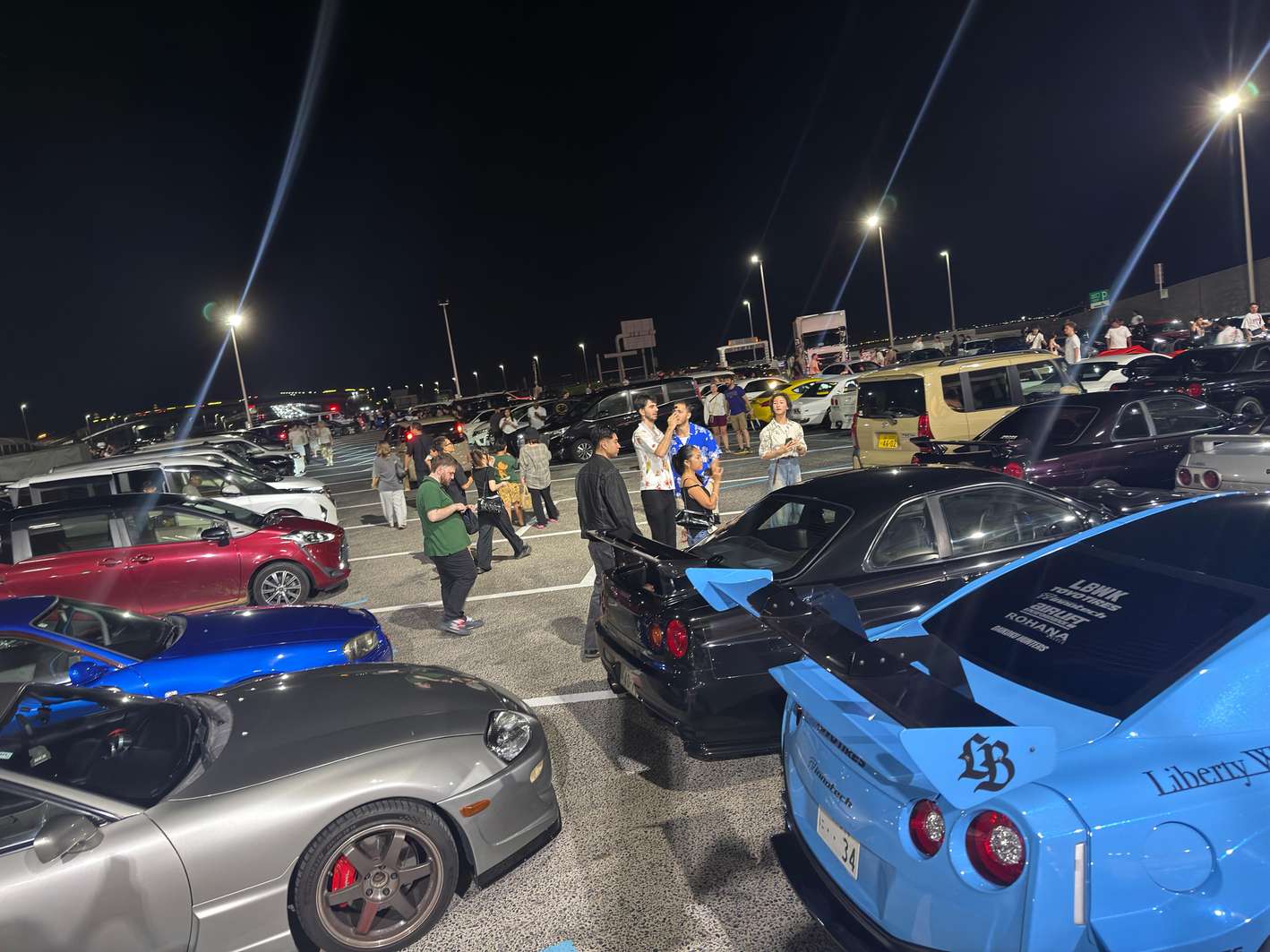
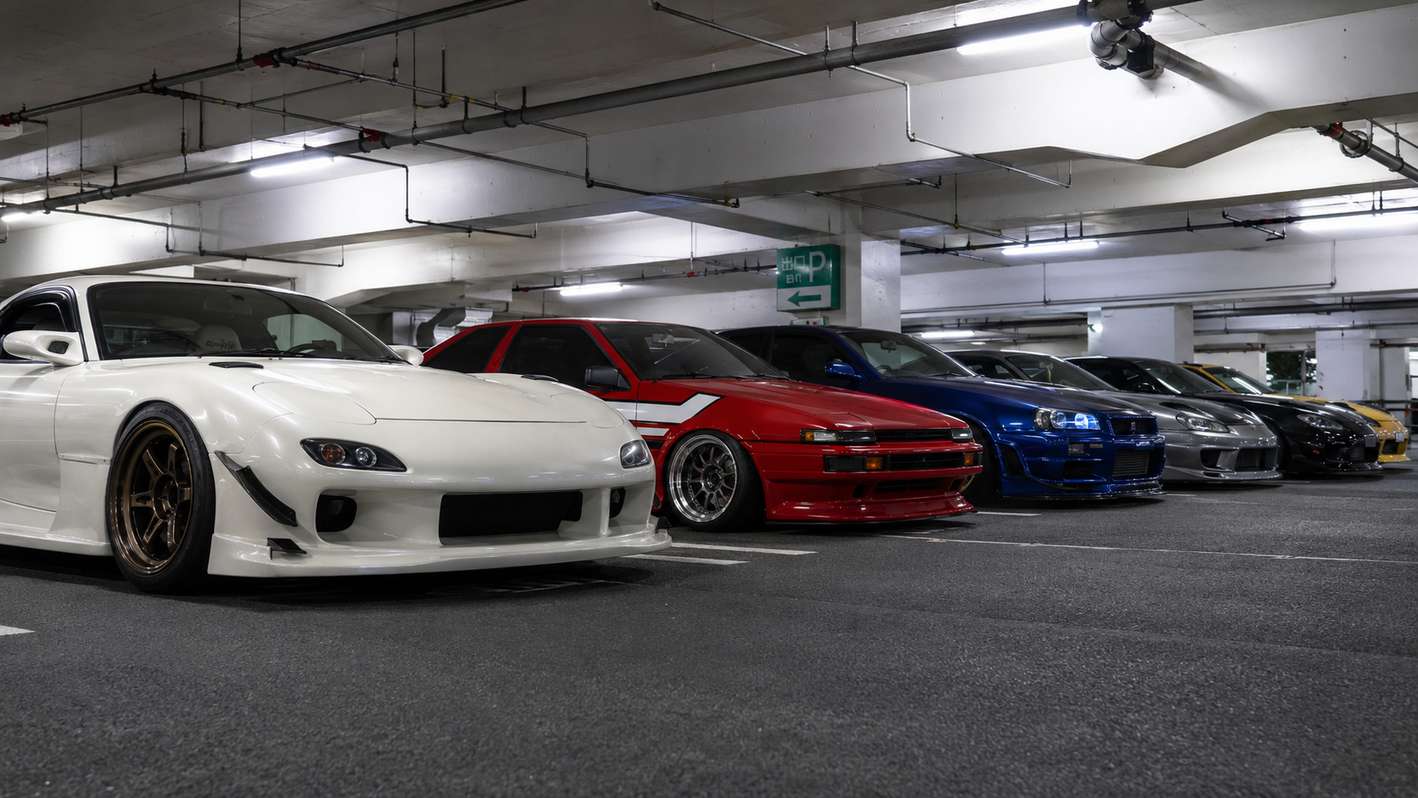
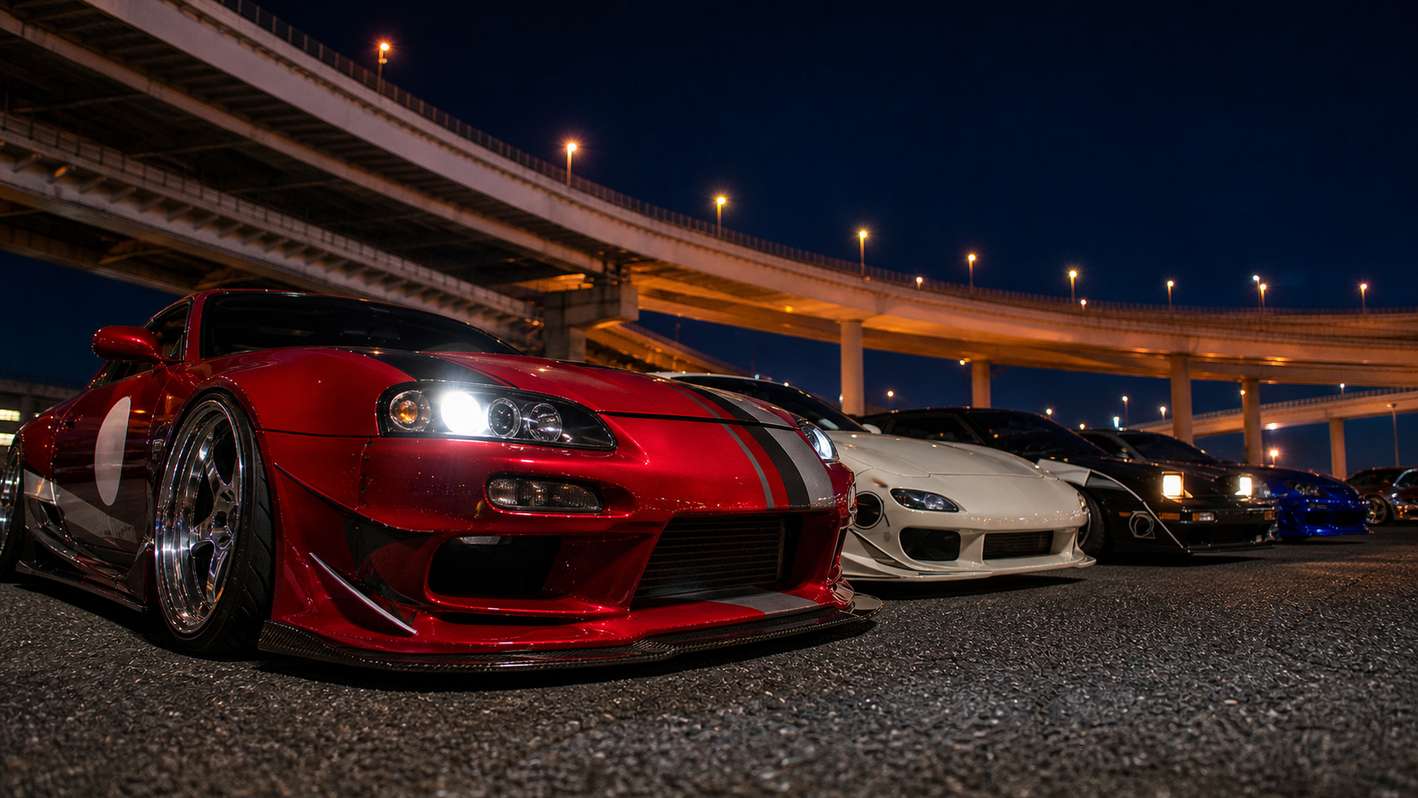
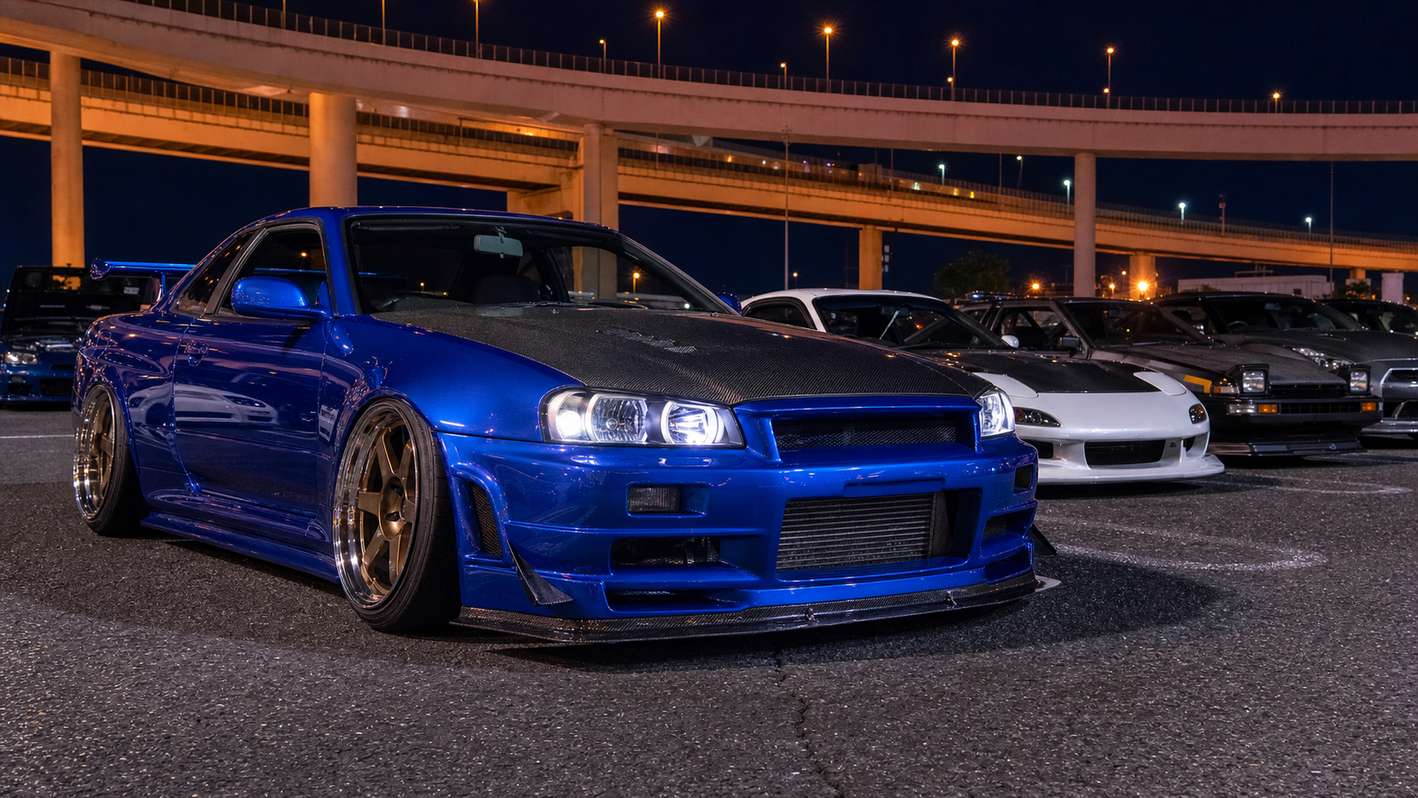
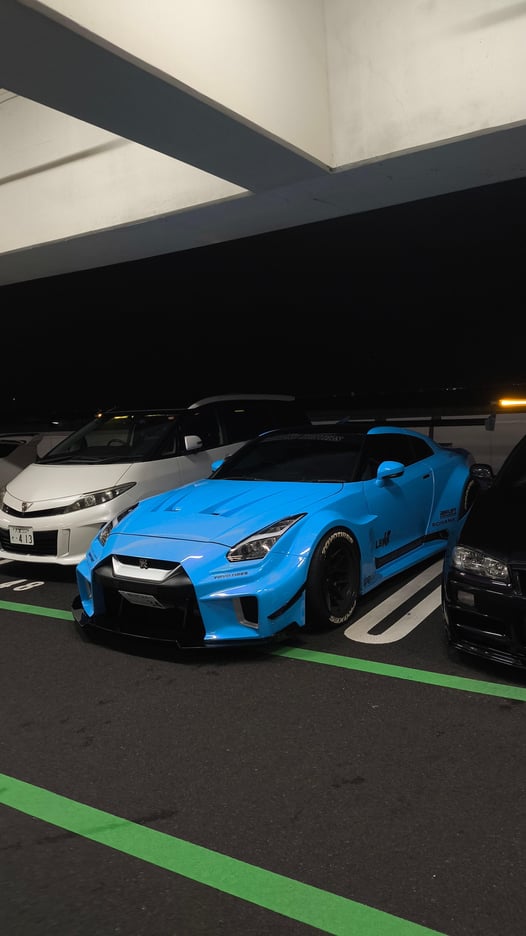
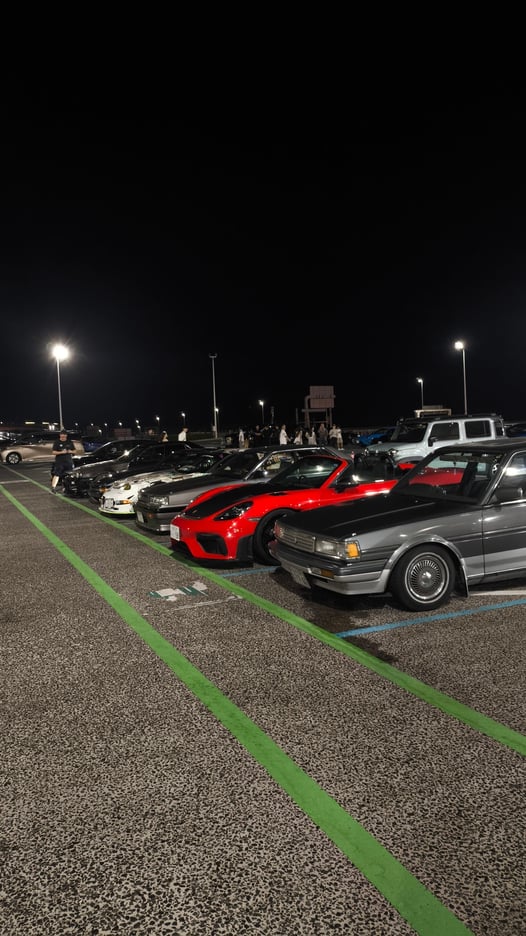
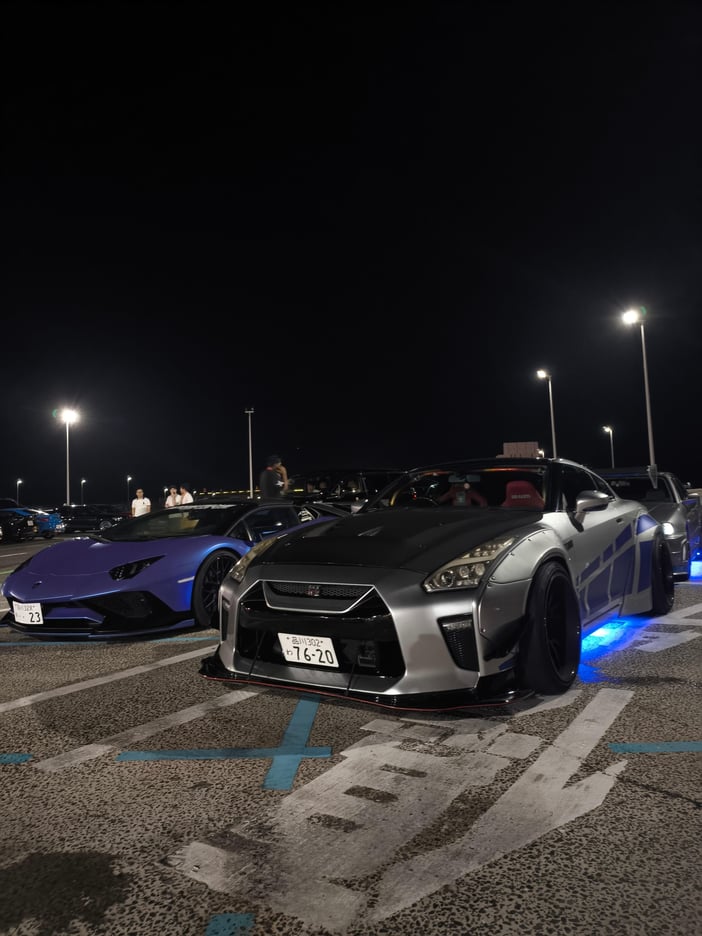
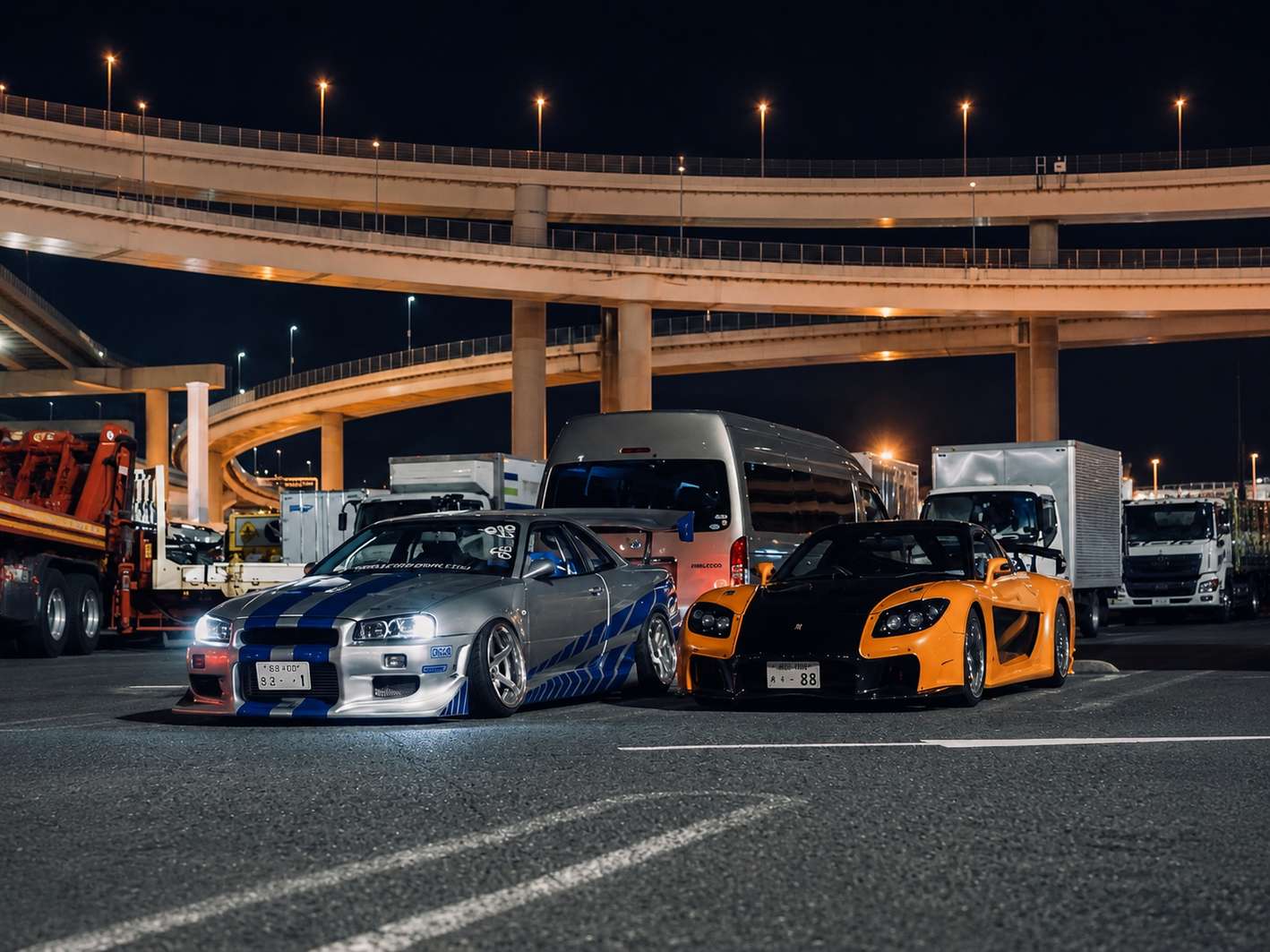
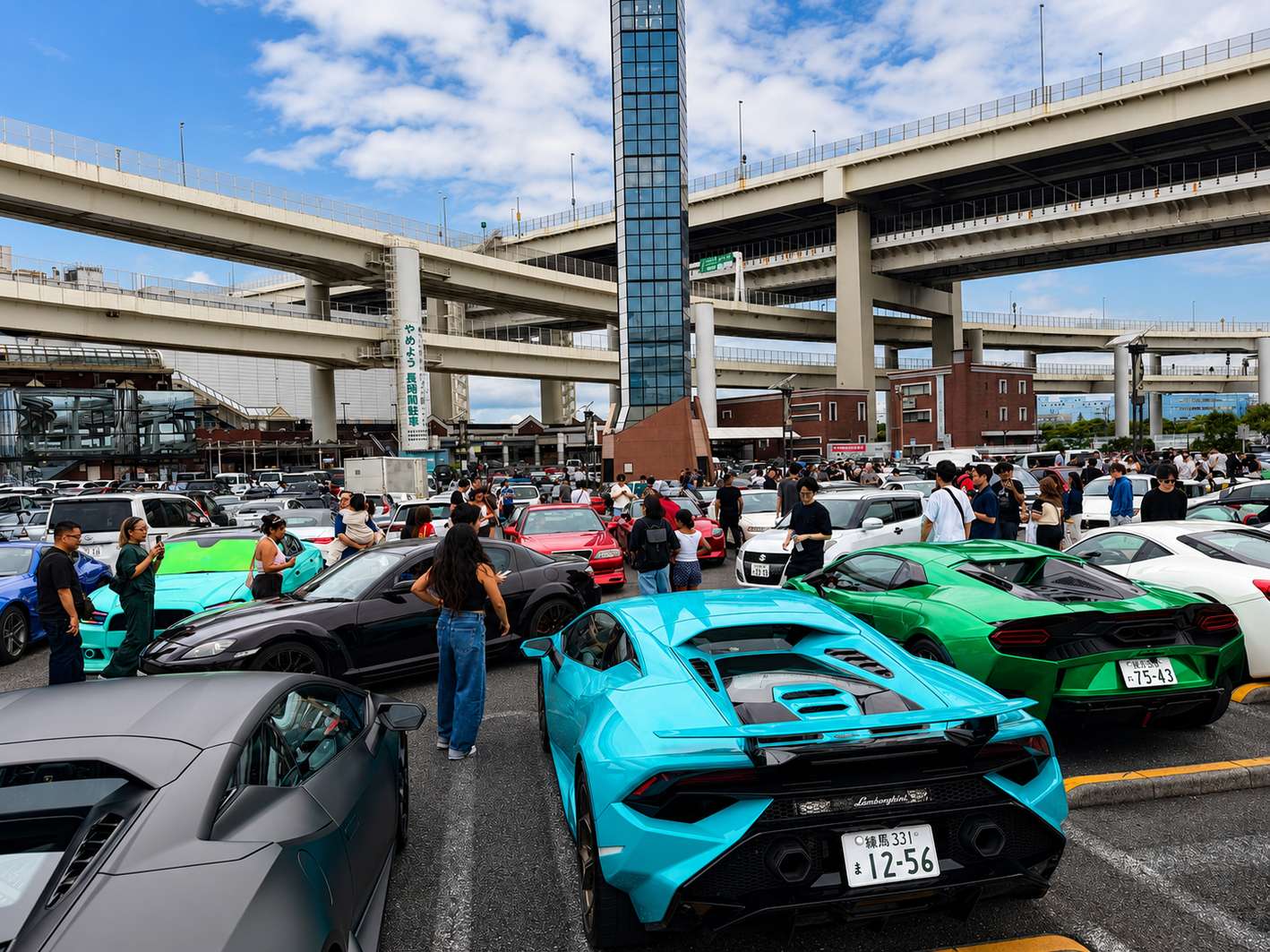
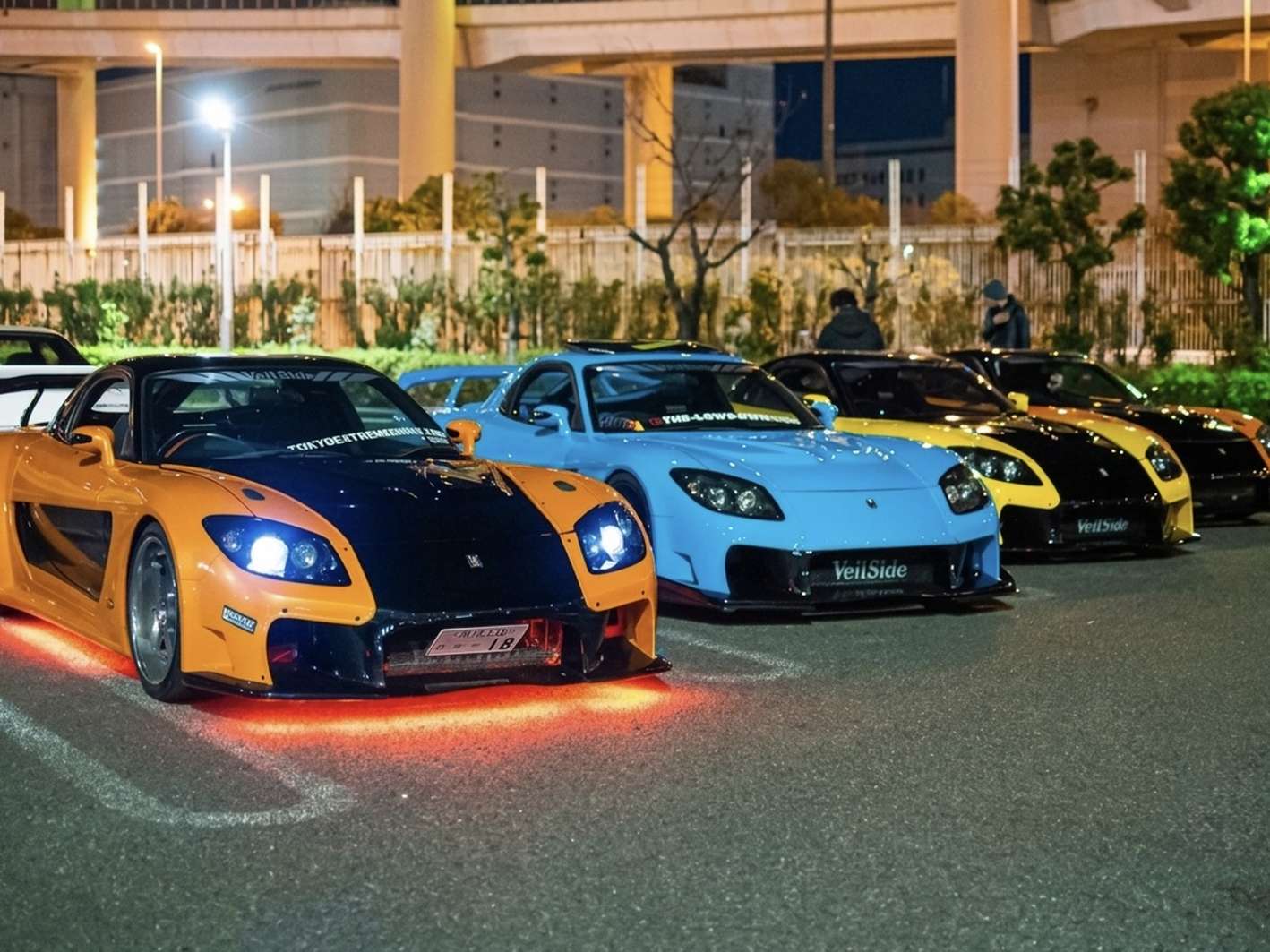
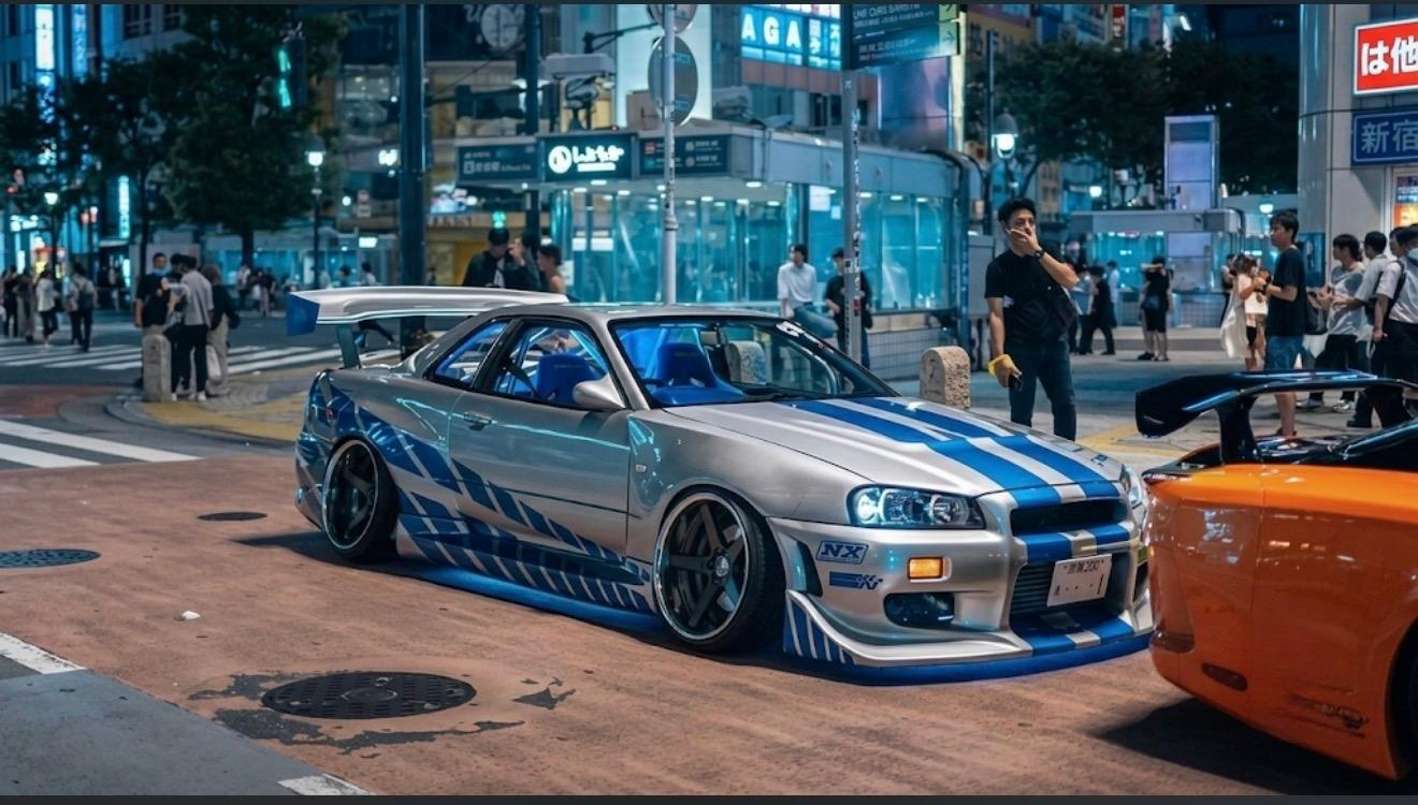
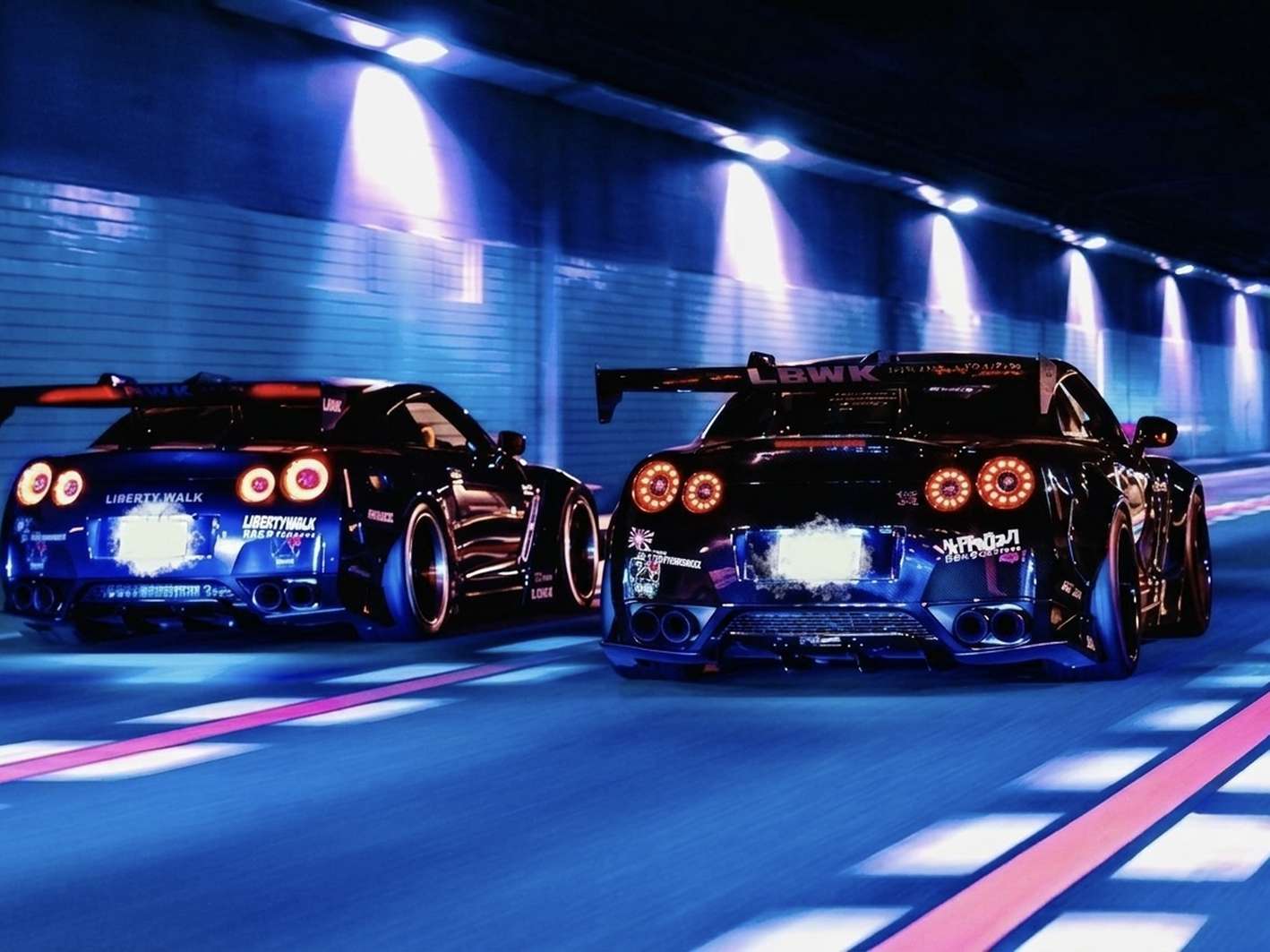
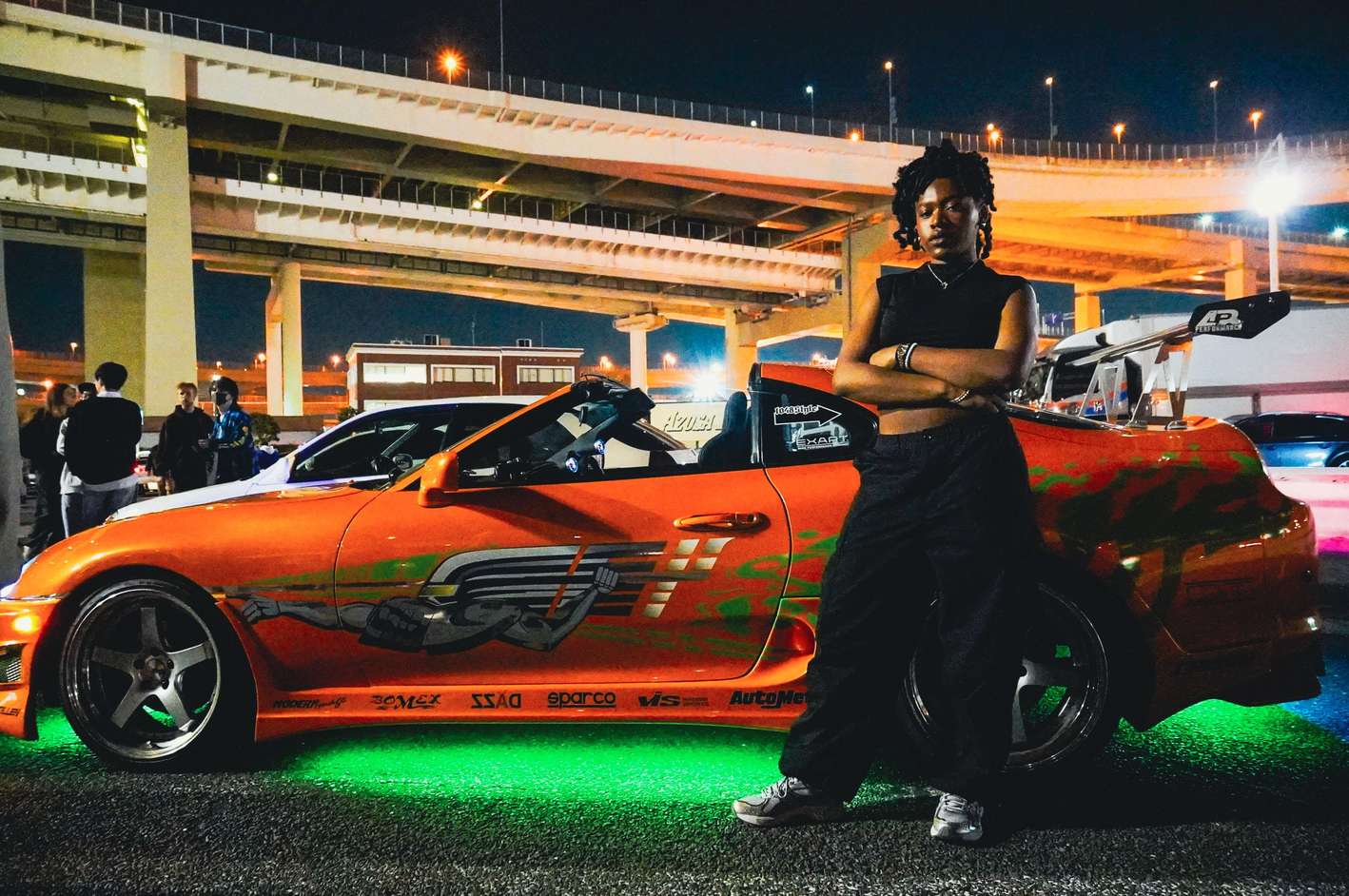
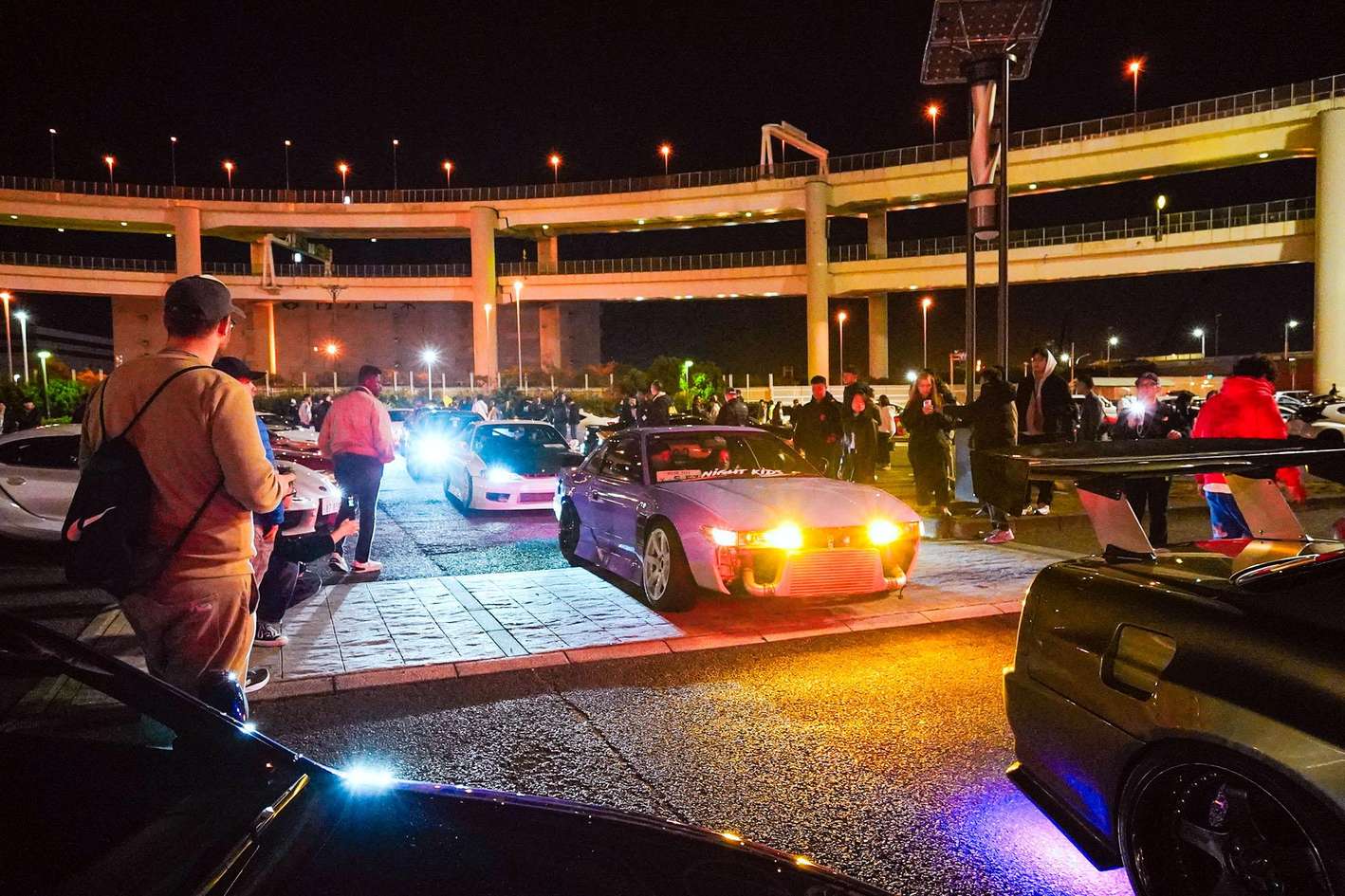
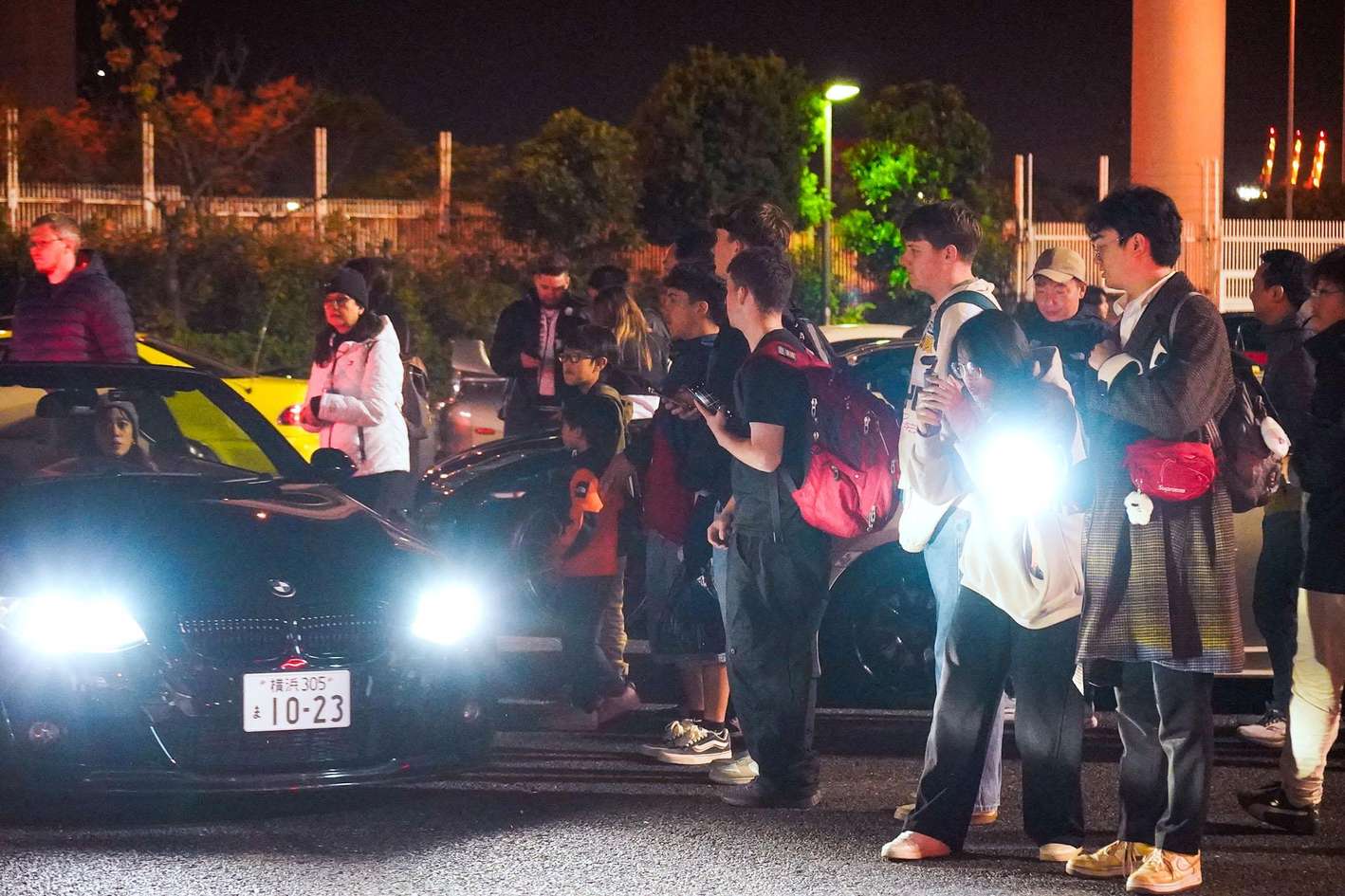
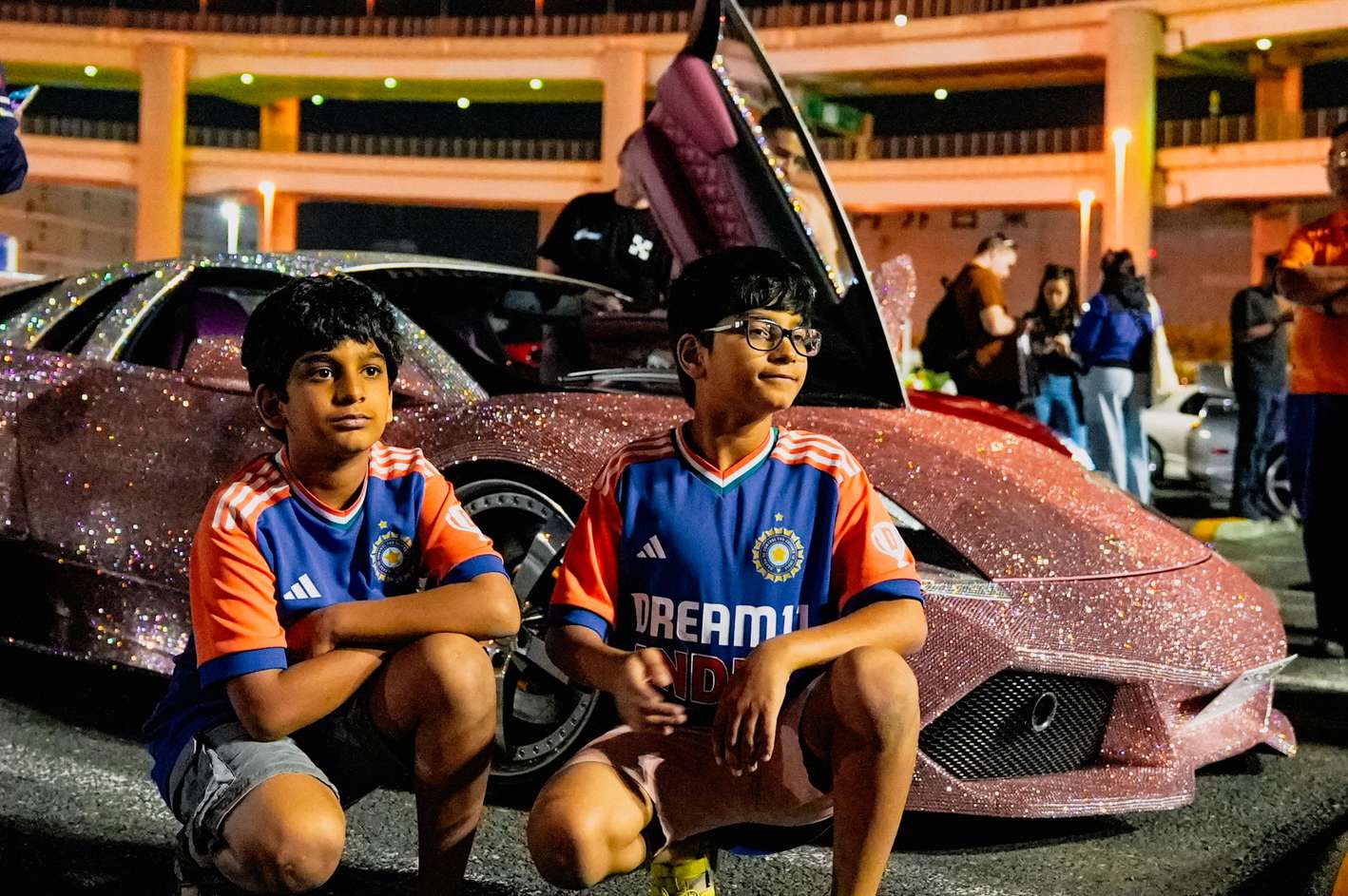
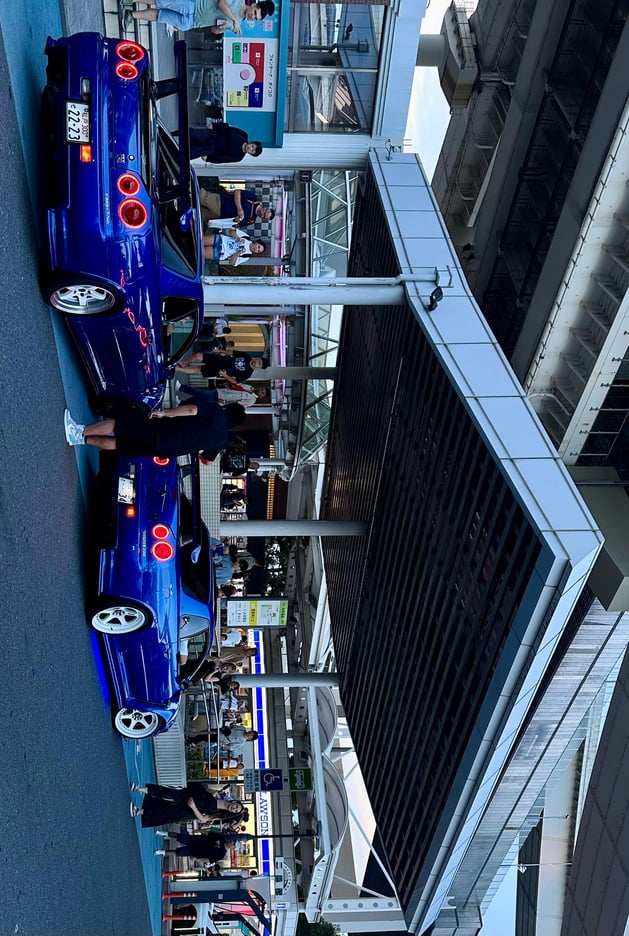
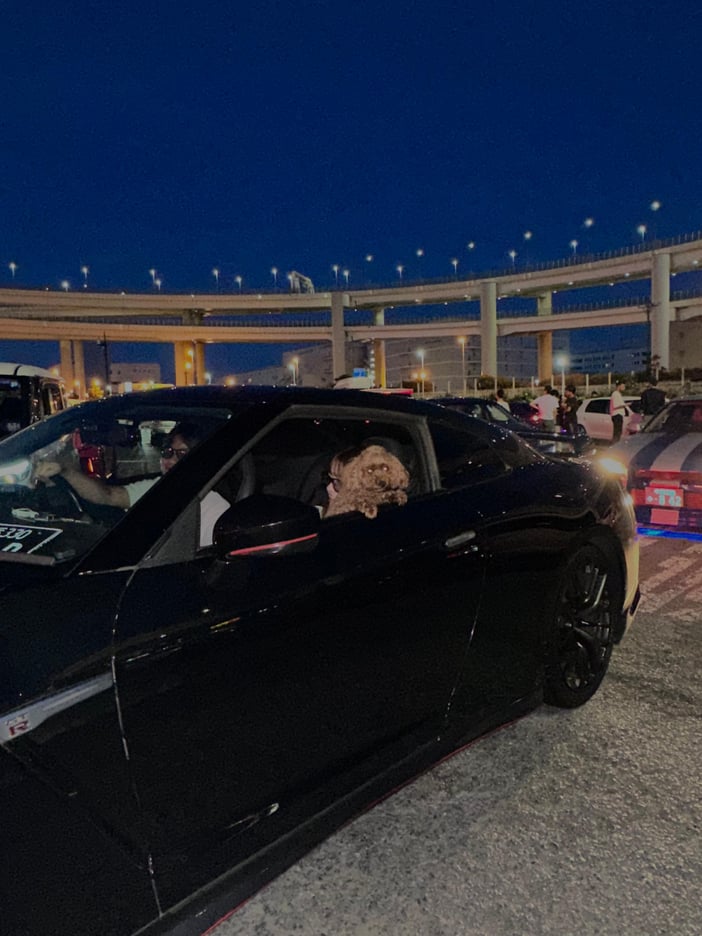
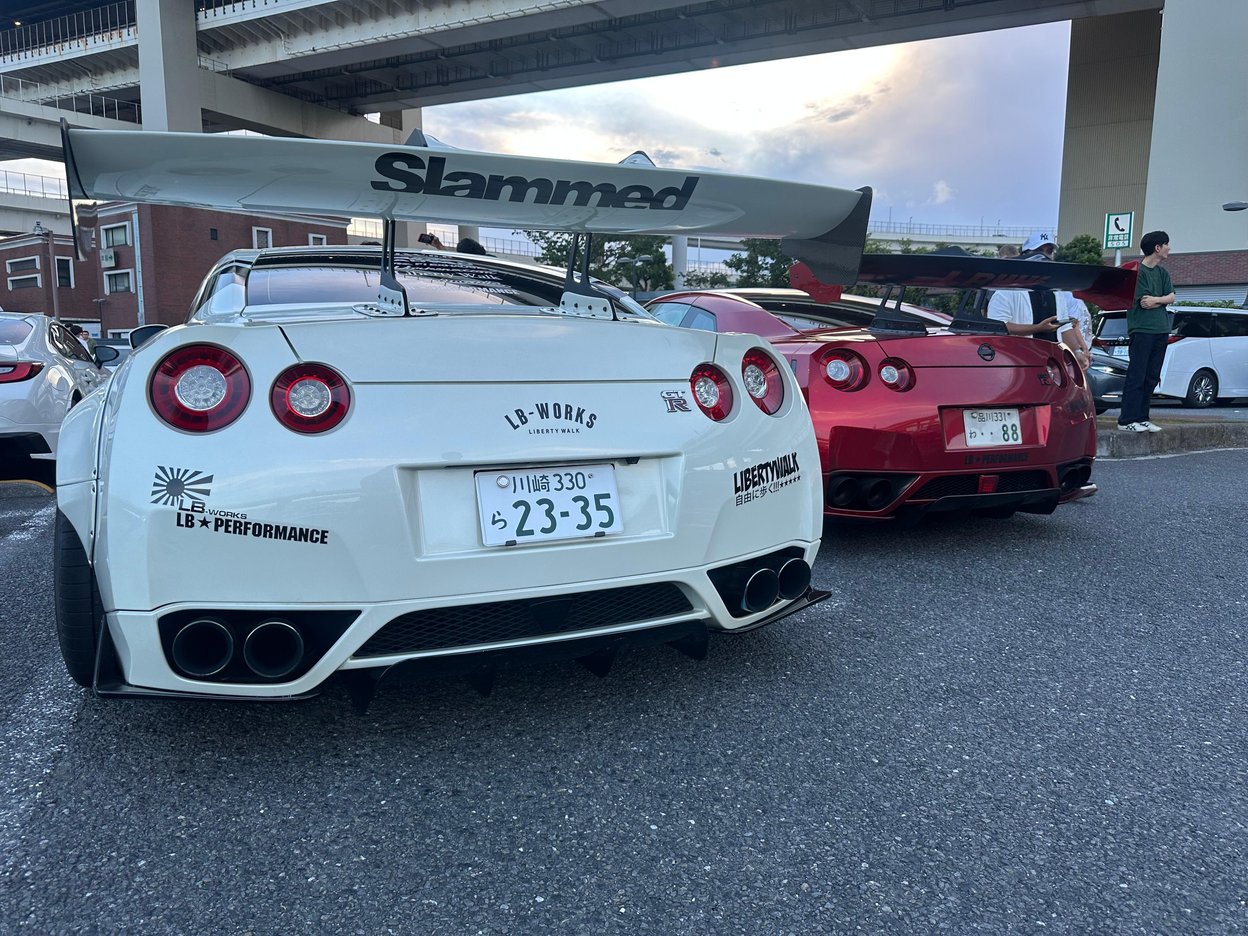
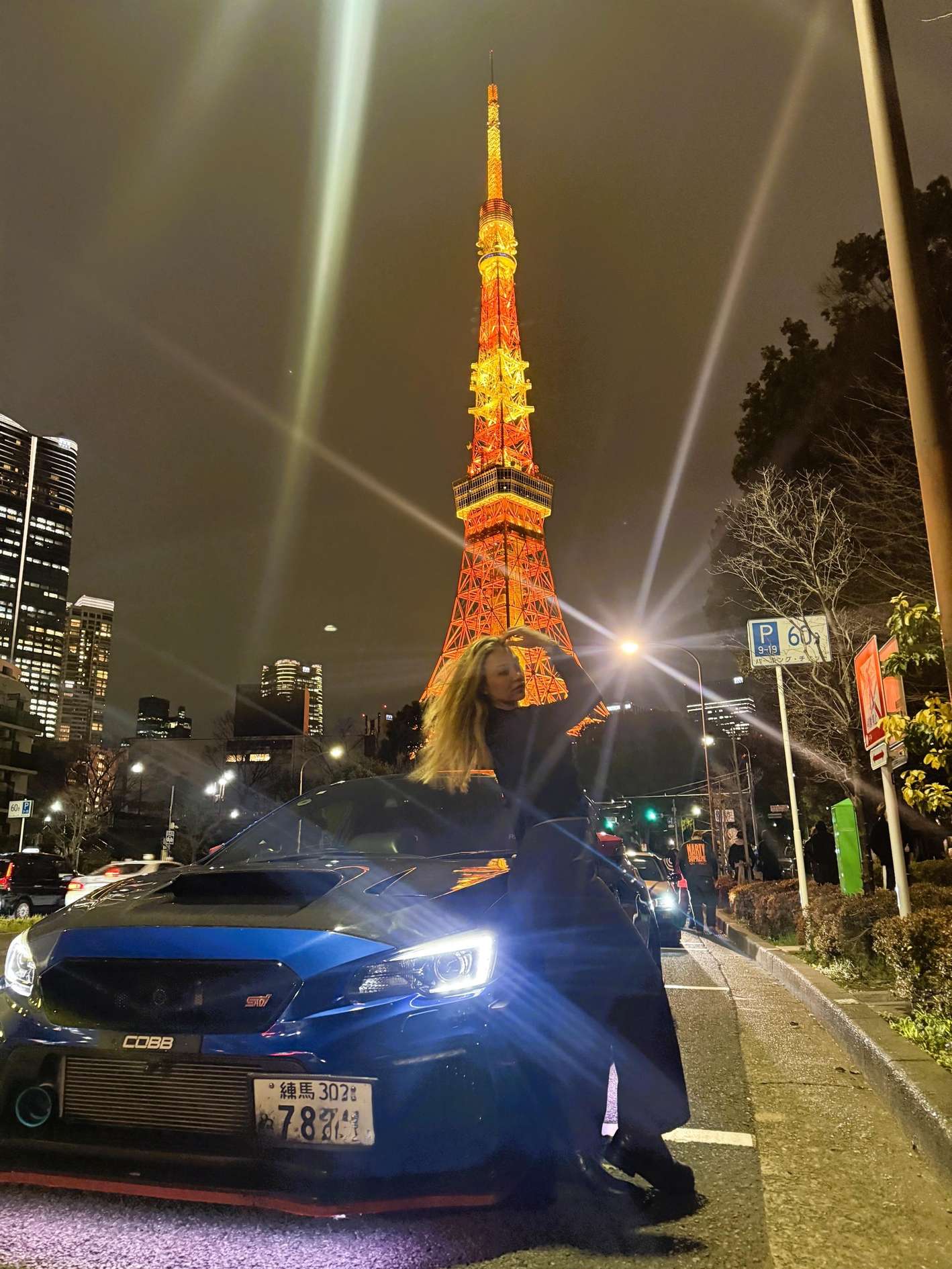
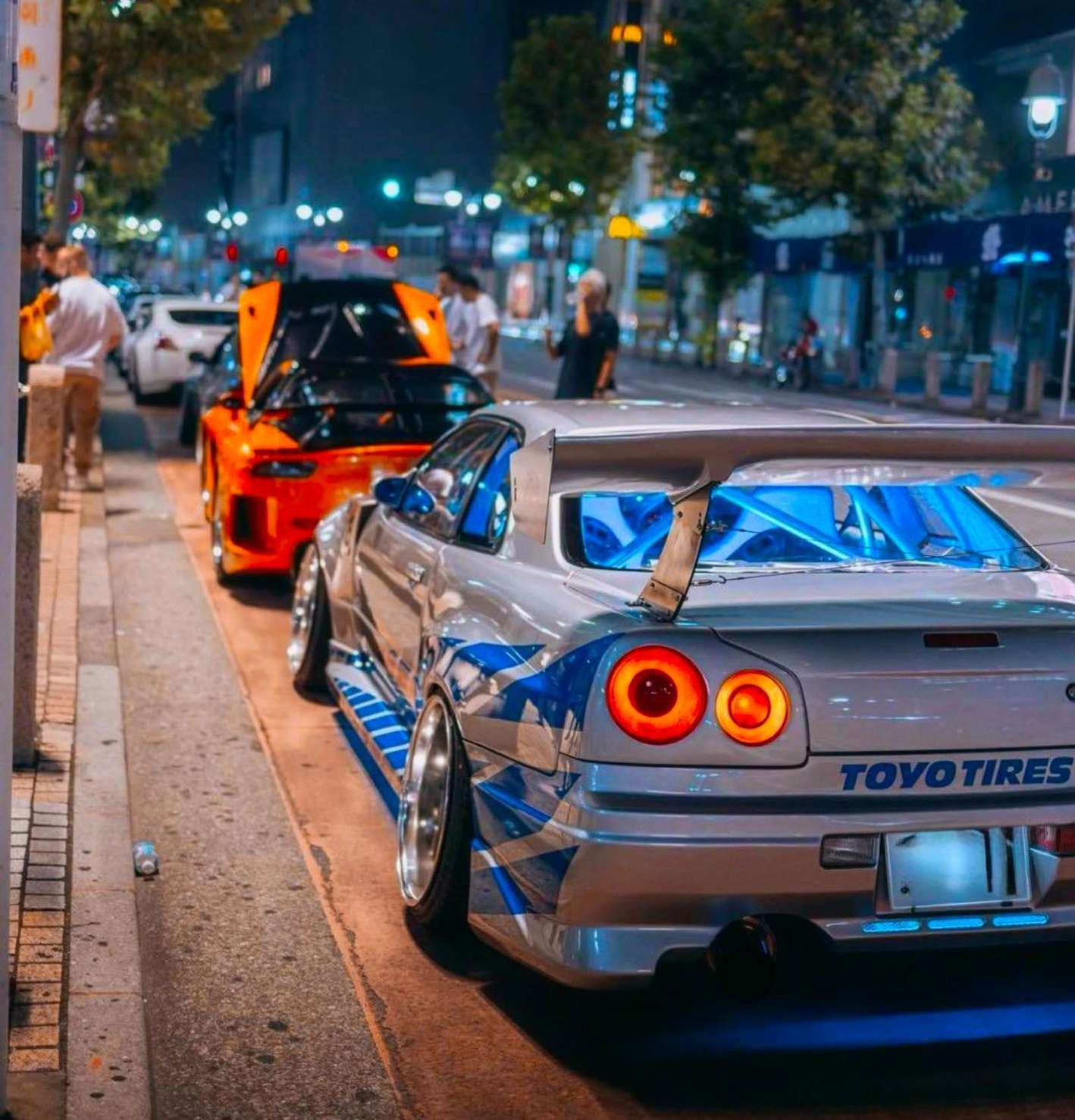
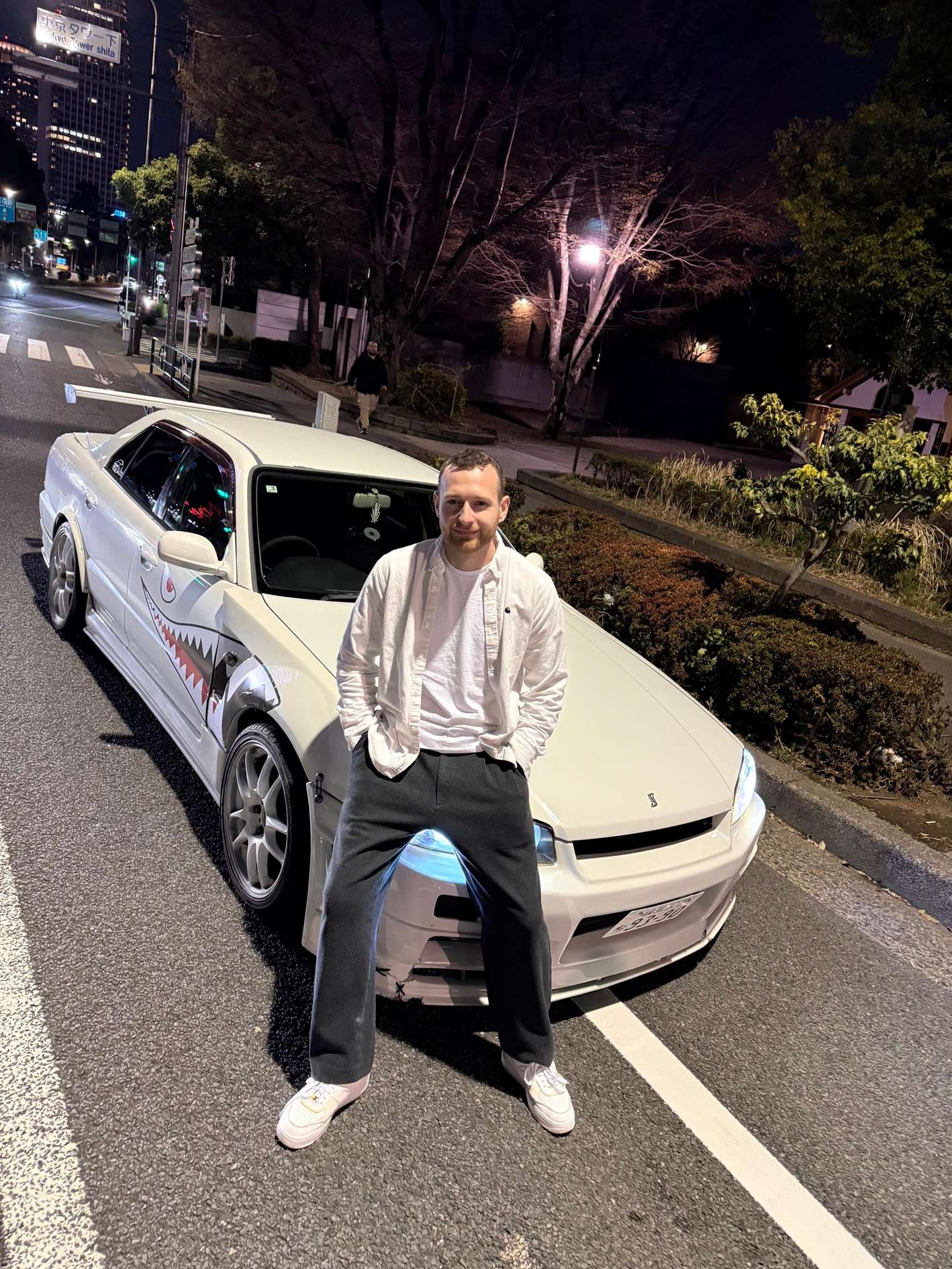
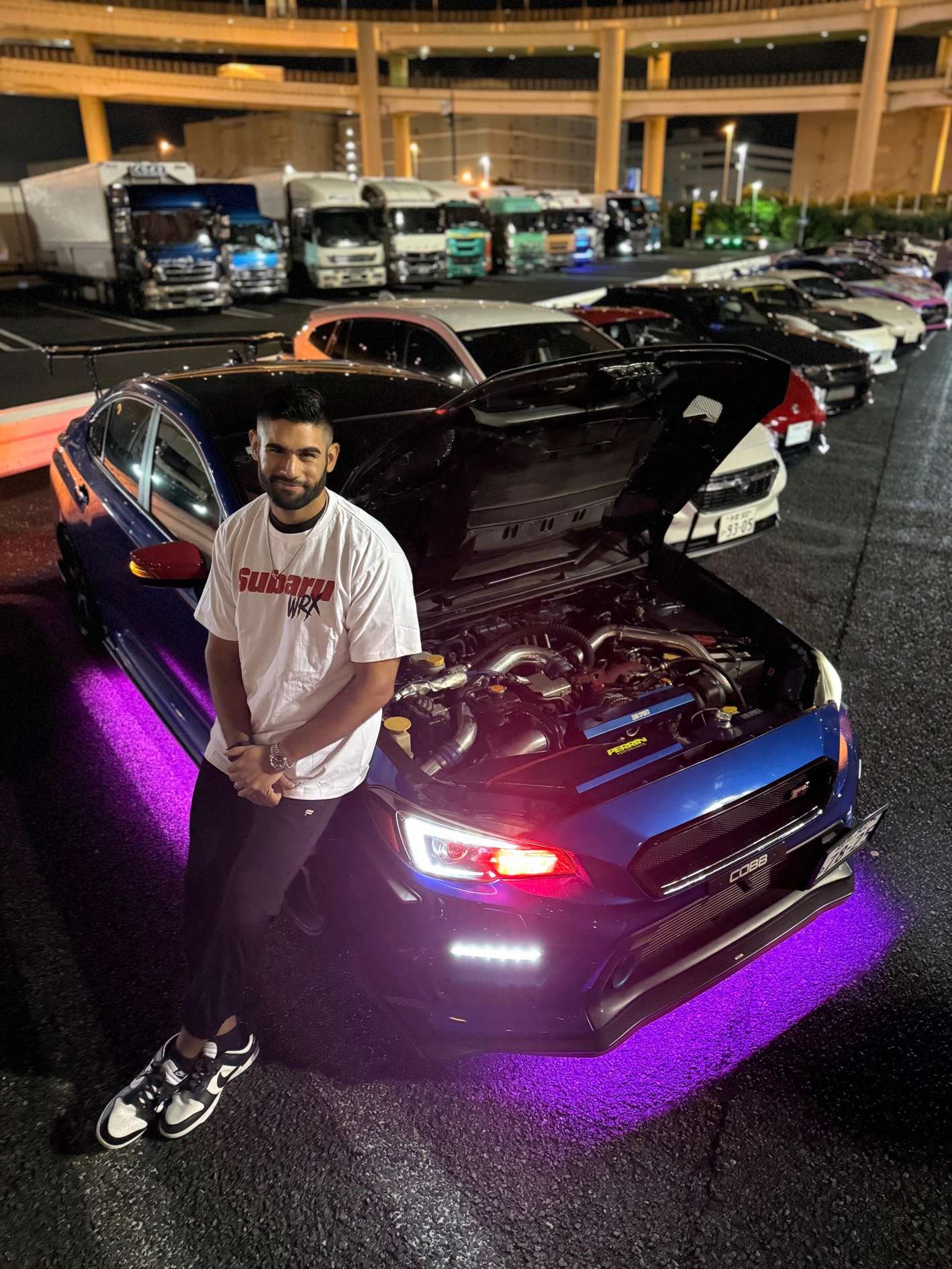
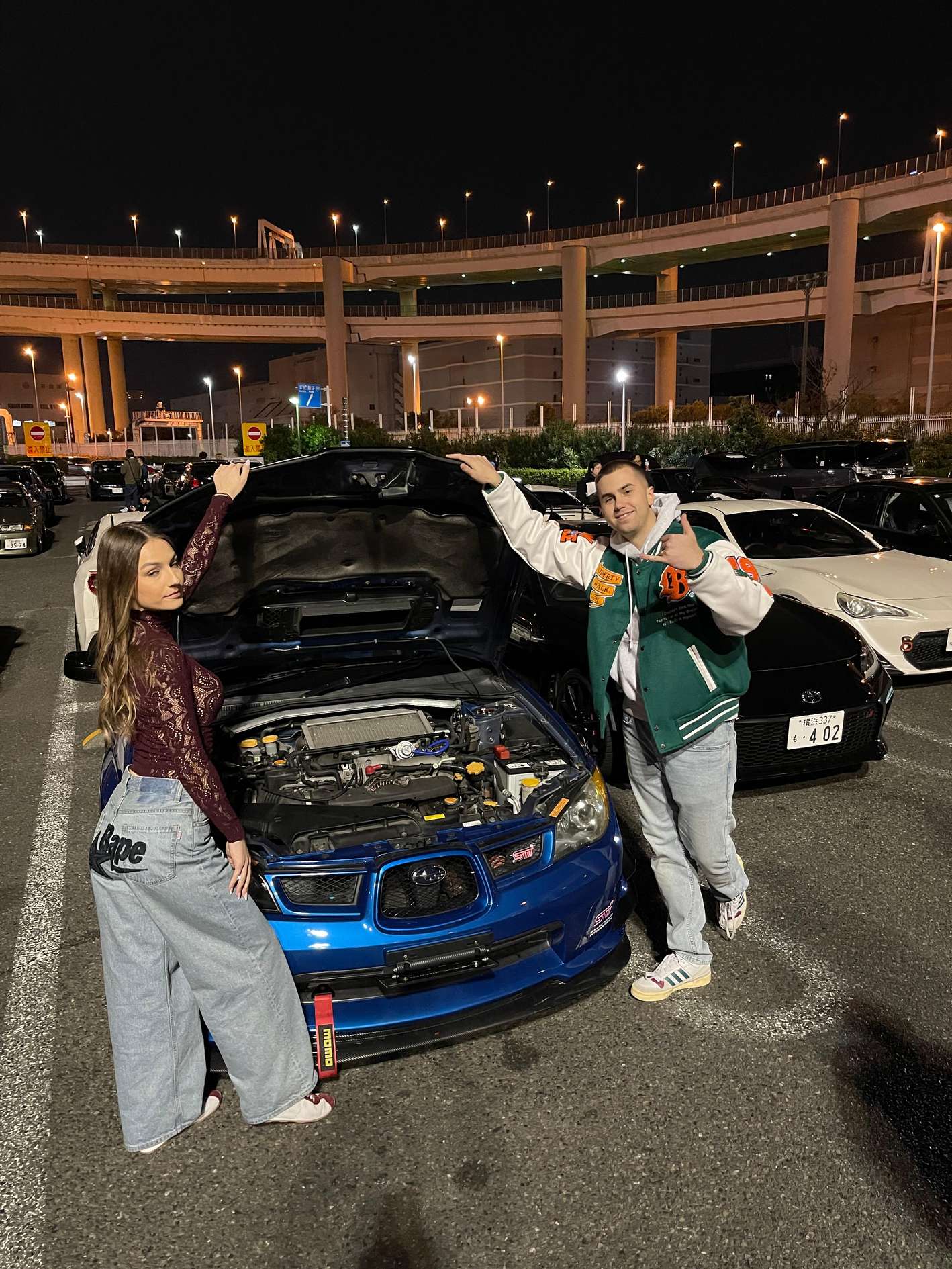
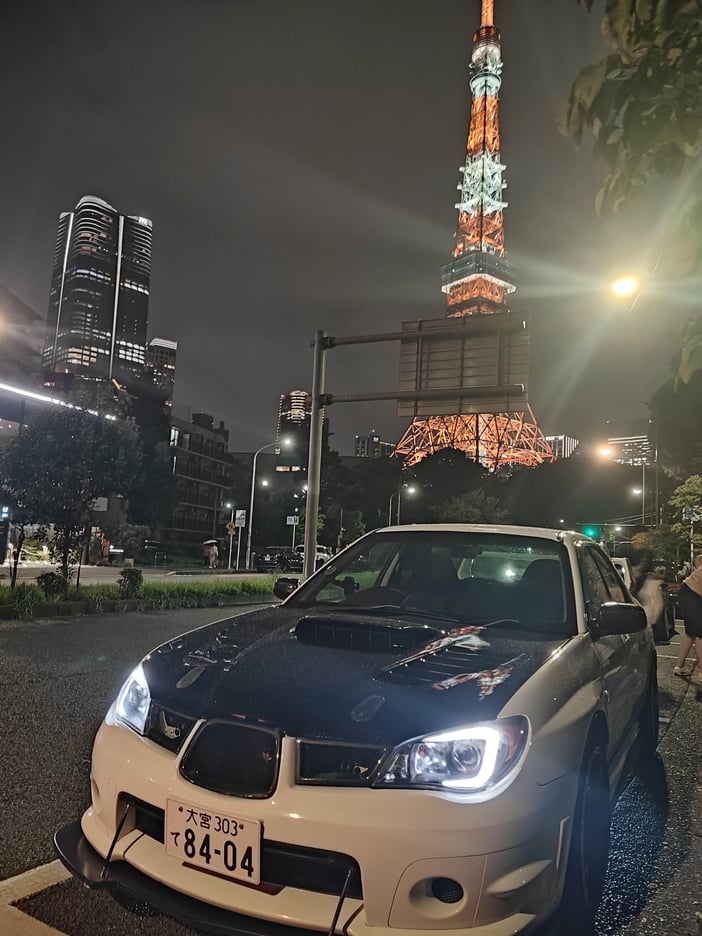
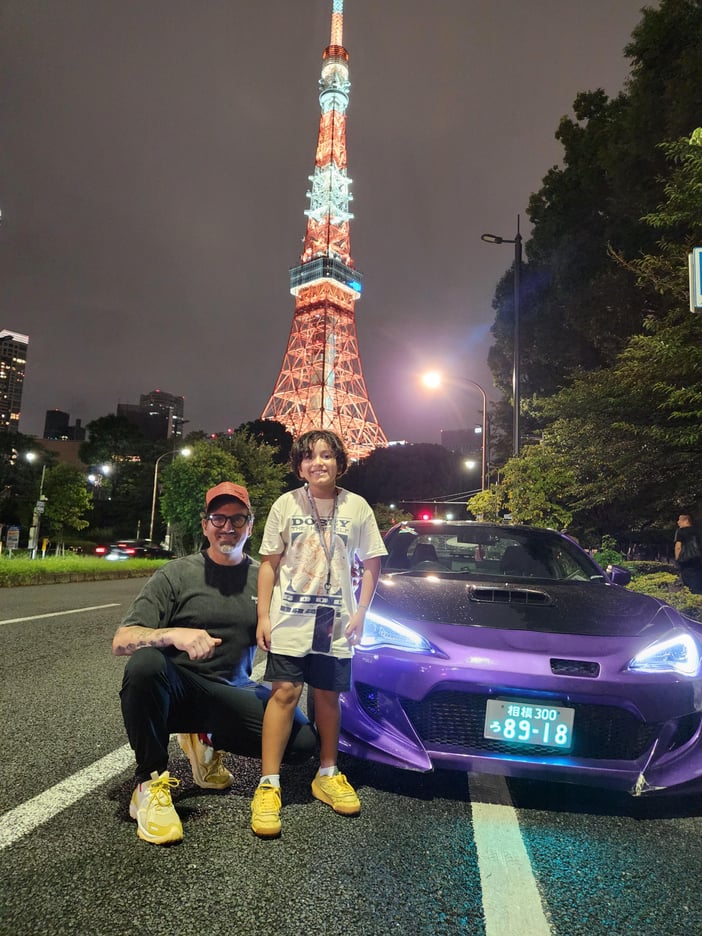
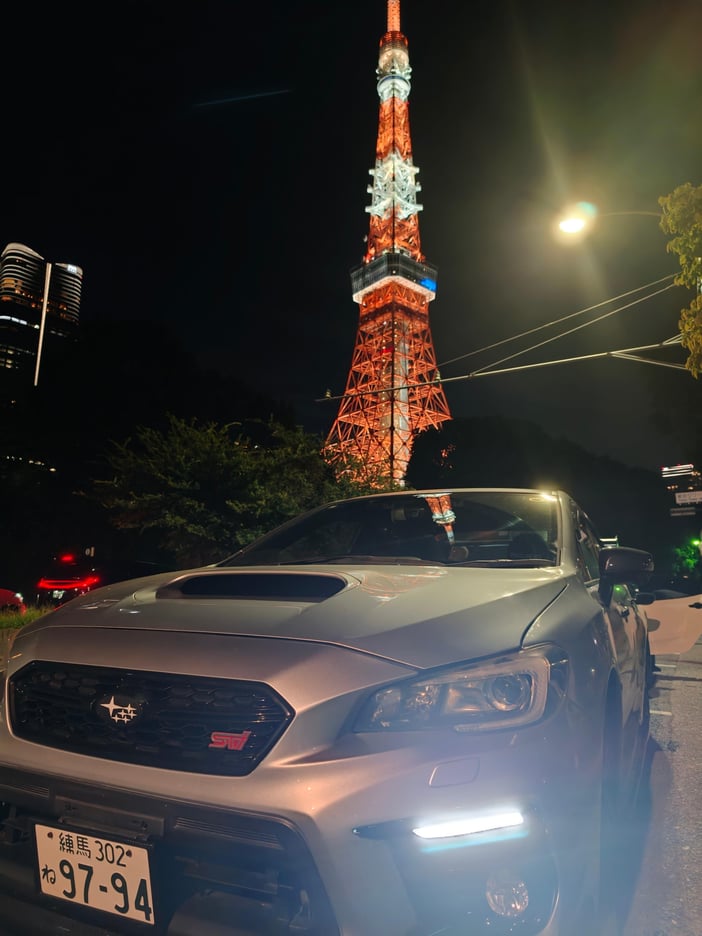
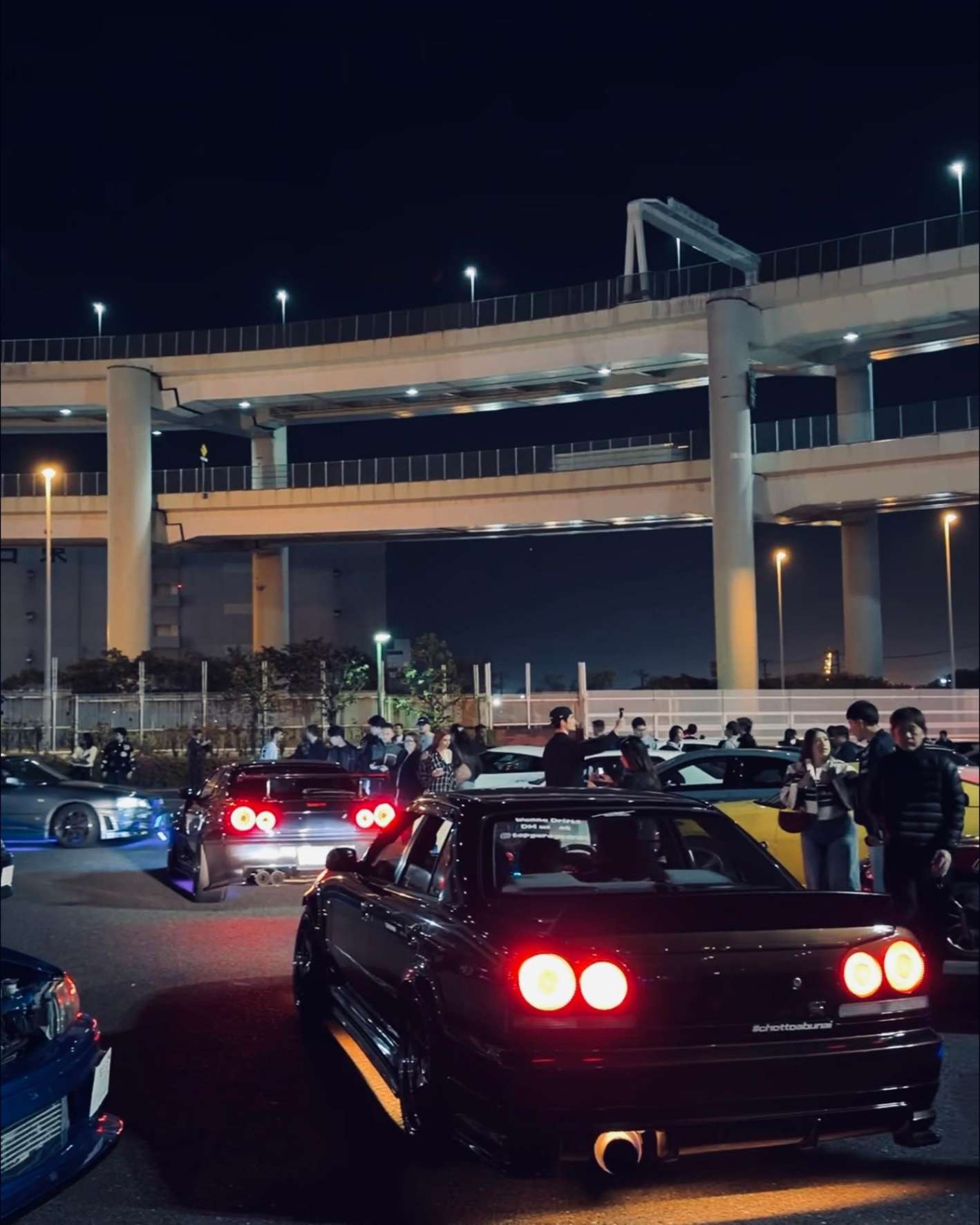
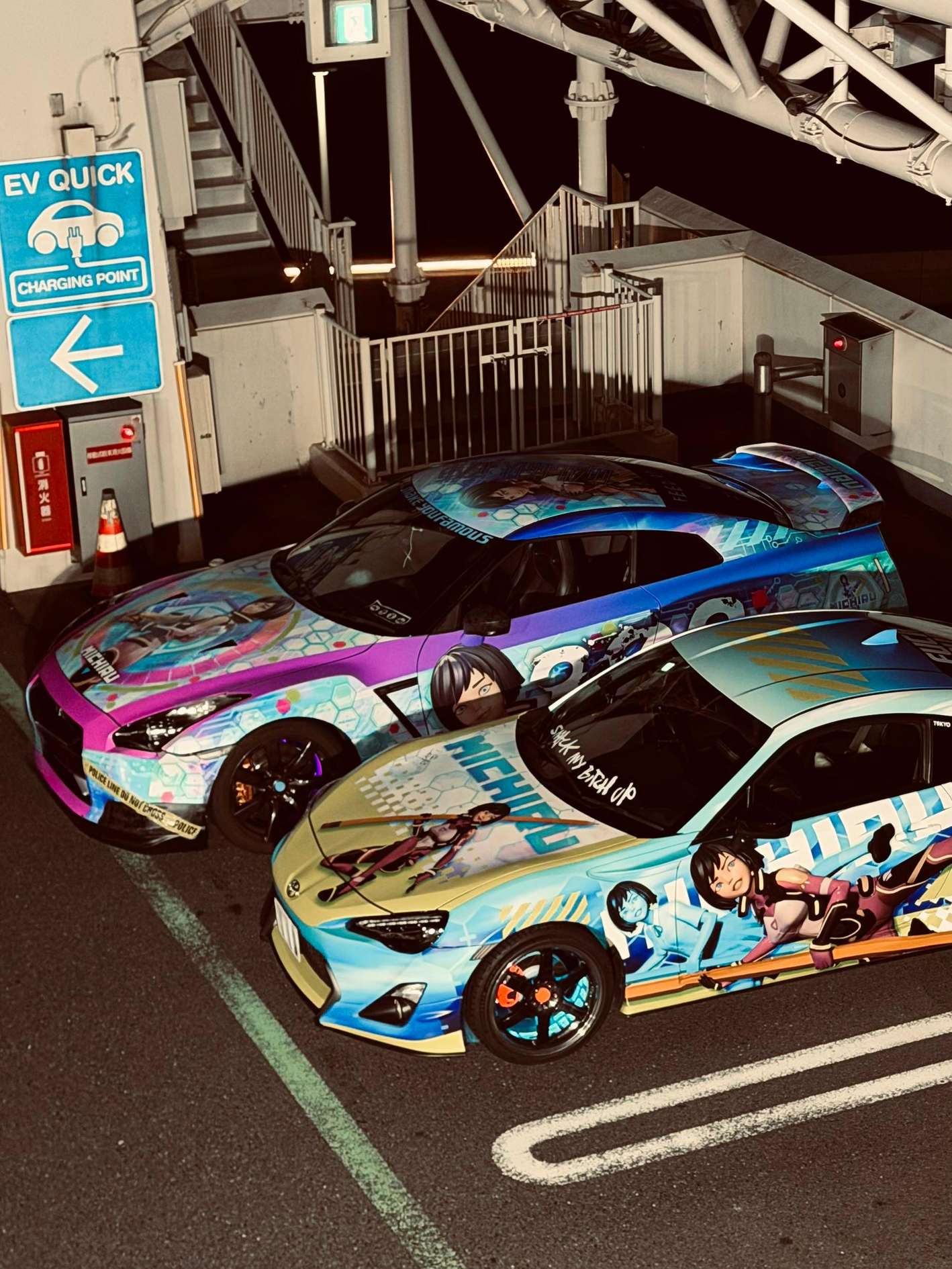
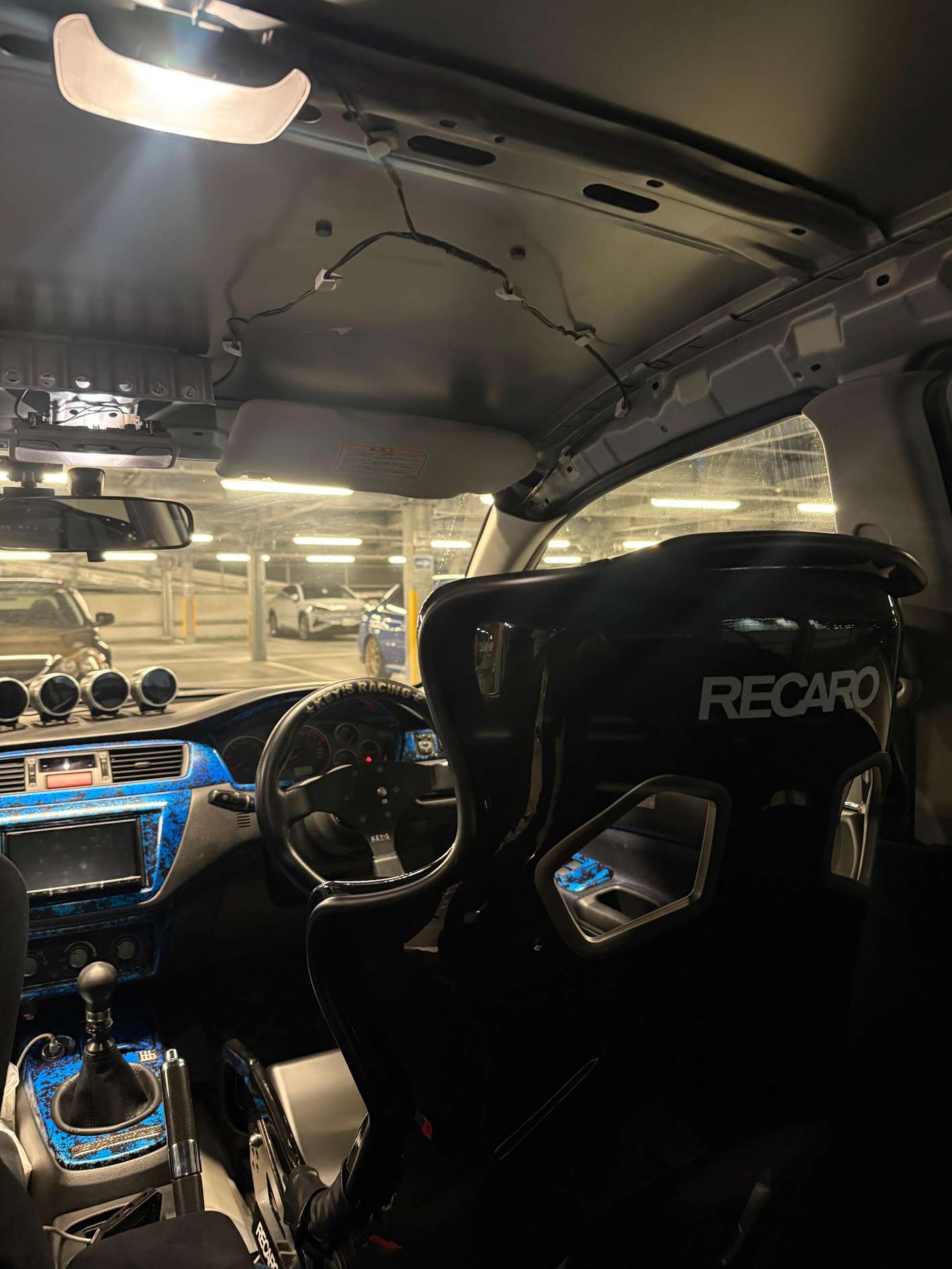
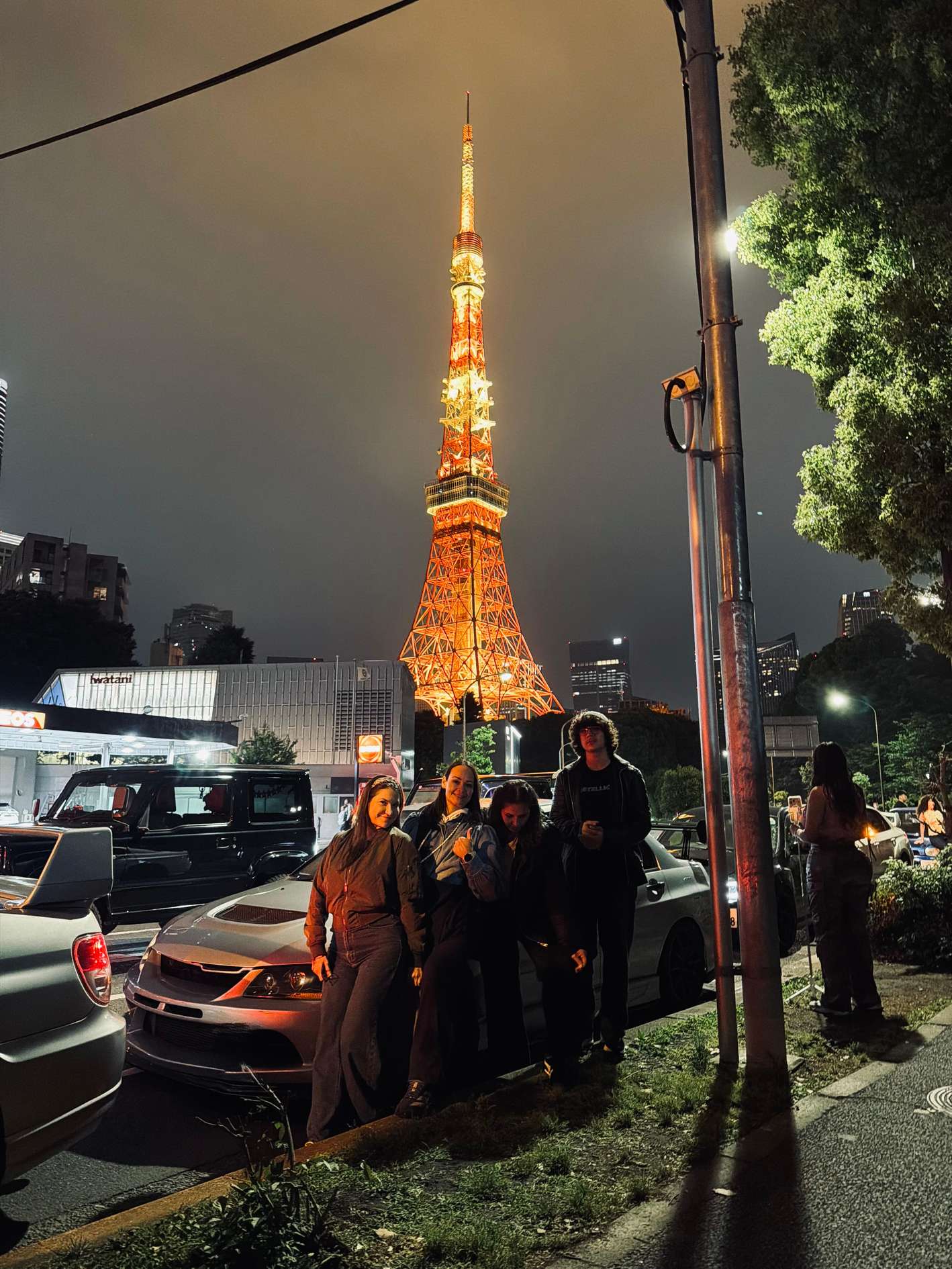
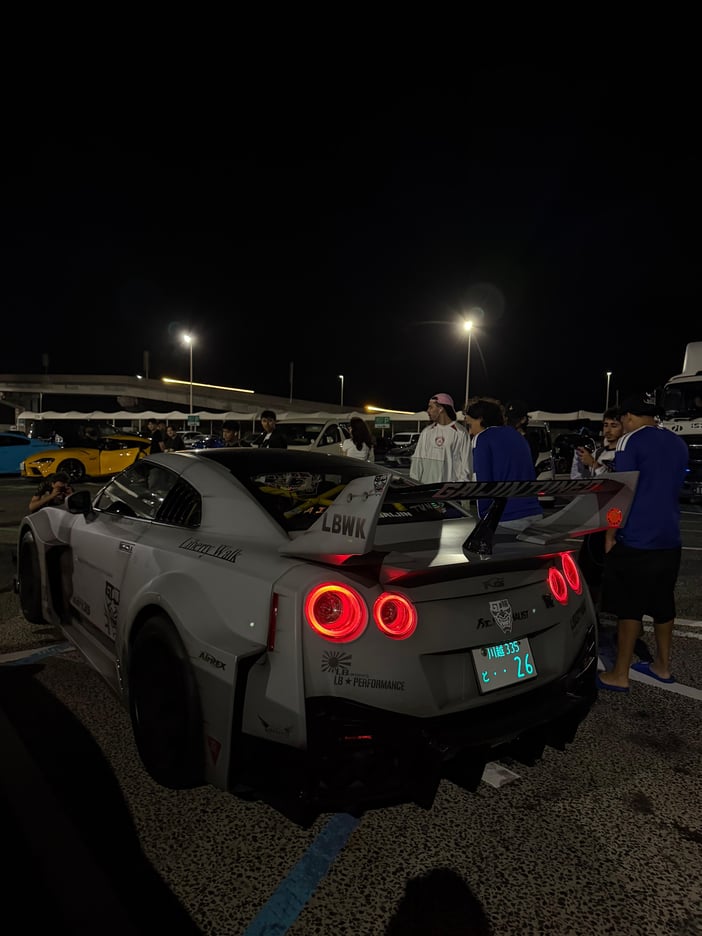
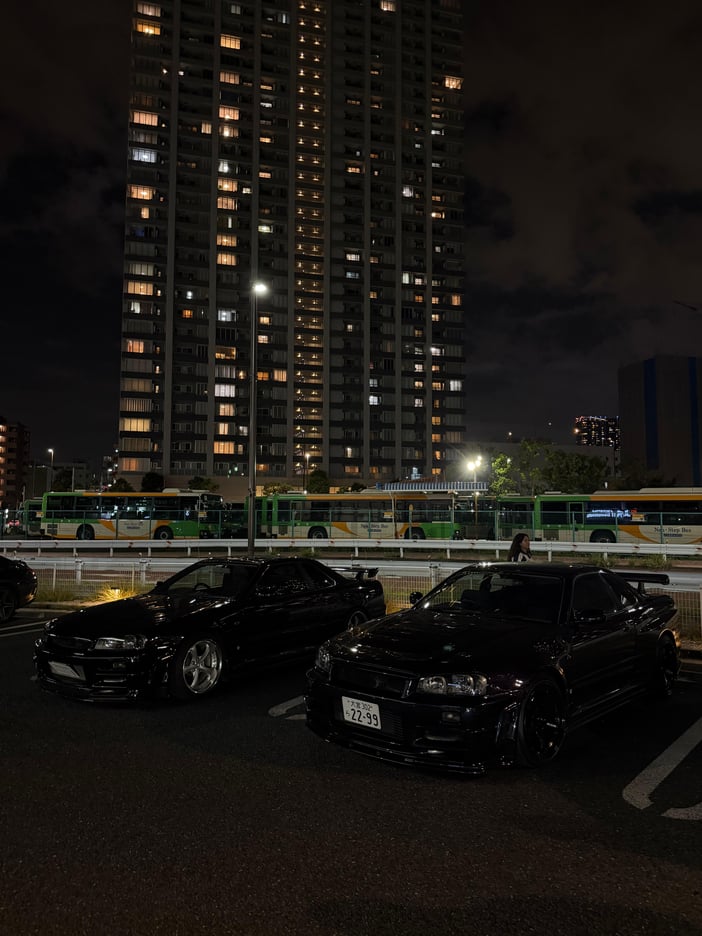
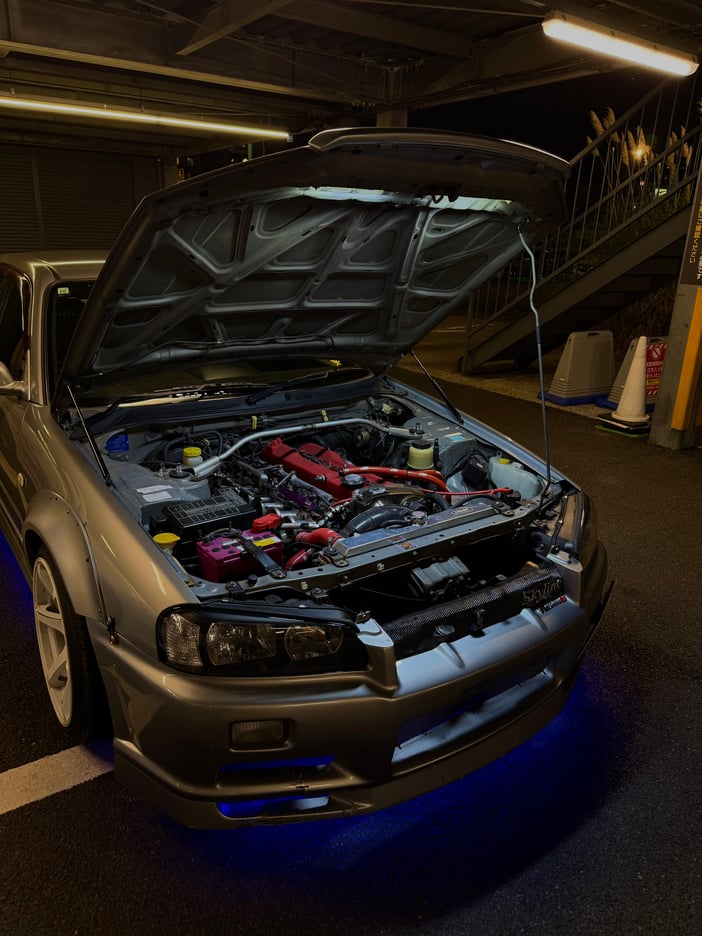
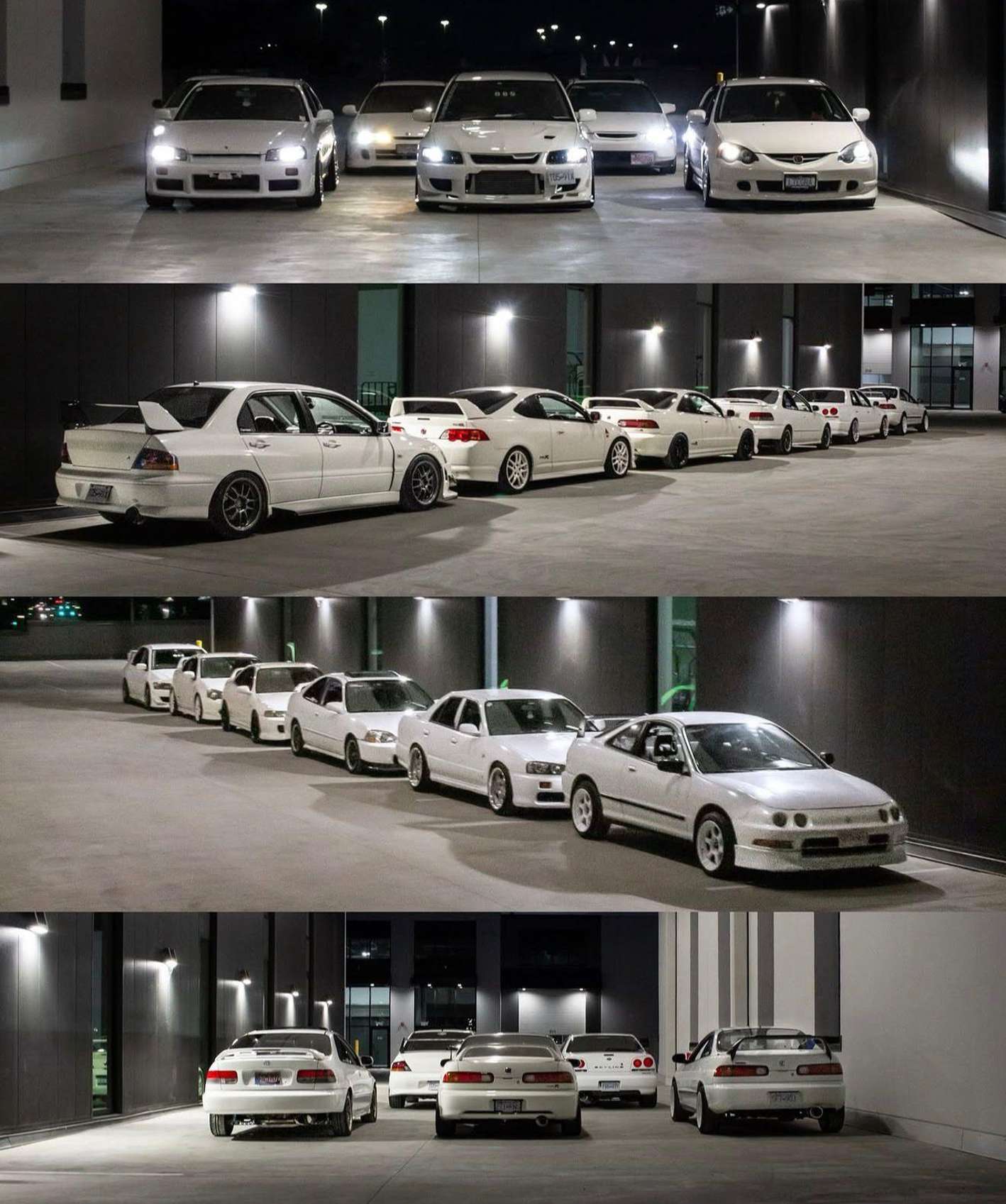
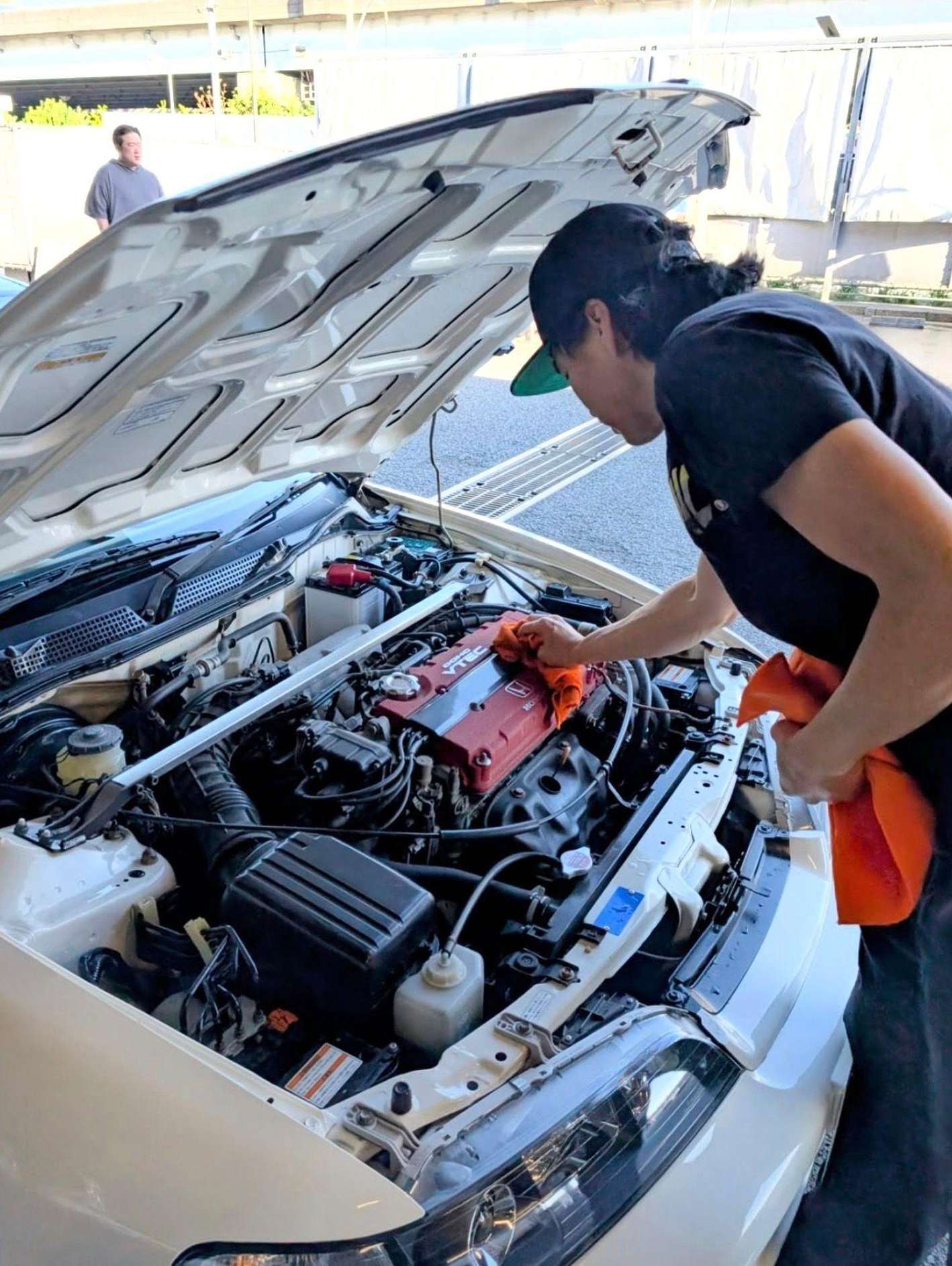
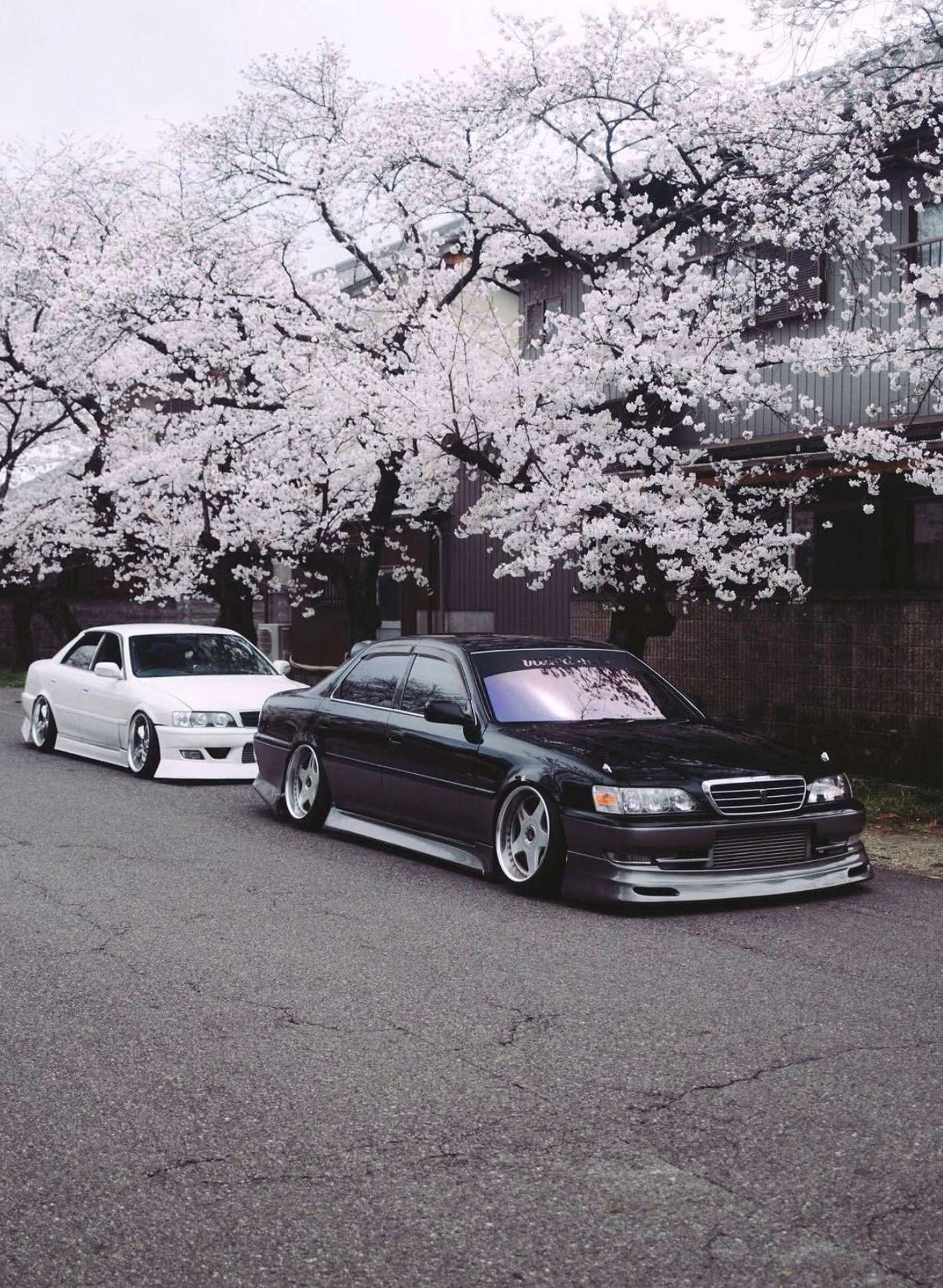
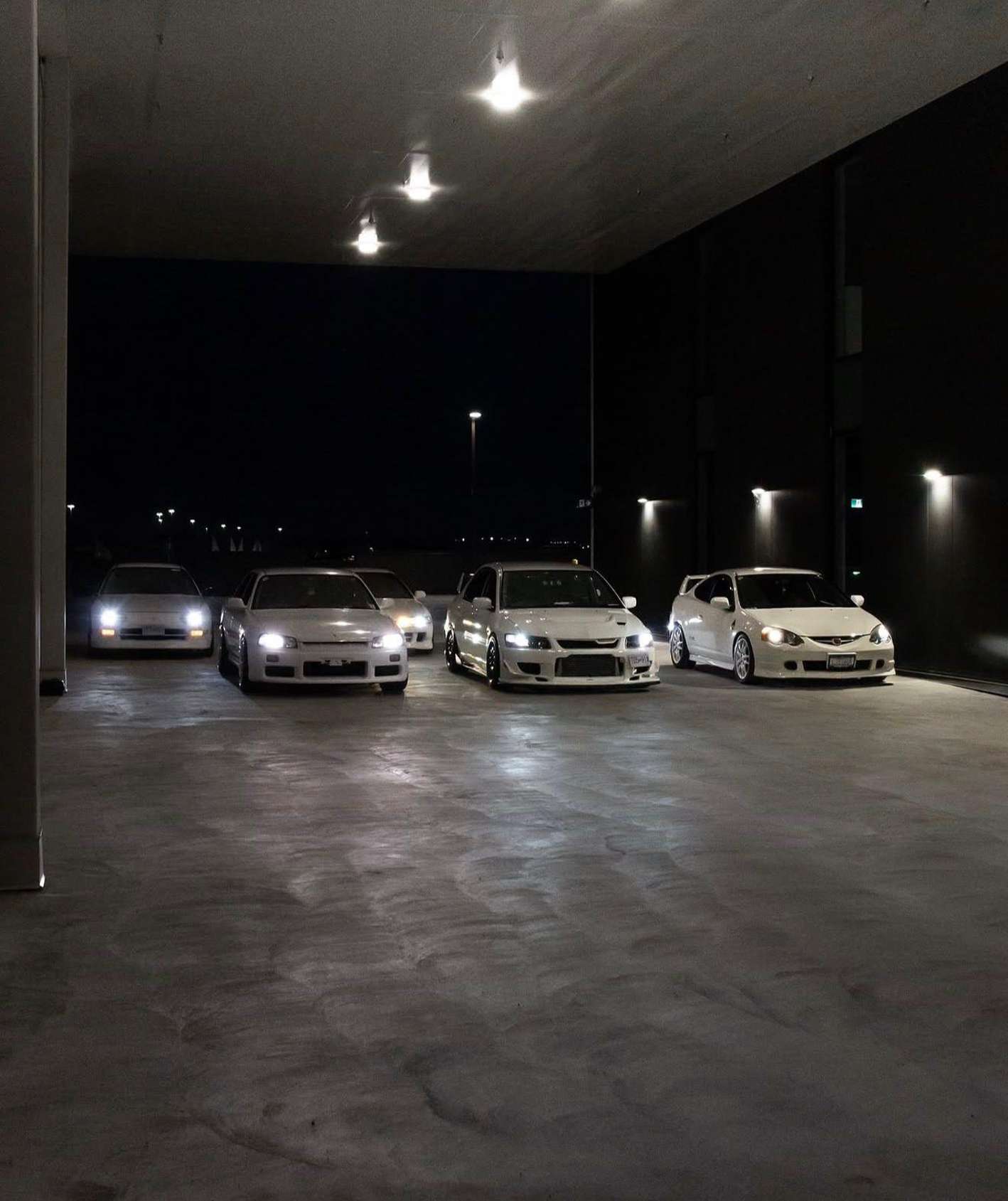
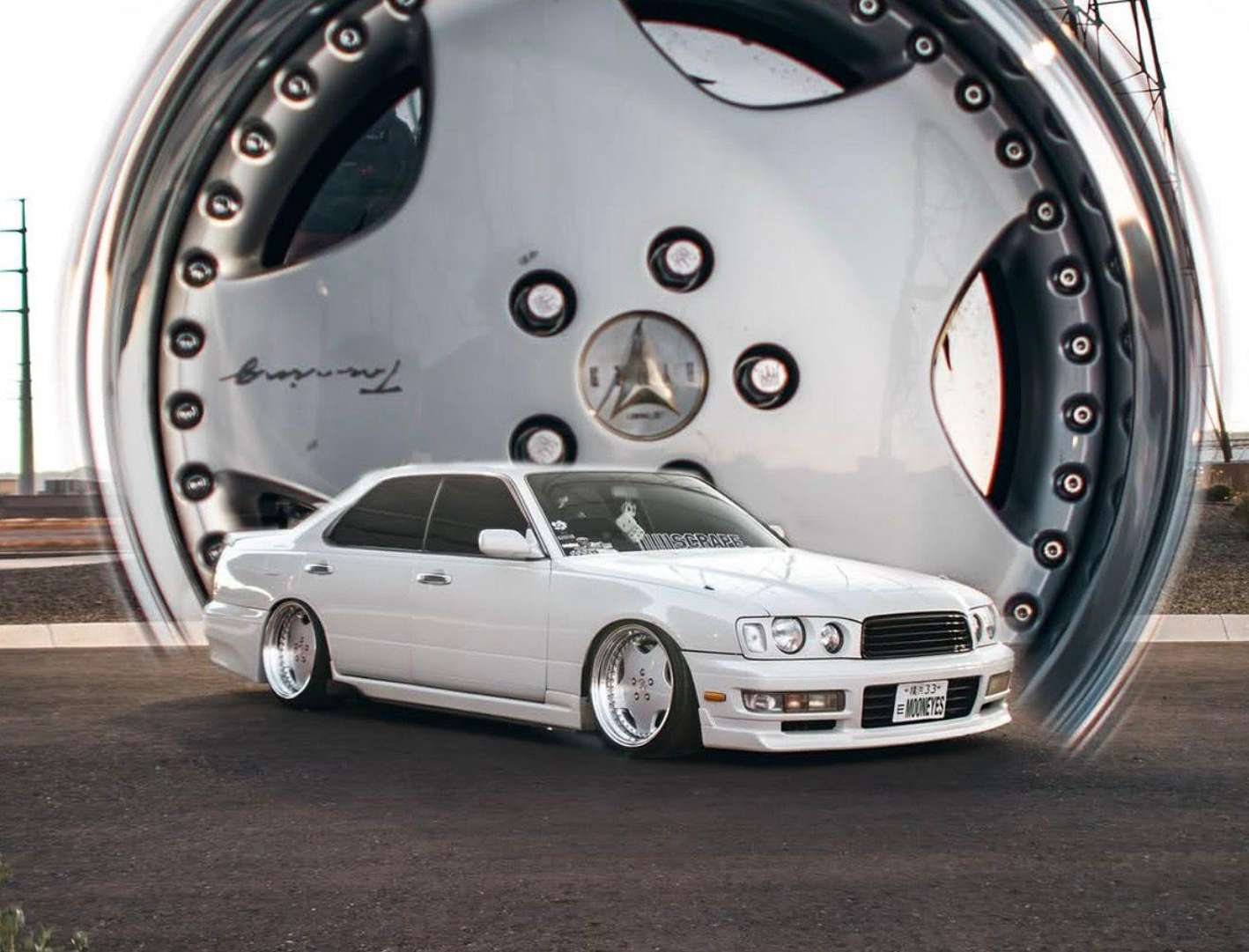
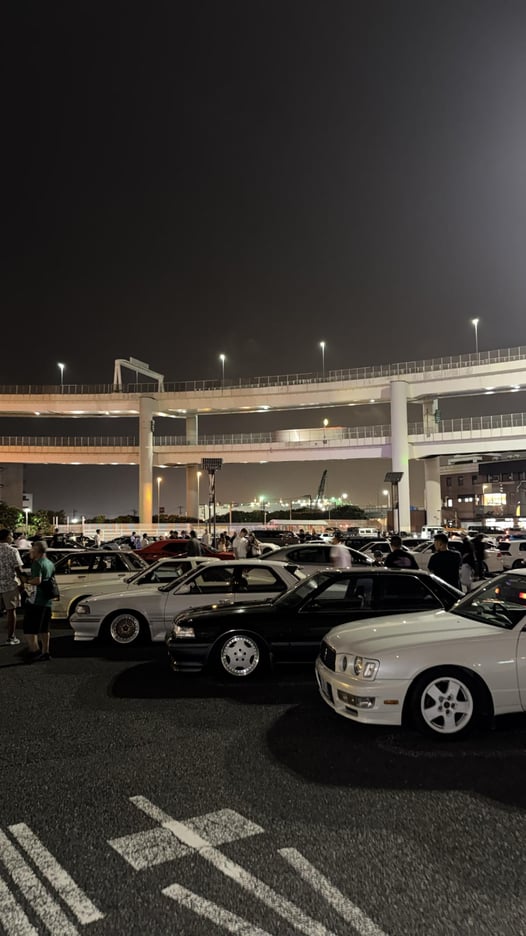
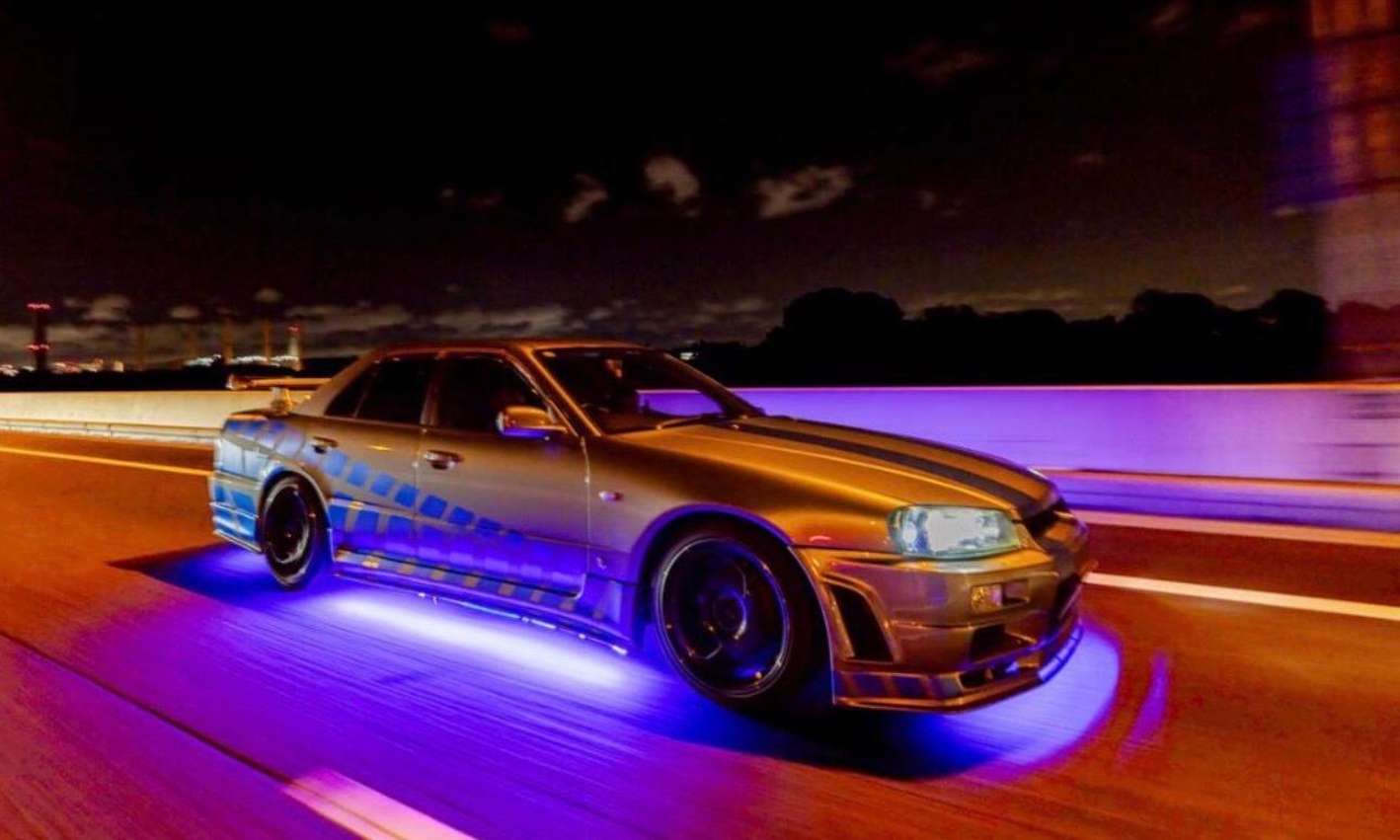
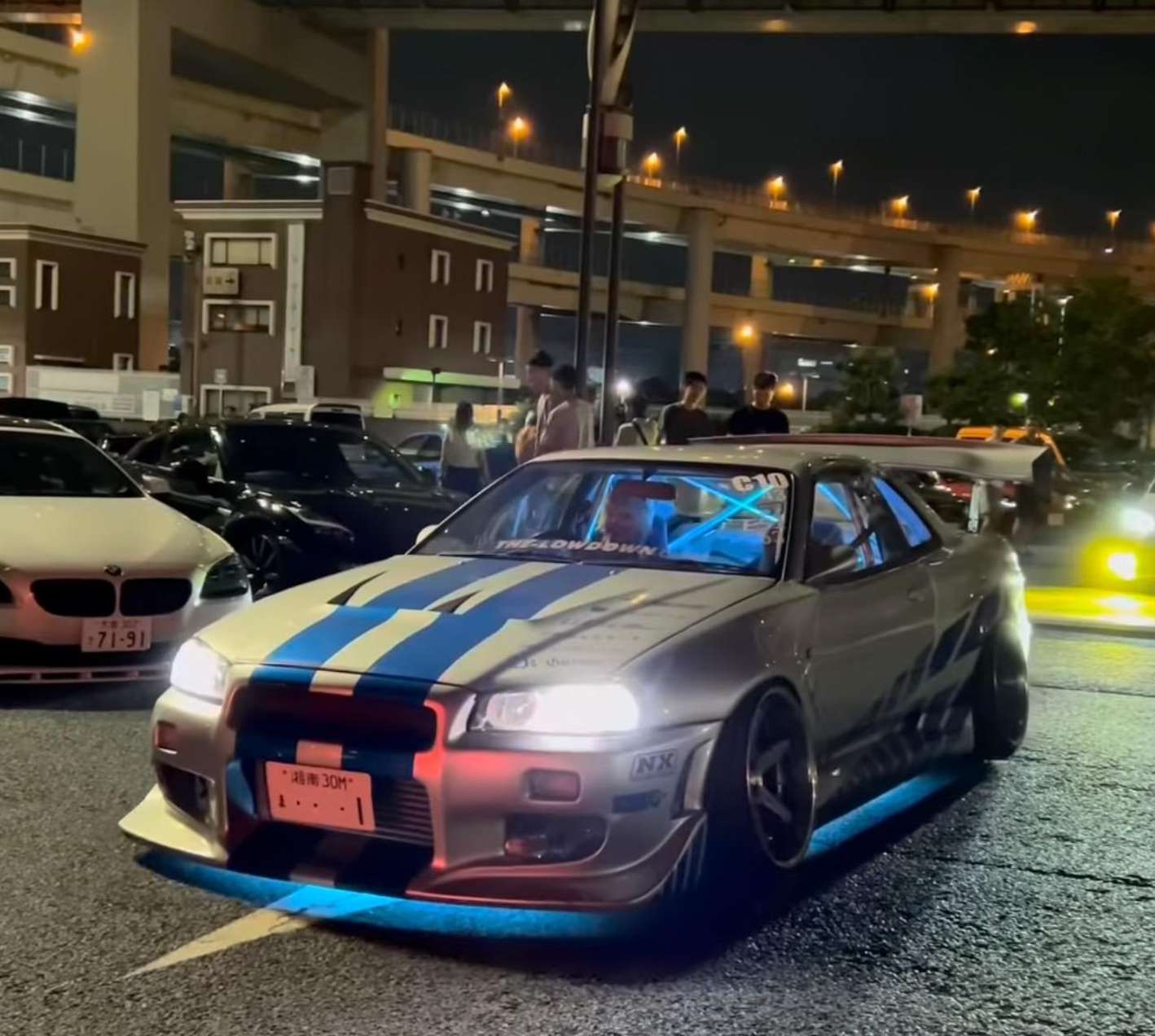
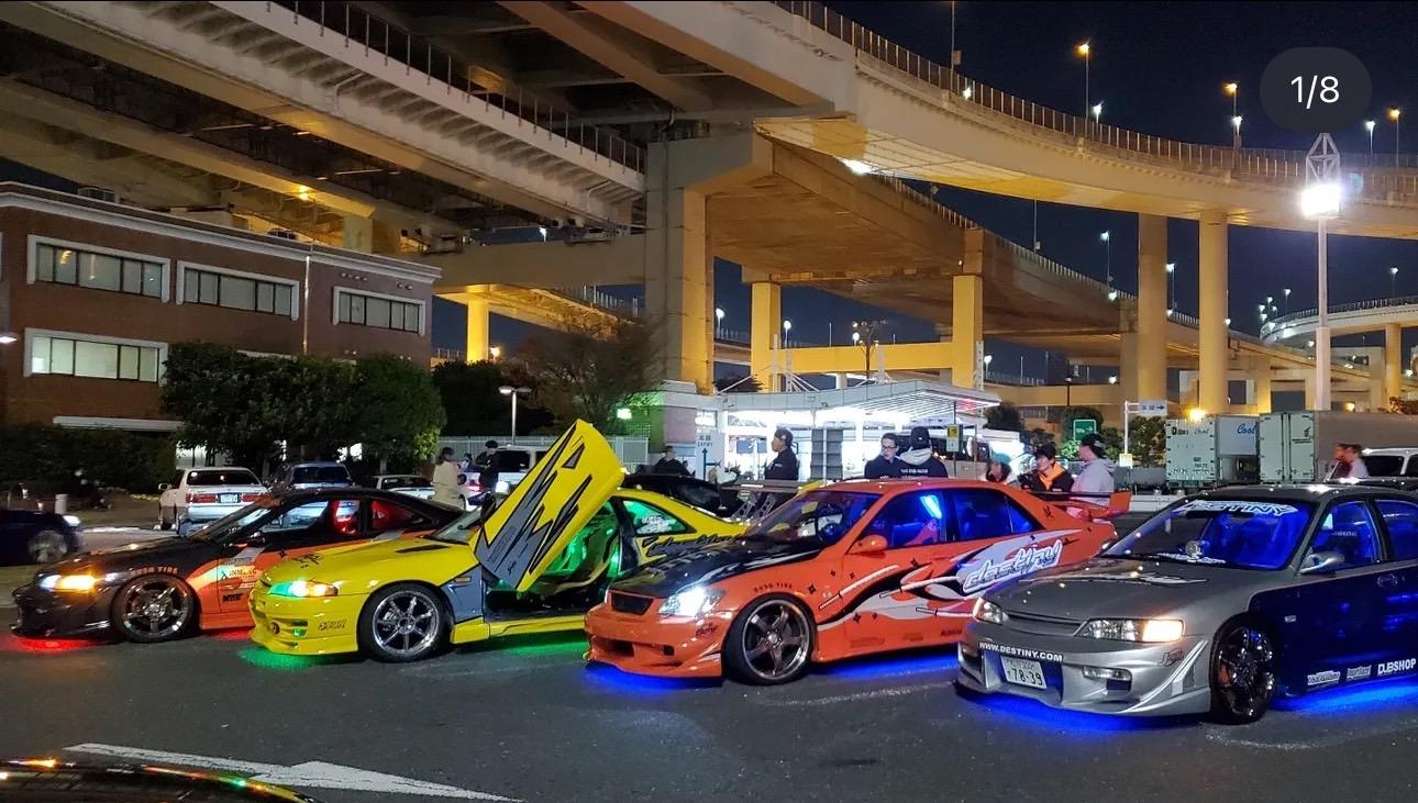
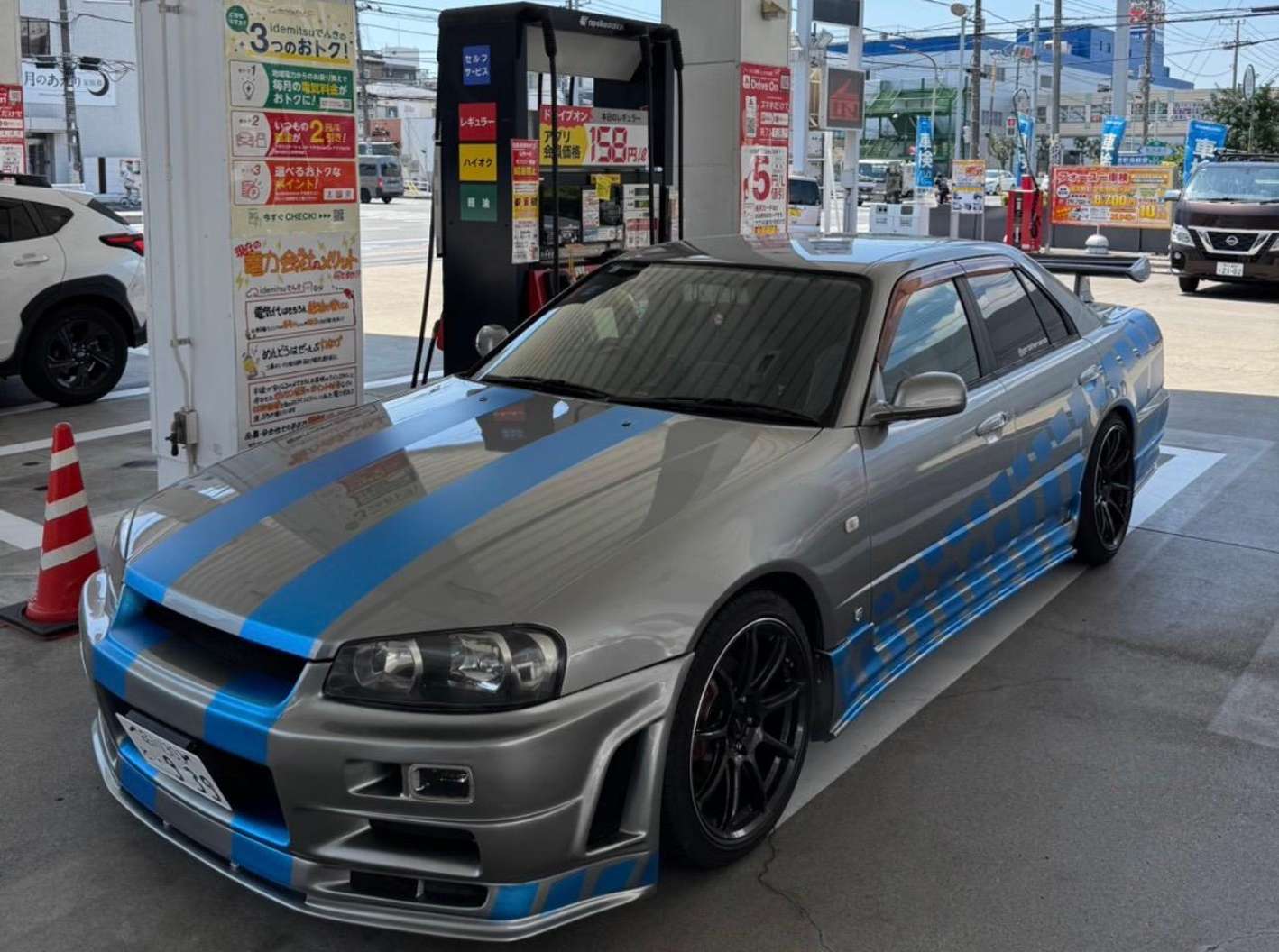
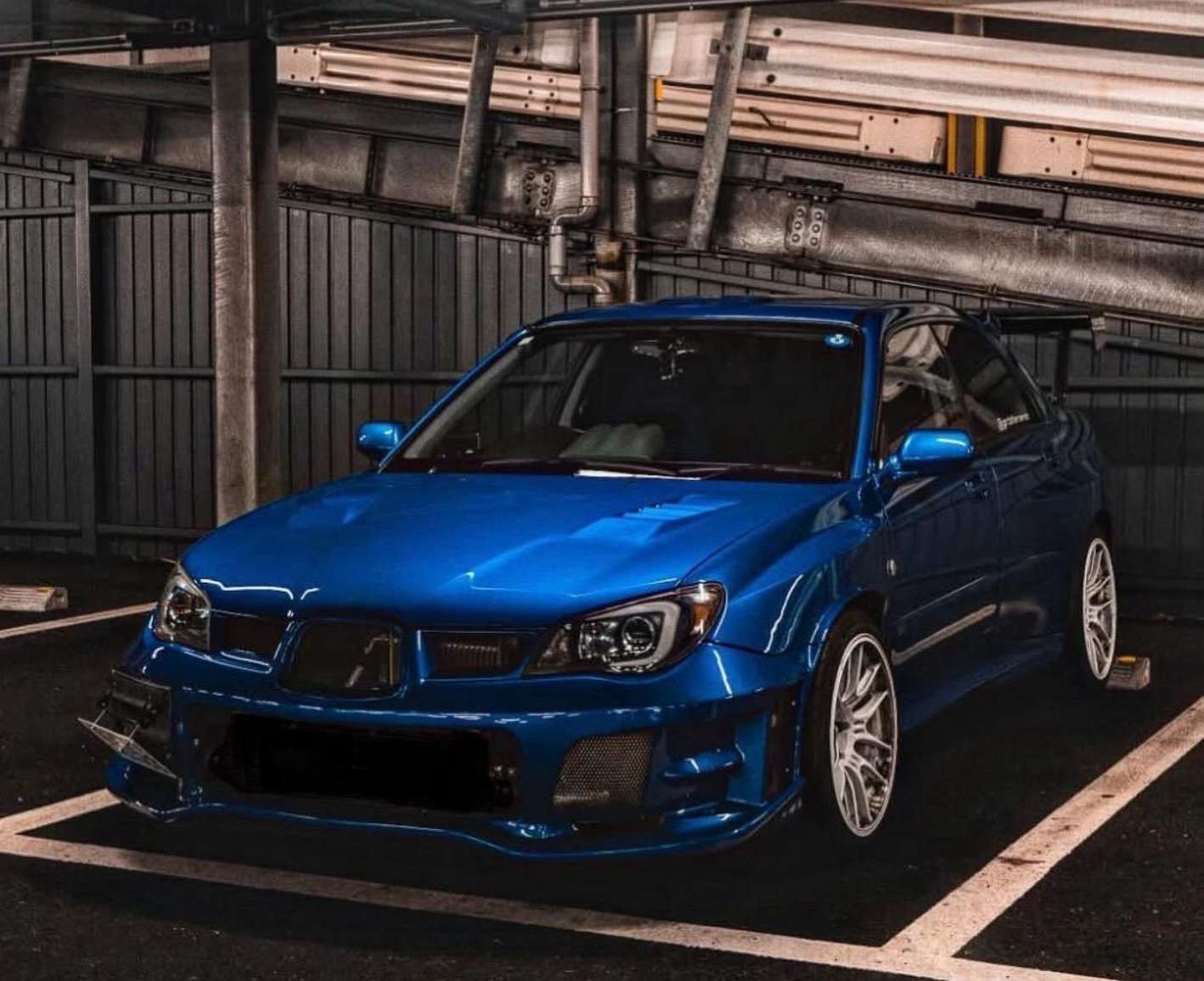
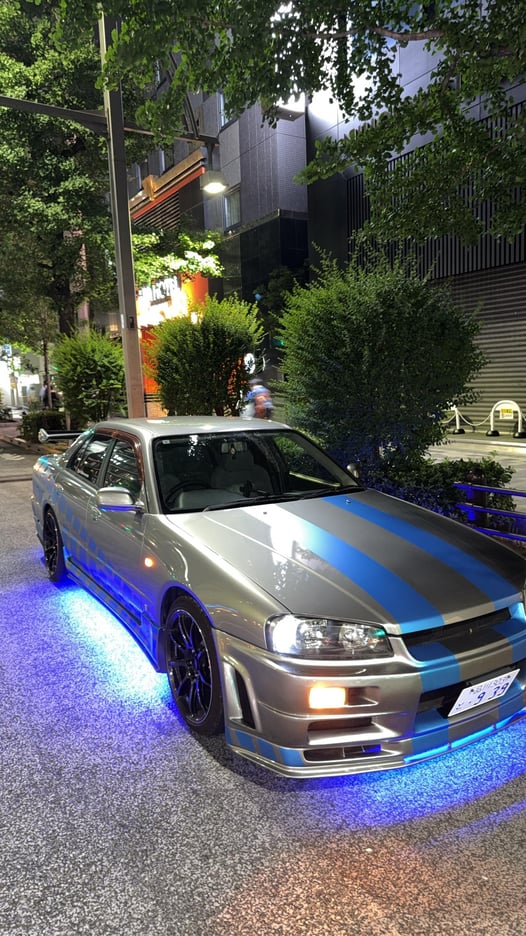
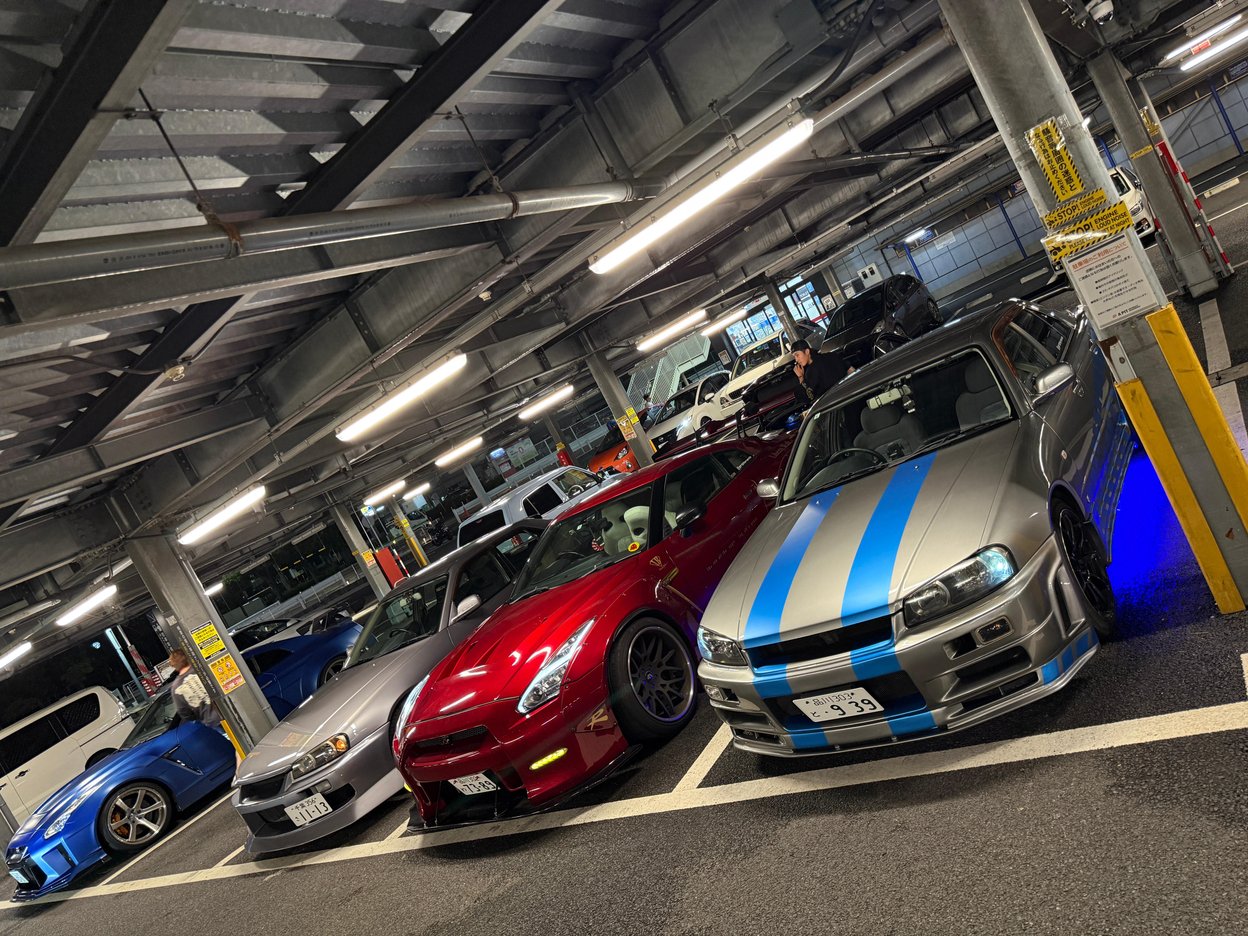
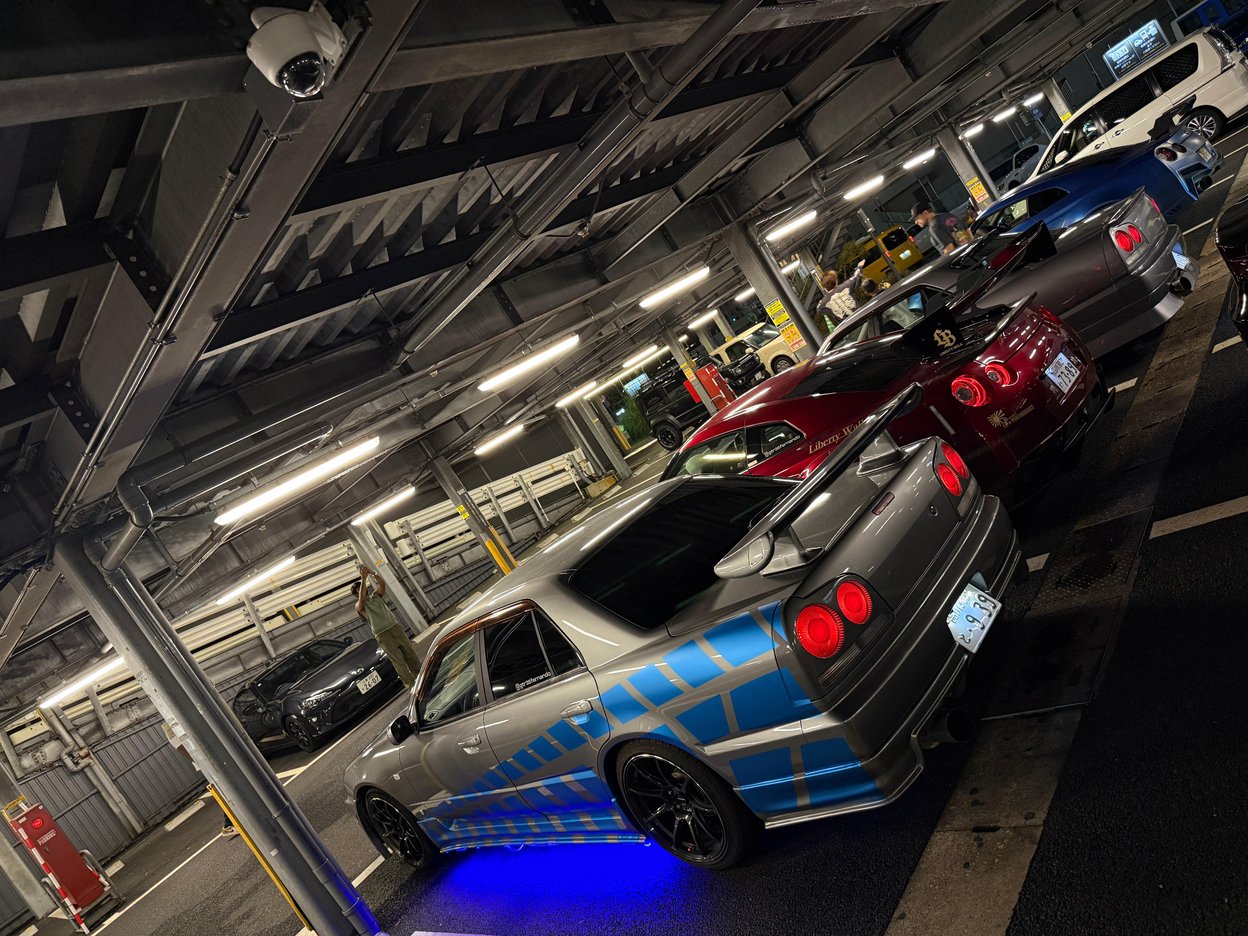
The drive from central Tokyo covers about 44 km and takes 40 to 55 minutes without traffic. There is no train, no bus and no pedestrian gate: the rest stop sits inside the Shuto Expressway network, fenced off on an artificial island in Tokyo Bay.
What decides the way is your plan for the return. A pre-booked tour locks the round trip in place.
It departs from meeting points near Shibuya, Shinjuku, Tokyo Station or Akihabara, or collects you at your hotel, and brings you back before the last trains or drops you off after.
東京テレポート駅
Visit (1 hour)
Sightseeing, Pass by, Scenic views on the way (5 minutes)
Visit, Shopping, Self-guided tour (30 minutes)
東京テレポート駅
Shibuya
Photo stop, Guided tour, Free time, Sightseeing, Walk, Self-guided tour, Scenic drive, Scenic views on the way (30 minutes)
Break time, Photo stop, Visit, Sightseeing, Self-guided tour (1 hour)
Shibuya
Photo stop (1 hour)
Photo stop (1 hour)
Photo stop (5 minutes)
スターバックス コーヒー 新宿新南口店, マクドナルド 錦糸町駅前プラザビル店
スターバックス コーヒー 新宿新南口店, マクドナルド 錦糸町駅前プラザビル店
Kanagawa police close the Daikoku Parking Area entrance on weekend nights whenever noise and overcrowding build up, usually between 7:30 pm and 9 pm, and they give no advance notice.
Plan to arrive well before 7:30 pm on Friday and Saturday, and book a guided tour or shuttle so a driver handles the round trip if police shut the gates while you are inside.
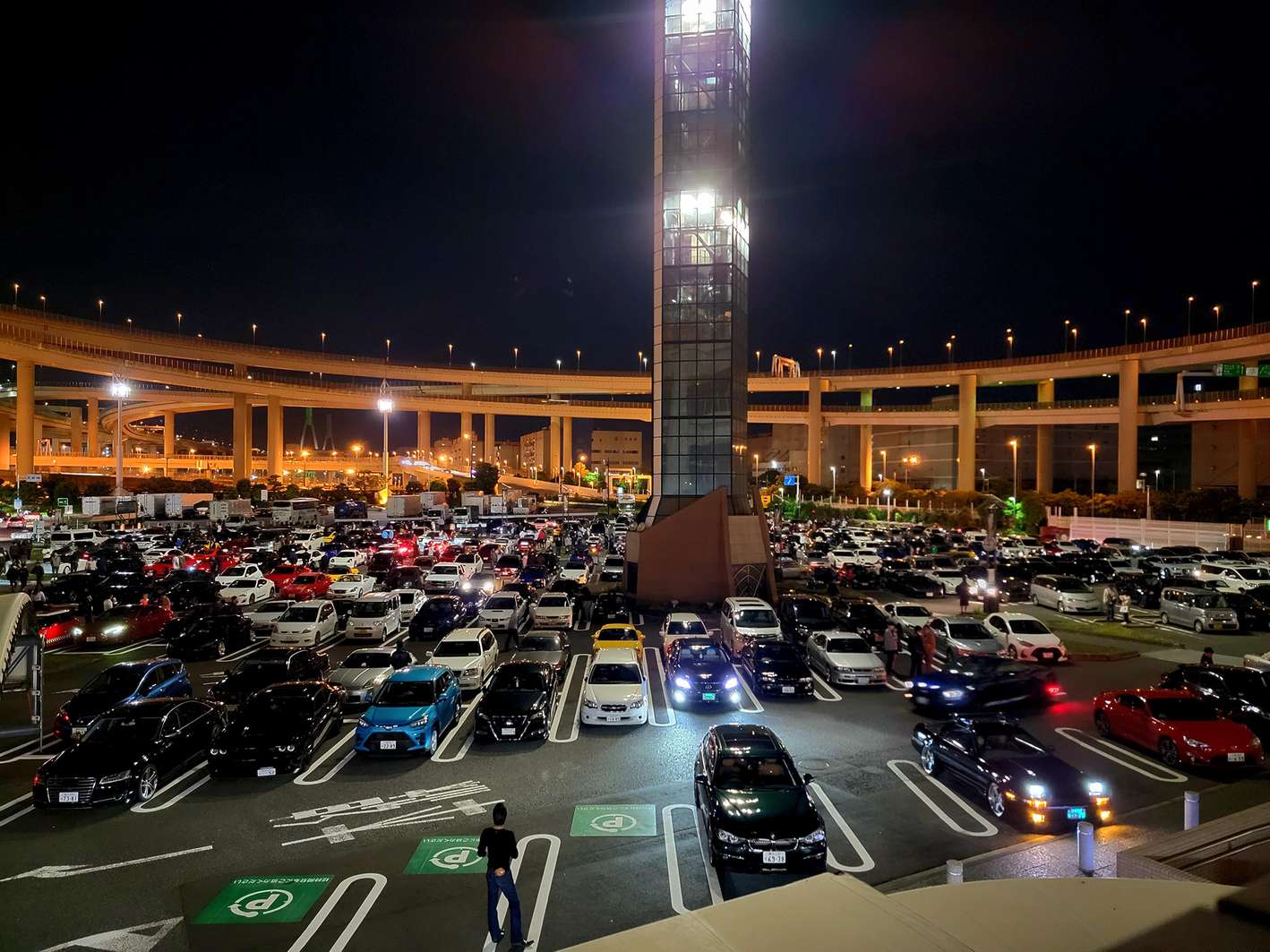
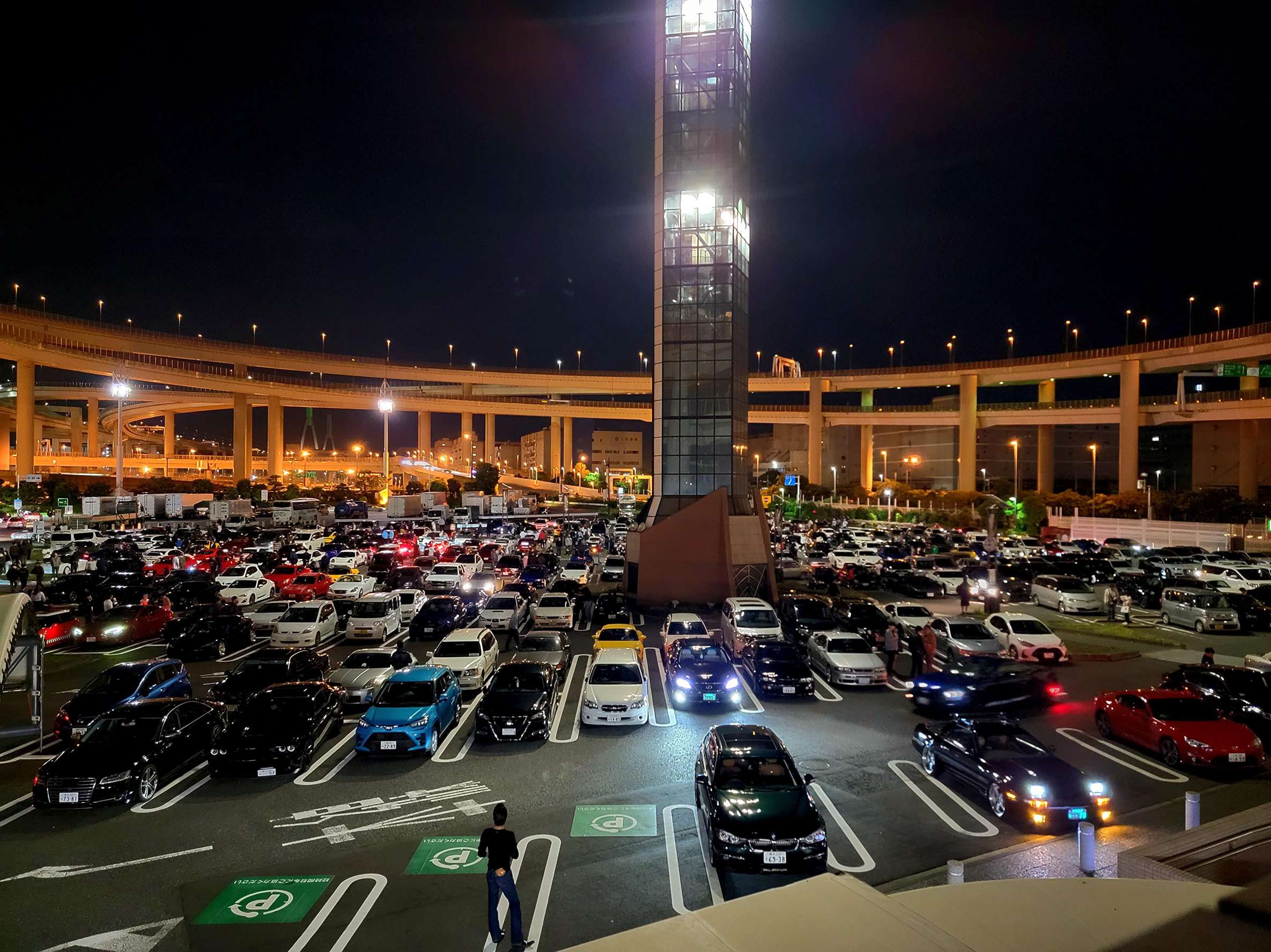
Daikoku Parking Area sits on an artificial wharf inside the Shuto Expressway, wrapped in the spiraling ramps of Daikoku Junction. There is no train, no bus, no sidewalk. Every visitor arrives as a driver or a passenger, and four routes actually exist.
A guided tour runs the whole trip door to door in 3 to 5 hours, with about an hour parked at the meet itself.
Without traffic the expressway drive is about 19 minutes from Yokohama Station, 40 from Tokyo Station and 43 from Shibuya; a metered cab takes the longer surface route from Tokyo Station, roughly 48 minutes across 36 kilometers. Taxis meter it; tours flat-rate it.
| Late-night return trip | Upfront cost | Legal highway access | License required | Pickup locations | |
|---|---|---|---|---|---|
| Guided tour | Return transport included | Fixed upfront price | Legal with pro driver | None needed | Shibuya, Tokyo Station, hotels |
| Taxi or rideshare | Very hard to hail | ¥6,400-¥35,000 round trip | No taxi stand inside | None needed | Yokohama stations only |
| Rental car | Self-drive back, own risk | Metered tolls plus deposits | Legal with valid IDP | 1949 Geneva IDP needed | Rental shops, some suburban |
| Transit or walking | Impossible, no return | not known | Illegal, fined | not known | None exist |
Two of the four options can leave you standing on a fenced deck after midnight with no ride. The choice that decides the night is who drives the return leg, and a guided seat is the only one where the answer is never you.
The outbound run feels easy. A cab from Tokyo Station covers about 48 minutes of Bayshore Route before the deck fills with GT-Rs, with expressway tolls stacking on top of the meter. Some visitors do exactly this from stations near Yokohama such as Tsurumi.
Then midnight comes. There is no taxi stand inside Daikoku PA. Apps rarely accept pickups from highway service areas, and the GO app blocks requests inside parking areas entirely.
During a police shutdown, no ride can reach you at all. Some visitors have managed an exit by waiting for cabs dropping other people off, or by pinning the on-site Lawson as their pickup point.
A driver who waits is not free either: the meter keeps running through your stay, and a 20% late-night surcharge applies between 10 pm and 5 am. Compare that with a pre-booked tour, where the round trip, tolls and waiting are one fixed price agreed before you board.
From inside Daikoku PA you generally cannot hail a ride back, and during police shutdowns ride-hailing cannot reach you at all Arrive with a pre-booked return, a waiting driver or a tour seat, never on a one-way drop
That one row is the whole reason seasoned visitors refuse one-way cabs. A plan without a booked return is a gamble on a Lawson pickup pin and a driver willing to brave an expressway at midnight.
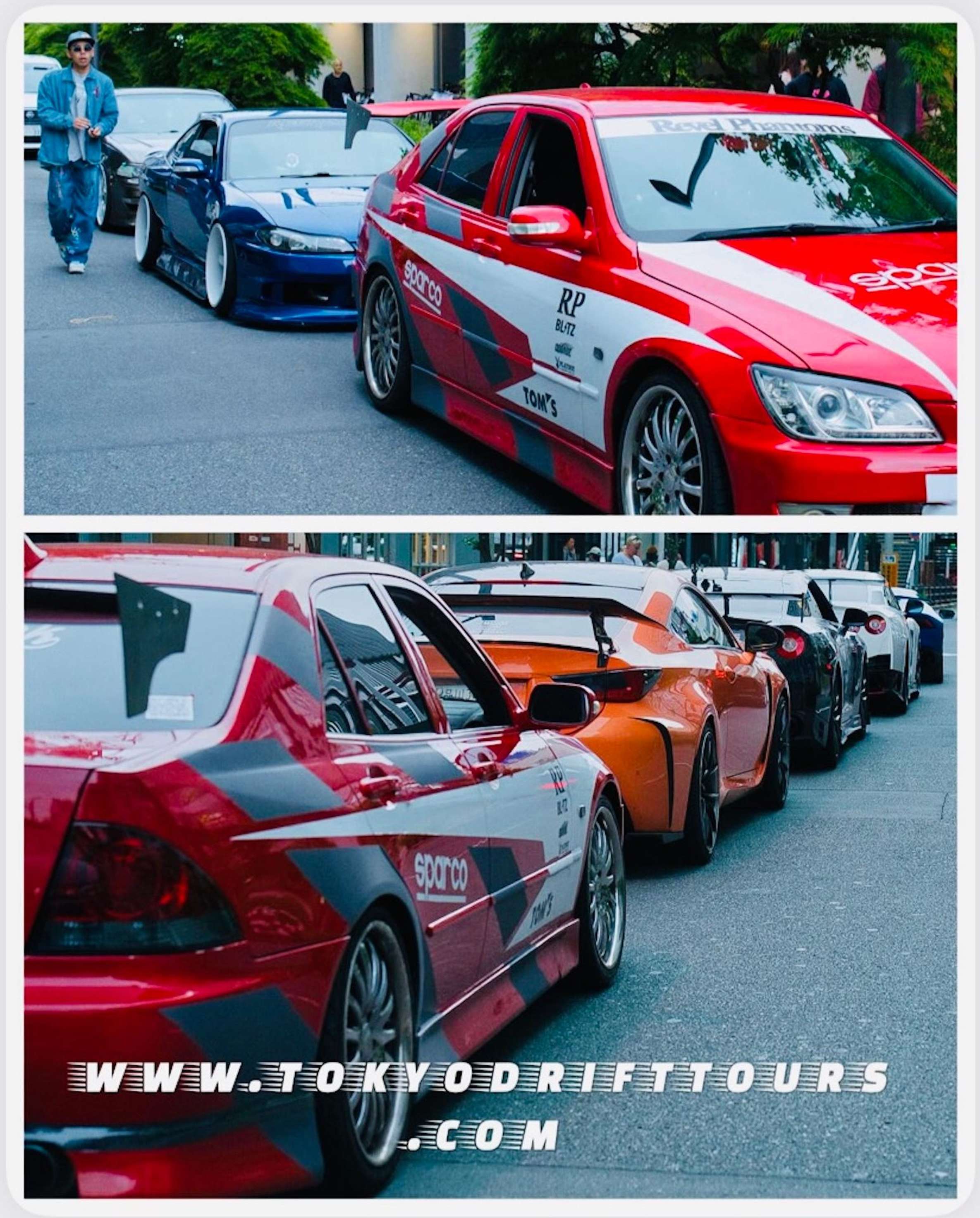
The cheapest way in is the only impossible one. Under Article 48-11 of the Road Act and Article 17 of the National Expressway Act, pedestrians and vehicles of 125cc or under are barred from every motorway in Japan, and the Metropolitan Expressway enforces that ban across its whole network.
The law barely needs to bother. The parking area sits behind fences with closed gates, reachable only from the Bayshore Route or the K5 Daikoku Line, and entry on foot is monitored by police and punishable by fines and imprisonment.
No transit of any kind serves it; it is an expressway facility with no bus stops
The whole site is fenced off from local streets; walking in is illegal and physically impossible
Anything under 125cc is banned on motorways, same as pedestrians
So every plan starts with wheels, and whose wheels matters more than the route.
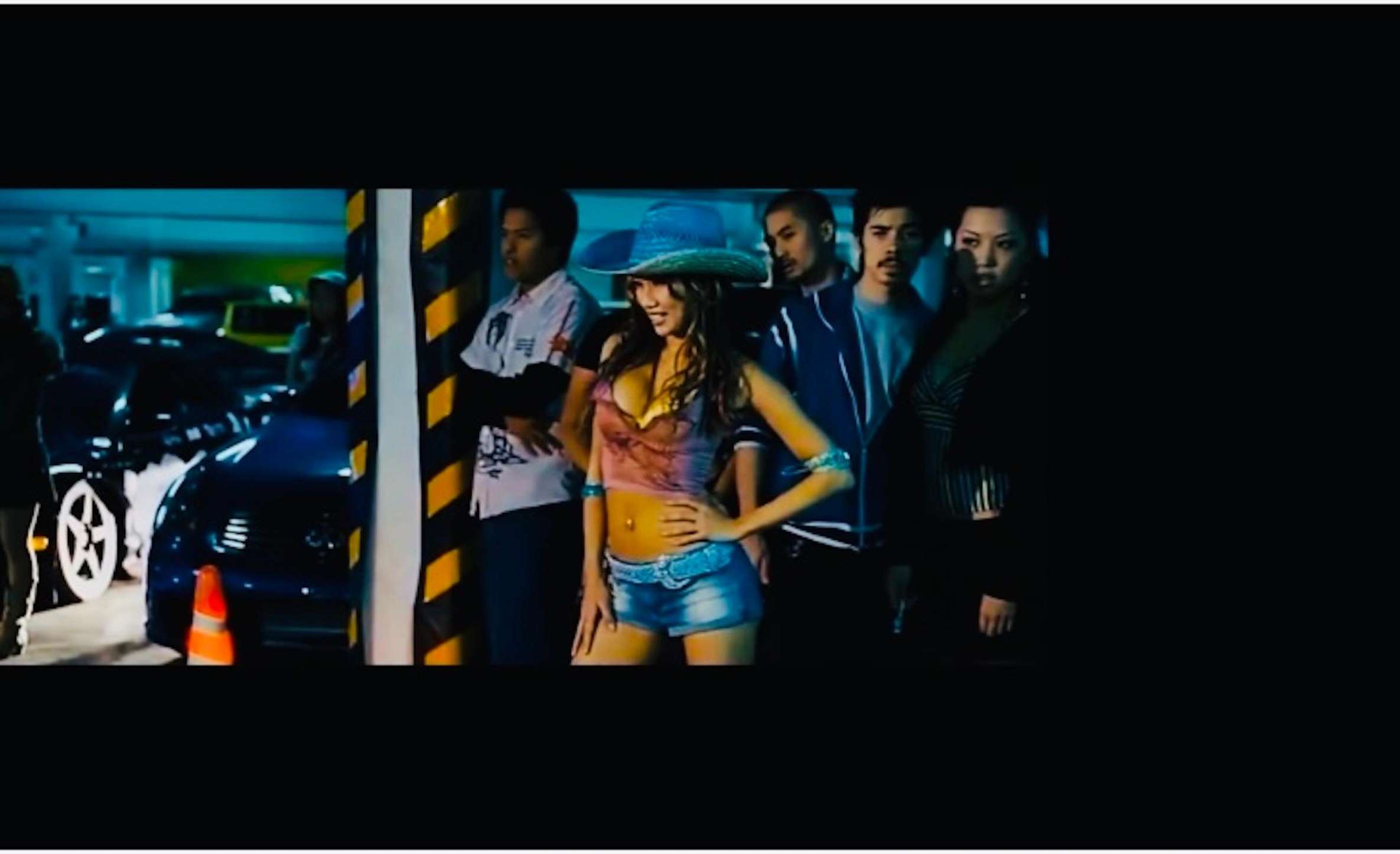
Driving yourself is the route enthusiasts dream of, and the one with the most fine print. You need to be 18, with an original paper International Driving Permit under the 1949 Geneva Convention, or a Japanese translation if your license is from Belgium, France, Germany, Monaco, Switzerland or Taiwan.
Permits issued under the 1968 Vienna Convention are invalid, even when the country is a Geneva signatory.
The drive runs the K5 or Bayshore Route through stacked interchanges where exits appear on both sides, left and right. First-timers routinely miss the Daikoku ramp, and the rule is simple: never reverse, just continue and loop back. Left-hand traffic settles in within an hour; wiper-versus-indicator confusion is the classic tell.
Rent an ETC card with the car. Some Tokyo entrances no longer take cash at all, and a wrong turn into an ETC-only lane ends with you stopped at a barrier waiting for staff.
Budget honestly for the extras: tolls on top of the daily rate, mileage caps, hotel parking, and a large pre-authorisation hold on your credit card that a specialist R34 or RX-7 fleet requires on every booking.
And know what independence buys you if police close the lot: you improvise your own alternative while guided tours divert to a planned backup.
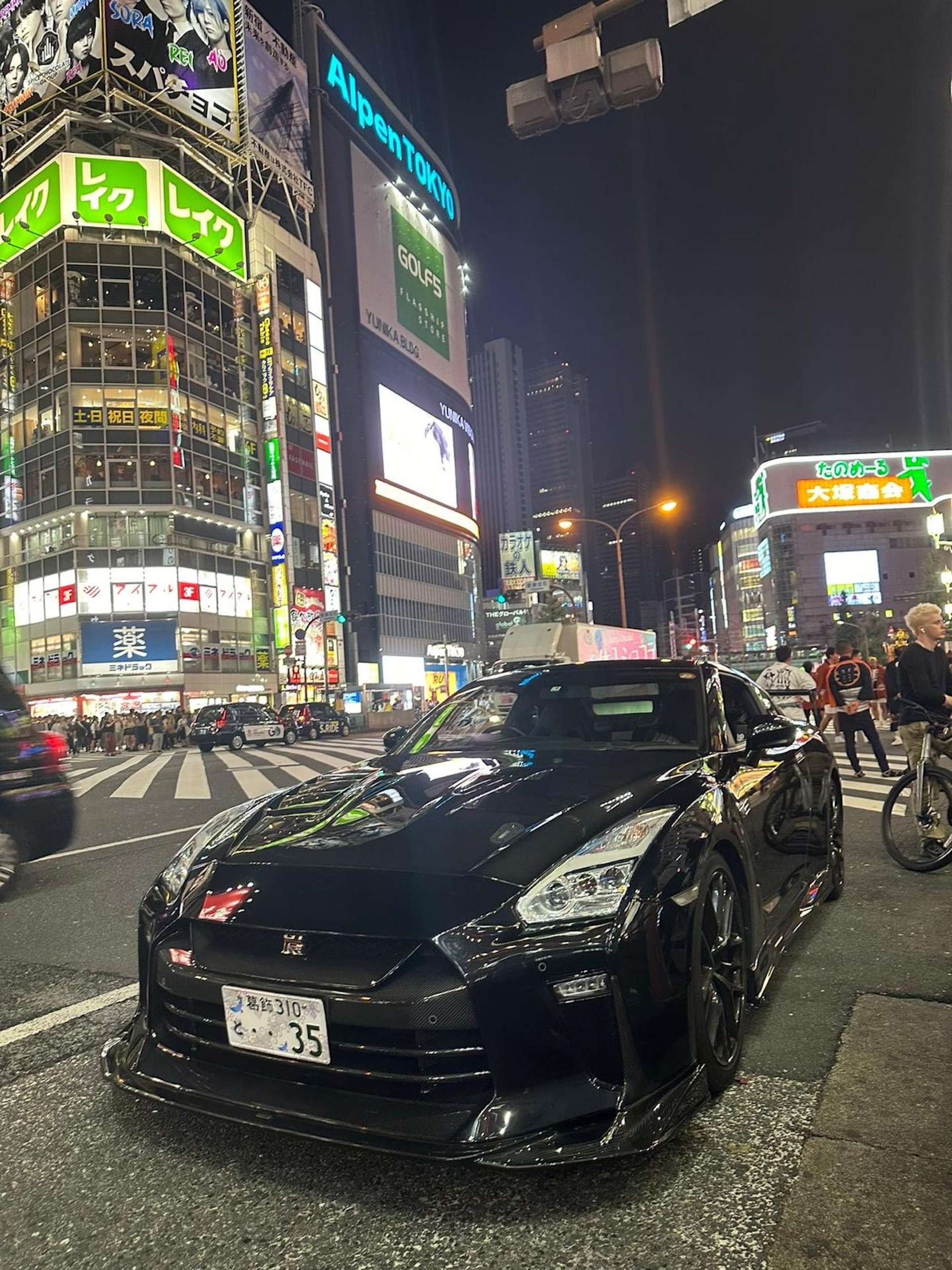
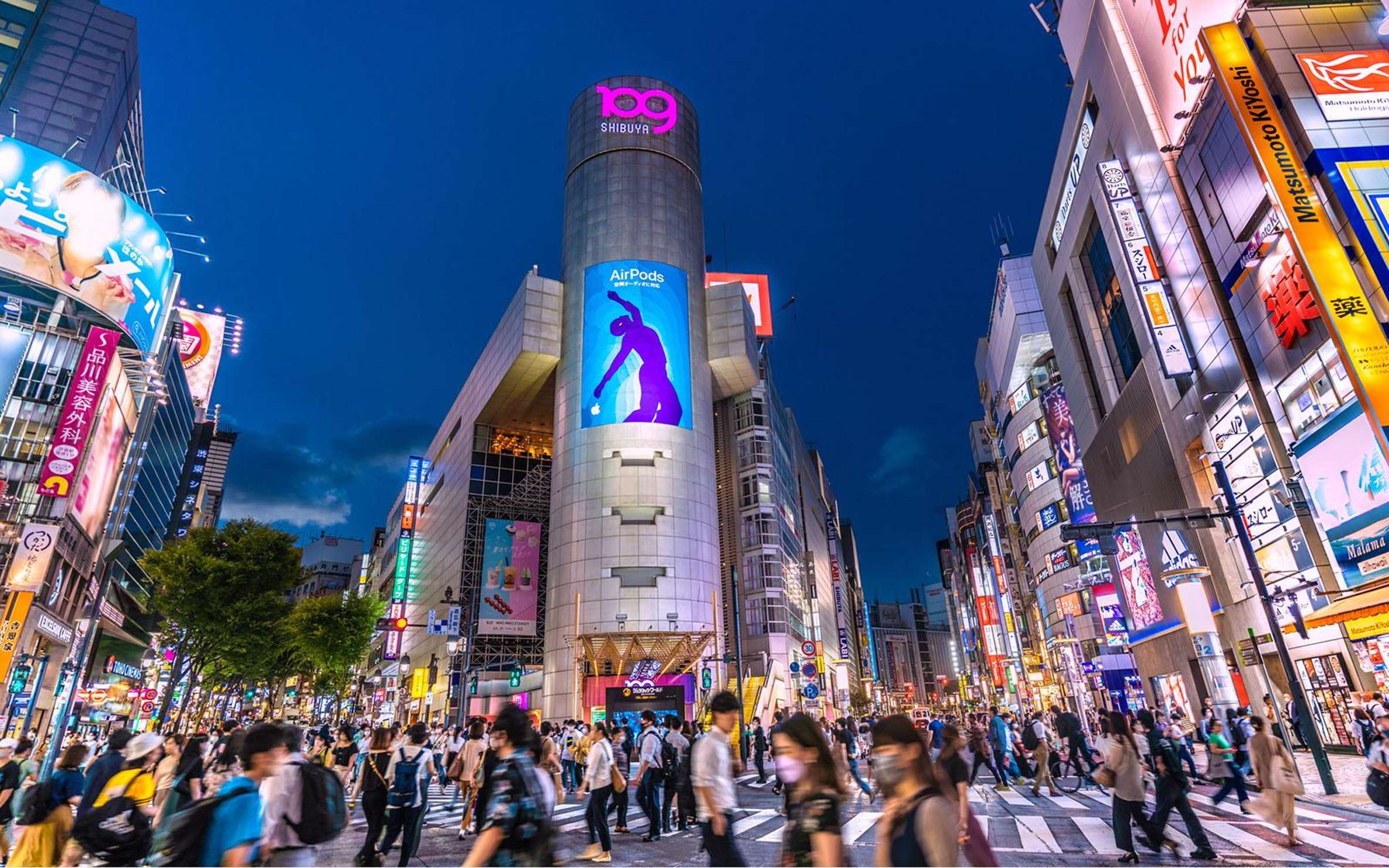
For most visitors this is where the decision is made. Tours depart from designated meeting points around Shibuya Station, Akihabara Station and Tokyo Station near the Marunouchi North Exit, and many collect you at your hotel across the central wards.
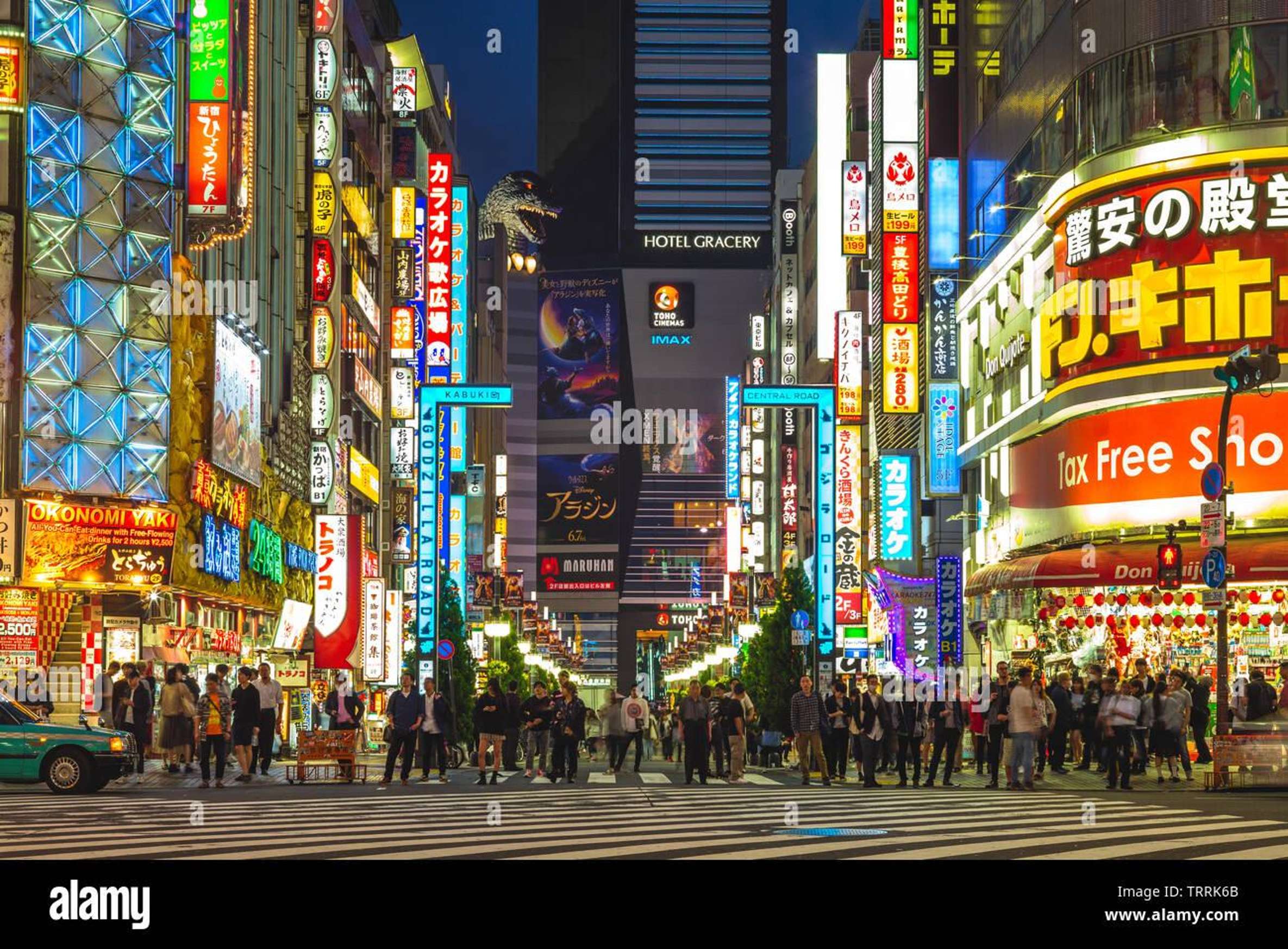
Shinjuku readers searching for a way in should know that pickups near Shinjuku Station exist on private and midnight packages, and the drive from any of these hubs is about 45 to 55 minutes without traffic.
Every expressway toll, fuel stop and parking fee is bundled into the booking, and no license is needed, because you ride as a passenger.
One Tokyo JDM Tour: Daikoku + Autobacs + More + Hotel Pickup runs four hours and pairs hotel collection with the meet and a shopping stop at A-PIT Super Autobacs. Morning pickups beat the highway rush; weekend evening departures around 4:30 to 5 pm arrive before the crowds that trigger shutdowns.
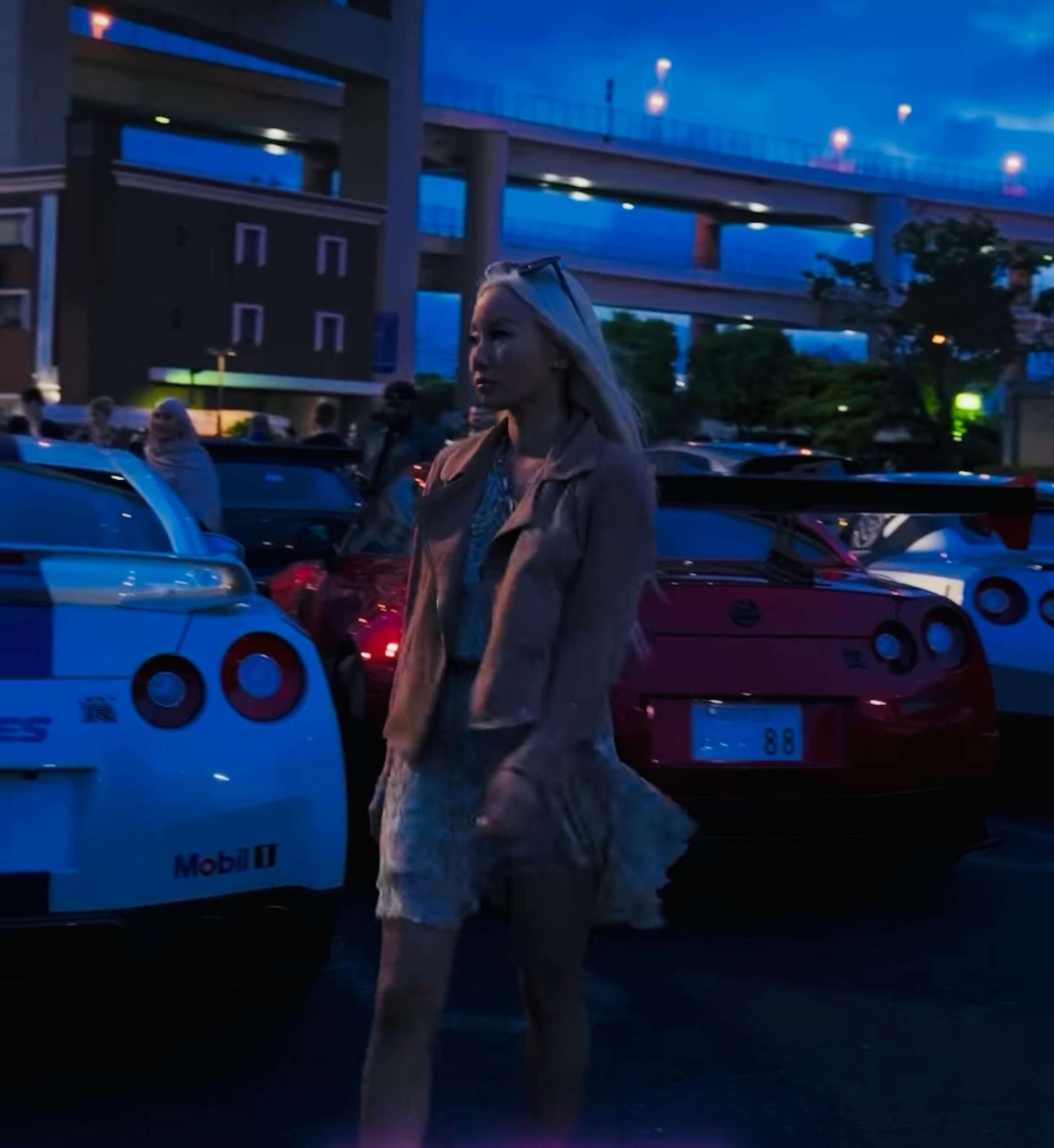
Here is what nobody books for and everyone should expect. Kanagawa expressway police can close the Daikoku ramps on any busy weekend night, from 7:30 pm on, when modified cars crowd the lot, noise complaints stack up, or regular drivers lose their rest stop.
Patrol cars broadcast a dispersal over loudspeakers, everyone packs up onto the expressway, and incoming traffic is turned back at the ramps. It is discretionary, unscheduled, and it happens most at Christmas and New Year.
The cars do not vanish. The meet relocates to Umihotaru PA across Tokyo Bay, Tatsumi PA on the Shuto Expressway, or Shibaura PA, and tours reroute to them as a matter of course.
The Tokyo: Daikoku or Umihotaru Tour (Silvia S15, GR86, 370Z) plans its route on the day to find where cars are actually gathering, with all tolls included. Some operators offer a full refund if Daikoku is shut and cannot be visited; ask before you book if that matters to you.
Night was everything we wanted. Guys were respectful, courteous, and clearly genuine car enthusiasts, great chats about the scene and Daikoku. Communication was easy, hotel pickup smooth.
A driver with a plan B is the difference between a shorter night and a written-off one. An independent visitor closed out of the lot at 8 pm has to invent that plan B on a bayfront deck in the dark.
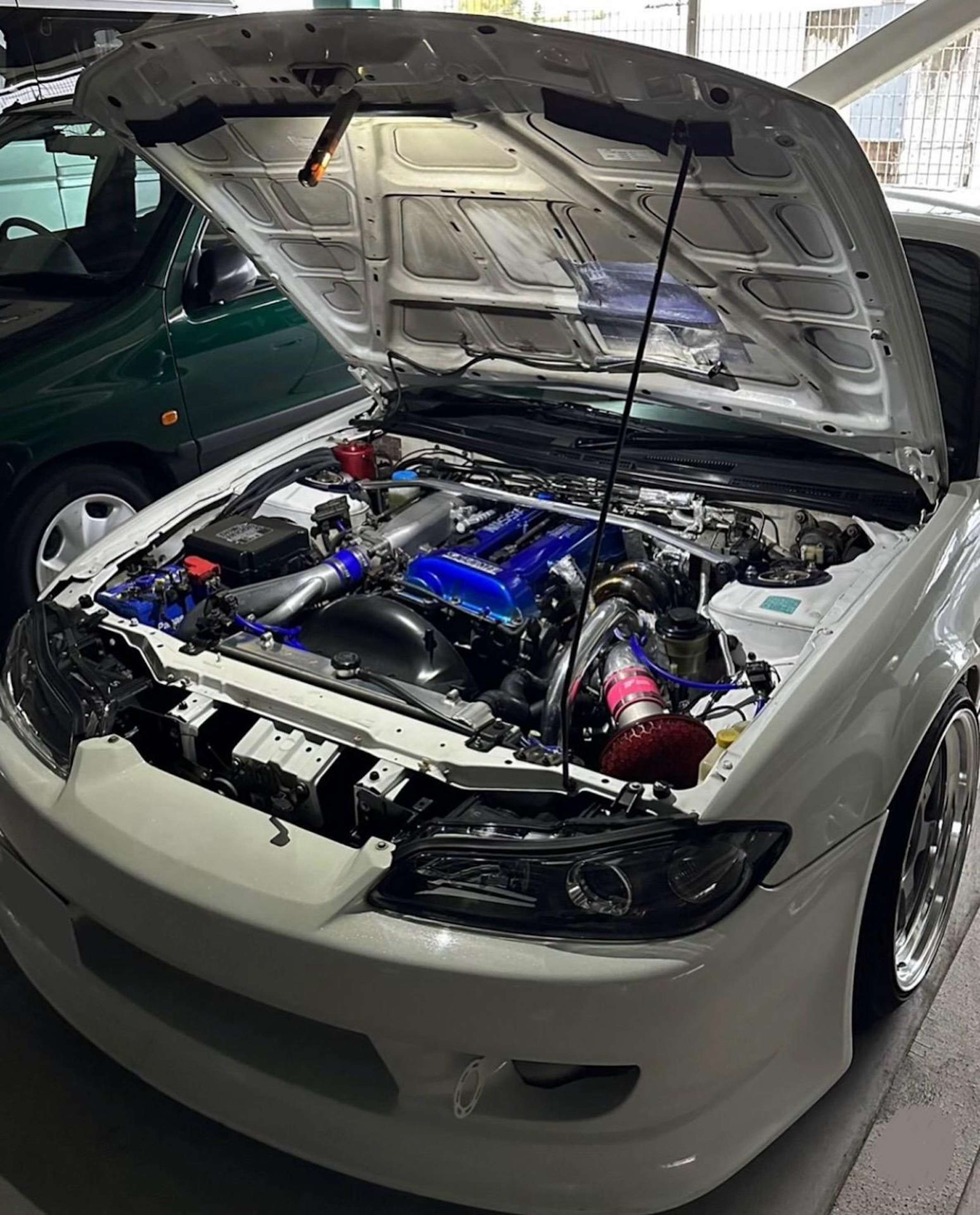
Entry to the parking area is free, with no tickets and no closed days. The meet itself is informal and unplanned: owners drive in, park, open hoods and talk, and the lineup changes every night.
Practically, that means this: food stands and the restaurant shut at 9 pm, vending machines run all night, and after 9 pm the 24-hour Lawson is the only outlet open. It sells rice balls, sandwiches and hot snacks, including AE86-themed treats from Initial D.
The deck is open air, on Yokohama Bay. Winter nights drop to a few degrees above freezing with sea wind, so a heavy coat and gloves earn their place. Summer is warm and humid at 20 to 25 degrees, and flat shoes help on any night.
The ramps themselves are the other draw. Daikoku Junction's spiraling loops and tall concrete pillars frame every photo from the deck, and photographers chase them as hard as the cars.
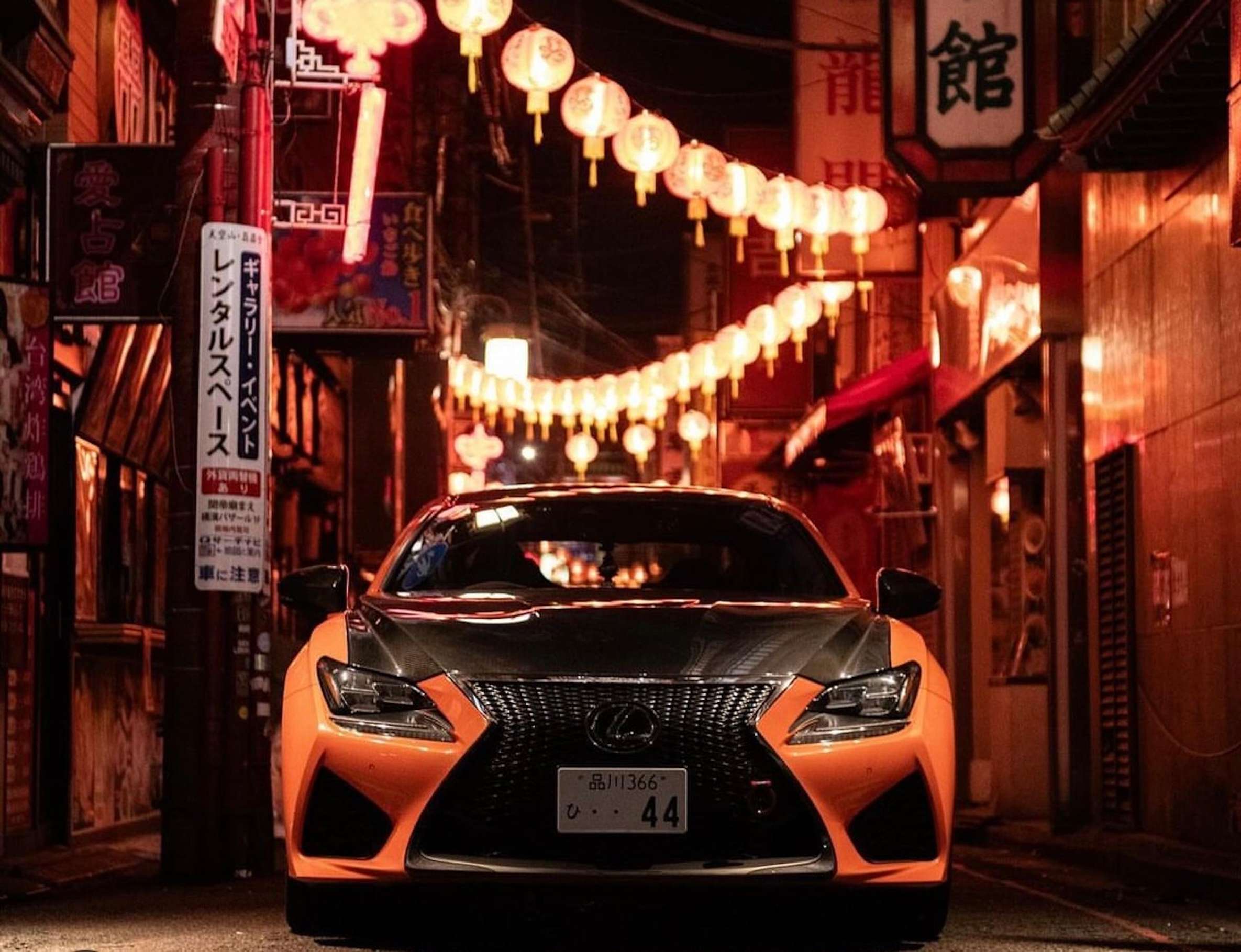
A daytime build makes the evening meet richer, and none of these need a car.
Super Autobacs Tokyo Bay in Shinonome is the retail anchor: aftermarket parts, official JDM apparel, and customer sports cars parked right outside, reachable by rail. On weekend mornings the A-PIT hosts community meets and tuner fairs.
In Akihabara, walk straight into the UDX underground garage for free. The best hours are Friday and Saturday between 7 pm and midnight, on basement level B2F, where modified builds and anime-wrapped itasha pack the level.
In Yokohama, the NISMO Omori Factory showroom opens Saturdays and Sundays from 10 am to 5 pm, closed on weekdays and through the big holiday weeks.
Tours head to A-PIT Autobacs Shinonome on nights when Daikoku and Umihotaru are both shut, so browse it before your tour leaves and you will know the shop when the van pulls in.
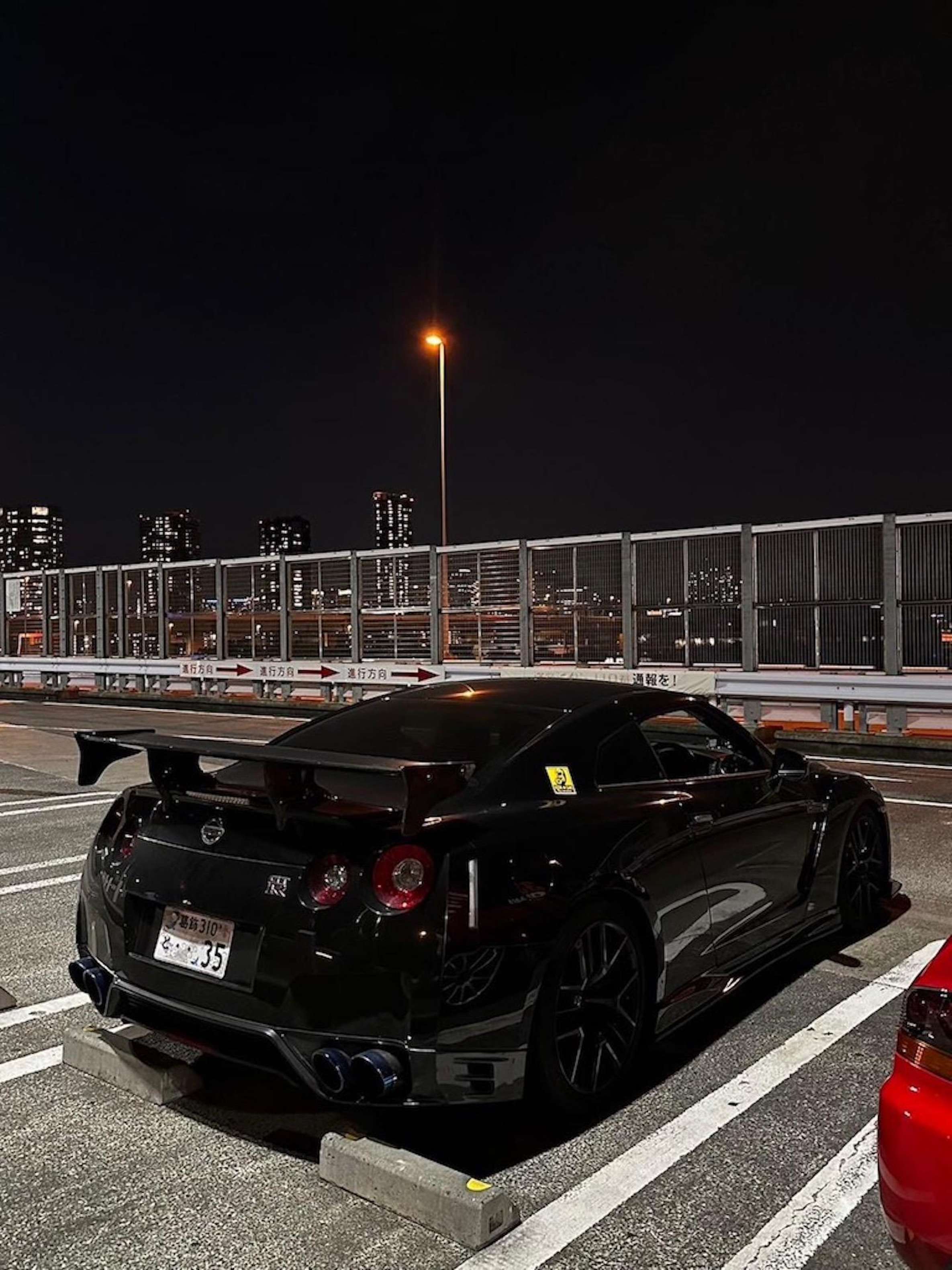
Every night draws cars, but not the same night. Friday fills with Japanese tuner builds from 5 pm before police often clear the lot between 7:30 and 8:30 pm Saturday draws the largest crowd of the week, JDM icons beside European supercars, and carries the highest shutdown risk.
Sunday morning is the quiet triumph: classics and supercars in daylight from 8:00 to 11:30 am, with almost no police involvement.
Read the midweek bars as your safety net: local builds gather every evening, and closures are rare when the lot stays light.
April: 5 out of 5 for how busy it gets.
Tap a month to read it.
The spring and autumn peaks show when the travel crowds arrive; the meet itself runs every night of the year, so your own schedule matters more than the calendar.
Weeknights are the dependable pick. Tuesday and Wednesday let you walk the rows, talk to owners and take photos without crowds, because the regulars still come.
Rain keeps the parking area open and thins the turnout; polished show cars stay home while dedicated tuner cars turn up. Typhoons and severe storms are the real cutoff, most likely May through October, and tours handle those with a reschedule or a refund.
Timing beats luck: a 7:30 pm weekday departure hits peak turnout, while weekend arrivals should land by 6 pm.
The unwritten rules are what keep the meet open. Never touch, lean on or sit on a car, and keep watch straps and metal away from the paint. Never rev an engine, peel out or perform a burnout inside the lot. Take your trash with you, and never flash your lights at a running engine.
Owners build these cars for love, and the question marks you as an outsider
Naming a build or its history buys you a real conversation with owners
It works well with owners at the deck, and guides bridge the rest
Photograph politely, ask before shooting a privately owned car up close, and be as considerate of other spectators as of the cars.
Guides handle most of this for you on a tour, walking you through the etiquette and translating with live devices, and enthusiasm crosses the remaining gap. Some drivers speak basic English that covers the tour, and longer chats run through translation devices or the guide.
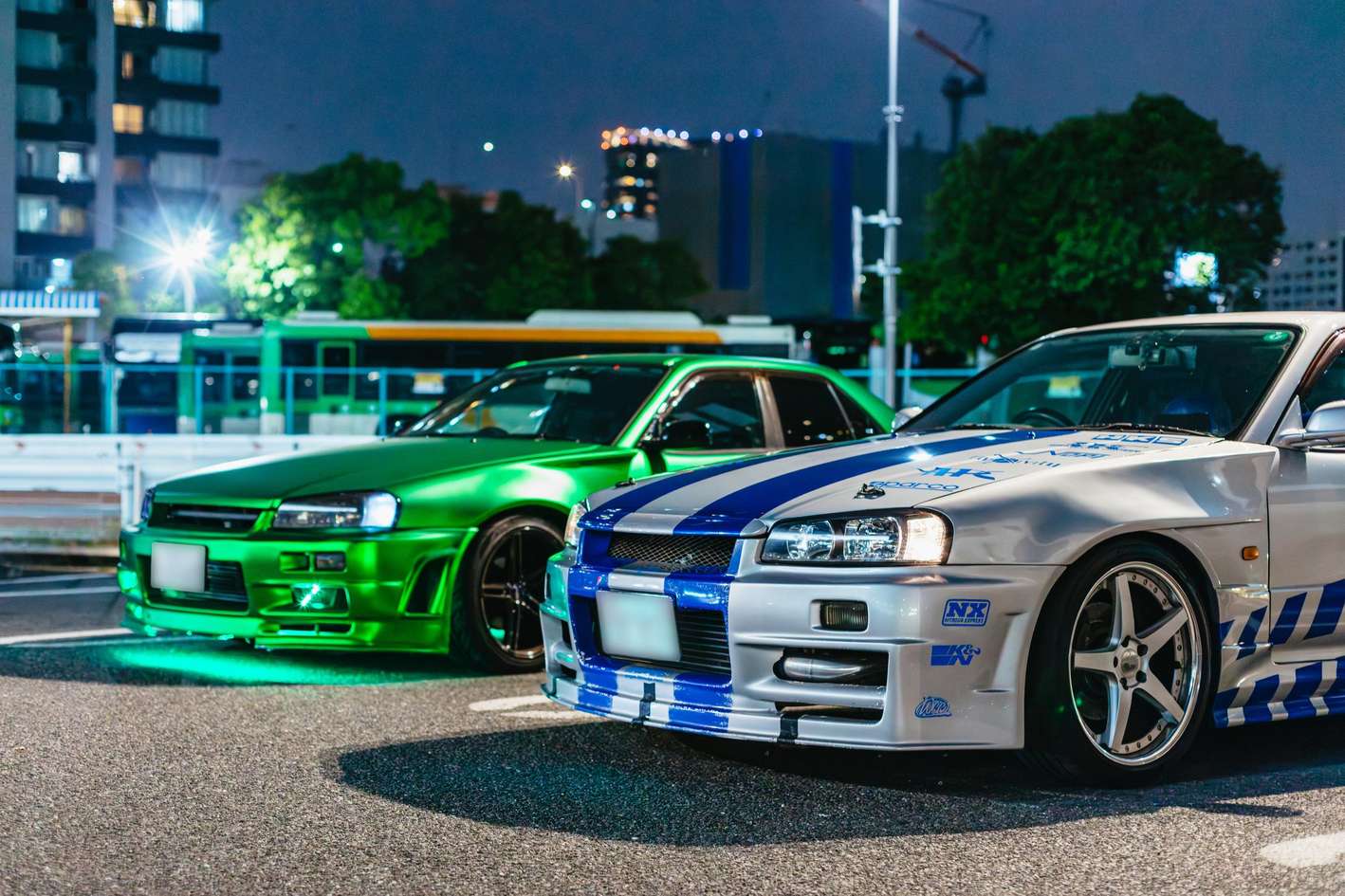
Tours split into two kinds of night. A shuttle-style trip carries you in a van or comfortable people mover to the meet and back.
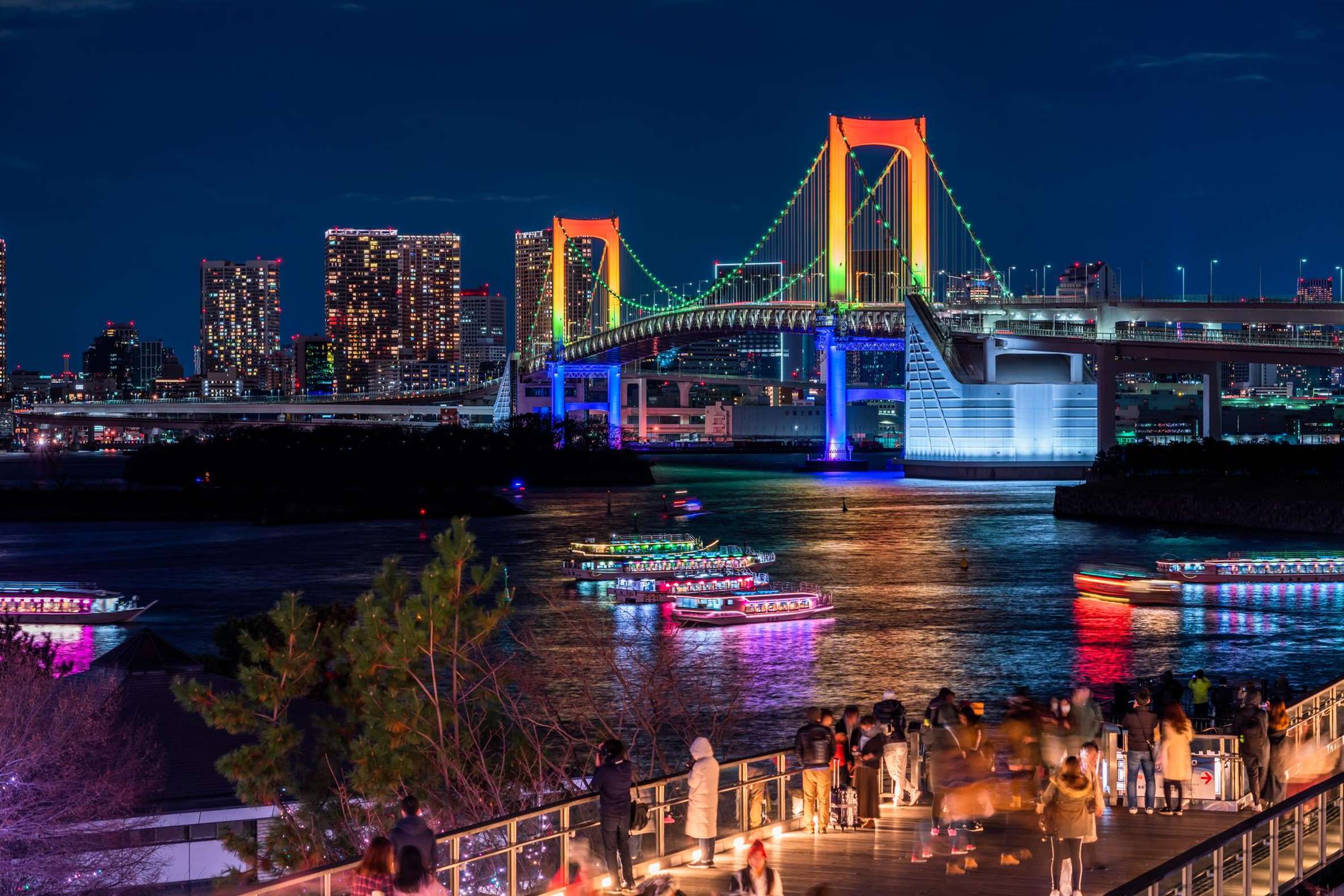
A ride-along puts you in the passenger seat of a modified JDM car, an EVO X or WRX STI on the Wangan Route, and the Tokyo: Fast & Furious Daikoku JDM Night Tour - EVO,WRX&More adds guided commentary and photo stops at Rainbow Bridge and Tokyo Tower.
Convoy tours let you swap between cars at stops, which is the part people talk about afterwards.
Before you book, check the car you will actually ride in. Rear seats in Skylines, the GT-R's 2+2 layout and the GT86's back seats are all cramped; tall or larger passengers and anyone who cannot climb in and out unaided should message the operator first.
Suitcases do not fit, and seatbelts are worn at all times by law. Child seats rule out most sports cars, and several tours set minimum ages.
| Check | Why it matters | Our pick |
|---|---|---|
| Fixed round-trip price | A meter plus tolls and waiting fees can run far past a flat rate | Every tour here bundles tolls, fuel and parking into one booking |
| A named backup destination | Police close the ramps on busy weekend nights | Tours reroute to Umihotaru PA, Tatsumi PA or A-PIT Autobacs Shinonome |
| English-speaking guide | Etiquette and translation matter at the meet | All featured tours run English-speaking guides, some with live translation devices |
| Pickup near your hotel | Late trains stop before midnight runs end | Hotel collection across central Tokyo is standard on private and midnight packages |
Passengers, first-timers and anyone without a 1949 Geneva International Driving Permit should book a guided seat: the return ride is guaranteed, the tolls are covered, and a closure turns into a planned backup. Confident licensed drivers who accept closure risk can make the drive themselves. Nobody should arrive without a booked way home.
Standard evening tours return between 10 pm and 11:30 pm, in time for the last trains. Midnight runs finish after the rails shut, so they end with a hotel drop-off.
Booked the Saturday night 10 pm tour and loved it.
Best part of our Tokyo trip, no doubt. As Tokyo Drift fans this exceeded everything we hoped for.
Highly recommend this JDM tour! Driver NTHANH TUNG was on time and a thrilling driver. Daikoku Futo was amazing with so many unique custom cars.
Night was everything we wanted. Guys were respectful, courteous, and clearly genuine car enthusiasts, great chats about the scene and Daikoku. Communication was easy, hotel pickup smooth.
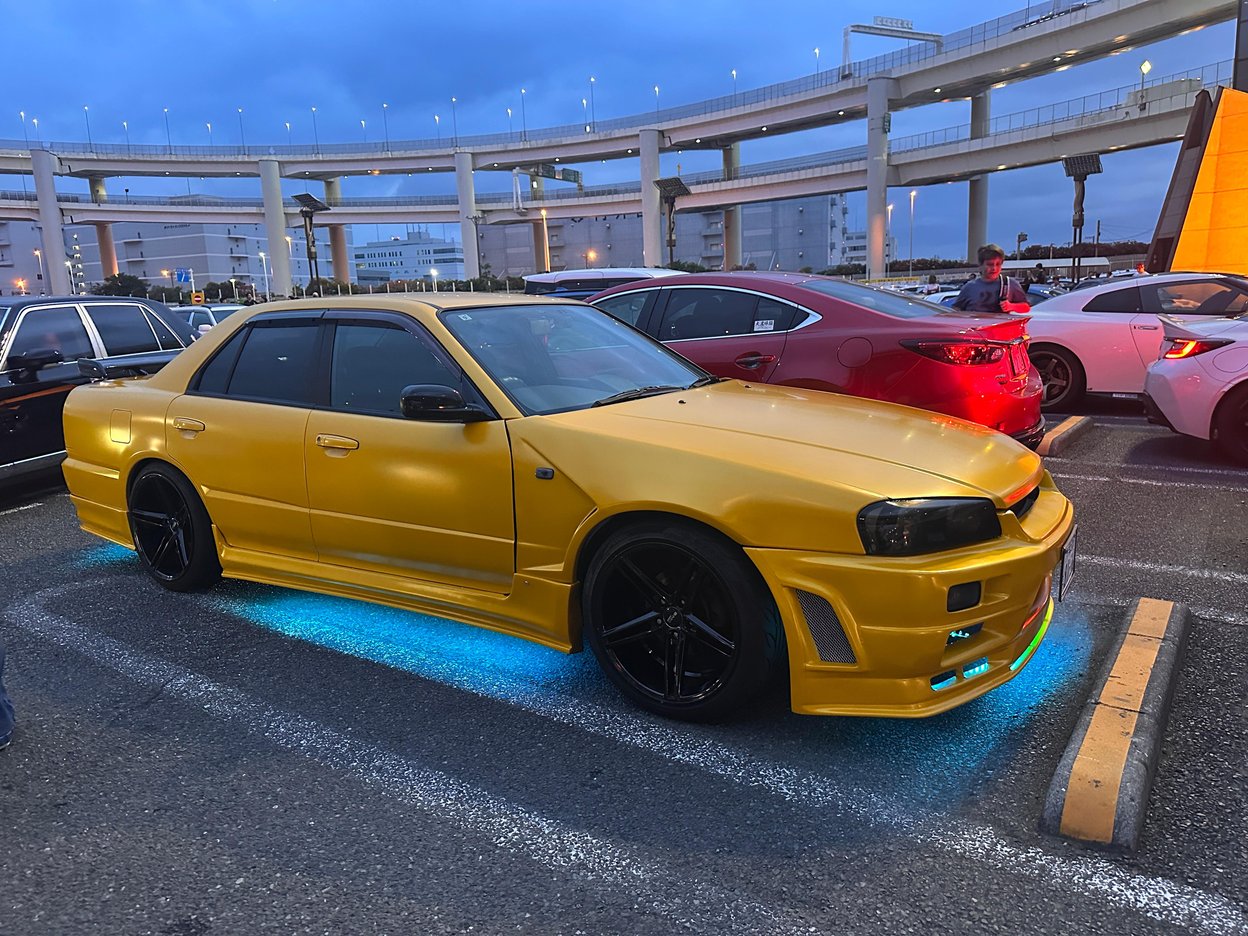
My family loved every moment! From the great customer support to pickup, drive, and tour, our driver Gianni was awesome..
Max was super friendly and a skilled driver, fun drive, never felt unsafe. Don't worry if cars aren't your thing, his enthusiasm helps you appreciate what you see.
Great excursion: stops at A Pit shop, then Daikoku PA, finishing with photos at Tokyo Tower. Very affordable way to reach the car meet.
The friendly guides and drivers made the night, chatting about the cars and taking photos.
Many travelers loved the surprise of getting pro-quality photos of themselves with the cars, some taken by their guide.
Several travelers wish they had arrived earlier, since some nights the parking area filled up and closed before they had seen enough.
No. Daikoku PA sits on an artificial wharf inside the expressway network, fenced off from local streets, with no train station, bus stop or pedestrian entrance. Walking in is illegal and physically impossible, and pedestrians are barred from the Metropolitan Expressway everywhere. The only way in is by vehicle.
By road only, along the Bayshore Route or the Kanagawa Route 5 Daikoku Line. Driving from Tokyo Station takes about 40 minutes without traffic, and guided tours reach it in roughly 30 to 45 minutes each way with round-trip transport included. Book ahead for the date you want rather than leaving it to the day.
There is no direct train or bus, so you travel by highway passenger vehicle. Without traffic the drive runs about 35.8 km and 52 minutes. Guided tours offer designated pickups near Shinjuku Station, which saves you navigating the expressway yourself.
You can arrive by taxi, since drivers can drop you at the parking area. Expect a metered fare plus expressway tolls, which vary with traffic and distance. From Yokohama Station the drive is about 19 minutes and 8.2 km without traffic.
This is the part that catches visitors out. There is no taxi stand inside, drivers rarely accept pickups from highway service areas, and the GO app cannot be used within parking areas. During police shutdowns, ride-hailing apps cannot reach inside at all. A round-trip booking solves this.
You would be stuck. The parking area is surrounded by fences with closed gates, so walking out is impossible as well as illegal, and it is monitored by police. This is why travelers book organized transport with a guaranteed return ride instead of gambling on a one-way drop.
Not as a passenger. Guided passenger tours and ride-alongs provide a professional driver, so no license is required. You only need permits and paperwork if you plan to drive a rental car yourself.
Entry is free. It is an open public rest stop with no admission tickets or parking charges. What you pay for on a tour is the transport: expressway tolls, fuel and a guaranteed ride back.
Closures are discretionary and not on a fixed schedule, most often on crowded weekend nights. Tours redirect to alternatives such as Umihotaru PA, Tatsumi PA or A-PIT Autobacs Shinonome, and some operators offer a full refund instead. Independent drivers must find their own plan B.
Friday and Saturday evenings between 6 pm and 8:30 pm draw the biggest turnouts, though police frequently close access between 7:30 pm and 9 pm when crowds peak. Tuesday and Wednesday nights gather fewer cars but with almost no risk of shutdown, and you can actually talk with owners.
Pre-booked guided tours, shared shuttles and chauffeured private transfers bundle transport, tolls, fuel and parking into one upfront price. A metered street taxi keeps running while you wait, and tolls get added on top, so the final cost is never known until you arrive back.
See where Tokyo's car scene lives, from the meets you now know how to reach to the neighborhoods behind them.
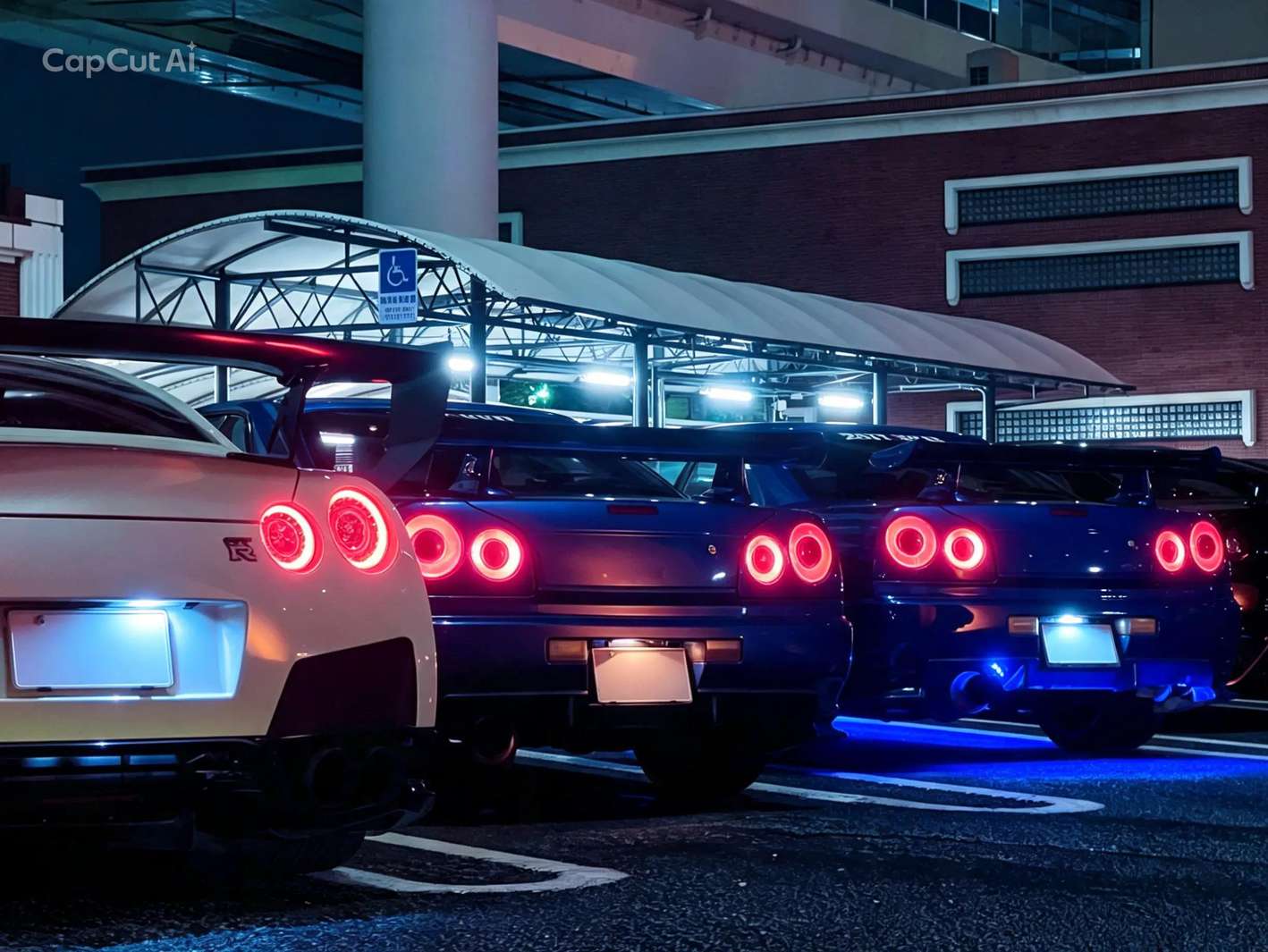
Compare every parking area and garage where the cars gather, so you know what to do if Daikoku shuts early.
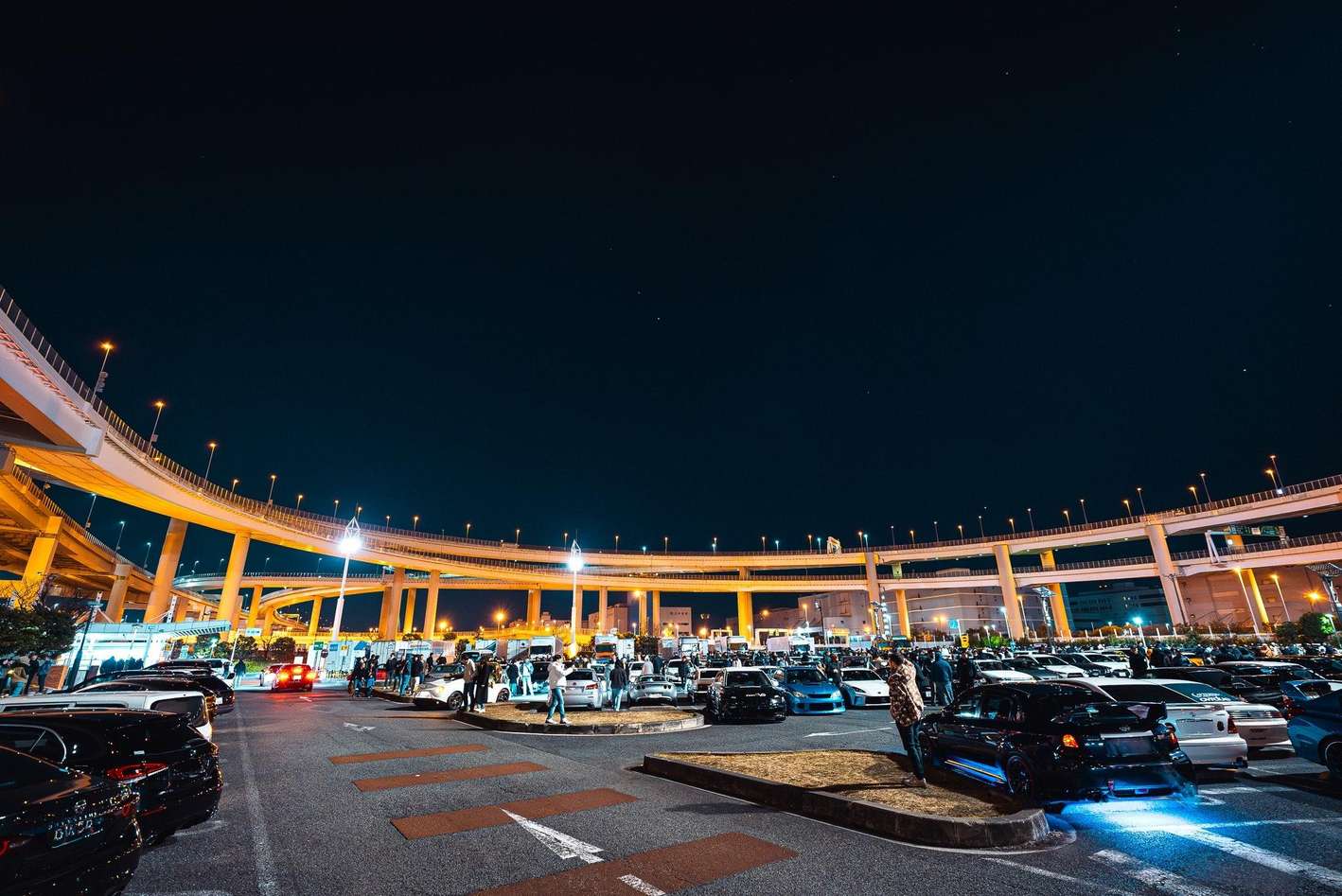
Find organized shows and events running on fixed dates, a surer bet than a spontaneous expressway meet.
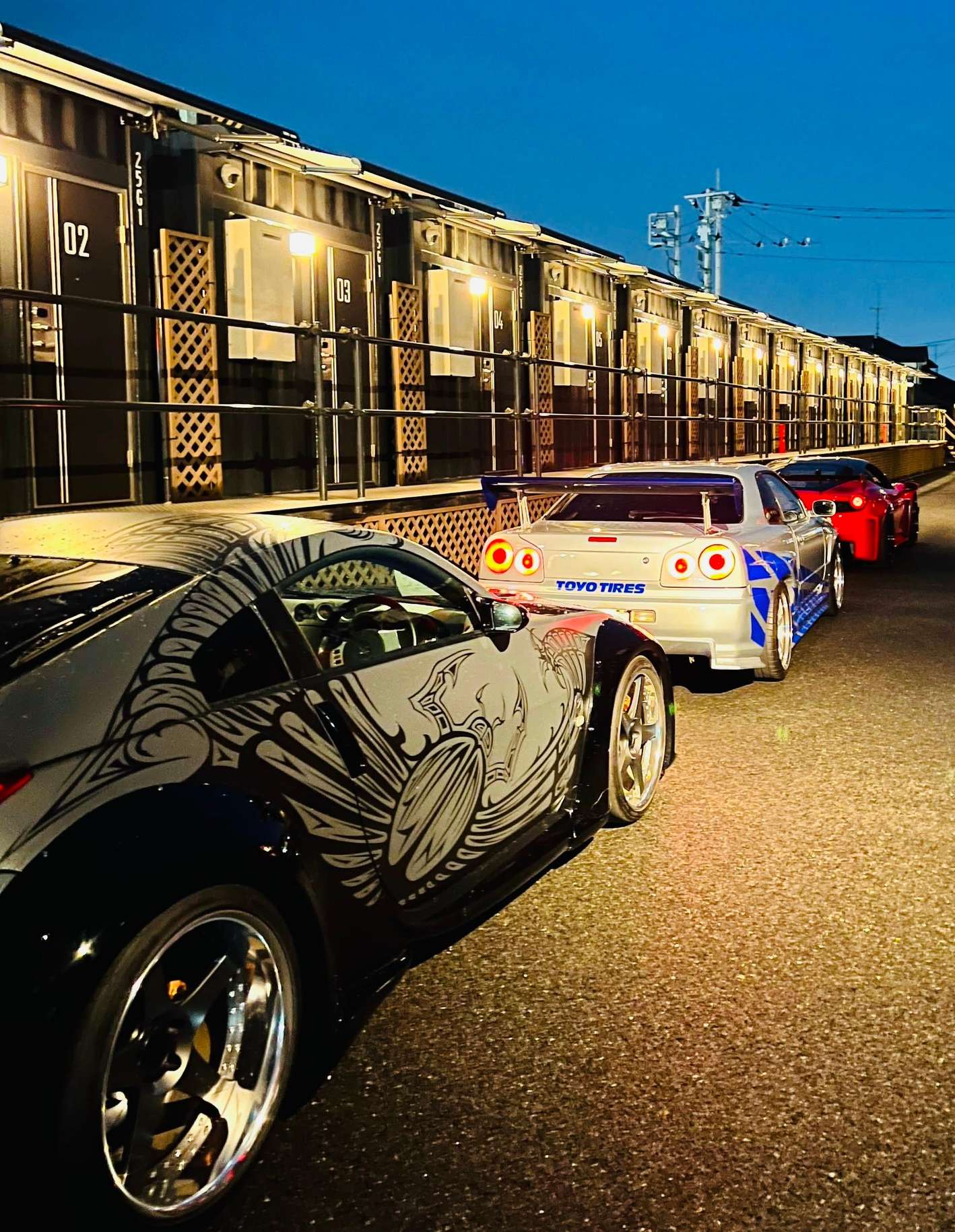
Once the ride is sorted, compare guided packages by car, group size and what the evening includes.
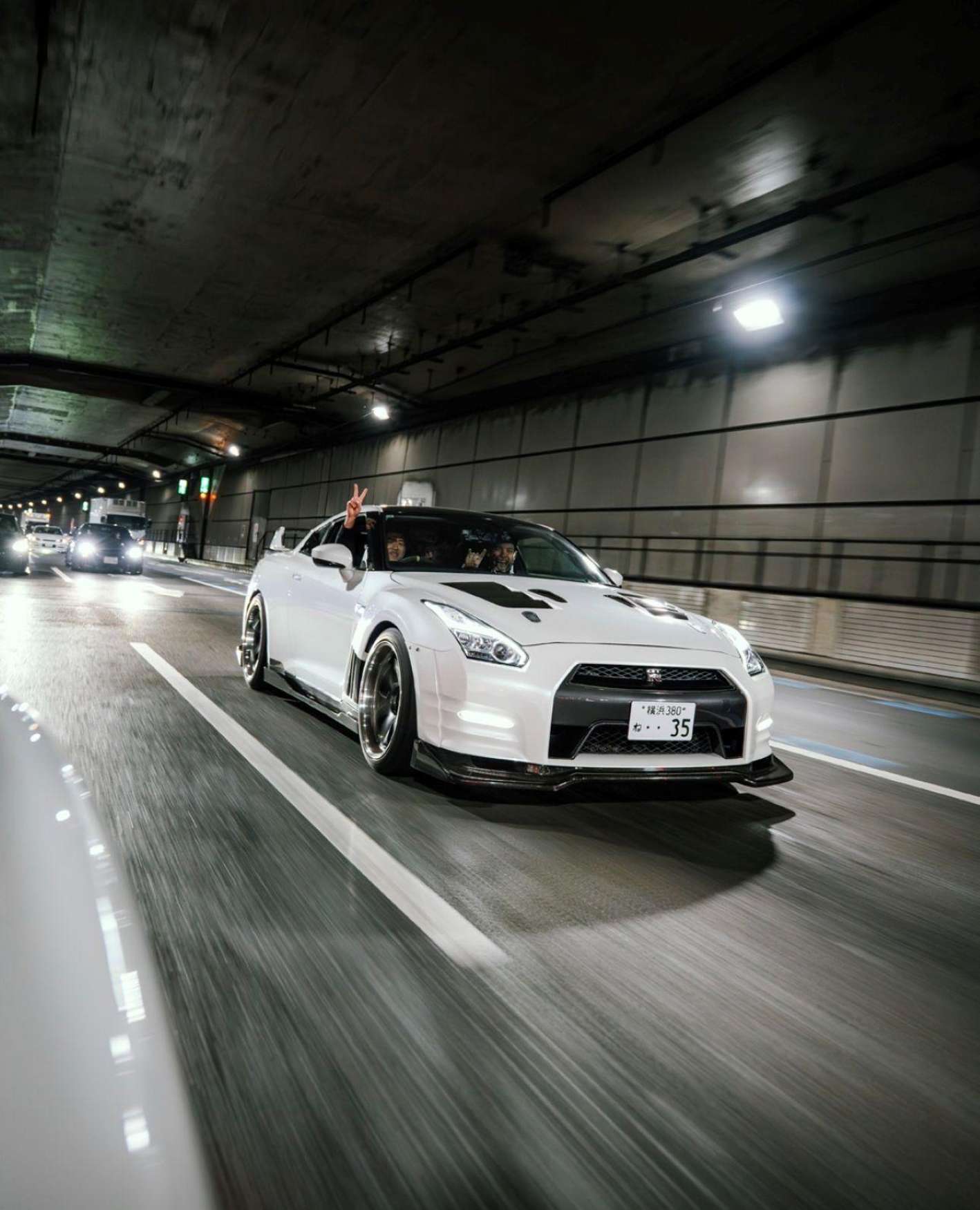
Want the van to yourself with hotel pickup? The private tour pages lay out cars, routes and what changes.
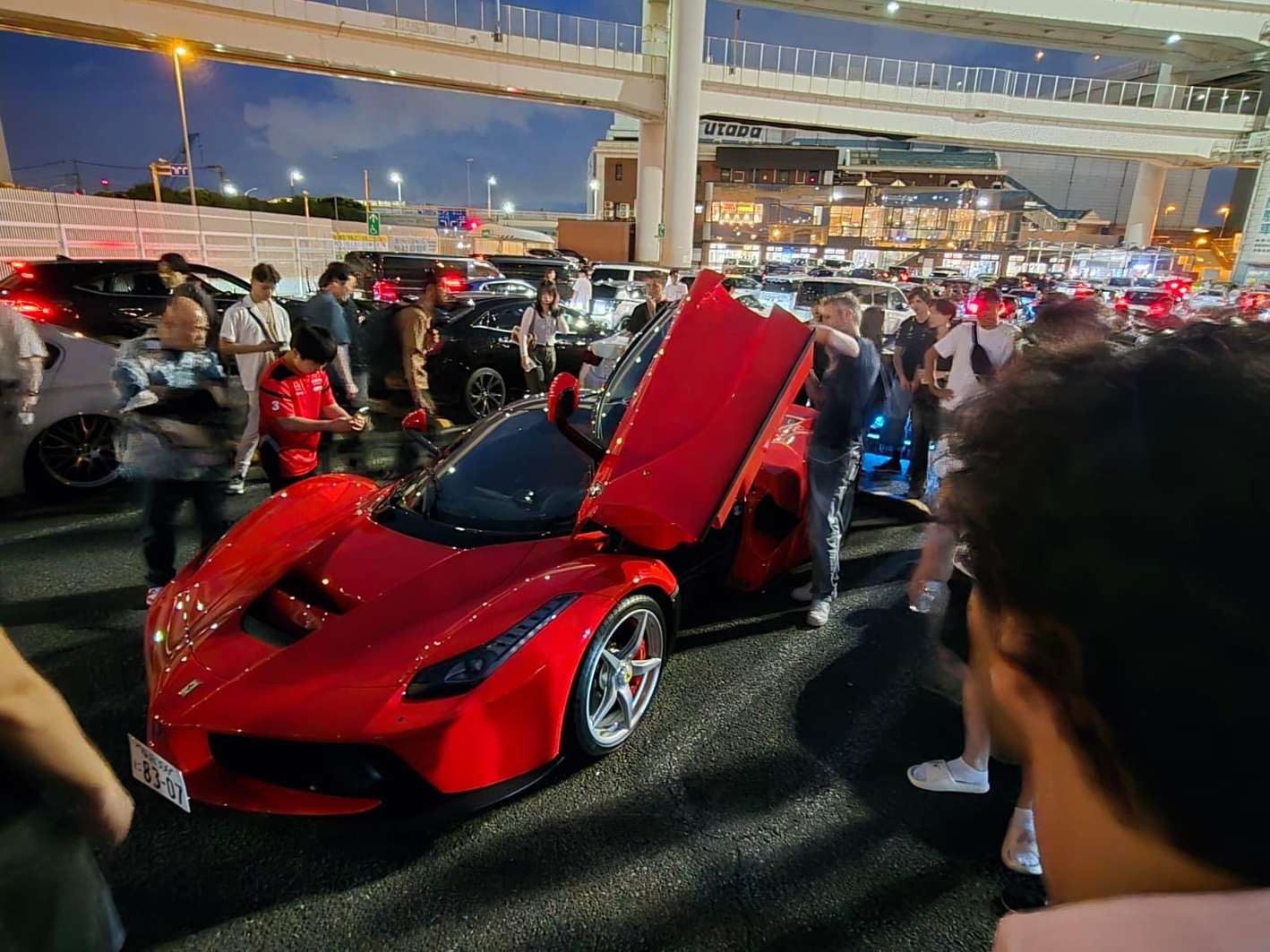
Driving yourself instead of riding? Self-drive convoy tours solve the toll gates and the spiral ramps for you.
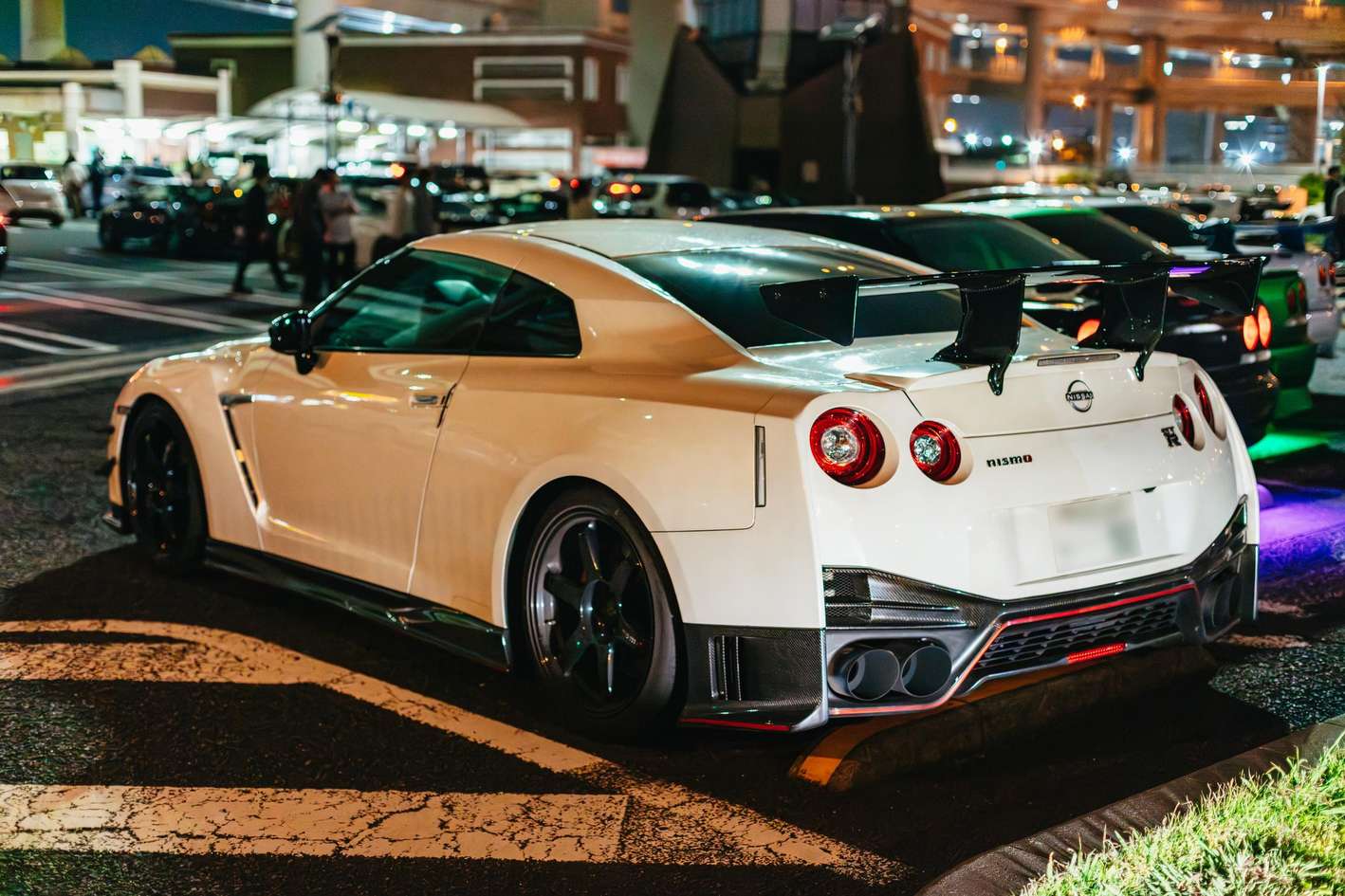
Chasing the Fast and Furious atmosphere? These tours build the whole night around that Tokyo Drift feeling.
There is no official calendar, so this page maps the nights and hours when the cars actually show up.
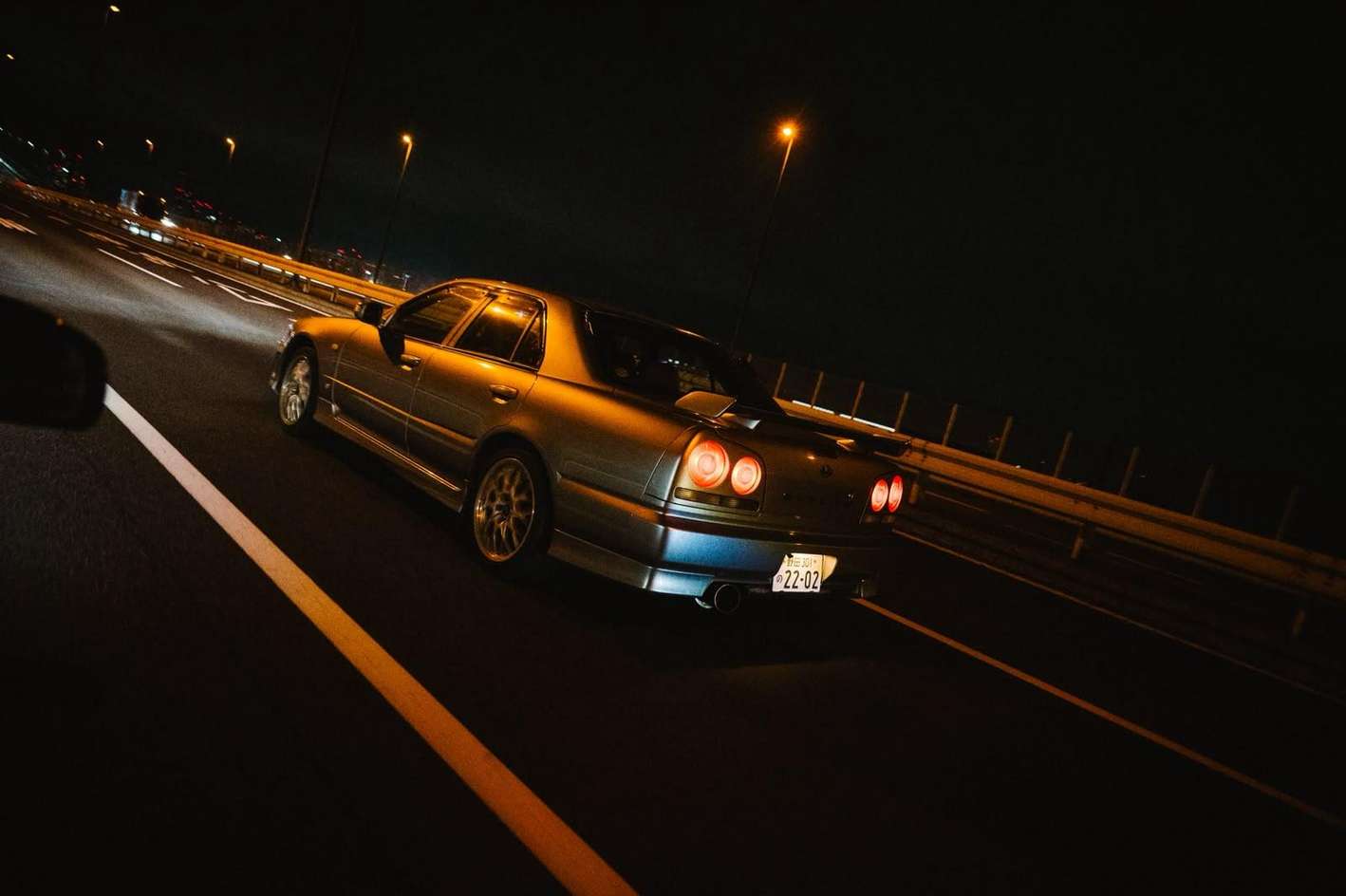
Set on driving your own JDM? The rental pages cover deposits, permits and what an R34 night really costs.
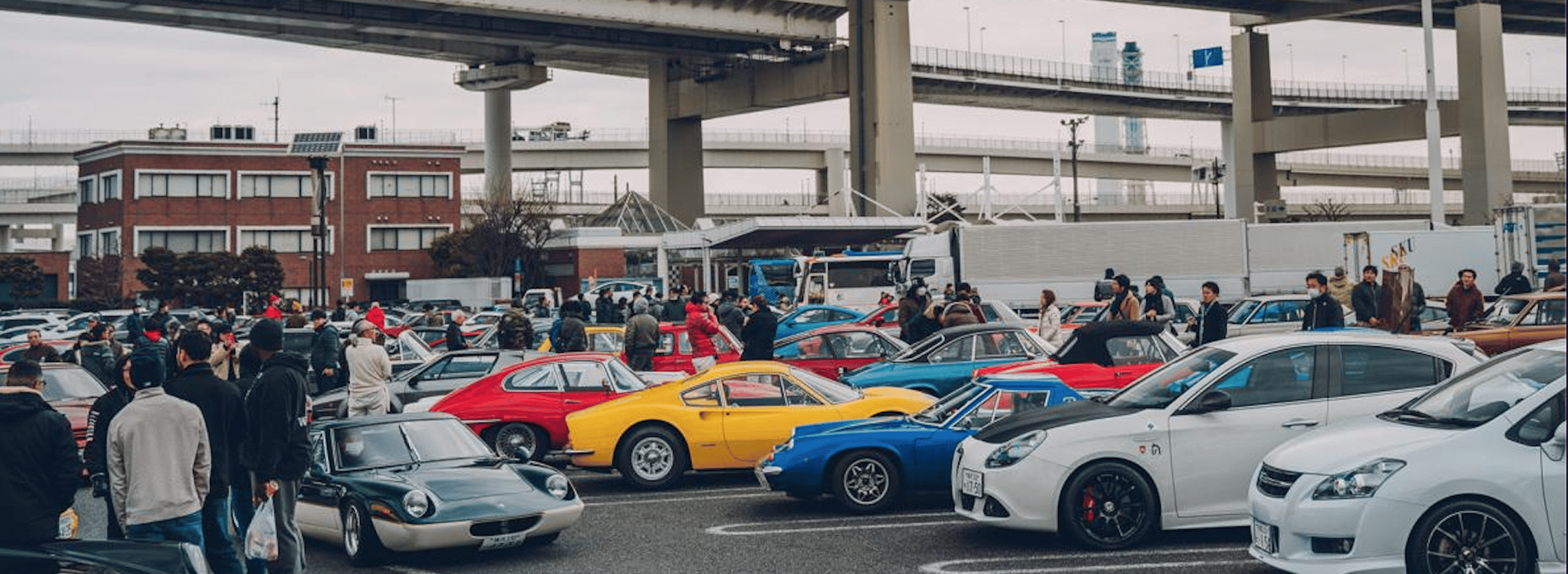
Pick a date and book ahead: this three-hour shuttle to the Daikoku car meet includes a drop-off in Akihabara, and you can cancel free up to 24 hours before.