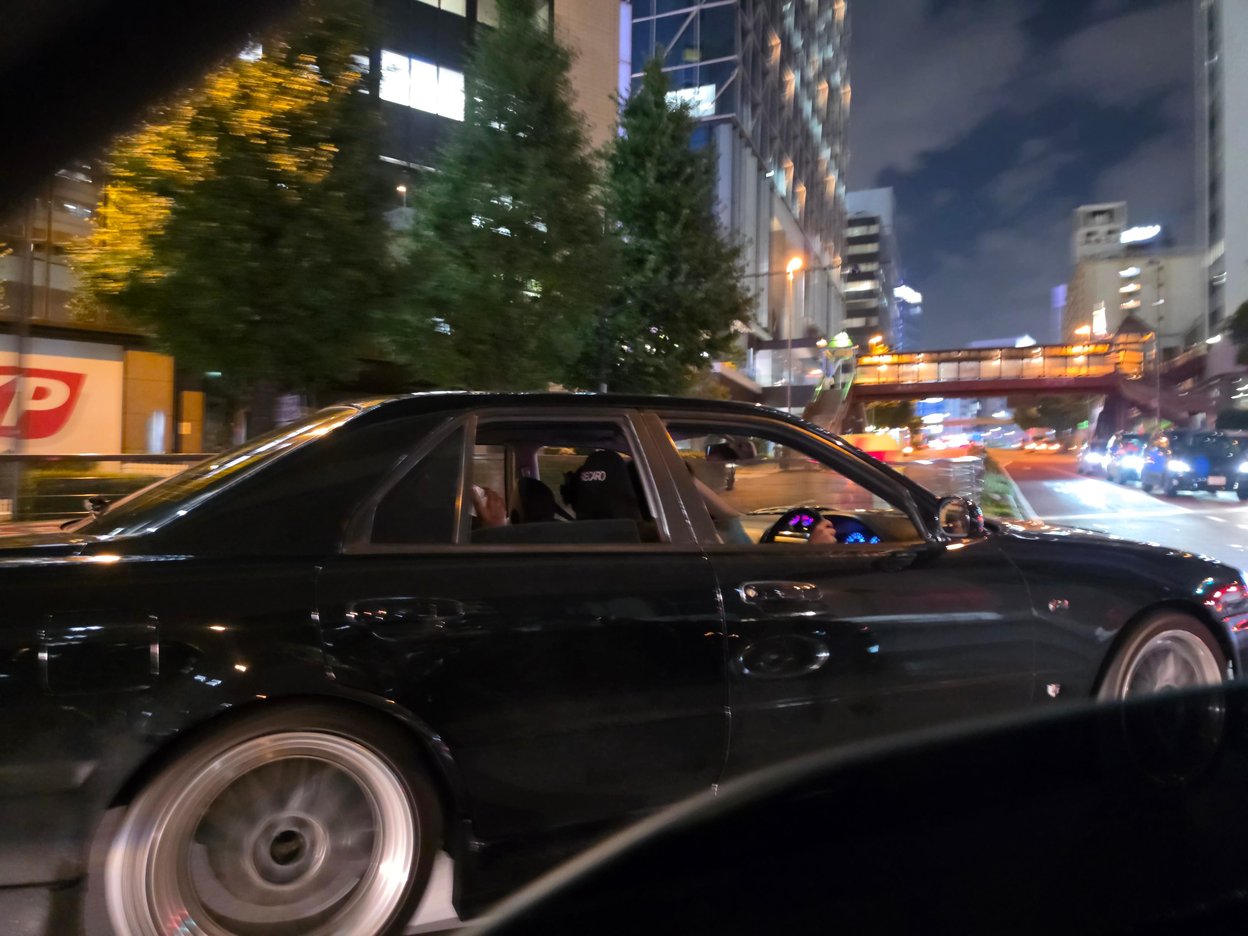
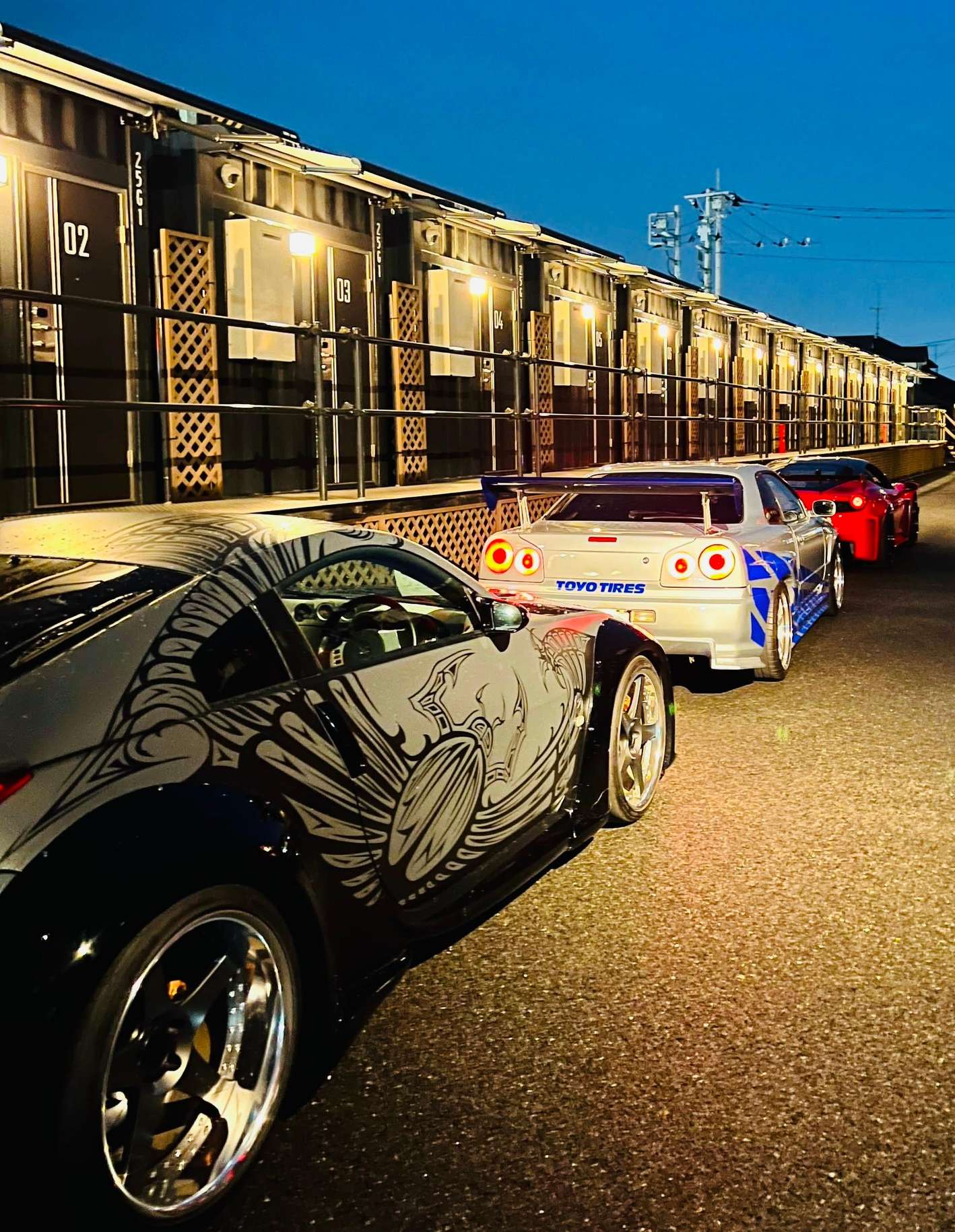
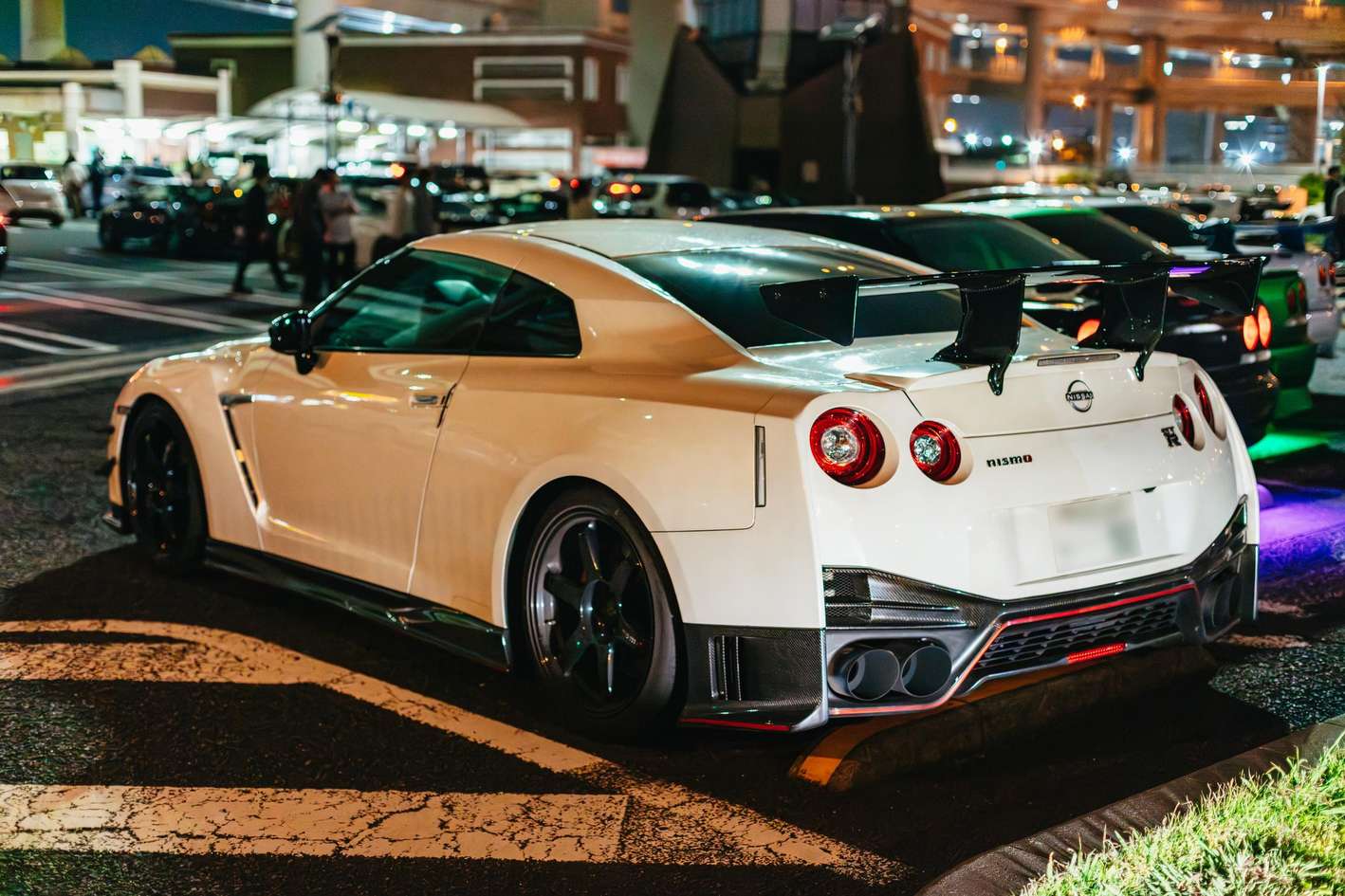
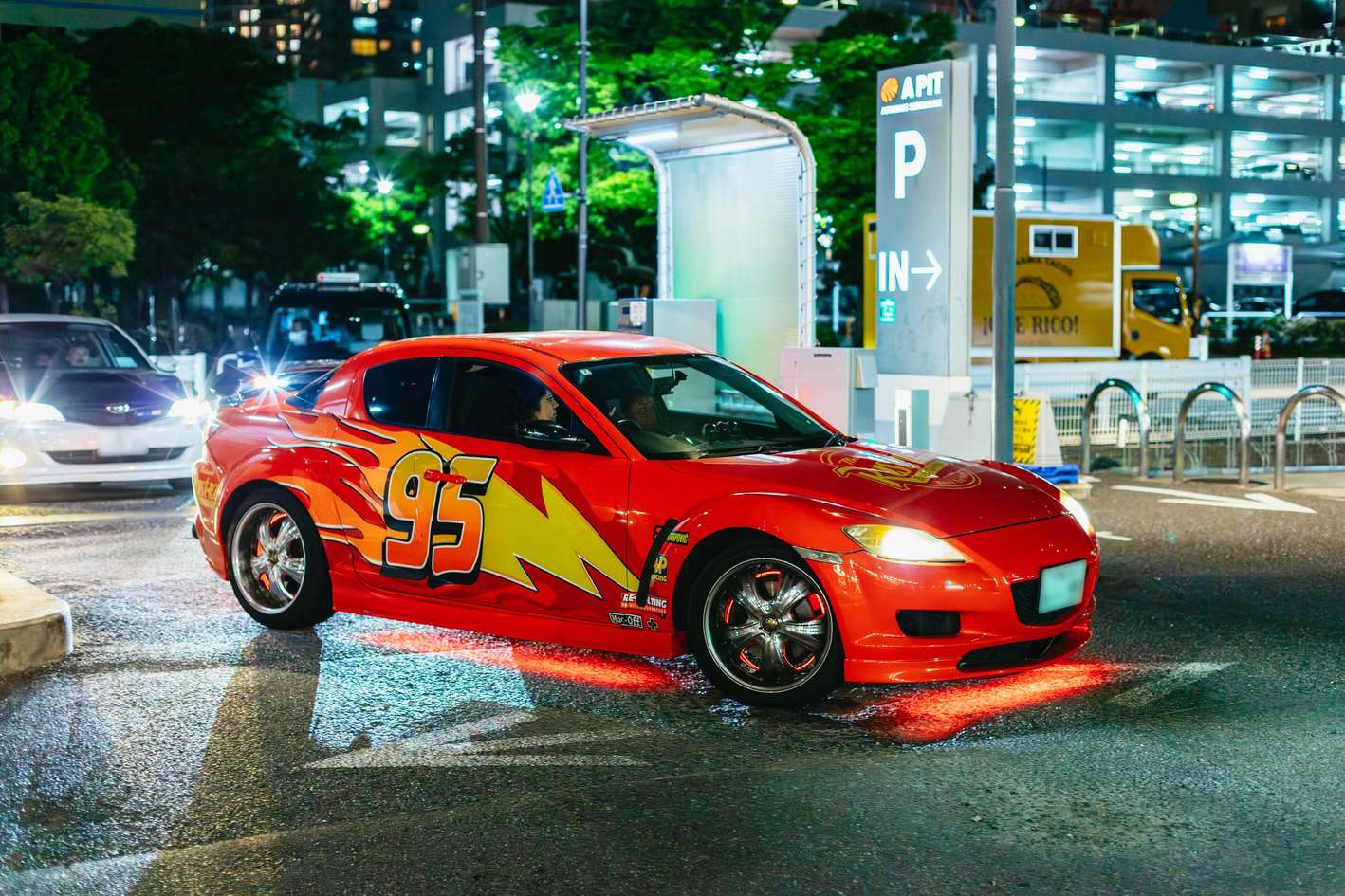
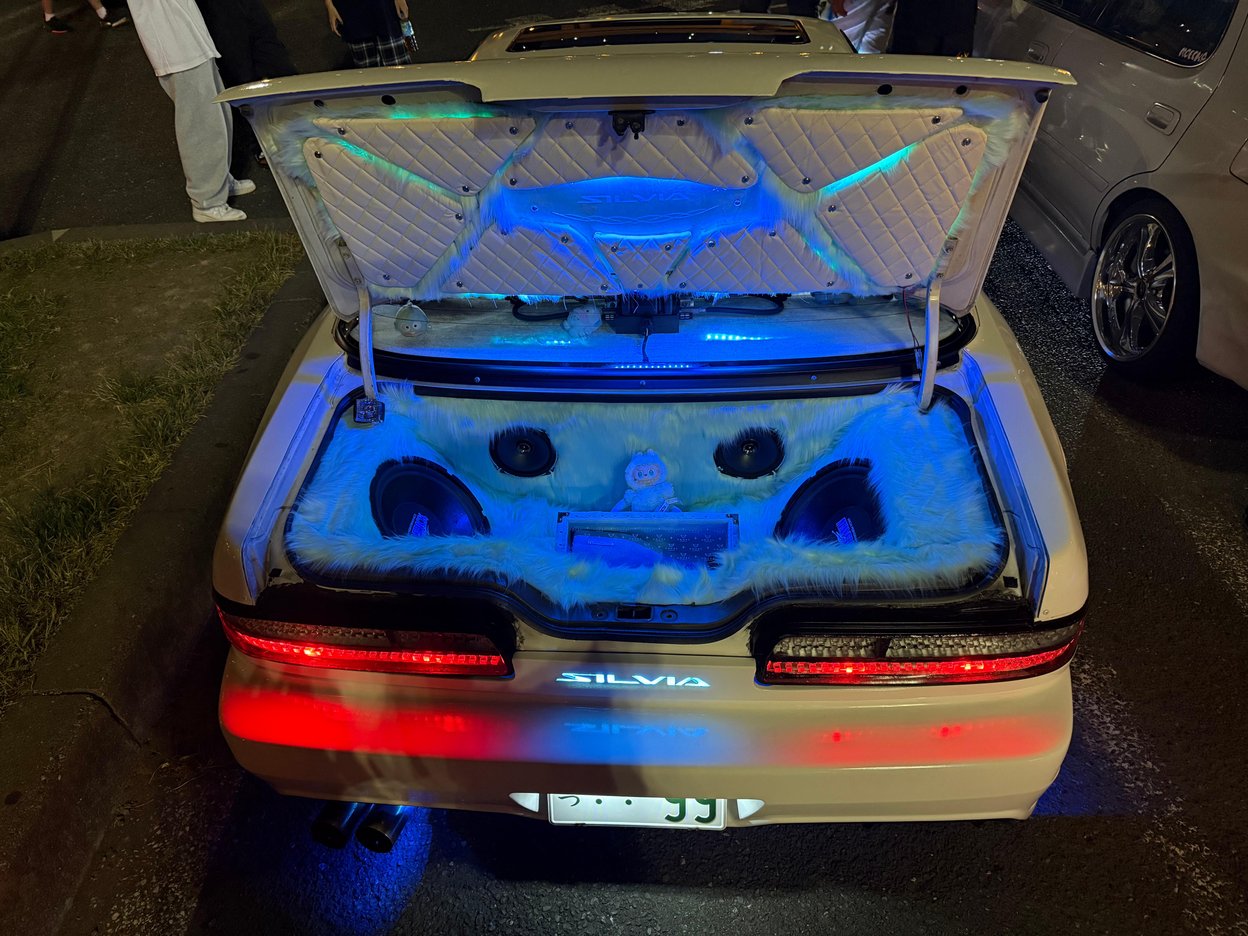
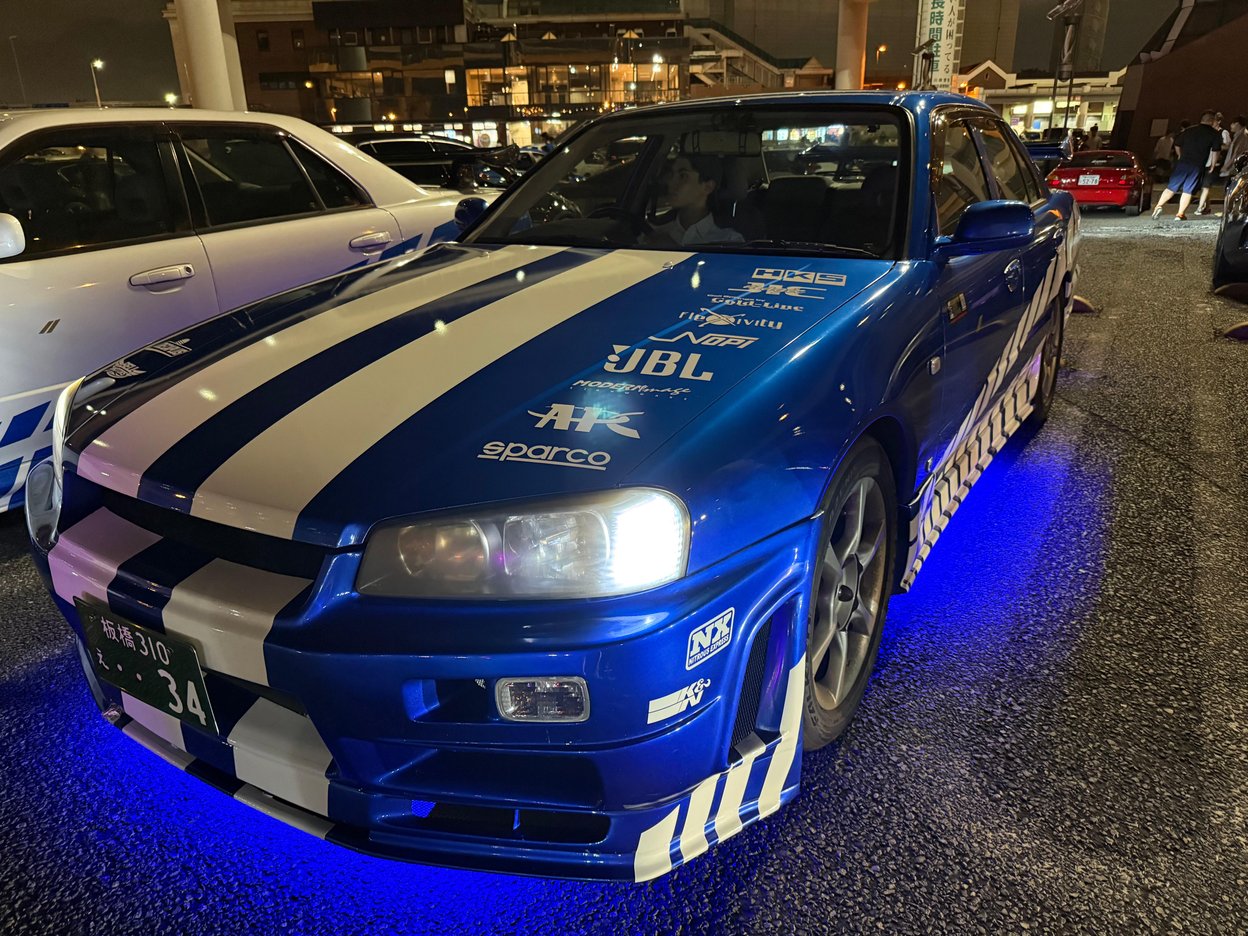
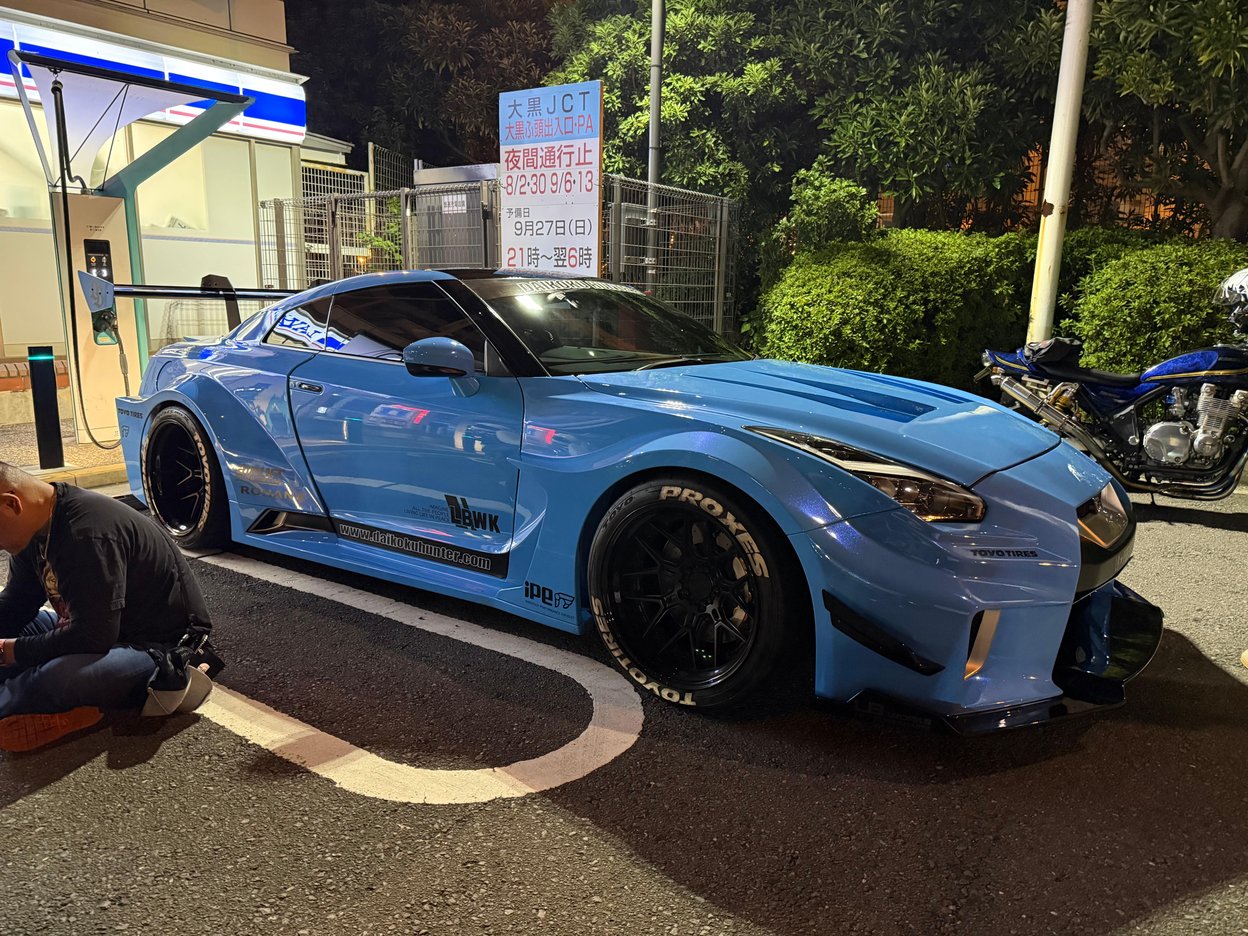
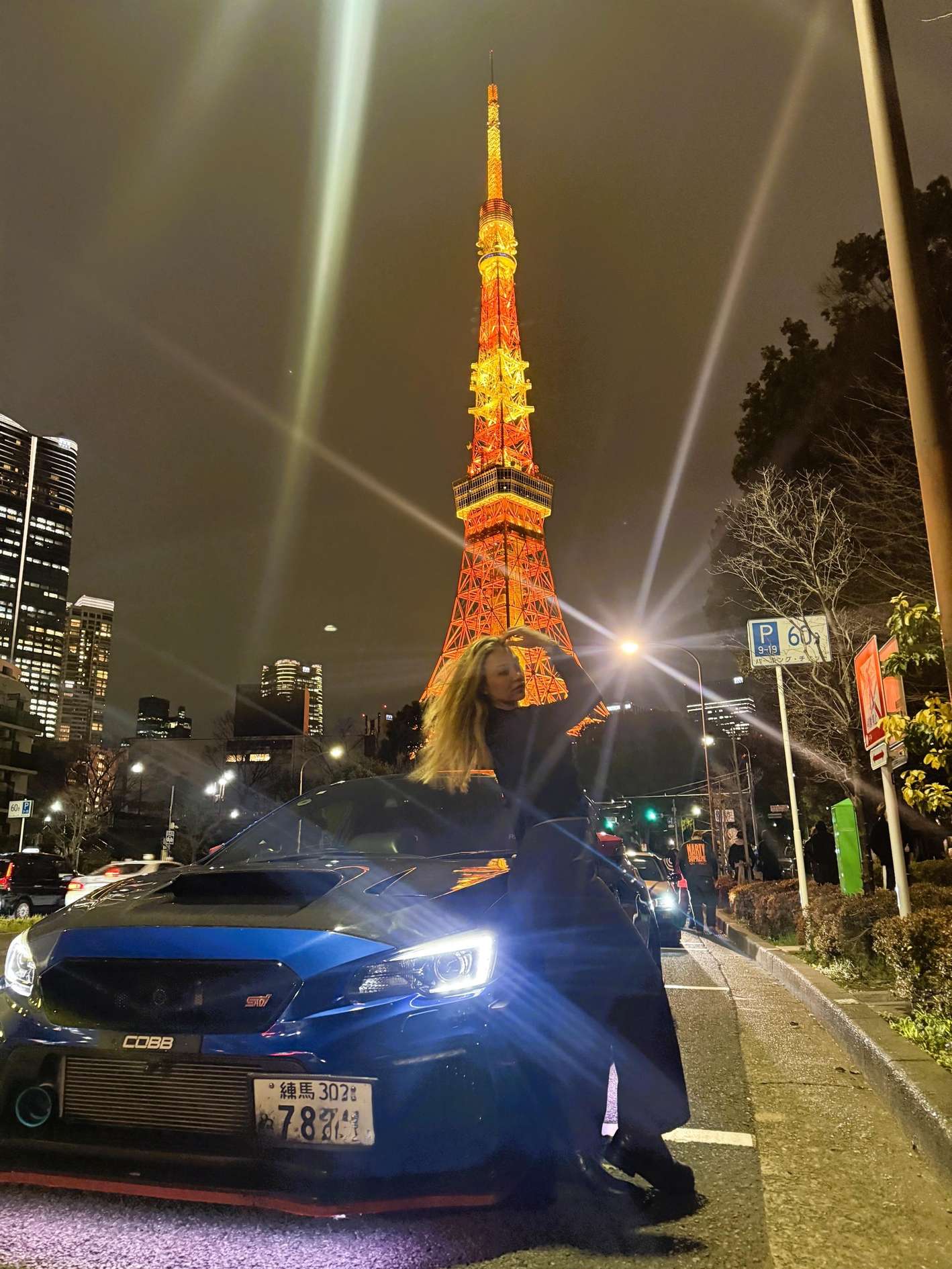
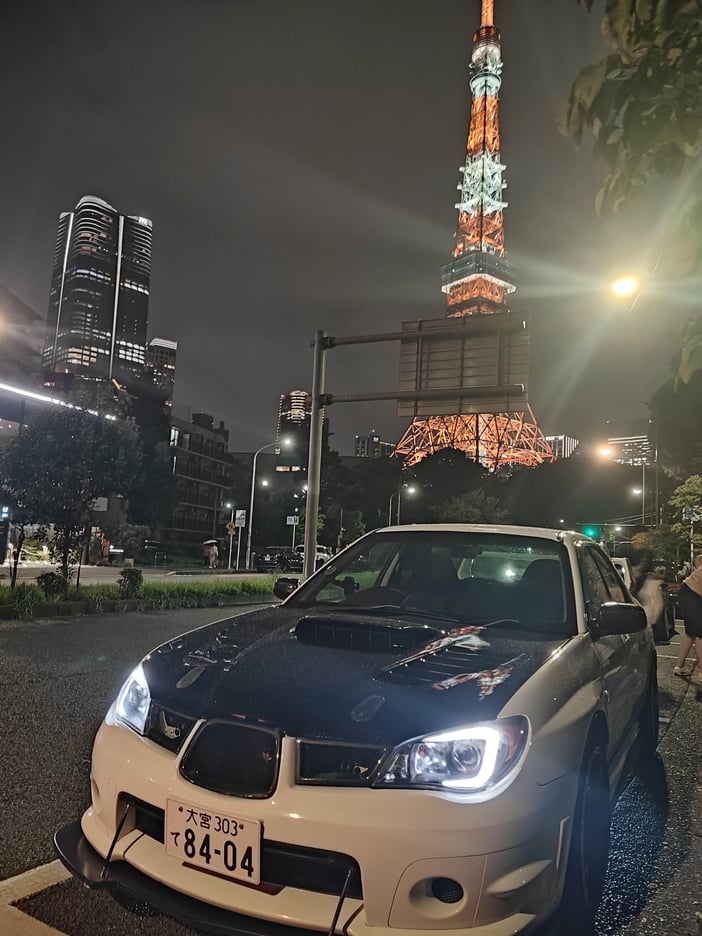
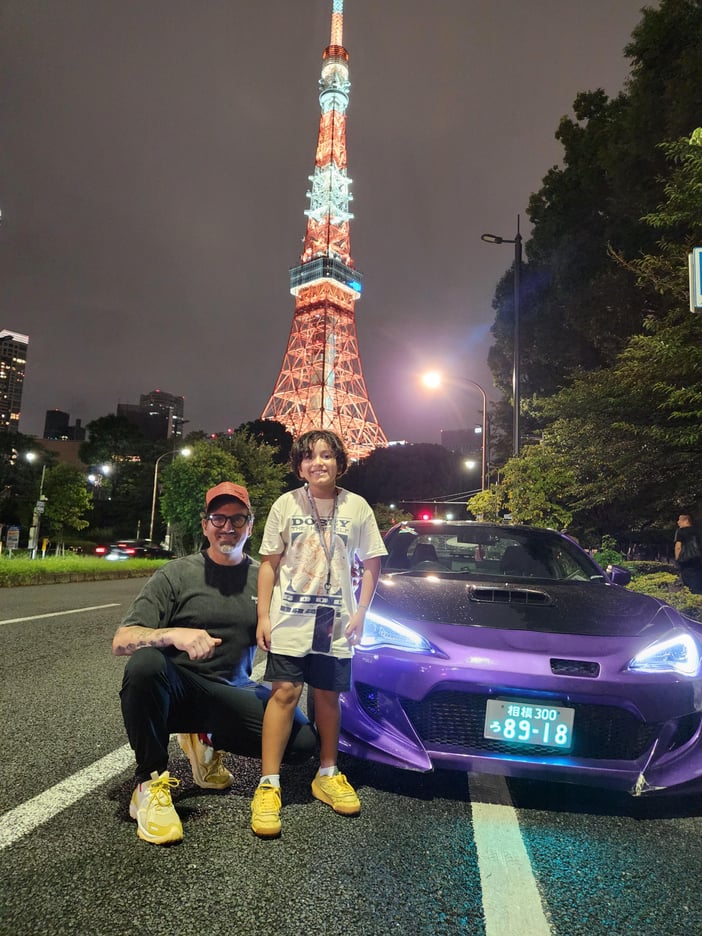
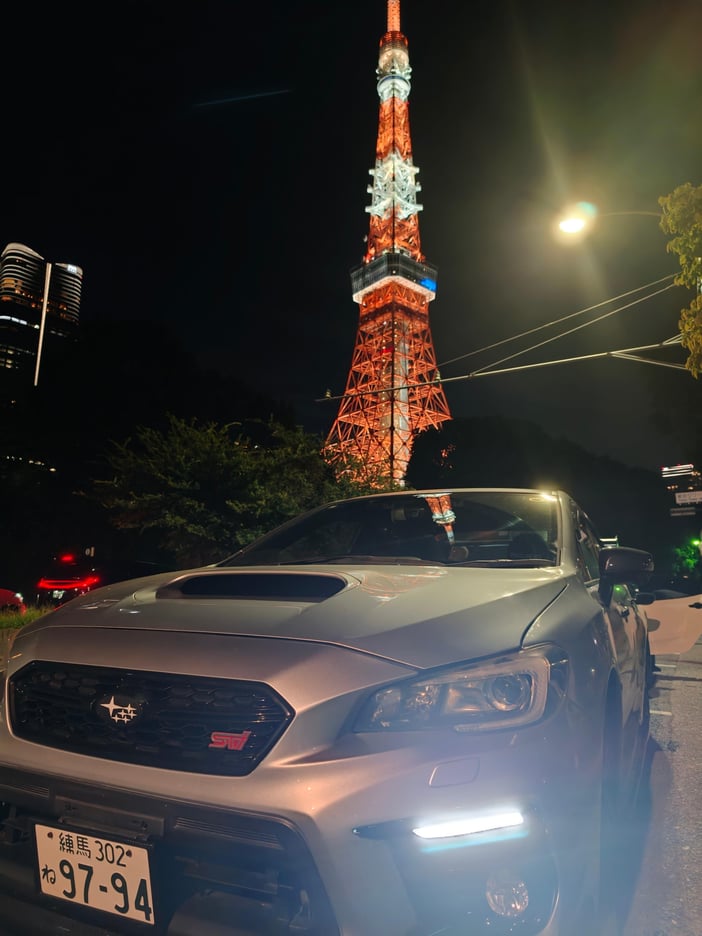
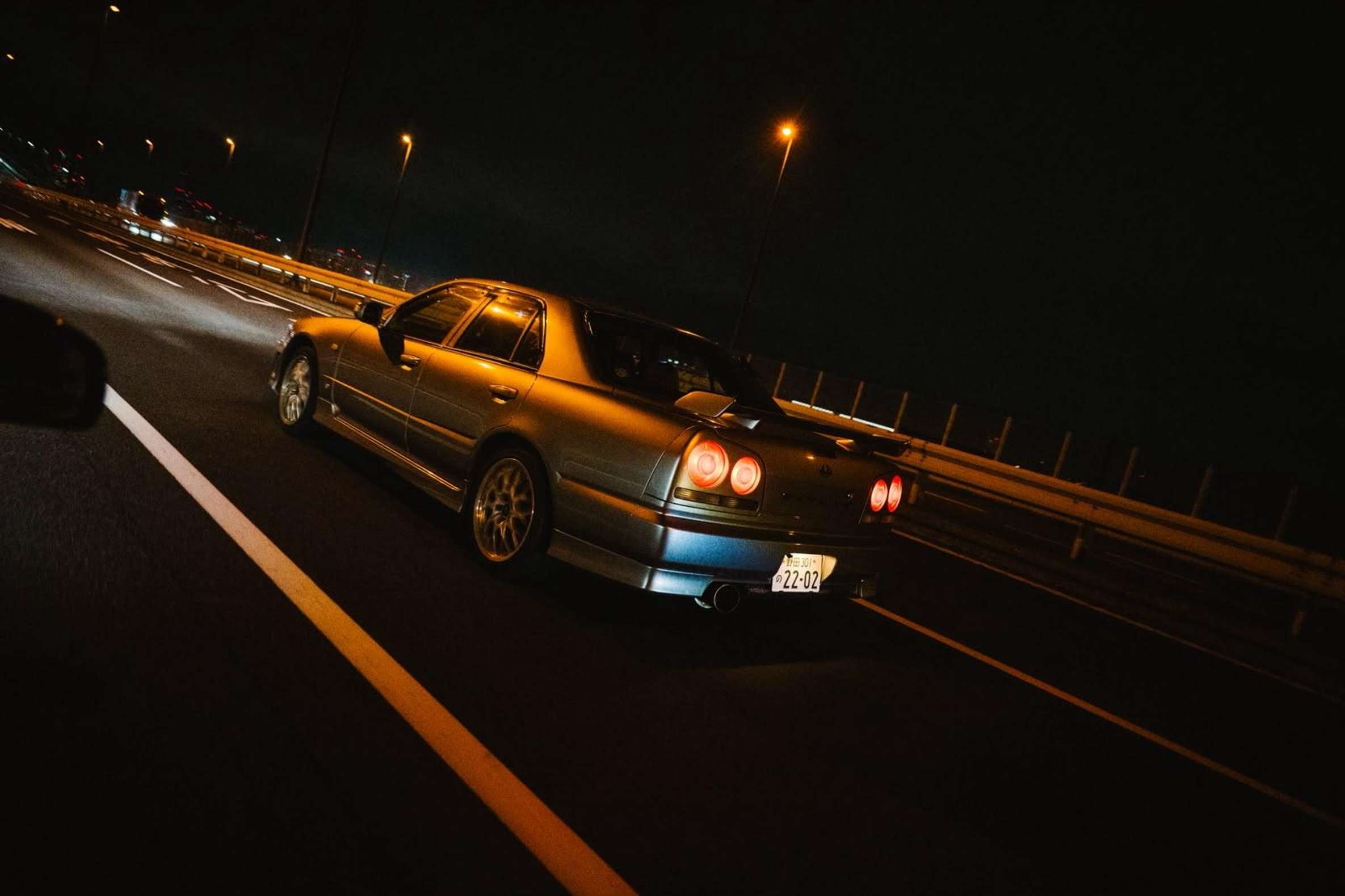
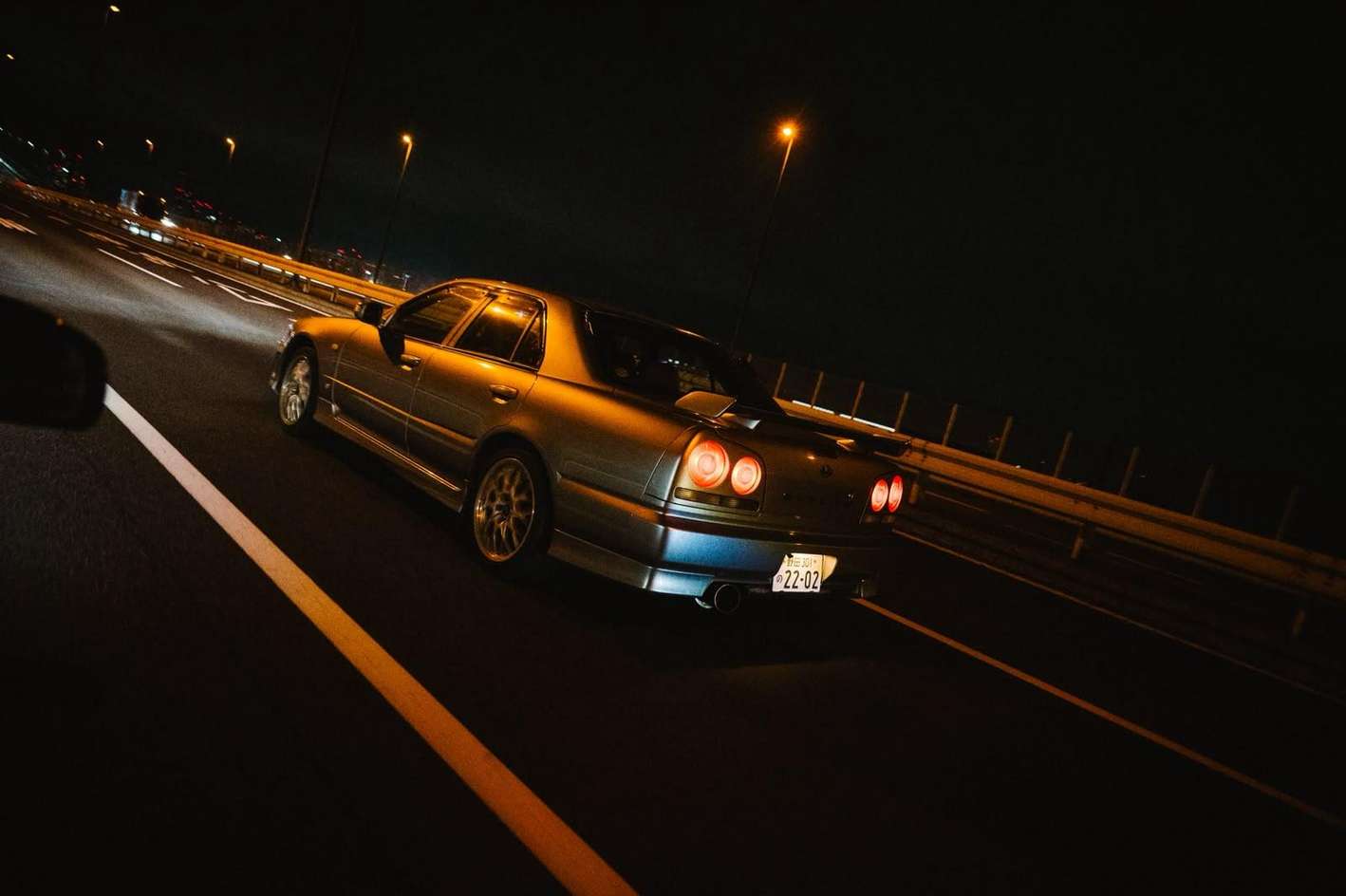
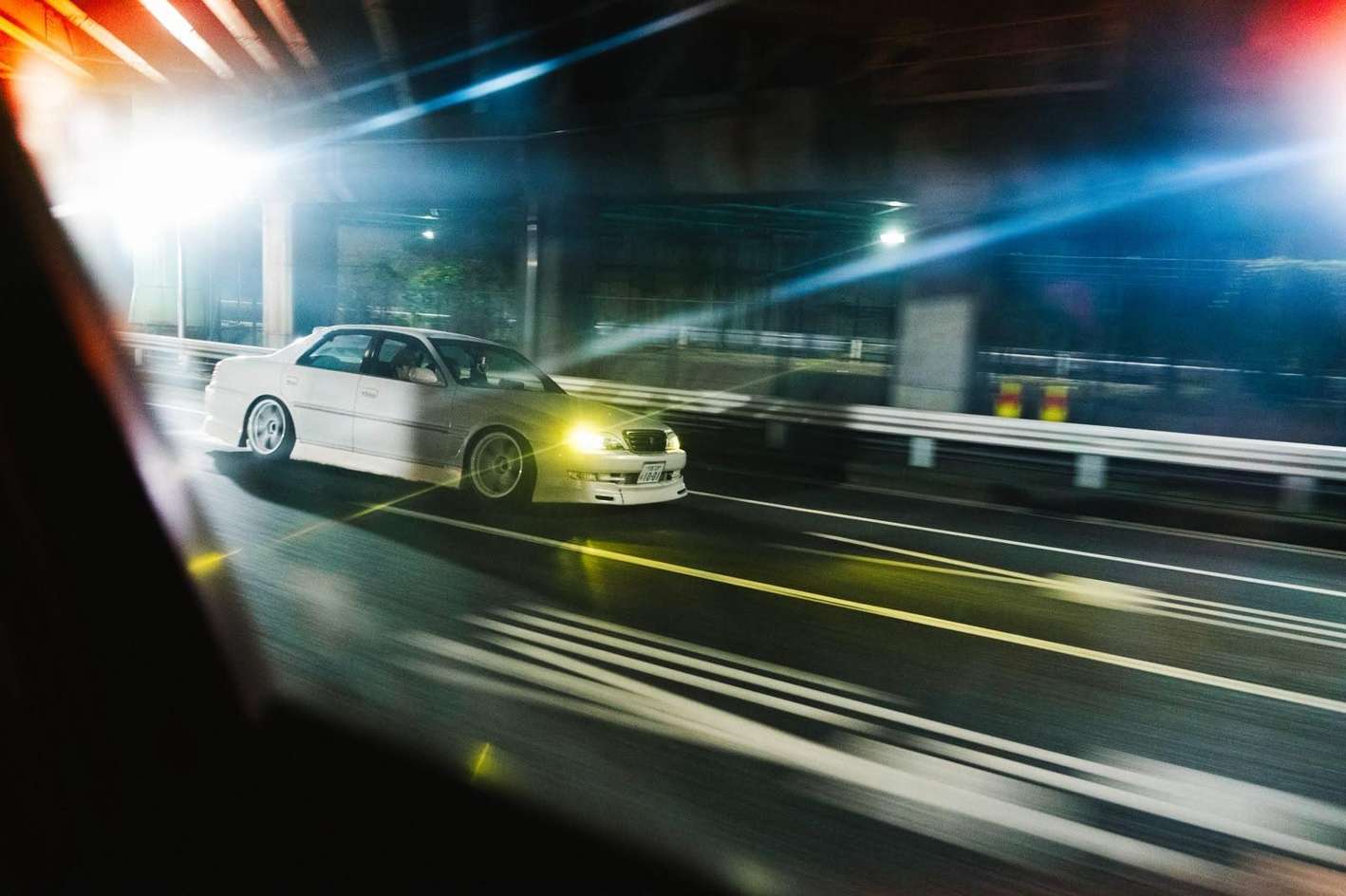
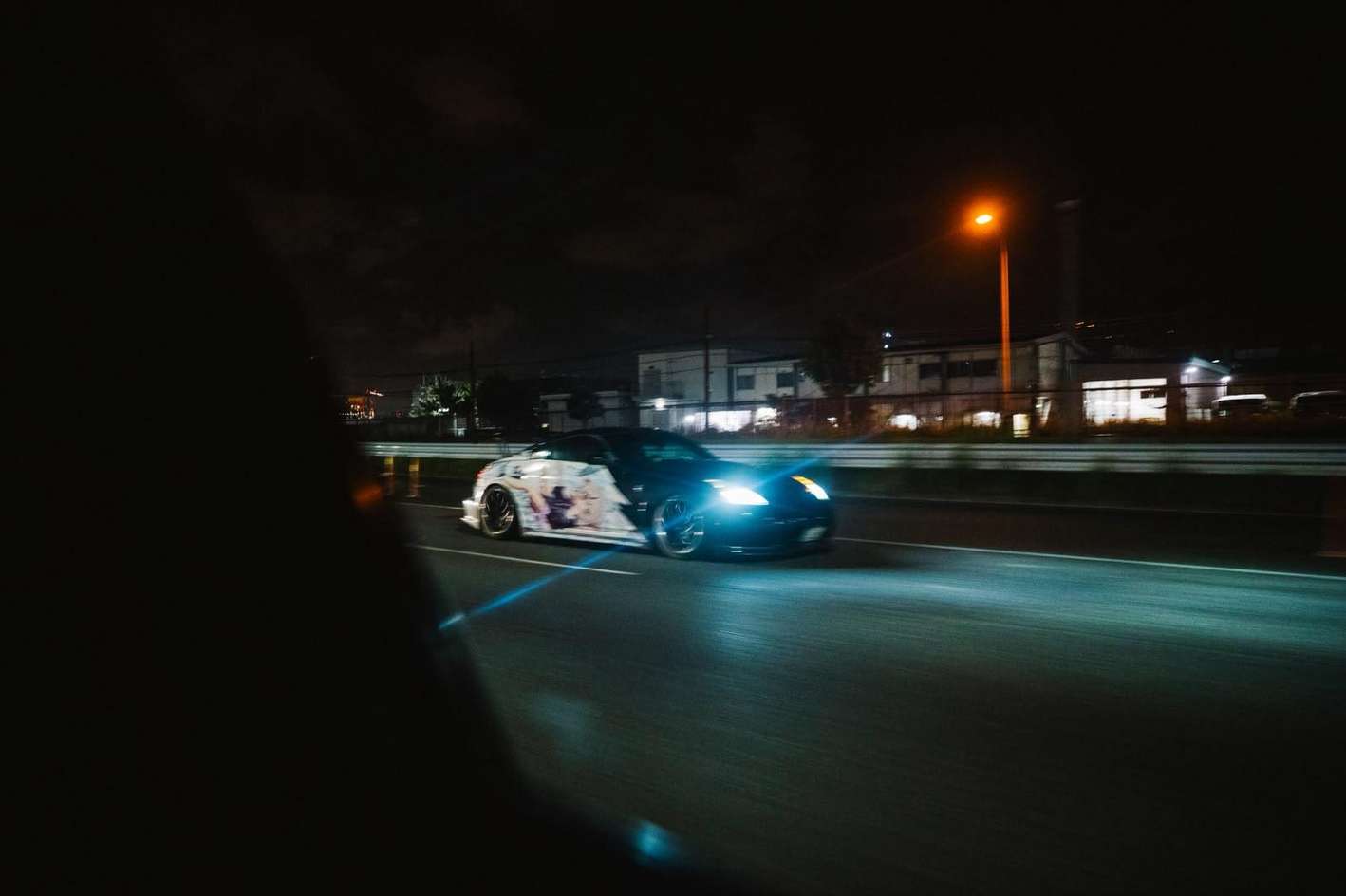
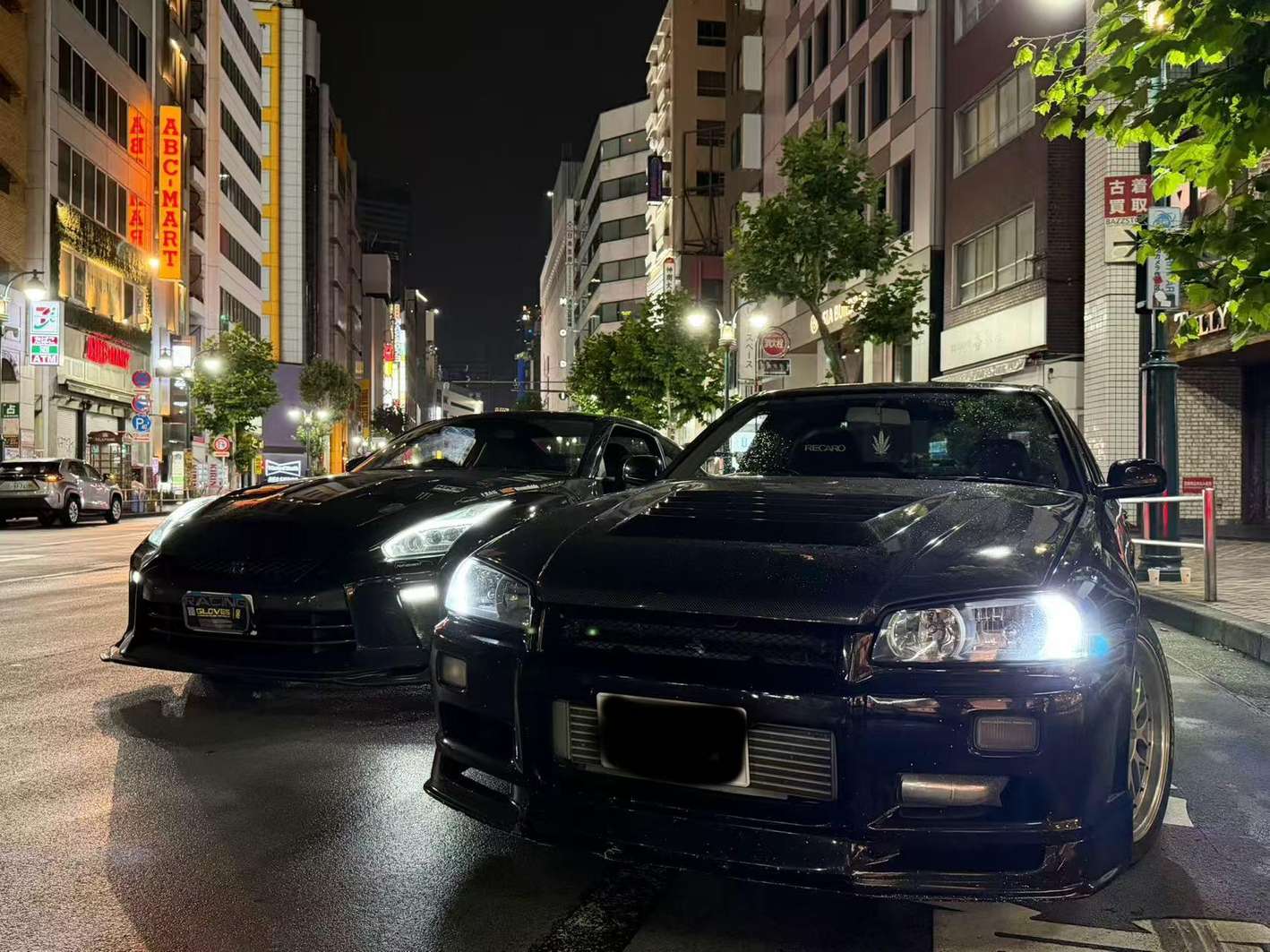
4.911,707 drivers followed the lead car into Daikoku
Daikoku Self Drive Tour Guided JDM Convoy from Tokyo to Daikoku PA
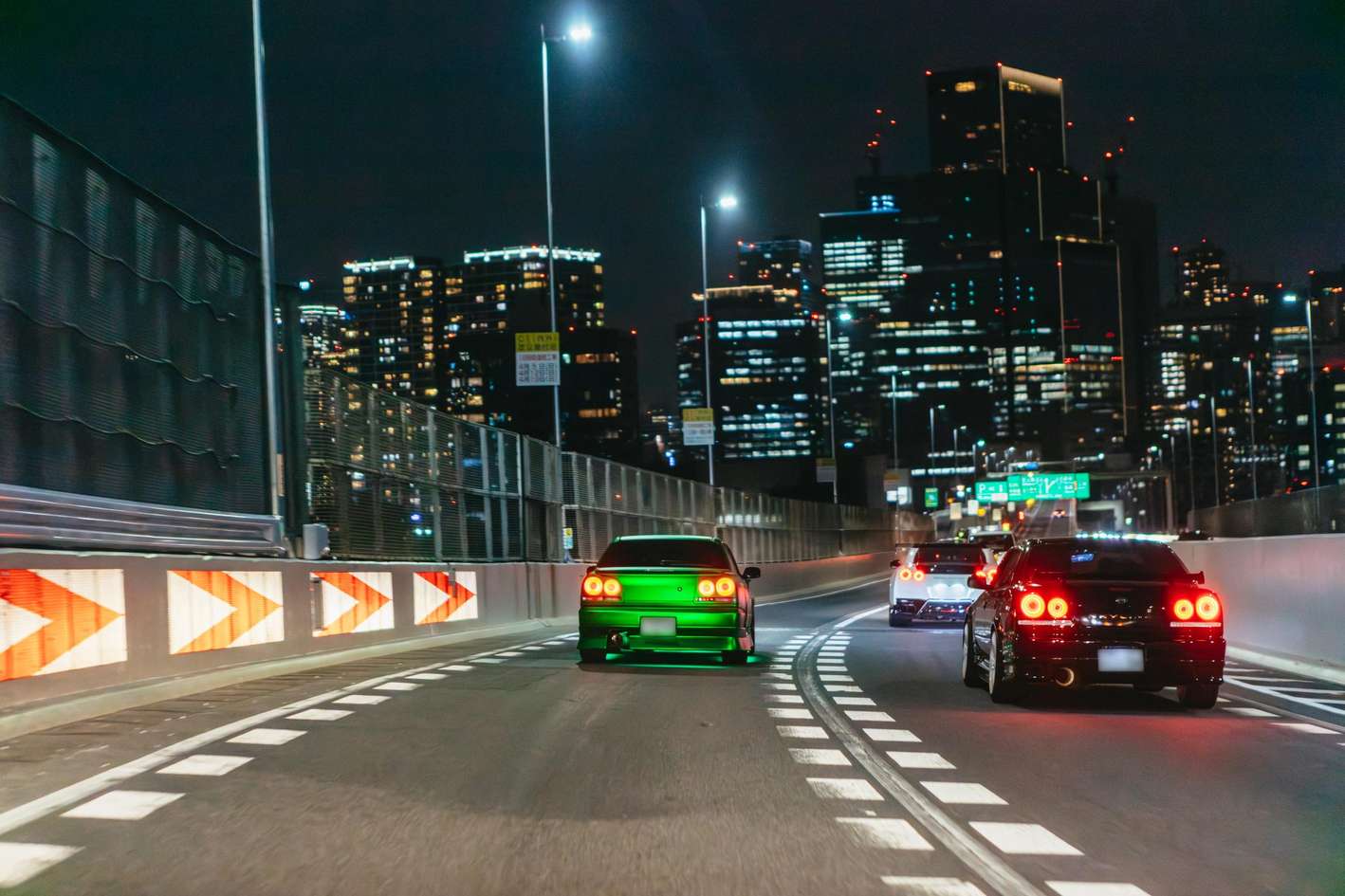
Drive the Wangan to Daikoku yourself. Book a guided self drive convoy, follow a local lead car past Tokyo Tower and the Rainbow Bridge, and pull into Japan's most famous car meet behind the wheel of a JDM legend.
"Took my two boys, 12 and 15, they had a blast. Guide was nice and safe but still made it fun. Very professional, and they dropped us at our hotel after, super convenient."
4.9★average rating11,707traveler reviews100%free cancellation60countries travelers came from
Daikoku self drive tour - How to pick
Two kinds of night out on the expressways lead to Daikoku PA: a guided ride in a modified JDM car with a local driver at the wheel, and runs where you pilot the car yourself behind a lead vehicle. The deciding difference is who holds the steering wheel. Drivers with the right paperwork take the wheel; everyone else rides shotgun.
Driving papersTo take the wheel yourself you need a paper International Driving Permit under the 1949 Geneva Convention, plus your original home license and passport; digital permits and Vienna Convention permits are not accepted.
Six countriesLicenses from Germany, France, Switzerland, Belgium, Monaco and Taiwan need an official Japanese translation from JAF or your embassy, carried with the license, valid up to one year from entry.
Minimum ageJapanese law sets 18 as the youngest age to drive a car on the expressways; on one convoy tour, anyone under 18 must ride with an adult.
AlcoholJapan has a zero-tolerance rule, so no driving with any alcohol in your system; heavily intoxicated guests are refused boarding.
Getting thereDaikoku PA sits on an expressway island with no train, bus, or pedestrian access, and taxis cannot pick up inside, so arrive by tour vehicle.
Police closuresOn Friday and Saturday nights police sometimes close the ramps between 7:30 pm and 9 pm, and tours divert to Umihotaru PA, Tatsumi PA or A PIT Autobacs instead.
WeatherRain runs as planned with thinner crowds; severe storms can close the expressways, and operators reschedule or refund.
Booking windowEvery tour here allows free cancellation up to 24 hours in advance; specialist JDM rentals book out 2 to 6 months ahead for spring and autumn peaks.
On boardSeatbelts stay on in every seat, smoking and vaping are banned in the cars, and suitcases do not fit in the coupes.
documentDriving yourself in Japan requires a paper International Driving Permit issued under the 1949 Geneva Convention, carried alongside your home license and passport; permits from Belgium, France, Germany, Switzerland, Monaco and Taiwan do not qualify.
Get your permit in your home country before departure, since Japan cannot issue one on arrival, and order an official Japanese translation through JAF if your license comes from one of the six excluded jurisdictions. If your paperwork does not match the rules, book a passenger seat on a guided tour instead and ride along with a professional driver.
Self drive tour options to Daikoku PA
Cheapest
3 hours·English, Japanese
5.0(659)
Tokyo: JDM Performance Car Tour with Planned Daikoku Stop
The lowest starting price of the four, a 3-hour Shibuya loop in owner-built JDM cars with a perfect 5.0 from 659 reviews.
Free cancellationHighway driving through TokyoPhoto stop at Tokyo Tower
What a self drive tour to Daikoku puts in front of you
9 stopsabout 2.5 h12 places
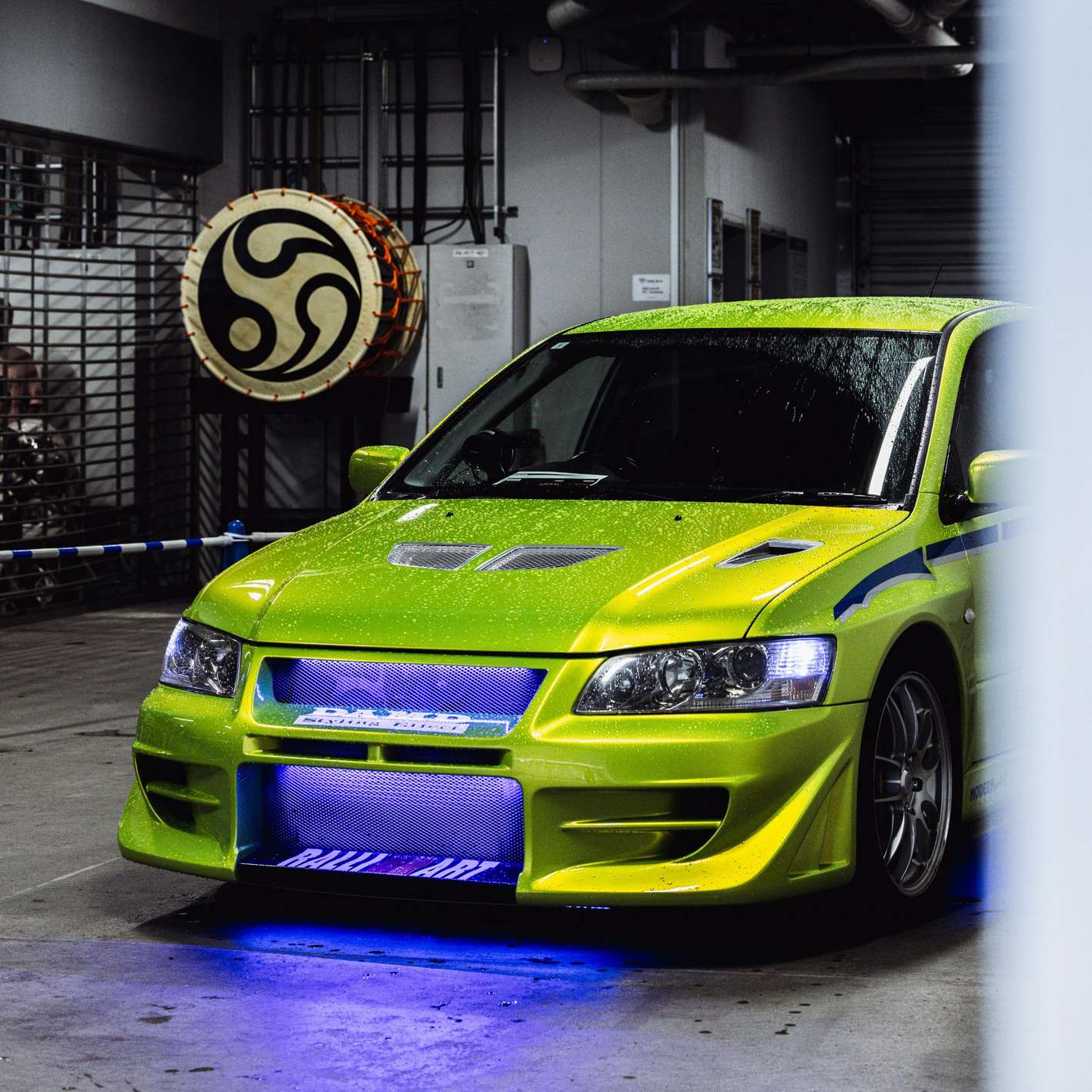
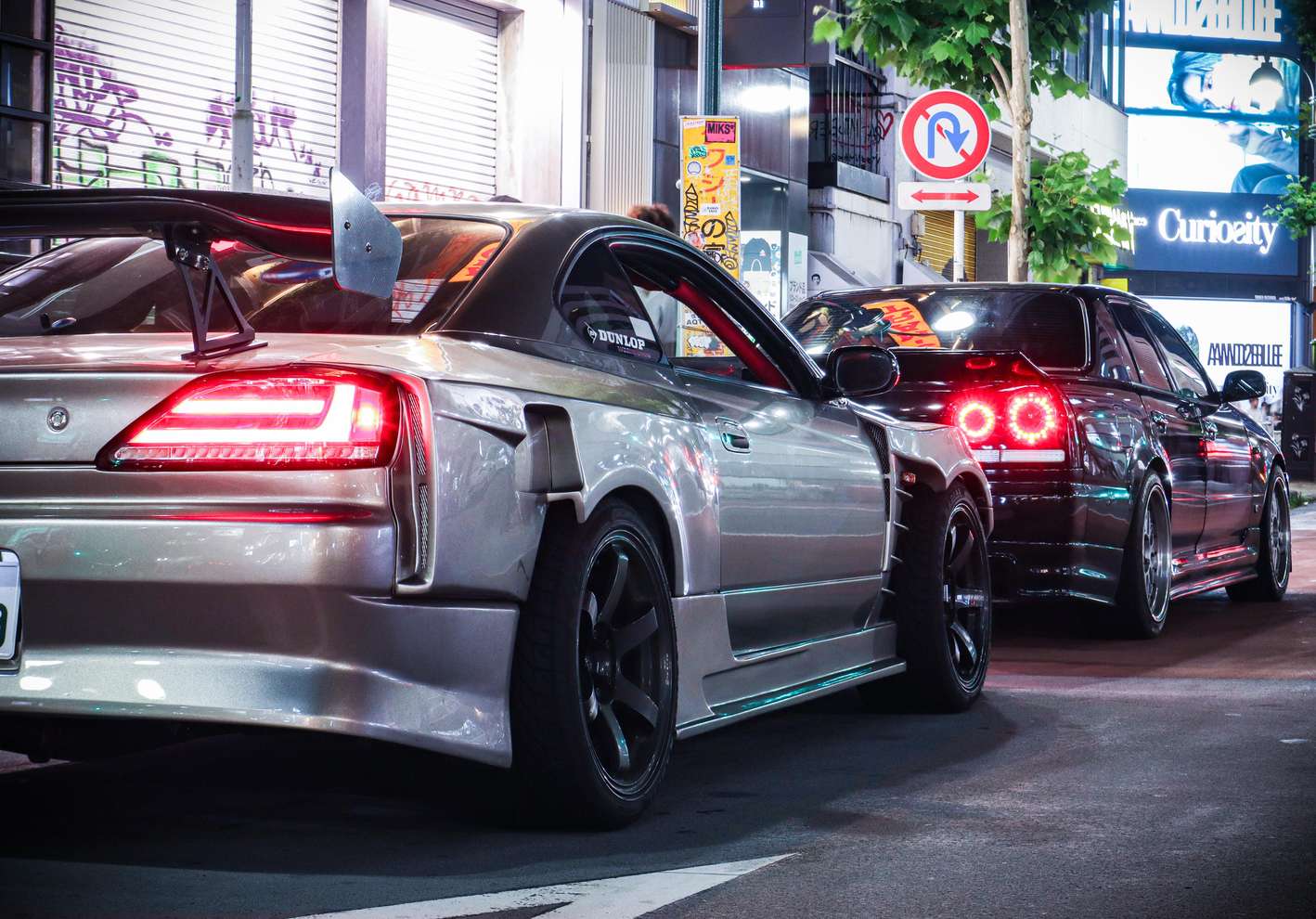
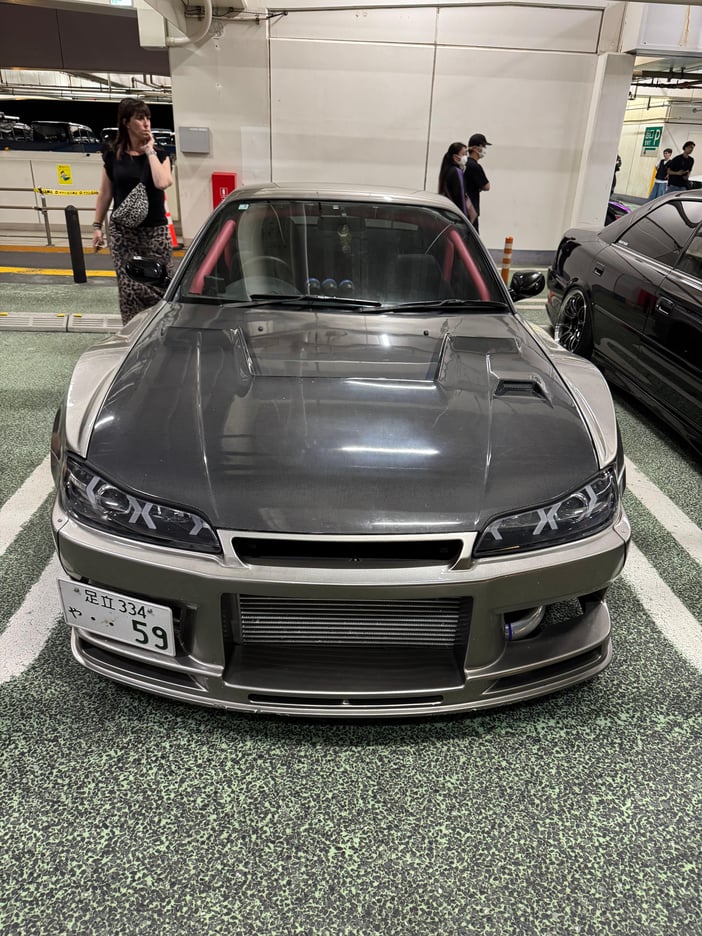
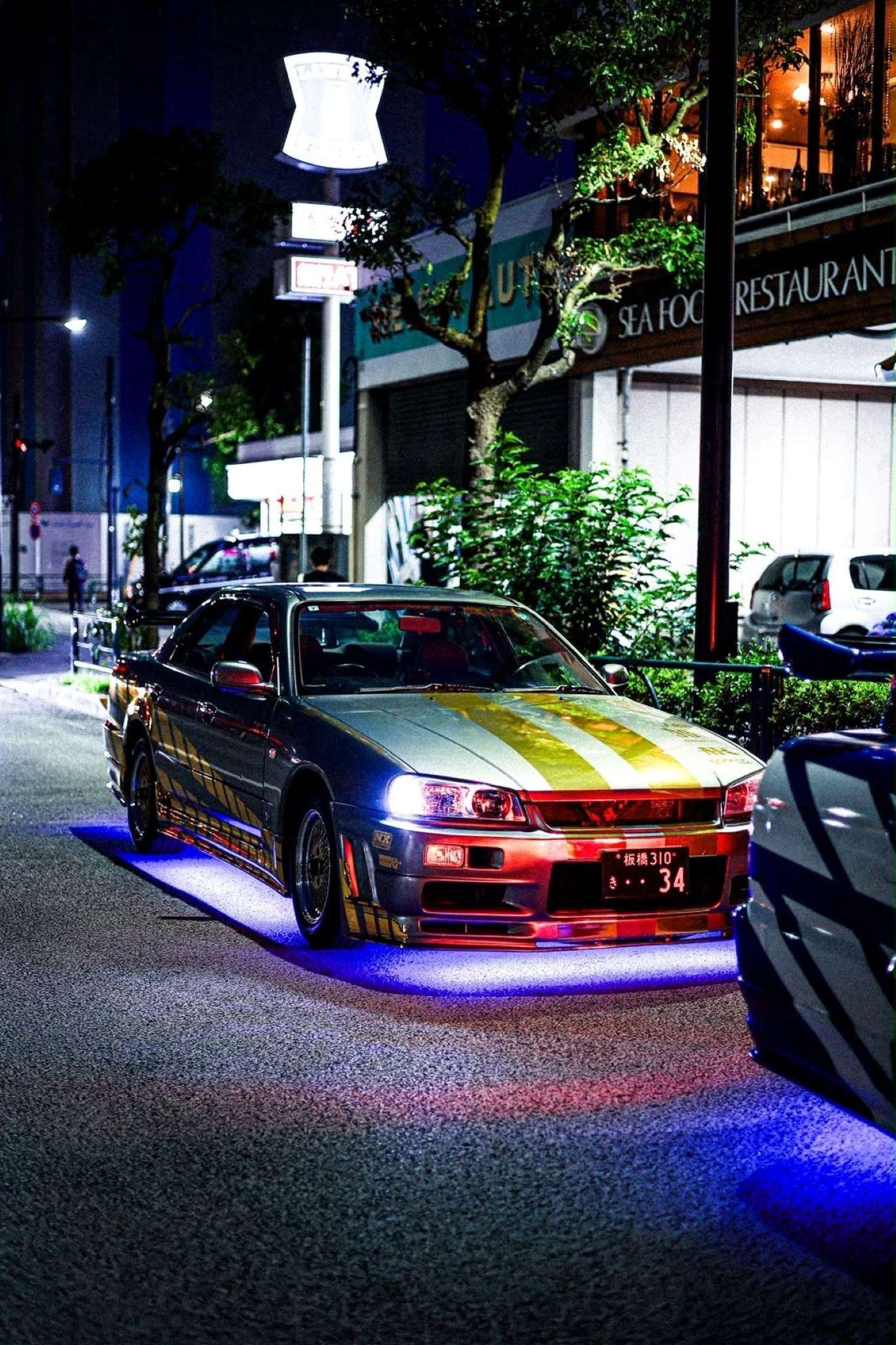
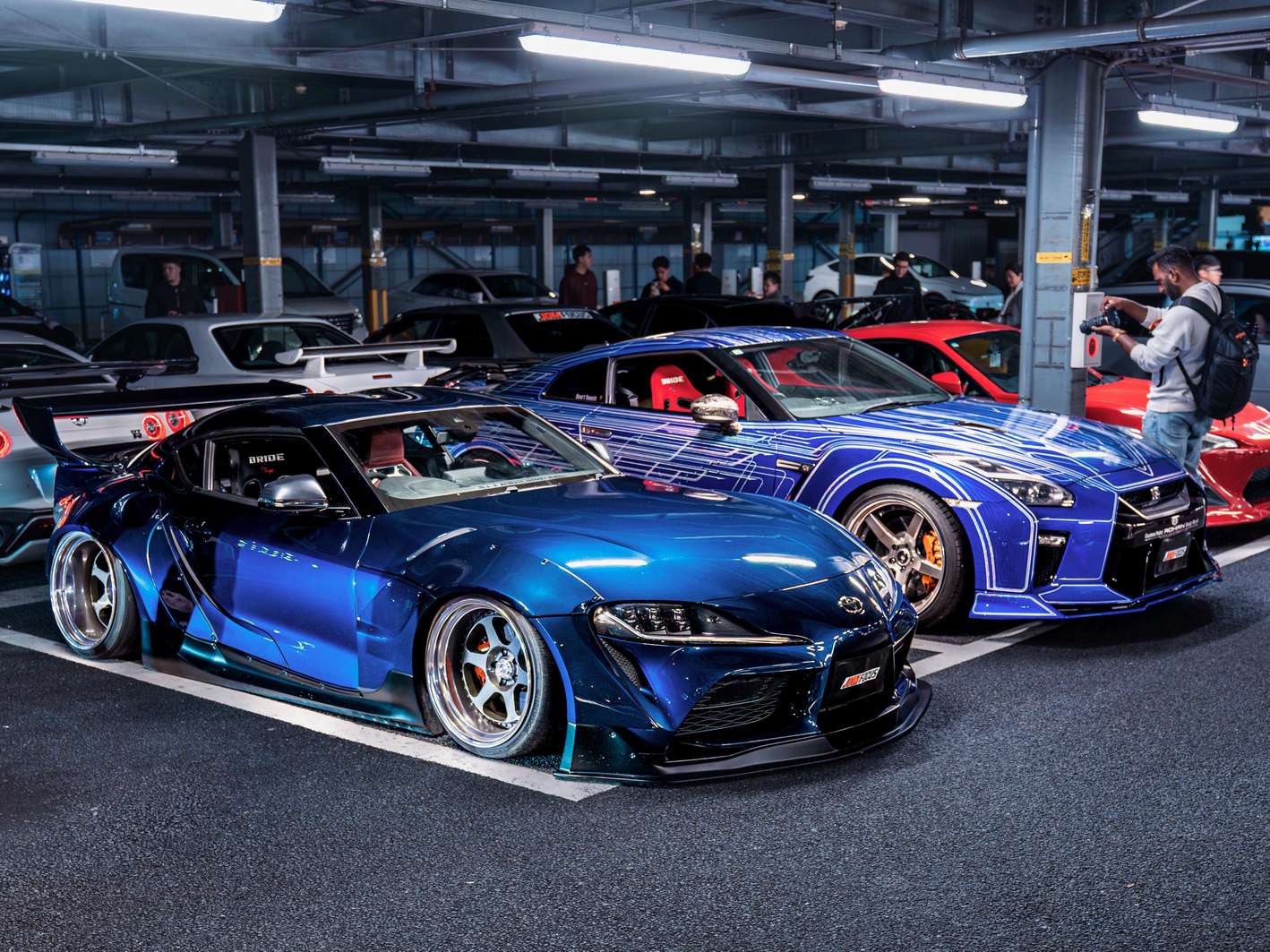
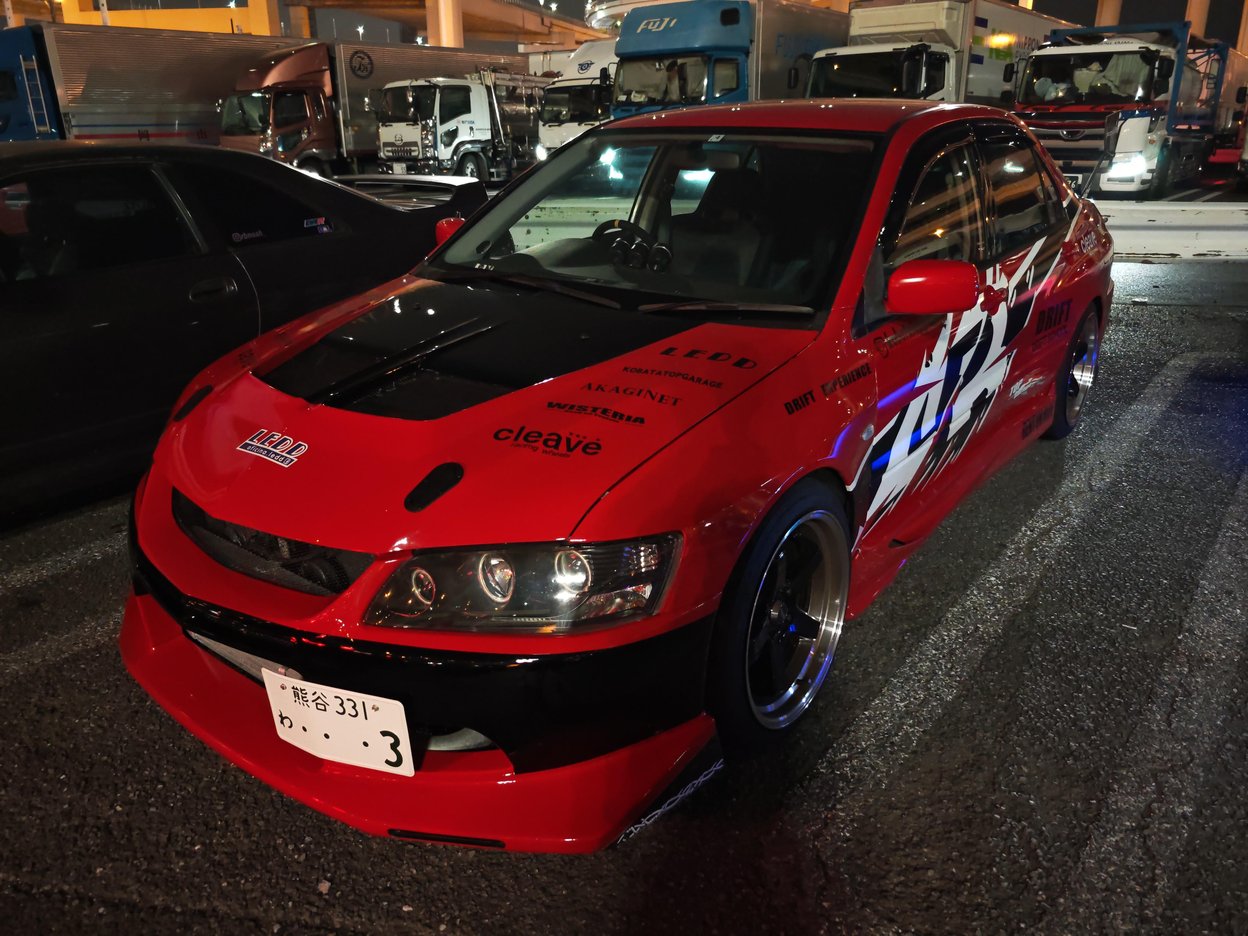
The night starts with the car: heavily modified JDM machines, drift builds and drag-style machines, gathered around Yoyogi Park before the convoy rolls.
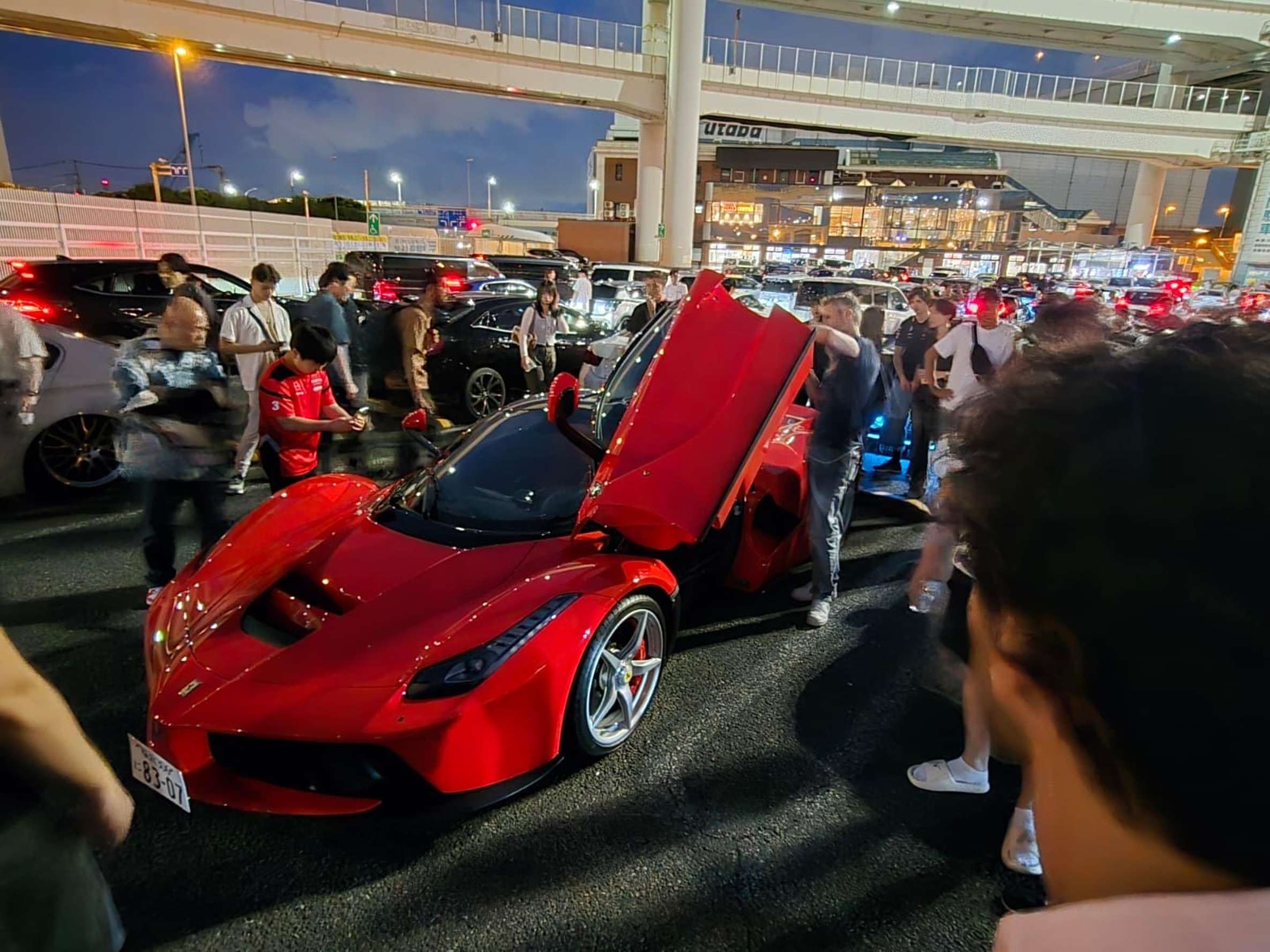
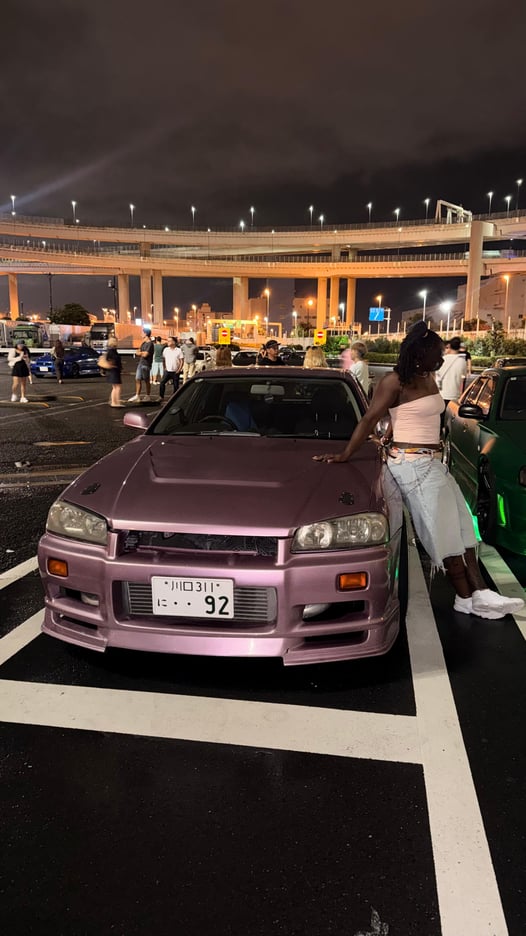
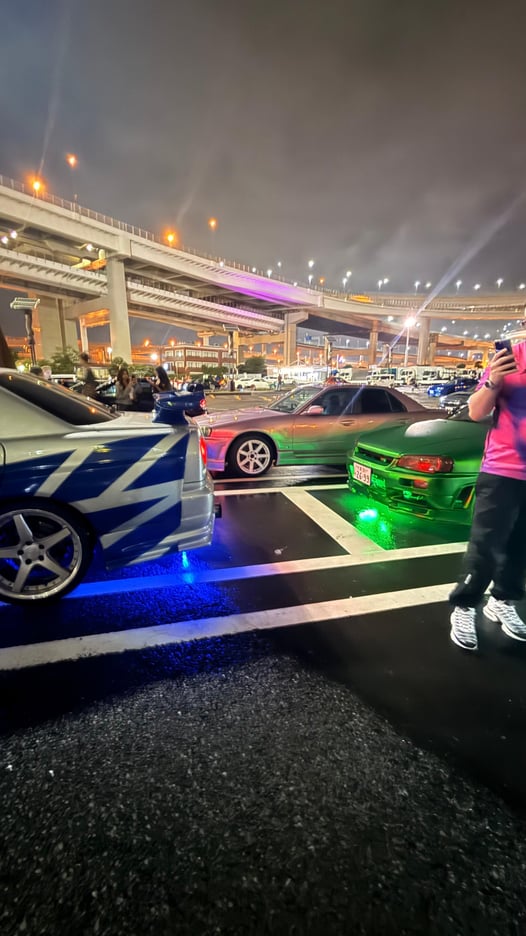
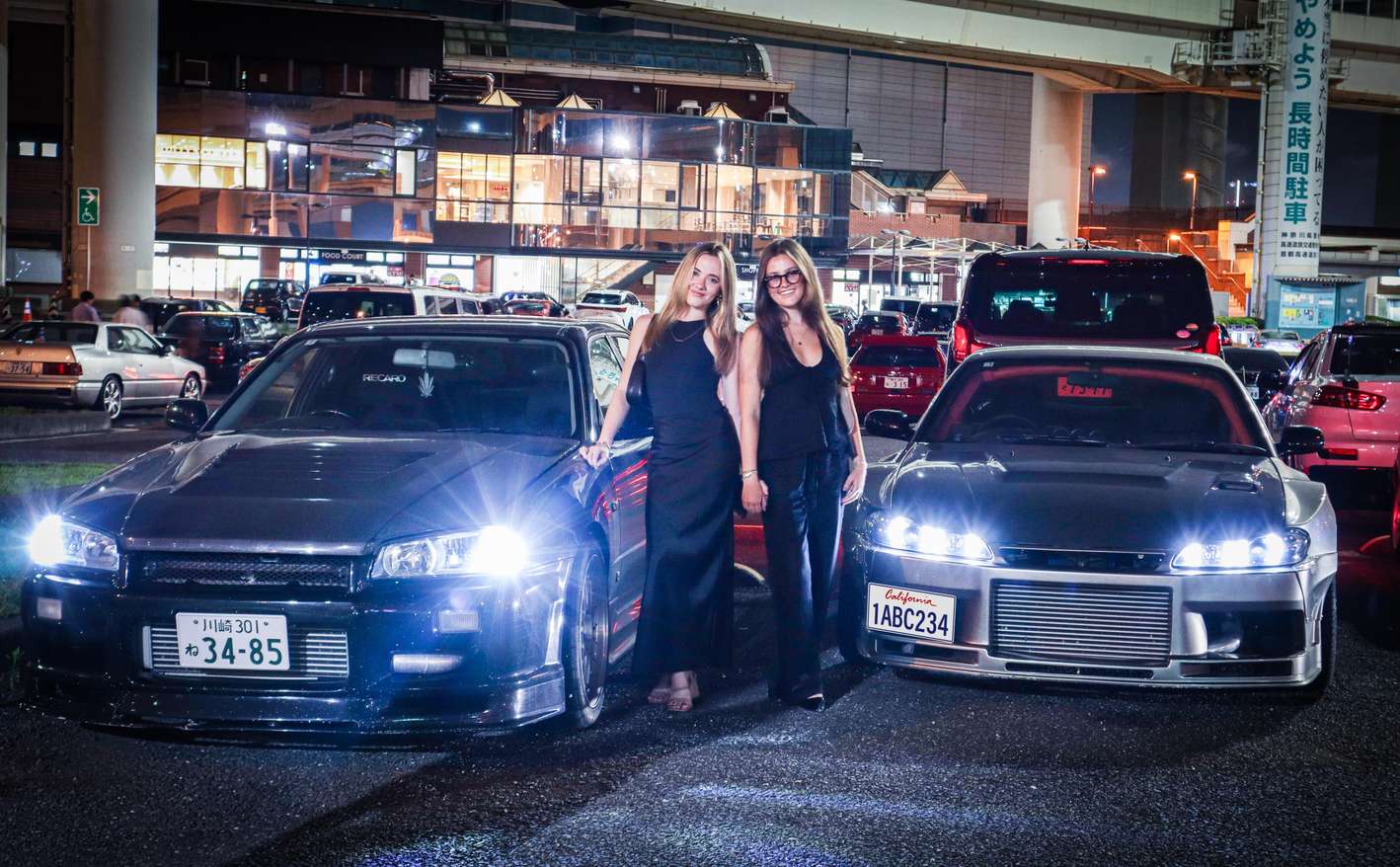
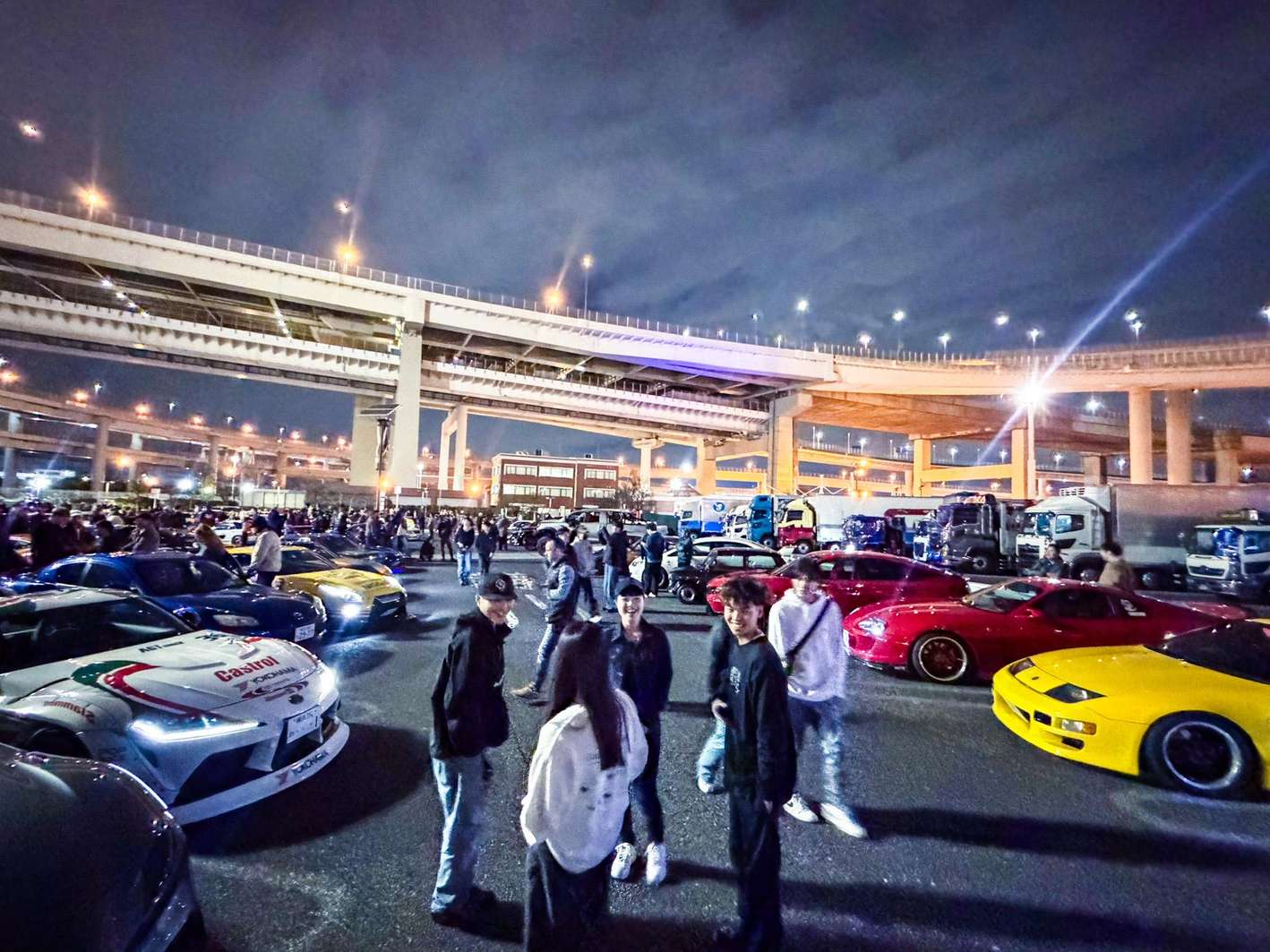
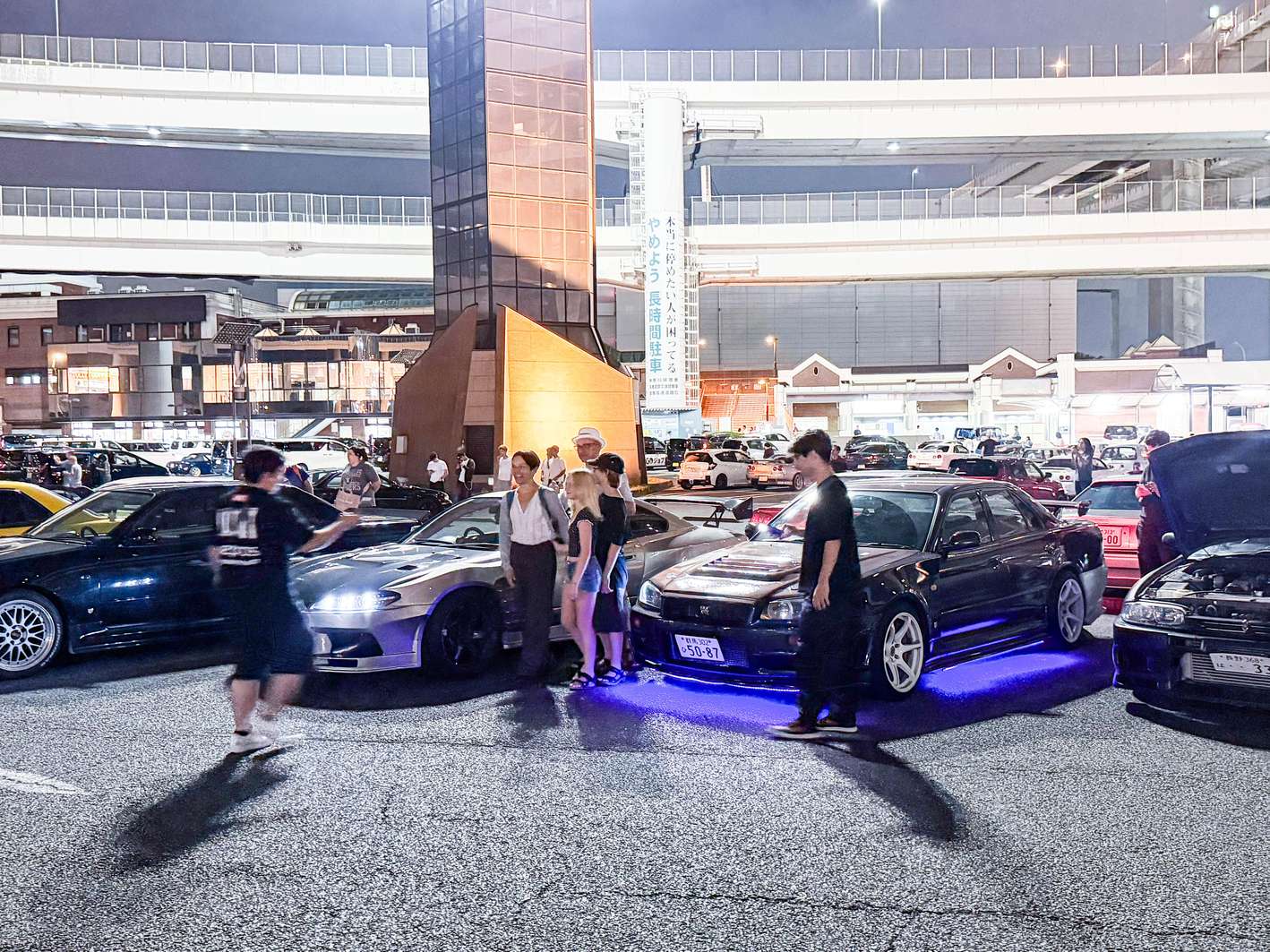
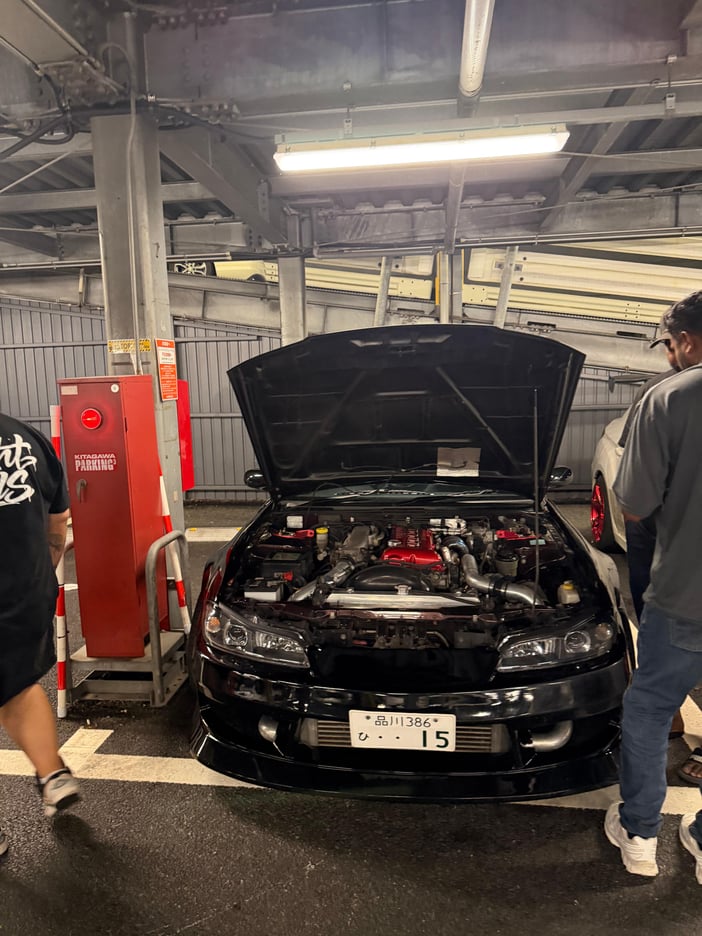
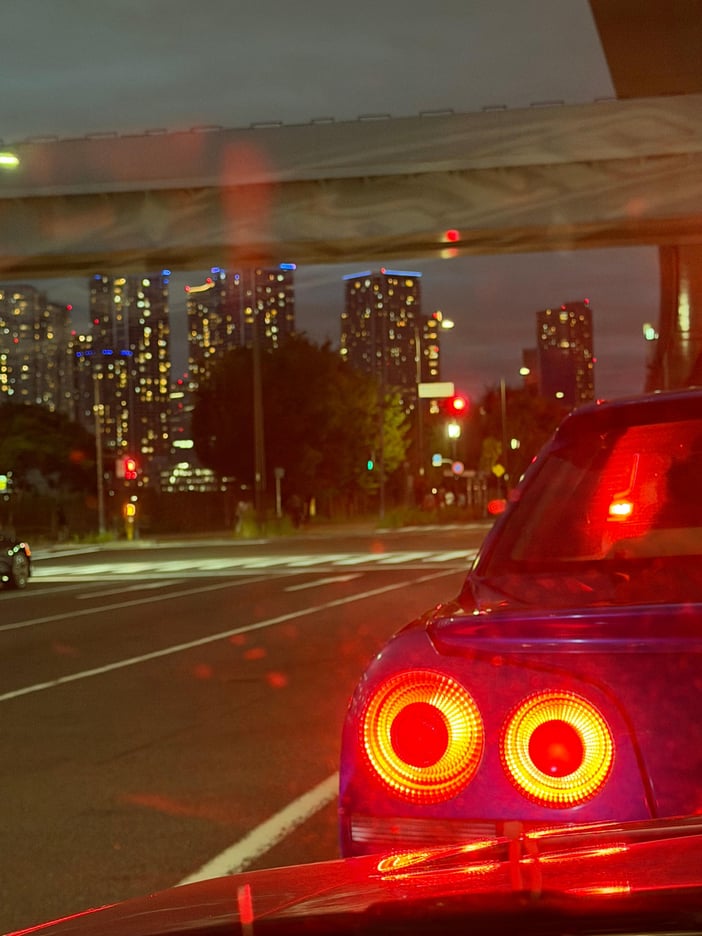
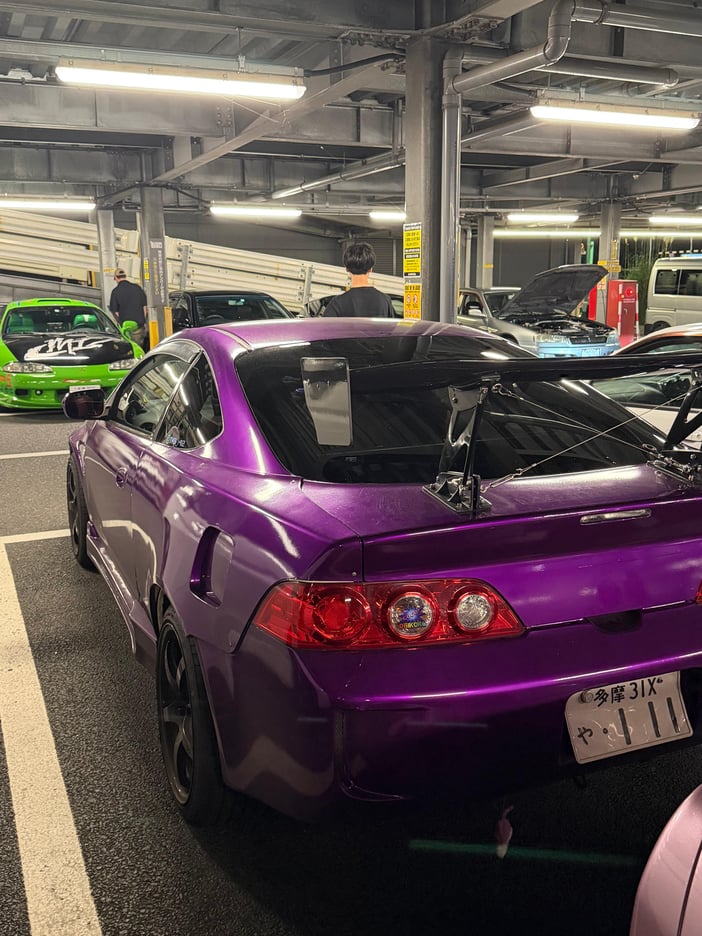
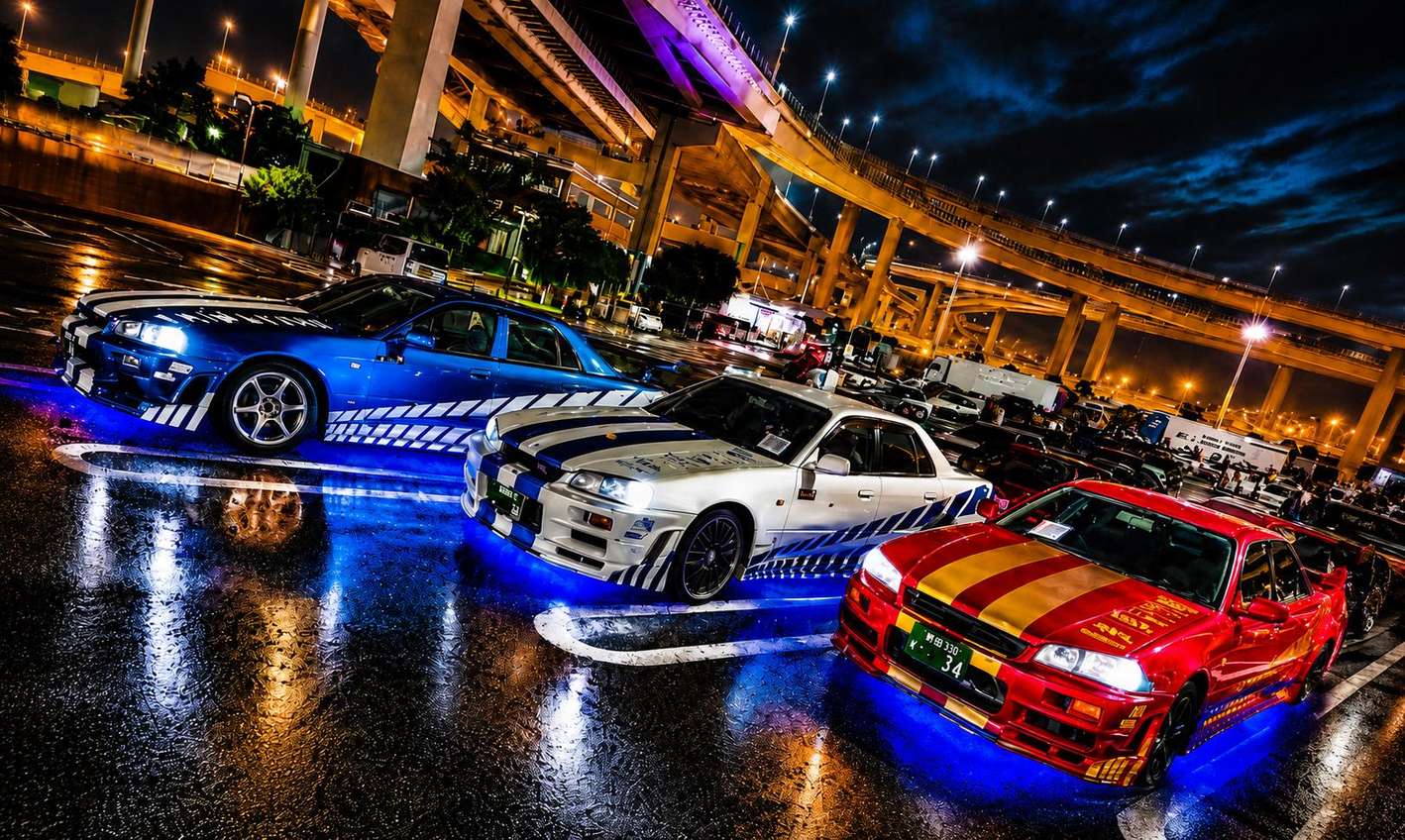
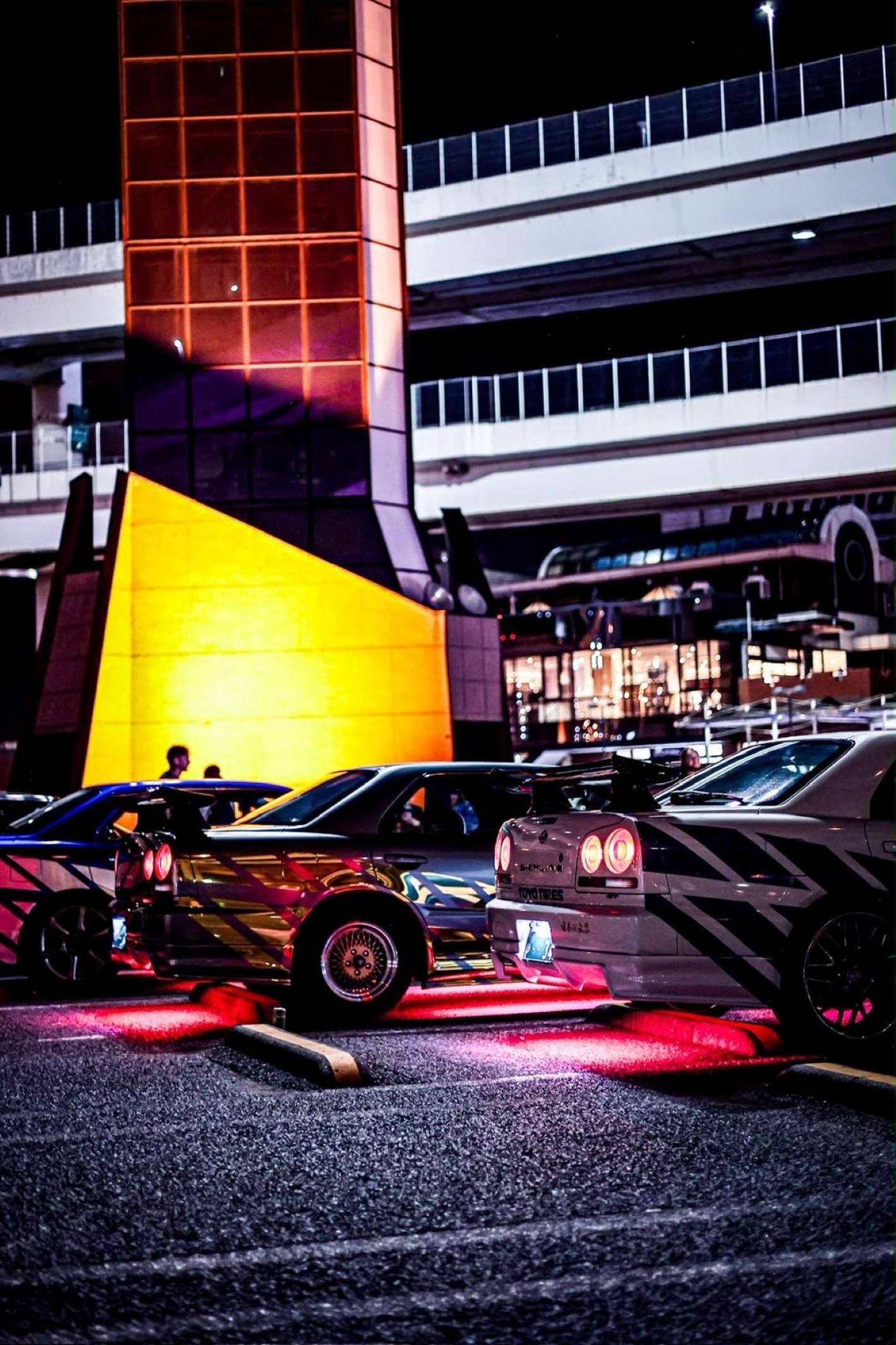
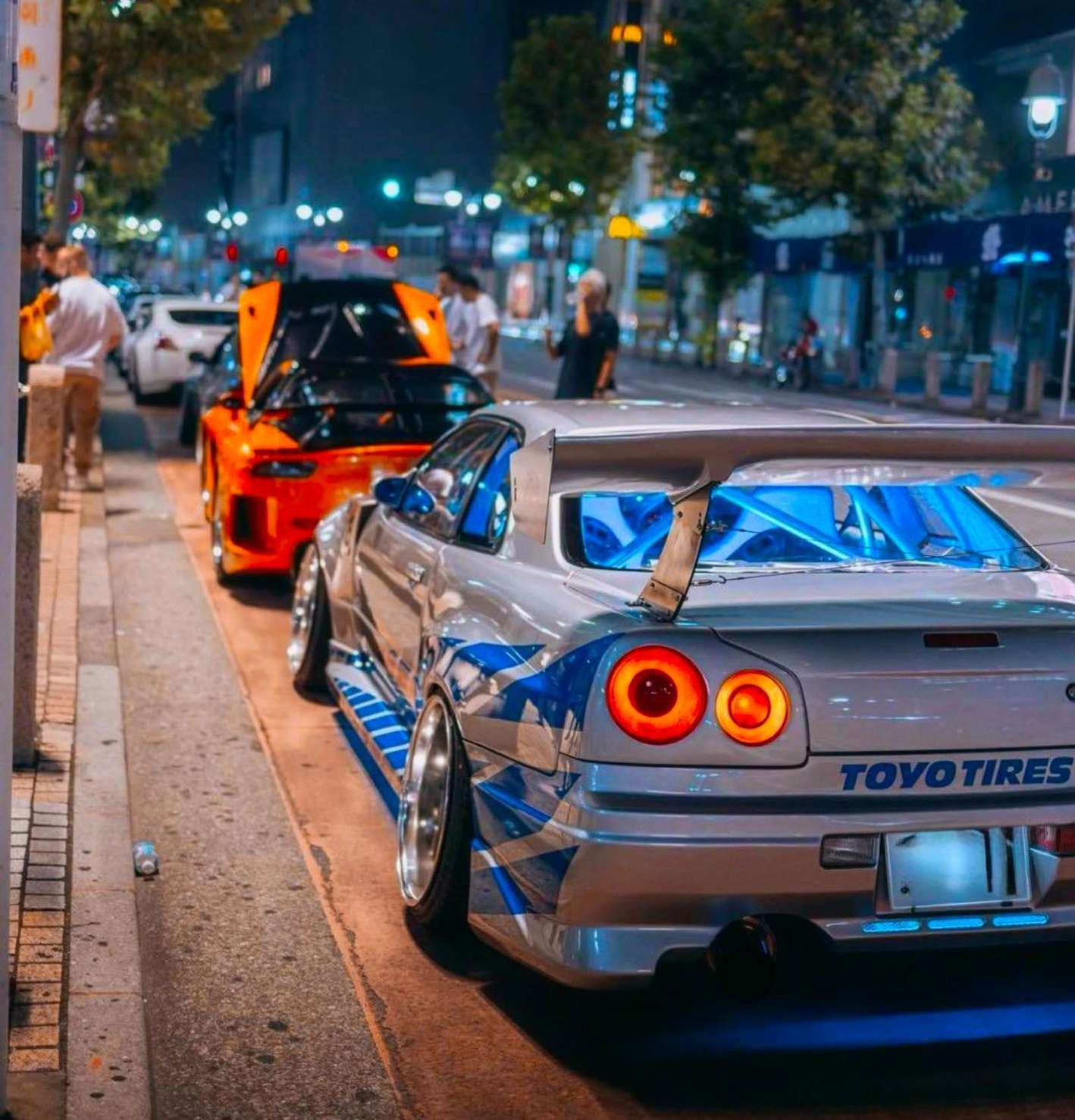
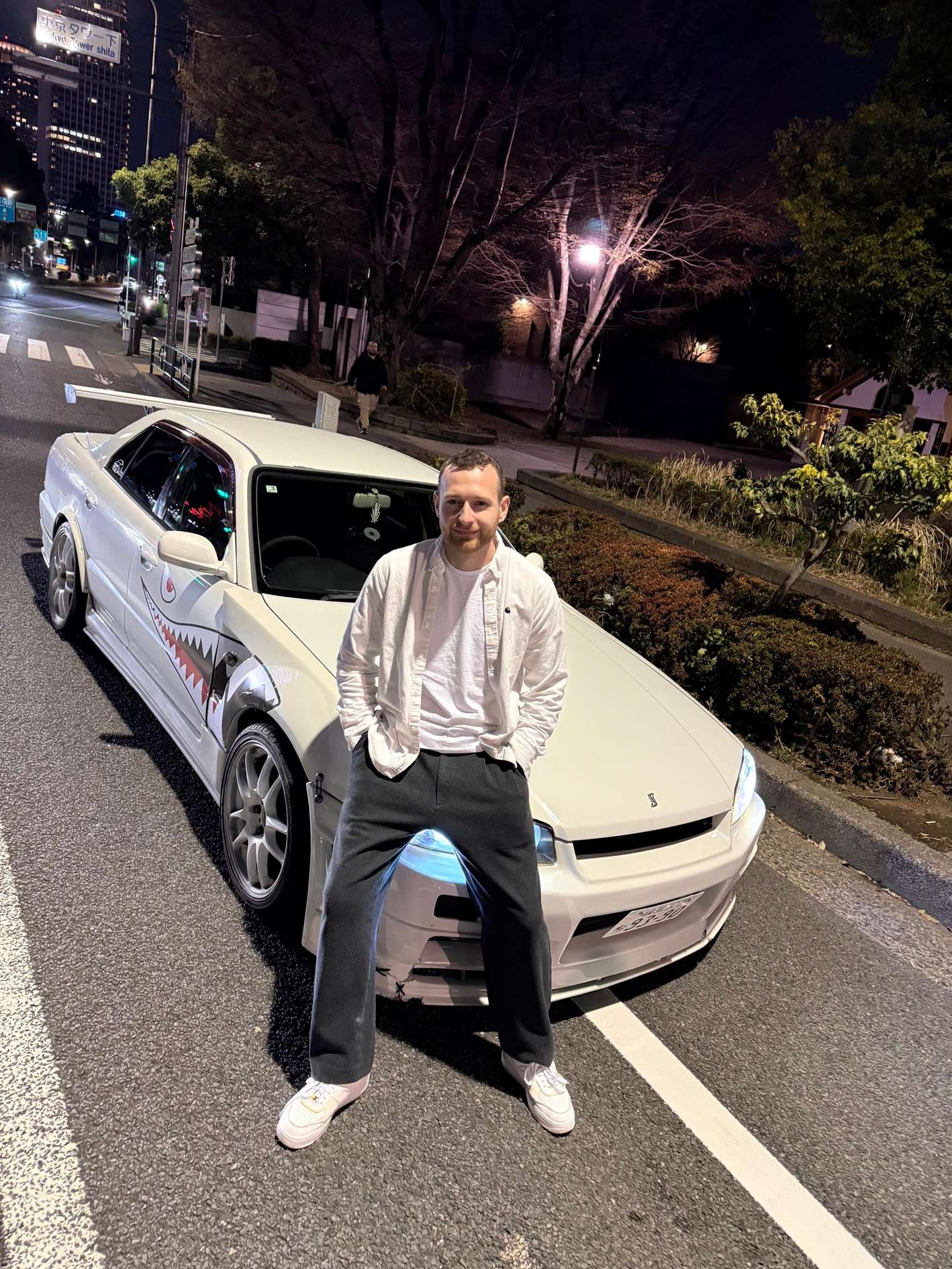
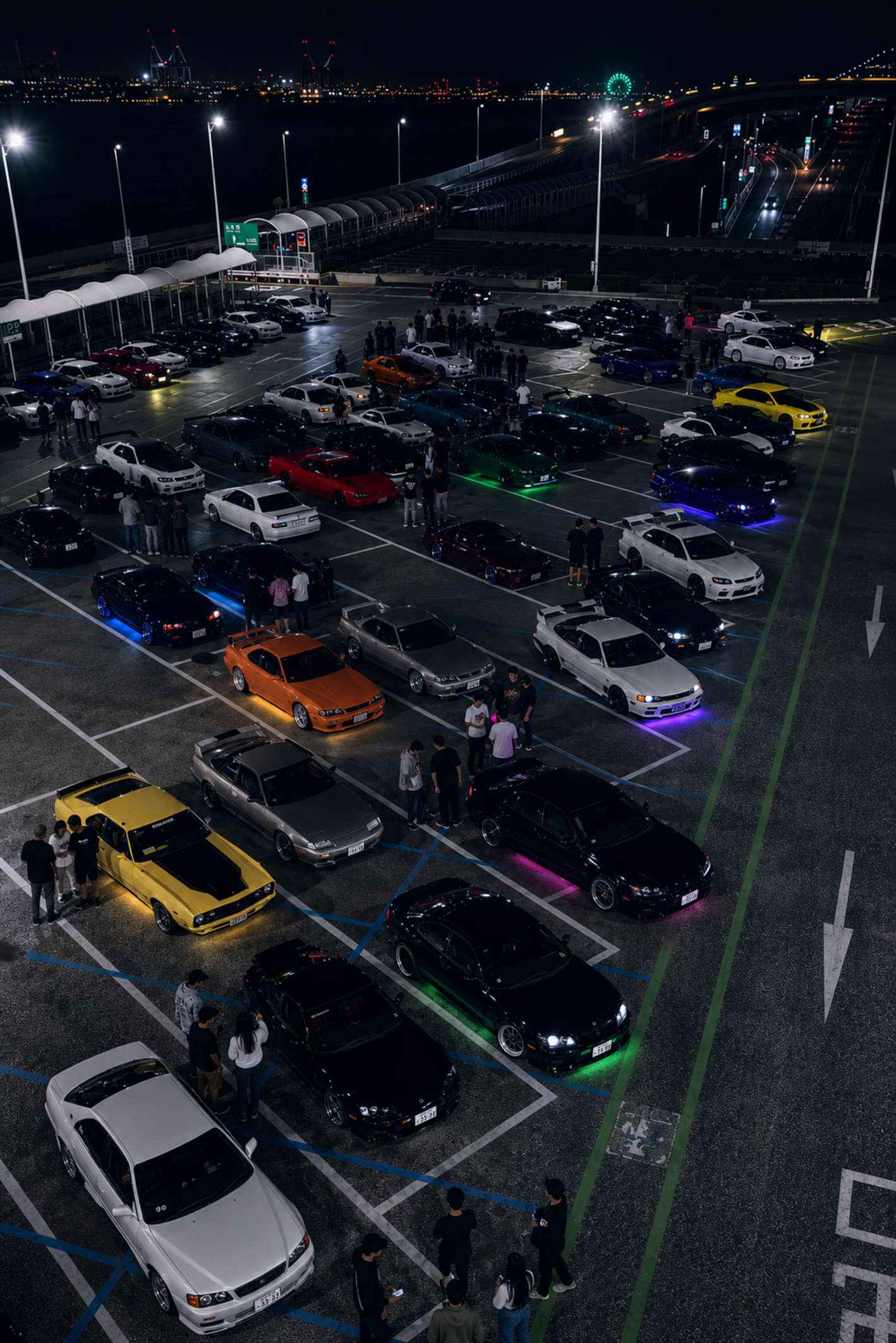
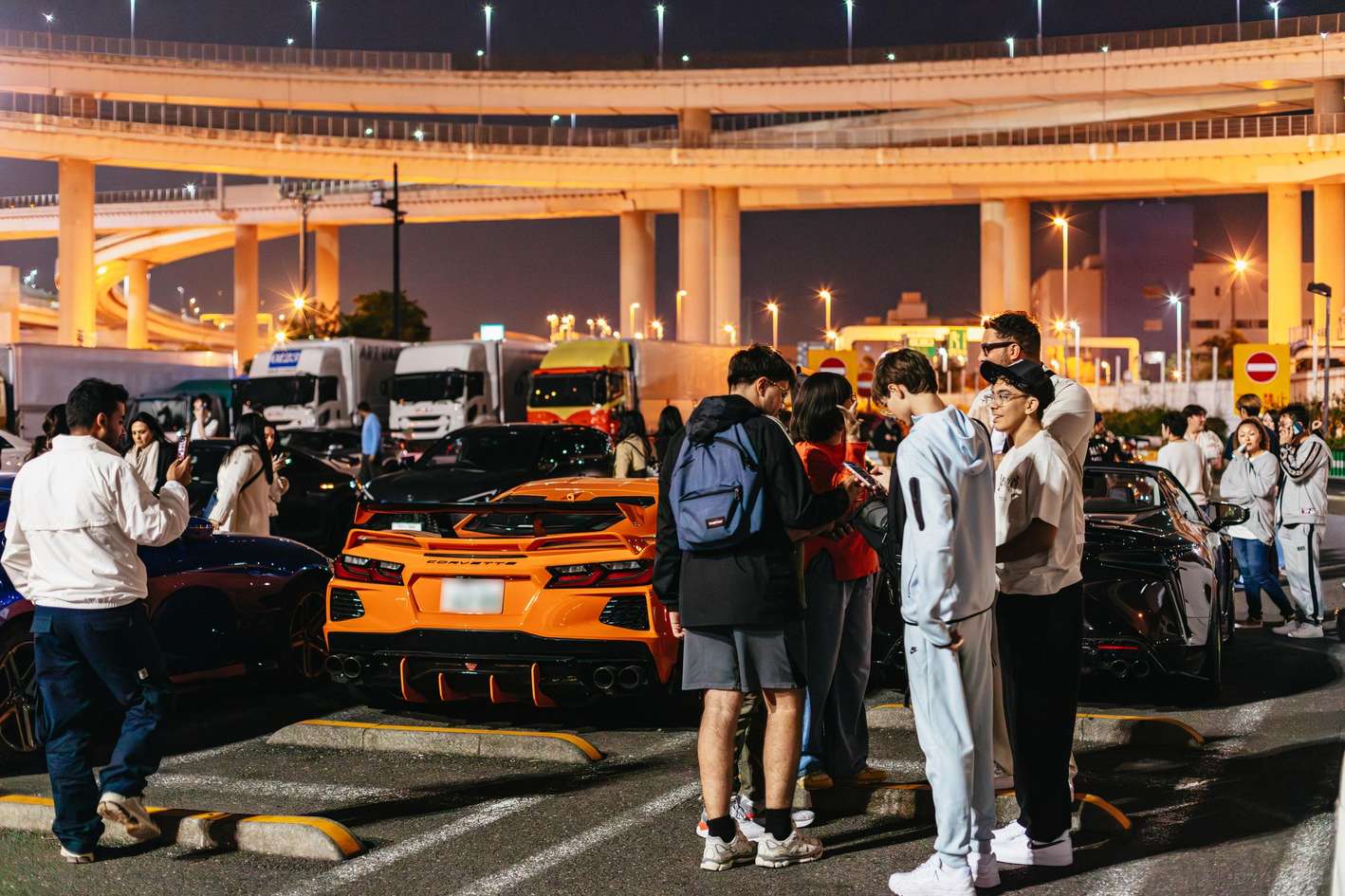
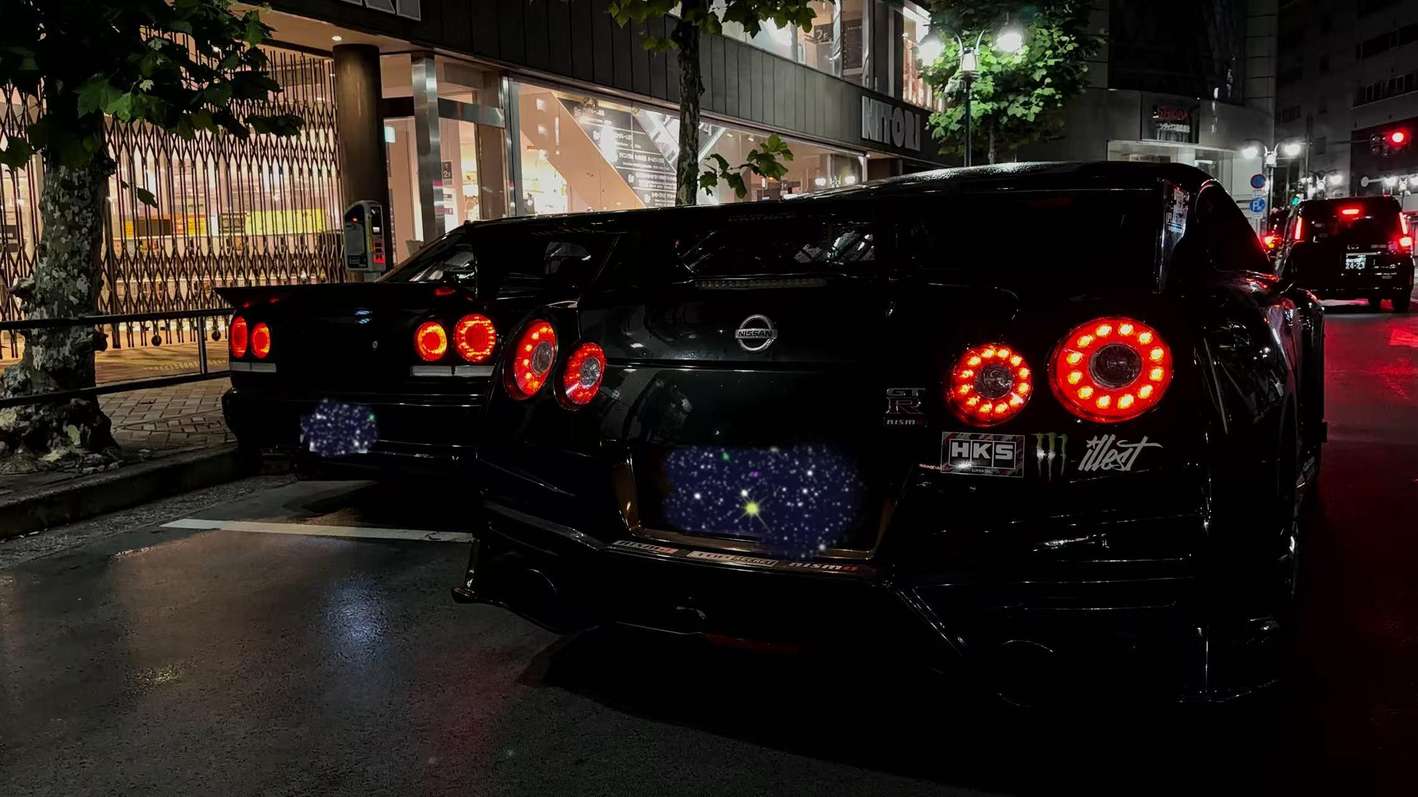
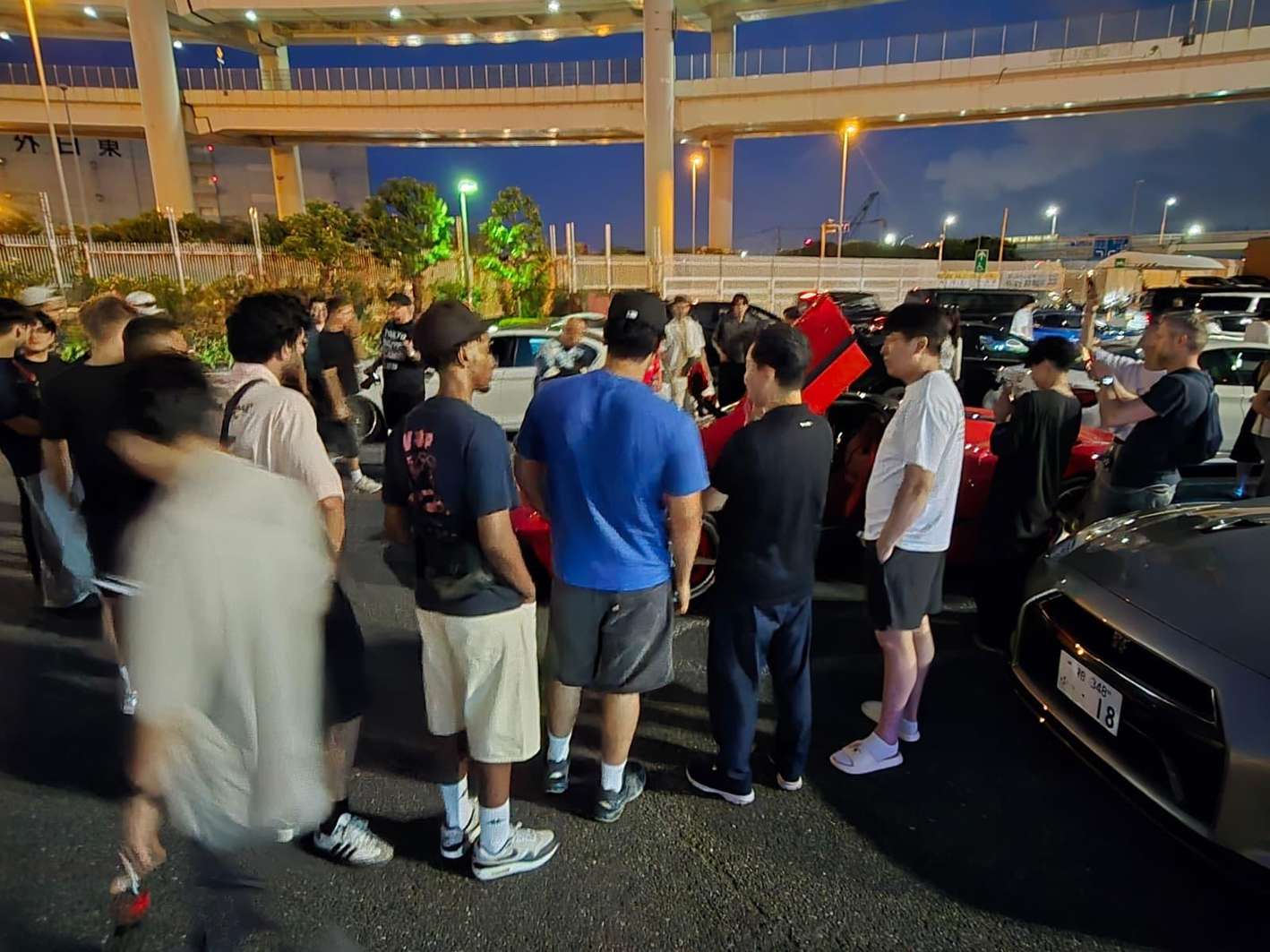
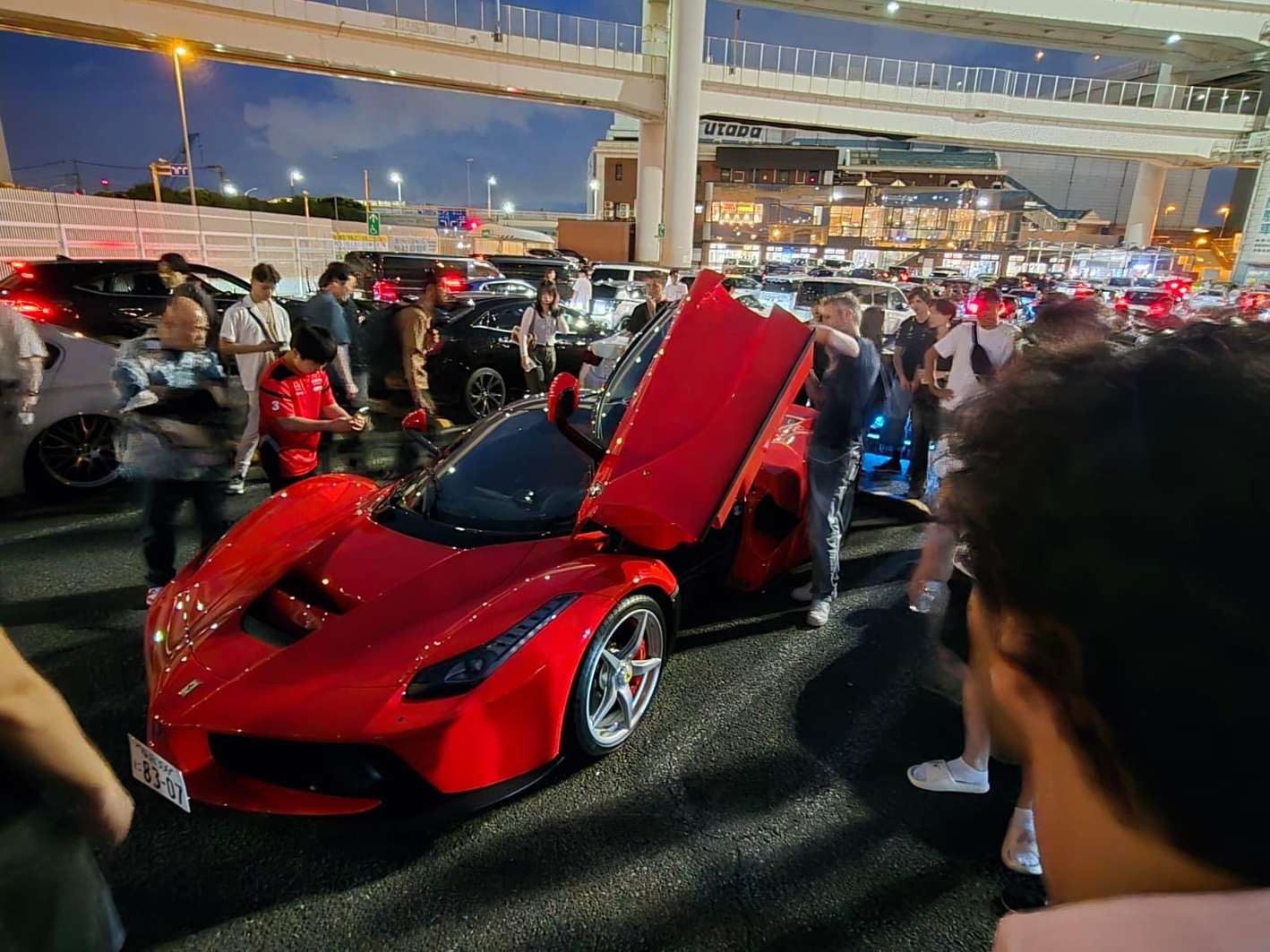
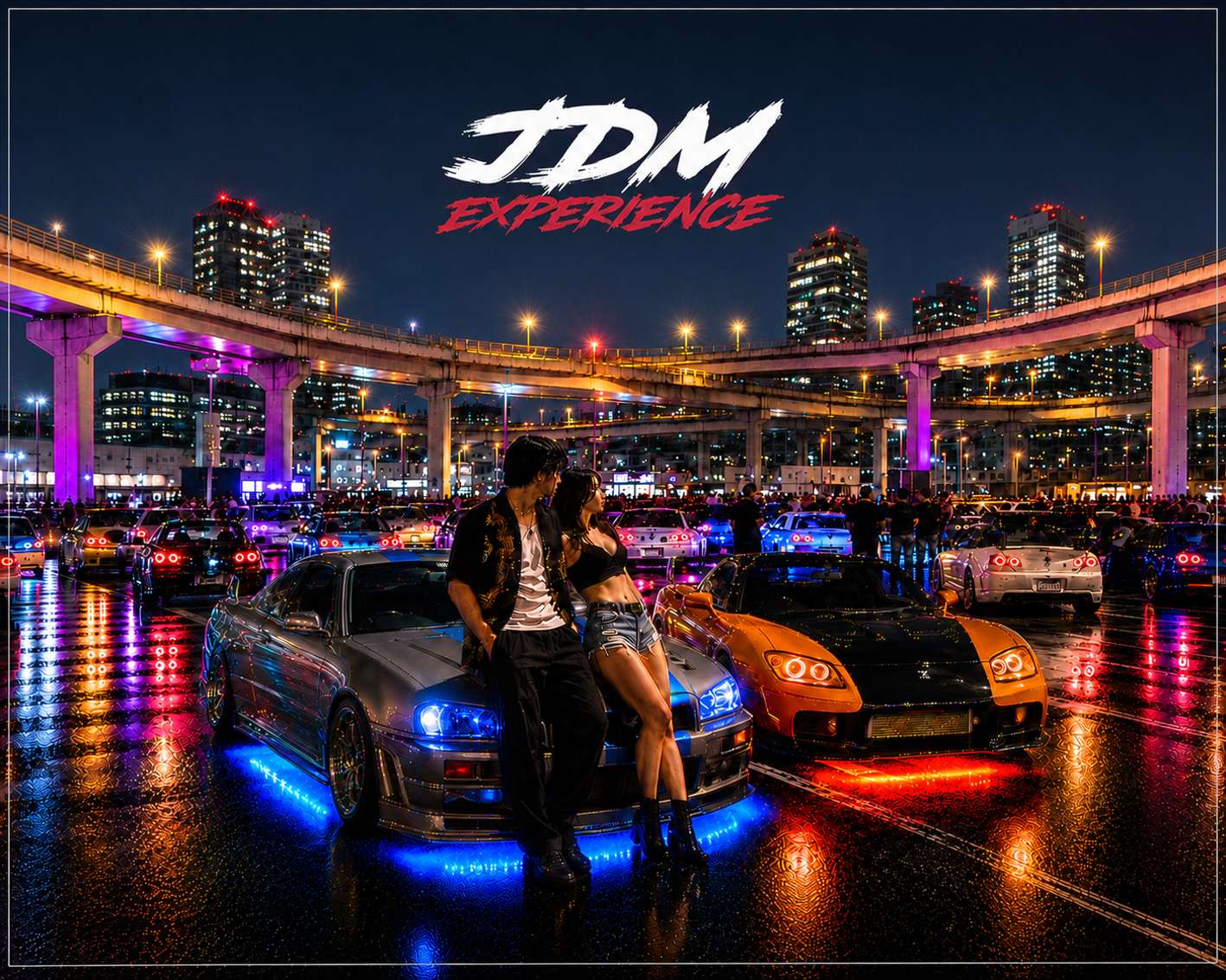
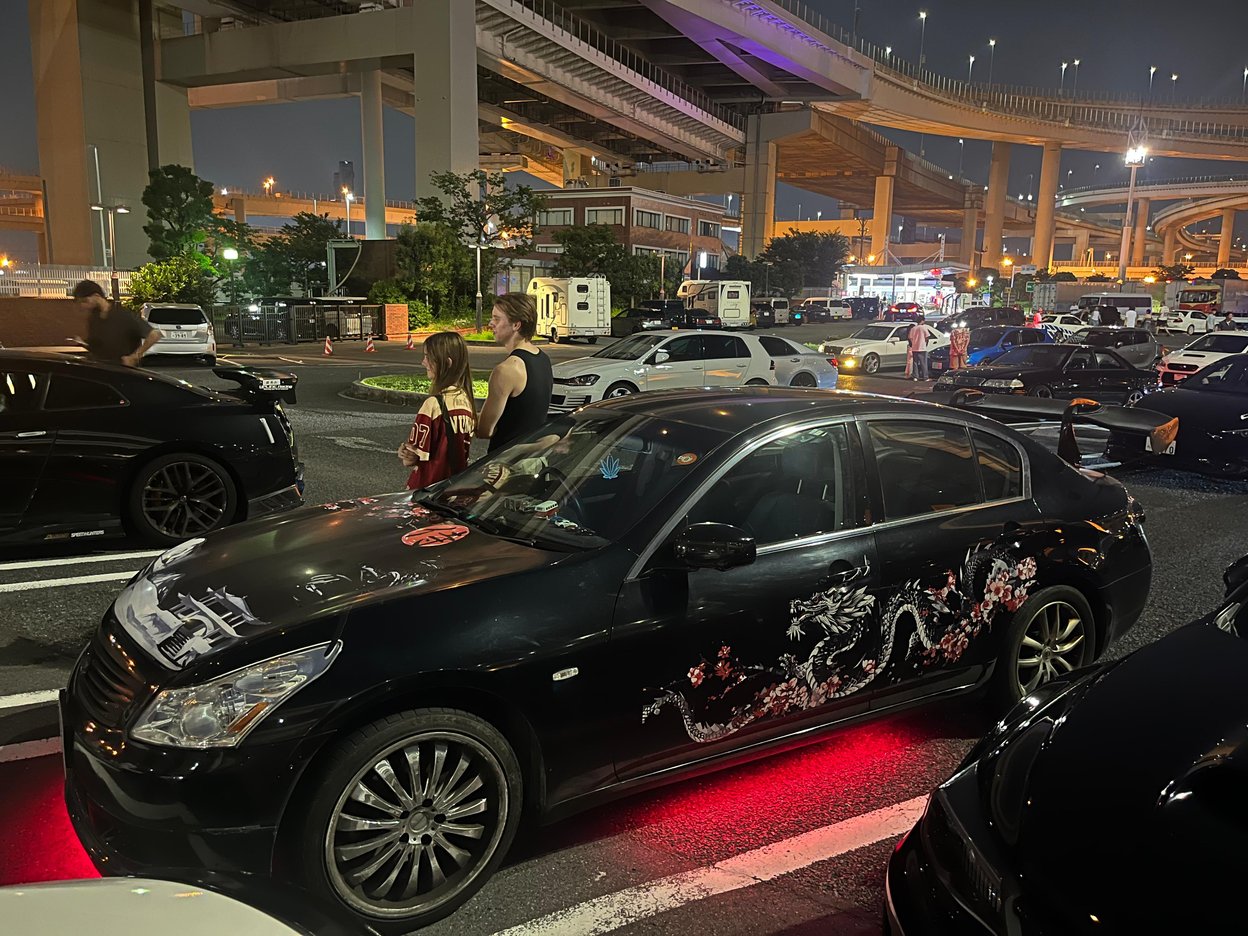
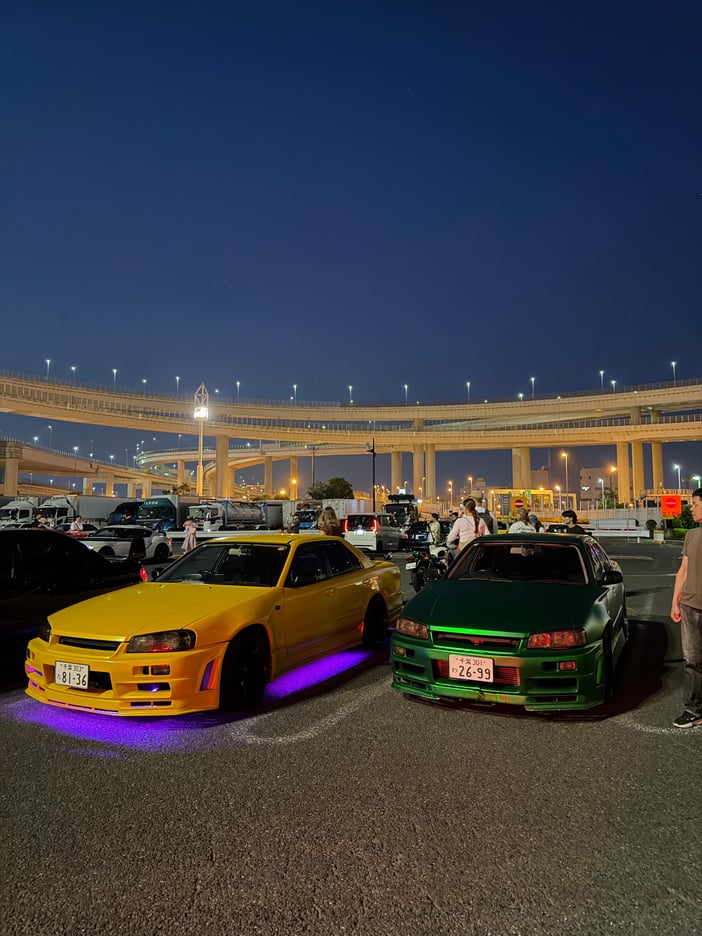
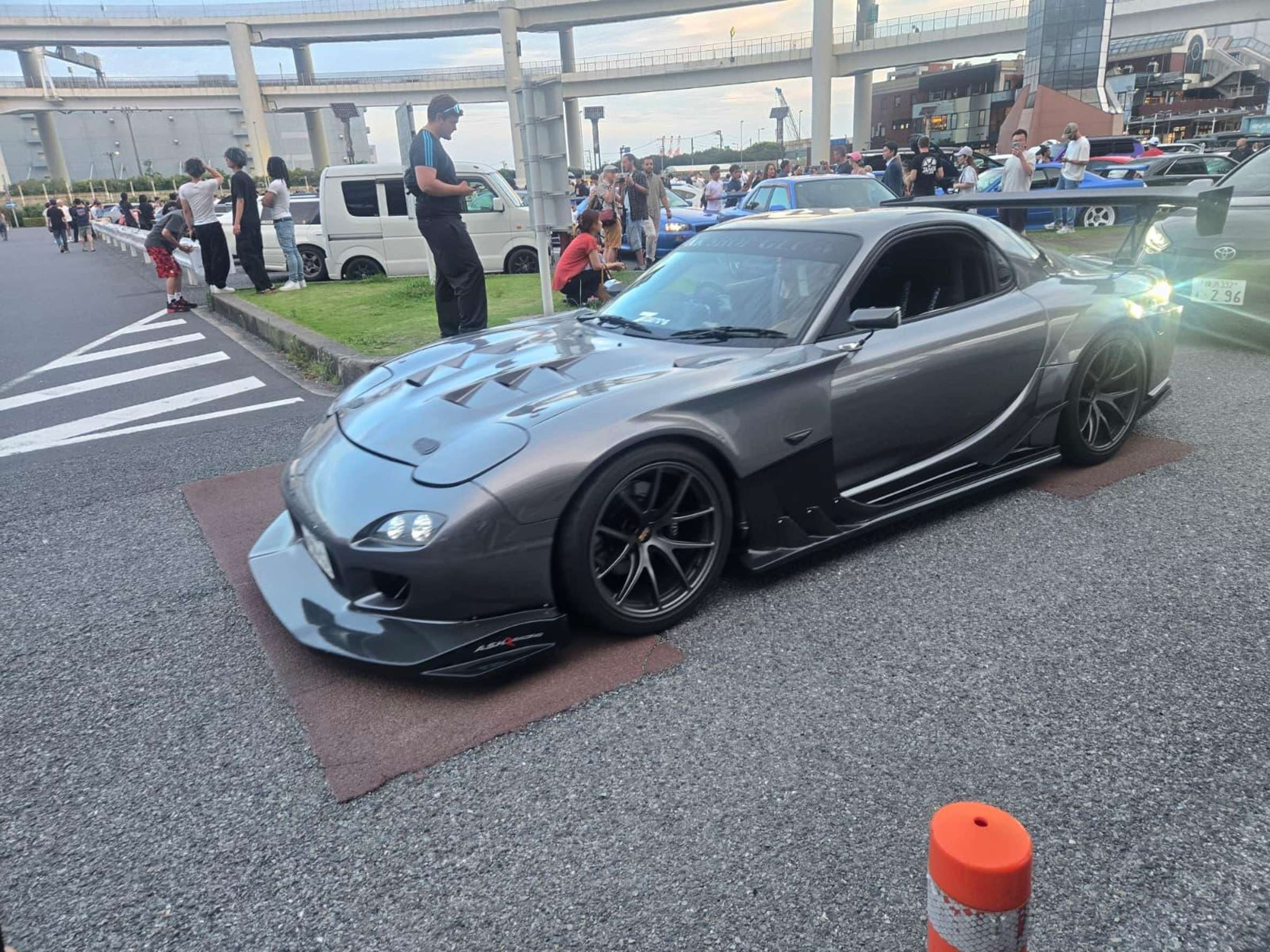
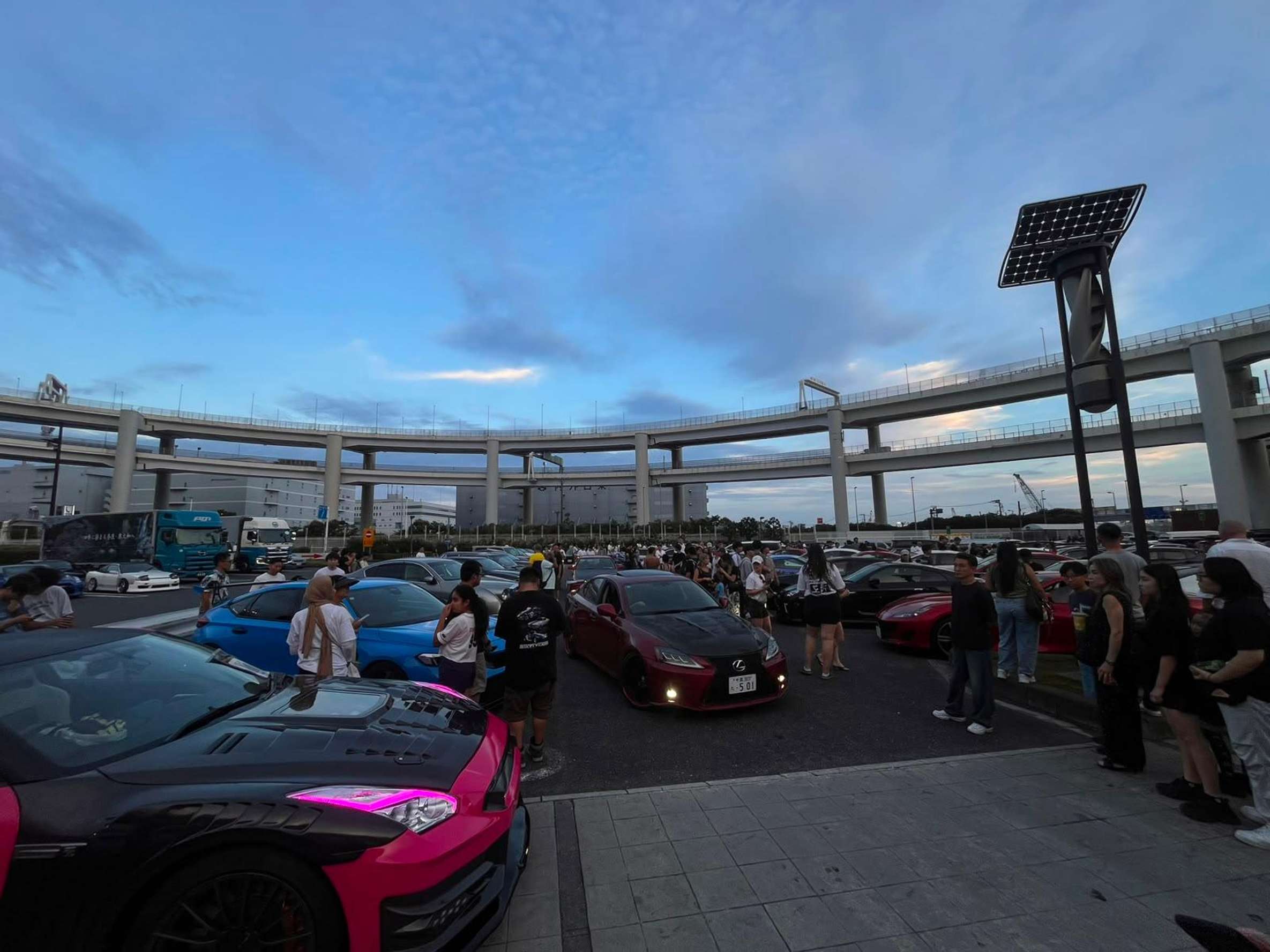
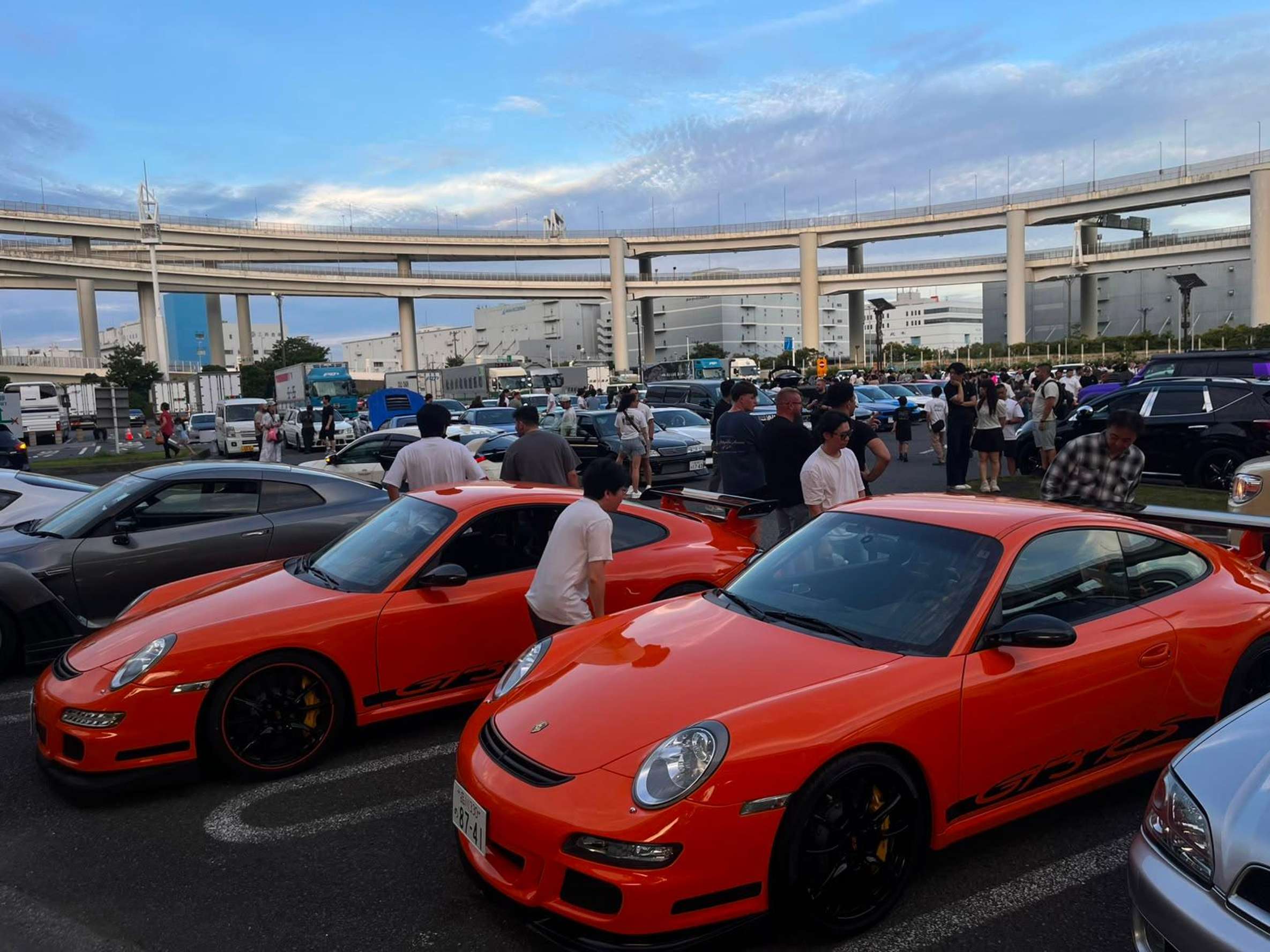
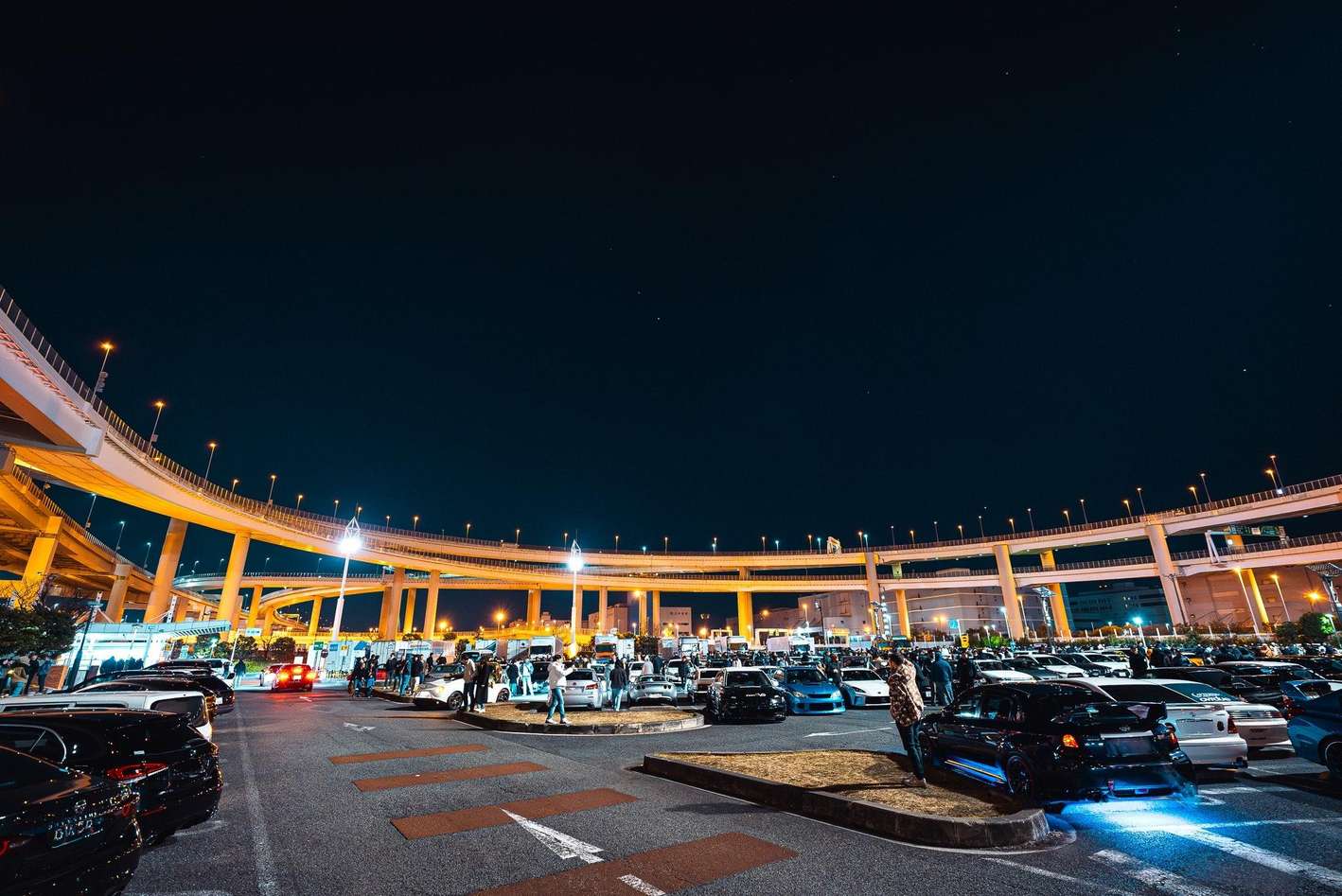
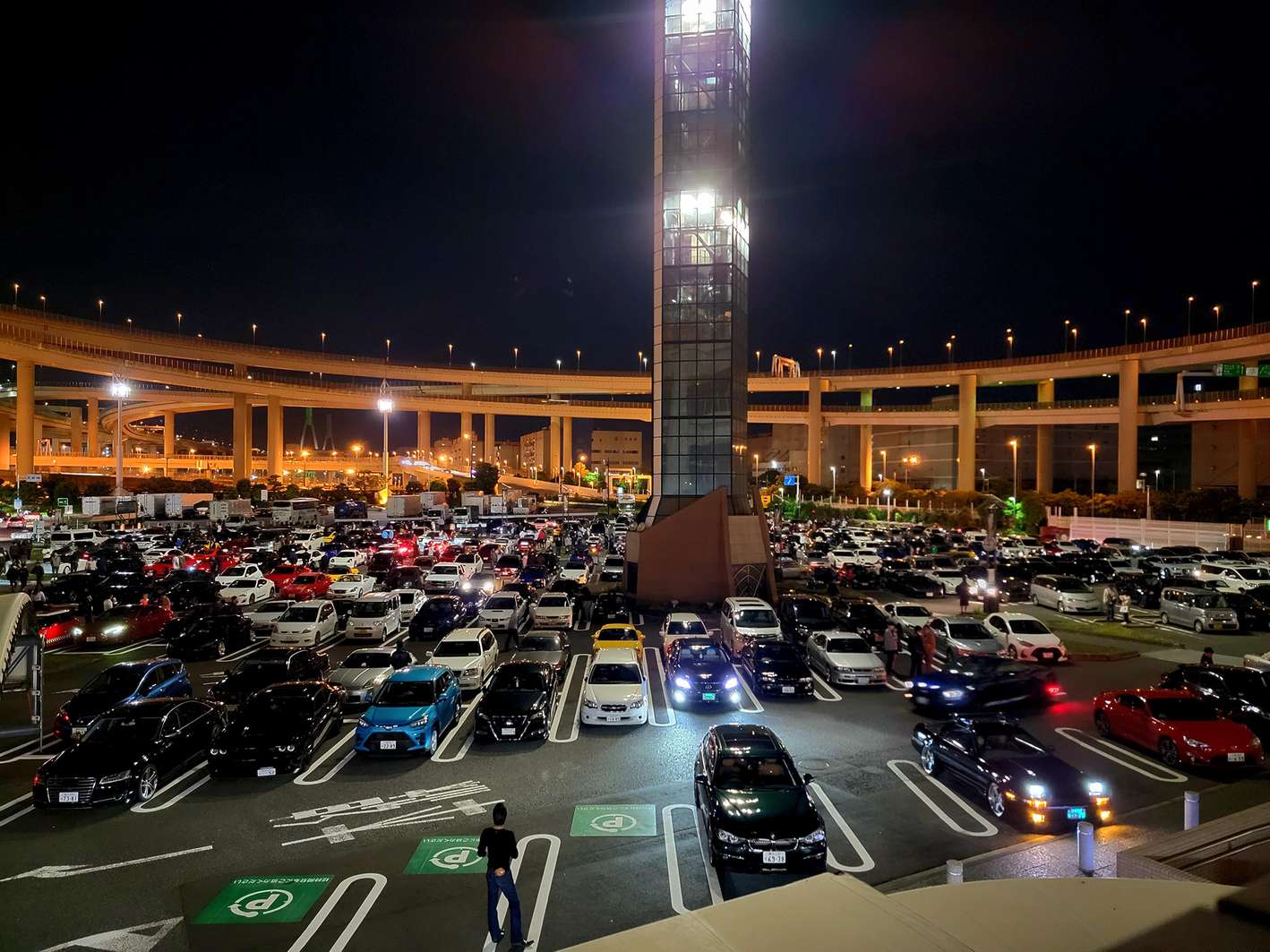
From Harajuku the route threads Shibuya Crossing, then crosses the Rainbow Bridge with Tokyo Bay lit up below, and ends at Daikoku Parking Area, the famous meet spot where Skylines, Supras and tuned street cars pack the lot under the spiral ramps of the Daikoku Interchange.
Guides handle the driving and the route, so you watch the scene instead of the map.
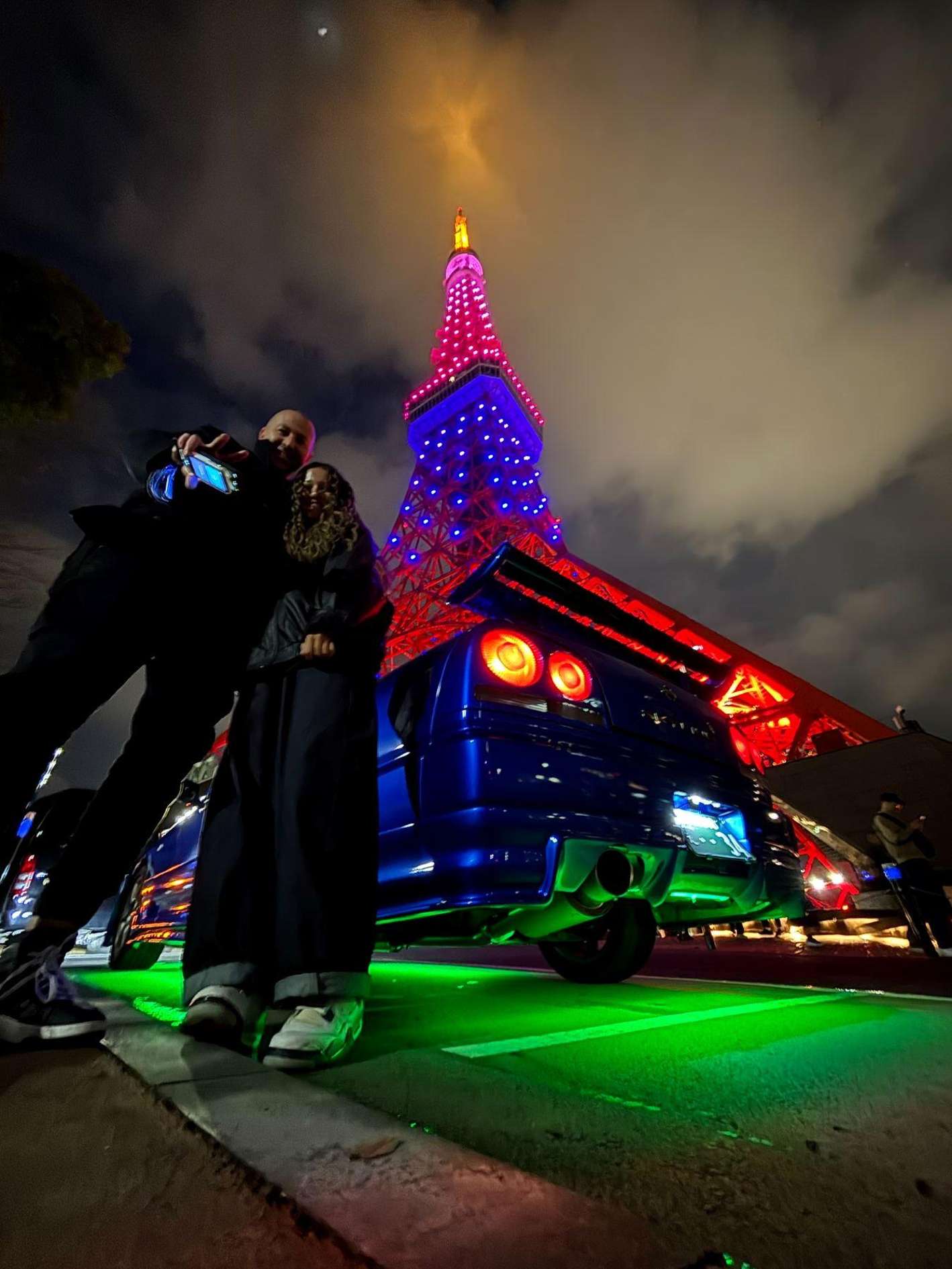
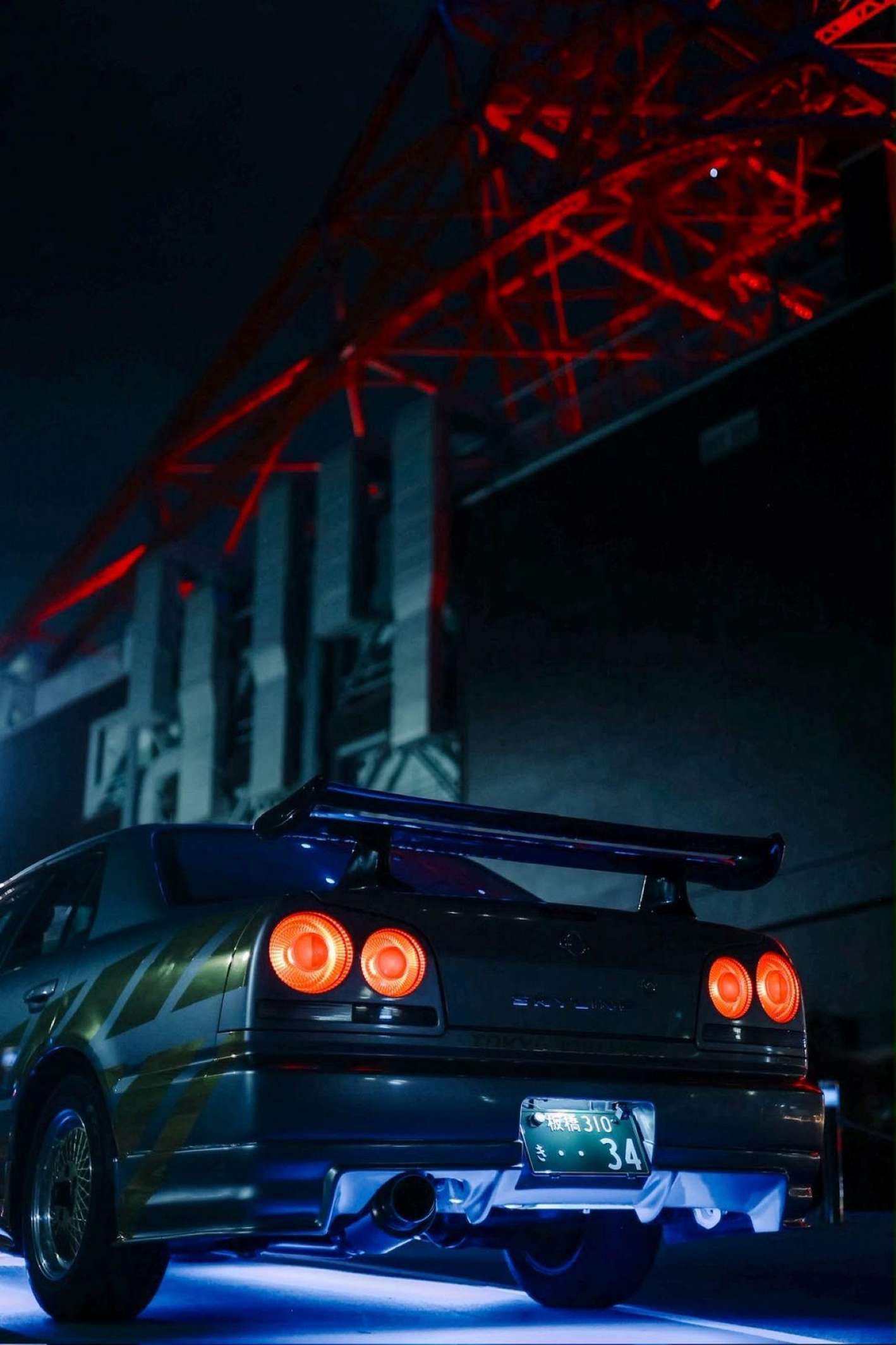
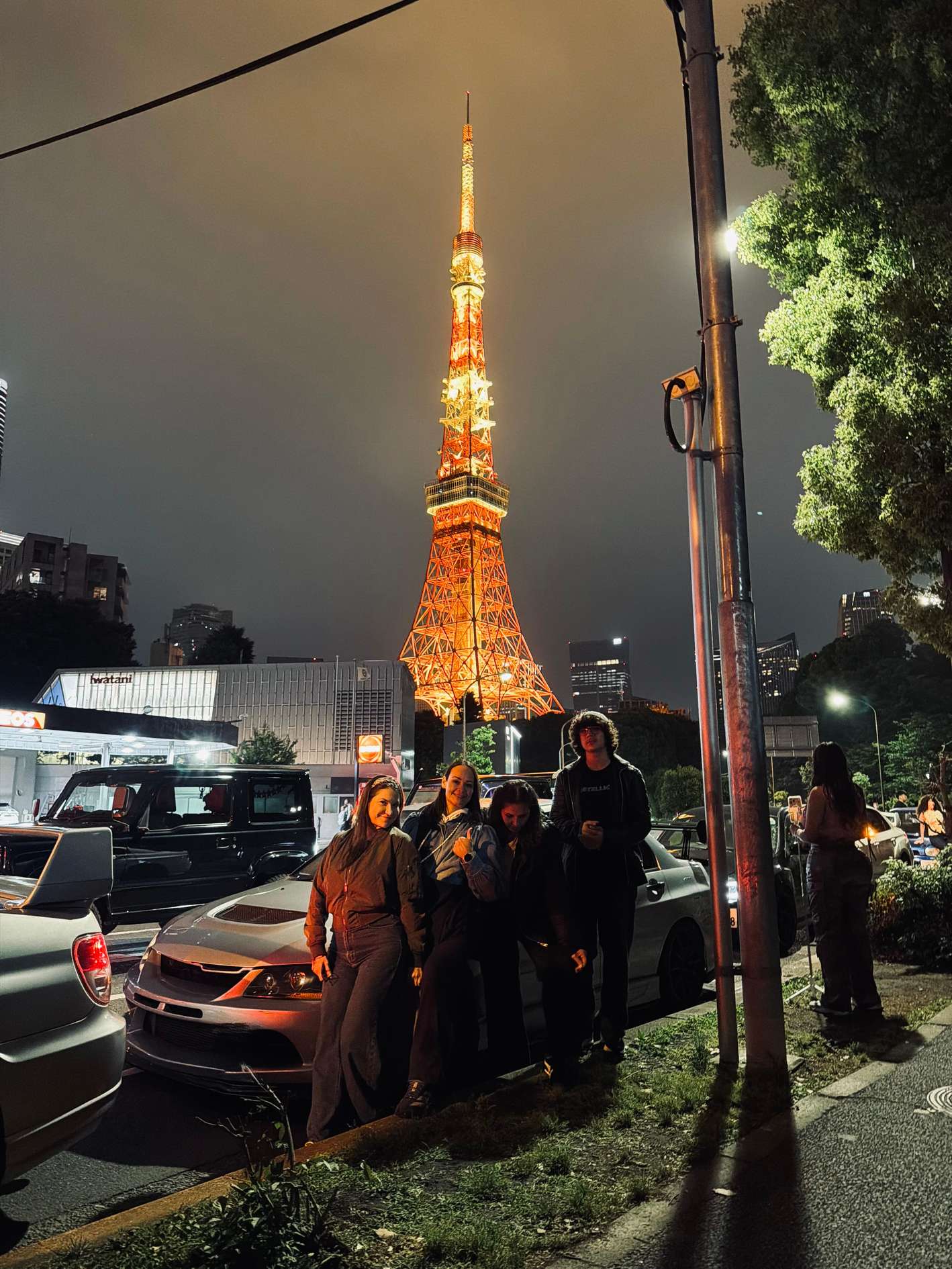
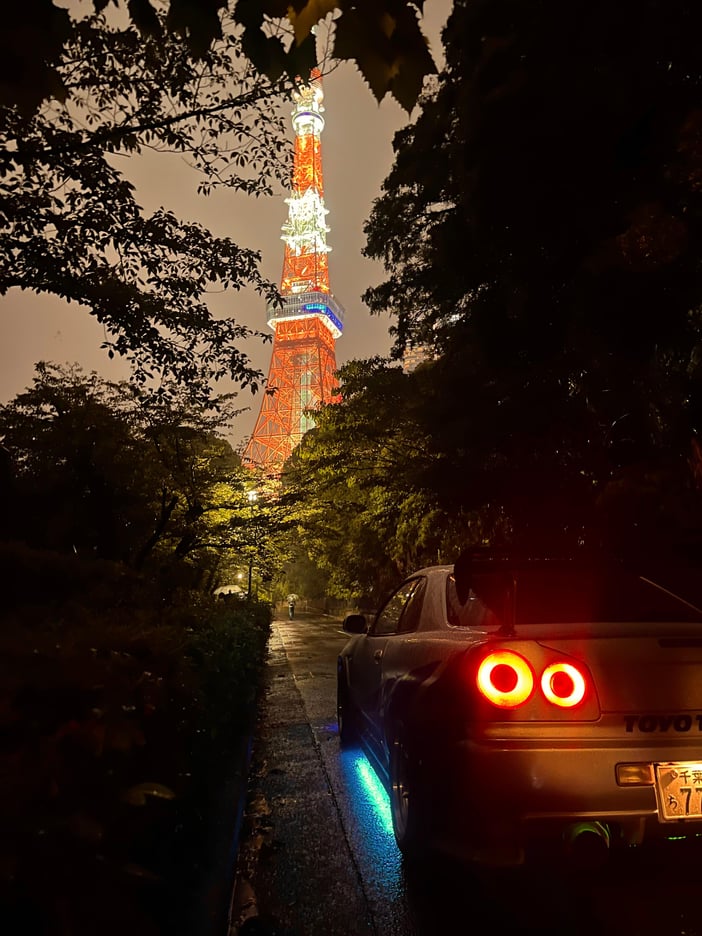
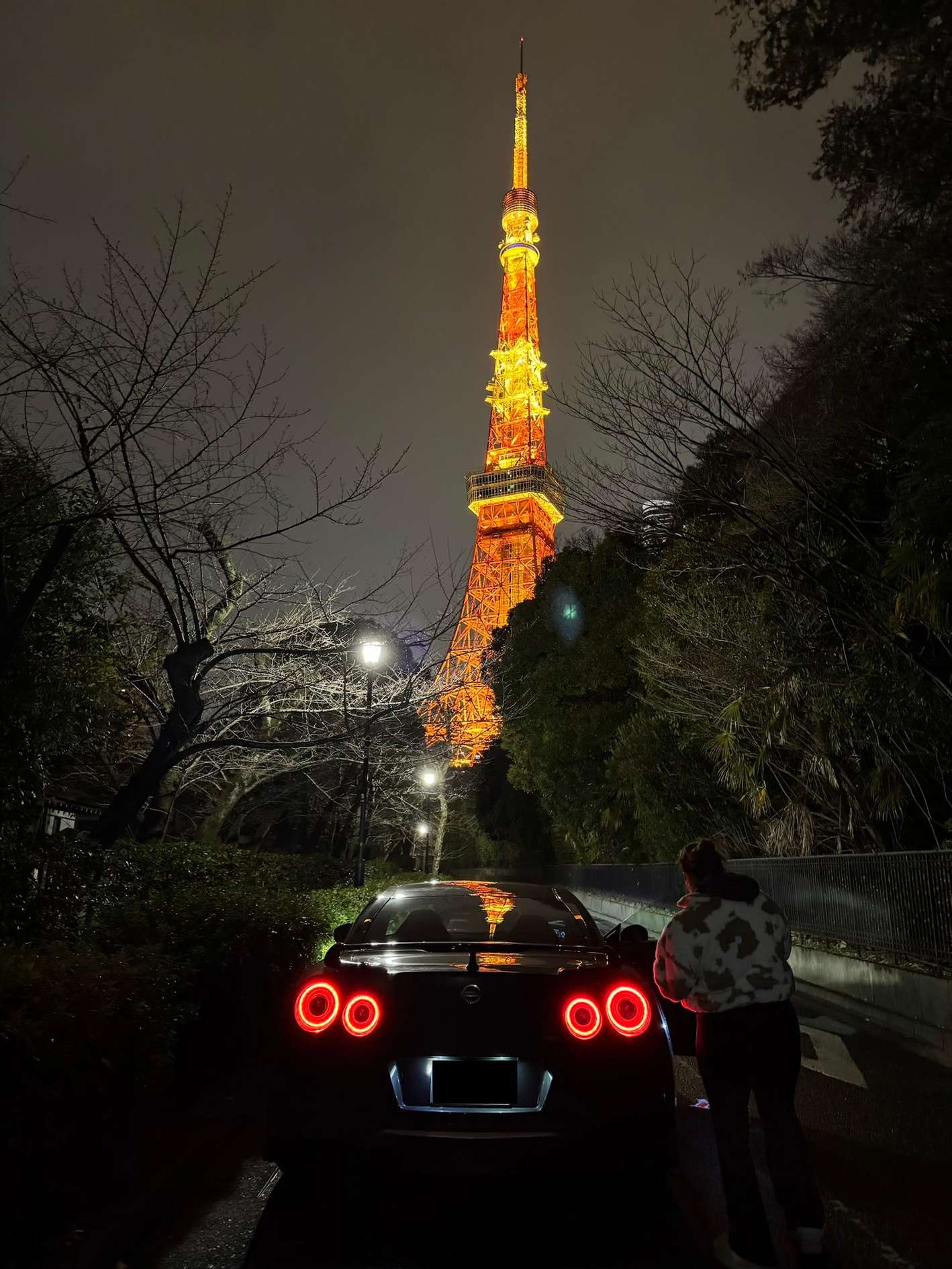
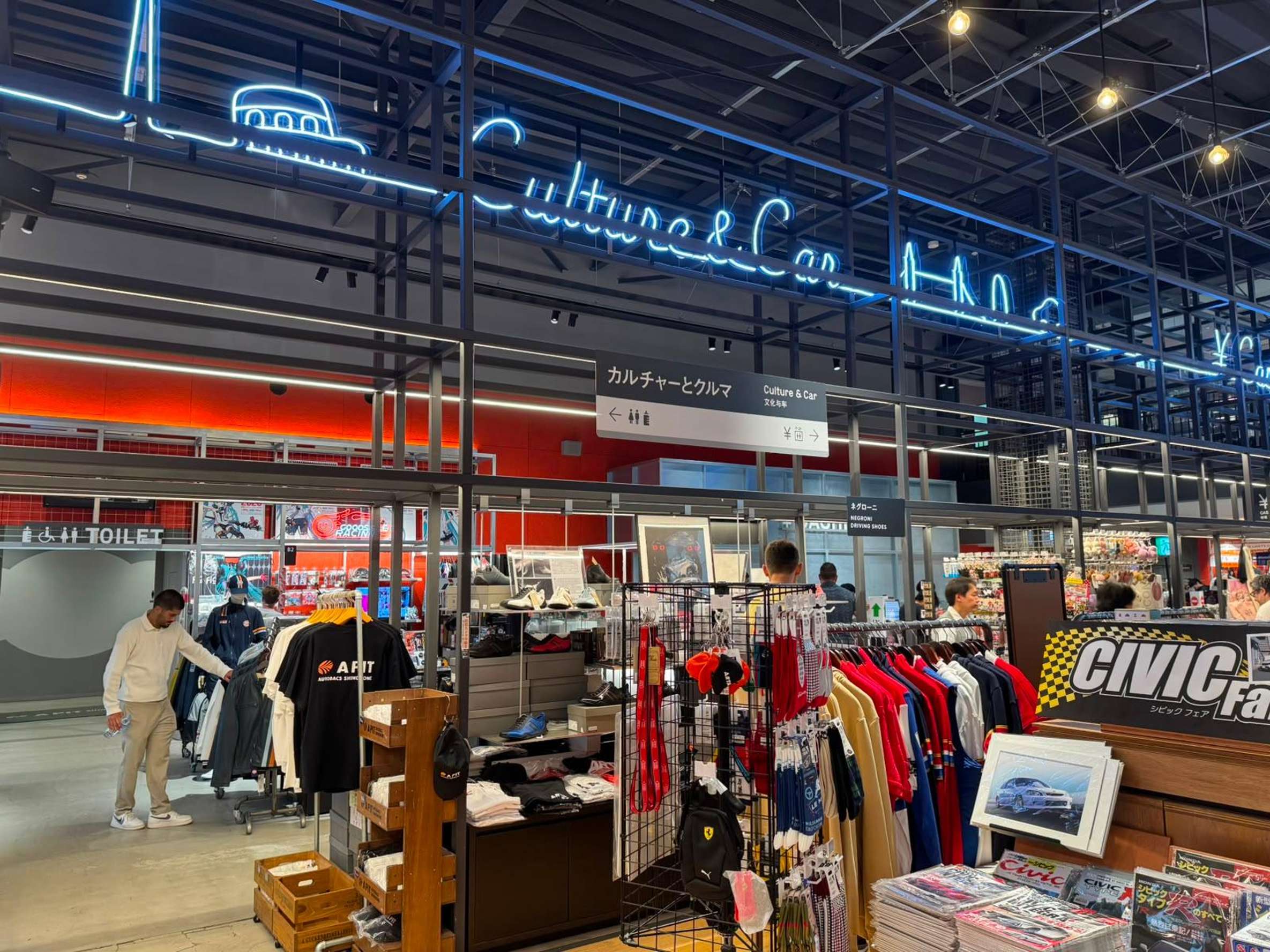
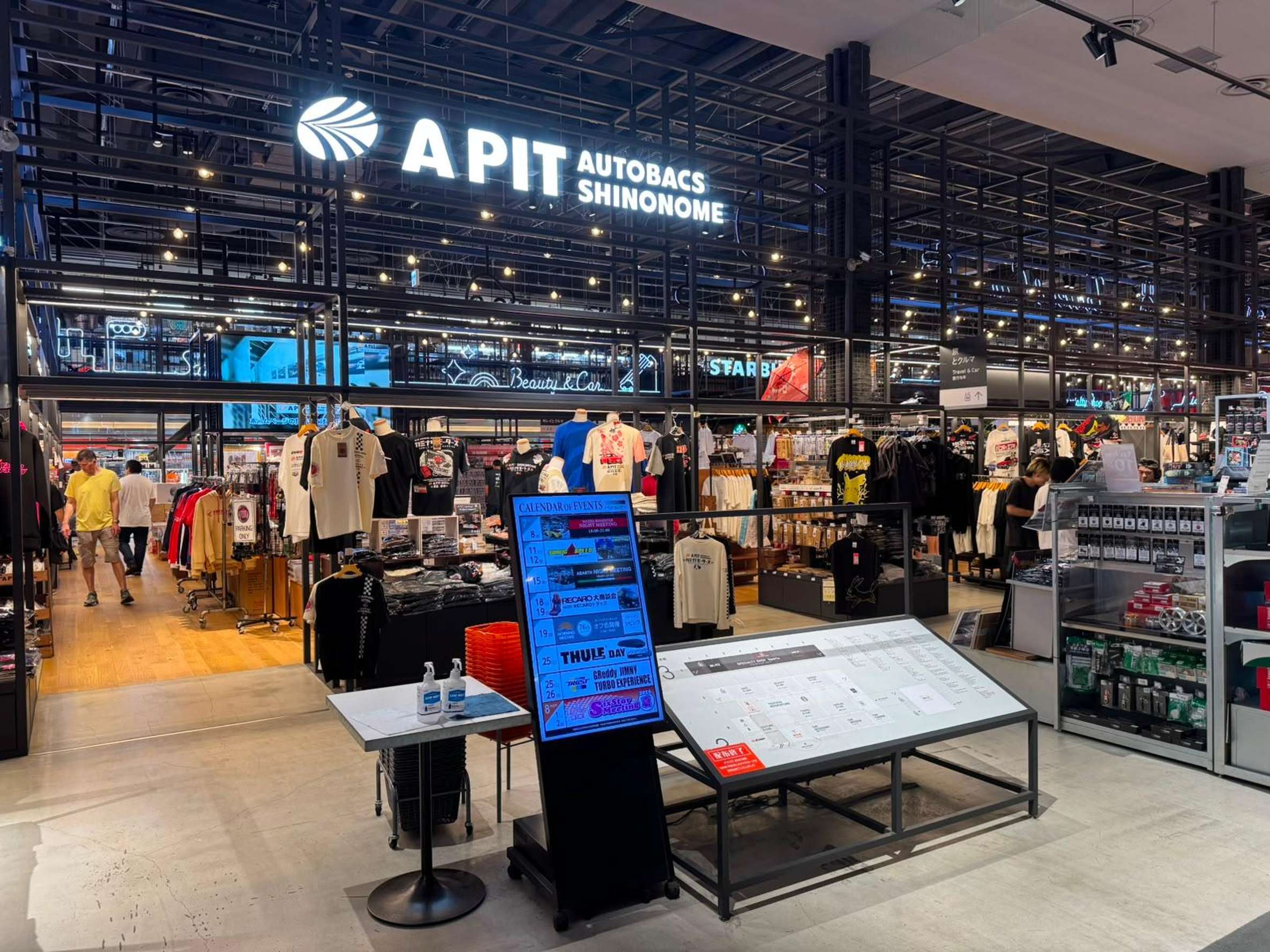
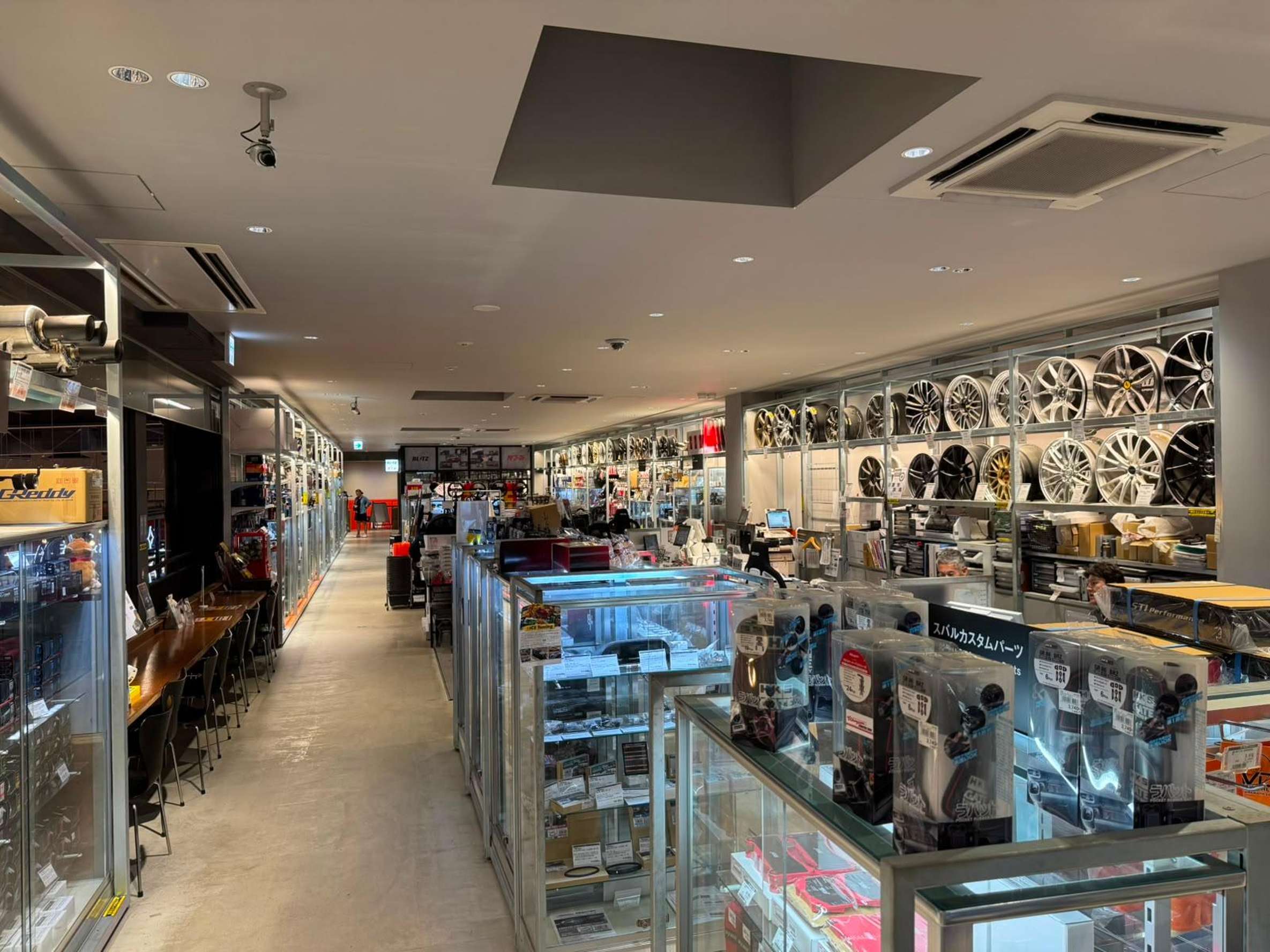
Photo and video support is included at the best stops, along with shopping time at Liberty Walk Tokyo and the A PIT Autobacs store, a break at Shiba Park with the tower lit above, and drop-off back in central Tokyo.
Insurance and support for safe driving are covered, and cancel up to 24 hours ahead for a full refund.
Meeting point2 places, depending on your optionThe tour finishes back where it started, next to the park in central Tokyo, with hotel or designated-location drop-off available within central areas.Street View2LIBERTY WALK TOKYO· 40 minThe shop of one of Japan's best-known tuning brands, a global face of modern JDM culture. You get 40 minutes for photos, browsing and free time.Street View3Shibuya Crossing· 5 minA quick drive-through of Shibuya's neon-lit streets, the crossing made famous in racing films and games.Street View4Hachiko Statue· 5 minThe famous dog statue steps from the crossing, with a short walk around Shibuya before the convoy moves on.Street View5Rainbow Bridge· 0 minThe convoy crosses the bridge over Tokyo Bay, with the illuminated skyline spread out on both sides. A highlight of the night drive.Street View6Daikoku Parking Area· 45 minJapan's legendary car meet spot on the expressway, wrapped by the spiraling ramps and concrete pillars of the Daikoku Interchange. You get 45 minutes among modified Skylines, Supras and street builds, with a guided tour of the scene.7autobacs Shinonome· 30 minThe A PIT Autobacs store, one of Tokyo's largest automotive shops. 30 minutes to browse parts, see parked sports cars and pick up souvenirs.Street View8Shiba Park· 10 minA photo break beside Tokyo Tower, with about ten minutes for pictures and a stretch before the ride back.From this tourDrop-off2 places, depending on your optionOne of the central Tokyo drop-off points at the end of the night.Street View
Where the other tours go
Daikoku Parking AreaTokyo Tower
Daikoku:Experience Tokyo's Car Culture in Iconic JDM Cars
Night city drive through Tokyo for unforgettable scenic viewsOpportunity to see Rainbow Bridge with Tokyo Bay night viewsPhoto and video support at recommended spotsInsurance and support for safe driving (driver or passenger included)Enjoy complimentary hotel drop-off or designated location drop-off within central areas of TokyoYou do not need an international driving permit, as we will arrange a driver for you
Not included
Food and drinksPersonal expensesSmoking and drinking
Which self drive Daikoku tour fits your night - every option side by side
Green marks the lowest price. Each price says whether it is per person or per group.
Tour
Price
Duration
Pickup
Languages
Best for
Our pick
Tokyo: Fast and the Furious Tokyo Drift III JDM Car Tour
4.8★ (880)
from $105per person
3 hours - 1 day
no
Chinese, English, Japanese
movie fans who want the Tokyo Drift spots without holding a license
Most reviewers praise their guide by name as friendly, knowledgeable and happy to talk cars all night.
Best surprise
Many say riding in a multi-car convoy feels like a film, with a line of JDM cars cruising together.
Most common wish
Several wished the night lasted longer when police ended the Daikoku meet early.
Booking your self drive night at Daikoku - step by step
01
Pick your night and departure slot
Choose a weekday if you want a relaxed lot, and take a 7:30 pm departure, which skips the evening highway rush while the meet is at its busiest. On Friday through Sunday, go for a 4:30 to 5 pm start so you park before the crowds peak.
Pro tipOn weekend nights police can close the lot as early as 7:30 pm, so an early departure buys you the best hour of the meet.
RecommendedPeak spring and autumn weeks fill fast. For a specific car like an R34, lock in your date two to six months ahead.
02
Choose the car and transmission
Decide between a manual and an automatic before you book. An automatic means no left-hand gear shifting in traffic, while a manual R34 or similar gives you the full classic drive, and some operators will check that you can handle a clutch before confirming the booking.
Common mistakeFirst-timers book a manual for the looks and then sit in Tokyo traffic on an unfamiliar gearbox. Be honest about your clutch time.
RecommendedTell the operator which car you want when you book, since availability changes with maintenance days.
03
Sort your driving documents
Get a paper International Driving Permit issued under the 1949 Geneva Convention from your home country before you leave, and pack it with your original license and passport. Digital permits and photocopies are not accepted.
ImportantLicenses from Germany, France, Switzerland, Belgium, Monaco, and Taiwan do not work with an IDP. You need an official Japanese translation of your home license instead.
Pro tipAn IDP cannot be issued inside Japan, so sorting it at home is the one step you cannot fix on arrival.
04
Book and read the confirmation
Reserve your slot, then check the confirmation for the meeting point or pickup details and the exact start time. Most bookings cancel free up to 24 hours in advance, so you can hold a date while your documents are still on the way.
Common mistakeSkimming past the confirmation message. The meeting point and any timing changes arrive there, and operators send updates by email or messaging apps if traffic shifts the start.
05
Know the weather plan before you go
Expect the run to go ahead in ordinary rain, with the convoy using smoother throttle and longer following distances. For typhoons or expressway closures, operators reschedule the booking or cancel with a full refund.
RecommendedRain thins the turnout of show cars, but regulars and tuned Japanese cars still show up, so a wet forecast rarely wastes the night.
Pro tipMay to September brings the most wet days, so build a spare evening into your Tokyo plan if you book in that window.
What to know before you book a self drive tour to Daikoku
Can stop the dayGood to knowGood news
01
ChoosingWhat it is, who it suits, when to go
3
Lead car
A guide drives a lead car and you follow it the whole way, so nobody in the convoy has to work out the Shuto Expressway's tangled junctions and lane changes alone. On the radio, the lead car announces each lane change and the rear car confirms the lane is clear before anyone moves.
ClosuresCan stop the day
Police shut Daikoku PA without notice when crowds, noise or revving get out of hand, most often on busy weekend nights. If that happens on your run, the convoy diverts to another meet spot such as Umihotaru PA across the bay, Tatsumi PA, or A PIT Autobacs in Shinonome.
Damage
Damage caused by negligence, misuse or ignoring instructions can become the participant's financial responsibility on some self drive tours. Drive to the guide's pace and follow every instruction, and this stays a non-issue.
02
BookingHow far ahead, and what happens if plans change
2
Weather
Ordinary rain does not stop a convoy; drivers simply use smoother throttle and braking inputs and keep more following distance. Typhoons and expressway closures are a different story: the operator reroutes to an alternative spot, reschedules, or cancels with a full refund. Disruption risk peaks between May and September.
Cancellation
Each tour allows cancellation up to 24 hours before the start for a full refund, so booking early costs you nothing if plans shift. That flexibility matters when typhoon season can move a departure at short notice.
03
Before you goPapers, health, what to bring
2
DocumentsCan stop the day
To drive in Japan you need a physical paper International Driving Permit issued under the 1949 Geneva Convention, shown with your original home license and passport. Permits under the 1969 Vienna Convention, digital permits and photocopies are not accepted. Drivers from Switzerland, Germany, France, Belgium, Monaco or Taiwan instead need an official Japanese translation of their license.
Minimum age
Japanese law sets the legal minimum driving age at 18, and it applies on expressways just as it does on city streets. Whoever takes the wheel on a self drive convoy needs to meet it.
04
During the tourWhat is expected of you
1
Transmission
An automatic car takes the left hand out of the equation, since you never shift gears on Japanese roads. Book a manual only if you can already work a clutch confidently in traffic, because some operators check manual experience before approving the booking.
Daikoku self drive - the papers, the car and the night
A highway rest stop in Yokohama Bay holds the world's most wanted JDM builds every night, and visitors can legally take the wheel themselves. The papers decide whether you drive or ride; sorting them out early decides the whole trip.
Yokohama· 35.67° N, 139.70° E
If you only remember three things
1
Bring a paper 1949 Geneva Convention IDP from home; Japan cannot issue one after you land.
2
Roll out between 4:30 and 5 pm on weekends, because police have closed the lot as early as 7:30 pm.
3
There is no way off Daikoku PA on foot and no taxi rank, so your seat out is the seat you arrive in.
Is a Daikoku self drive worth it?
Three ways exist to do this night: sit as a passenger in someone else's JDM build, rent a car and find your own way, or join a self drive convoy where a lead car sets the pace.
For anyone who wants the wheel, the third wins. The route out and back is handled, the expressway tolls are covered, and your hands stay on the gearshift the whole time.
Timing decides the night as much as the car does. Weekend convoys roll out between 4:30 and 5 pm, because police have been known to close the lot from 7:30 pm when crowds peak. On weeknights a 7:30 pm departure skips the commuter jam and still catches the cars.
Book early, whichever way you go. Specialist JDM fleets in Tokyo fill prime spring and autumn slots two to six months out, and the R34 GT-R goes first.
A traveler's note
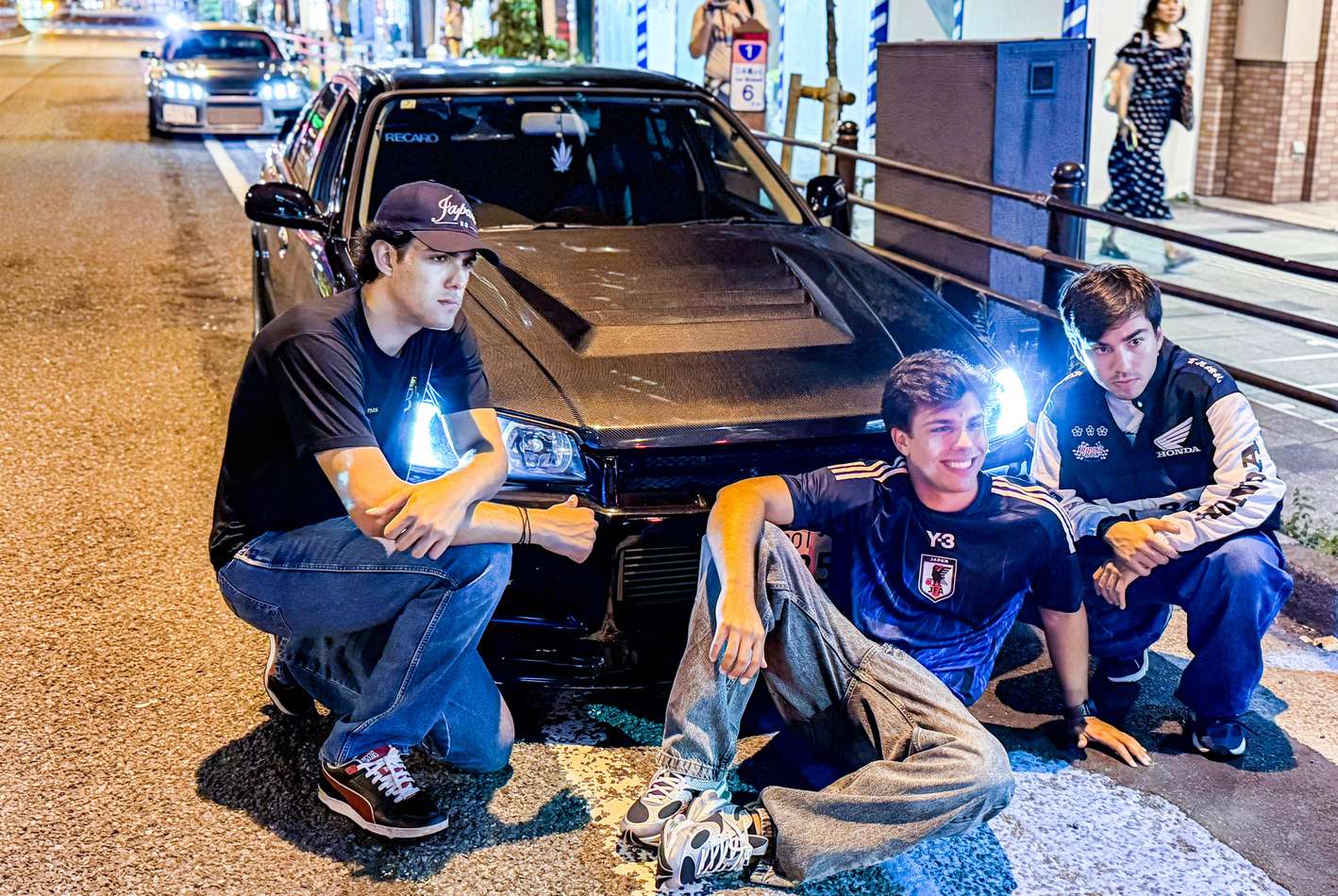
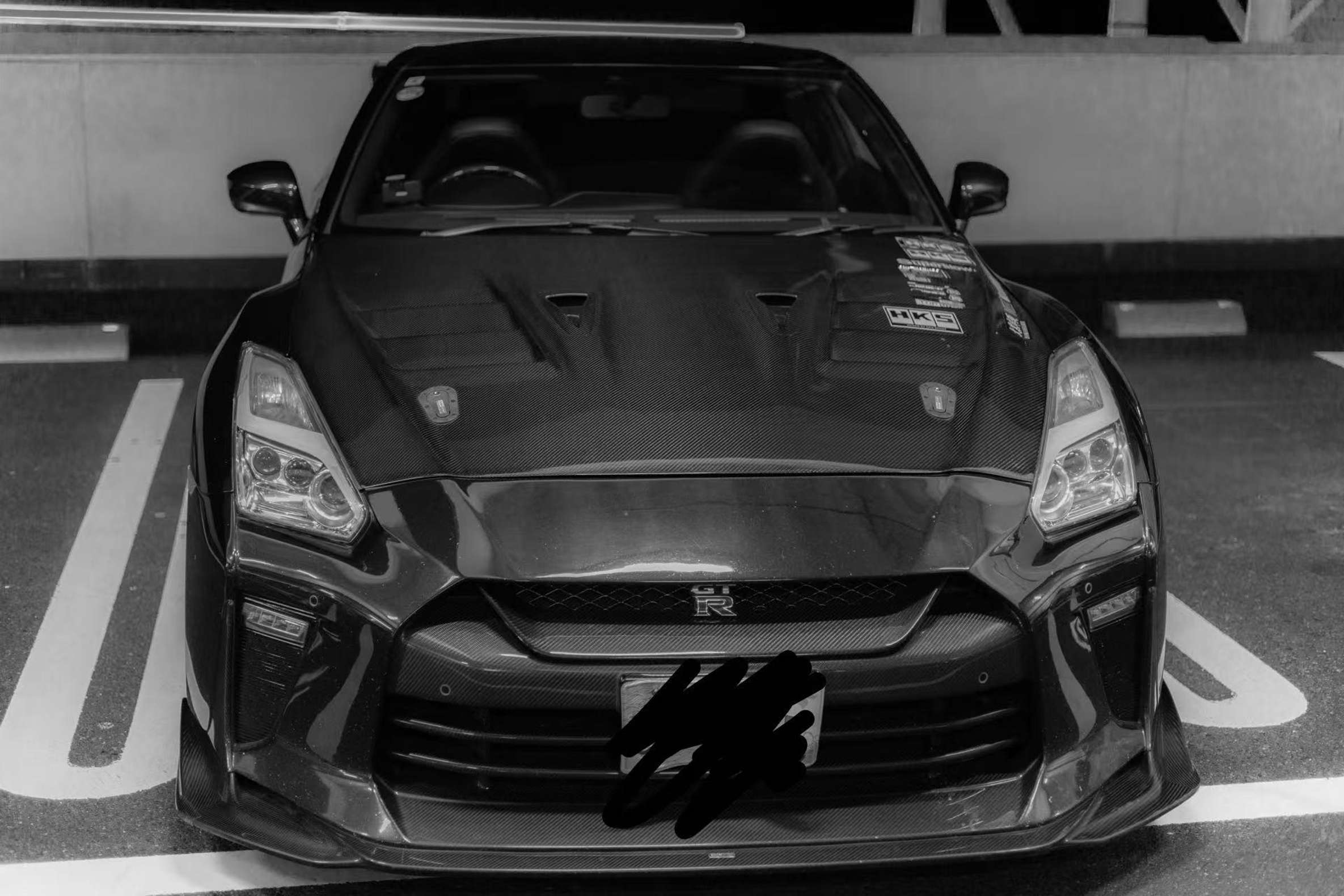
1000/10, must do! James was professional, skilled, friendly, and a great photographer. Amazing custom GTR. Saw incredible JDM, classic, and exotic cars at Daikoku PA, plus Autobacs and a great Tokyo Tower view.
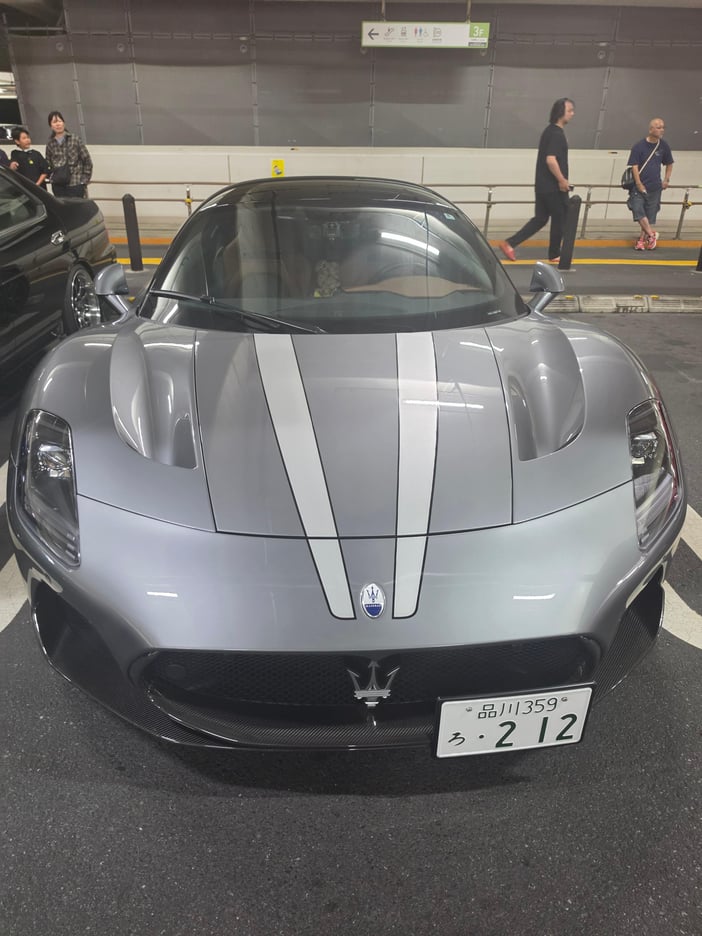
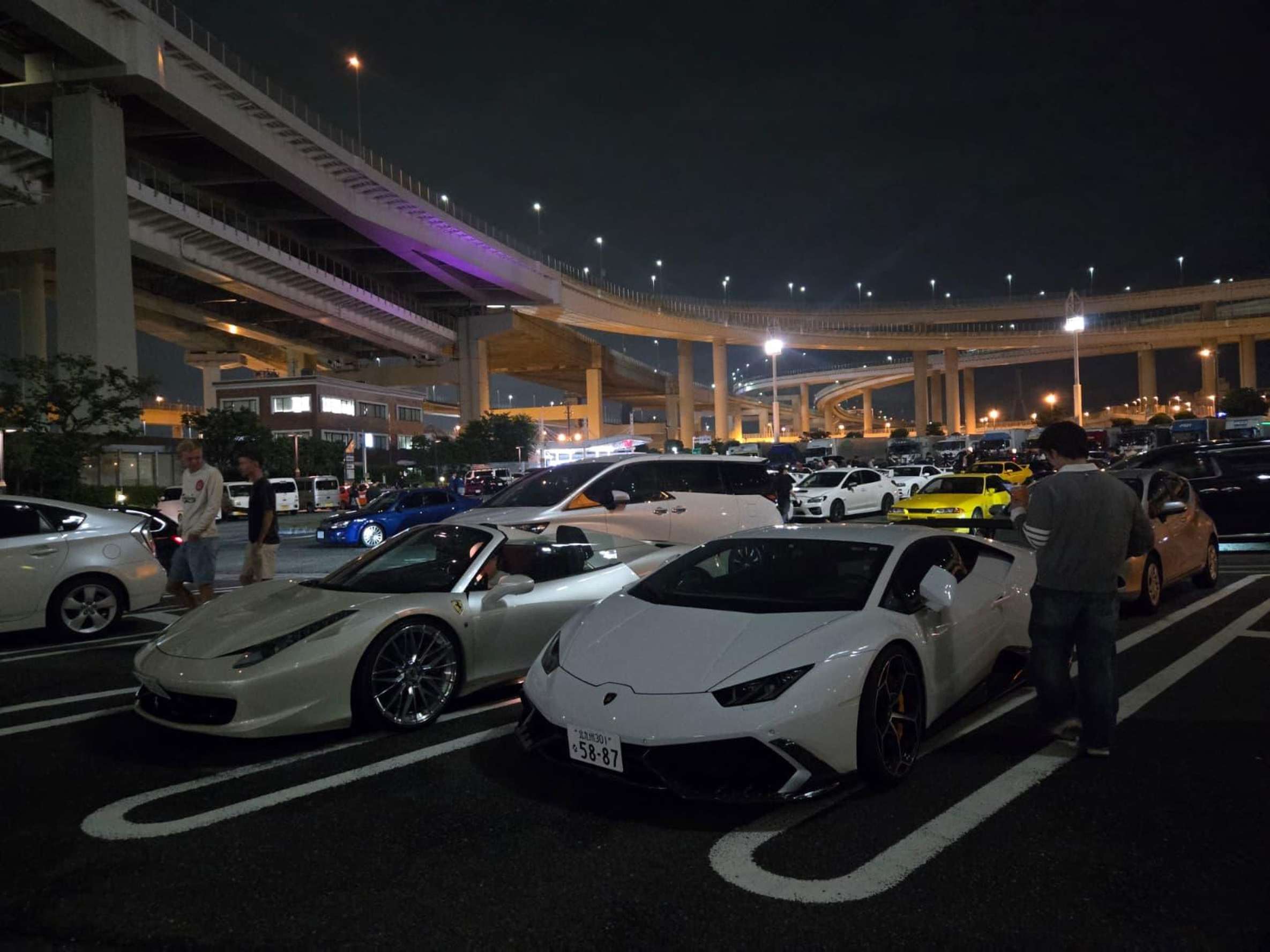
Daikoku Parking Area is a working public rest stop. Nobody organizes the show. The cars that show up change every night, and no listing can promise you a Skyline or a Supra on any given evening. You park, walk the deck, and take the night as it comes.
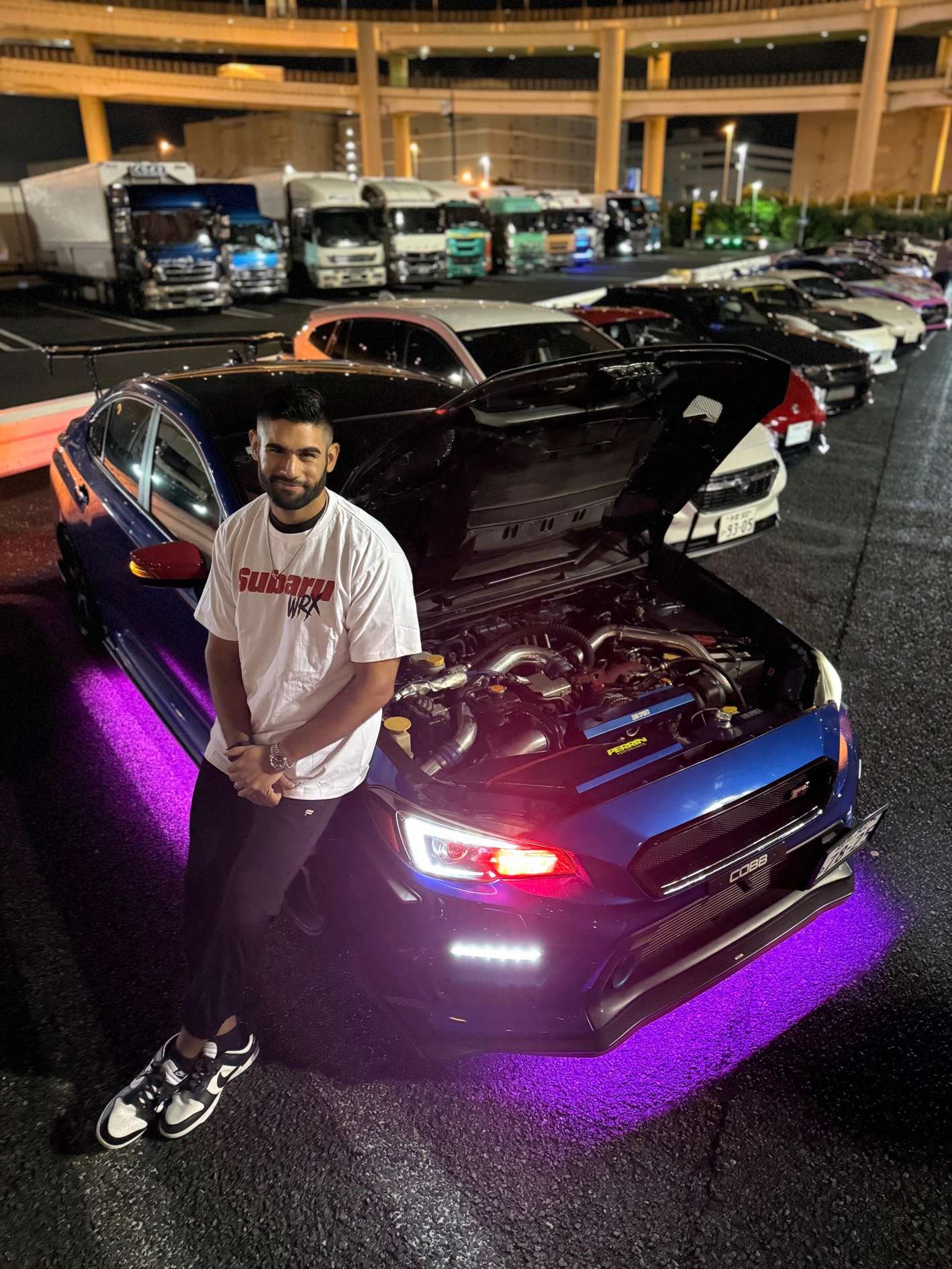
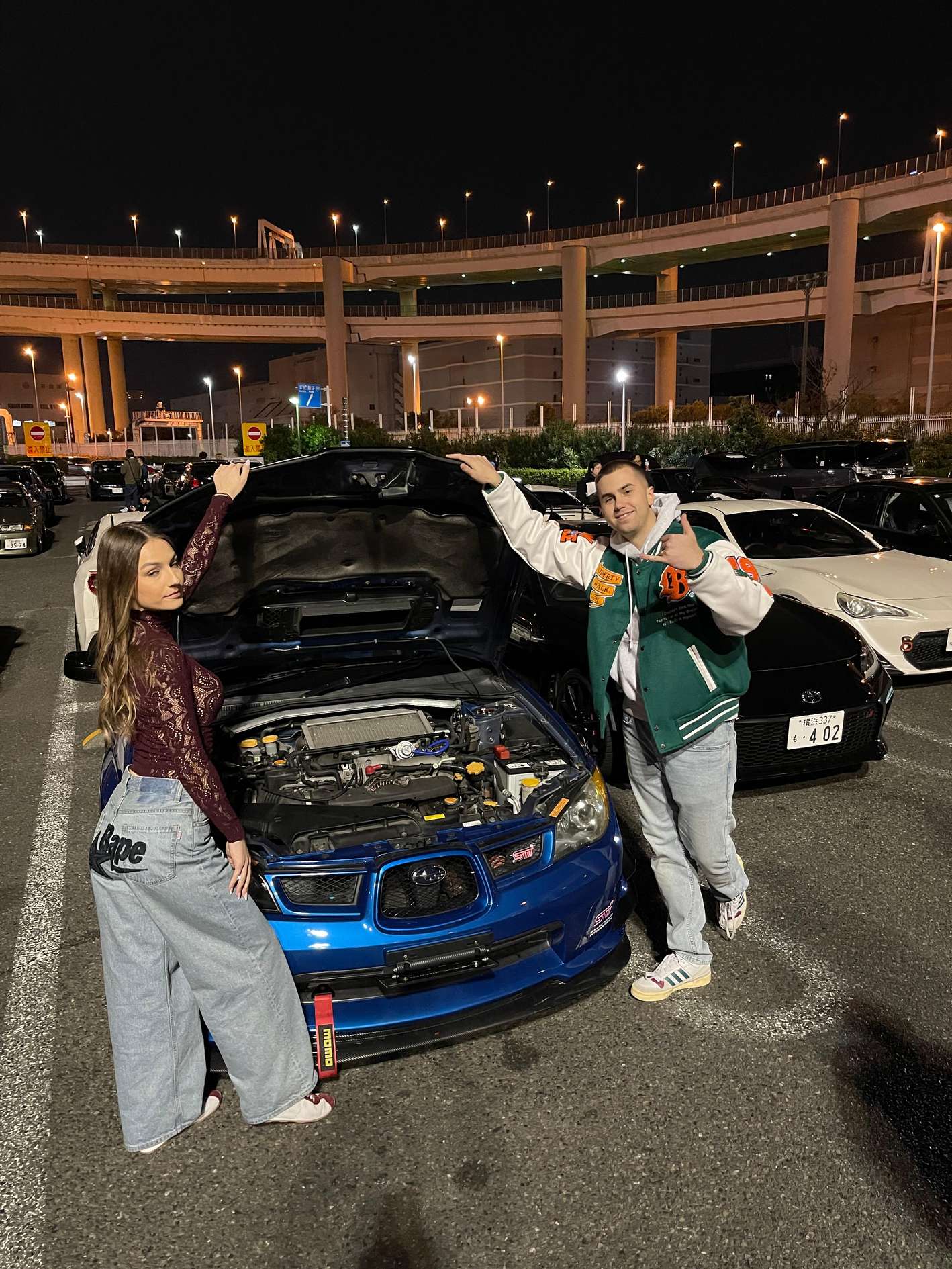
The setting carries it. The lot sits inside Daikoku Junction, wrapped by spiraling ramps and tall concrete pillars that were drawn with compound curves looking like abstract sculpture from the air. Behind every parked car stands that backdrop.
Expect car-spotting luck, not a car show. No drifting happens here either; the meet is parked metal, and street drifting stays on sanctioned tracks.
How the evening unfolds
1
Late afternoon
Convoy assembles in central Tokyo and rolls out ahead of the commuter peak
Lead car sets the pace
2
Early evening
The run crosses the Rainbow Bridge and the Wangan Route toward Yokohama Bay
Tokyo Tower photo stops on some routes
3
Around 6 pm
An hour or so parked at Daikoku among the builds
Lawson on site stays open all night
4
Later
The convoy reforms for the run back into the city
Standard trips run three to four hours round trip
One good way in is the Fast & Furious Experience: Skyline R34/Daikoku & Night Drive, a 3.5-hour run along the Bayshore Route and Rainbow Bridge with the Daikoku car meet and Super Autobacs A-Pit included.
Tour for this
Fast & Furious Experience: Skyline R34/Daikoku & Night Drive4.9★ (143) · 3.5 hours · Free cancellation
Which night to self drive to Daikoku for the best cars
Pick your night by appetite. Friday fills from 5 pm with Japanese tuner builds, then police often clear the lot between 7:30 and 8:30 pm.
Saturday draws the week's biggest and most varied crowd, JDM heroes mixed with exotics, and carries the highest closure risk. Weeknights bring fewer cars and almost no police risk, which suits browsing and talking to owners.
Cars start arriving from 4:30 pm on weekends and closer to 7:30 pm midweek. Sunday mornings run a different show entirely: vintage Japanese classics and European supercars in daylight, between 8:00 and 11:30 am, with hardly any police presence.
The trade is crowds against shutdown risk. Peak turnout runs 6:00 to 8:30 pm on Friday and Saturday, exactly when dispersals begin.
Modified sports car turnout by day
Sat: the busiest. Peak turnout from 6 pm, with frequent closures by 8:30 pm.
Bar height: how busy each day is, from very quiet to the busiestThe busiest: Sat
Tap a day to read it.
The same pattern holds across the year. The lot swells most in April and May, when Tokyo's travel season peaks, and quiets through the rainy summer months.
How busy it gets, month by month
April: 5 out of 5 for how busy it gets.
HighestMar to May, Nov
In betweenDec to Jan
LowestFeb, Jun to Oct
Darker: a higher how busy it gets score, out of 5
Tap a month to read it.
That seasonal swell matches the fleets: the same spring weeks that pack the meet also book out the best cars months ahead.
Skip Saturday nights in Golden Week or Obon unless you want the year's biggest crush; the lot can stay shut until 2 am Thursday is the quiet insider pick, a solid turnout without the weekend shutdowns.
Tour for this
Tokyo: JDM Night Run in EVO, WRX & Skyline to Daikoku4.9★ (1,056) · 3 - 4 hours · Hotel pickup · Free cancellation
Self drive papers - can you legally drive in Japan?
The paper decides whether this night happens. To take the wheel you need an original paper International Driving Permit issued under the 1949 Geneva Convention, carried with your valid home license and your passport. A 1968 Vienna Convention permit, a digital copy or a photocopy gets you nowhere at the counter.
Arrange the permit in your home country before you fly. Japan issues none after arrival, and the paperwork cannot be fixed on the day.
Licenses from Switzerland, Germany, France, Belgium, Monaco and Taiwan follow a different path: those jurisdictions do not issue 1949 permits, so drivers carry their national license with an official Japanese translation from JAF or their embassy, good for up to a year from entry.
Documents Required to Drive in Japan
1949 Geneva Convention IDP bookletMust be an original paper booklet issued under the 1949 convention. Digital permits and 1968 Vienna Convention formats are strictly invalid.
Original domestic driver licenseYou must carry your physical, valid home-country driver license at all times alongside your permit; an IDP is never valid by itself.
Passport with entry stampPolice and rental car agencies require your passport with a landing verification stamp to prove entry into Japan within the past 12 months.
Official Japanese translationRequired instead of an IDP for licenses from Switzerland, Germany, France, Belgium, Monaco, or Taiwan, issued by JAF or consular offices.
The legal minimum age to drive on Japanese expressways is 18 years old. Check the convention stamp on your permit before you book anything.
Tour for this
Tokyo: JDM Performance Car Tour with Planned Daikoku Stop5.0★ (659) · 3 hours · Free cancellation
Which car to self drive - manual hero or automatic confidence?
Left-hand-drive drivers adapt to a right-hand cockpit faster than they expect, usually within the hour. The stumbles are small: reaching for the wipers instead of the turn signal, and lane positioning on the wrong side of the car.
Then the transmission question. An automatic removes the left-hand gearshift entirely, which settles the nerves of anyone unsure. A manual R34 is the dream, but operators verify that you can run a clutch confidently in real traffic before approving the booking.
Match the car to your hands, not your hero list. A non-GT-R build such as an R34 GTT gives you the same silhouette in the photos without horsepower you can never use inside convoy speed limits.
How to choose a self drive car for the Daikoku run
Check
Why it matters
Our pick
Manual ability
Manual bookings require confident clutch work in traffic
Swap-and-drive fleet lets you feel several cars at stops
Rear seat space
Vintage coupes have cramped back seats for adults
Three riders per car keeps space honest
Height and build
Very tall or heavy passengers struggle in bucket seats
Small-group format eases the squeeze
Model certainty
Specific models depend on the day's availability
Multiple cars swap at each stop, subject to bookings
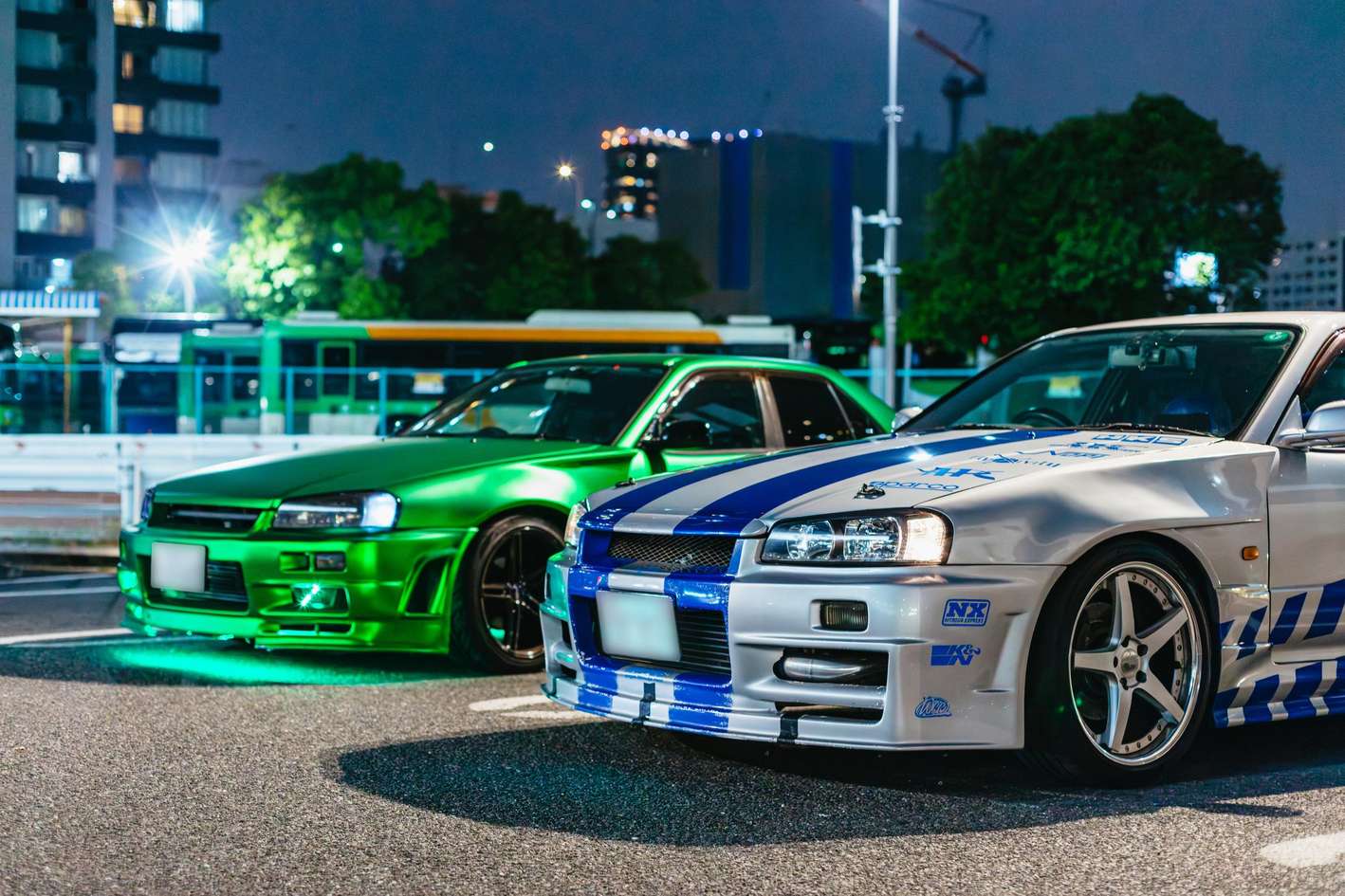
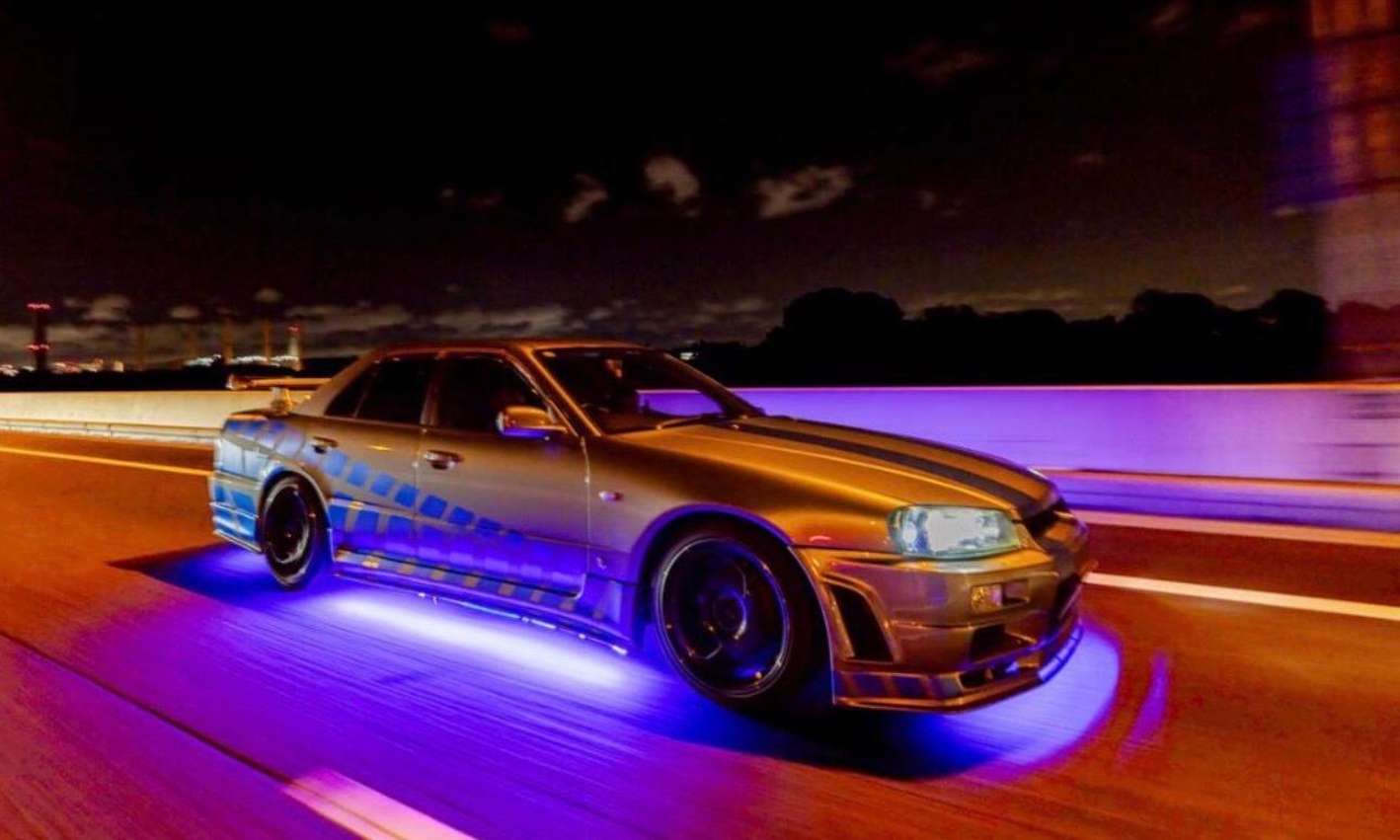
The Daikoku:Experience Tokyo's Car Culture in Iconic JDM Cars tour runs this swap format: 3.5 hours, three riders per car, moving between an Evo 9, an Evo 8 and a Bayside blue R34 Skyline as the day's lineup allows, with pickup and drop-off included on runs after 10 pm.
Tour for this
Daikoku:Experience Tokyo's Car Culture in Iconic JDM Cars4.9★ (977) · 3.5 hours · Hotel pickup · Free cancellation
The self drive route - Rainbow Bridge, the Wangan and the lead car
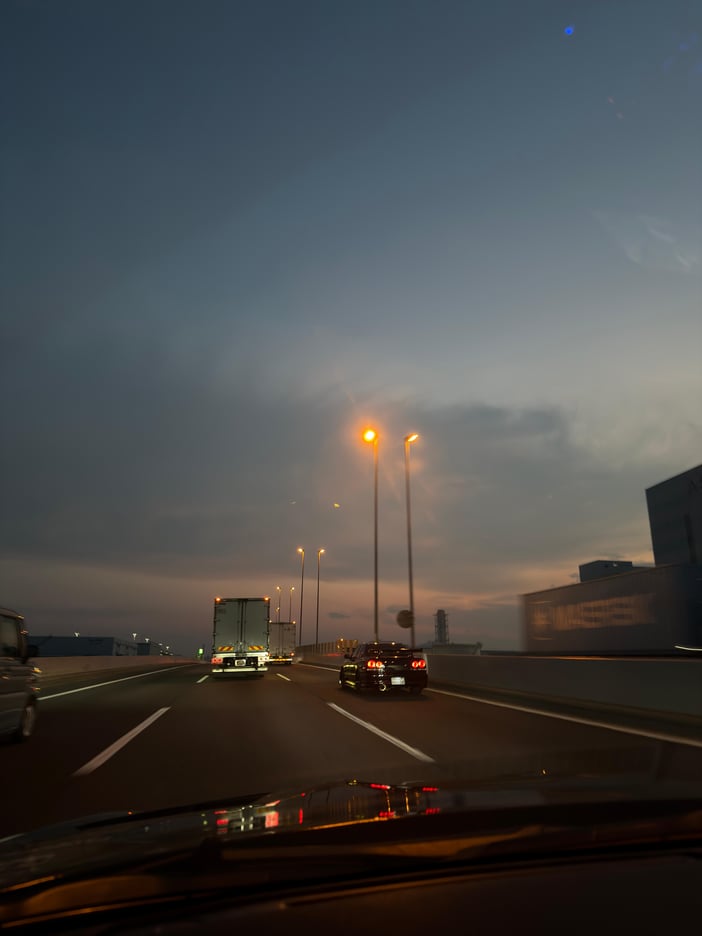
The classic run leaves central Tokyo, crosses the Rainbow Bridge over Tokyo Bay, joins the Wangan (Bayshore) Route, and exits at Daikoku Junction on Kanagawa Route 5.
The Shuto Expressway makes that drive harder than it sounds. Lanes run narrower than most highways, exits sit on both the left and the right, the final approach to Daikoku is a long circular off-ramp spiraling to the deck, and phone navigation loses its fix where the road runs overhead or through tunnels.
The lead car is the whole solution. It reads the route and the lane changes; the rear car confirms over two-way radio that the lane is clear before anyone moves. You drive, you follow the lights ahead, you miss nothing.
The drive-time numbers you will see differ for a reason worth knowing.
A guided convoy covers the run in about 30 to 45 minutes each way from its pickup point, while the pure private-car figures run longer, roughly 52 minutes from Shinjuku over 36 kilometers and 46 minutes from Shibuya over 39, because those count a solo drive with no traffic and no pickup stops.
Laying the options side by side makes the point bluntly: a car is the only way in, and the guided option eats the navigation problem for you.
So trains and walking never enter the picture for this rest stop, whatever a map app suggests.
The distances themselves stay short. From central Tokyo hubs you are looking at under an hour behind the wheel in good traffic, which is why the whole night fits inside three to four hours.
Drive time and distance to Daikoku PA
35.8 kmDistance from Shinjuku
52 minDrive time from Shinjuku
38.9 kmDistance from Shibuya
46 minDrive time from Shibuya
City legs through Shibuya or toward Tokyo Tower crawl in traffic; speeds open up once the convoy merges onto the expressway.
Tour for this
Fast and the Furious III/Tokyo Tower/Daikoku PA/JDM Car Meet4.8★ (346) · 3 - 4 hours · Free cancellation
Renting and driving alone instead of a self drive convoy
Independence has a real bill. A specialist JDM rental puts an R34 GT-R in your hands for a nightly rate far above an ordinary rental car, and the specialist shops sit out in suburbs like Noda, Chiba, roughly two hours from central Tokyo. Prime models book two to six months ahead.
The mechanics stack up too. You show your IDP or, for some nationalities, a JAF translation, plus your passport at pickup.
An ETC card handles the toll gates automatically; without one you use the general lanes, pay by cash or card at the machines, and if you drift into an ETC-only lane the barrier stays shut while you wait for staff on the intercom.
Renting solo means solo navigation, through the same multi-level junctions and one-way rules a convoy lead car absorbs for you.
Three assumptions about the solo plan fall apart the moment you price it and trace the route.
What people get wrong
MythRenting alone saves money
Reality
The nightly rate for a hero car, tolls, fuel and the ETC card add up fast
MythThe route is easy alone
Reality
Exits on both sides and spiral ramps defeat first-timers without a lead car
MythTokyo car culture is an outlaw street scene
Reality
Expressway traffic is tightly monitored and strictly orderly, and legal tours run fully within the law
Whatever you believed, the honest ledger of a solo rental night, rate, tolls, fuel and hours lost to navigation, keeps it grounded.
Driving yourself
Rent a car in TokyoCompare cars from the rental companies in one search, then pick yours.
Dress for an open coastal deck in Yokohama Bay. Winter nights from December to February drop to near freezing with an ocean wind, so a heavy coat, thermal layers and gloves earn their place.
Spring and autumn nights run cool enough for layers and a windbreaker; summer stays warm and humid in light clothing. Flat walking shoes work year-round because you cross a big deck on foot.
Pack foam earplugs. Sound vans holding audio battles have been measured near 150 decibels, loud enough to hurt.
Alcohol ends the drive before it starts. Japanese law prohibits driving with any alcohol in your system, so the drink waits for the return.
RecommendedWhat to pack: Pack seasonal layers and flat shoes for the open-air deck, foam earplugs for the sound vans, your paper 1949 IDP with your home license and passport for every check, and some cash for the Lawson.
One more money note: damage caused by negligence or ignoring instructions can become the participant's financial responsibility, and drive gently through rain with longer following distances.
Tour for this
Tokyo: Night JDM Car Cruise to Daikoku PA or Alternate Stop4.8★ (805) · 3 hours - 4 days · Hotel pickup · Free cancellation
If police close Daikoku during your self drive run
Closures happen at police discretion; there is no fixed schedule. Expressway police shut Daikoku's ramps when modified cars crowd out ordinary travelers or noise complaints pile up, most often on weekend nights between 7:30 and 9 pm, and they broadcast a dispersal over patrol loudspeakers when it happens.
Guides plan for it. If the gates close before you arrive, the convoy reroutes to Umihotaru Parking Area out on the Aqua-Line, to Tatsumi PA along the Bayshore Route, or to A-PIT Autobacs in Shinonome. Some photo stops carry on regardless.
Rain only thins the turnout. Wet nights send the exotics home, but the regulars still show. Only typhoons, heavy snow and bridge-closing winds stop the night, and then operators reschedule or refund.
When the night changes
If this happens
What happens then
Police close Daikoku before you arrive
The convoy reroutes to Umihotaru PA, Tatsumi PA or A-PIT Autobacs instead
Severe storm, typhoon or expressway closure
The operator contacts you in advance to adjust the route, reschedule, or cancel with a full refund
Regular rain on the night
Tours run as scheduled with a thinner meet; guides keep umbrellas on hand
Heavy snow forecast
The expressway authority closes the parking area completely and clears vehicles
The Tokyo: Night JDM Car Cruise to Daikoku PA or Alternate Stop tour is built around exactly this: it plans Daikoku when open and diverts with fluent English guides, tolls and fuel covered, and a photography service running through the trip.
Tour for this
Tokyo: JDM R34 Skyline drive & Daikoku PA car meet4.9★ (267) · 3 - 6 hours · Hotel pickup · Free cancellation
The cars belong to their owners, and the rules are unwritten but enforced by glares. Nobody touches, leans on or sits on a car without permission. Watches and rings scratch paint, so hands stay in pockets near bodywork, and no hood-sitting photos.
Noise is the one that gets everyone sent home. Excessive revving, peel-outs and burnouts inside the PA are exactly what bring police in early, so a convoy that keeps quiet keeps the meet open.
When the loudspeakers announce a dispersal, everyone packs up calmly and exits onto the expressway. Toilets and the 24-hour Lawson generally stay open through a closure.
What nobody tells you
A watch can mark paint
Metal against bodywork costs an owner a respray, so keep jewelry clear
The loudspeaker means pack up calmly
Dispersals are orderly; cars file onto the expressway without drama
No car is guaranteed
The meet is spontaneous, so even 7's Day and 86 Day bring no promise of RX-7s or AE86s
Stay off the entrance ramp
Spectators there stand beside high-speed expressway traffic
The legal frame matters too: this is a public rest stop, tours run fully within traffic law, and walking in on foot is illegal and fenced off.
Tour for this
Tokyo: Fast & Furious Tokyo Drift III Experience4.8★ (6,369) · 3 - 4 hours · Free cancellation
Plan the return before the engines start. Daikoku PA has no train, no bus and no pedestrian gate; the fences are closed and walking out is illegal. There is no taxi rank, ride-hailing drivers rarely accept pickups from highway service areas, and during a police shutdown the apps cannot reach inside at all.
Trains make the second trap. Standard evening tours return between 10 pm and 11:30 pm, ahead of the last Tokyo Metro and JR services around midnight. Midnight runs finish between 12:30 pm and 2:30 am, during the rail shutdown, which is why they include hotel drop-off.
Build the way home into the booking while you compare tours, because the last train will not wait for you.
If you get stranded
No exit on foot, no taxi stand, ride-hailing apps rarely reach inside Daikoku PA, and they cannot during a police shutdown Arrive and leave in your own seat; choose a booking with drop-off, or fix a car that waits for you
A DIY round trip by metered taxi runs up expressway tolls each way, waiting time on the meter and a late-night surcharge after 10 pm, which is why most self drivers let the convoy handle it.
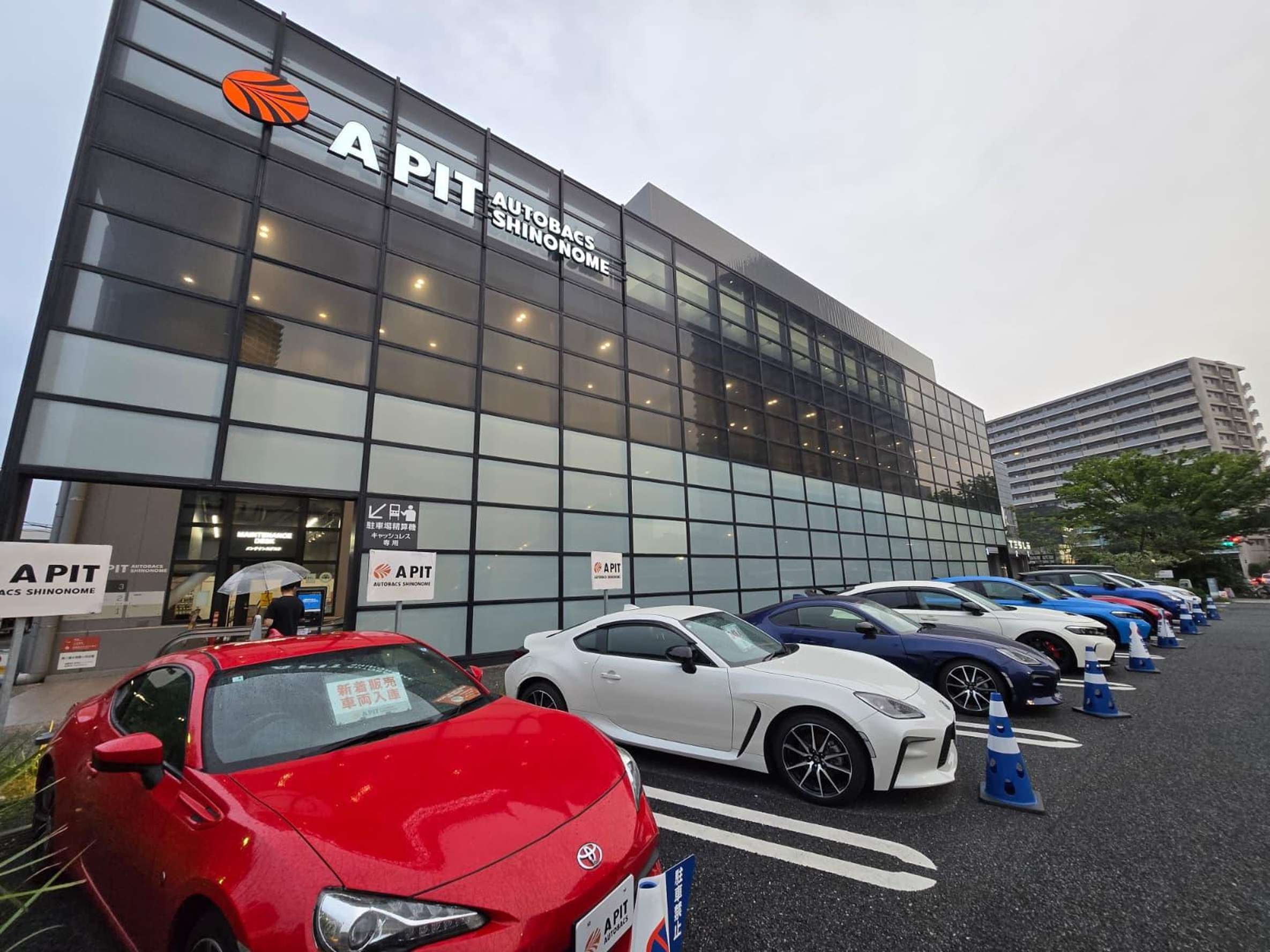
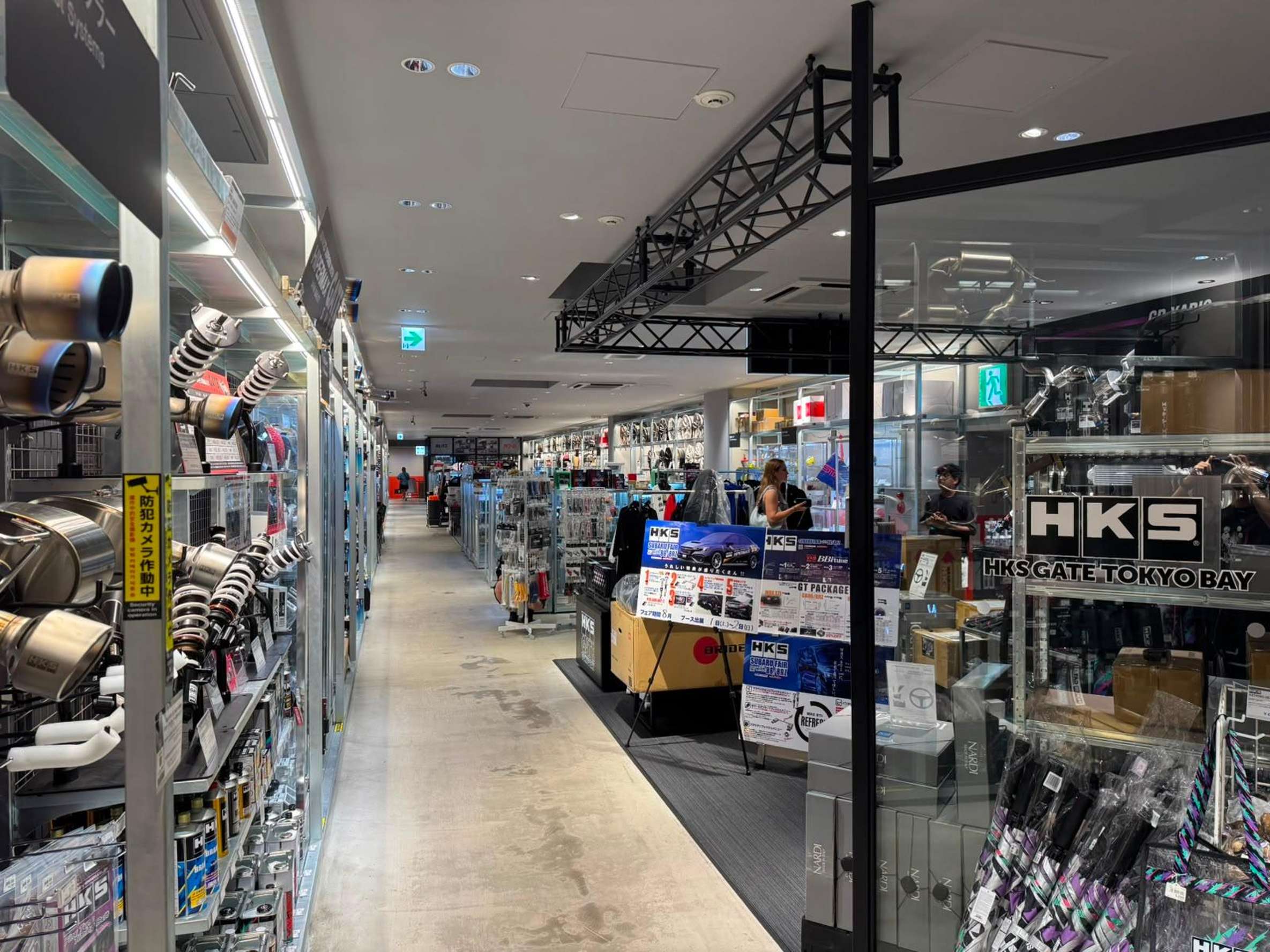
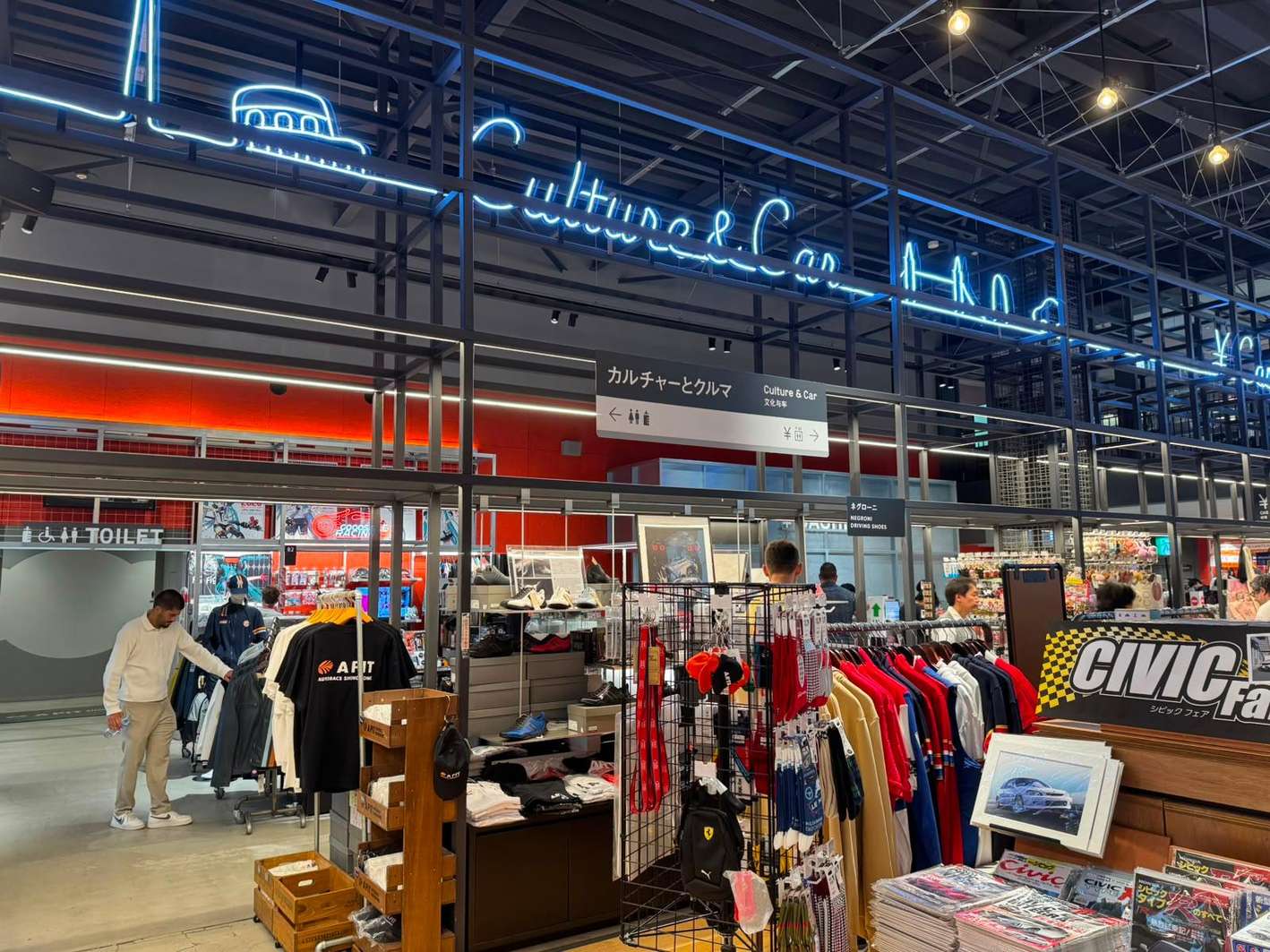
Fill the daylight hours before the meet. In Shinonome, Super Autobacs Tokyo Bay is reachable by rail: aftermarket parts, JDM apparel, and customer sports cars parked outside its retail lot. A-PIT Autobacs there hosts community meets and tuner fairs on weekend mornings, and it doubles as a staging point for clubs heading to Daikoku.
Yokohama holds the Nissan Global Headquarters Gallery and the historic Nissan Engine Museum, and the NISMO Omori Factory showroom opens weekends only from 10 am to 5 pm, closed on weekdays and over the holidays.
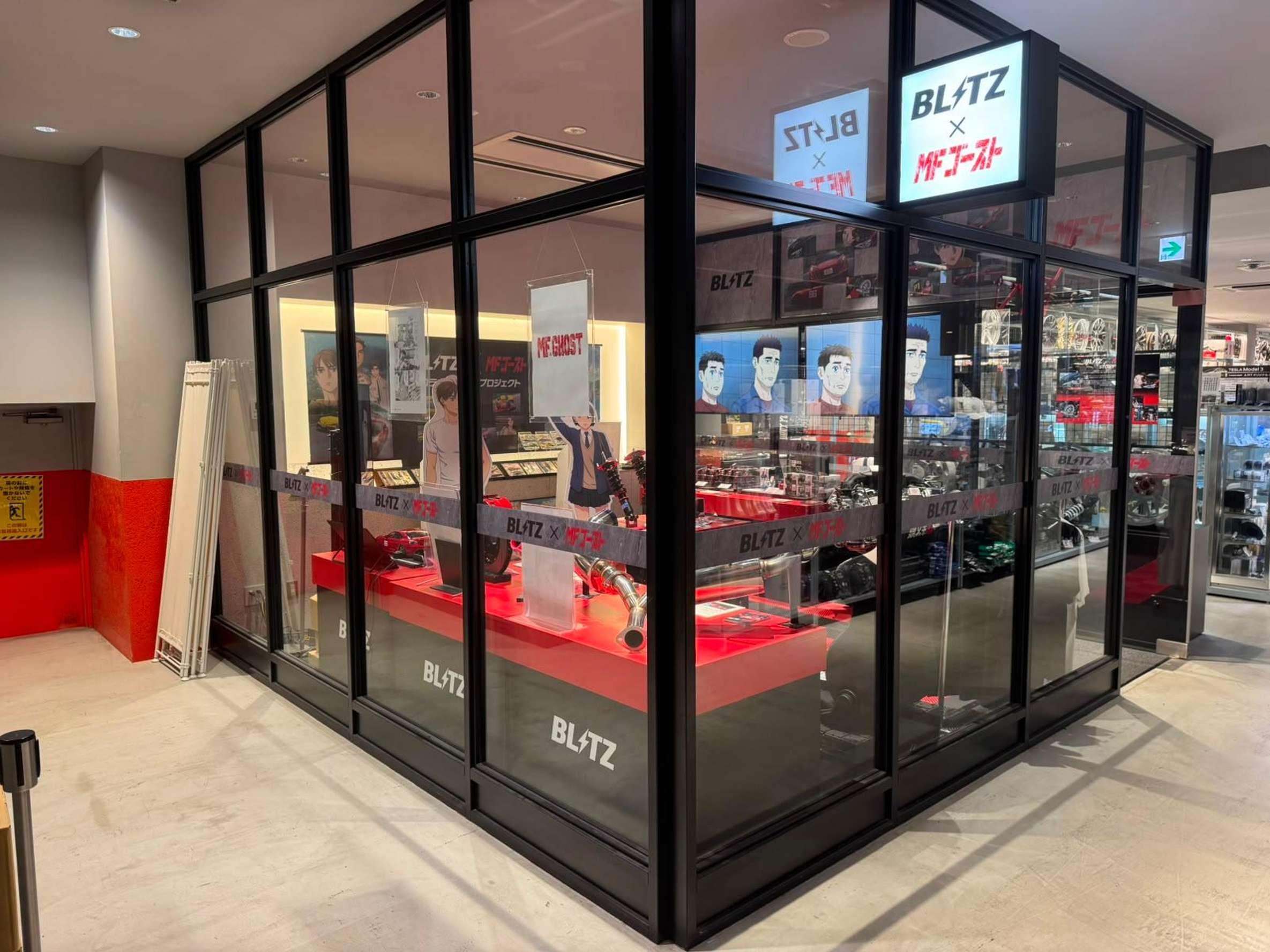
Collector showrooms such as Garage Current, L'Operaio and Bingo Sports sit in Tokyo, and Liberty Walk Tokyo appears on several tour routes.
Akihabara UDX runs its own night scene: walk into the underground garage free any evening, with the densest gathering of modified cars and anime-wrapped itasha on basement level B2F between 7 pm and midnight on Fridays and Saturdays.
A self drive night to Daikoku is the version of this trip people keep talking about, and the lead-car format makes it survivable for a first visit. Sort the 1949 permit months ahead, pick manual only if your clutch work is honest, and favor a weeknight if you want the meet intact past 8:30 pm.
Go ifGo if you hold a paper 1949 IDP or a JAF translation and want your own hands on the wheelGo if navigating Tokyo's expressways alone sounds worse than following a lead carGo if you can book two to six months out for spring or autumn
Skip ifSkip if you have no valid driving documents and cannot get one before departureSkip if you want a guaranteed specific car on a fixed dateSkip if you cannot sit low and climb in and out of a coupe unaided
Our pick to book
Tokyo: Fast and the Furious Tokyo Drift III JDM Car Tour4.8★ (880) · 3 hours - 1 day · Free cancellation
The rules, the paperwork and the road, sorted before you book the wheel.
Yokohama2026
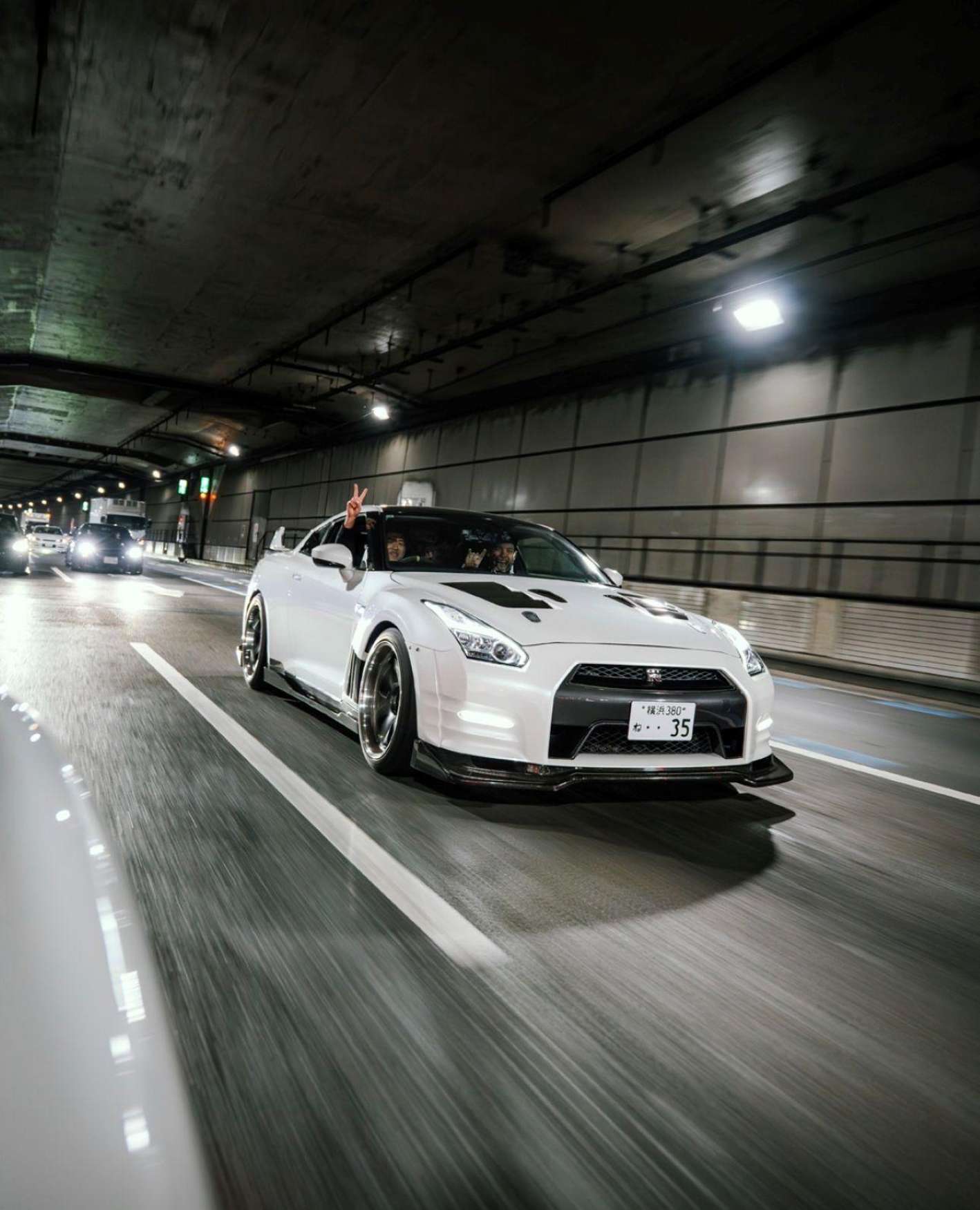
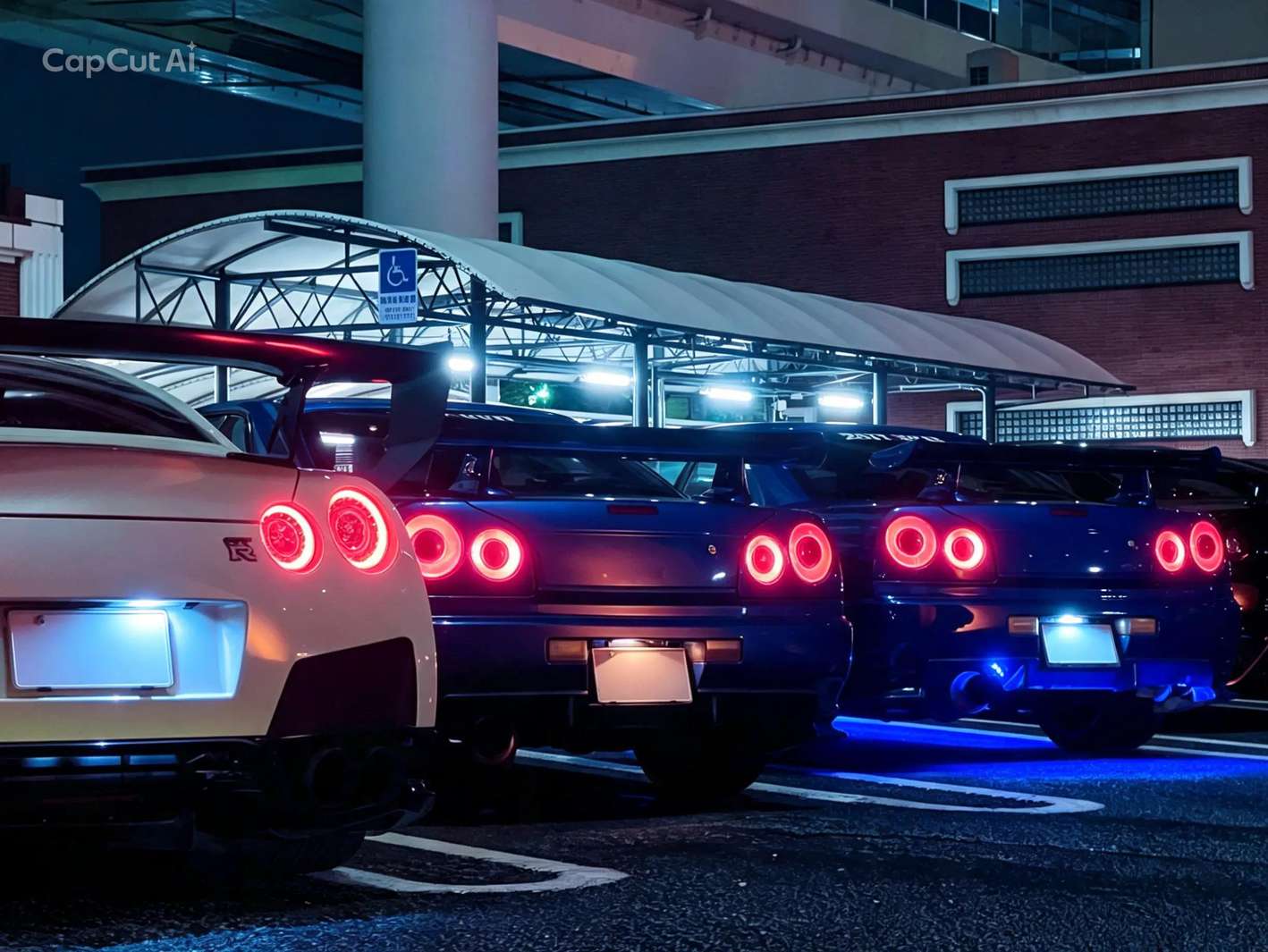
The spiral ramps glow behind the parked GT-Rs and the lead car pulls away. Keep your paper IDP in the door pocket.
Can I drive myself to the Daikoku car meet as a foreign visitor?
Yes, if you bring the right papers. You need a physical paper International Driving Permit issued under the 1949 Geneva Convention, plus your original home license and passport. Digital permits and photocopies are not accepted.
What if my country does not issue a 1949 Geneva Convention permit?
Drivers licensed in Germany, France, Switzerland, Belgium, Monaco or Taiwan cannot use an IDP. Instead, you carry your original license with an official Japanese translation from JAF or your country's embassy in Japan, valid for up to one year from entry.
What is a Daikoku self drive tour, exactly?
You drive the JDM car yourself, behind a lead car that sets the route to Daikoku PA and back. The tour handles the route and the expressway tolls, so you never navigate the Shuto Expressway alone.
How do I avoid getting lost on Tokyo's expressways?
You follow the lead vehicle the whole way, so complicated junctions and lane changes are handled by simply keeping it in sight. Exits on the Shuto Expressway sit on both sides of the road, which is why going alone trips up first-timers.
Is driving on the left hard for someone from a left-hand-drive country?
Most drivers adapt within minutes to about an hour. The usual stumbles are mixing up the turn signals with the wipers and lane positioning. Choosing an automatic removes left-hand gear changes if that worries you.
Should I pick a manual or automatic JDM car for a self drive tour?
Manuals give you the classic shifting experience, but operators may check that you can confidently work a clutch in traffic before approving the booking. An automatic is the safer choice if your manual skills are rusty.
Can I reach Daikoku PA by train or on foot instead?
No. The parking area sits on an artificial wharf inside the expressway network, fenced off with no train, bus or pedestrian access. Driving there takes roughly 45 to 50 minutes from central Tokyo without traffic.
What happens if I damage the car on a self drive tour?
On some tours, damage caused by negligence, misuse or ignoring instructions becomes your financial responsibility. Ask the operator about the deductible before you book, and drive within your limits.
Is the Daikoku car meet an organized show with a schedule?
It is an informal, spontaneous gathering at a public highway rest area, with no official calendar. The cars change every night, so no specific model is guaranteed on any date.
Why book a self drive convoy instead of renting a car on my own?
A regular JDM rental leaves you to find Daikoku, work the toll gates and time the meet yourself. On a convoy tour, the lead car handles the route, the tolls are covered, and you still get the wheel.