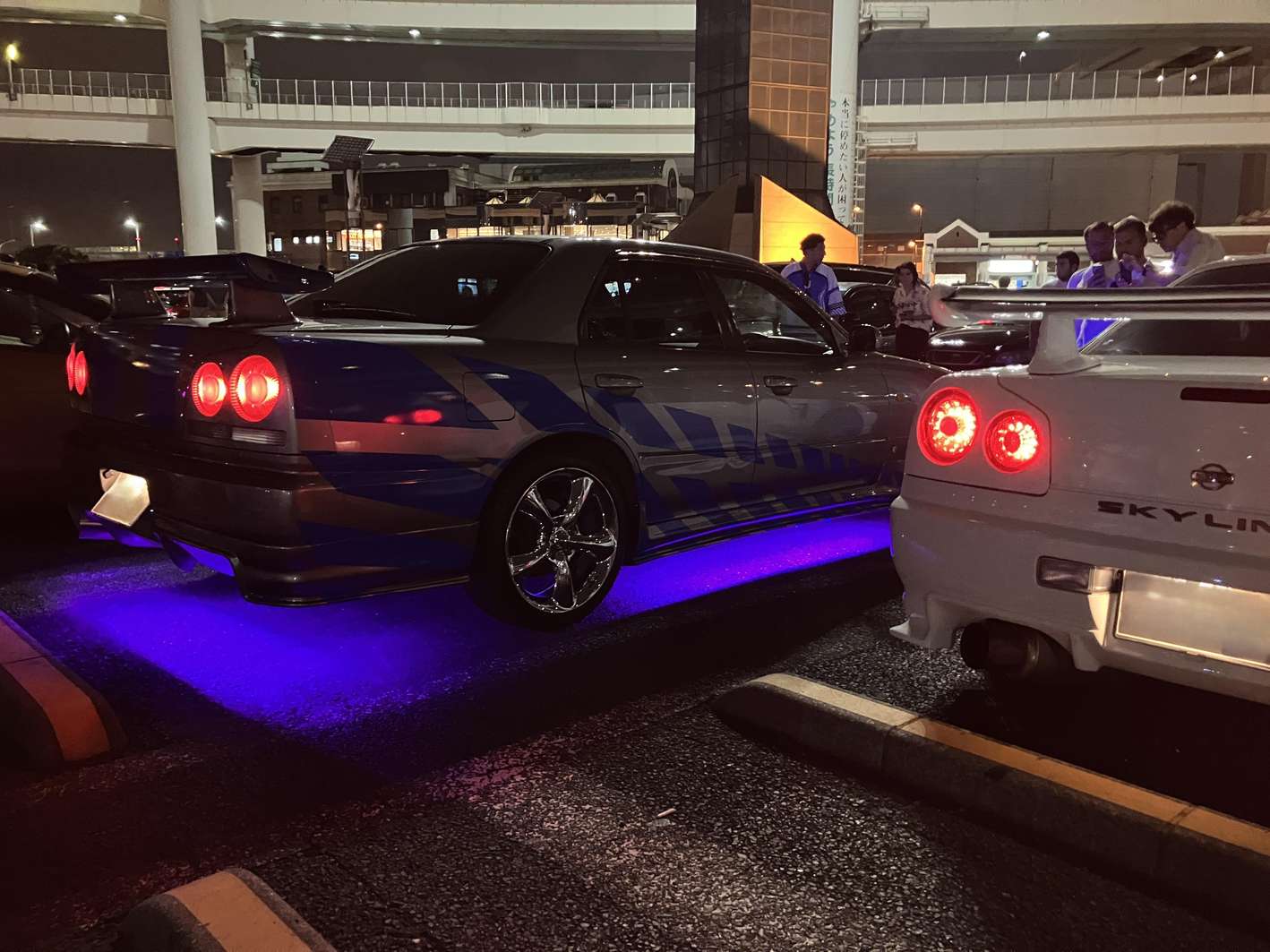
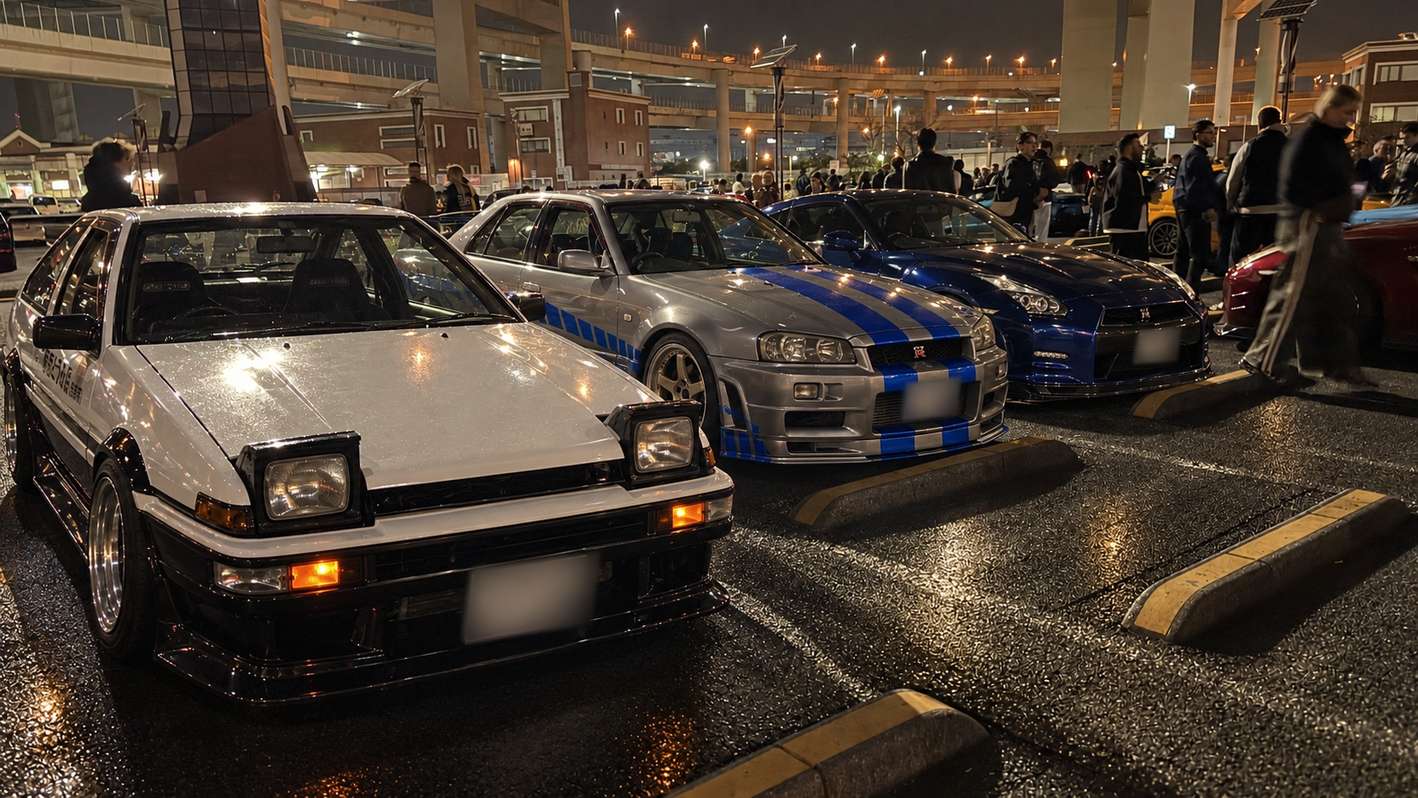
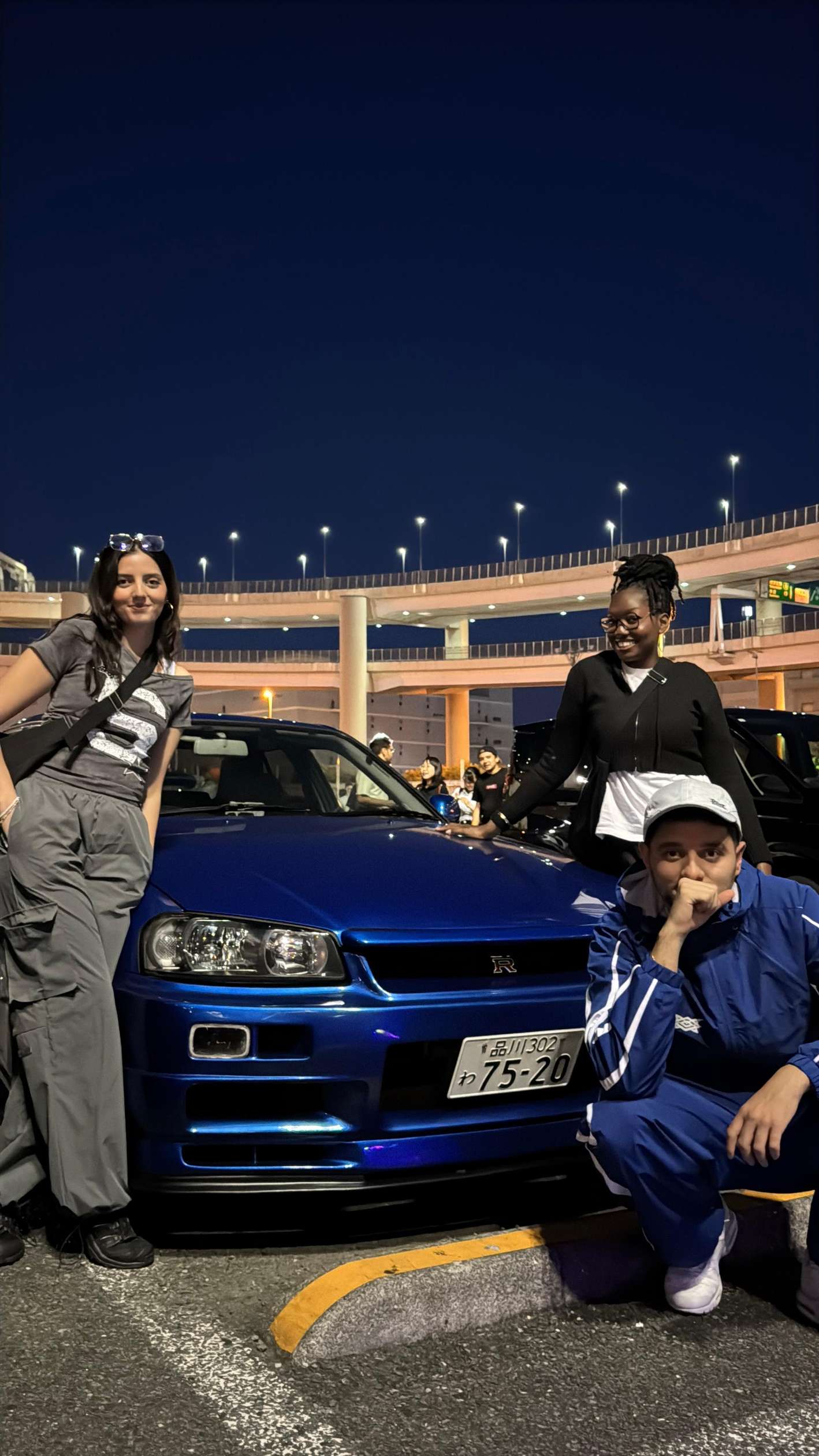
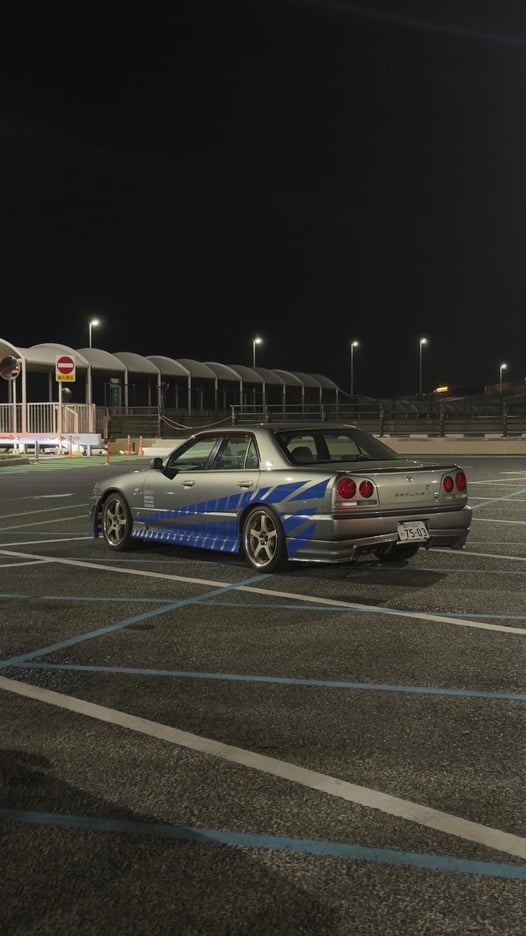
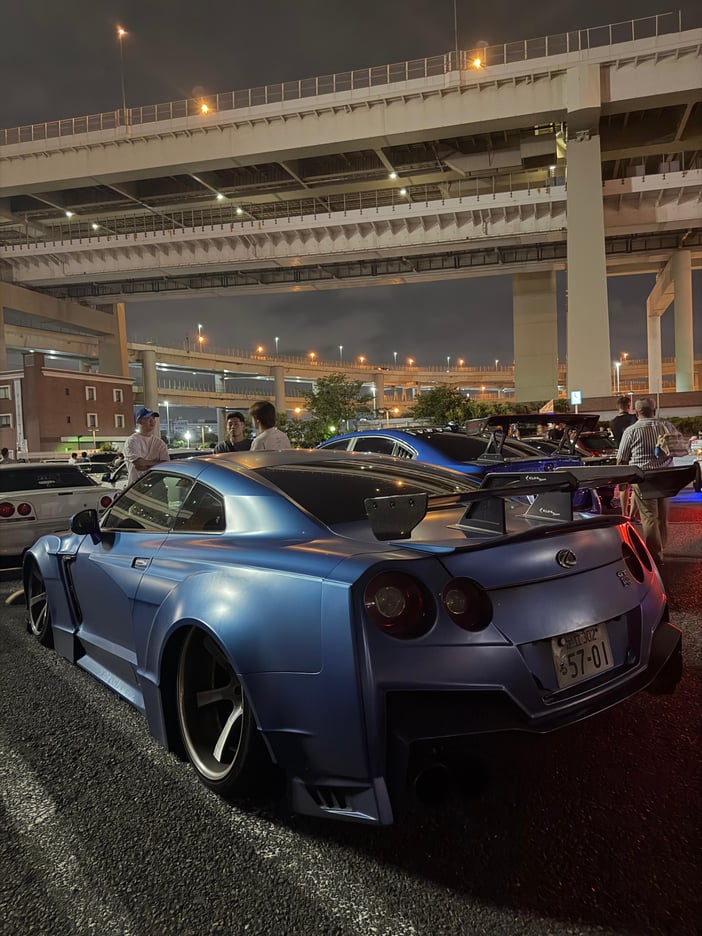
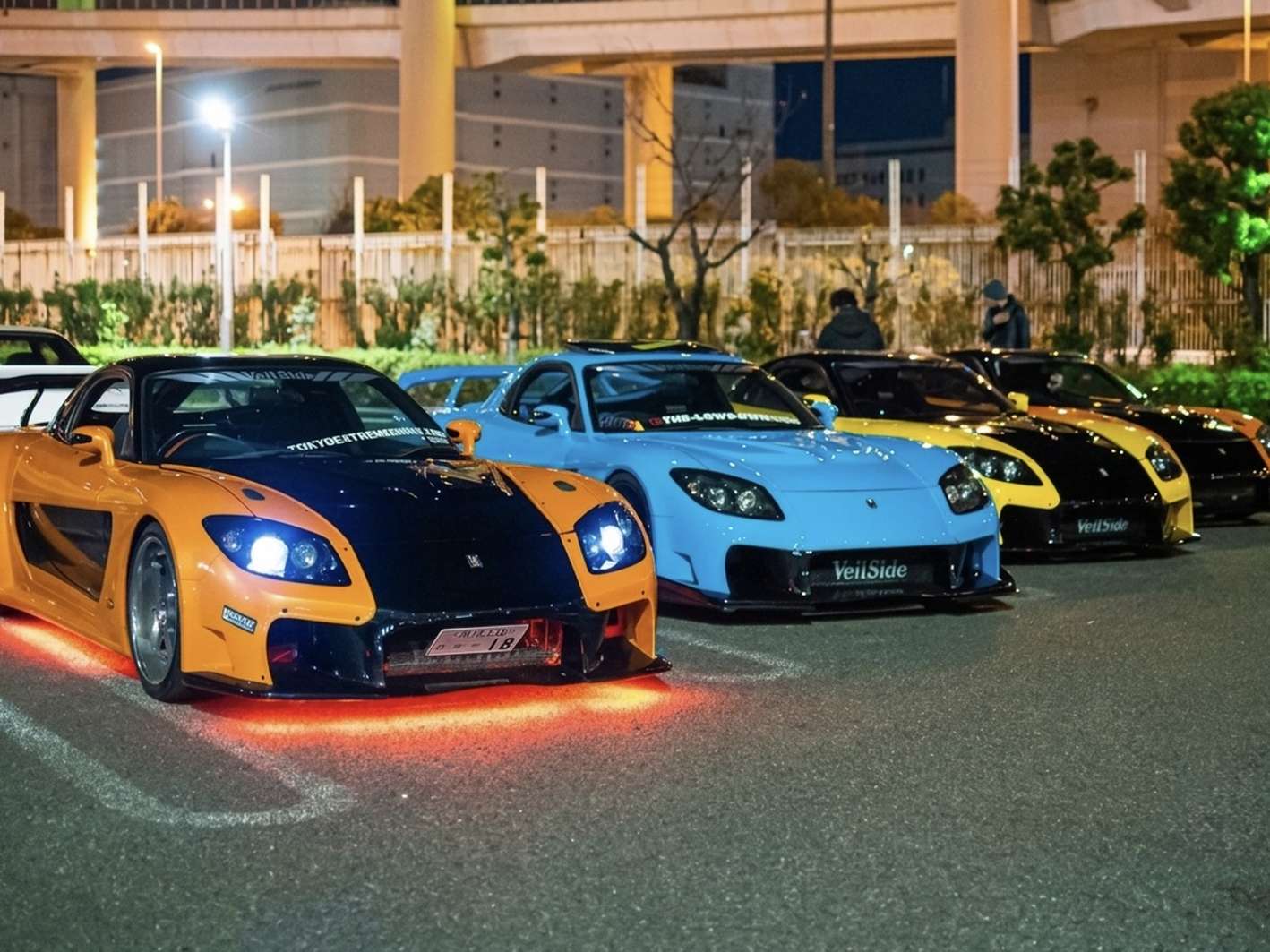
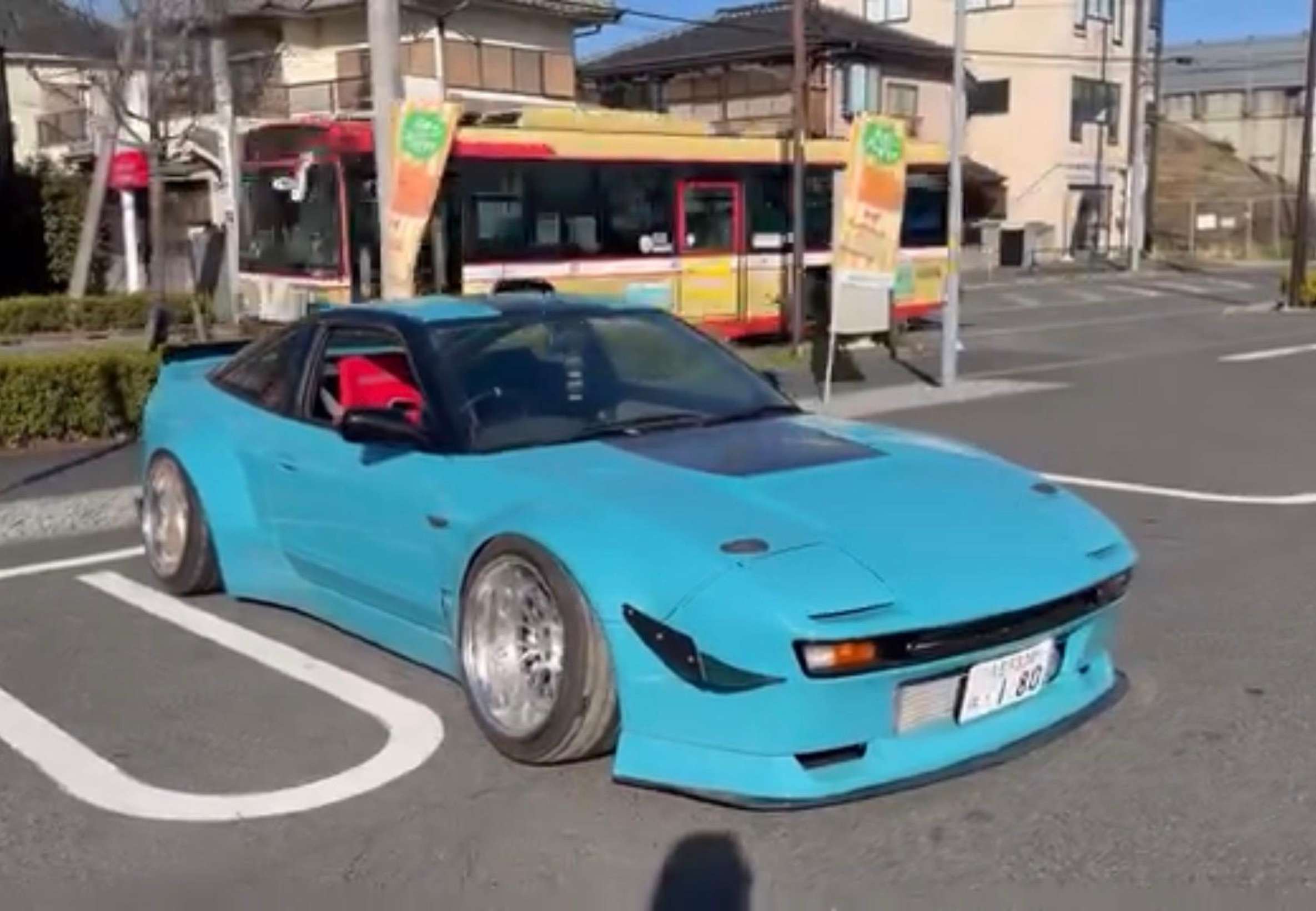
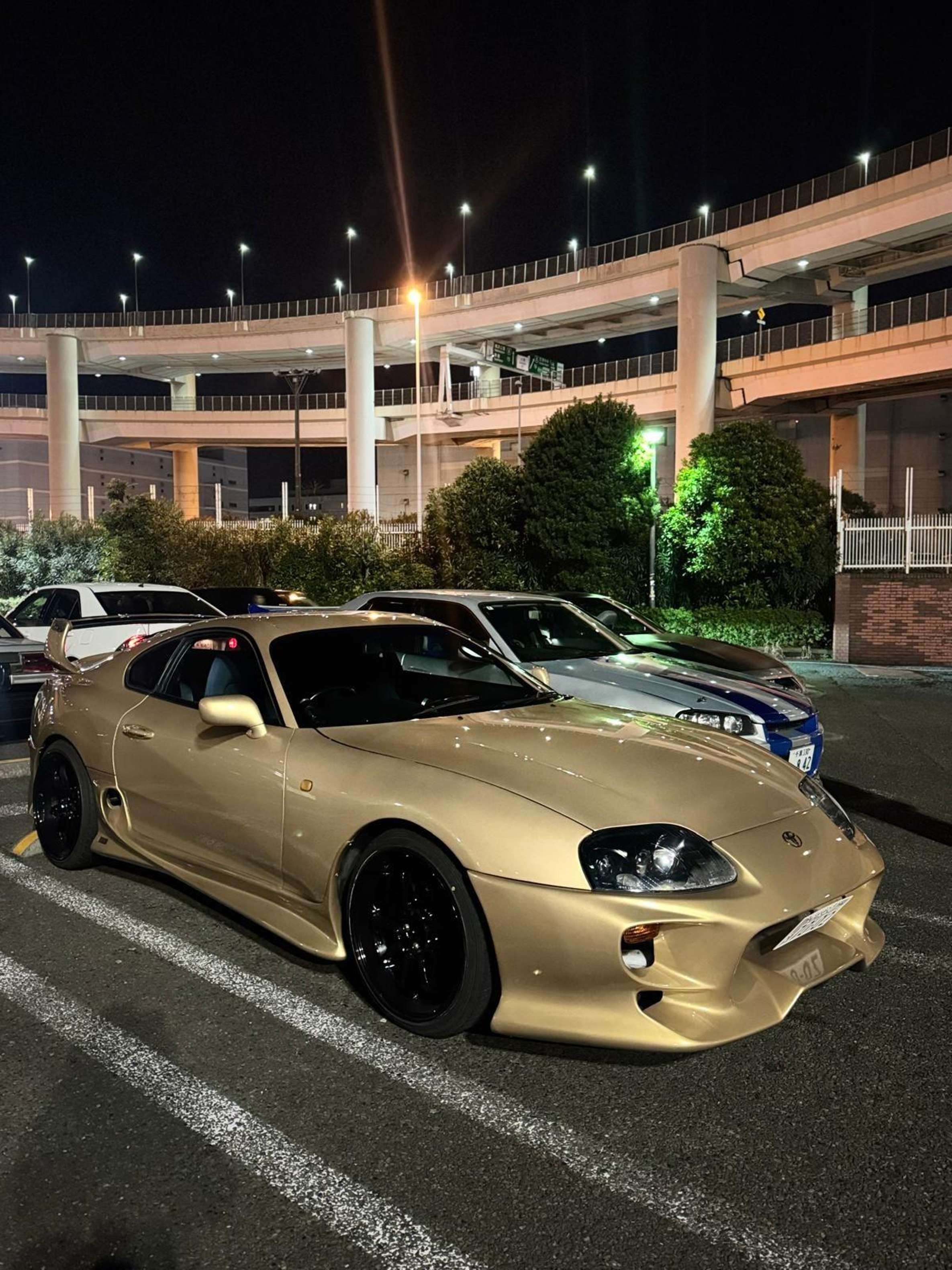
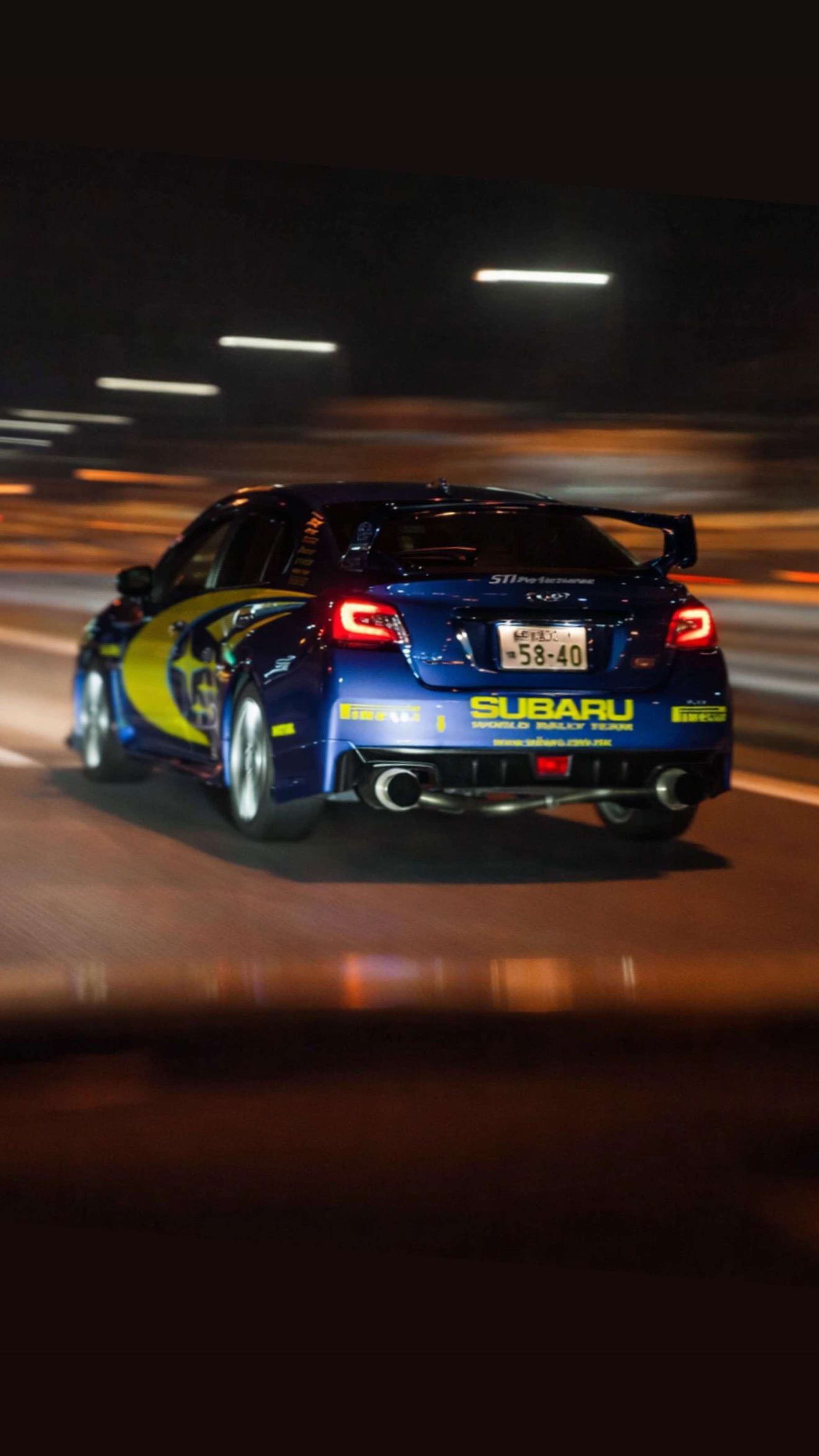
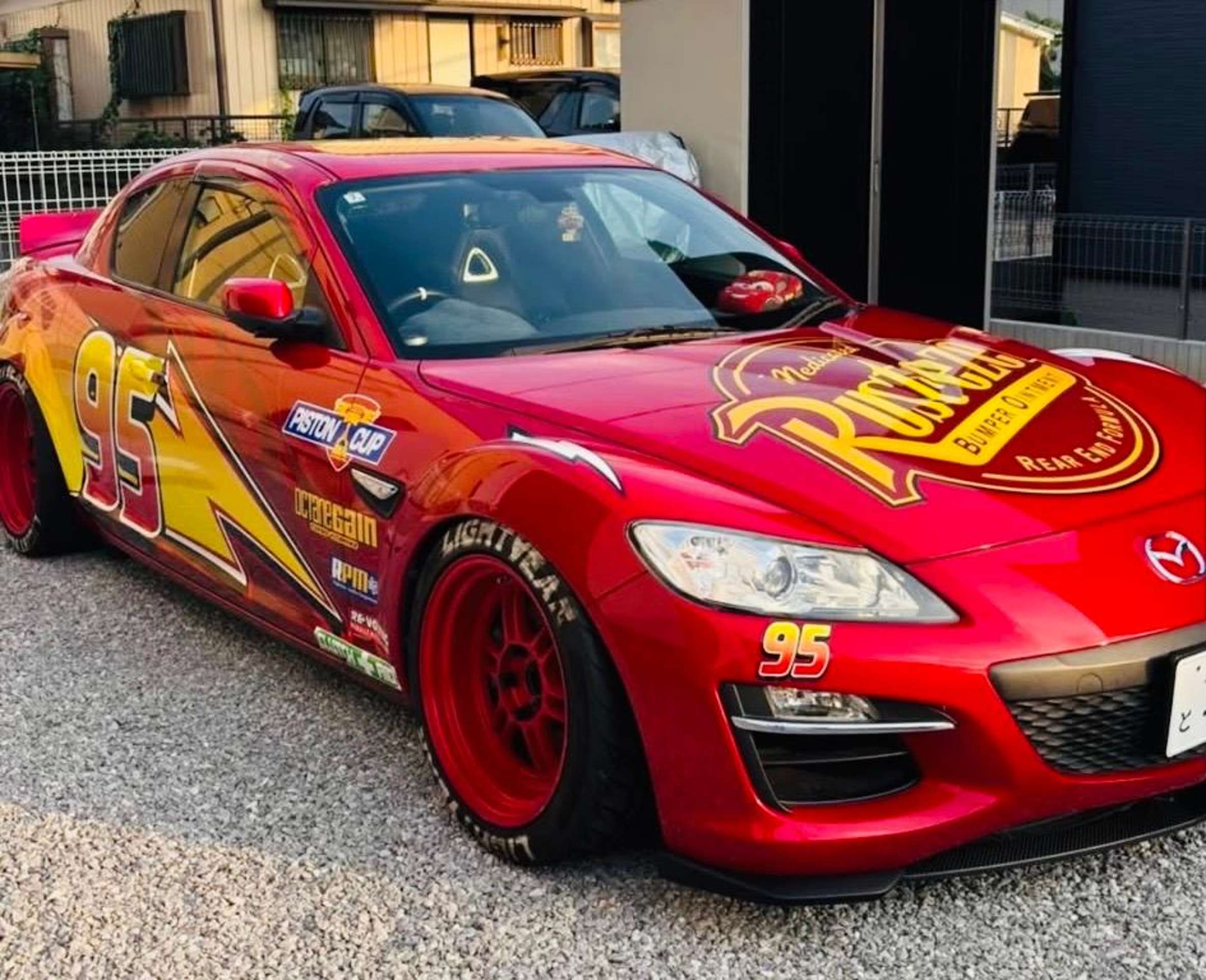
Daikoku Tour Packages Guided JDM Car Meet Tours and Prices
Book a real JDM ride to the meet, not a commute. Choose a guided Daikoku tour package with round-trip transport, hotel pickup and backup spots if police close the lot, then pick a date and lock in your car.
"Seeing Tokyo's streets at night and diving into its car culture was amazing. Yuto, our driver, was great, drove incredibly well and was such a nice person."
4.8★average rating16,891traveler reviews100%free cancellation82countries travelers came from
Quick guide to Daikoku tour packages - which one fits your night
Every Daikoku package puts you in a passenger seat and hands the driving to a local, so the real choice is between a shared group ride, a flexible tour that chases wherever the cars gather, and a private booking that gives your group one car. The four rows below sort them by who each suits.
DocumentsBring a passport or ID card; as a passenger on a guided ride you need no driver's license or international permit.
LuggageSpace inside sports sedans and coupes is tight, so large suitcases and oversize bags cannot come along.
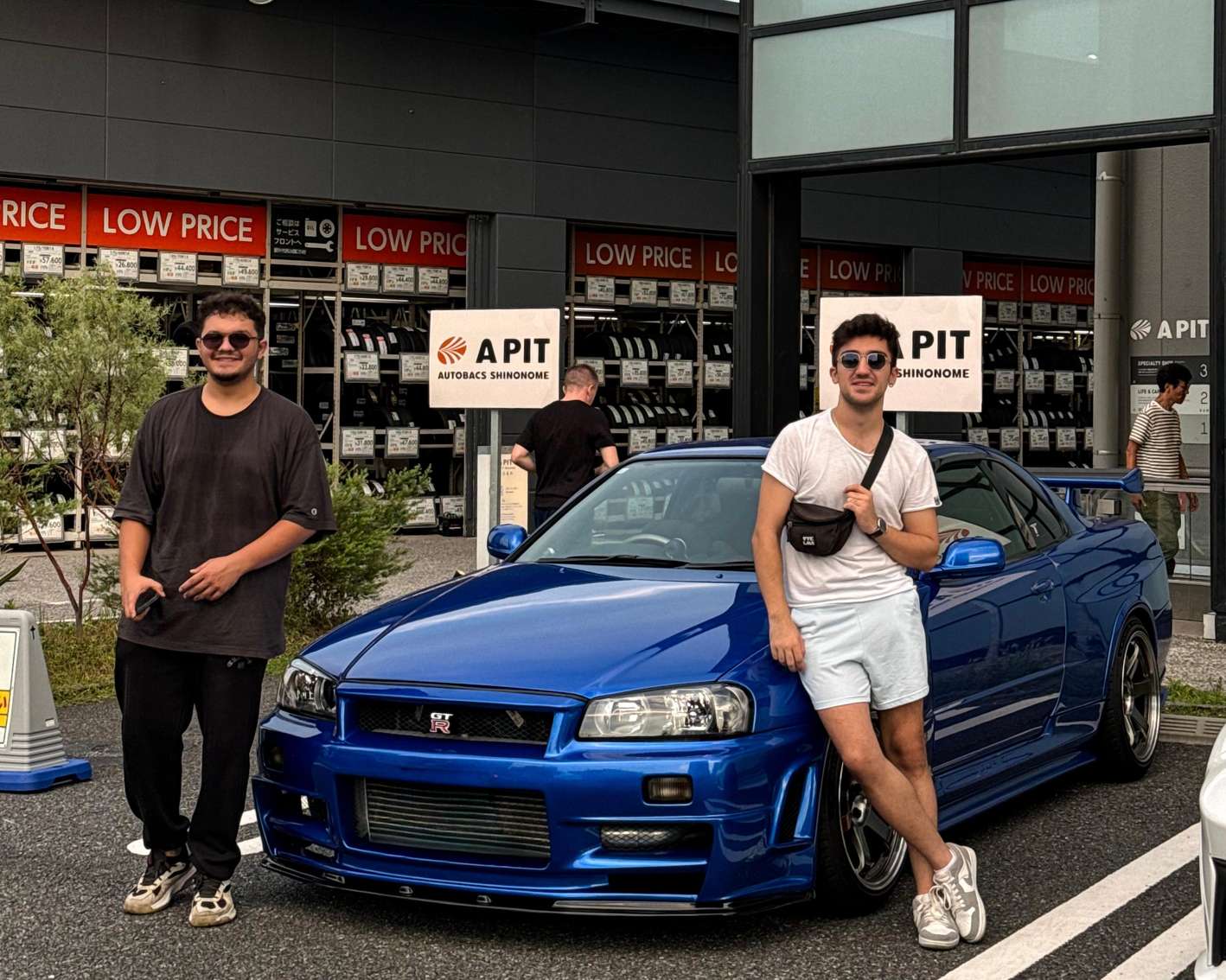
Police closuresOfficers can shut Daikoku PA on busy nights without notice, so tours divert to spots like Umihotaru, Tatsumi or A-PIT Autobacs, and many offer a full refund instead.
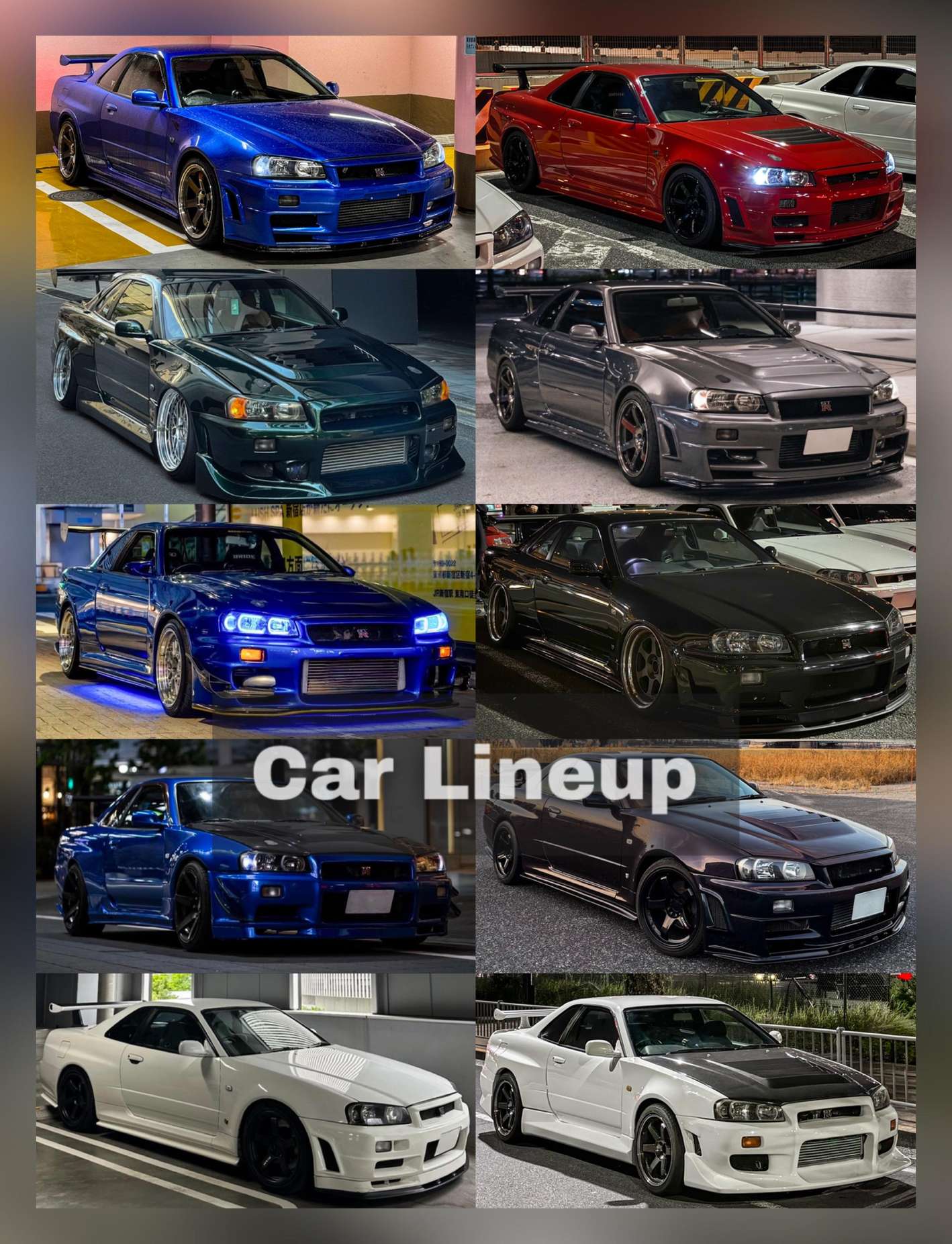
Cars on showThe meets are spontaneous gatherings, so no specific car model can be guaranteed on any night.
SeatingShared tours may split your group across cars, and rear seats in classic coupes run cramped for taller passengers.
KidsOn one tour children aged 5 to 7 needing a booster seat can join if parents contact the operator first.
WeatherRain does not stop the tours and meets still draw committed regulars, but severe storms or road closures bring cancellations with full refunds.
BookingCancel up to 24 hours ahead for a full refund on most packages, and message a WhatsApp or Instagram contact after booking for pickup details.
Which Daikoku package tour fits your night?
Answer a few quick questions and the finder lines up the Daikoku tour package that matches your group and budget.
1Who's coming?
2What's your budget?
3What do you want to see?
4What kind of trip?
Your best match
match
Tokyo: Fast & Furious Tokyo Drift III Experience★ 4.8 (6,369) · 3 - 4 hours · Classic car meet
Popular with solo travelers: 96% of them gave it 4 or 5 stars.
Booked 217 times this week
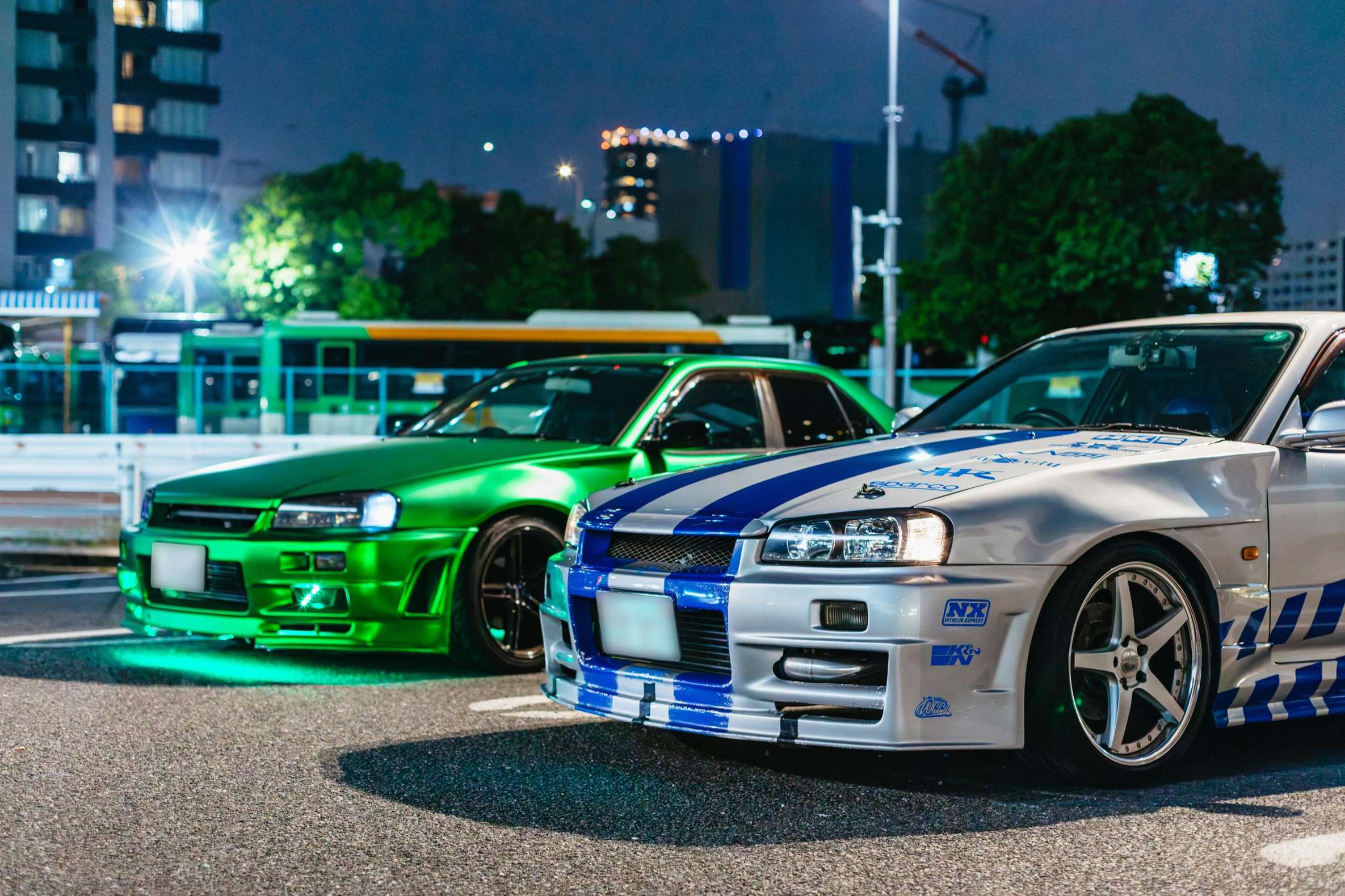
A fleet of 40 sports cars with drop-off at any spot in central Tokyo.
closurePolice can close Daikoku PA on weekend nights between 7:30 pm and 9 pm when crowds and noise build up, which can cut a visit short or force a last-minute change of venue.
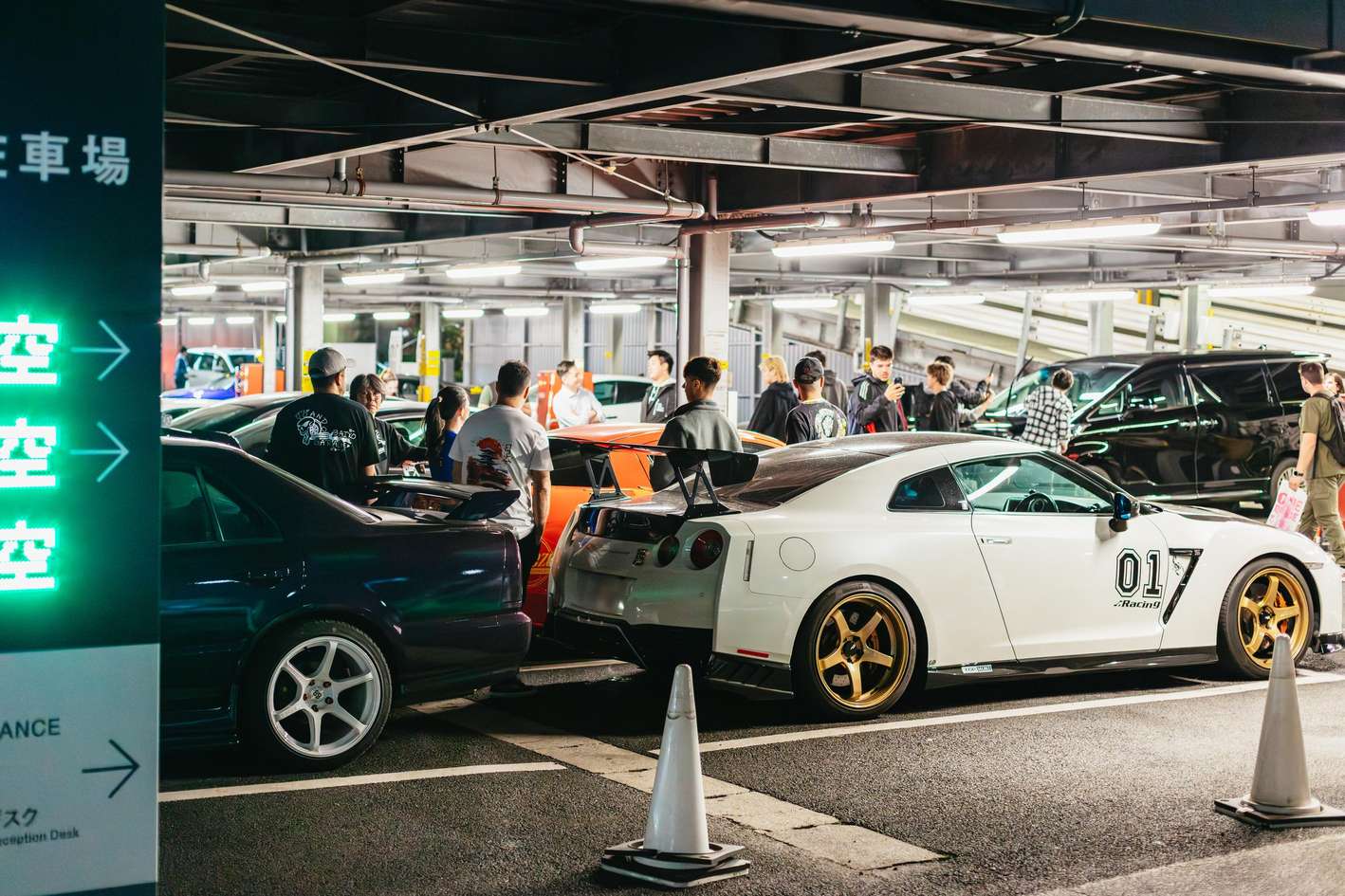
Book a tour with a backup plan: most operators redirect to Umihotaru PA, Tatsumi PA, or the A-PIT Autobacs store in Shinonome, and some offer a full refund instead if Daikoku PA is closed by the authorities on the day of your tour.
Compare the Daikoku package tours side by side
Cheapest
2 - 3 hours·English, Japanese
4.6(23)
Tokyo: R34 or GT-R Tokyo Drift Night Tour at Daikoku PA
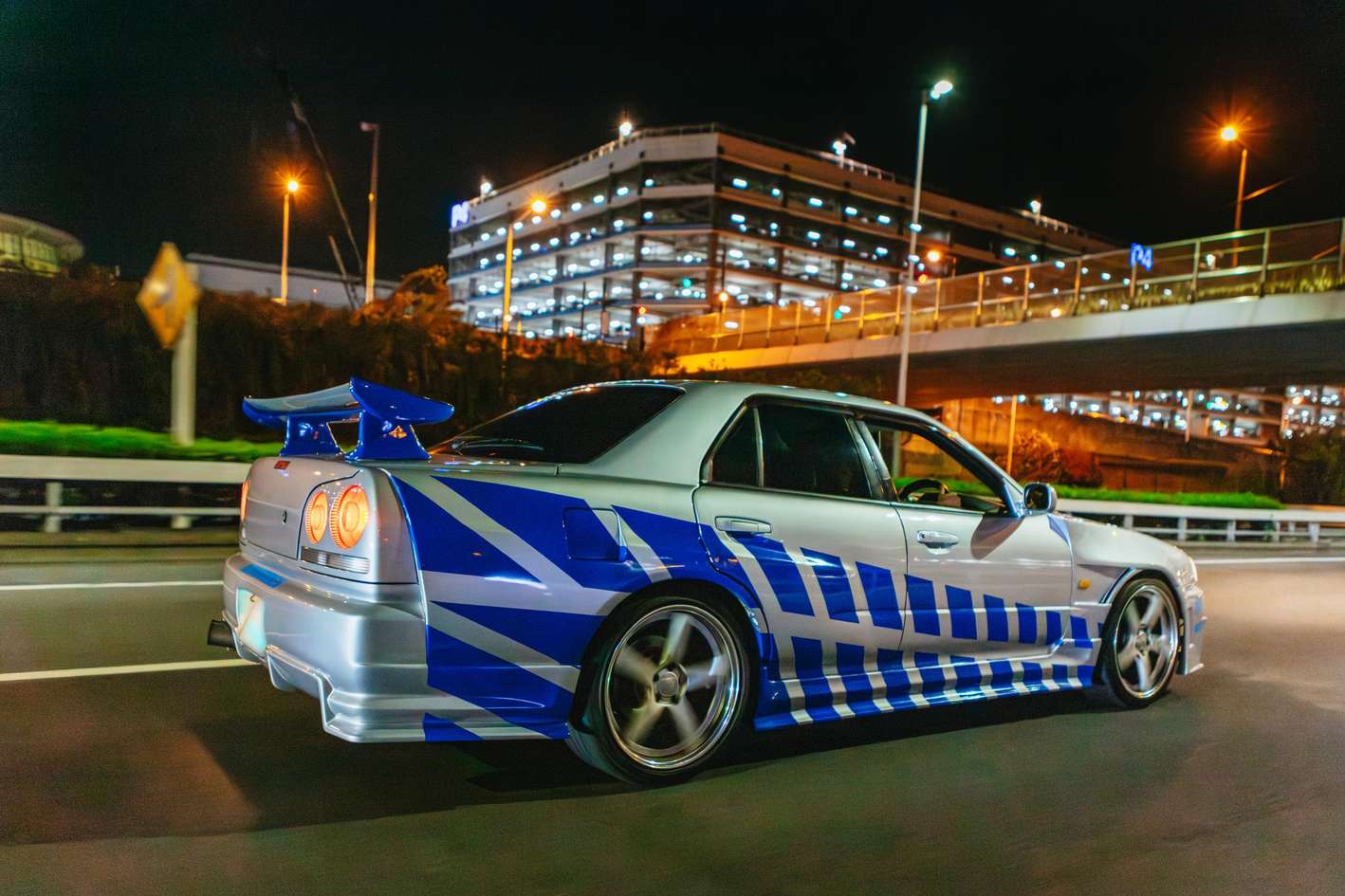
A night ride in an R34 or GT-R to the meet, with a 2-hour late-run option, from the lowest starting price on this page.
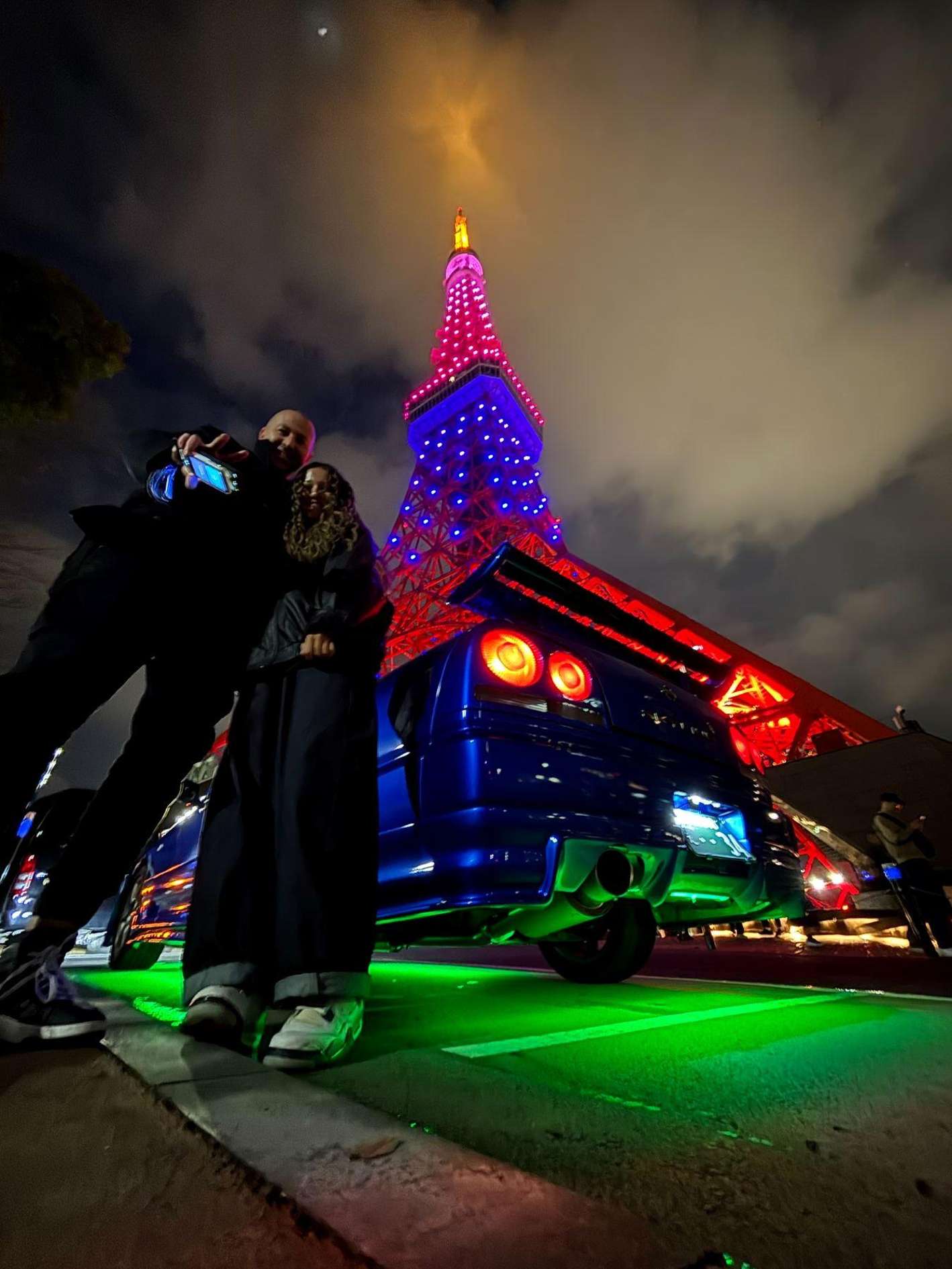
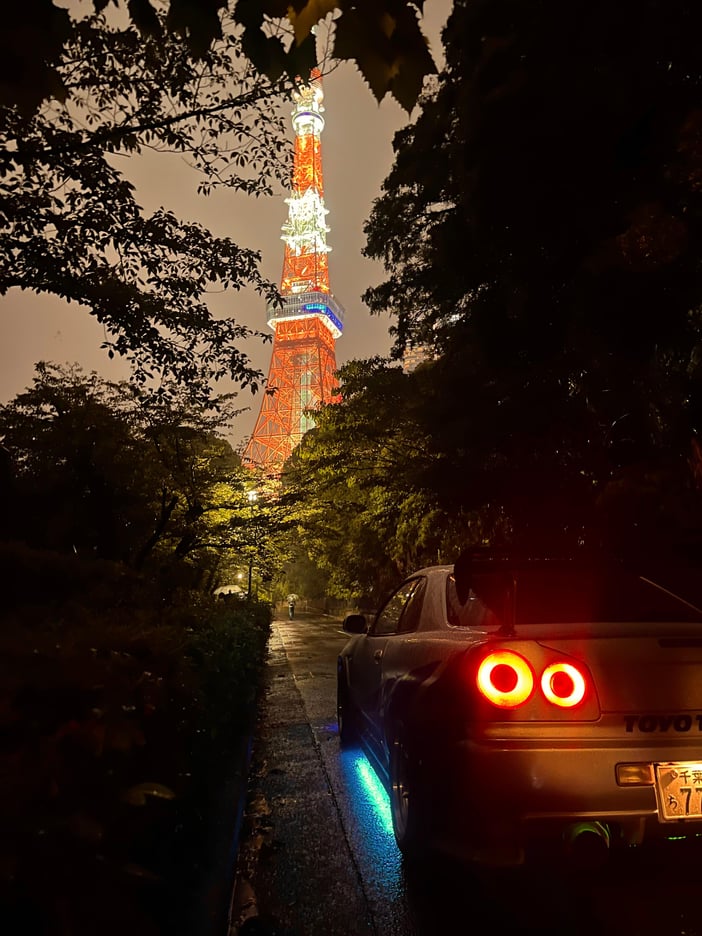
Free cancellationPhoto stop at Tokyo TowerHosting in English and Japanese
A private booking reserves one car for your group alone, with no shared passengers and no strangers taking turns in the front seat.
You get hotel pickup, a dedicated driver and guide, and the flexibility to pick your vehicle, from an R34 Skyline to a GT-R R35. It suits couples, photographers and anyone who wants a quieter evening with room to ask as many questions as they like.
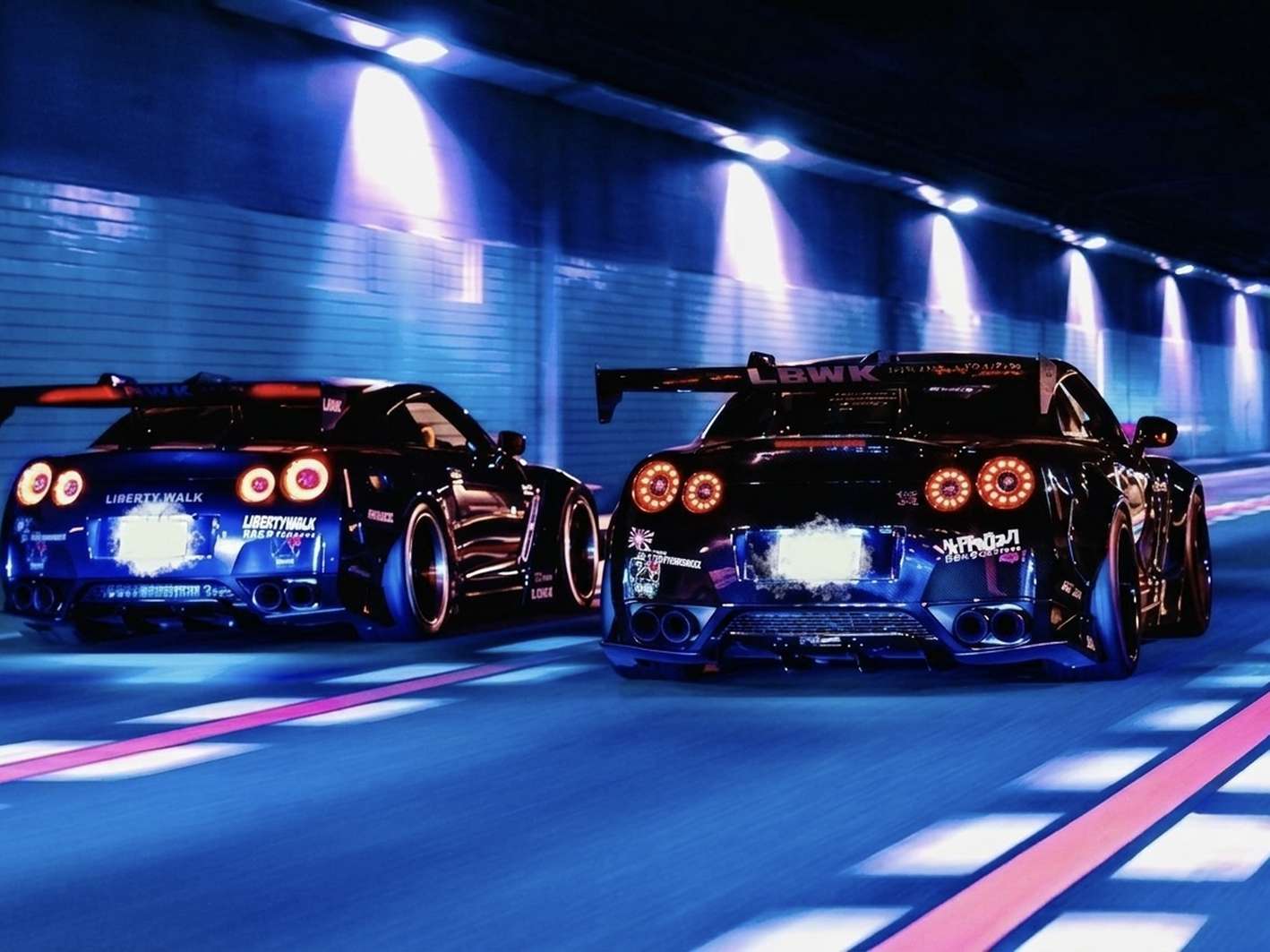
Here you take the wheel yourself, driving a Japanese sports car along the Wangan Route with a guide leading a convoy of fellow enthusiasts.
You follow the route through Rainbow Bridge and on to the Daikoku PA car meet. You need a valid license for Japan, since the permit rules depend on where yours was issued, so confirm that before booking.
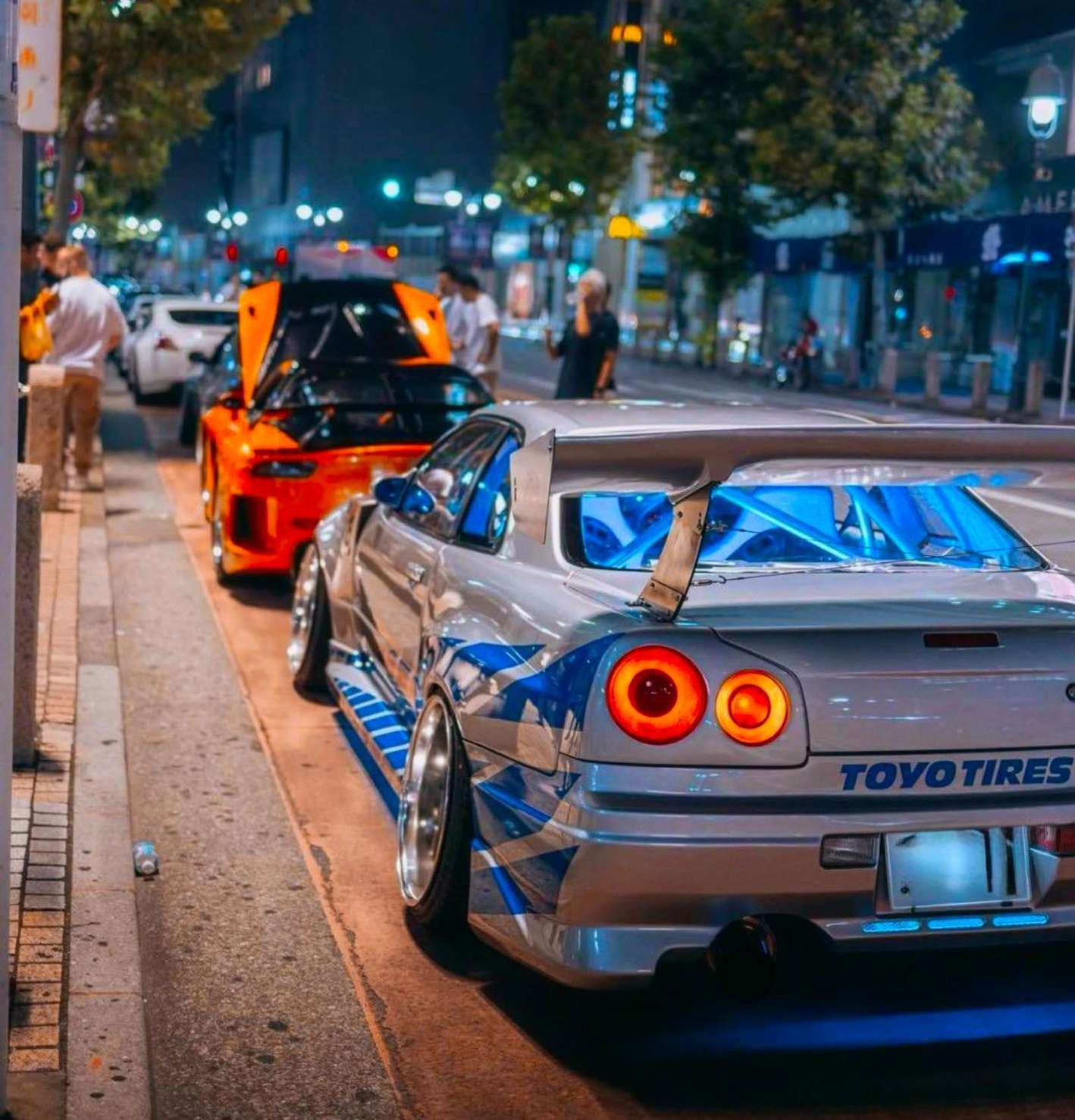
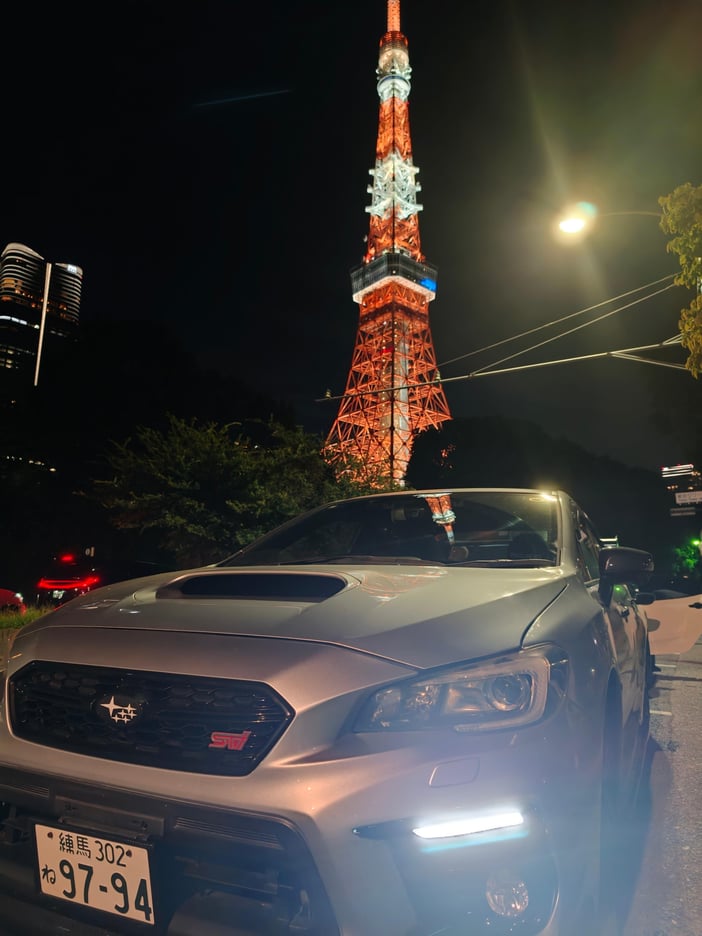
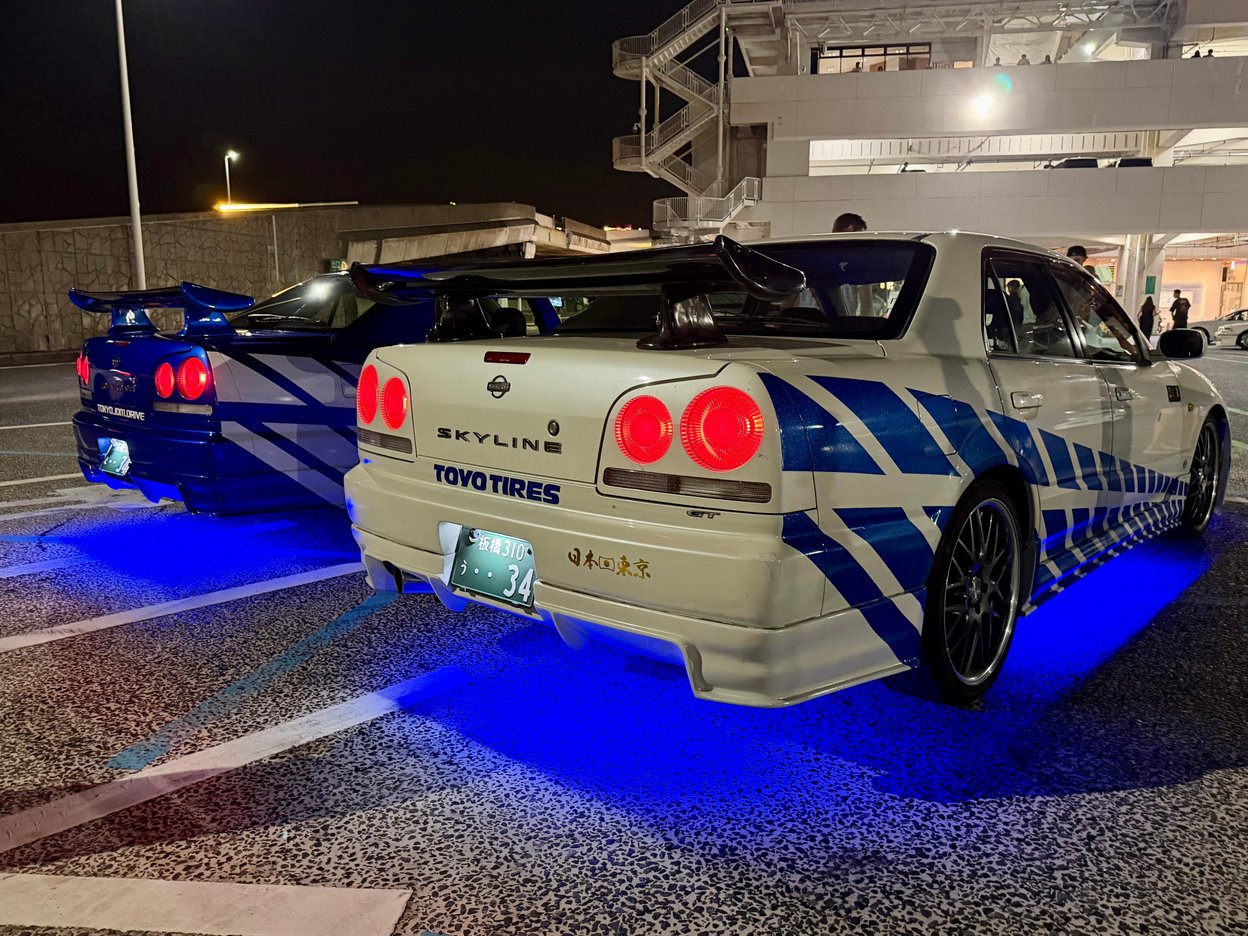
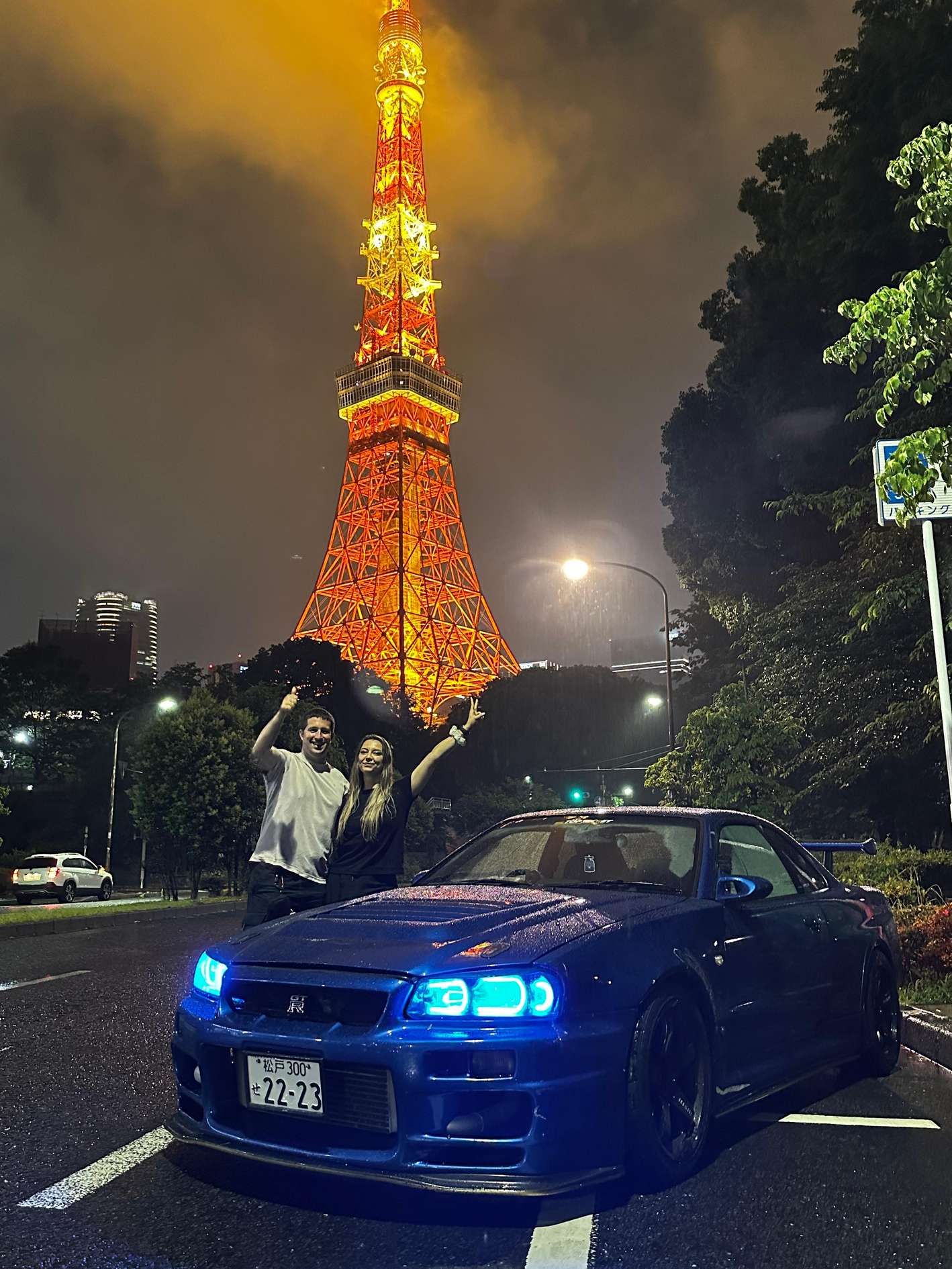
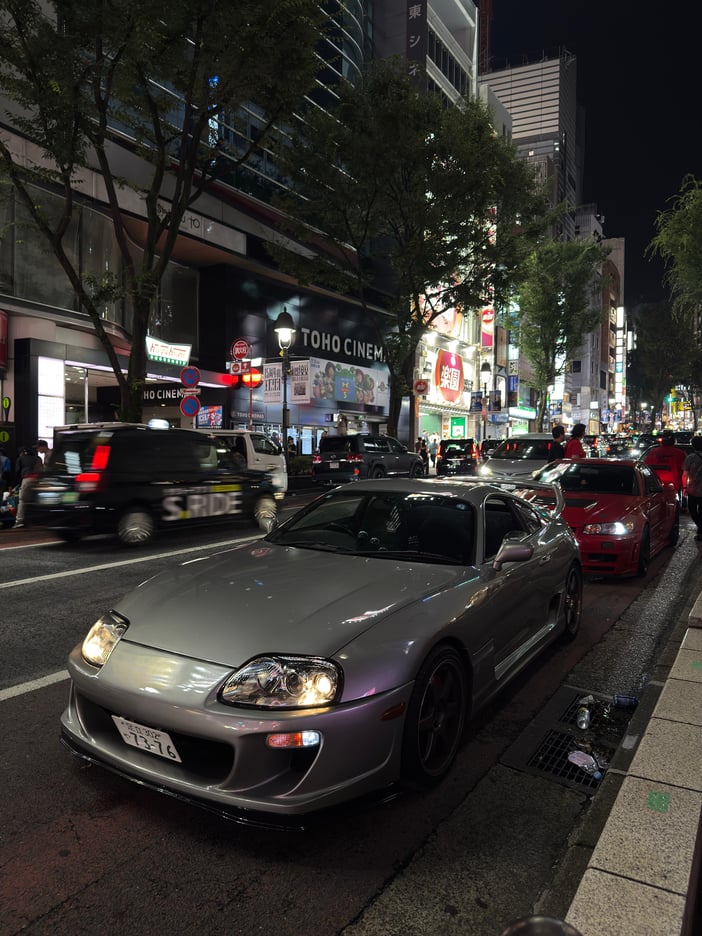
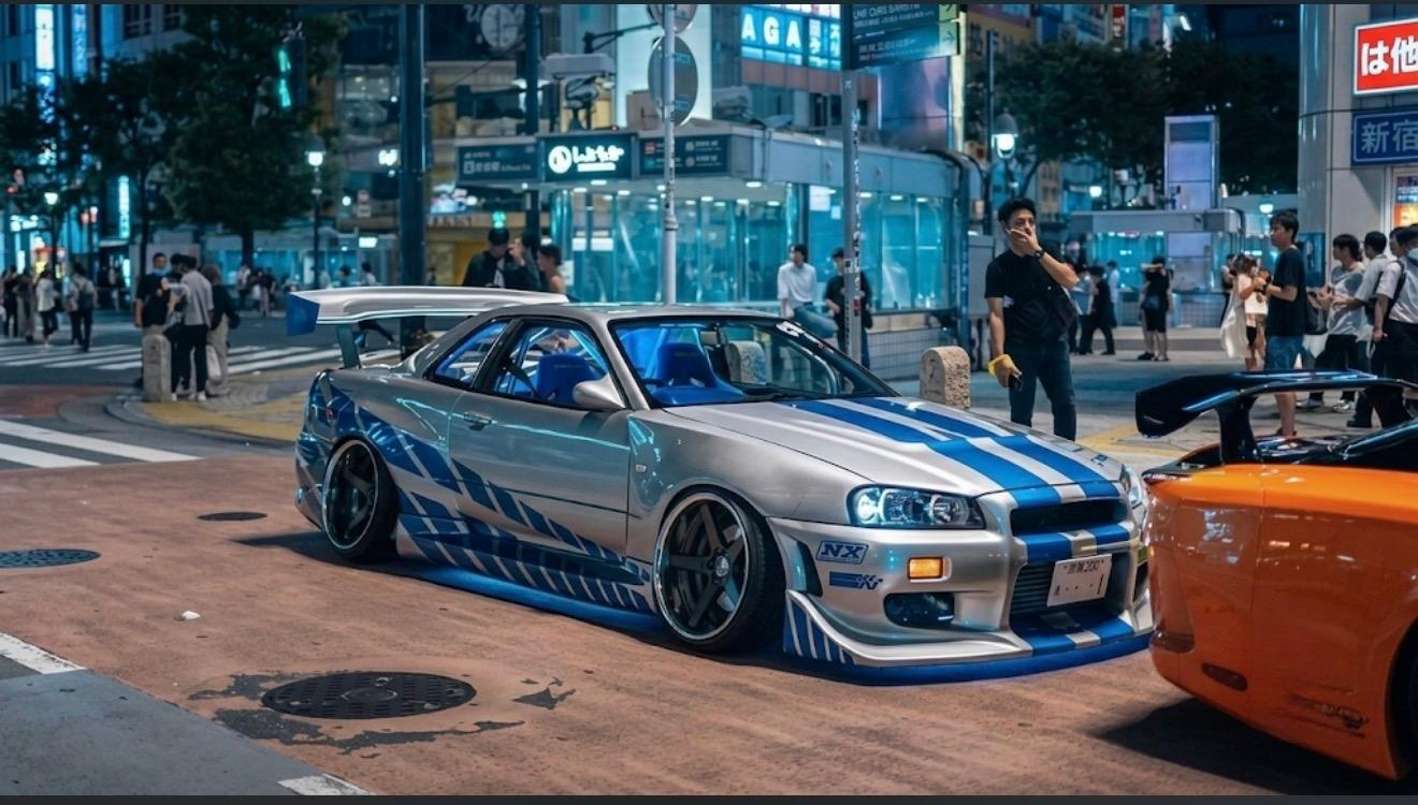
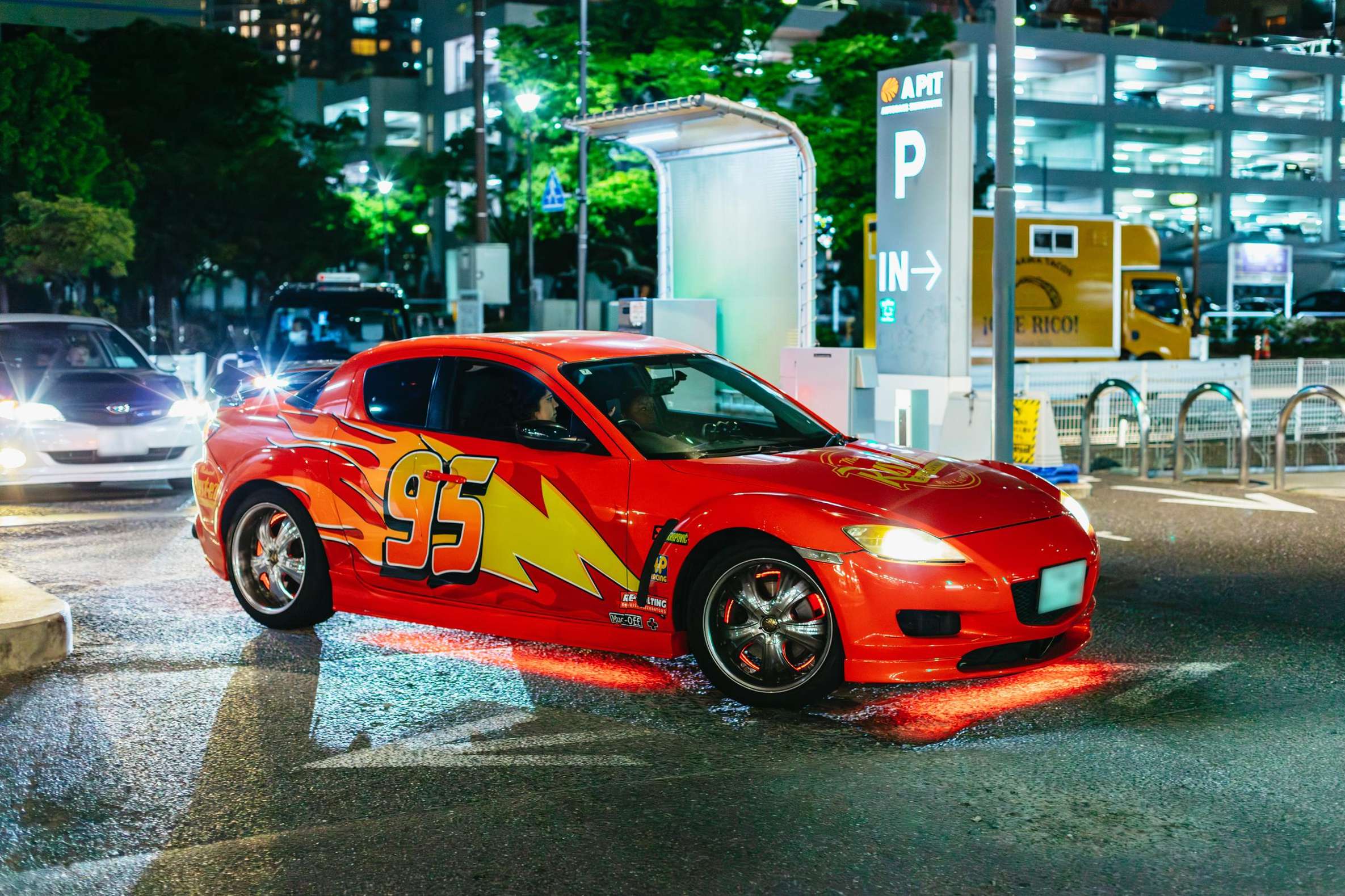
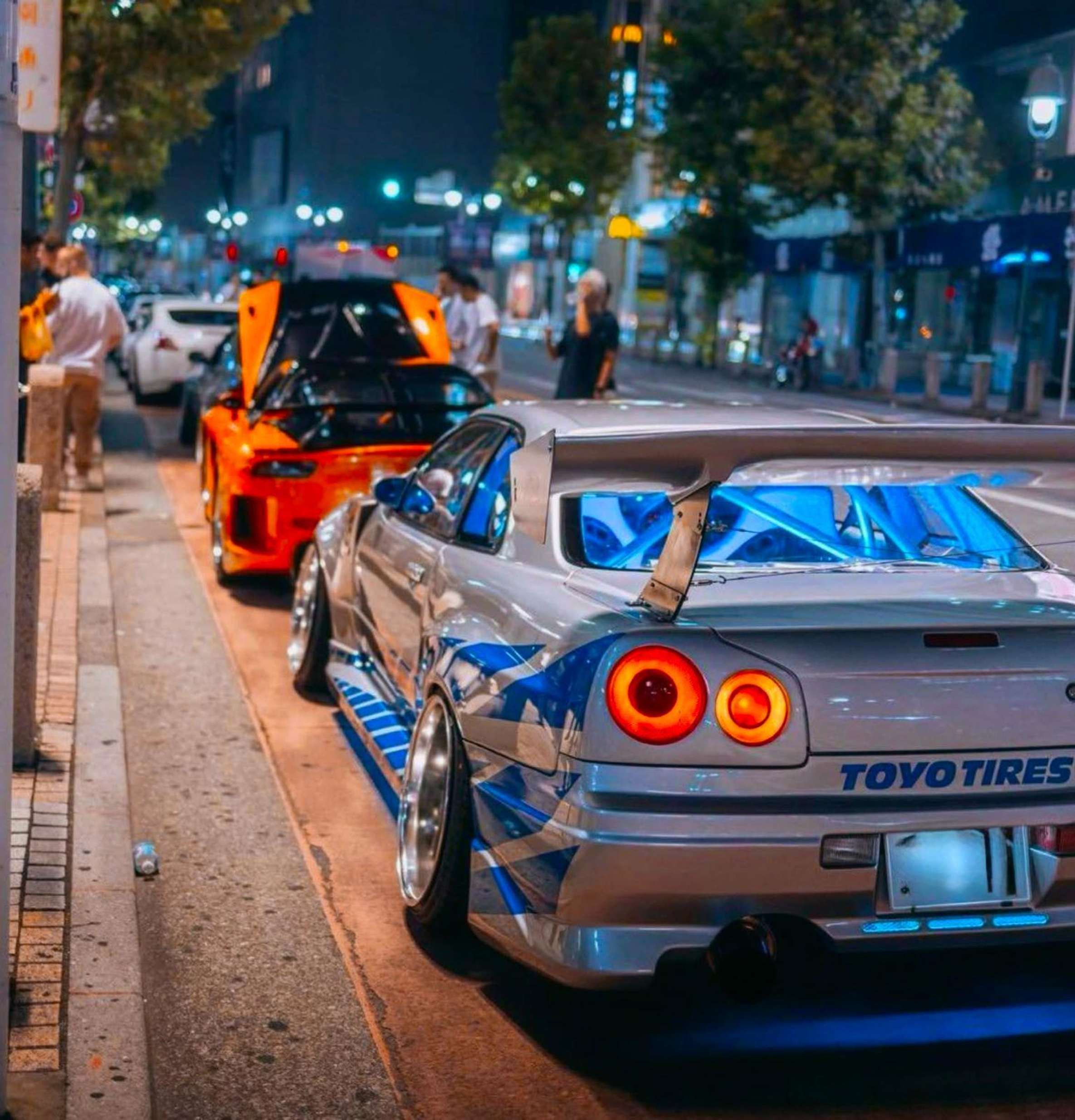
Fans of the film book a night run through its real filming backdrops: Tokyo Tower, Shibuya Crossing, Rainbow Bridge and the Daikoku PA meet itself.
Guides explain which scenes connect to which spots, and many stops double as photo points with the skyline behind you. You ride as a passenger with an English-speaking driver, so no license or driving permit is needed.
The night runs through Tokyo's car culture in one sweep: a modified JDM sports car, a browse at Japan's biggest car-supply store, and an hour walking the car rows at Daikoku Parking Area with free entry.
You ride as a passenger, so no license is needed. The route crosses Rainbow Bridge over Tokyo Bay, and your driver doubles as a guide who explains the builds and helps you talk with the owners.
Inclusions are generous: fuel and expressway tolls are covered, a driver is provided, and the evening ends with drop-off at your hotel or any address in central Tokyo. Tours run three to four hours and share the car with up to three other riders.
Meeting point3 places, depending on your optionThe tour ends back at the starting cafe in Shibuya, where the racing simulators stay open late.Street View2autobacs Shinonome· 30 minThirty minutes of free time at Tokyo's largest car-supply shop. Browse parts, see parked customer sports cars and pick up JDM souvenirs.3Daikoku Parking Area· 60 minAn hour at Japan's famous car meet, an expressway rest stop ringed by spiraling concrete ramps that make the best photo backdrops. Free entry.4Tokyo Tower· 20 minA twenty-minute photo stop at the illuminated landmark, with free time to shoot the city lights.5Shibuya City· 10 minA short drive through Shibuya's neon streets on the way back.From this tourDrop-off4 places, depending on your optionA drop-off point in central Shibuya if this is closest to where you are staying.Street View
Where the other tours go
Daikoku Parking AreaTokyo Tower
Daikoku:Experience Tokyo's Car Culture in Iconic JDM Cars
Drop-off at accommodation inside Tokyo central area.Exclusive selection of JDM sports carsProfessional drivers/guides available in English, Portuguese, Japanese, SpanishFuel and toll feesStops at iconic sightseeing spots
Not included
Personal expensesWe cannot guarantee that your driver/guide will be fluent in a foreign language such as German, Italian, French, or ArabicEach driver only takes three people, and there are many daily customers. Some Japanese speak basic English for the tour, not for a long conversation where personal topics or curiosities about random subjects come up
Daikoku package tours compared, row by row
Green marks the lowest price. Prices per person.
Tour
Price
Duration
Pickup
Languages
Best for
Our pick
Tokyo: Fast & Furious Tokyo Drift III Experience
4.8★ (6,369)
from $135per person
3 - 4 hours
no
English, Portuguese, Spanish
Movie fans who want the biggest fleet, with about 40 JDM cars and swap chances
Most reviewers name their driver and say how friendly and knowledgeable they were about the cars.
Best surprise
Several travelers said they loved the night even though they knew little about cars before the ride.
Most common wish
A few families wished the evening had lasted longer when police ended the meet early.
How to book a Daikoku tour package - five simple steps
01
Pick your date and departure time
Choose a Friday through Sunday date for the biggest meets, or a weekday for a calmer lot. For weekend nights, aim for a departure around 4:30 pm, because police have cleared the lot as early as 7:30 pm on busy nights.
Pro tipBook a weekday night if your dates allow it. The cars still gather, the crowds are thin, and shutdowns are rare.
RecommendedHeavy rain does not cancel tours, so keep the booking if the forecast shows showers rather than a storm.
02
Choose the option that fits your group
Each package lists several options: shared rides in JDM sports cars, mystery car picks at the lowest price, midnight runs with hotel pickup, or private cars for your group alone. Shared cars seat about three guests, so larger groups may be split across two cars that drive together.
Pro tipFor three travelers, a private car can cost less per person than three shared seats.
Common mistakeExpecting to pick a specific model. Many fleets assign cars at random or by availability, so request a favorite in advance but travel open-minded.
03
Pay attention after payment
Booking sites send confirmation by email, and operators follow up through WhatsApp, Instagram, or direct messages with the exact meeting point and a description of the car. Turn on notifications for those apps before the day arrives.
ImportantThe fuel, expressway tolls, and parking fees are covered by guided packages, so you will not be asked for toll cash on the night.
04
Read the voucher and find the meeting point
Your voucher shows a QR code that the driver scans from your phone, so there is nothing to print. Pickup tours collect you from central Tokyo hotels, while meeting-point tours gather near stations such as Akihabara or Shinjuku.
Common mistakeArriving a few minutes late. Tours from central meeting points wait only about five minutes past the scheduled time, and late arrivals are not refunded.
05
Prepare on the day
Bring your passport or ID, wear comfortable shoes and a warm layer for the open-air coastal deck, and keep your phone charged. You ride as a passenger the whole time, so no license or international driving permit is needed.
ImportantCancellations are free up to 24 hours before the start, so set a reminder if your plans might shift.
RecommendedWinter nights on the bay drop near freezing, so bring gloves and a heavy coat between December and February.
What to know before you book a Daikoku car meet tour
Can stop the dayGood to knowGood news
01
ChoosingWhat it is, who it suits, when to go
8
Pickup
Shared tours usually meet outside big stations such as Akihabara, Shinjuku or Shibuya, while private bookings and midnight runs often include hotel pickup in central Tokyo. Your driver confirms the exact spot and car by message on the day.
The car
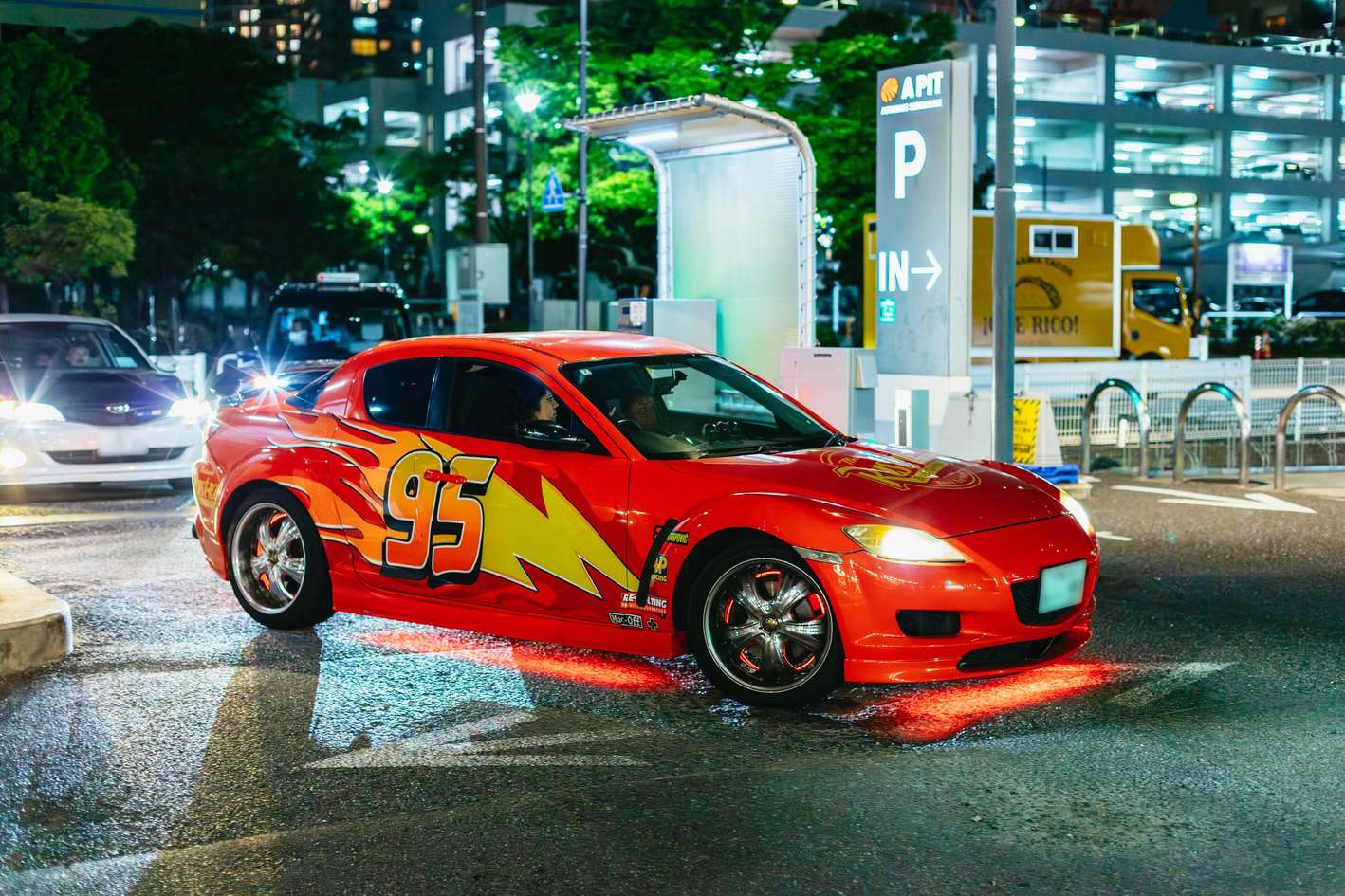
On most shared packages the fleet assigns your car, and some run a mystery plan where the model stays a surprise until it arrives. A few operators let you request a model or color, though maintenance and availability mean no specific car is ever certain.
Sharing
Sports cars on shared tours carry about three people per car, and groups can be split across vehicles that drive together. Vintage coupes have tiny back seats, so take turns in the front if you are tall.
What is included
Guided packages cover the vehicle, driver, fuel, expressway tolls and parking at Daikoku PA, which charges no admission. Food, souvenirs and personal spending stay your own cost.
Police closuresCan stop the day
Police shut Daikoku PA's ramps on crowded weekend nights, sometimes between 7:30 pm and 9 pm, and clear everyone out. Guides redirect to Umihotaru or Tatsumi PA, and one operator offers a full refund instead if Daikoku is closed on your night.
Etiquette
Owners expect visitors to leave their cars alone: no leaning, sitting on hoods or touching paint with watches or metal. Loud revving and burnouts get meets dispersed, so keep the night friendly and the engines quiet.
Timing
Tours leave meeting points on schedule and wait only about 5 minutes for latecomers. Show up ten minutes early, and keep WhatsApp or Instagram notifications on, since operators send pickup details and delays through those apps.
Food
After 9 pm the 24-hour Lawson inside Daikoku PA is the only outlet open, selling rice balls, fried chicken and car-themed snacks, with vending machines running around the clock.
02
BookingHow far ahead, and what happens if plans change
1
Cancellation
Every package on this page carries free cancellation up to 24 hours before the start. If the tour operator cancels for severe weather, you get a full refund.
03
Before you goPapers, health, what to bring
2
DocumentsCan stop the day
Bring a passport or ID card, since operators check it before departure. As a passenger you need no international driving permit and no license, because a professional driver handles the wheel.
Clothing
Daikoku PA is an open-air coastal deck, so winter nights drop to a few degrees with bay winds and summer stays humid. Bring a warm layer or windbreaker in the cooler months and flat shoes all year.
04
On the dayWhere to be, when, and how you get there
1
Getting stranded
Daikoku PA sits on an expressway island with no train, bus or pedestrian access, and walking in is illegal. A taxi can drop you there but you cannot reliably catch one back, so an organized tour with round-trip transport is the practical way to visit.
Your guide to Daikoku package tours
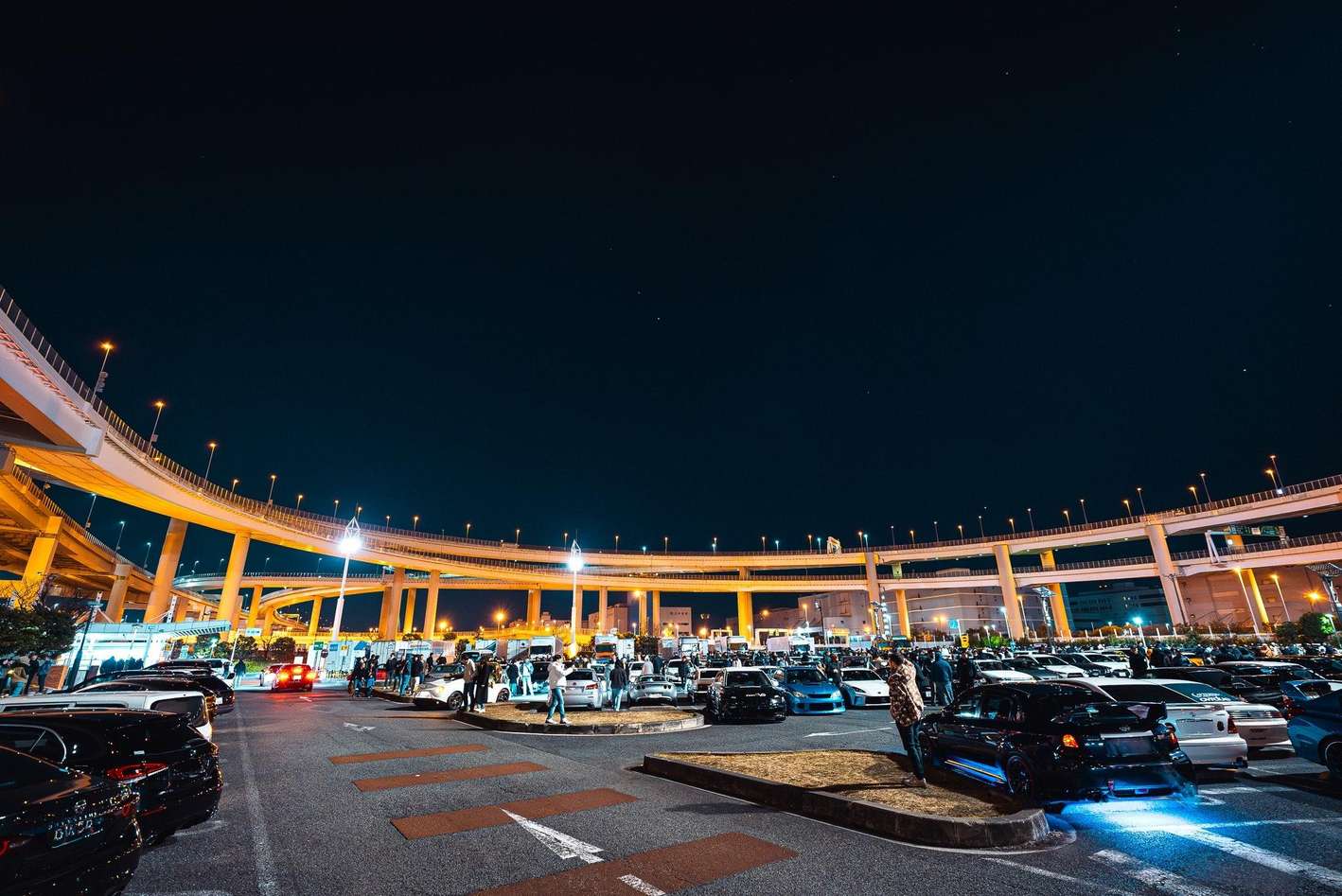
Daikoku Parking Area sits on an expressway island with no trains, no buses and no legal way to walk in, so a packaged ride is the only practical route in. This guide sorts the tiers, from a cheap shuttle seat to a private charter, so the night matches the booking.
Yokohama· 35.66° N, 139.70° E
If you only remember three things
1
Weekend police closures can start at 7:30 pm, so plan to be parked at Daikoku by 6 pm.
2
Standard tours return between 10 pm and 11:30 pm; midnight runs finish between half past midnight and 2:30 am, so book hotel drop-off.
3
No license or permit is needed as a passenger, but bring your passport.
Is a Daikoku night actually worth a slot in your Tokyo trip?
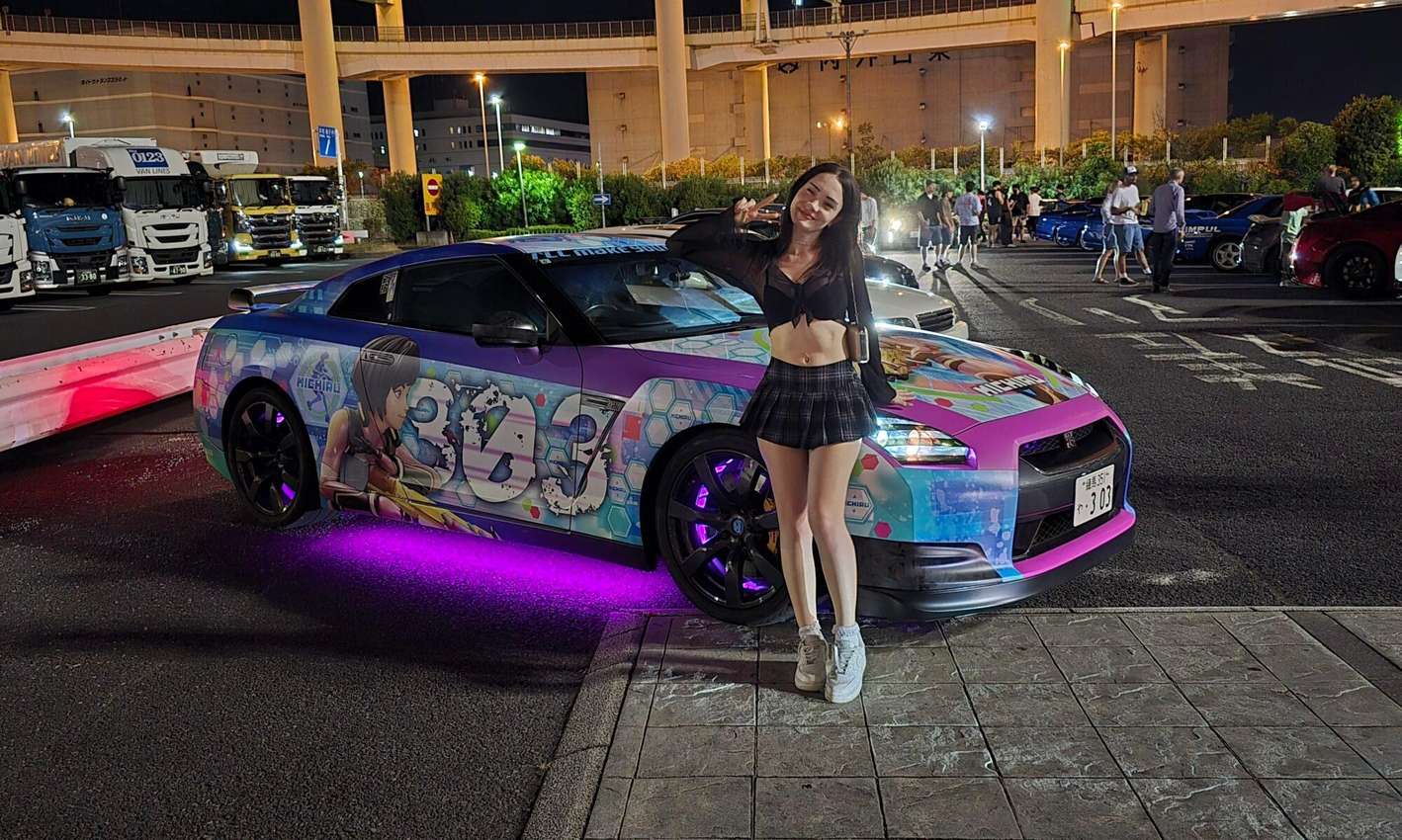
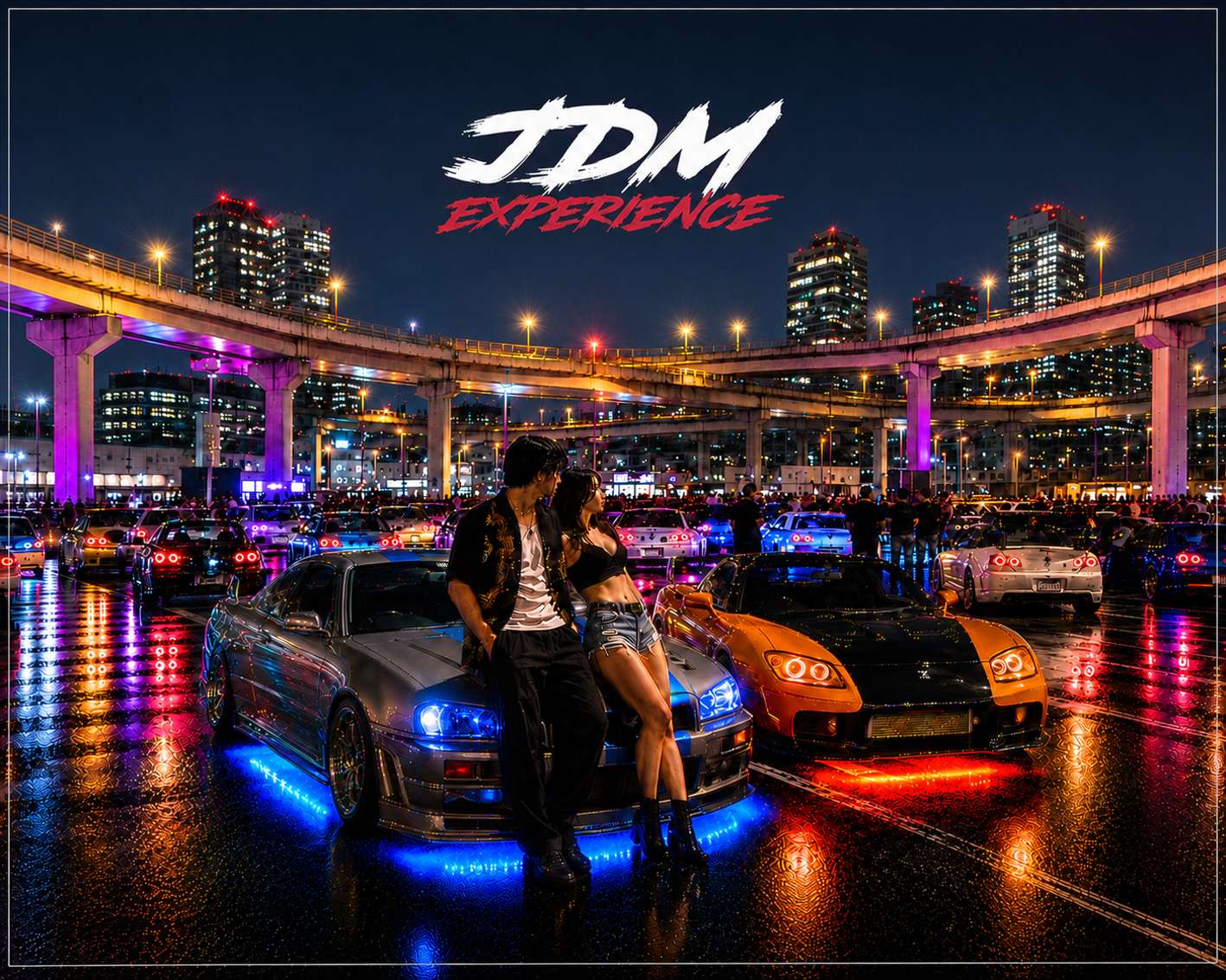
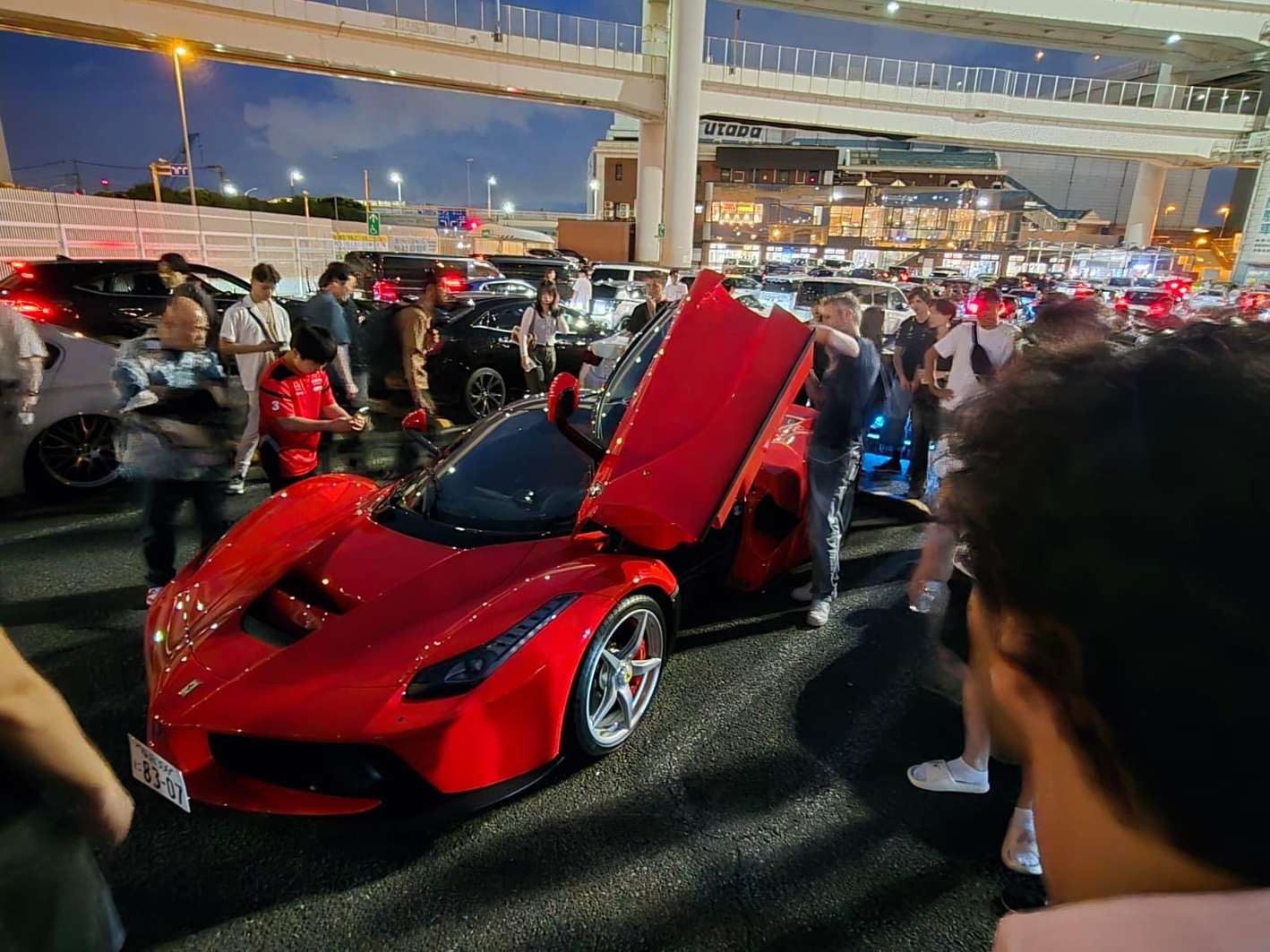
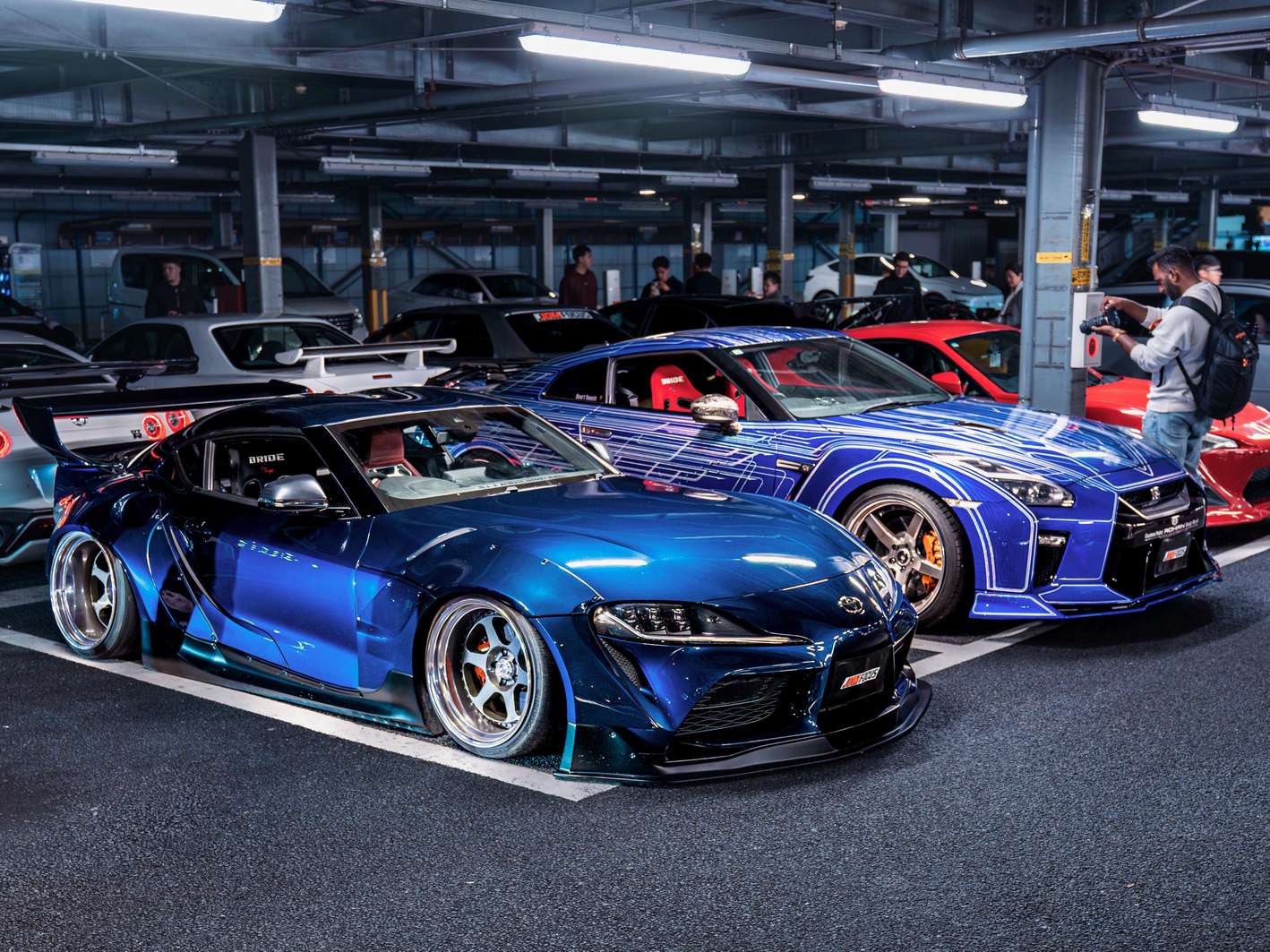
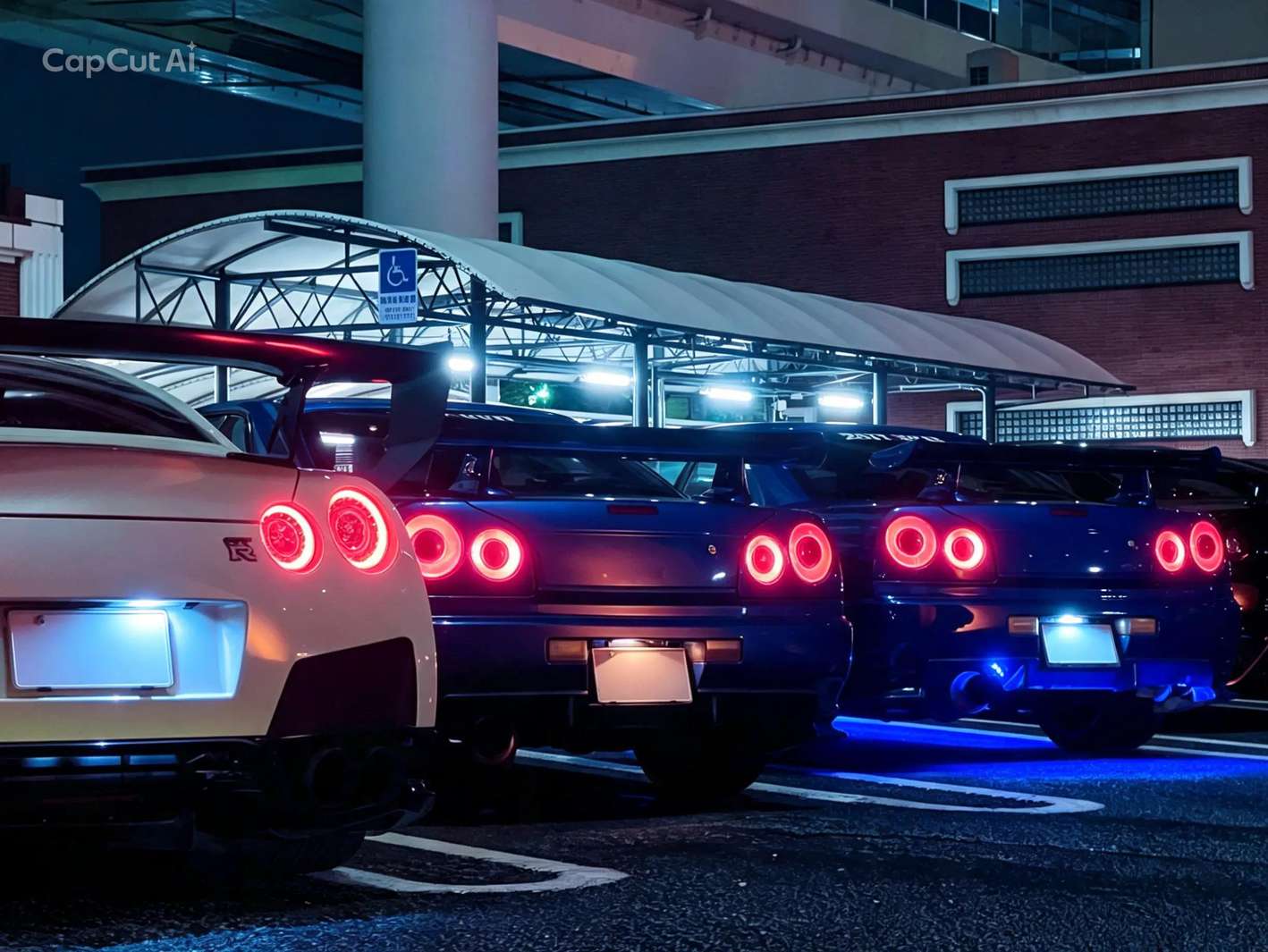
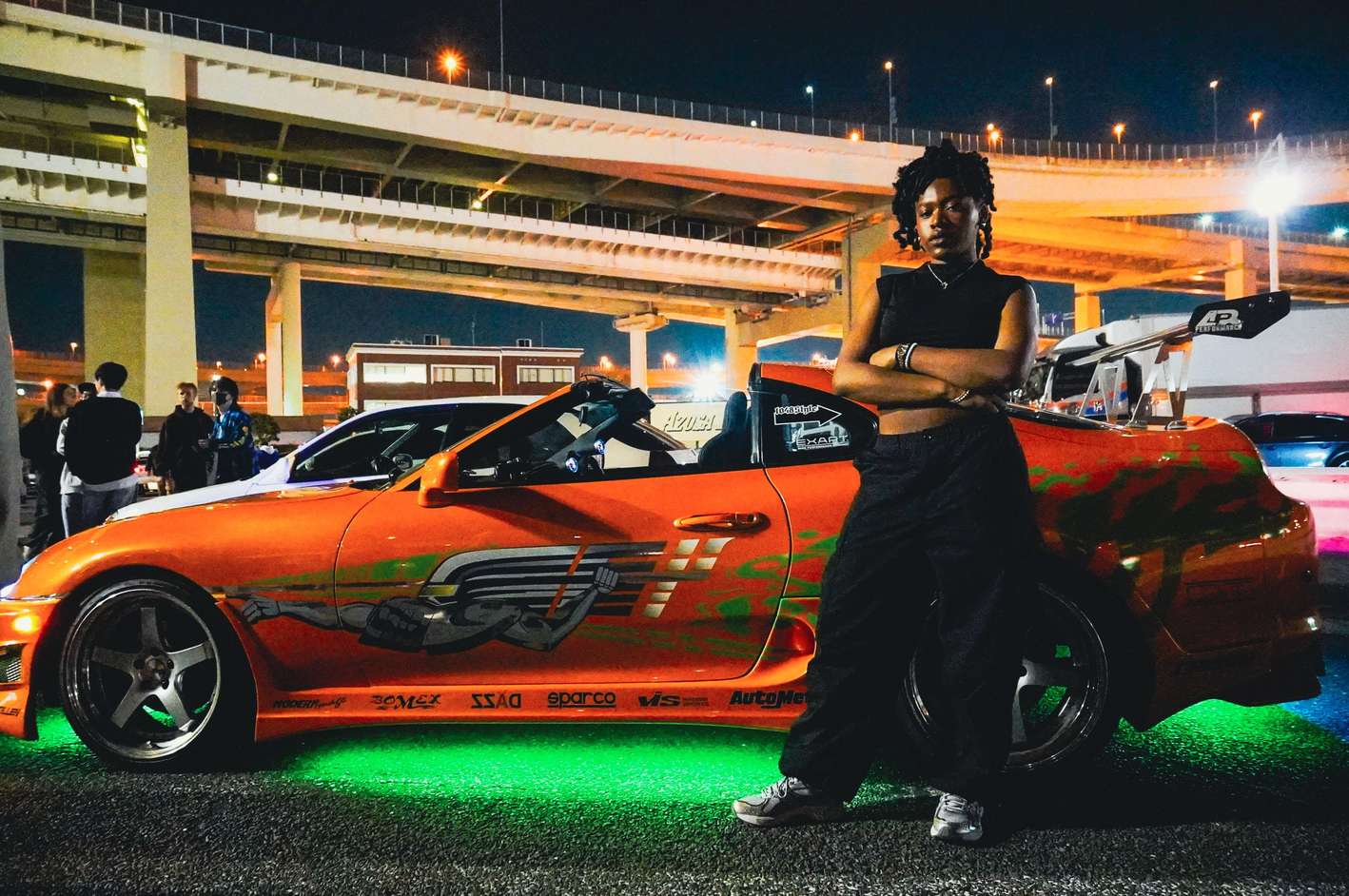
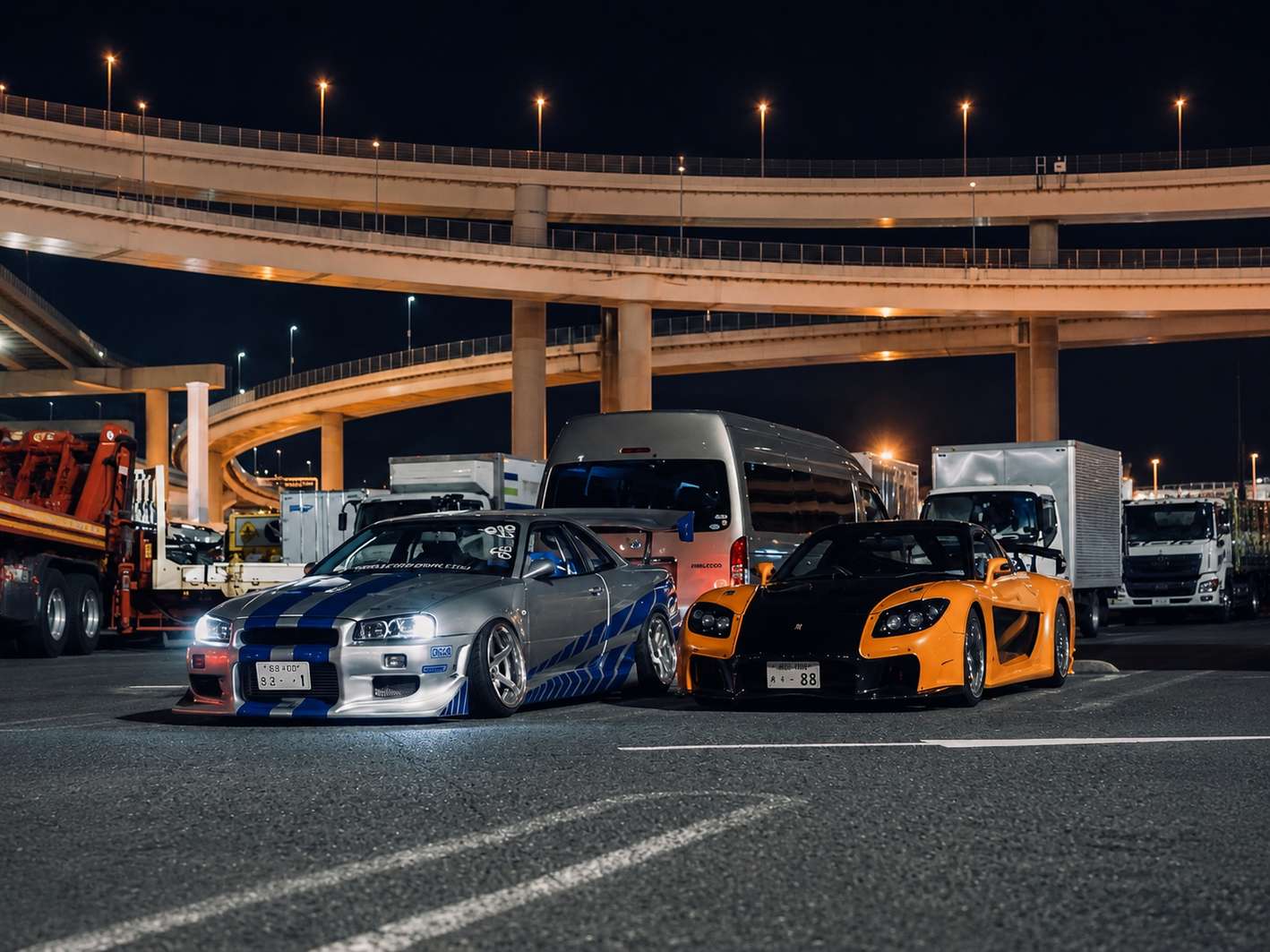
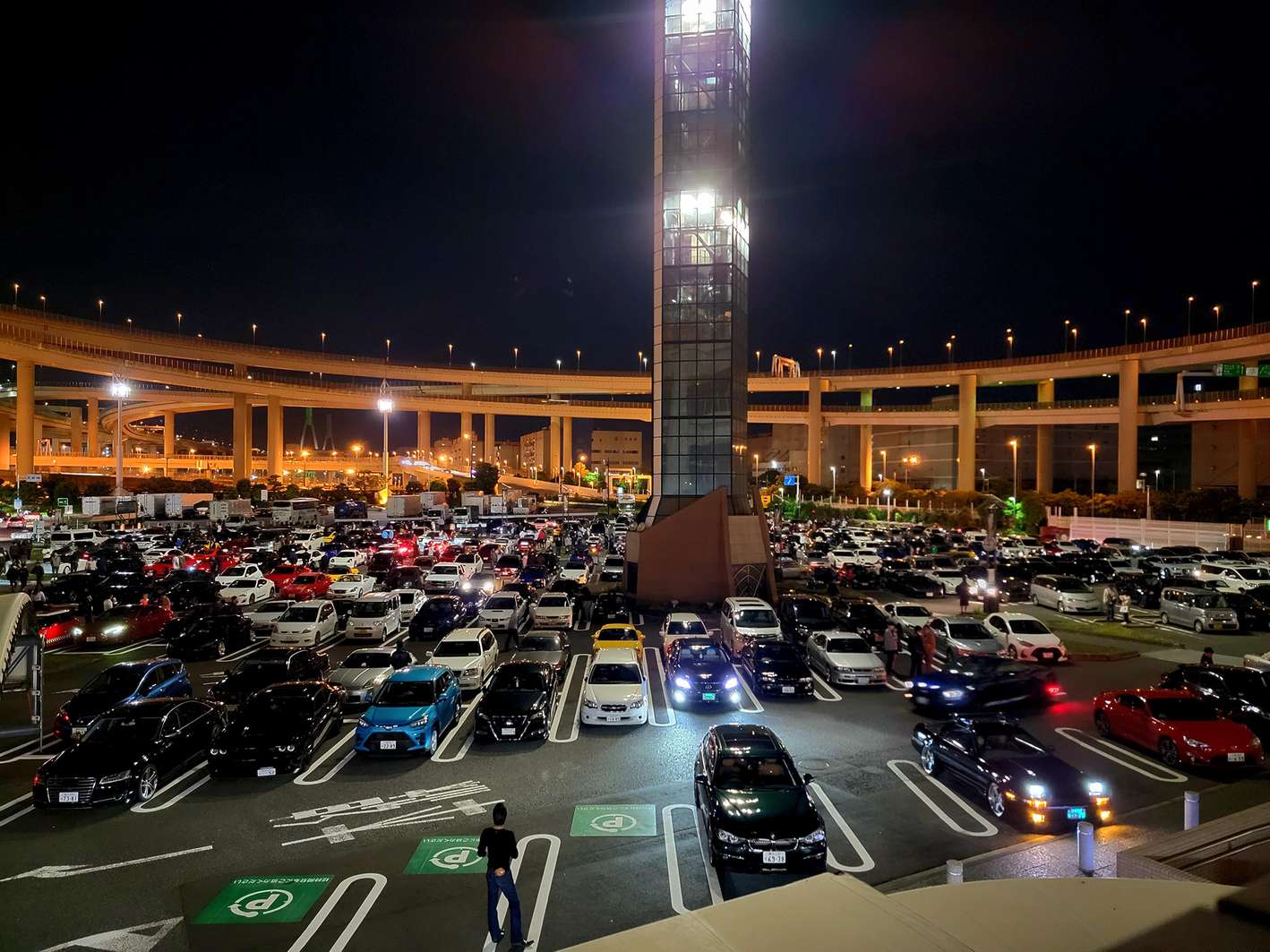
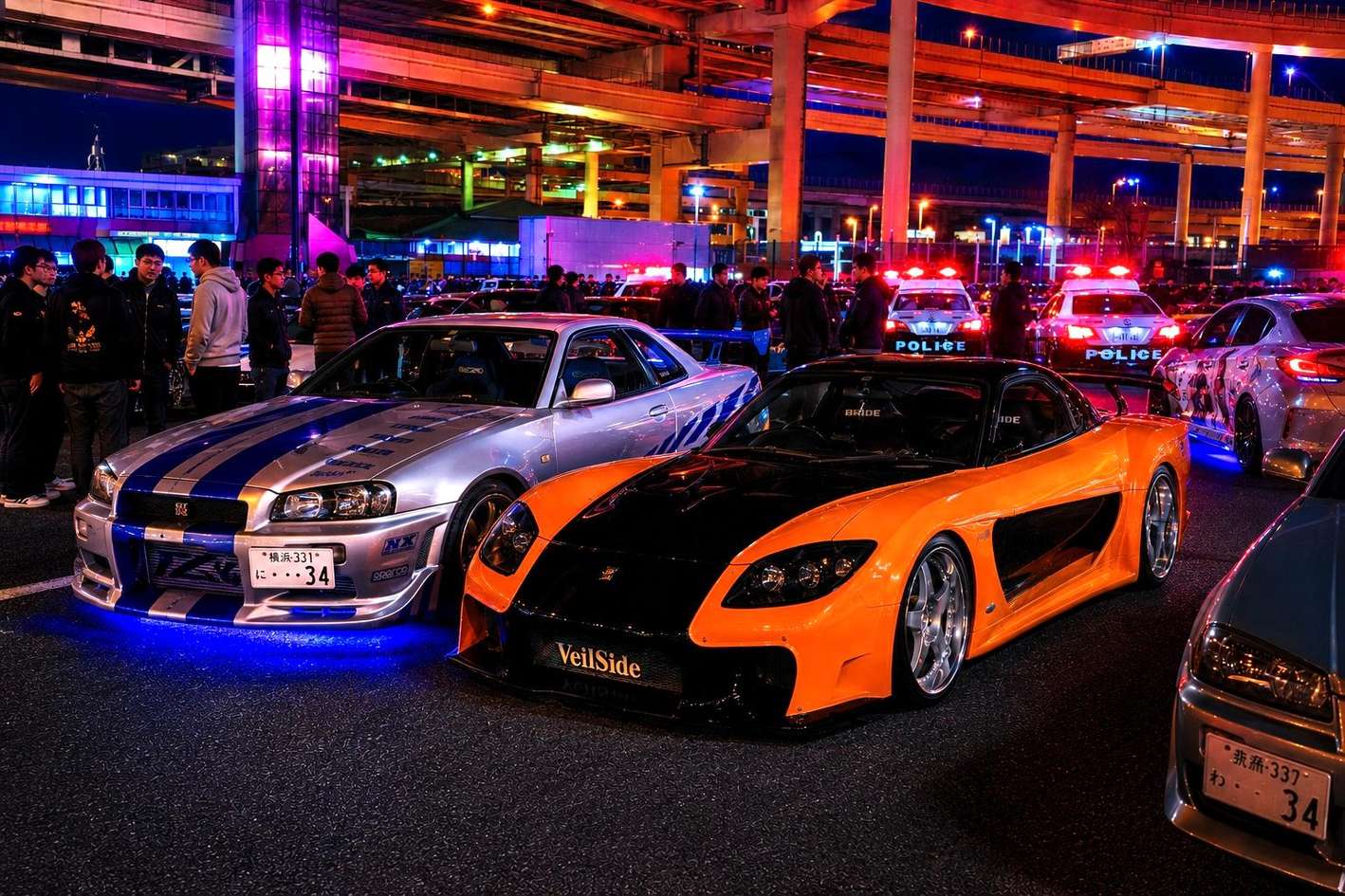
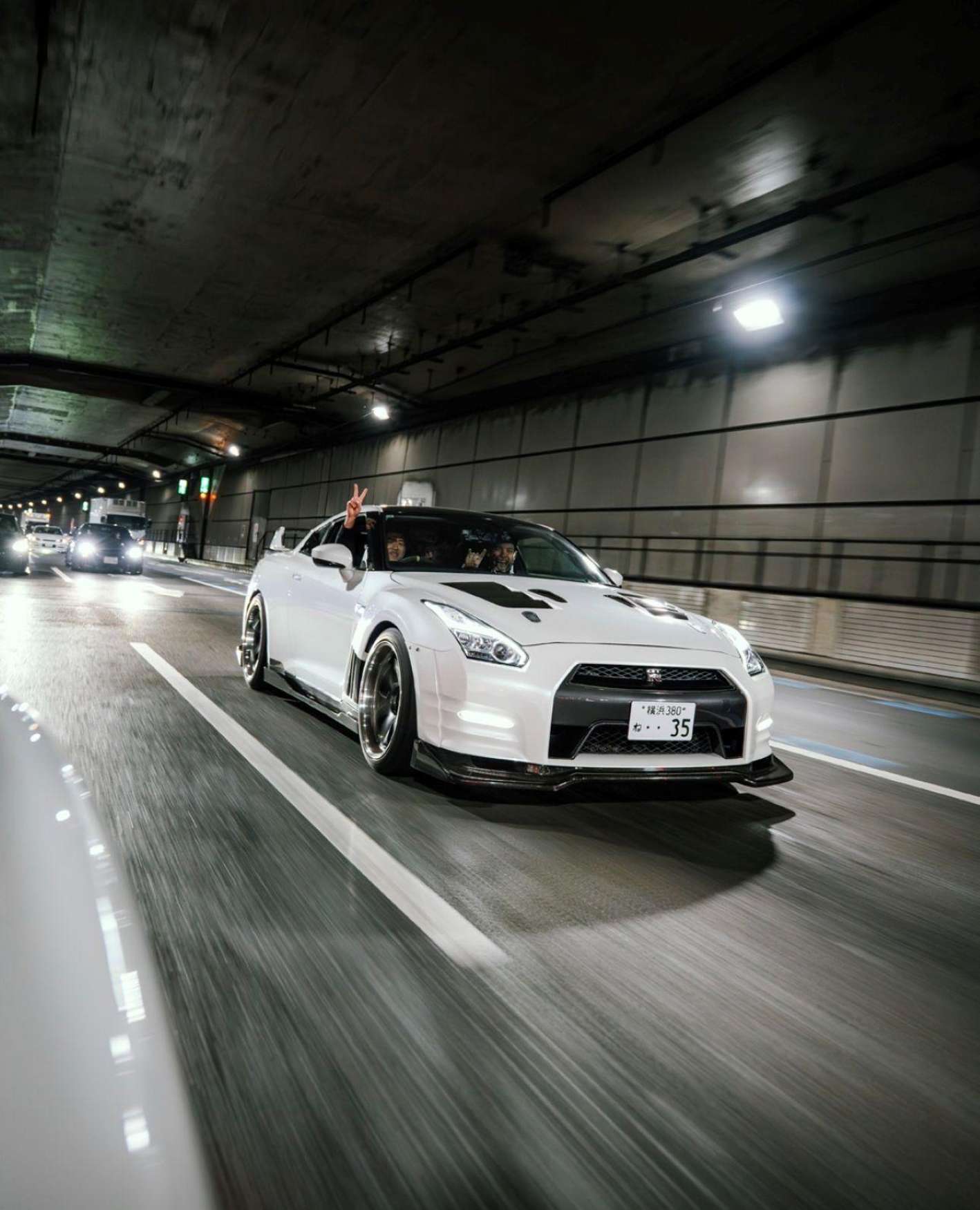
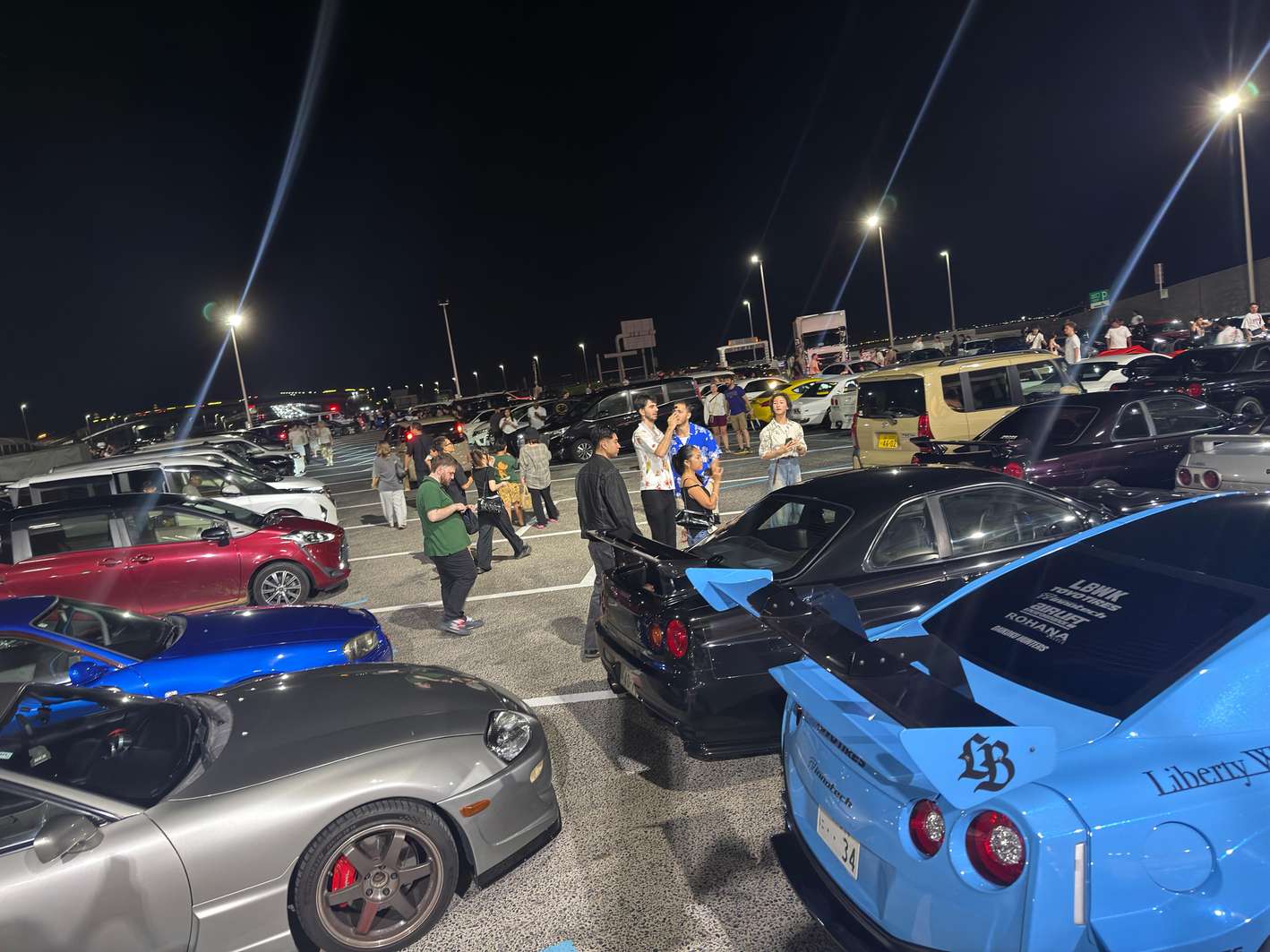
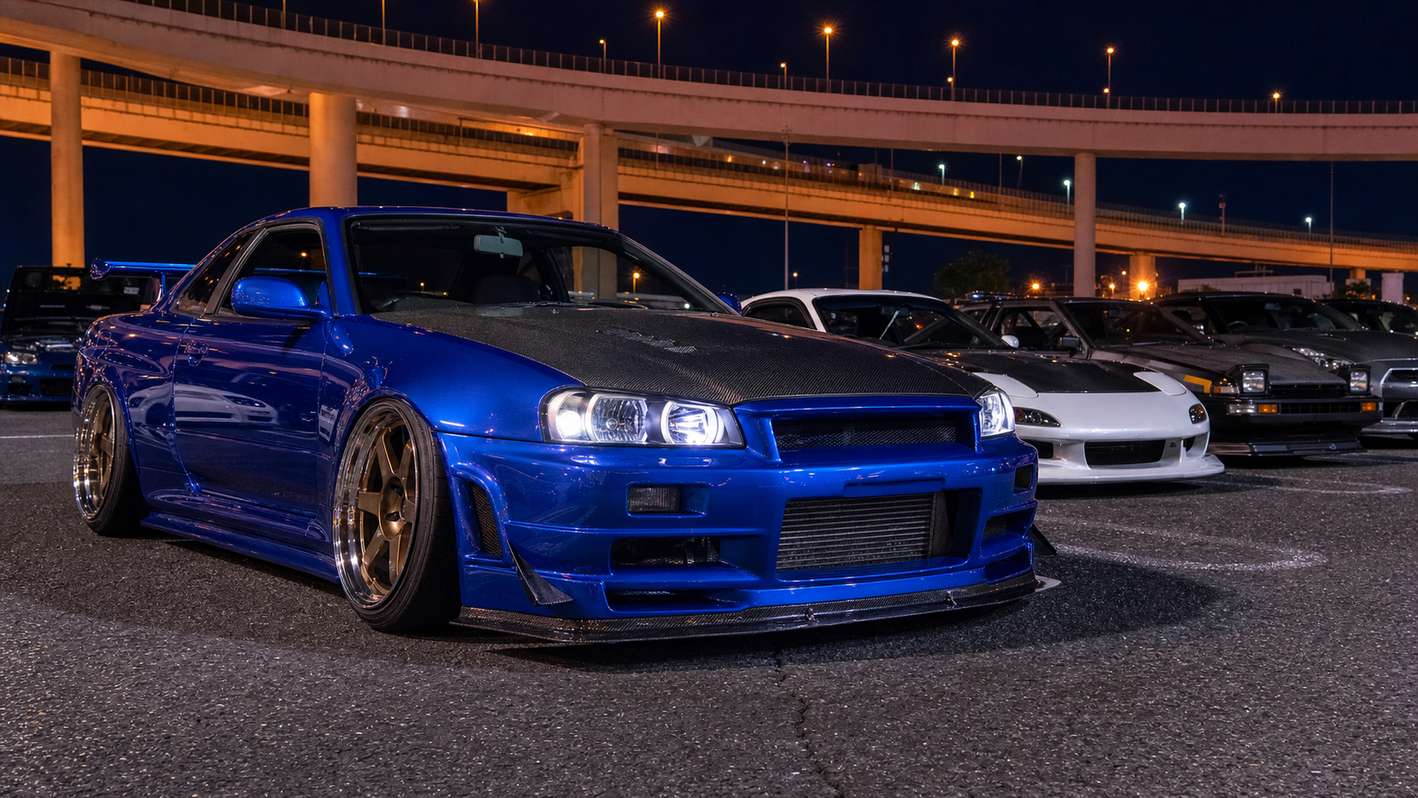
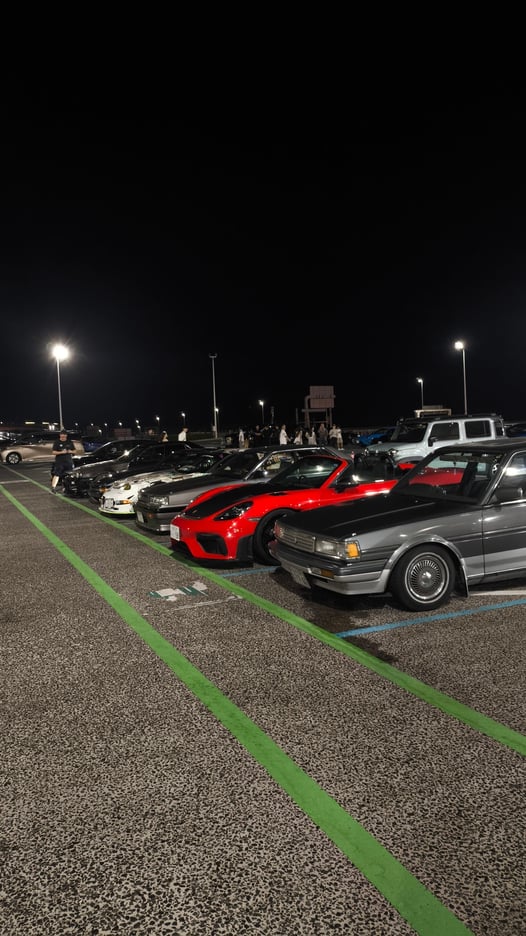
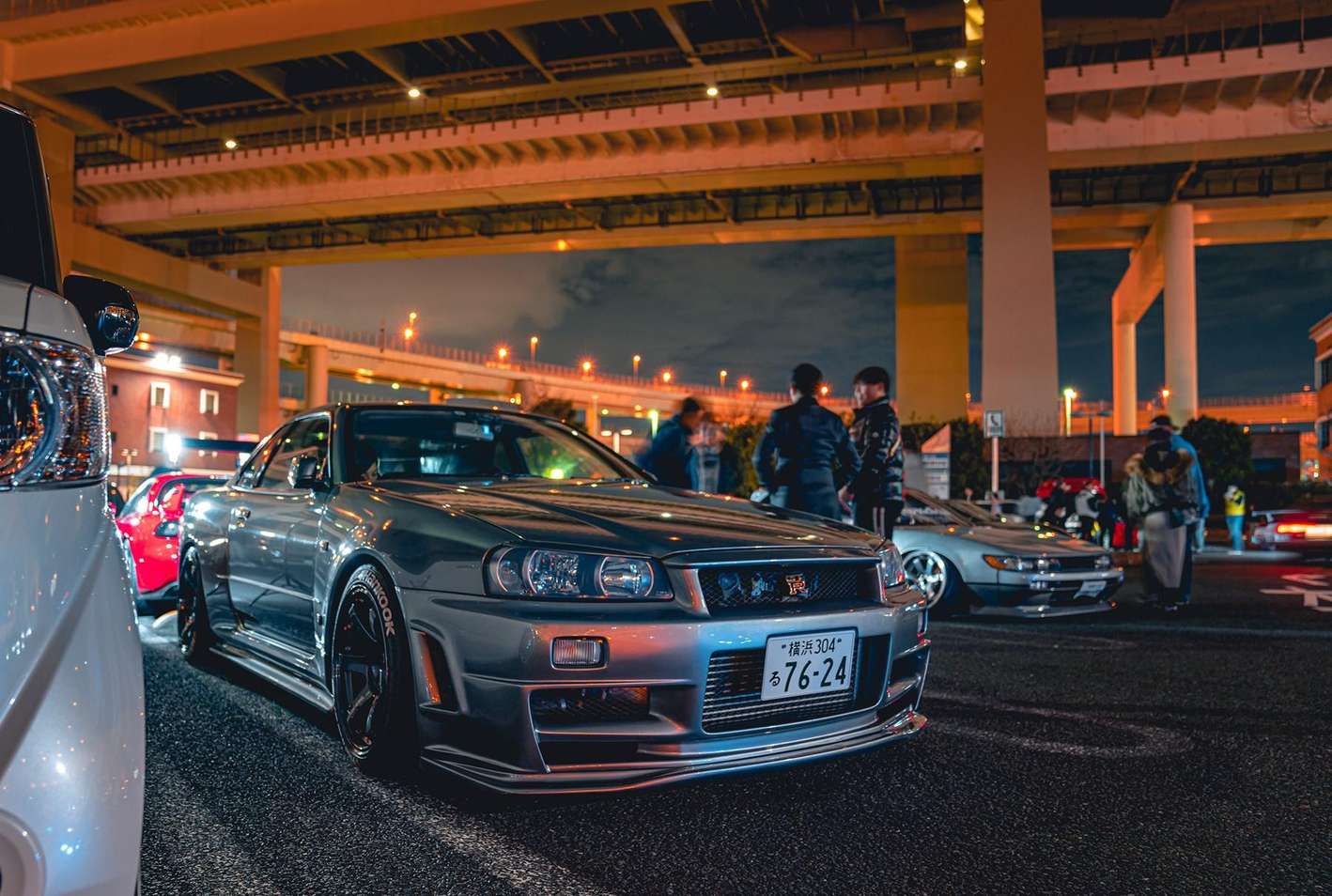
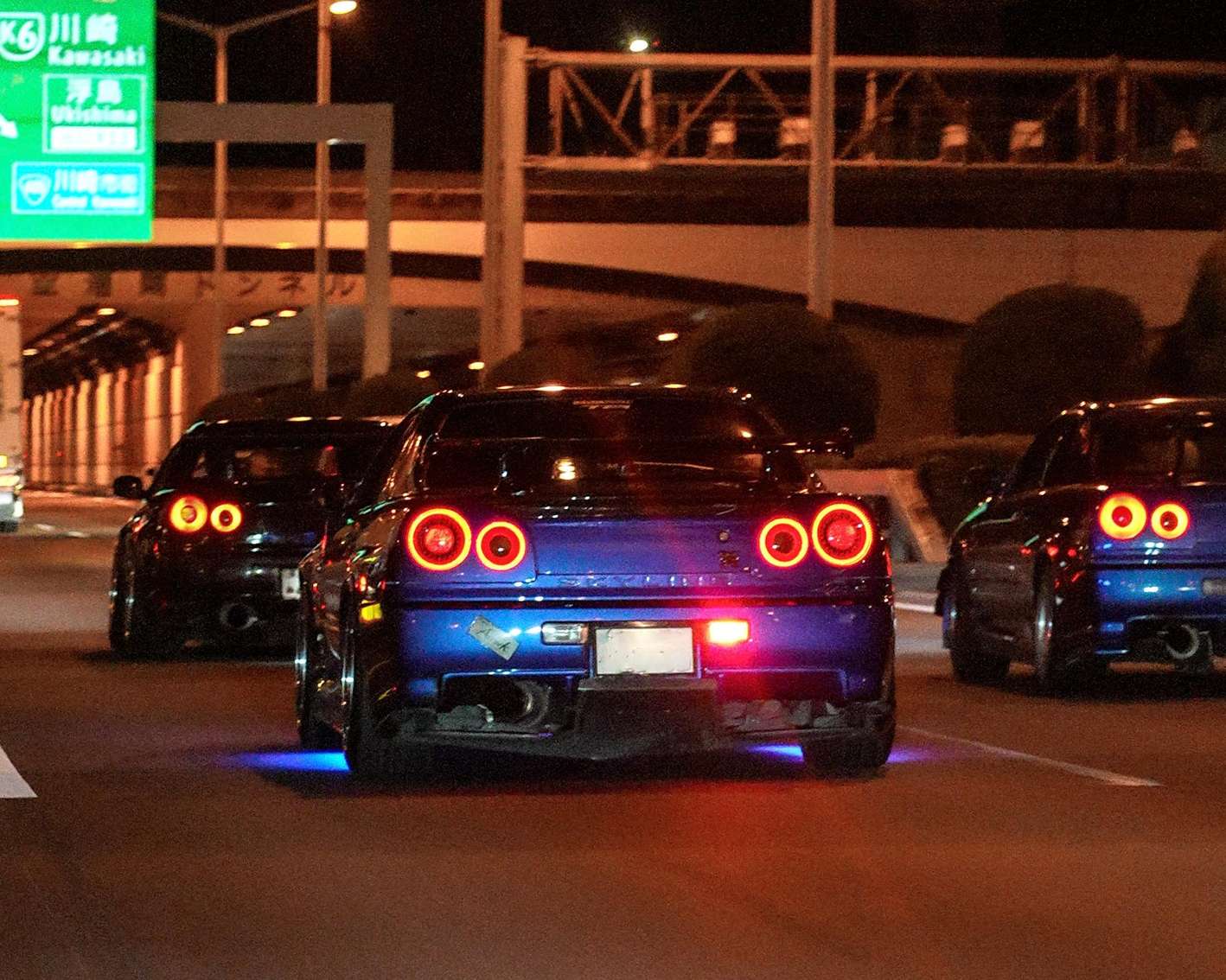
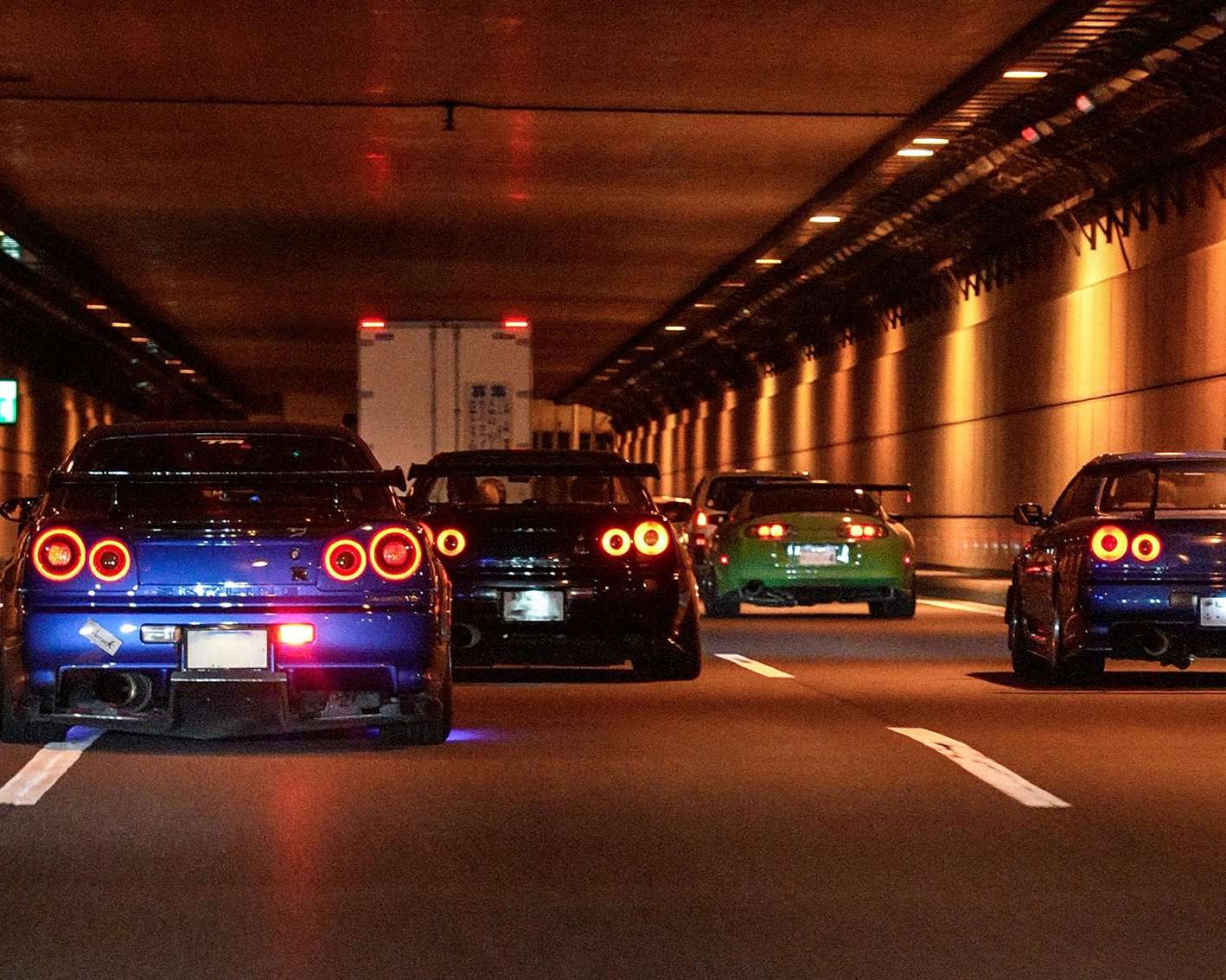
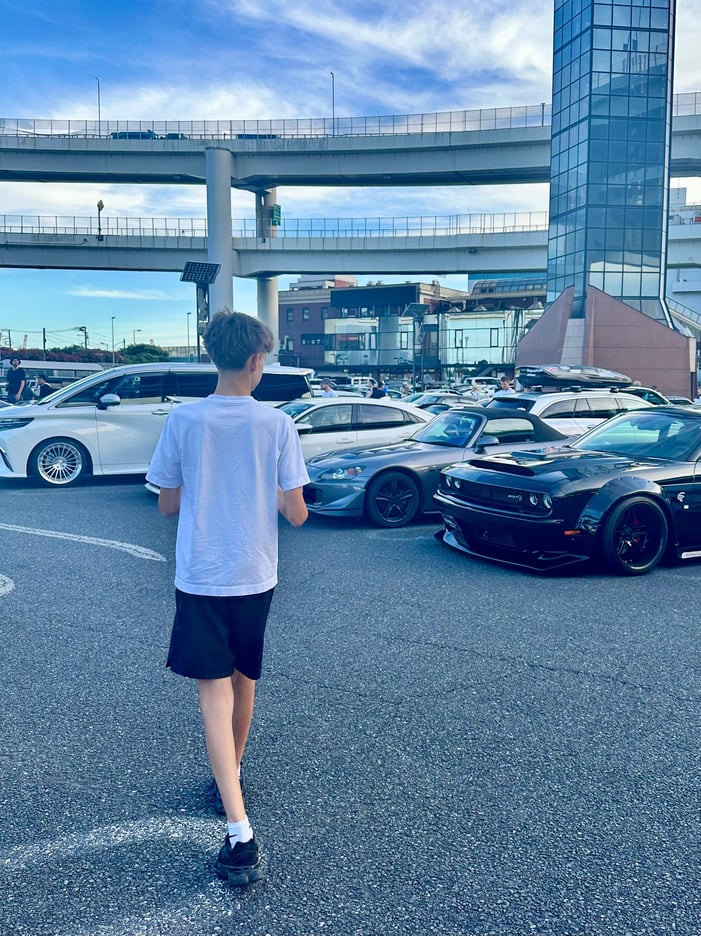
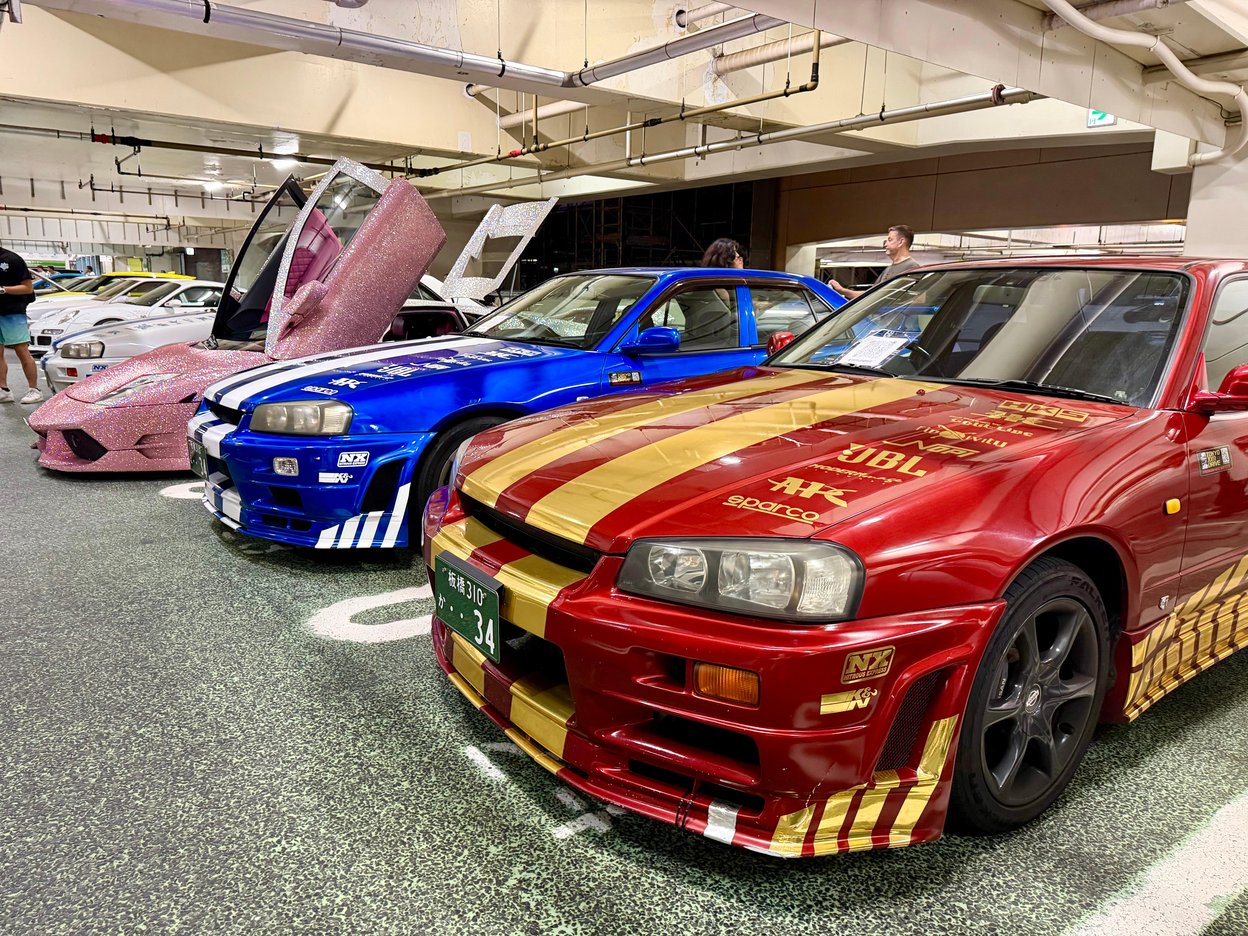
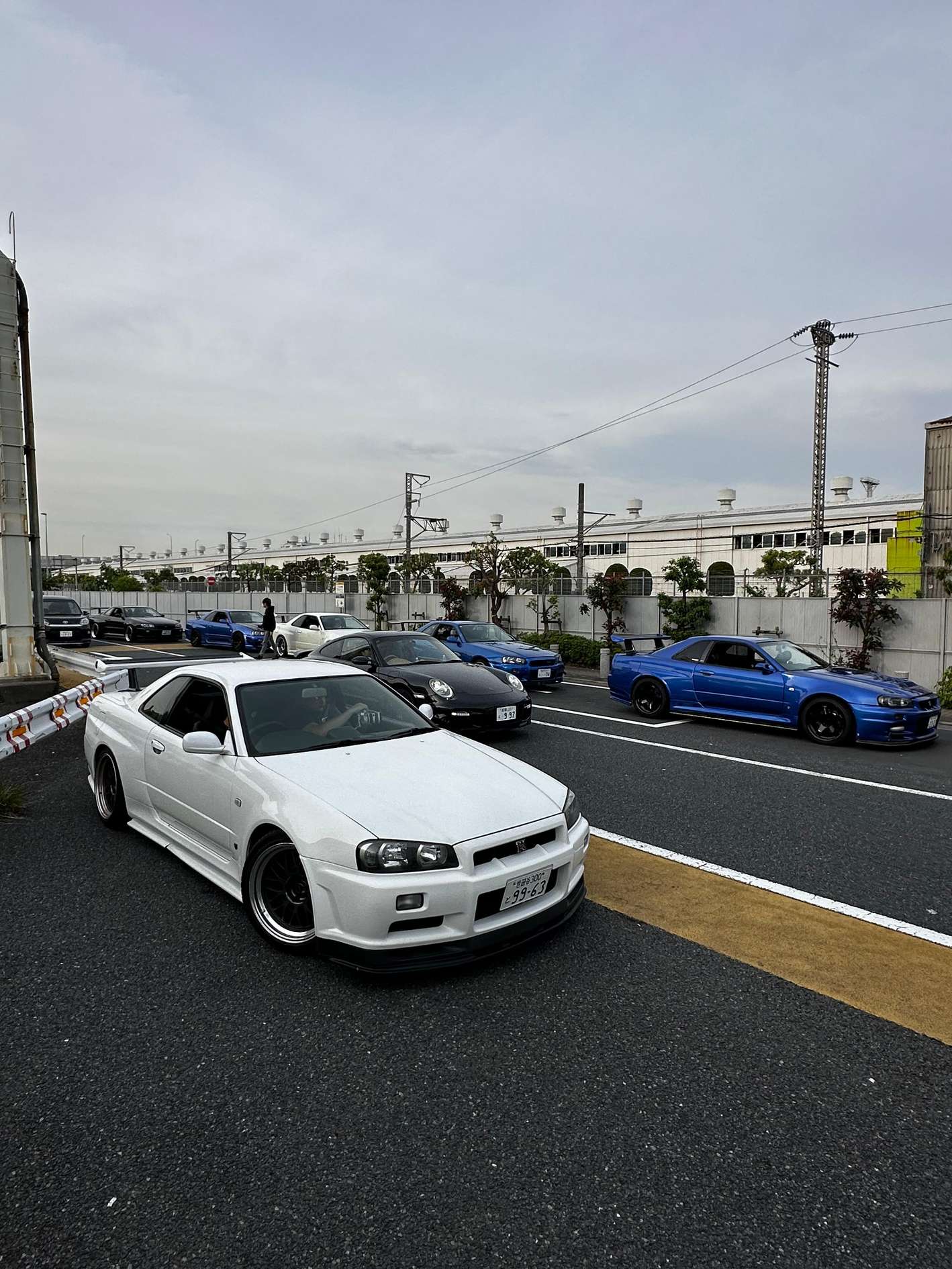
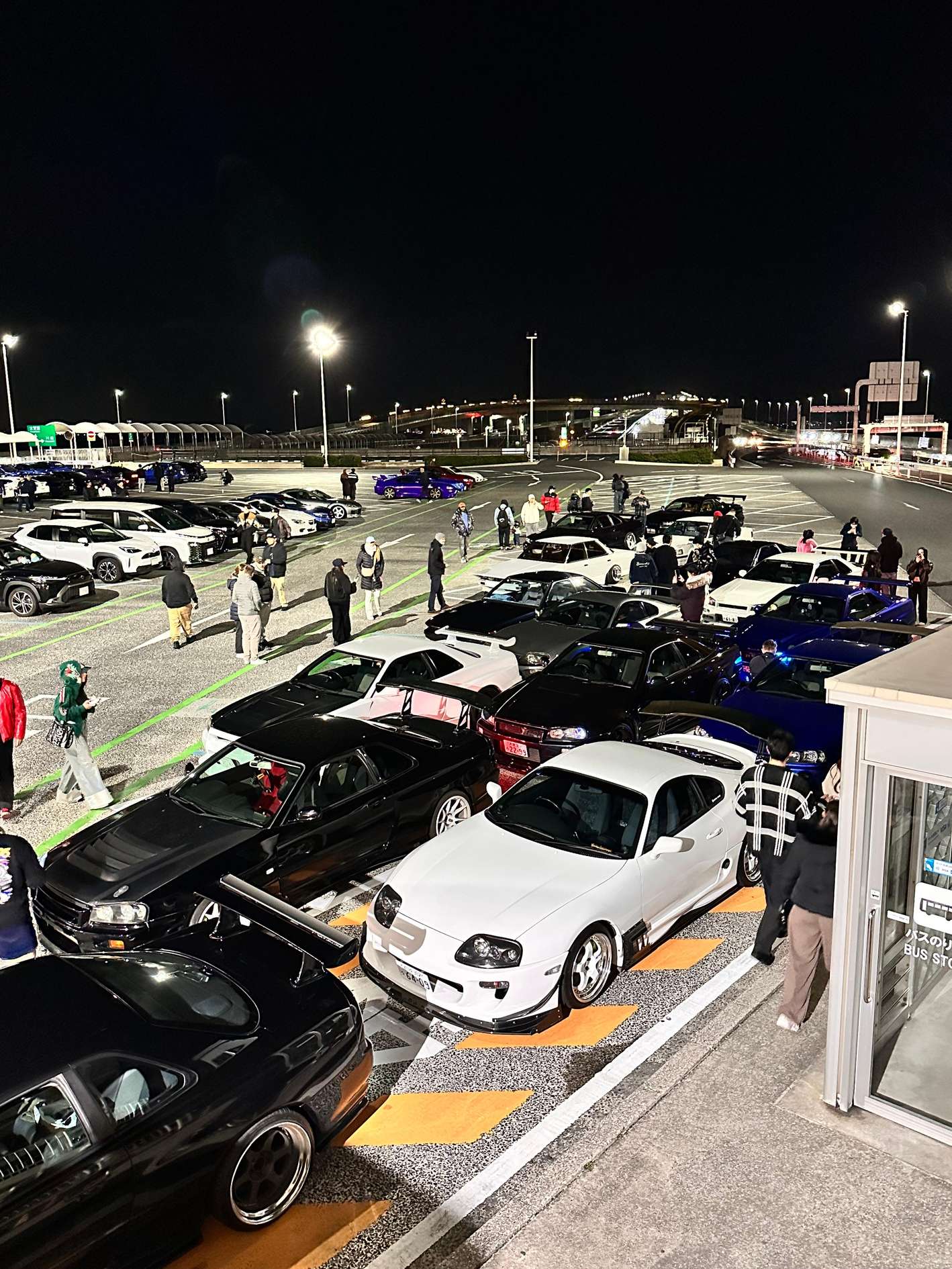
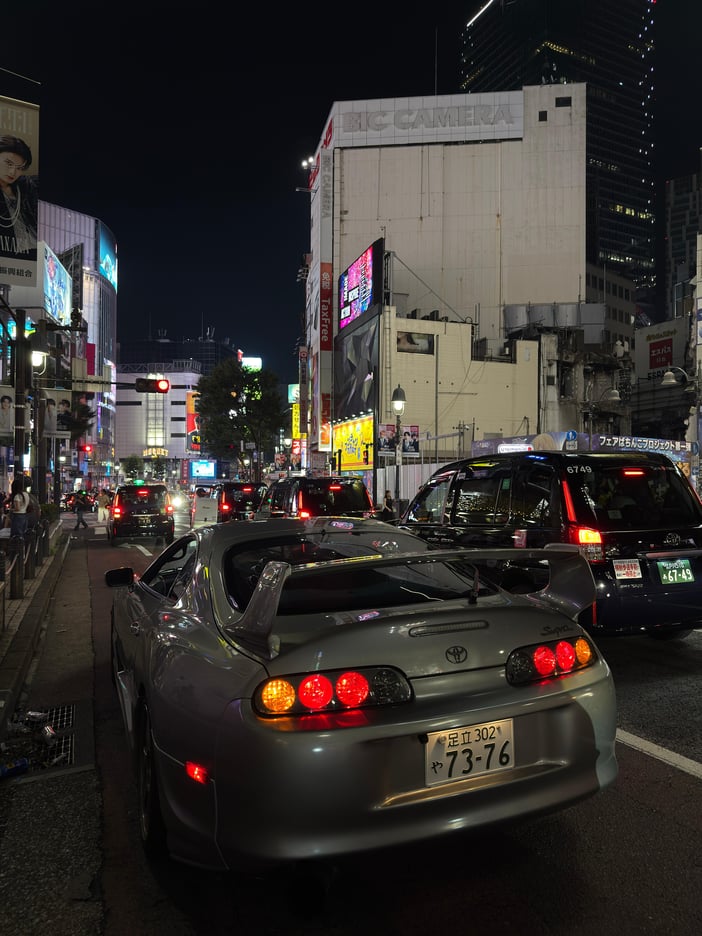
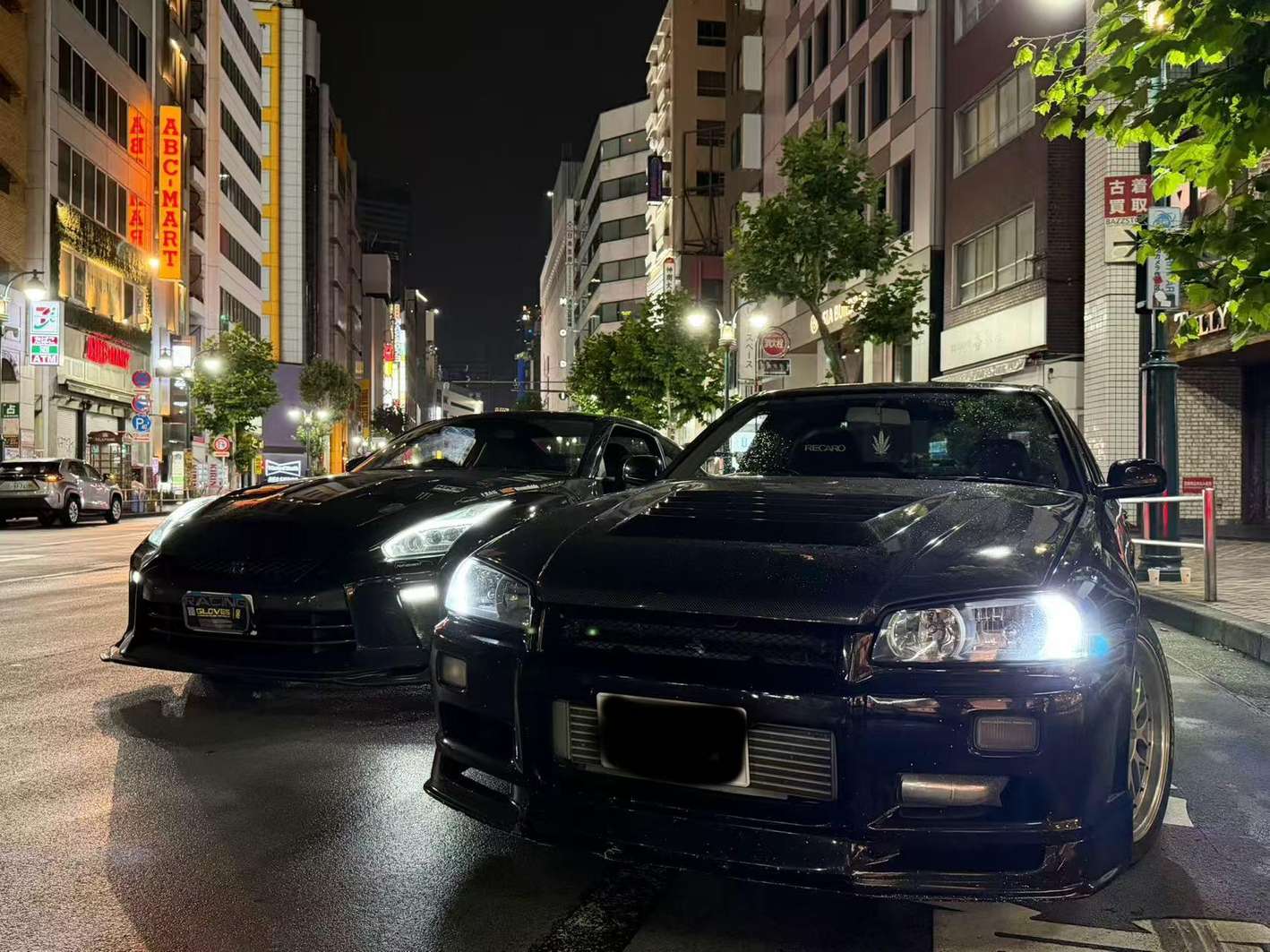
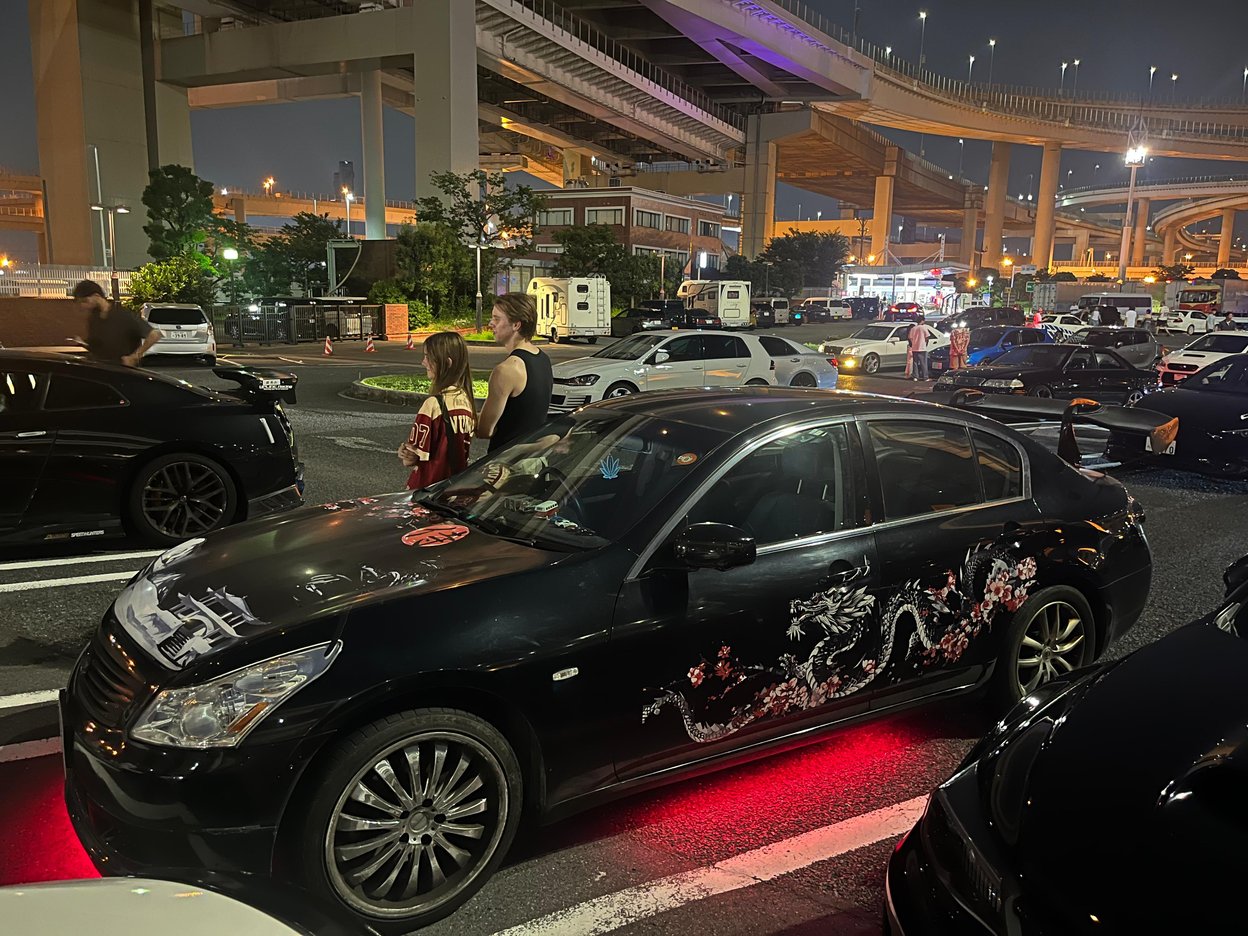
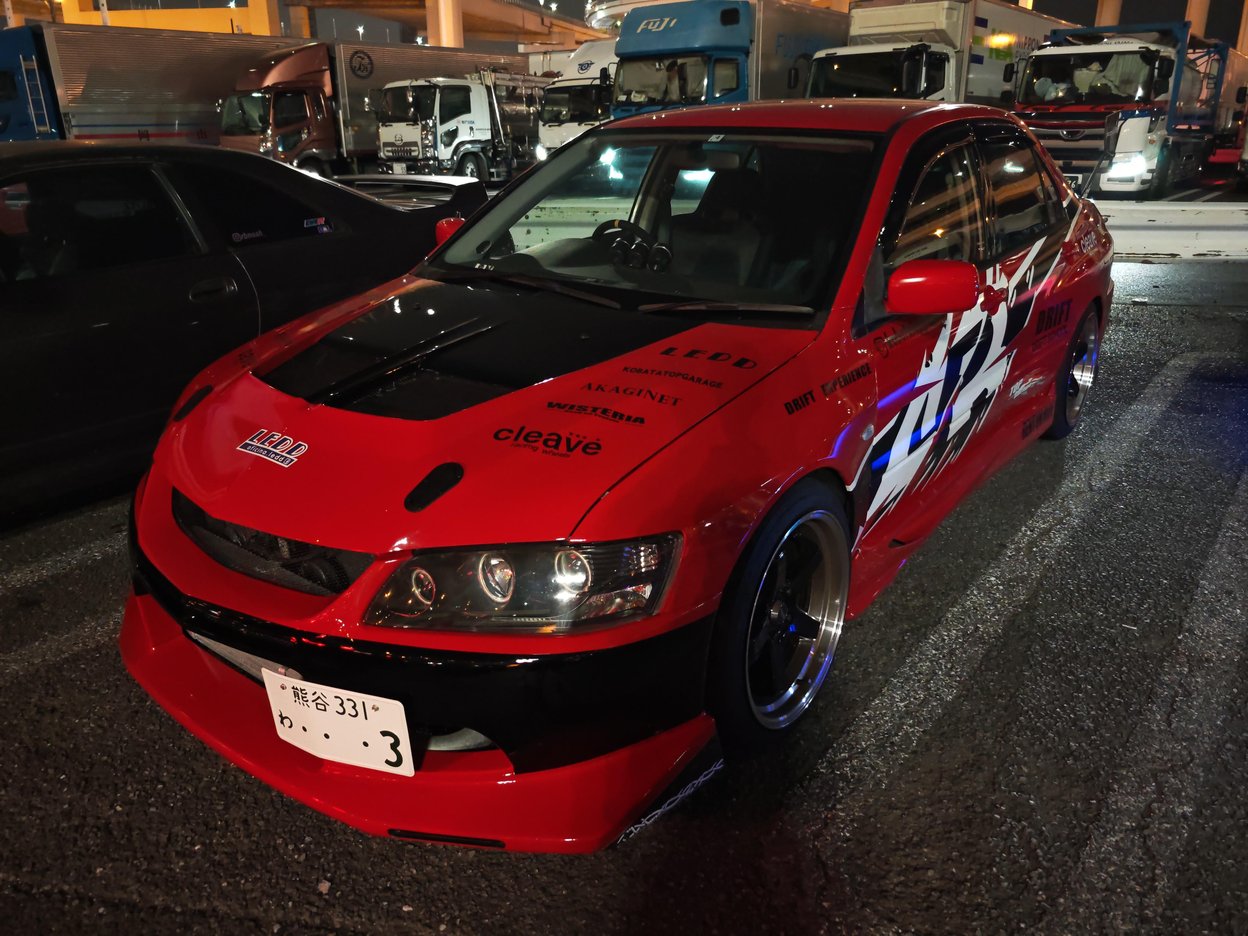
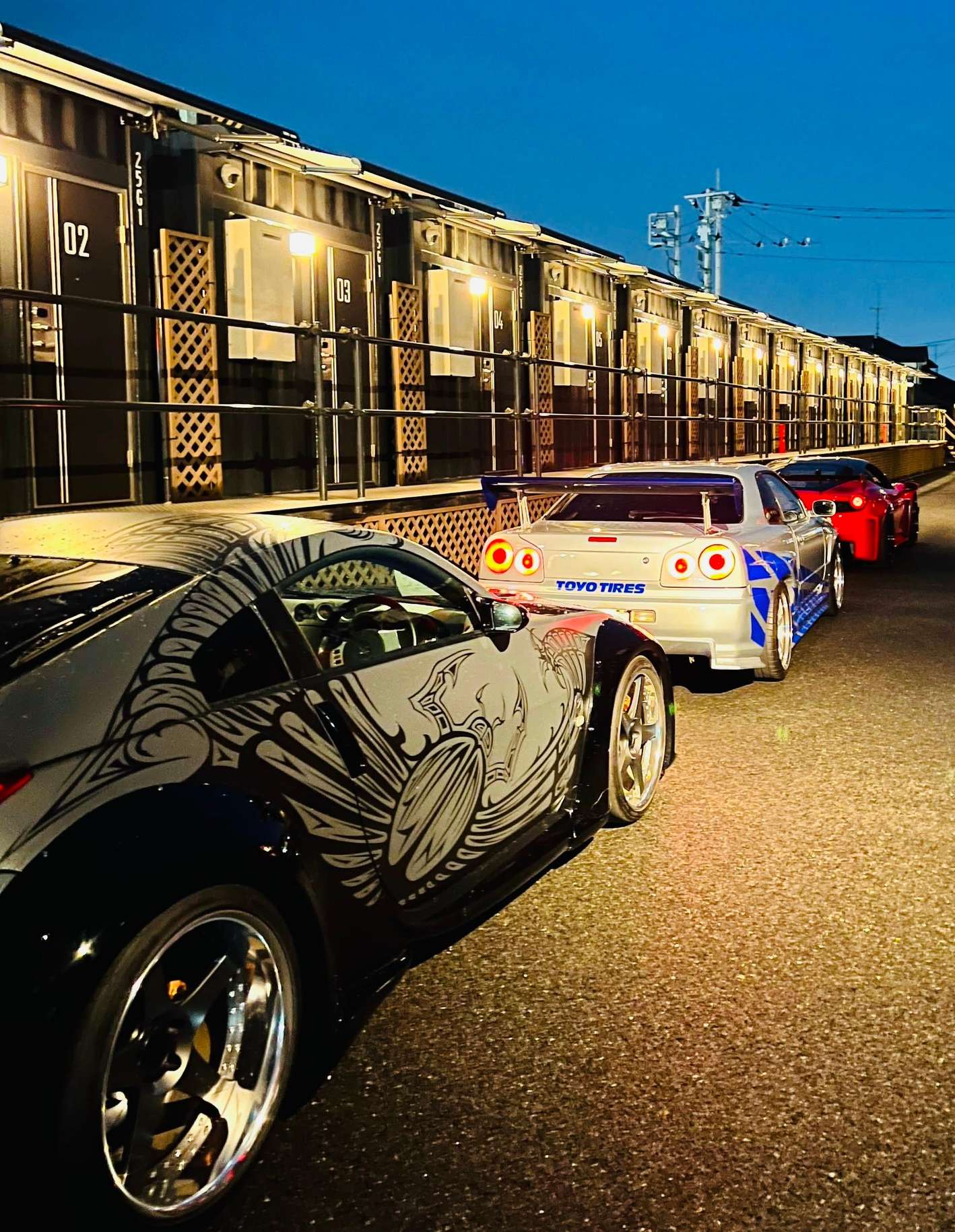
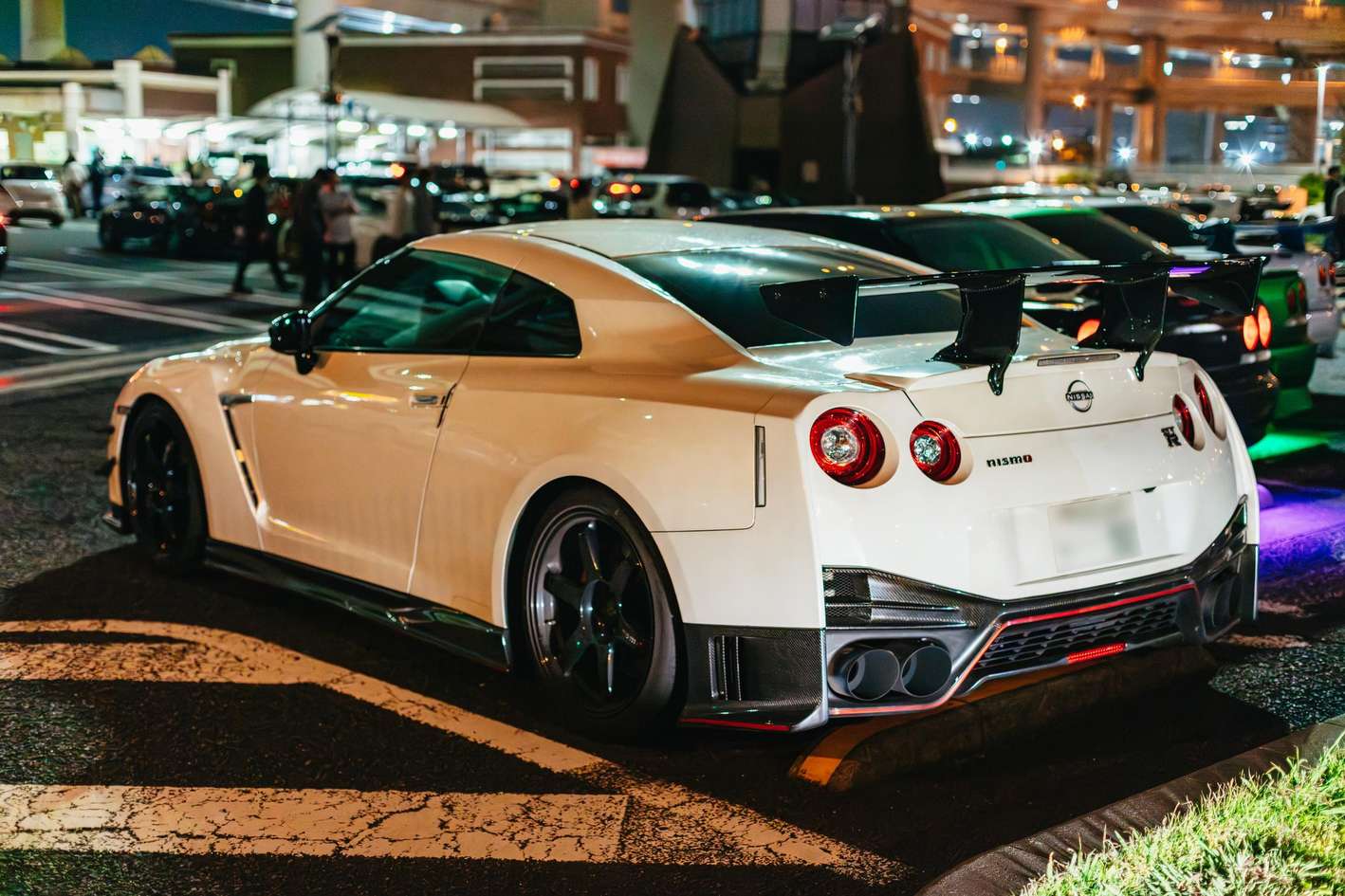
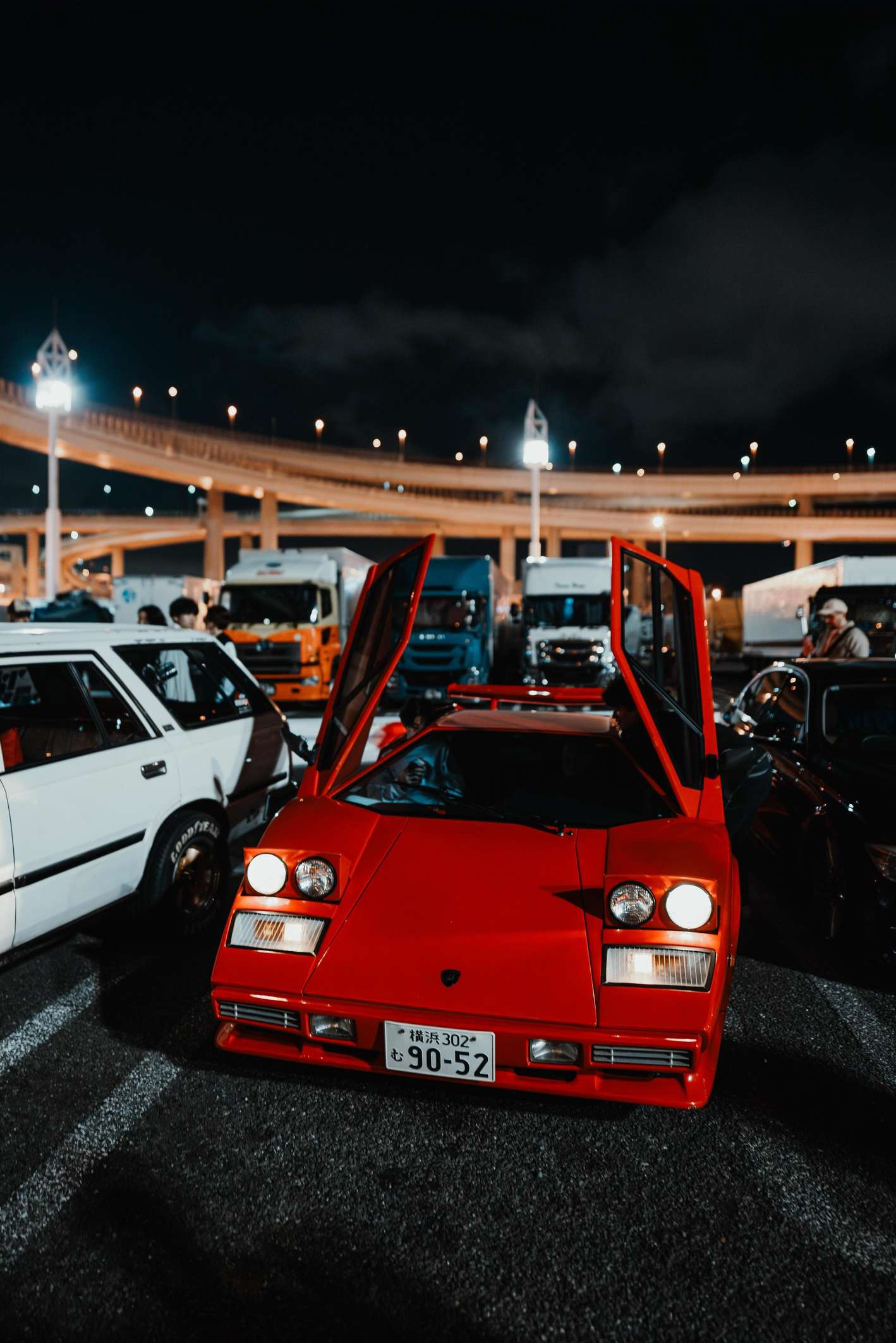
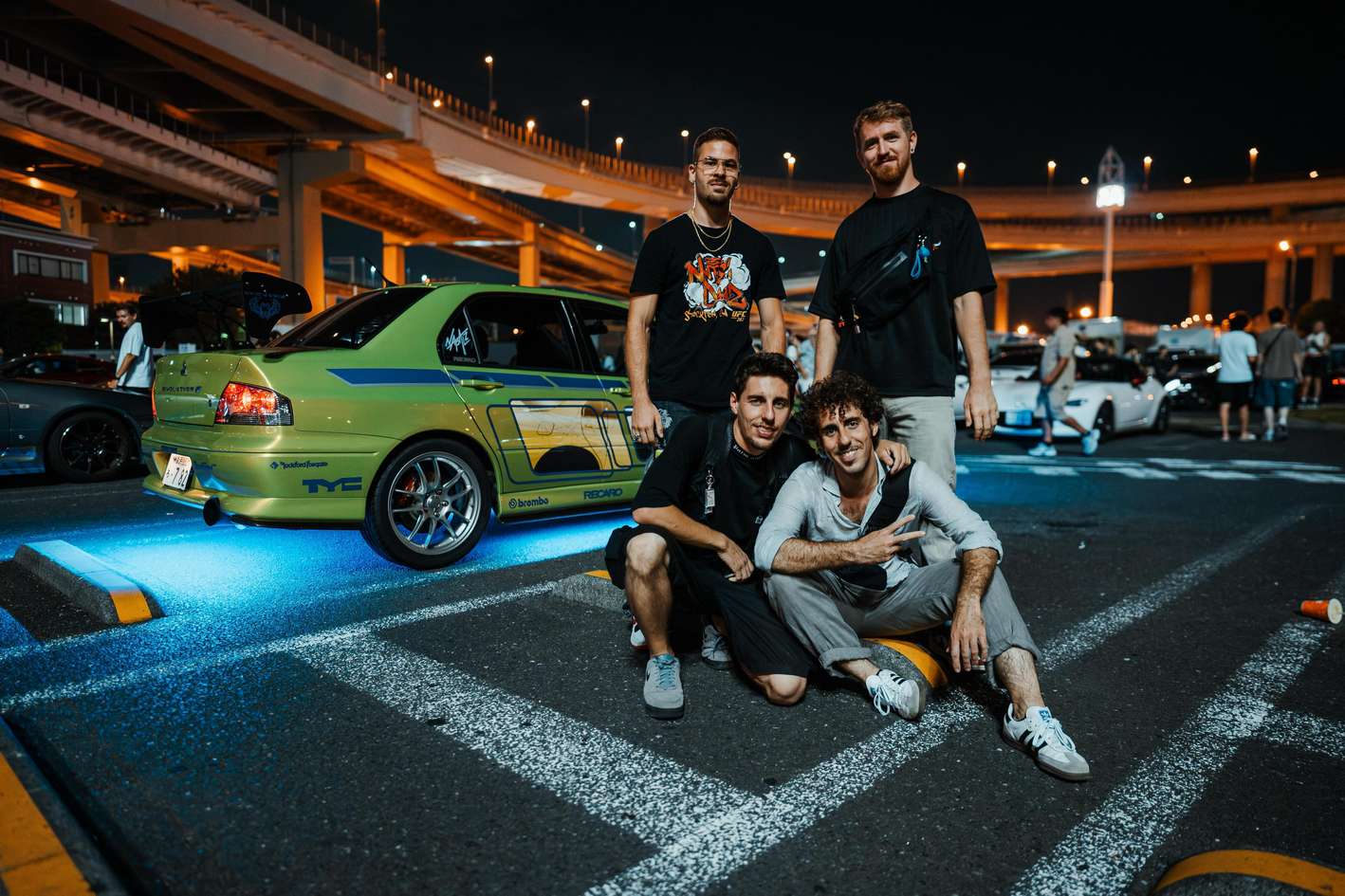
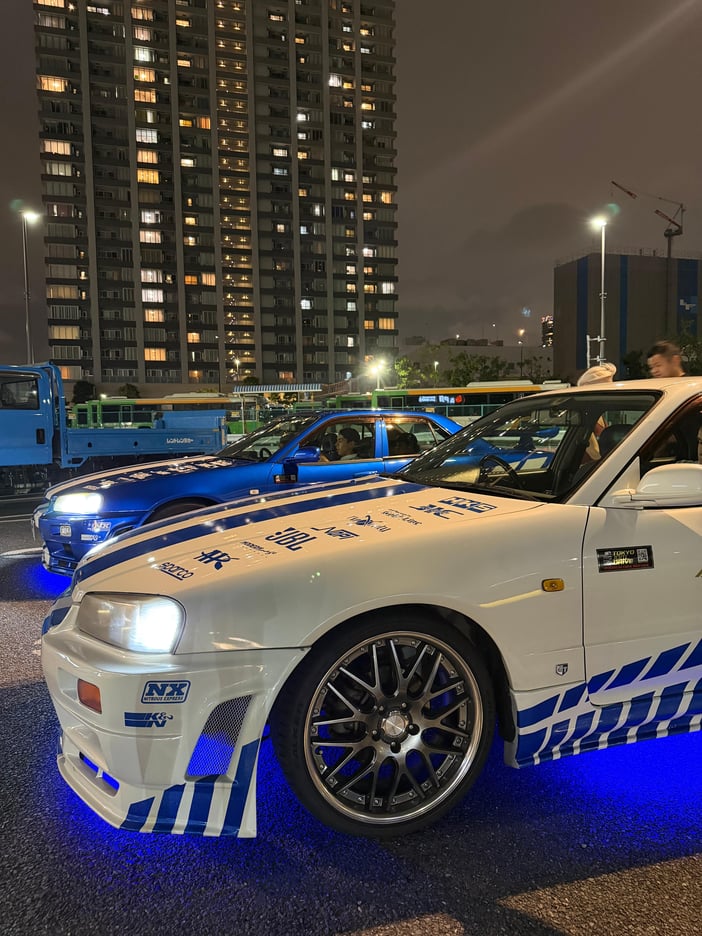
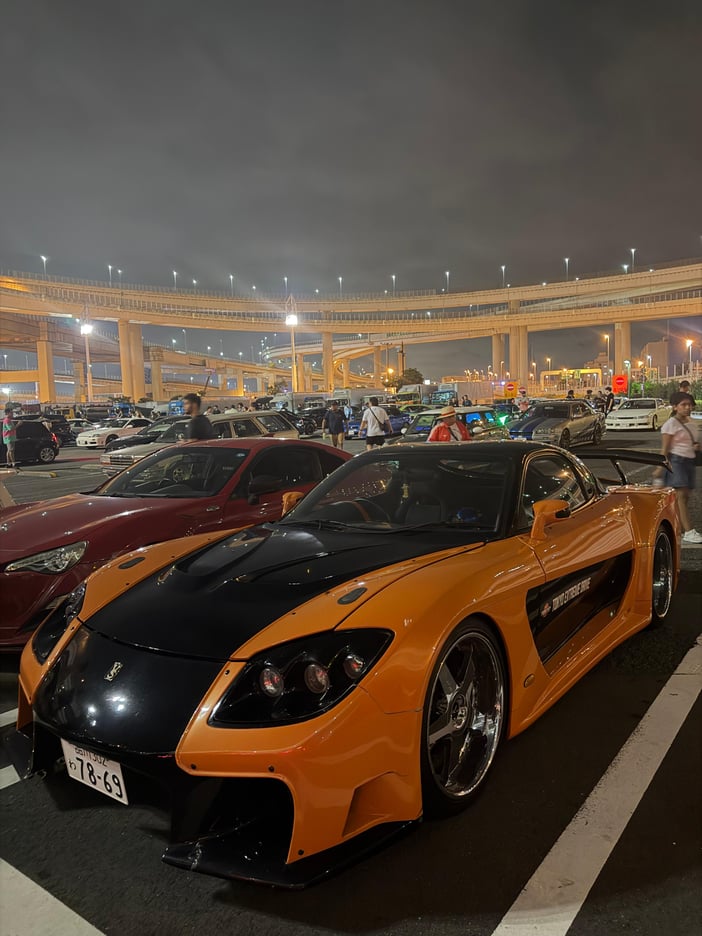
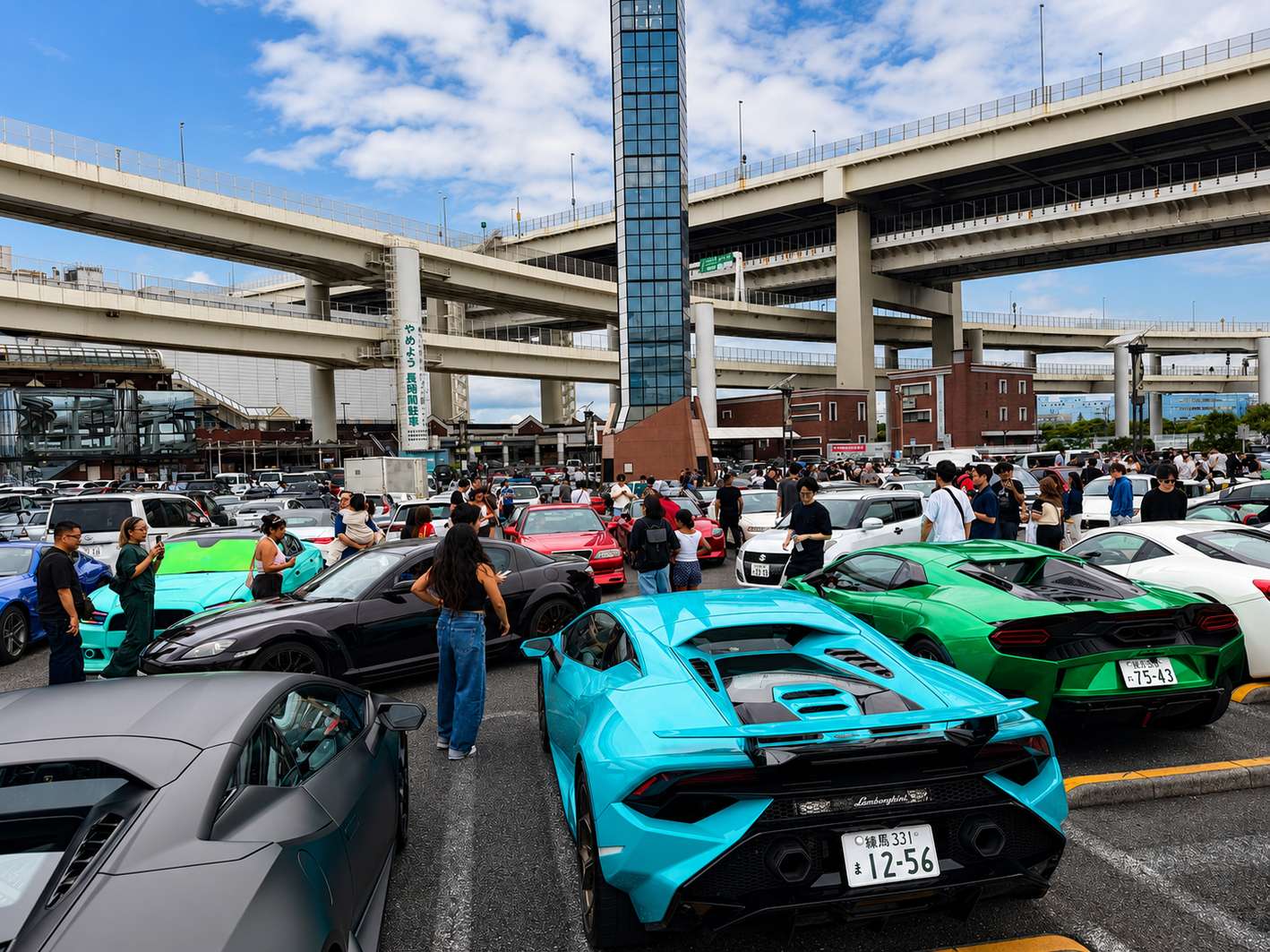
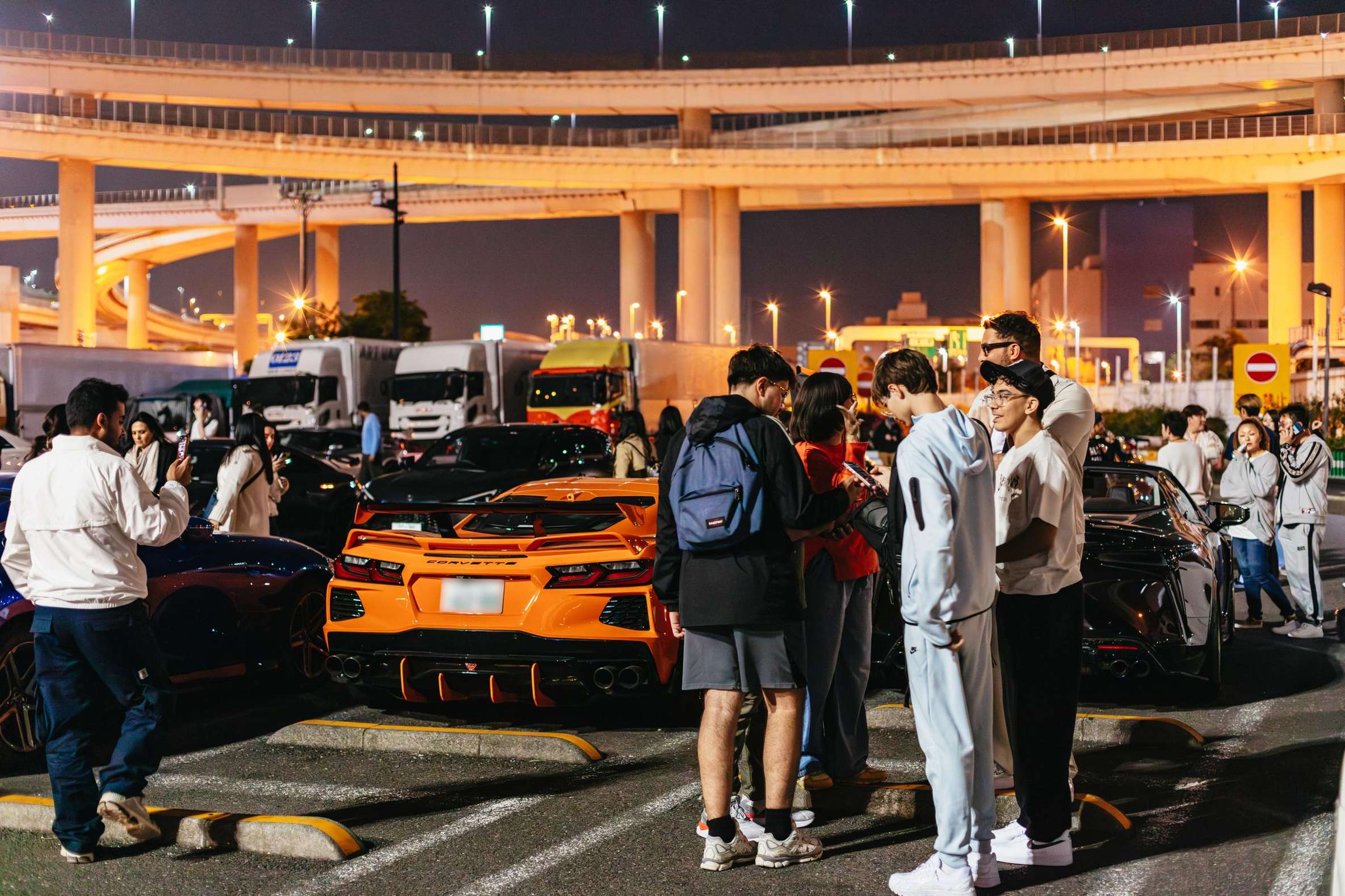
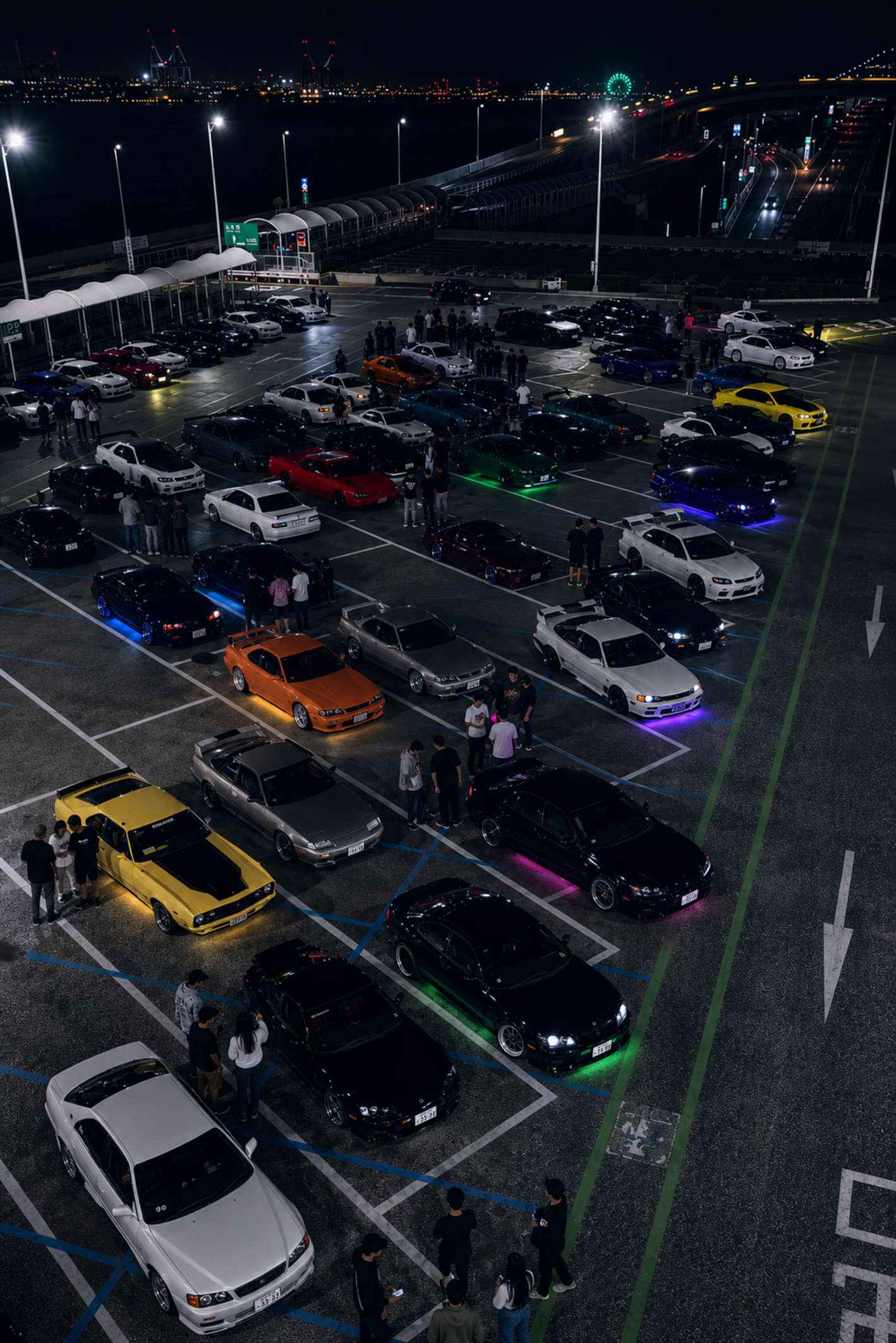
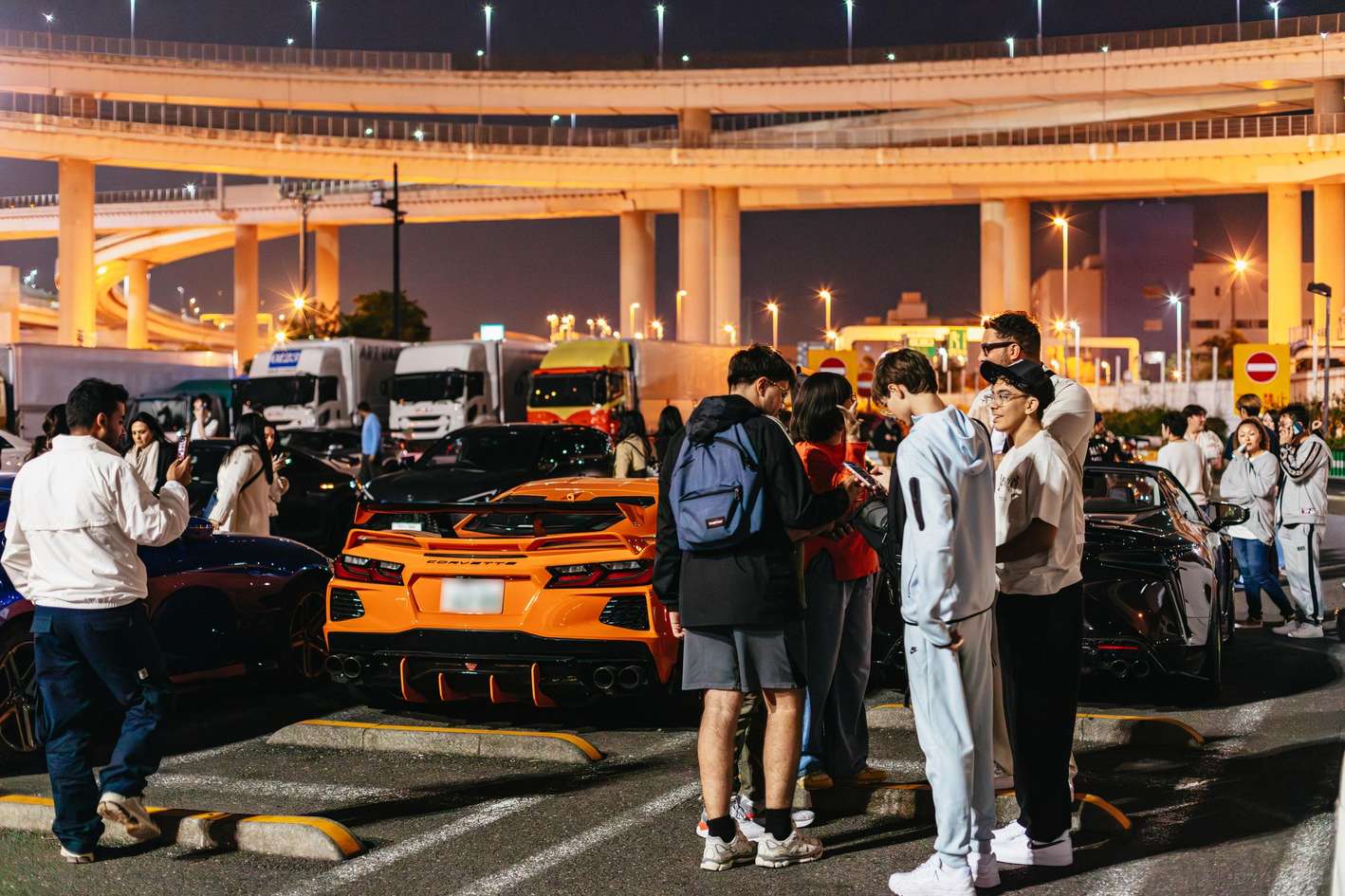
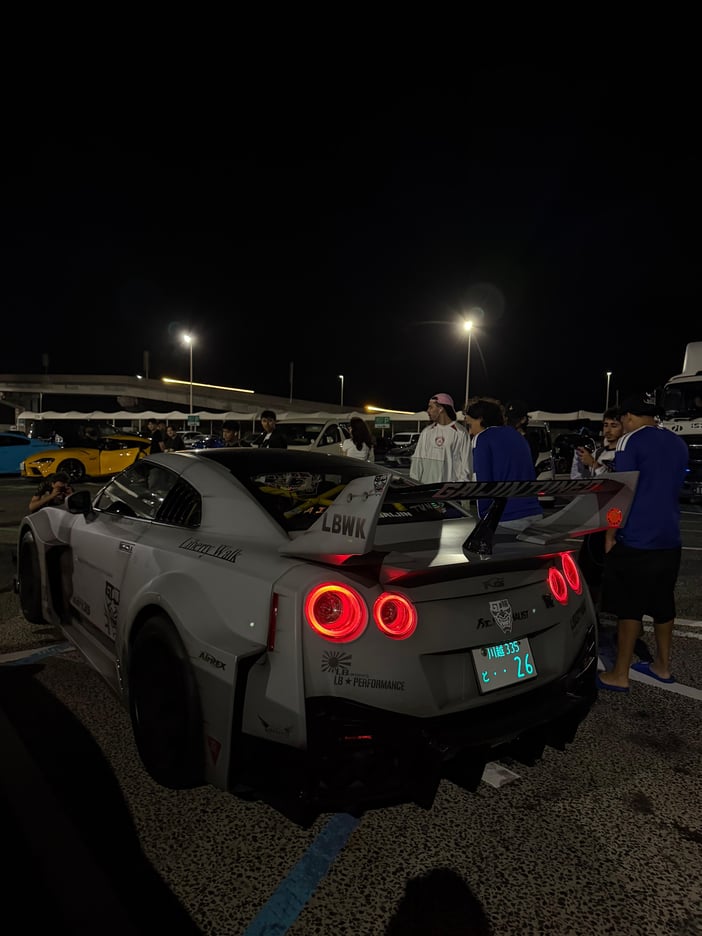
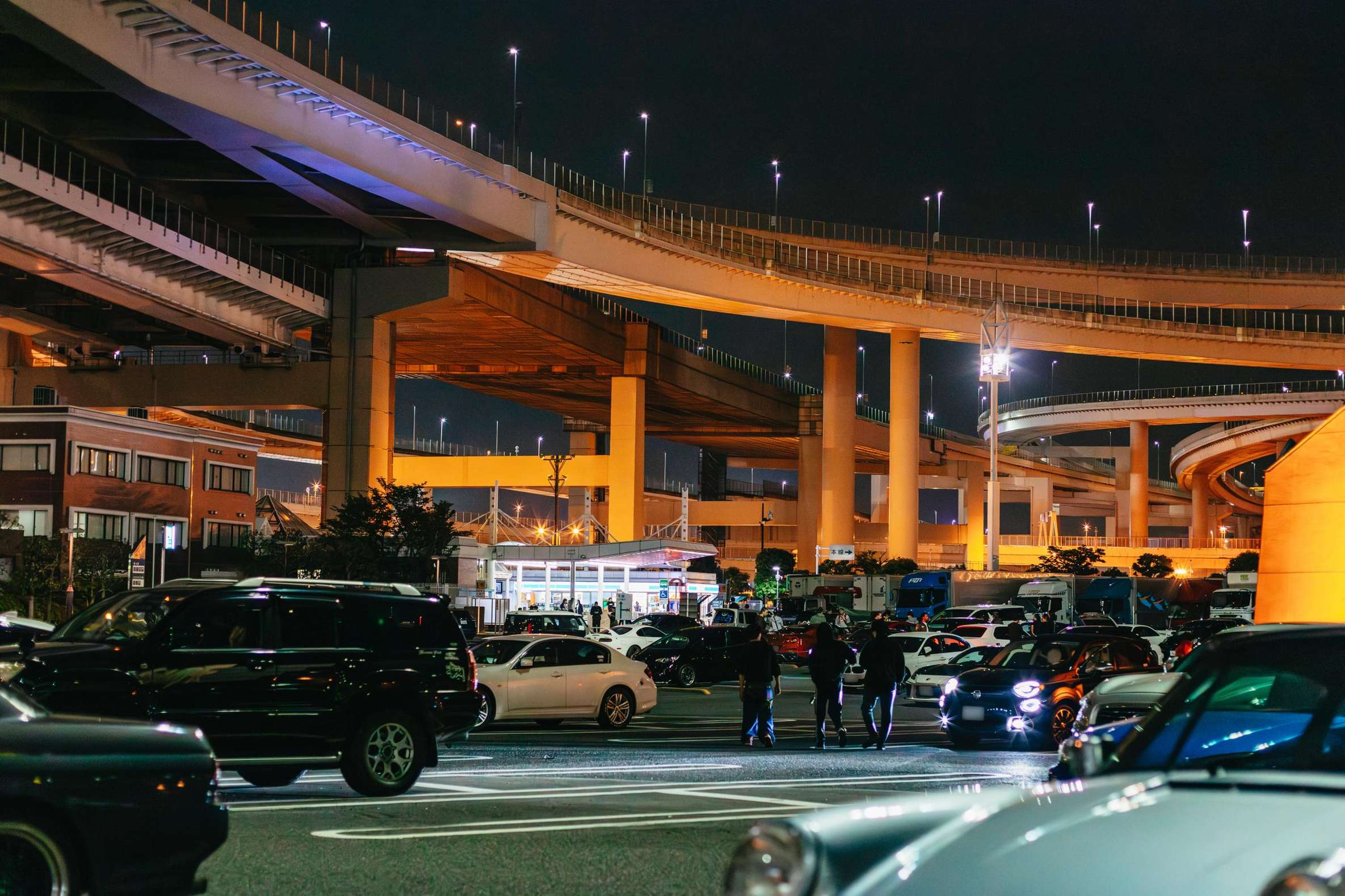
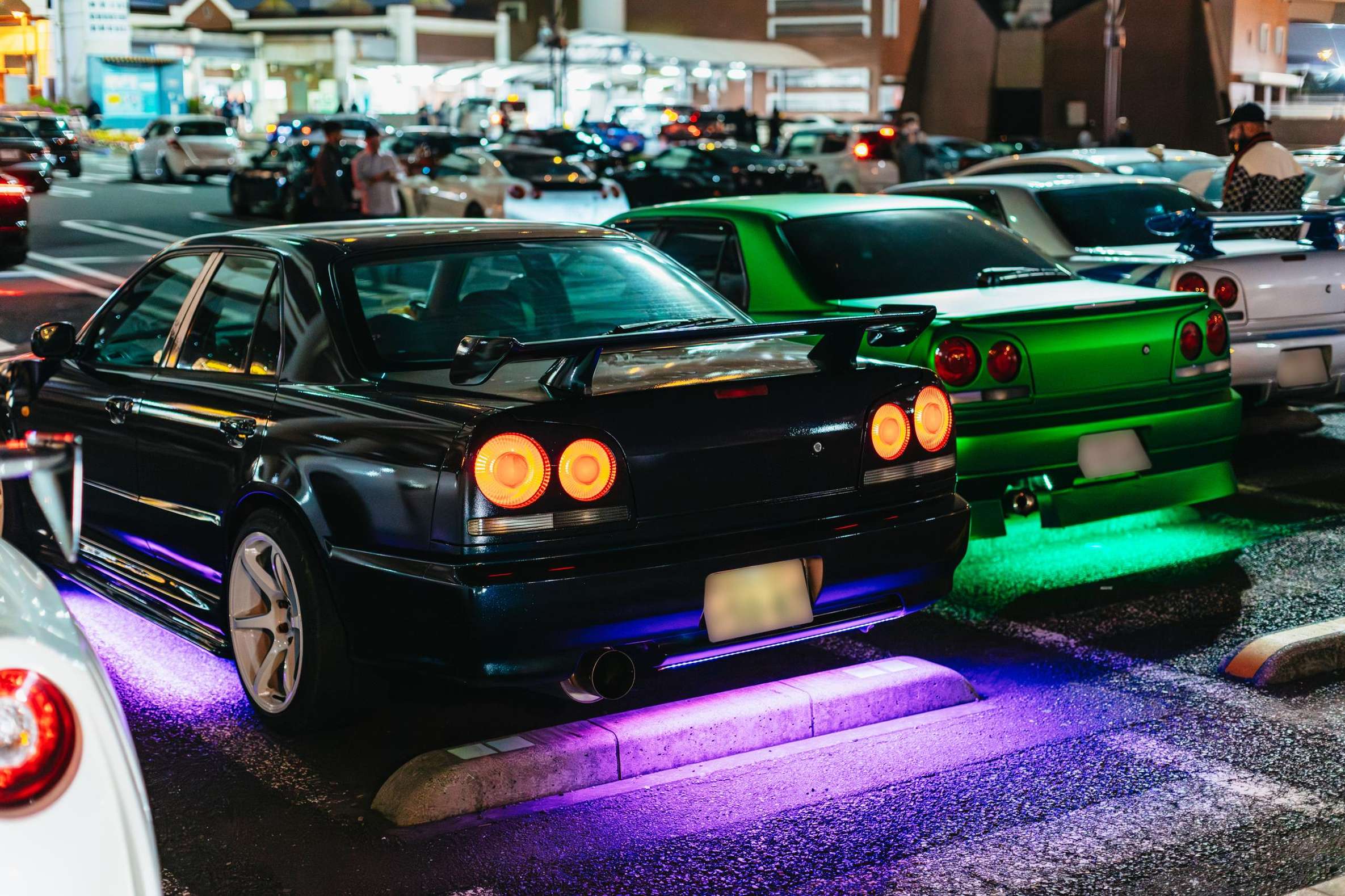
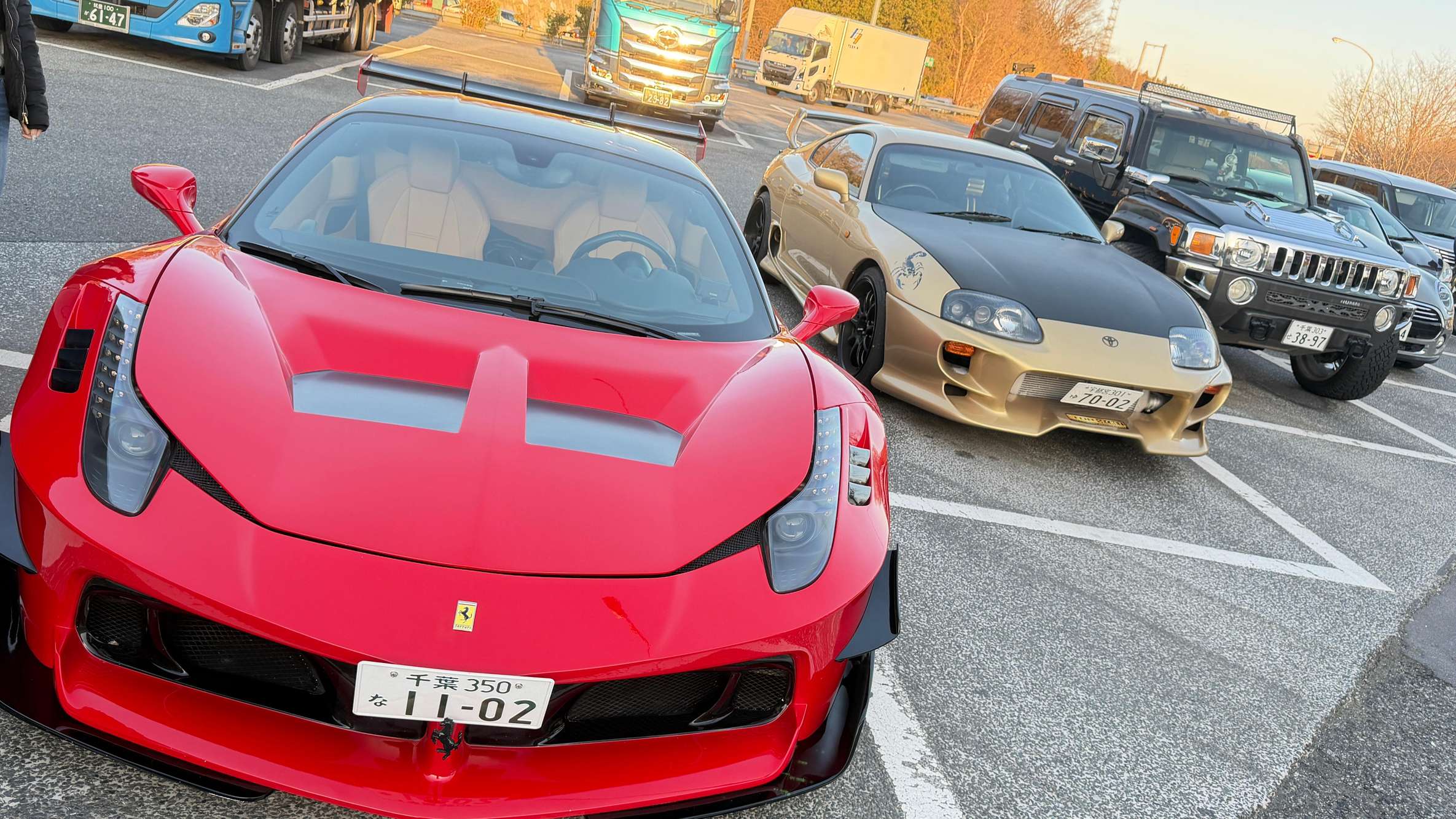
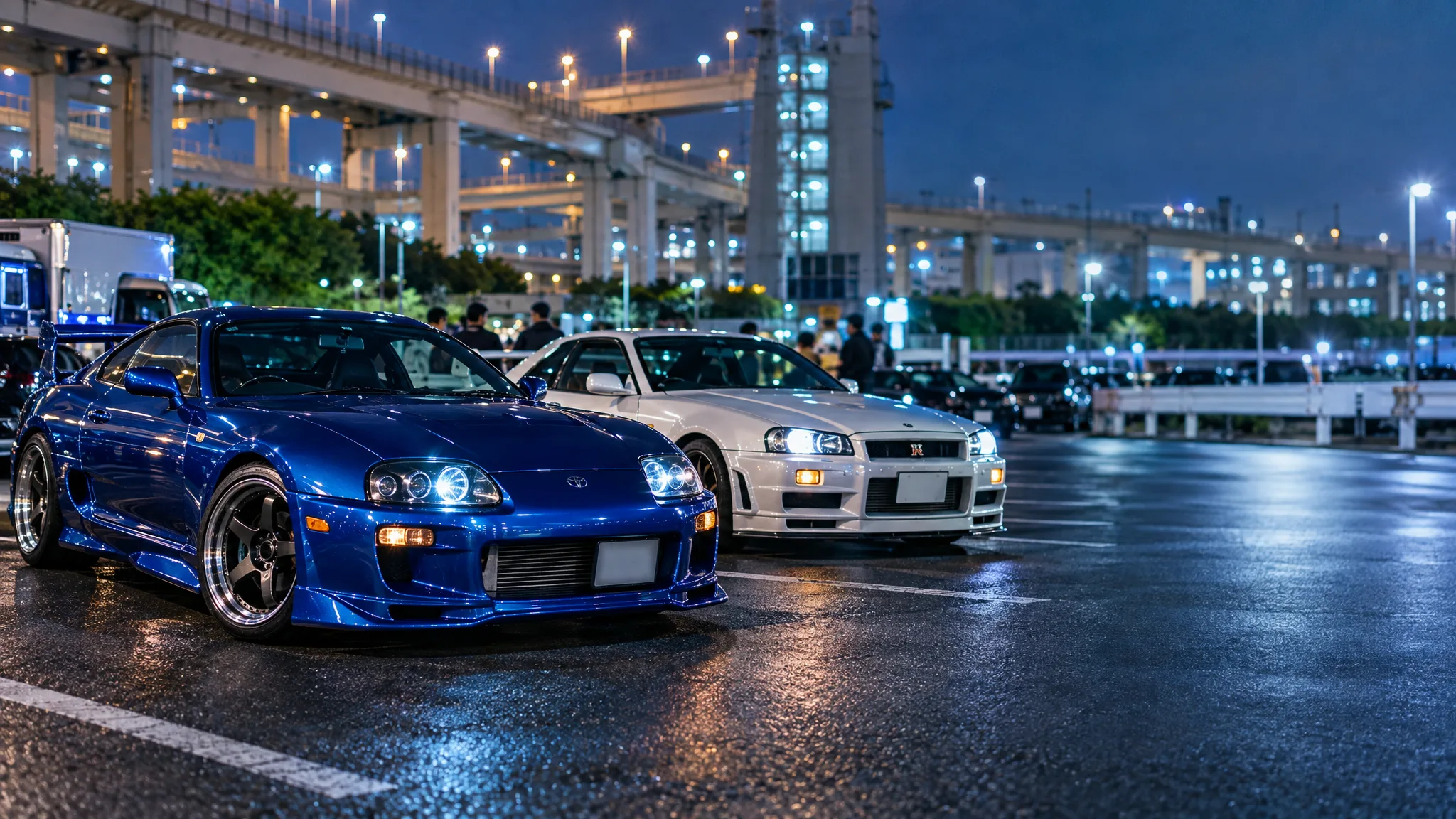
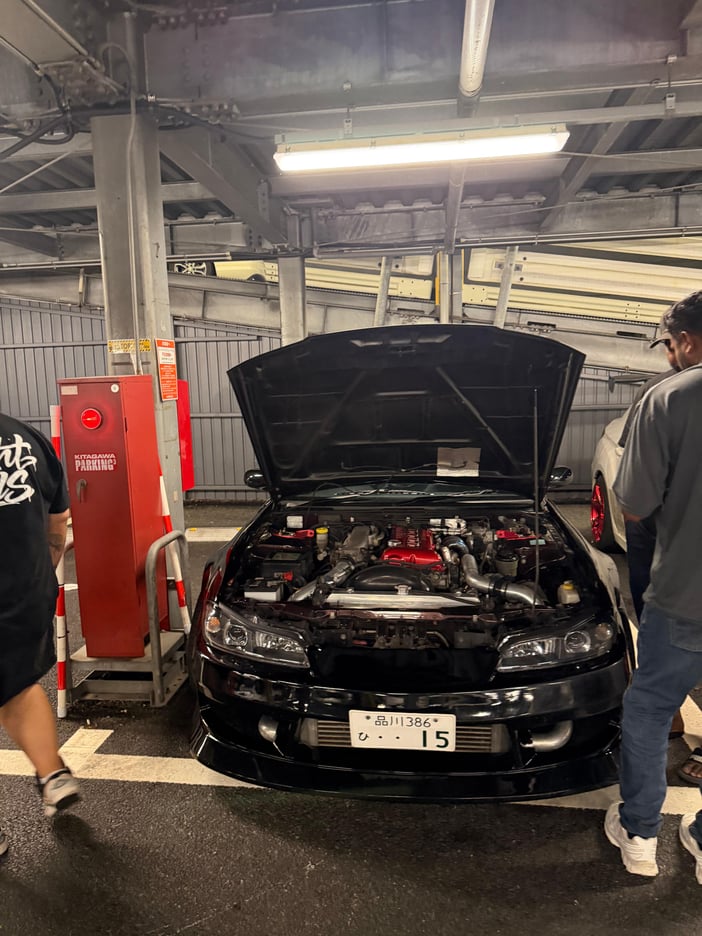
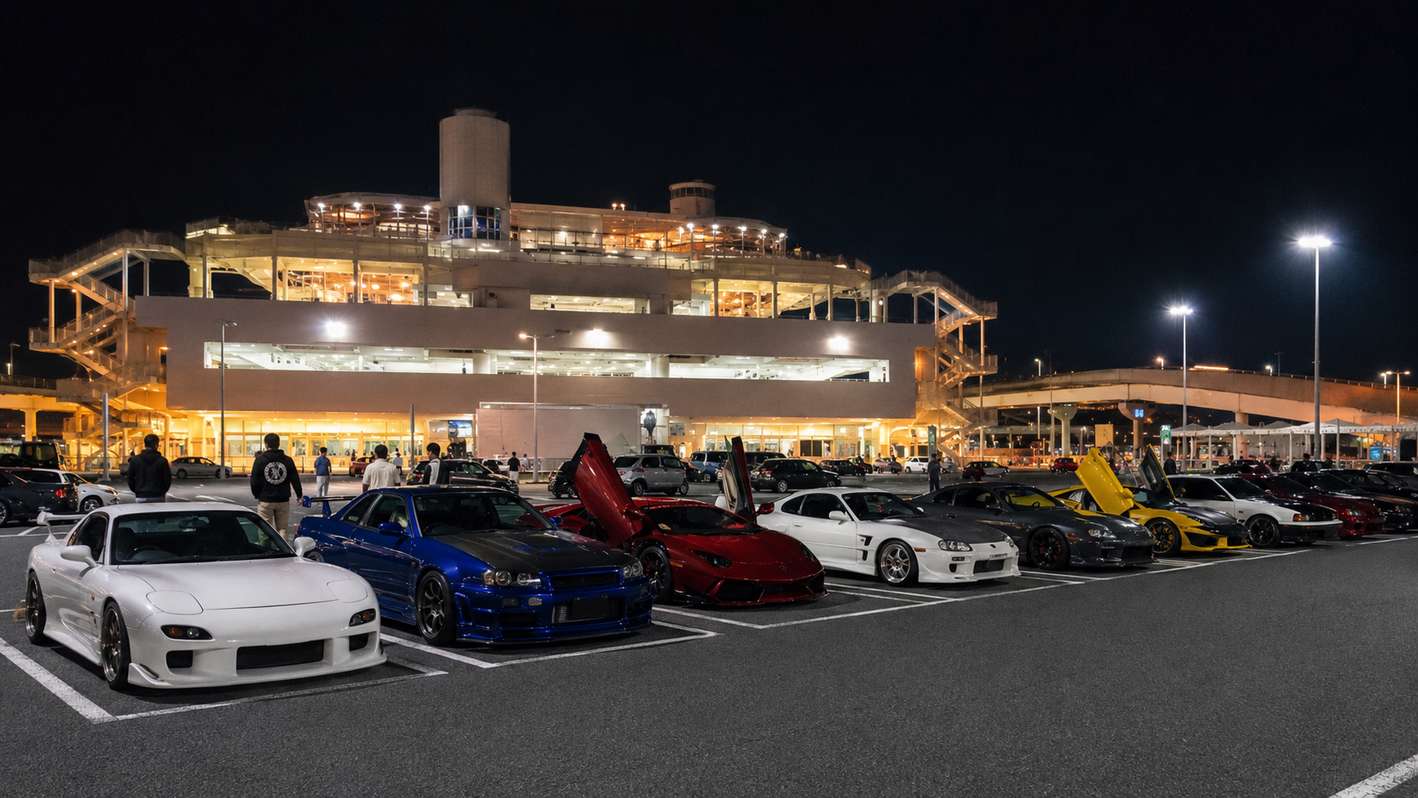
The engines announce the lot before you see anything. On a busy weekend night Daikoku Futo fills with Skylines, Evos and builds you would otherwise only scroll past, all parked on a rest stop wrapped inside a knot of expressway ramps near Yokohama Bay.
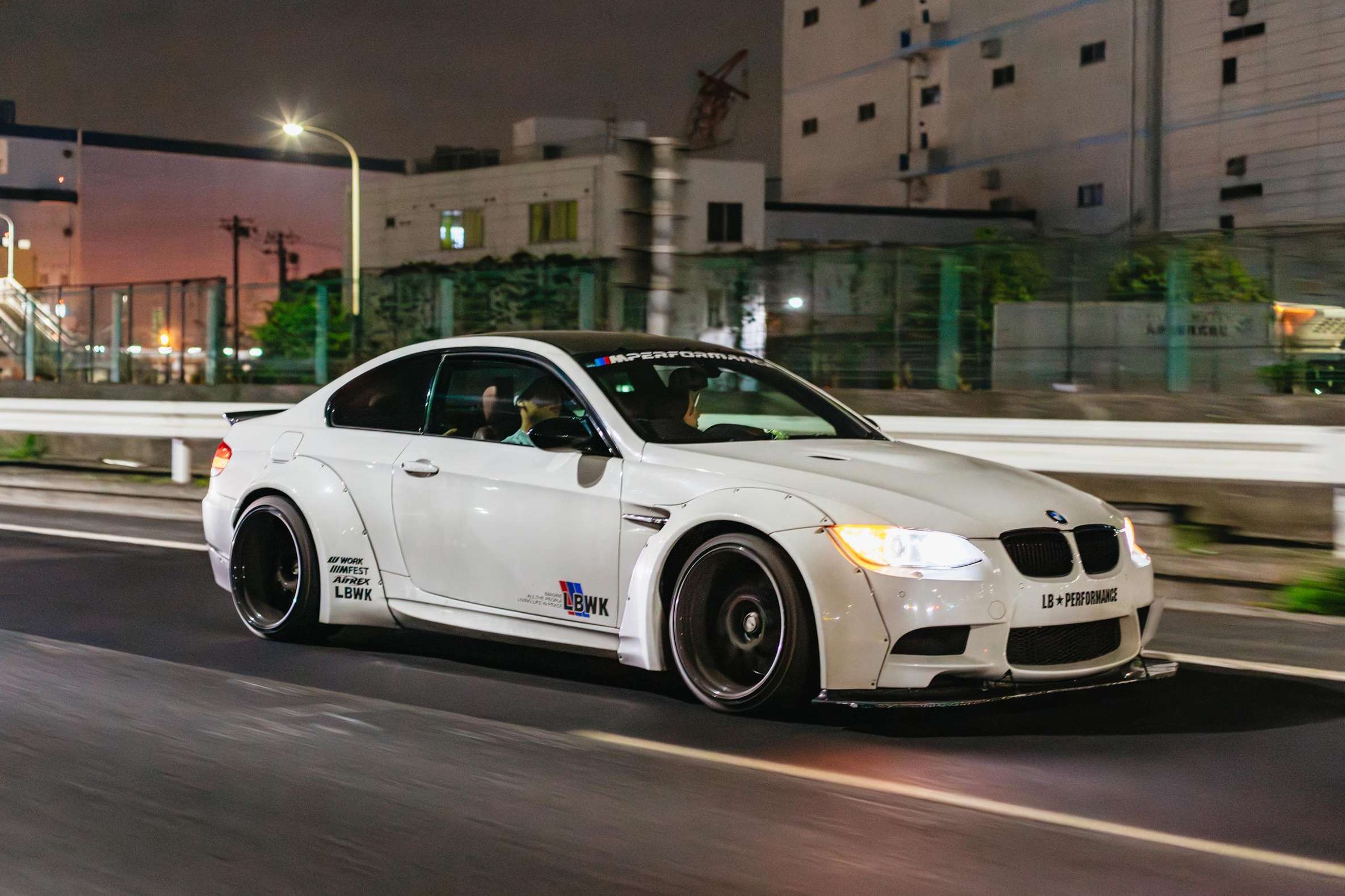
A Daikoku tour is a guided passenger ride in a modified Japanese sports car, driven by a local enthusiast, out to an informal car meet. There is no gate and no show. The rest stop is a public highway facility with completely free entry, and the tours run legally the whole way.
So what does a package actually buy? Transport, because the island cannot be reached any other way. Tolls and fuel, which come covered in the fare. And a driver who knows which rows to walk you past and which builds to ask about.
People who go often say the same thing: the scale of the meet swings wildly by night and weather, and the guide is what turns a parking lot into a story.
The picture matters too. Meets here are spontaneous gatherings at a public rest stop, so nobody publishes a lineup, and the cars change every night. That is worth knowing before you expect a fixed program.
What people wrongly assume
MythIt is a ticketed car show with a published schedule
Reality
There is no organizer and no calendar. Meets are spontaneous gatherings at a public rest stop, and the cars change every night.
MythAttending is illegal or needs a driver's license
Reality
Tours operate fully within Japanese traffic law, and passengers ride with an arranged driver, so no permit is needed.
MythYou can just walk in from Yokohama
Reality
Pedestrian entry is barred, fenced and monitored by police. The only way in is by motor vehicle.
Tour for this
Tokyo: JDM Performance Car Tour with Planned Daikoku Stop5.0★ (659) · 3 hours · Free cancellation
The spread in listings looks arbitrary until you name what each price is buying. At the bottom, the cheapest seats sit in a van or shuttle with a small group, doing the same expressway run and the same meet for a fraction of a sports car ride.
Step up and you ride in a modified JDM car as part of a shared group. At the top, private charters put one car at your group's disposal.
Three things drive every difference: the vehicle, shared versus private, and the night. Friday and weekend departures carry peak rates because that is when the lot is fullest.
For a group of three, one private car often costs less per person than three shared tickets, which is worth checking before you assume the group run is the budget pick.
Check what the fare covers too. Packages differ on whether expressway tolls, fuel and pickup sit inside the price or get added later, and on where the driver reroutes if police close the lot early.
Daikoku package tiers, side by side
Budget van or shuttle
Shared JDM sports car
Private charter
Vehicle
Comfort van or shuttle
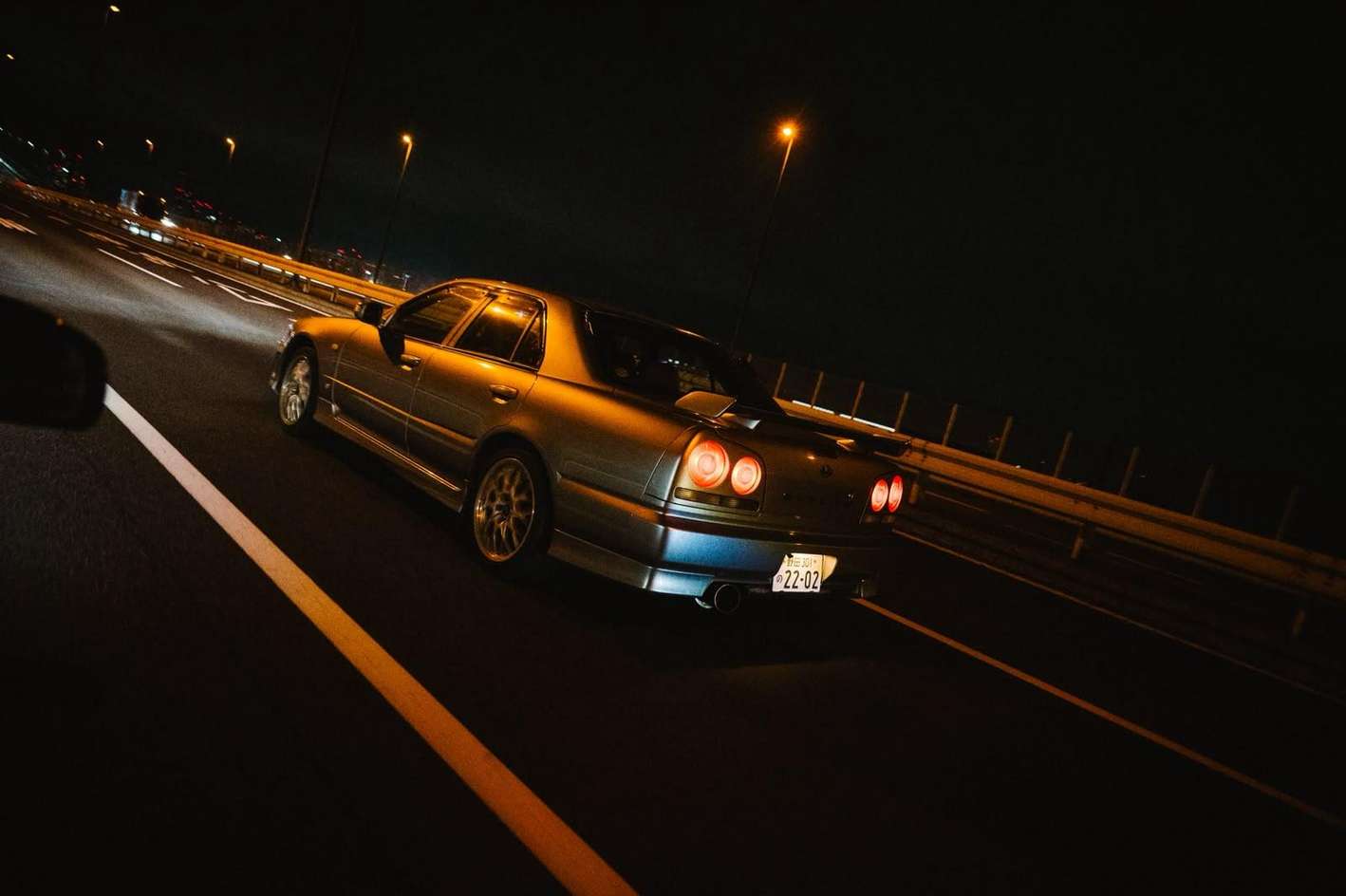
Modified Skyline, Evo, Silvia or similar
One reserved car, often a tuned GT-R or R34
Group size
Small group, one vehicle
Three riders per car, mixed groups
Your group only, usually up to three
Pickup
Central meeting points, some pickup options
Meeting points, hotel pickup on some plans
Hotel pickup and drop-off common
Backup stop
Alternate meet spots when Daikoku closes
Umihotaru or Tatsumi PA on closures
Flexible stops and rerouting
Language
Guided commentary varies
English-speaking host or basic driver English
Best guide quality and flexibility
Budget van or shuttle
Vehicle
Comfort van or shuttle
Group size
Small group, one vehicle
Pickup
Central meeting points, some pickup options
Backup stop
Alternate meet spots when Daikoku closes
Language
Guided commentary varies
Shared JDM sports car
Vehicle
Modified Skyline, Evo, Silvia or similar
Group size
Three riders per car, mixed groups
Pickup
Meeting points, hotel pickup on some plans
Backup stop
Umihotaru or Tatsumi PA on closures
Language
English-speaking host or basic driver English
Private charter
Vehicle
One reserved car, often a tuned GT-R or R34
Group size
Your group only, usually up to three
Pickup
Hotel pickup and drop-off common
Backup stop
Flexible stops and rerouting
Language
Best guide quality and flexibility
Reading the middle column across tells you where most first-timers land: a shared modified car with guided commentary, every toll covered, and a reroute plan on paper before the night starts.
The Tokyo: Night JDM Car Cruise to Daikoku PA or Alternate Stop fits that read, with fluent English guides, tolls and fuel included, and a photography service running the whole trip. The title also says the other thing it does: when Daikoku closes, it goes to the alternate stop instead of ending the night early.
Tour for this
Tokyo: Fast & Furious Daikoku JDM Night Tour - EVO,WRX&More4.9★ (543) · 4 hours · Hotel pickup · Free cancellation
A full Daikoku package runs three to four hours door to door, and roughly an hour of that is spent parked at the meet itself. The shape of the evening stays the same across most operators, though the stops shift with closures and traffic.
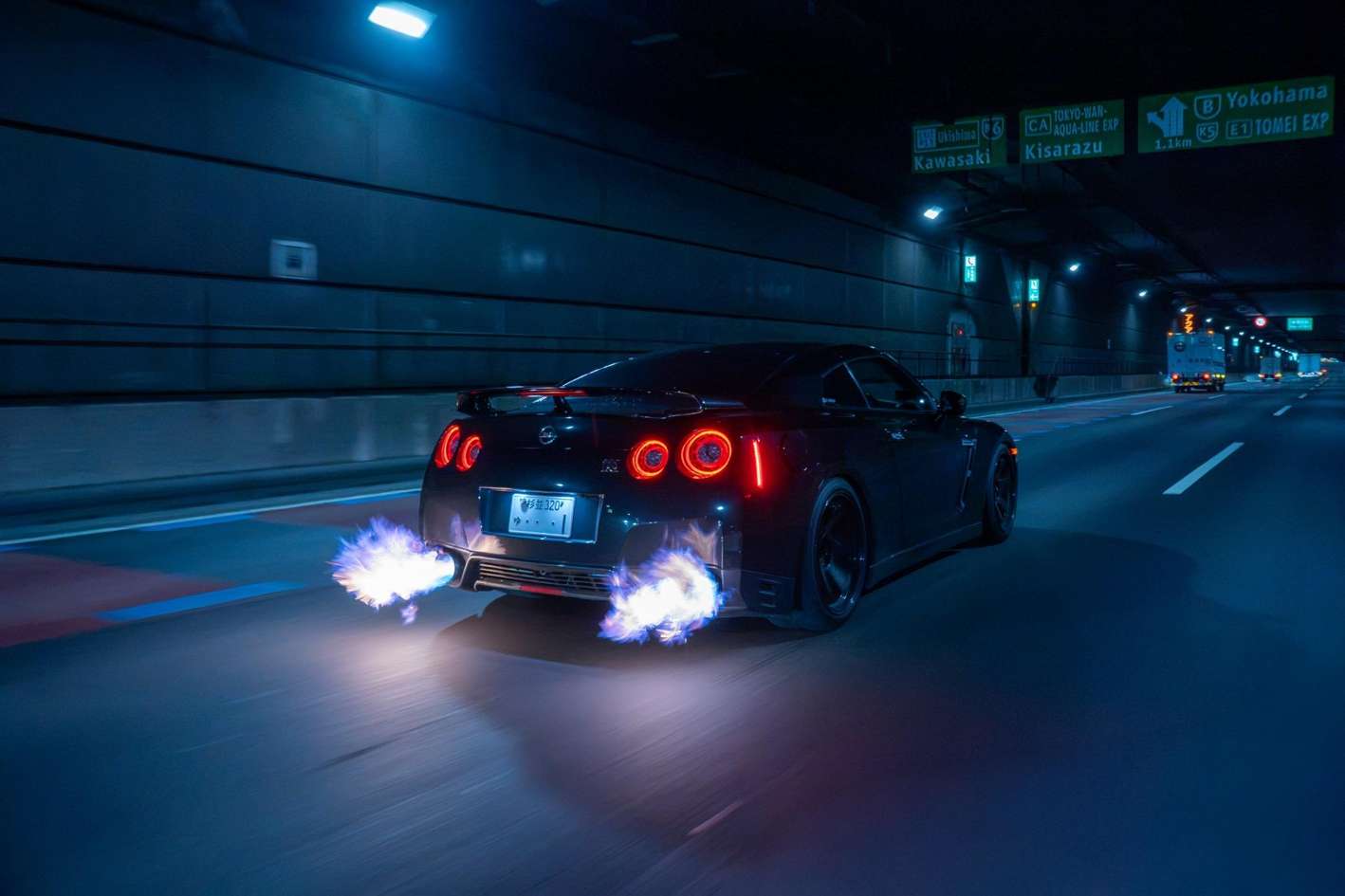
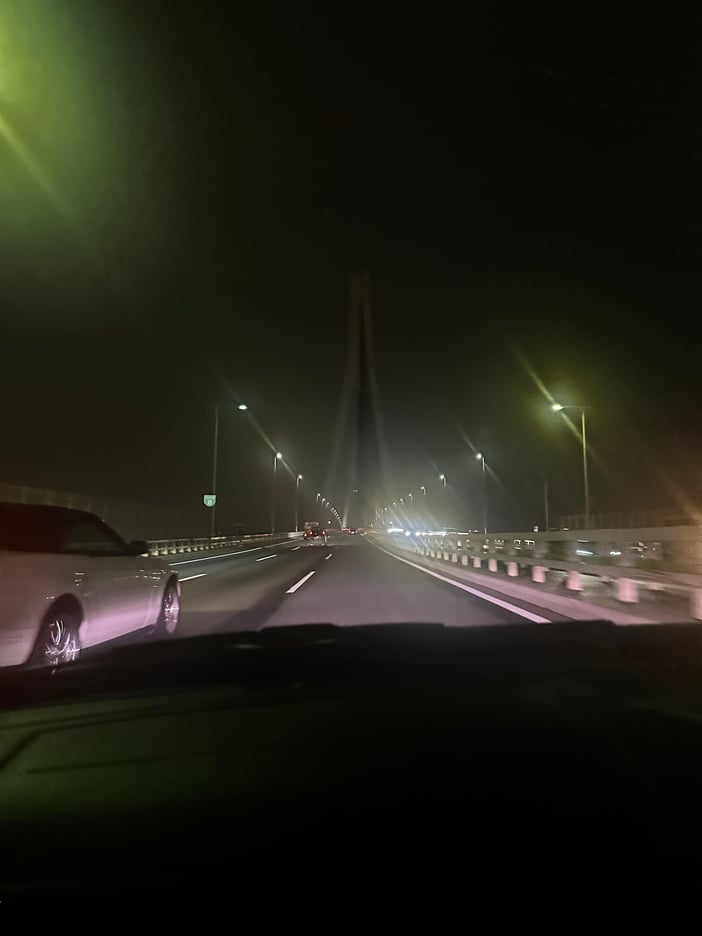
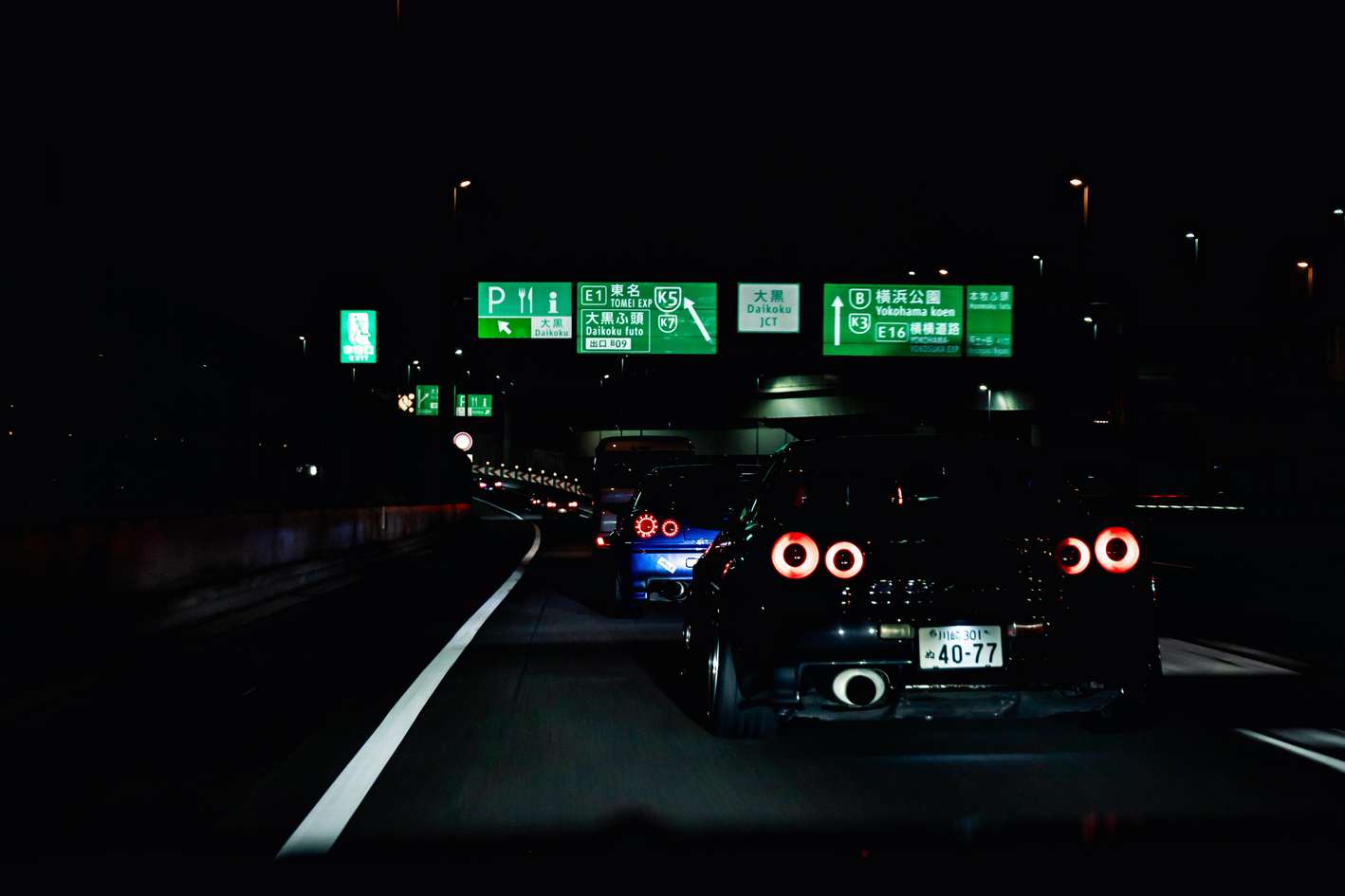
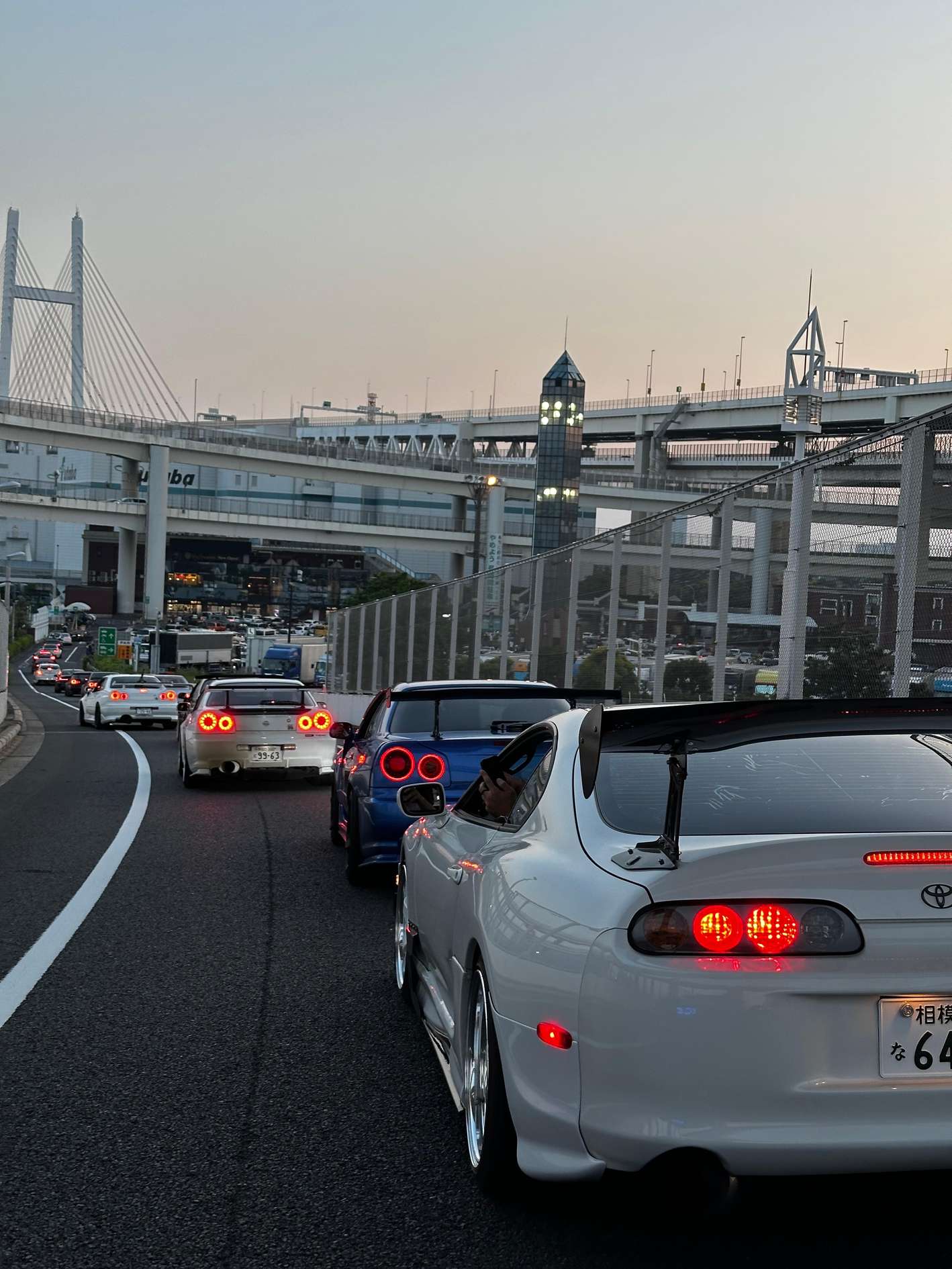
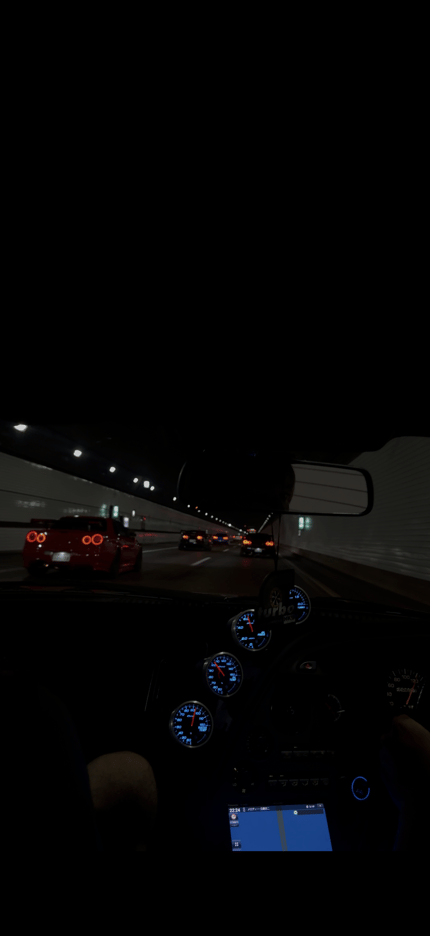
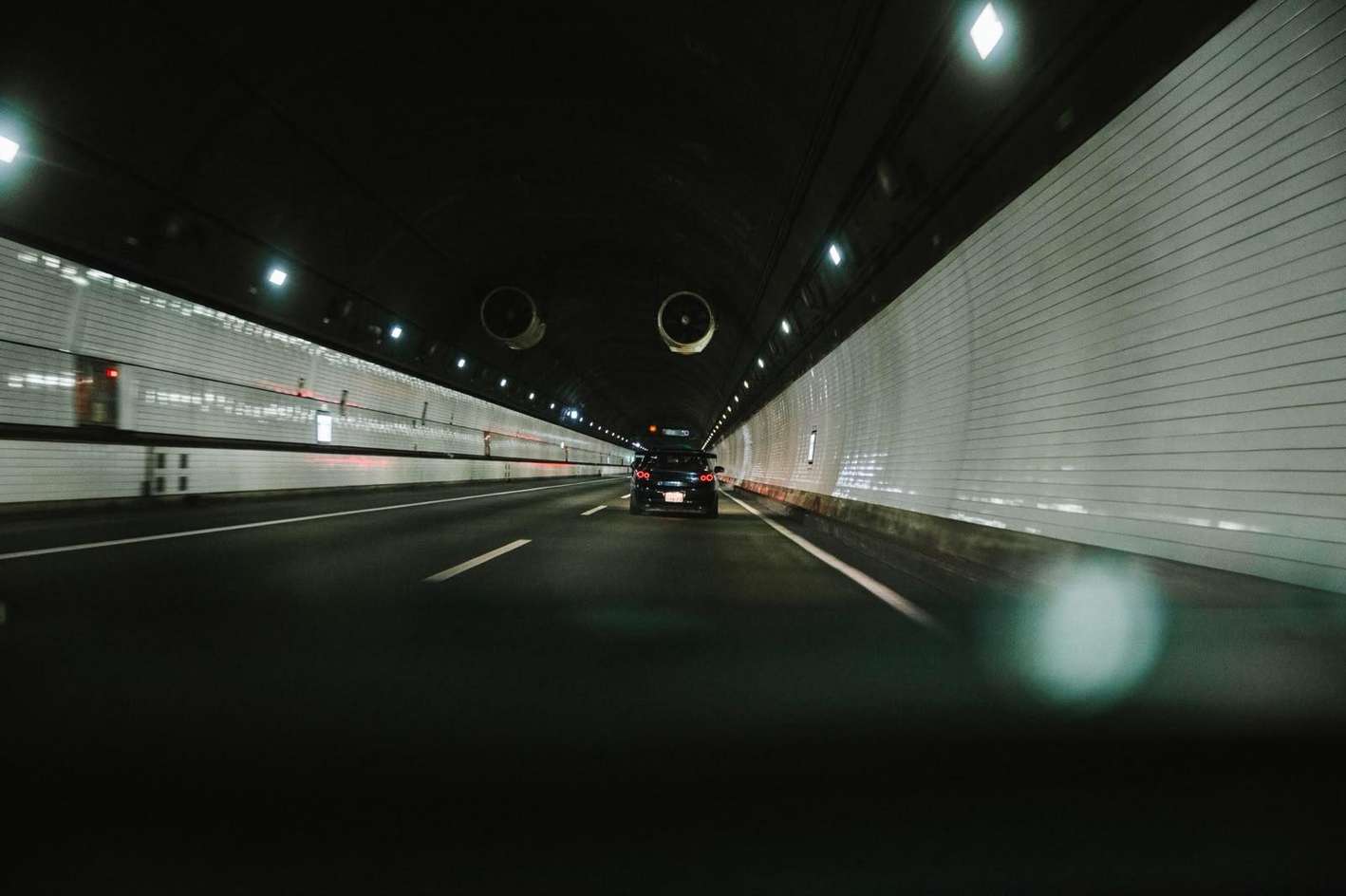
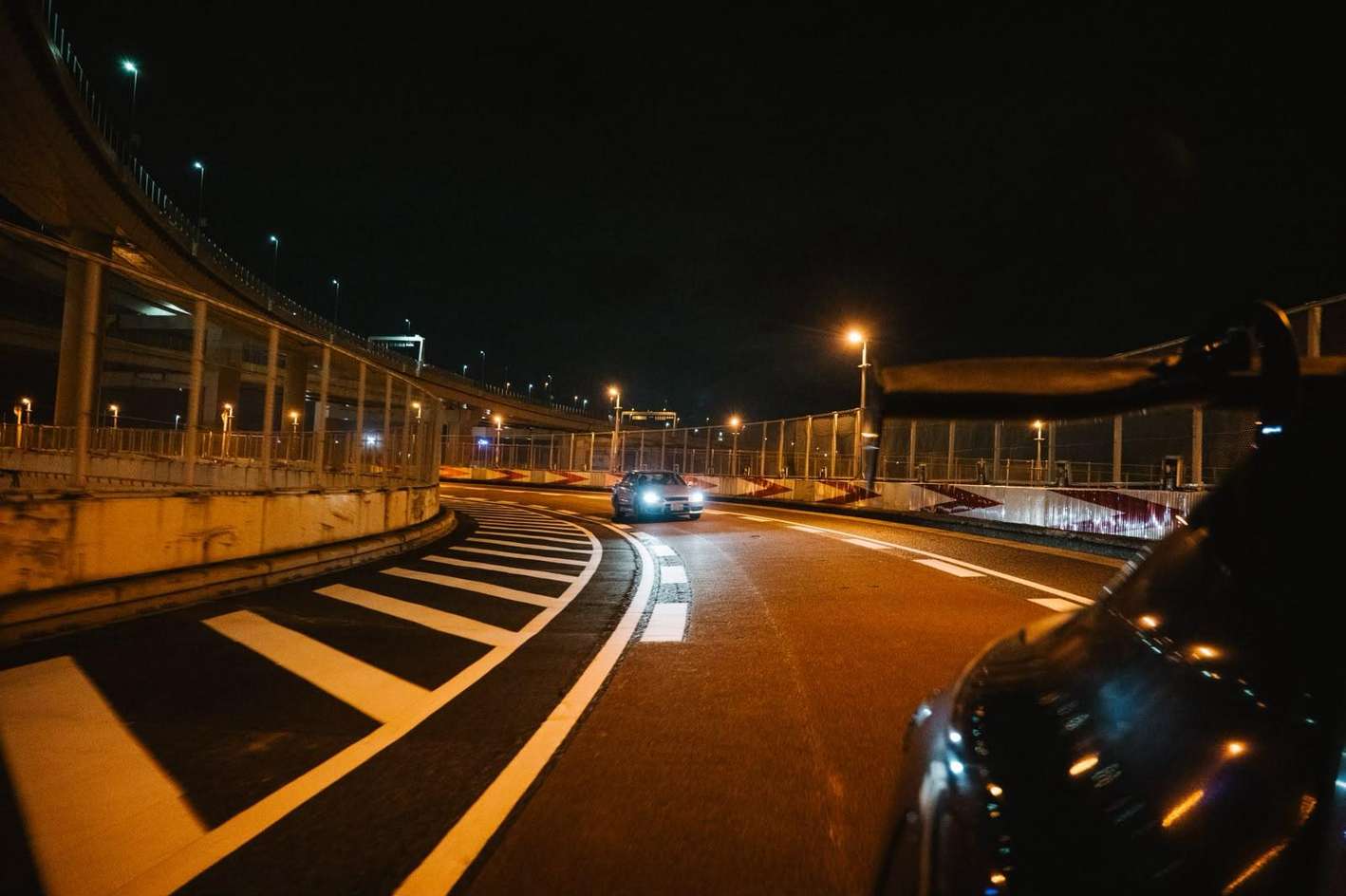
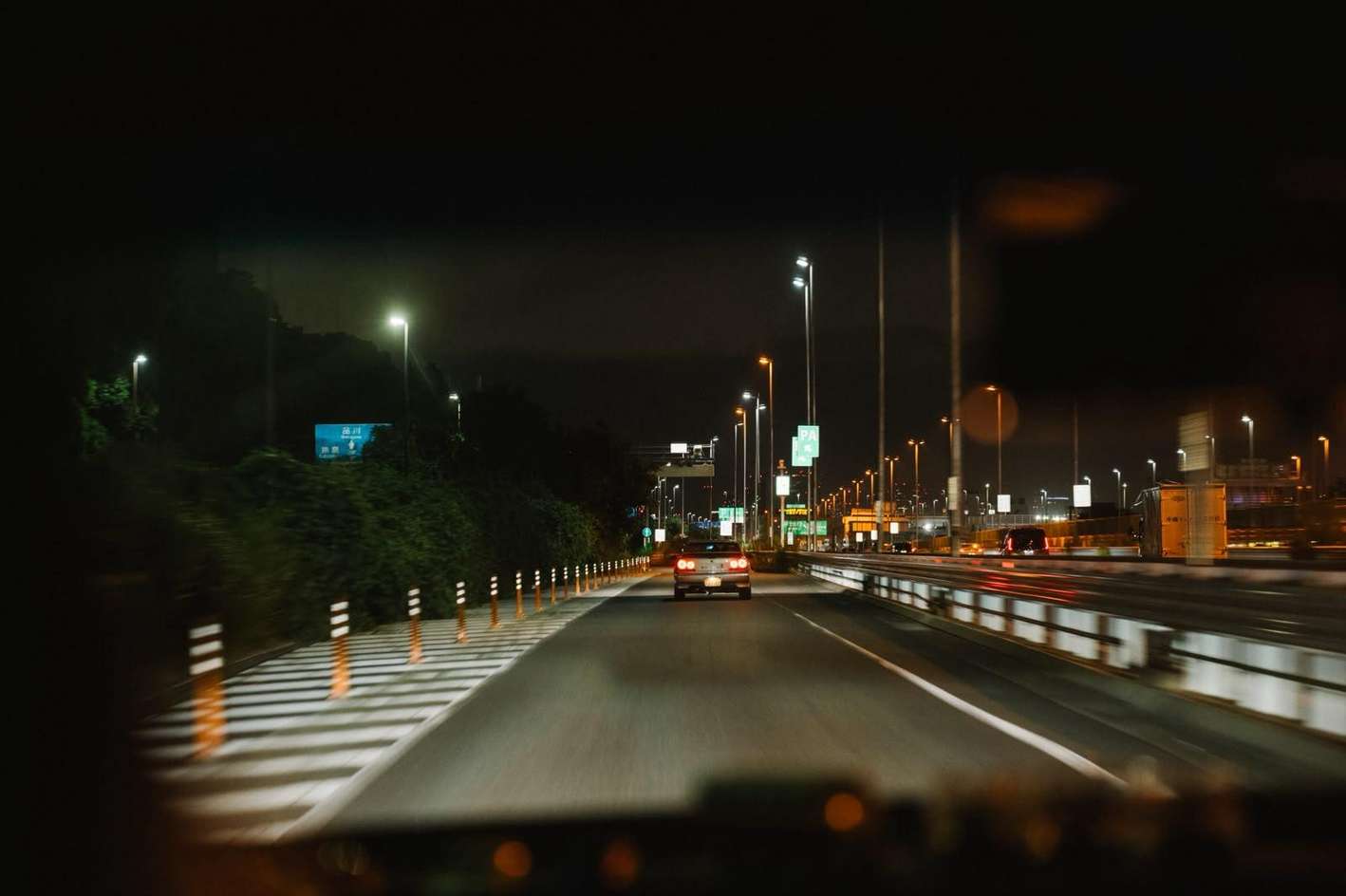
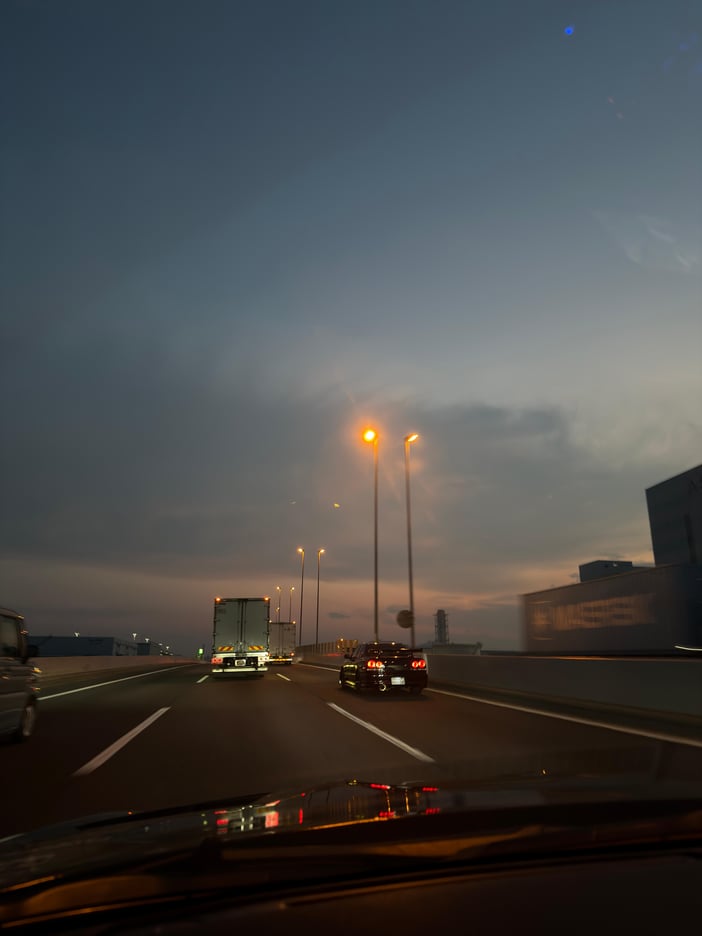
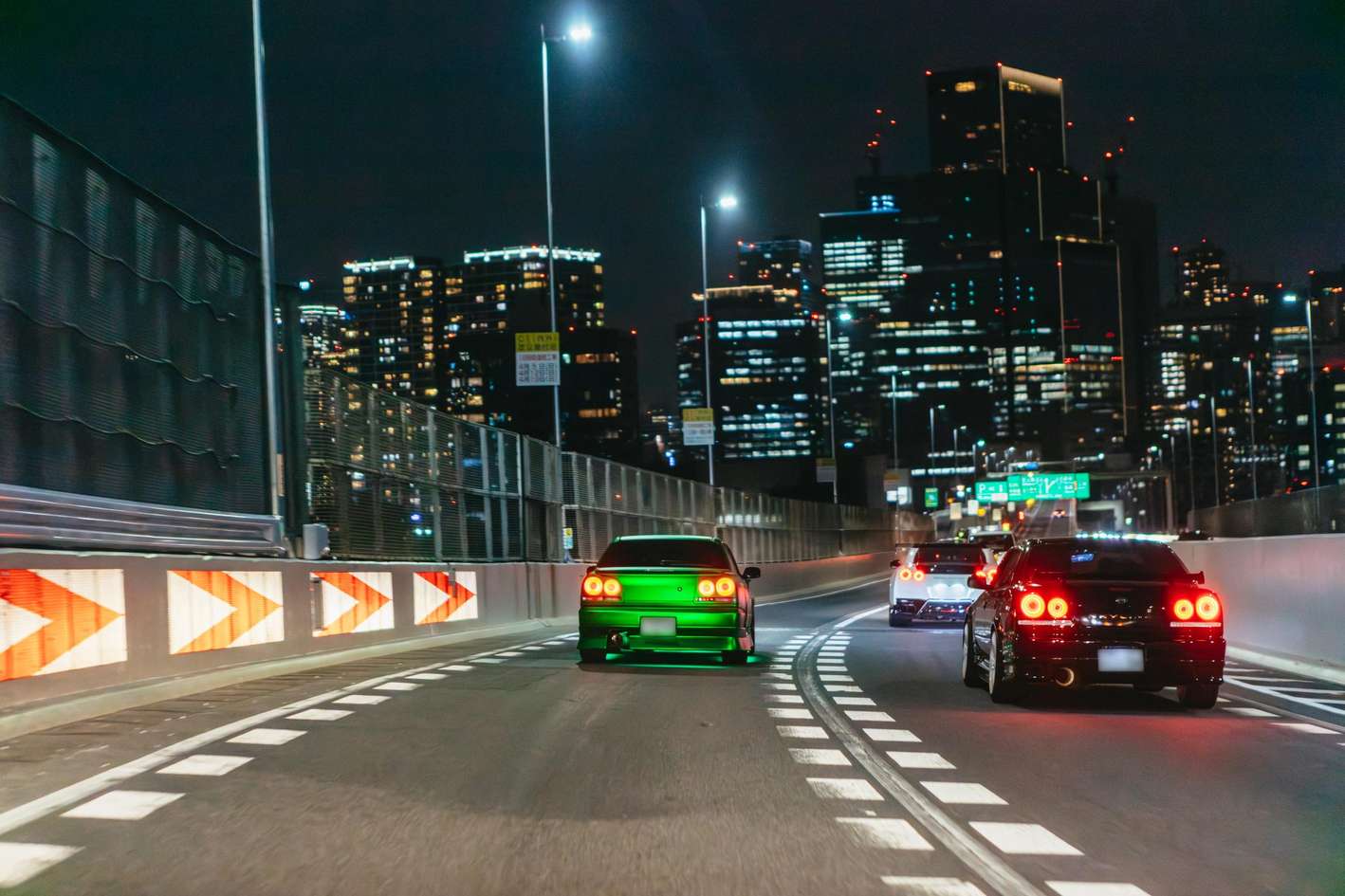
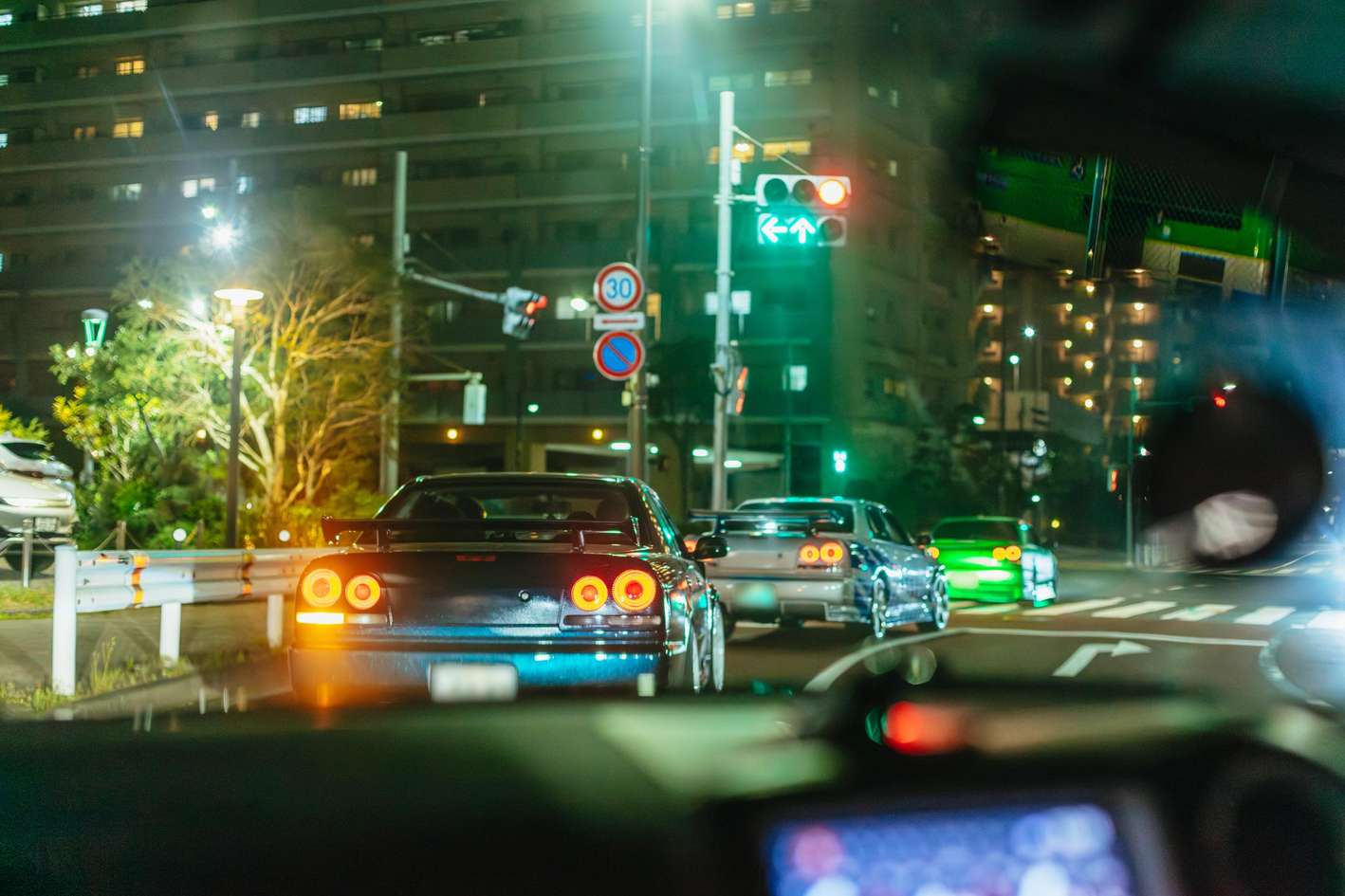
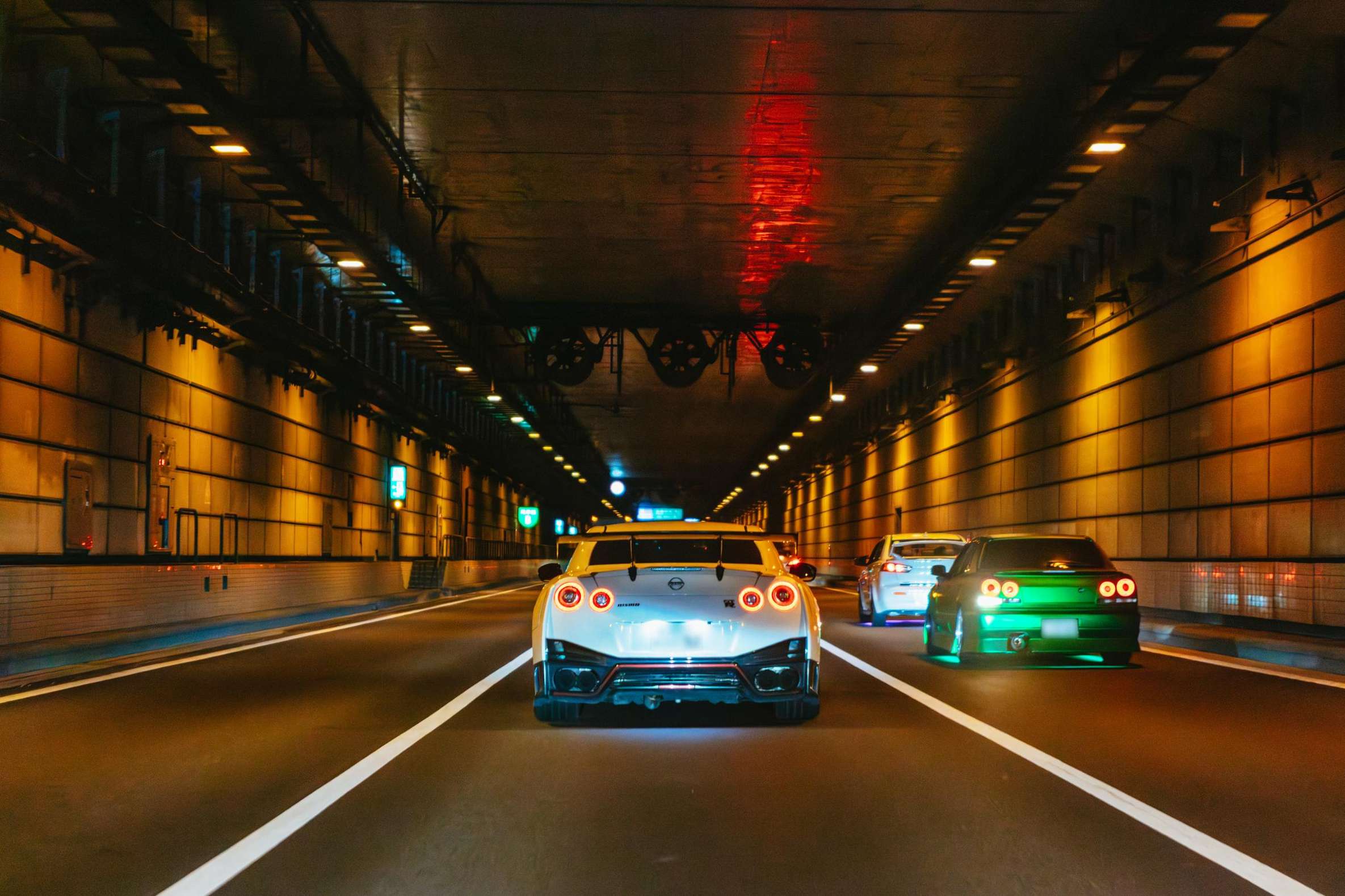
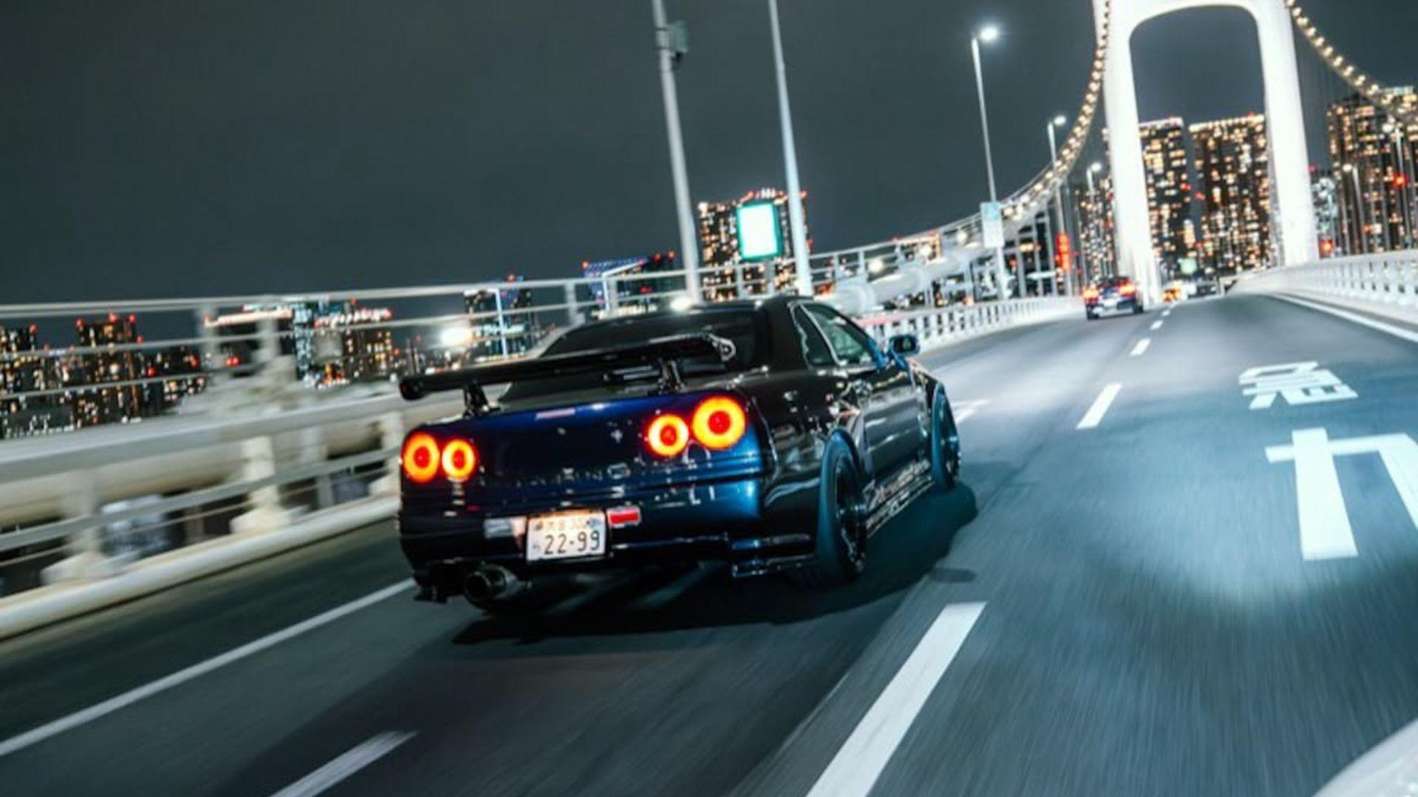
The expressway leg is better than it sounds. The Wangan Route carries you past Odaiba and over the Rainbow Bridge with the bay lights sliding past the window, then across the Yokohama Bay Bridge toward the meet.
Views from Rainbow Bridge are brief, glimpsed through the window while the bridge slides past, which is why the Tokyo Tower and Shibuya stops matter for pictures.
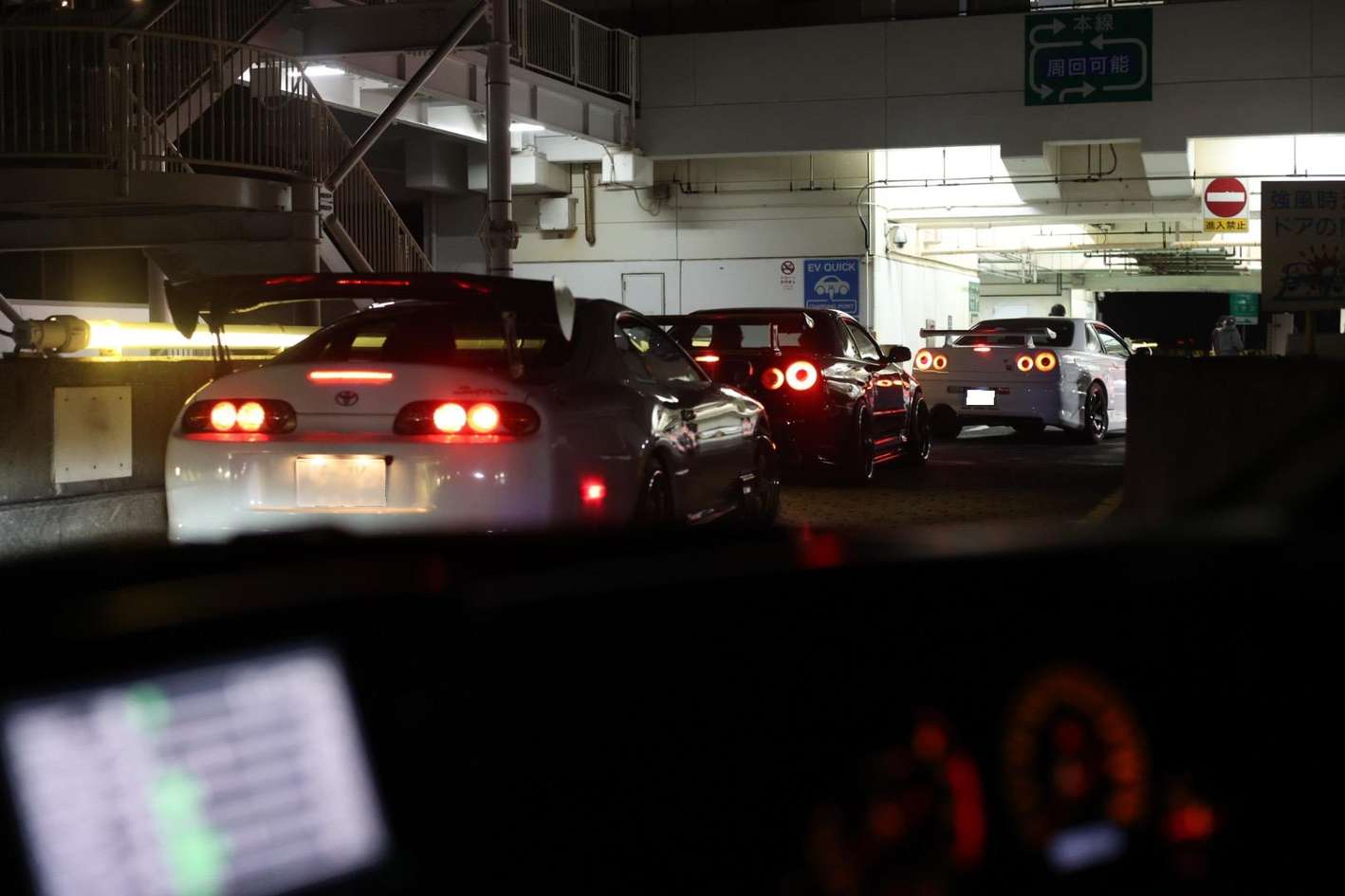
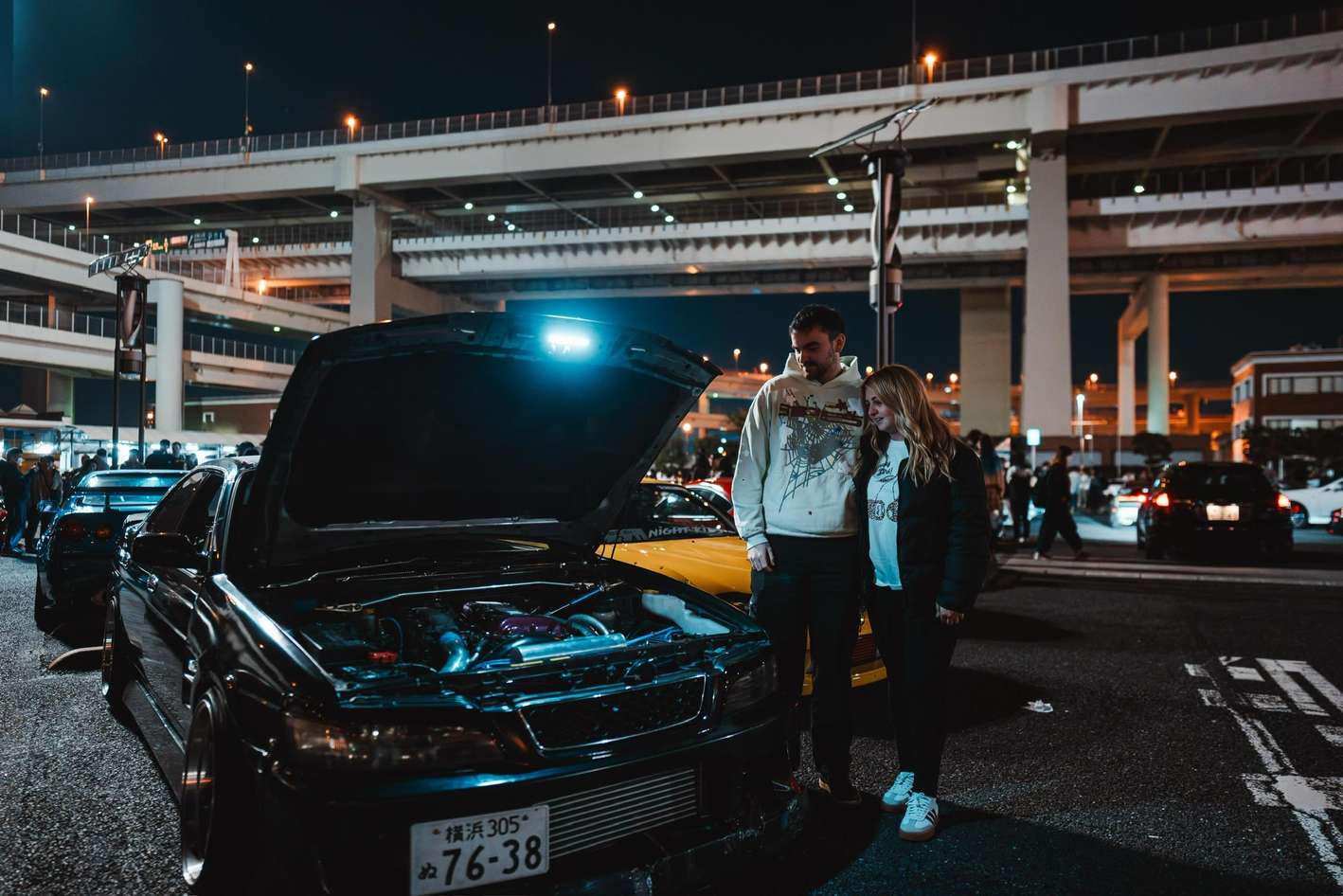
At the lot, a good guide does more than wait in the car. Guides walk you through the rows, name the models and the modifications you would otherwise miss, and translate when a build's owner stops to talk. Translation apps handle the rest.
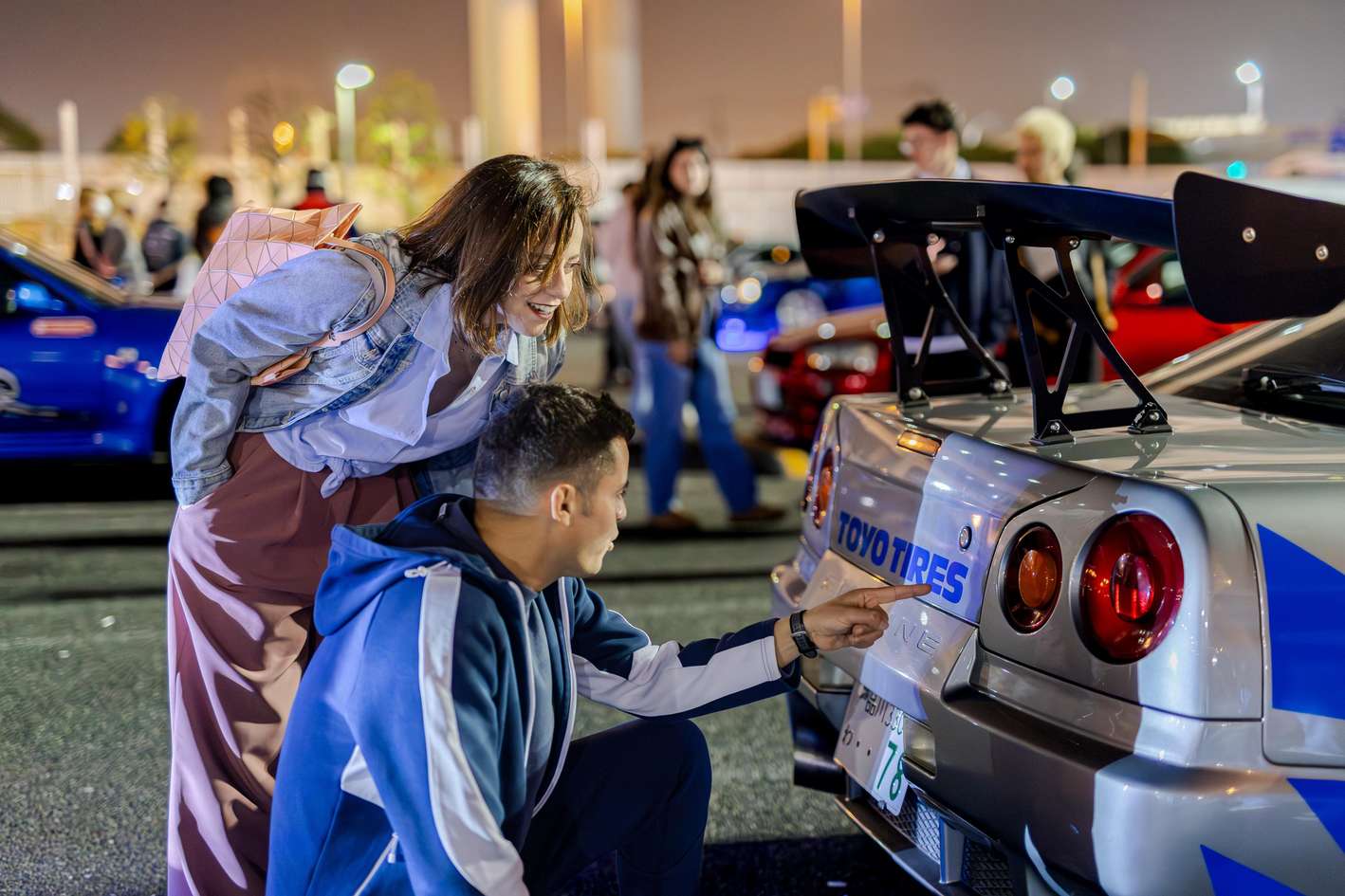
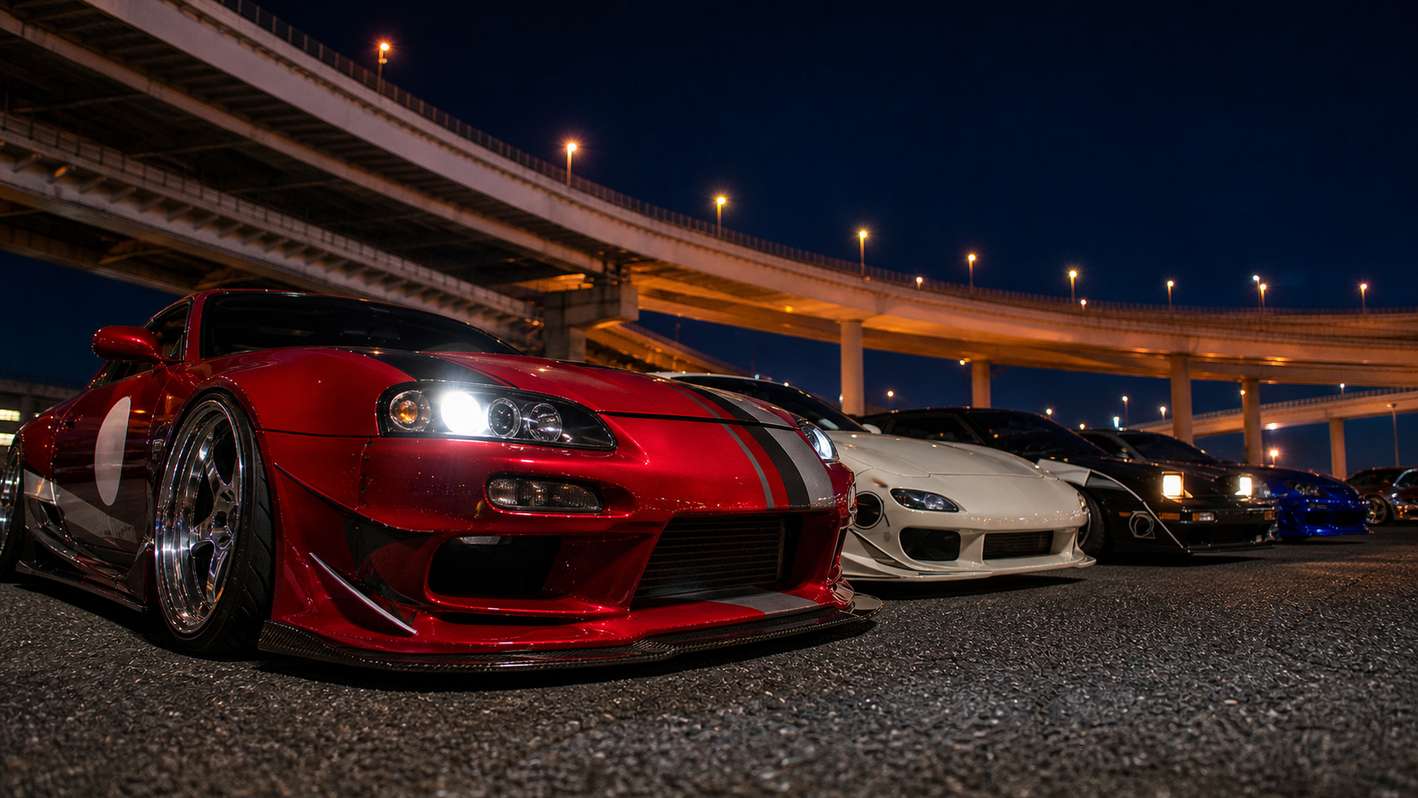
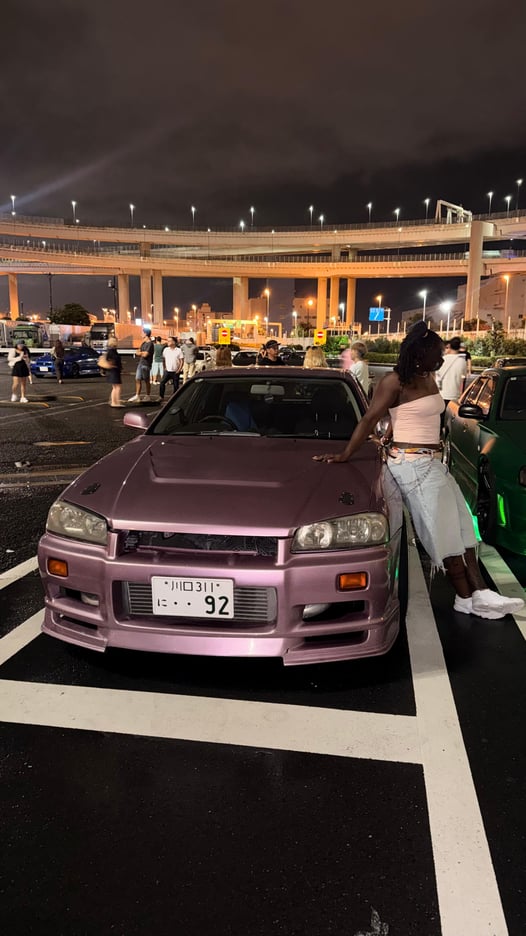
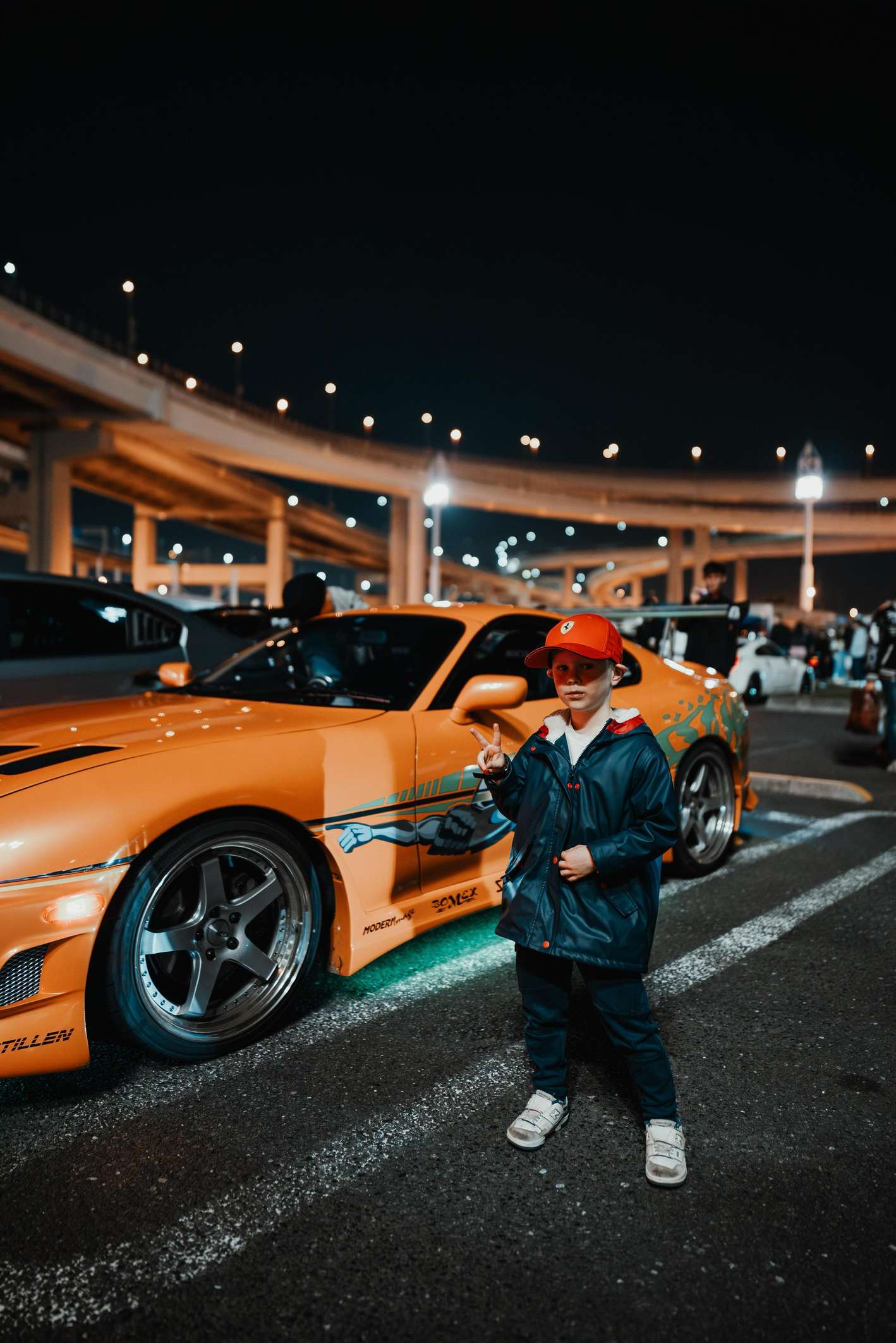
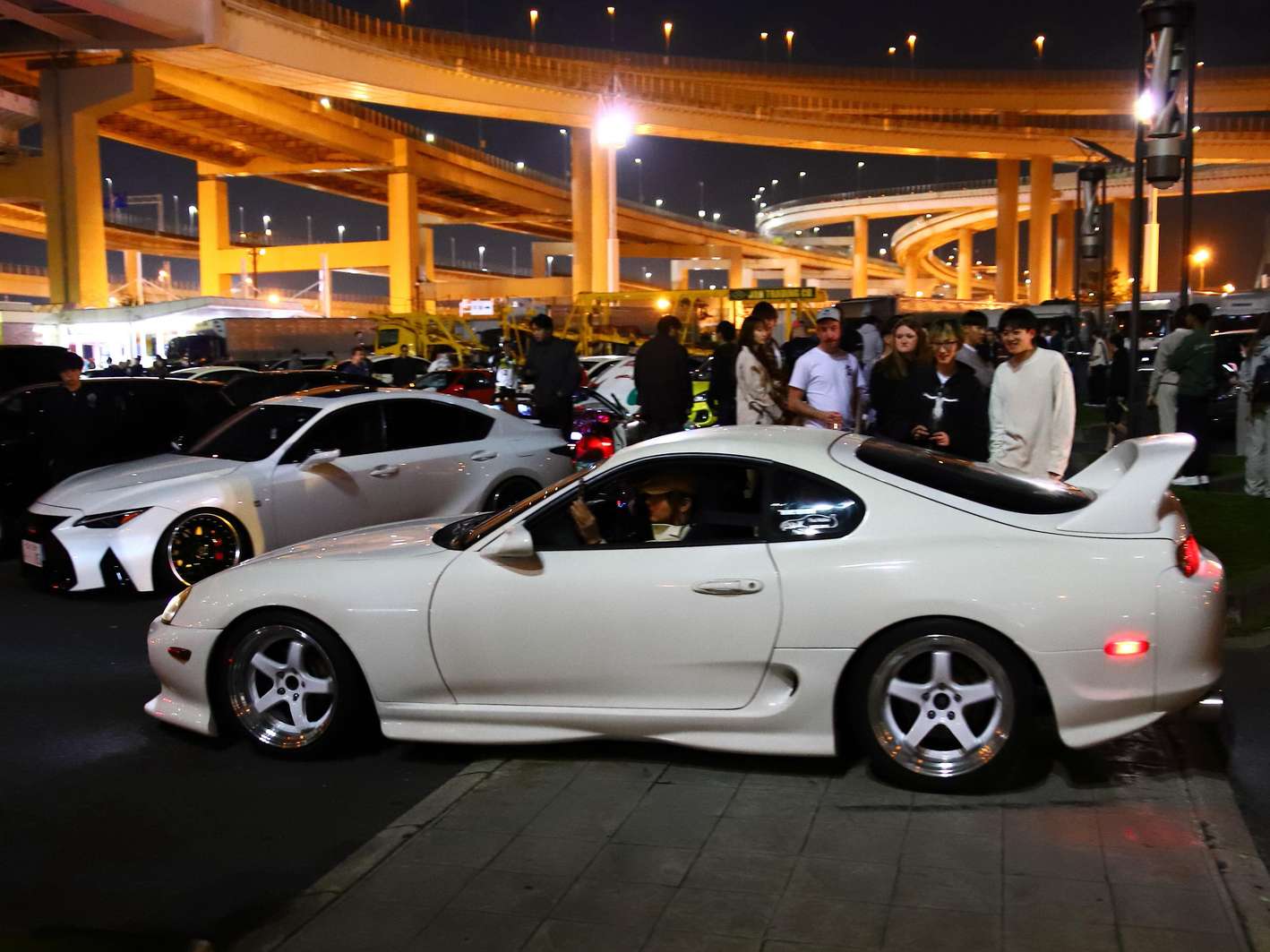
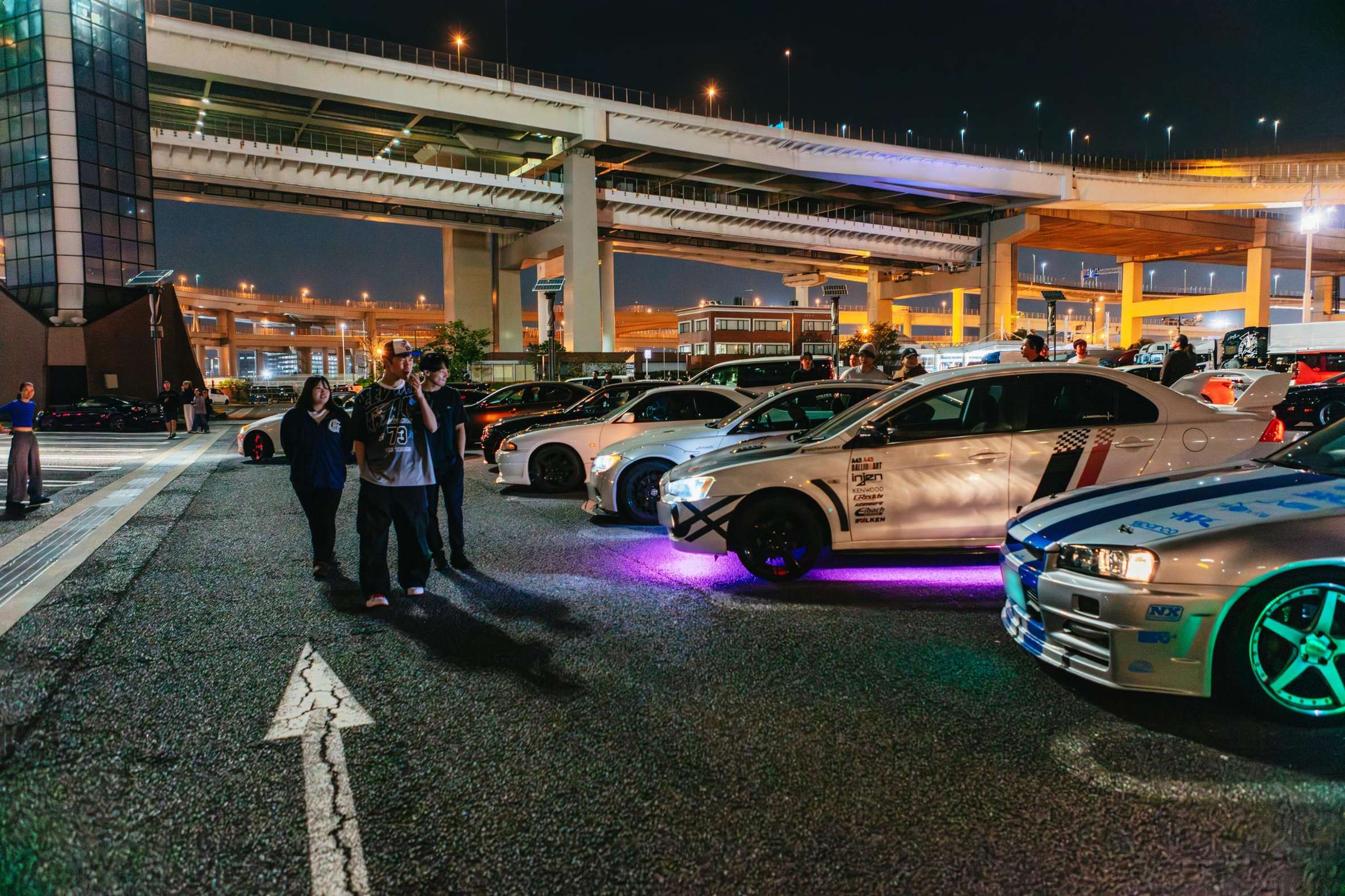
And the setting photographs itself. The parking area sits inside the Daikoku Junction, wrapped by the spiraling ramps of the interchange, so a shot of any car against those concrete curves looks like a poster.
How the evening unfolds
1
Early pickup
Meet at a central hub or get hotel collection, confirmed by message on the day
Details and vehicle description arrive over WhatsApp or email
2
Expressway run
Cross the Rainbow Bridge and head down the Bayshore Route toward Yokohama
Views are on the move through the windows
3
About an hour at Daikoku PA
Walk the car rows while the guide explains builds and introduces owners
Free time to talk with car owners, translation help on hand
4
Photo stops
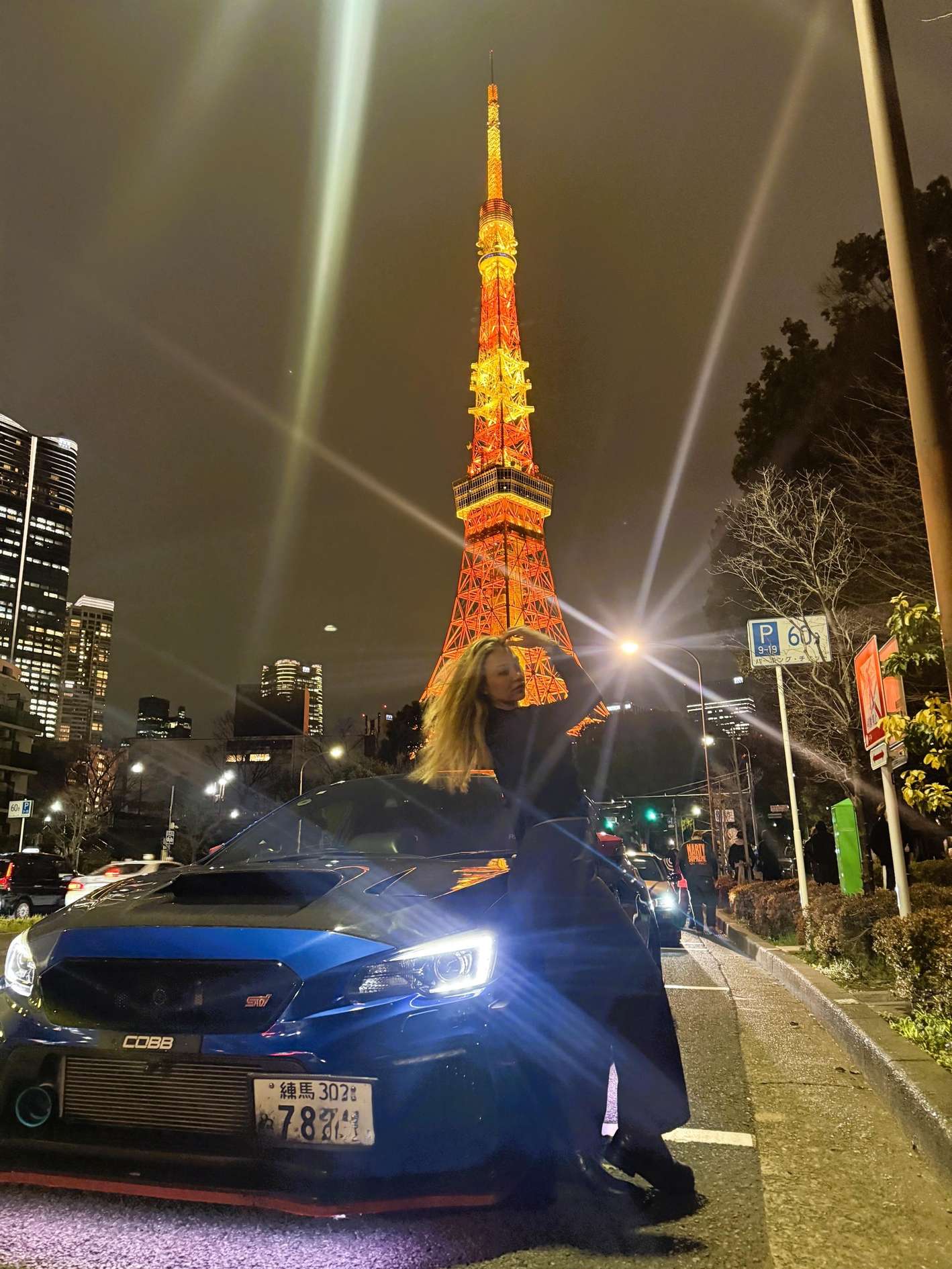
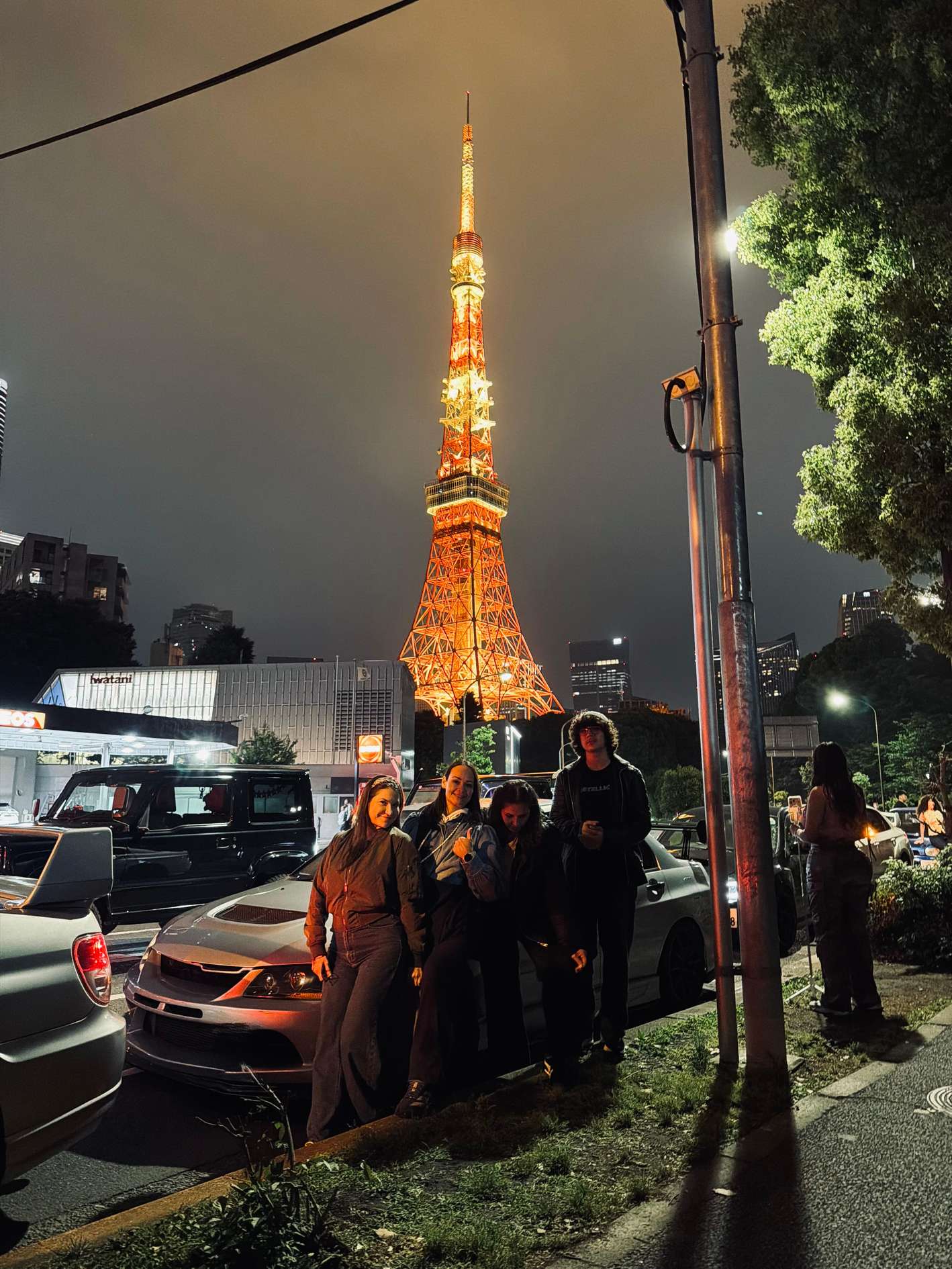
Tokyo Tower, Shibuya Crossing, or the spiral ramps behind the lot
Convoy tours switch cars at stops for variety
5
The run back
Return to central Tokyo, or hotel drop-off on midnight plans
Standard tours get you back for the last trains
Two things to watch on that timeline: the lot hour is the part people remember, so a package that shortens it to fit extra stops is trading away the main event. And the photo stops are where the guide earns the fare twice.
Tour for this
【R34】Daikoku PA Private Tour, Tokyo JDM Night Experience4.9★ (189) · 3 hours · Hotel pickup · Free cancellation
The meet runs every night of the year, but it is not the same meet. Friday and Saturday evenings between 6 pm and 8:30 pm draw the heaviest turnout of modified cars, and Saturday adds exotics and custom builds on top of the JDM icons.
That crowd is also why police close the entrance ramps on weekend nights, sometimes as early as 7:30 pm, when the lot overfills and the noise complaints stack up.
Weeknights flip the trade-off. Tuesday and Wednesday bring a smaller, steadier gathering where you can inspect cars and talk to owners without a crowd, and the risk of a police shutdown drops close to zero.
Sunday evenings hold a solid middle ground from about 5:30 to 7:30 pm, and Sunday mornings run 8:00 to 11:30 in daylight with vintage classics and minimal police interest.
Sat: the busiest. Peak turnout from 6 pm, with frequent closures by 8:30 pm.
Bar height: how busy each day is, from very quiet to the busiestThe busiest: Sat
Tap a day to read it.
What the weekday rows mean in practice: if talking to owners outranks spectacle for you, a Tuesday or Wednesday departure gives you nearly the same cars with none of the closure lottery.
The calendar adds a second layer. Spring and autumn are the seasons when everything, meets and bookings alike, is at its fullest, while deep winter and late summer run quieter. Skimming the month ahead of your trip tells you whether to book early or risk waiting.
How busy it gets, month by month
April: 5 out of 5 for how busy it gets.
HighestMar to May, Nov
In betweenJan, Jun to Jul
LowestFeb, Aug to Oct, Dec
Darker: a higher how busy it gets score, out of 5
Tap a month to read it.
Read the months against the weekdays together: a spring Saturday needs the earliest booking and the earliest departure, while a February Tuesday is the easiest night of the calendar to arrange.
Departure time does the rest. Weekend tours leave between 4:30 pm and 5 pm to beat both the highway rush and the ramp closures, arriving with an hour or two of viewing banked.
Weekday departures around 7:30 pm skip the traffic and still catch peak turnout. One warning that holds across the calendar: Saturday nights in Golden Week and Obon weeks draw the year's biggest crowds, and experienced guides avoid them.
Tour for this
Tokyo Drift: Daikoku PA Supreme Car Experience 大黒PA4.7★ (484) · 3 hours · Free cancellation
Shared seats come with a reality check. Shared sports car tours cap at three riders per car, while some shared plans run three to four guests with a bigger vehicle, so the two listings next to each other may mean different cabins.
The rear benches of a Skyline or a GT-R are a 2+2 squeeze at best, better suited to children or luggage than two adults on a three-hour run.
Groups of three or more in a shared booking may be split across cars, and on a shared GT-R riders rotate the front passenger seat.
The other check is the car itself. Some operators assign vehicles from the fleet by availability, with no specific model guaranteed, and one budget listing put only its R34 Skyline in the JDM column.
If a specific hero car decides your booking, message the operator before paying, because the substitution can otherwise happen at the curb.
Driver quality varies inside the same fleet too. Some Japanese drivers speak basic English, enough for the tour but not a long conversation, so a shared booking with an English-speaking guide does a different job than a silent transfer.
For a small group of friends, a private charter splits the cost, plays your music, and keeps the whole cabin yours.
What to check before booking
Check
Why it matters
Our pick
Specific car guaranteed?
Some operators assign by fleet availability, and one listing's only JDM car was the R34
Tokyo: Fast & Furious Daikoku JDM Night Tour runs a mixed JDM fleet with the guide narrating, and says exactly which cars it is
Driver as guide or silent transfer?
Commentary quality varies across a fleet; shared bookings differ most here
English-speaking car guide for the entire tour, with commentary on culture and meet etiquette
Rear seats for your group?
Coupe back seats are tight for adults, and groups of three may split cars
Shared JDM Sports Car option seats three or four with the group mixed freely
Tolls, fuel and pickup included?
Excluded costs add up on self-drive; included ones simplify the night
Tour includes photo stops at Rainbow Bridge and Tokyo Tower plus free time at the lot
Run your own group down those four rows before comparing anything else, because the answers decide whether two packages at similar prices are the same night at all.
Tour for this
Tokyo: Fast & Furious JDM Night Tour to Daikoku PA4.9★ (23) · 3 hours · Hotel pickup · Free cancellation
How you get to Daikoku, and why a tour does it best
The island does not negotiate. Daikoku Parking Area sits inside the Shuto Expressway network, reachable only by vehicle from the Bayshore Route or the Kanagawa Route 5 Daikoku Line, fenced off from the city streets below.
No train, no bus, no walking in: the buses reach only Daikoku Wharf, and stepping onto the expressway on foot is illegal and monitored.
Taxis complicate it further. A cab can drive you in, but there is no taxi stand inside, and drivers rarely accept pickups from a highway rest area. Ride-hailing apps struggle too, and cannot reach inside during a police shutdown.
The one reliable trick is setting the pickup pin at the on-site Lawson and waiting for a drop-off cab, and even that is a gamble after dark.
The money makes the same argument. A metered taxi from central Tokyo plus expressway tolls each way costs more than most shared tour seats, before you face the return problem. Hailing from near Yokohama's Tsurumi station cuts the fare sharply.
Which is the point of a package: the round trip is someone else's problem, and the driver is on the clock until you are back.
How hard each way of getting there is
Guided tour packageRound trip included, tolls covered, rerouting handled if police close the lot
Easy
Taxi or ride-hailing one wayGetting in is possible, getting back is unreliable and no taxi stand exists
Difficult
Self-drive rentalPermits, ETC tolls and the Daikoku Futo loop all on you
Difficult
Train, bus or on footNo transit reaches the island and pedestrian entry is illegal
No access
Only one row of that grid ends the evening the way it started, with you in control of the ride home. The Tokyo Drift: Daikoku PA Supreme Car Experience 大黒PA handles exactly this, with round-trip transport from Tokyo, free time among the owners, and photographs of you at the meet on request.
Tour for this
Tokyo Drift JDM Daikoku Car Meet Tour: GT-R, Silvia & Chaser4.9★ (171) · 3 hours · Hotel pickup · Free cancellation
What to wear, what to bring, what to eat while you're there
Daikoku is an open-air deck over Yokohama Bay, and the wind is the part nobody warns you about. Winter nights drop to a few degrees above freezing with sea air cutting through everything, so a heavy coat, thermal layers and gloves are not optional.
Spring and autumn nights sit somewhere in the low teens, warm enough for layers and a windbreaker. Summer stays humid and mild, breathable clothes, but the deck stays breezy.
Flat walking shoes matter year-round, because you will spend most of your hour at the meet on foot, working the car rows on tarmac.
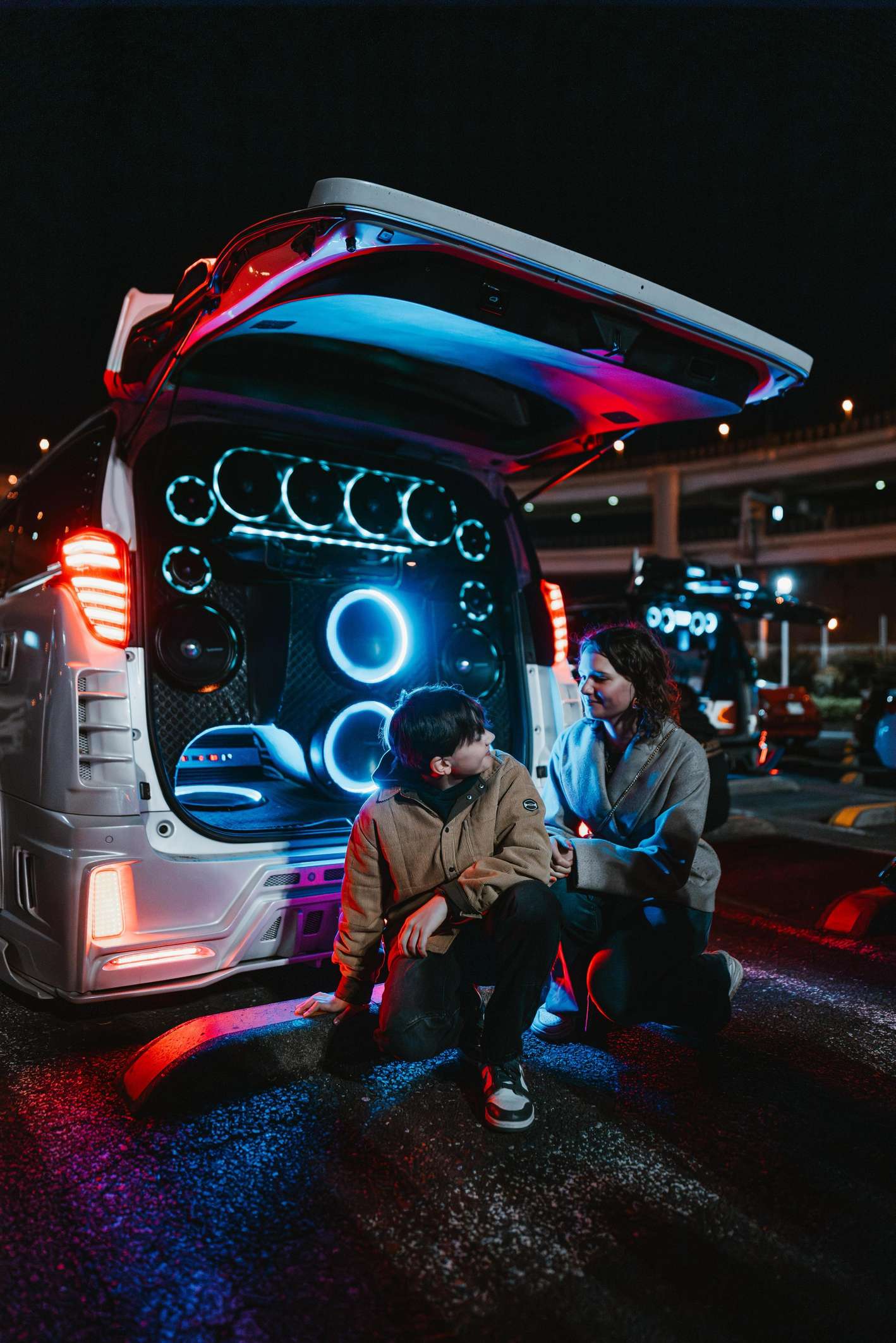
Bring your original passport, the one document tours ask every foreign visitor to carry, and cash in yen for the vending machines and the shop. Foam earplugs are worth packing: sound van audio battles at the meet reach volumes that genuinely hurt, and a lot of revving happens at close range.
Food sorts itself out. The restaurant and food stands close at 9 pm, and after that the 24-hour Lawson is the only kitchen on the island, which means late arrivals eat fried chicken, rice balls and the AE86-branded snacks the store keeps stocked. Vending machines pour hot coffee around the clock.
What to bring and wear for Daikoku PA night tours
Dec to FebNight temperatures drop to 1-4°C on the open parking deck. Wear a heavy insulated winter coat, warm layers, and gloves.
Mar to MayNights range from 6°C to 15°C with ocean breezes across Yokohama Bay. Dress in comfortable layers and bring a medium jacket or fleece.
Jun to AugWarm and humid with nighttime lows of 20-25°C. Wear light, breathable clothes and comfortable walking shoes for the outdoor parking bays.
Sep to NovEvening temperatures drop from 22°C down to 10°C by late autumn. Bring a windbreaker or light jacket as the open bay lot gets breezy.
Cash in Japanese yen
PassportNo driver's license is needed for passenger ride-alongs, but foreign visitors in Japan must carry their original passport as photo ID.
Comfortable walking shoesTour operators require flat walking shoes as you spend 45 to 60 minutes on foot exploring the expansive tarmac lots and car meet rows.
Who can ride - ages, sizes and the one rule that can stop you
No license, no permit and no driving history are needed, because every guest rides with an arranged professional driver. That is the easy half.
The fine print is about fit. Japanese law requires an appropriate child seat for any child under six, and several tours set their own age floors, excluding everyone below a cutoff ranging from under three to under twelve.
One operator takes booster-seat children aged five to seven if parents contact them first, and minors on another fleet ride only with a legal guardian. Not every child seat fits every car, which is worth confirming before booking rather than at the curb.
Bucket seats and low ride heights set physical limits. One tour excludes passengers over about 200 centimeters tall or 100 kilograms, and another asks anyone over 1.90 meters or 90 kilograms to confirm seating in advance.
The rule that appears on most JDM tours: passengers must be able to get into the low sports car, sit comfortably, and get out without help.
The fact that can stop the visit
Modified JDM sports cars are not suitable for wheelchair users, and several tours also bar passengers over about 200 cm or 100 kg Check height, weight and mobility against the specific tour's limits before booking, not at pickup. Operators may refuse a passenger who cannot be seated safely.
Seatbelts are the law for every passenger in every seat, and large suitcases have no place in a coupe cabin. Pack small.
Tour for this
Tokyo: JDM Night Run in EVO, WRX & Skyline to Daikoku4.9★ (1,056) · 3 - 4 hours · Hotel pickup · Free cancellation
What if police close Daikoku or the weather turns?
Closures are real and handled, which is the whole reassurance. When the lot overfills on a weekend night, police announce a dispersal over loudspeakers, parked cars file out onto the expressway, and the entry ramps shut until around 2 am.
Tours arriving at a closed gate do not go home, because the guide has a plan B.
Guided car meet tours redirect to the rest of the expressway network instead. Umihotaru PA, the ship-shaped rest stop in the middle of Tokyo Bay, is the first choice and fills with drivers migrating over after early weekend closures at Daikoku.
Tatsumi PA along the Bayshore Route takes the overflow, and the A-PIT Autobacs store in Shinonome covers the indoor fallback. Some operators simply offer a full refund when Daikoku is closed by the authorities, with the choice of the alternate stop left to you.
Weather follows the same pattern in softer form. Ordinary rain runs as scheduled and thins the turnout, with the exotics staying home while the regulars still roll in. Typhoons and expressway closures bring advance contact, a reschedule, a reroute or a refund.
One closure no operator can fix: arrive late at a central meeting point and the tour waits at most five minutes, after which latecomers may forfeit the booking.
What happens when the plan changes
If this happens
What happens then
Police close Daikoku before you arrive
Most tours divert to Umihotaru PA, Tatsumi PA or A-PIT Autobacs; some offer a full refund instead
Ordinary rain on the night
Tours run as scheduled with a smaller crowd, and guides provide umbrellas
Typhoon or expressway closure
The operator contacts you in advance to adjust the route, reschedule or issue a full refund
Late arrival at the meeting point
Tours wait a maximum of five minutes, and late arrivals may forfeit the booking
Featured car breaks down
Operators may offer a full refund or an alternative date rather than substitute silently
Tour for this
Tokyo: JDM Night Drive to Daikoku PA in Skyline R34 or Evo X4.9★ (186) · 3 - 4 hours · Free cancellation
Driving yourself - rentals, permits and the toll-gate gauntlet
Everything a passenger tour removes, self-driving adds. The International Driving Permit has to be arranged in your home country before departure, and drivers from Belgium, France, Germany, Monaco, Switzerland and Taiwan need an official Japanese translation of their license instead, ordered through the Japan Automobile Federation or a consulate.
The car is the bigger bill. A specialist JDM rental such as an R34 GT-R runs steep nightly rates and books out two to six months ahead for spring and autumn, while a standard rental covers an ordinary day's driving for a fraction of that.
Show your passport at pickup, return the car with a full tank, and remember that rental branches close overnight and reopen at 8 am, so a one-night rental quietly includes city parking.
Then the expressway. Without an ETC card you pay cash or card at the general lanes, and stumbling into an ETC-only gate means waiting for the intercom.
The Daikoku Futo approach is a long circular off-ramp, exits sit on both sides of the road, and navigation apps lose position in tunnels. Most drivers adapt to right-hand traffic within an hour. Under Japanese law, no one under 18 drives an expressway at all.
What nobody tells you
Exits on the Shuto Expressway sit on both sides of the road
Miss one and the next correction can cost kilometers
Navigation apps lose signal in tunnels and over surface streets
The elevated network runs above and below the city grid
Rental branches do not reopen until 8 am
A one-night rental means paying overnight hotel parking in central Tokyo
Jet lag plus an unfamiliar highway is its own hazard
Book the self-drive day for later in the trip, not landing day
Driving yourself
Rent a car in TokyoCompare cars from the rental companies in one search, then pick yours.
More car culture around Tokyo and Yokohama to fill your days
The night meet is only half the scene, and the daytime half is where late-night tours cannot take you.
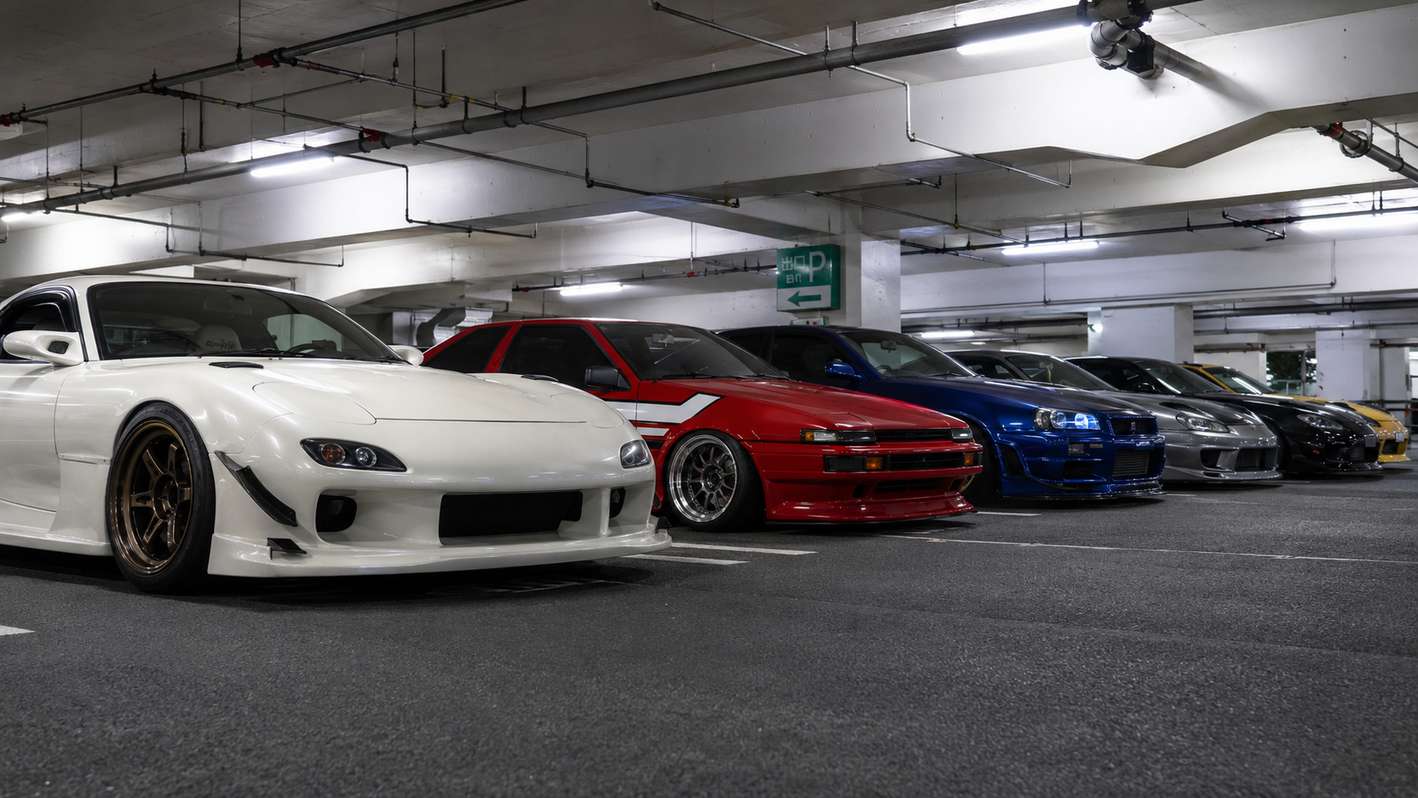
A-PIT Super Autobacs in Shinonome doubles as both: browse parts and JDM merch at the rail-accessible store by day, and weekend mornings bring community meets and tuner fairs to its own lot. But the store closes at 9 pm, which is why tours departing later skip it entirely.
Yokohama holds the heritage. The Nissan Engine Museum runs in the old factory halls, the Nissan Global Headquarters Gallery closes at 6 pm on weekdays, and the NISMO Omori Factory showroom opens Saturdays and Sundays from 10:00 to 5:00 only.
Collector showrooms like Garage Current and Bingo Sports sit in Tokyo, and Liberty Walk Tokyo appears on several tour routes.
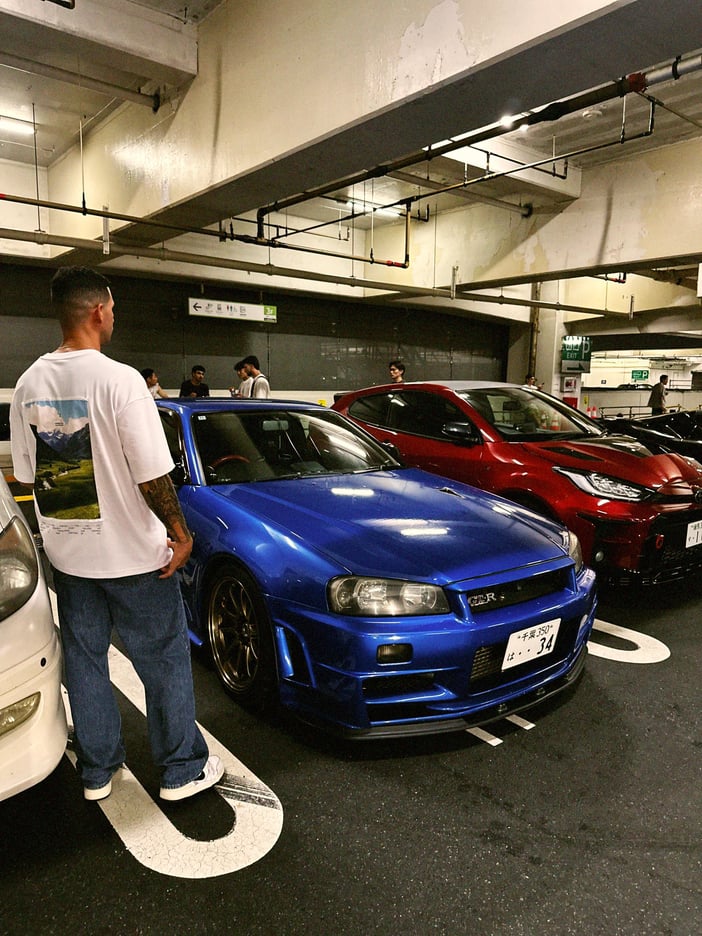
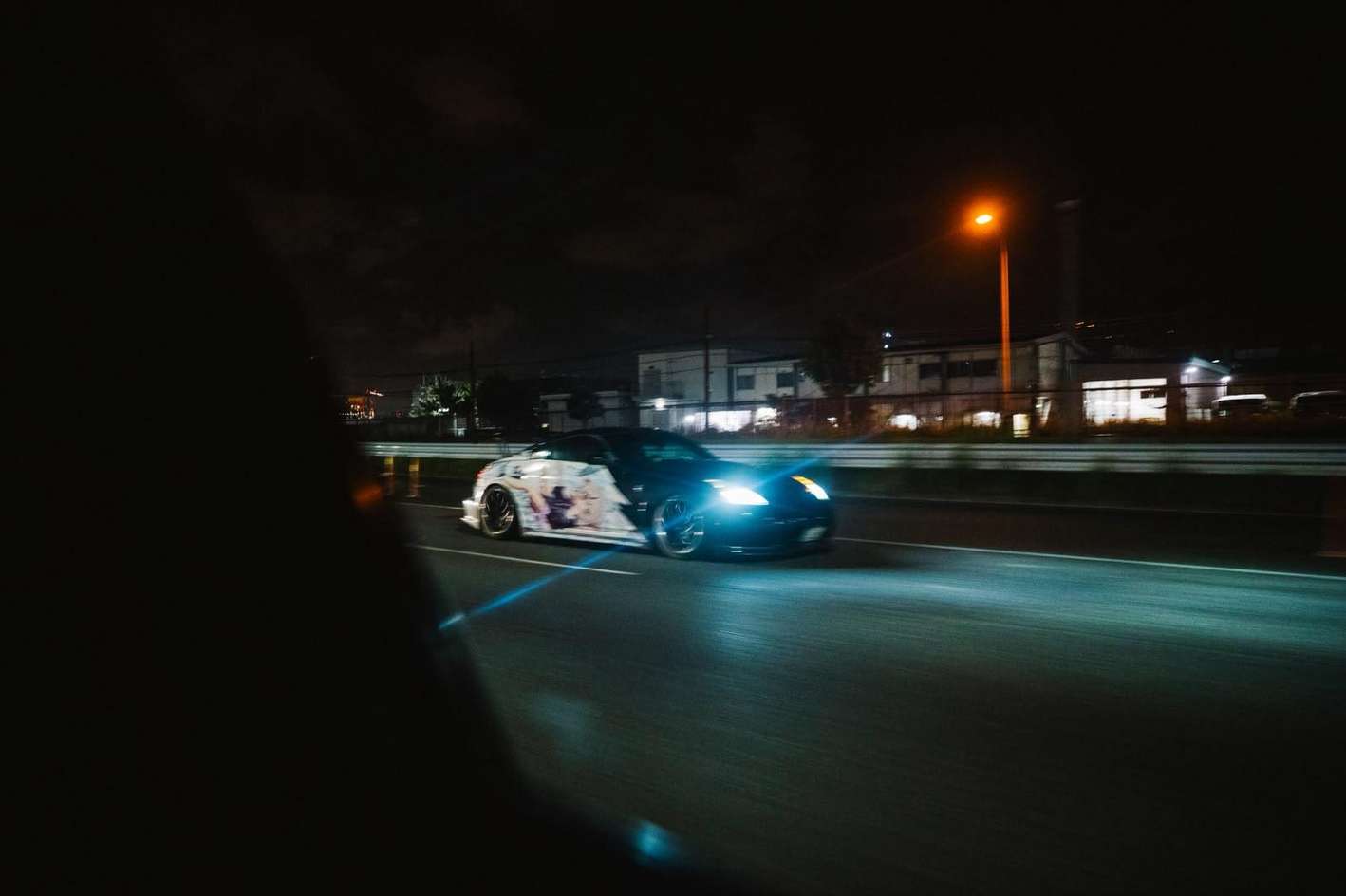
Rainy evenings have their own venue. The Akihabara UDX underground garage runs around the clock, lets pedestrians in free to walk in and look, and fills with modified cars and anime-wrapped itasha on Friday and Saturday nights from 7 pm, thickest on level B2F.
And Umihotaru earns its own visit. Meets there run Friday and Saturday from around 8 pm, peaking near 10 pm as Daikoku refugees arrive, with a fifth-floor observation deck over open water.
The night ends the way it should end: with a plan for the ride home. Standard evening tours return between 10 pm and 11:30 pm, which puts you back in time for the final Tokyo Metro and JR runs before service stops around midnight to half past.
Midnight runs flip the schedule, departing late and returning between half past midnight and 2:30 am, finishing inside the overnight rail shutdown, which is why they finish with hotel drop-off instead of a station.
The math is unforgiving. Tokyo has no night trains. Once the last connections pass, a taxi is the only way home, and a cross-city cab after 2 am is the most expensive ten minutes of the trip. Check a tour's return window before booking, not after the last train leaves without you.
One last seating note for the ride back: vintage coupe rear seats stay just as cramped at midnight as they were on the way out, so the passenger who draws the front seat on the outbound run and the return run will notice. Rotating fairly is a real thing shared groups negotiate.
Everything else is arranged. Pickup confirmed by message, tolls covered, the alternate stop ready if the lot closes early, and the driver knows the way home.
Tour return times compared to Tokyo midnight transit cutoffs
Late evening Peak10 pm to 11:30 pm
Standard evening tours return before last trains depart.
Midnight cutoff11:30 pm to 12:30 am
Lines begin final runs and connections close down.
Small hours12:30 am to 2:30 am
Midnight runs finish while all train service is halted.
QuietBusyThe busiest
The comparison the widget draws is the booking decision in one glance: a standard departure buys you the last trains, and a midnight departure buys the lot at its rawest, with the hotel drop-off covering what the trains no longer can.
Tour for this
Tokyo JDM Night Tour Daikoku PA Car Meet Speed Highway Run4.9★ (279) · 3.5 - 4 hours · Hotel pickup · Free cancellation
A Daikoku package is the only sensible way onto the island, and the tiers are a menu rather than a mystery: shared van, shared sports car, private charter.
Pick a weeknight for calm conversations with owners or a weekend early departure for the full spectacle, confirm the car and the return time before paying, and the whole evening runs itself.
Go ifYou want the full weekend crowd and book a 4:30 pm departure to beat the closuresYour group of three can split one private car instead of three shared seatsYou are happy as a passenger with no license, just a passport in your pocket
Skip ifYou need step-free access into a low bucket-seat sports carYou will not commit to a pickup time and want to arrive whenever you likeYou want a guaranteed specific hero car from a fleet that assigns by availability
Our pick to book
Tokyo: Fast & Furious Tokyo Drift III Experience4.8★ (6,369) · 3 - 4 hours · Free cancellation
Quick answers to what people ask before booking a guided Daikoku car meet package.
Yokohama2026
The spiral ramps wrapping the lot look unreal in photos. Police close the gates early on weekend nights, so a late-afternoon departure buys you the full hour.
What is a Daikoku tour?
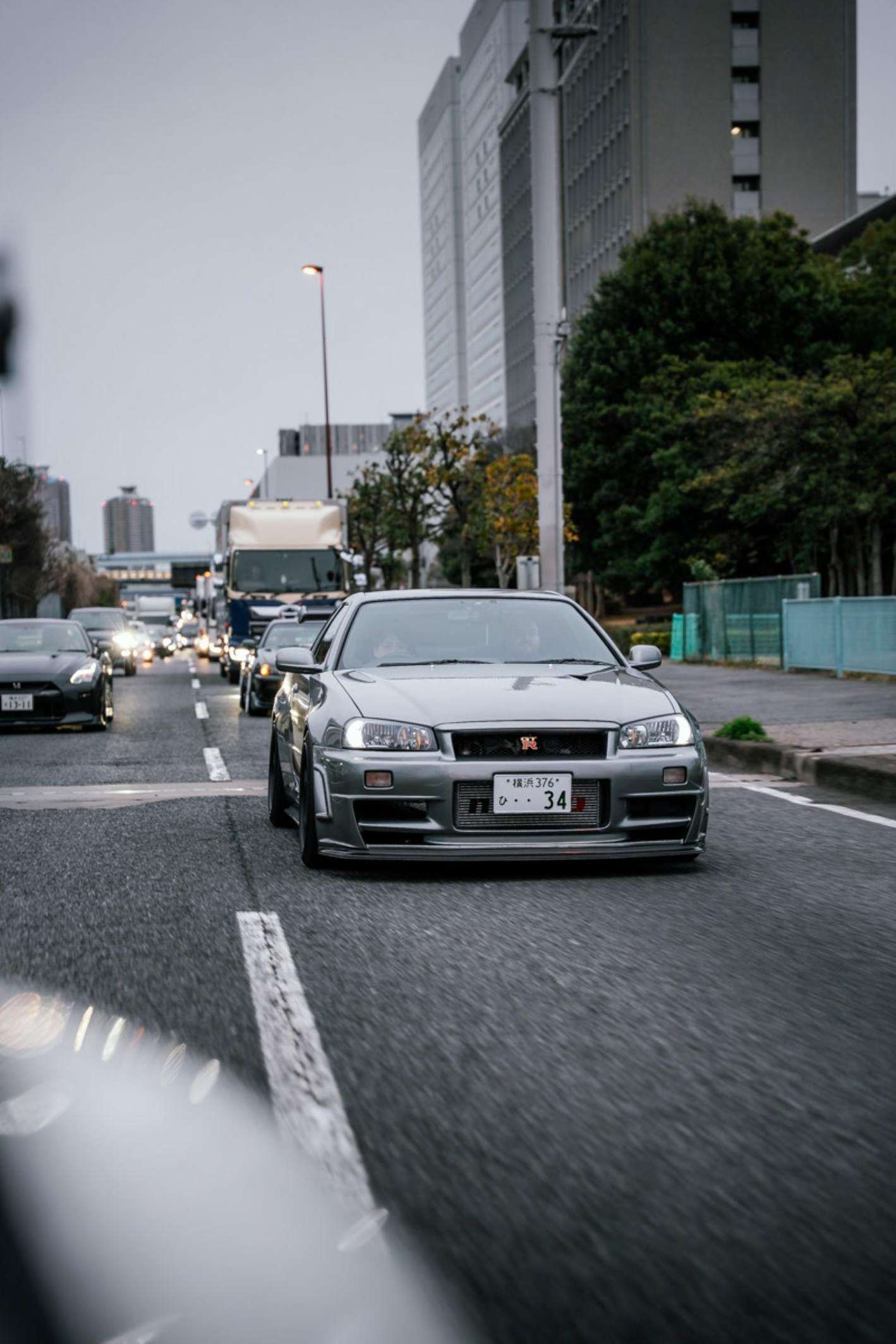
It is a guided passenger experience centered on the Daikoku Parking Area car meet. You ride in a modified JDM sports car driven by a local enthusiast, cruise Tokyo expressways like the Wangan Route and C1 Loop, and often stop at Tokyo Tower or an Autobacs store along the way.
How much is a Daikoku tour in Japan?
There is no admission fee to Daikoku PA itself, so the price mainly covers transport. Cheapest seats are in vans or shuttles; rides in modified sports cars cost more, and weekend nights command peak rates. For a group of three, a private vehicle can work out cheaper per person than shared seats.
Do Daikoku tour packages include tolls, fuel, and pickup, or are they extra?
Most packages on this page include fuel, expressway tolls, and parking, and several offer hotel pickup in central Tokyo. Check the inclusion list on each tour card before you book so nothing shows up as a surprise charge.
Can I get to Daikoku PA without booking a tour?
Not really. The parking area sits on an expressway island with no train, no bus, and no pedestrian access, and walking in is illegal. A taxi can drive you there, but with no taxi stand inside, catching one back is generally impossible.
Can I just grab an Uber or taxi home from Daikoku PA?
You should not count on it. Ride-hailing apps rarely accept pickups from highway rest stops, and the GO app cannot request a taxi inside a parking area at all.
Some visitors wait for cabs dropping others off and pin the Lawson store as a pickup point, though it is a long shot. A booked tour solves this with a round trip.
What happens if police close Daikoku PA while my tour is there?
Guides redirect to other gathering spots, usually Umihotaru PA across Tokyo Bay or Tatsumi PA on the Shuto Expressway. Some operators also reroute to Tokyo Tower, the Rainbow Bridge, or A-PIT Autobacs in Shinonome. One tour operator lets guests choose a full refund instead of the alternative stop.
Will I ride in a real JDM sports car or a commuter van?
It depends on the package, so read the car list. Some packages guarantee icons like the Skyline R34, EVO, or WRX STI; others assign vehicles from the fleet at random or by availability, meaning no specific model is guaranteed. The cheapest seats are typically in a van.
How long does a Daikoku car meet tour take?
A typical round trip from central Tokyo takes 3 to 4 hours, with most groups spending about an hour parked at Daikoku PA itself. Extended multi-stop itineraries can run up to 5 hours.
Do I need an International Driving Permit or a driver's license?
No. All guests ride as passengers with a professional or enthusiast driver, so no permit or license is needed for a guided ride-along tour.
Do guides explain the cars, or is it just a transfer?
Guides walk you through the rows, point out models and modifications, and explain meet etiquette. Many drivers are enthusiasts who help you talk with local owners, and translation apps such as Google Translate work well for conversations at the parking area.
Is there food at Daikoku PA on late night tours?
Yes. The on-site Lawson convenience store runs 24 hours, and vending machines dispense coffee, energy drinks, and Japanese soft drinks around the clock. After 9 pm the Lawson is the only open food outlet, serving rice balls, sandwiches, and hot snacks.
Are Daikoku tours suitable for children or tall passengers?
Rules vary by tour. Japanese law requires child seats for children under six, and several tours set minimum ages or need advance notice for booster seats.
Rear seats in classic coupes are cramped, and one operator asks anyone over 1.90 m or 90 kg to check seating before booking, so read the fine print if this applies.
 Your best match